Article

A Rapid Self-Alignment Strategy for a Launch Vehicle on an Offshore Launching Platform

1
School of Astronautics, Harbin Institute of Technology, Harbin 150001, China
2
Institute of Modern Optics, Nankai University, Tianjin 300350, China
*
Author to whom correspondence should be addressed.
Sensors 2023, 23(1), 339; https://doi.org/10.3390/s23010339
Submission received: 3 November 2022 / Revised: 23 December 2022 / Accepted: 24 December 2022 / Published: 28 December 2022

Abstract

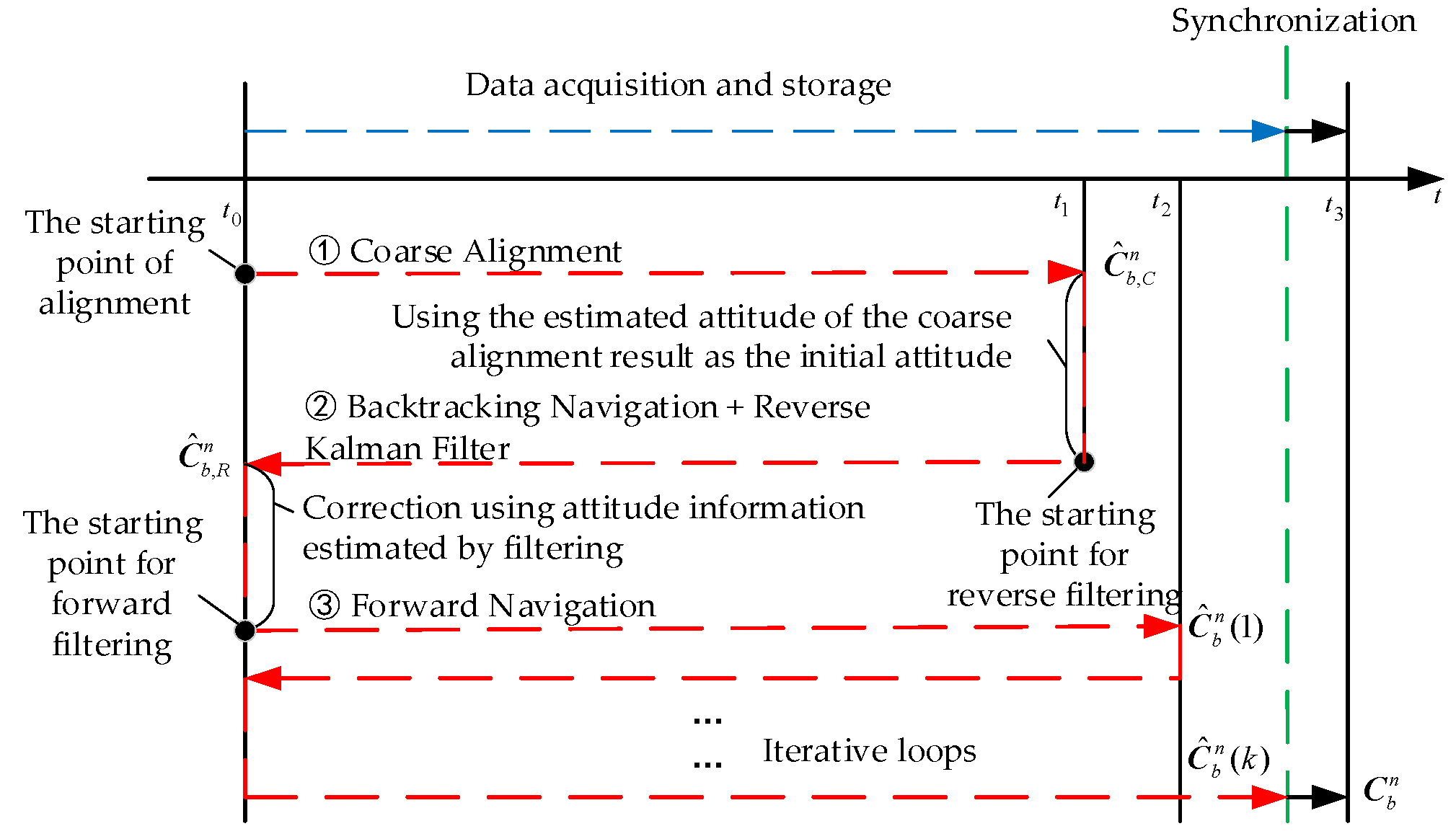
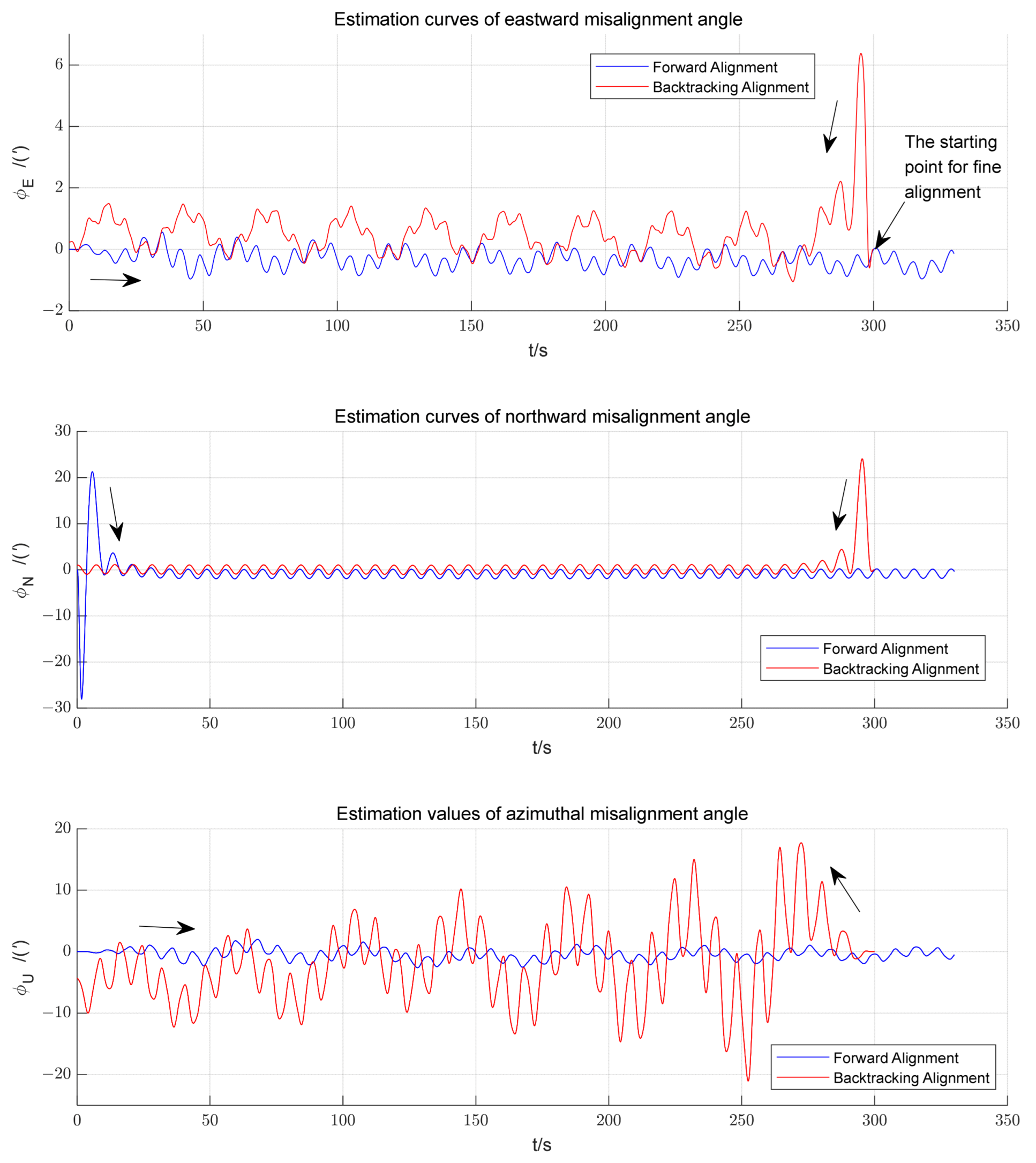
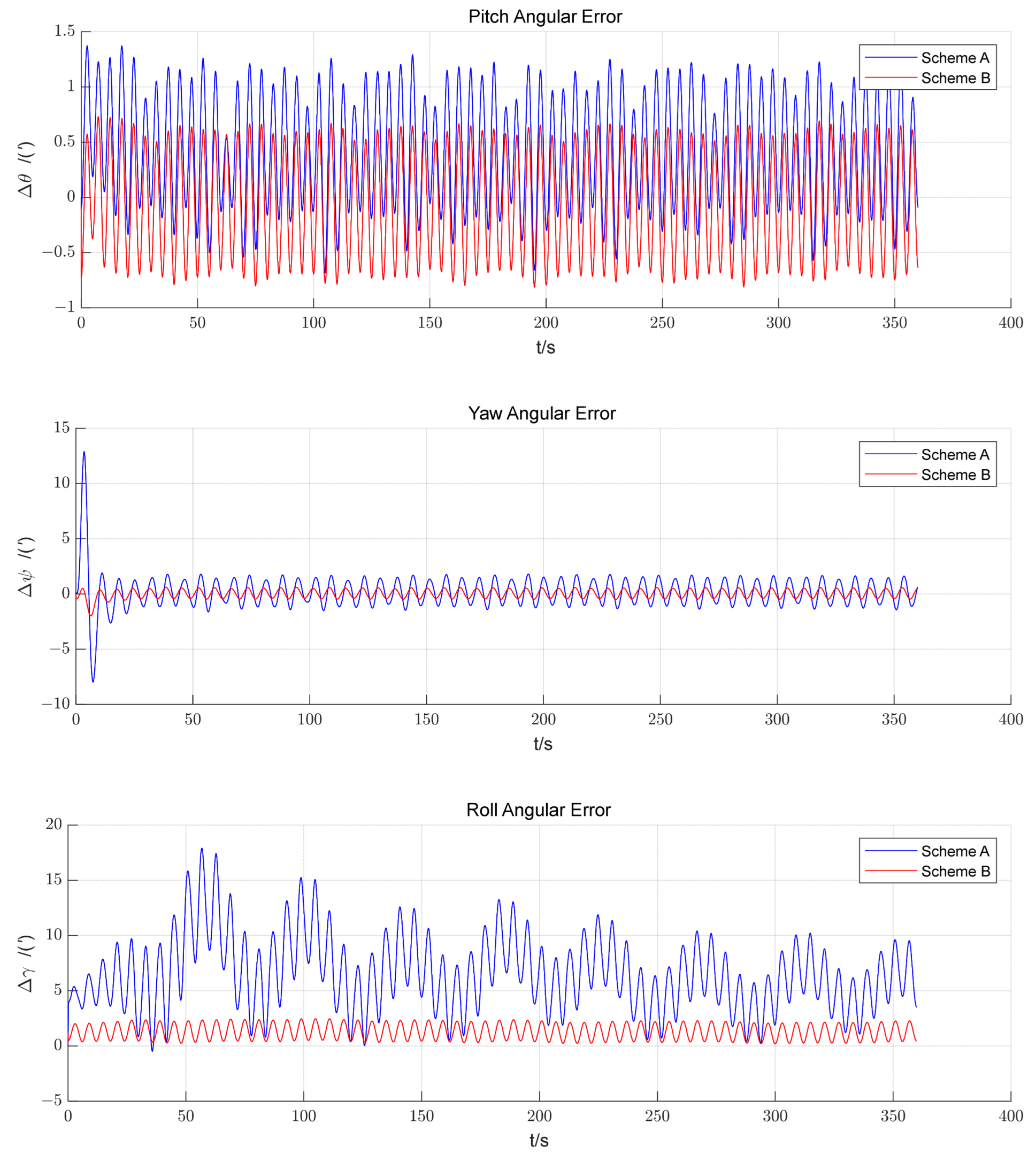
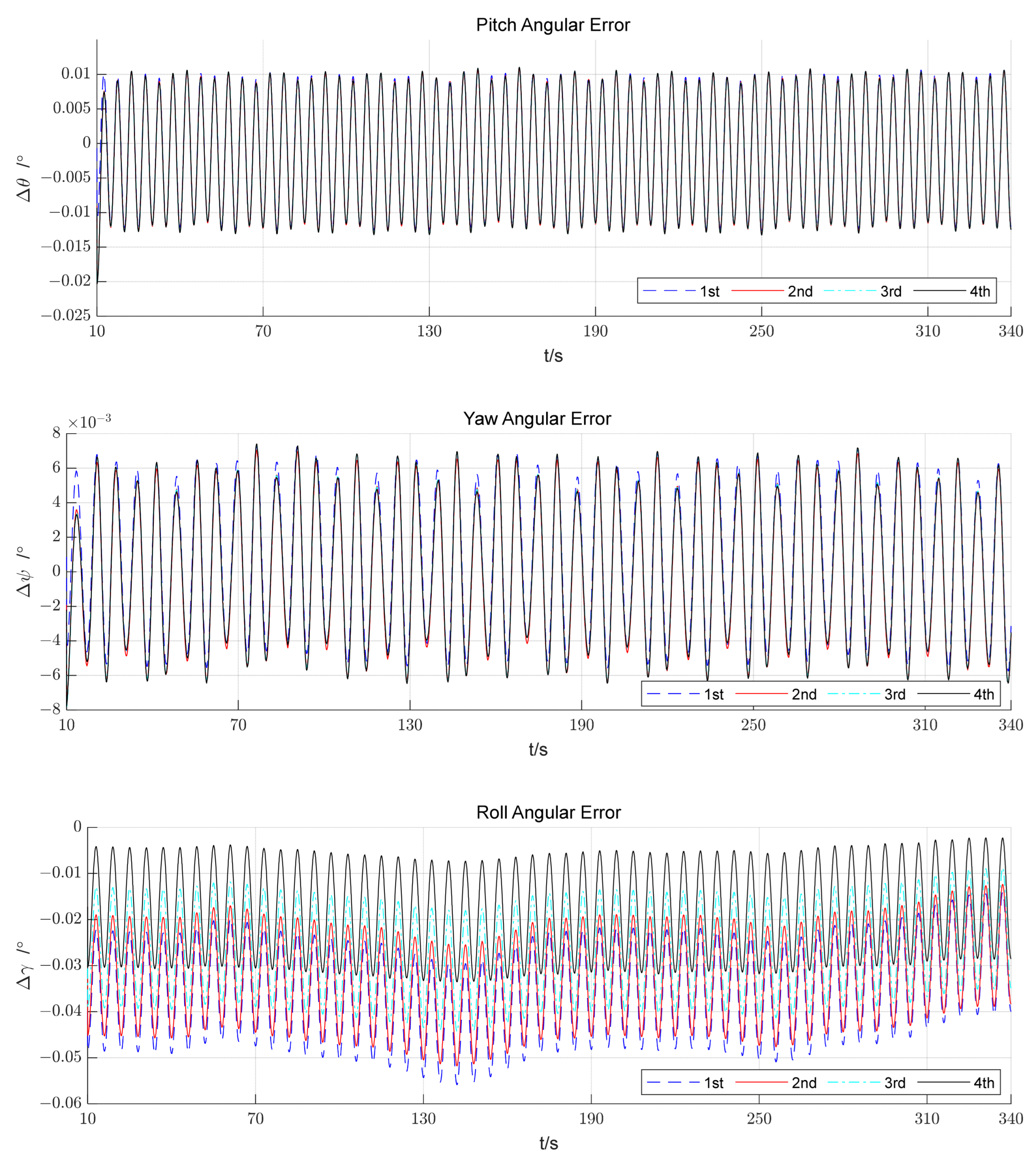
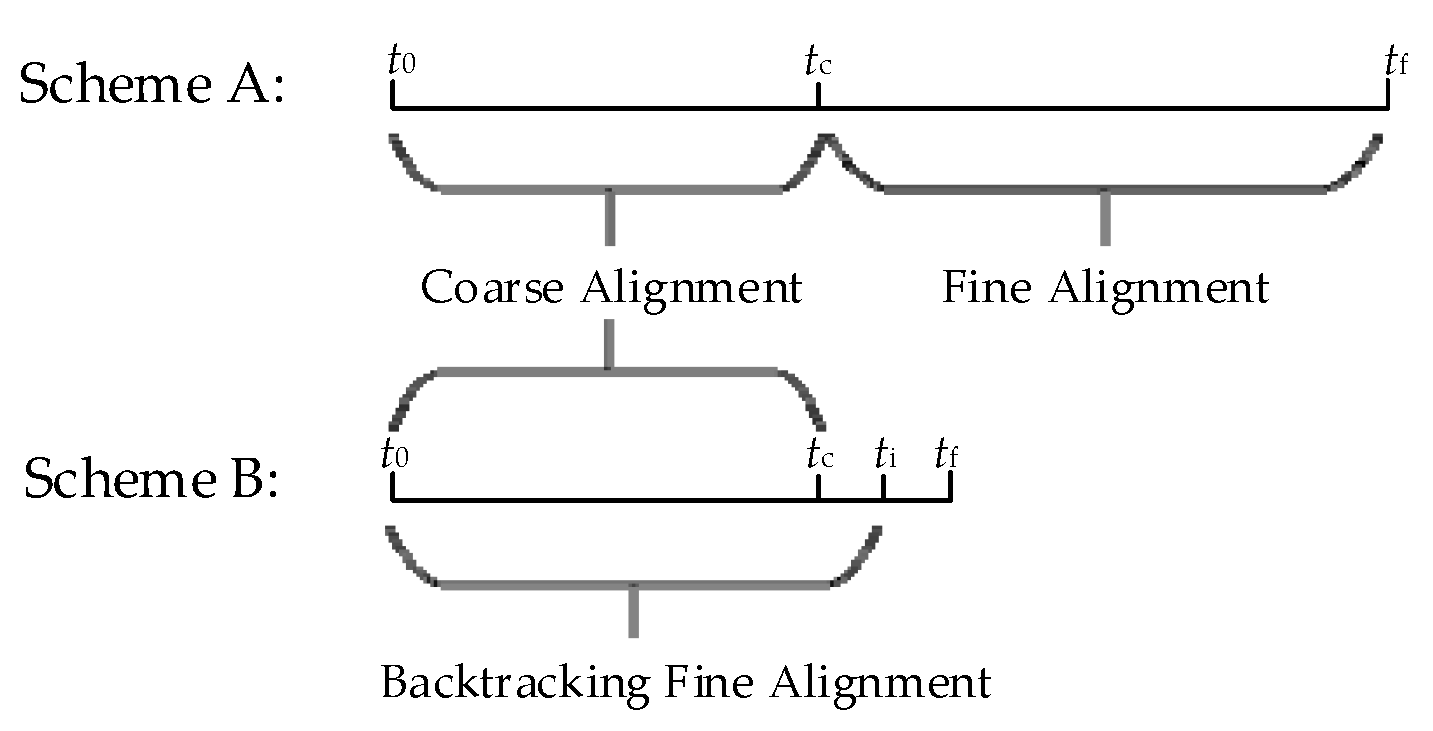
To reduce the impact of offshore launching platform motion and swaying on the self-alignment accuracy of a launch vehicle, a rapid self-alignment strategy, which involves an optimal combination of anti-swaying coarse alignment (ASCA), backtracking navigation, and reverse Kalman filtering is proposed. During the entire alignment process, the data provided by the strapdown inertial navigation system (SINS) are stored and then applied to forward and backtrack self-alignment. This work elaborates the basic principles of coarse alignment and then analyzes the influence of ASCA time on alignment accuracy. An error model was built for the reverse fine alignment system. The coarse alignment was carried out based on the above work, then the state of the alignment system was retraced using the reverse inertial navigation solution and reverse Kalman filtering with the proposed strategy. A cycle-index control function was designed to approximate strict backtracking navigation. Finally, the attitude error was compensated for after the completion of the first and the last forward navigation. To demonstrate the effectiveness of the proposed strategy, numerical simulations were carried out in a scenario of launch vehicle motion and swaying. The proposed strategy can maximize the utilization of SINS data and hence improve the alignment accuracy and further reduce the alignment time. The results show that the fully autonomous alignment technology of the SINS can replace the complex optical aiming system and realize the determination of the initial attitude of a launch vehicle before launch.
Keywords: self-alignment; anti-swaying coarse alignment; backtracking navigation; reverse Kalman filtering; attitude error compensation; cycle-index control function self-alignment; anti-swaying coarse alignment; backtracking navigation; reverse Kalman filtering; attitude error compensation; cycle-index control function