Article

Development of an IoT Electrostimulator with Closed-Loop Control
by
Túlio Fernandes De Almeida
,
Luiz Henrique Bertucci Borges
and
André Felipe Oliveira de Azevedo Dantas
*
Graduate Program in Neuroengineering, Edmond and Lily Safra International Institute of Neuroscience, Santos Dumont Institute, Av. Alberto Santos Dumont, 1560, Zona Rural, Macaiba 59280-000, RN, Brazil
*
Author to whom correspondence should be addressed.
These authors contributed equally to this work.
Sensors 2022, 22(9), 3551; https://doi.org/10.3390/s22093551
Submission received: 30 March 2022 / Revised: 2 May 2022 / Accepted: 4 May 2022 / Published: 7 May 2022
(This article belongs to the Special Issue Impact of Sensors in Biomechanics, Health Disease and Rehabilitation)

Abstract

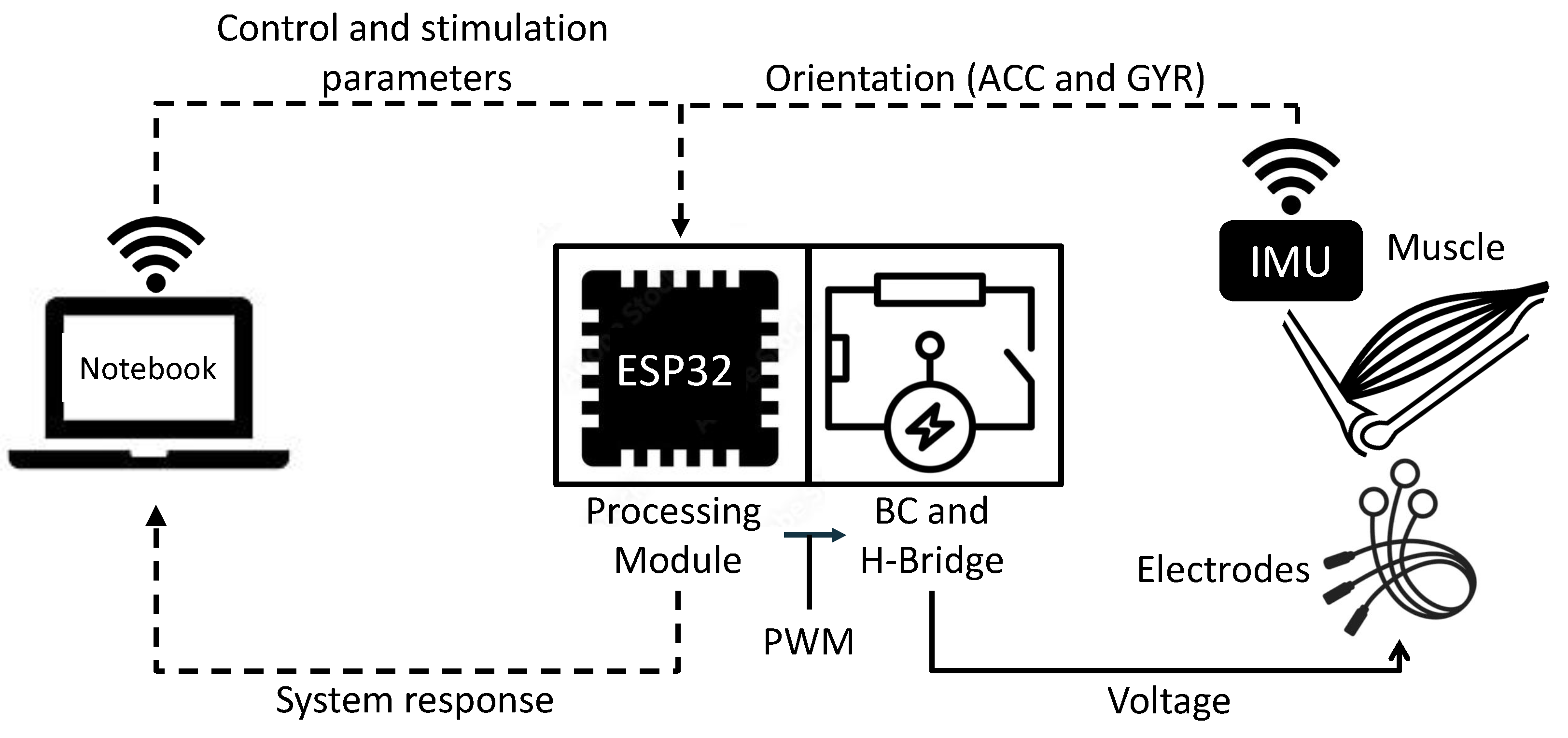
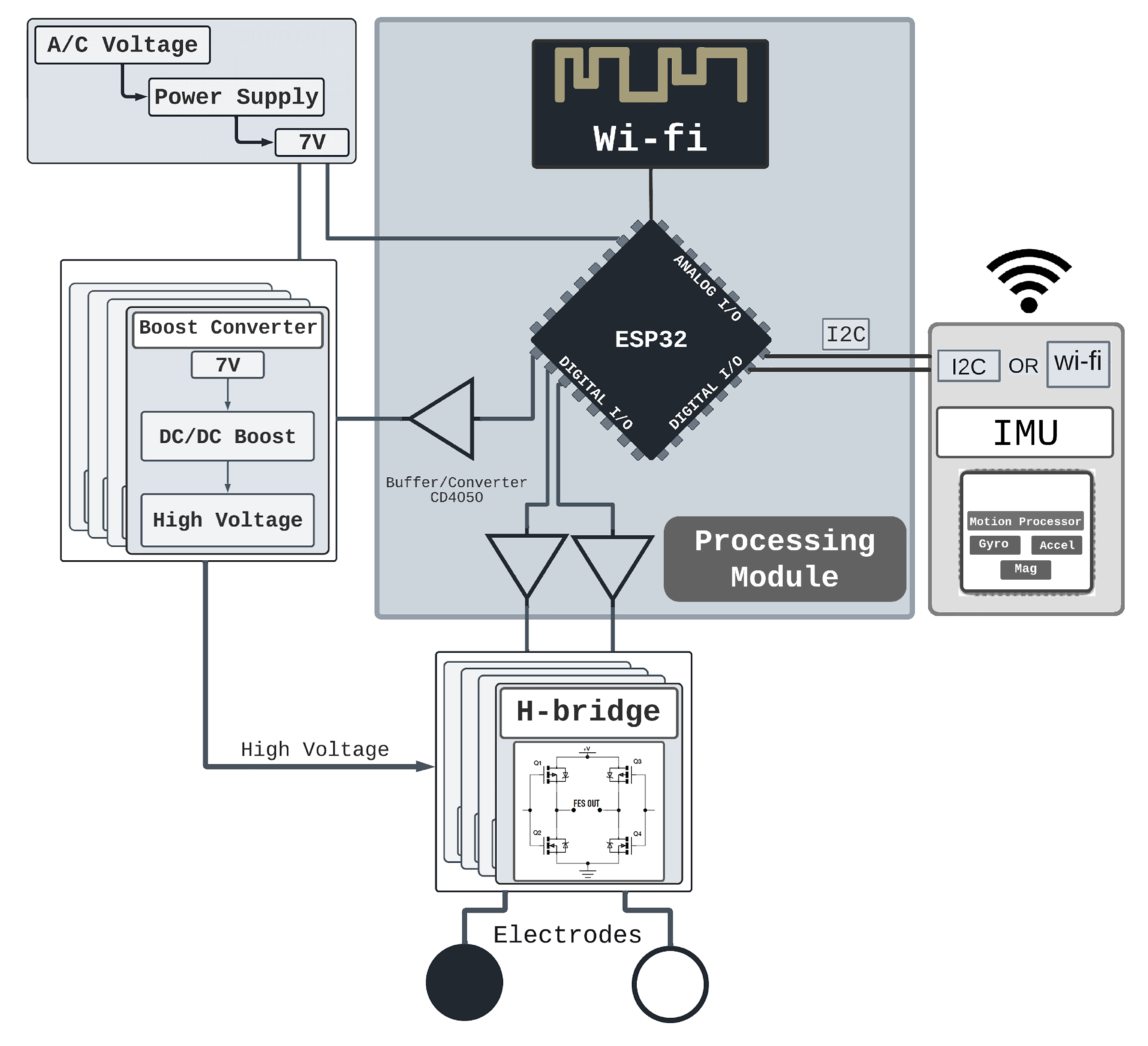
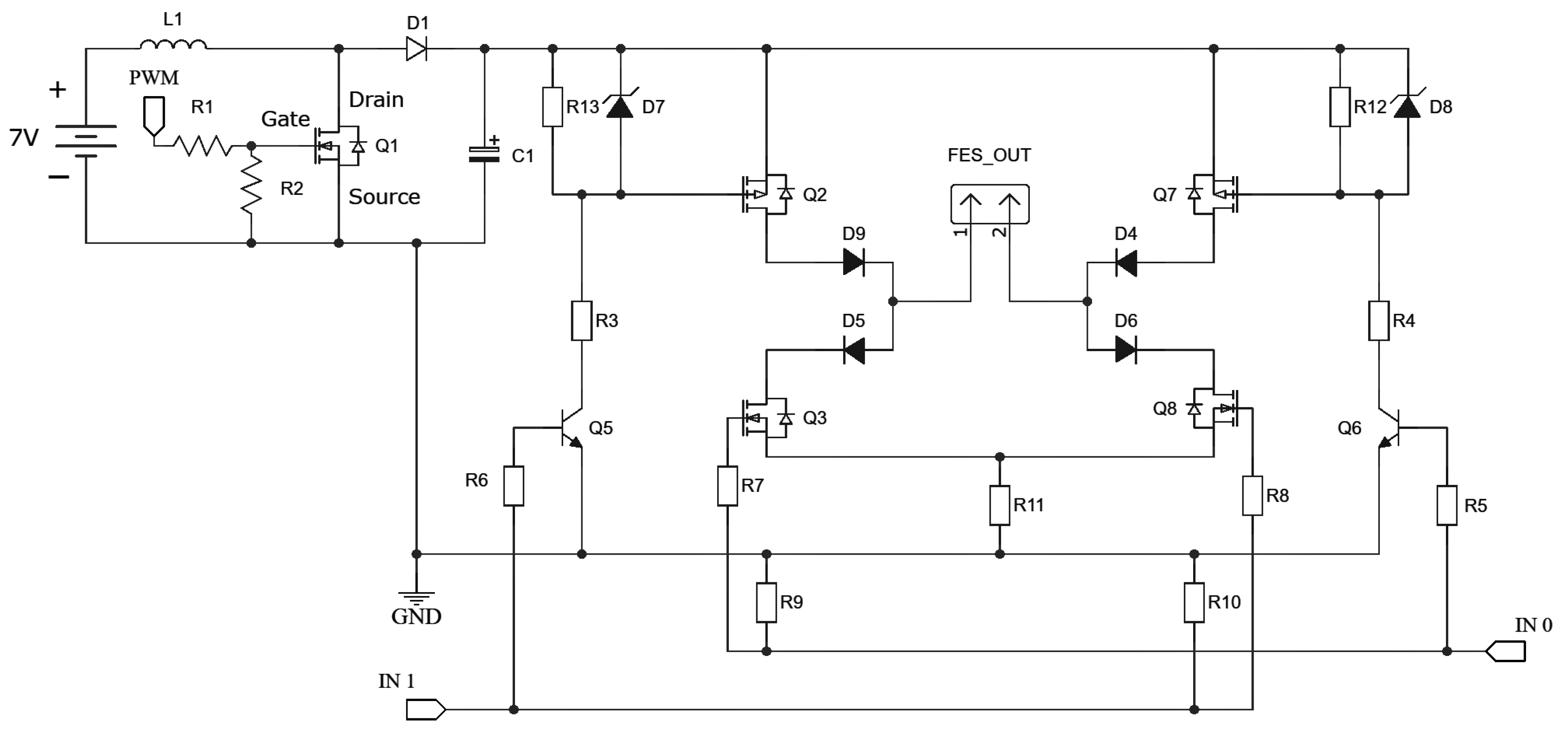
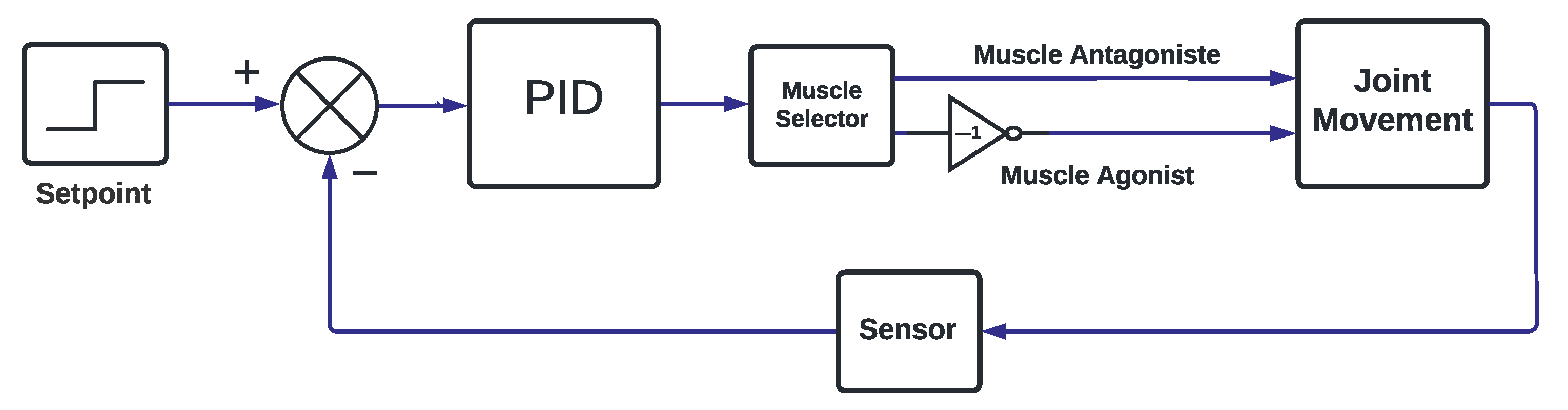
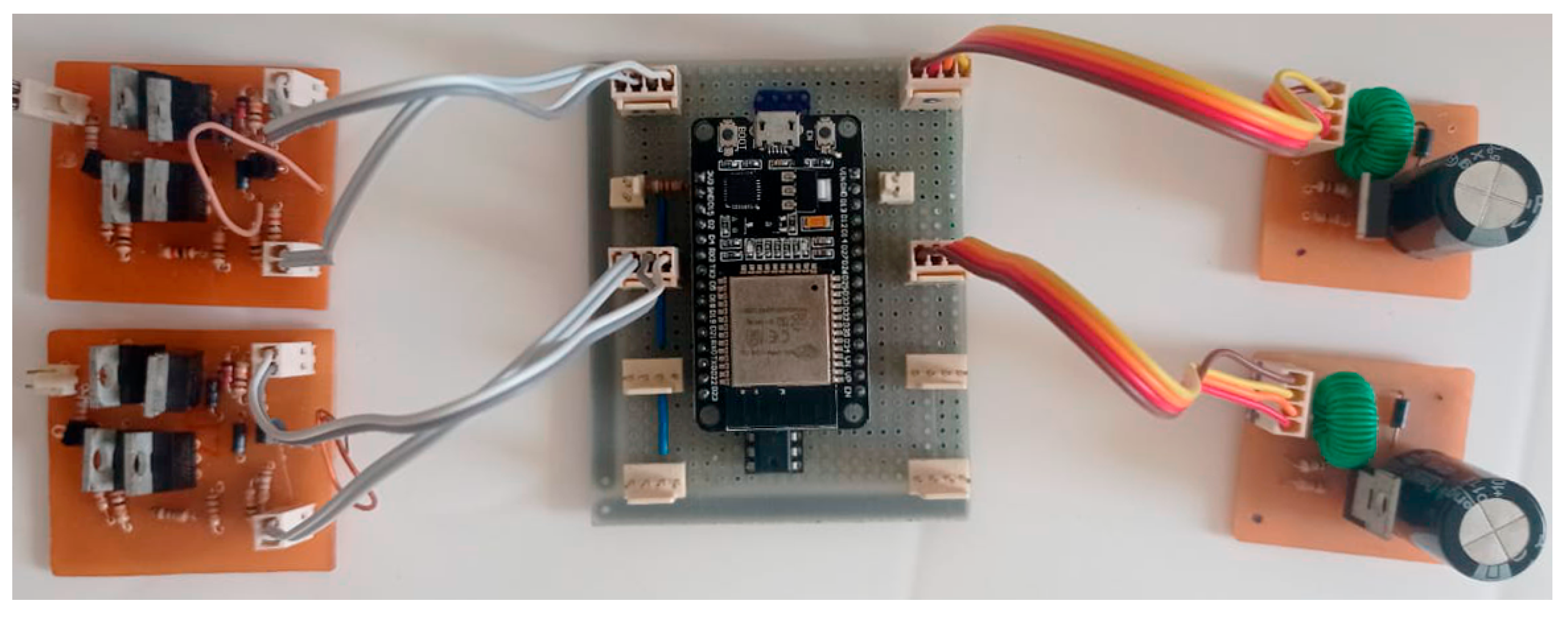
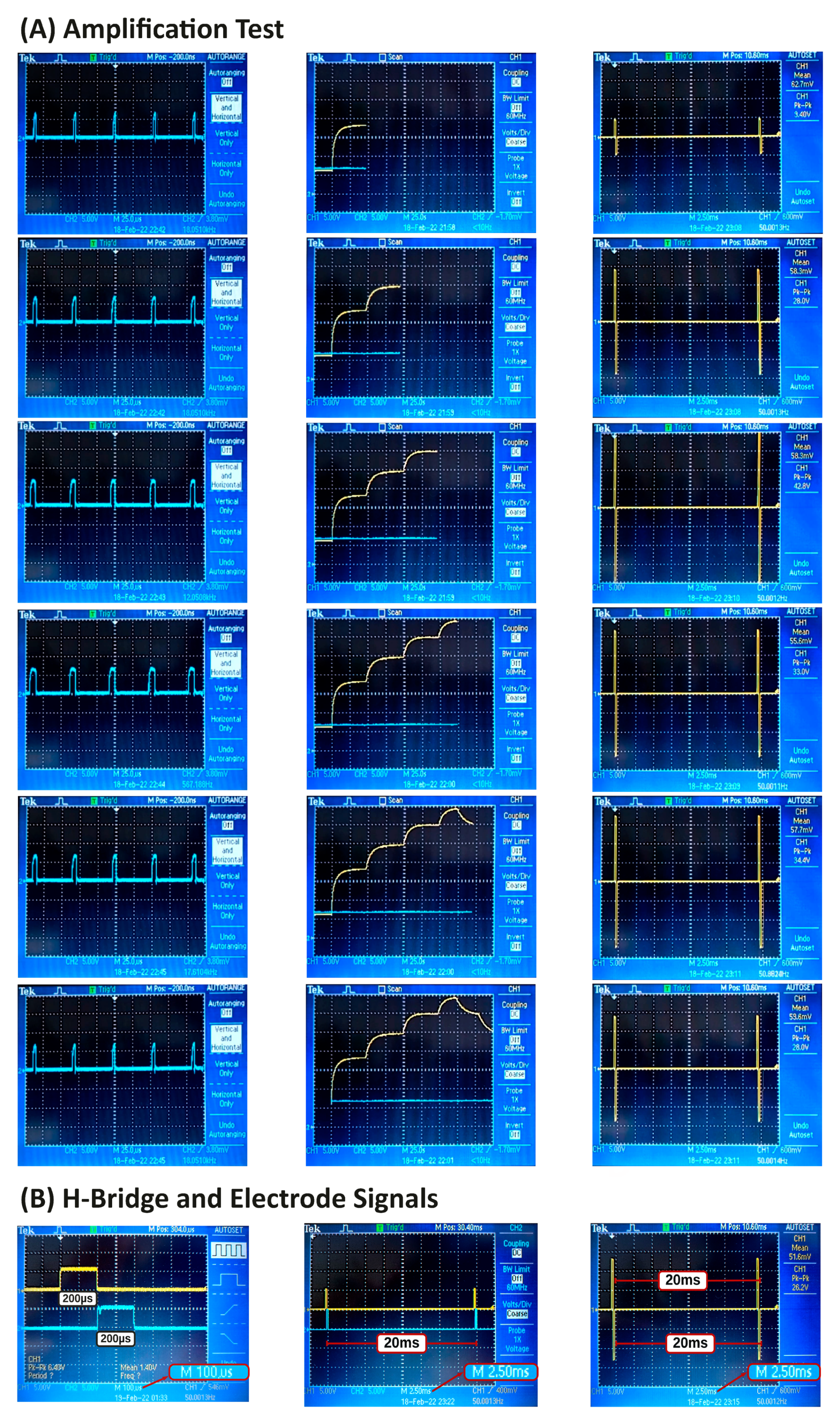
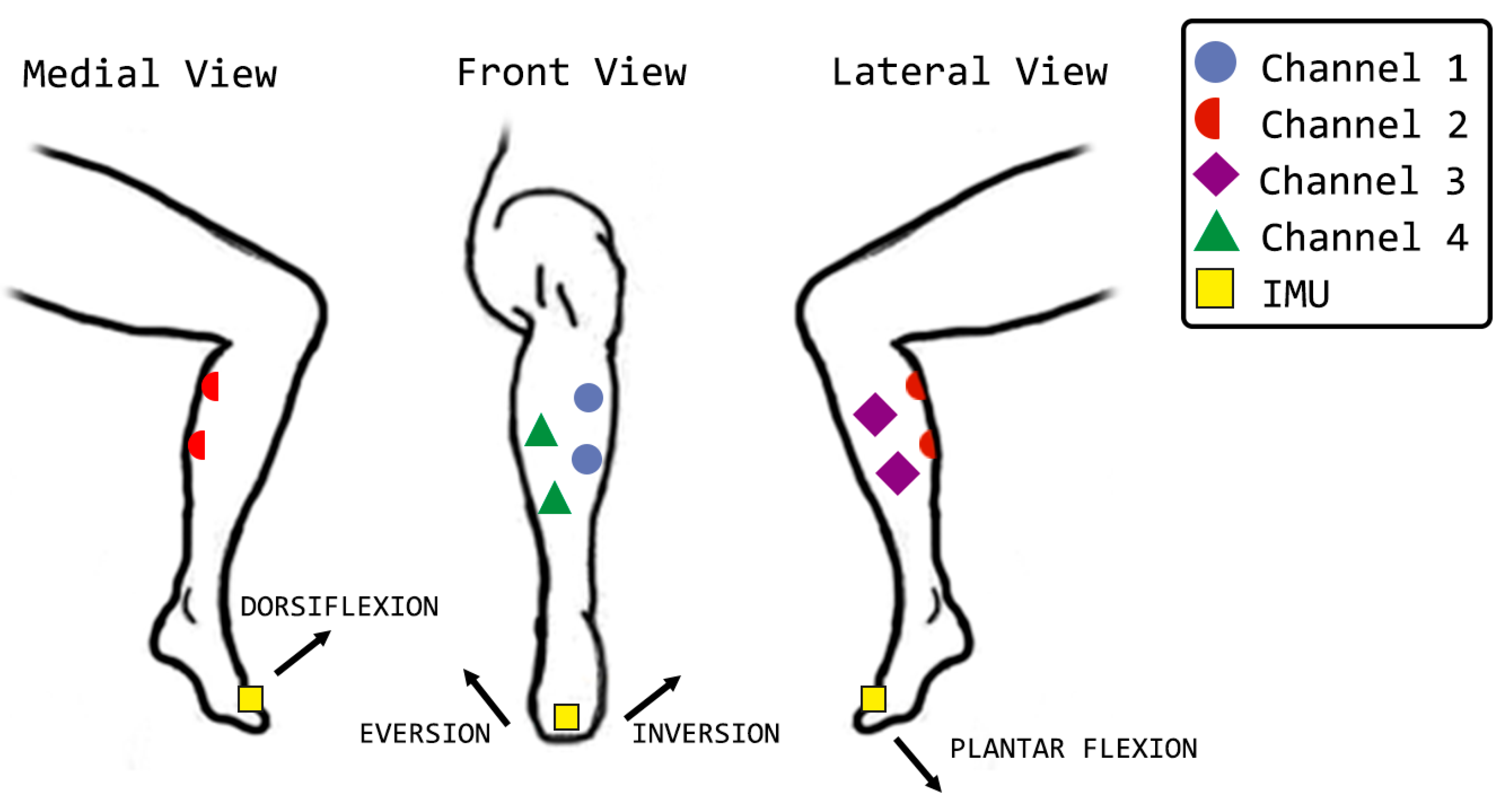
The most used approach in the motor rehabilitation of spinal cord injury is functional electrical stimulation. However, current devices do not provide real-time feedback, work in the closed-loop, and became remotely operable. In this scenario, this paper presents the development of an open access 4-channel IoT electrostimulator device with an inertial sensor. The electrostimulator circuit was designed with four modules: Boost Converter, H-bridge, Inertial Measurement Unit, and Processing Module. The firmware was implemented in the processing module to manage the modules to perform closed-loop stimulation (using PID controller). To perform the proof of concept of the device, a closed loop test was performed to control the ankle joint, performing the movements of dorsiflexion, plantar flexion, inversion, and eversion. The designed hardware allowed one to freely change the boost converter voltage and modulate the signal with 200 μs of pulse duration and 50 Hz of period in a safe and stable way. Furthermore, the controller was able to move the ankle joint in all desired directions following the reference values and respecting the imposed constraints. In general, the developed hardware was able to safely control a closed-loop joint.
Keywords: rehabilitation; closed-loop control; electrostimulation; sensors in healthcare; medical device rehabilitation; closed-loop control; electrostimulation; sensors in healthcare; medical device