Review

Flexible Ceramic Film Sensors for Free-Form Devices

1
Advanced Manufacturing Research Institute, National Institute of Advanced Industrial Science and Technology, Ibaraki 305-8565, Japan
2
Sensing System Research Center, National Institute of Advanced Industrial Science and Technology, Saga 841-0052, Japan
3
Department of Energy and Environmental Materials, SANKEN, Osaka University, Osaka 567-0047, Japan
*
Author to whom correspondence should be addressed.
Sensors 2022, 22(5), 1996; https://doi.org/10.3390/s22051996
Submission received: 31 January 2022 / Revised: 1 March 2022 / Accepted: 2 March 2022 / Published: 3 March 2022
(This article belongs to the Special Issue Flexible Inorganic Materials for New Sensors)

Abstract

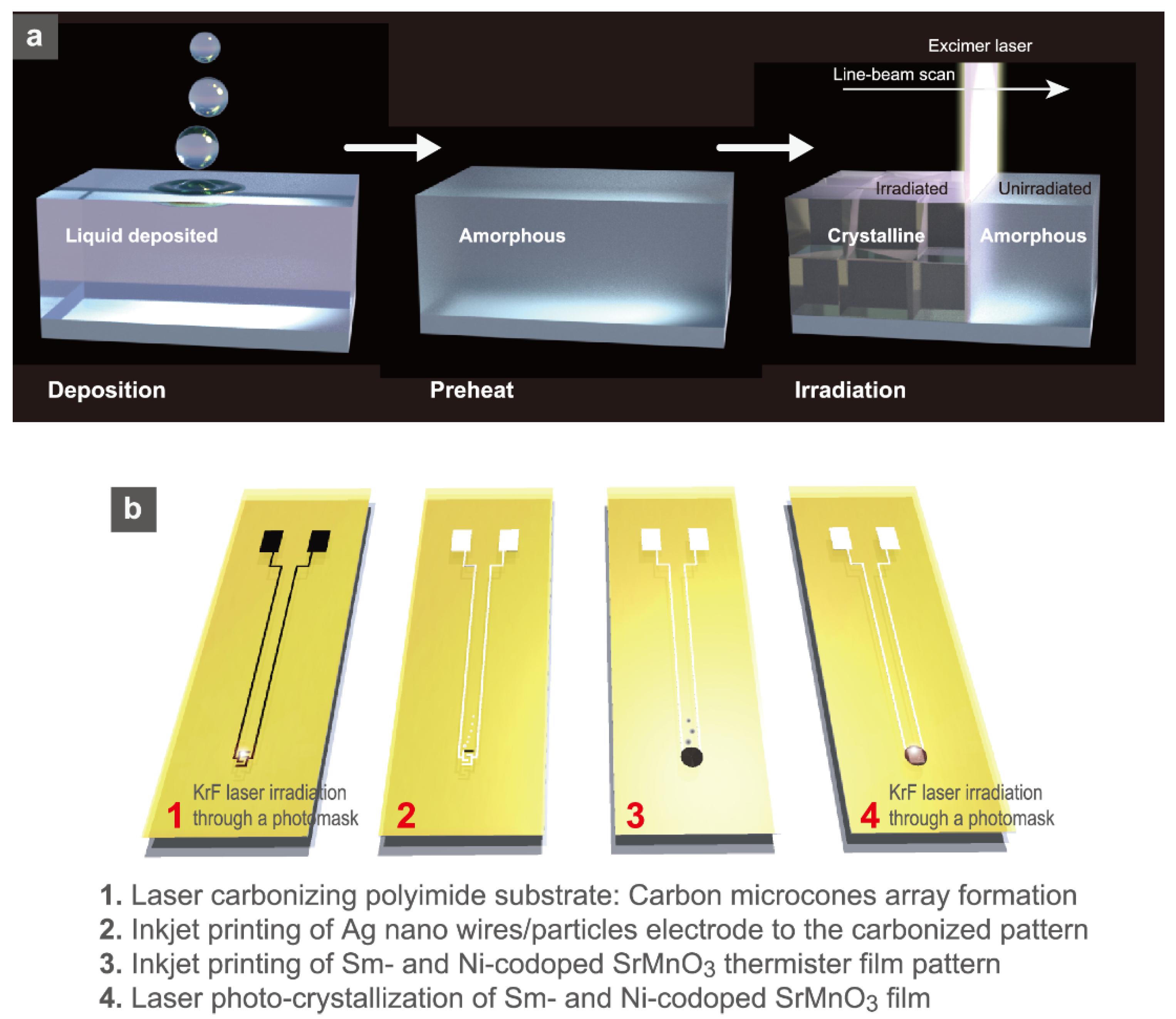
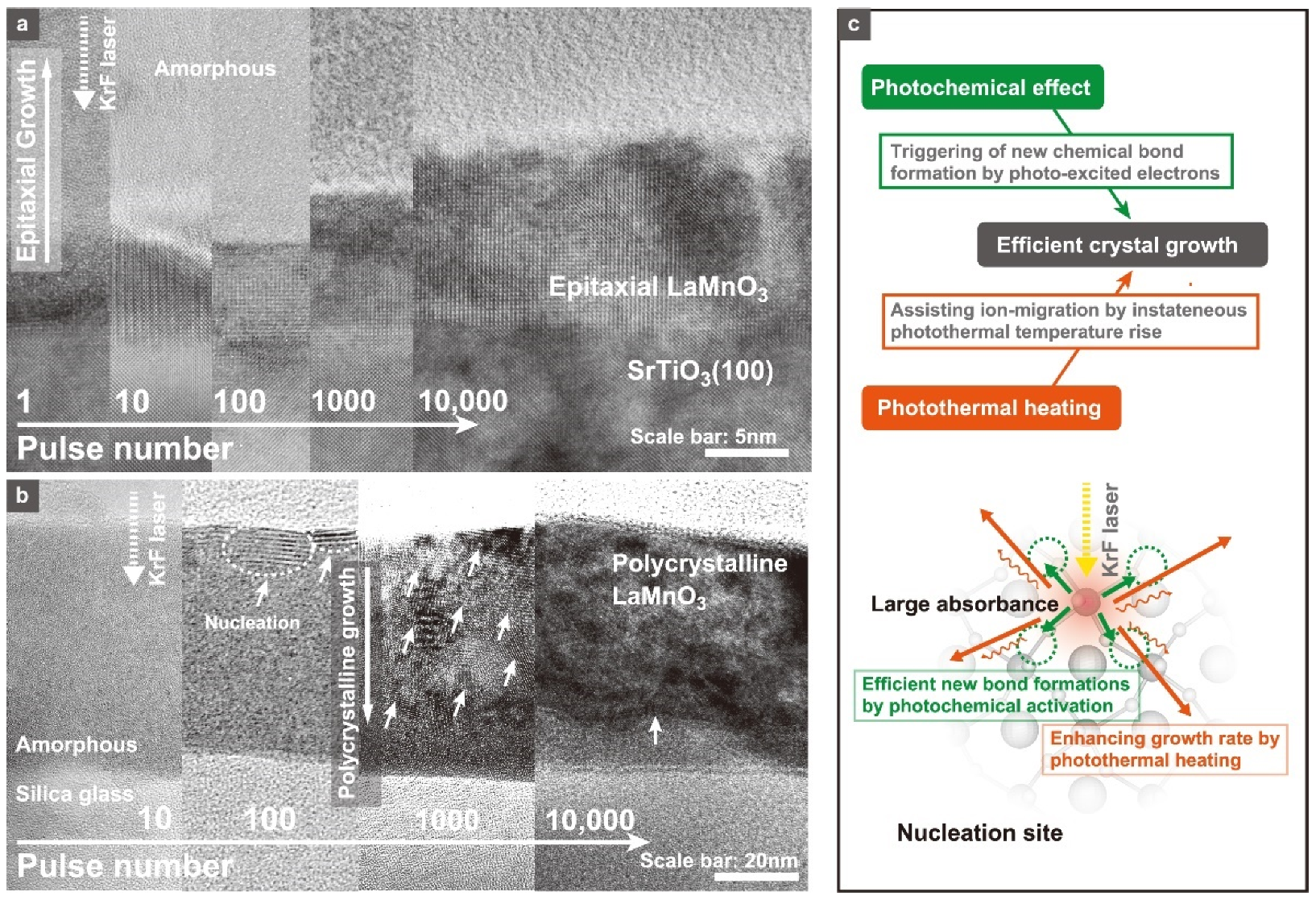
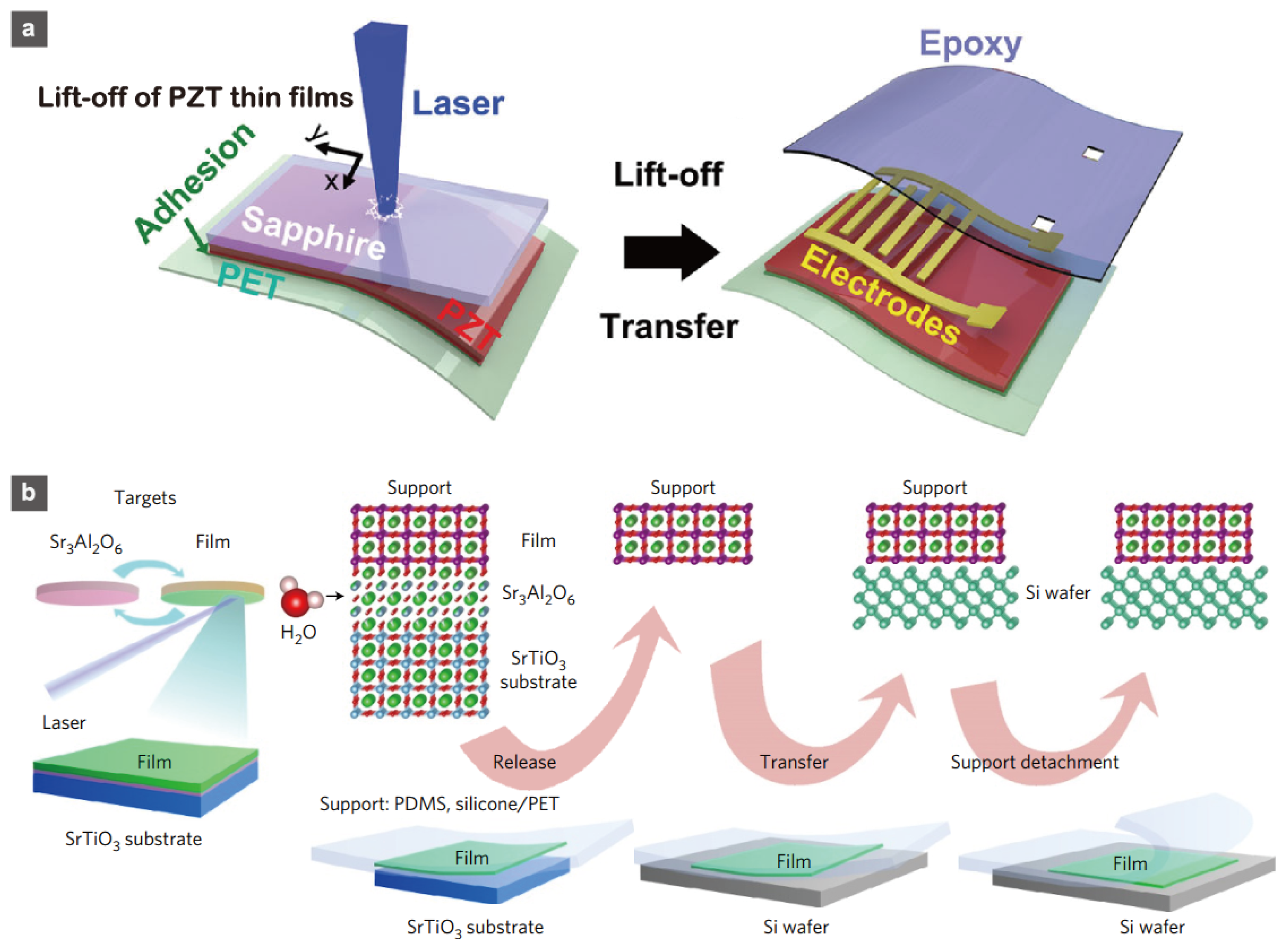
Recent technological innovations, such as material printing techniques and surface functionalization, have significantly accelerated the development of new free-form sensors for next-generation flexible, wearable, and three-dimensional electronic devices. Ceramic film sensors, in particular, are in high demand for the production of reliable flexible devices. Various ceramic films can now be formed on plastic substrates through the development of low temperature fabrication processes for ceramic films, such as photocrystallization and transferring methods. Among flexible sensors, strain sensors for precise motion detection and photodetectors for biomonitoring have seen the most research development, but other fundamental sensors for temperature and humidity have also begun to grow. Recently, flexible gas and electrochemical sensors have attracted a lot of attention from a new real-time monitoring application that uses human breath and perspiration to accurately diagnose presymptomatic states. The development of a low-temperature fabrication process of ceramic film sensors and related components will complete the chemically stable and reliable free-form sensing devices by satisfying the demands that can only be addressed by flexible metal and organic components.
Keywords: flexible ceramic sensors; free-form devices; 3D electronics; photocrystallization; low-temperature ceramic film growth; wearable devices flexible ceramic sensors; free-form devices; 3D electronics; photocrystallization; low-temperature ceramic film growth; wearable devices