Article

Permanent Magnet Tracking Method Resistant to Background Magnetic Field for Assessing Jaw Movement in Wearable Devices


by
Mantas Jucevičius
1,*,
Rimantas Ožiūnas
2,
Gintautas Narvydas
3 and
Darius Jegelevičius
1,3
1
Biomedical Engineering Institute, Kaunas University of Technology, K. Baršausko g. 59, LT-51423 Kaunas, Lithuania
2
Investigo, UAB, Draugystės g. 17-1, LT-51229 Kaunas, Lithuania
3
Faculty of Electrical and Electronics Engineering, Kaunas University of Technology, Studentų g. 50, LT-51368 Kaunas, Lithuania
*
Author to whom correspondence should be addressed.
Sensors 2022, 22(3), 971; https://doi.org/10.3390/s22030971
Submission received: 24 December 2021 / Revised: 18 January 2022 / Accepted: 25 January 2022 / Published: 26 January 2022
(This article belongs to the Special Issue Sensors and Musculoskeletal Dynamics to Evaluate Human Movement)

Abstract

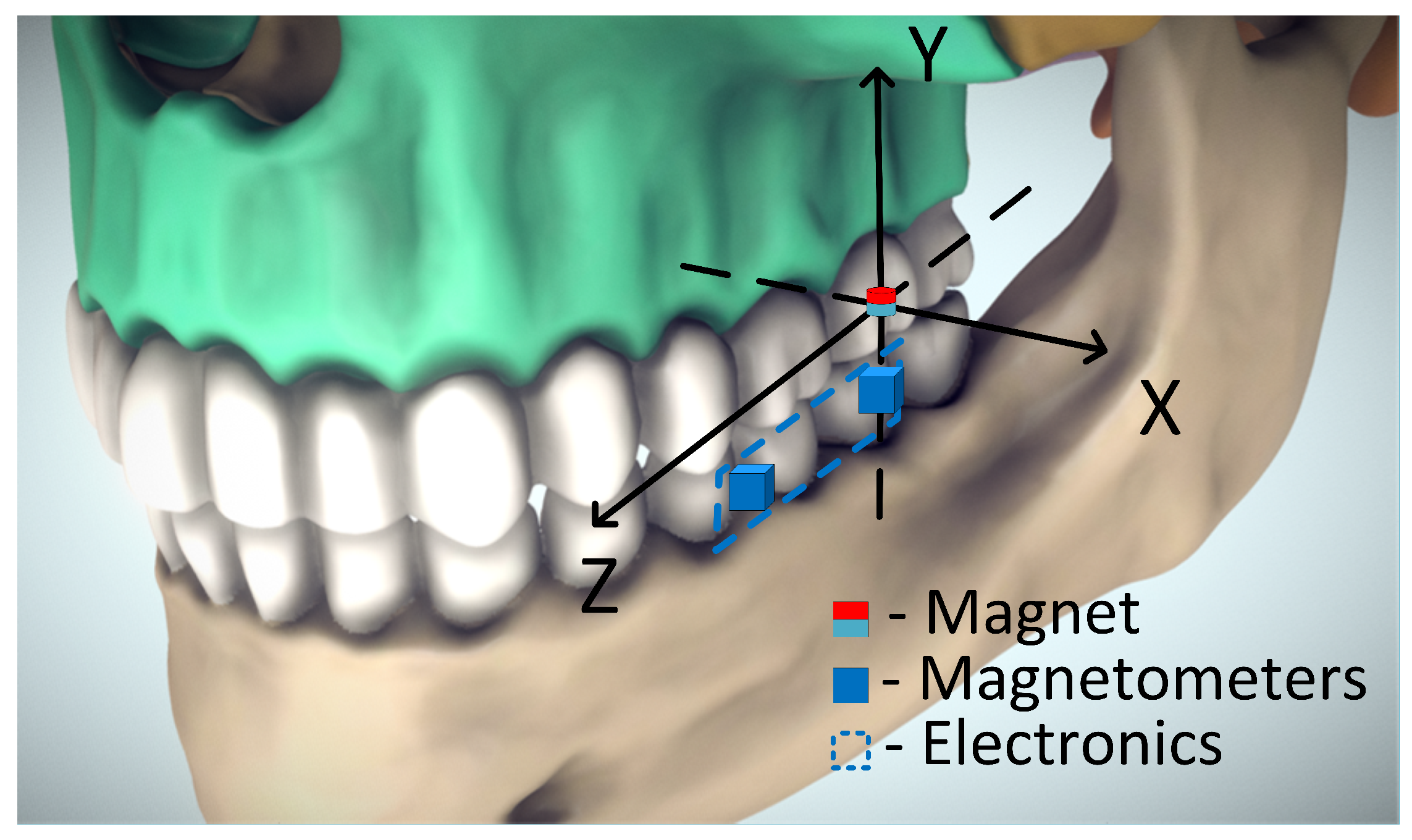
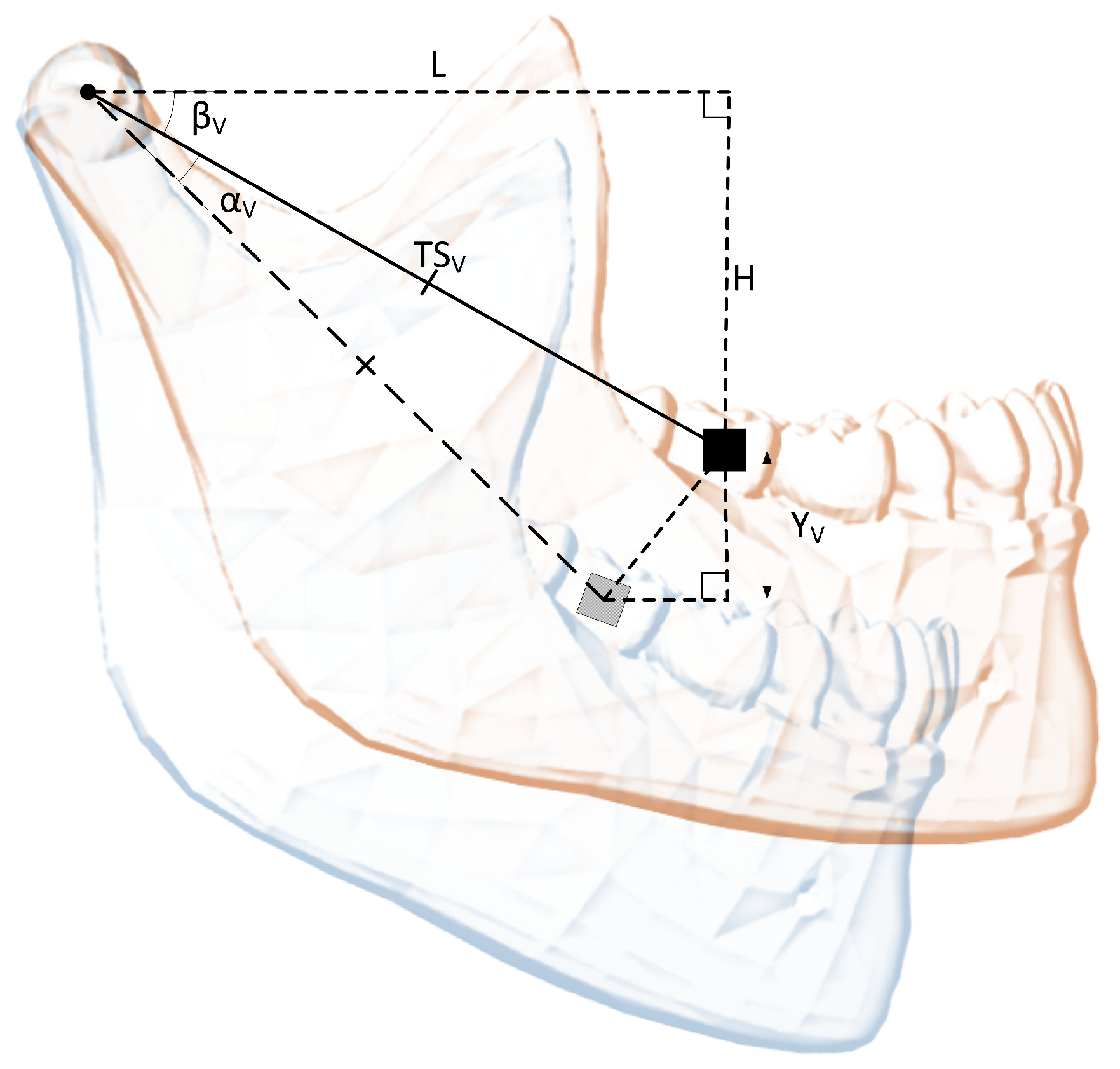
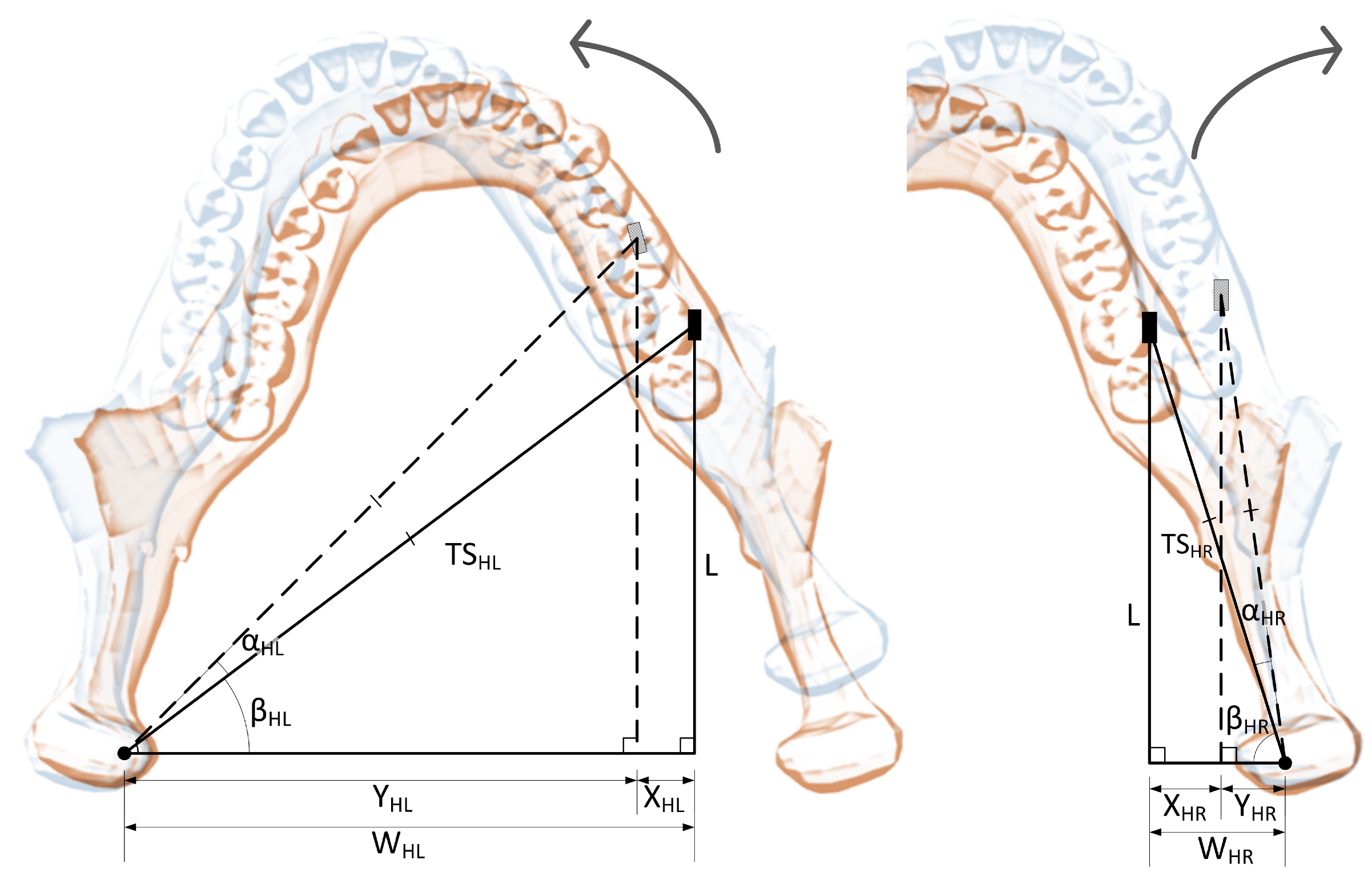
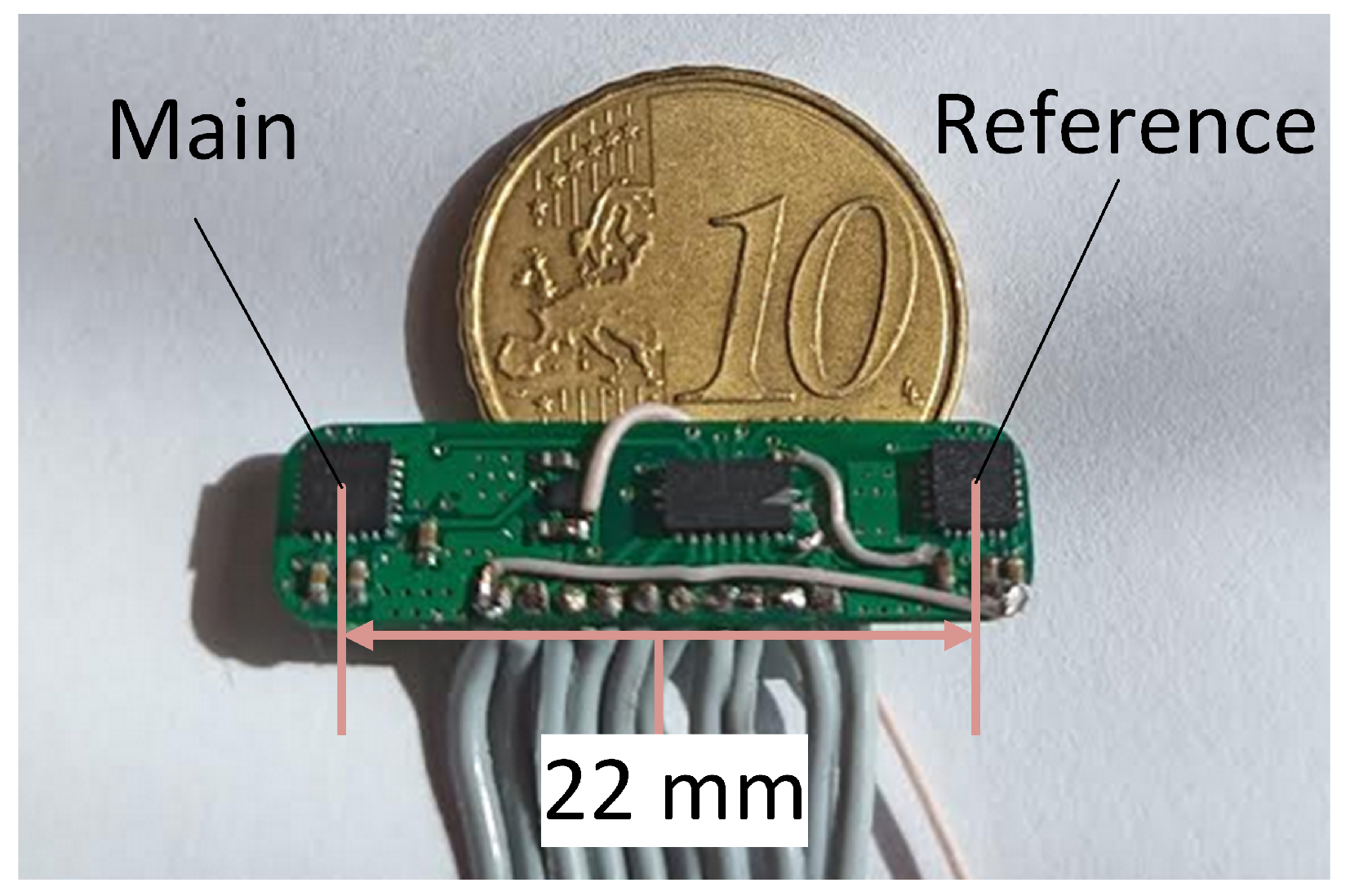
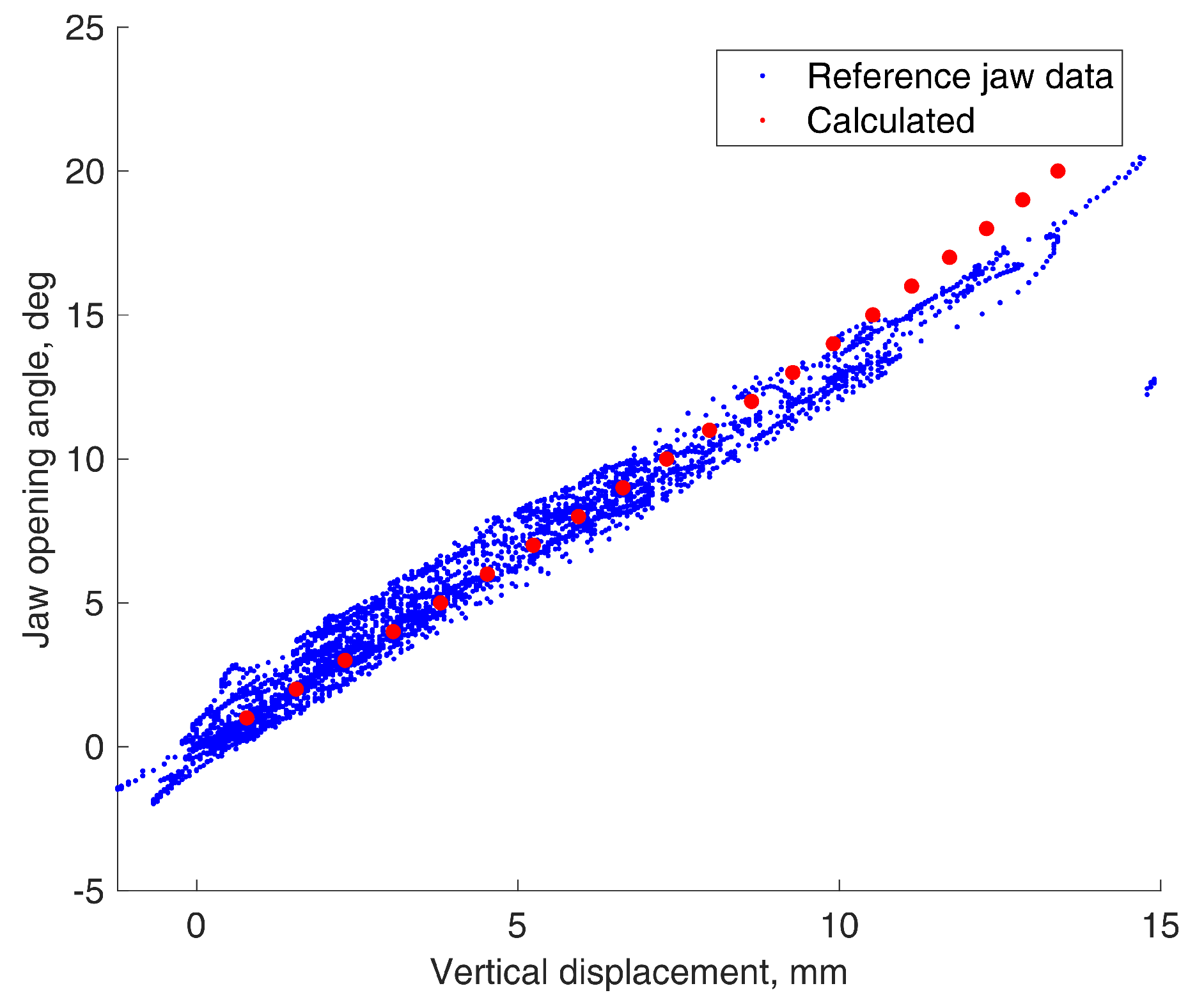
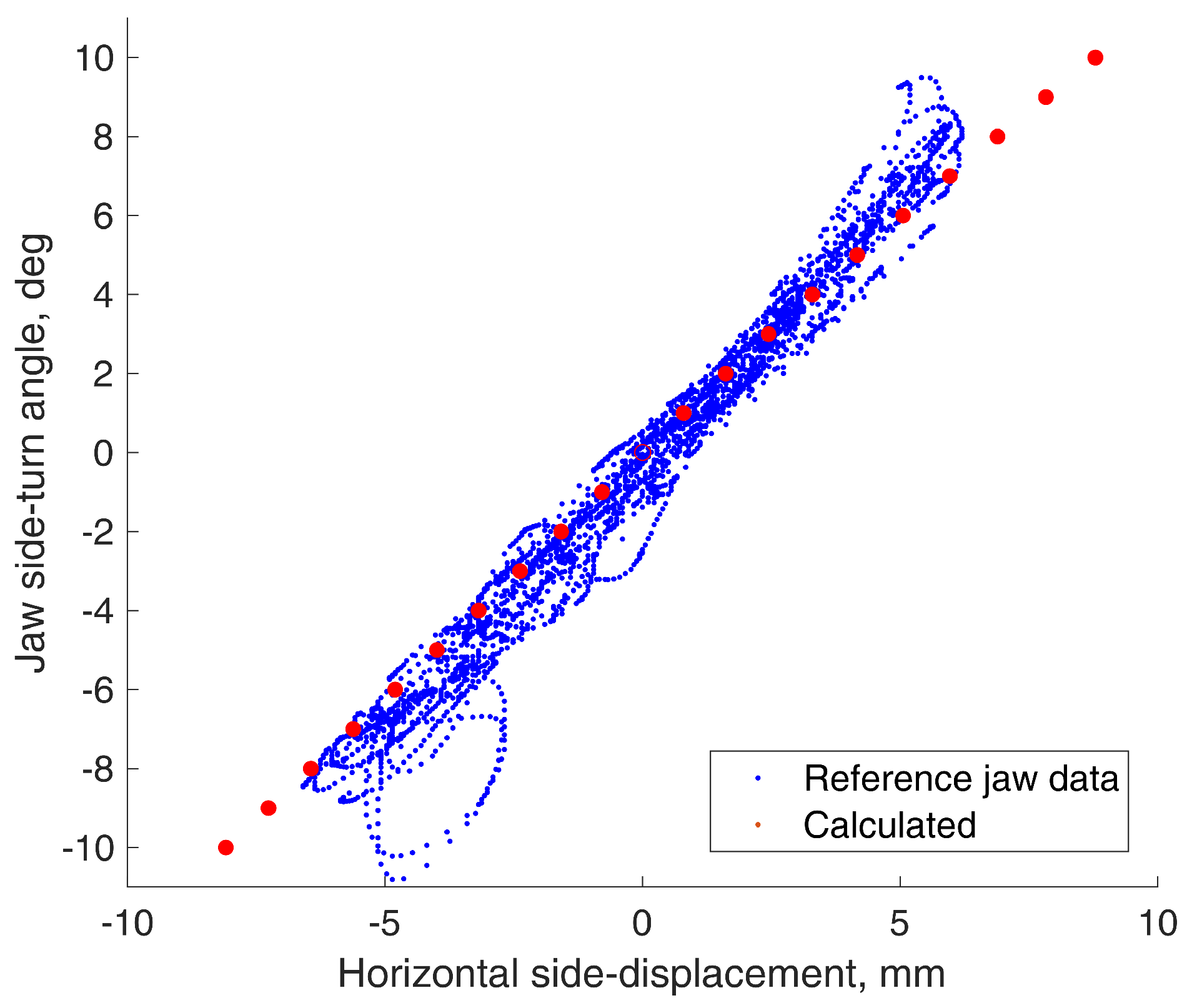
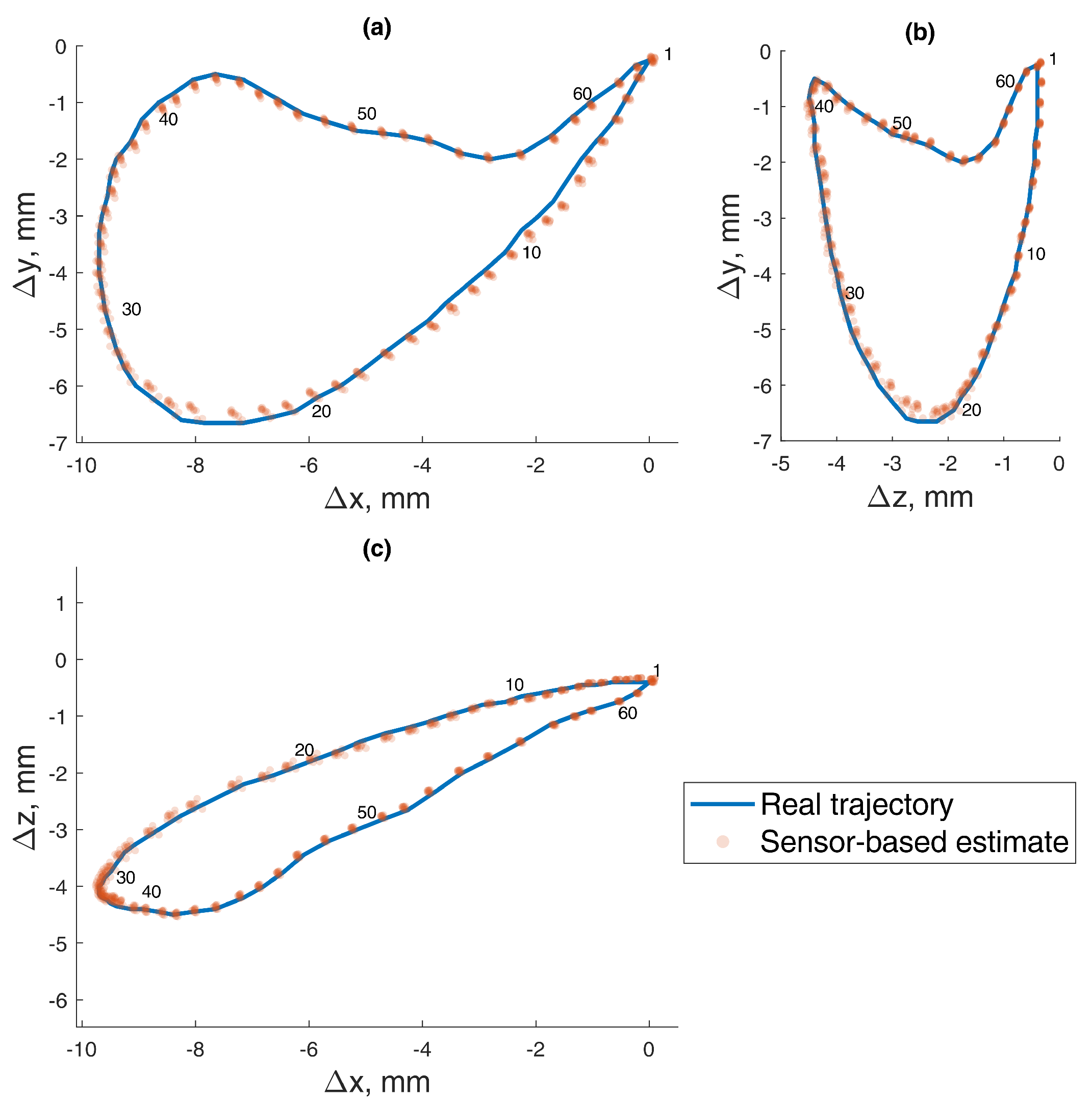
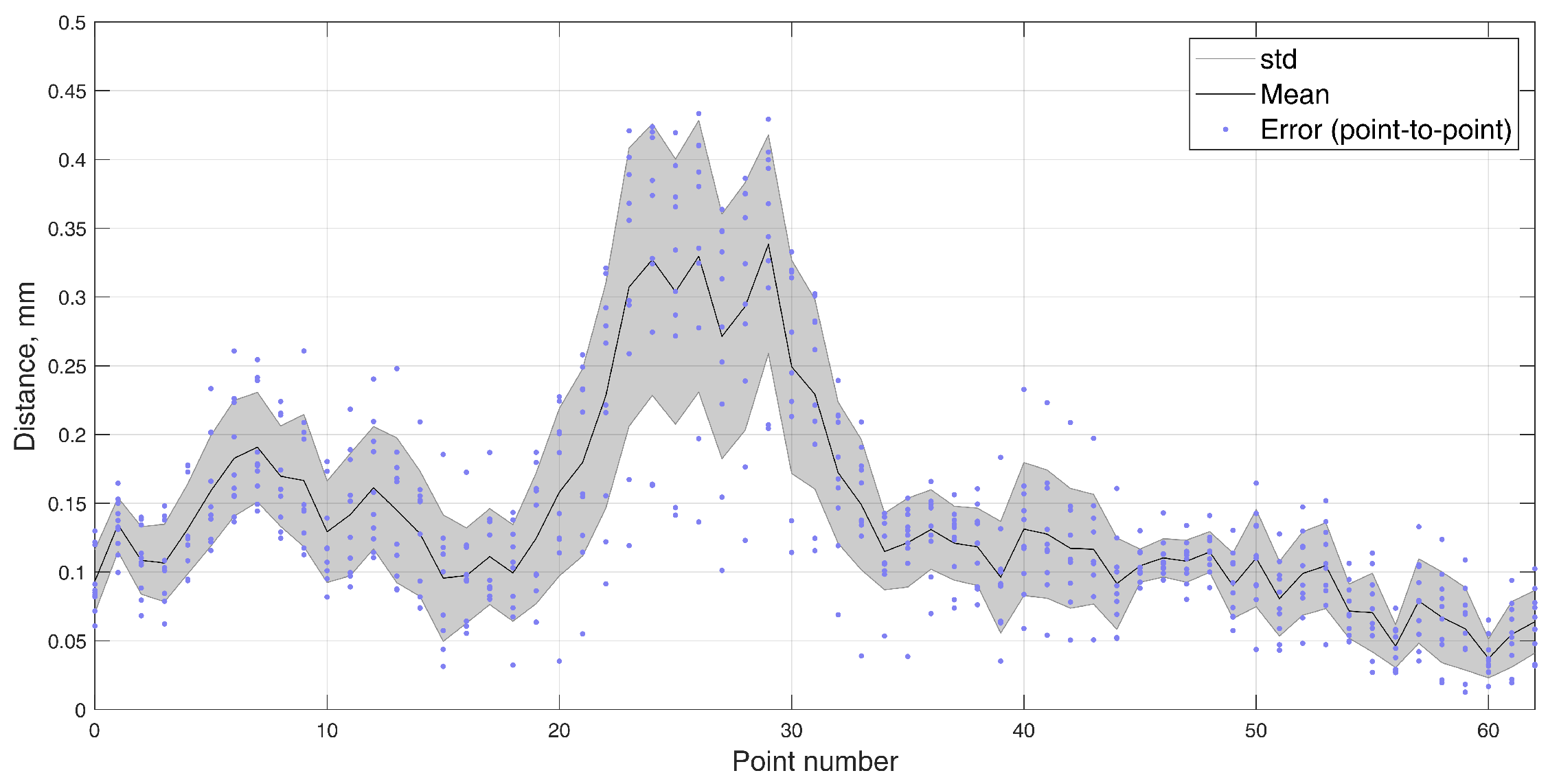
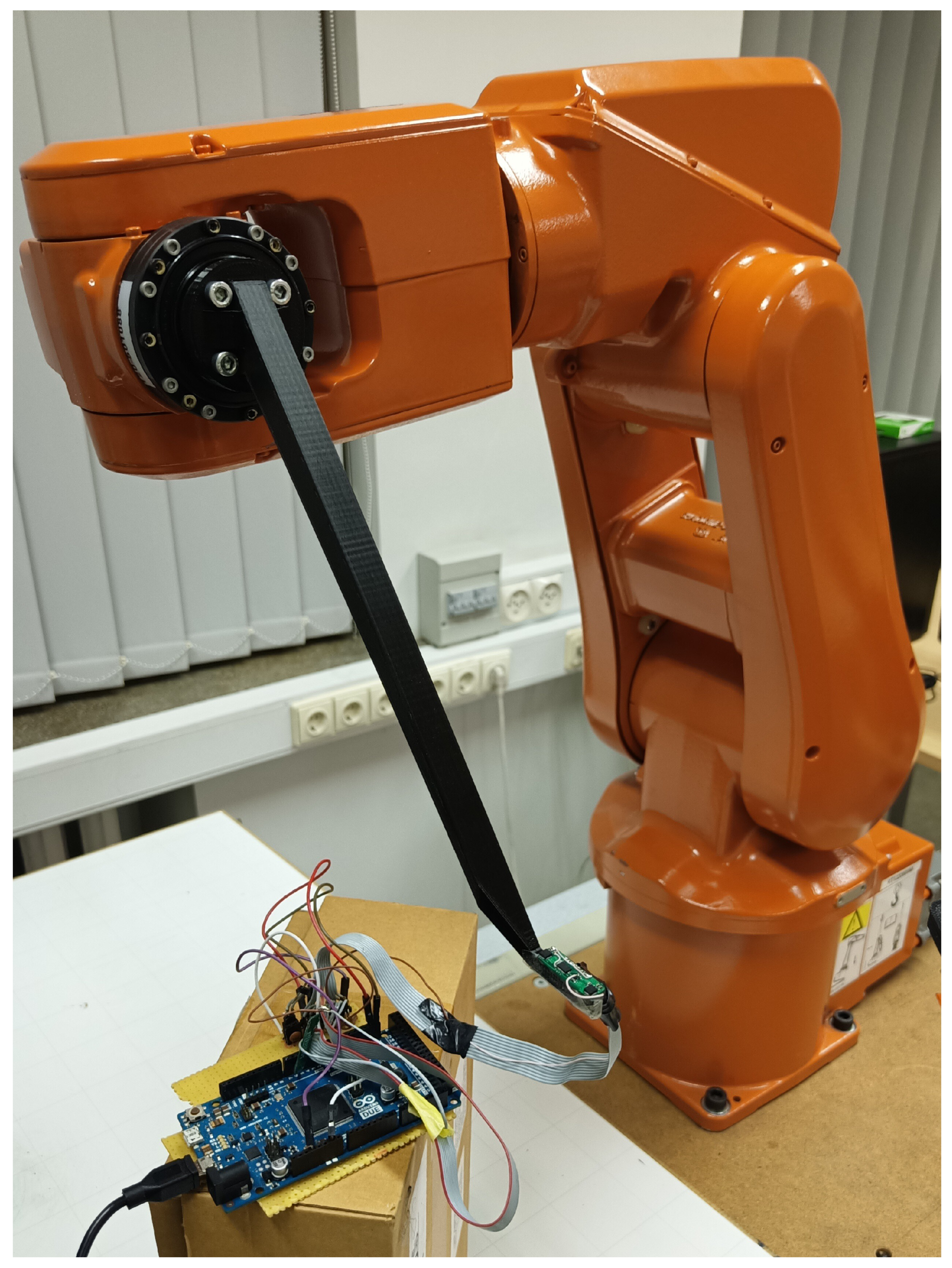
There is a large gap between primitive bruxism detectors and sophisticated clinical machines for jaw kinematics evaluation. Large, expensive clinical appliances can precisely record jaw motion, but completely restrain the patient for the duration of the test. Wearable bruxism detectors allow continuously counting and recording bites, but provide no information about jaw movement trajectories. Previously, we developed a permanent magnet and three-axis magnetometer-based method for wearable, intra-oral continuous jaw position registration. In this work, we present an effective solution of the two main drawbacks of the method. Firstly, a two-adjacent-magnetometer approach is able to compensate for background magnetic fields with no reference sensor outside of the system’s magnetic field. Secondly, jaw rotational angles were included in the position calculations, by applying trigonometric equations that link the translation of the jaw to its rotation. This way, we were able to use a three-degree-of-freedom (3-DOF) magnetic position determination method to track the positions of the 5-DOF human masticatory system. To validate the method, finite element modeling and a 6-DOF robotic arm (0.01 mm, 0.01°) were used, which showed a 37% decrease in error in the average RMSE = 0.17 mm. The method’s potentially can be utilized in small-scale, low-power, wearable intra-oral devices for continuous jaw motion recording.
Keywords: bruxism evaluation; jaw position detection; masticatory trajectory; 3D motion tracking bruxism evaluation; jaw position detection; masticatory trajectory; 3D motion tracking