Article

Dynamic Design of a Quad-Stable Piezoelectric Energy Harvester via Bifurcation Theory

1
Tianjin Key Laboratory of Nonlinear Dynamics and Control, School of Mechanical Engineering, Tianjin University, Tianjin 300350, China
2
Tianjin Key Laboratory of High Speed Cutting and Precision Machining, Tianjin University of Technology and Education, Tianjin 300222, China
3
Tianjin Key Laboratory for Advanced Mechatronic System Design and Intelligent Control, School of Mechanical Engineering, Tianjin University of Technology, Tianjin 300384, China
*
Author to whom correspondence should be addressed.
Sensors 2022, 22(21), 8453; https://doi.org/10.3390/s22218453
Submission received: 4 October 2022 / Revised: 24 October 2022 / Accepted: 28 October 2022 / Published: 3 November 2022
(This article belongs to the Special Issue Next-Generation Wireless Systems for the Internet of Things (IoT))

Abstract

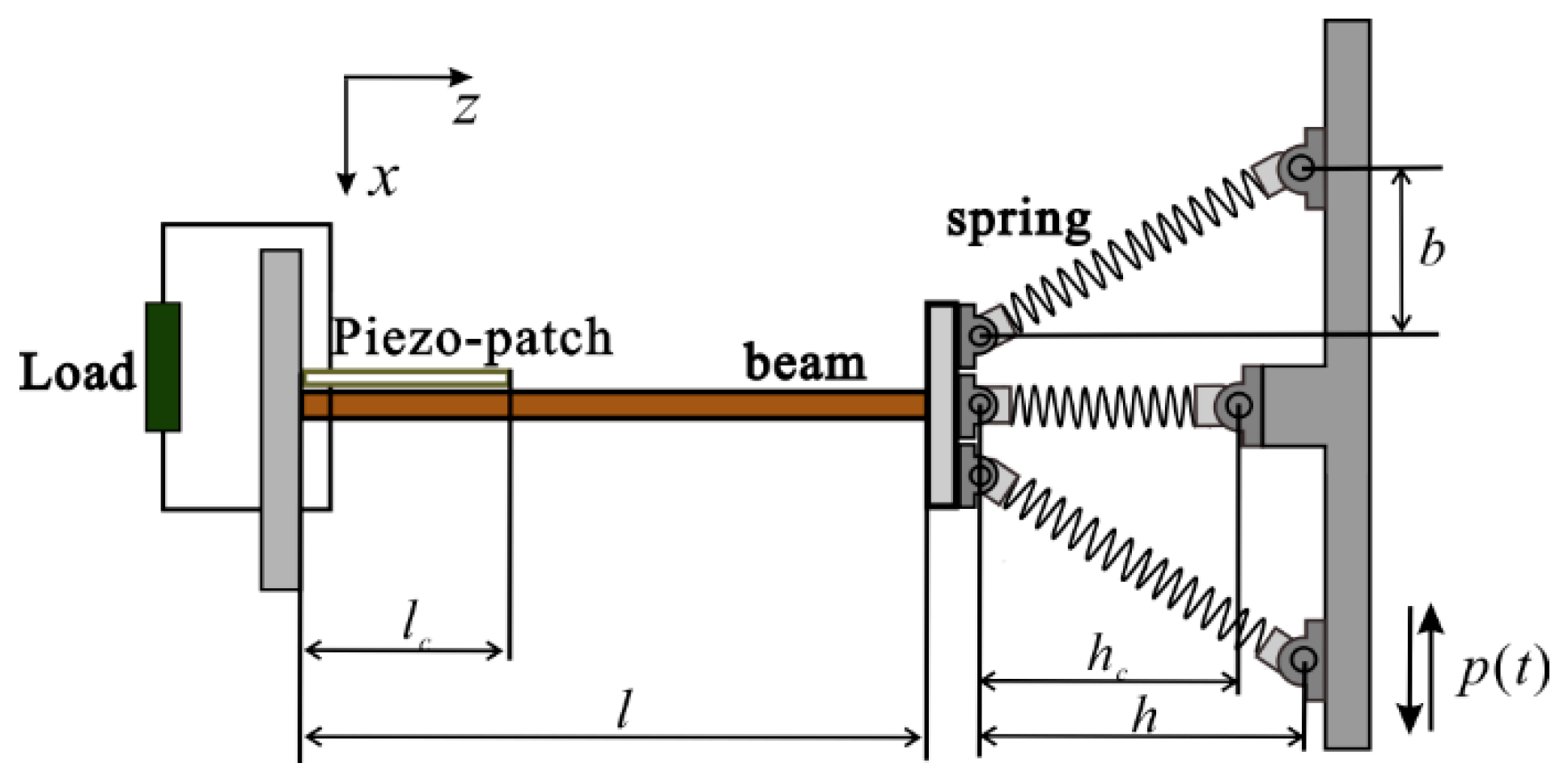
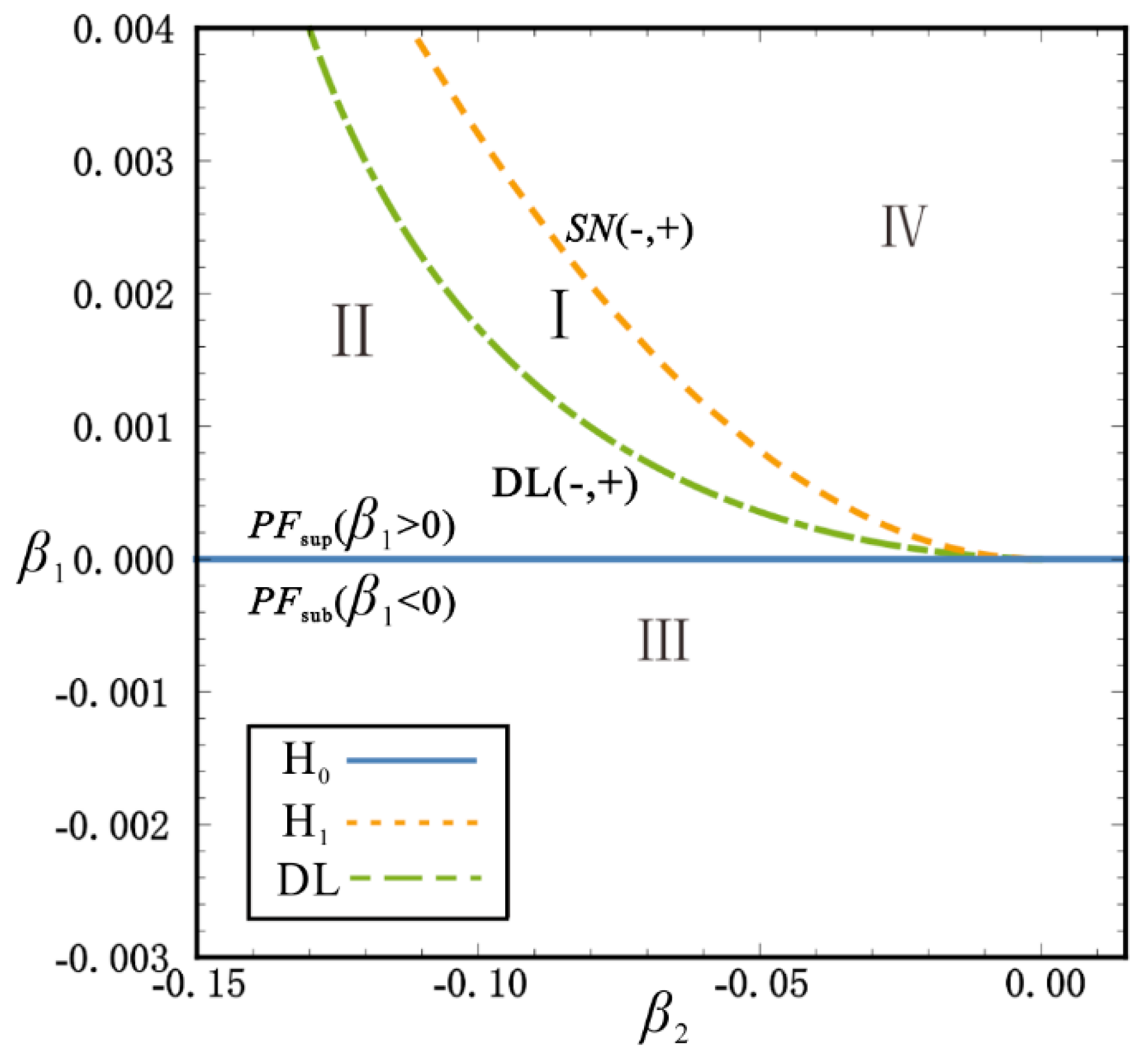
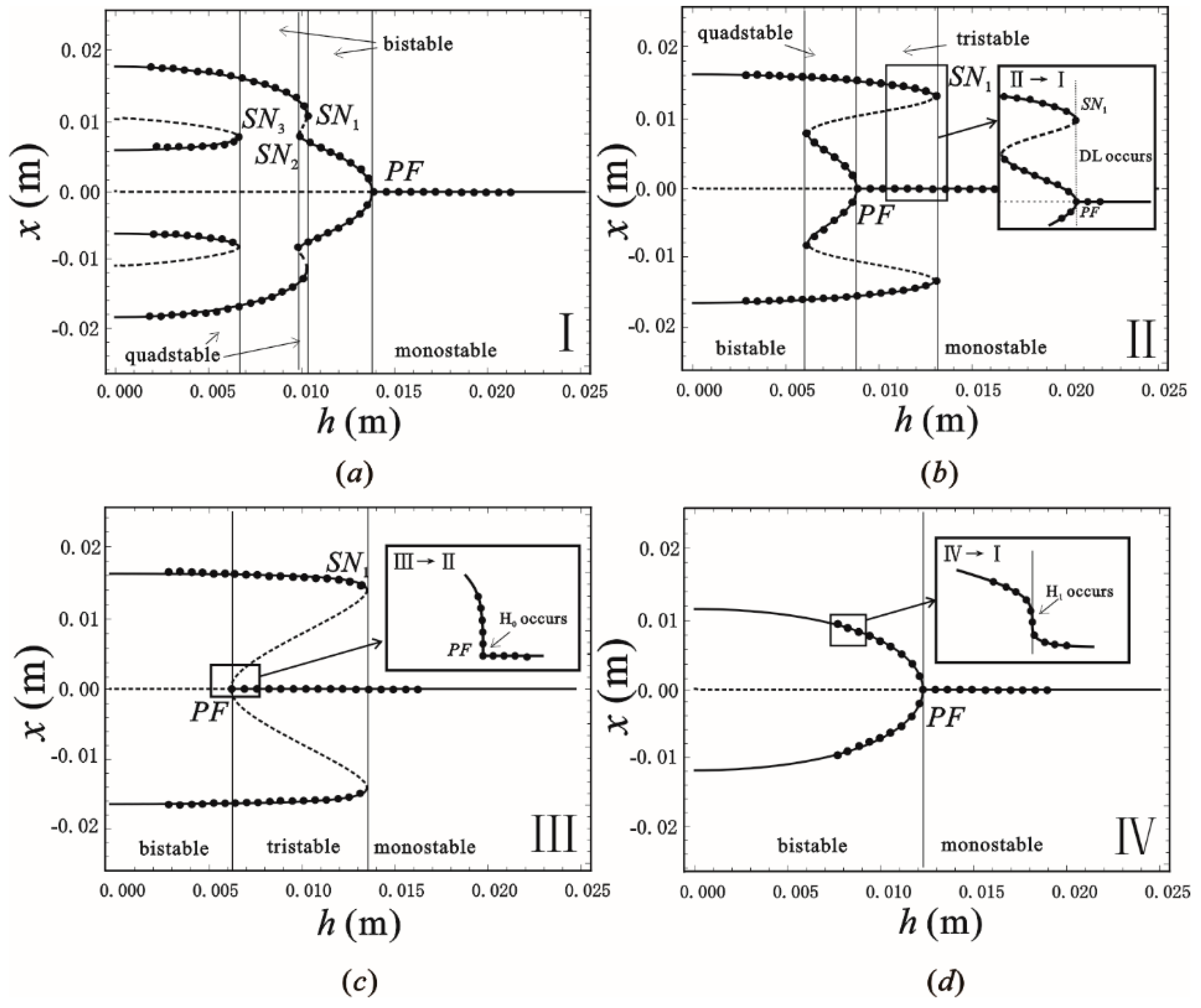
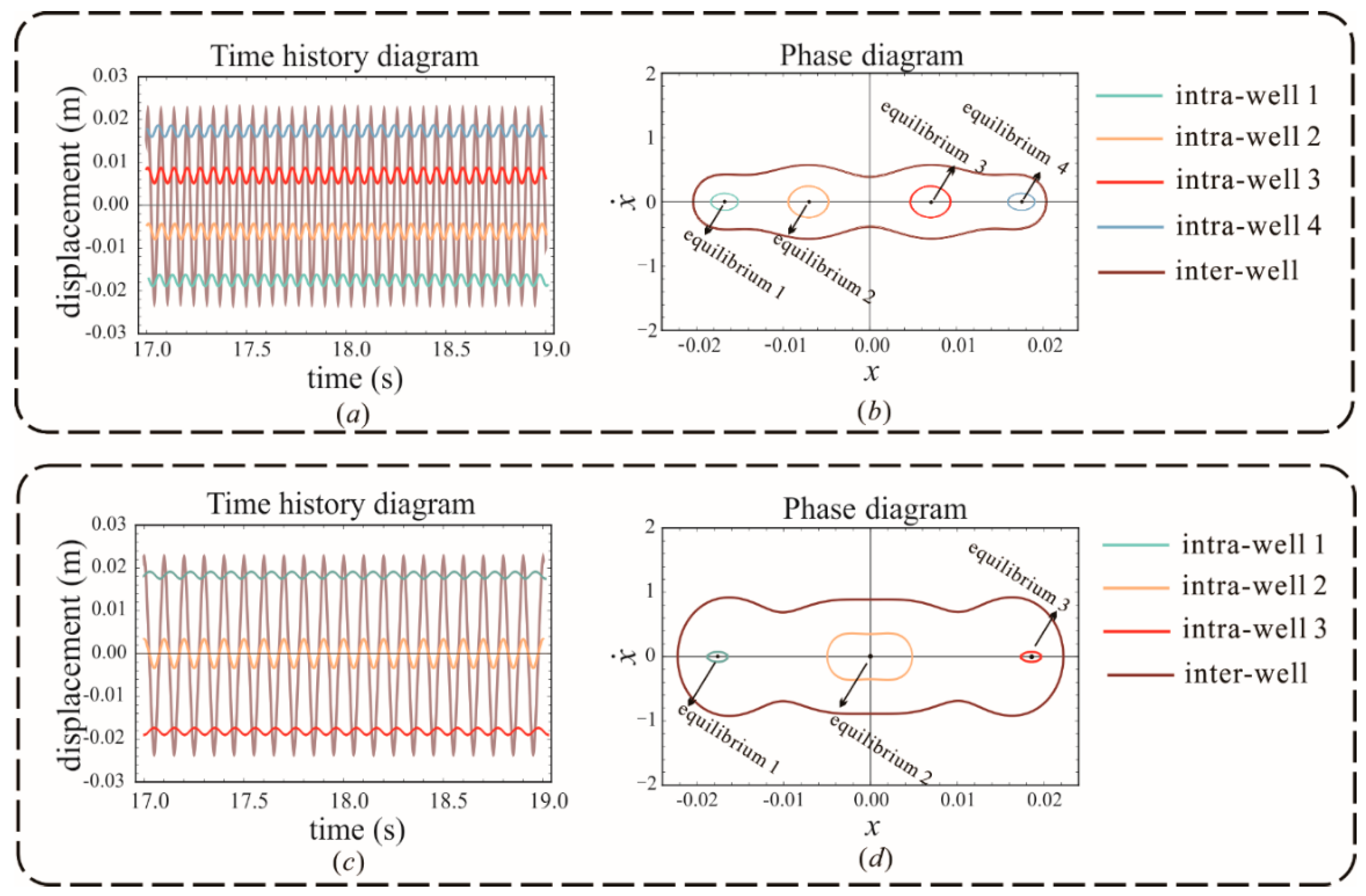
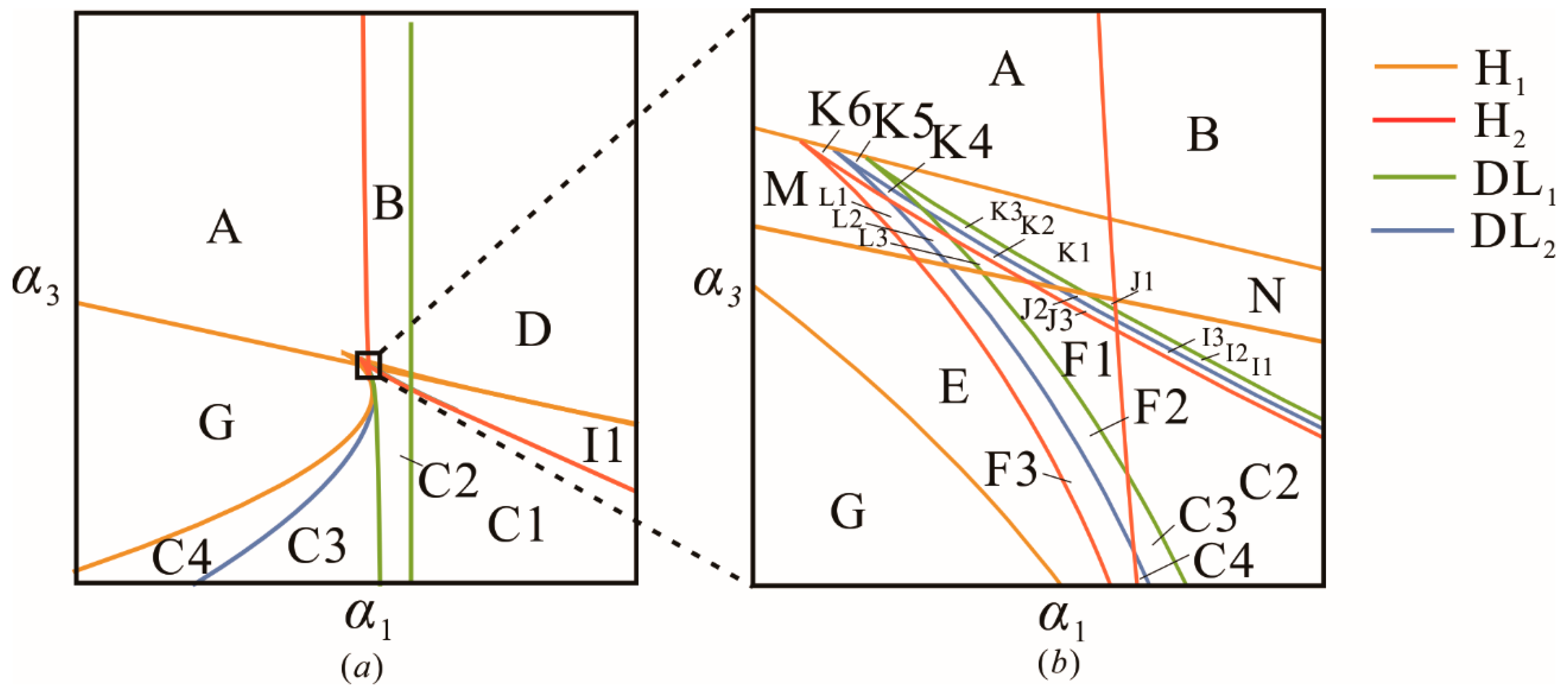
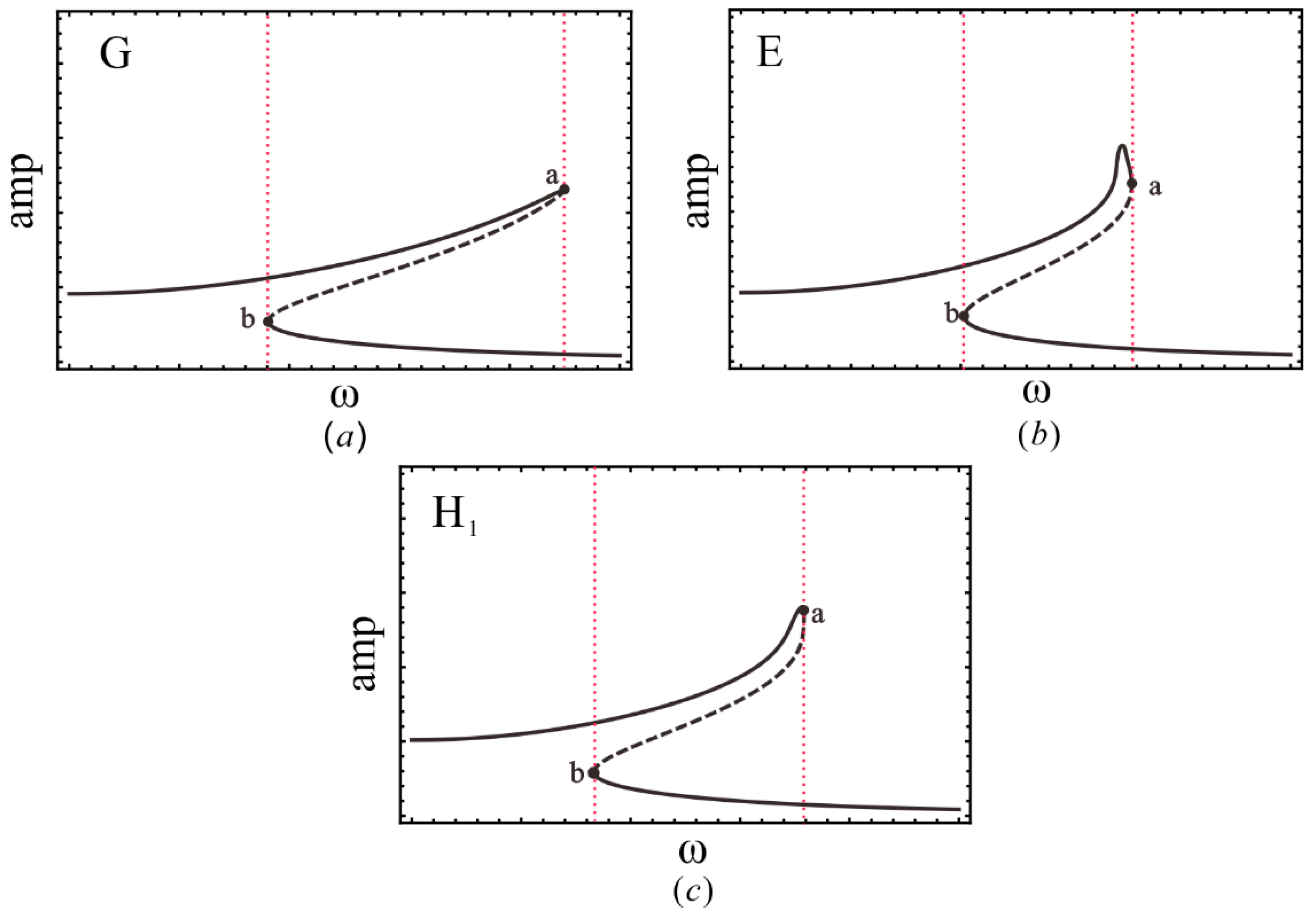
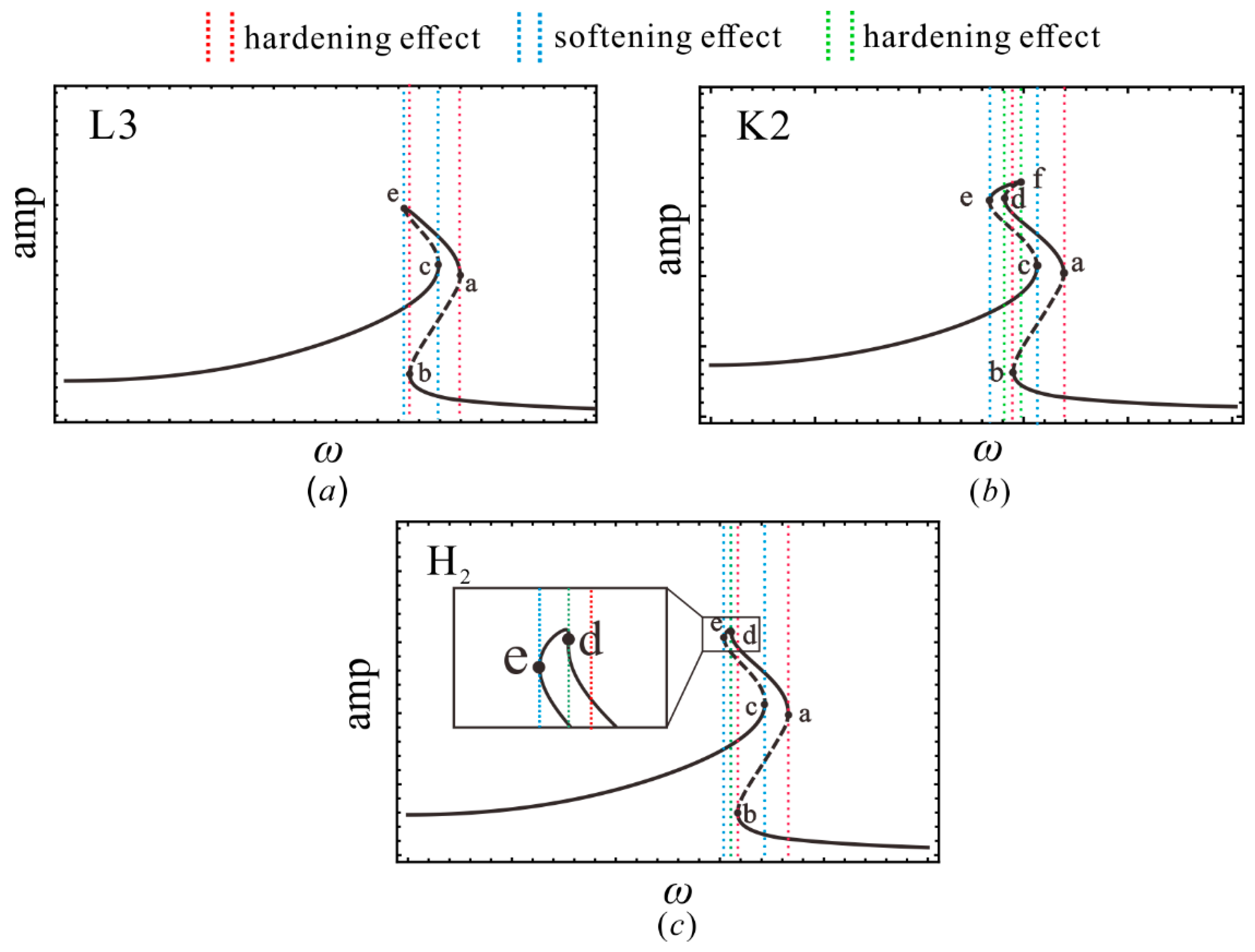
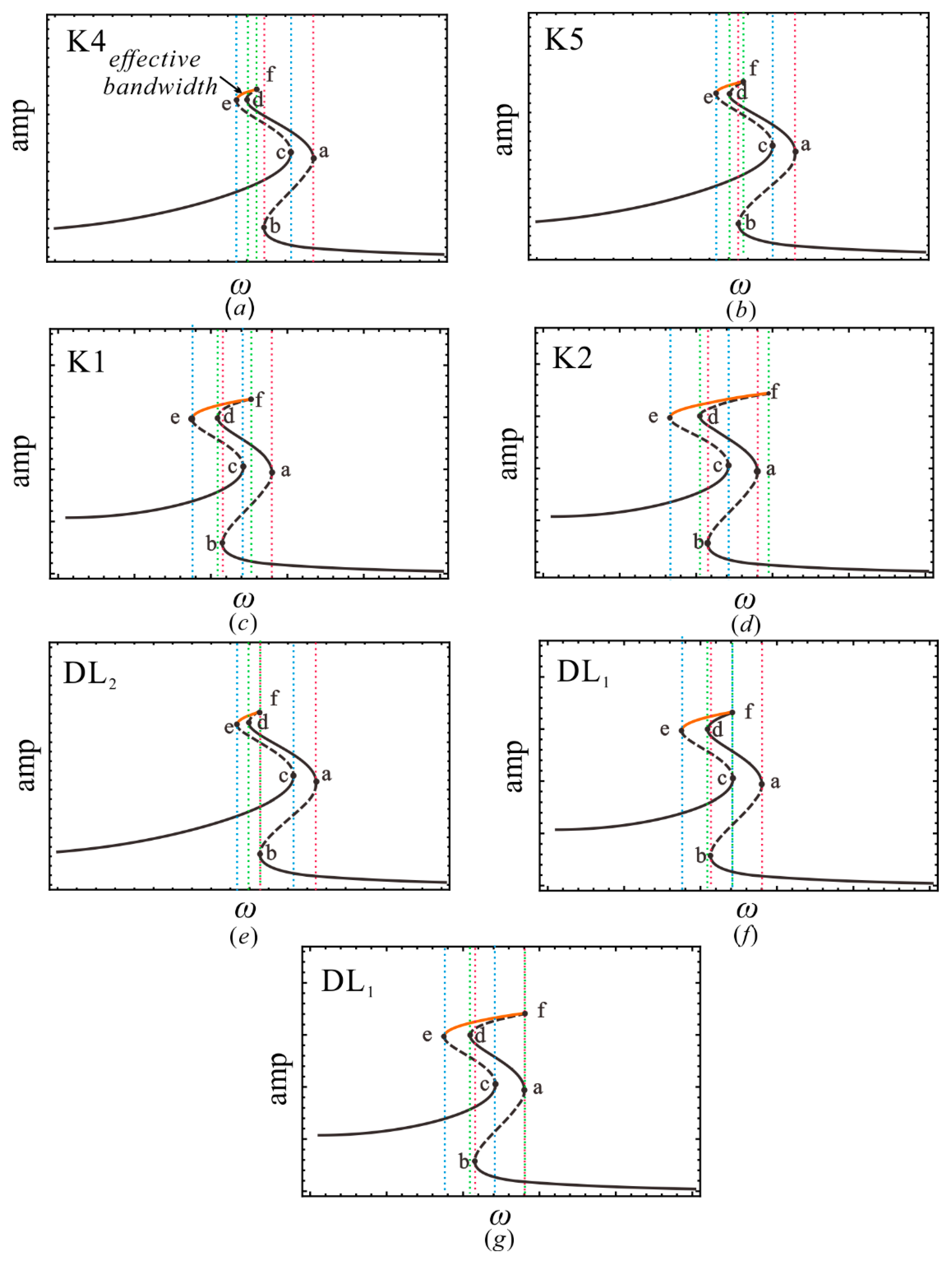
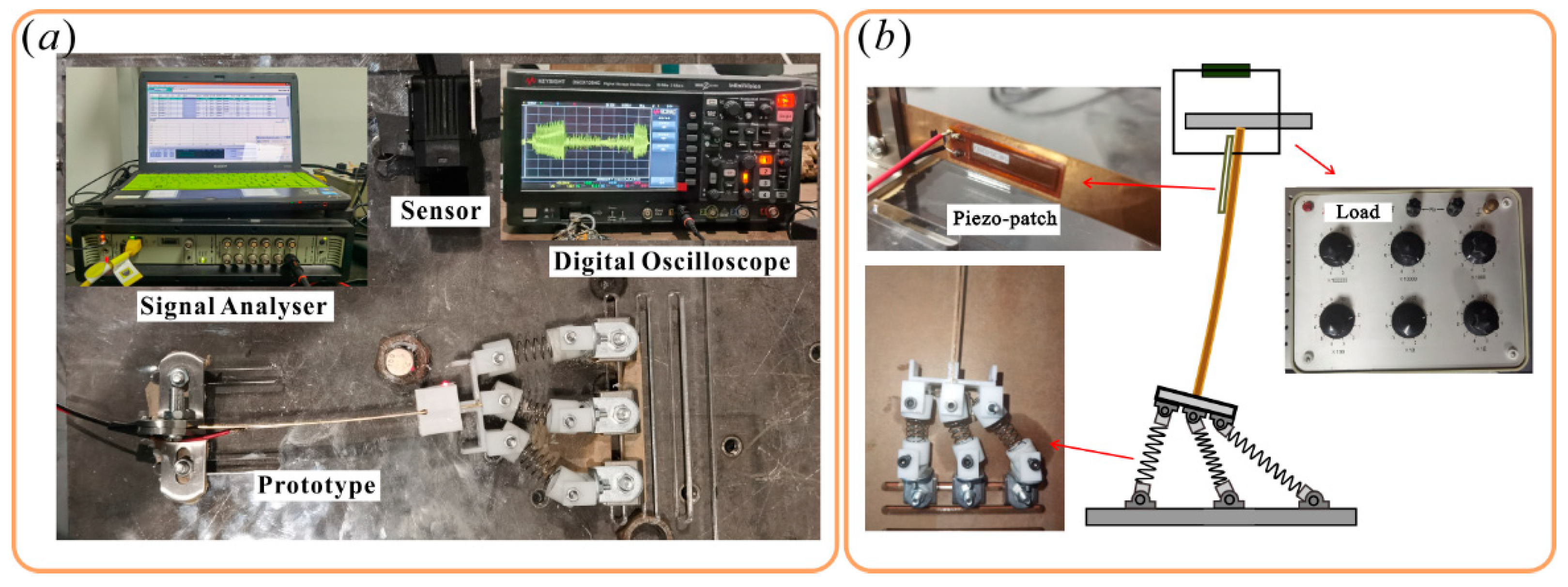
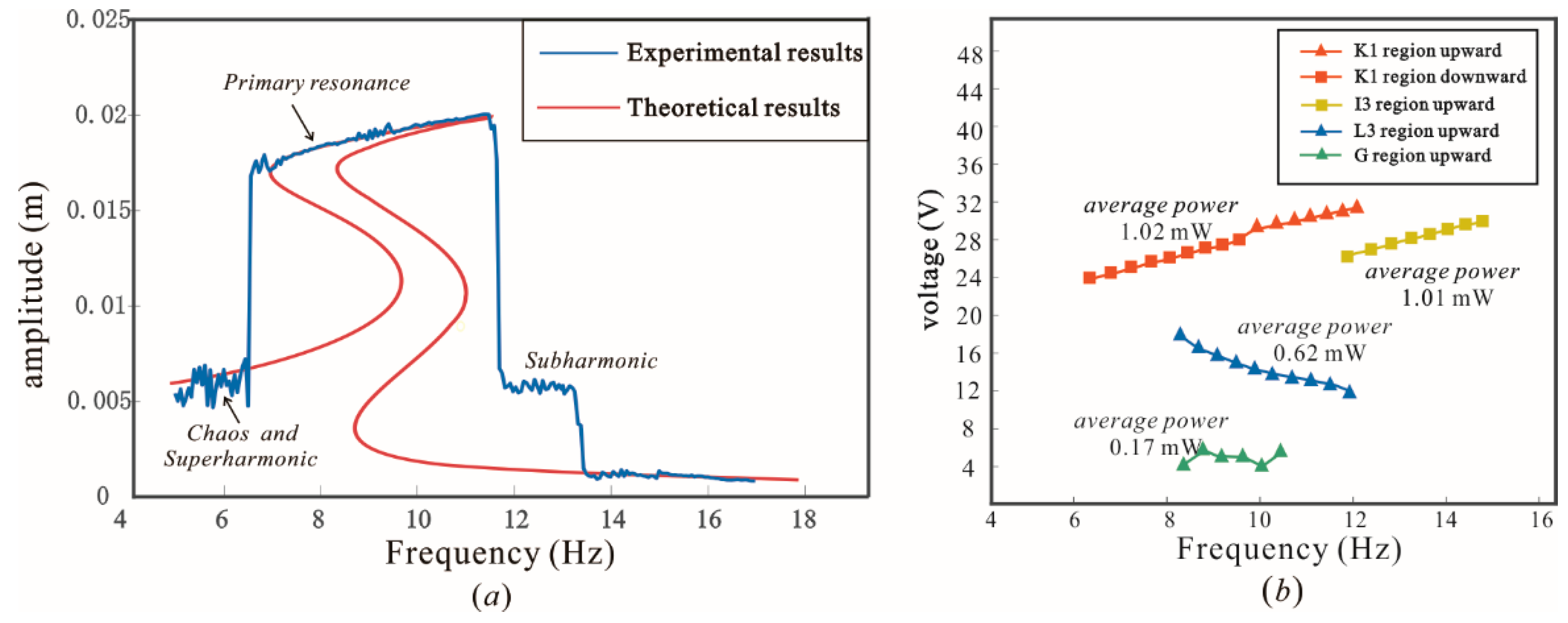
The parameter tuning of a multi-stable energy harvester is crucial to enhancing harvesting efficiency. In this paper, the bifurcation theory is applied to quantitatively reveal the effects of structural parameters on the statics and dynamics of a quad-stable energy harvester (QEH). Firstly, a novel QEH system utilizing the geometric nonlinearity of springs is proposed. Static bifurcation analysis is carried out to design quad-stable working conditions. To investigate the cross-well and high-energy vibration, the complex dynamic frequency (CDF) method, suitable for both weakly and strongly nonlinear dynamic problems, is then applied to deduce the primary response solution. By using the unfolding analysis in singularity theory, four steady-state properties and dozens of primary resonance modes are demonstrated. Based on the transition set, the effective bandwidth for energy harvesting can be customized to adapt well to various vibration environments by parametric adjustment. Finally, the experimental tests verify that the output power can reach up to 1 mW. The proposed QEH and its mechanics optimization can guide energy supply for next-generation wireless systems and low-power sensors under magnetic forbidding environments.
Keywords: energy harvester; multi-stability; bifurcation modes; geometric nonlinearity energy harvester; multi-stability; bifurcation modes; geometric nonlinearity