Article

Treatment Outcome Prediction Using Multi-Task Learning: Application to Botulinum Toxin in Gait Rehabilitation


1
Informatique, Bio-Informatique et Systèmes Complexes (IBISC) EA 4526, Univ Evry, Université Paris-Saclay, 91020 Evry, France
2
Department of Computer Science, Sukkur IBA University, Sukkur 65200, Sindh, Pakistan
3
UGECAM Ile-de-France, Movement Analysis Laboratory, 77170 Coubert, France
4
SAMOVAR, Télécom SudParis, Institut Polytechnique de Paris, 91764 Palaiseau, France
*
Authors to whom correspondence should be addressed.
Sensors 2022, 22(21), 8452; https://doi.org/10.3390/s22218452
Submission received: 5 October 2022 / Revised: 22 October 2022 / Accepted: 28 October 2022 / Published: 3 November 2022
(This article belongs to the Special Issue Machine Learning Methods for Biomedical Data Analysis)

Abstract

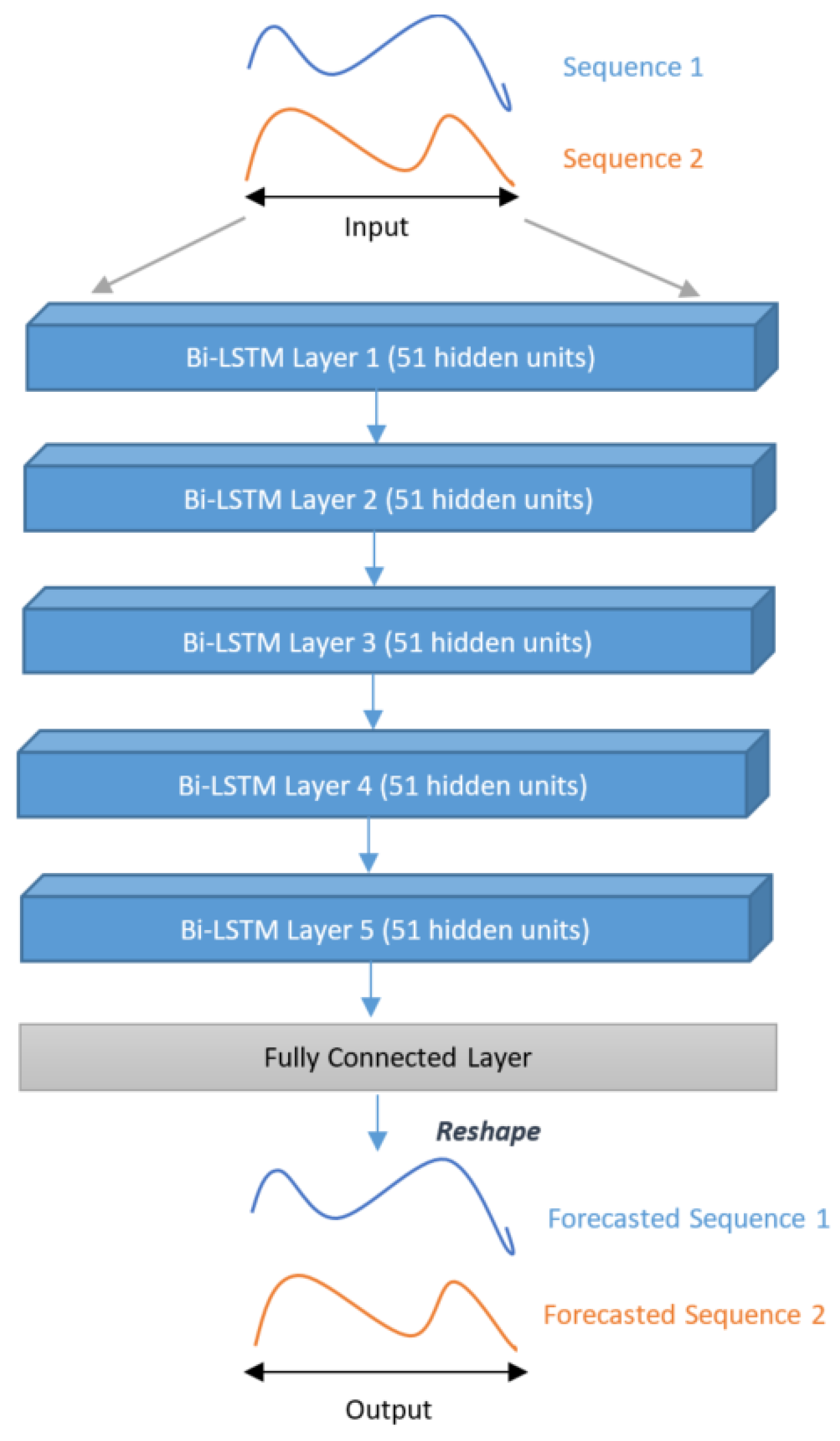
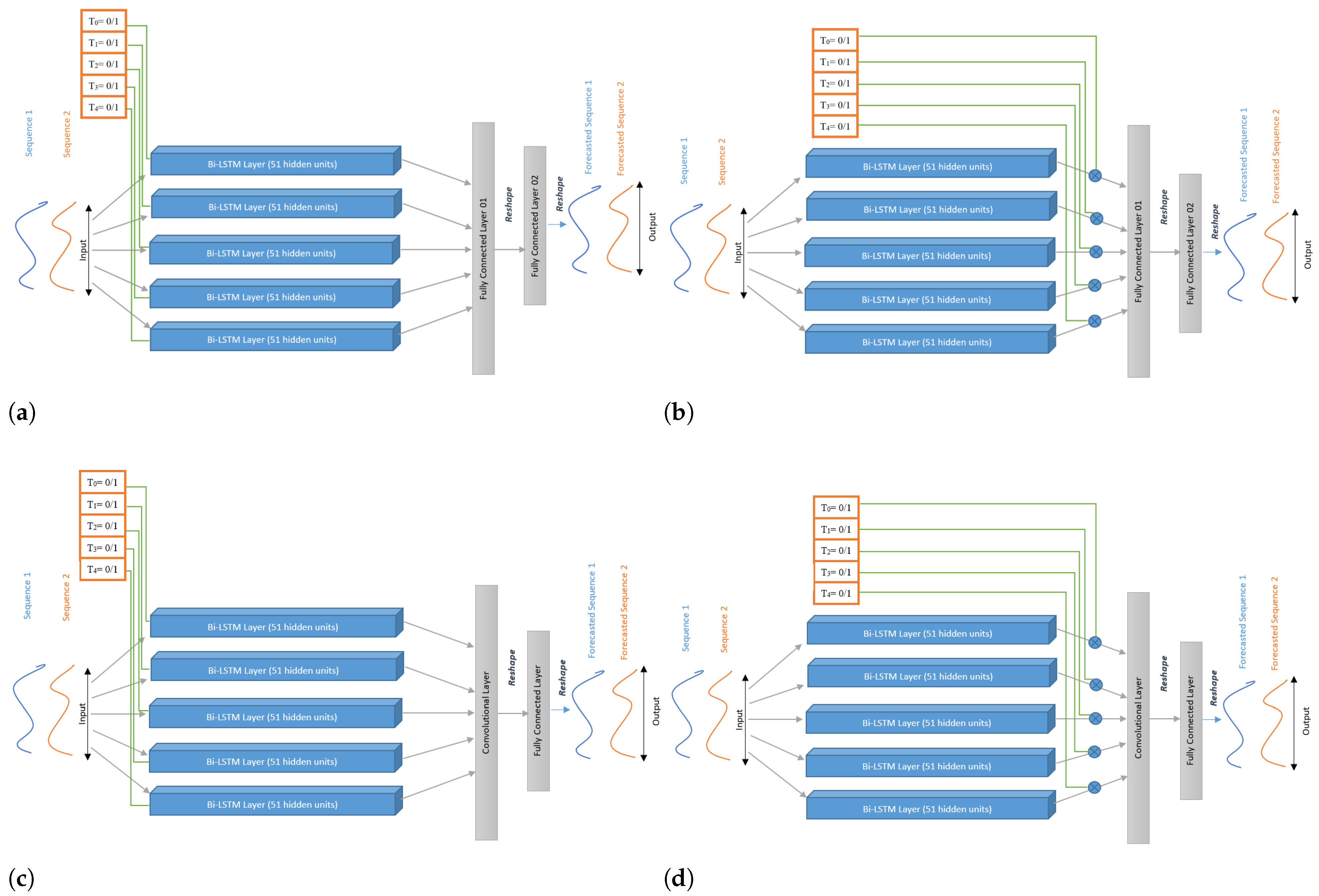
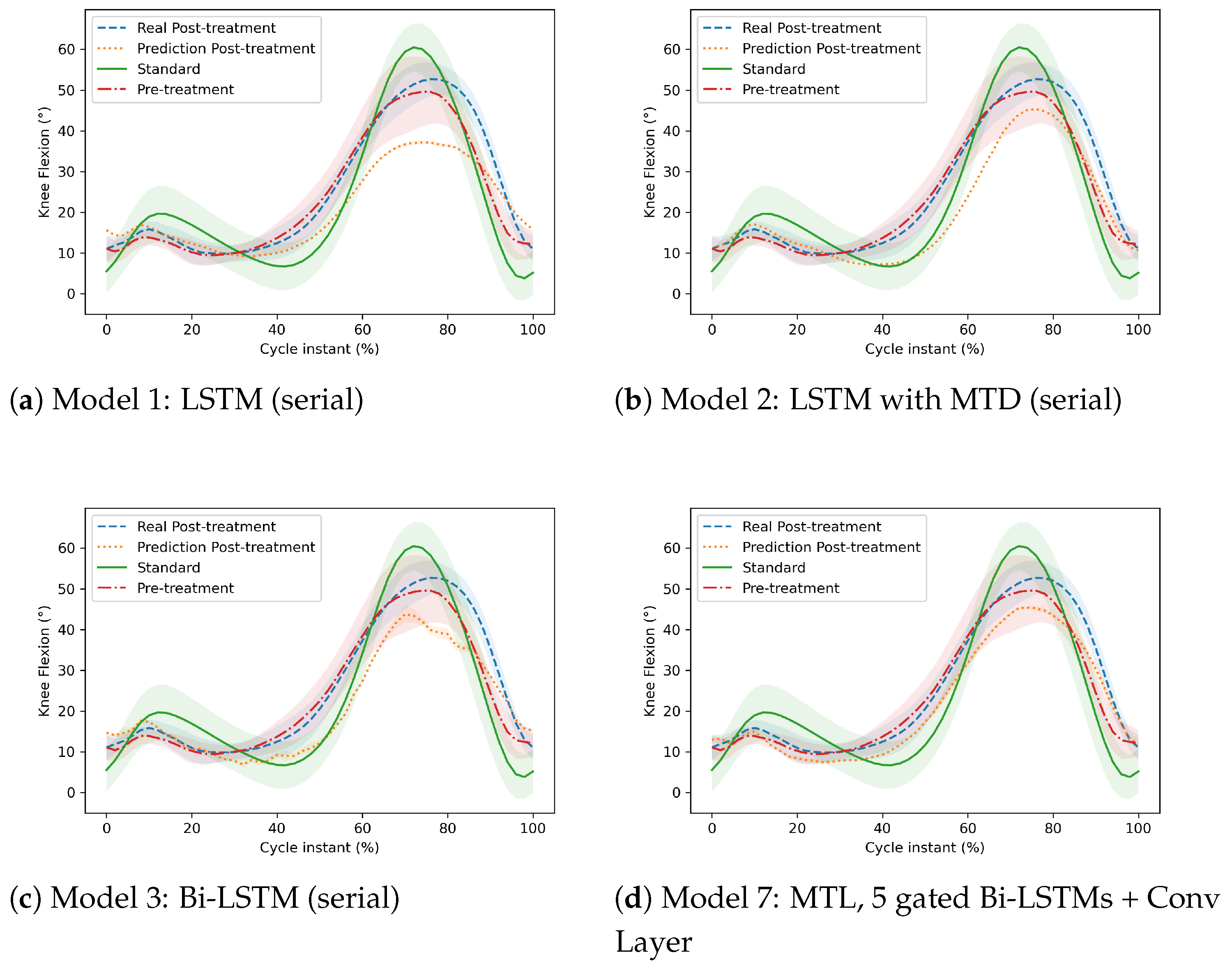
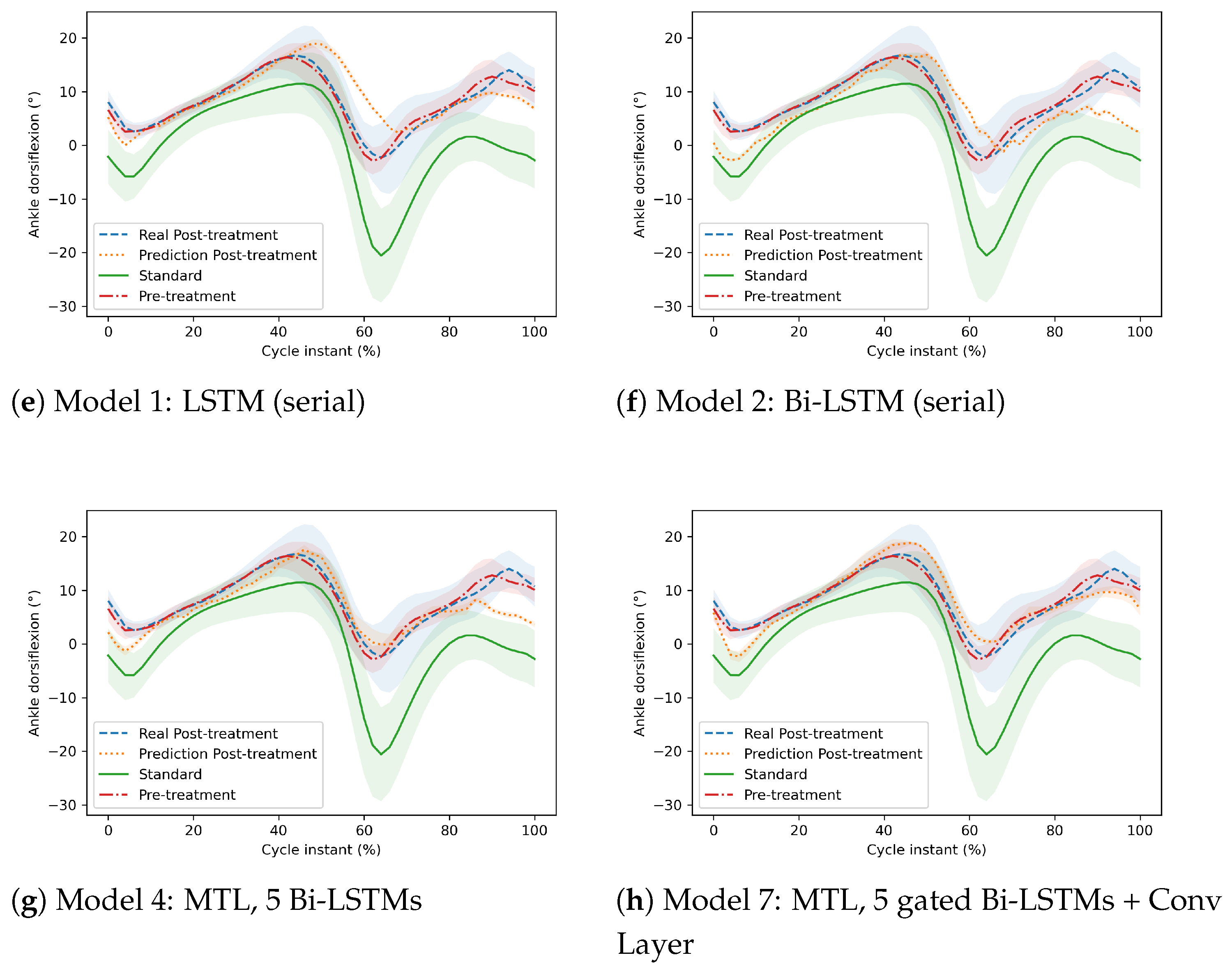
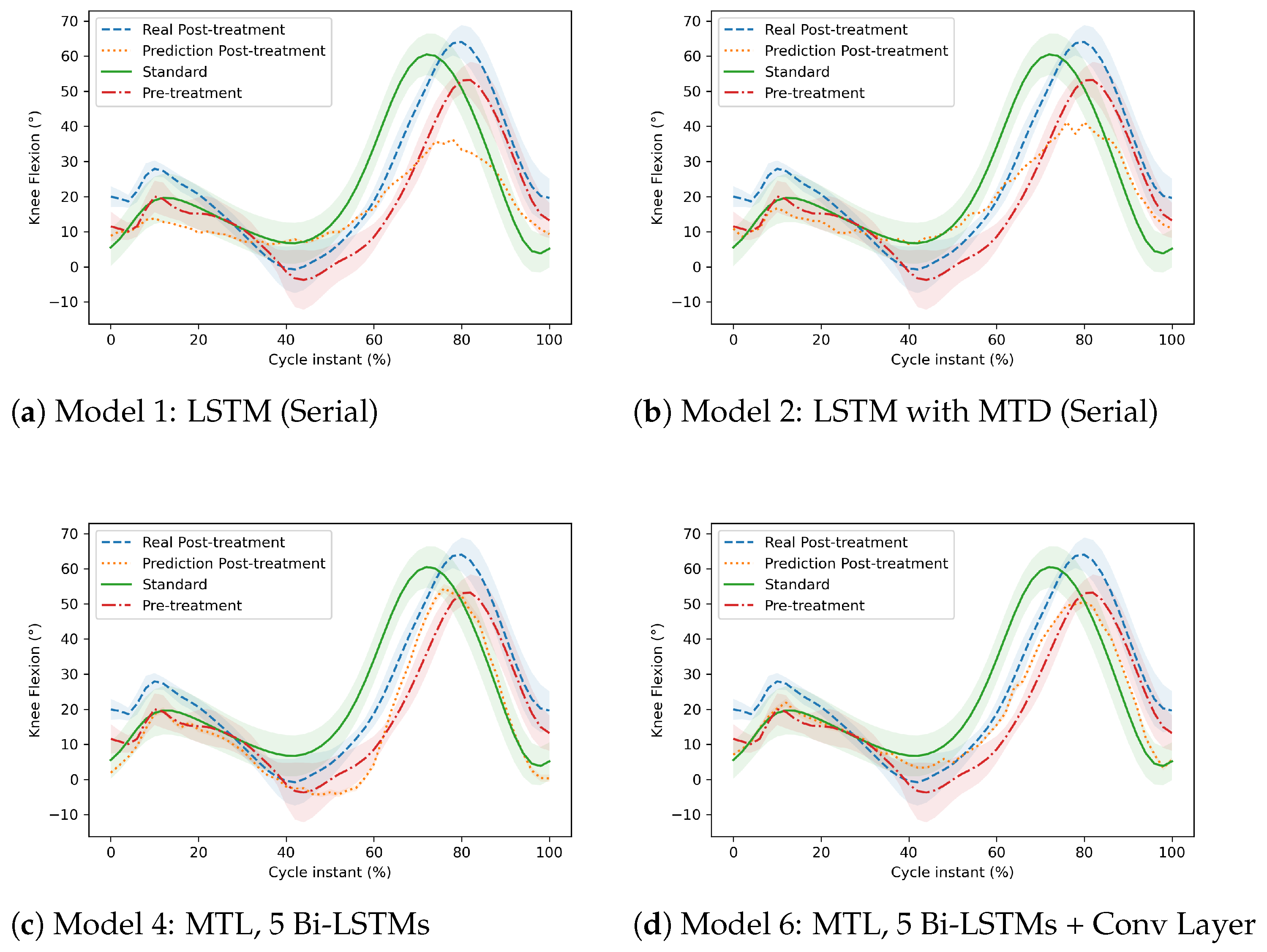
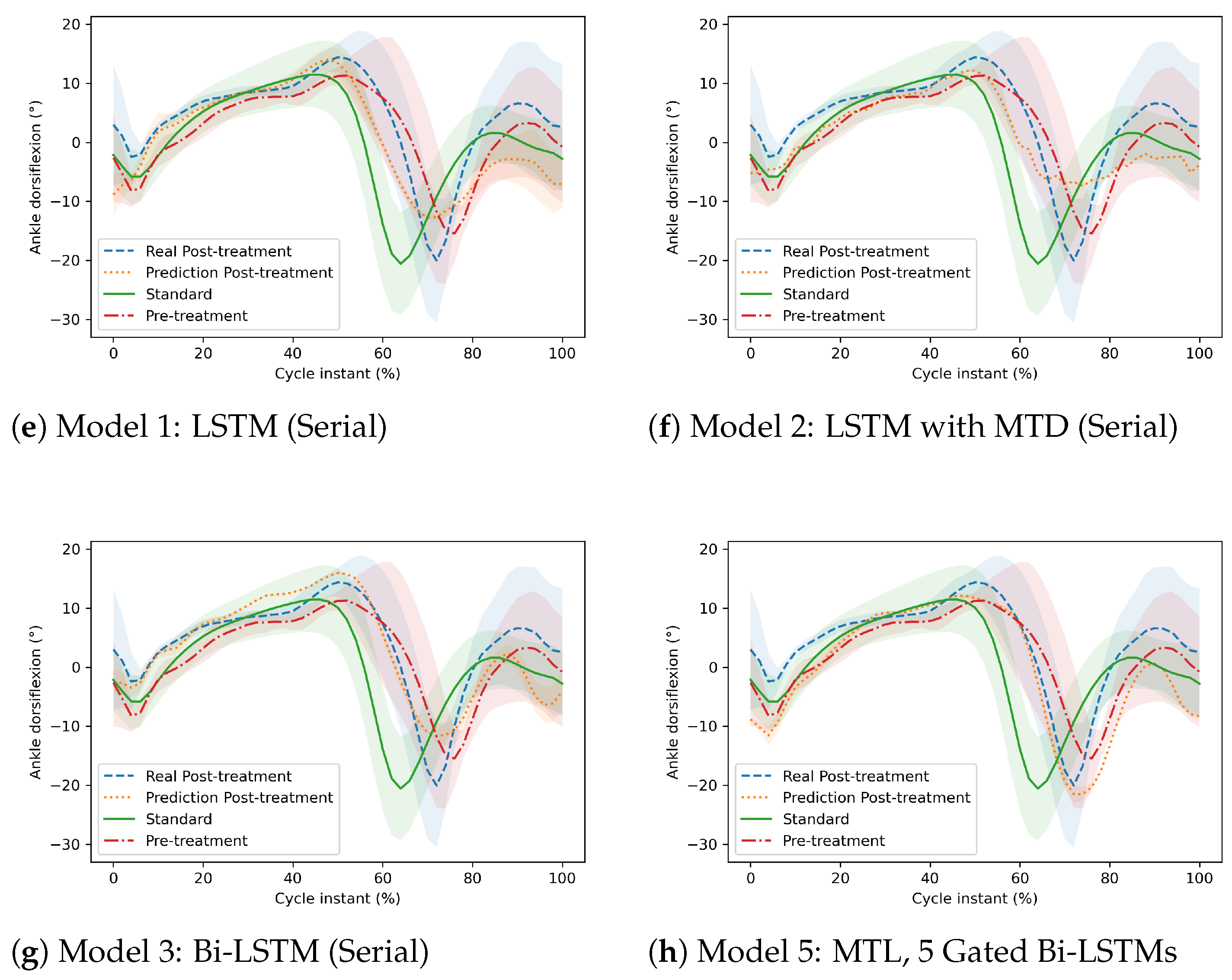
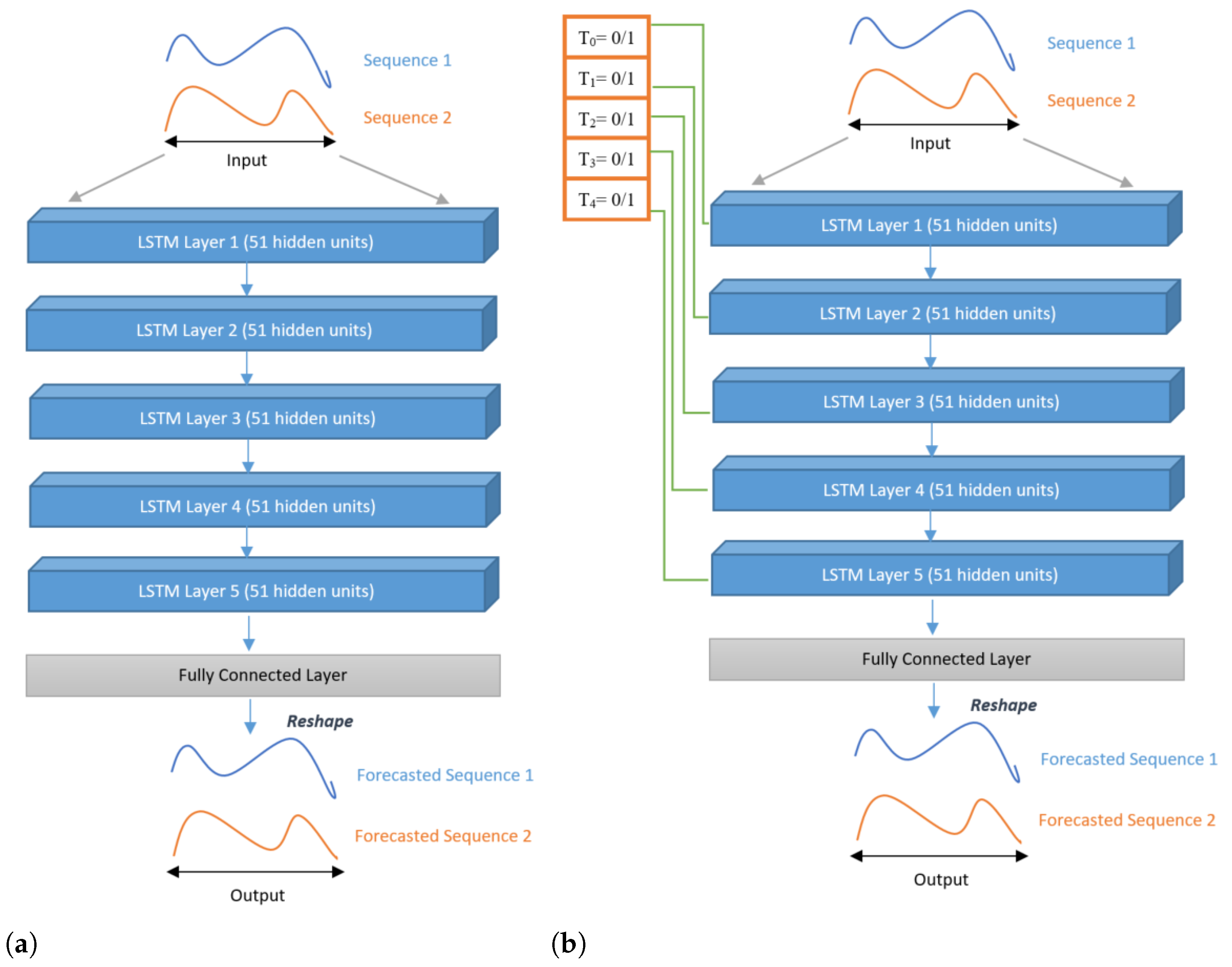
We propose a framework for optimizing personalized treatment outcomes for patients with neurological diseases. A typical consequence of such diseases is gait disorders, partially explained by command and muscle tone problems associated with spasticity. Intramuscular injection of botulinum toxin type A is a common treatment for spasticity. According to the patient’s profile, offering the optimal treatment combined with the highest possible benefit-risk ratio is important. For the prediction of knee and ankle kinematics after botulinum toxin type A (BTX-A) treatment, we propose: (1) a regression strategy based on a multi-task architecture composed of LSTM models; (2) to introduce medical treatment data (MTD) for context modeling; and (3) a gating mechanism to model treatment interaction more efficiently. The proposed models were compared with and without metadata describing treatments and with serial models. Multi-task learning (MTL) achieved the lowest root-mean-squared error (RMSE) (5.60°) for traumatic brain injury (TBI) patients on knee trajectories and the lowest RMSE (3.77°) for cerebral palsy (CP) patients on ankle trajectories, with only a difference of 5.60° between actual and predicted. Overall, the best RMSE ranged from 5.24° to 6.24° for the MTL models. To the best of our knowledge, this is the first time that MTL has been used for post-treatment gait trajectory prediction. The MTL models outperformed the serial models, particularly when introducing treatment metadata. The gating mechanism is efficient in modeling treatment interaction and improving trajectory prediction.
Keywords: multi-task learning; clinical gait analysis; gait rehabilitation; deep learning; long short-term memory; botulinum toxin multi-task learning; clinical gait analysis; gait rehabilitation; deep learning; long short-term memory; botulinum toxin