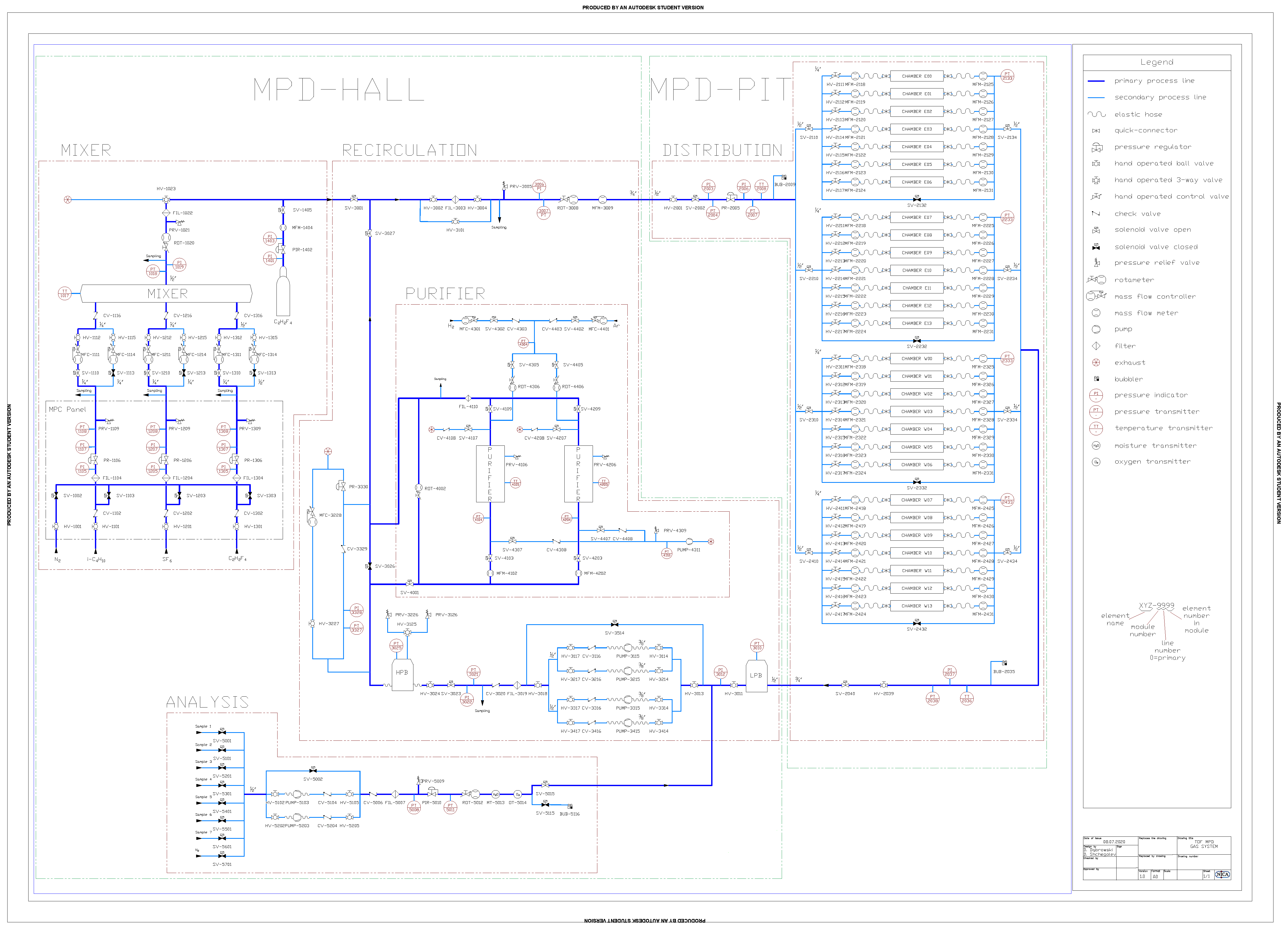
Digital Twins in the Practice of High-Energy Physics Experiments: A Gas System for the Multipurpose Detector
 ,
,  , ,
, ,  , , and
 Abstract
Share and Cite
Chaber, P.; Domański, P.D.; Dąbrowski, D.; Ławryńczuk, M.; Nebeluk, R.; Plamowski, S.; Zarzycki, K. Digital Twins in the Practice of High-Energy Physics Experiments: A Gas System for the Multipurpose Detector. Sensors 2022, 22, 678. https://doi.org/10.3390/s22020678
Chaber P, Domański PD, Dąbrowski D, Ławryńczuk M, Nebeluk R, Plamowski S, Zarzycki K. Digital Twins in the Practice of High-Energy Physics Experiments: A Gas System for the Multipurpose Detector. Sensors. 2022; 22(2):678. https://doi.org/10.3390/s22020678
Chicago/Turabian StyleChaber, Patryk, Paweł D. Domański, Daniel Dąbrowski, Maciej Ławryńczuk, Robert Nebeluk, Sebastian Plamowski, and Krzysztof Zarzycki. 2022. "Digital Twins in the Practice of High-Energy Physics Experiments: A Gas System for the Multipurpose Detector" Sensors 22, no. 2: 678. https://doi.org/10.3390/s22020678
APA StyleChaber, P., Domański, P. D., Dąbrowski, D., Ławryńczuk, M., Nebeluk, R., Plamowski, S., & Zarzycki, K. (2022). Digital Twins in the Practice of High-Energy Physics Experiments: A Gas System for the Multipurpose Detector. Sensors, 22(2), 678. https://doi.org/10.3390/s22020678