Article

Muscle Co-Contraction Detection in the Time–Frequency Domain

Department of Information Engineering, Università Politecnica delle Marche, Via Brecce Bianche, 60131 Ancona, Italy
*
Author to whom correspondence should be addressed.
Sensors 2022, 22(13), 4886; https://doi.org/10.3390/s22134886
Submission received: 17 May 2022 / Revised: 21 June 2022 / Accepted: 24 June 2022 / Published: 28 June 2022

Abstract

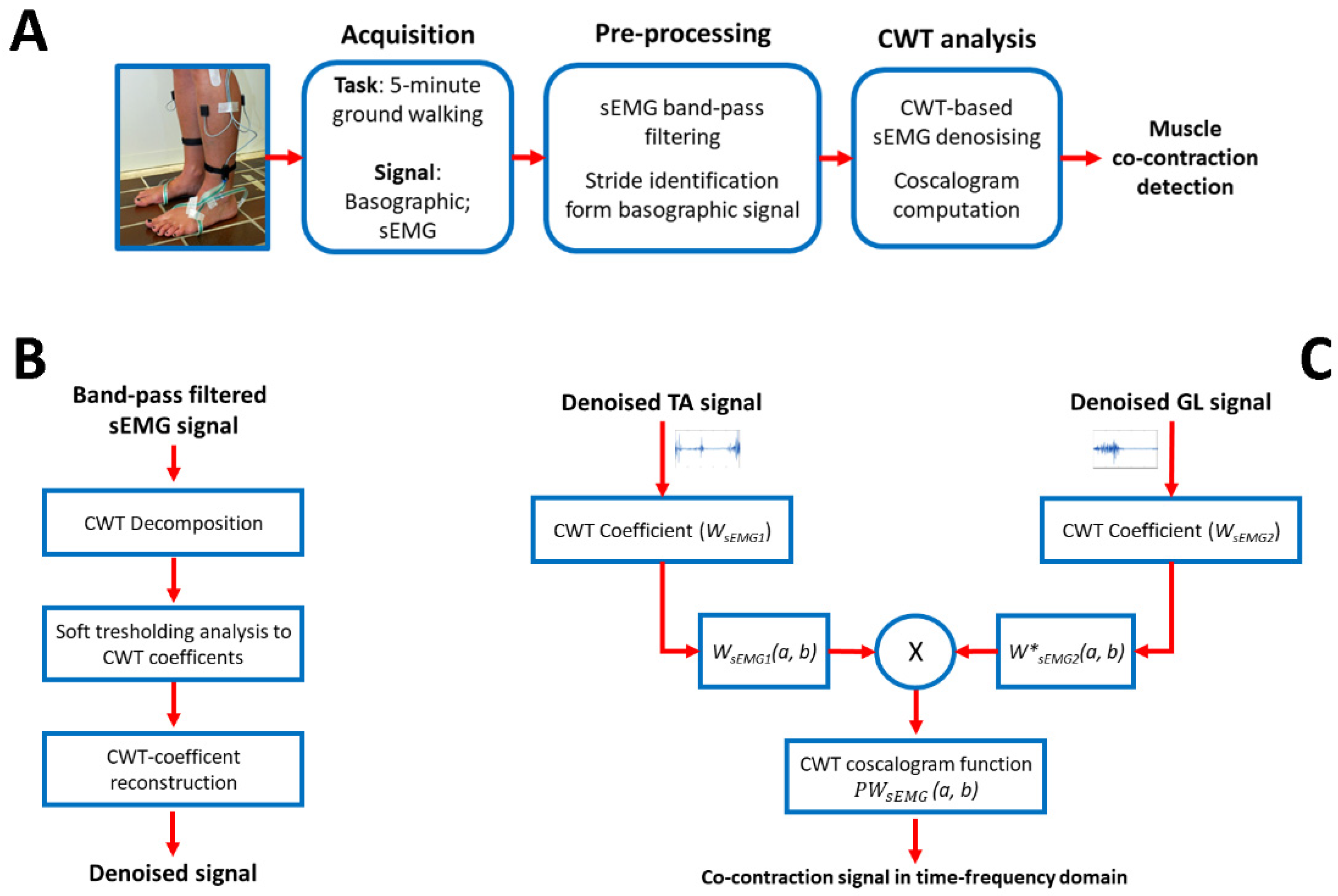
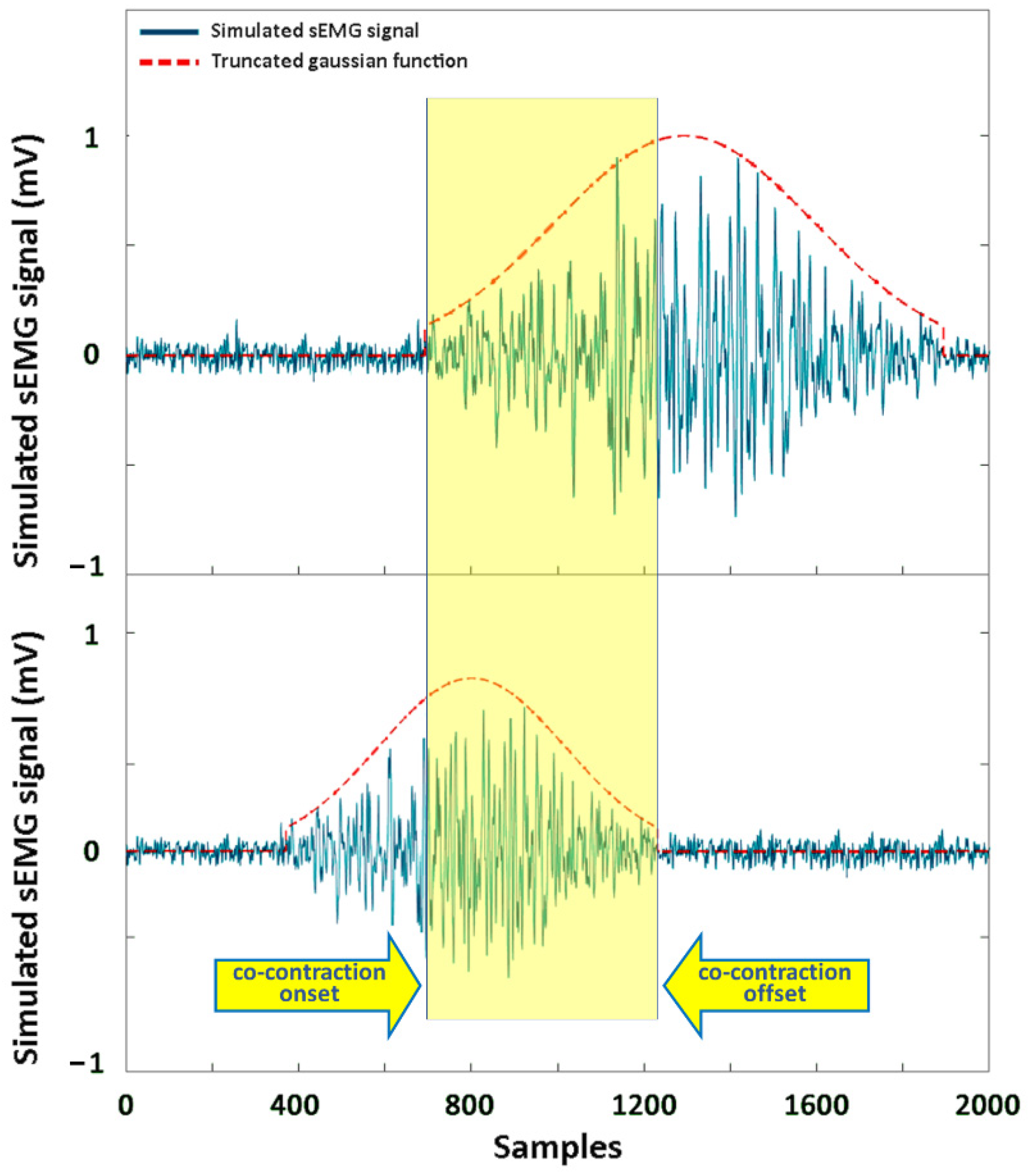
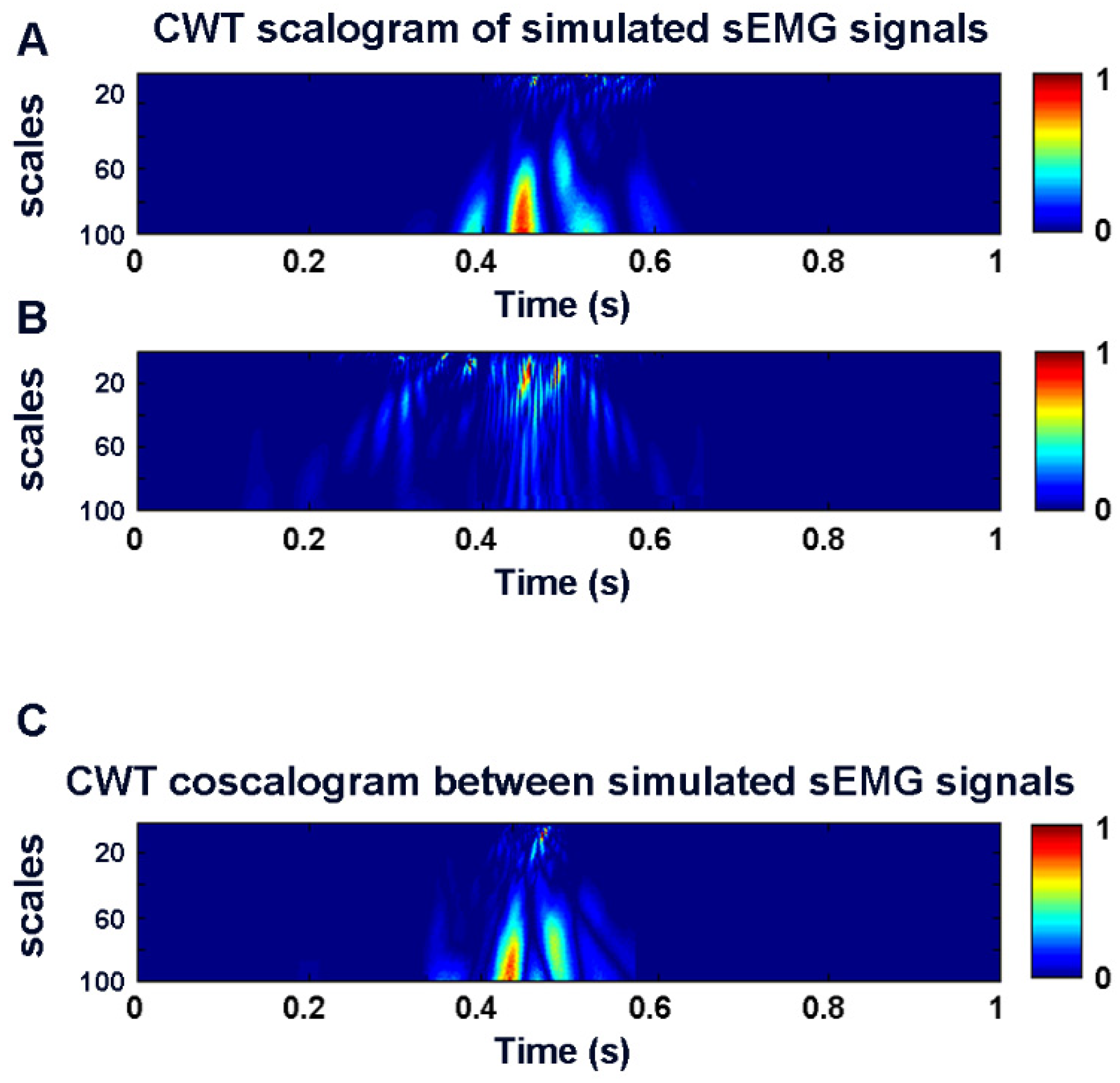
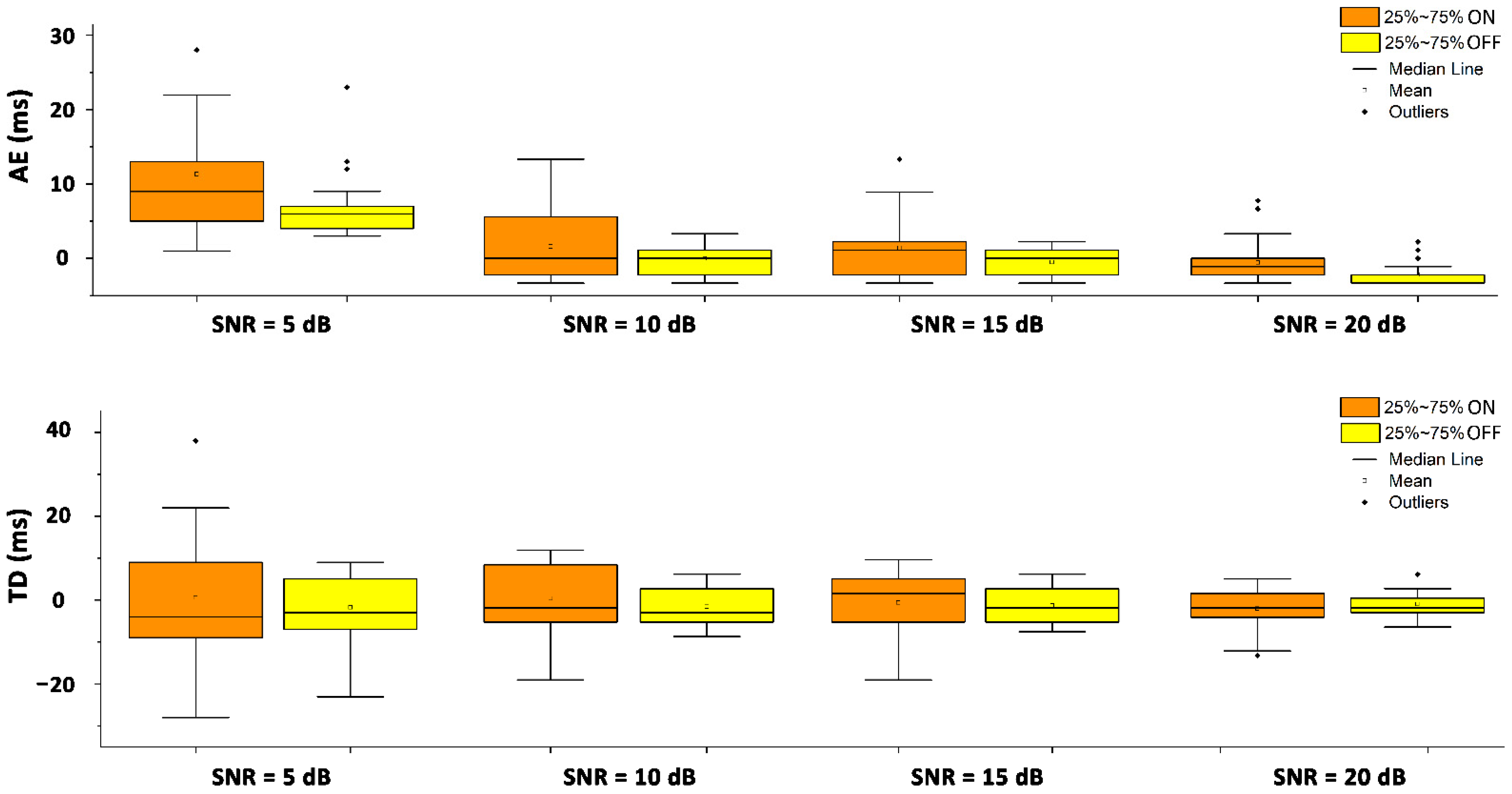
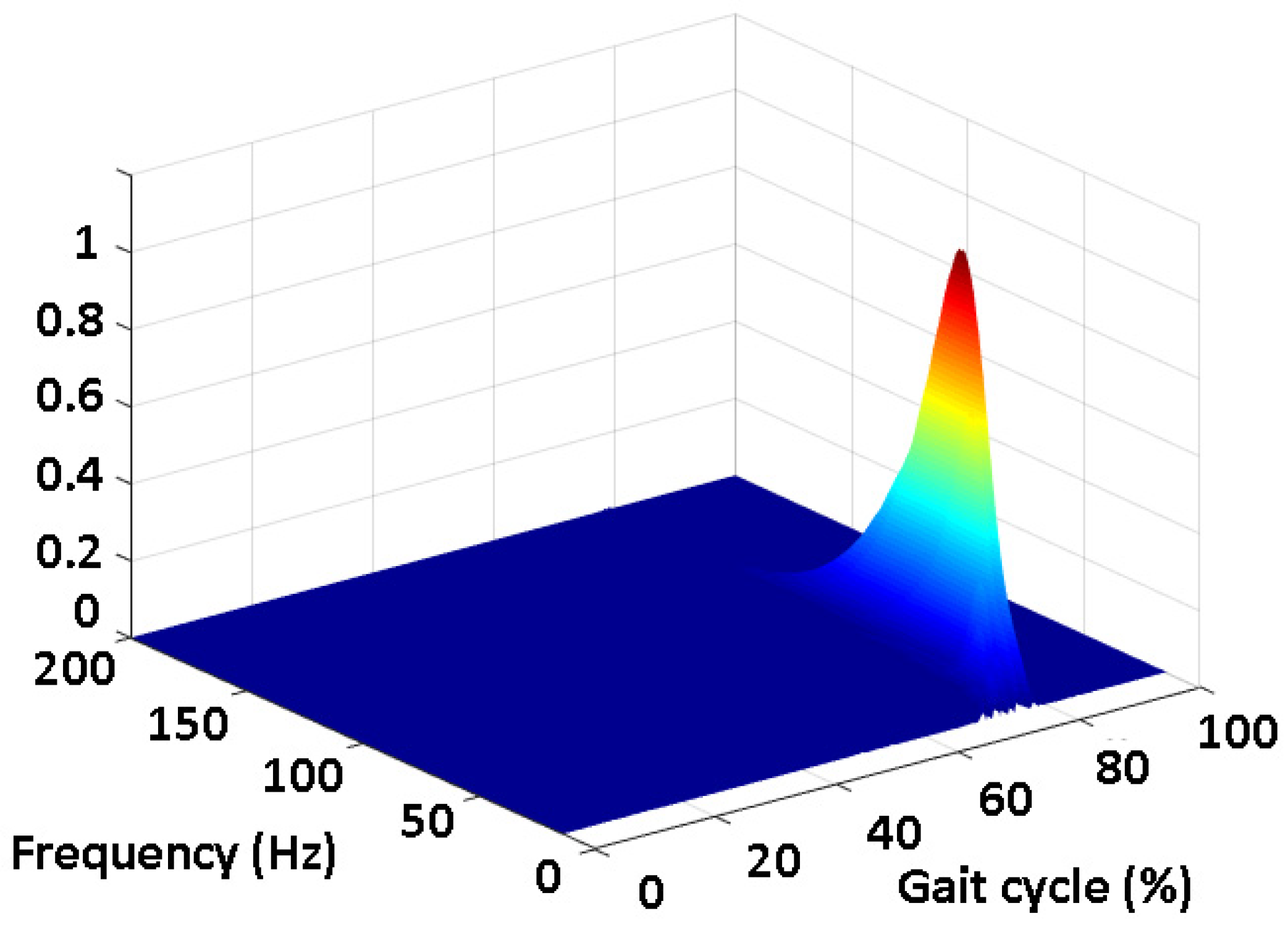
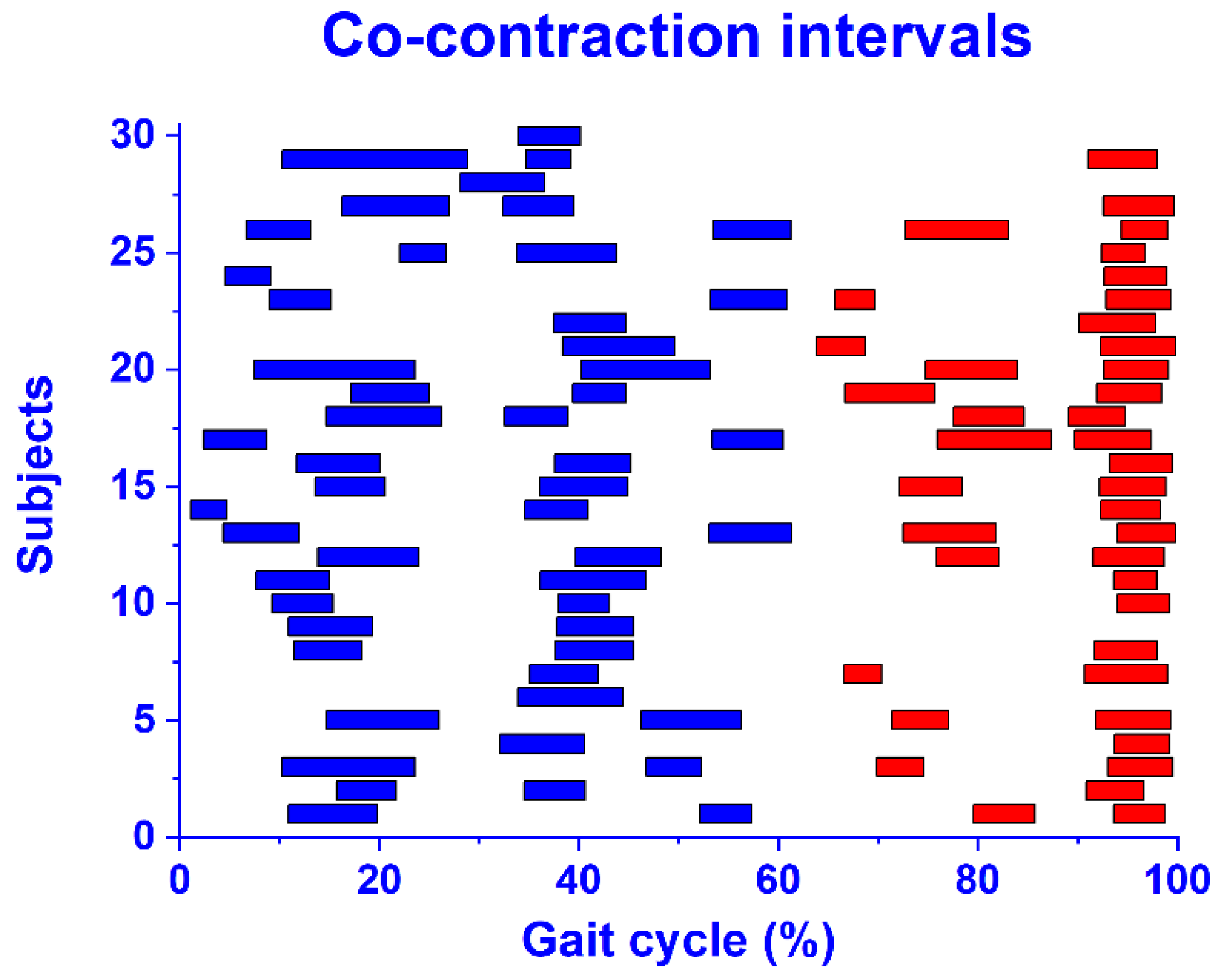
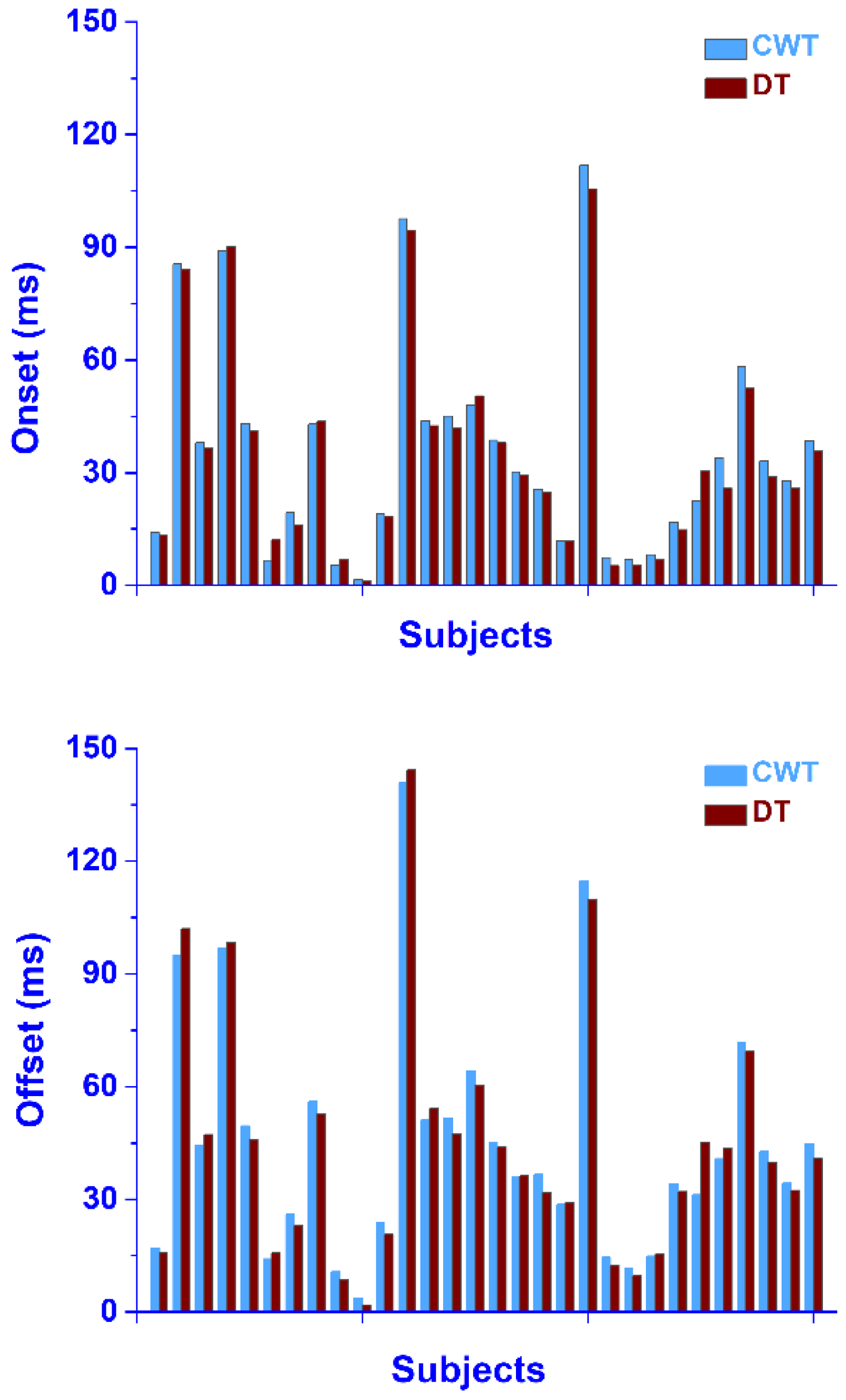
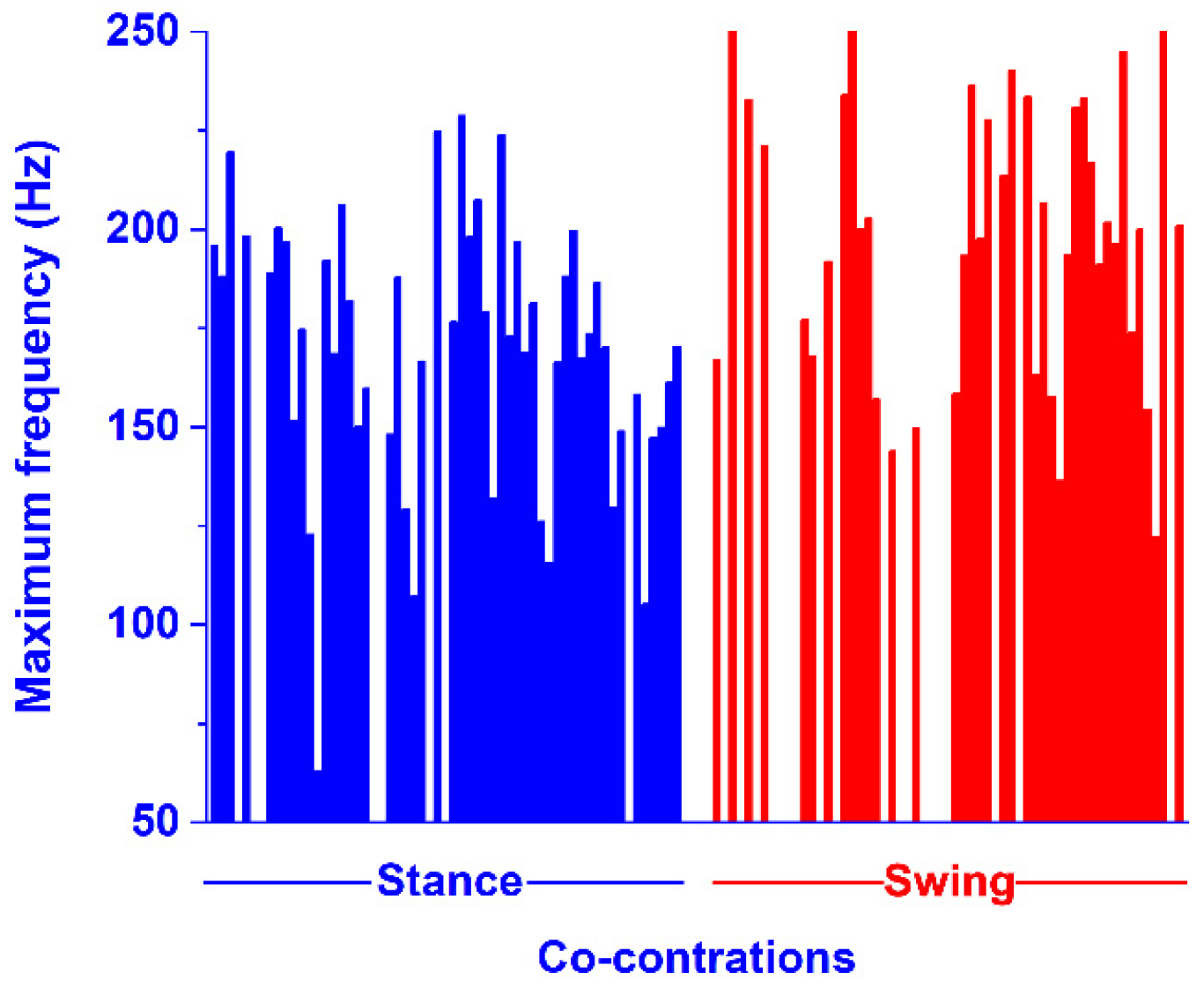
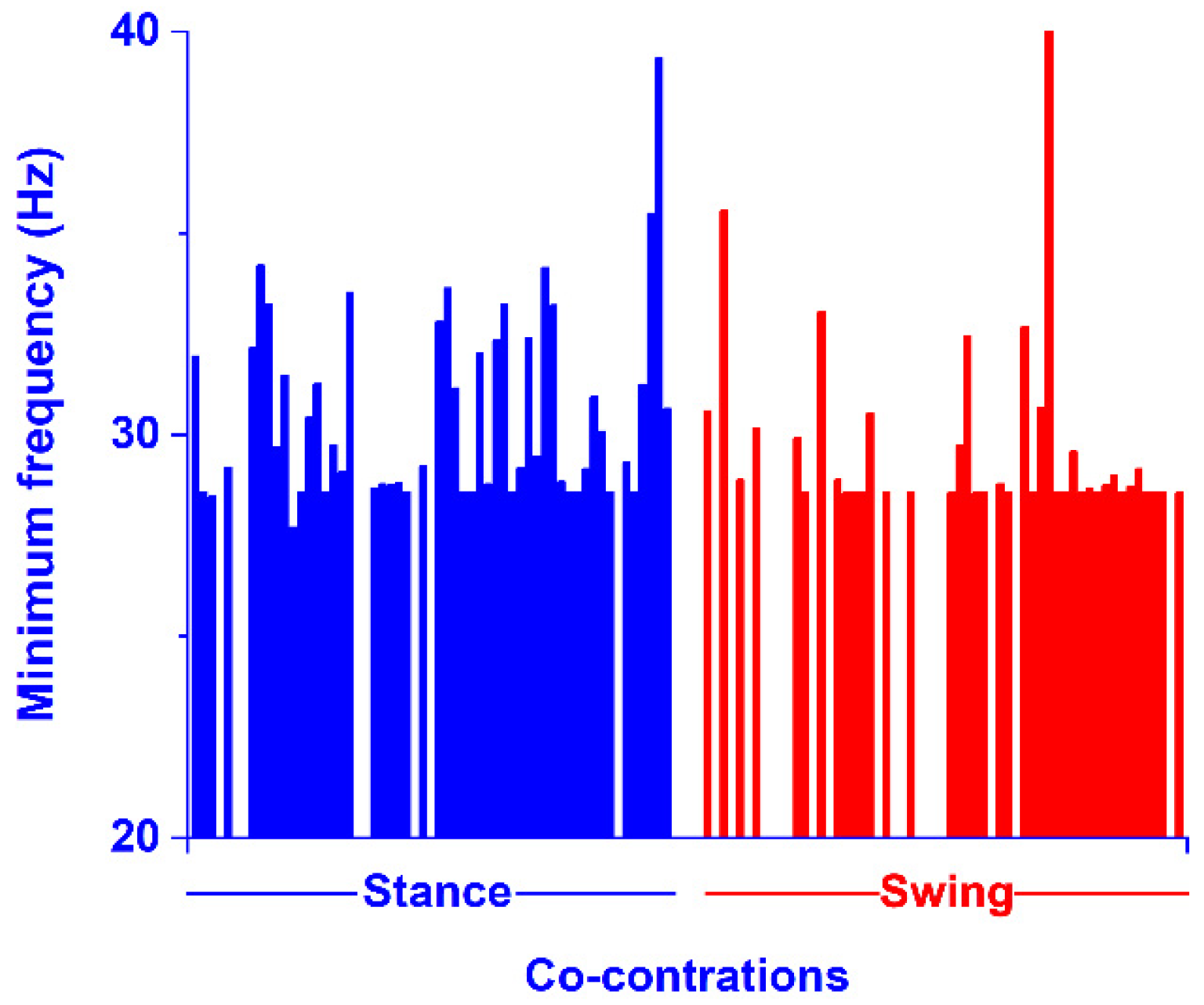
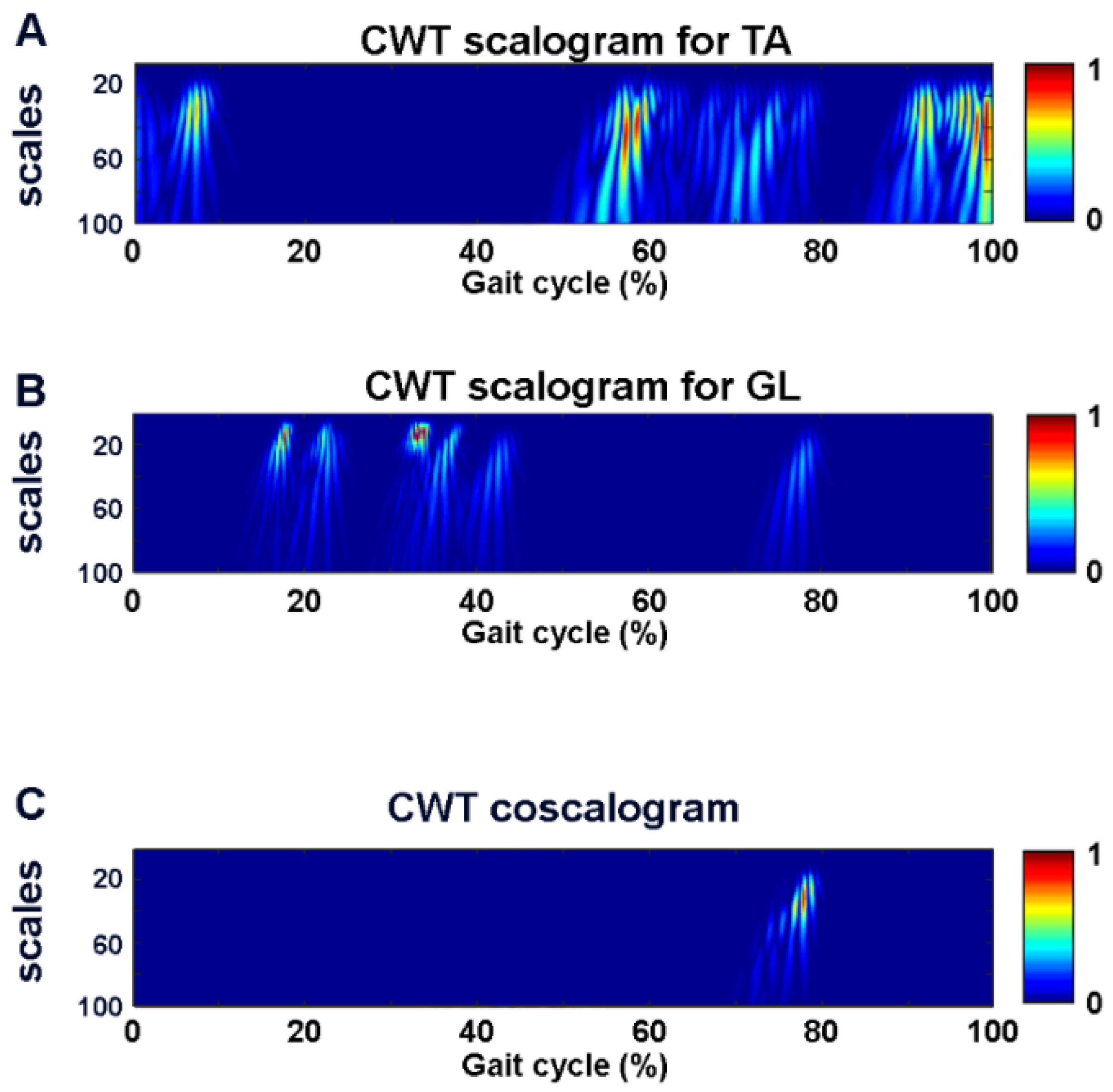
Background: Muscle co-contraction plays a significant role in motion control. Available detection methods typically only provide information in the time domain. The current investigation proposed a novel approach for muscle co-contraction detection in the time–frequency domain, based on continuous wavelet transform (CWT). Methods: In the current study, the CWT-based cross-energy localization of two surface electromyographic (sEMG) signals in the time–frequency domain, i.e., the CWT coscalogram, was adopted for the first time to characterize muscular co-contraction activity. A CWT-based denoising procedure was applied for removing noise from the sEMG signals. Algorithm performances were checked on synthetic and real sEMG signals, stratified for signal-to-noise ratio (SNR), and then validated against an approach based on the acknowledged double-threshold statistical algorithm (DT). Results: The CWT approach provided an accurate prediction of co-contraction timing in simulated and real datasets, minimally affected by SNR variability. The novel contribution consisted of providing the frequency values of each muscle co-contraction detected in the time domain, allowing us to reveal a wide variability in the frequency content between subjects and within stride. Conclusions: The CWT approach represents a relevant improvement over state-of-the-art approaches that provide only a numerical co-contraction index or, at best, dynamic information in the time domain. The robustness of the methodology and the physiological reliability of the experimental results support the suitability of this approach for clinical applications.
Keywords: surface EMG signal; co-contraction detection; muscular synergies; the time–frequency domain; wavelet transform surface EMG signal; co-contraction detection; muscular synergies; the time–frequency domain; wavelet transform