Article

Autonomous Incident Detection on Spectrometers Using Deep Convolutional Models
1
Monash eResearch Centre, 15 Innovation Walk, Monash University, Clayton Campus Victoria, Clayton, VIC 3800, Australia
2
Agilent Technologies, 679 Springvale Rd, Mulgrave, VIC 3170, Australia
*
Authors to whom correspondence should be addressed.
These authors contributed equally to this work.
Sensors 2022, 22(1), 160; https://doi.org/10.3390/s22010160
Submission received: 30 November 2021 / Revised: 21 December 2021 / Accepted: 23 December 2021 / Published: 27 December 2021

Abstract

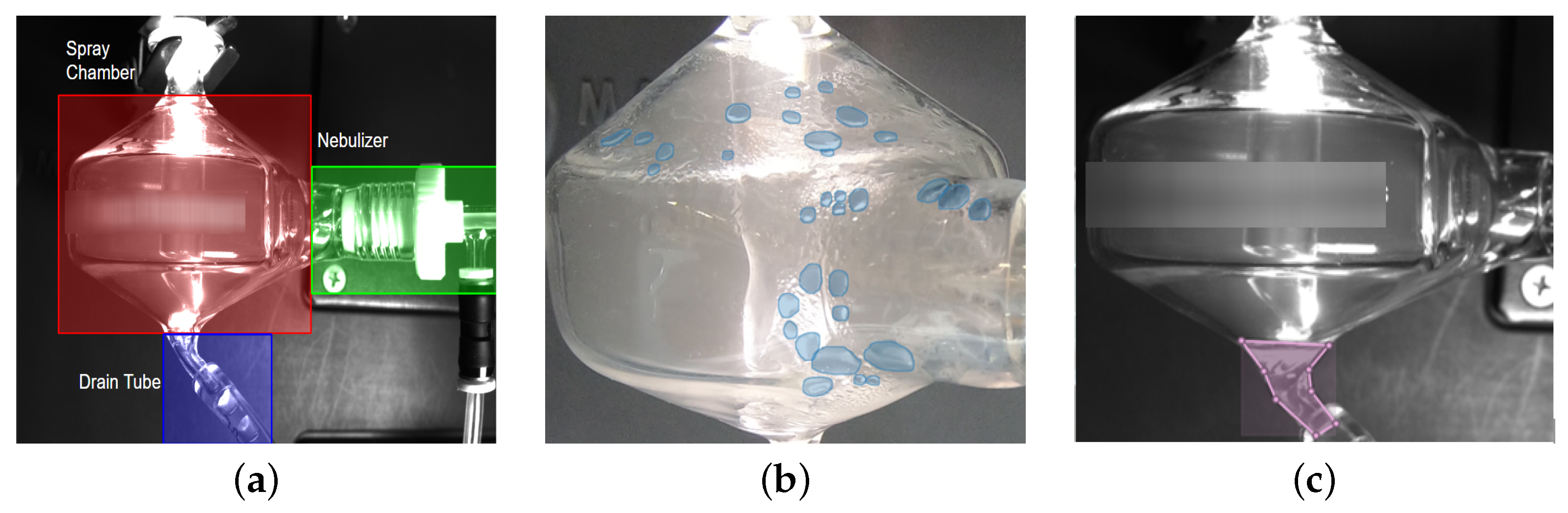
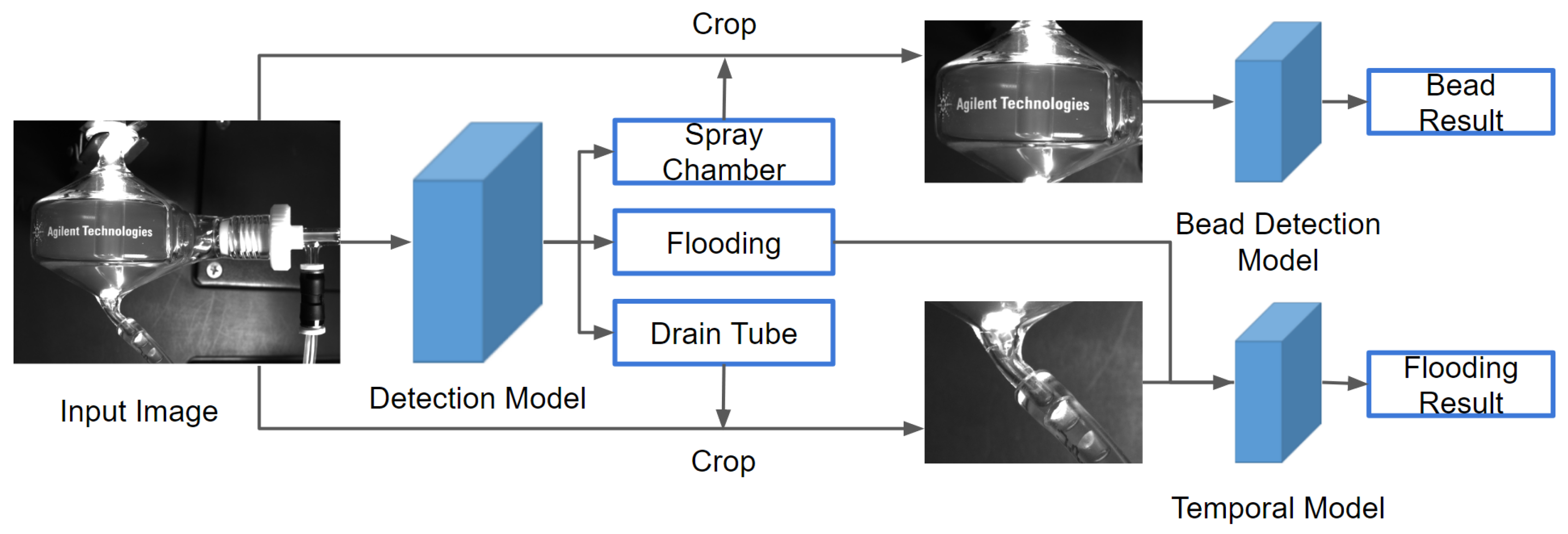
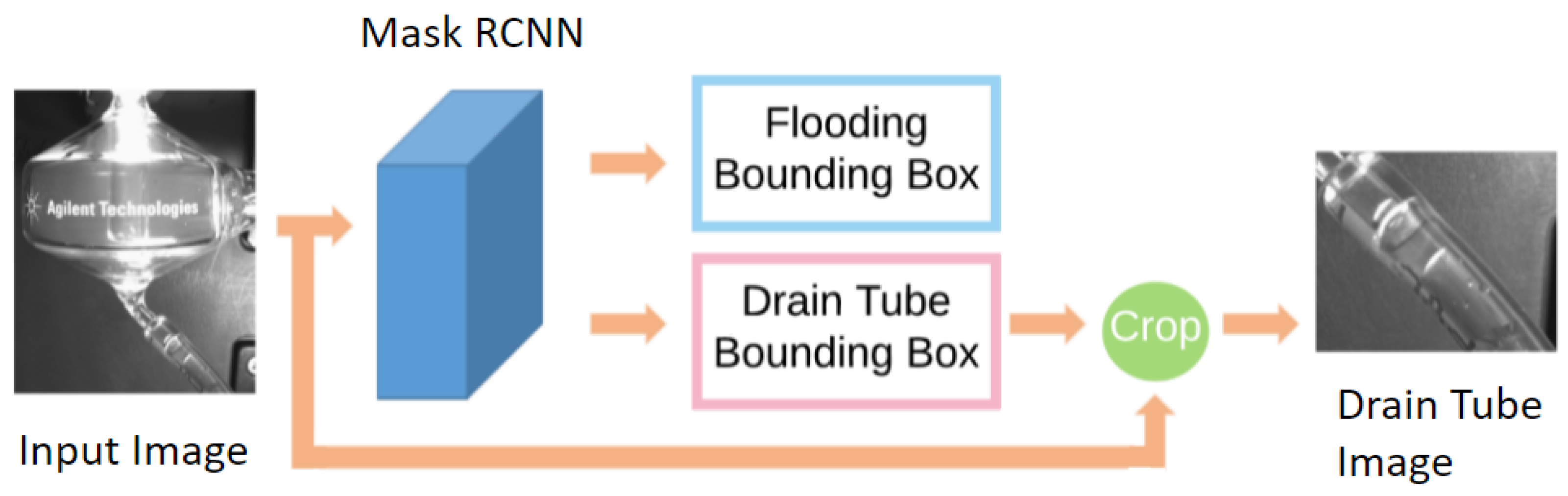
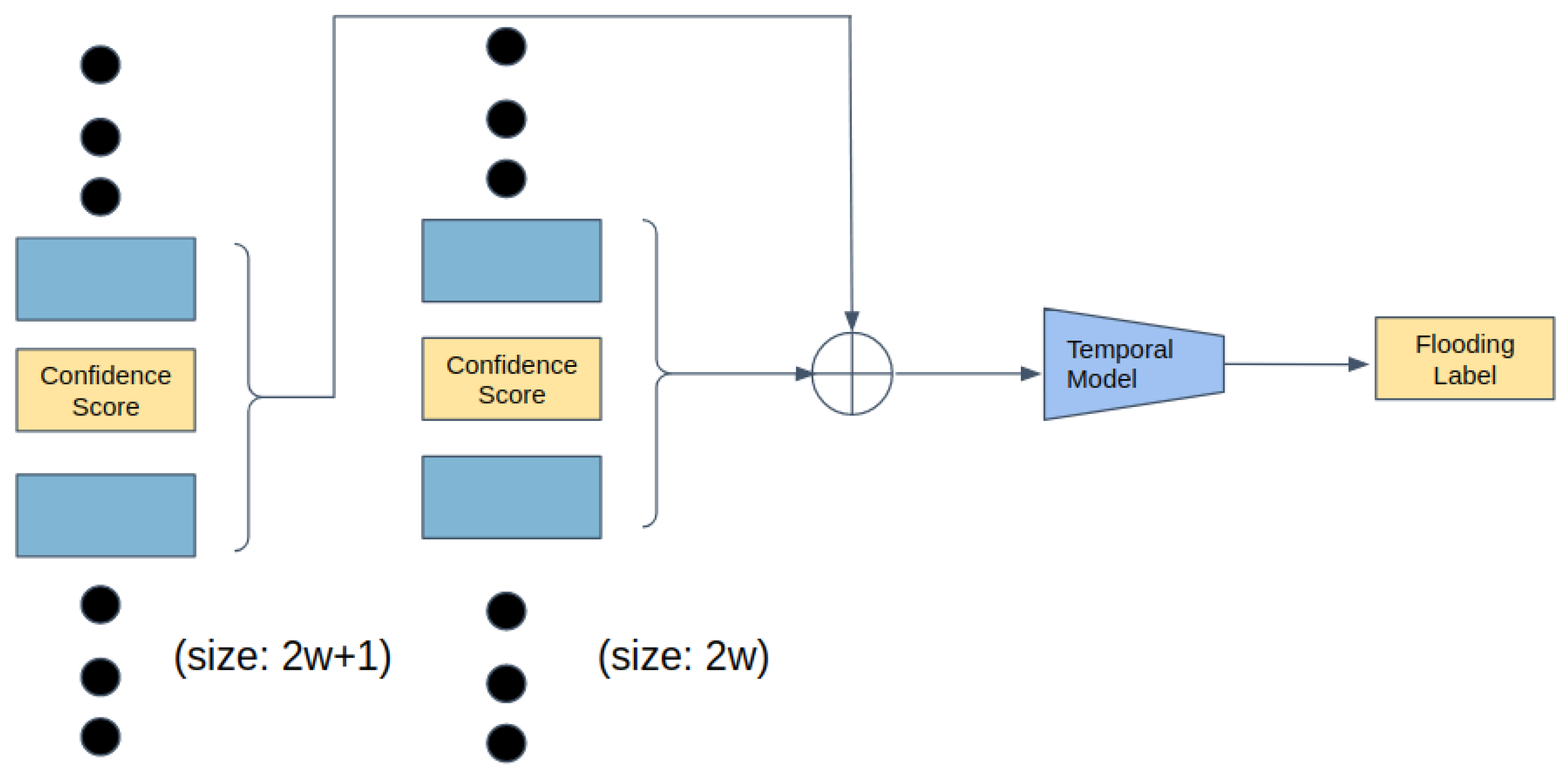
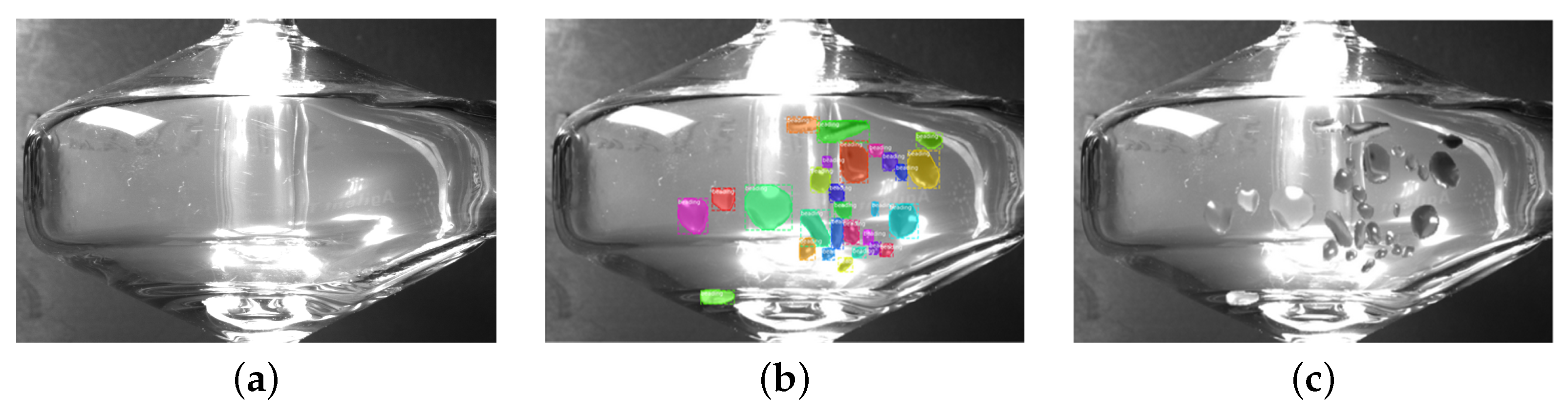
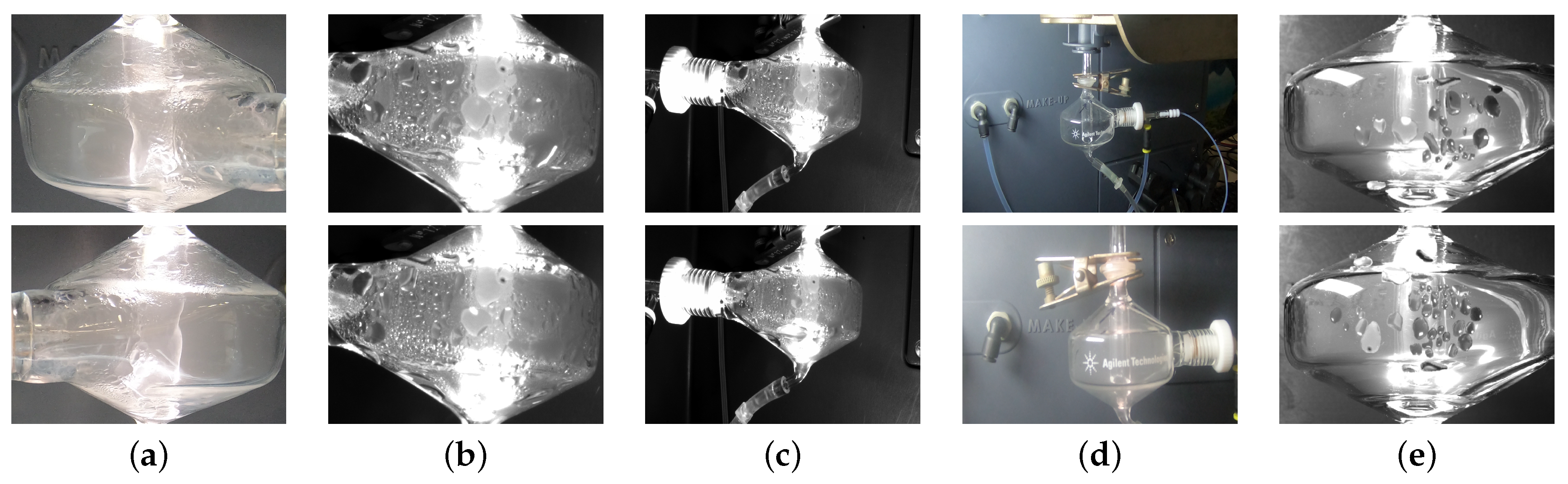
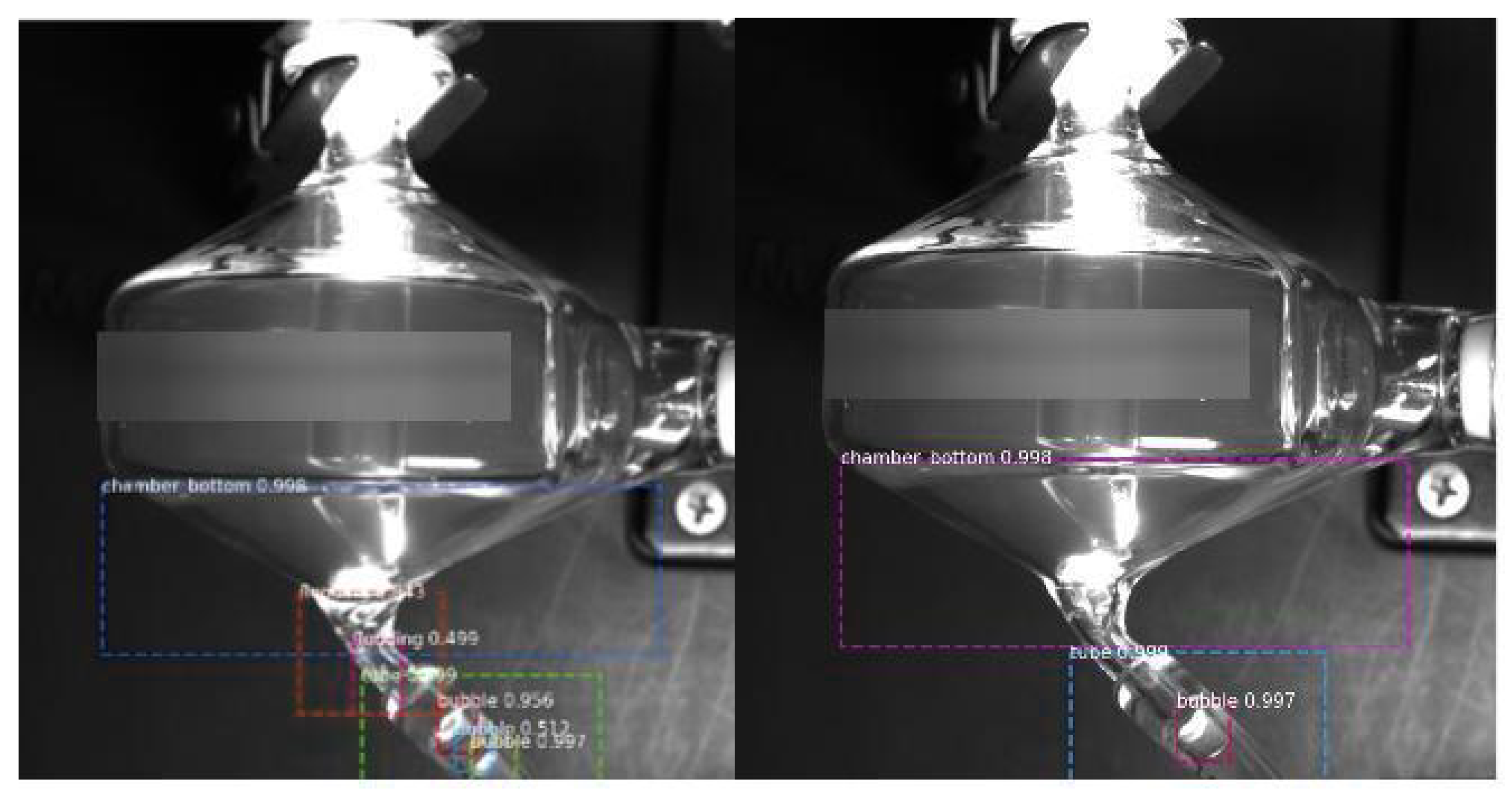
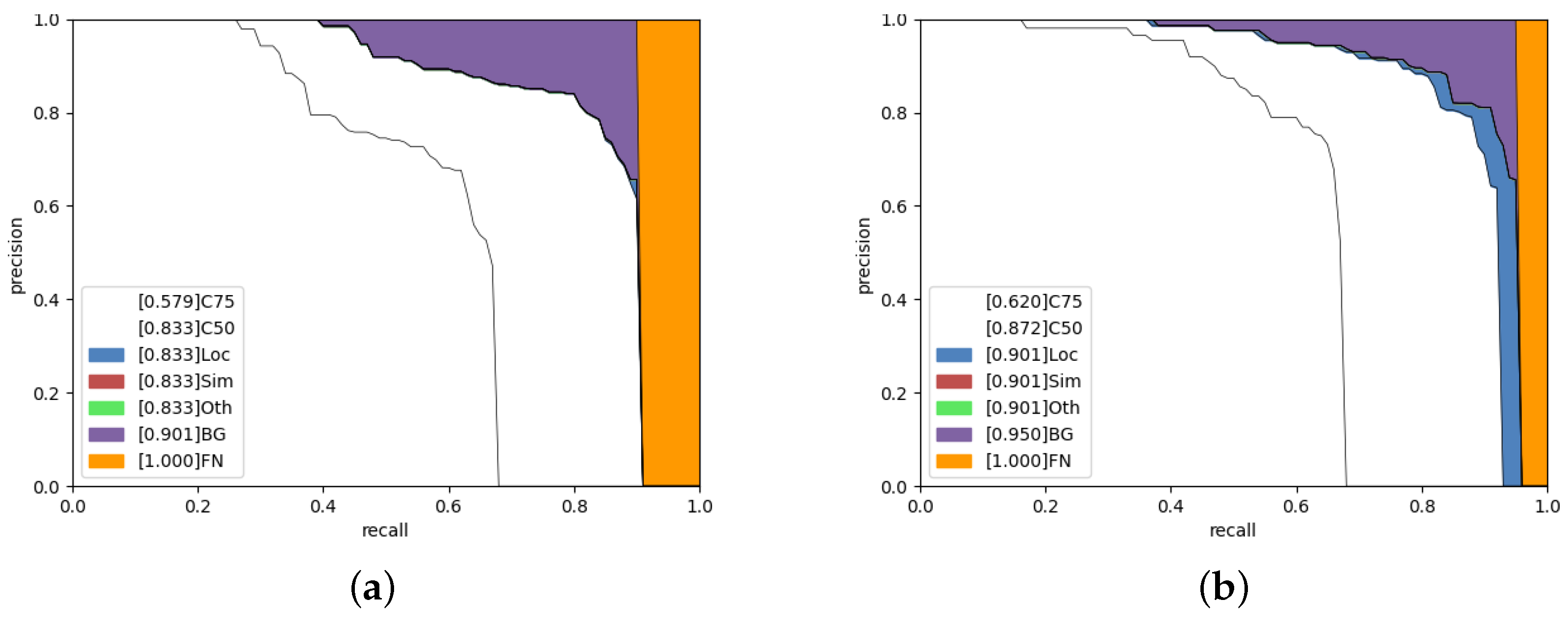
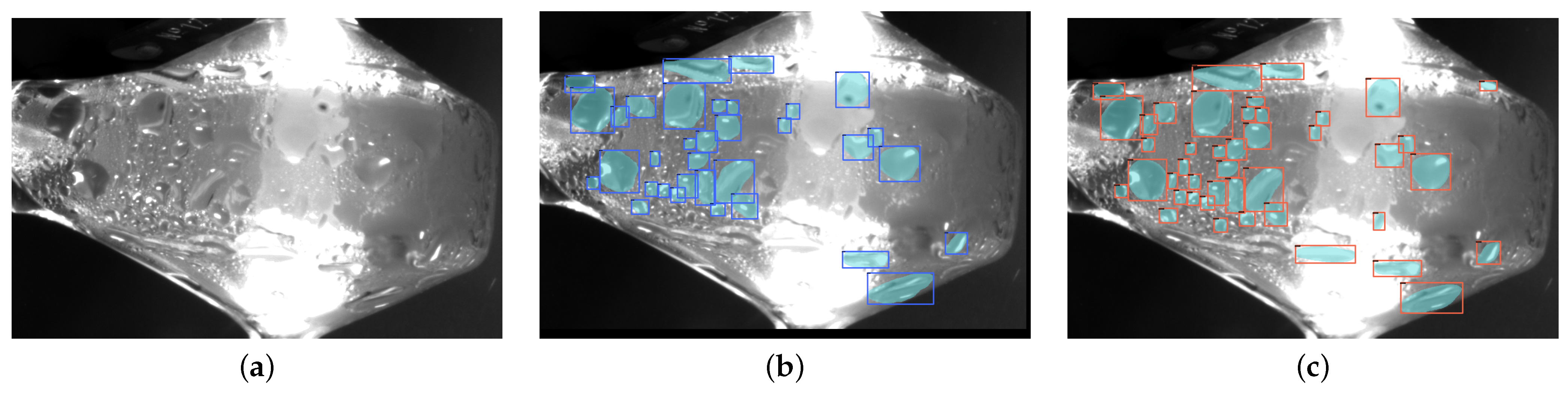
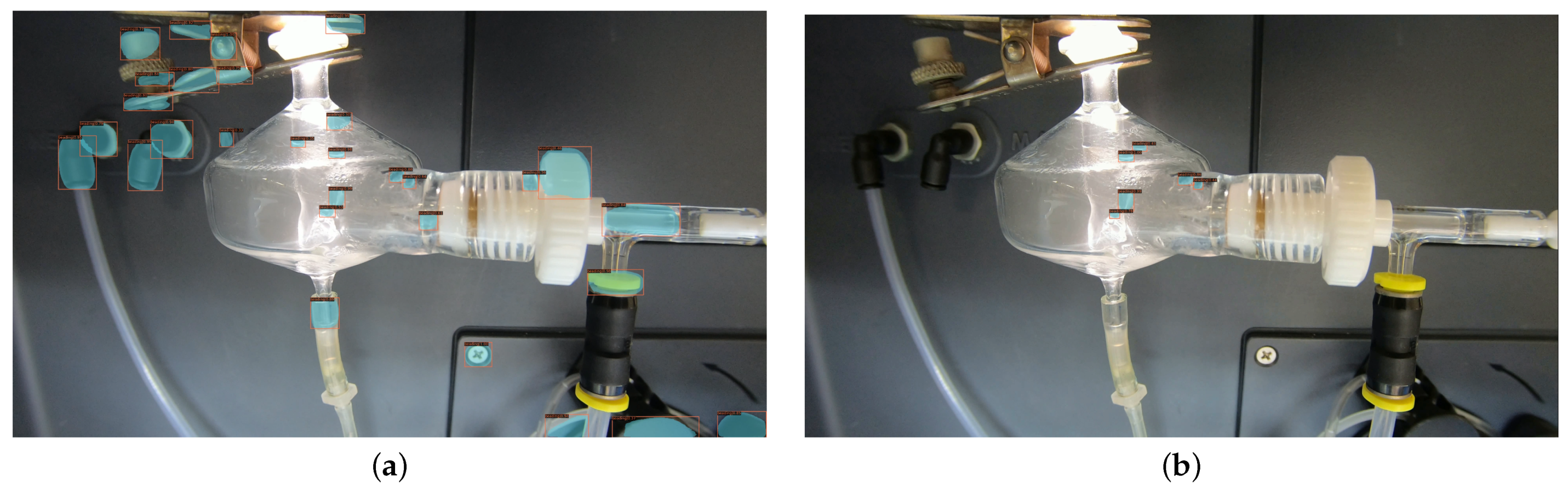
This paper focuses on improving the performance of scientific instrumentation that uses glass spray chambers for sample introduction, such as spectrometers, which are widely used in analytical chemistry, by detecting incidents using deep convolutional models. The performance of these instruments can be affected by the quality of the introduction of the sample into the spray chamber. Among the indicators of poor quality sample introduction are two primary incidents: The formation of liquid beads on the surface of the spray chamber, and flooding at the bottom of the spray chamber. Detecting such events autonomously as they occur can assist with improving the overall operational accuracy and efficacy of the chemical analysis, and avoid severe incidents such as malfunction and instrument damage. In contrast to objects commonly seen in the real world, beading and flooding detection are more challenging since they are of significantly small size and transparent. Furthermore, the non-rigid property increases the difficulty of the detection of these incidents, as such that existing deep-learning-based object detection frameworks are prone to fail for this task. There is no former work that uses computer vision to detect these incidents in the chemistry industry. In this work, we propose two frameworks for the detection task of these two incidents, which not only leverage the modern deep learning architectures but also integrate with expert knowledge of the problems. Specifically, the proposed networks first localize the regions of interest where the incidents are most likely generated and then refine these incident outputs. The use of data augmentation and synthesis, and choice of negative sampling in training, allows for a large increase in accuracy while remaining a real-time system for inference. In the data collected from our laboratory, our method surpasses widely used object detection baselines and can correctly detect 95% of the beads and 98% of the flooding. At the same time, out method can process four frames per second and is able to be implemented in real time.
Keywords: machine vision; deep learning; object detection machine vision; deep learning; object detection