Article

Detection of Specific Building in Remote Sensing Images Using a Novel YOLO-S-CIOU Model. Case: Gas Station Identification

1
Aerospace Information Research Institute, Chinese Academy of Sciences, Beijing 100094, China
2
College of Resources and Environment, University of Chinese Academy of Sciences, Beijing 100049, China
*
Author to whom correspondence should be addressed.
Sensors 2021, 21(4), 1375; https://doi.org/10.3390/s21041375
Submission received: 1 December 2020 / Revised: 12 February 2021 / Accepted: 13 February 2021 / Published: 16 February 2021
(This article belongs to the Special Issue Sensors for Object Detection, Classification and Tracking)

Abstract

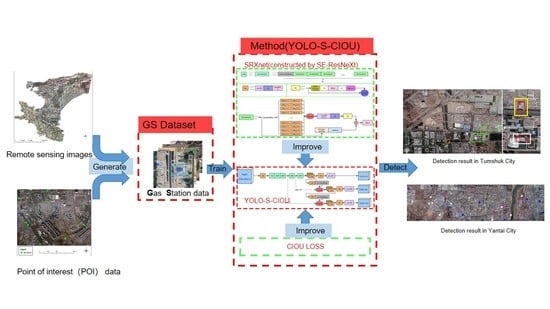
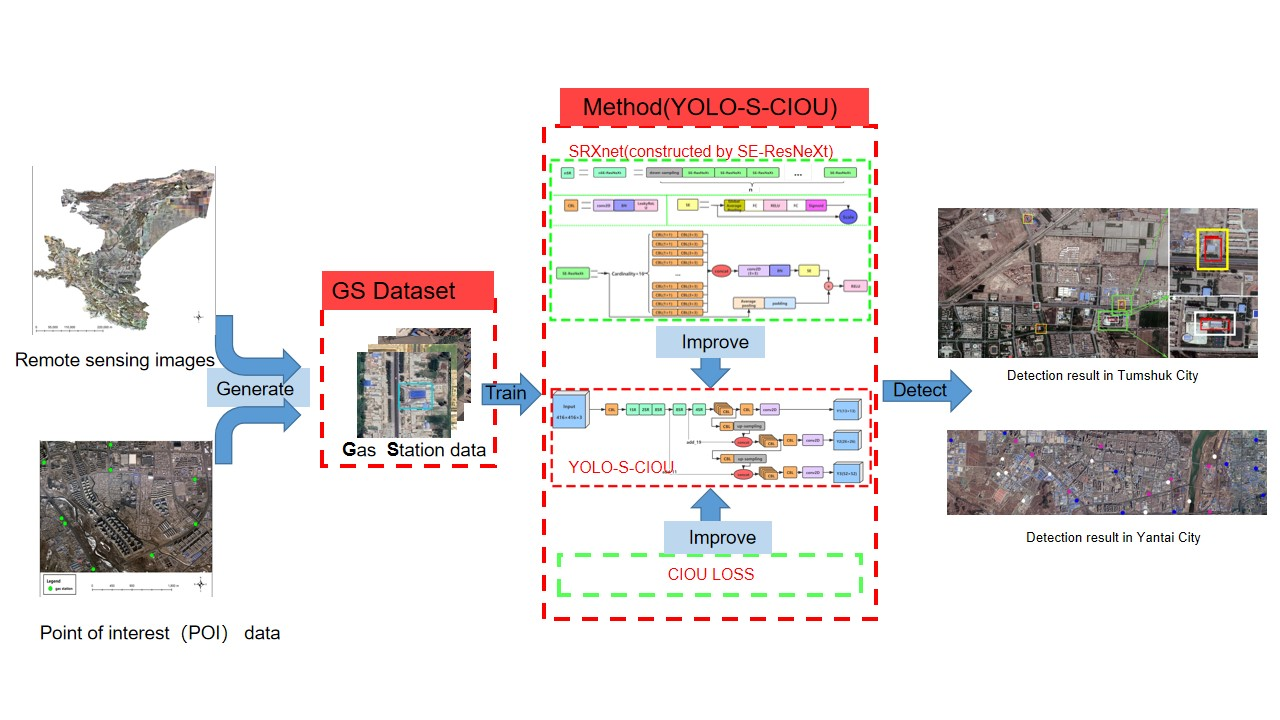
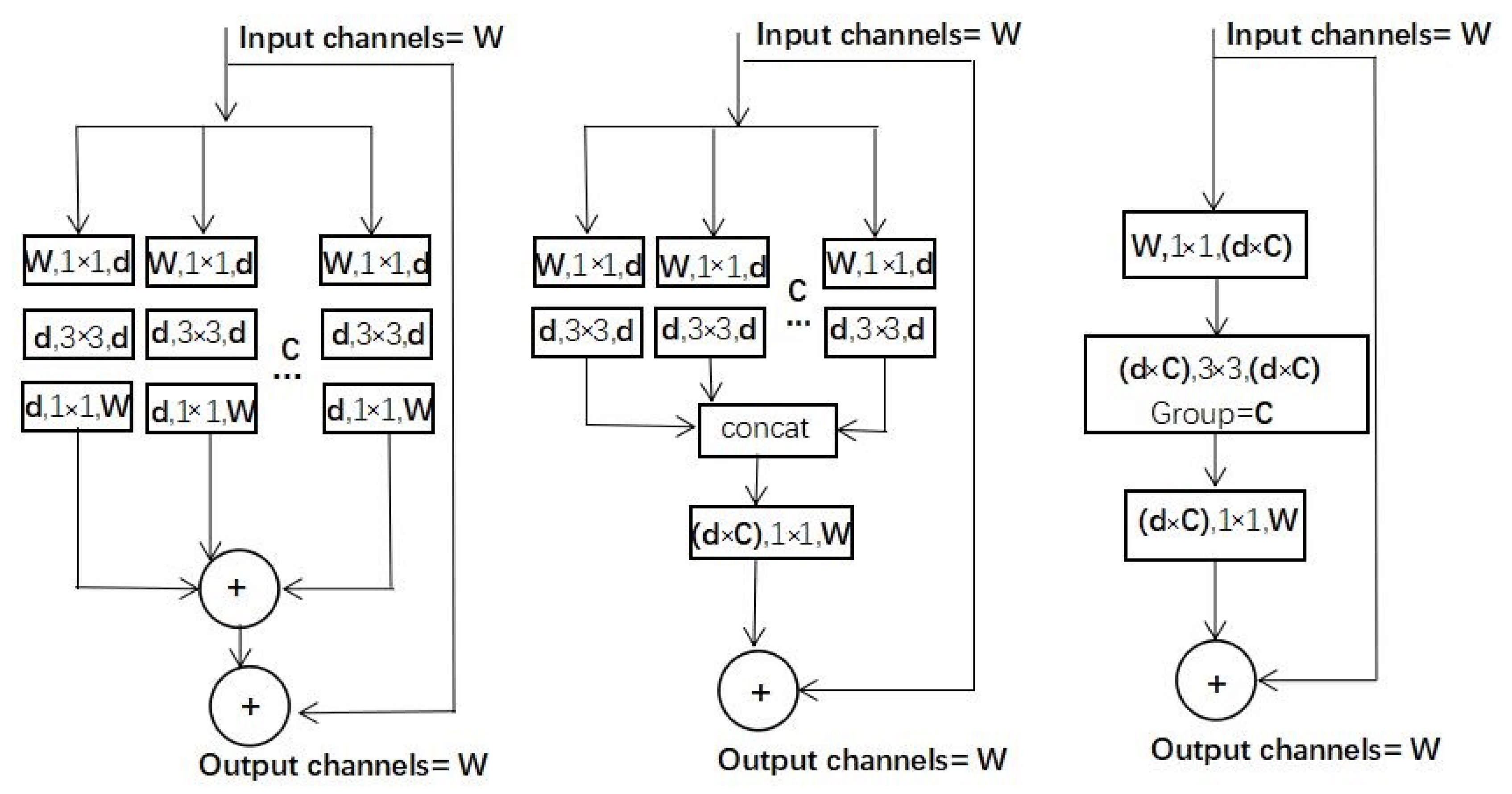
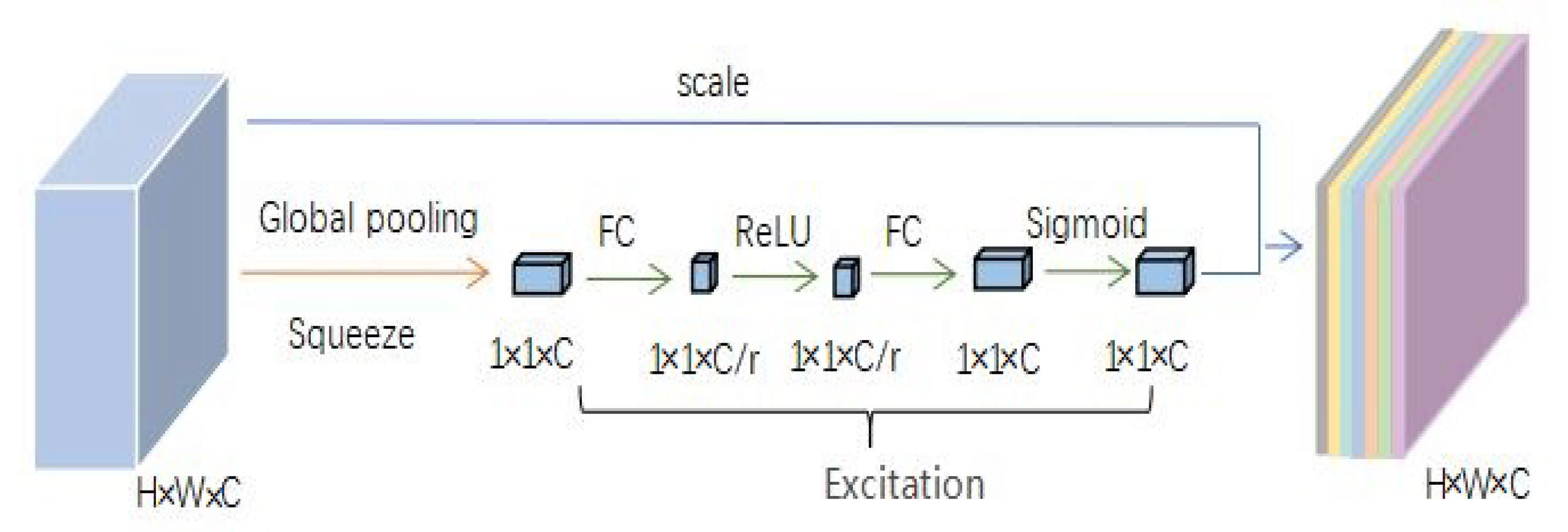
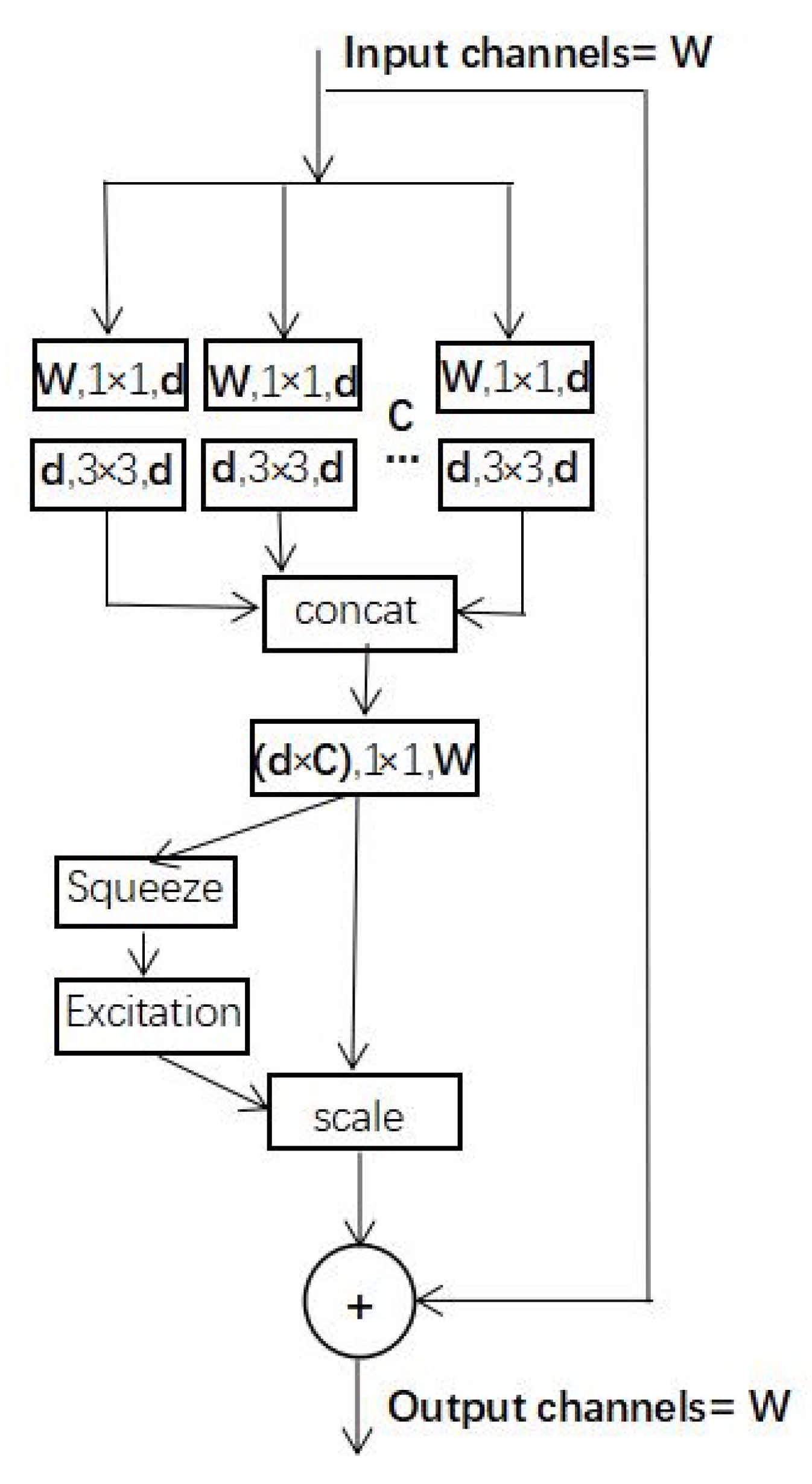
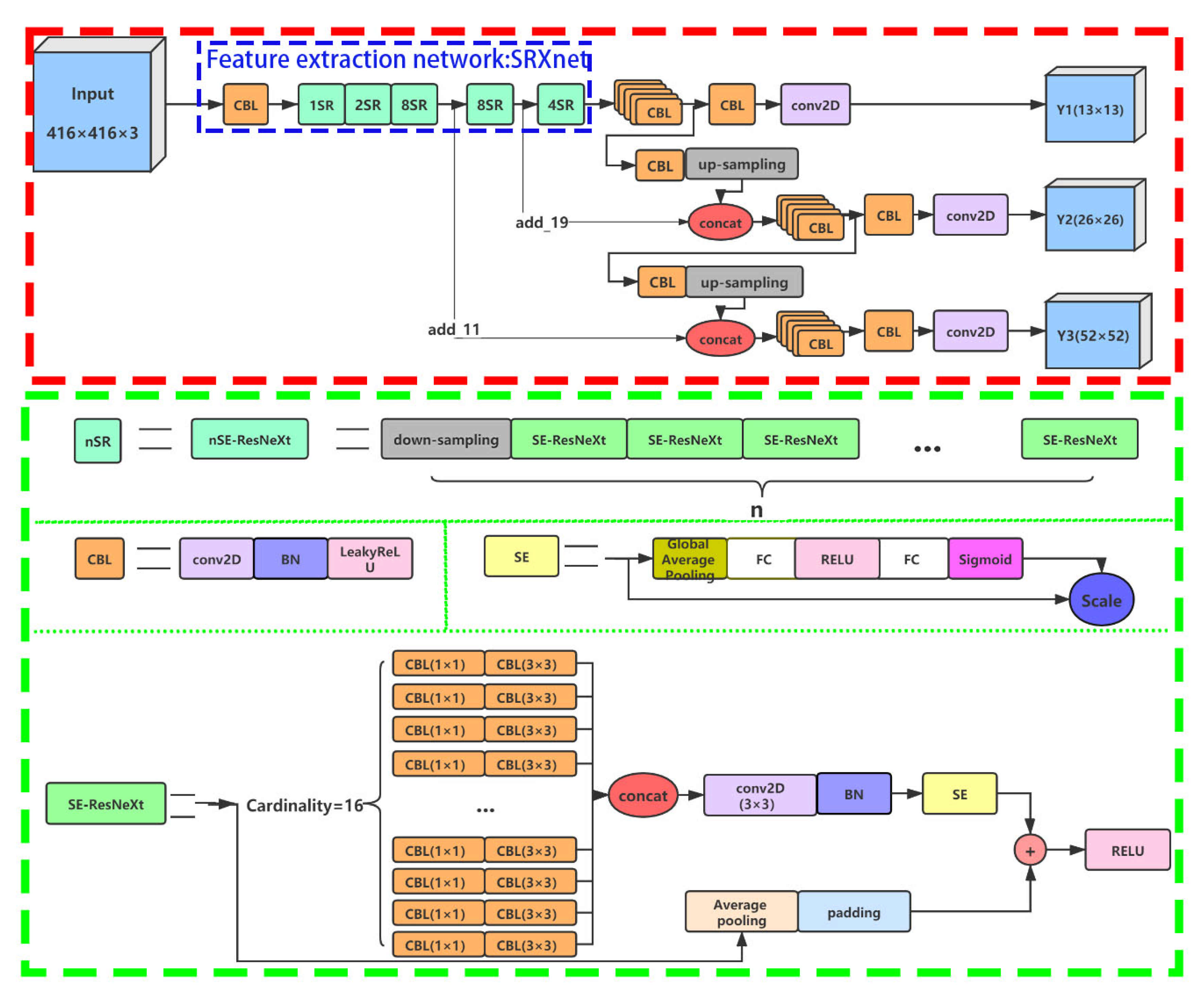
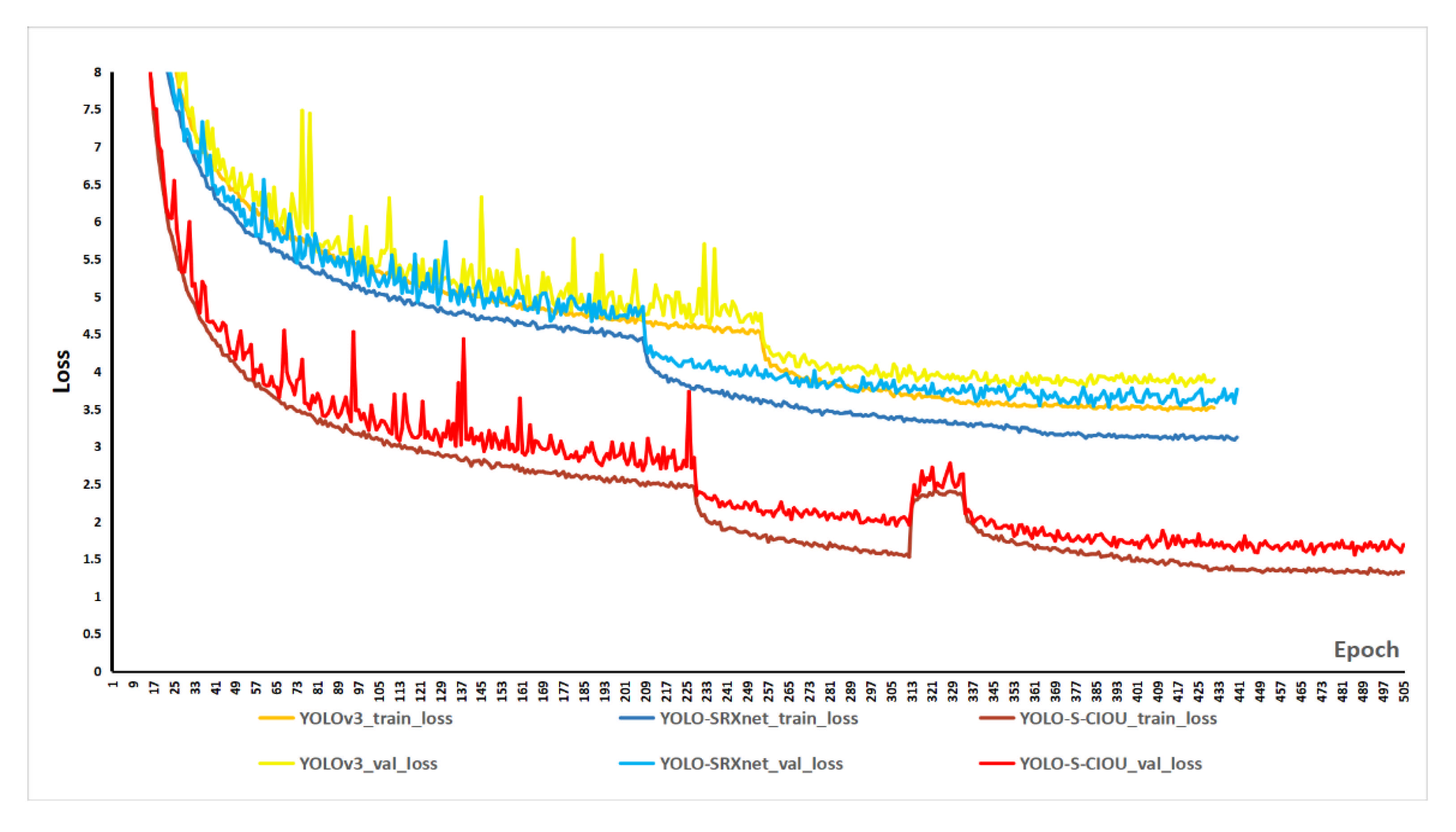
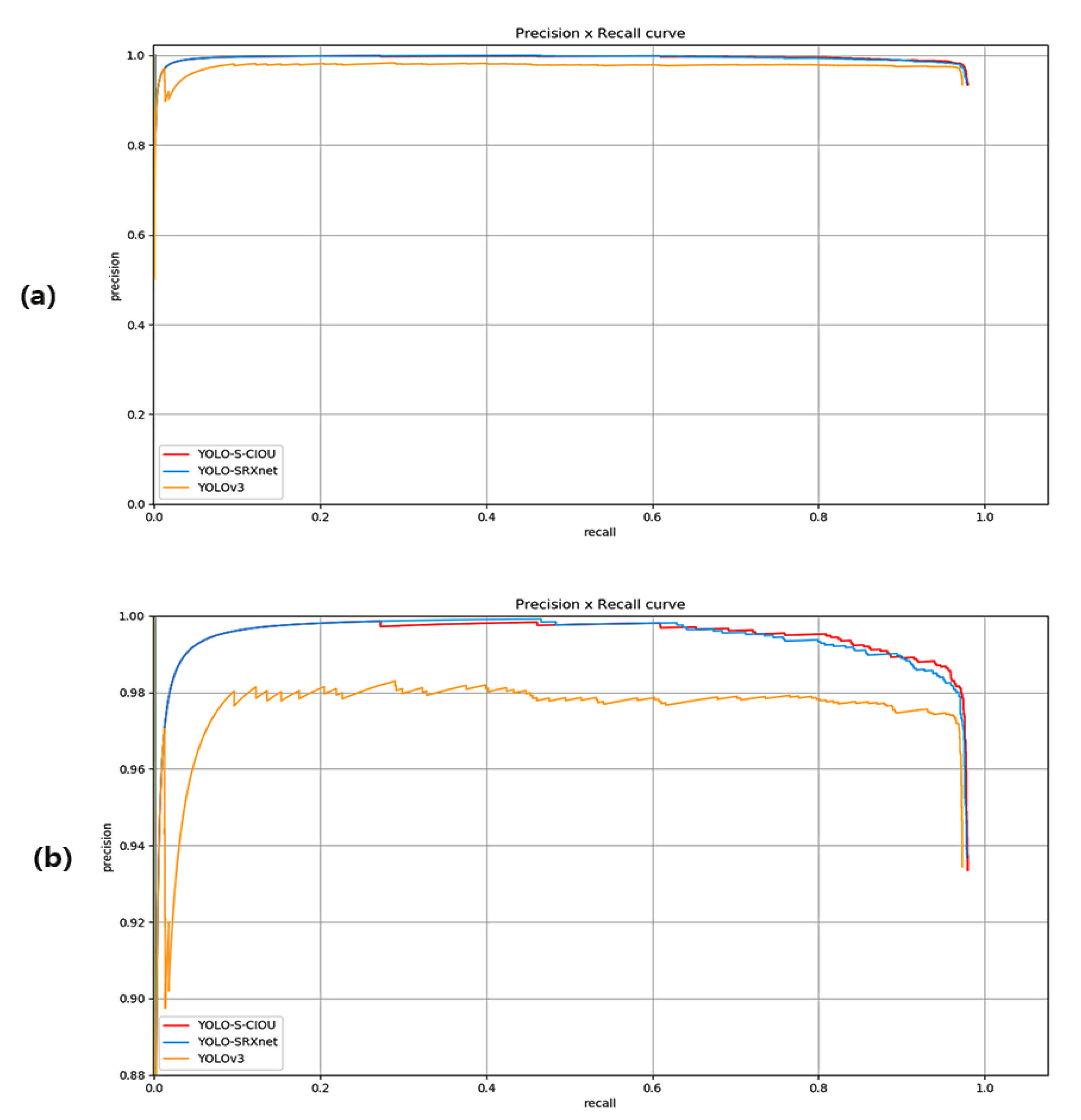
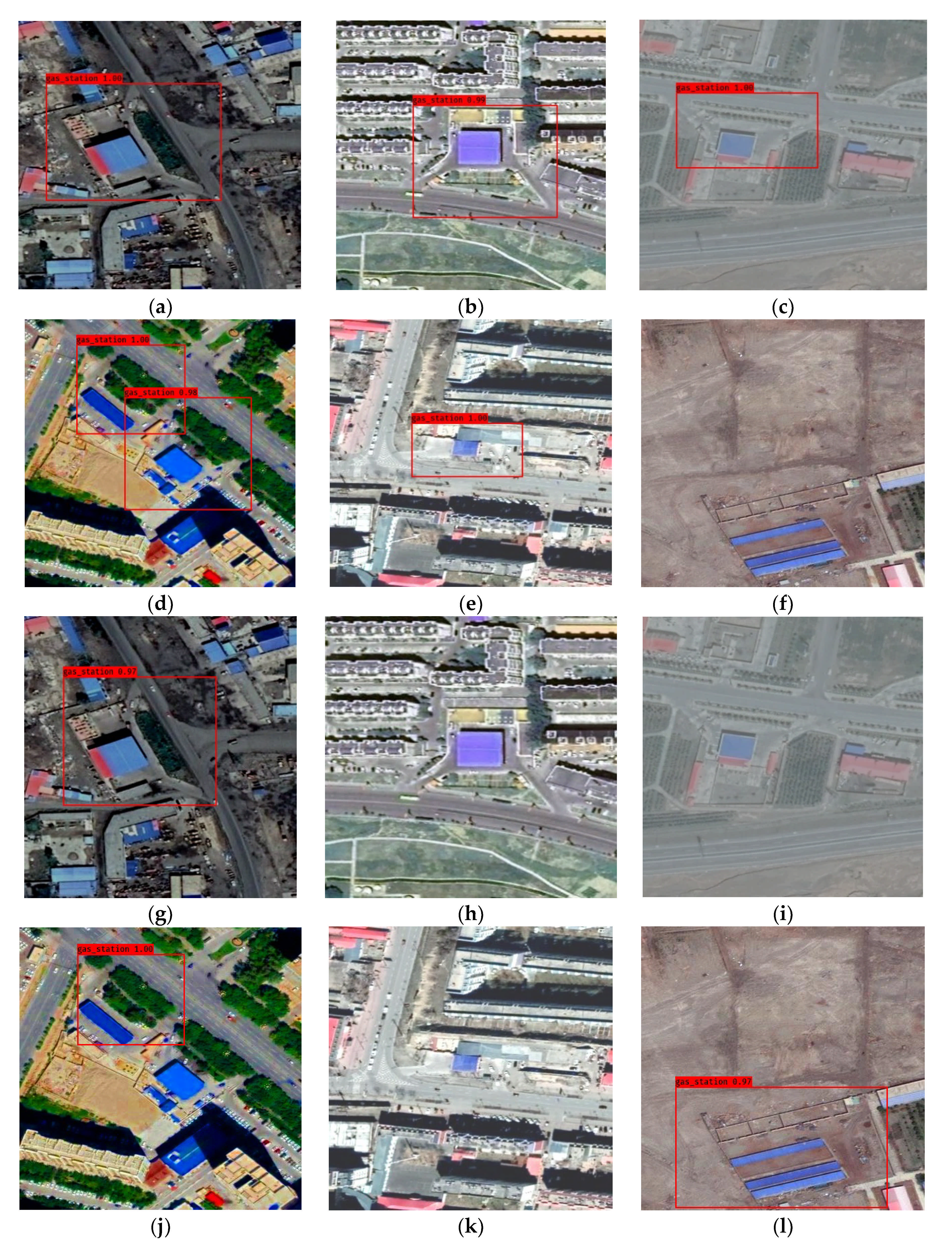
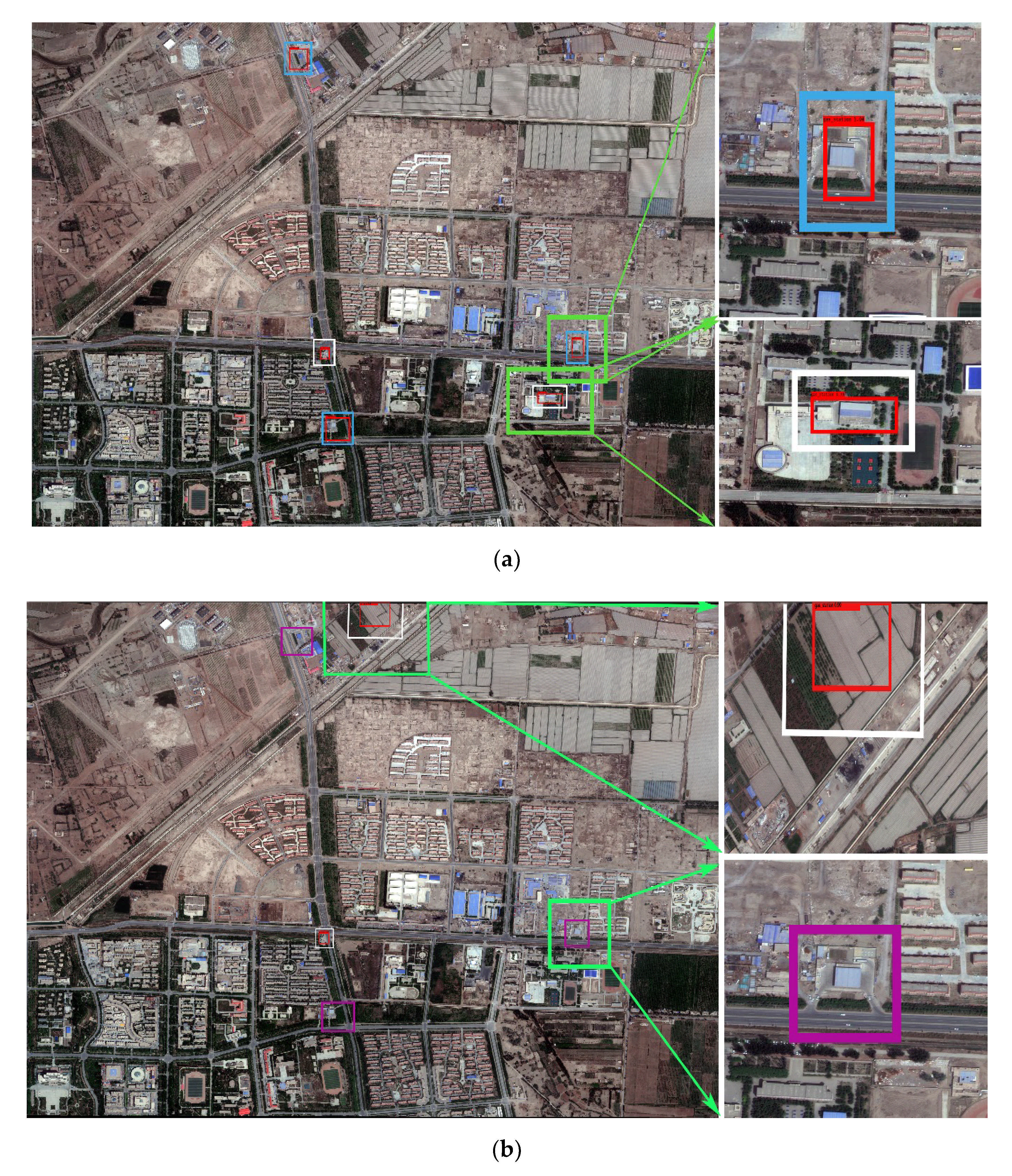
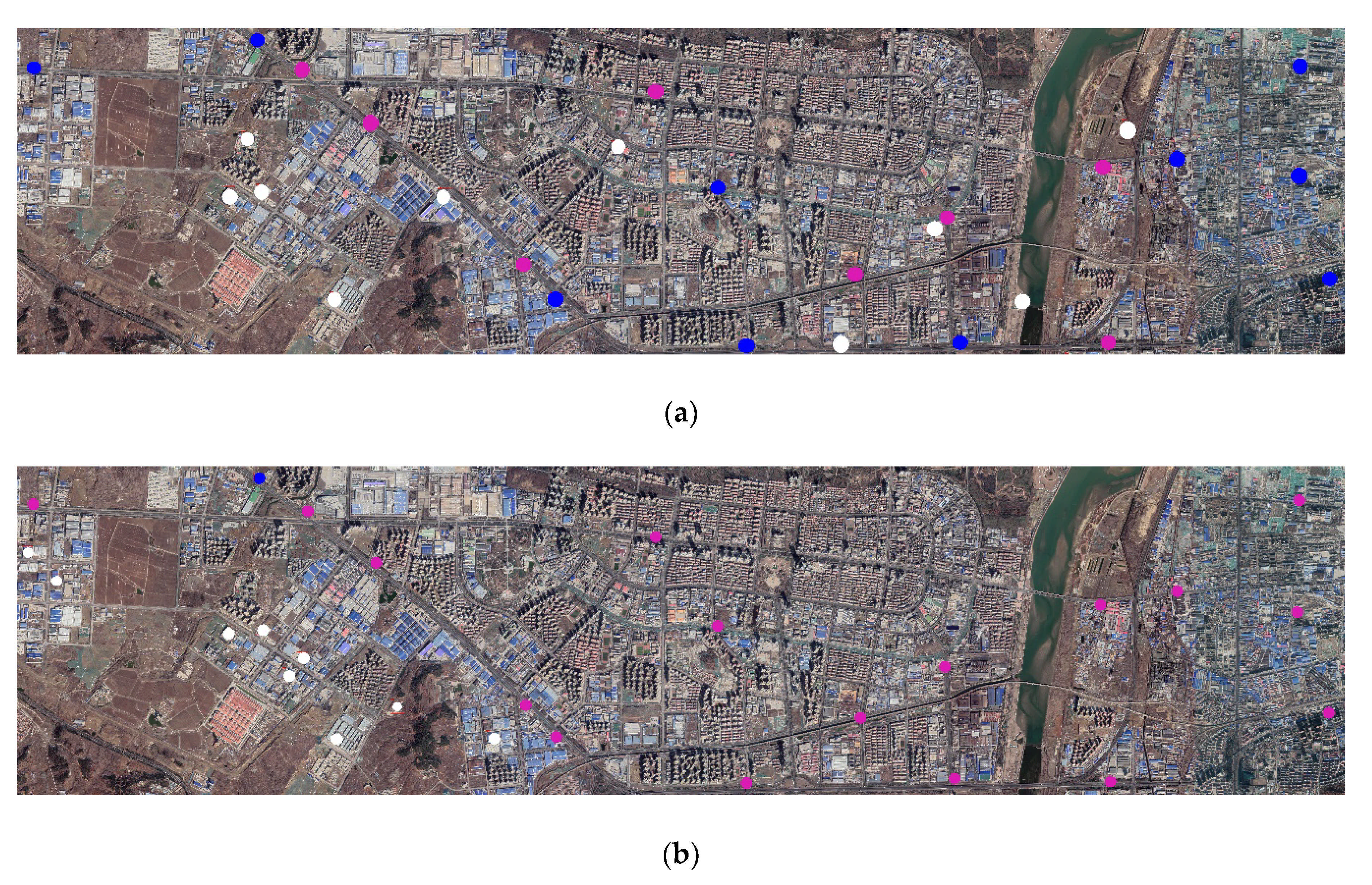
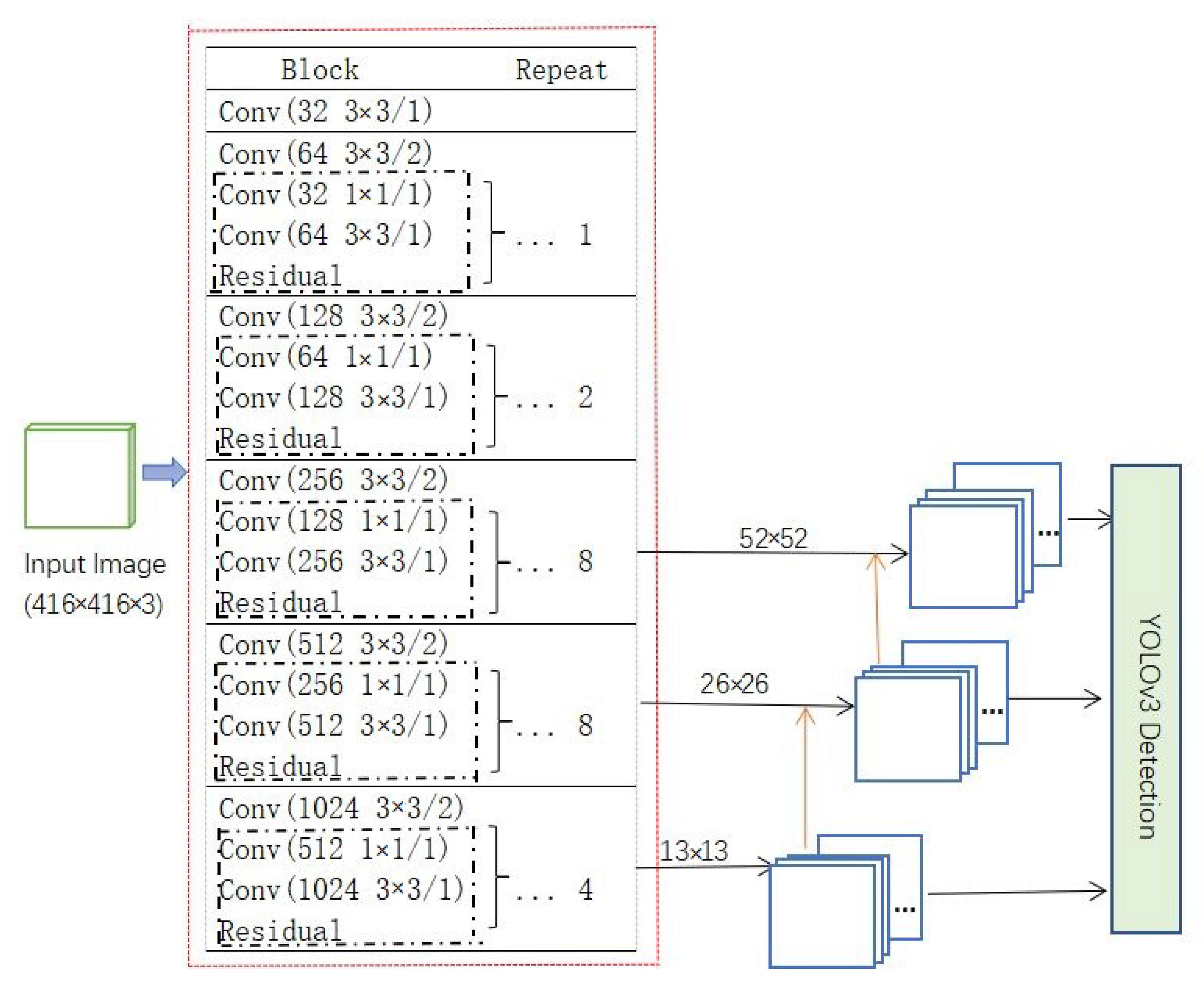
The specific building is of great significance in smart city planning, management practices, or even military use. However, traditional classification or target identification methods are difficult to distinguish different type of buildings from remote sensing images, because the characteristics of the environmental landscape around the buildings (like the pixels of the road and parking area) are complex, and it is difficult to define them with simple rules. Convolution neural networks (CNNs) have a strong capacity to mine information from the spatial context and have been used in many tasks of image processing. Here, we developed a novel CNN model named YOLO-S-CIOU, which was improved based on YOLOv3 for specific building detection in two aspects: (1) module Darknet53 in YOLOv3 was replaced with SRXnet (constructed by superimposing multiple SE-ResNeXt) to significantly improve the feature learning ability of YOLO-S-CIOU while maintaining the similar complexity as YOLOv3; (2) Complete-IoU Loss (CIoU Loss) was used to obtain a better regression for the bounding box. We took the gas station as an example. The experimental results on the self-made gas station dataset (GS dataset) showed YOLO-S-CIOU achieved an average precision (AP) of 97.62%, an F1 score of 97.50%, and had 59,065,366 parameters. Compared with YOLOv3, YOLO-S-CIOU reduced the parameters’ number by 2,510,977 (about 4%) and improved the AP by 2.23% and the F1 score by 0.5%. Moreover, in gas stations detection in Tumshuk City and Yanti City, the recall (R) and precision (P) of YOLO-S-CIOU were 50% and 40% higher than those of YOLOv3, respectively. It showed that our proposed network had stronger robustness and higher detection ability in remote sensing image detection of different regions.
Keywords: YOLO-S-CIOU; SE-ResNeXt; CIoU loss; gas station; object detection; remote sensing image; specific building YOLO-S-CIOU; SE-ResNeXt; CIoU loss; gas station; object detection; remote sensing image; specific building
Graphical Abstract