Article

Diamond Grinding Wheel Condition Monitoring Based on Acoustic Emission Signals
College of Aerospace Engineering, Xiamen University, Xiamen 361005, China
*
Author to whom correspondence should be addressed.
Sensors 2021, 21(4), 1054; https://doi.org/10.3390/s21041054
Submission received: 27 December 2020 / Revised: 22 January 2021 / Accepted: 29 January 2021 / Published: 4 February 2021
(This article belongs to the Special Issue Development, Investigation and Application of Acoustic Sensors)

Abstract

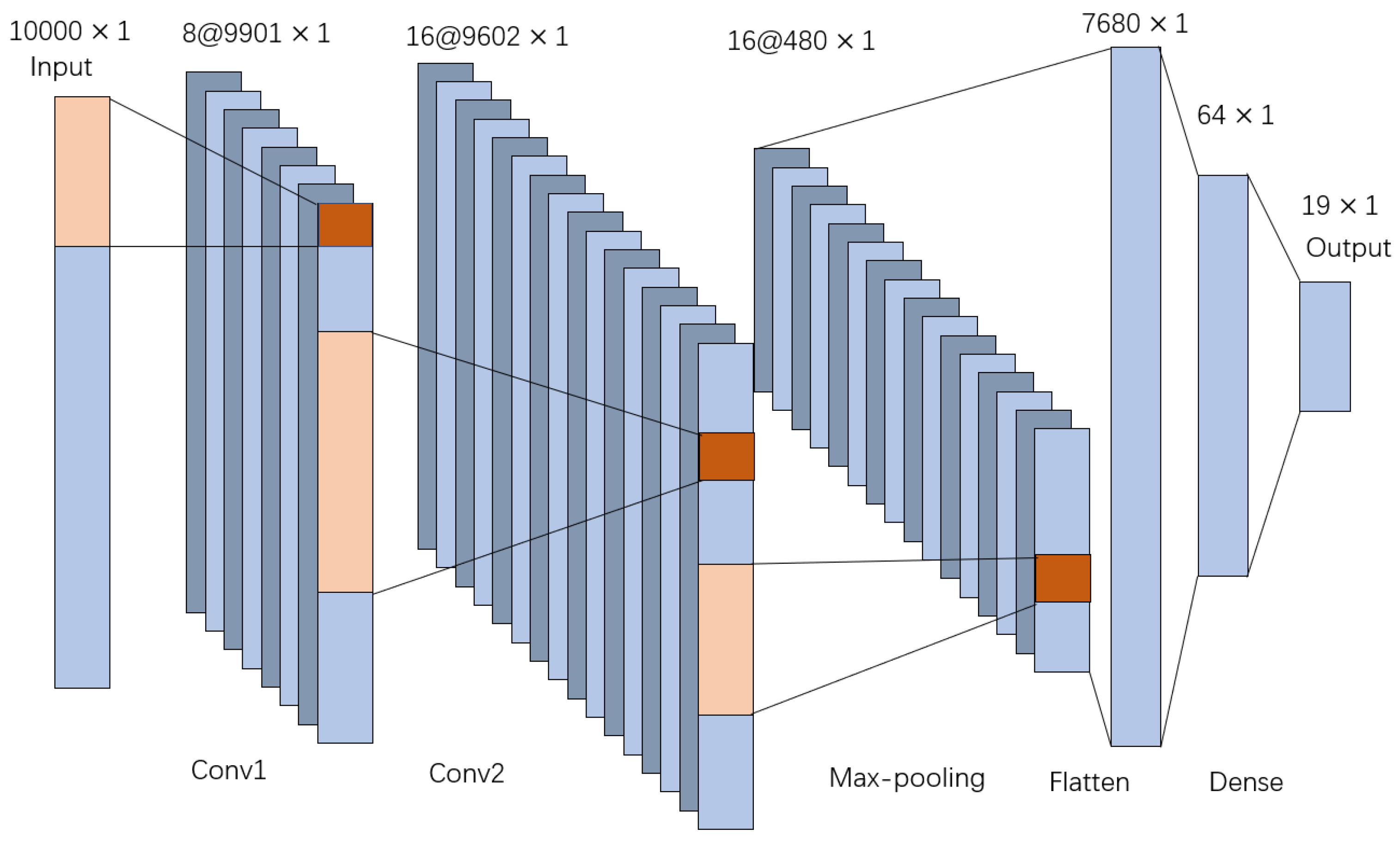
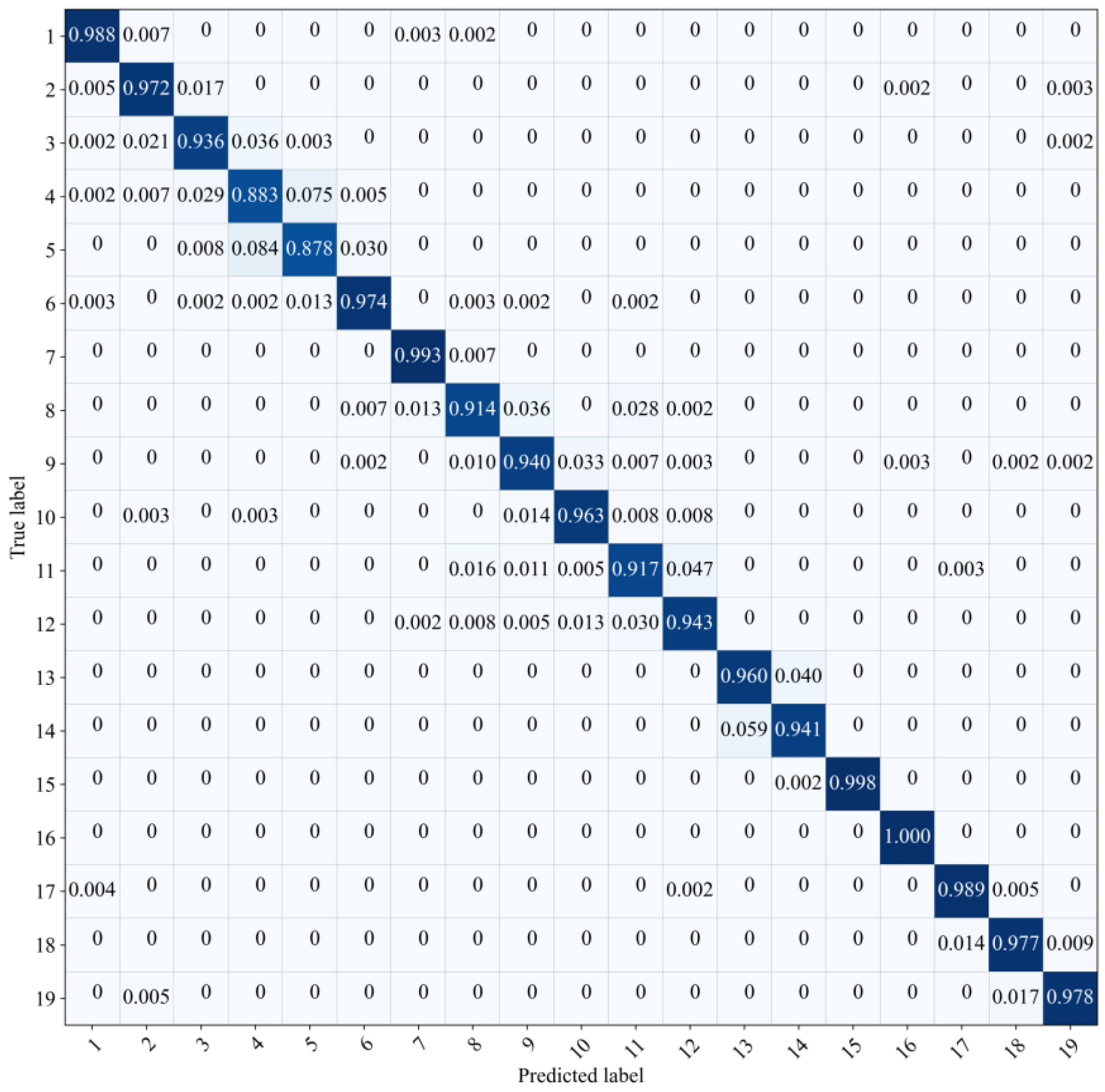
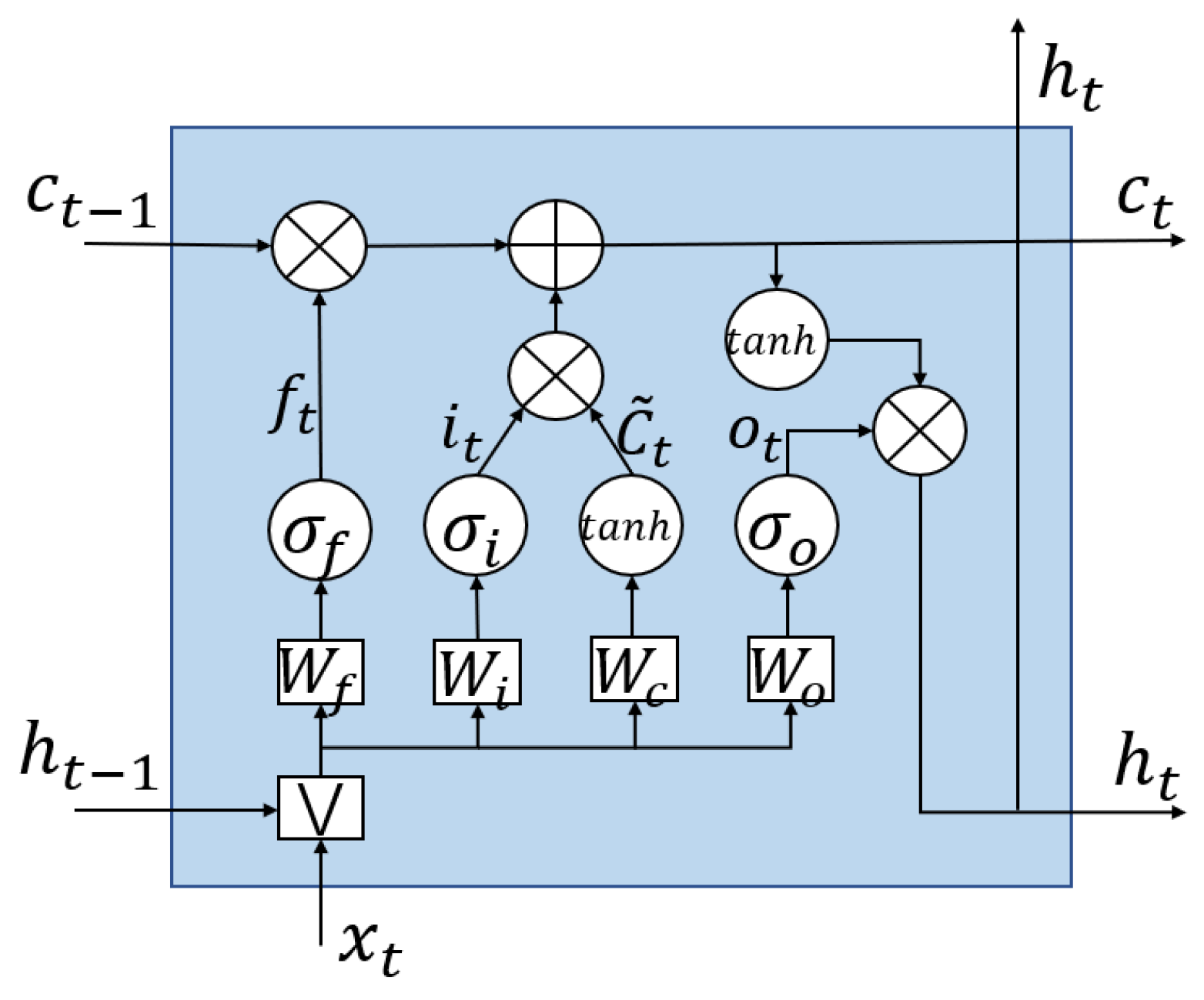
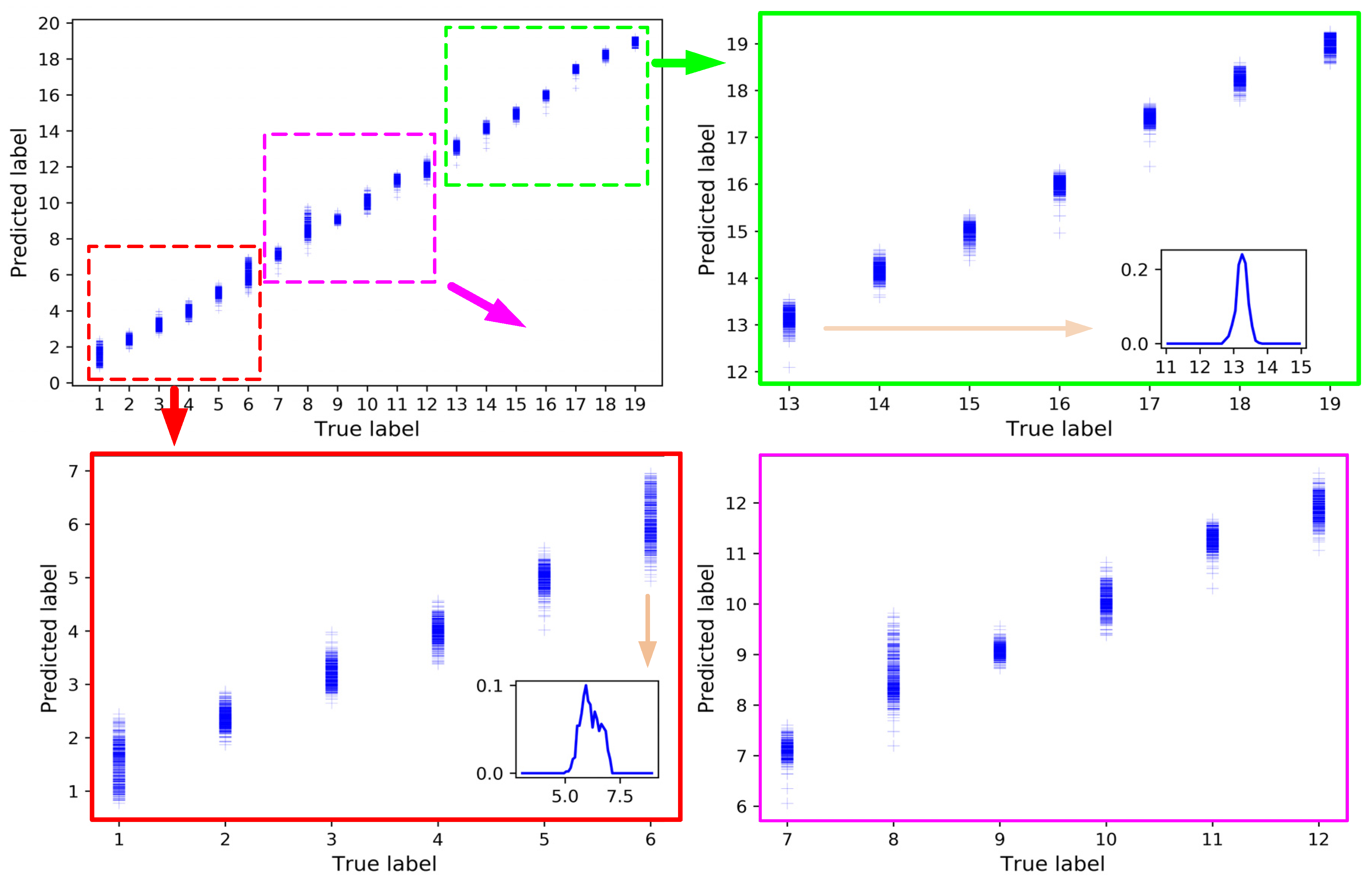
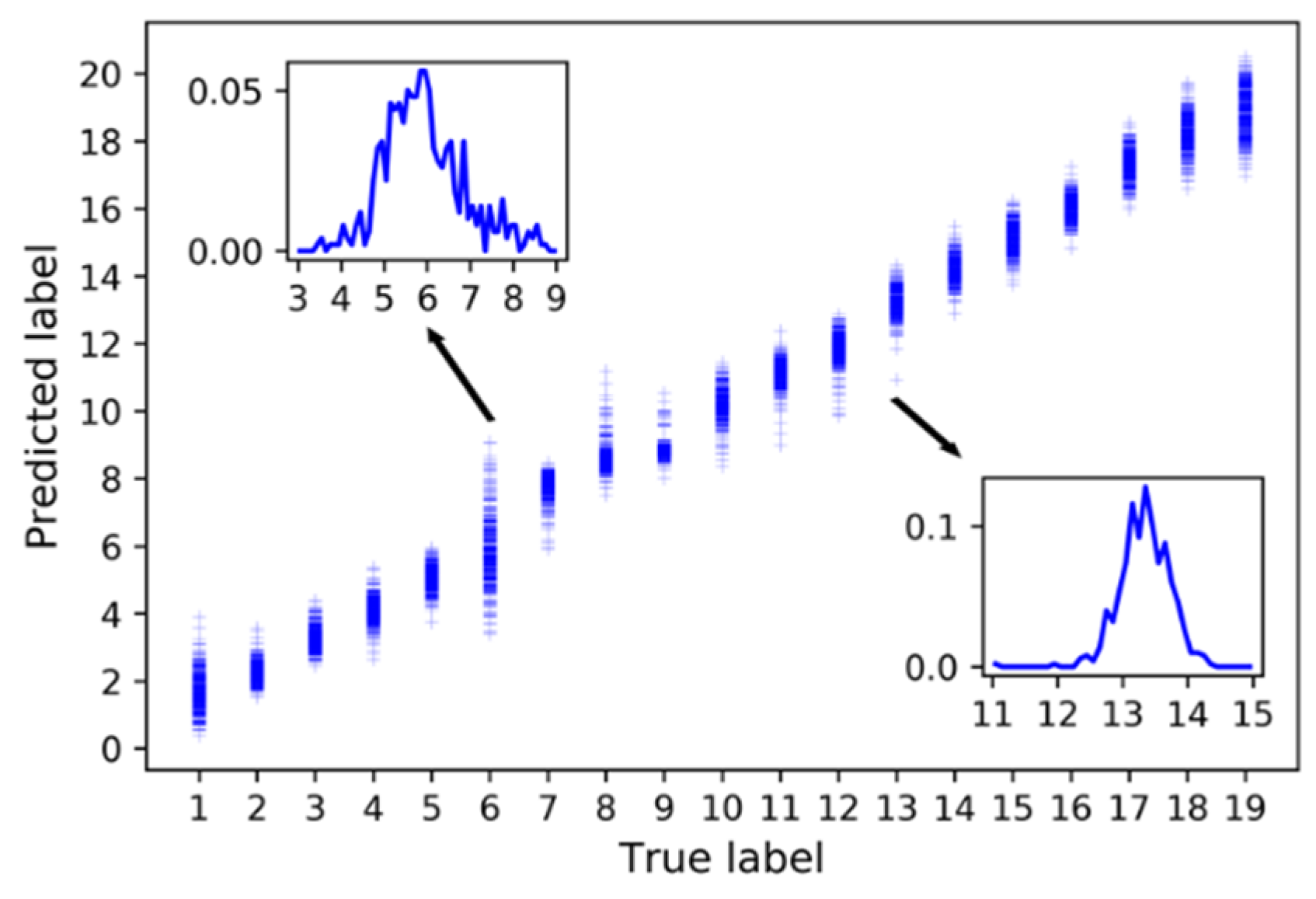
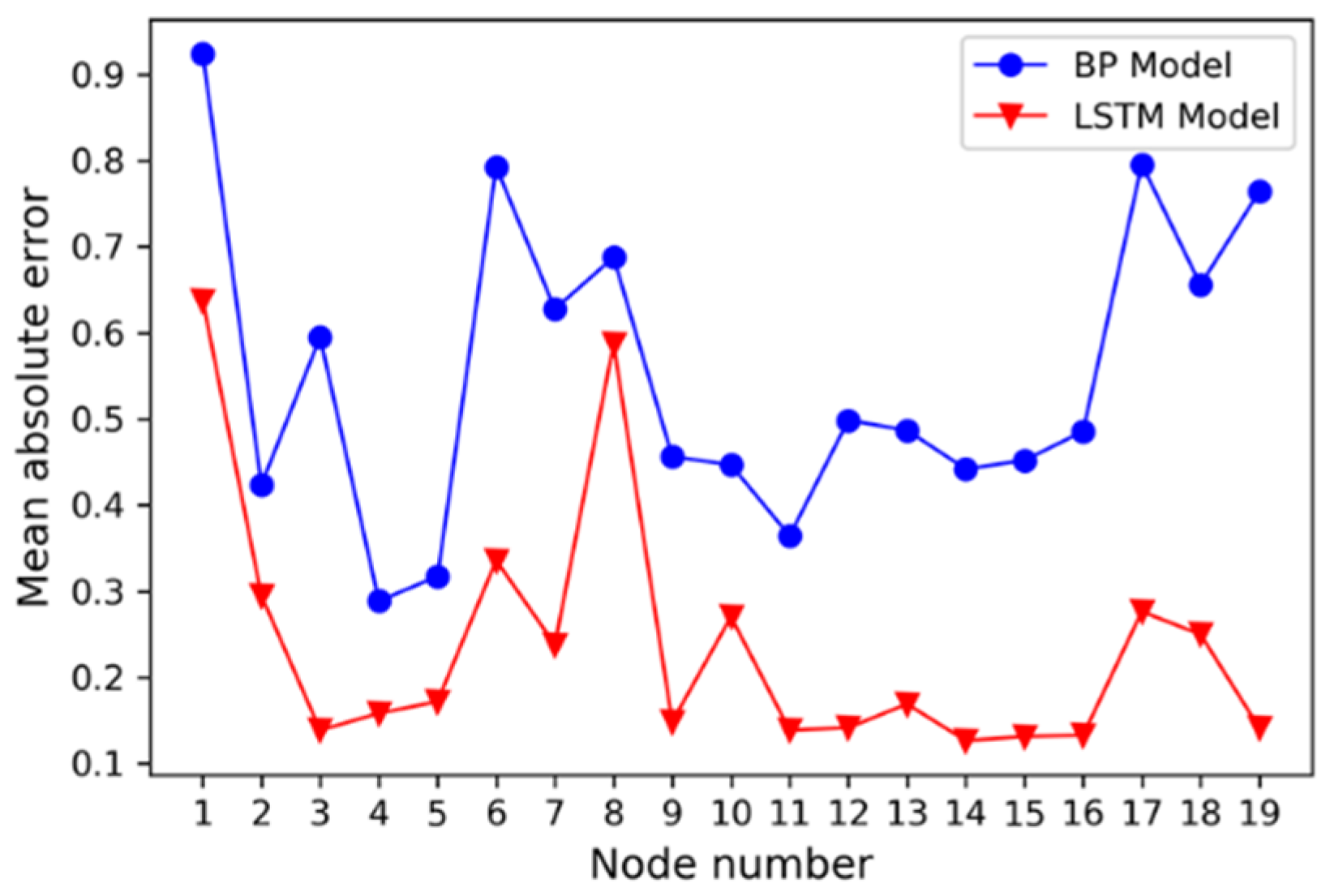
Acoustic emission (AE) phenomenon has a direct relationship with the interaction of tool and material which makes AE the most sensitive one among various process variables. However, its prominent sensitivity also means the characteristics of random and board band. Feature representation is a difficult problem for AE-based monitoring and determines the accuracy of monitoring system. It is knottier for the situation of using diamond wheel grinding optical components, not only because of the complexity of grinding process but also the high requirement on surface and subsurface quality. This paper is dedicated to AE-based condition monitoring of diamond wheel during grinding brittle materials and feature representation is paid more attention. AE signal of brittle-regime grinding is modeled as a superposition of a series of burst-type AE events. Theory analysis manifested that original time waveform and frequency spectrum are all suitable for feature representation. Considering the convolution form of b-AE in time domain, a convolutional neural network with original time waveform of AE signals as the input is built for multi-class classification of wheel state. Detailed state division in a wheel’s whole life cycle is realized and the accuracy is over 90%. Different from the overlapping in time domain, AE components of different crack mechanisms are probably separated in frequency domain. From this point of view, AE spectrums are more suitable for feature extraction than the original time waveform. In addition, the time sequence of AE samples is essential for the evaluation of wheel’s life elapse and making use of sequential information is just the idea behind recurrent neural network (RNN). Therefore, long short-term memory (LSTM), a special kind of RNN, is used to build a regression prediction model of wheel state with AE spectrums as the model input and satisfactory prediction accuracy is acquired on the test set.
Keywords: acoustic emission; condition monitoring; grinding process; diamond wheel; brittle materials acoustic emission; condition monitoring; grinding process; diamond wheel; brittle materials