Article

Using Machine Learning Methods to Provision Virtual Sensors in Sensor-Cloud

School of Computer Science and Communication Engineering, Jiangsu University, Zhenjiang 212013, China
*
Author to whom correspondence should be addressed.
Sensors 2020, 20(7), 1836; https://doi.org/10.3390/s20071836
Submission received: 23 February 2020 / Revised: 19 March 2020 / Accepted: 23 March 2020 / Published: 26 March 2020
(This article belongs to the Special Issue Smart Agricultural Applications with Internet of Things)

Abstract

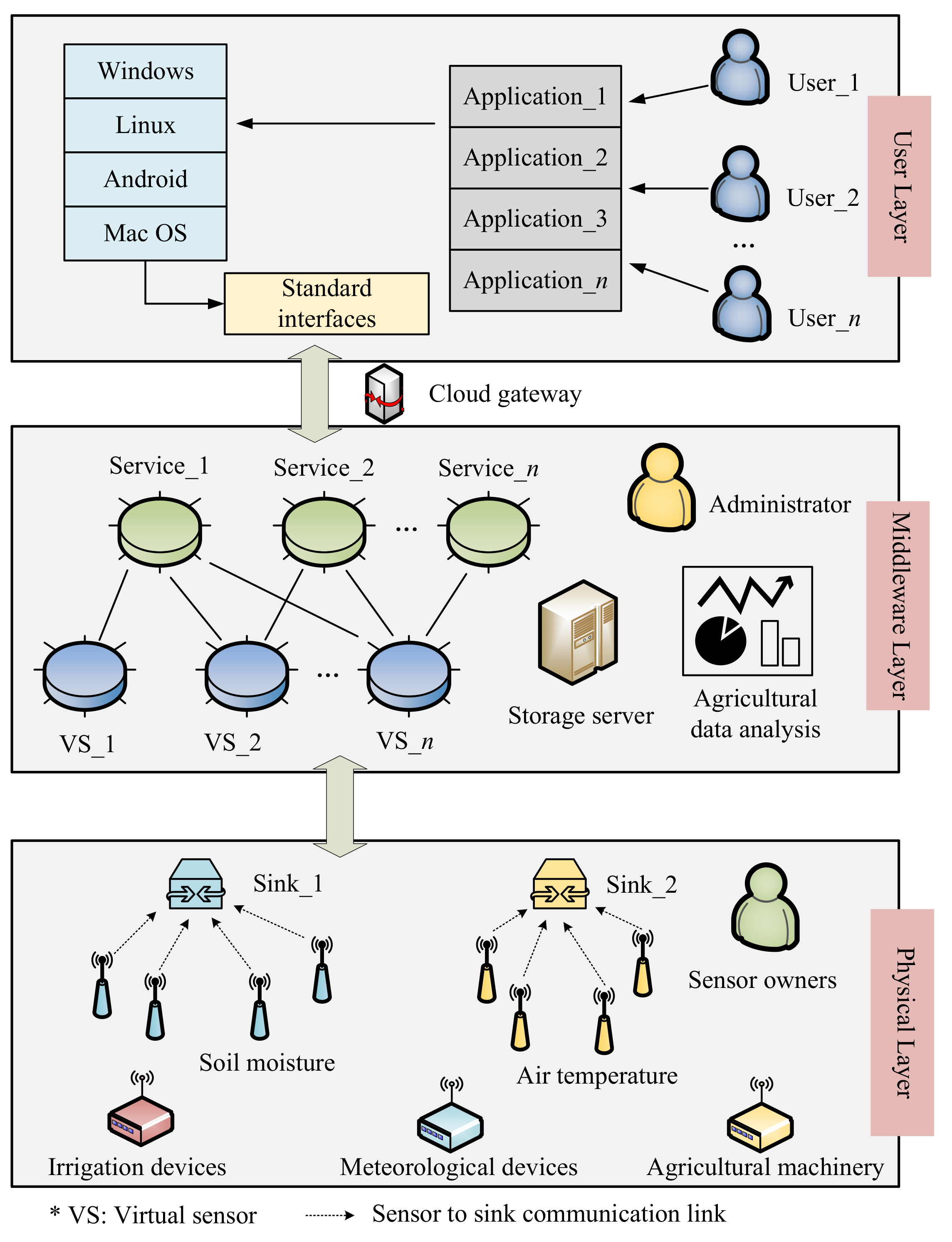
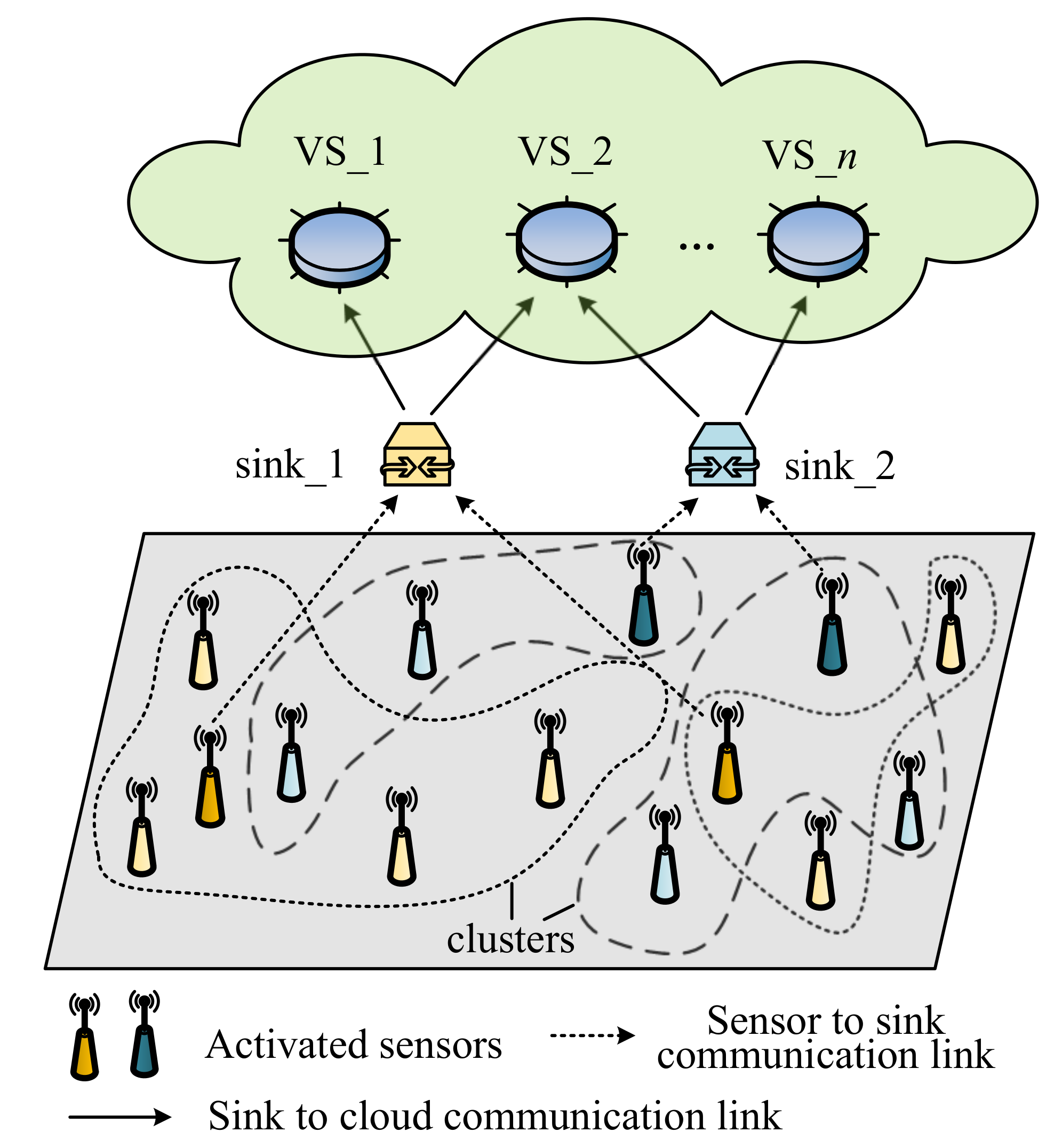
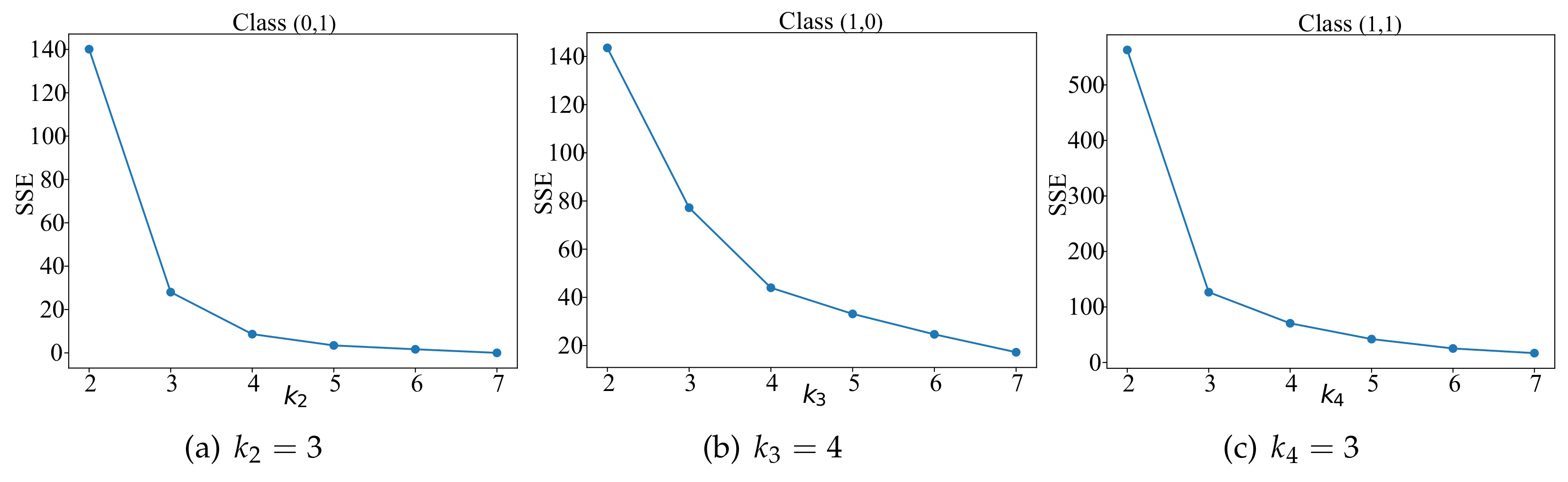
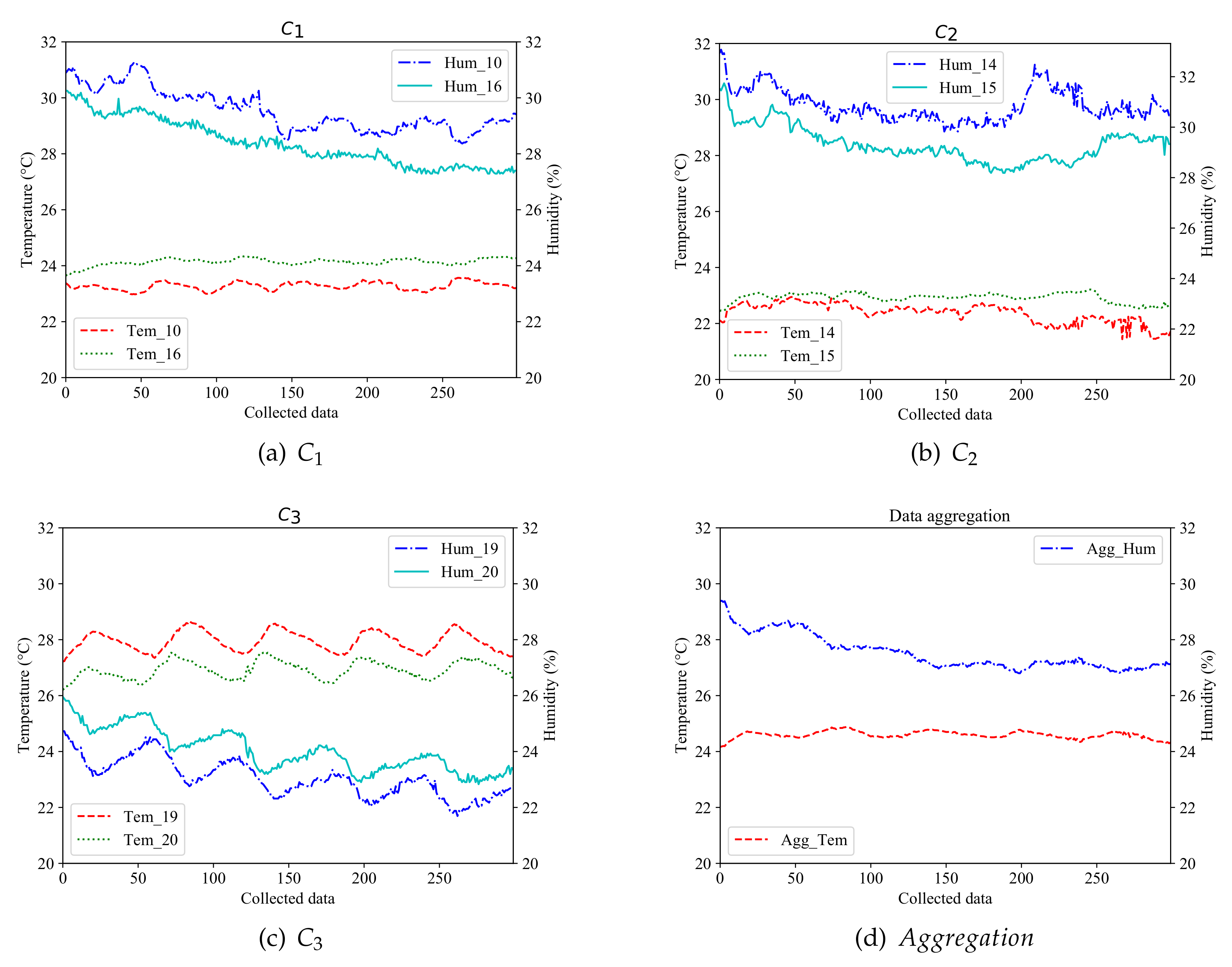
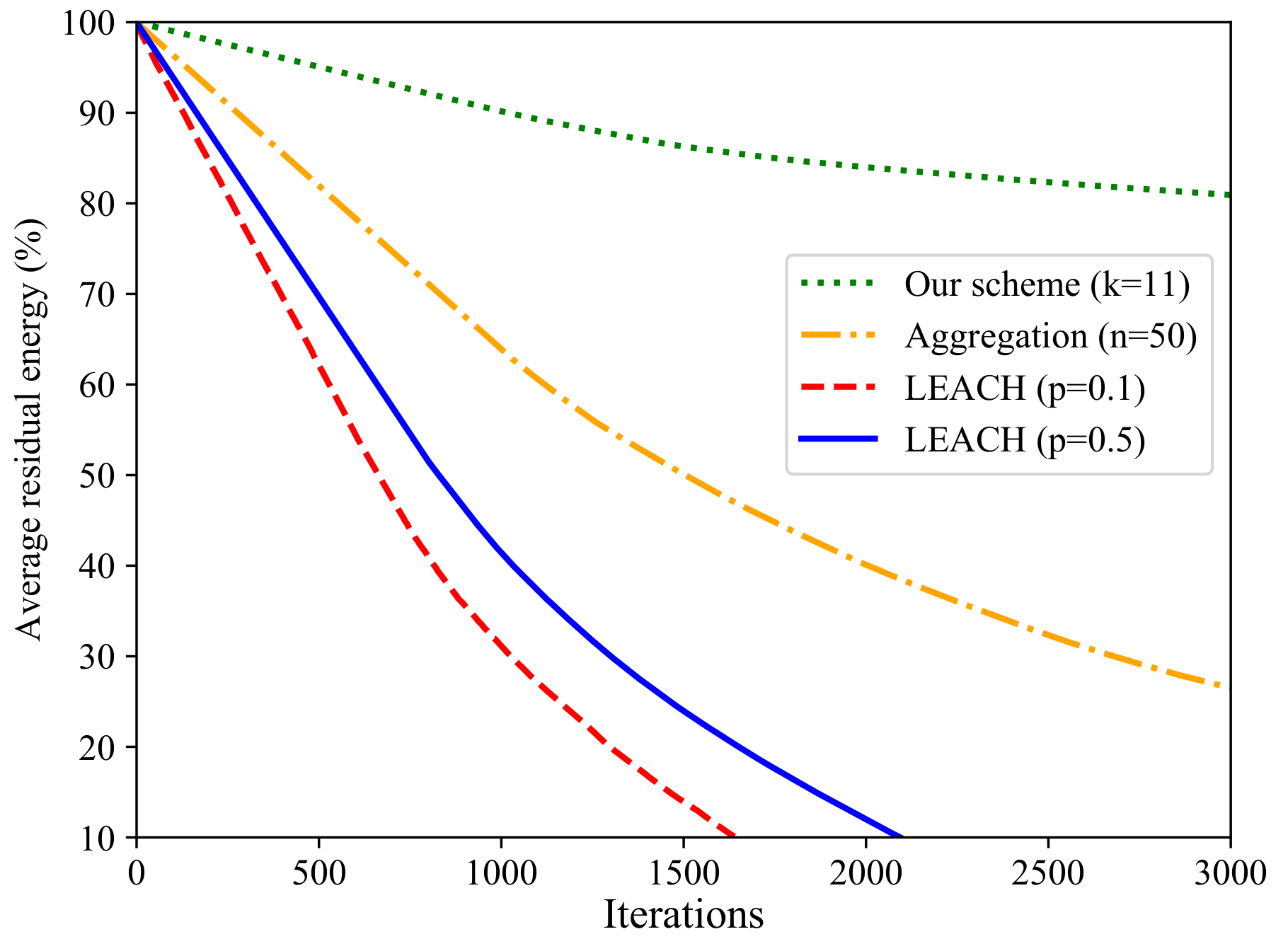
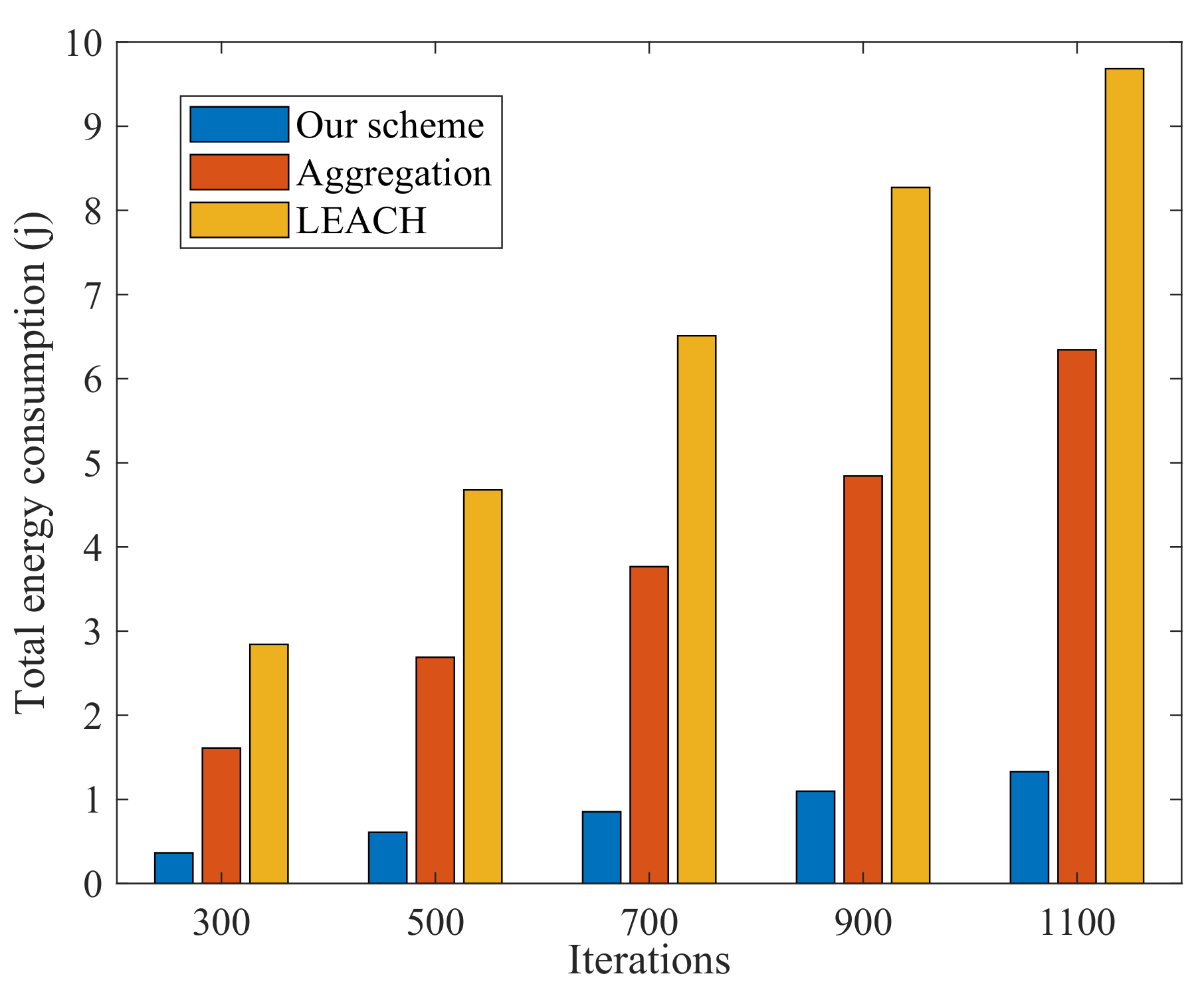
The advent of sensor-cloud technology alleviates the limitations of traditional wireless sensor networks (WSNs) in terms of energy, storage, and computing, which has tremendous potential in various agricultural internet of things (IoT) applications. In the sensor-cloud environment, virtual sensor provisioning is an essential task. It chooses physical sensors to create virtual sensors in response to the users’ requests. Considering the capricious meteorological environment of the outdoors, this paper presents an measurements similarity-based virtual-sensor provisioning scheme by taking advantage of machine learning in data analysis. First, to distinguish the changing trends, we classified all the physical sensors into several categories using historical data. Then, the k-means clustering algorithm was exploited for each class to cluster the physical sensors with high similarity. Finally, one representative physical sensor from each cluster was selected to create the corresponding virtual sensors. The experimental results show the reformation of our scheme with respect to energy efficiency, network lifetime, and data accuracy compared with the benchmark schemes.
Keywords: sensor-cloud; agricultural IoT; virtual sensor provisioning; machine learning; representative sensors sensor-cloud; agricultural IoT; virtual sensor provisioning; machine learning; representative sensors