Article

The Design of CNN Architectures for Optimal Six Basic Emotion Classification Using Multiple Physiological Signals


1
Department of Sports ICT Convergence, Sangmyung University Graduate School, Seoul 03016, Korea
2
Department of Psychiatry and Neuroscience Research Institute, Seoul National University College of Medicine, SMG-SNU Boramae Medical Center, Seoul 07061, Korea
3
Department of Intelligent Engineering Informatics for Human, Institute of Intelligent Informatics Technology, Sangmyung University, Seoul 03016, Korea
*
Author to whom correspondence should be addressed.
Sensors 2020, 20(3), 866; https://doi.org/10.3390/s20030866
Submission received: 15 January 2020 / Revised: 3 February 2020 / Accepted: 3 February 2020 / Published: 6 February 2020
(This article belongs to the Special Issue Sensor Applications on Emotion Recognition)

Abstract

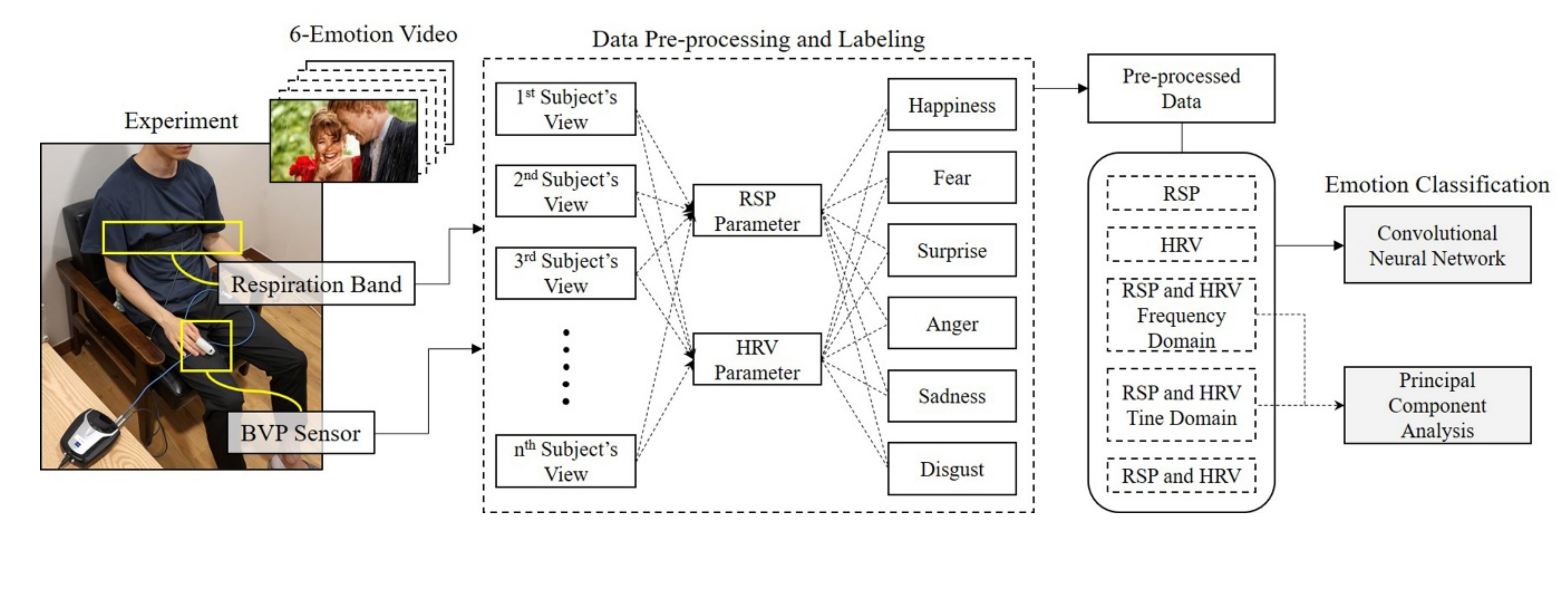
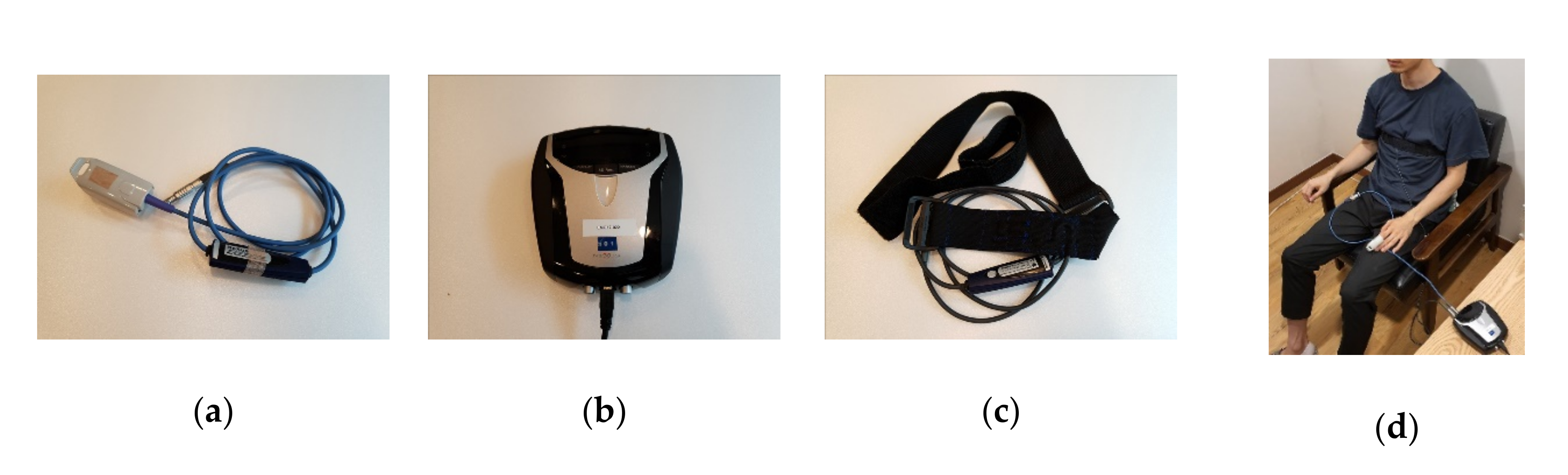
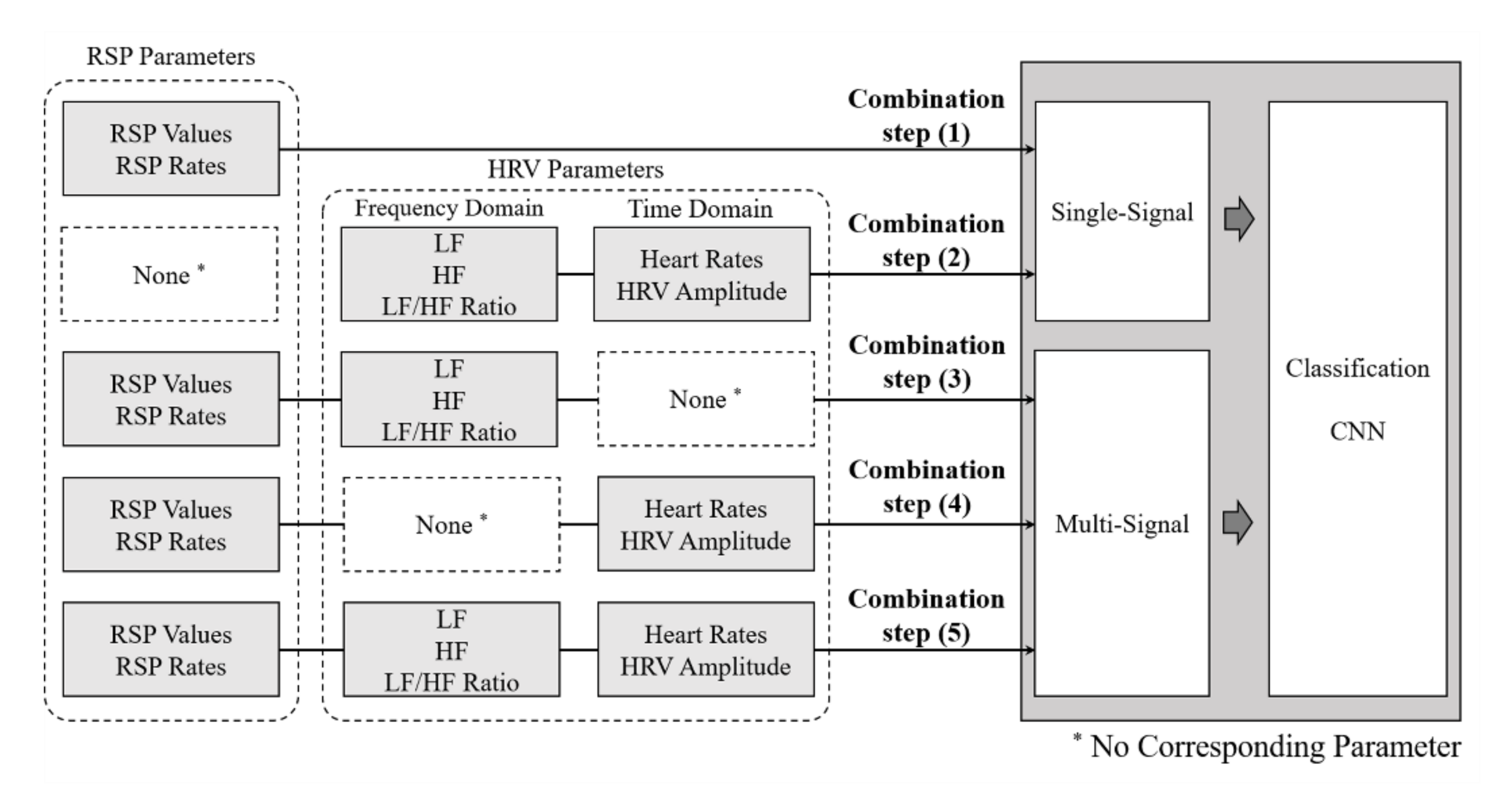
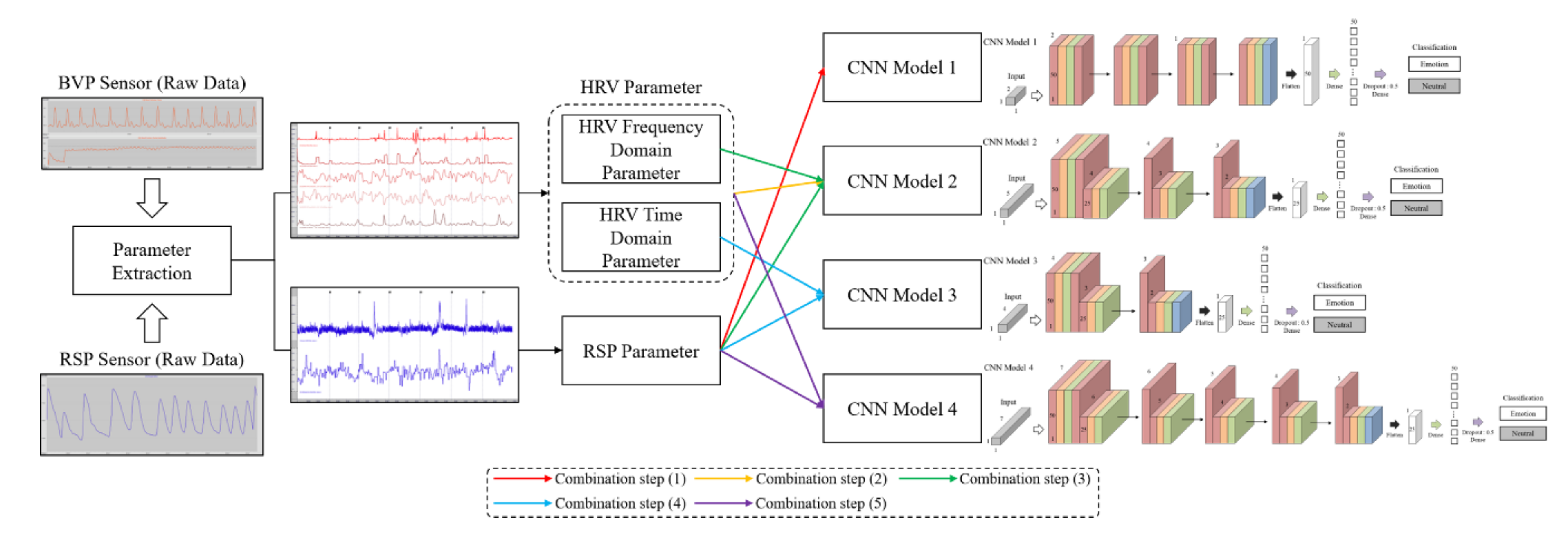
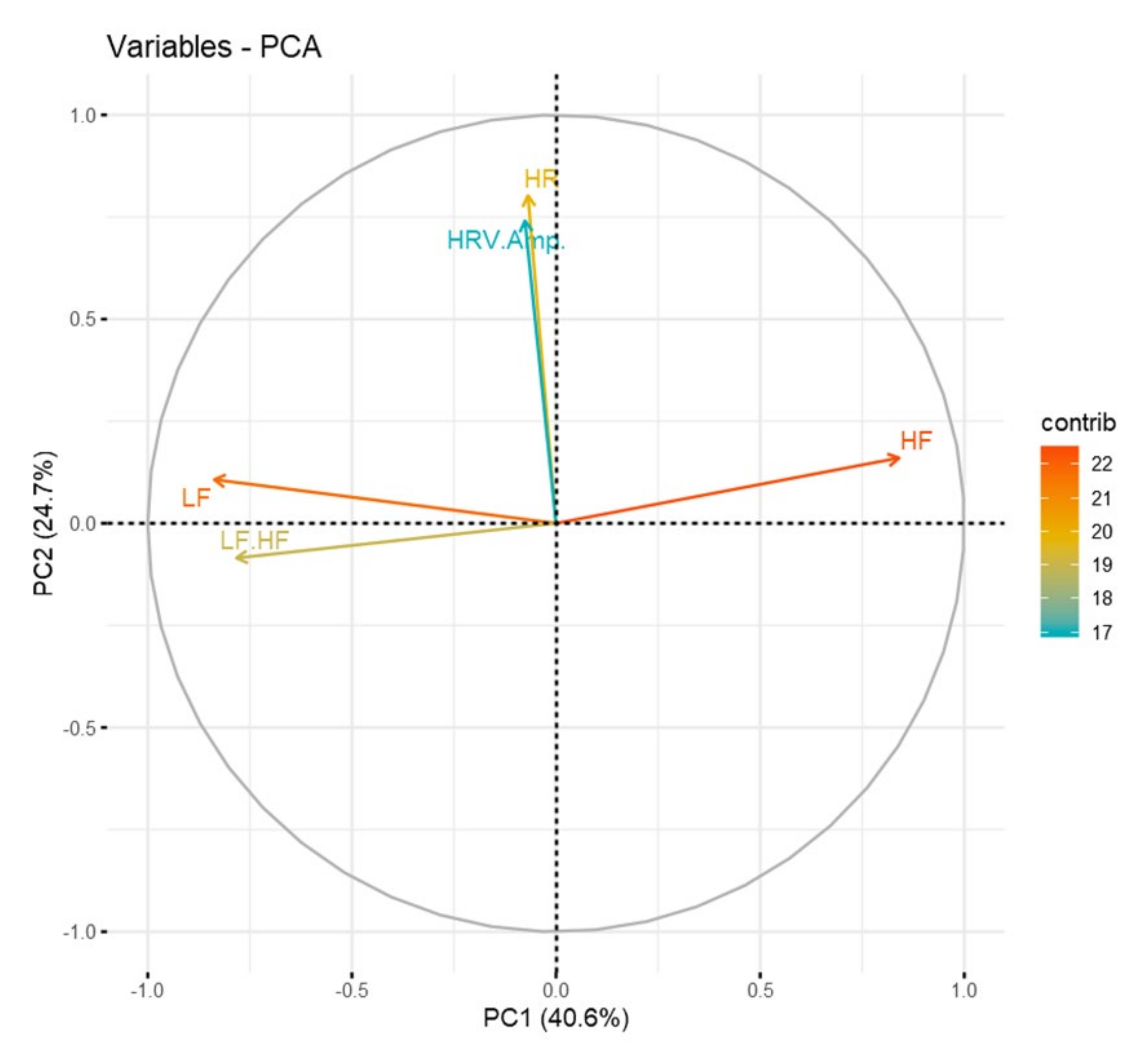
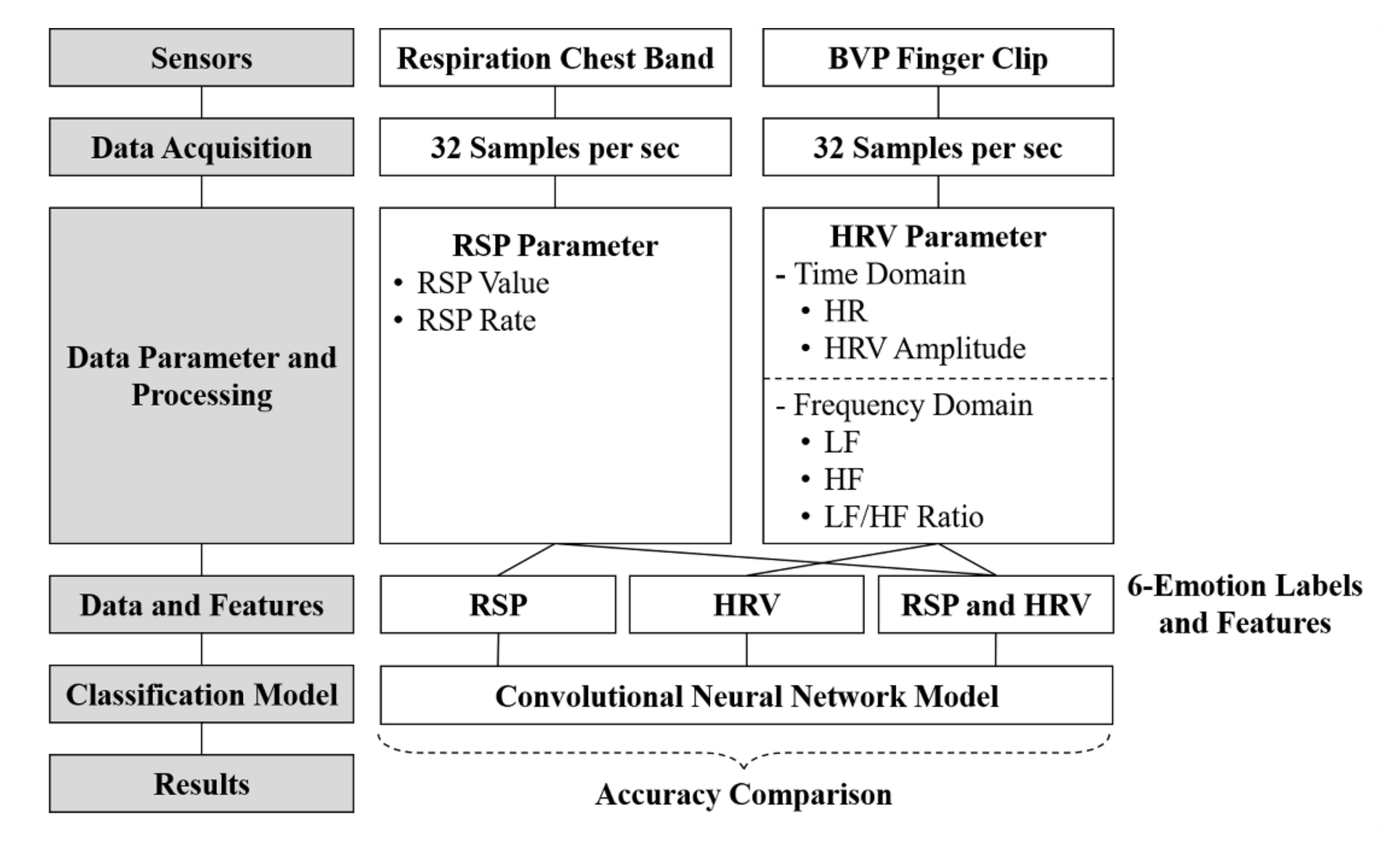
This study aimed to design an optimal emotion recognition method using multiple physiological signal parameters acquired by bio-signal sensors for improving the accuracy of classifying individual emotional responses. Multiple physiological signals such as respiration (RSP) and heart rate variability (HRV) were acquired in an experiment from 53 participants when six basic emotion states were induced. Two RSP parameters were acquired from a chest-band respiration sensor, and five HRV parameters were acquired from a finger-clip blood volume pulse (BVP) sensor. A newly designed deep-learning model based on a convolutional neural network (CNN) was adopted for detecting the identification accuracy of individual emotions. Additionally, the signal combination of the acquired parameters was proposed to obtain high classification accuracy. Furthermore, a dominant factor influencing the accuracy was found by comparing the relativeness of the parameters, providing a basis for supporting the results of emotion classification. The users of this proposed model will soon be able to improve the emotion recognition model further based on CNN using multimodal physiological signals and their sensors.
Keywords: emotion classification; physiological signals; machine learning; deep learning; principal components analysis; convolution neural networks emotion classification; physiological signals; machine learning; deep learning; principal components analysis; convolution neural networks