Article

Analysis of Cattle Social Transitional Behaviour: Attraction and Repulsion


1
School of Electrical Engineering and Telecommunications, University of New South Wales, High St, Kensington, NSW 2052, Australia
2
Data61, Commonwealth Scientific and Industrial Research Organisation (CSIRO), Marsfield, NSW 2122, Australia
3
Agriculture and Food, Commonwealth Scientific and Industrial Research Organisation (CSIRO), Armidale, NSW 2350, Australia
*
Author to whom correspondence should be addressed.
Sensors 2020, 20(18), 5340; https://doi.org/10.3390/s20185340
Submission received: 17 July 2020 / Revised: 9 September 2020 / Accepted: 15 September 2020 / Published: 18 September 2020
(This article belongs to the Section Remote Sensors)

Abstract

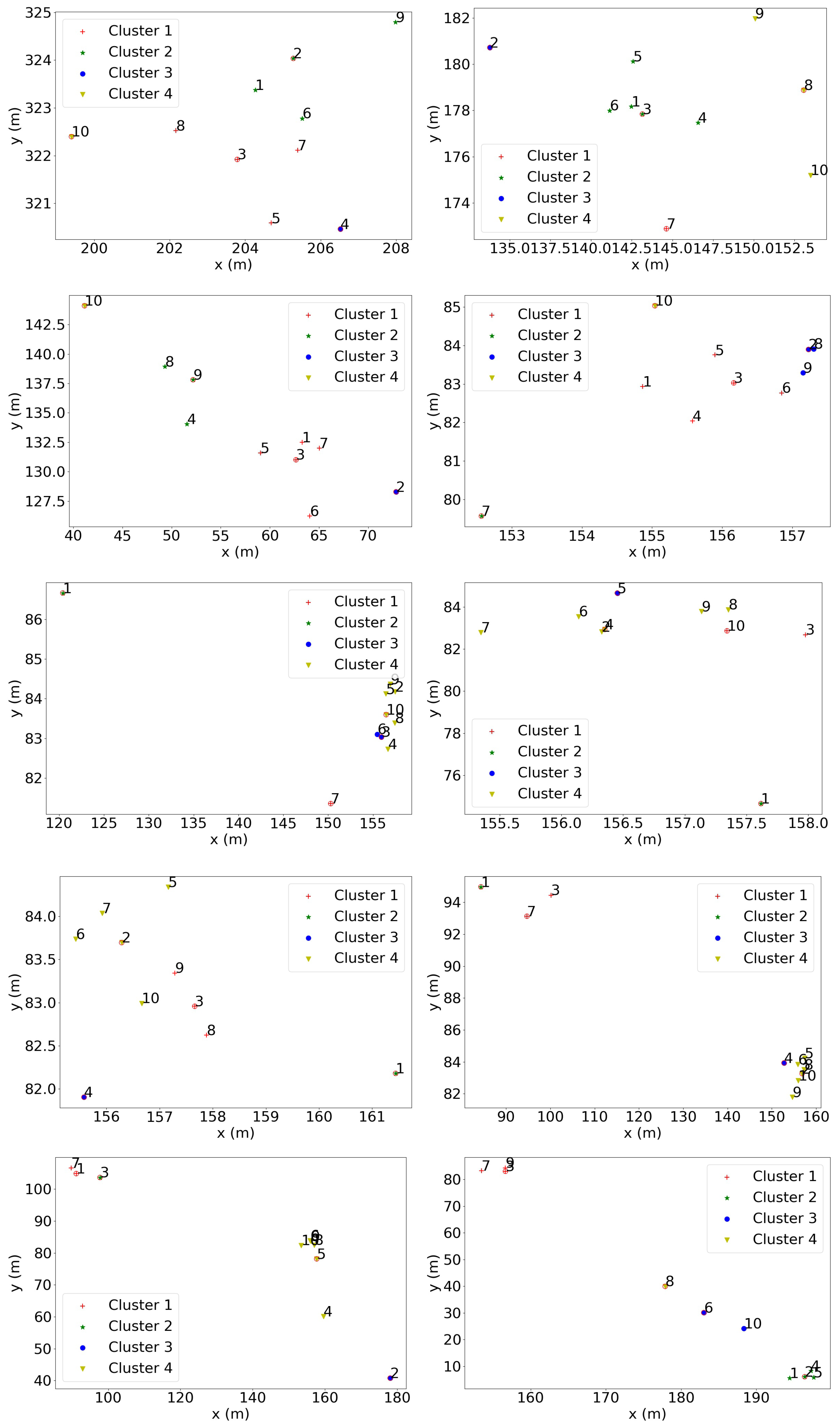
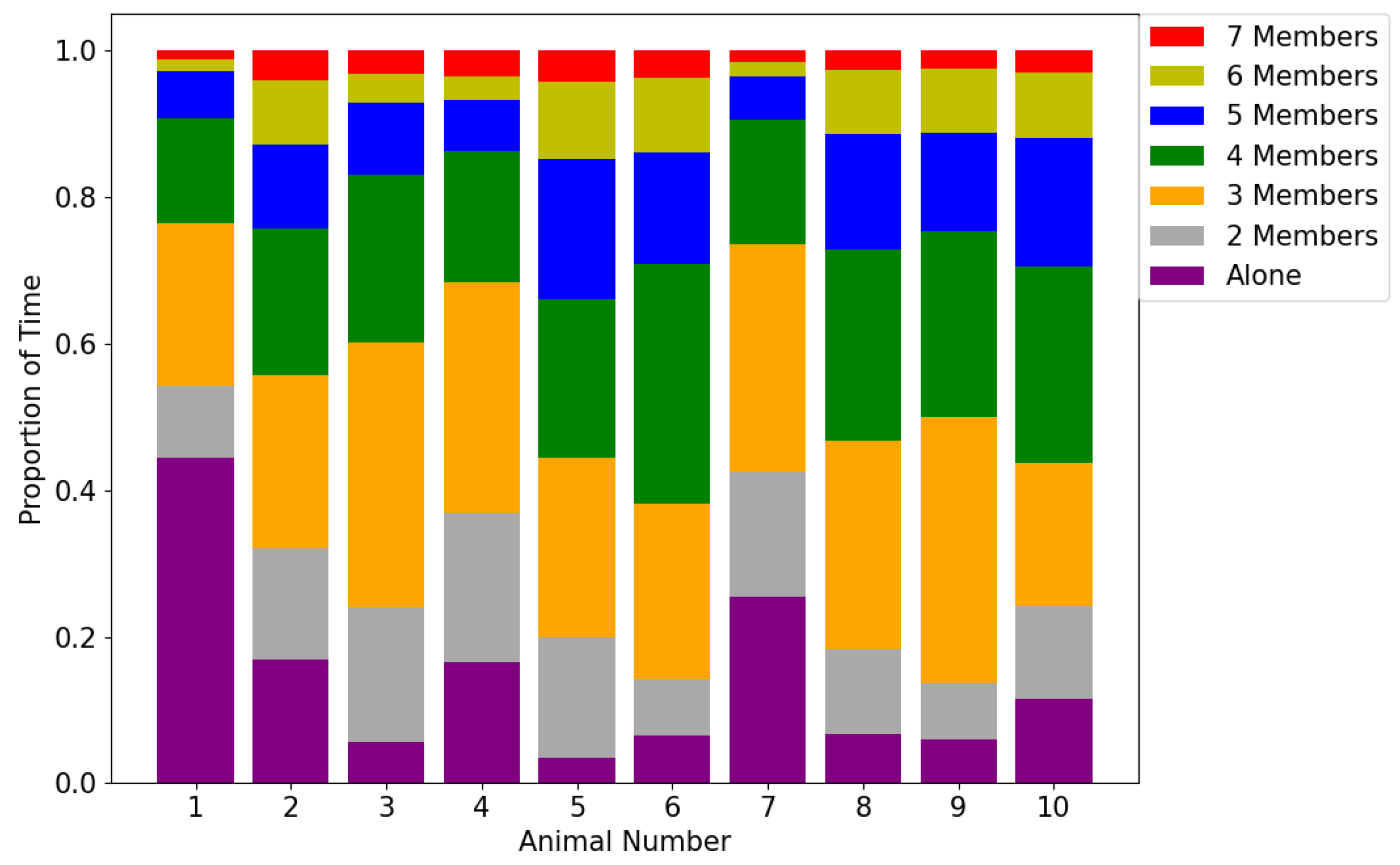
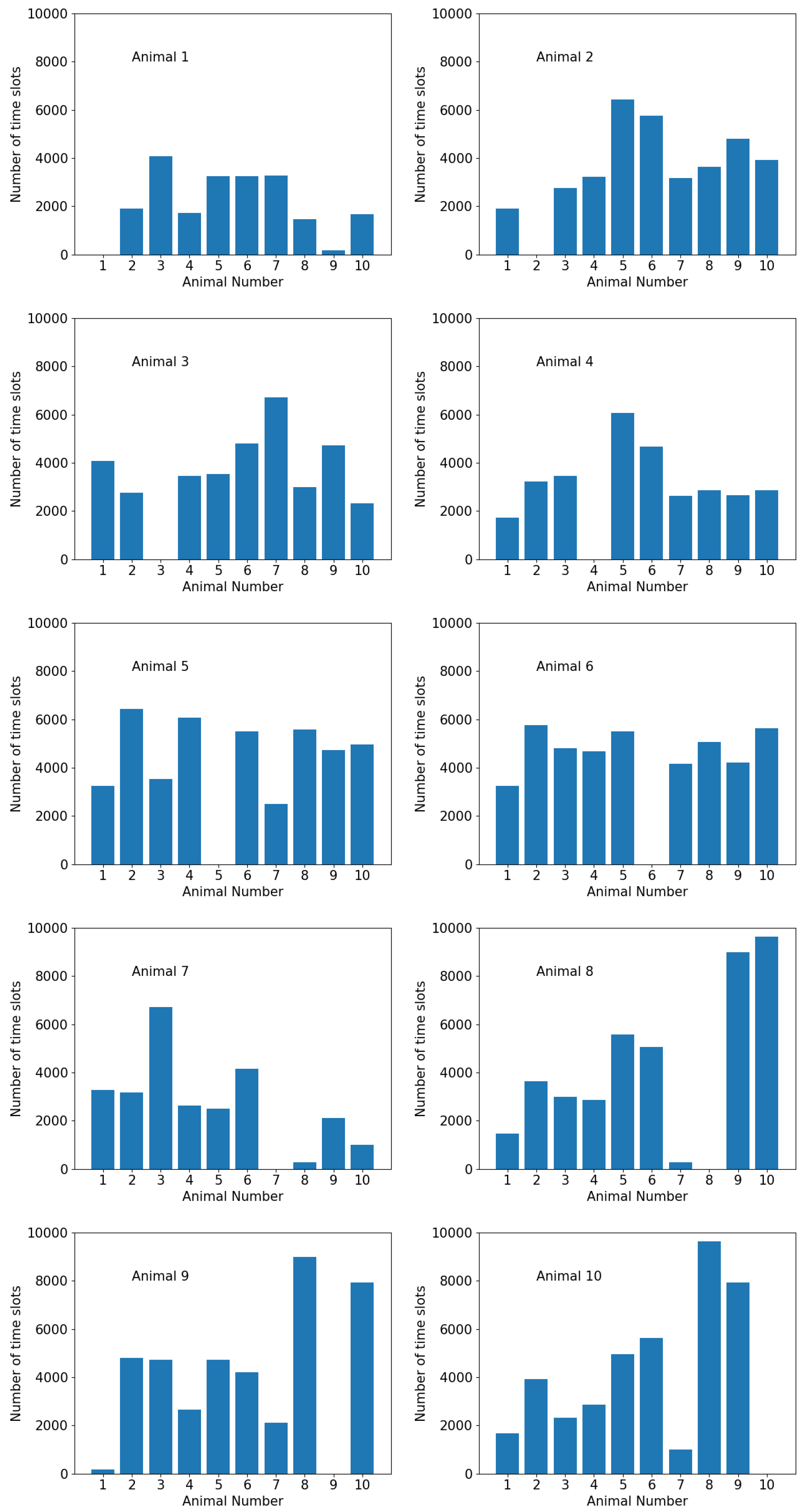
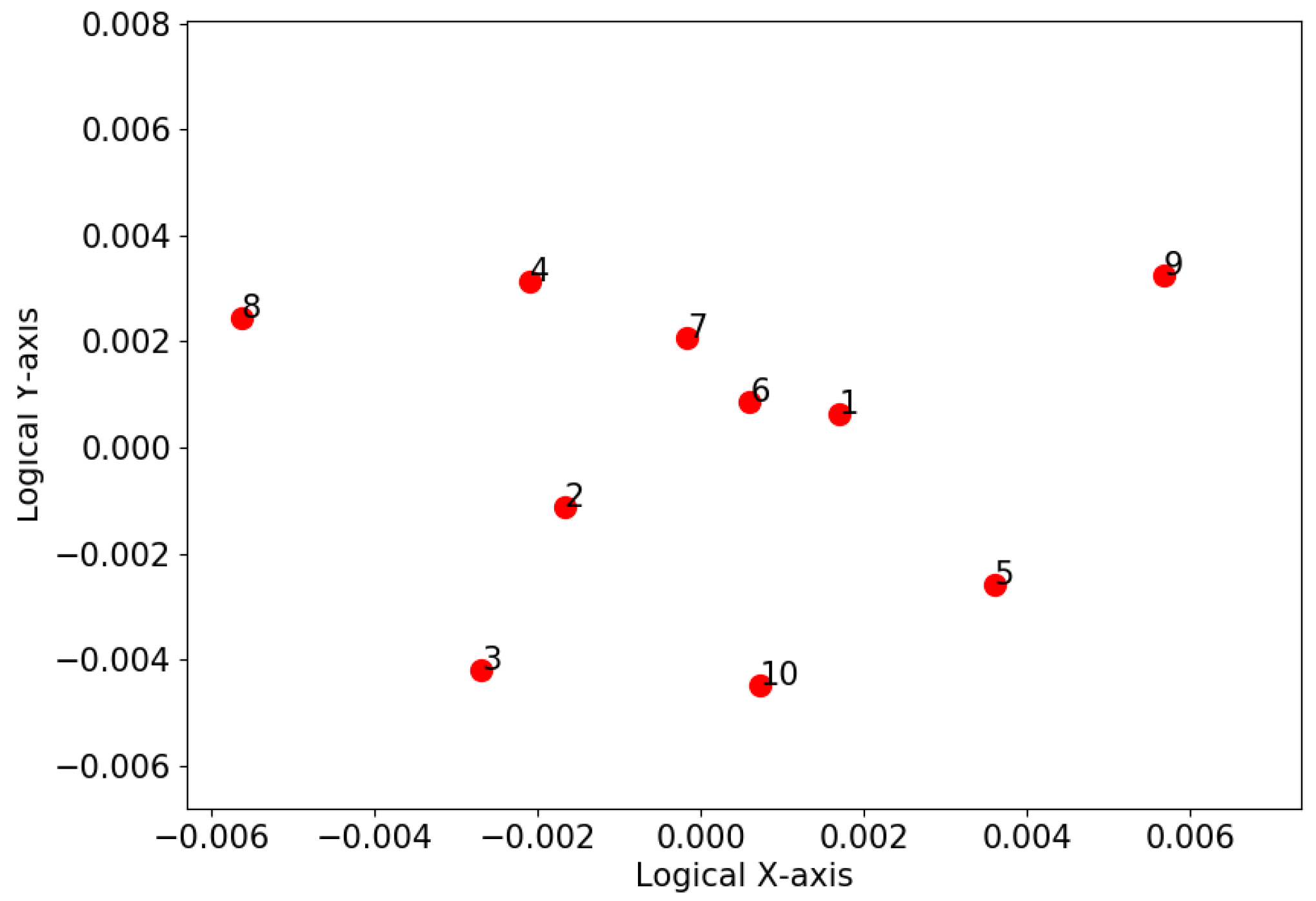
Understanding social interactions in livestock groups could improve management practices, but this can be difficult and time-consuming using traditional methods of live observations and video recordings. Sensor technologies and machine learning techniques could provide insight not previously possible. In this study, based on the animals’ location information acquired by a new cooperative wireless localisation system, unsupervised machine learning approaches were performed to identify the social structure of a small group of cattle yearlings (n=10) and the social behaviour of an individual. The paper first defined the affinity between an animal pair based on the ranks of their distance. Unsupervised clustering algorithms were then performed, including K-means clustering and agglomerative hierarchical clustering. In particular, K-means clustering was applied based on logical and physical distance. By comparing the clustering result based on logical distance and physical distance, the leader animals and the influence of an individual in a herd of cattle were identified, which provides valuable information for studying the behaviour of animal herds. Improvements in device robustness and replication of this work would confirm the practical application of this technology and analysis methodologies.
Keywords: animal behaviour; social behaviour; leader animals; unsupervised learning; multidimensional scaling (MDS); agglomerative hierarchical clustering (AHC); K-means clustering animal behaviour; social behaviour; leader animals; unsupervised learning; multidimensional scaling (MDS); agglomerative hierarchical clustering (AHC); K-means clustering