Article

Temperature Sensor Assisted Lifetime Enhancement of Satellite Embedded Systems via Multi-Core Task Mapping and DVFS


Department of Electrical and Computer Engineering, Ajou University, 206 Worldcup-ro, Yeongtong-gu, Suwon-si 16499, Korea
*
Author to whom correspondence should be addressed.
Sensors 2019, 19(22), 4902; https://doi.org/10.3390/s19224902
Submission received: 24 September 2019 / Revised: 4 November 2019 / Accepted: 6 November 2019 / Published: 9 November 2019
(This article belongs to the Section Remote Sensors)

Abstract

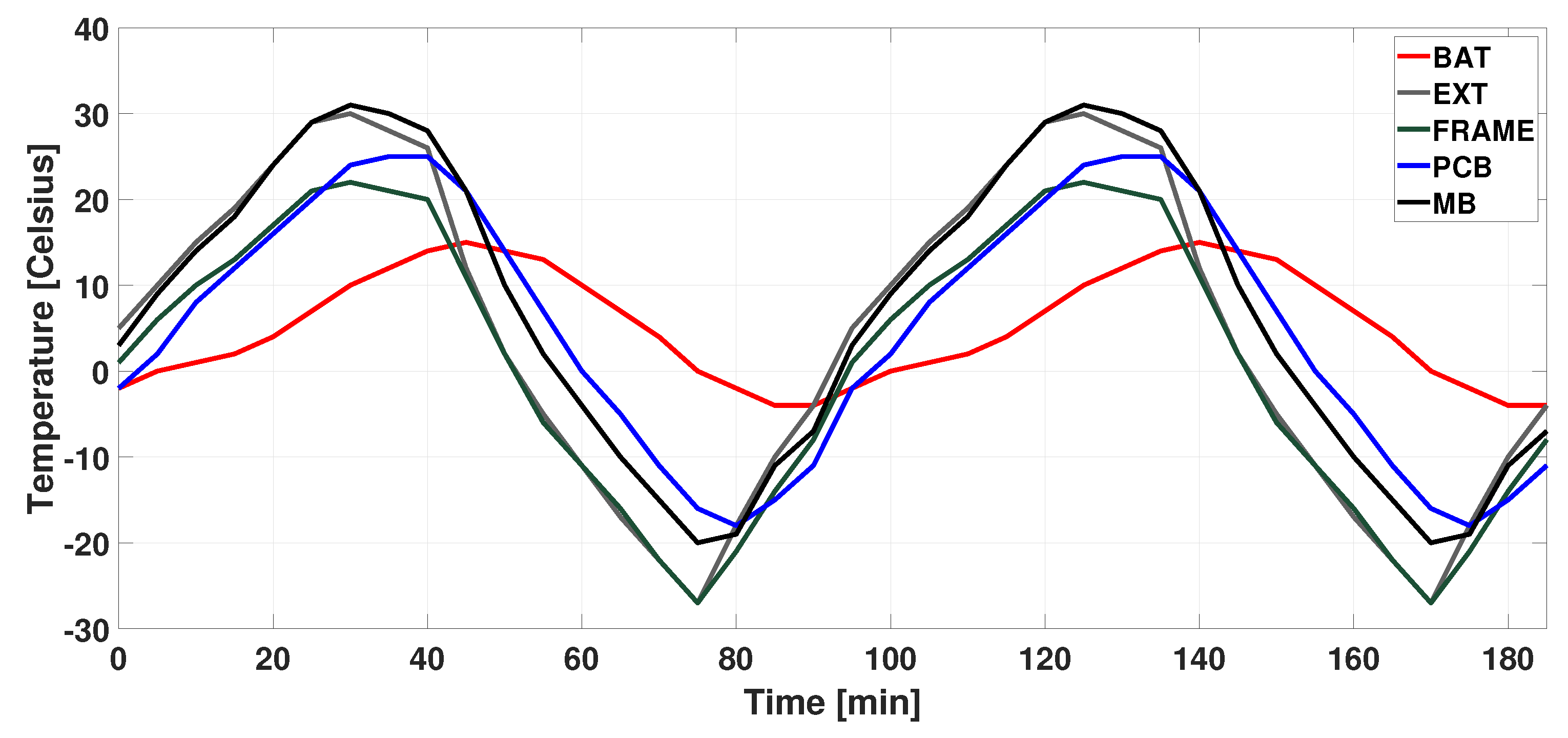
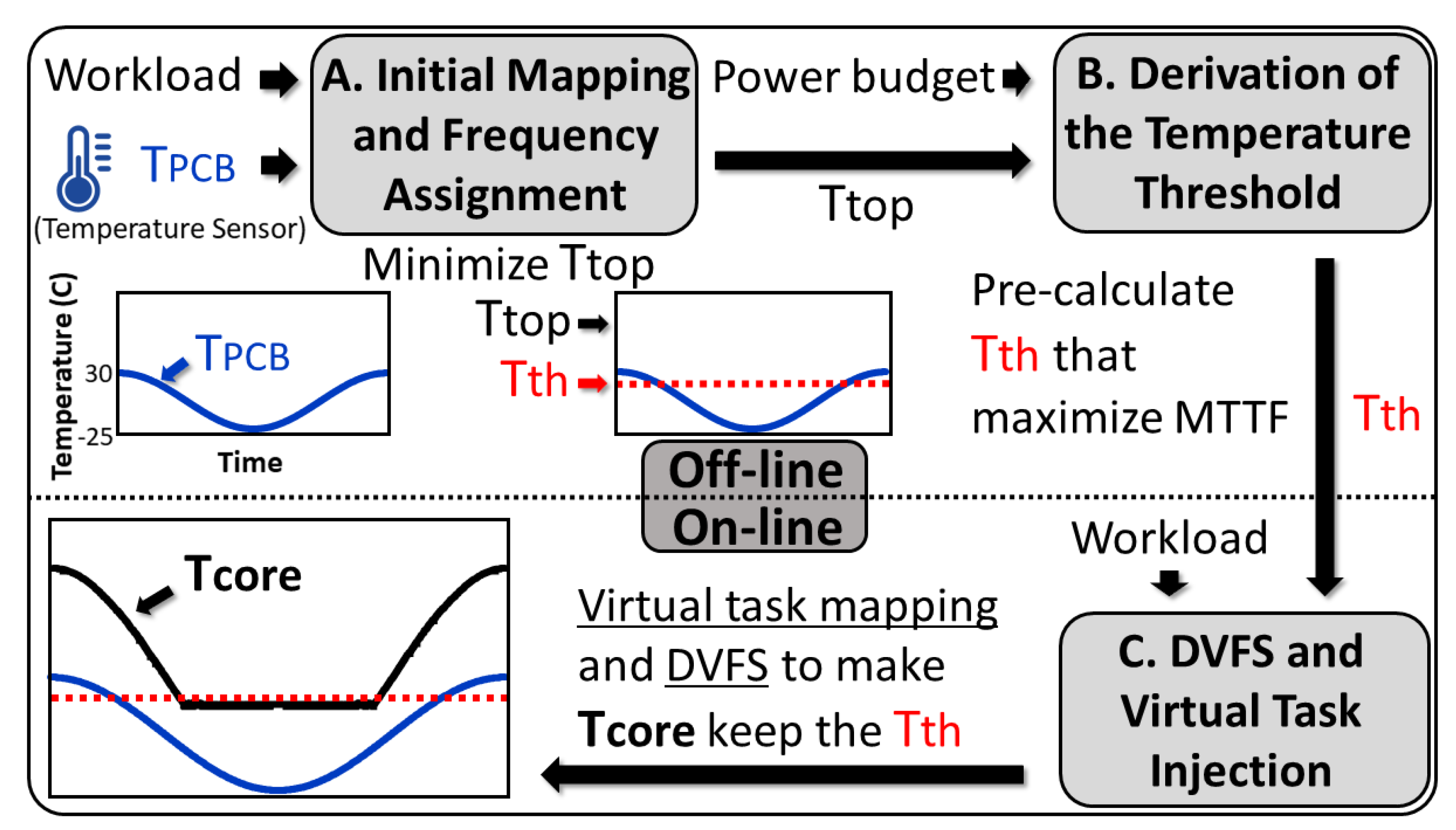
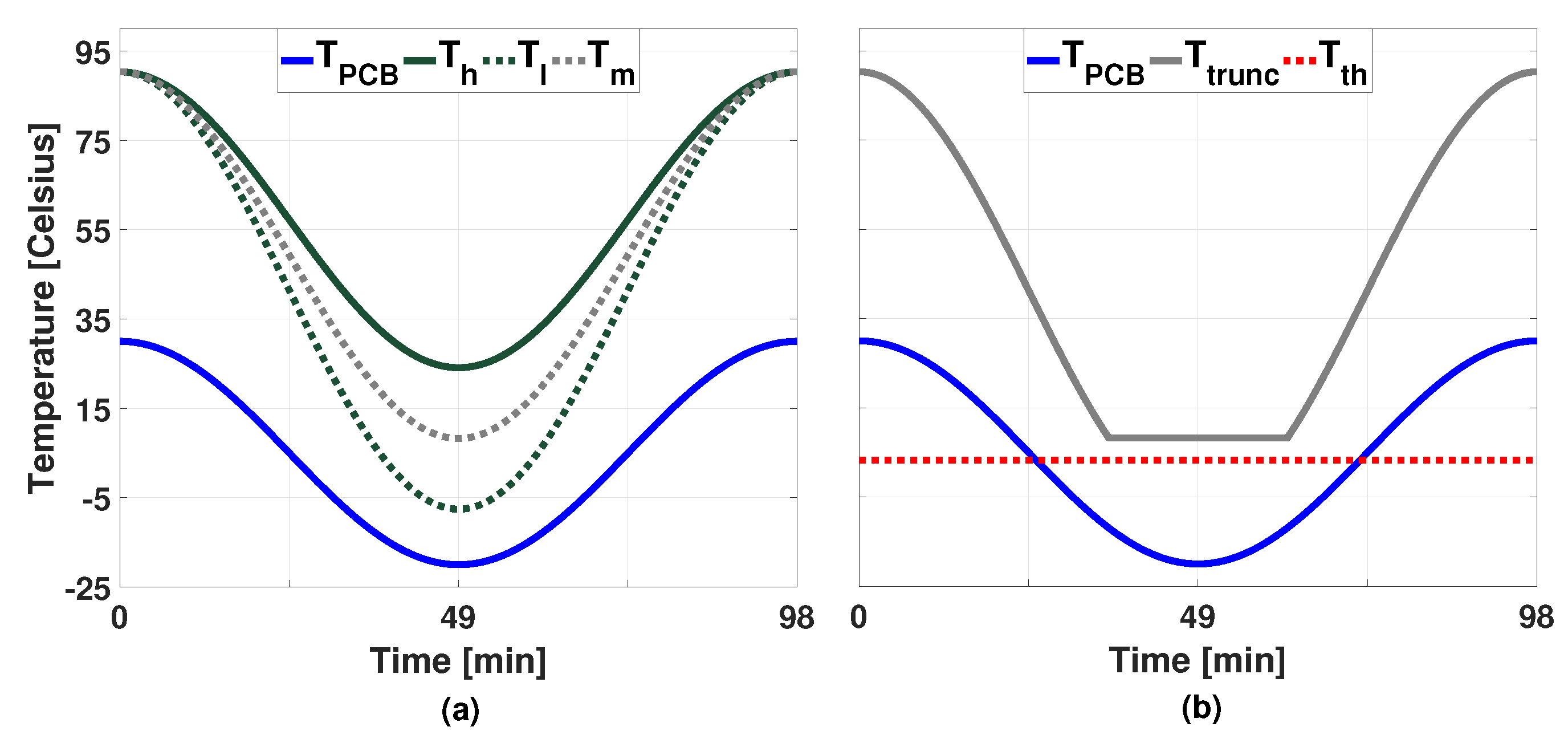
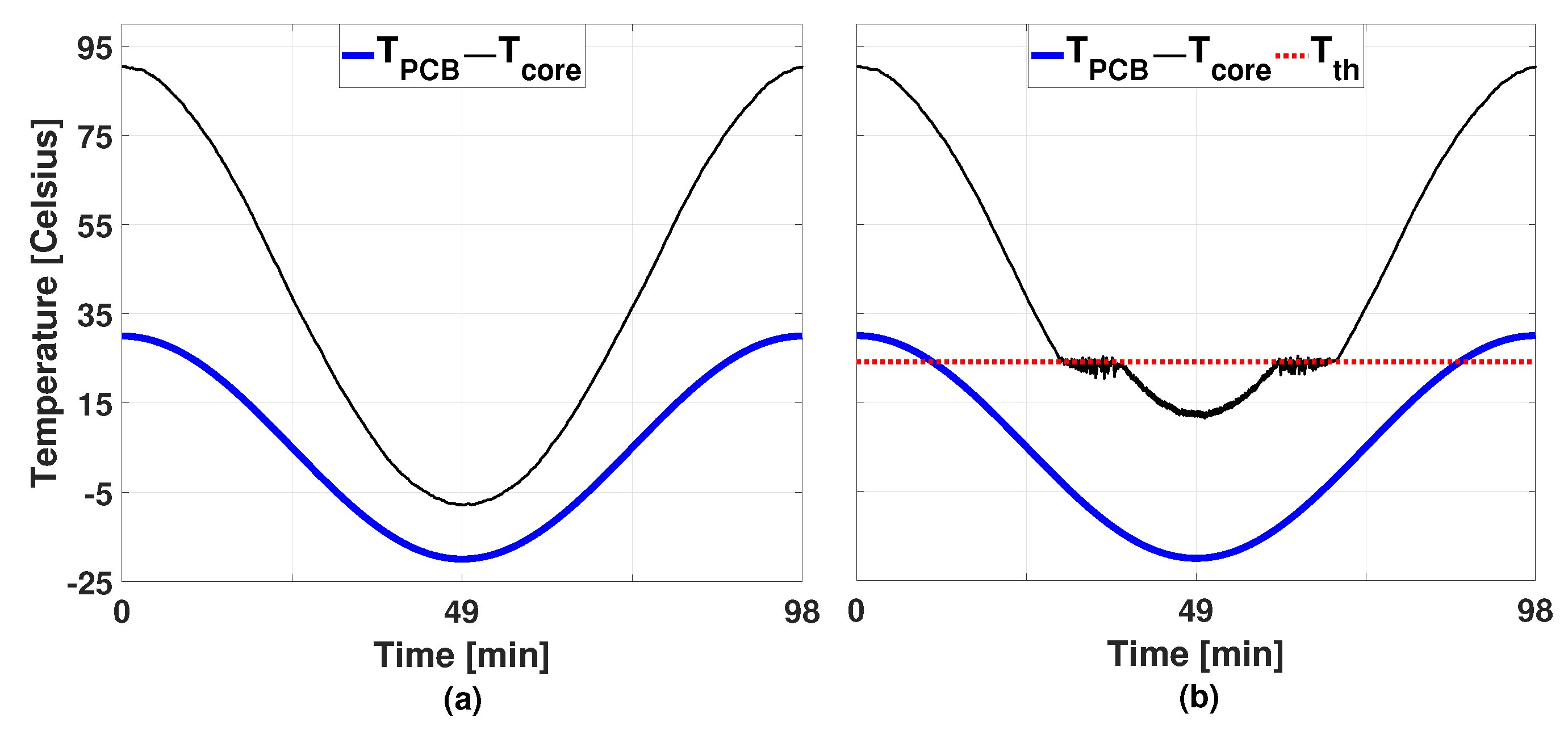
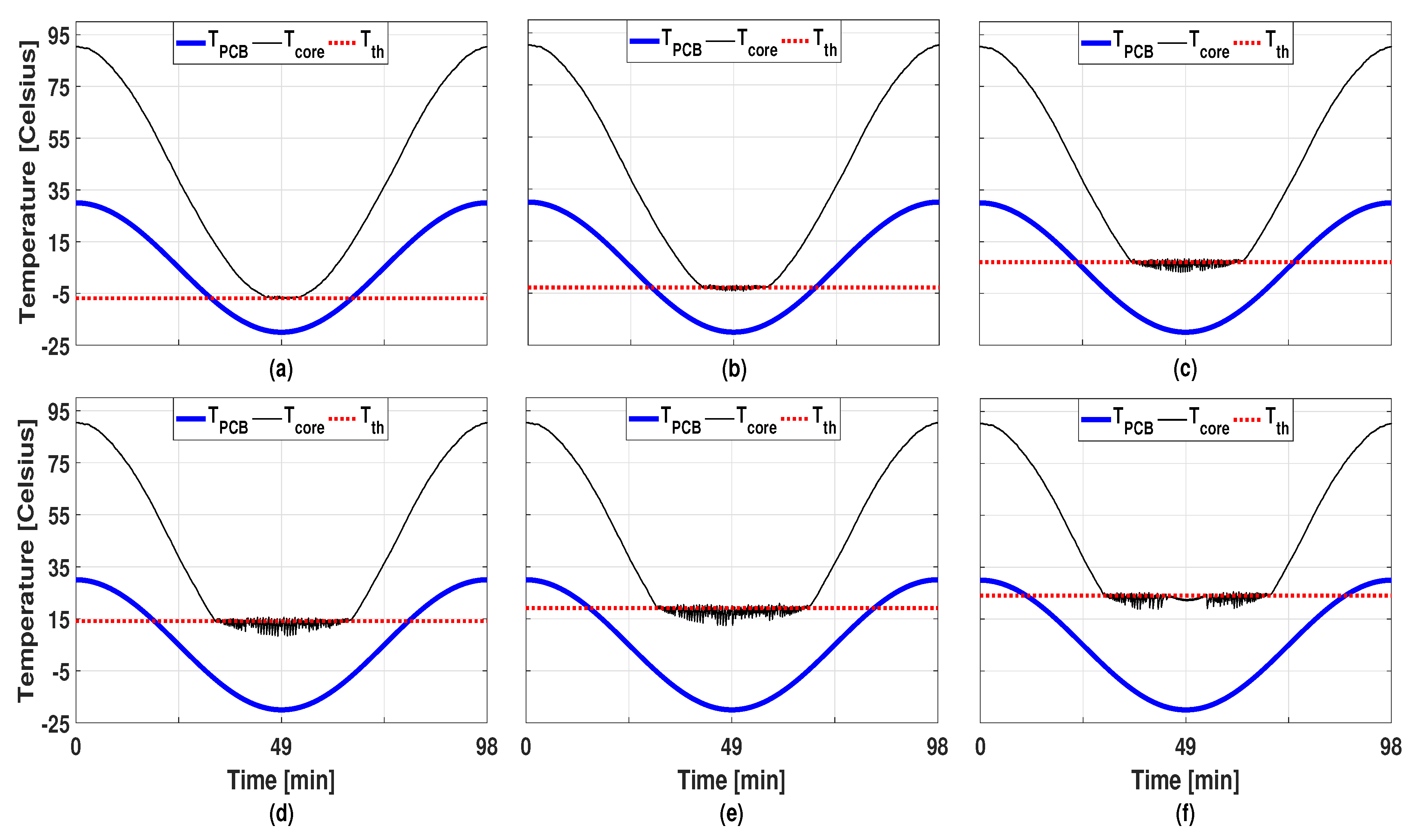
Recently, thanks to the miniaturization and high performance of commercial-off-the-shelf (COTS) computer systems, small satellites get popular. However, due to the very expensive launching cost, it is critical to reduce the physical size and weight of the satellite systems such as cube satellites (CubeSats), making it infeasible to install high capacity batteries or solar panels. Thus, the low-power design is one of the most critical issues in the design of such systems. In addition, as satellites make a periodic revolution around the Earth in a vacuum, their operating temperature varies greatly. For instance, in a low earth orbit (LEO) CubeSats, the temperatures vary from 30 to −30 degrees Celsius, resulting in a big thermal cycle (TC) in the electronic parts that is known to be one of the most critical reliability threats. Moreover, such LEO CubeSats are not fully protected by active thermal control and thermal insulation due to the cost, volume, and weight problems. In this paper, we propose to utilize temperature sensors to maximize the lifetime reliability of the LEO satellite systems via multi-core mapping and dynamic voltage and frequency scaling (DVFS) under power constraint. As conventional reliability enhancement techniques primarily focus on reducing the temperature, it may cause enlarged TCs, making them even less reliable. On the contrary, we try to maintain the TC optimal in terms of reliability with respect to the given power constraint. Experimental evaluation shows that the proposed technique improves the expected lifetime of the satellite embedded systems by up to 8.03 times in the simulation of Nvidia’s Jetson TK1.
Keywords: low earth orbit satellites; reliability; temperature sensors; real-time embedded systems; multi-core processor; dynamic voltage and frequency scaling (DVFS) low earth orbit satellites; reliability; temperature sensors; real-time embedded systems; multi-core processor; dynamic voltage and frequency scaling (DVFS)