Article

Estimating the Vertical Structure of Weather-Induced Mission Costs for Small UAS


by
John J. Bird
1,
Scott J. Richardson
2 and
Jack W. Langelaan
1,*
1
Department of Aerospace Engineering, Pennsylvania State University, University Park, PA 16802, USA
2
Department of Meteorology and Atmospheric Science, Pennsylvania State University, University Park, PA 16802, USA
*
Author to whom correspondence should be addressed.
Sensors 2019, 19(12), 2770; https://doi.org/10.3390/s19122770
Submission received: 8 May 2019 / Revised: 31 May 2019 / Accepted: 10 June 2019 / Published: 20 June 2019
(This article belongs to the Special Issue Aerospace Sensors and Multisensor Systems)

Abstract

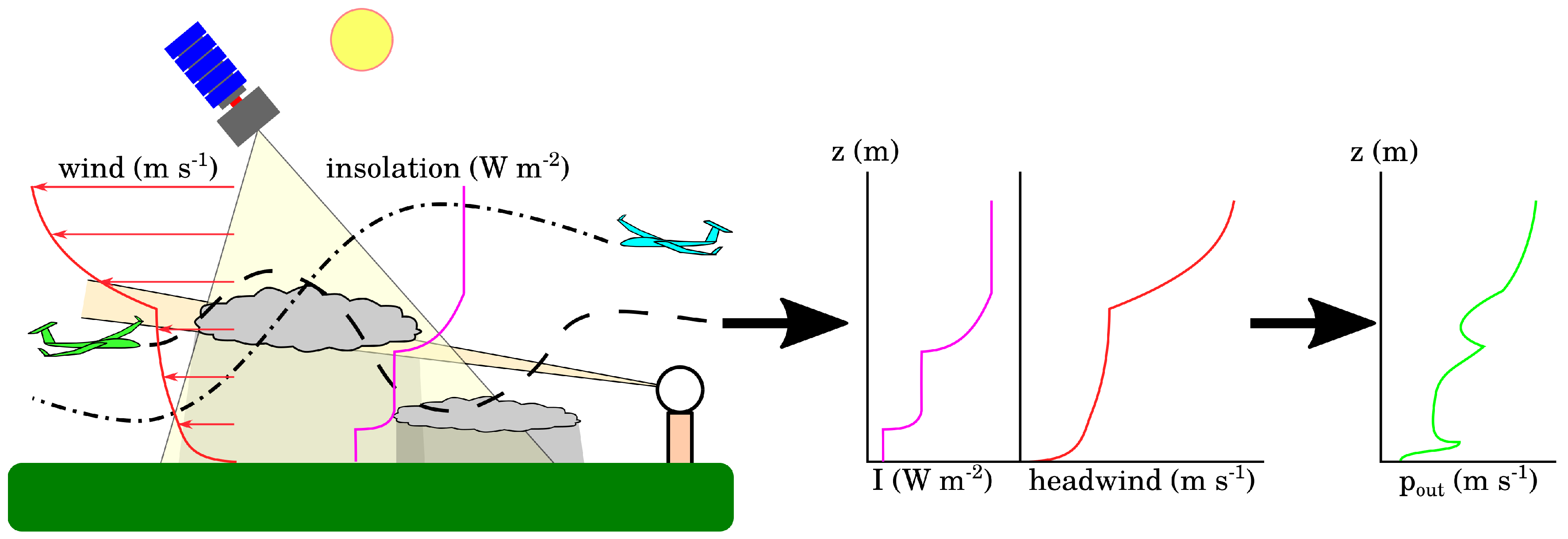
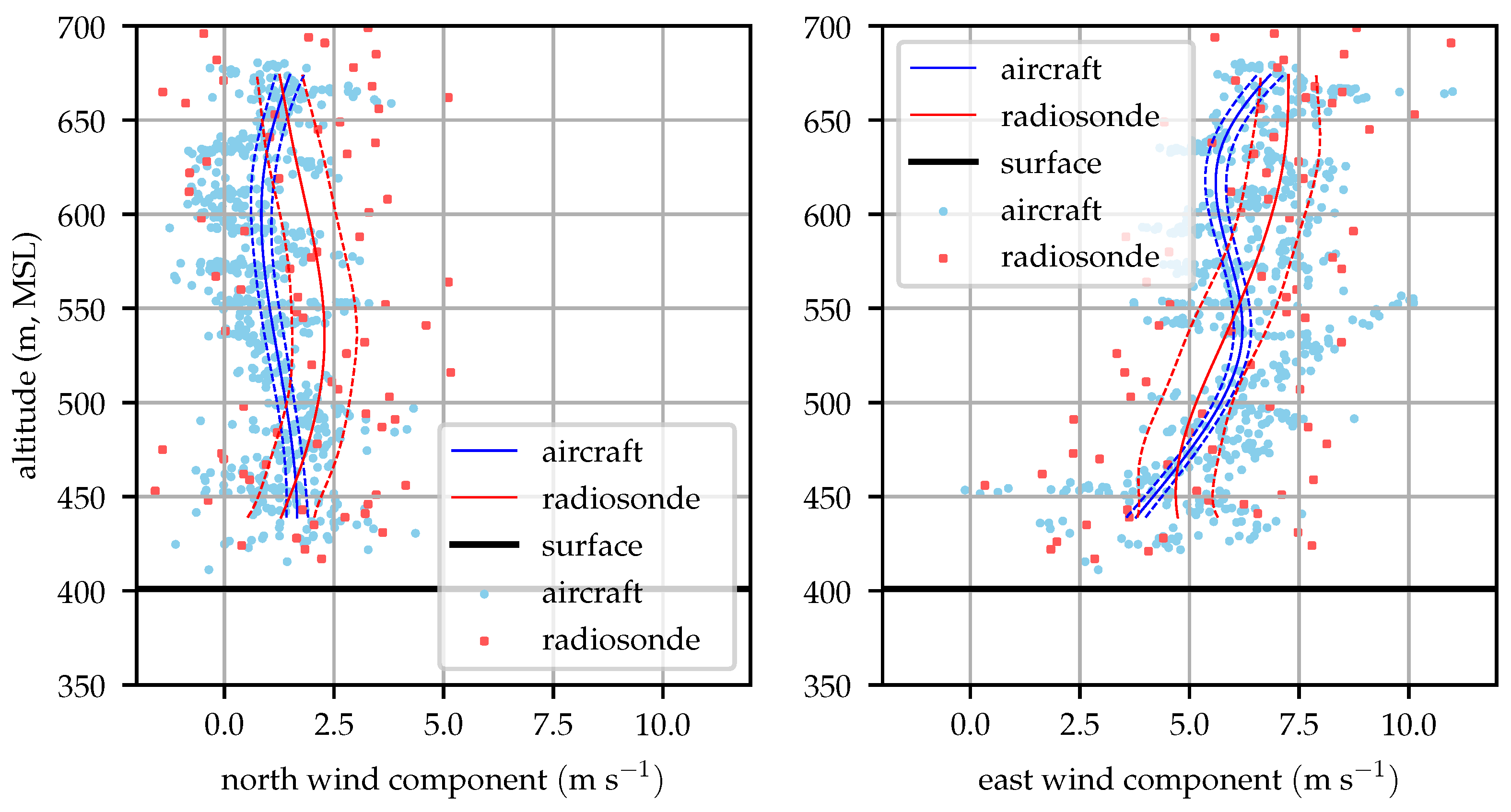
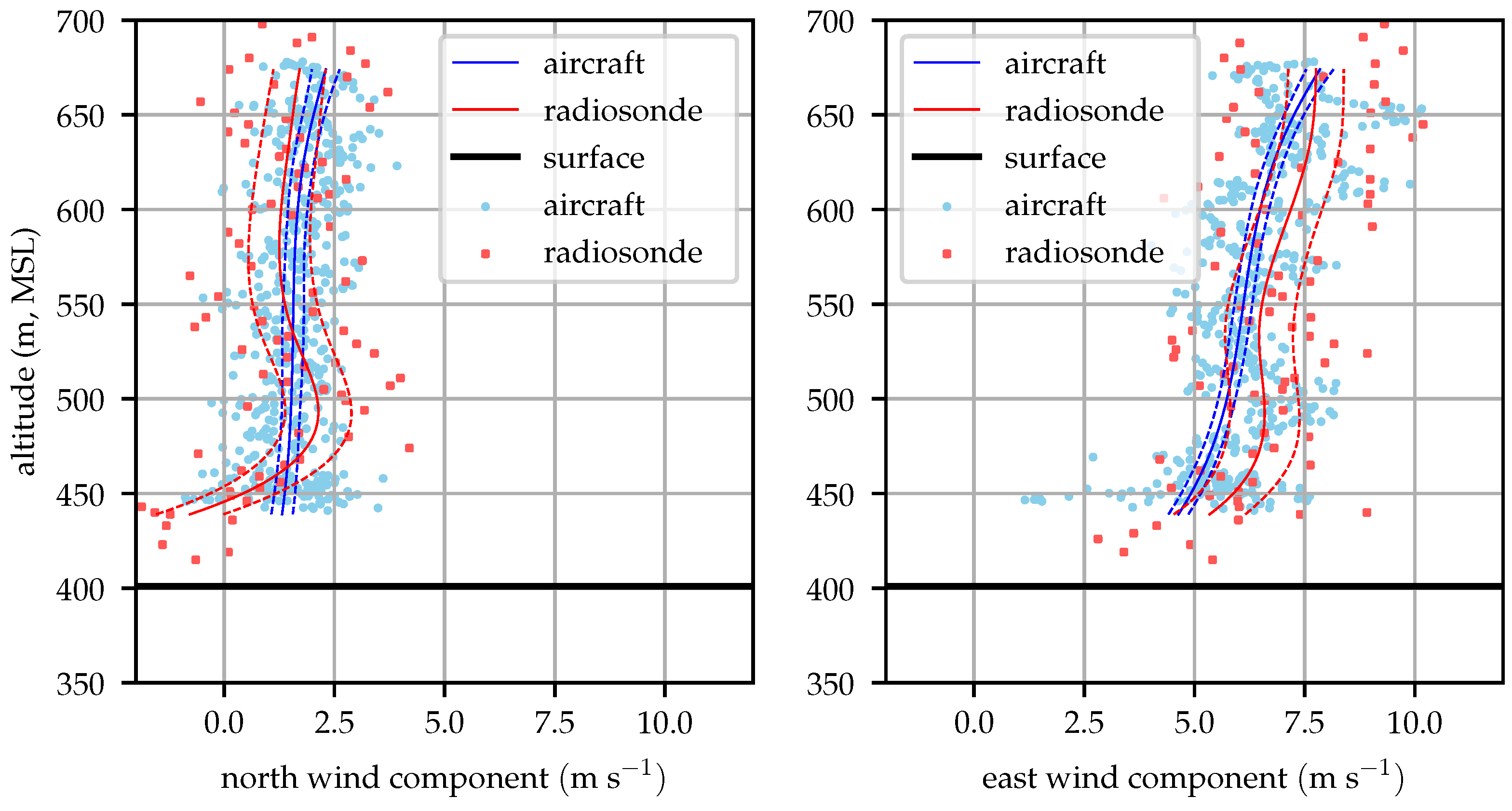
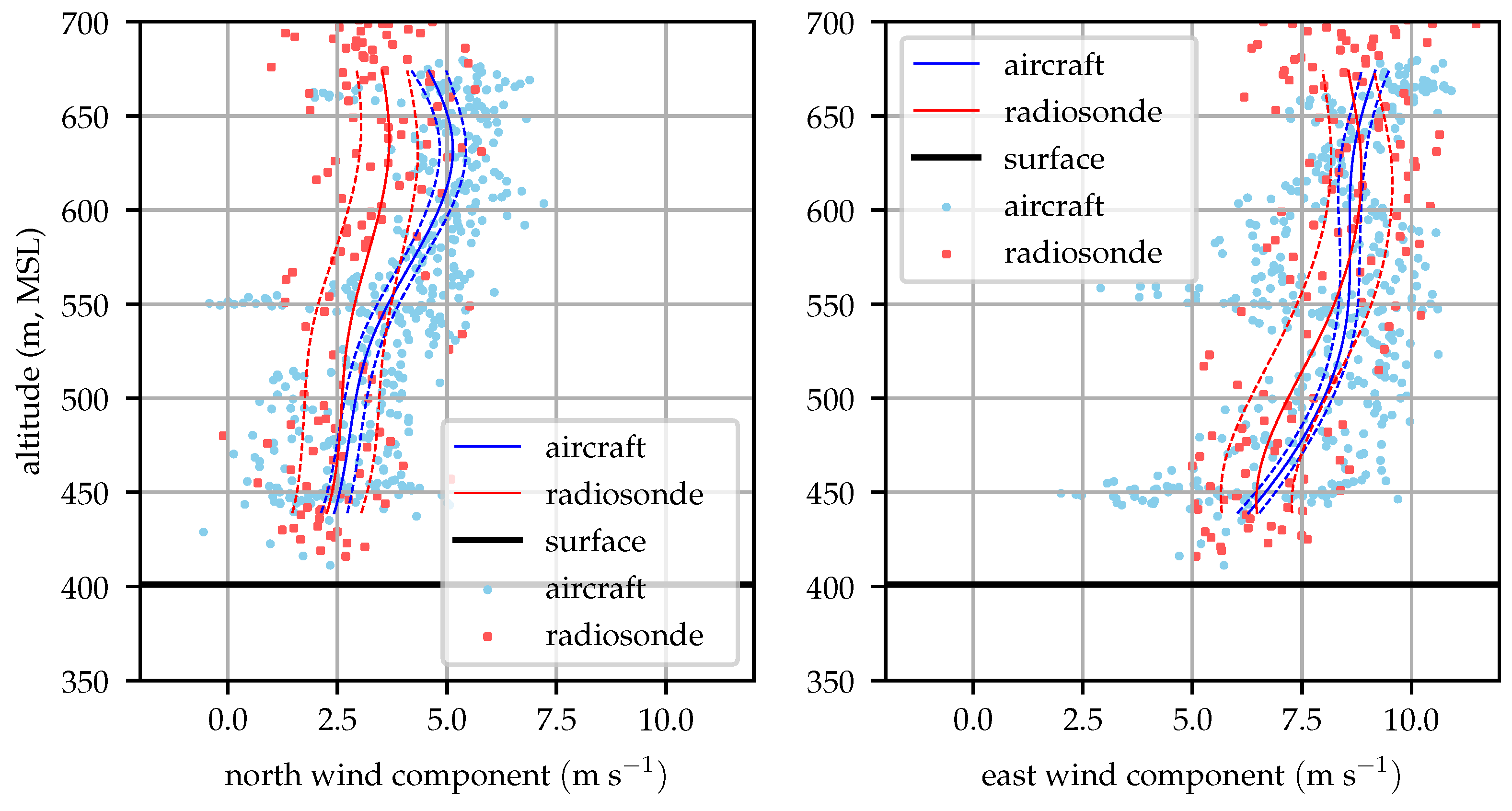
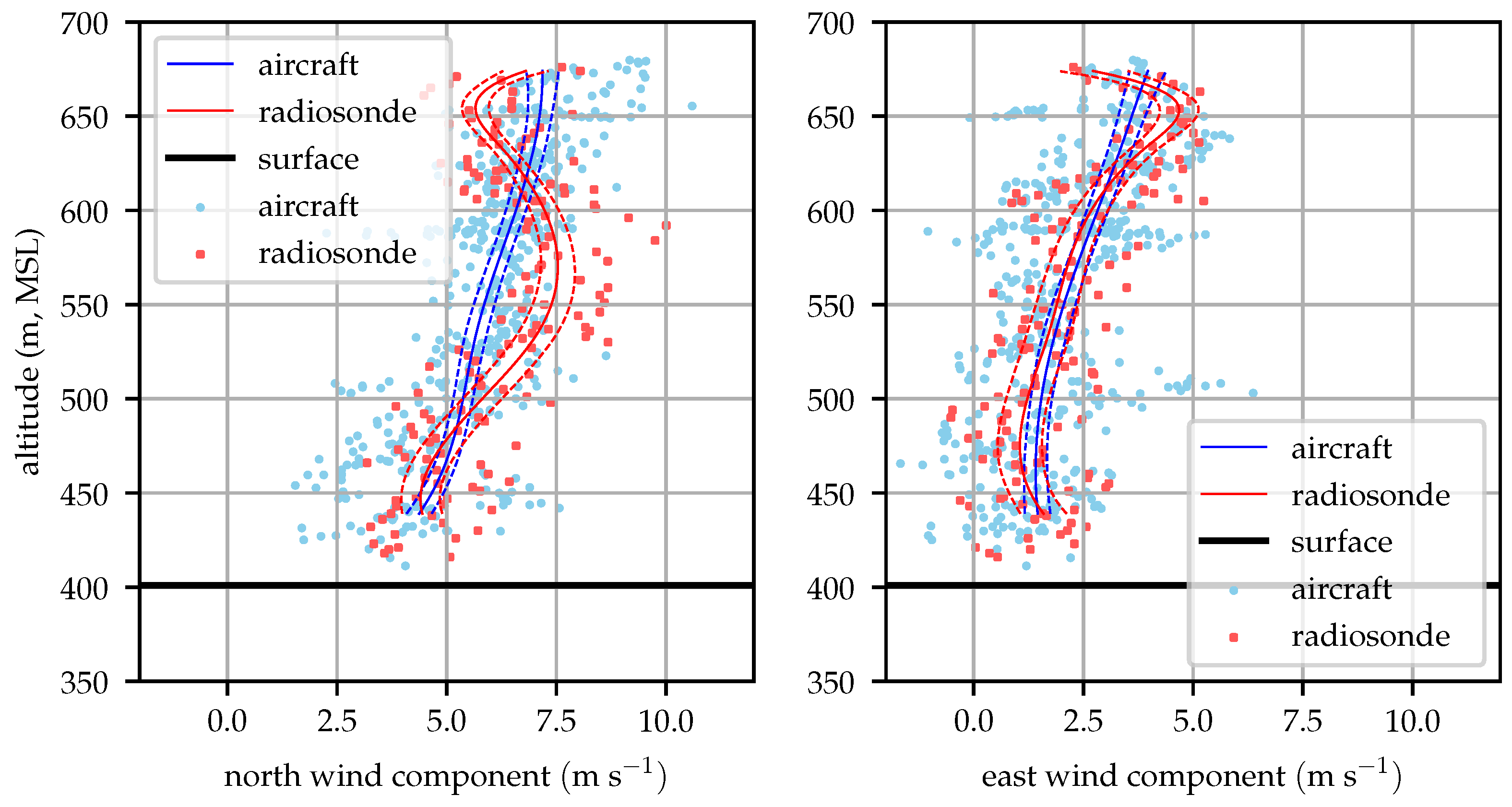
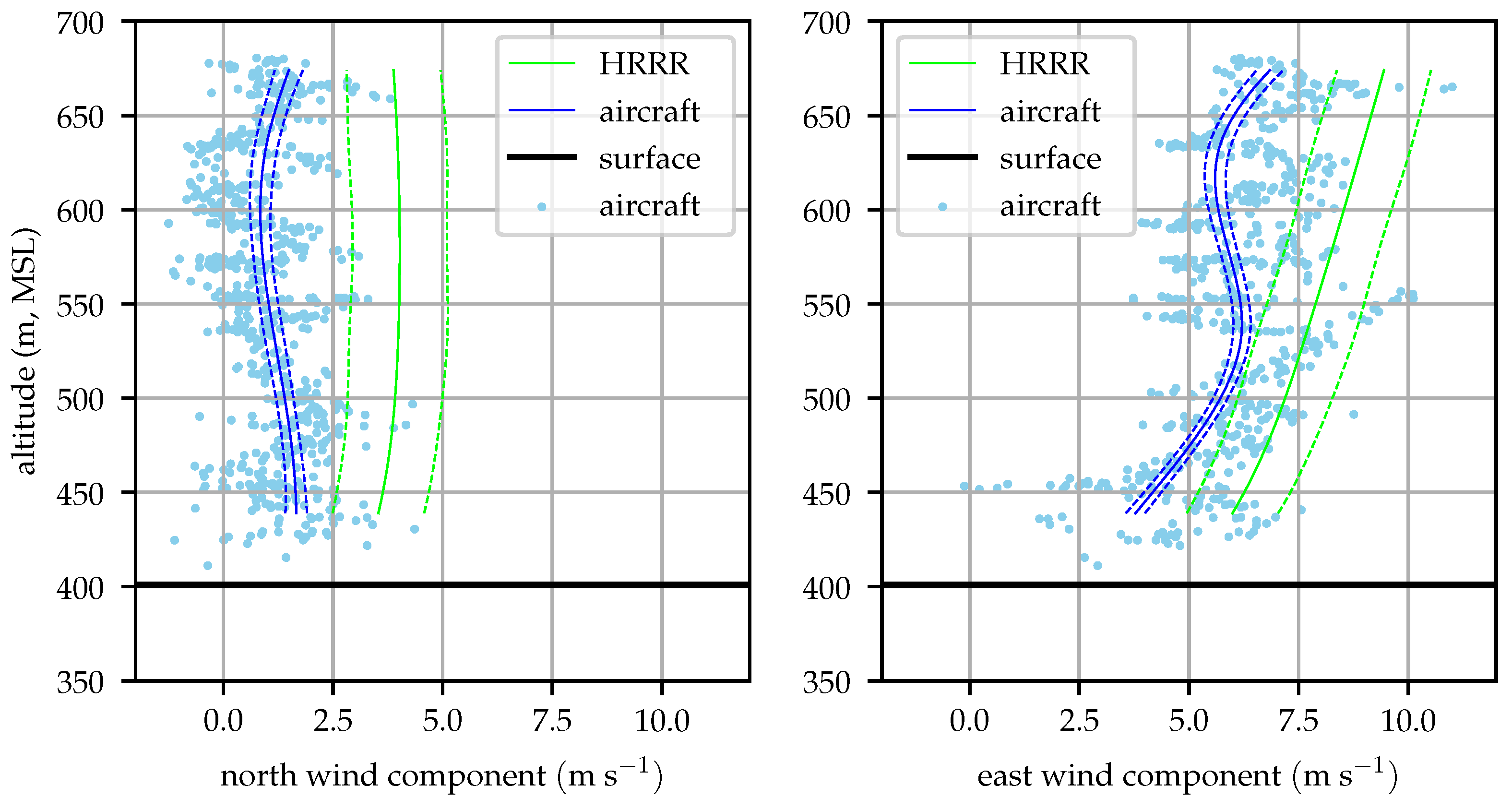
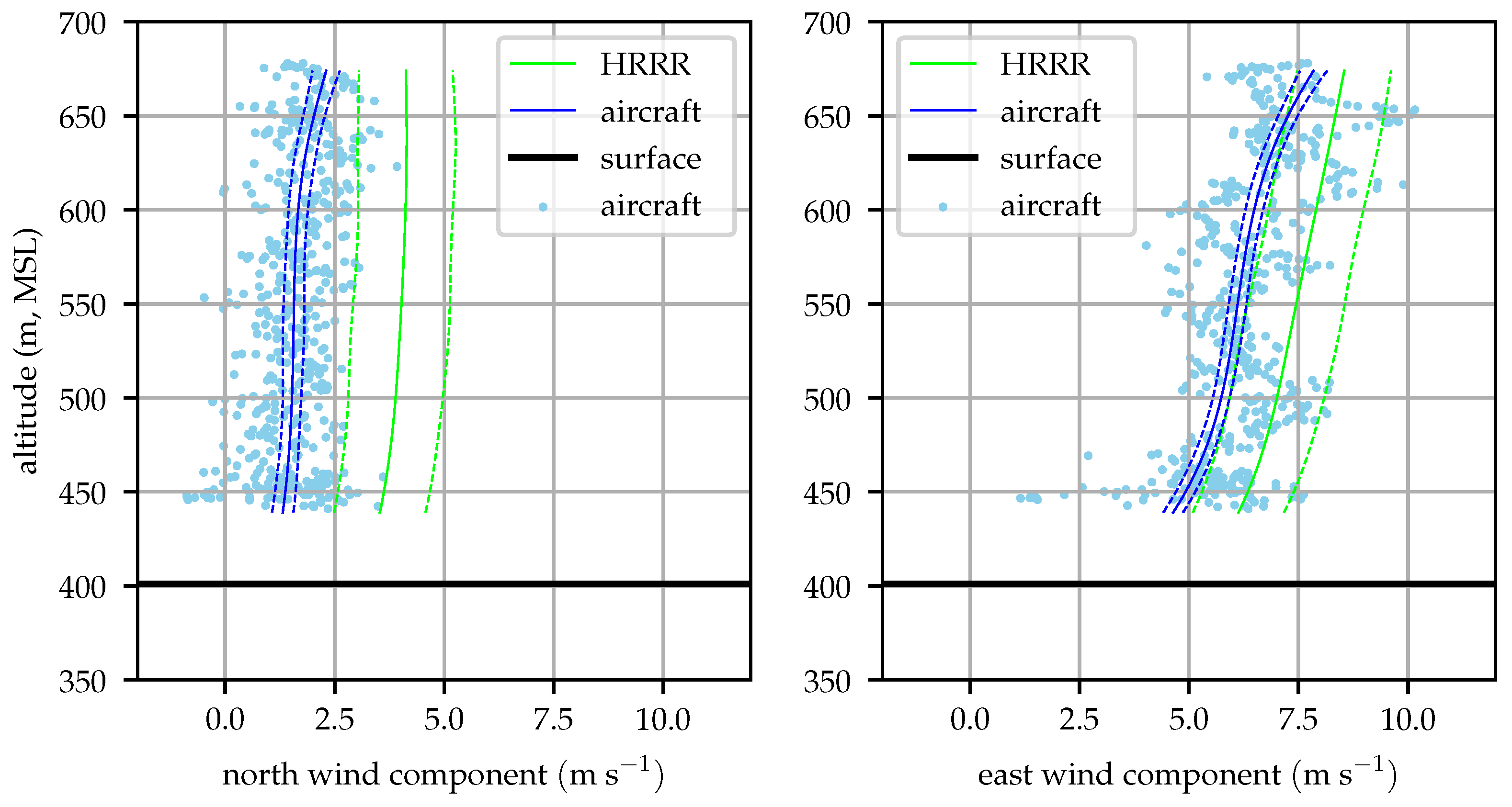
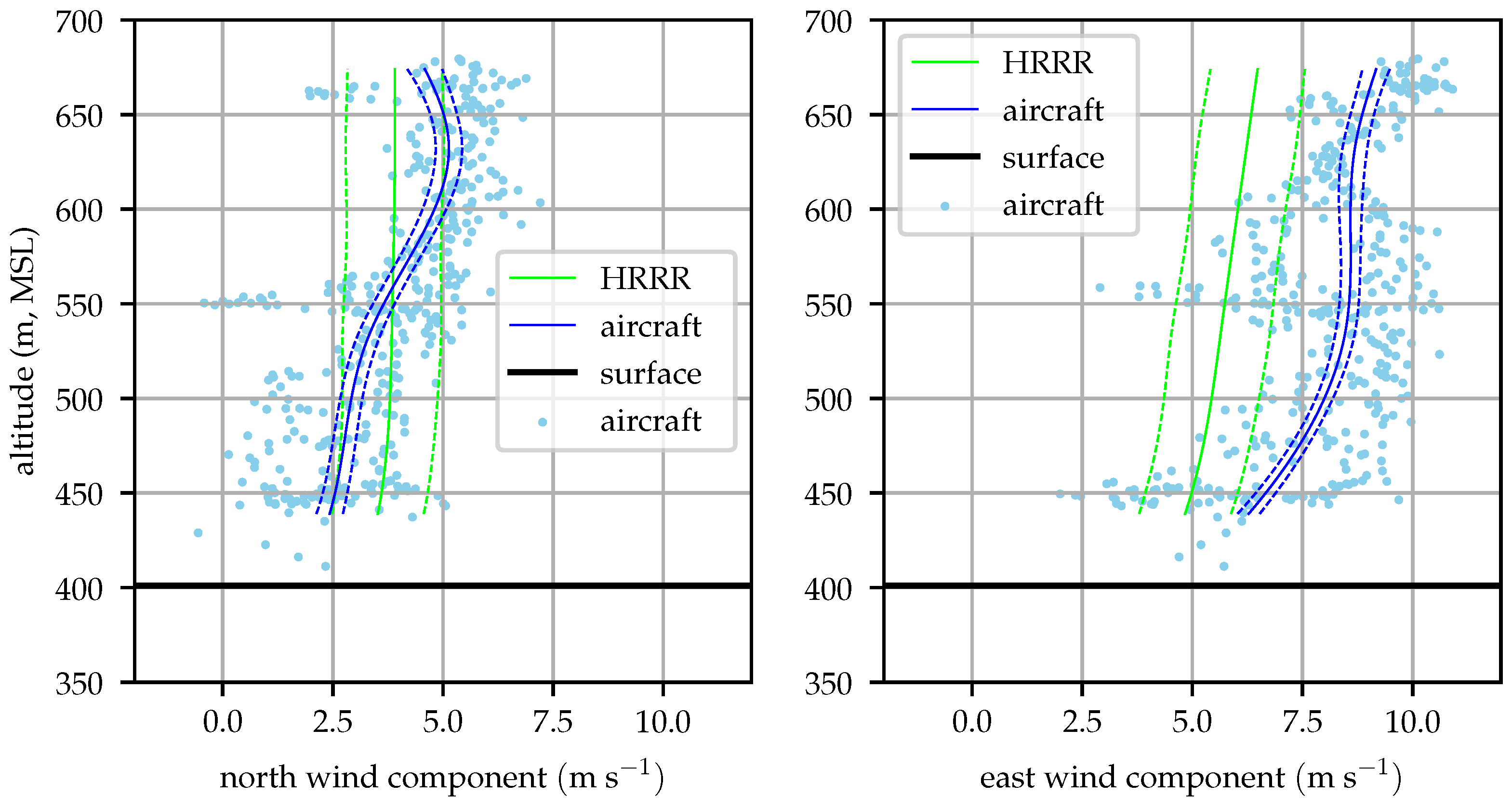
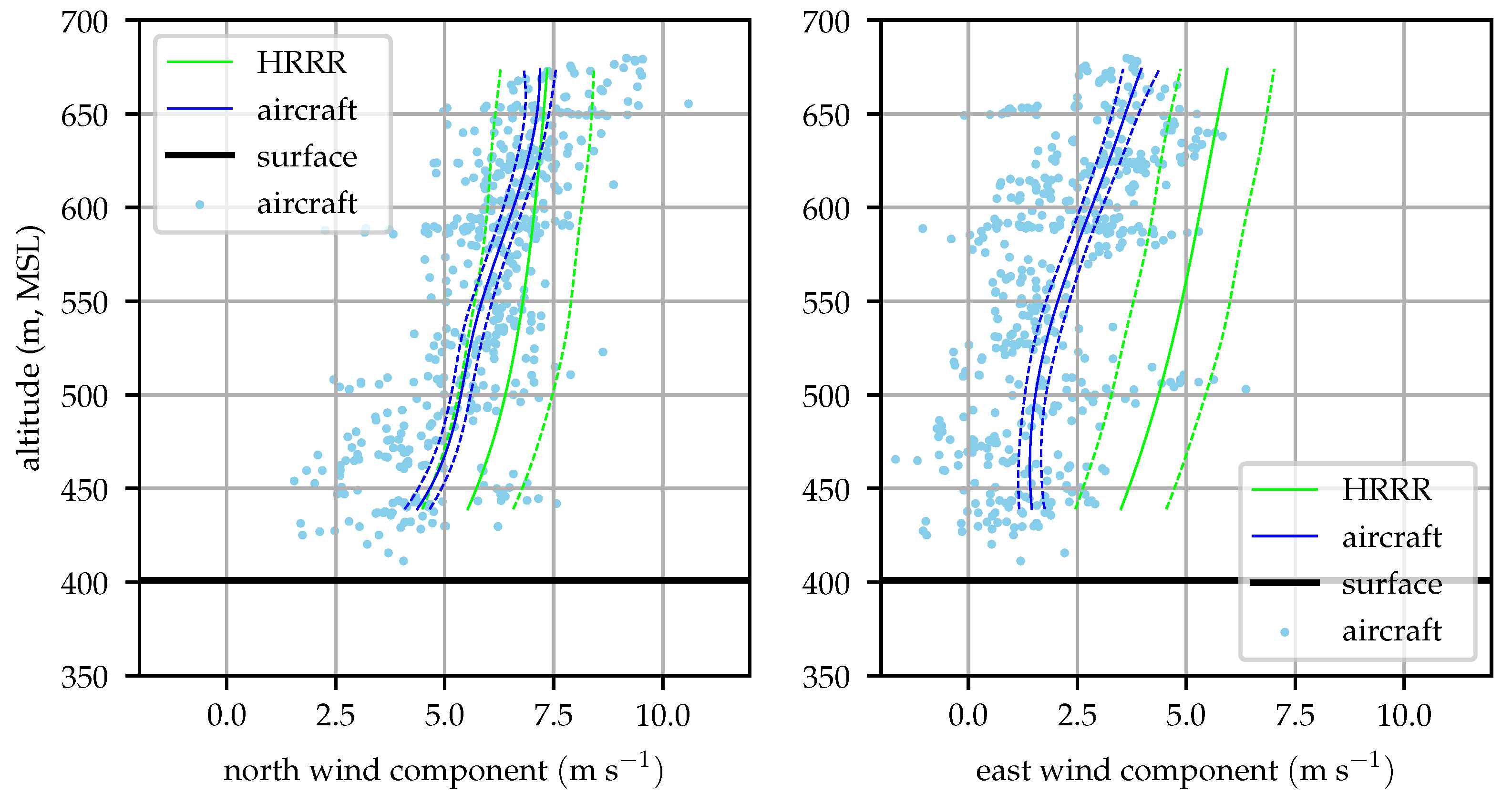
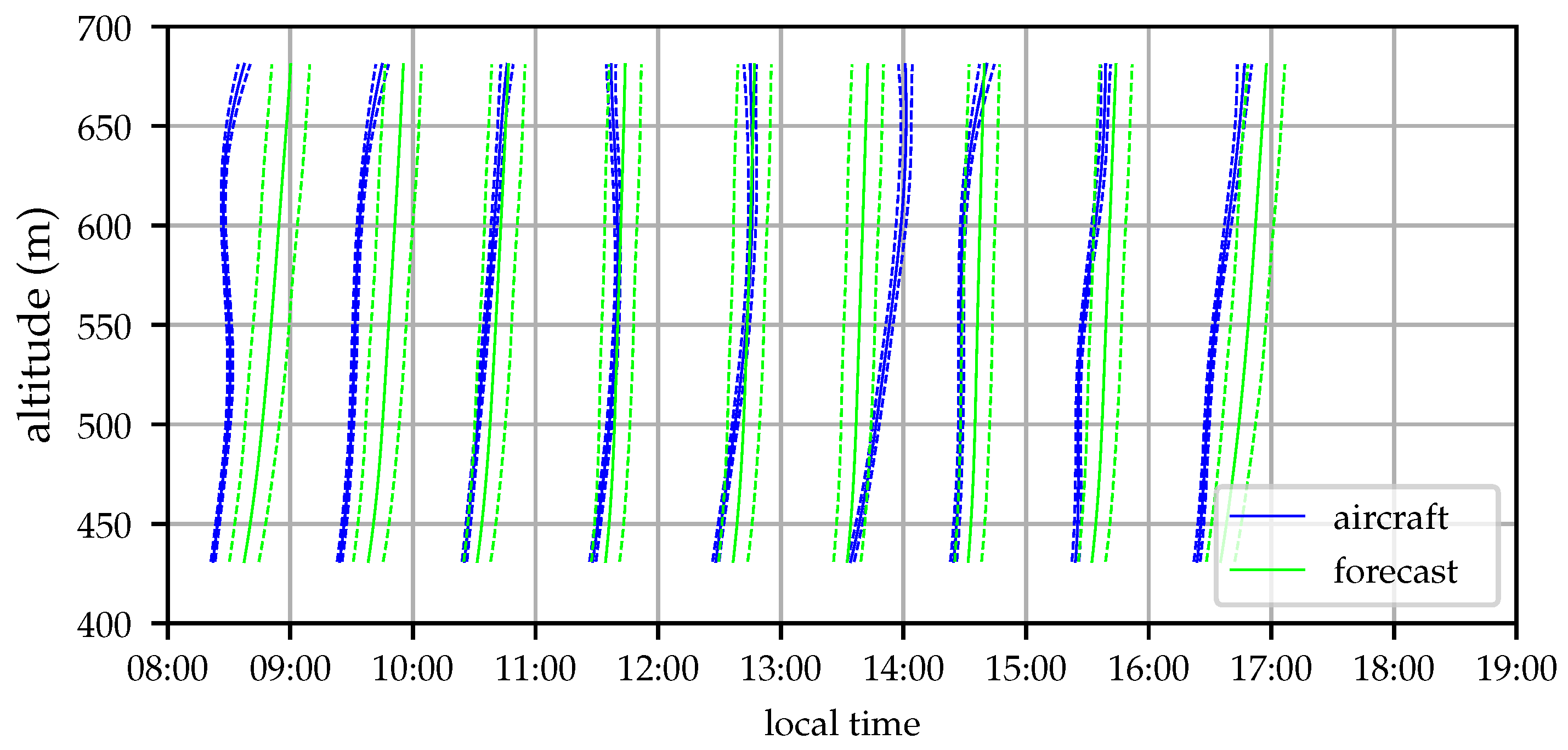
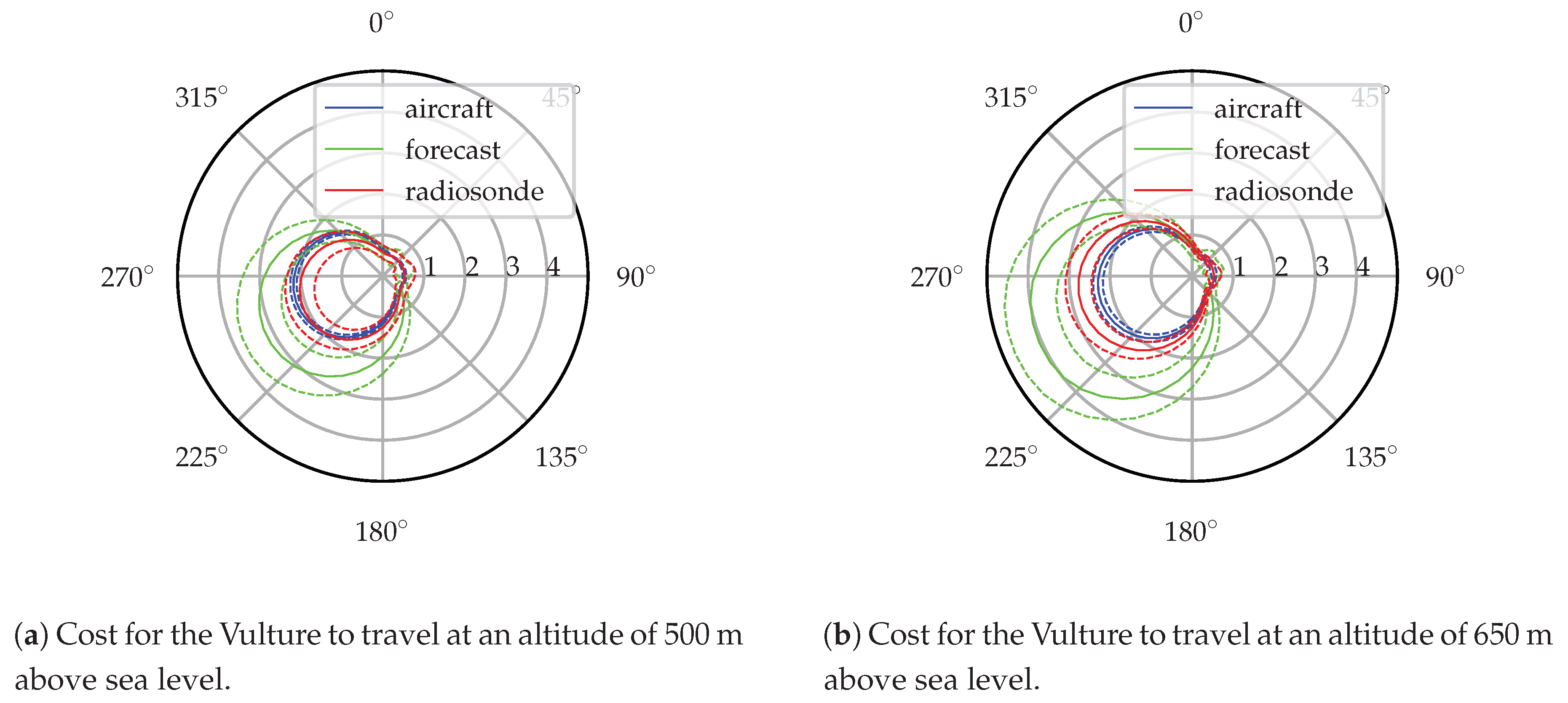
The performance of small uninhabited aerial systems (UAS) is very sensitive to the atmospheric state. Improving awareness of the environment and its impact on mission performance is important to enabling greater autonomy for small UAS. A modeling system is proposed that allows a small UAS to build a model of the atmospheric state using computational resources available onboard the aircraft and relate the atmospheric state to the cost of completing a mission. In this case, mission cost refers to the energy required per distance traveled. The system can use in situ observations made by the aircraft, but can also incorporate observations from other aircraft and sensors. The modeling system is demonstrated in a flight test aboard a small UAS and validated against radiosondes and numerical weather model analyses. The test demonstrates that the modeling system can represent the atmospheric state and identifies times where significant error exists between the state expected by the numerical weather model and that observed. Transformation of the atmospheric state into a mission performance cost identifies cases where the mission performance cost predicted by a numerical weather model differs from that observed by more than 30%.
Keywords: UAS; atmospheric awareness; autonomy UAS; atmospheric awareness; autonomy