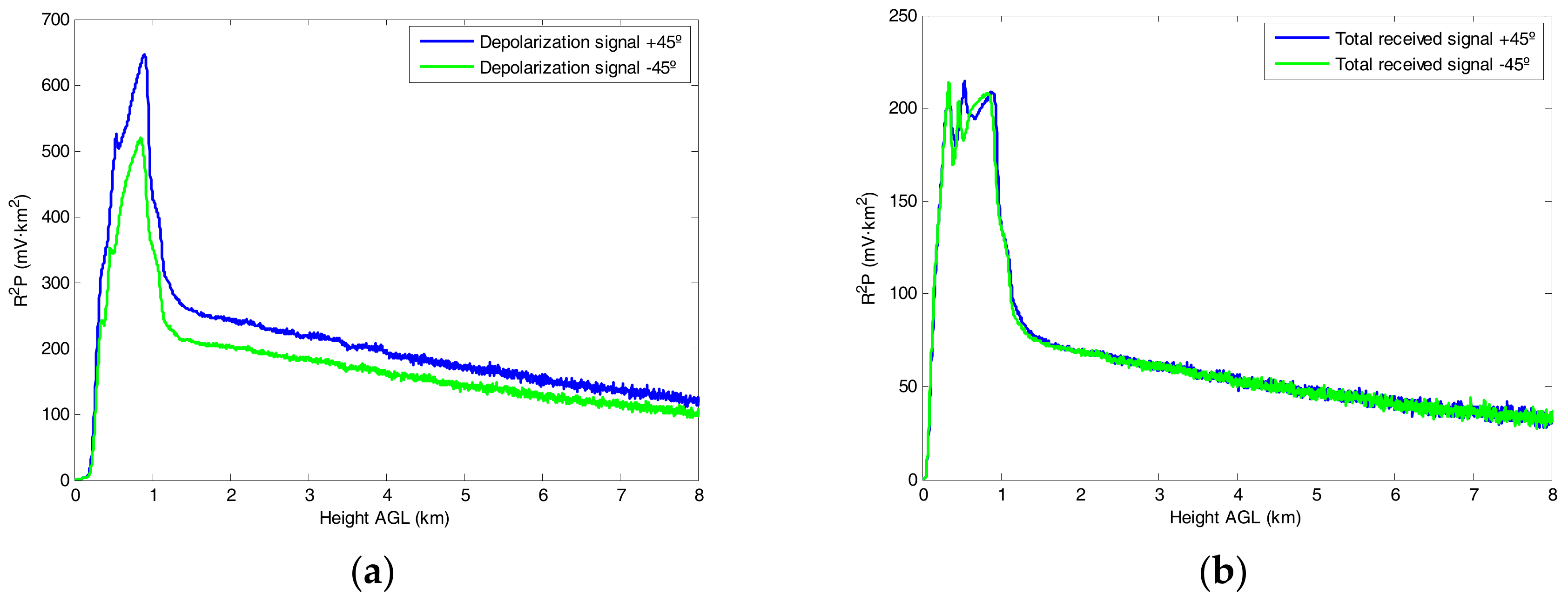
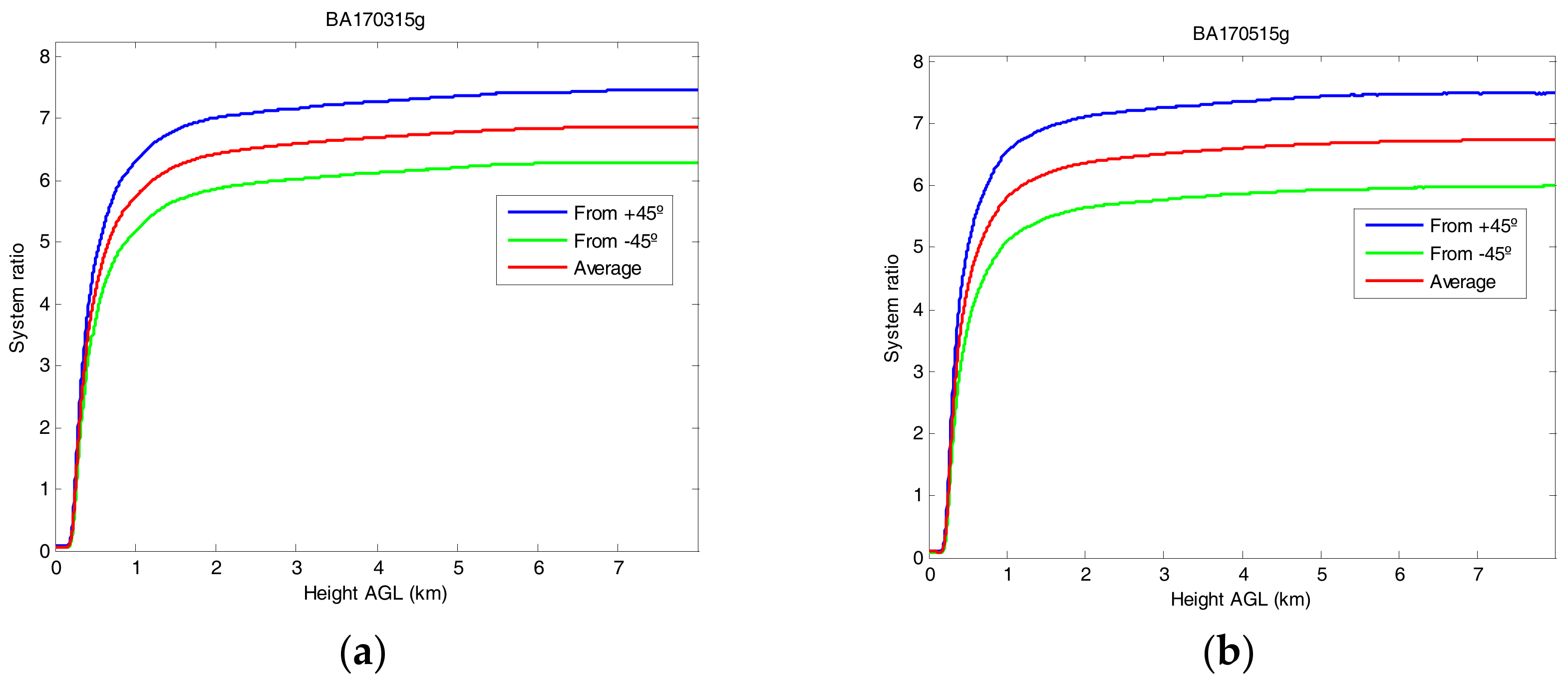
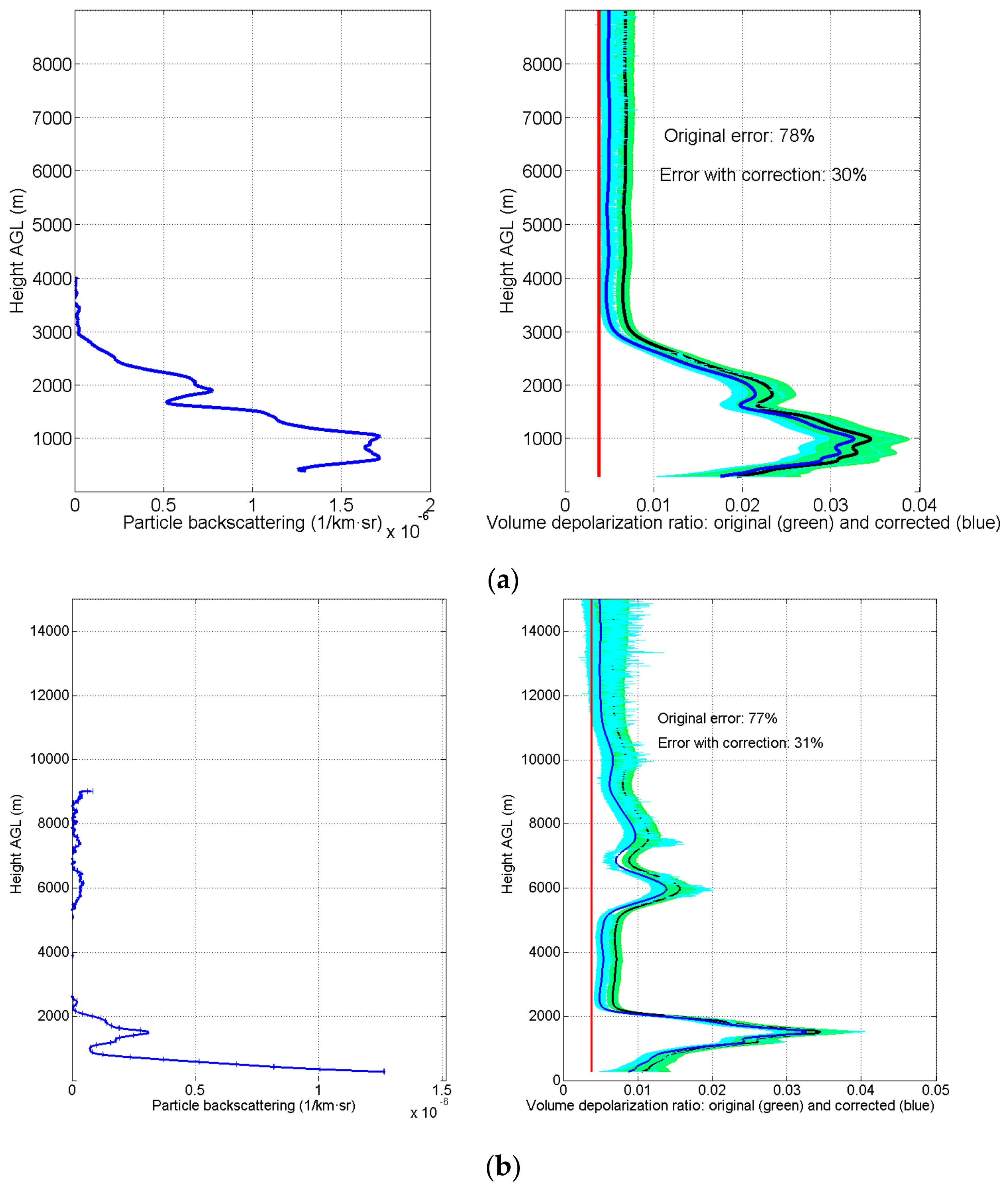
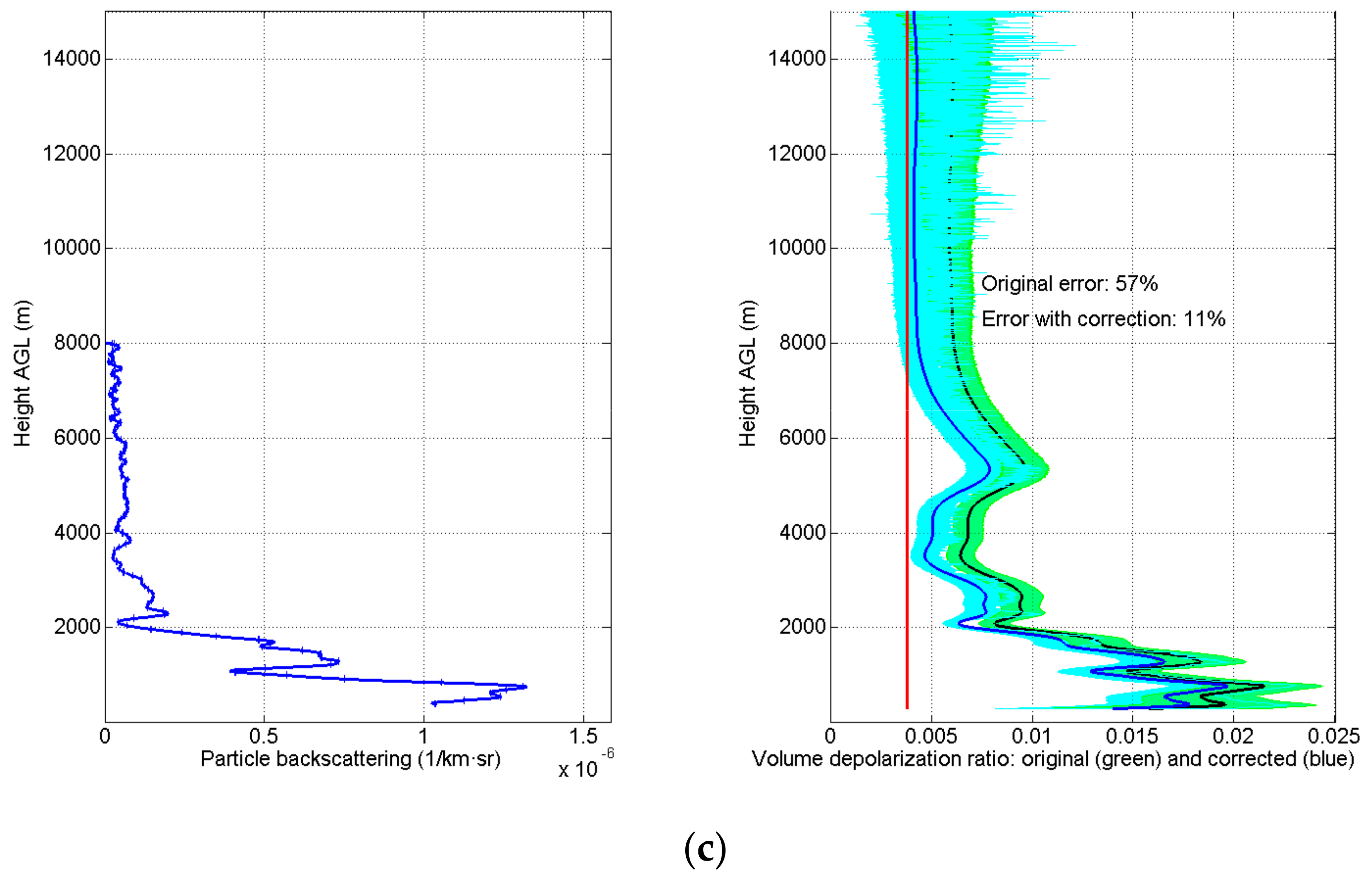
Considerations about the Determination of the Depolarization Calibration Profile of a Two-Telescope Lidar and Its Implications for Volume Depolarization Ratio Retrieval

 ,
,  ,
,  , ,
, , Abstract
Share and Cite
Comerón, A.; Rodríguez-Gómez, A.; Sicard, M.; Barragán, R.; Muñoz-Porcar, C.; Rocadenbosch, F.; Granados-Muñoz, M.J. Considerations about the Determination of the Depolarization Calibration Profile of a Two-Telescope Lidar and Its Implications for Volume Depolarization Ratio Retrieval. Sensors 2018, 18, 1807. https://doi.org/10.3390/s18061807
Comerón A, Rodríguez-Gómez A, Sicard M, Barragán R, Muñoz-Porcar C, Rocadenbosch F, Granados-Muñoz MJ. Considerations about the Determination of the Depolarization Calibration Profile of a Two-Telescope Lidar and Its Implications for Volume Depolarization Ratio Retrieval. Sensors. 2018; 18(6):1807. https://doi.org/10.3390/s18061807
Chicago/Turabian StyleComerón, Adolfo, Alejandro Rodríguez-Gómez, Michaël Sicard, Rubén Barragán, Constantino Muñoz-Porcar, Francesc Rocadenbosch, and María José Granados-Muñoz. 2018. "Considerations about the Determination of the Depolarization Calibration Profile of a Two-Telescope Lidar and Its Implications for Volume Depolarization Ratio Retrieval" Sensors 18, no. 6: 1807. https://doi.org/10.3390/s18061807
APA StyleComerón, A., Rodríguez-Gómez, A., Sicard, M., Barragán, R., Muñoz-Porcar, C., Rocadenbosch, F., & Granados-Muñoz, M. J. (2018). Considerations about the Determination of the Depolarization Calibration Profile of a Two-Telescope Lidar and Its Implications for Volume Depolarization Ratio Retrieval. Sensors, 18(6), 1807. https://doi.org/10.3390/s18061807