Article

Self-Test Procedures for Gas Sensors Embedded in Microreactor Systems †

1
Airbus Central R&T, D-81663 Munich, Germany
2
Department of Applied Sciences and Mechatronics, Munich University of Applied Sciences, D-80335 Munich, Germany
3
SENSOR, Dipartimento di Ingegneria dell’Informazione, Università degli Studi di Brescia, via Valotti 9, 25123 Brescia, Italy
*
Author to whom correspondence should be addressed.
Sensors 2018, 18(2), 453; https://doi.org/10.3390/s18020453
Submission received: 21 December 2017 / Revised: 30 January 2018 / Accepted: 31 January 2018 / Published: 3 February 2018
(This article belongs to the Special Issue Gas Sensors based on Semiconducting Metal Oxides)

Simple Summary

Abstract

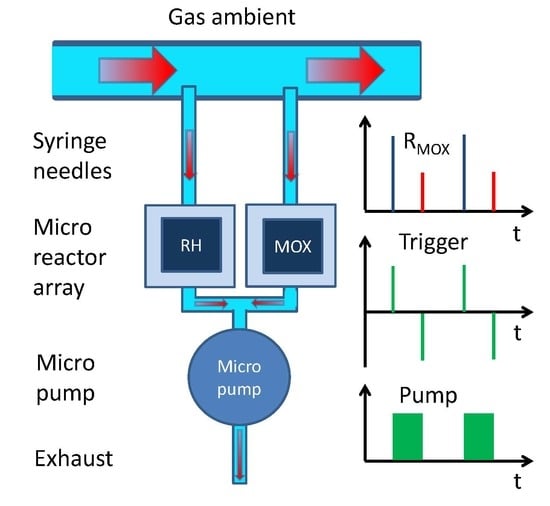
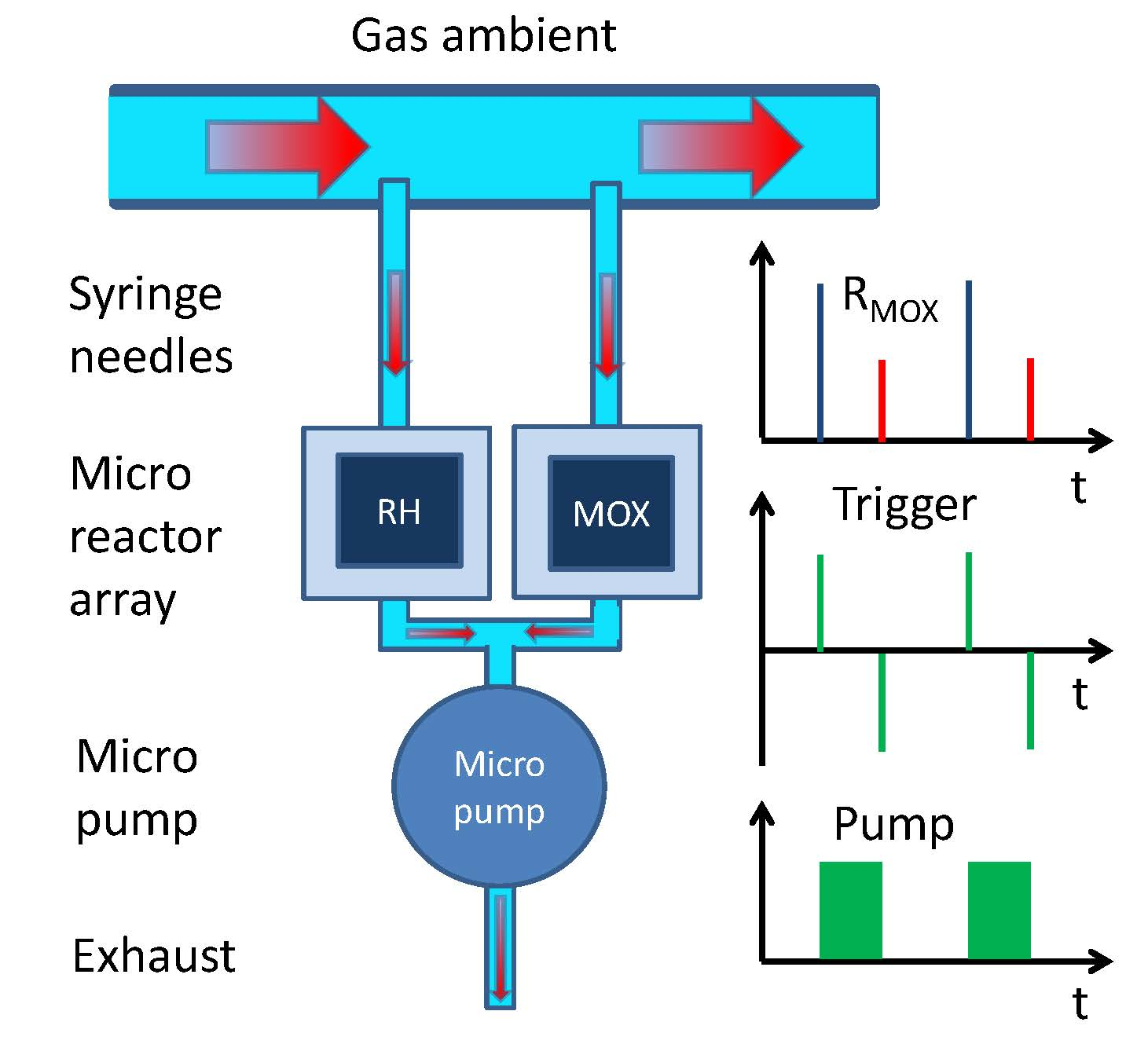
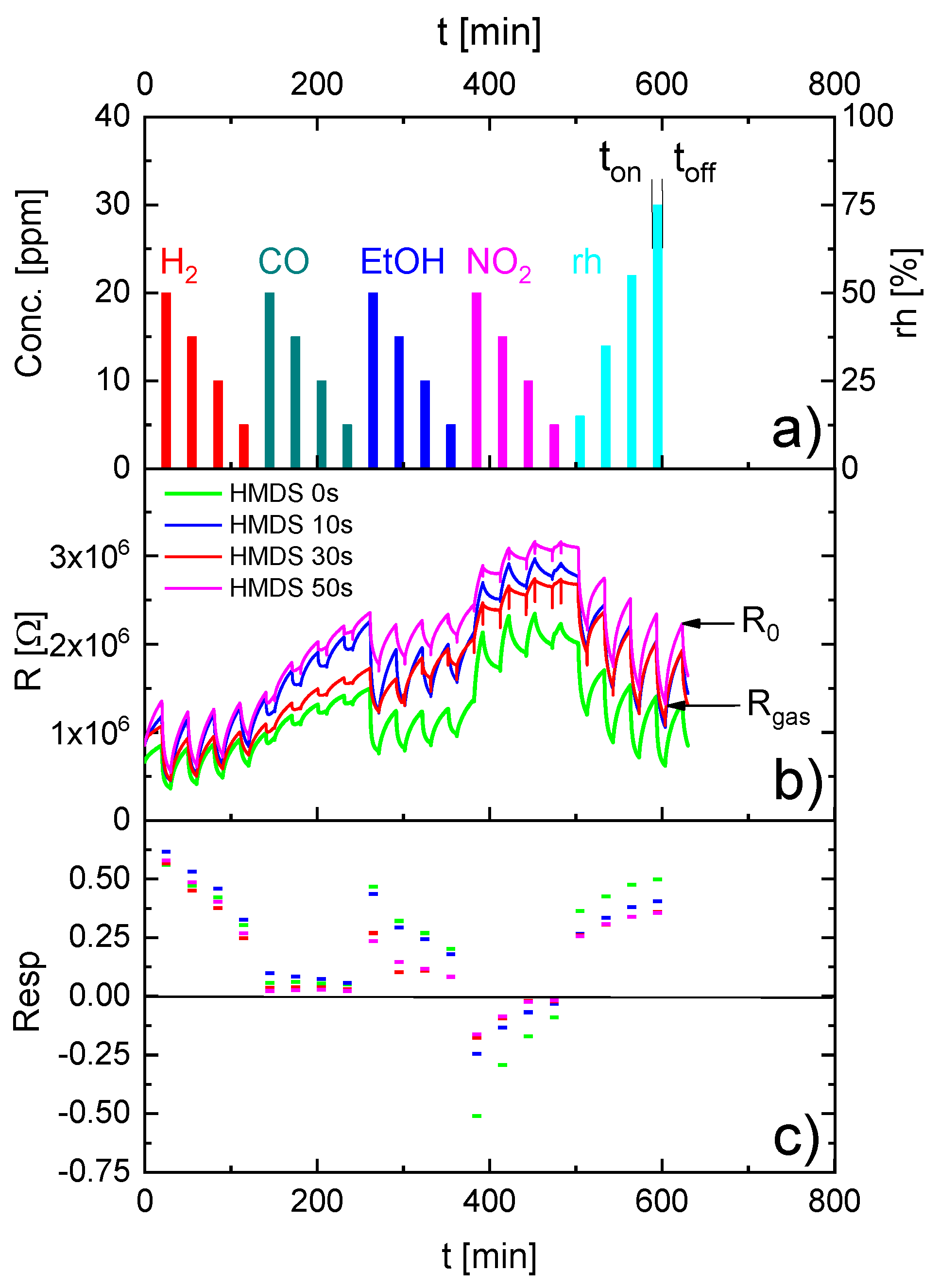
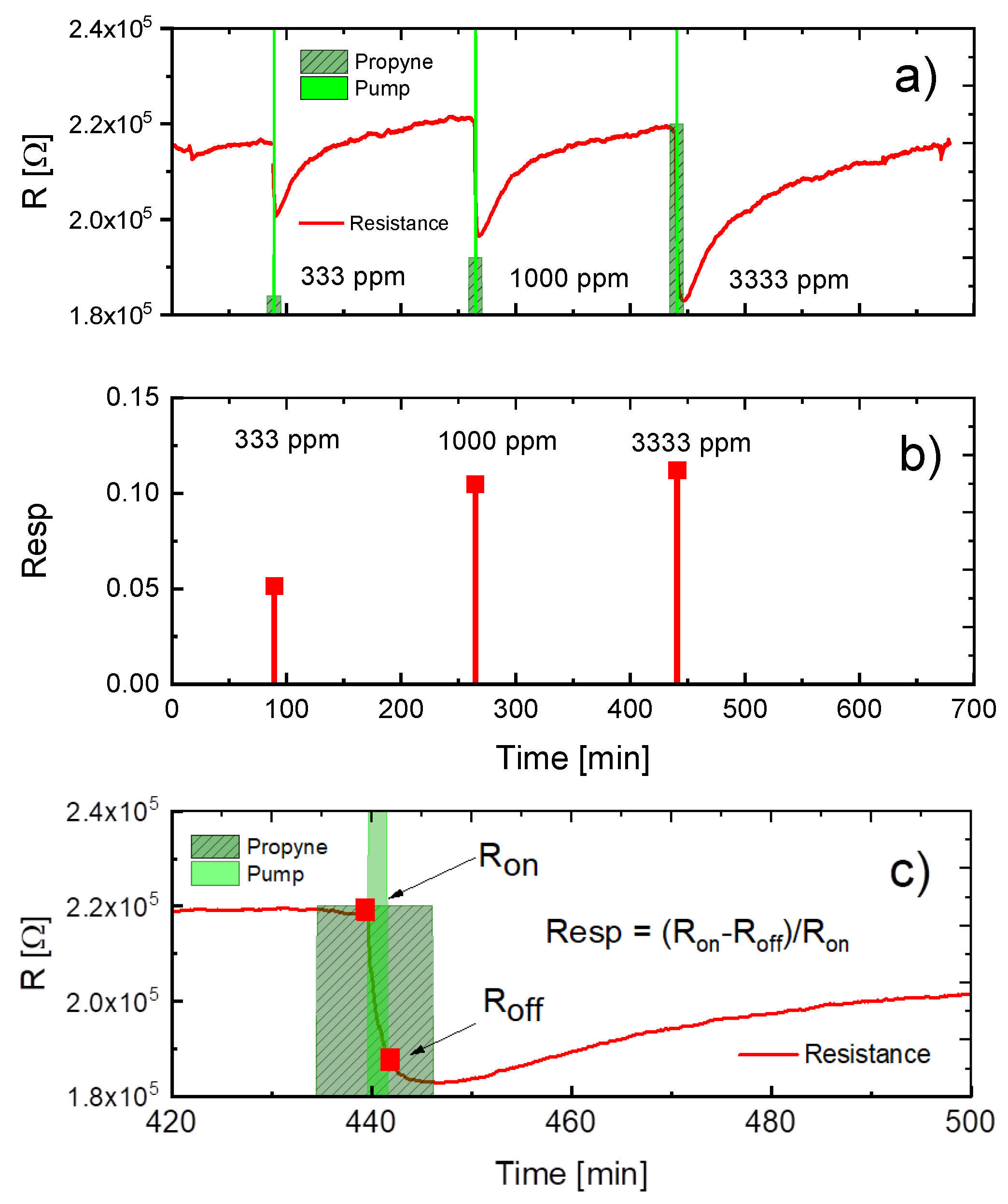
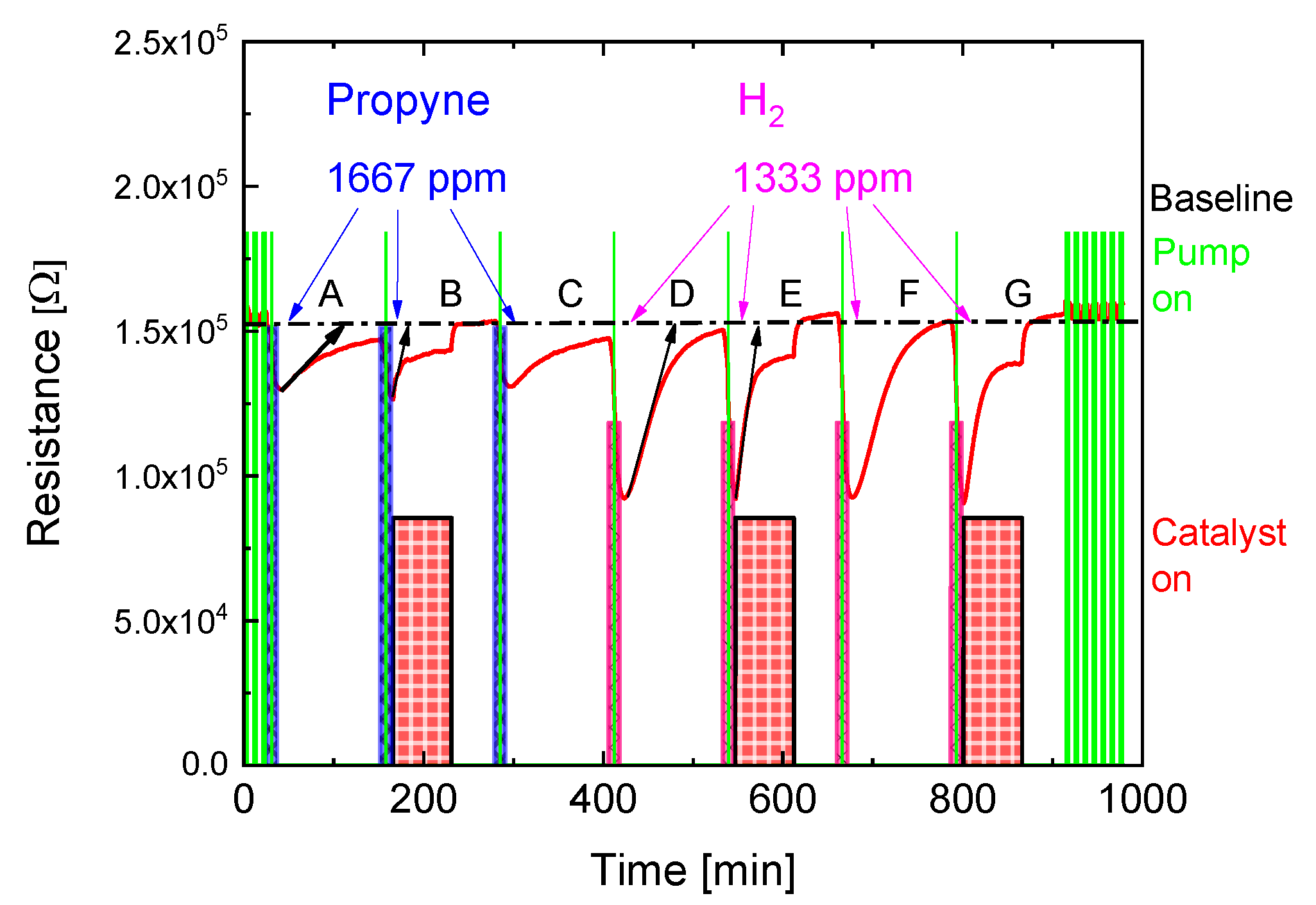
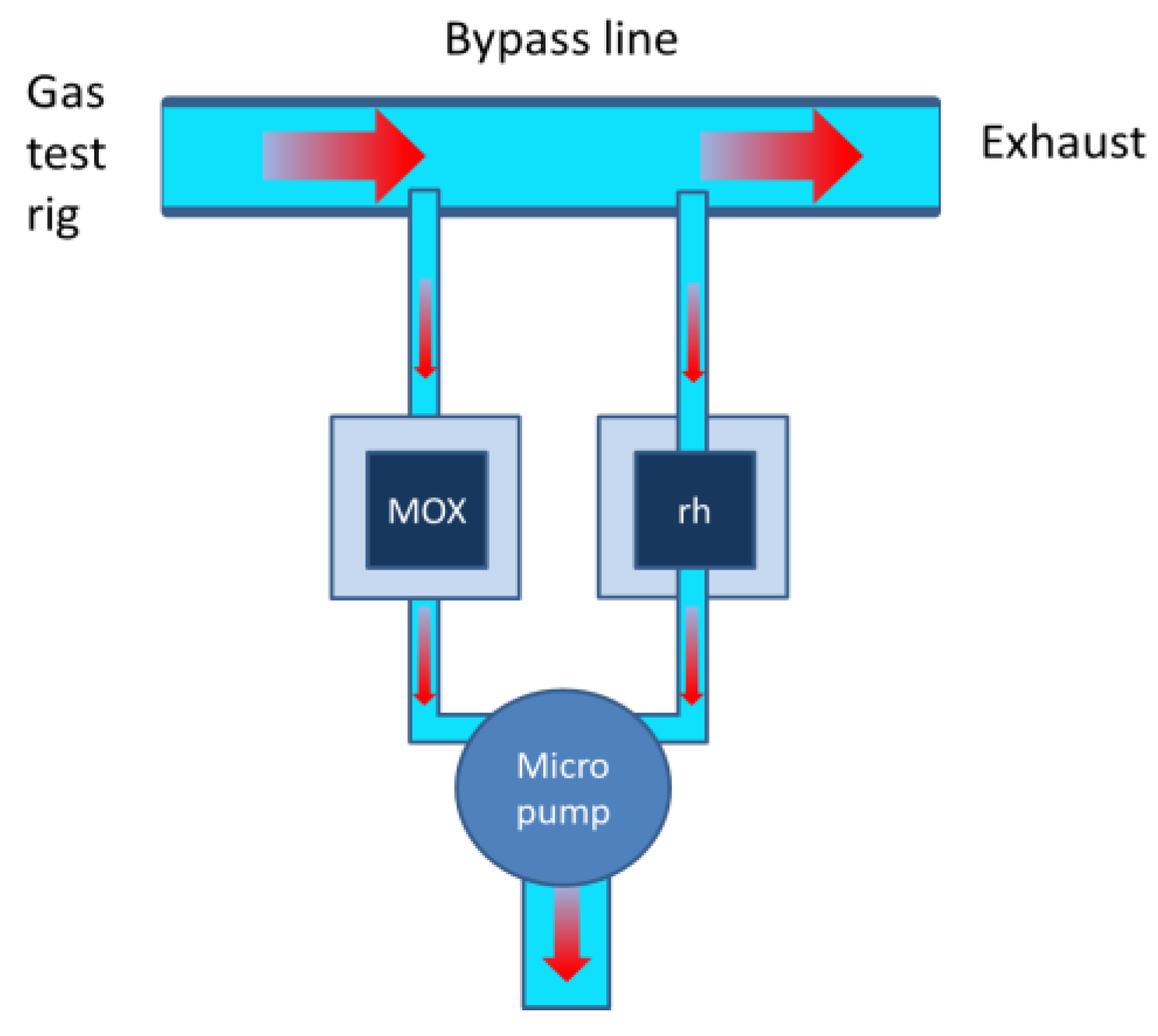
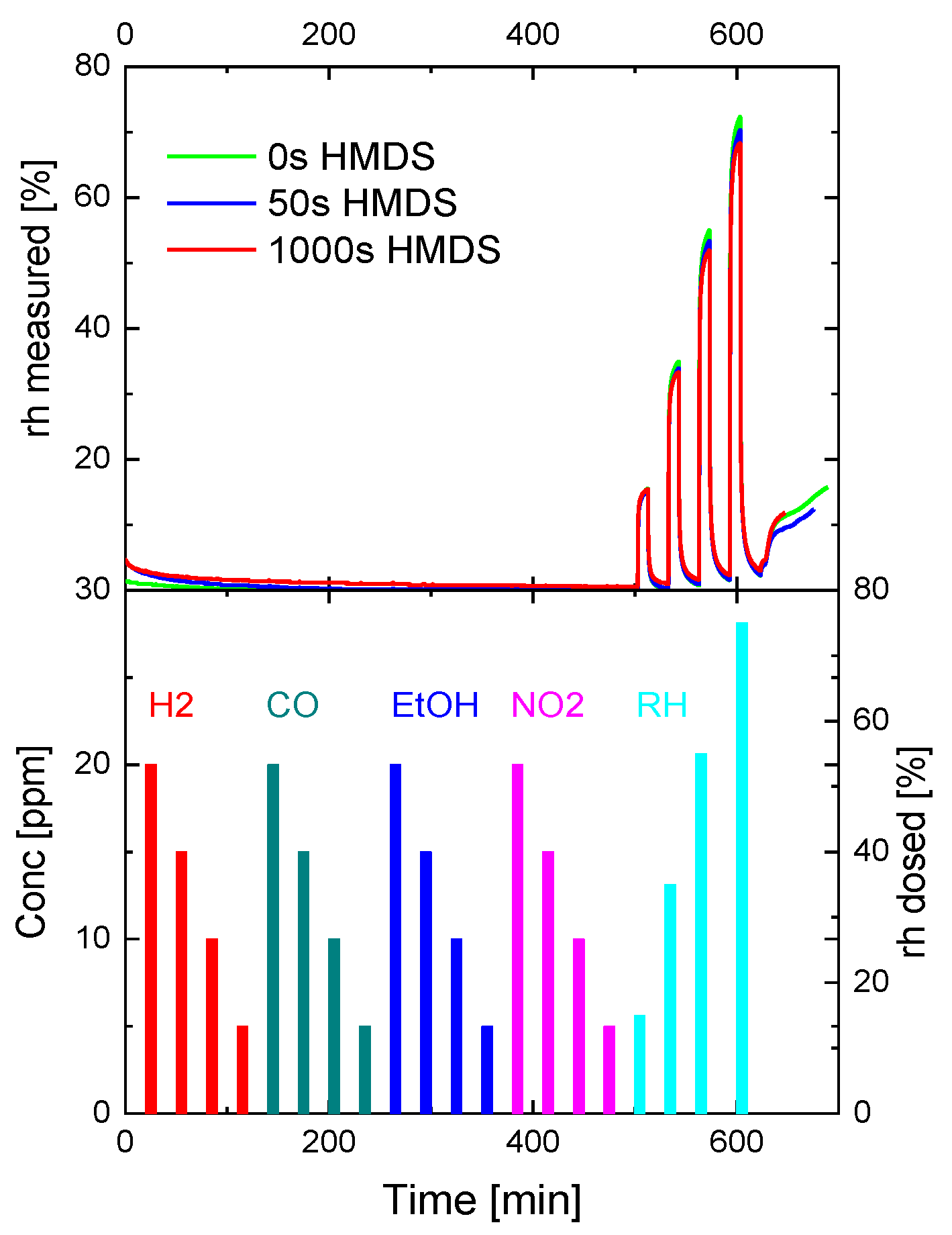
Metal oxide (MOX) gas sensors sensitively respond to a wide variety of combustible, explosive and poisonous gases. However, due to the lack of a built-in self-test capability, MOX gas sensors have not yet been able to penetrate safety-critical applications. In the present work we report on gas sensing experiments performed on MOX gas sensors embedded in ceramic micro-reaction chambers. With the help of an external micro-pump, such systems can be operated in a periodic manner alternating between flow and no-flow conditions, thus allowing repetitive measurements of the sensor resistances under clean air, R 0 , and under gas exposure, R g a s , to be obtained, even under field conditions. With these pairs of resistance values, eventual drifts in the sensor baseline resistance can be detected and drift-corrected values of the relative resistance response R e s p = ( R 0 R g a s ) / R 0 can be determined. Residual poisoning-induced changes in the relative resistance response can be detected by reference to humidity measurements taken with room-temperature-operated capacitive humidity sensors which are insensitive to the poisoning processes operative on heated MOX gas sensors.
Keywords: metal oxide; gas sensor; drift; poisoning; self-test; MEMS; micro-reactor; micro-heater metal oxide; gas sensor; drift; poisoning; self-test; MEMS; micro-reactor; micro-heater
Graphical Abstract