Review

Medium Access Control Protocols for Cognitive Radio Ad Hoc Networks: A Survey


by
Mahdi Zareei
1,
A. K. M. Muzahidul Islam
2,
Sabariah Baharun
3,
Cesar Vargas-Rosales
1,*,
Leyre Azpilicueta
1 and
Nafees Mansoor
2
1
Tecnologico de Monterrey, Escuela de Ingeniería y Ciencias; Monterrey 64849, Mexico
2
Department of Computer Science and Engineering, University of Liberal Arts Bangladesh (ULAB); Dhaka 1209, Bangladesh
3
Malaysia-Japan International Institute of Technology (MJIIT), Universiti Teknologi Malaysia (UTM); Kuala Lumpur 54100, Malaysia
*
Author to whom correspondence should be addressed.
Sensors 2017, 17(9), 2136; https://doi.org/10.3390/s17092136
Submission received: 21 July 2017 / Revised: 26 August 2017 / Accepted: 7 September 2017 / Published: 16 September 2017
(This article belongs to the Special Issue Cognitive Radio Sensing and Sensor Networks)

Abstract

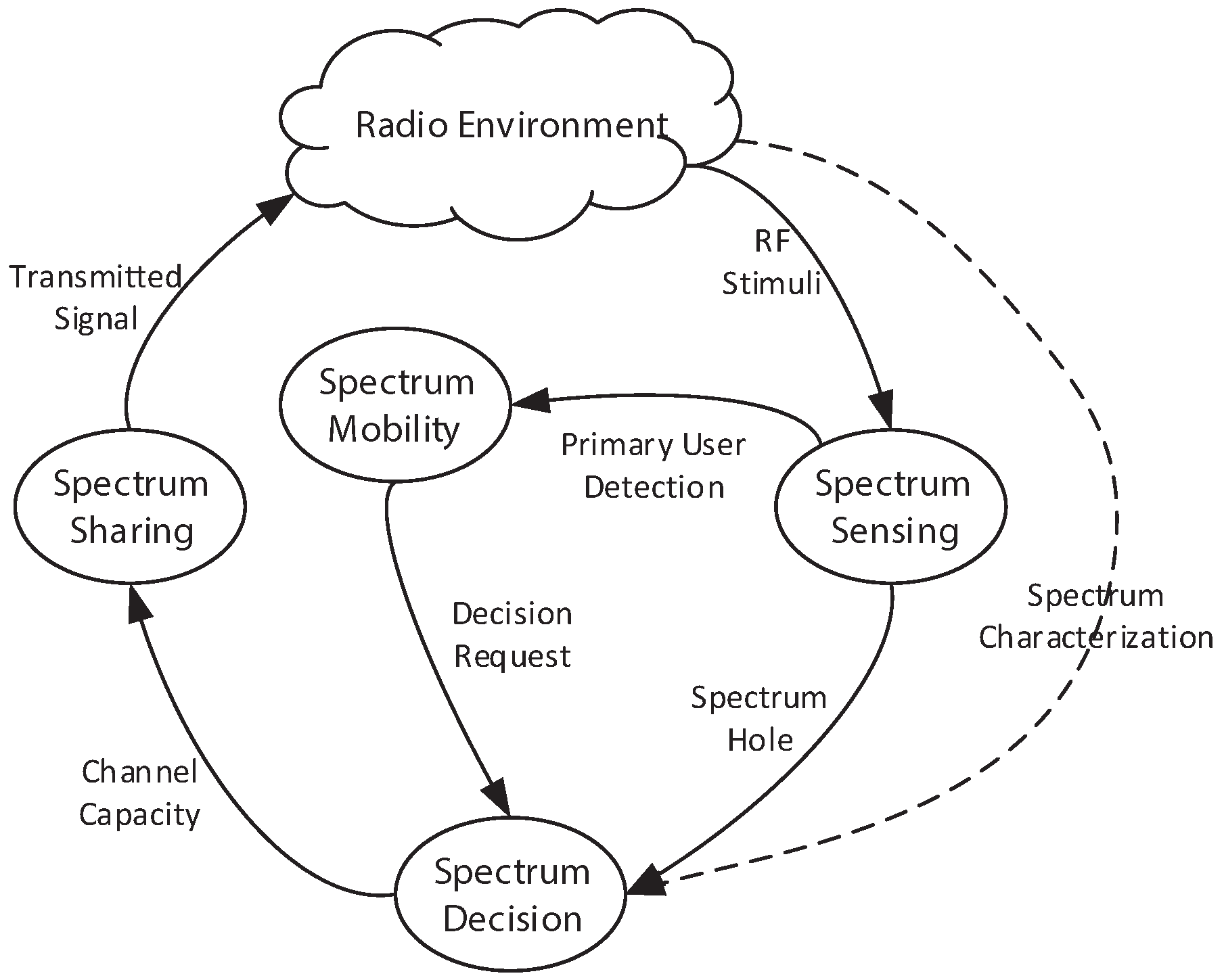
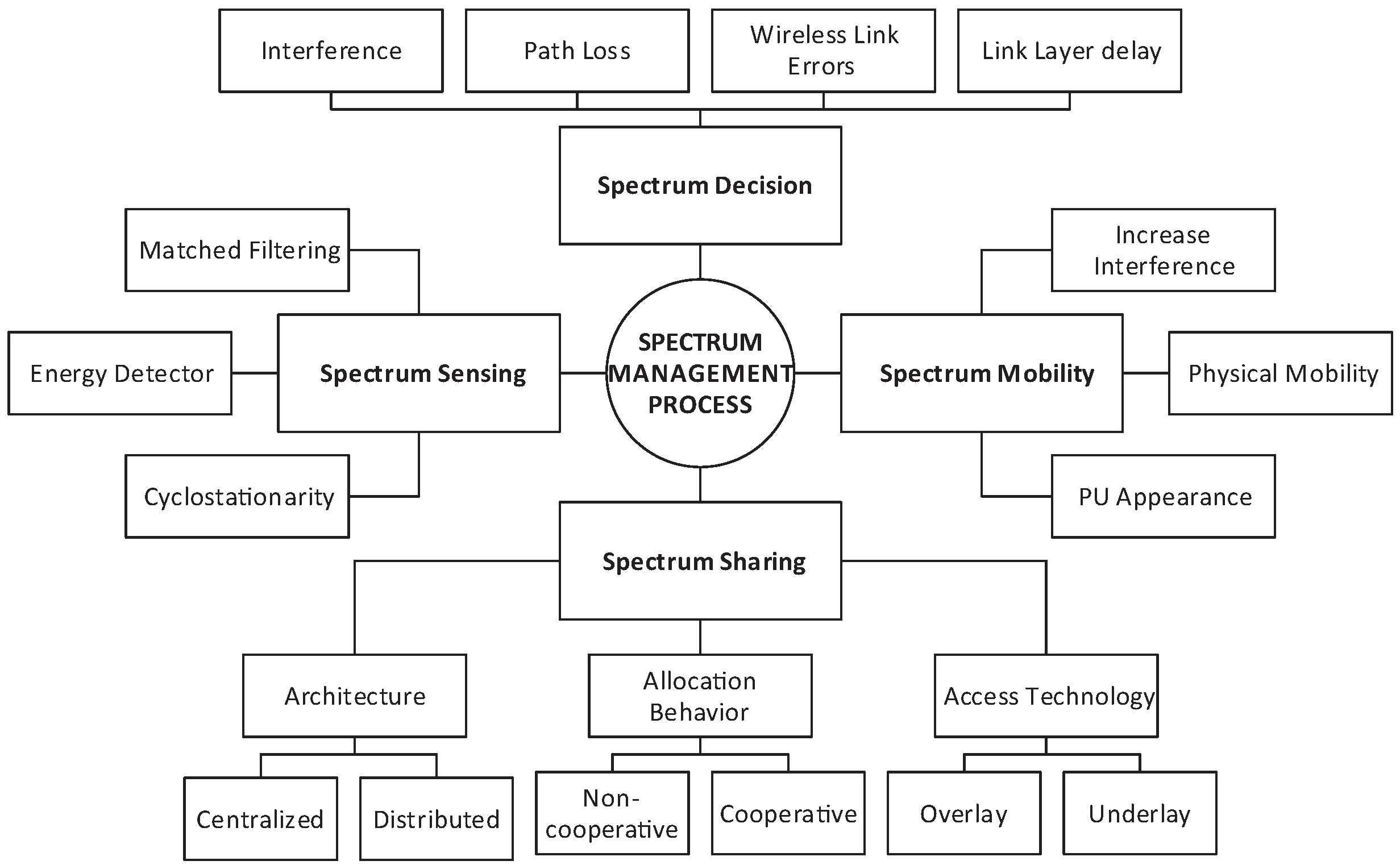
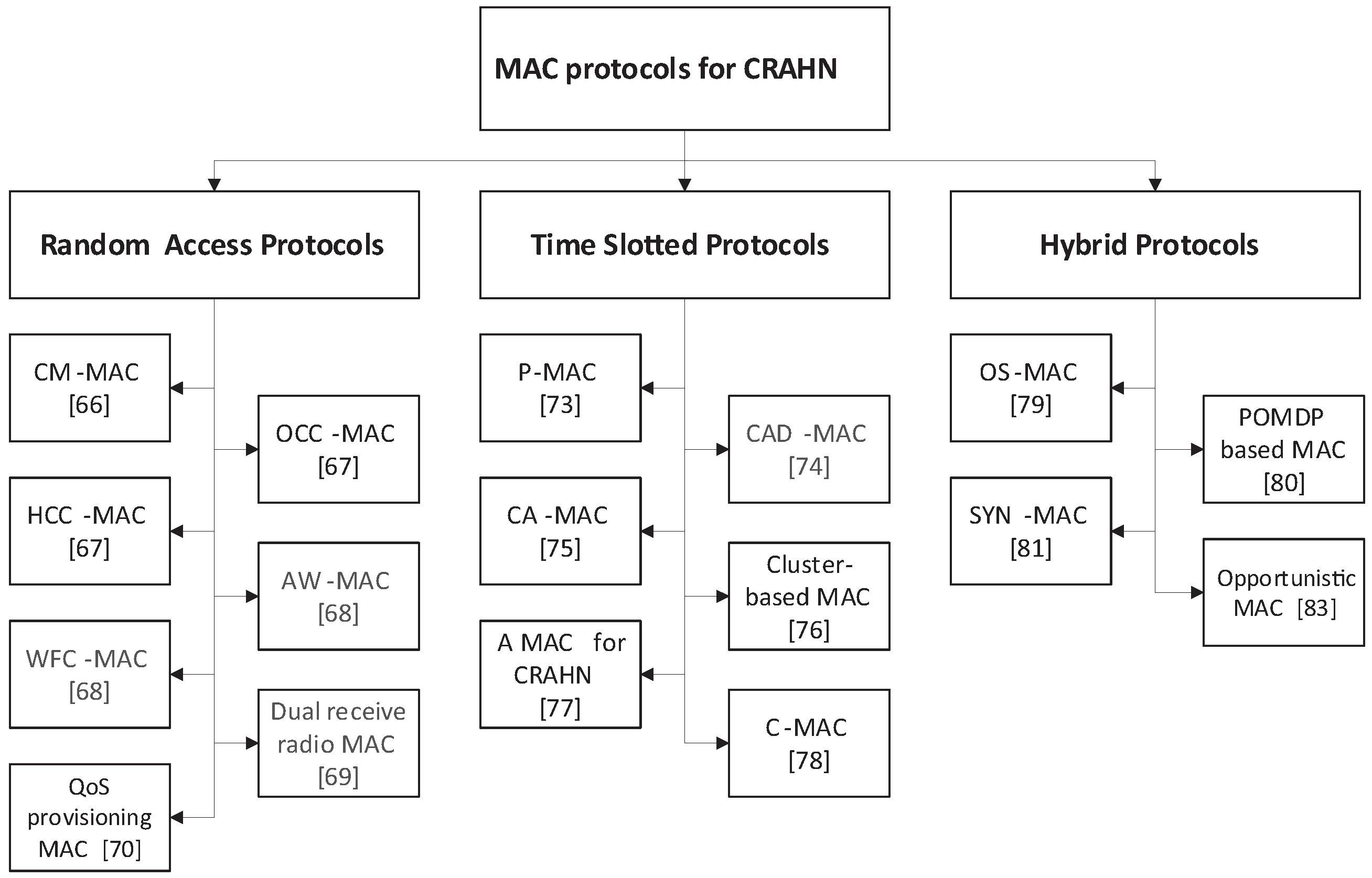
New wireless network paradigms will demand higher spectrum use and availability to cope with emerging data-hungry devices. Traditional static spectrum allocation policies cause spectrum scarcity, and new paradigms such as Cognitive Radio (CR) and new protocols and techniques need to be developed in order to have efficient spectrum usage. Medium Access Control (MAC) protocols are accountable for recognizing free spectrum, scheduling available resources and coordinating the coexistence of heterogeneous systems and users. This paper provides an ample review of the state-of-the-art MAC protocols, which mainly focuses on Cognitive Radio Ad Hoc Networks (CRAHN). First, a description of the cognitive radio fundamental functions is presented. Next, MAC protocols are divided into three groups, which are based on their channel access mechanism, namely time-slotted protocol, random access protocol and hybrid protocol. In each group, a detailed and comprehensive explanation of the latest MAC protocols is presented, as well as the pros and cons of each protocol. A discussion on future challenges for CRAHN MAC protocols is included with a comparison of the protocols from a functional perspective.
Keywords: cognitive radio ad hoc network; medium access control; cognitive radio; spectrum mobility; spectrum sensing; spectrum sharing cognitive radio ad hoc network; medium access control; cognitive radio; spectrum mobility; spectrum sensing; spectrum sharing