Article

GPS Satellite Orbit Prediction at User End for Real-Time PPP System

1
Profound Positioning Inc., Calgary, AB T2P 3G3, Canada
2
Department of Geomatics, University of Calgary, Calgary, AB T2N 1N4, Canada
*
Authors to whom correspondence should be addressed.
Sensors 2017, 17(9), 1981; https://doi.org/10.3390/s17091981
Submission received: 11 August 2017 / Revised: 26 August 2017 / Accepted: 29 August 2017 / Published: 30 August 2017
(This article belongs to the Section Remote Sensors)

Abstract

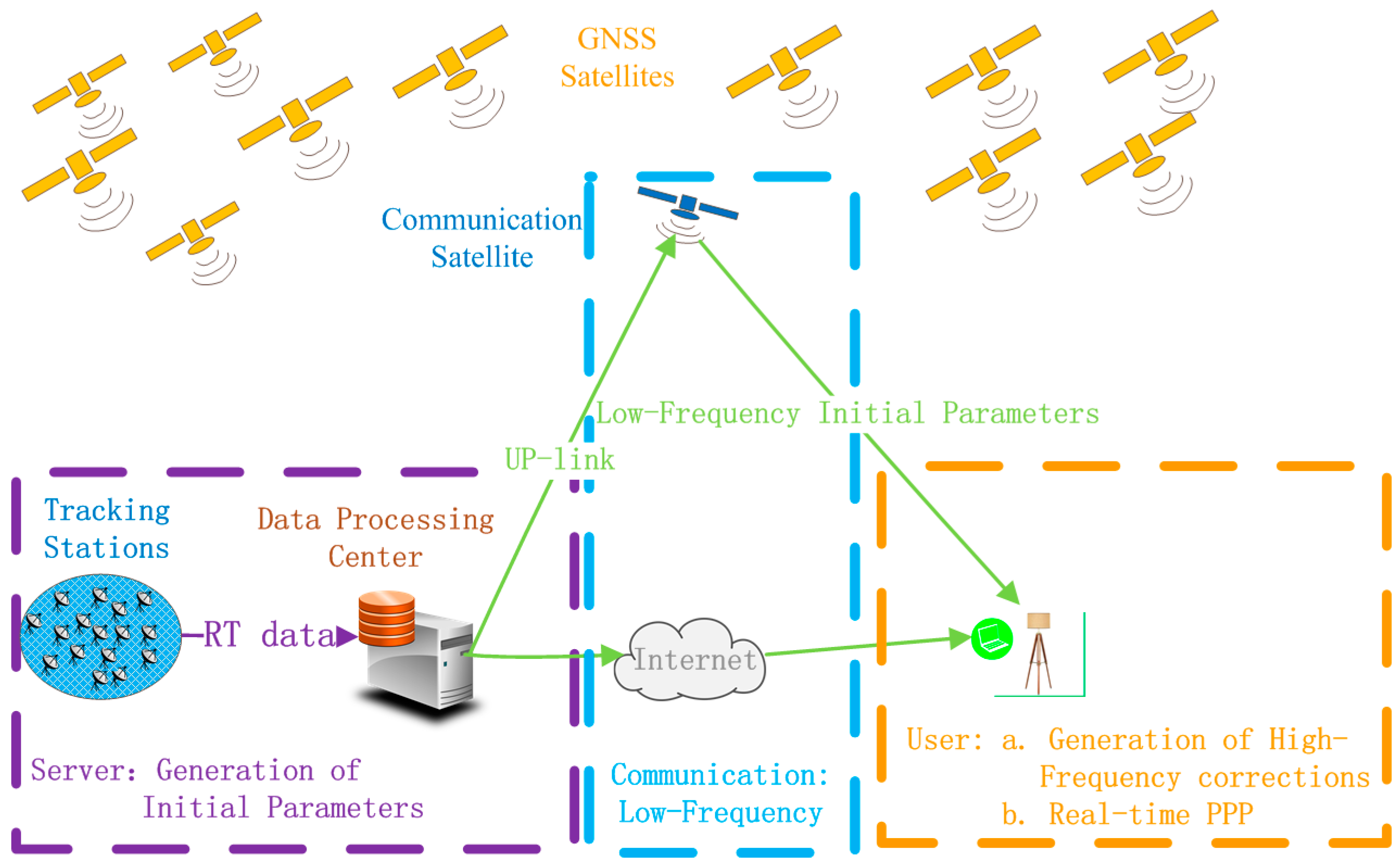
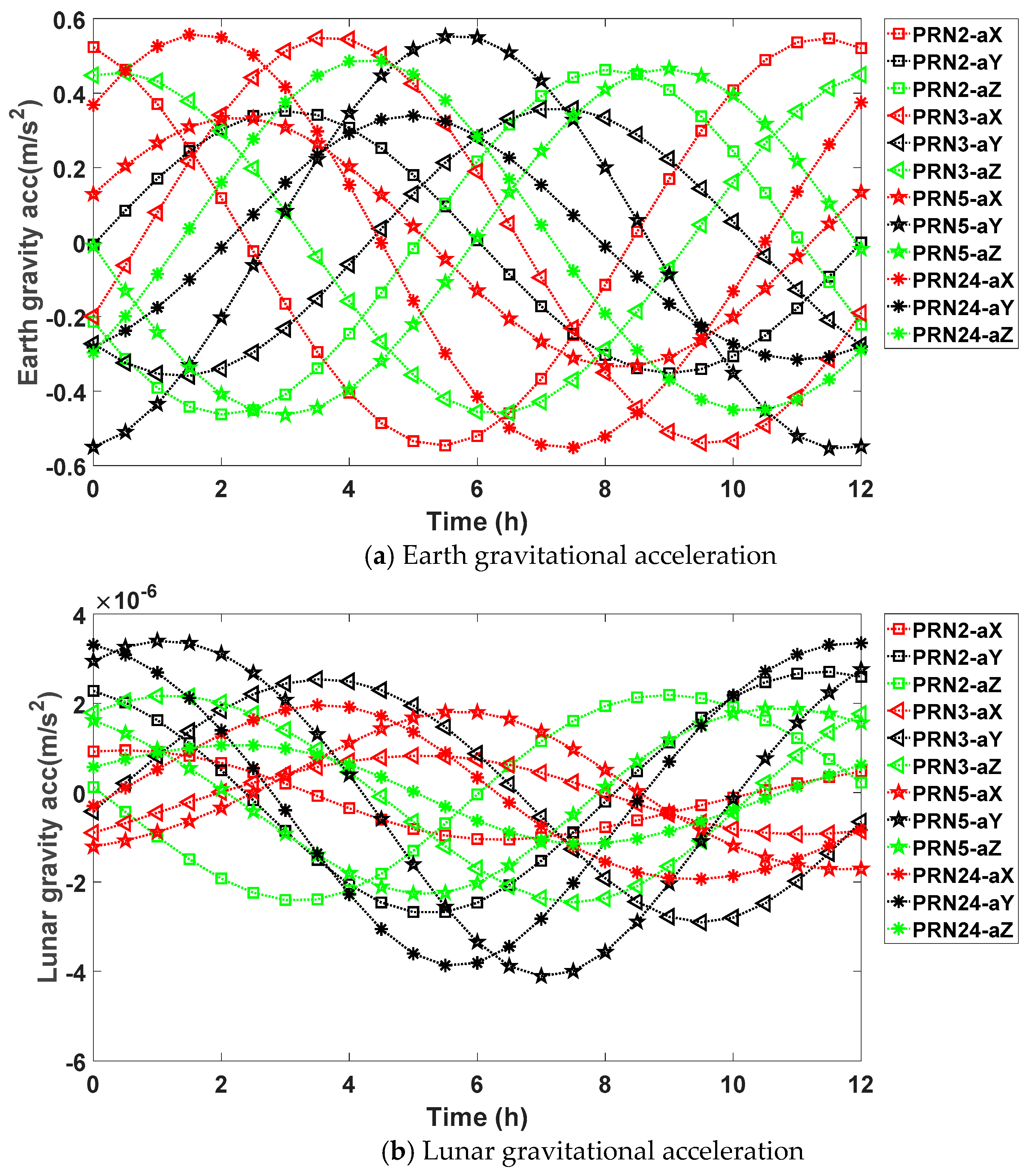
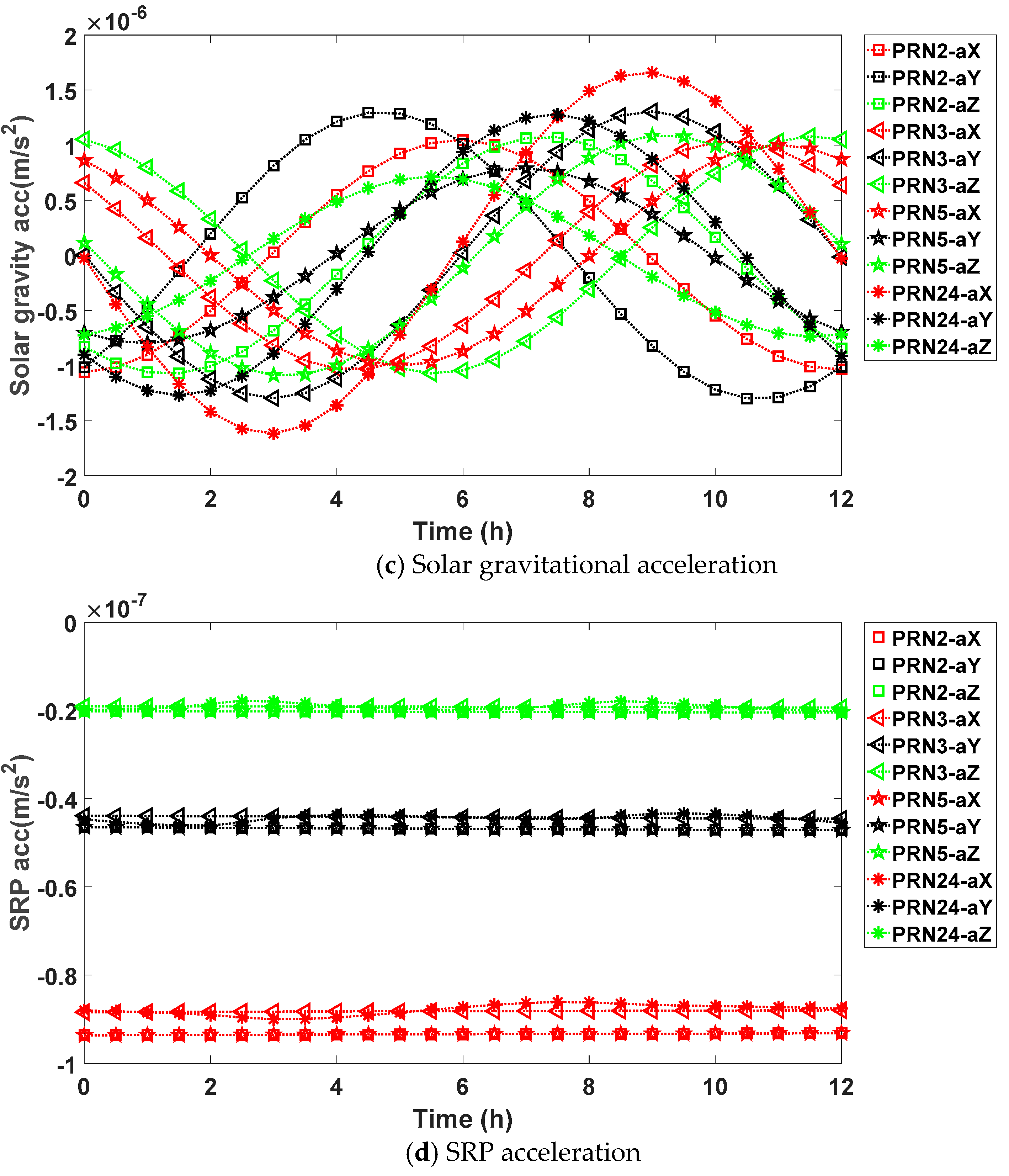
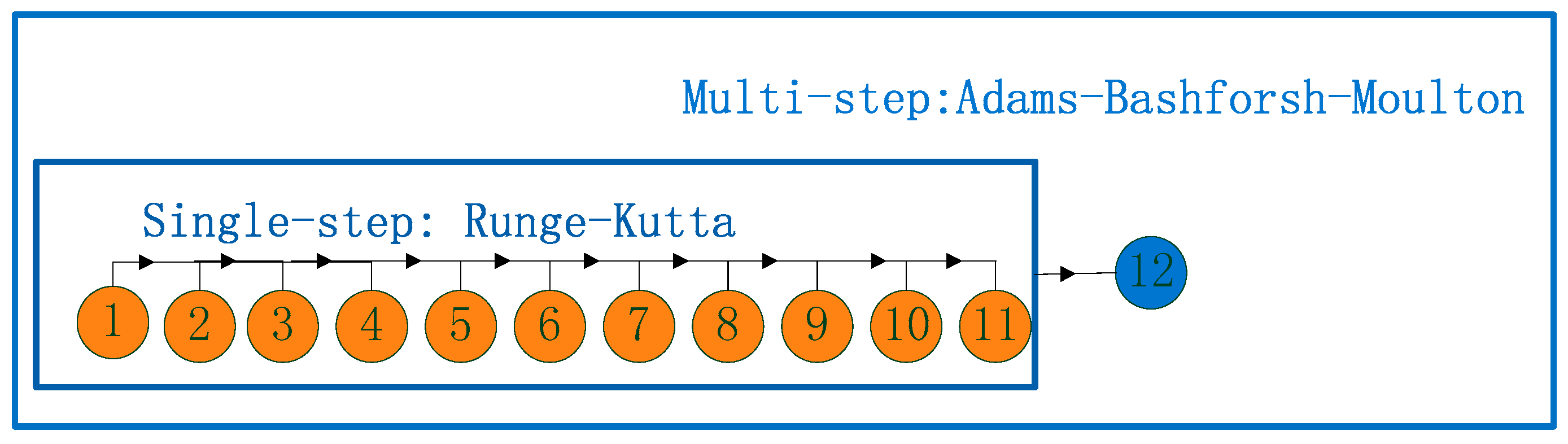
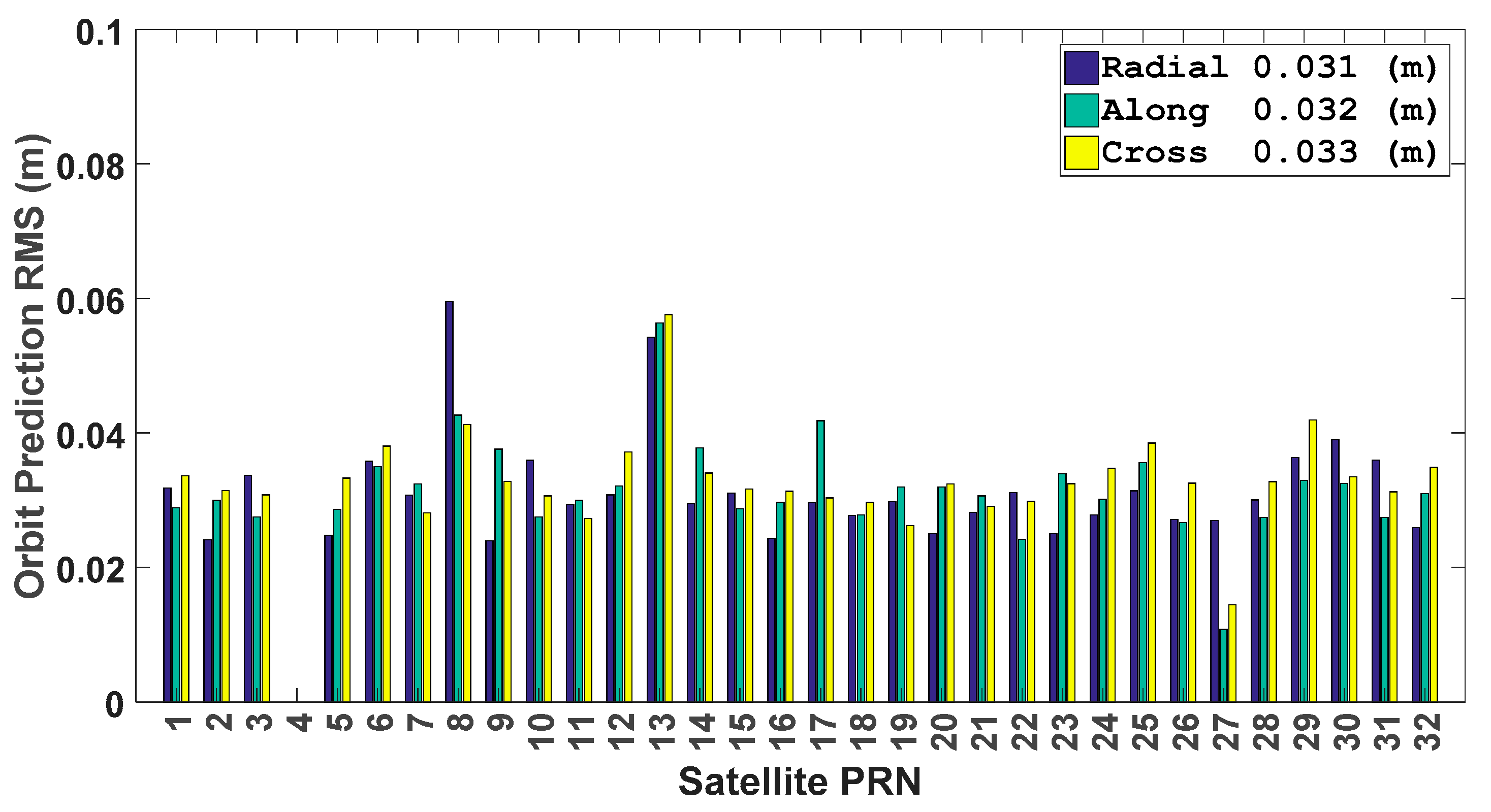
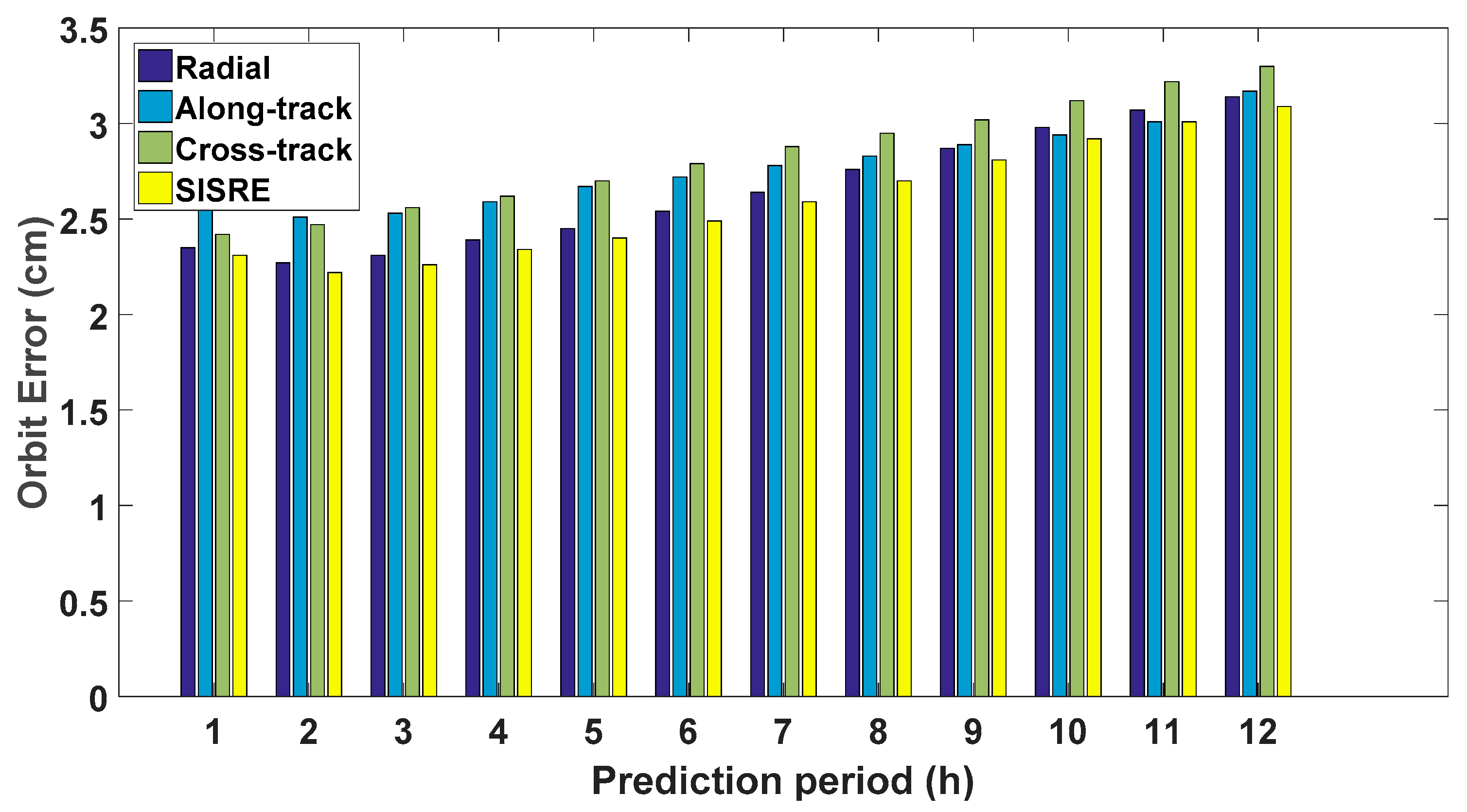
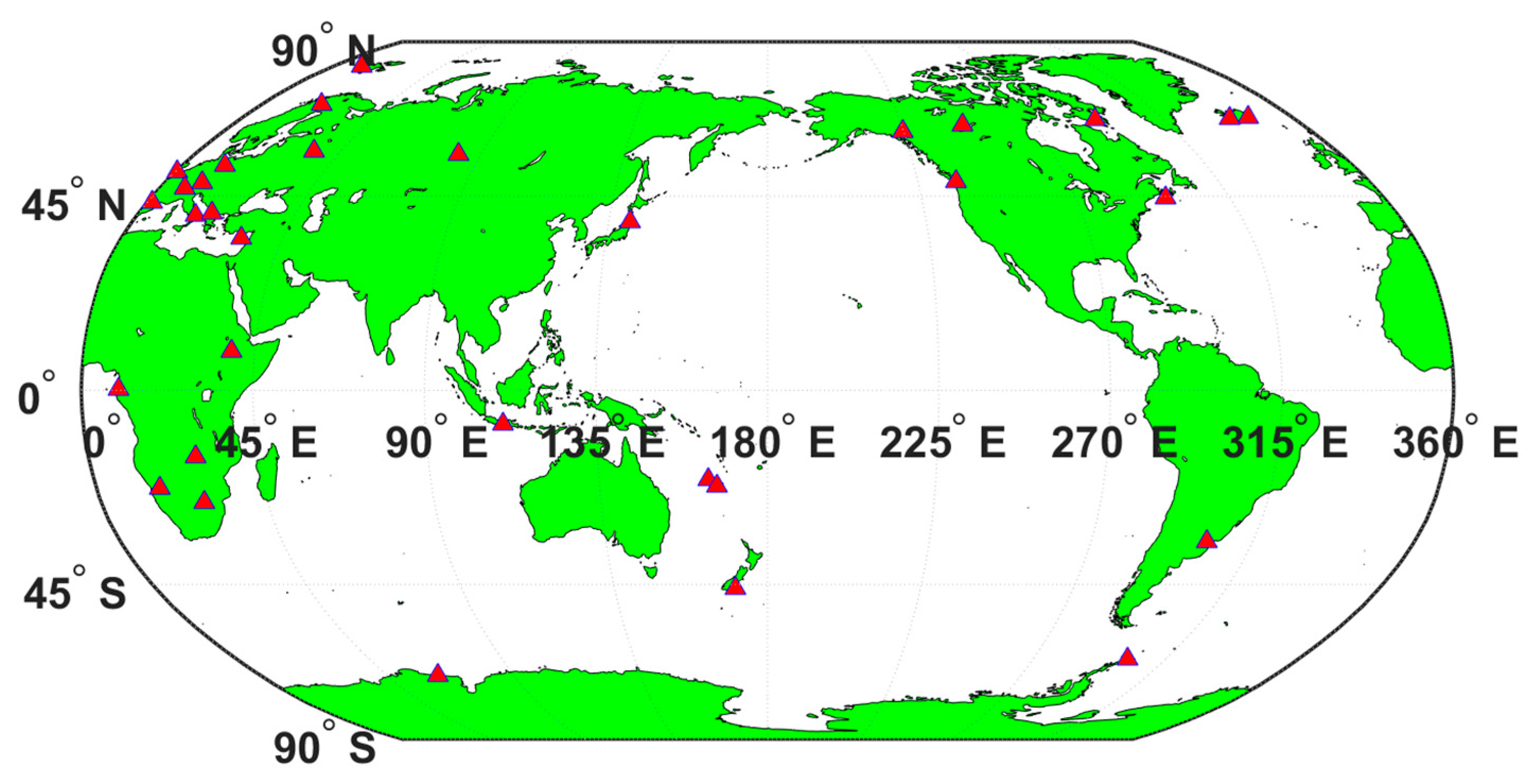
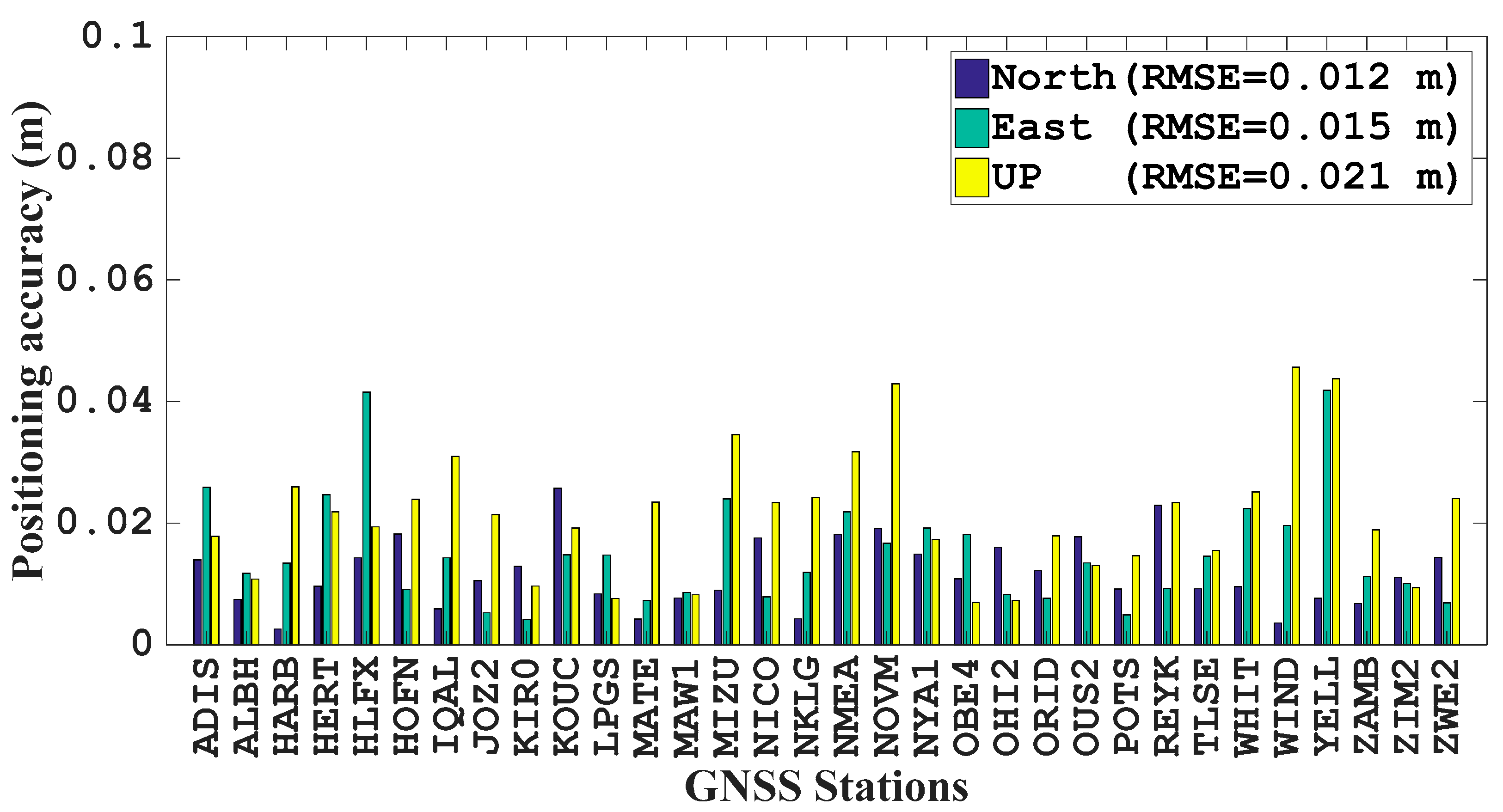
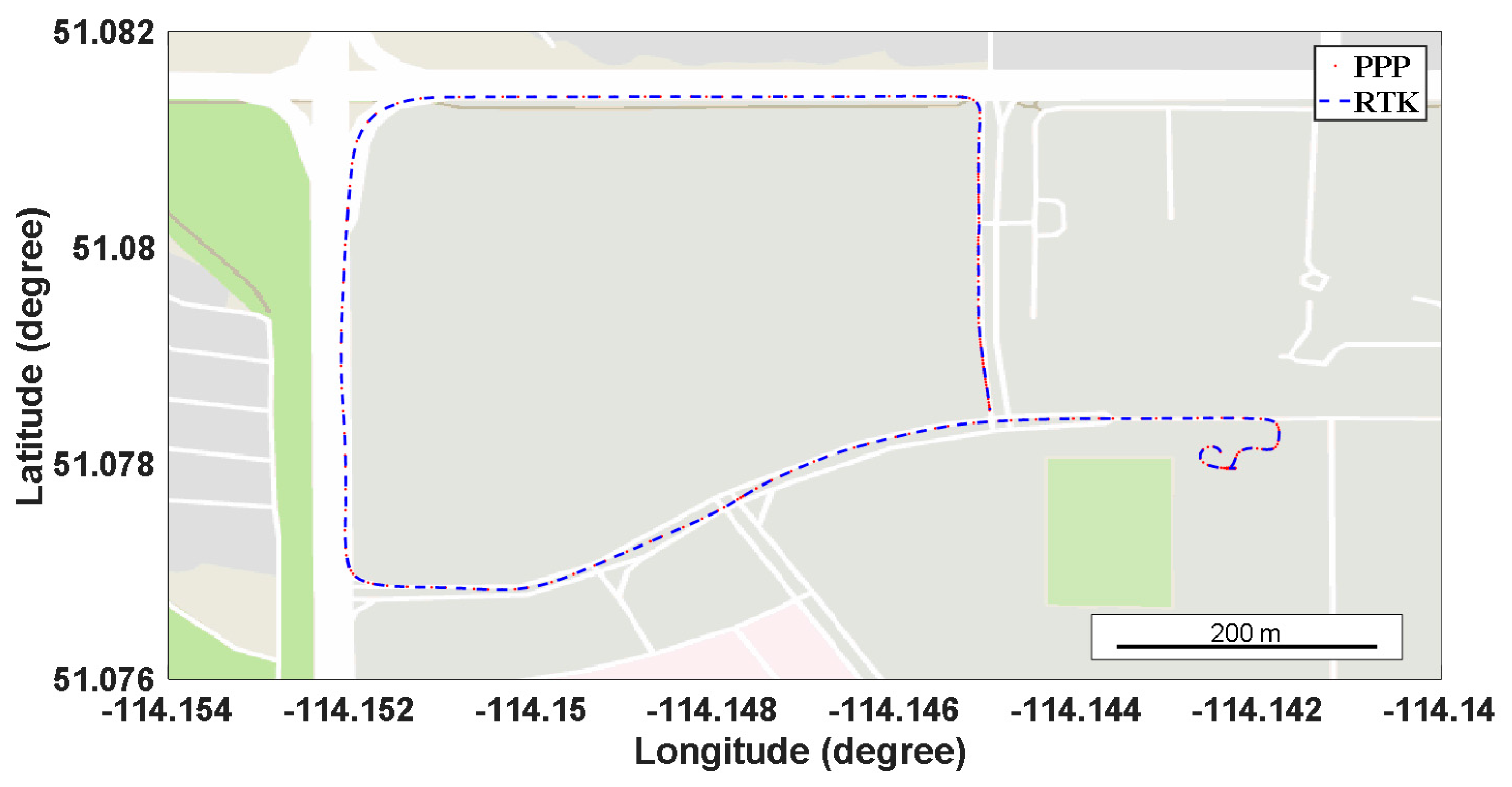
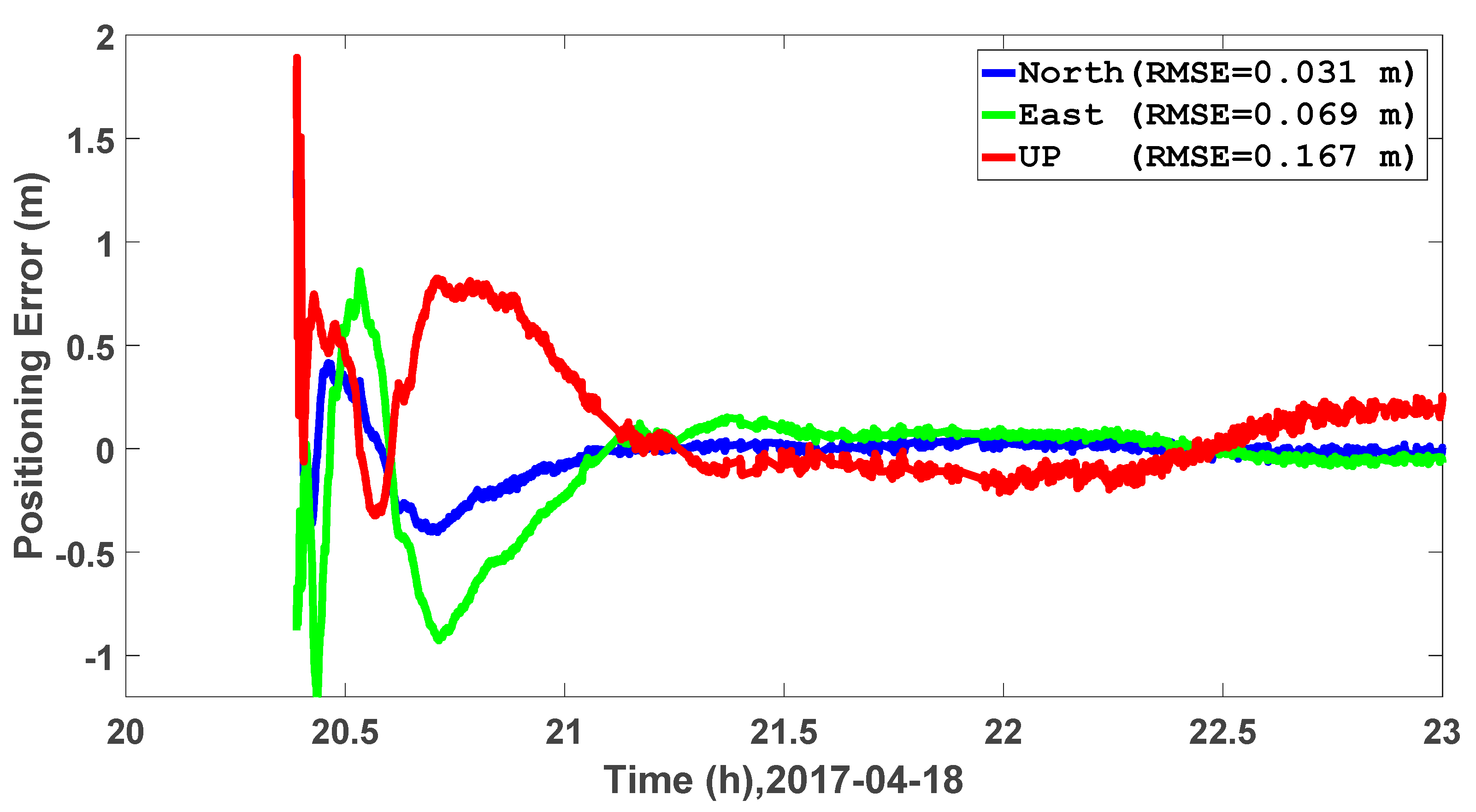
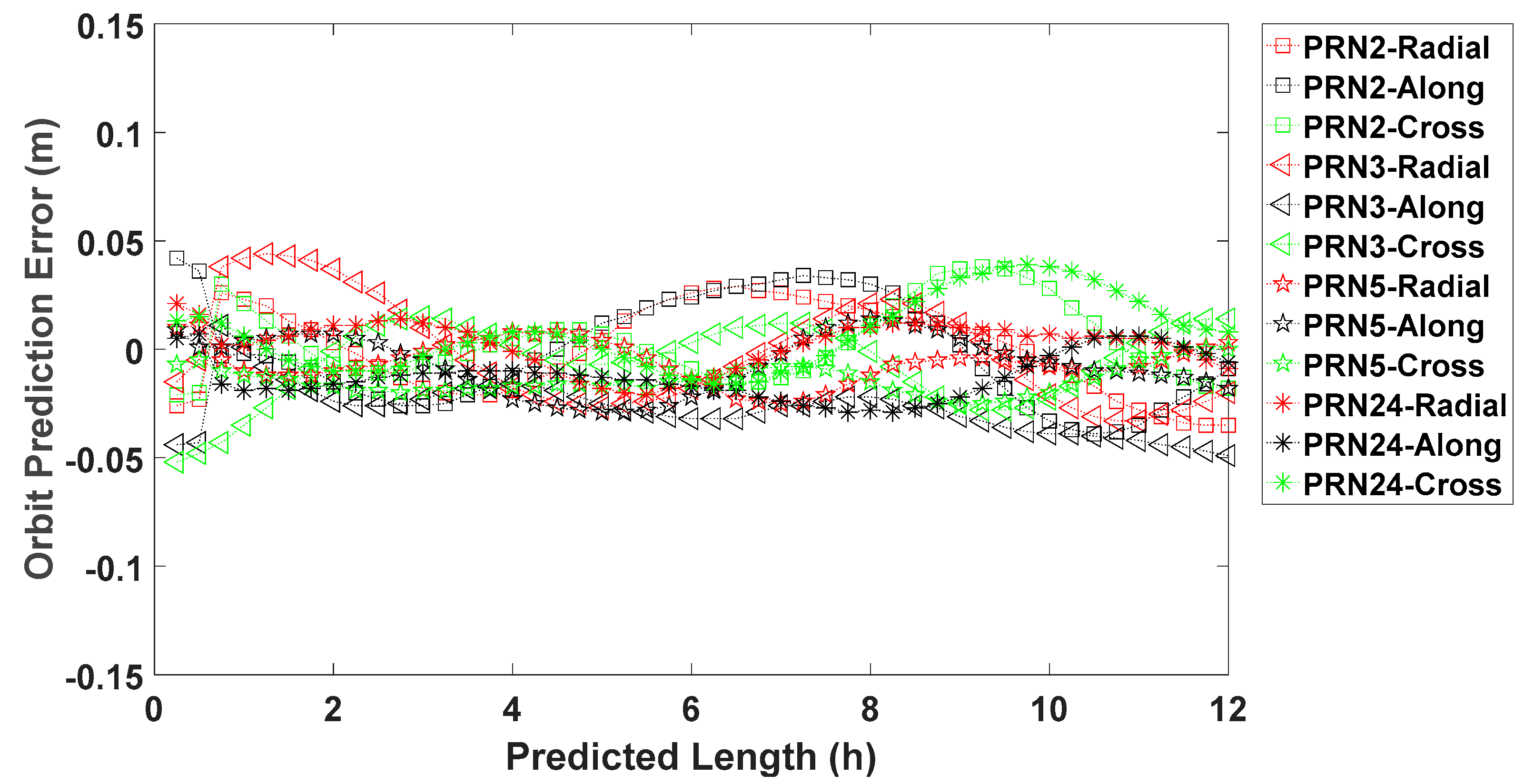
This paper proposed the high-precision satellite orbit prediction process at the user end for the real-time precise point positioning (PPP) system. Firstly, the structure of a new real-time PPP system will be briefly introduced in the paper. Then, the generation of satellite initial parameters (IP) at the sever end will be discussed, which includes the satellite position, velocity, and the solar radiation pressure (SRP) parameters for each satellite. After that, the method for orbit prediction at the user end, with dynamic models including the Earth’s gravitational force, lunar gravitational force, solar gravitational force, and the SRP, are presented. For numerical integration, both the single-step Runge–Kutta and multi-step Adams–Bashforth–Moulton integrator methods are implemented. Then, the comparison between the predicted orbit and the international global navigation satellite system (GNSS) service (IGS) final products are carried out. The results show that the prediction accuracy can be maintained for several hours, and the average prediction error of the 31 satellites are 0.031, 0.032, and 0.033 m for the radial, along-track and cross-track directions over 12 h, respectively. Finally, the PPP in both static and kinematic modes are carried out to verify the accuracy of the predicted satellite orbit. The average root mean square error (RMSE) for the static PPP of the 32 globally distributed IGS stations are 0.012, 0.015, and 0.021 m for the north, east, and vertical directions, respectively; while the RMSE of the kinematic PPP with the predicted orbit are 0.031, 0.069, and 0.167 m in the north, east and vertical directions, respectively.
Keywords: real-time PPP; orbit prediction; initial parameters; numerical integration; user end real-time PPP; orbit prediction; initial parameters; numerical integration; user end