Article

An Acceleration-Based Gait Assessment Method for Children with Cerebral Palsy
1
Department of Electronic Science and Technology, University of Science and Technology of China, Hefei 230026, China
2
Department of Pediatrics, The First Affiliated Hospital of Anhui Medical University, Hefei 230026, China
*
Author to whom correspondence should be addressed.
Sensors 2017, 17(5), 1002; https://doi.org/10.3390/s17051002
Submission received: 13 February 2017 / Revised: 25 April 2017 / Accepted: 27 April 2017 / Published: 2 May 2017
(This article belongs to the Section Physical Sensors)

Abstract

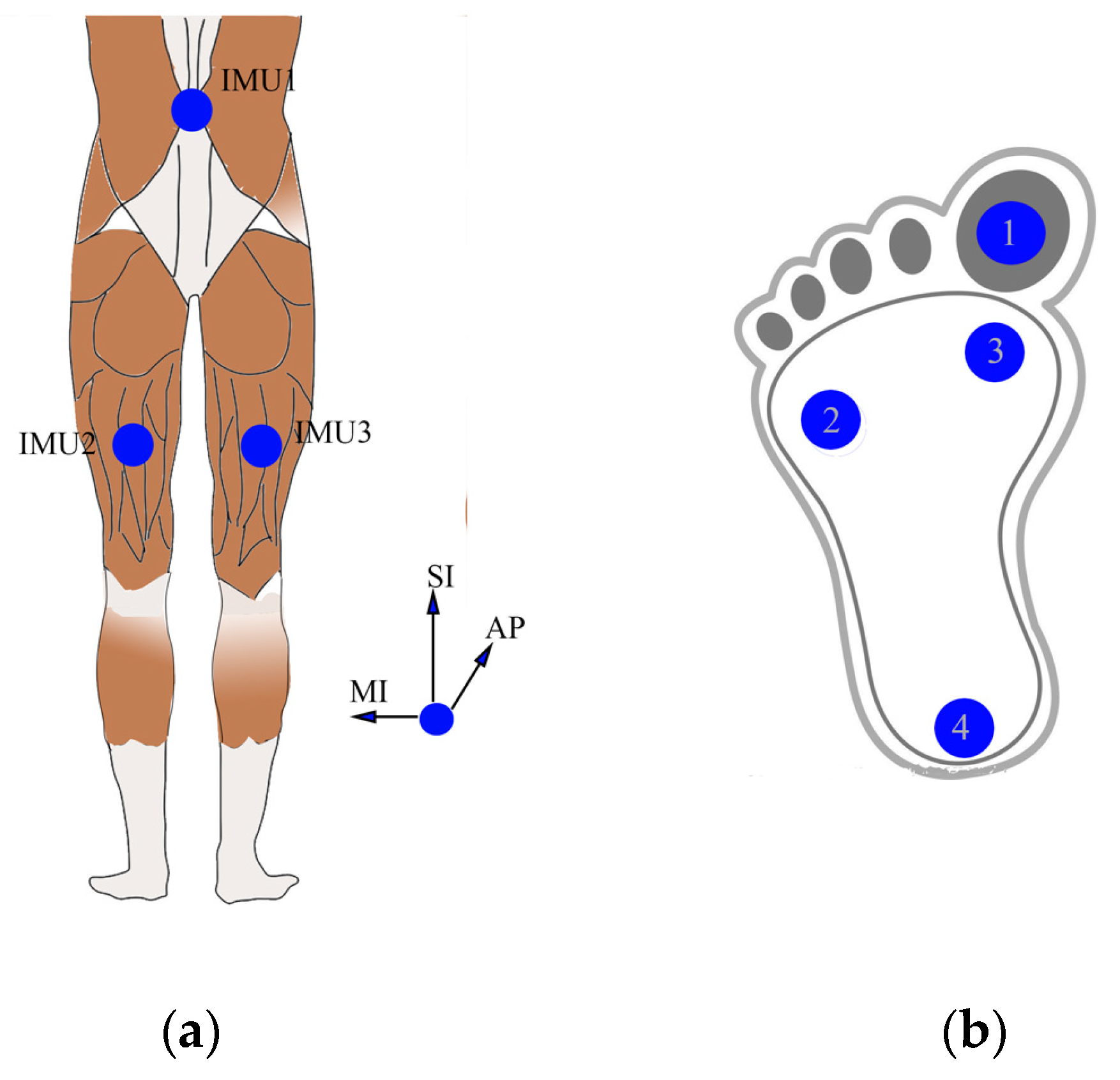
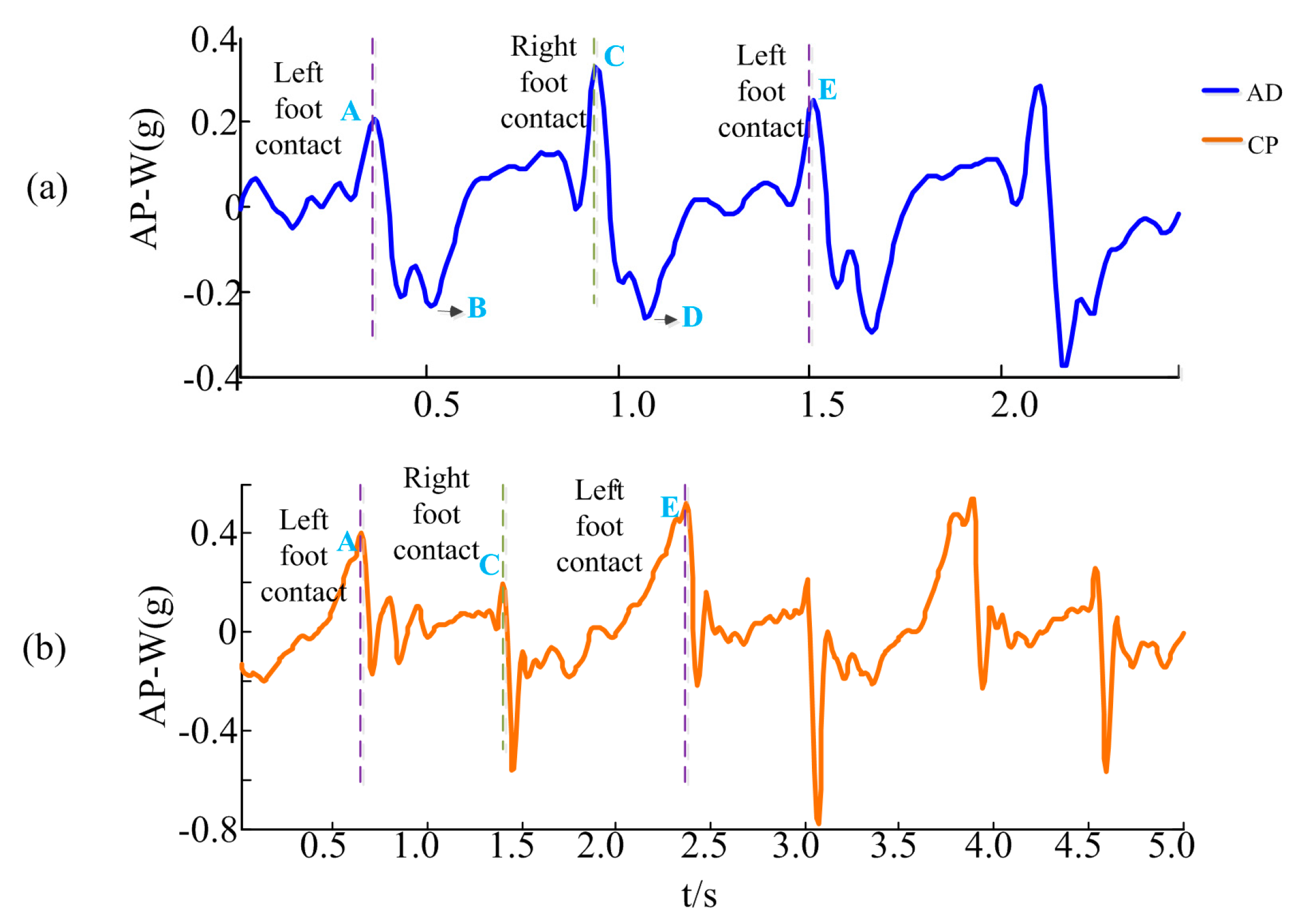
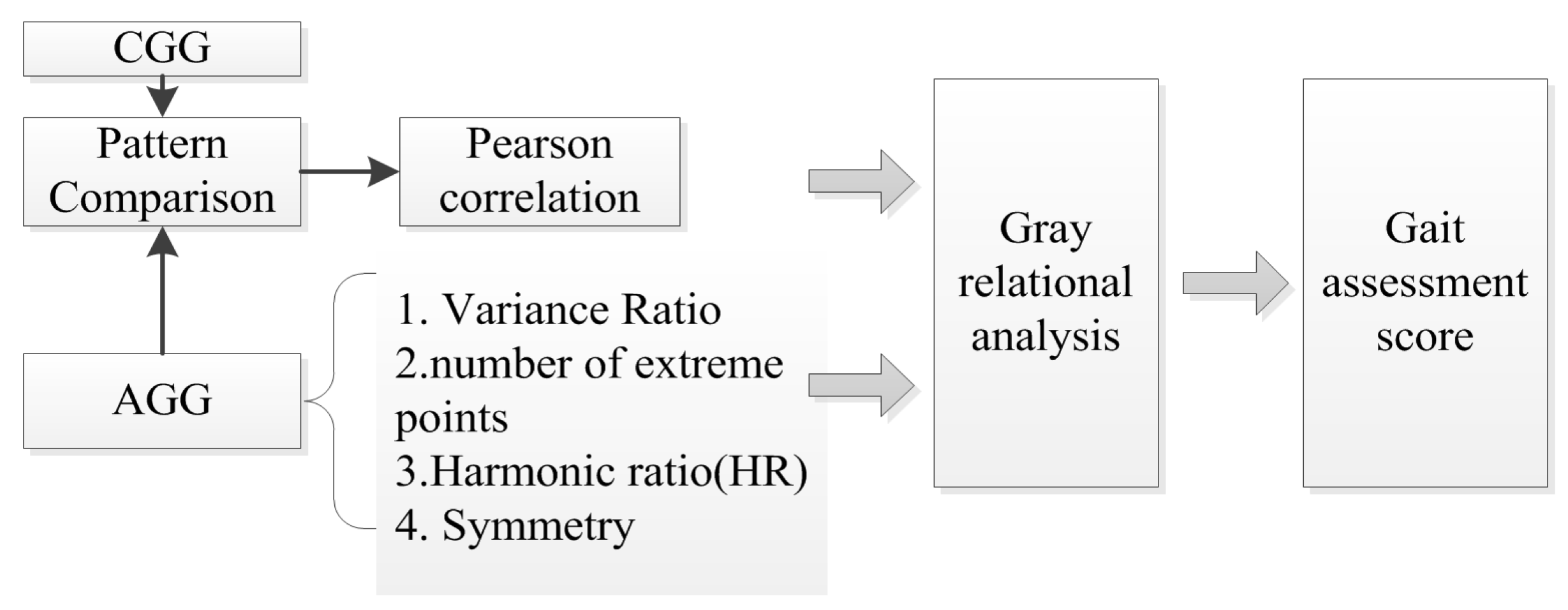
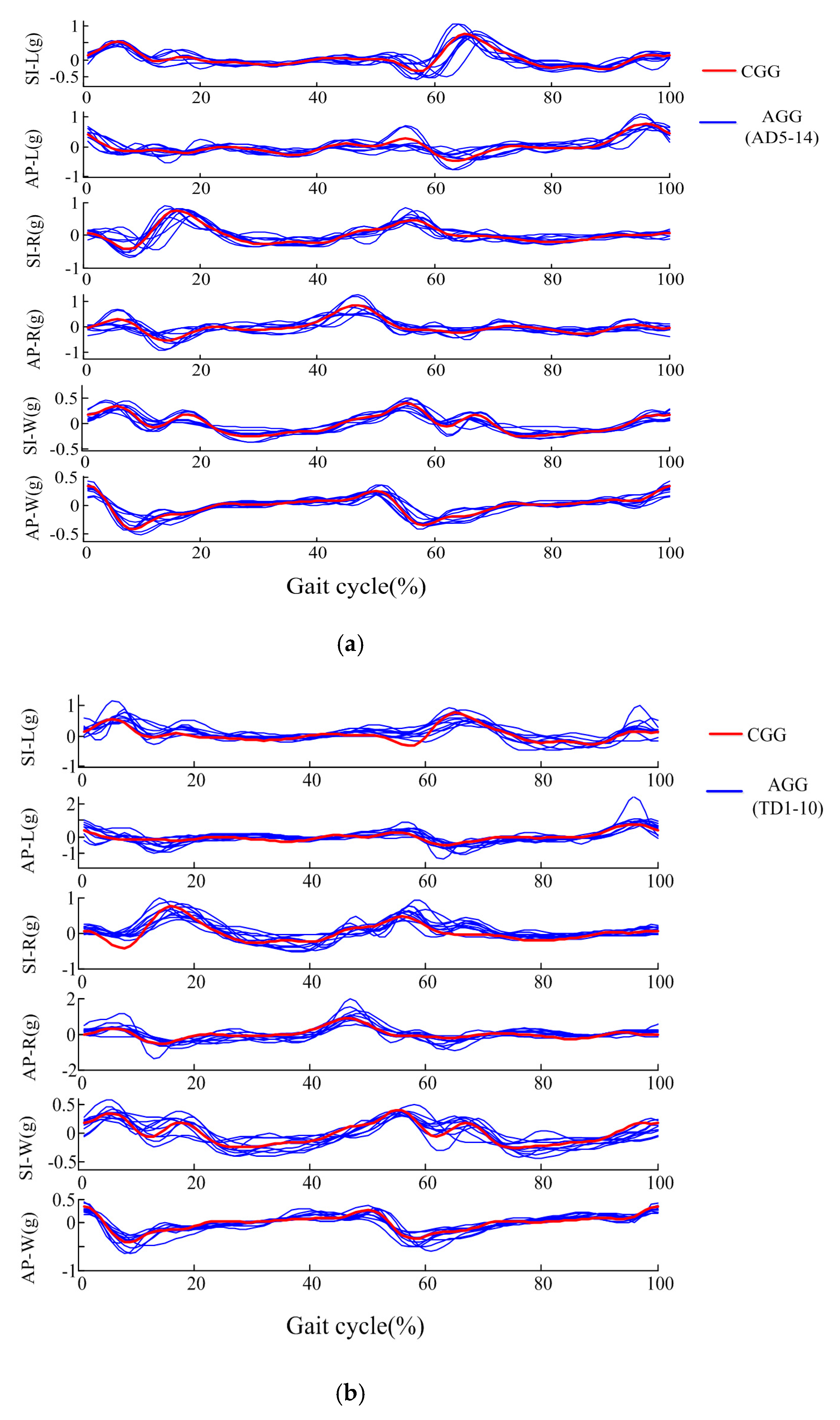
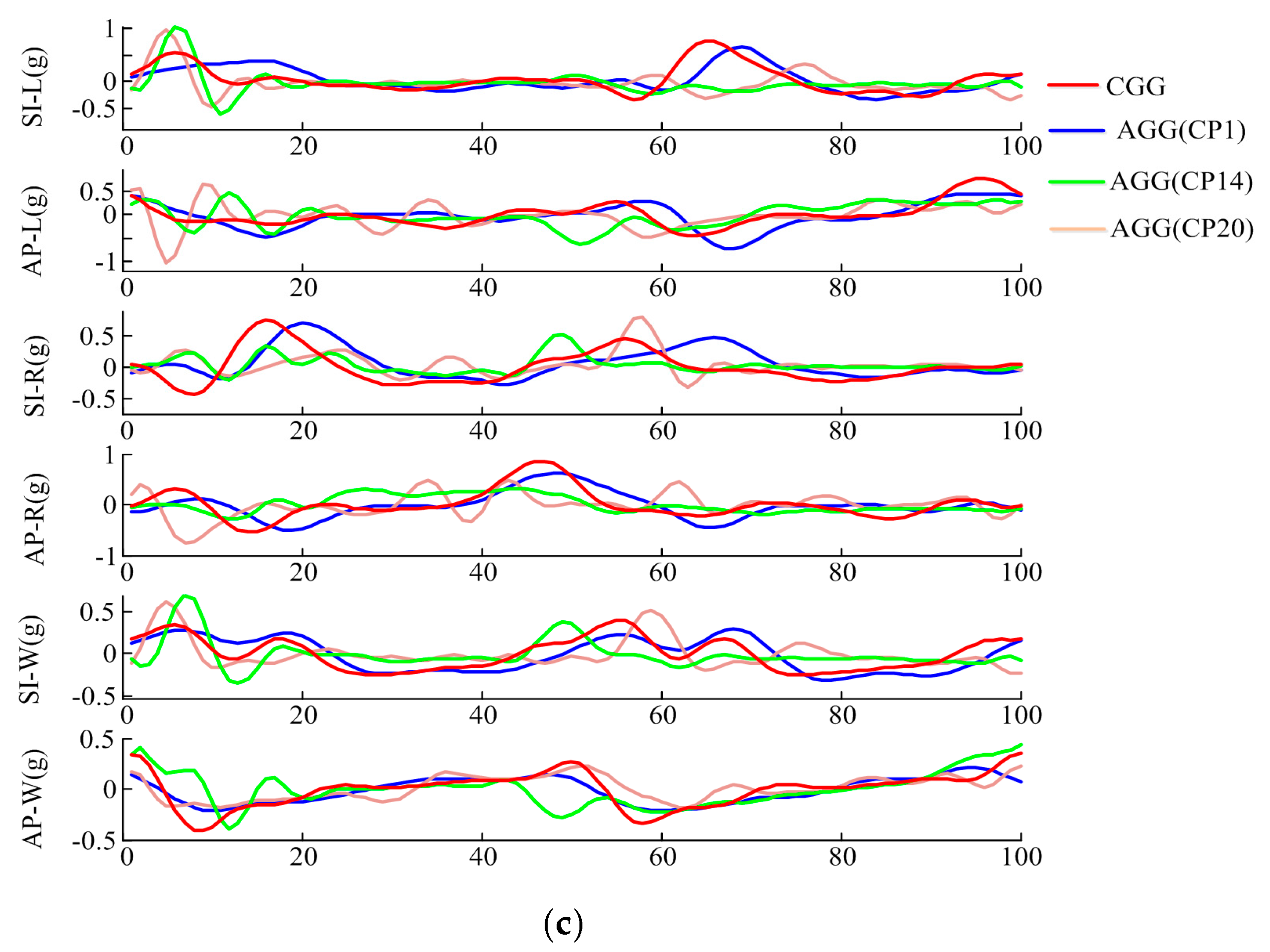
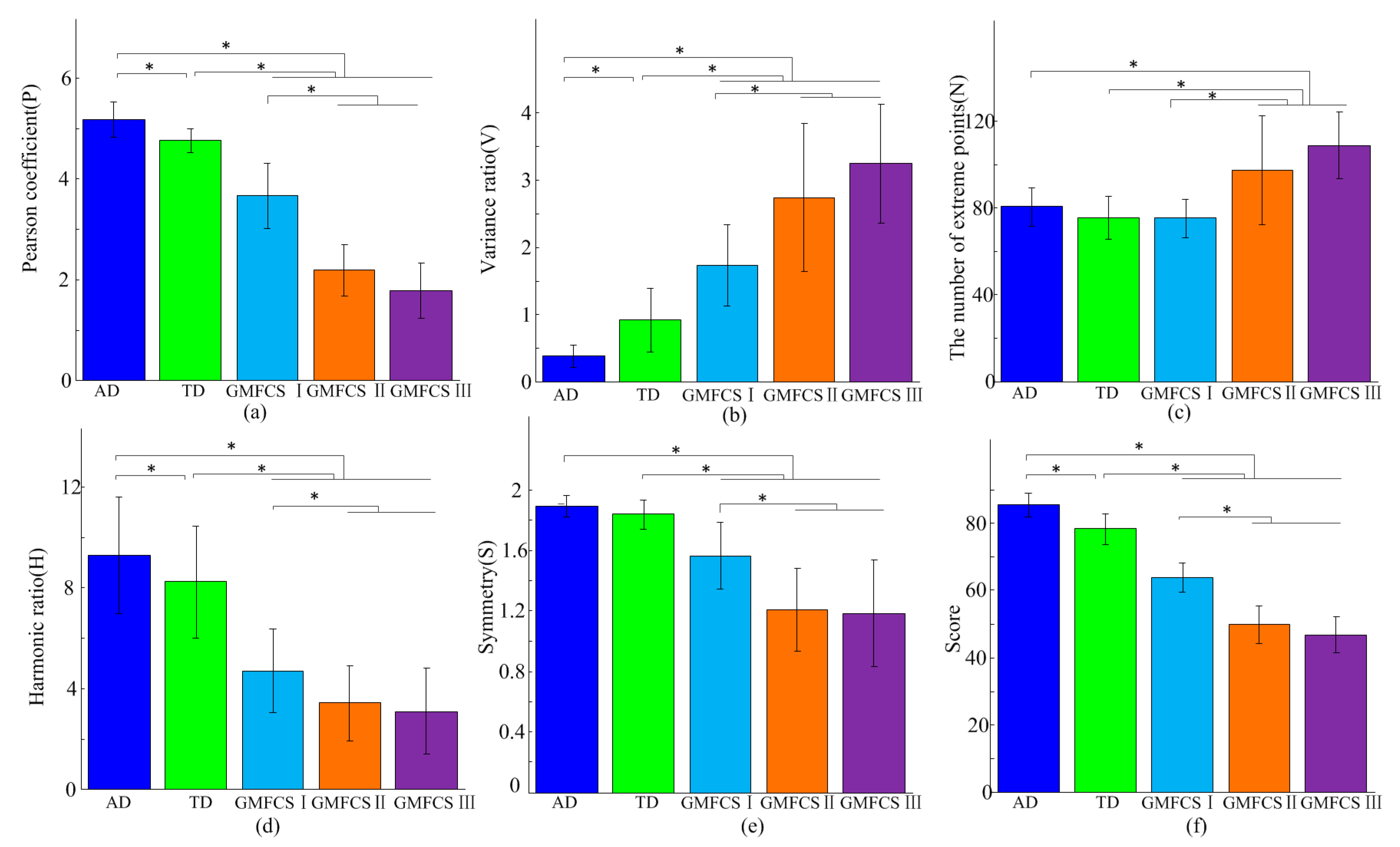
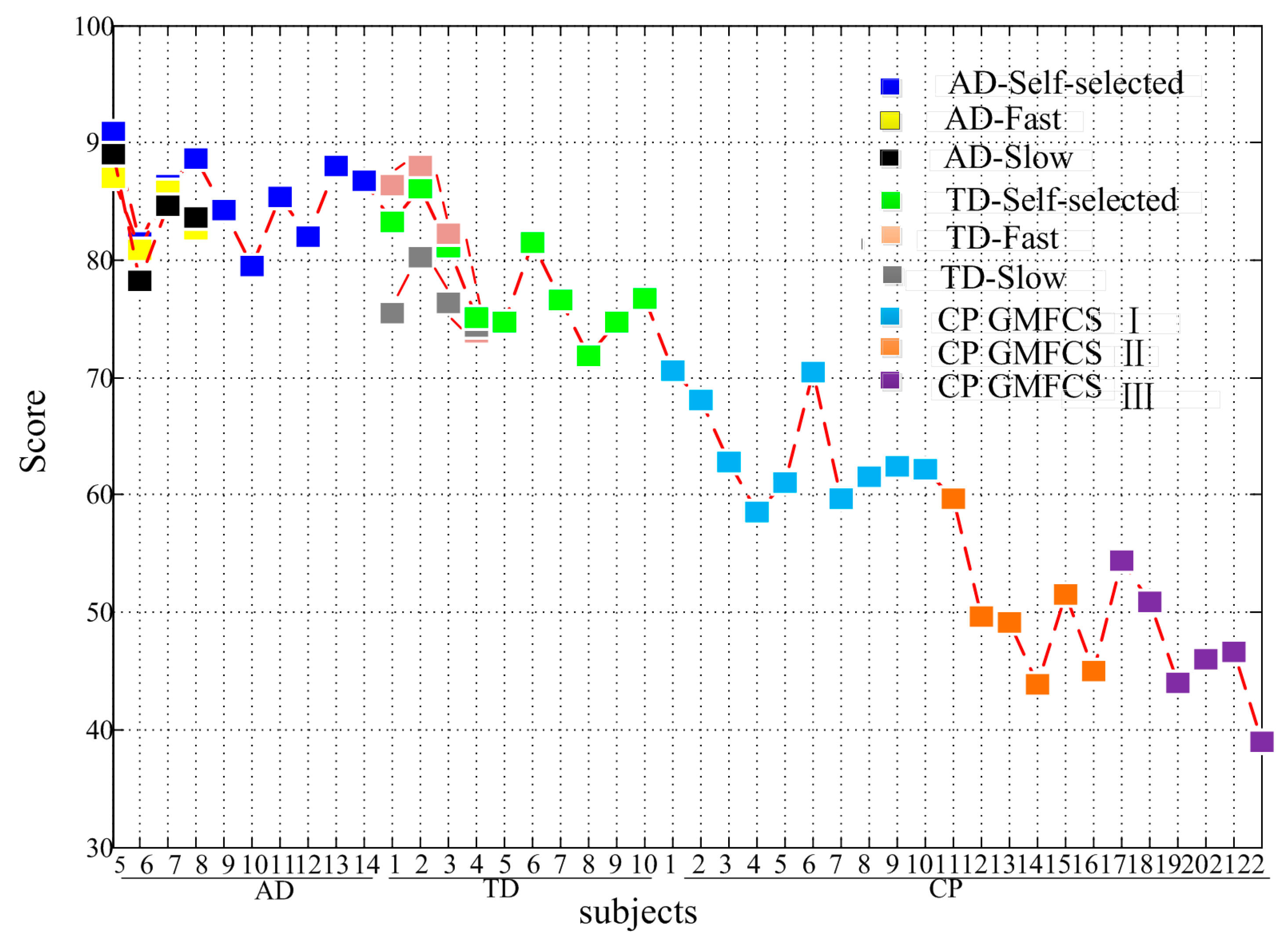
With the aim of providing an objective tool for motion disability assessment in clinical diagnosis and rehabilitation therapy of cerebral palsy (CP) patients, an acceleration-based gait assessment method was proposed in this paper. To capture gait information, three inertial measurement units (IMUs) were placed on the lower trunk and thigh, respectively. By comparing differences in the gait acceleration modes between children with CP and healthy subjects, an assessment method based on grey relational analysis and five gait parameters, including Pearson coefficient, variance ratio, the number of extreme points, harmonic ratio and symmetry was established. Twenty-two children with cerebral palsy (7.49 ± 2.86 years old), fourteen healthy adults (24.2 ± 1.55 years old) and ten healthy children (7.03 ± 1.49 years old) participated in the gait data acquisition experiment. The results demonstrated that, compared to healthy subjects, the symptoms and severity of motor dysfunction of CP children could result in abnormality of the gait acceleration modes, and the proposed assessment method was able to effectively evaluate the degree gait abnormality in CP children.
Keywords: acceleration; cerebral palsy (CP); gait assessment; grey relational analysis acceleration; cerebral palsy (CP); gait assessment; grey relational analysis