You are currently viewing a new version of our website. To view the old version click .
Sensors
  • Article
  • Open Access

27 June 2016

Link Investigation of IEEE 802.15.4 Wireless Sensor Networks in Forests
,
,
and
1
Information School of Beijing Forestry University, Beijing 100083, China
2
College of Information Technology, Beijing Union University, Beijing 100101, China
*
Author to whom correspondence should be addressed.
This article belongs to the Section Sensor Networks

Abstract

Wireless sensor networks are expected to automatically monitor the ecological evolution and wildlife habits in forests. Low-power links (transceivers) are often adopted in wireless sensor network applications, in order to save the precious sensor energy and then achieve long-term, unattended monitoring. Recent research has presented some performance characteristics of such low-power wireless links under laboratory or outdoor scenarios with less obstacles, and they have found that low-power wireless links are unreliable and prone to be affected by the target environment. However, there is still less understanding about how well the low-power wireless link performs in real-world forests and to what extent the complex in-forest surrounding environments affect the link performances. In this paper, we empirically evaluate the low-power links of wireless sensors in three typical different forest environments. Our experiment investigates the performance of the link layer compatible with the IEEE 802.15.4 standard and analyzes the variation patterns of the packet reception ratio (PRR), the received signal strength indicator (RSSI) and the link quality indicator (LQI) under diverse experimental settings. Some observations of this study are inconsistent with or even contradict prior results that are achieved in open fields or relatively clean environments and thus, provide new insights both into effectively evaluating the low-power wireless links and into efficiently deploying wireless sensor network systems in forest environments.

1. Introduction

Recent years have seen a rapid growth of using wireless sensor networks to monitor the physical world [1,2,3,4,5,6]. A wireless sensor network consists of many tiny sensors deployed in the field; these sensors can detect temporal-spatial physical signals and transmit their measurements to end users through wireless (radio) links. The wireless links are capable of interconnecting the sensors into a communication network and then allow end users both to remotely observe the sites that interest them and to obtain a great deal of sensory data that contribute to more accurate decision making. As a promising instrument for collecting data about the physical world, therefore, wireless sensor networks have been adopted in a variety of monitoring applications, including the natural environment, the military field, urban traffic, building structure health, and so on.
Wireless communication greatly facilitates the monitoring system deployment and potentially saves human resources in data collection, yet it has to be carefully considered in reality [7,8,9,10,11]. In practical wireless sensor network systems, the energy efficiency is a key performance metric, because it dominates the longevity by which the system can serve end users; the radio chip or the transceiver equipped in wireless sensors is the most energy hungry component. To date, in both industry and academia, researchers and engineers en masse have moved to the low-power wireless communication, aimed to fundamentally reduce the energy consumption of sensors in communications. The IEEE802.15.4 [12], for instance, is a typical low-power wireless standard, which usually works at the 2.4-GHz or the 868/915-MHz ISM band, and supports a 250-kbps data rate with the energy budget of only at most a few milliwatts. To be compatible with the IEEE 802.15.4 standard, more and more radio chips, such as TR1000, CC1000, CC2420, etc., are fostered and widely adopted in practice. From the past engineering experiences, the involvement of low-power wireless links is an inevitable choice in wireless sensor networks aimed at long-term monitoring.
Such low-power radio links, however, often lead to unreliable communication or data transportation in wireless sensor networks; and sometimes, they are rendered with high dynamics, especially when they are deployed in harsh environments with more obstructions or interference sources. Inherently, the radio signal propagation will be reflected, scattered and diffracted by the surrounding objects [13,14]; these effects are more significant and unpredictable for low-power wireless links [15,16]. In particular, the signals emitted by the low-power, low-cost transceivers of wireless sensors are easily distorted by the overspreading internal and ambient noise. Though wireless sensor networks and traditional wireless networks share several link characteristics, low-power links are more lossy and time-varying in coverage [17]. Therefore, understanding the low-power radio link well is very critical and indispensable to design effective and efficient wireless sensor networking protocols, such as medium-accessing control (MAC), routing and network topology control. This paper attempts to investigate the performance of the low-power wireless link in forest environments. Our study is motivated mainly by two facts.
First, large-scale and long-term forest monitoring has emerged in recent years as an effective way by which domain scientists can comprehensively investigate the forestry resources, as well as the in-forest environmental parameters and then accurately model the natural evolution related to forests [6,18,19,20]. For instance, combining the forest data and the weather data, environment scientists can study the relationship between climate change and the growth of trees or they can evaluate the function of trees in conserving soil and water. Wireless sensor networks, however, are facing new challenges in forest monitoring due to the complex forest environment. Different from the open and obstacle-free scenarios, the forest site involves densely- and irregularly-distributed trees, shrubs and vegetation, all of which will not only significantly degrade the performance of wireless links, but also make it more difficult to model the link dynamics.
Second, although researchers have realized the unique challenge of low-power wireless links in complex environments and several works have been proposed to evaluate the performance of low-power radio signals, they either consider only the physical-layer characteristics or study the link behaviors just from one or a few aspects. The physical-layer results are helpful to understand the path loss ratio of the wireless link and to optimize the design of the transceiver and modulation schemes, but they hardly provide adequate insights into improving the whole low-power wireless network because at runtime, the program cannot obtain the precise in situ path loss information to carry out the real-time adjustment of protocol parameters. Some prior works analyze the link characteristics in terms of link reliability, the signal strength or other link metrics. Nevertheless, the observations and analyses are mostly achieved in open-field scenarios or indoor environments with less obstacles. The performance of low-power links in forests and their effects on upper-layer protocols remain uncertain or unknown to some extent.
The remainder of paper is organized as follows. Section 2 describes the experimental sites and configurations. Section 3 presents the evaluation results of a single low-power link, and Section 4 evaluates the links of a small-scale wireless sensor network. Section 5 summarizes the experimental observations of this paper with insightful remarks. Section 6 introduces major works related to ours. Finally, Section 7 concludes this paper.

2. Experimental Methodologies

This section will depict the forest sites in which we conduct experiments, the sensor platform, as well as the wireless standard and the evaluation metrics. We will introduce the detailed procedures and configurations of the experiment in later sections.

2.1. Study Sites

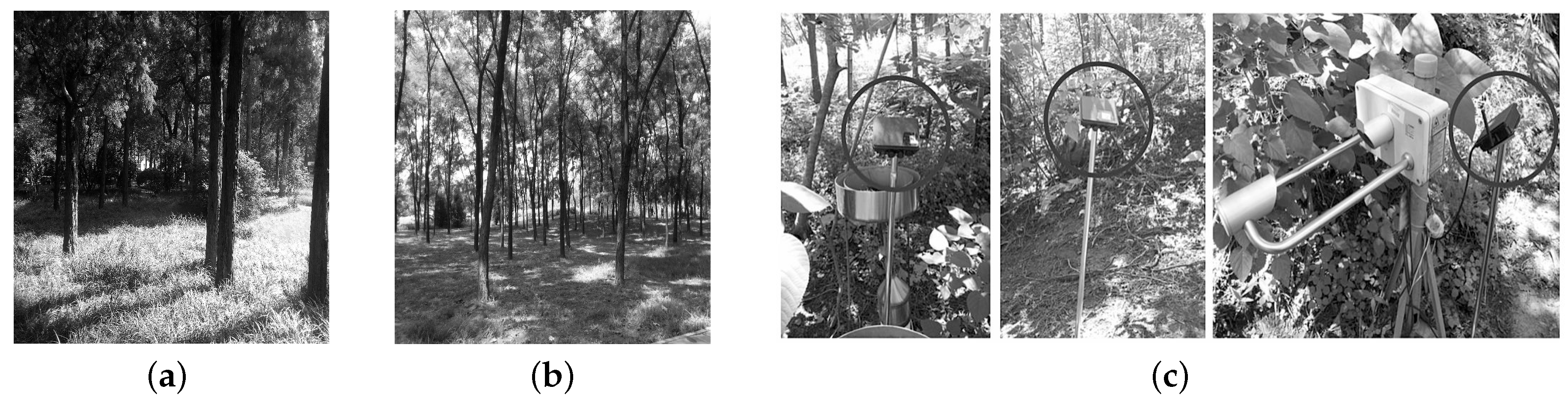
In this paper, we consider three city forest environments to evaluate the performance of low-power radio links. The first forest is the Bajia Rural Park forest of Beijing; the second one is a forest inside our university campus; the third one is on a mountain of the Jiufeng National Forest Park of Beijing. We will later call the three forests the Bajia forest, the Campus forest and the Jiufeng forest, respectively. The three forest sites are different in terms of the tree density, the vegetation distribution and the understory terrain. Figure 1a,b shows the Campus and the Bajia forests, and their tree densities are about 17/100 m2 and 20/100 m2, respectively. The understory of the Campus forest, involving sparse short shrubs, is covered by lush vegetation, which is 40 cm in height on average, while the understory of the Bajia forest is covered by a thin vegetation layer with an average height of 23.6 cm.
Figure 1. Three typical forest environments. (a) Campus forest; (b) Bajia Rural Park forest; (c) Jiufeng Mountain forest.
The Jiufeng forest site is shown in Figure 1c. In comparison with the two above in-city forests, the Jiufeng forest, along a hillside, has a very complex and diverse understory, including shrubs, weeds, withered branches and foliage and even bare soil; the tree density is about 25/100 m2. In fact, the Jiufeng forest site is a typical forest terrain of concern by hydrologists and forestry scientists, and that is the reason that we choose the Jiufeng forest as a study site. Additionally, Figure 1c also shows the placement of wireless sensor nodes marked with circles, and the experiments in the Bajia and the Campus forests use the same wireless sensor nodes, as well. Each sensor node is installed on the top of a steep bracket, around 1.2 m away from the ground.
In experiments under all three sites, the temperature was 20 °C on average, and the wind stayed moderate, swinging the forest gently. In particular, neither people nor other moving ground objects passed through the study sites. We did not find any significantly detectable IEEE 802.11 (WiFi) and IEEE 802.15.1 (Bluetooth) signals of 2.4 GHz in the surroundings. We use a Bosch’s handheld laser ranging device of DLE40 to determine the distance between the sending and the receiving nodes and the size of the vegetation.

2.2. Experimental Setup

2.2.1. Wireless Standard and Sensor Node

We adopt Crossbow’s TelosB sensor nodes in our experiments. The TelosB sensor node, formerly called the TmoteSky node [21], is an integrated platform including a TI MSP430 microcontroller, a ChipCon CC2420 radio transceiver [22] of 2.4 GHz and an onboard antenna. Compatible with the IEEE 802.15.4 standard, the TelosB node is very popular in practice, because it provides end users with a set of external AD/DAand GPIOports that can easily interface with other sensing and actuating devices. The TelosB node transmits data with a power of at most 1 mW; so the link formed by two TelosB nodes is a typical low-power link. The TelosB node can be powered either by two AA batteries or by its built-in USB interface connecting to a host computer. One disadvantage of TelosB node is its low-gain antenna printed on the board, which diminishes the radio communication range. In our experiment, therefore, we expand the TelosB node with an undirected external antenna of 3 dBi, as shown in Figure 1c, besides encapsulating the TelosB node with the aluminum package.

2.2.2. Software Configuration

The TelosB nodes in the experiments run the NesC codes. NesC is a programming language specially devised for wireless embedded devices, and it is commonly used together with the TinyOS, a light-weight and open-source operating system developed by UC Berkeley. To evaluate the link performance, we let nodes exchange messages according to a pre-configured plan. In detail, the program on each node controls the message sending with a specific period of time and records necessary information once a message is received; the message includes the message sequence, the RSSI (received signal strength indicator) and the LQI (link-quality indicator) measurements, as well as the receiving time. The RSSI and the LQI are two simple link quality metrics and can both be directly returned by the CC2420 radio chip, without needing any application-level computation.
The experimental data are delivered to the laptop, which connects with the TelosB node via a USB port and runs a serial-port listening program of Java, thereby being able to receive all of the link information sent by the connected TelosB node. Once the data (a record) arrives, the laptop will immediately push it into a local database of MySQL. We will give more details, in later sections, about how to carry out the experiments.

2.3. Metrics

We use three basic metrics for evaluating the performance of the low-power links in forests: RSSI, LQI and packet reception ratio (PRR). These three metrics are often used in empirical studies and networking protocol designs.
  • PRR: If node A sends n packets to node B and B correctly receives m ( m n ) packets, then the PRR of the link from A to B is equal to m n . Calculated at the receiver side, PRR is often used as a benchmark metric for link reliability in wireless protocol design and operation, especially in routing protocols.
  • RSSI: This is a reading calculated by a receiver’s radio chip, which generally is the average of the signal strength of eight-symbol periods. For the TelosB node, which integrates the CC2420 radio chip, the returned RSSI value ranges from −100 dBm to 0 dBm. The RSSI involves not only the received signal, but the background noise, and generally, the received signal is hard to discern from noise when the returned RSSI is lower than −90 dBm.
  • LQI: The receiver can measure the strength quality of a successfully received packet by calculating the average correlation of the first eight symbols of this packet. LQI is often used to approximate the chip error rate. The TelosB node produces an LQI value of at most 110 and at least 50.
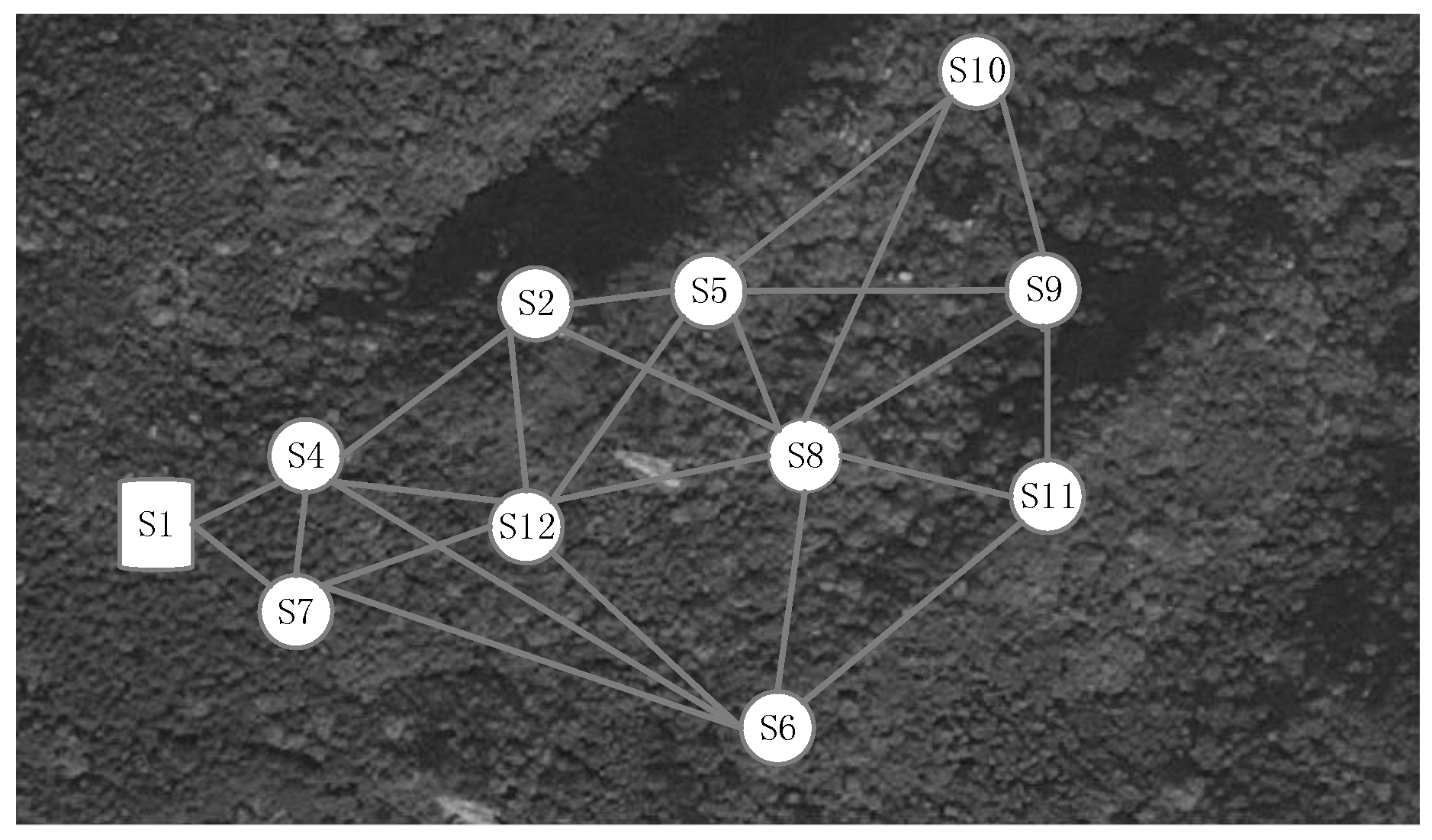
In this paper, we first conduct experiments under the two in-city forest environments with only a single low-power wireless link formed by two nodes; second, we deploy a small-scale wireless sensor network of ten nodes in a mountain forest environment and investigate the performance of the wireless in-network links.

5. Summary of Observations

By the comprehensive real-world experiments and comparative analyses, we summarize our observations and remarks as follows.
Observation 1. The link performances are different, even under slightly different forest environments: the distributions of trees and understory shrubs, as well as vegetation will lead to different effects. Interestingly, a handful of shrubs (in the Campus forest) possibly constructively affect the link quality to some extent, in comparison with the forest with a “clean” understory (e.g., the Bajia forest of this paper). The wireless sensor deployment, therefore, does not have to circumvent the short and sparse shrubs if the line-of-sight links are hard to achieve in practice.
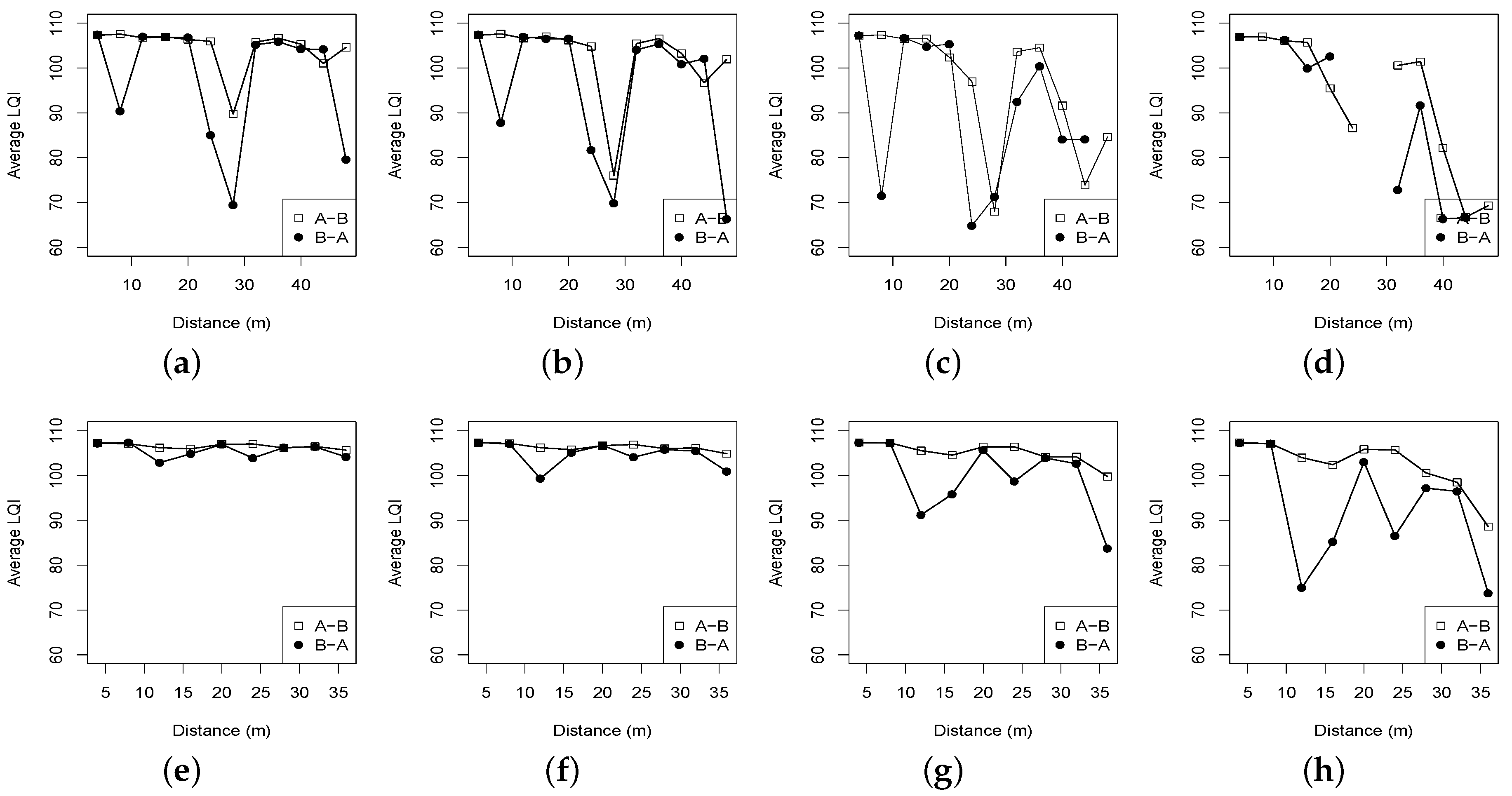
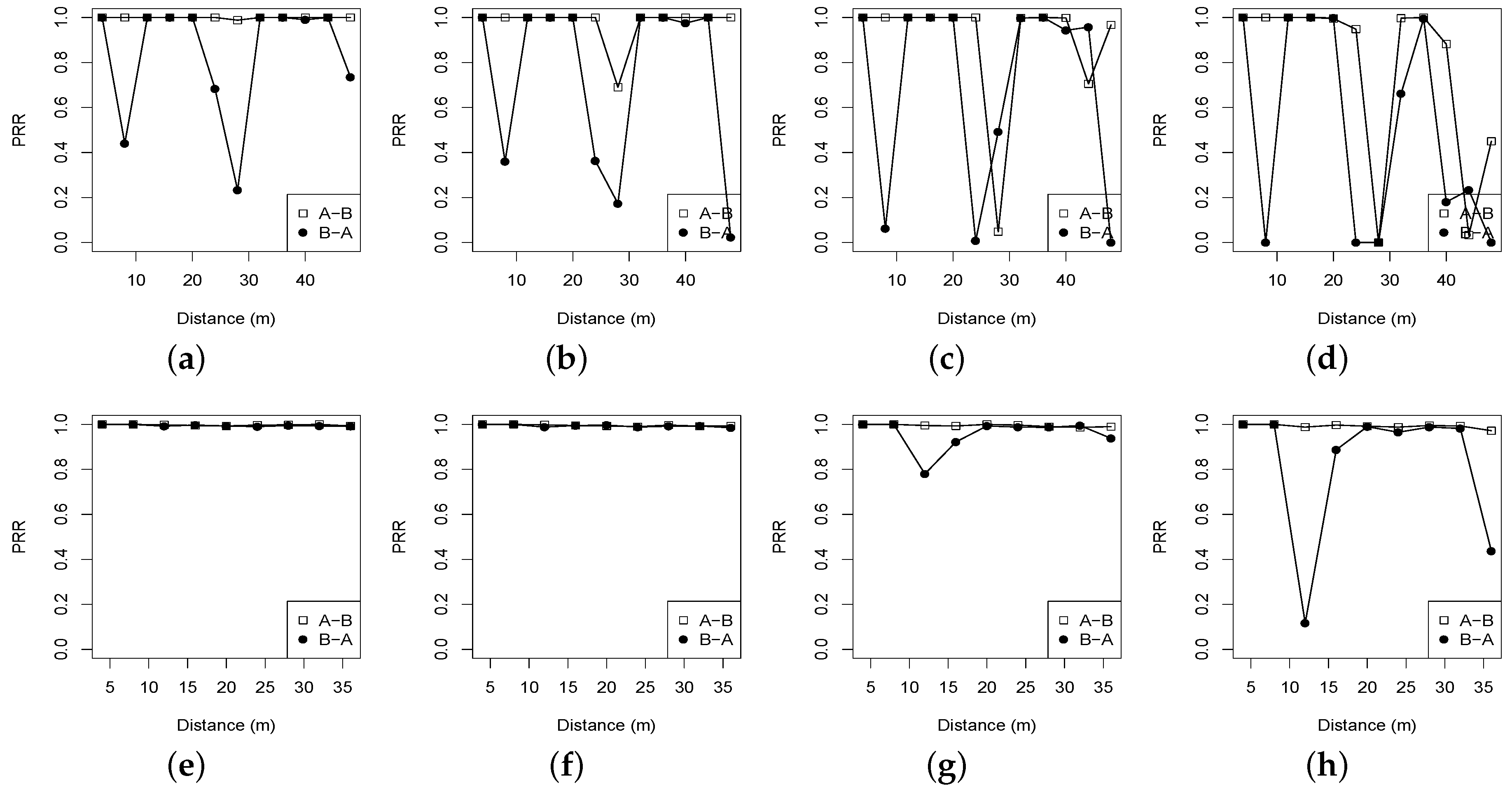
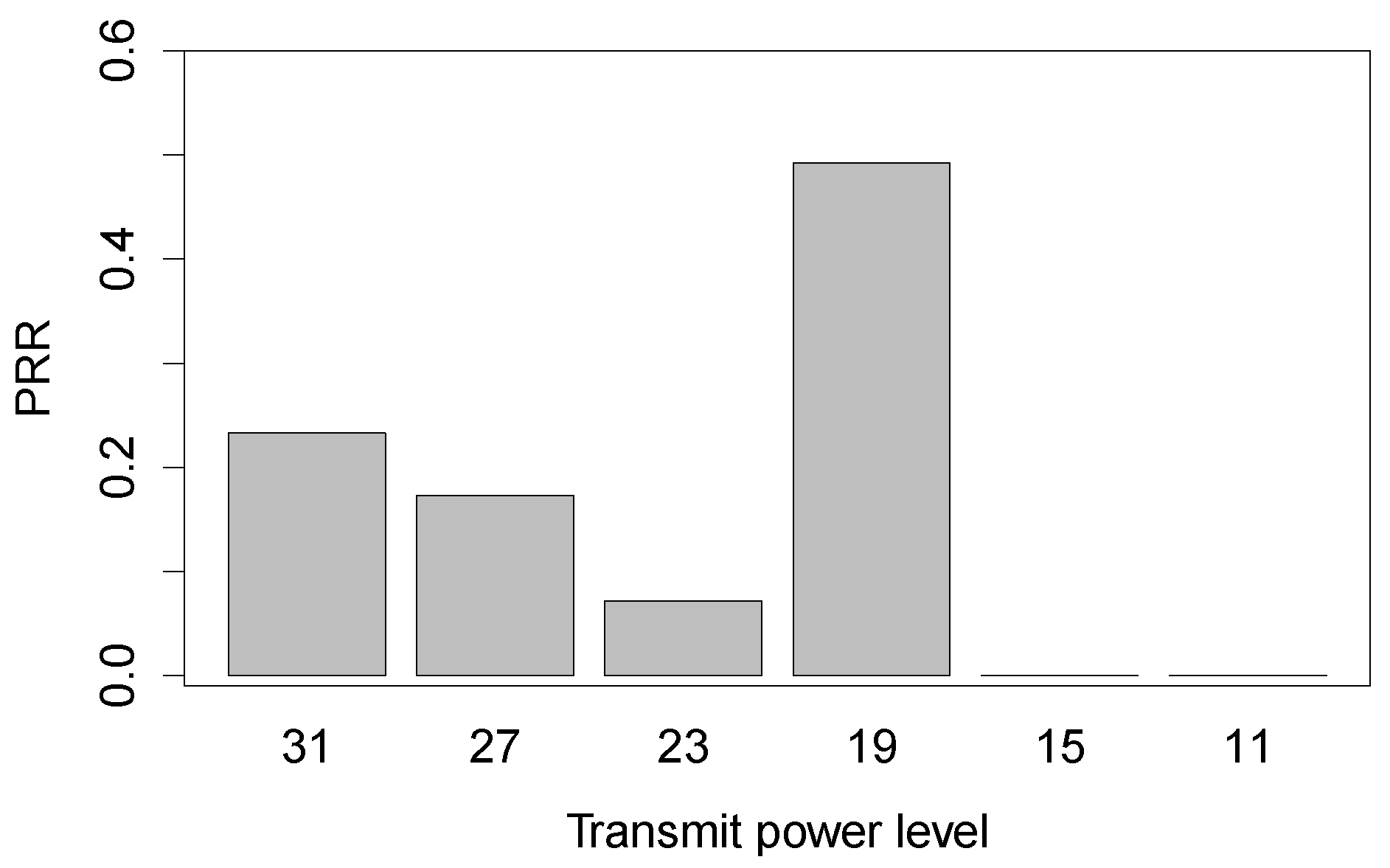
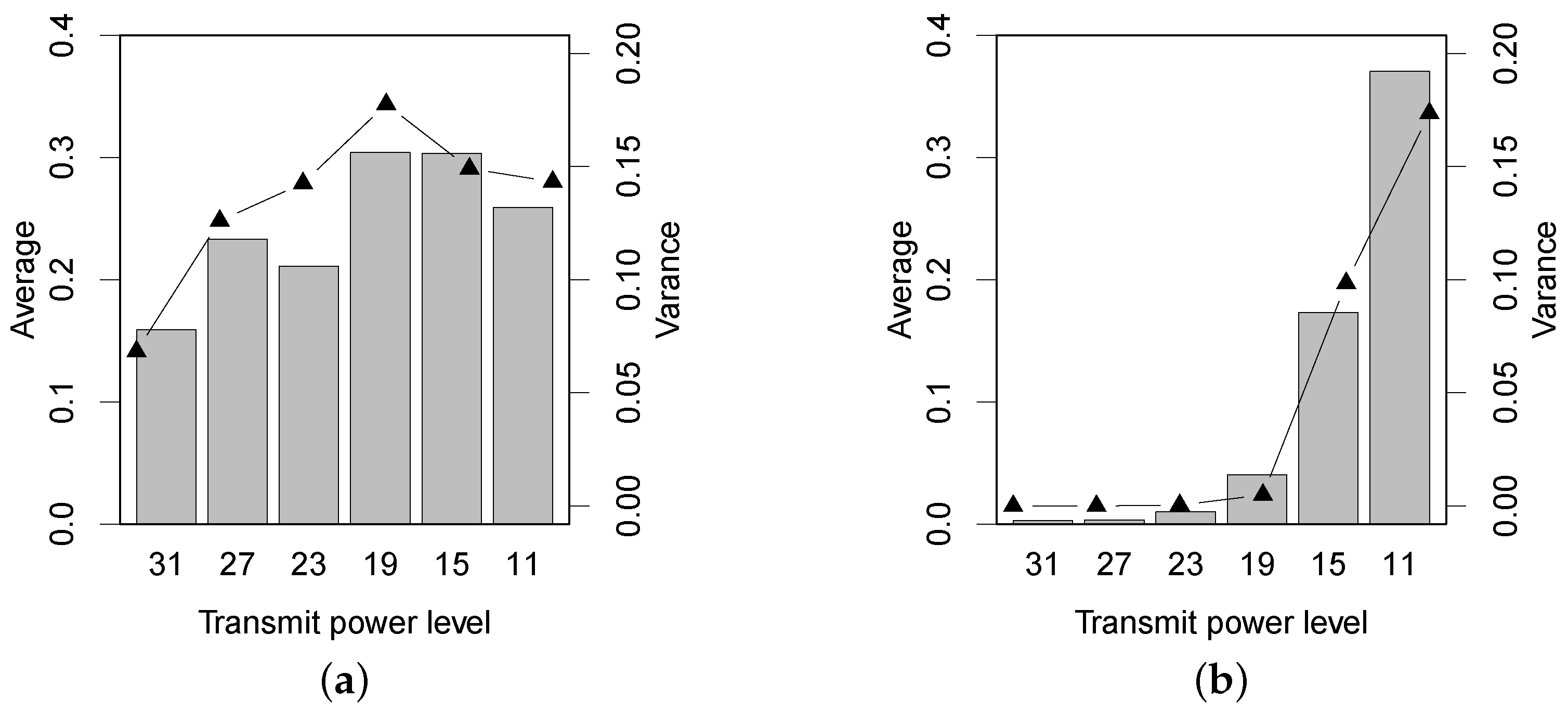
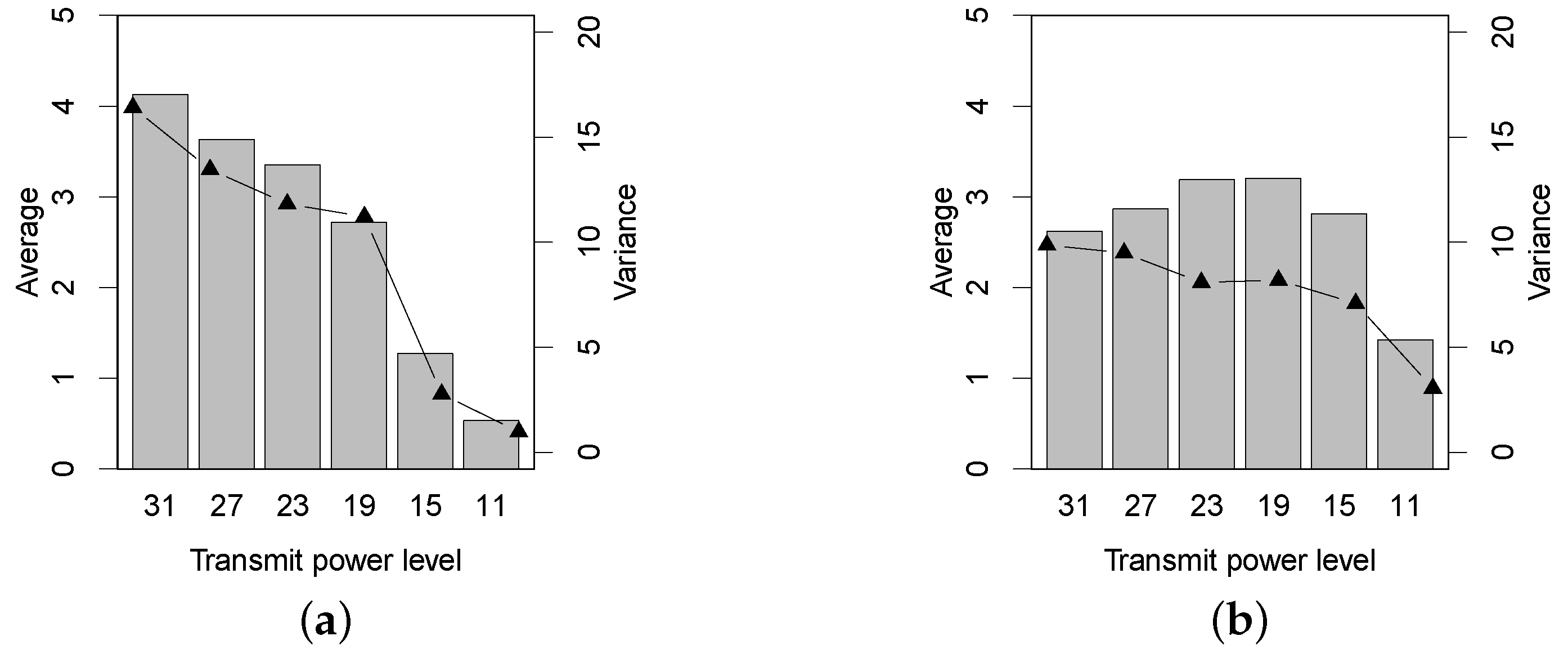
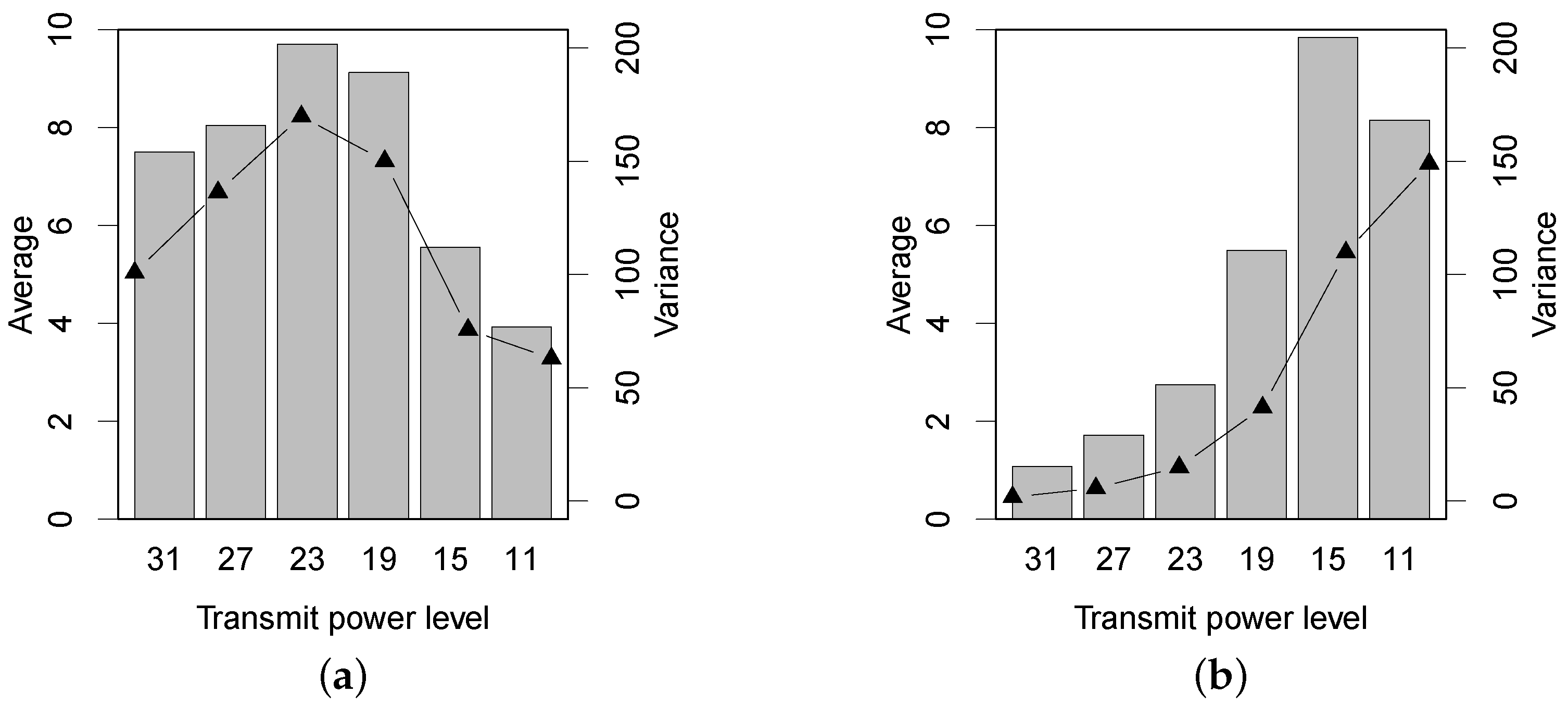
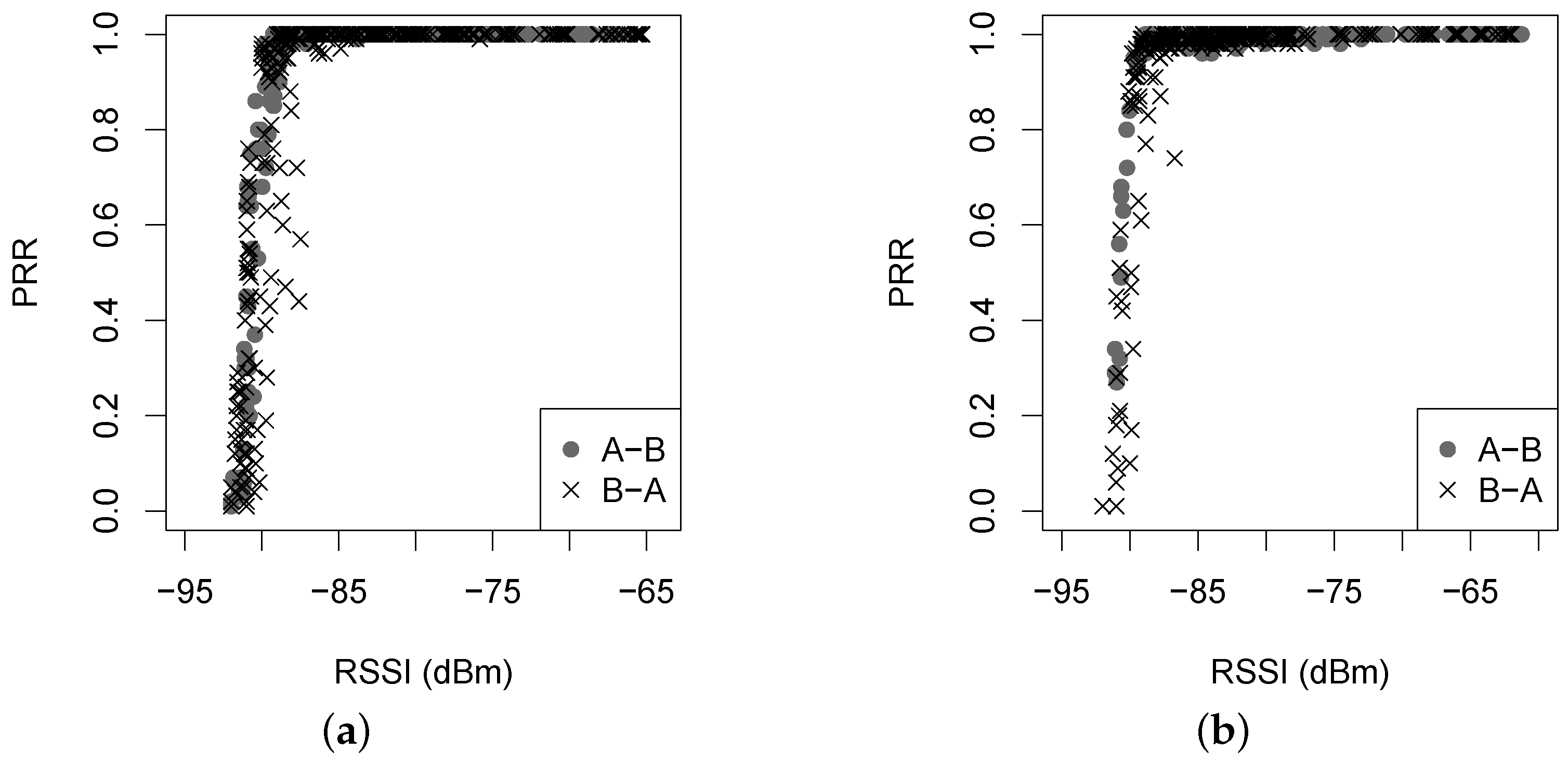
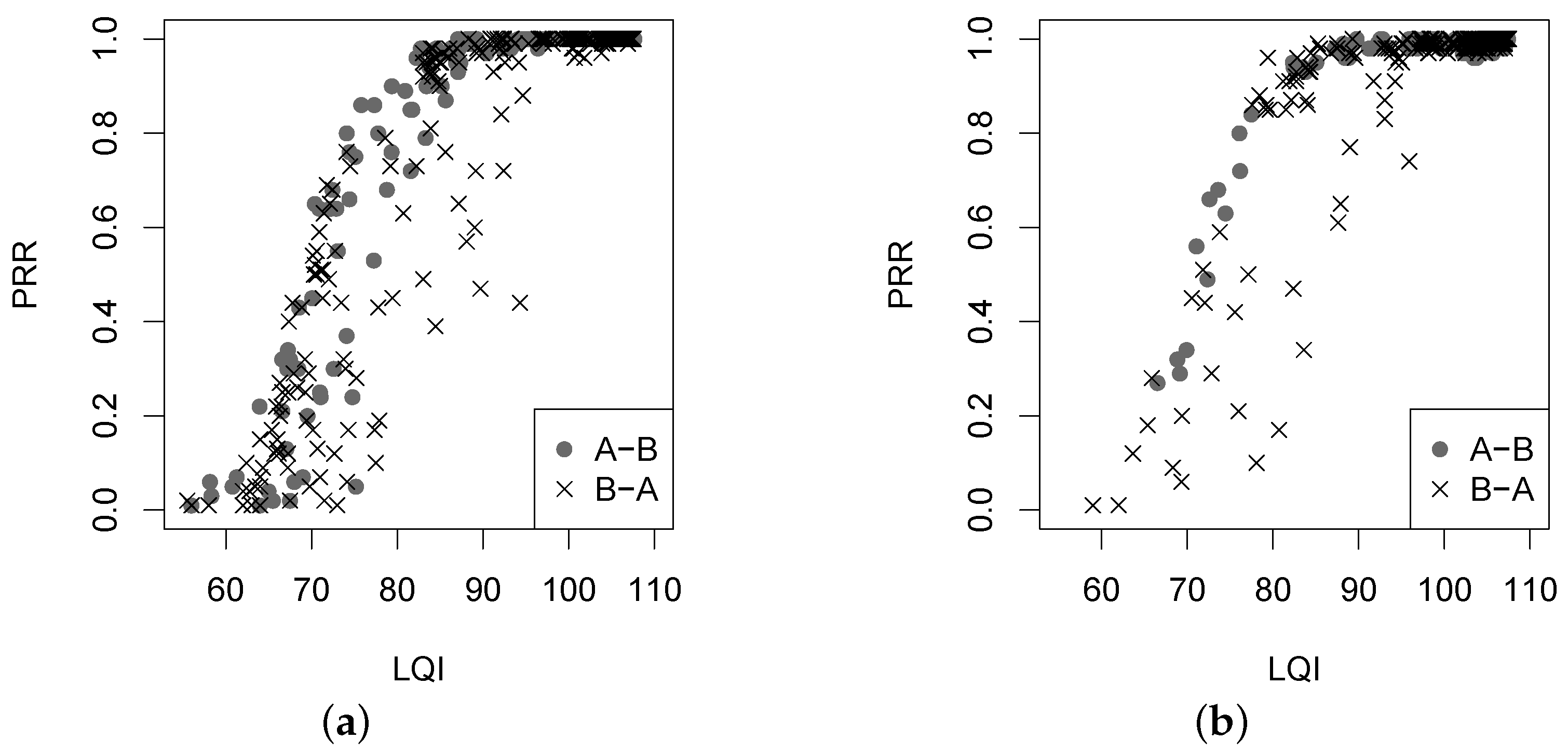
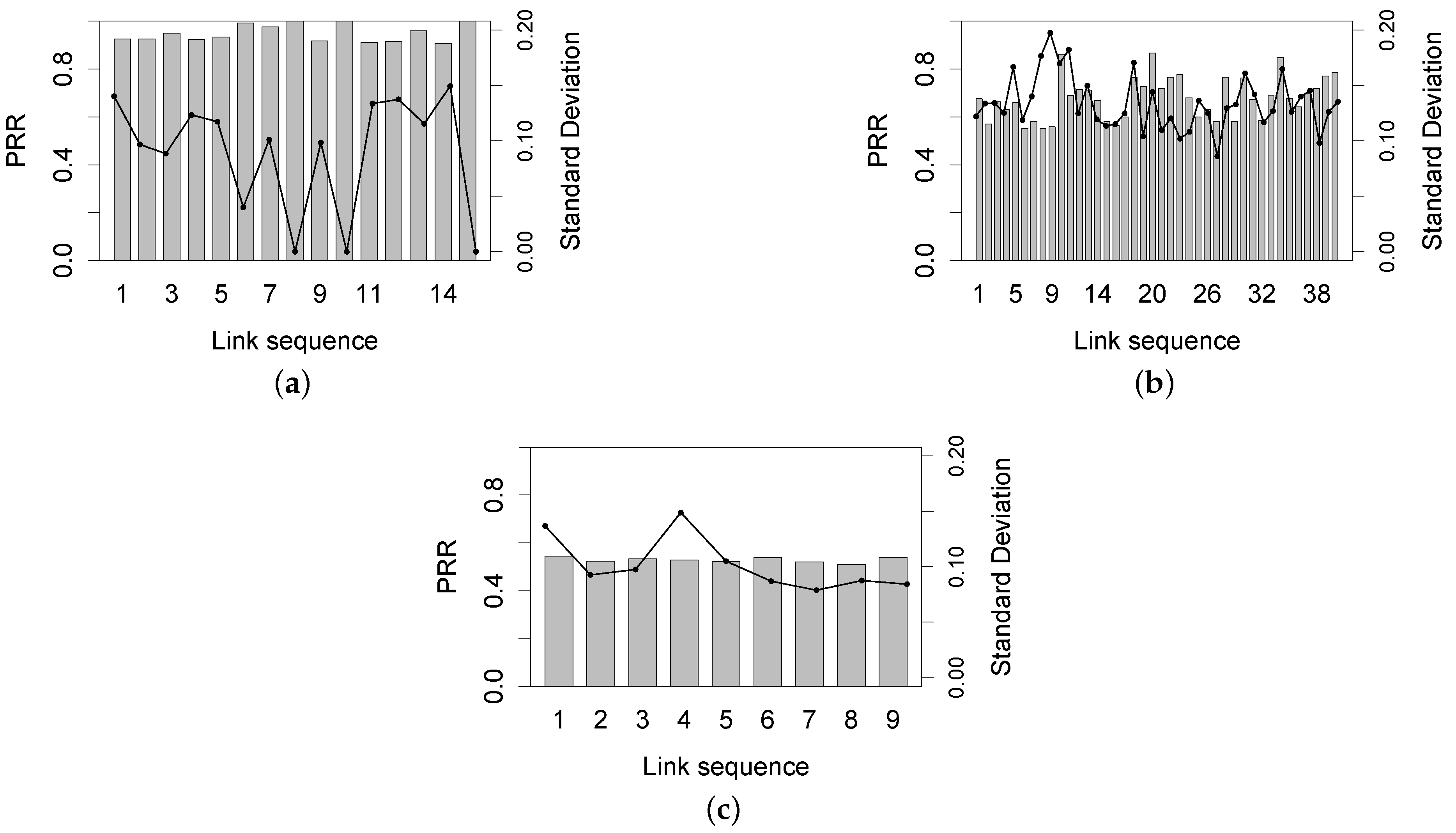
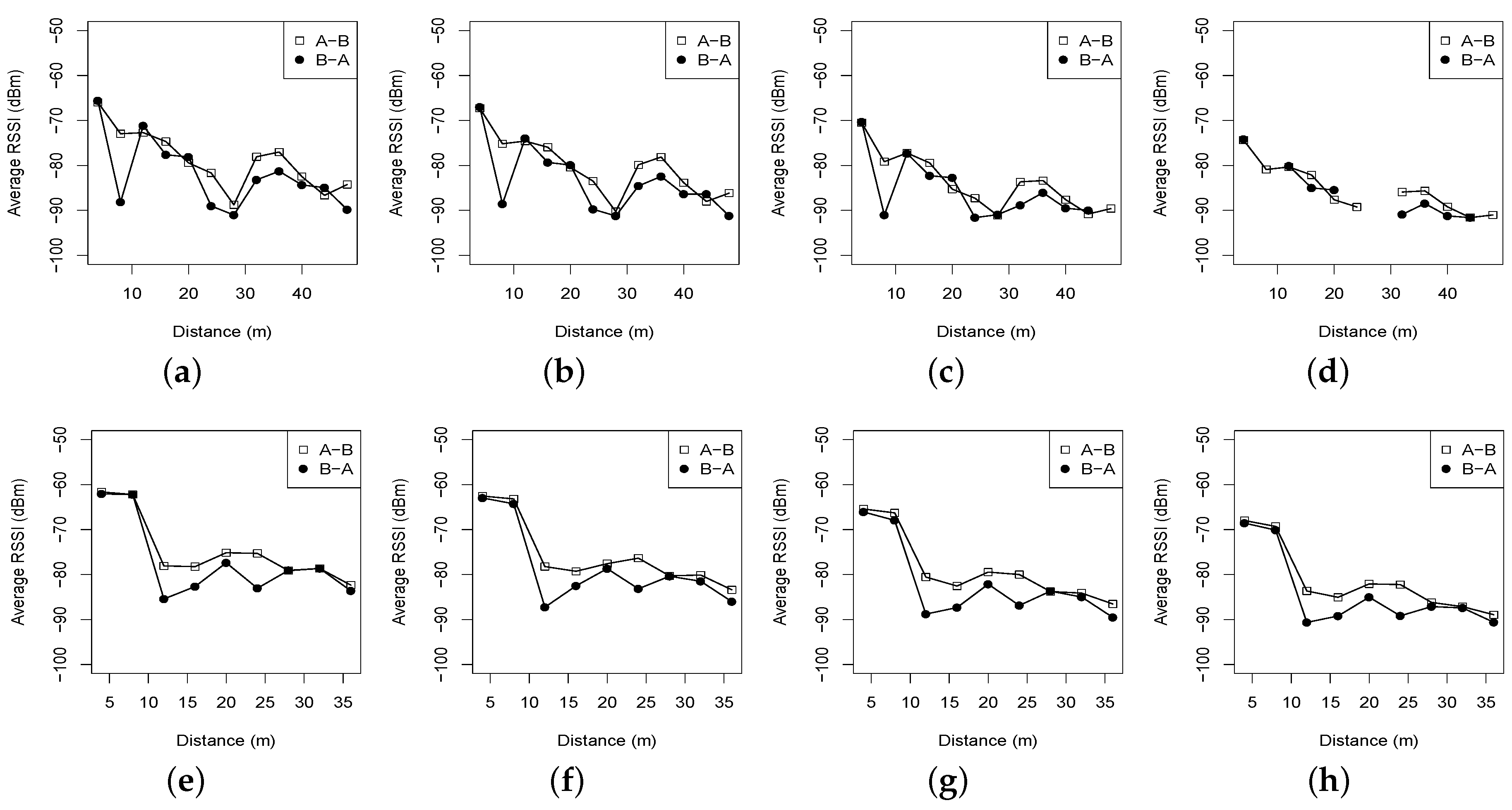
Observation 2. In forests, the link quality usually degrades as the communication distance increases, but this degradation is nonlinear, indicating that sometimes, longer links may have better link quality than shorter ones. It is therefore unreasonable to estimate or compare the link qualities only by the link distance, as theoretical studies often do. According to the results of Figure 4, in particular, our experiments do not show obvious transitional regions (also called the grey region), which however, are found under open areas in [23,24]. Additionally, higher transmit power levels do not always imply higher link quality, and then, it may be undesirable for topology controls to improve the wireless network connectivity just by simply increasing the transmit power.
Observation 3. For the time-constrained application [27], the efficient prediction of the link quality pattern is very important. The work [28] acclaims that RSSI is a good link estimator for low-power links. By comparing the variation patterns of the PRR, the RSSI and the LQI, however, we find that in forests, the LQI has a higher temporal correlation with the PRR, compared to the RSSI. Therefore, the LQI may be a better link estimator that can be employed by the upper layer protocols (such as MAC and routing) for in-forest deployment. In fact, the weak signal strength will not possibly lead to the failed packet reception; the variation of RSSI measurements mainly caused by the irregular obstacles in forests, therefore, cannot well reflect the real link performance, sometimes.
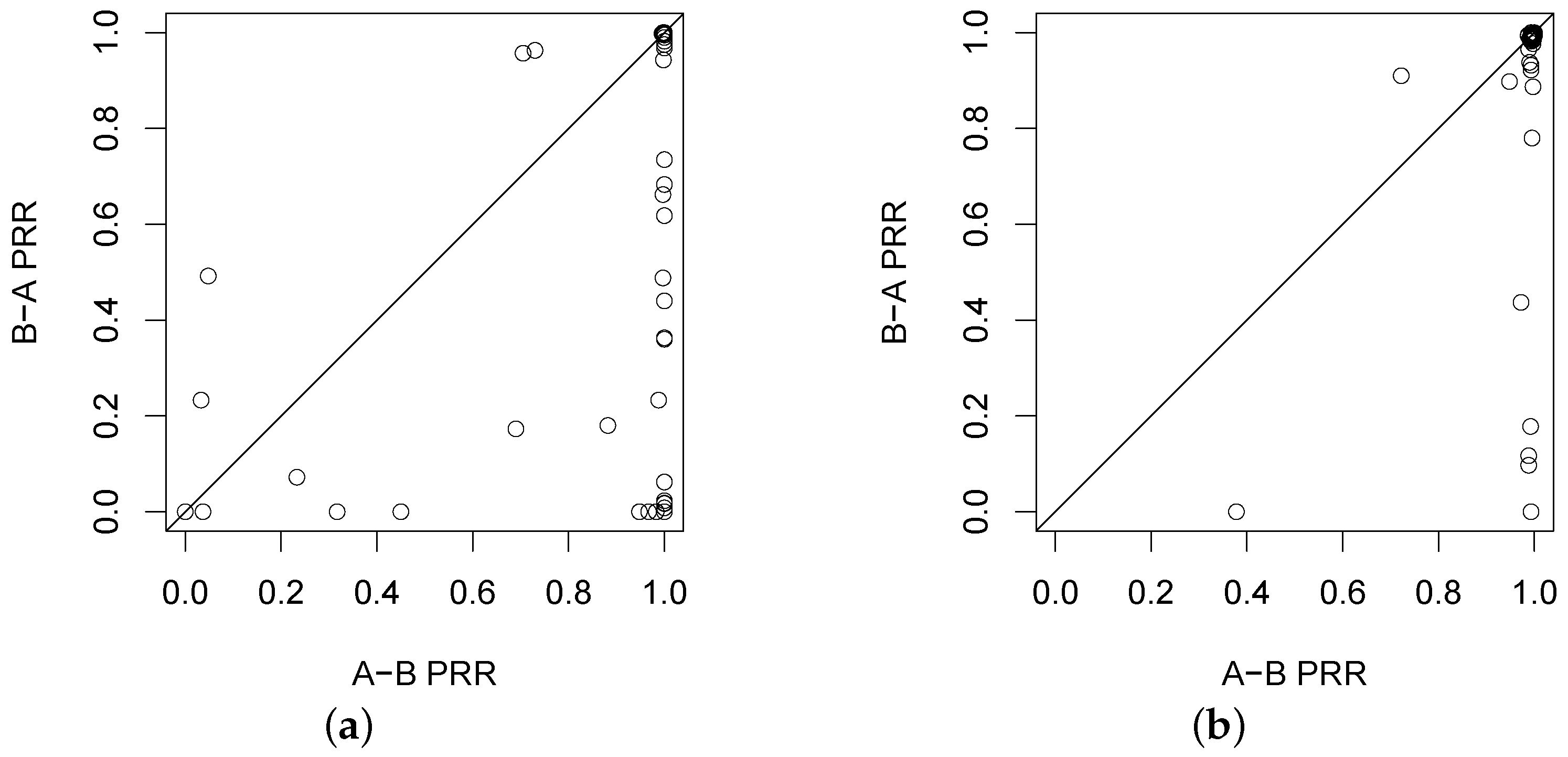
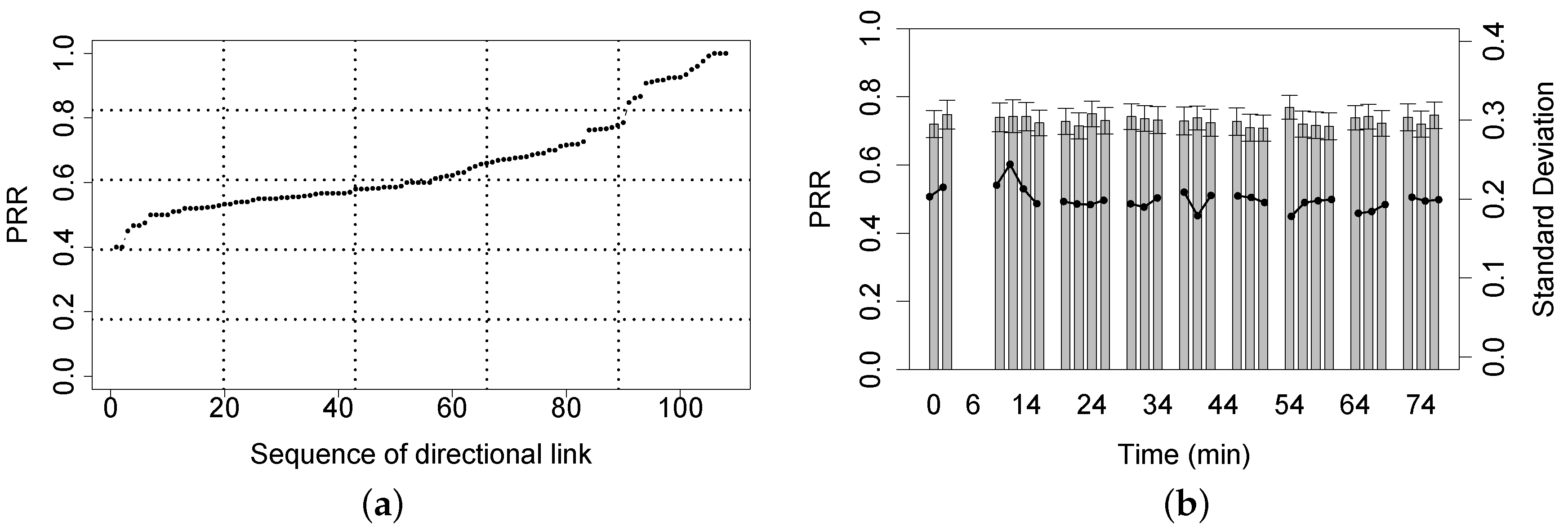
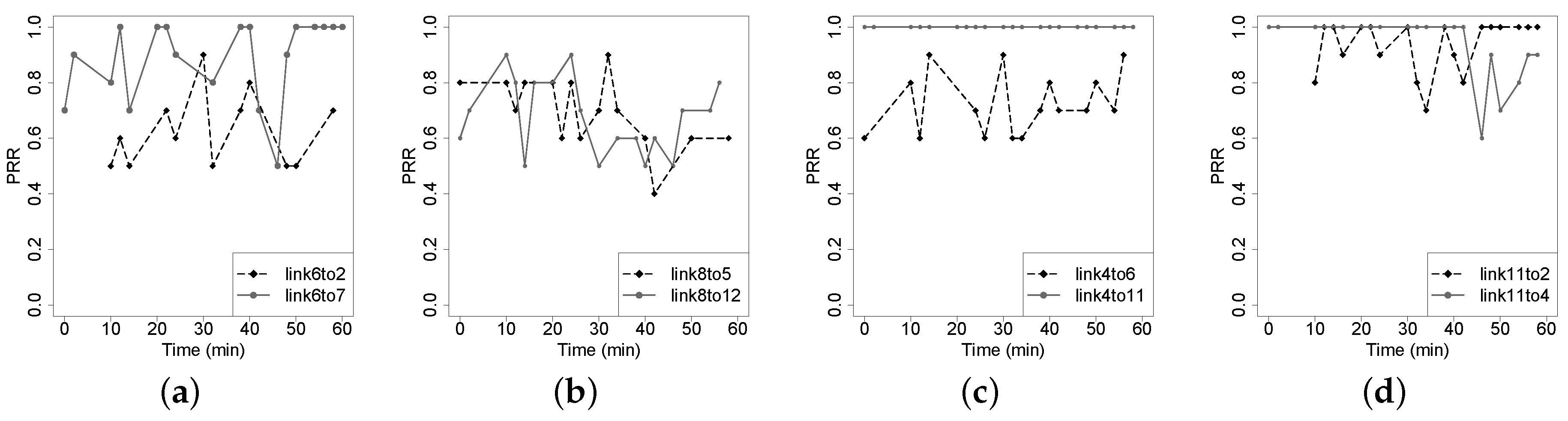
Observation 4. In the experiment, the link in two directions is rendered significantly asymmetric in terms of the PRR, the RSSI and the LQI. In our experiments, the link symmetry does not obviously correlate with the link distance, which agrees with the previous empirical evaluations in clean environments. For a given communication distance, higher transmit powers of the two-way link usually lead to good link symmetry due to the good packet receptions. Different from prior results [28,29,30,31], however, no good link symmetry can be always observed either for the good link or for the poor link; the reason behind this may be that no significant transitional regions exist in the forest environment. We also find out the temporal variation of link asymmetry and different varying patterns for links with different PRRs. The link asymmetry is persistent and difficult to accurately predict. In total, for good or poor links, the asymmetry can be kept stable with light fluctuations, while for middle links, the asymmetry varies significantly within the relatively large range. Thus, careful considerations are needed in evaluating the low-power link reliability of the one-hop communication in the forest scenario; in practice, the data sent out over a link need an acknowledgment from the receiver for the purposes of confirmation, so the product of two-way PRRs of a link is often used to weigh the actual link quality.
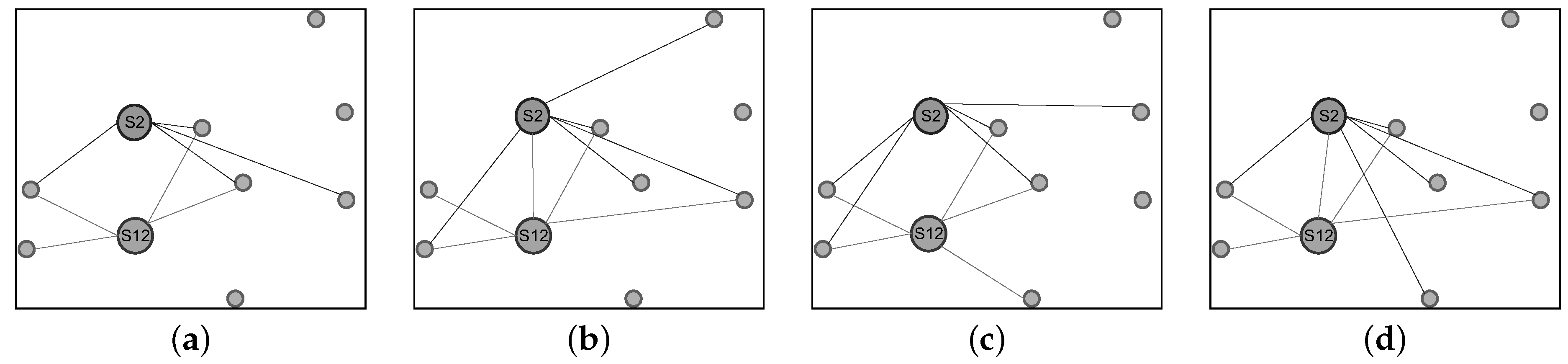
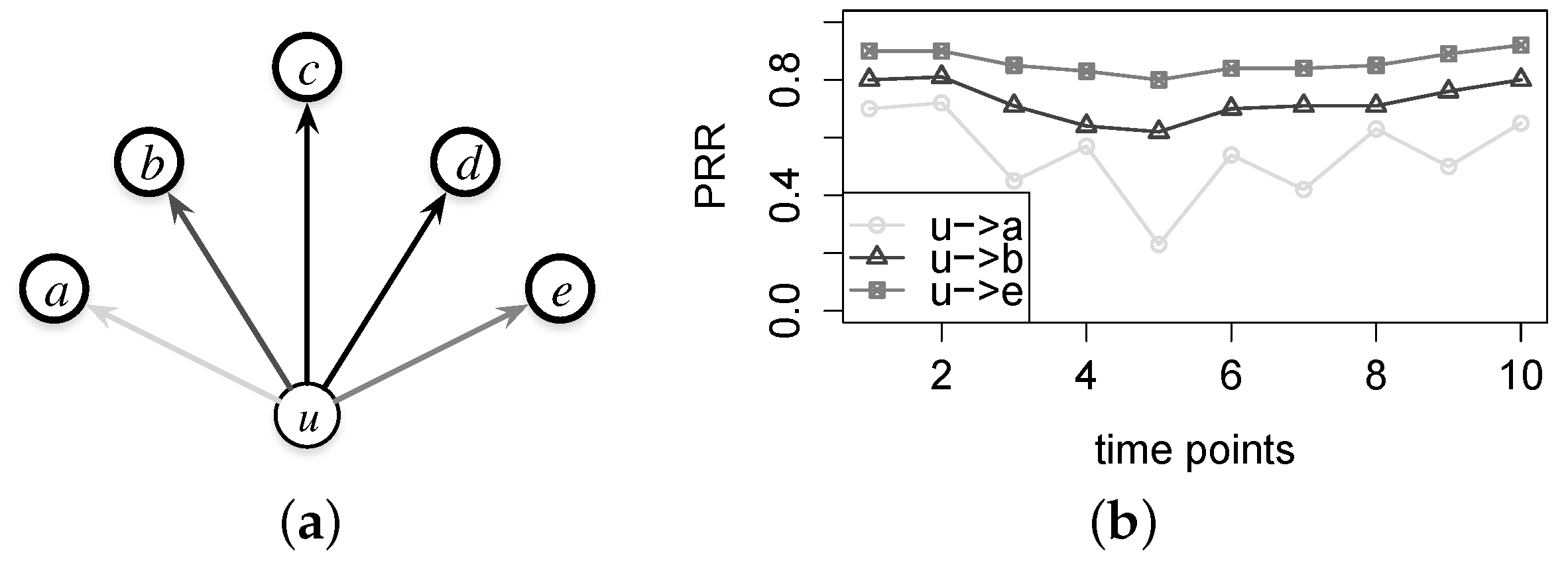
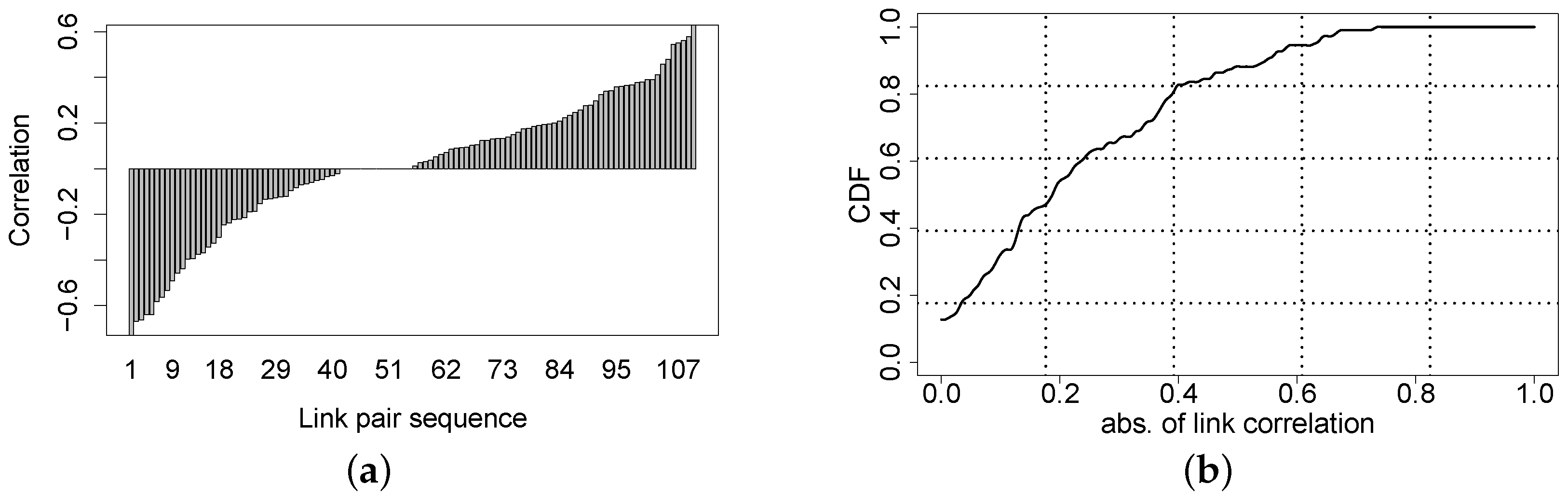
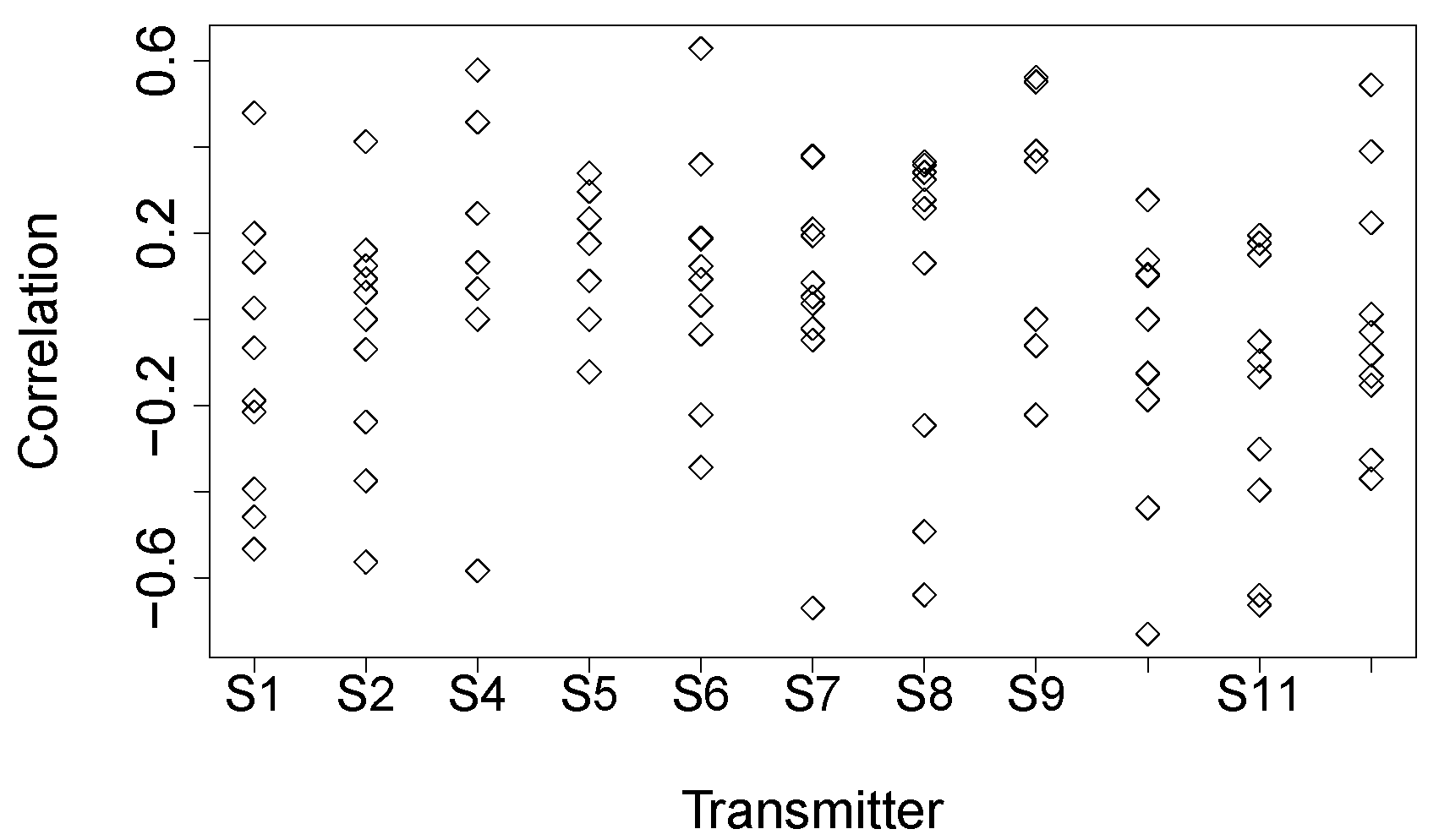
Observation 5. The temporal correlation between low-power wireless links with the common sender is less common, but exists. The correlation coefficient is not too significant: 91% of pairs of incident links are less than 0.6 in the correlation coefficient. Additionally, not all of the observed correlations are good (positive), and sometimes, they are bad (negative), unlike what is expected. The weak and irregular link correlation also indicates the obvious spatial difference among links. With such an observation, the upper layer protocols cannot reliably estimate the qualities of all the out-going links only according to the quality of a particular single link, unless they can assure significant correlation between two given incident links.
In summary, low-power wireless links deployed in forest environments are easily affected by the complex forest environment and then are both unreliable and extremely hard to precisely predict. Our experimental study discloses the importance of the following issues that need to be considered or addressed in practical wireless sensor networks deployed in forests: (1) how to model and evaluate the link validity with as effective and resource-efficient metrics as possible; (2) how to guarantee the reliable data delivery over the data-ack link of high asymmetry; (3) how to deploy wireless sensor nodes in forests such that the network topology can be kept efficiently connected with a high probability; (4) how to employ and schedule mobile sinks, such as mobile phones [9,32], to collect the sensory data, if the sensor network is unavoidably segmented due to poor links; and (5) how to achieve optimized cooperative designs across the link, the MAC and the routing layers [33] to further save the limited network energy.

7. Conclusions

This paper has presented and analyzed the evaluation results of wireless low-power links (compliant with the IEEE 802.15.4 standard) in two in-city forests and one on-mountain forest. The evaluation uses the PRR, the RSSI and the LQI as the basic metrics for link quality and investigates the in-forest low-power link characteristics from the following aspects: the effects of link distance and transmit power level on the link quality, the time-varying characteristics of link quality and link asymmetry, the empirical radio propagation model and the correlation between incident links. This paper also summarizes the observations and gives some open research issues in deploying wireless sensor network in forest environments. As suggested in [51,52], the weather conditions or seasonal factors possibly affect the performance of the low-power wireless link, which are not involved in this paper. Our future work is to deploy and operate a large-scale low-power link wireless sensor network in a forest for a longer term and to conduct more comprehensive investigations.

Acknowledgments

The authors were supported, in part, by the NSF of China with Grant No. 61300180, and by the Fundamental Research Funds for the Central Universities of China with Grant No. TD2014-01.

Author Contributions

Xingjian Ding and Guodong Sun conceived of and designed the experiments. Xingjian Ding, Gaoxiang Yang and Xinna Shang performed the experiments. Xingjian Ding and Xinna Shang analyzed the data. Gaoxiang Yang and Guodong Sun contributed to the result demonstration with the use of R; Xingjian Ding and Guodong Sun wrote the paper.

Conflicts of Interest

The authors declare no conflict of interest.

References

  1. Yick, J.; Mukherjee, B.; Ghosal, D. Wireless sensor network survey. Comput. Netw. 2008, 52, 2292–2330. [Google Scholar] [CrossRef]
  2. Singh, R.; Murty, H.; Gupta, S.; Dikshit, A. An overview of sustainability assessment methodologies. Ecol. Indic. 2010, 15, 281–299. [Google Scholar] [CrossRef]
  3. Xu, G.; Shen, W.; Wang, X. Applications of wireless sensor networks in marine environment monitoring: A survey. Sensors 2014, 14, 16932–16954. [Google Scholar] [CrossRef] [PubMed]
  4. Rashid, B.; Rehmani, M.H. Applications of wireless sensor networks for urban areas: A survey. J. Netw. Comput. Appl. 2015, 60, 192–219. [Google Scholar] [CrossRef]
  5. Grassini, S.; Ishtaiwi, M.; Parvis, M.; Vallan, A. Design and deployment of low-cost plastic optical fiber sensors for gas monitoring. Sensors 2015, 15, 485–498. [Google Scholar] [CrossRef] [PubMed]
  6. Sun, G.; Hu, T.; Yang, G. Real-time and clock-shared rainfall monitoring with a wireless sensor network. Comput. Electron. Agric. 2015, 119, 1–11. [Google Scholar] [CrossRef]
  7. Gnawali, O.; Fonseca, R.; Jamieson, K.; Moss, D.; Levis, P. Collection tree protocol. In Proceedings of the 7th ACM Conference on Embedded Networked Sensor Systems (SenSys 2009), Berkeley, CA, USA, 4–6 November 2009; pp. 1–14.
  8. Nazabal, J.; Fernandez-Valdivielso, C.; Matias, I. Development of a low mobility IEEE 802.15.4 compliant VANET system for urban environments. Sensors 2013, 13, 7065–7078. [Google Scholar] [CrossRef] [PubMed]
  9. Tunca, C.; Isik, S.; Donmez, M.; Ersoy, C. Distributed mobile sink routing for wireless sensor networks: A survey. IEEE Commun. Surv. Tutor. 2013, 16, 877–897. [Google Scholar] [CrossRef]
  10. Lee, H.; Kim, H.; Chang, I. CPAC: Energy-efficient data collection through adaptive selection of compression algorithms for sensor networks. Sensors 2014, 14, 6419–6442. [Google Scholar] [CrossRef] [PubMed]
  11. Canete, F.; Lopez-Fernandez, J.; Garcia-Corrales, C.; Sanchez, A.; Robles, E.; Rodrigo, F.; Paris, J. Measurement and modeling of narrowband channels for ultrasonic underwater communications. Sensors 2016, 16, 1–12. [Google Scholar] [CrossRef] [PubMed]
  12. IEEE Wireless Personal Area Network (WPAN) Working Group. 802.15.4-2006: IEEE Standard for Information Technology—Local and Metropolitan Area Networks. Available online: https://standards.ieee.org/findstds/standard/802.15.4-2006.html (accessed on 25 June 2006).
  13. Gast, M. 802.11 Wireless Networks: The Definitive Guide, 2nd ed.; OReilly, Southeast University Press: Nanjing, China, 2006. [Google Scholar]
  14. Goldsmith, A. Wireless Communications (Reprint); Posts and Telecom Press: Beijing, China, 2007. [Google Scholar]
  15. Zuniga, M.; Krishnamachari, B. Analyzing the transmissional region in low power wireless links. In Proceedings of the 2004 First Annual IEEE Communications Society Conference on Sensor and Ad Hoc Communications and Networks, Santa Clara, CA, USA, 4–7 October 2004; pp. 517–526.
  16. Demirko, I.; Ersoy, C.; Alagoz, F. MAC protocols for wireless sensor networks: A survey. IEEE Commun. Mag. 2005, 3, 1463–1469. [Google Scholar]
  17. Baccour, N.; Koubaa, A.; Mottola, L.; Zuniga, M.; Youssef, H.; Boano, C.; Alves, M. Radio link quality estimation in wireless sensor networks: A survey. ACM Trans. Sens. Netw. 2012, 8, 1–33. [Google Scholar] [CrossRef]
  18. Aslan, Y.; Korpeoglu, I.; Ulusoy, O. A framework for use of wireless sensor networks in forest fire detection and monitoring. Comput. Environ. Urban Syst. 2010, 36, 614–625. [Google Scholar] [CrossRef]
  19. Qu, Y.; Han, W.; Fu, L.; Li, C.; Song, J. LAINet-a wireless sensor network for coniferous forest leaf area index measurement: Design, algorithm and validation. Comput. Electron. Agric. 2014, 108, 200–208. [Google Scholar] [CrossRef]
  20. Ojha, T.; Misraa, S.; Raghuwanshib, N. Wireless sensor networks for agriculture: The state-of-the-art in practice and future challenges. Comput. Electron. Agric. 2015, 118, 66–84. [Google Scholar] [CrossRef]
  21. Moteiv Coorperation. Tmote Sky: Ultra Low Power IEEE 802.15.4 Compliant Wireless Sensor Module. Available online: http://www.moteiv.com (accessed on 25 June 2016).
  22. Chipcon Products from Texas Instruments. 2.4 GHz IEEE 802.15.4 / ZigBee-Ready RF Transceiver CC2420; Texas Instruments: Dallas, TX, USA, 2009. [Google Scholar]
  23. Cerpa, A.; Wong, J.; Kuang, L.; Potkonjak, M.; Estrin, D. Statistical model of lossy links in wireless sensor networks. In Proceedings of the 4th International Symposium on Information Processing in Sensor Networks (IPSN’05), Los Angeles, CA, USA, 24–27 April 2005; pp. 81–88.
  24. Srinivasan, K.; Dutta, P.; Tavakoli, A.; Levis, P. An emperical study of low-power wireless. ACM Trans. Sens. Netw. 2010, 6, 1–49. [Google Scholar] [CrossRef]
  25. Srinivasan, K.; Jain, M.; Choi, J.I.; Azim, T.; Kim, E.; Levis, P.; Krishnamachari, B. The k factor: Inferring protocol performance using inter-link reception correlation. In Proceedings of the 16th Annual International Conference on Mobile Computing and Networking (MobiCom’10), Chicago, IL, USA, 20–24 September 2010; pp. 317–328.
  26. Zhu, T.; Zhong, Z.; He, T.; Zhang, Z. Exploring link correlation for efficient flooding in wireless sensor networks. In Proceedings of the 7th USENIX Conference on Networked Systems Design and Implementation (NSDI’10), San Jose, CA, USA, 28–30 April 2010; pp. 49–64.
  27. Diallo, O.; Rodrigues, J.; Sene, M. Real-time data management on wireless sensor networks: A survey. J. Netw. Comput. Appl. 2012, 35, 1013–1021. [Google Scholar] [CrossRef]
  28. Srinivasan, K.; Levis, P. RSSI is Under Appreciated. In Proceedings of the Workshop on Embedded Networked Sensors, Boulder, CO, USA, 31 October–3 November 2006; pp. 239–242.
  29. Zhou, G.; He, T.; Krishnamurthy, S.; Stankovic, J. Models and solutions for radio irregularity in wireless sensor networks. ACM Trans. Sens. Netw. 2006, 2, 221–262. [Google Scholar] [CrossRef]
  30. Zamalloa, M.; Krishnamachari, B. An analysis of unreliability and asymmetry in low-power wireless links. ACM Trans. Sens. Netw. 2007, 3, 1–34. [Google Scholar] [CrossRef]
  31. Tang, L.; Wang, K.C.; Huang, Y.; Gu, F. Channel characterization and link quality assessment of IEEE 802.15.4-compliant radio for factory environments. IEEE Trans. Ind. Inform. 2007, 3, 99–110. [Google Scholar] [CrossRef]
  32. Can, Z.; Demirbas, M. Smartphone-based data collection from wireless sensor networks in an urban environment. J. Netw. Comput. Appl. 2015, 2015. [Google Scholar] [CrossRef]
  33. Mendes, L.; Rodrigues, J. A survey on cross-layer solutions for wireless sensor networks. J. Netw. Comput. Appl. 2011, 34, 523–534. [Google Scholar] [CrossRef]
  34. Aguayo, D.; Bicket, J.; Biswas, S.; Judd, G.; Morris, R. Link-level measurements from an 802.11b mesh network. In Proceedings of the ACM SIGCOMM 2004, Portland, OR, USA, 30 August–3 September 2004; pp. 121–132.
  35. Mottola, L.; Ceriotti, M.; Guna, S.; Murphy, A. Not all wireless sensor networks are created equal: A comparative study on tunnels. ACM Trans. Sens. Netw. 2010, 7, 1–33. [Google Scholar] [CrossRef]
  36. Liu, Y.; He, Y.; Li, M.; Wang, J.; Liu, K.; Mo, L.; Dong, W.; Yang, Z.; Xi, M.; Zhao, J.; et al. Does wireless sensor network scale? A measurement study on GreenOrbs. IEEE Trans. Parallel Distrib. Syst. 2013, 24, 1983–1993. [Google Scholar] [CrossRef]
  37. Bannister, K.; Giorgetti, G.; Gupta, E. Wireless sensor networking for “hot” applications: Effects of temperature on signal strength, data collection and localization. In Proceedings of the 5th Workshop on Embedded Networked Sensors (HotEmNets), Charlottesville, VA, USA, 2–3 June 2008.
  38. Boano, C.; Wennerstrom, H.; Zuniga, M. Hot packets: A systematic evaluation of the effect of temperature on low power wireless transceivers. In Proceedings of the 5th Extreme Conference on Communication (ExtremeCom), Þórsmörk, Iceland, 24–30 August 2013; pp. 7–12.
  39. Marfievici, R.; Murphy, A.; Picco, G.; Ossi, F.; Cagnacci, F. How environmental factors impact outdoor wireless sensor networks: A case study. In Proceedings of the 10th IEEE International Conference on Mobile Ad-hoc and Sensor Systems, Hangzhou, China, 14–16 October 2013; pp. 565–573.
  40. Marfievici, R. Measuring, Understanding, and Estimating the Influence of the Environment on Low-power Wireless Networks. Ph.D. Thesis, University of Trento, Trento, Italy, 2015. [Google Scholar]
  41. Rankine, C.; Sanchez-Azofeifa, G.; MacGregor, M. Seasonal wireless sensor network link performance in boreal forest phenology monitoring. In Proceedings of the 11th IEEE International Conference on Mobile Ad hoc and Sensor Systems, Philadelphia, PA, USA, 27–30 October 2014; pp. 302–310.
  42. Raman, B.; Chebrolu, K.; Gokhale, D.; Sen, S. On the Feasibility of the Link Abstraction in Wireless Mesh Networks. IEEE/ACM Trans. Netw. 2009, 17, 528–541. [Google Scholar] [CrossRef]
  43. Meng, Y.; Lee, Y.; Ng, B. Path loss modeling for nearground vhf radiowave propagation through forests with tree-canopy reflection effect. Prog. Electromagn. Res. 2010, 12, 131–141. [Google Scholar] [CrossRef]
  44. Gay-Fernandez, J.; Sanchez, M.; Cuinas, I.; Alejos, A.; Sanchez, J.; Miranda-Sierra, J. Propagation analysis and deployment of a wireless sensor network in a forest. Prog. Electromagn. Res. 2010, 106, 121–145. [Google Scholar] [CrossRef]
  45. Balachander, D.; Rao, T.; Mahesh, G. RF propagation experiments in agricultural fields and gardens for wireless sensor communications. Prog. Electromagn. Res. 2013, 39, 103–118. [Google Scholar] [CrossRef]
  46. Sabri, N.; Aljunid, S.; Salim, M.; Kamaruddin, R.; Ahmad, R.; Malek, M. Path loss analysis of WSN wave propagation in vegetation. J. Phys. 2013, 423, 1–10. [Google Scholar] [CrossRef]
  47. Azpilicueta, L.; Lopez-Iturri, P.; Aguirre, E.; Mateo, I.; Astrain, J.; Villadangos, J.; Falcone, F. Analysis of radio wave propagation for ISM 2.4 GHz wireless sensor networks in inhomogeneous vegetation environments. Sensors 2014, 14, 23650–23672. [Google Scholar] [CrossRef] [PubMed]
  48. Kurnaza, O.; Helhel, S. Near ground propagation model for pine tree forest environment. Int. J. Electron. Commun. 2014, 68, 944–950. [Google Scholar] [CrossRef]
  49. Men, Y.; Lee, Y.; Ng, B. Empirical near ground path loss modeling in a forest at VHF and UHF bands. IEEE Trans. Antennas Propag. 2009, 57, 1461–1468. [Google Scholar]
  50. Barac, F.; Gidlund, M.; Zhang, T. Scrutinizing bit-and symbol-errors of IEEE 802.15.4 communication in industrial environments. IEEE Trans. Instrum. Meas. 2014, 63, 1783–1794. [Google Scholar] [CrossRef]
  51. Son, D.; KrishnamachariK, B.; Heidemann, J. Experimental analysis of concurrent packet transmissions in wireless sensor networks. In Proceedings of the 4th Conference on Embedded Networked Sensor Systems (SenSys), Boulder, CO, USA, 1–3 November 2006.
  52. Markham, A.; Trigoni, N.; Ellwood, S. Effect of rainfall on link quality in an outdoor forest deployment. In Proceedings of the 2010 International Conference on Wireless Information Networks and Systems (WINSYS), Athens, Greece, 26–28 July 2010; pp. 1–6.
Article Metrics

Citations

Article Access Statistics

Multiple requests from the same IP address are counted as one view.