Article

A Decade of Change: Trends in Scorpion Richness, Abundance, and Community Structure in Central Algerian Sahara


1
Laboratoire Valorisation et Conservation des Ecosystèmes Arides (LVCEA), Faculté des Sciences de la Nature et de la Vie et Sciences de la Terre, Université de Ghardaïa, Ghardaïa 47000, Algeria
2
Laboratoire Biologie, Eau et Environnement (LBEE), Faculté SNV-STU, Université 8 Mai 1945 Guelma, 401, Guelma 24000, Algeria
3
Laboratory of Mathematics and Applied Sciences (LMSA), Faculty of Science and Technology, University of Ghardaïa, Ghardaïa 47000, Algeria
4
Programa de Pós-Graduação em Biodiversidade, Departamento de Biologia, Recife, Universidade Federal Rural de Pernambuco, Recife 52171-900, Pernambuco, Brazil
*
Author to whom correspondence should be addressed.
Diversity 2026, 18(7), 420; https://doi.org/10.3390/d18070420
Submission received: 25 June 2026 / Revised: 7 July 2026 / Accepted: 8 July 2026 / Published: 13 July 2026
(This article belongs to the Special Issue Scorpion Ecology and Biodiversity)

Abstract

Understanding long-term temporal dynamics of desert arthropod communities is essential for evaluating ecosystem responses to environmental variability. This study investigates decadal changes (2014–2024) in species richness, abundance, diversity, and assemblage composition of scorpions in the central Algerian Sahara. Annual species abundance data were analyzed using diversity indices and multivariate approaches. Temporal turnover in species composition was assessed using Bray–Curtis dissimilarity, linear regression, and SIMPER analysis to identify species contributing to assemblage change. Species richness increased substantially over the study period, rising from four species in 2014 to eleven species in 2024, but this rise likely reflects improved taxonomic knowledge and more complete inventories rather than a recent ecological colonization. In contrast, total abundance showed strong interannual variability without a clear temporal trend, indicating a decoupling between richness and overall population size. Diversity indices increased progressively, with higher Shannon and Simpson values in later years, reflecting reduced dominance and greater evenness, although both indices reached minimum values in 2019. Temporal β-diversity revealed moderate interannual turnover (mean dissimilarity = 0.22) and a non-significant decline through time, suggesting gradual assemblage reorganization. SIMPER analysis indicated that temporal change was mainly driven by shifts in dominance, particularly the decline of Androctonus amoreuxi and changes in secondary species such as Buthacus samiae and Lissothus chaambi. Overall, scorpion assemblages exhibited increasing richness and diversity with moderate turnover, driven primarily by changes in species dominance rather than widespread species replacement.

1. Introduction

Dryland ecosystems, including deserts and grassland–savanna mosaics, support distinctive arthropod communities characterized by high levels of specialization and endemism despite their generally low productivity [1,2]. These ecosystems exhibit unique biogeographic patterns and are particularly vulnerable to climate variability and land-use change, highlighting their ecological and conservation importance [2,3,4,5,6,7]. Habitat heterogeneity promotes biodiversity and local endemism, yet many dryland regions remain insufficiently surveyed, likely leading to underestimates of species richness and diversity [8,9,10]. Moreover, climate change and anthropogenic pressures, including land-use transformation and desertification, pose increasing threats to dryland biodiversity, emphasizing the need for targeted research and conservation efforts in these ecosystems [6,11].
Among terrestrial arthropods, scorpions represent one of the most important taxa for ecological and biogeographic studies [12]. They are among the oldest known terrestrial arthropods, with a fossil record extending back more than 450 million years [13]. These resilient organisms exhibit a nearly global distribution, occurring on all continents except Antarctica, with particularly high diversity in arid and tropical regions [14]. Owing to their adaptability and ecological plasticity, scorpions have persisted through successive geological eras with relatively limited morphological change [15].
Following the pioneering work of Vachon on North African scorpions, published in 1952 at the Pasteur Institute of Algeria [16], the scorpion fauna of Algeria has been the subject of numerous investigations that revealed considerable diversity. To date, more than 57 species have been recorded [17]. This includes the recent record of Lissothus occidentalis Vachon, 1950 from Tindouf in southwestern Algeria [18], as well as the recently described species Lissothus guezzamensis from In Guezzam in southern Algeria [19]. More than 64% of this diversity is concentrated in the Sahara [20], which covers approximately three-quarters of Algeria’s total surface area [21]. This distribution further supports the strong adaptation of scorpions to desert environments [15,22]. Over the past decade, several studies have investigated the scorpion fauna of the central Algerian Sahara, particularly in the regions of Ghardaïa and El Meniaâ, identifying this area as a biodiversity hotspot [23].
In this context, long-term monitoring of scorpion assemblages is essential for documenting temporal dynamics in desert ecosystems. The present study investigates decadal changes in scorpion assemblages in the central Algerian Sahara over the period 2014–2024. First, we provide a descriptive overview of climatic variability in the study area to characterize environmental conditions during the monitoring period. We then analyze interannual patterns in species richness and total abundance to evaluate temporal fluctuations in the assemblage. Temporal variation in assemblage diversity is further assessed using standard diversity indices to examine changes in dominance structure and evenness. Finally, temporal changes in species composition are explored using multivariate analyses to quantify species turnover and identify species contributing most to compositional shifts. By focusing on long-term descriptive patterns, this study provides a comprehensive assessment of temporal dynamics in scorpion assemblages of the central Algerian Sahara. This study provides valuable baseline information on the taxonomic diversity of scorpions in the Algerian Sahara and contributes to filling gaps in long-term biodiversity monitoring of desert ecosystems. The results support conservation planning by improving understanding of assemblage structure and temporal dynamics in arid environments that often host specialized taxa. In addition, the dataset offers a reference for future ecological assessments and biodiversity inventories. More broadly, the study contributes to sustainable ecosystem management and aligns with global biodiversity and conservation objectives, including those related to long-term environmental monitoring and protection of terrestrial ecosystems.

2. Materials and Methods

2.1. Study Site and Climate
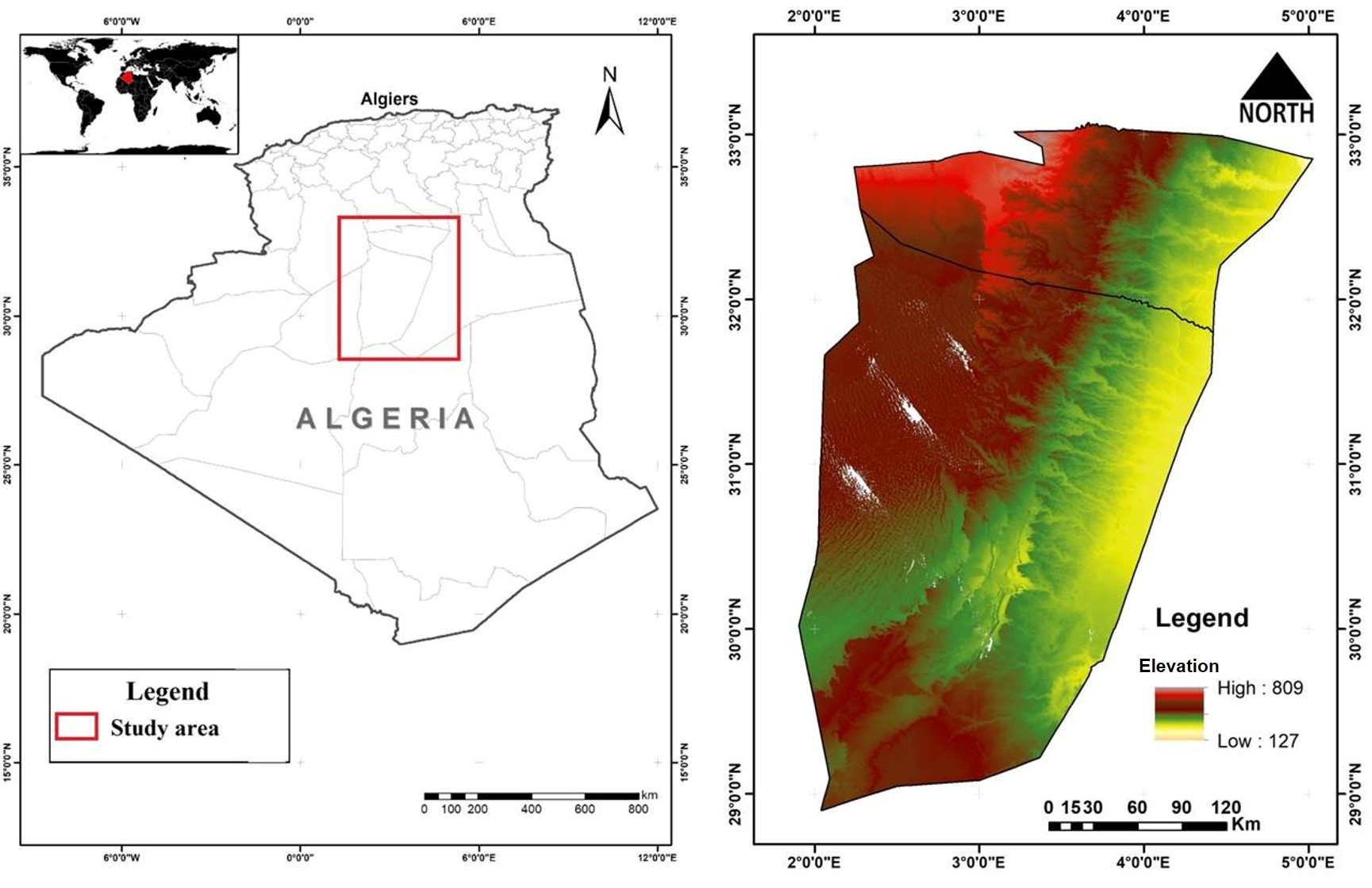
Our study was conducted in the two provinces (wilayas) of Ghardaïa and El Meniaa, located in central Algeria (Figure 1). More precisely, the area extends between the geographical coordinates 29°19′ N to 32°57′ N and 02°03′ E to 04°54′ E, covering a total area of approximately 86,560 km2.
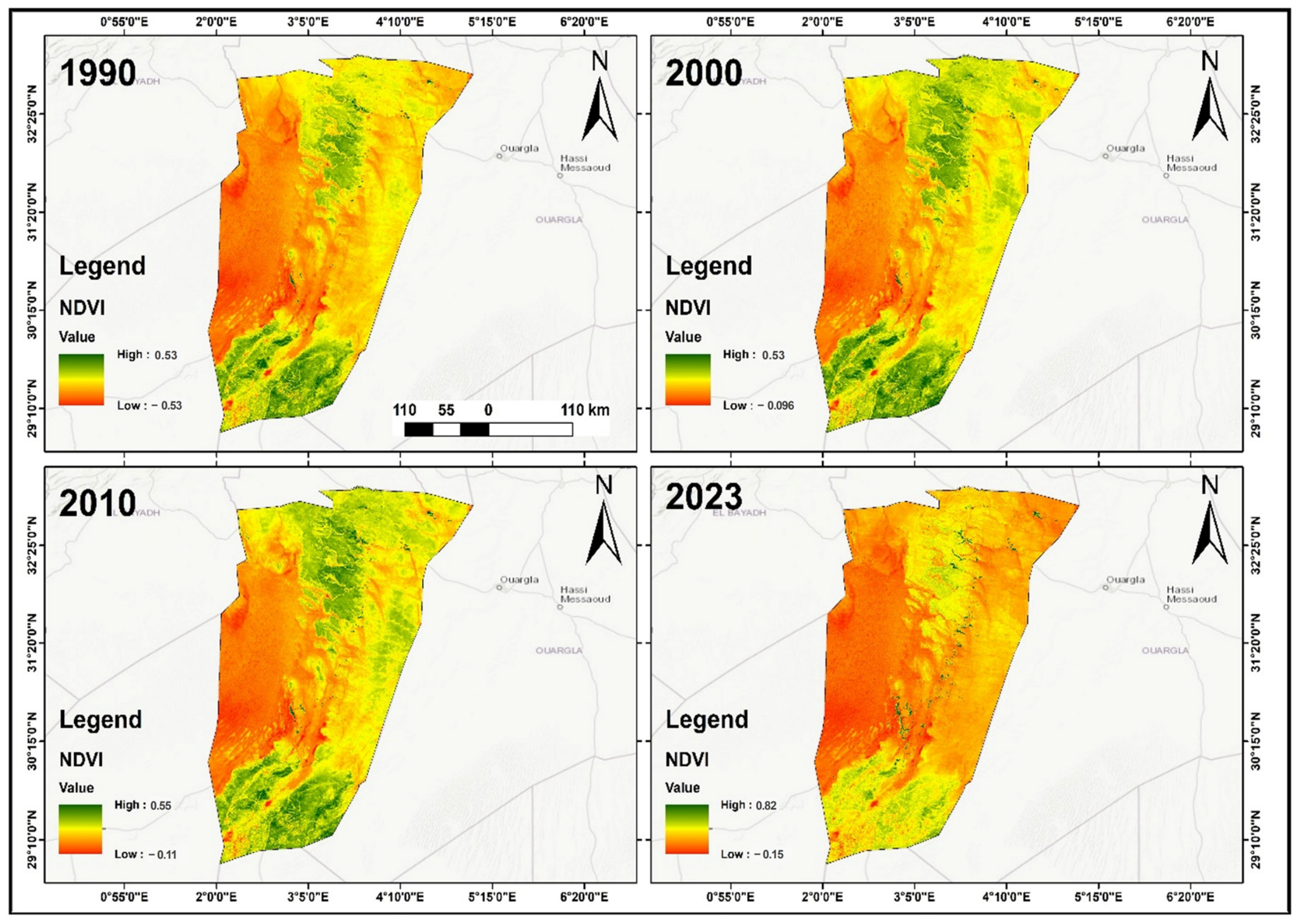
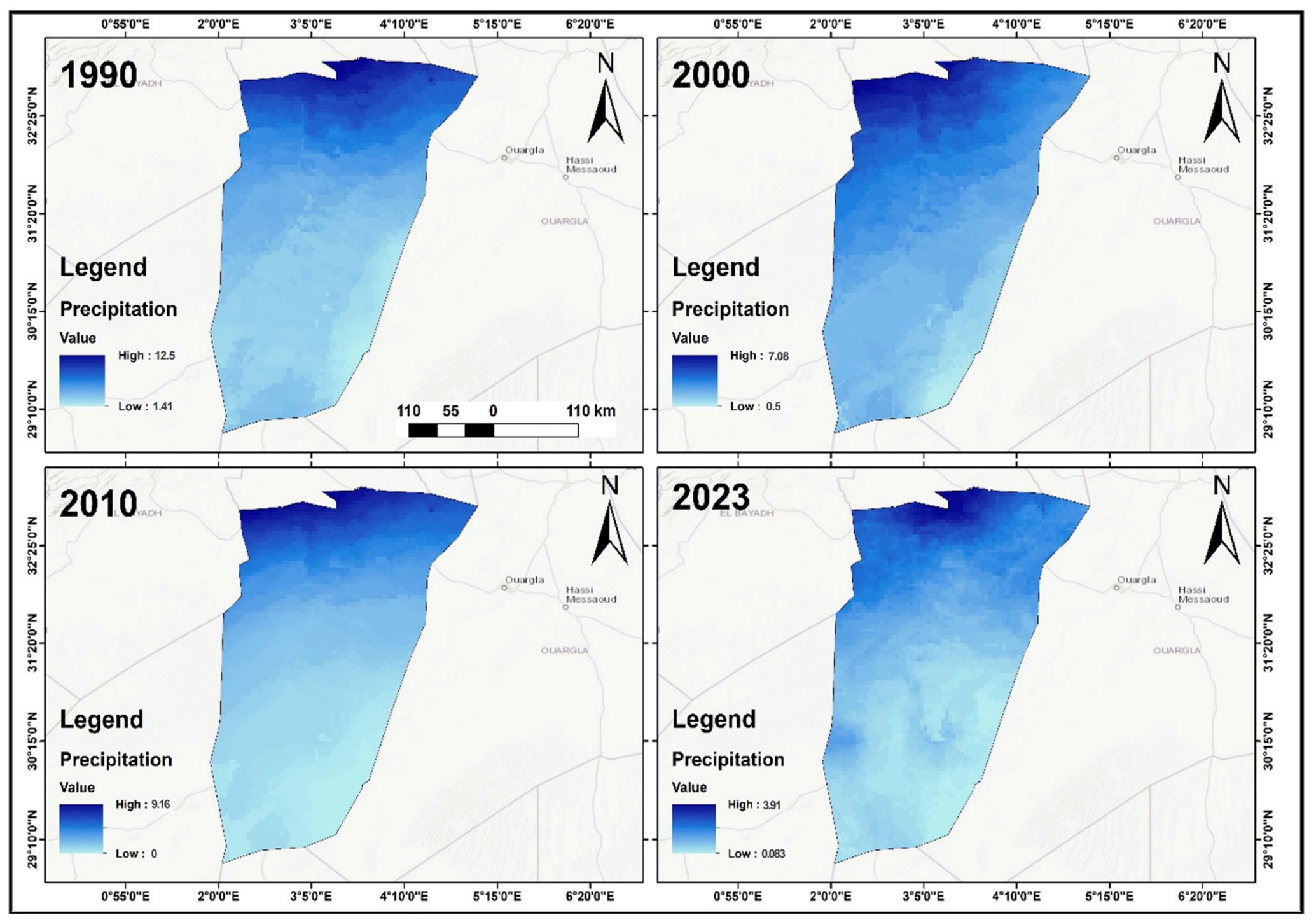
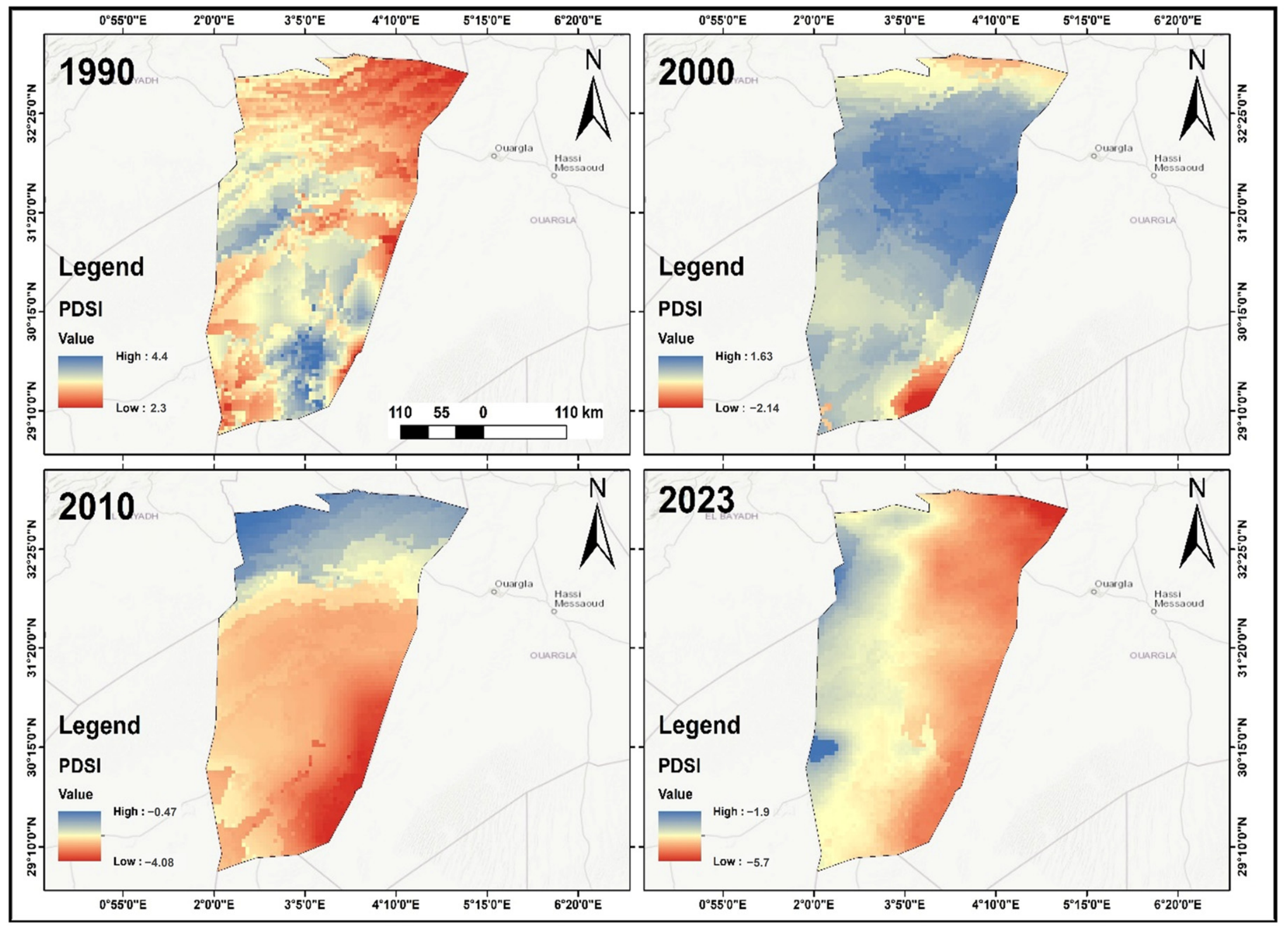
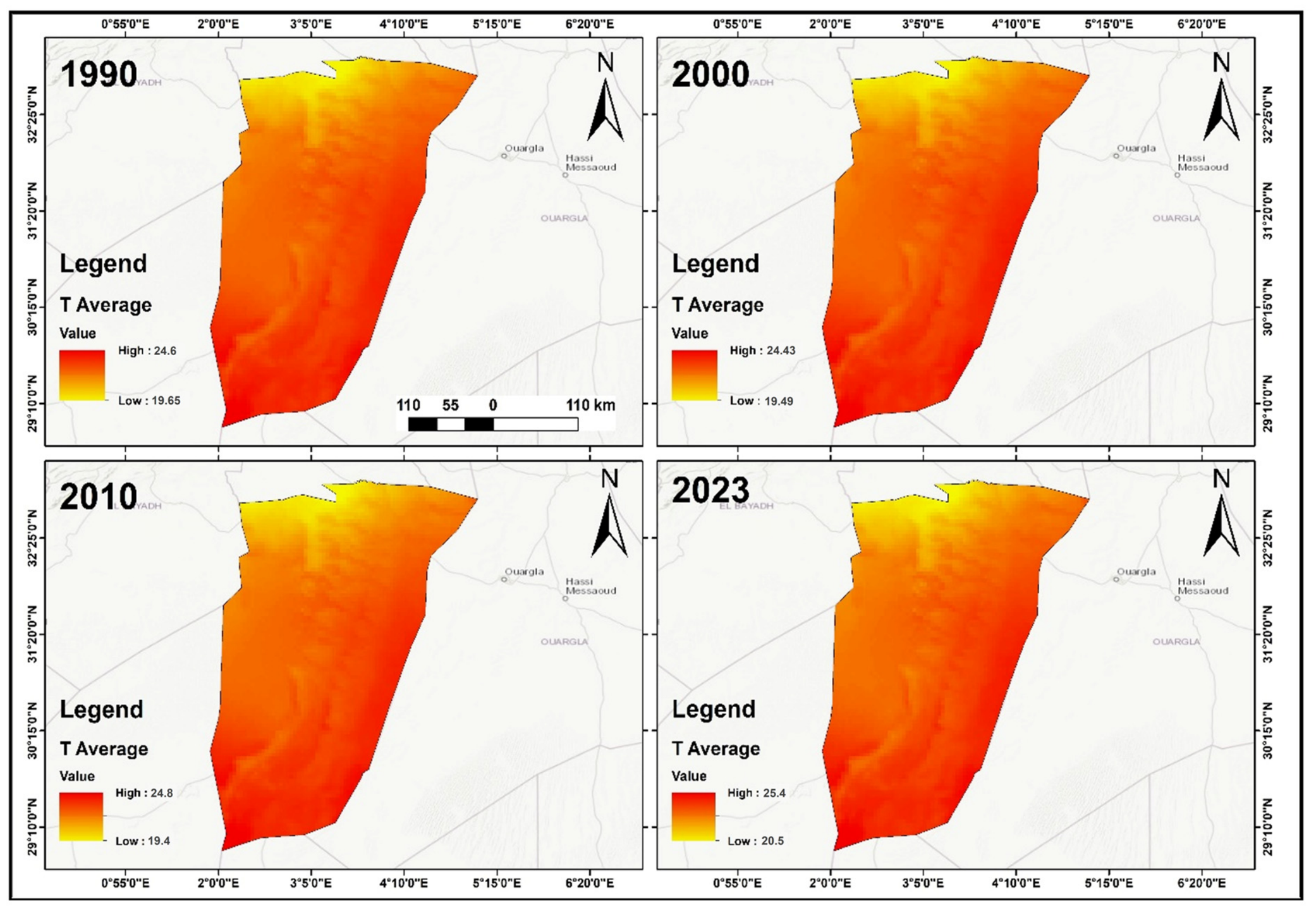
To determine the climatic conditions in the region, we used the annual mean temperature (T) (Figure 2), annual mean precipitation (Pr) (Figure 3), Palmer Drought Severity Index (PDSI) (Figure 4), and Normalized Difference Vegetation Index (NDVI) (Figure 5), averaged over the period 1990–2023. Monthly data for T, Pr, and PDSI were obtained from TerraClimate [24] at a gridded spatial resolution of approximately 4.5 km using Google Earth Engine. The PDSI is a standardized index based on a simplified soil water balance, estimating relative soil moisture conditions by integrating antecedent precipitation, moisture supply, and moisture demand [25]. The magnitude of the PDSI indicates the severity of departure from normal conditions. A PDSI value > 4 represents very wet conditions, while a value < −4 indicates extreme drought. The final PDSI value for a given month is calculated as:
P D S I i = X i × k
where:
X(i) is the accumulated drought severity index, computed as:
X(i) = 0.897 × X(i−1) + Z(i)/3
Z(i) is the moisture anomaly, derived from:
Z(i) = D(i)
D(i) is the difference between actual precipitation and climatically appropriate precipitation P ^
K is a region-specific normalization coefficient.
The NDVI is calculated using the near-infrared (NIR) and visible red bands from the multispectral sensors [26] of Landsat 5, 7, and 8, with a spatial resolution of 30 m, employing Google Earth Engine. It can be expressed by the following Equation (2):
N D V I = N I R R E D N I R + R E D
The NDVI ranges from −1 to +1. Values between −1 and 0 indicate non-vegetative features such as bare soil, water, and built-up areas. Conversely, an NDVI value greater than 0 indicates the presence of vegetation cover.
Figure 2. Annual mean temperature (Tm) for 1990, 2000, 2010, and 2023 of the study area. Data were obtained from TerraClimate using Google Earth Engine.
Diversity 18 00420 g002
Figure 3. Annual mean precipitation (Pr) for 1990, 2000, 2010, and 2023 of the study area. Data were obtained from TerraClimate using Google Earth Engine.
Diversity 18 00420 g003
Figure 4. Annual mean Palmer Drought Severity Index (PDSI) for 1990, 2000, 2010, and 2023 of the study area. Data were obtained from TerraClimate using Google Earth Engine.
Diversity 18 00420 g004
Figure 5. Annual mean Normalized Difference Vegetation Index (NDVI) for 1990, 2000, 2010, and 2023 of the study area. Data were obtained from TerraClimate using Google Earth Engine.
Diversity 18 00420 g005

2.2. Sampling Methods

Scorpion surveys were conducted using field methods adapted to the nocturnal behavior of scorpions and the logistical constraints of desert environments. Preliminary nighttime inspections were undertaken to verify the presence and activity of scorpions at the selected sites. However, for safety and operational reasons, all specimen collection was carried out during daylight hours, when scorpions are typically inactive and sheltered. Field sampling was conducted annually between 2014 and 2024 at 50 sampling localities distributed across the central Algerian Sahara, including 29 localities in the Ghardaïa region and 21 localities in the El Meniaâ region. Surveys were repeated in the same localities throughout the study period. During each year, four standardized field excursions, each lasting approximately four hours, were conducted in the middle of each season (winter, spring, summer, and autumn) to account for potential seasonal variation in species detectability [20]. Scorpions were collected through an active search strategy, consisting of systematic inspection of natural shelters such as stones, soil crevices, burrows, and other microhabitats likely to be used as daytime refuges. Shelters were selected either randomly or based on visual cues suggesting scorpion presence.
A total of 2204 individuals were collected during the study period. All collected specimens were preserved individually in 70% ethanol and transported to the Laboratory of Zoology, University of Ghardaïa, for further analysis. Taxonomic identification and nomenclature followed current systematic references, using standard morphometric criteria [27], trichobothrial patterns [28], and accepted morphological terminology [16,29].

2.3. Statistical Analyses

All analyses were performed using R version 4.4.3 [30]. To assess the temporal trends of climatic variables, we conducted linear regressions to evaluate annual changes in T, Pr, PDSI, and NDVI over the years from 1990 to 2023.
Abundance data were pooled across sampling locations within each year to focus exclusively on temporal variation in the regional scorpion assemblage. Consequently, all analyses were conducted at the interannual scale, with years treated as sampling units and species abundances summed across sites. Temporal patterns in scorpion assemblage diversity were assessed using multiple diversity indices calculated for each year. Species richness (S) was computed as the total number of species recorded per year. Shannon diversity (H′) and Simpson diversity (1–D) were calculated to account for both species richness and relative abundance, with Simpson’s index providing greater sensitivity to dominant species. Pielou’s evenness (J) was computed as H′/ln(S) to evaluate the equitability of individual distribution among species [31]. Temporal β-diversity was quantified using Bray–Curtis dissimilarity calculated between consecutive years, providing a measure of year-to-year species turnover. Mean temporal dissimilarity was computed to summarize overall compositional variability across the study period.
To assess whether species turnover exhibited a directional temporal trend (i.e., increasing or decreasing change through time), Bray–Curtis dissimilarities were regressed against the mid-year of each temporal interval using linear regression. The slope of the regression was used to infer the direction and magnitude of temporal change in community composition. To identify species driving temporal changes in assemblage composition, Similarity Percentage (SIMPER) analysis was conducted based on Bray–Curtis dissimilarity. SIMPER decomposes overall dissimilarity into individual species contributions, allowing identification of taxa that contributed most to temporal turnover. Species with high average contributions and low variability were interpreted as key drivers of temporal compositional change. All diversity indices were calculated using the vegan package in R (version 2.7-1). The minimum threshold of significance retained was p < 0.05.

3. Results

3.1. Climatic Variability

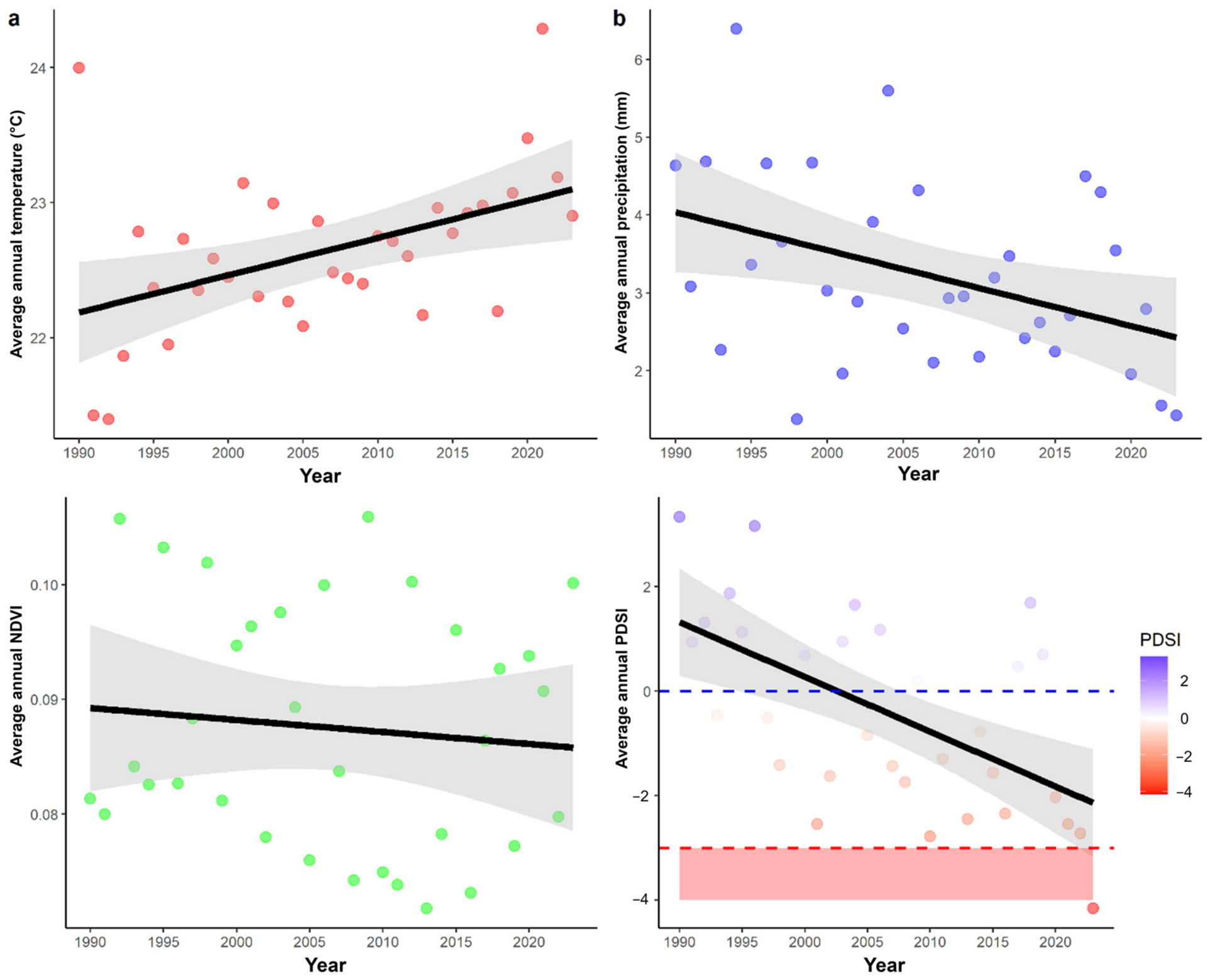
Between 1990 and 2023, the annual mean temperature (Tm) and annual precipitation (Pr) exhibited temporal variations within the study area (Figure 6a,b). In this region, the average annual maximum temperature (Tm) displayed a non-significant upward trend over the period, with an increase rate of 0.02 °C−year (LM: t = 0.62, p = 0.53). In contrast, annual precipitation showed considerable inter-annual variability, accompanied by an overall significant decrease from 1990 to 2023, characterized by a temporal decrease of −0.04 mm−year (LM: t = −2.28, p = 0.02). Moreover, the mean annual Normalized Difference Vegetation Index (NDVI) in the region decreased slightly but non-significantly between 1990 and 2023, with a rate of −0.0001 per year (LM: t = −1.32, p = 0.18) (Figure 6c). The Palmer Drought Severity Index (PDSI) also showed a declining trend over the same period, with a slope of −0.10 per year (LM: t = −11.0, p < 0.001) (Figure 6d). Notably, 51% of PDSI values were negative, indicating that severe drought periods occurred more frequently than wet periods, and 6% of the values were below −3, reflecting extreme drought conditions during the study period.

3.2. Temporal Patterns of Species Richness and Abundance

In our survey, a total of 2204 scorpions were collected, during the period from 2014 to 2024. Based on the identification keys mentioned previously, our study revealed that the scorpion assemblage is composed of 11 species. All species belong to six genera (Table 1).
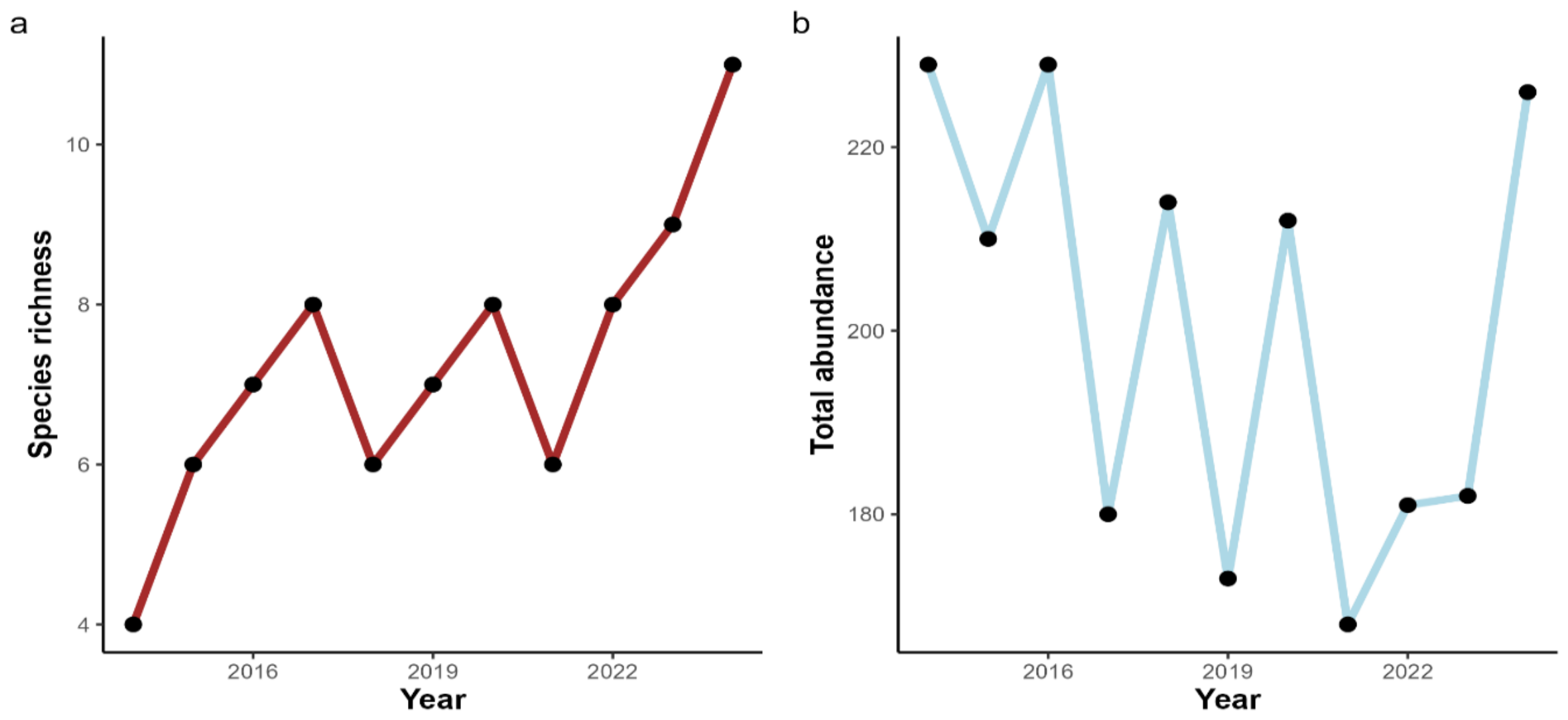
Species richness and total abundance of scorpions exhibited contrasting temporal patterns over the study period (2014–2024). Species richness showed a clear increasing trend, rising from four species in 2014 to eleven species in 2024, representing nearly a threefold increase (Figure 7a). During the early years of the study (2014–2016), richness remained relatively low, ranging between 4 and 7 species, whereas intermediate years (2017–2021) were characterized by moderate but fluctuating richness (6–8 species). A pronounced increase was observed in the later period (2022–2024), when richness consistently reached its highest values, peaking in 2024 with 11 species.
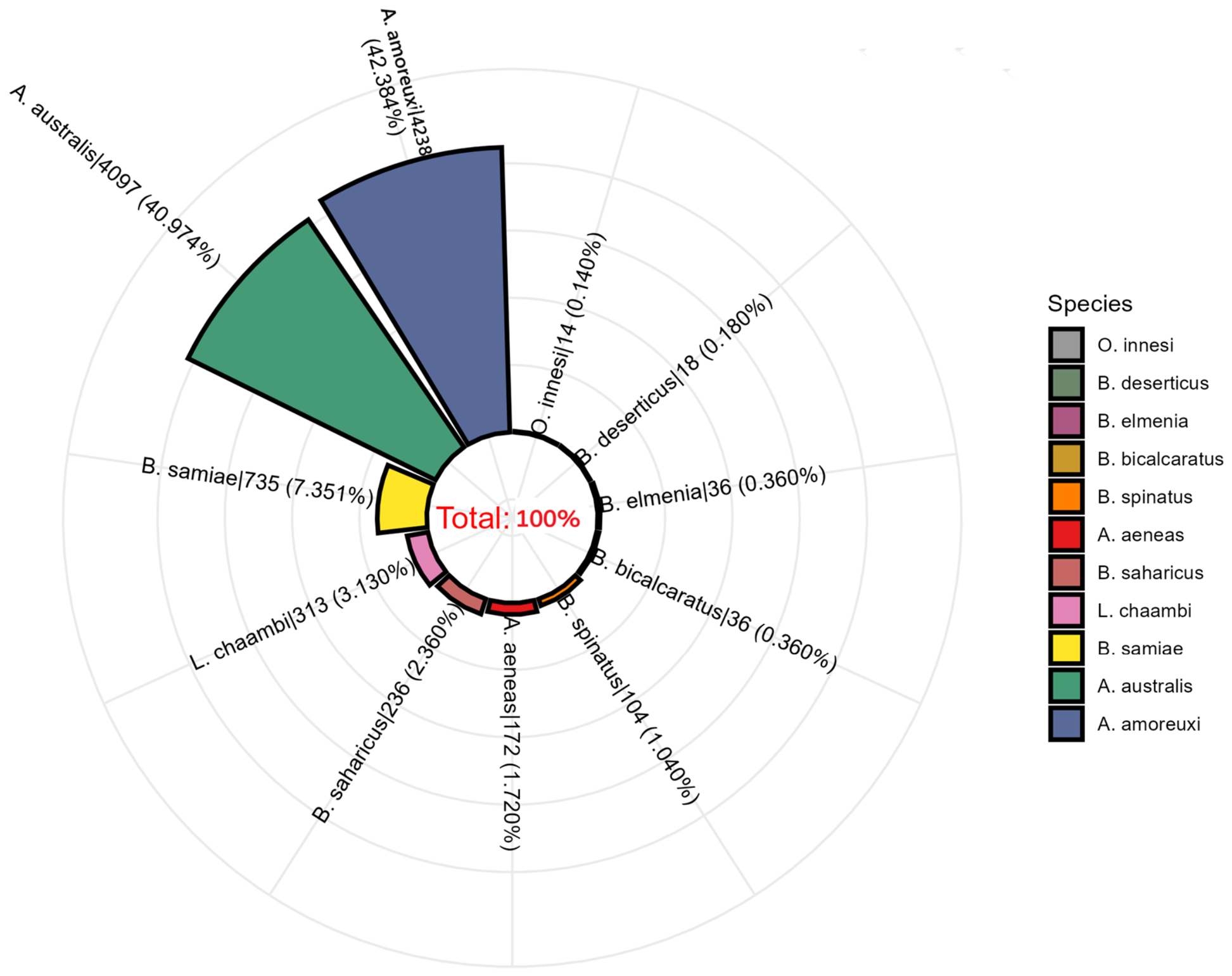
In contrast, total scorpion abundance did not follow a consistent temporal trend and displayed marked interannual variability (Figure 7b). Total abundance ranged from a minimum of 168 individuals in 2021 to a maximum of 229 individuals in 2014 and 2016, with relatively comparable values recorded in the final year (226 individuals in 2024). In addition, the relative abundance revealed an assemblage strongly dominated by two taxa. Androctonus amoreuxi was the most abundant species, accounting for 42.38% of the total relative abundance, followed closely by A. australis with 40.97%. Together, these two species constituted over 83% of the entire assemblage. Buthacus samiae was the third most abundant species, albeit with a substantially lower relative abundance of 7.35%. The remaining species, including L. chaambi (3.13%), B. saharicus (2.36%), A. aeneas (1.72%), B. spinatus (1.04%), B. elmenia (0.36%), B. bicalcaratus (0.36%), B. deserticus (0.18%), and O. innesi (0.14%), each contributed less than 4%, with six species representing less than 1% of the total scorpion assemblage (Figure 8).

3.3. Temporal Diversity Patterns

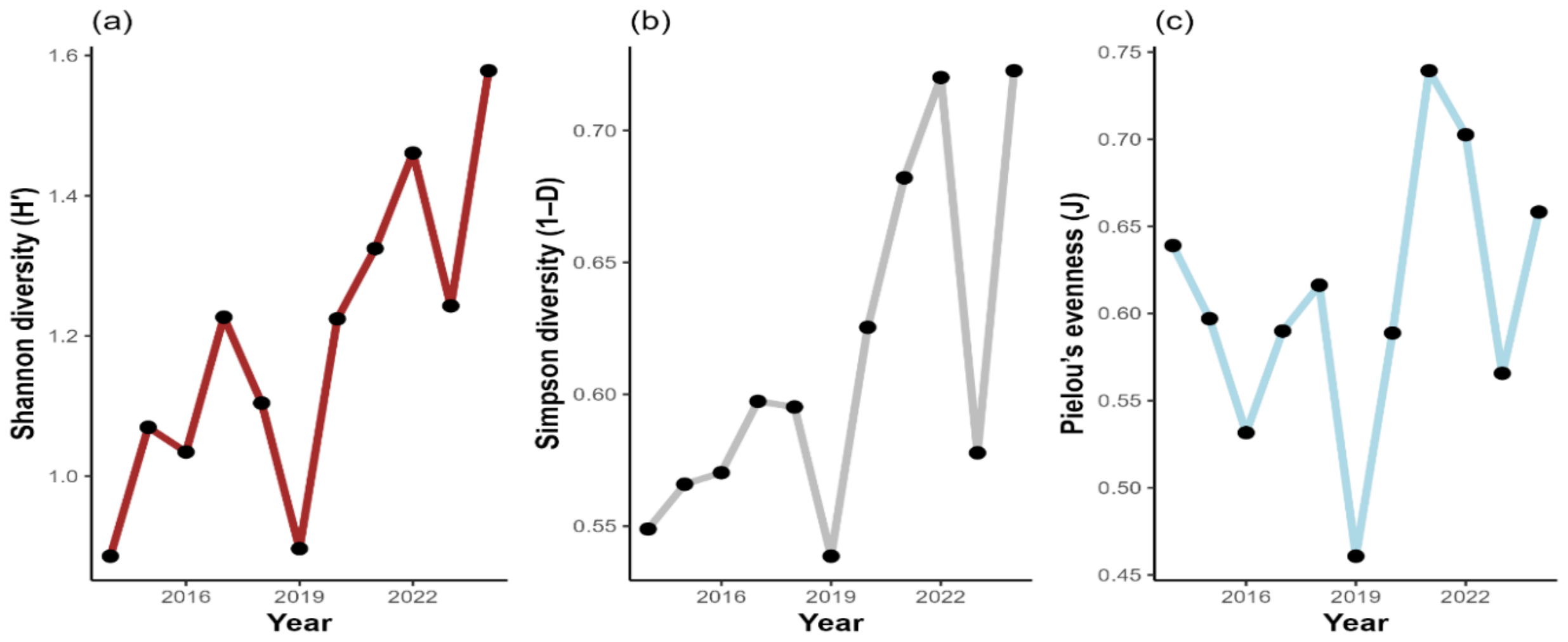
Temporal variation in assemblage diversity indices revealed a progressive increase in scorpion assemblage diversity over the study period (2014–2024). Shannon diversity increased from 0.89 in 2014 to 1.58 in 2024, indicating that the observed rise in species richness was accompanied by a more even distribution of individuals among species (Figure 9a). Simpson diversity showed a similar pattern, increasing from 0.55 in the early years to 0.72 in 2024, reflecting a marked reduction in dominance through time (Figure 9b). In contrast, both Shannon and Simpson indices reached their lowest values in 2019 (0.90 and 0.54, respectively), suggesting a temporary dominance of a limited number of species. Evenness values further supported this pattern, with low evenness recorded in 2019 (0.46) and higher values in later years, particularly in 2021 (0.74) and 2022 (0.70) (Figure 9c).

3.4. Temporal Species Composition

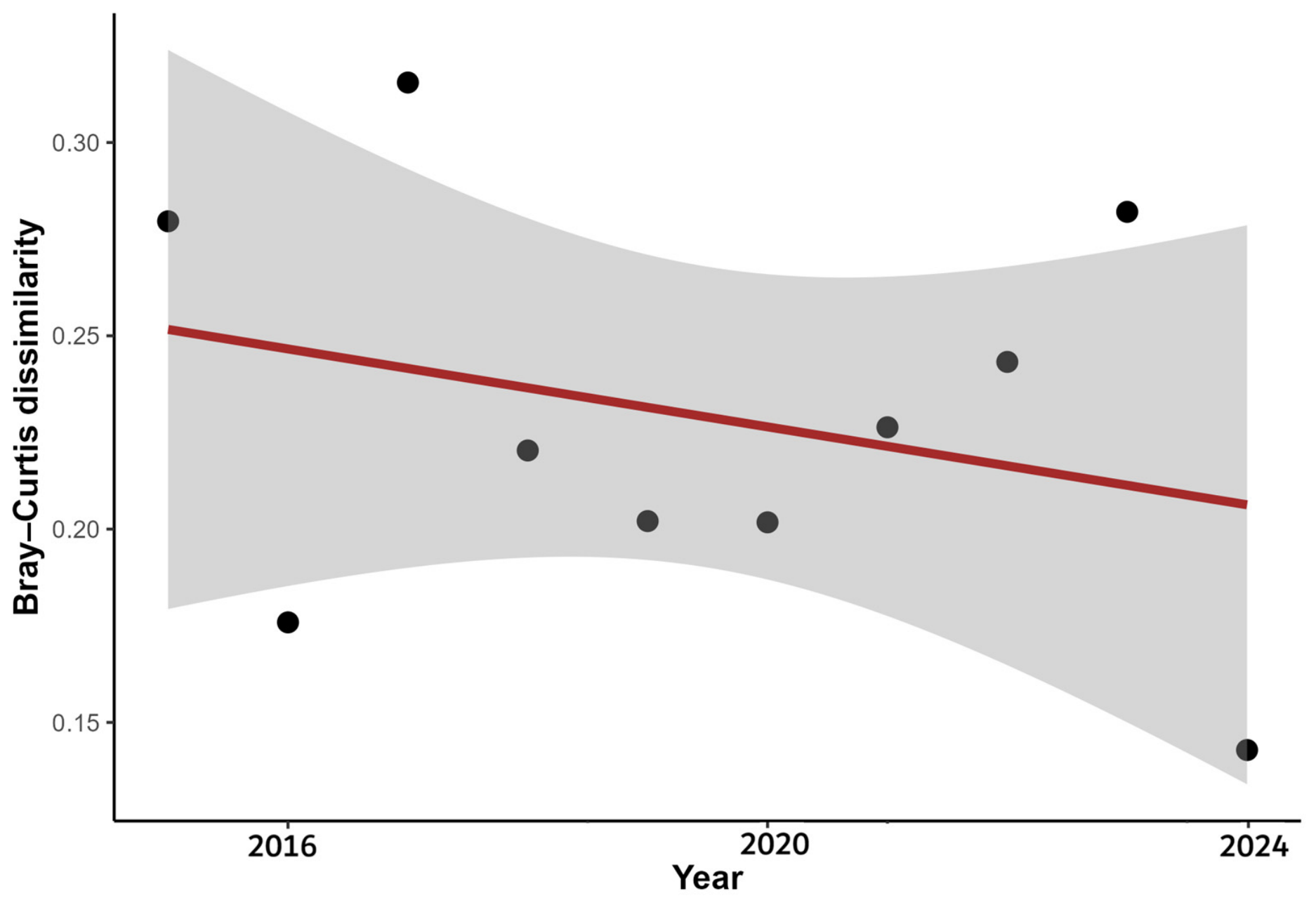
Temporal β-diversity analysis based on Bray–Curtis dissimilarity revealed moderate interannual turnover in scorpion assemblage composition across the study period. Mean dissimilarity between consecutive years was 0.22, indicating measurable but not abrupt changes in community structure. Linear regression analysis showed a non-significant temporal trend in turnover, with Bray–Curtis dissimilarity decreasing over time with 0.005 (LM: t = −0.85, p = 0.41) (Figure 10), suggesting a gradual reorganization of species composition rather than random year-to-year fluctuations.
SIMPER analysis revealed that temporal turnover in scorpion assemblage composition between early (2014–2018) and late (2019–2024) periods was driven primarily by changes in the abundance of a limited number of species. The dominant species A. amoreuxi accounted for the largest contribution to Bray–Curtis dissimilarity (43.1%), reflecting a significant decline in abundance over time (p = 0.001). This was followed by A. australis, which contributed substantially to overall dissimilarity but showed no significant directional change (p = 0.768), indicating temporal fluctuations rather than a consistent trend. Notably, B. samiae exhibited a marked increase in abundance in the later period and contributed 17.9% to total dissimilarity (p = 0.027), while L. chaambi showed a significant decline (7.0%, p = 0.001). Together, these four species explained approximately 89% of the total temporal dissimilarity, indicating that community reorganization was primarily driven by shifts in the dominance structure rather than widespread changes across all species.

4. Discussion

Over the past decade, the scorpion assemblage of the central Algerian Sahara exhibited clear temporal restructuring characterized by increasing species richness and diversity alongside pronounced interannual variability in total abundance. Despite moderate turnover in species composition, scorpion assemblage changes occurred gradually and were primarily driven by shifts in the relative dominance of a limited number of species rather than widespread species replacement. These patterns indicate a progressive reorganization toward a more diverse and balanced assemblage, highlighting the dynamic nature of desert scorpion assemblages and emphasizing the importance of long-term monitoring for understanding biodiversity trends in arid ecosystems.
The climatic trends observed in the study region were primarily characterized by a significant decline in annual precipitation and an increase in drought severity, as reflected by the decreasing PDSI values, whereas mean annual temperature remained relatively stable throughout the study period. These findings indicate a tendency toward drier environmental conditions driven mainly by reduced water availability rather than significant warming. Such environmental variability is known to influence scorpion diversity and abundance, as these organisms respond to multiple ecological drivers, including temperature, rainfall, soil conditions, topography, hydrology, and prey availability [32,33,34,35,36,37]. These factors collectively shape the distribution and persistence of cryptozoic species, including scorpions, across arid landscapes [12,38]. Climatic conditions and habitat characteristics play a major role in determining scorpion activity patterns and life cycles [39]. In the present study area, the relatively stable temperature regime, combined with only a slight warming trend, likely remains within the tolerance range of thermophilic scorpions. Indeed, scorpions are well adapted to warm environments, and suitable temperature conditions allow them to maintain activity even during cooler periods [39,40]. Previous studies in central Algerian arid ecosystems have shown that the most abundant scorpion species remain active throughout much of the year, with peak activity occurring during spring and summer when temperatures are high and precipitation is limited [37,41].
The number of documented scorpion species in the study area increased markedly during the 2014–2024 period, from four recorded species in 2014 to eleven species in 2024. However, this increase should primarily be interpreted as an improvement in taxonomic knowledge and inventory completeness rather than a recent ecological colonization event. In 2014, four species belonging to two genera, Androctonus (three species) and Buthacus (one species), were reported from the region [42]. Subsequent taxonomic revisions, particularly within the genus Buthacus, together with continued field surveys and the description or confirmation of previously overlooked species, progressively increased the number of documented taxa. More recently, Souilem et al. [20] reported ten species in the central Algerian Sahara and suggested that the region may potentially host up to twelve species. The eleven species recorded in the present study therefore reflect a more comprehensive assessment of the regional fauna and further support the high scorpion diversity of the central Algerian Sahara.
In contrast to species richness, total scorpion abundance did not follow a consistent temporal trend and exhibited pronounced interannual variability. Previous studies in the northern Algerian Sahara have also reported strong fluctuations in the number of collected individuals depending on sampling period, year, and habitat type [20,37,40,43]. In our study, years with higher species richness were not necessarily associated with greater abundance. For example, the highest numbers of individuals were recorded in 2014 and 2016, when only seven species were present, whereas eleven species were inventoried in 2024 with 226 individuals. Such patterns suggest that species richness and abundance are decoupled in desert scorpion assemblages. In addition, repeated sampling and potential overexploitation may influence population density by reducing the number of individuals detected over time [44,45]. However, the study encompassed 31 sampling localities distributed across a large area of the central Algerian Sahara, and the most abundant species, A. amoreuxi and A. australis, are widely distributed throughout the region. Consequently, while repeated collection may have affected some local populations, particularly rare taxa, its influence on regional diversity patterns and overall community composition is likely limited. Nevertheless, future monitoring programs could benefit from incorporating non-destructive survey approaches to minimize potential impacts on natural populations.
A total of 2204 individuals were collected during the study period. The assemblage was strongly dominated by A. amoreuxi and A. australis, which represented 42.38% and 40.97% of total abundance, respectively. Buthacus samiae accounted for 7.35% of individuals and can be considered occasional, whereas the remaining species were represented by low abundances and were classified as rare. The dominance of A. amoreuxi and A. australis is consistent with previous studies from the central Algerian Sahara, which identified these two species as the most abundant taxa [20,37,46,47]. However, in the southeastern part of the northern Algerian Sahara, A. australis remains dominant while A. amoreuxi is considered rare to very rare [17,48]. Similarly, A. aeneas showed low relative abundance in several regions of Algeria, including Sidi Bel Abbès (2.22%) [49], Tébessa (3%) [41], central Algeria (2.94%) [37], and El Oued (6.02%) [17].
Among species of the genus Buthacus, B. samiae appeared as the most abundant in the present study, consistent with previous observations [20,37]. Nevertheless, it has been reported with very low abundance in the Ouargla region (0.13%) [48] and represented by a single individual in the southern extension of the study area (Sebkhet) [50]. In addition, several endemic species, including B. elmenia, B. spinatus, B. saharicus, and L. chaambi, were characterized by low abundances. The presence of micro-endemic scorpion populations in the Ghardaïa desert has previously been suggested [51], and low abundances of these taxa were also reported in the same region [20]. In particular, B. saharicus has consistently been described as rare in Ghardaïa [20,37,46,52].
The low abundance of B. bicalcaratus and O. innesi may be explained by their recent detection in the study area. Both species have also been reported with low abundances in the Ouargla region [48] and in El Oued [17], suggesting that they may represent locally uncommon taxa within the northern Algerian Sahara.
Temporal variation in community diversity indices revealed a progressive increase in scorpion assemblage diversity over the study period (2014–2024). The Shannon diversity index increased from low diversity values (H′ = 0.89) to moderate diversity in 2024 (H′ = 1.58), accompanied by a more balanced distribution of individuals among species (evenness ≈ 0.65). This pattern likely reflects the co-dominance of A. amoreuxi and A. australis in the study region. Comparable Shannon diversity values (0.7 < H′ < 1.7) have been reported in different climatic regions of Tébessa (north-eastern Algeria) [41]. Similarly, Sadine et al. [37] recorded a mean Shannon index of 1.62 ± 0.32 in central Algeria, with an average evenness of 0.77 ± 0.11. Higher diversity values have been reported in Ouargla (H′ = 2.05; evenness = 0.65) [48] and in Sidi Bel Abbès (H′ = 2.67; evenness = 0.80) [49]. Conversely, Souilem et al. [20] reported very low Shannon values (<1) despite relatively high evenness.
Similarly, Simpson diversity increased over time from 0.55 in the early years to 0.72 in 2024, indicating a gradual reduction in species dominance. Despite this increase, the assemblage remained largely structured by two dominant species, A. amoreuxi and A. australis, a pattern also observed across seasons and biotopes in central Algeria [20,37]. Scorpion populations underwent notable changes between 2014 and 2024, although A. amoreuxi remained the most abundant species in central Algeria [20,37,46,47], while A. australis is widely distributed across the northern Algerian Sahara and commonly occurs in urban environments [17,40,46,53]. Additionally, Androctonus bicolor was revised and renamed A. aeneas [54].
The taxonomic composition of the assemblage also evolved considerably. Initially, the genus Buthacus was represented by a single species, B. arenicola [42]. Subsequent taxonomic revisions revealed the presence of four distinct species: B. samiae, B. spinatus, B. elmenia, and B. deserticus [51,55,56,57]. The diversity of Buthacus species suggests the predominance of sandy habitats in the study area, as these species are typically psammophilous [40,58,59,60]. Additional species have progressively enriched the regional fauna, including the endemic Lissothus chaambi [61], Buthus saharicus, considered the first true deserticolous Buthus species in Algeria [62], Orthochirus innesi, commonly associated with palm groves [16,63], and Buthiscus bicalcaratus, historically reported but only recently confirmed in the region [16,20,64,65].
This progressive enrichment resulted in a marked increase in species richness, culminating in 11 species recorded in 2024. Rarefaction analyses further suggest that additional species may still be detected in central Algeria [20]. Indeed, hotspots of scorpion diversity at regional and continental scales are often associated with climatic, topographic, and geological complexity [38]. The Algerian desert ecosystems, characterized by diverse habitats, provide suitable conditions for scorpion diversification [20,23]. Given the cryptic behavior of scorpions, further surveys are likely to reveal additional species in the central Algerian Sahara.
One limitation of this study is that sampling was conducted exclusively during daylight hours through active searches of shelters. Because scorpions are nocturnal and differ in their refuge preferences, species detectability may have varied among taxa, potentially leading to underestimation of some species. Nevertheless, the same standardized sampling protocol was applied consistently throughout the study period, ensuring reliable comparisons of temporal patterns in richness, diversity, and community composition.

5. Conclusions

This study provides one of the first decadal assessments of scorpion assemblage dynamics in the central Algerian Sahara, highlighting important temporal changes in species richness, diversity, and assemblage structure. This study reveals significant increases in species richness and diversity between 2014 and 2024, while total abundance showed strong interannual variability. Diversity indices and evenness values indicate a gradual reduction in dominance and a more balanced community structure over time. Temporal β-diversity analyses revealed moderate turnover without a significant directional trend, suggesting progressive community reorganization. SIMPER results showed that changes were mainly driven by shifts in the relative abundance of a few key species, particularly the decline of Androctonus amoreuxi and the increased representation of Buthacus samiae. Overall, the assemblage exhibited gradual restructuring characterized by increasing diversity and moderate compositional change. These findings provide valuable baseline information for understanding scorpion diversity and support future ecological monitoring and conservation planning in arid ecosystems of Algeria. Expanding research efforts in this understudied region would enhance knowledge and may facilitate new discoveries related to scorpion biodiversity.

Author Contributions

Conceptualization, S.E.S., Z.S., L.R. and A.F.A.L.; methodology, S.E.S., Z.B. and M.H.; software, R.Z. and S.E.S.; validation, S.E.S., Z.S. and Z.B.; formal analysis, R.Z.; data curation, Z.B., R.Z., S.E.S. and Z.S.; writing—original draft preparation and writing, review and editing, all authors. All authors have read and agreed to the published version of the manuscript.

Funding

This research received no external funding.

Institutional Review Board Statement

Not applicable.

Data Availability Statement

The datasets used and analyzed during the current study are available from the corresponding author upon reasonable request.

Acknowledgments

We are thankful to the reviewers for their constructive comments, which improved an earlier version of the manuscript. We are grateful to all students and colleagues who contributed to the fieldwork. This research was supported by MESRS Algeria.

Conflicts of Interest

The authors declare no conflicts of interest.

References

  1. Durant, S.; Pettorelli, N.; Bashir, S.; Woodroffe, R.; Wacher, T.; Ornellas, P.; Ransom, C.; Abaigar, T.; Abdelgadir, M.; El Alqamy, H.; et al. Forgotten Biodiversity in Desert Ecosystems. Science 2012, 336, 1379–1380. [Google Scholar] [CrossRef] [PubMed]
  2. Davies, J.; Poulsen, L.; Schulte-Herbrüggen, B.; MacKinnon, K.; Henwood, W.; Dudley, N.; Smith, J.; Gudka, M. Conserving Drylands Biodiversity; IUCN: Gland, Switzerland, 2012; p. 48. [Google Scholar]
  3. Trimble, M.; Aarde, R. Supporting conservation with biodiversity research in sub-Saharan Africa’s human-modified landscapes. Biodivers. Conserv. 2014, 23, 2345–2369. [Google Scholar] [CrossRef]
  4. Kapuka, A.; Hlásny, T. Climate change impacts on ecosystems and adaptation options in nine countries in southern Africa: What do we know? Ecosphere 2021, 12, e03860. [Google Scholar] [CrossRef]
  5. Maestre, F.T.; Benito, B.M.; Berdugo, M.; Concostrina-Zubiri, L.; Delgado-Baquerizo, M.; Eldridge, D.J.; Guirado, E.; Gross, N.; Kéfi, S.; Le Bagousse-Pinguet, Y.; et al. Biogeography of global drylands. New Phytol. 2021, 231, 540–558. [Google Scholar] [CrossRef] [PubMed]
  6. Harrison, S.; Franklin, J.; Hernandez, R.; Ikegami, M.; Safford, H.; Thorne, J. Climate change and California’s terrestrial biodiversity. Proc. Natl. Acad. Sci. USA 2024, 121, e2310074121. [Google Scholar] [CrossRef] [PubMed]
  7. Lewin, A.; Murali, G.; Rachmilevitch, S.; Roll, U. Global evaluation of current and future threats to drylands and their vertebrate biodiversity. Nat. Ecol. Evol. 2024, 8, 1448–1458. [Google Scholar] [CrossRef] [PubMed]
  8. Brito, D. Overcoming the Linnean shortfall: Data deficiency and biological survey priorities. Basic. Appl. Ecol. 2010, 11, 709–713. [Google Scholar] [CrossRef]
  9. Braschler, B.; Chown, S.; Gaston, K. The Fynbos and Succulent Karoo Biomes Do Not Have Exceptional Local Ant Richness. PLoS ONE 2012, 7, e31463. [Google Scholar] [CrossRef] [PubMed]
  10. Medina-Serrano, N.; Hossaert-McKey, M.; Diallo, A.; McKey, D. Insect–flower interactions, ecosystem functions, and restoration ecology in the northern Sahel: Current knowledge and perspectives. Biol. Rev. 2024, 100, 969–995. [Google Scholar] [CrossRef] [PubMed]
  11. Elsen, P.R.; Saxon, E.C.; Simmons, B.A.; Ward, M.; Williams, B.A.; Grantham, H.S.; Kark, S.; Levin, N.; Perez-Hammerle, K.-V.; Reside, A.E.; et al. Accelerated shifts in terrestrial life zones under rapid climate change. Glob. Change Biol. 2021, 28, 918–935. [Google Scholar] [CrossRef] [PubMed]
  12. Schwerdt, L.; Copperi, S.; Pompozzi, G.; Ferretti, N. Diversity and seasonal composition of the scorpion fauna from a mountainous system on pampean grasslands in central Argentina. Stud. Neotrop. Fauna. Environ. 2016, 51, 169–175. [Google Scholar] [CrossRef]
  13. Cloudsley-Thompson, J.J.B.-I.O.B. Scorpions. Biologist 1992, 39, 206–210. [Google Scholar]
  14. Lourenco, W.R. Diversity and endemism in tropical versus temperate scorpion communities. Biogeographica 1994, 70, 155–160. [Google Scholar]
  15. Dunlop, J.; Tetlie, O.; Prendini, L. Reinterpretation of the Silurian scorpion Proscorpius osborni (Whitfield): Integrating data from Palaeozoic and Recent scorpions. Palaeontology 2008, 51, 303–320. [Google Scholar] [CrossRef]
  16. Vachon, M. Etude sur les Scorpions; Institut Pasteur d’Algérie: Alger, Algeria, 1952; p. 482. [Google Scholar]
  17. Saadi, H.; Mouane, A.; Ramdani, N.; Chikha, M.; Belkacemi, H.; Fethiza Ali, M.; Amine, F.M.; Gueddoul, M.; Sadine, S.E. Unveiling scorpionism in Northern Algerian Sahara (El Oued Province): Epidemiological trends and faunistic diversity. Toxicon 2025, 267, 108597. [Google Scholar] [CrossRef] [PubMed]
  18. El Bouhissi, M.; Hammou, M.A.; Mohdeb, S.; Dahmani, W.; Cheddad, A.; Benali, N.; Sadine, S.E. First record of Lissothus occidentalis Vachon, 1950 from Algeria (Scorpiones: Buthidae). Serket 2025, 21, 54–59. [Google Scholar]
  19. Yağmur, E.A.; Benali, N.; Derradj, L. Lissothus guezzamensis sp. nov. from in Guezzam Province, Algeria (Scorpiones: Buthidae). Commagene J. Biol. 2025, 9, 151–157. [Google Scholar] [CrossRef]
  20. Souilem, Z.; Sadine, S.E.; Raouari, L.; Chedad, A.; Zebsa, R.; Houhamdi, M. Diversity and distribution of scorpions according to habitats in the arid ecosystems of the central Algerian Sahara. Biharean Biol. 2025, 19, 118–128. [Google Scholar]
  21. Dubief, J. Le Vent et le Déplacement du Sable au Sahara. Trav. l’Institut Rech. Sahariennes 1952, 8, 123–162. [Google Scholar]
  22. Dehghani, R.; Kassiri, H.A. Checklist of Scorpions in Iran (By 2017). Asian J. Pharm. 2018, 12, 880–887. [Google Scholar] [CrossRef]
  23. Sadine, S.E.; Houhamdi, M.; Zebsa, R.; Chedad, A.; Souilem, Z.; Chebihi, B. Scorpions du Centre Algérien; Edition Dar Ifriquia: Alger, Algeria, 2025; p. 91. ISBN 978-9-969-55069-6. [Google Scholar]
  24. Abatzoglou, J.T.; Dobrowski, S.Z.; Parks, S.A.; Hegewisch, K.C. TerraClimate, a high-resolution global dataset of monthly climate and climatic water balance from 1958–2015. Sci. Data 2018, 5, 170191. [Google Scholar] [CrossRef]
  25. Palmer, W.C. Meteorological Drought; US Department of Commerce: Weather Bureau: Washington, DC, USA, 1965; Volume 30.
  26. Kogan, F.N. Global drought watch from space. Bull. Am. Meteorol. Soc. 1997, 78, 621–636. [Google Scholar] [CrossRef]
  27. Stahnke, H.L. Scorpion nomenclature and mensuration. Entomol. News 1970, 81, 297–316. [Google Scholar]
  28. Vachon, M. 1973 [1974]. Etude des caracteres utilisés pour classer les familles et les genres de scorpions (Arachnides). 1. La trichobothriotaxie en arachnologie: Sigles trichobothriaux et types de trichobothriotaxie chez les scorpions. Bull. Mus. Natl. Hist. Nat. 1952, 3, 857–958. [Google Scholar] [CrossRef]
  29. Hjelle, J.T. Anatomy and morphology. In The Biology of Scorpions; Polis, G.A., Ed.; Stanford University Press: Stanford, CA, USA, 1990; pp. 9–63. [Google Scholar]
  30. Core Team. R: A Language and Environment for Statistical Computing, Version 4.4.3; R Foundation for Statistical Computing: Vienna, Austria, 2025. Available online: https://www.R-project (accessed on 7 July 2026).
  31. Magurran, A. Measuring Biological Diversity; Blackwell Publishing: Oxford, UK, 2004. [Google Scholar]
  32. Polis, G.A. The Biology of Scorpions; Stanford University Press: Redwood City, CA, USA, 1990. [Google Scholar]
  33. Araújo, V.; Bandeira, A.; Vasconcellos, A. Abundance and stratification of soil macroarthropods in a Caatinga Forest in Northeast Brazil. Braz. J. Biol. 2010, 70, 737–746. [Google Scholar] [CrossRef] [PubMed][Green Version]
  34. Nime, M.F.; Casanoves, F.; Vrech, D.E.; Mattoni, C.I. Relationship between environmental variables and surface activity of scorpions in the Arid Chaco ecoregion of Argentina. Invertebr. Biol. 2013, 132, 145–155. [Google Scholar] [CrossRef]
  35. Lira, A.F.; Salomão, R.P.; Albuquerque, C.M. Pattern of scorpion diversity across a bioclimatic dry-wet gradient in Neotropical forests. Acta Oecol. 2019, 96, 10–17. [Google Scholar] [CrossRef]
  36. Chedad, A.; Hammou, M.A.; Chelghoum, H.; Chedad, A.; Amara, O.O.; El Bouhissi, M.; Dahmani, W.; Sadine, S.E. Diversity and distribution pattern of scorpions from the Ouarsenis massif of Tissemsilt, North-West Algeria. Biodiversitas 2022, 23, 2444–2450. [Google Scholar] [CrossRef]
  37. Sadine, S.E.; Souilem, Z.; Belgaid, Y.; Chedad, A.; Djelloud-Souilem, Z.; Chebihi, B.; Zouaimia, A.; Bensakhri, Z.; Houhamdi, M.; Zebsa, R. Effects of Climate on Scorpion Diversity in Arid Ecosystems of the Sahara Desert of Algeria. Diversity 2023, 15, 541. [Google Scholar] [CrossRef]
  38. Prendini, L. Scorpion Diversity and Distribution in Southern Africa: Pattern and Process. In African Biodiversity; Springer: Boston, MA, USA, 2005; pp. 25–68. [Google Scholar]
  39. Djelloud-Souilem, Z.; Bissati, S.; Chedad, A.; Rouari, L.; Sadine, S.E. Phenology of Androctonus australis (Linnaeus, 1758) from the Sahara Desert of Algeria (Scorpiones: Buthidae). Biharean Biol. 2024, 18, 83–89. [Google Scholar]
  40. Sadine, S.E. Contribution to the Study of Scorpion Fauna of Northern Sahara, Eastern Algeria (El Oued and Ouargla). Master’s Dissertation, University of Ouargla, Ouargla, Algeria, 4 April 2012. [Google Scholar]
  41. Mekahlia, M.N.; Abidi, H.; Slimane, F.; Sadine, S.E.; Dekak, A.; Chenchouni, H. Seasonal patterns of scorpion diversity along a gradient of aridity in Algeria. Acta. Oecol. 2021, 113, 103792. [Google Scholar] [CrossRef]
  42. Sadine, S.E.; Alioua, Y.; Kemassi, A.; Mebarki, M.T.; Houtia, A.; Bissati, S. Aperçu sur les scorpions de Ghardaïa (Algérie). J. Adv. Res. Sci. Technol. 2014, 1, 12–17. [Google Scholar]
  43. Sadine, S.E. Contribution à L’étude Bioécologique de Quelques Espèces du Scorpion; Androctonus australis, Androctonus amoreuxi, Buthacus arenicola, Buthus tunetanus et Orthochirus innesi dans la wilaya de Ouargla. Master’s Thesis, University of Ouargla, Ouargla, Algeria, 2005. (In French) [Google Scholar]
  44. Asner, G.P.; Knapp, D.E.; Broadbent, E.N.; Oliveira, P.J.C.; Keller, M.; Silva, J.N. Selective logging in the Brazilian Amazon. Science 2005, 310, 480–482. [Google Scholar] [CrossRef] [PubMed]
  45. Burgess, M.G.; Costello, C.; Fredston-Hermann, A.; Pinsky, M.L.; Gaines, S.D.; Tilman, D.; Polasky, S. Range contraction enables harvesting to extinction. Proc. Natl. Acad. Sci. USA 2017, 114, 3945–3950. [Google Scholar] [CrossRef] [PubMed]
  46. Sadine, S.E. Scorpion Fauna of the Algerian Septentrional Sahara: Diversity and Ecology. Ph.D. Thesis, Université de Ouargla, Ouargla, Algeria, 2018. (In French) [Google Scholar]
  47. Zouatine, O.; Bissati, S.; Chebout, A.; Chedad, A.; Sadine, S.E. Feeding behaviour of two buthid scorpions of the genus Androctonus Ehrenberg, 1828 from the central Sahara of Algeria (Scorpiones: Buthidae). Zool. Ecol. 2024, 34, 129–139. [Google Scholar] [CrossRef]
  48. Sadine, S.E.; Bissati, S.; Idder, M. Diversity and structure of scorpion fauna from arid ecosystem in Algerian Septentrional Sahara (2005–2018). Serket 2018, 16, 51–59. [Google Scholar]
  49. Ouici, H.; El Bouhissi, M.; Sadine, S.E.; Abidi, H. Preliminary study and ecological comments on scorpion diversity in Sidi Bel Abbes region, North-west Algeria. Serket 2020, 17, 87–96. [Google Scholar]
  50. Alioua, Y.; Sadine, S.E.; Saidat, C.; Mebarki, M.T.; Bissati, S.; Kherbouche, O.; Bosmans, R. Arachnid Fauna of the Sebkhat El Melah-Ramsar site in the Sahara Desert of Algeria. Rev. Iber. Aracnol. 2022, 40, 165–169. [Google Scholar]
  51. Lourenço, W.R.; Sadine, S.E.; Bissati, S.; Houtia, A. The genus Buthacus Birula, 1908 in northern and central Algeria; description of a new species and comments on possible microendemic populations (Scorpiones: Buthidae). Arachnida 2017, 3, 18–30. [Google Scholar]
  52. Lahrech, A.; Souilem, Z. Contribution à L’étude de la Faune Scorpionique de la Région de Ghardaïa (Algérie). Master’s Thesis, Université de Ghardaïa, Ghardaia, Algeria, 2017. (In French) [Google Scholar]
  53. Sadine, S.E.; Djilani, S.; Kerboua, K.E. Aperçu sur les Scorpions de l’Algérie. Alger. J. Health Sci. 2020, 2, 8–14. [Google Scholar]
  54. Lourenço, W.R.; Rossi, A.; Sadine, S.E. New data on the genus Androctonus Ehrenberg, 1828 (Scorpiones, Buthidae), with the description of a new species from Ethiopia. Arachnida 2015, 1, 11–29. [Google Scholar]
  55. Lourenço, W.R.; Sadine, S.E. A new species of Buthacus Birula, 1908 from the region of Ghardaïa, Algeria (Scorpiones, Buthidae). Rev. Iber. Aracnol. 2015, 27, 55–59. [Google Scholar]
  56. Lourenço, W.R.; Bissati, S.; Sadine, S.E. One more new species of Buthacus Birula, 1908 from the region of Ghardaïa, Algeria (Scorpiones: Buthidae). Arachnida 2016, 8, 2–11. [Google Scholar]
  57. Sadine, S.E.; Souilem, Z.; Chedad, A.; Chebihi, B.; Zebsa, R.; Houhamdi, H.; Lourenço, R.W.; Ythier, E. A new species of Buthacus Birula, 1908 from the Algerian Saharan Desert (Scorpiones: Buthidae). Faunitaxys 2024, 12, 1–9. Available online: https://hal.science/hal-04475443v1 (accessed on 7 July 2026). [PubMed]
  58. Benkenzou, D.; Chegma, S.; Merakchi, F.; Zidane, B. Statistiques au 31 décembre 2006. In Monographie de la Wilaya de Ghardaïa; Direction de la Planification et de l’Aménagement du Territoire (D.P.A.T.): Ghardaïa, Algeria, 2007; p. 122. [Google Scholar]
  59. Sadine, S.E.; Bissati, S.; Ould Elhadj, M.D. Premières données sur la diversité scorpionique dans la région du Souf (Algérie). Arachnides 2011, 61, 2–10. [Google Scholar]
  60. Bengaid, Y.; Sadine, S.E.; Zouatine, O.; Abidi, H.; Bissati, S.; Houhamdi, M. Notes and remarks on Buthacus species of Central Algeria (Scorpiones: Buthidae). Serket 2022, 18, 274–281. [Google Scholar]
  61. Lourenço, W.R.; Sadine, S.E. A new species of the rare buthid scorpion genus Lissothus Vachon, 1948 from Central Algeria (Scorpiones, Buthidae). Comptes Rendus Biol. 2014, 337, 416–422. [Google Scholar] [CrossRef] [PubMed]
  62. Sadine, S.E.; Bissati, S.; Lourenço, W.R. The first true deserticolous species of Buthus Leach, 1815 from Algeria (Scorpiones: Buthidae); Ecological and biogeographic considerations. Comptes Rendus Biol. 2016, 339, 44–49. [Google Scholar] [CrossRef] [PubMed]
  63. Sadine, S.E. New locality of Orthochirus innesi Simon, 1910 in Algeria (Scorpiones: Buthidae). Serket 2020, 17, 171–175. [Google Scholar]
  64. Aboshaala, F.; Badry, A.; Sadine, S.E. Ecological considerations on Buthiscus bicalcaratus Birula, 1905 with a new locality in northern Libya (Scorpiones, Buthidae). Rev. Iber. Aracnol. 2020, 36, 181–183. [Google Scholar]
  65. Souilem, Z.; Sadine, S.E.; Ait Hammou, M.; El Bouhissi, M.; Chedad, A.; Zebsa, R.; Houhamdi, M. Range extension of Buthiscus bicalcaratus Birula, 1905 in Algeria (Scorpiones: Buthidae). Rev. Iber. Aracnol. 2025, 47, 151–154. [Google Scholar]
Figure 1. Geographical location of the study area.
Diversity 18 00420 g001
Figure 6. Variability of recorded climatic conditions from 1990 to 2023 in the Ghardaïa region, central Algeria. The lines represent linear regressions, and the gray ribbons indicate the standard error. Average anual temperature (°C) (a), average annual precipitation (mm) (b), average annual NDVI, and average annual PDSI. For the PDSI, positive values (wet periods) are shown in light blue (>0) and negative values (dry periods) in a red color gradient (<0). The horizontal dashed line is set at –3, indicating severe drought. The red band denotes the interval between severe and extreme drought values (from –3 to –4).
Diversity 18 00420 g006
Figure 7. Temporal patterns of scorpion assemblage structure from 2014 to 2024. (a) Interannual variation in species richness, (b) Total scorpion abundance per year.
Diversity 18 00420 g007
Figure 8. Relative abundance of scorpion during the study period.
Diversity 18 00420 g008
Figure 9. Temporal variation in scorpion assemblage diversity indices from 2014 to 2024: (a) Shannon diversity (H′), (b) Simpson diversity (1–D), and (c) Pielou’s evenness (J). Lines represent interannual trends based on pooled annual abundance data.
Diversity 18 00420 g009
Figure 10. Temporal turnover in scorpion assemblages based on Bray–Curtis dissimilarity between 2014 and 2024 (year 1 = 2014). Red line is linear regression.
Diversity 18 00420 g010
Table 1. Systematic list of scorpion species captured in the study area along 2014–2024.
GenusSpeciesniAR%Collected Biotopes
Androctonus Ehrenberg, 1828 Androctonus aeneas C.L. Koch, 1839381.72Reg with gravelly and stony grounds
Androctonus amoreuxi (Audouin, 1825)93442.38Palm groves, Sandy, gravelly and stony grounds
Androctonus australis (Linnaeus, 1758)90340.97All biotopes
Buthacus
Birula, 1908
Buthacus deserticus Sadine, Souilem, Lourenço & Ythier, 2024040.18Palm groves and Reg with sand bed
Buthacus elmenia Lourenço & Sadine, 2017080.36Sandy and rocky formation
Buthacus spinatus Lourenço, Bissati & Sadine, 2016231.04Erg and wadi bed
Buthacus samiae Lourenço & Sadine, 20151627.35Erg and reg with sand bed
Buthiscus
Birula, 1905
Buthiscus bicalcaratus Birula, 1905080.36Erg and wadi bed
Buthus
Leach, 1815
Buthus saharicus Sadine, Bissati & Lourenço, 2016522.36Reg with sand bed
Lissothus Vachon, 1948Lissothus chaambi Lourenço & Sadine, 2014693.13Reg and wadi bed
Orthochirus Karsch, 1891Orthochirus innesi (Simon, 1910)030.14Palm groves
6 genera11 species2204100%
Disclaimer/Publisher’s Note: The statements, opinions and data contained in all publications are solely those of the individual author(s) and contributor(s) and not of MDPI and/or the editor(s). MDPI and/or the editor(s) disclaim responsibility for any injury to people or property resulting from any ideas, methods, instructions or products referred to in the content.