


Abstract
The systematics of white-tailed deer (Odocoileus virginianus) has been controversial. Some mammalogists consider the white-tailed deer to be a single species, whereas others consider it to consist of multiple species. To help resolve the controversy, we sequenced mitochondrial cytochrome B (mtCyt-b) in samples collected from 83 Neotropical white-tailed deer. Furthermore, we analyzed mitogenomes of samples collected from 19 white-tailed deer. There were five main results, as follows: (1) Phylogenetic analyses with the mtCyt-b dataset showed the existence of eight groups of O. virginianus, three in North and Central America and five in South America. It was hypothesized from different analyses that a Central American O. virginianus population generated the white-tailed deer populations in South America. (2) The haplotype temporal diversification within O. virginianus occurred during the Pleistocene. With the mitogenome dataset, it was dated to have occurred approximately 2.2 mya, using both Bayesian inference and haplotype networks. (3) All of these O. virginianus groups showed elevated levels of mitochondrial genetic diversity for the mtCyt-b dataset, with the exception of the Ecuadorian population (4) Some groups of O. virginianus yielded significant evidence of female population expansions with the mtCyt-b dataset. (5) Although the genetic heterogeneity among these O. virginianus groups was significant, the genetic distances were relatively small. Provisionally, the karyotypic differences between North American and Colombian specimens were very small; therefore, until further karyotypic studies demonstrate otherwise, we consider the existence of a single species of O. virginianus. Because mtDNA genomes have only one quarter of the effective number of autosomal nuclear genes, this generates relatively rapid coalescence times, which can inflate estimates of divergence among populations. Therefore, it is very important to soon sequence the nuclear genes for the different geographic assemblages of O. virginianus found.
1. Introduction
Cervids are one of the 10 terrestrial families of the order Artiodactyla, which includes approximately 43 to 55 species, depending on the author. This family includes species ranging in size from the northern pudu (Pudella mephistophila), weighing only 8 kg, to the elk (Alces alces), which can reach 800 kg [1]. They are herbivorous species of special importance in different ecosystems. They are notable seed dispersers, inhabit multiple environments, and are essential prey for large predators (Felidae, Canidae, and Ursidae, for example). They are also one of the most important sources of food (bush meat) for local communities [2]. In South America, six genera have been traditionally recognized (Odocoileus, Blastoceros, Ozotoceros, Hippocamelus, Mazama, and Pudu), although the number of genera has increased in recent years [3,4,5]. Their main threat in the Neotropics is habitat destruction. For example, deforestation has modified the dynamics of their environment, forming patches in their surroundings and limiting mobility through natural corridors, preventing connections with other populations and limiting gene flow among populations. Agricultural activities (livestock and crops) are serious threats as well because they reduce food availability and limit the possibility of mating [6]. A useful conservation strategy for white-tailed deer accounts for these threats, as well as correctly identifies an exact number of taxa [7]. Genetic analysis of samples assist researchers in confirming the number of taxa and in understanding a population’s genetic diversity and potential to adapt to environmental change [8].
The systematics of white-tailed deer has been controversial. Authors, have reported a single to multiple species in North, Central, and South America, as we discuss in brief, being the distribution of this deer from Canada to Panama, from Colombia and Venezuela to the Guianas and northern Brazil in the east, and as far south as northern Bolivia, throughout Ecuador and Peru in the west [9]. The taxonomic history of white-tailed deer began with the descriptions of Dama virginiana (type locality: Virginia, USA) [10] and Cervus capreolus cariacou (type locality: French Guiana) [11]. During the 19th century, scientists believed that this taxon was divided into numerous species, which was reflected in the proliferation of taxonomic descriptions [9,12]. However, for most of the 20th century, O. virginianus was considered a unique species of white-tailed deer [13,14]. In fact, the notion that the South American Odocoileus was a subspecies of a single species, O. virginianus, which was originated by Lydekker [13], and it was later formalized by other authors [9,14]. Actually, many authors consider the existence of the following two species within Odocoileus: Odocoileus hemionus, with 10 subspecies (O. h. hemionus, O. h. californus, O. h. cerrosensis, O. h. columbianus, O. h. eremicus, O. h. fuliginatus, O. h. inyoensis, O. h. peninsulae, O. h. sheldoni, and, O. h. sitkensis), all distributed in North America and some of them in Mexico, and O. virginianus, with 38 subspecies [O. v. virginianus, O. v. acapulcensis, O. v. borealis, O. v. cariacou, O. v. carminis, O. v. chiriquensis, O. v. clavium, O. v. couesi, O. v. curassavicus, O. v. dacotensis, O. v. goudotii, O. v. gymnotis, O. v. hiltonensis, O. v. leucurus, O. v. macrourus, O. v. margaritae, O. v. mcilhennyi, O. v. mexicanus, O. v. miquihuanensis, O. v. nelsoni, O. v. nemoralis (= truei), O. v. nigribarbis, O. v. oaxacensis, O. v. ochrourus, O. v. osceola, O. v. peruvianus, O. v. rothschildi, O. v. seminolus, O. v. sinaloae, O. v. taurinsulae, O. v. texanus, O. v. thomasi, O. v. toltecus, O. v. tropicalis, O. v. ustus, O. v. venatorius, O. v. veraecrucis, and O. v. yucatensis] [15,16]. For instance, Ambriz-Morales et al. [17] showed that the white-tailed deer is an important species in Mexico, with 14 subspecies (8 of those subspecies endemic to the country) widely distributed throughout Mexico. These authors mentioned that the criteria for classifying subspecies is primarily based on morphological features.
Nevertheless, some authors [18,19], during the 20th century and the beginning of the 21st century, claimed the existence of different species of white-tailed deer. Table 1 shows different taxonomic proposals put forward by various authors, especially for the white-tailed deer in South America. The proposals range from a single species to three or four different species. It is striking how Cabrera [20] went from considering three different species of white-tailed deer in South America to a single species [9]. After he changed his mind, over the rest of the 20th century, O. virginianus was universally accepted as a single species. The question was based almost exclusively on a single external character, as follows: the metatarsal gland (a 4 cm long fold surrounded by a prominent tuft of hairs, on the outside of each hind leg [21]). This gland is always large and functional in white-tailed deer from the United States, Canada, and northern Mexico and always atrophied in those from southern Mexico and Central and South America [19,22,23]. For many years, Cabrera was convinced of this difference with the metatarsal gland, and, based on this feature, he recognized different species of white-tailed deer [20,24]. Cabrera [9] justified his subsequent change in opinion because he observed that some South American Odocoileus (O. v. cariacou) have a metatarsal gland, whereas some North American O. virginianus specimens do not.
During the Pleistocene, the distribution of Odocoileus in South America was wider than at present, as evidenced by fossil remains found in southeastern Brazil [25]. Of the previously 38 recognized subspecies of O. virginianus, 5 subspecies are present in Central America (O. v. toltecus in southern Mexico, Guatemala, and El Salvador, O. v. nelsoni in southern Mexico and Guatemala, O. v. truei from Honduras to Costa Rica, O. v. chiriquensis in Panama, and O. v. rothschildi on Coiba Island, Panama) and 8 are present in South America and adjacent isles (O. v. cariacou, O. v. curassavicus, O. v. goudotti, O. v. gymnotis, O. v. margaritae, O. v. peruvianus, O. v. tropicalis, and O. v. ustus), although there is no precise information on the diagnostic characteristics of these subspecies and their exact distribution. Table 1 shows, in more detail, some of the taxonomic proposals for the white-tailed deer in South America carried out by different authors.
Table 1.
Various proposals were put forward by different authors during the 20th and 21st centuries regarding the taxonomy of the white-tailed deer (Odocoileus virginianus) in South America. Depending on the author, these proposals have ranged from considering a single species of white-tailed deer to multiple species. O. v. = Odocoileus virginianus.
Molina and Molinari [28] used principal components and cluster analyses to compare discrete cranial and mandible characters, as well as morphometrics of Venezuelan and North American O. virginianus. They found that Venezuelan and North American Odocoileus specimens differed significantly from each other, that the differentiation of groups within Venezuela exceeds that within North America, and that the most divergent Venezuelan Odocoileus were those from Margarita Island and the Mérida Andean highlands. The remaining Venezuelan Odocoileus formed a single group. The authors reached the conclusion that the Venezuelan Odocoileus was not conspecific with O. virginianus from North America. Furthermore, the Margaritan and Andean forms constituted two full species, Odocoileus margaritae and Odocoileus lasiotis. The remaining Venezuelan Odocoileus specimens conformed another full species, Odocoileus cariacou, with the Caribbean coast Odocoileus population representing an undescribed subspecies of O. cariacou.
More recently, Molinari [29] completed a comparison of the geographic variability of North American and Venezuelan white-tail deer (using a new unit of measurement for clinal variation). He completed a taxonomic revaluation of the morphological and molecular differences among these deer and discussed possible paleobiogeographic scenarios. Using this information, this author reaffirmed his previous conclusions. The O. virginianus from North America and some Neotropical Odocoileus were not conspecific. Additionally, the Merida Andean white-tailed deer (O. lasiotis) was a valid species separated from the Colombian Andean white-tailed deer (Odocoileus goudotii) and from the Ecuadorian Andean white-tailed deer (Odocoileus ustus). The Margaritan white-tailed deer (O. margaritae) was also a valid species, and the remaining Venezuelan Odocoileus belongs to another valid species (O. cariacou) that has an ample Neotropical distribution. However, Moscarella et al. [30] analyzed 730 bp of the mt control region of 26 specimens of Odocoileus, representing the three taxa in Venezuela mentioned by Molinari [29]. They showed that four lineages were within Venezuelan O. v. gymnotis (they considered these populations as gymnotis and not cariacou, as did previous authors [28,29]). They were polyphyletic with respect to O. v. goudotii and O. v. margaritae. The populations were significantly structured, and the white-tailed deer haplotypes from Venezuela and North America diverged remarkably. Although, O. v. goudotti (= lasiotis for Molinari [28,29]) and O. v. margaritae conformed well-defined clusters; the first was closely related to the first lineage of O. v. gymnotis. One haplotype of this last cluster was more related to the cluster of O. v. margaritae than to the remaining O. v. gymnotis. Therefore, Moscarella et al. [30] concluded (in disagreement with Molinari [28,29]) that these taxa should be considered subspecies of O. virginianus rather than full species.
Similarly, Ruiz-García et al. [31] showed that an O. virginianus mtD-loop sequence from the Colombian Andes showed a stronger relationship with a North American O. heminonus sequence than with other O. virginianus sequences of Colombian origin. However, no other study addressed the strange relationship between the mt sequences of Colombian white-tailed deer and those from North American O. virginianus and O. hemionus.
Much more recently, some authors have suggested that Mamaza pandora could be a third species of Odocoileus (Odocoileus pandora). The first to suggest the inclusion of pandora in the genus Odocoileus were Gutiérrez et al. [32]. Subsequently, the phylogenetic relationship between M. pandora and Odocoileus was further confirmed in a more informative analysis based on mitogenomes [33,34], suggesting the adoption of Odocoileus pandora.
In the present study, we generated 83 new mtCyt-b sequences (plus seven sequences of Odocoileus, or some related forms, obtained from GenBank) and 19 new complete mitogenomes (plus three mitogenomes of Odocoileus obtained from GenBank) for the white-tailed deer. Our objective was to detect new cryptic genetic diversity in the Neotropics that would help us to identify new groups within this species and to attempt to reconstruct the evolutionary history of O. virginianus, especially in Central and South America. Previously, the mtCyt-b gene and complete mitogenomes have been of extraordinary value in revealing phylogenetic relationships among different groups of neotropical deer [35,36].
The main goals of this study are the following: (1) to reconstruct the phylogeny and evolutionary history of the white-tailed deer, especially in the Neotropics, using two databases (mtCyt-b and mitogenomes); (2) to detect potential new differentiated genetical groups within the white-tailed deer; (3) to determine the degree of genetic heterogeneity among the various groups found within white-tailed deer (mtCyt-b and mitogenomes); (4) to estimate possible divergence times among these groups of O. virginianus using two databases (mtCyt-b and mitogenomes); and (5) to estimate the levels of genetic diversity and possible demographic changes for the different groups of white-tailed deer, especially in the Neotropics, using only the mtCyt-b gene.
2. Material and Methods
2.1. Samples
We analyzed the mtCyt-b gene of 83 new specimens of white-tailed deer from southern Mexico and Central and South American countries. Seven additional sequences (of Odocoileus and other related forms) were obtained from GenBank (KY928659, FJ188728, JN632670, HQ332445, KY928667, KM612278, and KY928657), as follows: nine from Mexico [Quintana Roo (n = 6), Yucatán (n = 1), Campeche (n = 1), and Jalisco (n = 1) states], two from Guatemala [Petén (n = 1) and Izabal (n = 1) departments], three from Belize [Río Bravo-Orange Walk-district (n = 3)], one from Honduras [Roatán Island (n = 1)], two from Panama [Coclé province (n = 2)], 13 from Colombia [Cundinamarca (n = 5), Caldas (n = 2), Guainía (n = 1), Risaralda (n = 4), and Santander (n = 1) departments], two from Venezuela [Mérida state (n = 2)], one from French Guiana [Sinnamary-Cayenne (n = 1)], 20 from Ecuador [Azuay (n = 2), Cotopaxi (n = 5), Guayas (n = 3), Imbabura (n = 1), Latacunga (n = 3), Manabí (n = 1), Napo (n = 3), Pichincha (n = 1), Tungurahua (n = 1)], and 30 from Peru [Ancash (n = 2), Apurimac (n = 6), Ayacucho (n = 2), Cajamarca (n = 2), Cuzco (n = 4), Huancavelica (n = 1), Ica (n = 1), Lambayeque (n = 2), Lima (n = 6), Piura (n = 3), and Puno (n = 1) departments]. The additional seven sequences from GenBank were two of O. virginianus from USA (HQ332445, KY928667), one of O. virginianus from northern Mexico (KM612278), two sequences of O. hemionus from the USA (FJ188728, JN632670), one from Mazama (= Odocoileus) pandora from Mexico (KY928659) and one sequence of a “supposed” specimen of Passalites nemorivagus from northern Brazil that showed a very strong genetic resemblance with Odocoileus (KY928657). This totaled 90 mtCyt-b sequences of O. virginianus and other related deer with the white-tailed deer. As outgroups were used, mtCyt-b sequences of different species of gray and red brocket deer taken from GenBank, including different species, as follows: one specimen of P. nemorivagus (Guyana, GenBank MT008225), one specimen of Bisbalus citus (Venezuela, GenBank OQ198443), one specimen of Subulo gouazoubira (Paraguay, GenBank MZ350858), two specimens of Mazama americana (Peru, GenBank ON721322; and French Guiana, GenBank MZ350857), one specimen of Mazama temama (Mexico, GenBank KC146956), one specimen of Mazama nana (Paraguay, GenBank MZ350858), one specimen of Mazama rufa (Brazil, GenBank OQ198444), and one specimen of Mazama rufina (Venezuela, GenBank LT546658). Although this latter taxon has been designated as a new genus, it is not yet clear whether the new generic designation proposed (Andinocervus) is correct. Therefore, we provisionally retain the binomial Mazama rufina in this work. Nineteen new mitogenomes were sequenced for O. virginianus (two from Mexico, one from Guatemala, two from Belize, one from Honduras, two from Colombia, one from French Guiana, three from Ecuador, and seven from Peru). Additionally, two O. virginianus and one O. hemionus mitogenomes were obtained from the GenBank (two from the USA, HQ332445 and N632670, and one from northern Mexico, KM612278). This totaled the analysis of 22 mitogenomes for Odocoileus. In this analysis we introduced a mitogenome of a brocket deer network sampled by us in the Peruvian Amazon.
2.2. Mitochondrial DNA
We extracted and isolated DNA and sequenced the mtCty-b gene and complete mitogenomes, from skin, muscle, teeth, bone, and hair samples from animals hunted by rural communities using the NX-48S Tissue DNA kit (NextractorR NX-48S; Genolution, Seoul, Republic of Korea). Following the protocol and primers used by Randi et al. [37], we amplified 1140 bp of the mtCyt-b gene, using the MH104 and ML103 primers (5’-TTGTTCTTCATCTCTGGTTTACAAGAC-3’ and 5’-GACTAATGATATGAAAAACCATCGTTG-3’, respectively). Both mtDNA strands were sequenced directly using BigDye Terminator v3.1 (Applied Biosystems, Inc., Foster City, CA, USA). Sequencing products were analyzed on an ABI3730 DNA Analyzer system (AppliedBiosystems, Inc., Foster City, CA, USA).
For the mitogenomes, only the mtDNA of 19 specimens were of sufficient quality to be used in Illumina procedures. Standard Illumina fragment libraries (the dual-indexed libraries for Illumina sequencing were obtained using a SureSelectXT library preparation kit [Agilent Technologies, Santa Clara, CA, USA] with Nextera-style indices; 250–280-bp paired-end reads) were prepared for these high quality mtDNAs. They were sequenced to ∼0.3× genome-wide depth of coverage on the Illumina HiSeq 2000 platform. We generated the 19 mitochondrial genome assemblies with SOAPdenovo2 v2.4.0 software [38] and evaluated a series of k-mer sizes. Additionally, we used SPAdes v3.0 to compare assemblies [39]. All raw Illumina reads were mapped to assembled contigs using BWA-MEM v2.0 [40] to assess coverage depth. Mapping results were analyzed using SAMtools v1.22 software [41], PCR duplicates were removed, and MitoFinder v1.4 [42] was used with SPAdes v3.0 [39] for assembly. Mitochondrial contigs were identified with ElasticBLAST v.1.4.0 software [43] and mitogenomes were annotated with the MitoFinder and MITOS2 webserver (http://mitos.bioinf.uni-leipzig.de/index.py, accessed on 11 September 2024), compared with reference mitogenomes from GenBank of two brocket deer (MZ350356 and MZ350857) and two white-tailed deer (KM612278 and KY928667), and confirmed by read-depth statistics. Overlapping regions were examined for irregularities such as frameshift mutations and premature stop codons with the mitogenomes of reference using the UGENE v39.0 software [44]. A lack of such irregularities indicates an absence of contaminating numt sequences. Base frequencies, the amount of missing data, and the length of the final mitogenomes were checked using a custom Python script (scikit-bio v0.5.6). The mitogenome lengths were, on average, around 16,420 bp and AT-biased. They consisted of 13 protein-coding genes, 2 ribosomal RNA genes, 22 transfer RNA genes, and one non-coding control region. Illumina short-reads for skin and muscle samples (around 50 million reads) were of better quality than those for hair, teeth, and bone samples (around seven million reads).
2.3. Phylogenetic and Population Genetic Analyses
2.3.1. Phylogenetic Trees, Haplotype Networks, and Divergence Times
jModeltest v2.0 [45], Kakusan4 [46], and MEGA X 10.0.5 [47] software were applied to determine the best evolutionary mutation model for the analyzed sequences of mtCyt-b and mitogenomes (including for different mt gene partitions). The Bayesian information criterion (BIC), Akaike information criterion (AIC), and maximum likelihood criterion (lnL) [48,49,50] were used to determine the best evolutionary model for the relationships among the Odocoileus taxa. At the mtCyt-b gene, BIC showed that the best nucleotide substitution model was TN93 + G (BIC = 12.834,37), whereas for AIC, the best model was TN93 + G + I (AICc = 10.706,03), and for the lnL criteria was GTR + G + I (lnL = −4.614,81). At the mitogenome level, BIC also showed that the best nucleotide substitution model was TN93 + G (BIC = 201.780,81), whereas for the Akaike criteria, the best model was also TN93 + G + I (AICc = 198.546,37), and for the lnL criteria was also GTR + G + I (lnL = −97.776,23).
We constructed four mitochondrial phylogenies for aligned mtCyt-b gene sequences and aligned mitogenomes with maximum likelihood (ML), Bayesian inference (BI), and DensiTree procedures. For the ML tree, we used RAxML v8.2.12 software [51]. RAxML was run with the GTRGAMMA model of nucleotide evolution using the default parameters, with 1000 bootstrap replicates to calculate node support. The degree of support received by individual nodes in the ML bootstrap analysis was categorized as follows: strong if the bootstrap value ≥75%; moderate if the bootstrap value > 50% and <75%; negligible if the value ≤50% [32]. BI trees were completed with the BEAST v. 1.10.4 software [52] for both sequence datasets. Four independent iterations were run using three data partitions (codon 1, codon 2, and codon 3), with six MCMC chains sampled every 10,000 generations for 40 million generations after a burn-in period of 4 million generations. We checked for convergence using Tracer v1.7.2 [53]. We plotted the likelihood versus generation and estimated the effective sample size (ESS > 200) of all parameters across the four independent analyses to determine convergence and the optimal results. The results from different runs were combined using LogCombiner v1.10.4 software [54] and TreeAnnotator v1.10.4 [55]. The Yule speciation model and a relaxed molecular clock with an uncorrelated log-normal rate of distribution were used [56]. Posterior probability (pp) values provide an assessment of the degree of support of each node on the tree. Trees were visualized using FigTree v. 1.4.4 software [57]. These BI trees, obtained with BEAST v. 1.10.4 software, were used to estimate the time to the most recent common ancestor (TMRCA) for the different nodes found with BI trees. We used a prior of 5 million years ago (mya) for the initial node of divergence between the gray brocket deer and Odocoileus following Duarte et al. [35].
The DensiTree procedure (DensiTree v. 3.0.2 software [58]) was used. This procedure draws all trees of a determined analysis, but instead of using opaque lines, it uses transparency. In places where many trees have similar topology and branch length, there will be many lines drawn and the tree figure yields a densely colored area. Places that have a few competing topologies will be highlighted by a web of lines. Uncertainty in node heights and their distribution can be shown by smears around the mean node height. Therefore, the DensiTree procedure provides a qualitative approach to analyzing phylogenetic trees.
These previous BI temporal estimates belong to one of two different approaches for inferring divergence times [59]. The first approach is based on fossil-calibrated DNA phylogenies. The second approach is named ‘borrowed molecular clocks’ and uses direct nucleotide substitution rates inferred from other taxa. For this second approach, we used a median joining network (MJ network) with the help of Network 4.6.10 software from Fluxus Technology Ltd. (Colchester, UK) [60]. The ρ statistic [61] was estimated and transformed into years of divergence among the haplotypes. To determine the temporal splits, we estimated the mutation rate per sequence and per million years. For both mtCyt-b and complete mitogenomes, the average mutation rate used was 2.5 × 10⁻⁶, which is equivalent to one mutation every 60,976 years for the mtCyt-b gene and one mutation every 2436 years for the mitogenomes [35]. Networks are more appropriate for intraspecific phylogenies than tree algorithms because they explicitly allow for the co-existence of ancestral and descendant haplotypes, whereas trees treat all sequences as terminal taxa [62].
2.3.2. Genetic Heterogeneity Statistics
For both mtCyt-b and mitogenomes, we estimated the following statistical heterogeneity indices for the overall white-tailed deer groups: table of contingency, HST, KST, KST*, γST, NST, and FST [63]. Indirect gene-flow estimates were obtained assuming an infinite island model [64]. Significance was estimated with permutation tests using 10,000 replicates. We also estimated genetic heterogeneity between white-tailed deer population pairs. For this task, we used exact probability tests with Markov chains, using 10,000 dememorization parameters, 20 batches, and 5000 iterations per batch. All the heterogeneity statistics were calculated with DNAsp v5.1 and Arlequin v3.5.1.2 software [65,66]. We also used the absolute genetic distance [Da] to determine the percentage of genetic differences among the different white-tailed deer populations. Since the sample size of some groups was very small (for instance, the Panama group only has two samples), the Weir and Cockerham θ statistic [67] was used to estimate genetic heterogeneity, which actively corrects for the effect of sample size.
2.3.3. Genetic Diversity Statistics and Possible Demographic Changes in the White-Tailed Deer Using the MtCyt-b Gene
The following genetic diversity statistics were applied to the mtCyt-b gene to determine the genetic diversity for the different white-tailed deer populations studied: number of haplotypes (H), haplotype diversity (Hd), nucleotide diversity (π), and θ statistic by sequence. These genetic diversity statistics were calculated with the DNAsp 5.1 and Arlequin 3.5.1.2 software [65,66].
To estimate possible demographic changes for all the groups considered to be white-tailed deer at the mtCyt-b gene, we used Fu and Li’s D* and F* tests [68], Fu’s FS statistic [69], Tajima’s D test [70], and R2 statistic [71]. Ninety-five percent confidence intervals and probabilities were obtained with 10,000 coalescence permutations. Also, a mismatch distribution (pairwise sequence differences) was obtained [72]. We used raggedness (r) to determine the similarity between the observed and theoretical curves. These demographic analyses were also carried out using the software DNAspv5.1 and Arlequin v3.5.1.2 software [65,66].
3. Results
3.1. Phylogenetic Trees and Haplotype Networks with the mtCyt-b Gene
Using the ML tree with the mtCyt-b gene (Figure 1), we observed the following. The taxa used as outgroups, whose ancestors diverged first and are the most distinct from Odocoileus, correspond to the gray brocket deer. Interestingly, M. rufina is more closely associated with gray brocket deer than with red brocket deer. One specimen of M. pandora was analyzed. In this analysis, M. pandora proved to be the most distinct of the red brocket deer with respect to Odocoileus. Therefore, this result does not support the inclusion of pandora within Odocoileus.
Figure 1.
Maximum Likelihood (ML) tree for a total of 90 specimens of different populations of white-tailed deer (and other related taxa) sequenced at the mitochondrial Cyt-b gene. Eight genetically distinct groups were detected and are noted in the phylogenetic tree. Different brocket deer species were used outgroup. Specimens with numerical codes, their sequences were obtained in GenBank. In nodes, bootstrap percentages. Different colors represent different species.
The red brocket deer taxa used revealed two interesting aspects. The first is that within M. americana there are several distinct taxa. The second is that red brocket deer that are morphologically and karyotypically well-differentiated from M. americana, such as M. nana and M. rufa, are molecularly very similar to different specimens included within M. americana.
Within the traditional genus Odocoileus, the first sequence to diverge corresponded to an O. hemionus sitkensis specimen (89%). This specimen was, therefore, differentiated from the 87 O. virginianus studied. However, another O. hemionus sequence was integrated into a clade that included two O. virginianus specimens from the USA, and one specimen from northern Mexico. Therefore, we find two different types of O. hemionus sequences, one that is the sister group of O. virginianus and another that corresponds to O. hemionus specimens that carry mtDNA typical of O. virginianus.
Strangely, the next sequence to diverge within the Odocoileus group corresponded to a specimen classified as P. nemorivagus from the Tocantins River (Brazil) (93%).
The first clade to diverge within the O. virginianus consisted of two subclades, one integrated by one specimen from Guatemala and two specimens sampled in the Panama (99%). This Panamanian group is named Group 3 from now on. The second subclade (79%) was composed of the aforementioned specimens of North America and the specimen of O. hemionus hybridized or genetically introgressed by O. virginianus (this group is named Group 1 from now on), although these two subclades are not strongly associated with each other. Whatever of these two subclades would be the first O. virginianus group to diverge. Subsequently, the ancestor of a specimen from Mexico diverged. The next clade to diverge consisted of three distinct groups inhabiting specific geographic regions. The first group (we named Group 5) included specimens that appears to have a broad geographic range, extending from eastern Colombia through Venezuela and into French Guiana (74%). The second group (we named Group 4) was integrated by five specimens from the central Colombian Andes (88%) and related to this group appeared the third group (we named Group 2) composed of specimens from Honduras, Belize, Guatemala, and southern Mexico (95%). The next large cluster was constituted by three other important groupings. The first one (we named Group 8) consisted of specimens from the Peruvian Andes (89%). The two remaining groups appear to be closely related. One group comprises most of the Ecuadorian specimens studied, which have an Andean origin (76%), and a small subgroup within this group made up of three specimens from the Ecuadorian Pacific coast (74%). We call it Group 6. The other group consists of the specimens sampled in the north-central Peruvian coast and one specimen from the northern Andean region of Peru (85%). We call it Group 7.
These results obtained with the ML tree show the existence of eight geographically well-defined groups in O. virginianus. Of those eight groups, seven showed strong bootstrap values and one showed a moderate bootstrap value following the guidelines discussed previously. Like the analyses presented here, other analyses revealed the existence of these eight groupings, seven of them in the Neotropical zone (five in South America, two in Central America) and one in northern Mexico and USA, being this is a consistent result.
The BI tree (Figure 2) also shows the gray brocket deer as the first to diverge. In this case, M. rufina was the most divergent taxon inside the clade of the red brocket deer + Odocoileus followed by M. pandora. Again, this last taxon was not especially related to Odocoileus which casts doubt, at least with the mtCyt-b gene, on whether this taxon is part of the genus Odocoileus. With reference to the other red brocket deer species, the phylogenetic relationships found were identical to those of the ML tree. Within Odocoileus the first to diverge, as in the previous tree, was the specimen of O. hemionus sitkensis (pp = 1). The next to diverge was also the anomalous specimen of P. nemorivagus from the Tocantins River (Brazil) (pp = 0.93). However, from this point on the relationship between the different groups of O. virginianus (even though they were the same eight groups found in the ML tree) varied in the BI tree with respect to the other commented tree. The first division within O. virginianus separated Group 2 and Group 4 from the rest of the Odocoileus specimens studied (pp = 0.99). The Group 2 (pp = 0.75) showed the specimen from the Roatán Island (Honduras) as the most divergent within this group. Group 3 (pp = 0.90) was highly related to Group 2. Nevertheless, it is not clear in the BI tree whether it was the northern Central American specimens that gave rise to the specimens from the central Colombian Andean cordillera or vice versa. The next branch to diverge was made up by the Jalisco specimen (pp = 0.66), which is not clearly associated with any of the eight groups of O. virginianus detected and, depending on different procedures, its relationship with those groups is highly variable. The following cluster to diverge (pp = 0.82) was composed of Group 3 (Panama, including in this case one specimen from Guatemala, pp = 1) and Group 1 (pp = 1), including the specimen of O. hemionus that possibly hybridized or was introgressed with mtDNA from O. virginianus. A fundamental difference between the ML and BI trees is that this grouping integrating G3 and G1 was the first to diverge in the first tree, while in the second tree that position is adopted by the groupings G2 and G4. The next cluster to diverge was Group 5 (pp = 0.99). Finally, the last three groups to diverge were the Peruvian Andes Group 8 [pp = 0.74 if the specimen from Cajamarca (northern Peruvian Andes) is included, or pp = 0.99, only with the individuals from the south-central Peruvian Andes and the southern Peruvian coast] and the Ecuadorian Group 6 (pp = 0.37) and the other Peruvian Group 7 (pp = 0.84) strongly related to each other (pp = 0.86). In this case, Group 6 showed considerably less statistical robustness than with the ML tree.
Figure 2.
Bayesian Inference (BI) tree for a total of 90 specimens of specimens of different populations of white-tailed deer (and other related taxa to Odocoileus) sequenced at the mitochondrial Cyt-b gene. Different brocket deer species were used outgroup. For specimens with numerical codes, their sequences were obtained in GenBank. In nodes, posterior probabilities in black and, in red, temporal split estimations (and into parentheses, 95% High Posterior Density, HPD, as confidence intervals; values in millions of years). M.a = Mazama americana; M.t = Mazama temama; O.v = Odocoileus virginianus; O.p = Odocoileus pandora; P.n = Passalites nemorivagus; S.g = Subulo gouazoubira. Different colors represent different species.
In summary, the same geographic groups of Odocoileus were found in both phylogenetic trees, but the relationship among them was different.
The MJ network (Figure 3) showed that the haplotype (H60) closest to the origin of the haplotypes found in the genus Odocoileus was that of P. nemorivagus from the Tocantins River (Brazil), exhibiting again the anomalous genetic behavior already observed in previous phylogenetic trees. In this case, the haplotype (H62) of O. hemionus sitkensis was not the most ancestral found within Odocoileus, unlike in previous procedures. Group 8 (Peruvian Andes) appears to be the one that formed first. Subsequently, two different evolutionary trajectories would have arisen from an unidentified haplotype (mv12). One would have given rise to the Ecuadorian Group 6, which, in turn, would have generated the Panamanian Group 3 and the Peruvian coastal Group 7. Interestingly, in this case, M. pandora appears to have originated from Group 7 of O. virginianus. Therefore, the MJ network with the mtCyt-b gene, showed that M. pandora would behave as an Odocoileus taxon. The other evolutionary path from mv12 would have generated Group 5, which, in turn, would have given rise to Group 1 on one hand, and to Group 4 on the other. The latter would have given rise to Group 2 in southern Mexico and northern Central America.
Figure 3.
Median Joining Network (MJ network) containing the haplotypes of 90 specimens of different populations of white-tailed deer (and other related taxa to Odocoileus) sequenced at the mitochondrial Cyt-b gene. Haplotypes of diverse brocket deer species were used to show their relationships with Odocoileus. Different species are represented with different colors. The yellow circles are those corresponding to Odocoileus virginianus. Red circles indicate undetected or extinct haplotypes. The size of the circles is proportional to the sample sizes of each haplotype. The numbers in the lines are the mutations among the haplotypes including the haplotypes not found or extinct (mv).
3.2. Phylogenetic Trees and Haplotype Networks with Mitogenomes
The BI tree (Figure 4) perfectly separated the exclusive group of gray brocket deer on one side and the group of red brocket deer and Odocoileus on the other (pp = 1). In this case, M. rufina was the outermost taxon of the group made up of red brocket deer and white-tailed deer. For the Odocoileus grouping, two splits were formed (pp = 0.94). One split (pp = 0.77) contained some relatively longer branches and presented a pair of Odocoileus specimens from the Ecuadorian Group 6 (pp = 0.99) as the first clade to diverge. Another clade that diverged within this division was the Peruvian Andean Group 8 (pp = 1). This group was associated with a specimen of M. americana (pp = 0.81), originating from the Peruvian Amazon, and whose complete mitogenome we were able to obtain. An additional clade in this split was formed by the two Central American specimens, and by an Ecuadorian specimen from Group 6, although the only strong relationship was between the two Central American specimens (pp = 1). The other division of Odocoileus (pp = 0.98) basically contained two groupings. One (pp = 0.95) consisted of a specimen from the eastern Colombian Group 5 (pp = 0.75), plus a specimen from French Guiana of this same group (pp = 0.89), and the north American Group 1, including the O. hemionus introgressed or hybridized with O. virginianus (pp = 1). The other (pp = 1) consisted of a specimen from the central Colombian Group 4 (pp = 1), whose ancestor gave rise to Group 2.
Figure 4.
Bayesian Inference (BI) tree for a total of 22 specimens of different populations of white-tailed deer (and other related taxa) sequenced at their whole mitogenomes. Different brocket deer species were used outgroup. Specimens with numerical codes, their mitogenomes were obtained in GenBank. In nodes, posterior probabilities in black and, in red, temporal split estimations (and into parentheses, 95% High Posterior Density, HPD, as confidence intervals; values in millions of years). M.a = Mazama americana; O.v = Odocoileus virginianus; P.n = Passalites nemorivagus; S.g =Subulo gouazoubira. Different colors represent different species.
A DensiTree consensus tree using the angled procedure (Figure 5) showed that the origins of the gray and red brocket deer are older than that of Odocoileus. In this case, as in the mitogenome BI tree, M. rufina was more closely linked to red brocket deer, especially with M. temama. For Odocoileus, five regions with high density in their branches were observed. In the first region with high density, the branch that appears somewhat older than the others were made up of two main groupings. These are Group 5 (with one specimen from eastern Colombia, and another from French Guiana) and the North American Group 1, which seems to be derived from the ancestors of Group 5. The second branch with high-density also consists of specimens from two different groups. One specimen from the Central Colombian Group 3 appears to have a slightly older ancestor than the specimens from the Northern Central American Group 2. The third and fourth regions with high-density branches correspond to the Ecuadorian Group 6 and two Central American specimens (Guatemala and Belize). As was the case in the BI tree, a certain relationship was detected between the Ecuadorian specimens and these two Central American specimens. Finally, the fifth region with high-density branches corresponds to the Peruvian Group 8. As observed by the BI tree, a red brocket deer (M. americana) was strongly related to this group, with its ancestor potentially being older than that of the other members of Group 8.
Figure 5.
DensiTree consensus tree using the angled procedure for a total of 22 specimens of different populations of white-tailed deer (and other related taxa) sequenced at their whole mitogenomes. Different brocket deer species were used outgroup. For specimens with numerical codes, their sequences were obtained in GenBank. P.n = Passalites nemorivagus. Different colors represent different species.
The mitogenome-based MJ network (Figure 6) showed a line from the haplotypes H28 (M. americana) and H29 (M. rufa), which gave rise to the haplotypes of Odocoileus. The first haplotype cluster to appear in Odocoileus corresponds to North American Group 1, including the O. hemionus specimen that carries mitochondrial DNA typical of this group of white-tailed deer found in North America. Of all the analyses carried out, this is the only one that clearly showed that Group 1 is the one that presents its ancestors as the most basal within O. virginianus. Subsequently, two different evolutionary pathways would have arisen from an undetected or now extinct haplotype (mv5). One would have given rise first to Group 4 in central Colombia and, from this, to Northern Central America Group 2. The other evolutionary pathway would have given rise first to the haplotypes that generated Group 5, which, in turn, would have given rise to those of Ecuadorian Group 6, which would have generated the haplotypes of the two Central American specimens (H15 and H7, Guatemala and Belize), with the last haplotypes to be generated being those of Peruvian Group 8. Again, the haplotype (H19) of an M. americana would be included in this group of Odocoileus haplotypes.
Figure 6.
Median Joining Network (MJ network) containing the haplotypes of 22 specimens of different populations of white-tailed deer (and other related taxa) sequenced at their whole mitogenomes. Haplotypes of diverse brocket deer species were used to show their relationships with Odocoileus. Different taxa are represented with different colors. The yellow circles are those corresponding to Odocoileus virginianus. Red circles indicate undetected or extinct haplotypes. The size of the circles is proportional to the sample sizes of each haplotype. The numbers in the lines are the mutations among the haplotypes including the haplotypes not found or extinct (mv).
3.3. Divergence Times
Two strategies were used to estimate divergence times within and between some of the different white-tailed deer assemblages. The first strategy for estimating divergence times was through the BI tree for mitogenomes (Figure 4). Based on BI (95% HPD of these estimates can be seen in that figure), the split of the ancestors of gray brocket deer in reference to the ancestors of red brocket deer and white-tailed deer was estimated at 5 mya. The split between the ancestors of the red brocket deer (excluding M. rufina and M. pandora) and Odocoileus was estimated to be around 3 mya. Within O. virginianus, temporal diversification began 2.2 mya. The geographic groups detected within O. virginianus diversified during the Pleistocene. Group 8 diversified approximately 0.9 mya, Group 6 diversified around 1 mya, Group 5 around 1.1 mya, and Group 1 around 0.3 mya. Approximately 1.1 mya, Group 4 and Group 2 would have diverged. The first would have started to diversify 1.1 mya and the second 1 mya.
The second strategy was based on MJ netwok procedure, and some split times were found. Between the haplotype of S. gouazoubira (taken as the most ancestral brocket deer) and Odocoileus, a temporal divergence of 5.0 ± 0.01 mya was estimated. Overall haplotype diversification within Odocoileus was thought to have occurred within the last 2.2 ± 0.01 mya. Within Group 2, haplotype divergence is thought to have initiated approximately 0.6 ± 0.01 mya, or within the Group 8, it is thought to have initiated 0.3 ± 0.01 mya.
3.4. Genetic Heterogeneity Within White-Tailed Deer
The use of the mtCyt-b gene revealed significant genetic heterogeneity among the different groups detected in the phylogenetic trees for white-tailed deer. The genetic heterogeneity found for nine groupings considered (Groups 1, 2, 3, 4, 5, 6, 7, and 8, and the subgroup found within Group 6 constituted by three specimens of the Pacific Ecuadorian coast) was highly significant for all the statistics analyzed (Table 2). By pairs of taxa (Table 3), the most differentiated, using θ and Da, were the following: Group 2 vs. Group 3, Group 2 vs. Group 8, Group 2 vs. Ecuadorian coast, Group 2 vs. Group 6, Group 5 vs. Group 3, Group 3 vs. Group 8, Group 3 vs. Ecuadorian coast, and Group 3 vs. Group 6. Therefore, it could be observed that the Panamanian Group 3 and the northern Central American Group 2 were the ones that differed the most from the remaining Odocoileus groups. In contrast, the North American Group 1 was the one that presented relative genetic heterogeneity statistics of lower magnitude with respect to all the other O. virginianus groups considered, whilst using the absolute genetic differentiation statistic, the grouping that presented the lowest genetic differentiation was the Group 6 relative to the Group 5, Group 1, Group 8, Group 7, and the Ecuadorian coast. Therefore, the Odocoileus population of the Ecuadorian Andes appeared to play an important role in connectivity with populations located further north and further south in the O. virginianus distribution.
Table 2.
Overall genetic heterogeneity among white-tailed deer populations [Groups 1, 2, 3, 4, 5, 6, 7, and 8, and the subgroup found within Group 6 constituted by three specimens of the Pacific Ecuadorian coast] at the mitochondrial Cyt-b gene. * p < 0.01 (highly significant).
Table 3.
Genetic heterogeneity statistics [θ, and γST (into parenthesis)] among white-tailed deer (Odocoileus virginianus) populations [Groups 1, 2, 3, 4, 5, 6, 7 and 8, and the subgroup found within Group 6 constituted by three specimens of the Pacific Ecuadorian coast] at the mitochondrial Cyt-b gene below the diagonal; Kimura 2P genetic distances (in %) among white-tailed deer populations at the mitochondrial Cyt-b gene above the diagonal. * p < 0.01; ** p < 0.05.
Using the mitogenomes, the overall differentiation was analyzed only for five Odocoileus groupings considered, due to the considerable reduction in sample sizes within the original eight groups detected with the mtCyt-b gene (Groups 6, 2, 8, and 1 and the differentiated Guatemala–Belize grouping exclusive of the mitogenome analysis). Highly significant genetic heterogeneity was found at the global level, although somewhat lower than that observed at the mtCyt-b gene. By pairs of taxa (Table 4), the most differentiated using θ and Da were as follows: Group 6 vs. Group 1, Group 2 vs. Group 8, distinct grouping of Guatemala and Belize vs. Group 1, and Group 8 vs. Group 1.
Table 4.
Genetic heterogeneity statistics [θ, and γST (into parenthesis)] among white-tailed deer (Odocoileus virginianus) populations (Groups 6, 2, 8, 1 and the differentiated Guatemala–Belize grouping exclusive of the mitogenome analysis) at the whole mitogenome below the diagonal; Kimura 2P genetic distances (in %) among white-tailed deer populations at the whole mitogenome above the diagonal. * p < 0.01.
3.5. Genetic Diversity and Possible Demographic Changes in White-Tailed Deer Using the mtCyt-b Gene
We estimated the genetic diversity levels and the existence of possible demographic changes for nine white tail deer groups at the mtCyt-b gene (Table 5). In all the cases, the levels of Hd were elevated or more elevated (higher than 0.8, in many cases even 1), with the exceptions of two of the clusters within O. virginianus (Andean Ecuadorian Group 6, and the subgroup of Ecuadorian Pacific coast inside the Group 6). The analysis of the nucleotide diversity (π) is interesting because some of these taxa were detected homogeneous or very homogeneous (a major part of the clusters detected within O. virginianus). In contrast, O. virginianus from Group 5 and Group 1 showed elevated levels of nucleotide diversity, which could be related to the existence of other non-detected significant taxa within these groups. Therefore, a more intense sampling is needed in the white-tailed deer of these geographical areas.
Table 5.
Genetic diversity and historical demographic change statistics for all the white-tailed deer groups studied at the mitochondrial Cyt-b gene. N = Sample size; NH = Number of haplotypes; Hd = Haplotype diversity; π = nucleotide diversity; θ per sequence = Neμ (female effective number x mutation rate per generation); D = Tajima D statistic (1989); D* = Fu and Li D* statistic (1993); F* = Fu and Li F* statistic (1993); FS = Fu’s FS statistic (1997); r = raggedness r statistic (1993); R2 = Ramos-Onsins and Rozas R2 statistic; * p < 0.05; ** p < 0.01. NS = Not significant.
Some groups of O. virginianus yielded significant evidence of female population expansions (Figure 7). There were the cases of O. virginianus from Group 5, which showed two significant tests, from Group 6, with three significant tests, from Group 2, showing three significant tests, from Group 7, with five significant tests, and from Group 8, yielding three significant tests. Therefore, there seems to be evidence of female population expansions in different O. virginianus’s clusters.
Figure 7.
Analysis of significant mismatch distributions (pairwise sequence differences) at the mitochondrial Cyt-b gene: (A) Odocoileus virginianus (Group 5: eastern Colombian Andean cordillera + Guainía + Venezuela + French Guiana); (B) Odocoileus virginianus (Group 2: southern Mexico and Central America (Guatemala, Belize, Honduras); (C) Odocoileus virginianus (Group 7: northern-central Peruvian coast); (D) Odocoileus virginianus (Group 8: central-southern Peruvian Andes). All of these significant cases were related to a significant female population expansion.
4. Discussion
This is the first study to analyze a relatively large sample of white-tailed deer simultaneously in many Neotropical countries from a molecular genetic perspective. Since we only used mtDNA for this research, it is important to discuss some limitations of the results obtained. Mitochondrial DNA, being exclusively maternally inherited, has effective numbers (Ne) that are only 25% of the Ne obtained from autosomal nuclear DNA. This means that the low Ne of mtDNA genomes generates relatively rapid coalescence times, which can inflate estimates of divergence between populations. This is essential for correctly interpreting and avoiding overinterpretation of results from phylogenetic analyses using only mtDNA genes or entire mitogenomes. These mitochondrial results (first step) should be complemented with a nuclear DNA analysis (second step) to obtain a more accurate picture of the evolution of the white-tailed deer, especially in the Neotropics.
4.1. Evolution and Systematics of the White-Tailed Deer
4.1.1. The Phylogenetic Relationships Between O. hemionus and M. pandora with Reference to O. virginianus
When using the mtCyt-b gene, in all analyses, the specimen identified as O. hemionus sitkensis behaved as the sister species of O. virginianus, except for the analysis with the NJ network. This is a subspecies of O. hemionus from Alaska (USA). Nevertheless, another specimen of O. hemionus from Arizona (USA) showed a mitochondrial sequence typical of the specimens of O. virginianus from North America. Three possible explanations are plausible. One, the recent separation of these species is an example of incomplete lineage sorting (ILS). Other possibilities include the existence of ancestral mitochondrial introgression from O. virginianus into O. hemionus or the existence of current hybridization between the two Odocoileus taxa. With our new results for O. virginianus, the results of Gutiérrez et al. [32] for Odocoileus become much more understandable (our second and third hypotheses). These authors found two large clusters for O. hemionus (mule deer). One of them, which they called the hemionus group, contained specimens of different subspecies of mule deer (hemionus, californicus, fuliginatus, peninsulae, inyoensis, crooki, eremicus, sheldoni, and columbianus) and some specimens of O. virginianus. Three clusters appeared that were related to this group. These clusters contained the only six specimens of O. virginianus that they analyzed (one from Mexico, one from Honduras, one from Nicaragua, one from French Guiana, one from Ecuador, and one from Peru). The other large group of O. hemionus (colombianus group) was composed exclusively of specimens of this species (subspecies: sitkensis, hemionus, and columbianus). No specimens of O. virginianus were associated with this grouping. This second grouping of O. hemionus was more closely associated with pandora than with the other O. hemionus group, plus the O. virginianus they analyzed. Our analysis shows that the colombianus group represents the grouping with mtCyt-b sequences specific to O. hemionus, and the mtCytb gene sequence of O. hemionus sitkensis that we have analyzed belongs to this group of mule deer whose mitochondrial DNA is well differentiated from that of O. virginianus. Gutiérrez et al. [32] showed the O. hemionus from the colombianus group is more closely associated with pandora than with O. virginianus, which supports the idea that pandora’s true name should be Odocoileus pandora, as we previously commented. However, in two of the three phylogenetic analyses we conducted using the mtCyt-b gene, pandora was not associated with Odocoileus. Only the NJ network showed a strong association between the Peruvian coast Group 7 haplotypes and pandora. Unfortunately, we were unable to obtain a mitogenome for pandora to determine its relationship with other red brocket deer and white-tailed deer. Therefore, our study does not clarify the phylogenetic position of pandora or whether it should be referred to as M. pandora or O. pandora. In contrast, the hemionus group represents mule deer specimens that have introgressed with mitochondrial DNA specific to the O. virginianus Group 1 and they quickly became embedded in this group. Therefore, there is only one real specific clade of O. hemionus and not two. We have dated the mitochondrial introgression of O. virginianus in O. hemionus to 0.59 mya (0.38–0.84 mya 95% HPD). This historical genetic introgression may also be accompanied by recent hybridization events. These hybridizations have been observed on many occasions [73,74,75,76,77,78,79,80]. Cronin et al. [75], using restriction endonuclease analysis of mtDNA, found a low nucleotide diversity value (π = 0.0057) between the two species, a value like that found by Carr et al. [73] between the two forms in Texas (π = 0.008). Captive crosses between these two species have been reported by several authors [81,82,83]. However, interspecific hybridization between both forms of Odocoileus has also been found in natural populations of British Columbia [84], Alberta [85,86], the Southwestern USA [83], the Pacific Northwest [87], and Texas [73,88]. Carr and Hughes [89] amplified 359 bp of the mtCyt-b gene from 157 Odocoileus specimens. These authors showed that in western Texas, where the forms O. virginianus texanus and O. hemionus crooki live sympatrically, all analyzed specimens possessed a single common mitochondrial haplotype that belonged to the clade of O. hemionus haplotypes. This indicates that there was genetic introgression of mtDNA from O. hemionus to O. virginianus. The populations of the southwestern USA, and especially those of Texas, are those that show the highest degree of hybridization between both Odocoileus species. For the Albumin locus, both species were fixed for different alleles [75]. However, in the Texas locality of Pecos Co, 13% of O. hemionus and 24% of O. virginianus showed heterozygous genotypes with both alleles [88], and all O. hemionus, and most O. virginianus, shared the same mitochondrial DNA restriction map [73]. Therefore, the paraphyly of O. virginianus with respect to O. hemionus found in the current analysis is consistent with the results of other molecular phylogenetic studies [35,36,73,88], and this paraphyly was produced by historical introgression and current hybridization, because both species share a broad distribution range in central-northern Mexico and southern USA.
4.1.2. The Strange Cases of P. nemorivagus from the Tocantins River and of a Mazama americana Highly Related to a Peruvian Group of O. virginianus
A striking result was the presence of an mtCyt-b sequence from a P. nemorivagus specimen from the Tocantins River (Brazilian Amazon) among the outermost taxa of the Odocoileus group for all the analyses carried out with the mtCyt-b gene. All phylogenetic trees detected this strange association. Furthermore, the MJ network detected that the haplotype of this strange specimen of P. nemorivagus was not far removed from the haplotypes of the white-tailed deer Peruvian Group 8. Two hypotheses can be proposed to explain this anomaly. The first is that the authors who uploaded this sequence to GenBank mistook an O. virginianus for a P. nemorivagus, but that would be strange for two reasons. Both species are morphologically perfectly distinguishable, and, in principle, O. virginianus does not currently inhabit the Tocantins River area (it is present further north in the Brazilian Amazon), unless O. virginianus spread further south, having crossed the Amazon River and reached the Tocantins River. A second hypothesis is that there may have been some kind of historical mitochondrial introgression of an ancestor of the current O. virginianus into some P. nemorivagus population. This introgression would have occurred before significant chromosomal rearrangements occurred in the constitution of the present species P. nemorivagus, which makes an effective cross between a white-tailed deer and a gray brocket deer impossible. If this is the case, we would be reporting a phenomenon of this nature for the first time.
Another interesting case was found in the mitogenomic analysis, where a specimen of M. americana was associated with the G8 cluster of O. virginianus in the Peruvian Andes. A possible hypothesis is that, starting from ancestral brocket deer forms with ancestral karyotypes similar to those of modern Odocoileus (which is considered to have a primitive cervid karyotype), there may have been genetic introgression from those brocket deer to some O. virginianus population, or that some remnant of brocket deer, not studied karyotypically, still exists that exhibit karyotypic similarity to O. virginianus and could successfully interbreed with them, carrying, these brocket deer, mtDNA from O. virginianus. This could explain the strange, but strong, phylogenetic relationship between an M. americana from the Loreto department in the northern Peruvian Amazon and the Peruvian Andes Group 8, which can be observed in the three phylogenetic analyses with mitogenomes. In fact, the mitogenome of this M. americana always turned out, in those analyses, to be the most external of the Peruvian Andes Group 8, which could reinforce the idea that the uniqueness of the mitochondrial DNA of this group of O. virginianus in the Peruvian Andes came from an ancient genetic introgression from a particular Amazonian population of M. americana. The mitogenome analyses of this singular M. americana and one of the analyses (MJ network) performed with the unusual sequence (mtCyt-b gene) from the Brazilian P. nemorivagus both show a relationship with the same group of O. virginianus in the Peruvian Andes. In fact, as we will discuss in more detail later, one of the various hypotheses generated in this work is that this Peruvian group could be the origin of the current Odocoileus species, or at least a significant portion of them. This could shed light on how the ancestors of some brocket deer might have given rise to the ancestors of the current genus Odocoileus. We formulate these hypotheses so that other research groups in the future, ideally as soon as possible, can attempt to refute them with further analysis. If no one can refute one of them, then that hypothesis will become a fact. For this, further studies with nuclear genes involving specimens of these taxa from these geographical areas are essential.
For all these reasons, it is very important to carry out intensive sampling to obtain many samples of white-tailed deer in the Amazonian area of northern Brazil, on the one hand, and of brocket deer in the Amazonian area of Peru near the Andes, on the other.
4.1.3. The Importance of Sampling as Many O. virginianus Specimens as Possible in Neotropical Countries and Determining the Possible Geographic Origin of This Species
We gained a better understanding of white-tailed deer evolution by using the mtCyt-b gene and by analyzing 88 specimens versus the 22 studied with complete mitogenomes. This highlights that it is more important to sample more specimens from the greatest possible number of locations where a given species lives, even with a smaller number of genetic markers, than to obtain, for example, whole mitogenomes but for a smaller number of specimens representing a smaller number of geographical areas where a given species lives.
With mtCyt-b, we support three possible hypotheses regarding the initial diversification of O. virginianus. The first, using an ML tree, established that the first group to diverge could be the Panamanian Group 3, the North American Group 1, or even some haplotype like that of the O. virginianus specimen sampled in Livingston (Guatemala). If the ancestors of today’s white-tailed deer in Panama or somewhere in Guatemala were the oldest within O. virginianus, this would agree with the postulate of Herskovitz [90], who established that O. virginianus originated in Central America and from there it spread to North and South America. The second hypothesis, based on the BI tree, established the oldest grouping of O. virginianus as the one composed of a common ancestor of O. virginianus specimens from the central Colombian Group 4 and northern Central American Group 2. In this analysis, as well as for mitogenomes, the ancestors of the specimens of Group 4 appear to be older than those of Group 2. Therefore, the origin of the current mitochondrial haplotypes of O. virginianus could be in a part of the Andes of present-day Colombia. The third hypothesis is derived from the MJ network procedure, in which the most ancestral group is the Peruvian Andean Group 8.
Analyses using whole mitogenomes do not clearly reveal which might be the most ancestral group of O. virginianus since the BI tree and DensiTree do not show a clear resolution. One mitogenomic hypothesis, derived from the MJ network procedure, was the only one that clearly establishes that the original group of O. virginianus was the one composed of the ancestors of specimens from the USA and north-central Mexico (Group 1). Synthesizing these four hypotheses, the most ancestral group of O. virginianus could be in Central America (Panama or Guatemala), in the current area of the Colombian central mountain range, in the central-southern Peruvian Andes, or in North America. In no case do we endorse any of the hypotheses; we simply present them so that in future research other investigators can attempt to falsify them and see whether any of them can be established as fact, or whether other hypotheses are required to reach “proven” facts. Only a denser sampling of Central American specimens (from Guatemala to Panama), especially in the case of mitogenomes and nuclear genes, could provide new data regarding the geographical origin of white-tailed deer.
4.1.4. The Genetically Differentiated Groups of O. virginianus and What Correspondence Exists with the Traditionally Proposed Subspecies
Using mtCyt-b, eight distinct white-tailed deer groupings were detected in the analyzed geographic area (one of which, Group 6, presented a small, geographically interesting subgrouping). All phylogenetic analyses showed the existence of these eight groups of O. virginianus, although the relationships among them varied depending on the procedure. They were the following genetic groupings from north to south (three in North and Central America and five in South America) and they could correspond to some of the subspecies of O. virginianus that have been traditionally proposed: (1) Group 1: North America (USA and northern-central Mexico + specimen from Livingston). It would correspond to many of the subspecies described for that geographical area of North America and central-northern Mexico, at least, 21 subspecies following [12]; (2) Group 2: southern Mexico + Guatemala (except the specimen from Livingston) + Belize + Honduras. It would correspond to O. v. yucatensis, O. v. thomasi, O. v. nelsoni and the most external specimen from this group, from Roatan Island in Honduras, would correspond to O. v. truei; (3) Group 3: Panama. It would correspond to O. v. chiriquensis; (4) Group 4: central Colombian Andean cordillera. It would correspond to O. v. goudotii; (5) Group 5: eastern Colombian Andean cordillera + Guainía + Venezuela + French Guiana. It would correspond to O. v. goudotii, O. v. gymnotis, or O. v. cariacou; (6) Group 6: Ecuador (basically Ecuadorian Andes plus a small subgrouping in the Pacific Ecuadorian coast). It would correspond to O. v. ustus; (7) Group 7: northern-central Peruvian coast. It would correspond to O. v. peruvianus, and (8) Group 8: central-southern Peruvian Andes plus central-southern Peruvian coast. It would correspond to O. v. peruvianus. Therefore, regarding subspecies, we have simply limited ourselves to observing whether there was any correspondence between the traditional morphological subspecies and some of the geographic groups detected with mitochondrial DNA. In a few cases, such we will show, there was agreement, and in most there was no correspondence.
The noteworthy genetic differentiation between the North American Group 1 and the northern Central American Group 2 was previously detected using both morphological and molecular analyses. Mandujano et al. [91] revealed that 13 out 14 Mexican O. virginianus subspecies can be separated into two differentiated groups based on their morphologic features. On the one hand, the northern Mexican group (O. v. texanus, O. v. carminis, O. v. miquihuanensis, O. v. veraecrucis, O. v. mexicanus, and O. v. couesi), which grow to larger sizes, and the southern group (O. v. sinaloae, O. v. thomasi, O. v. yucatanensis, O. v. truei, O. v. oaxacensis, O. v. acapulcensis, and O. v. nelsoni) whose sizes were smaller. On the other hand, at the molecular level, Ambriz-Morales et al. [17], using complete mitogenomes, also detected this genetic differentiation between O. virginianus subspecies from central-northern Mexico (O. v. texanus, O. v. couesi, O. v. veraecrucis, O. v. sinaloae, and O. v. mexicanus) and southern-southeastern Mexican subspecies (O. v. acapulcensis, O. v. oaxacensis, O. v. toltecus, and O. v. yucatanensis). These authors commented that the northern subspecies have specific aesthetic features, such as their large body size and their big, branched antlers that make them popular for sport hunting [92]. Due to demands for larger-sized subspecies, the northern subspecies are commonly expanded beyond their original habitat toward central and southern Mexico [93]. Additionally, other authors had differentiated the southern Mexican subspecies (specially O. v. yucatensis) from the central-northern subspecies by using individual mt genes and nuclear microsatellites [94,95]. An interesting trend showed by Ambriz-Morales et al. [17] was that the southern Mexican subspecies presented more specific mitogenomic variation (yucatanensis 124 specific variations, followed by toltecus with 68, oaxacensis with 55, and acapulcensis with 36), whereas the central-northern subspecies showed a considerably lower specific variation (sinaloae with 17, veraecrucis with eight, couesi with seven, and texanus with five). Group 1 and Group 2 showed similar levels of genetic diversity at the mtCyt-b. However, for the mitogenomes, Group 2 yielded substantially higher nucleotide diversity (π = 0.0244) than Group 1 did (π = 0.0093). This agrees well with a hypothesis of colonization events South to North.
There was very slight genetic differentiation between white-tailed deer specimens from the Ecuadorian Andes and a small grouping from the Pacific coast of Ecuador. In fact, one specimen from the Ecuadorian coast was grouped with the specimens from the Ecuadorian Andes. It is possible that the coastal group is not monophyletic, or that humans have translocated animals from the coast to the Andean zone of Ecuador. Recall, the white-tailed deer has a high capacity to adapt to the environment changes [96] and can tolerate the effects of human activities [97]. Sampling density of specimens from the Ecuadorian Pacific coast should be increased to confirm, or not, this slight genetic differentiation with respect to the white-tailed deer population of the Ecuadorian Andes, which has proven to be a very genetically homogeneous population. The Ecuadorian Andean population is one of the few cases where there is a direct relationship with one of the subspecies traditionally defined for O. virginianus, O. v. ustus [98] (type locality: Ecuador at 4100 m above sea level, masl). Some authors considered that O. v. tropicalis is distributed in the Colombian and Ecuadorian Pacific region [9,12,26]. Here we have shown that the O. virginianus found on the Ecuadorian coast is minimally genetically differentiated from the O. virginianus found in the Andes of Ecuador, although we have not analyzed specimens from the Colombian Pacific coast. Therefore, it does not appear that O. v. tropicalis should be differentiated from O. v. ustus. Tate [27] considered O. v. tropicalis to be closely related to the Panamanian white-tailed deer, O. v. chiriquensis. Although the first subspecies does not appear to have a real existence, some of the analyses we have carried out have shown a possible relationship between the Ecuadorian population of O. virginianus and some specimens from Panama or southern Central America. In four of the analyses performed (MJ network with mtCyt-b, BI tree with mitogenomes, Densitree with mitogenomes, and MJ network with mitogenomes) a clear phylogenetic relationship was detected between the Ecuadorian Group 6 and the Panamanian specimens or some specimens from Guatemala. In another set of genetic data, that will be presented elsewhere, two Panamanian specimens were located among the majority of the Ecuadorian specimens studied (20 specimens), and another Panamanian and one Costa Rican specimens were related to Colombian specimens from Group 5. Therefore, there does appear to be a close relationship between some Ecuadorian and Colombian specimens with specimens from Panama and Costa Rica.
Clearly, one of the two genetically distinct populations of white-tailed deer in Peru is highly related to the Ecuadorian Group 6. This is the case of the northern-central Peruvian coast Group 7. The other population found in Peruvian territory, which is mostly differentiated from Groups 6 and 7, is the one found in the central-southern Peruvian Andes (Group 8), which is a very well-defined genetic population. Some specimens from the central-southern coast of Peru were associated with this Andean grouping. It should be determined whether the Peruvian specimens from the central-southern coast have colonized that area naturally or are the product of animals historically moved by humans from the central-southern Andean region to the coast. It is also interesting to note that of the two specimens analyzed from the Cajamarca department (northern Peruvian Andes), one belonged to the Group 7 and the other belonged to Group 8. Two hypotheses can be generated. The first is that the two populations of white-tailed deer that exist in Peru converge in the northern part of the Peruvian Andes. In the north-central part of the Peruvian Andes, Group 8 appears to be present. Two specimens analyzed here, originating from Huaraz (Ancash department), demonstrate this. A second hypothesis is that humans may have recently transferred animals either from the coast to the northern Peruvian Andes or brought them from more southerly Andean regions. Nonetheless, the two specimens sampled in the department of Cajamarca (one belonging to Group 7 and the other to Group 8) were the most differentiated specimens within their respective groups. This leads us to believe that the first hypothesis may be correct.
The genetic analyses of Group 8 provide contradictory results. The MJ network with the mtCyt-b gene showed the Peruvian Group 8 as the first group of O. virginianus to appear. In contrast, the MJ network procedure with mitogenomes detects the haplotypes of this Peruvian group as the most derived of all the detected white-tailed deer groups. Traditionally, O. v. peruvianus has been considered a subspecies specific to Peru. However, our analysis revealed the existence of two distinct genetic groups in that country. To determine which of the groups should be named peruvianus, it would be necessary to sequence the holotype or, failing that, a neotype, and designate the other distinct grouping with a new scientific name.
Group 5 occupies most of northern South America, where several possible different white-tailed deer taxa or species have been proposed. For instance, Molina and Molinari [28] showed that, for 13 cranial–mandibular discrete characters, the O. virginianus from the Venezuelan Margarita Island is a differentiated form from the Venezuelan mainland white-tailed deer. They found that the first form was differentiated from the second form by presence of a mylohyoid arch (38 vs. ≥83%, respectively), naso-premaxillary contact (13 vs. ≤8%, respectively), and a supraorbital bridge (12 vs. ≥62%, respectively). Additionally, they found that the O. virginianus from the Margarita Island have the smallest mandibles of all Venezuelan white-tailed deer, which correlates with a small head and a diminutive body [99]. They also concluded that the Odocoileus from the Margarita Island have differentiated cranial structures relative to the Venezuelan mainland Odocoileus forms, including the frontal bones abruptly elevated, forming a strong ridge medially, a very simple suture between the lacrimal and frontal bones. Additionally, the central part of the parietals has a bulging region, and the posterior part of the parietals have a wide porous region with two forward and two backward tapering extensions. Finally, the pterygopalatine dehiscences are smaller and in a lower position and the antlers are very rugose, except in the points. They arrived at the conclusion that this form is a different species from O. virginianus, named O. margaritae. We have not analyzed any specimen of this island’s population and, therefore, we cannot make any assertions about this alleged differentiated form of O. virginianus. Likely, Molina and Molinari [28] affirmed that the Mérida Andean Odocoileus differed from the other Venezuelan mainland white-tailed deer most notably in the presence of a posterior mental foramen (0 vs. ≥39%) and a gabled nasion (89 vs. ≤38%) as well as for 15 continuous mandibular variables. The Mérida form was by far the most divergent in mandibular shape from the other geographic Odocoileus groups. These authors also affirmed that the Mérida Odocoileus form included cranial structures (broader skull, distinctive interorbital sutures, pedicels serving as the base for more anteriorly directed antlers, and robust and quite smooth antlers with tips pointing forward) clearly differentiated from the other Venezuelan Odocoileus forms. An additional note is that the Mérida Odocoileus form is unique among the Venezuelan white-tailed deer in combining reduced sexual dimorphism in size with marked sexual dimorphism in shape. These authors concluded that this is a differentiated Odocoileus species, named Odocoileus lasiotis. In the current study, the two Venezuelan Odocoileus specimens analyzed were from Mérida (only for mtCyt-b), but they belonged to the wide group detected in the eastern Colombian Andean cordillera, Colombian Guainía department, and French Guiana. Henceforth, we did not detect the Mérida specimens as a differentiated group within Odocoileus. In fact, one argument used by Molina and Molinari [28] to differentiate the white-tailed deer of the eastern Colombian Andes Cordillera (O. goudotii) from the Venezuelan Mérida Cordillera white-tailed deer (O. lasiotis, according to their nomenclature) is the existence of the Táchira Depression (a 150 km gap of arid conditions). This depression had also been invoked as the geographical barrier separating M. bricenii from M. rufina, or Nasua (= Nasuella) medidiensis from Nasua (= Nasuella) olivacea. However, genetic continuity between both populations has been demonstrated in both cases, such that only the effective existence of M. rufina [100] and Nasua (= Nasuella) olivacea [101] is now considered. The same seems to be true for both populations of Odocoileus. Although the work by Molina and Molinari [28] is meritorious, another statement made in this work does not hold up with respect to the current investigation. They concluded that because O. cariacou was the oldest name available for South and Central American white-tailed deer [11], whose type locality is Guianas and Brazil [9], this should be the correct name for all lowland and continental Odocoileus in South America, and of the Odocoileus from Central America north to the coastal fringes of southern Mexico. However, we have shown that in lowland Ecuador, on coastal Peru, in lowland Panama, and in the lowlands of southern Mexico, Belize, Guatemala, and Honduras, there are groups of Odocoileus genetically distinguishable from O. v. cariacou (French Guiana). Therefore, this designation is not sustainable for all these forms of Odocoileus from lowland South America, including Central America as far as southern Mexico.
Indeed, very distinct ecological environments exist within this vast geographic area of northern South America. For example, many of the specimens studied in the eastern Colombian Andean Cordillera come from Chingaza National Park, near Bogotá (max altitude of up to 4050 masl), while the same group included a specimen from the department of Guainía (Colombia), a transitional area between the Colombian Eastern Llanos and the Colombian Amazon (altitude: 95 masl). For instance, two possible subspecies of O. virginianus have been identified in northern Brazil, one O. v. cariacou distributed in the Brazilian states of Roraima and Amapá and French Guiana, and another, O. v. gymnotis in the Venezuelan and Colombian Llanos, Guyana, Surinam, and, possibly, the most north-western section of Brazil. However, our analysis contained specimens of these two “a priori” subspecies in the same grouping. Identically, three subspecies of O. virginianus could be in Colombia following Cabrera [28]: O. v. tropicalis in the Colombian Pacific coast (no studied by us), O. v. goudotti in the Andean areas, and O. v. apurensis in the Orinoco basin. We differentiated between two groups inside O. v. goudotti (central and eastern Colombian Andean cordilleras), but we did not differentiate the alleged O. v. goudotti (in the eastern Colombian Andean cordillera) from the alleged O. v. apurensis (in the Orinoco basin, the Guainía specimen) nor from O. lasiotis (Mérida cordillera) or O. v. cariacou (French Guiana).
It is necessary to increase the sampling density in this extensive geographic area, which includes eastern Colombia, Venezuela, Guyana, Suriname, French Guiana, and northern Brazilian Amazon, to identify possible genetically distinct subgroups. A specimen from the central Colombian Andean Cordillera was grouped into this majority group in northern South America. Two hypotheses can be considered. The first is a possible gene flow connection between white-tailed deer from both Colombian cordilleras, while the second is that humans have recently translocated white-tailed deer from the central Colombian Andean Cordillera to the eastern Colombian Andean Cordillera. In any case, Group 5 is related in many analyses to the North American Group 1. It is not entirely clear which of the two groups gave rise to the other. However, mitogenomic analysis seems to raise the possibility that Group 5 gave rise to Group 1. Much more evident was the fact that the central Colombian Andean Group 4 was related to the northern Central American Group 2. In fact, most analyses showed that the ancestor of the central Colombian Andean Group 4 gave rise to the present northern Central American Group 2.
In summary, a Central American O. virginianus population would have generated the white-tailed deer populations in South America, and there is evidence of two different migrations from South America (from two different Andean cordilleras in the current northern Colombia) that would have generated two white-tailed deer populations in other areas of Central America and North America (South-North colonization). For example, Ambriz-Morales et al. [17] showed that a ten base pair deletion in the mtD-loop region in three Mexican south-southeastern subspecies of O. virginianus and one specimen of O. virginianus from French Guiana was shared. These authors concluded that French Guianan O. virginianus and O. v. yucatanensis could be descendants from the same ancestor that lived during the radiation of white-tailed deer to South America during the Pleistocene.
The strange result found by Ruiz-García et al. [31] of a white-tailed deer from the Colombian Andes associated with a North American O. hemionus, is now explained. Two colonization events from northern South America gave rise to different populations of white-tailed deer in Central and North America, and we have already observed how in the southern USA there are well-attested cases of genetic introgression or recent hybridization between North American O. virginianus and O. hemionus.
4.2. Genetic Heterogeneity Among the Different Geographical Groups of O. virginianus and Possible Different Species in the White-Tailed Deer
Analyses of genetic heterogeneity among different white-tailed deer groups showed high and significant relative values of the θ statistic (overall, θ = 0.64). The highest θ values were found between Panamanian Group 3 and the northern Central American Group 2, and Panamanian Group 3 and different South American groups (Ecuadorian Groups 6, 7 and 8). The greatest genetic distances ranged from 1.4 to 2.8% between distinct groups at mtCyt-b, these genetic distances being considerably lower than among different taxa of brocket deer (shown elsewhere). The smallest values were found between the Ecuadorian Group 6 and other groups in Peru, Colombia, and even North America. These values ranged from 0.3 to 0.8%. Using mitogenomes, the overall θ value for white-tailed deer decreased (θ = 0.51), although it remained highly significant. The highest absolute genetic distances between pairs of white-tailed deer clusters ranged from 2.5 to 3.5%. Although these values were significant, the reported genetic distances were much lower, for instance, than those found among brocket deer for mitogenomes (shown elsewhere). Therefore, the genetic distance values found between different assemblages of O. virginianus are relatively small and do not favor the existence of different well-defined species within O. virginianus, unlike what has been considered by other authors [28,29]. Although the molecular differentiation was not too pronounced, it is important to analyze the karyotypes of each of these eight groups because this is a way to determine whether, or not, there may be reproductive incompatibility between white-tailed deer from these different assemblages, as has been demonstrated in the brocket deer [102,103,104]. To date, there are few karyotype studies conducted in different geographical areas where the white-tailed deer lives. Therefore, two hypotheses exist. The first is that if appreciable karyotypic differences existed between white-tailed deer from different geographic areas, despite the relatively small genetic distances between these groups as measured by molecular markers, the different groups of O. virginianus found (or parts of them) could be considered different species. In fact, some red brocket deer taxa have extremely small molecular genetic distances between them but very different karyotypes that make interbreeding impossible (for example, M. nana from Paraguay and M. jucunda from Brazil differ from specimens considered M. americana by only 0.61% for the mtND5 and mt12SrRNA genes, but with notable chromosomal differences that do not allow for viable offspring between them, Ruiz-García et al., in preparation). The second hypothesis is that there are no relevant chromosomal differences between these groups of O. virginianus. If there are no chromosomal differences (or they are of small magnitude), and the molecular differences are also relatively minor (as is the case), then, using the Biological Concept of Species (BSC), the white-tailed deer would constitute a single species. Until now, few chromosome studies of O. virginianus have been carried out outside the USA. Two karyotype studies in the USA determined O. virginianus to have a chromosome number of 2n = 70 and FN = 70 [105,106]. However, another study recorded 2n = 70 and FN = 74 [107]. Other studies have been carried out on O. hemionus, which is morphologically like O. virginianus, and according to Gallagher [106] the karyotype of these species is identical. The white-tailed deer has a biarmed autosomal pair, 33 pairs of acrocentric autosomes and a pair of sex chromosomes (X and Y). According to Wurster and Benirschke [105], the X chromosome is submetacentric and the Y chromosome is metacentric. Recently, Barragán-Fonseca et al. [108] analyzed 11 white-tailed deer from the department of Cundinamarca (Colombia). This corresponds to specimens geographically from Group 5. The chromosomic number was 2n = 70 and FN = 74, identical with that described by Gallagher et al. [106] for specimens from the USA. This differed from the X chromosome reported by Hsu and Benirschke [109]. They described it as submetacentric, whilst this new Colombian study reported it as metacentric. Based on their chromosomal arrangement, the following five chromosome groups were suggested for these Colombian specimens of O. virginianus: Submetacentric chromosomes: autosomic pair 1; Large telocentric chromosomes: pairs 2 to 9; Mid telocentric chromosomes: pairs 10 to 27; Small telocentric chromosomes: pairs 28 to 34, and Metacentric chromosomes: chromosomes X and Y. No polymorphisms were observed. It seems clear that the karyotype of O. virginianus presents a high degree of conservation within the cervids, and it is confirmed that, together with O. hemionus and Pudu puda, possess a primitive cervid karyotype [107,110]. Therefore, if the karyotype of Colombian O. virginianus specimens was basically indistinguishable from the karyotype of O. virginianus specimens from the USA, and if historical genetic introgression and recent hybridization between O. virginianus and O. hemionus in the USA and northern Mexico has been strong due to the inexistence of isolation reproductive mechanisms, there is indirect evidence in favor of chromosomal homogeneity among the different O. virginianus groupings found in the present investigation. The existence of reproductive cohesiveness among all of them would support the idea that there is a single species of O. virginianus with different geographic subspecies. Therefore, until significant chromosomal differences can be demonstrated between these eight groups of white-tailed deer, the most realistic conclusion is that there is only one species of O. virginianus. The comment made by Molinari [29], related to whether the 3% of genetic differentiation found by Moscarella et al. [30] at the mtD-loop is sufficient or not to distinguish three species of Odocoileus in Venezuela, is irrelevant. However, chromosomal studies should be performed within the eight groupings detected to confirm our hypothesis of the existence of a single species of white-tail deer.
4.3. Temporal Divergence Among O. virginianus Groups
The temporal split between the ancestor of Odocoileus and that for the M. americana complex and M. temama was previously estimated to have occurred around 1.86 mya (1.74–2.83 mya 95% HPD) [111]. Our temporal estimates, using mitogenomes, for the same taxa were, for the MJ network around 1.39 ± 0.16 ma and, for BI, around 2.18 mya (1.83–2.39 mya 95% HPD). Thus, the temporal estimates carried out by Escobedo-Morales et al. [111] and those obtained by us were within the Pleistocene. The temporal diversification between O. virginianus and O. hemionus (non-hybridized individuals) occurred at the beginning of the Pleistocene, 2.18 mya (1.76–2.64 mya 95% HPD). Within O. virginianus, mitochondrial diversification occurred during the Pleistocene. For the MJ network, it occurred around 2.16 ± 0.14 mya, and, for BI, it occurred around 2.2 mya (1.97–2.46 mya 95% HPD). The temporal diversification within some of the white-tailed deer geographic assemblages showed that it all occurred during the last phase of Pleistocene (for instance, Group 8: 0.9 mya; Group 6: 0.9 mya; Group 2: 0.6 mya).
These molecular data, in general, are somewhat fewer than those traditionally obtained from the fossil record, which suggests that Odocoileus is of North American origin. The first fossil of Odocoileus apparently appeared in the Blancan period of North America around 3.5 mya [112]. It was thought that it descended from Procoileus edensis from the Eden Pliocene of California, which gave rise to Odocoileus brachyodontus, which, in turn, gave rise to O. virginianus around 2 mya also in the later Blancan period in North America [12]. This temporal estimate is compatible with our molecular temporal estimates, although perhaps the origin of O. virginianus is not necessarily linked to North America but rather to Central America, as some of our molecular results show. In fact, it has been suggested that O. virginianus migrated to high latitudes relatively recently [90].
4.4. Possible Demographic Changes in the Evolution of the Neotropical O. virginianus
Several white-tailed deer groups showed strong, and significant evidence of population expansions among female lineages. These were the cases of the following assemblages: Group 5, the Ecuadorian Group 6 (which showed a strong founder effect reflected in its low genetic diversity, followed by a clear and rapid population expansion), Group 2, Group 7, and Group 8. In the case of the groups of white-tailed deer, the sample sizes were enough large, which may have facilitated the detection of these population expansions. Similarly, the diversification times of O. virginianus appear to be relatively recent, which would also facilitate the easier detection of population expansion events. Therefore, it is important to increase the sample size in other geographic regions to detect potential demographic changes in other groups of O. virginianus.
4.5. The Importance of Mitochondrial DNA for the Systematics of O. virginianus
In the case of Neotropical deer, two tools have been vital for restructuring in recent years the traditional systematics and taxonomy of this group. These are karyotypic studies and mitochondrial DNA studies [3,4,5,17,30,102,103,104]. Just to give a few examples of the contribution of mitochondrial DNA studies to determining the presence of different taxa, the following are some of the findings: Recently, Barrio et al. [113], using the mtCyt-b gene, demonstrated that the systematics and taxonomy of pudus (Neotropical deer), which have traditionally been classified into a single genus, Pudu, and two species, Pudu mephistophiles (northern pudu) and Pudu puda (southern pudu), should be modified to two different genera, Pudella (new genus) for the northern form (Colombia, Ecuador, and Peru) and Pudu for the southern form (Chile and Argentina), since they are not monophyletic. Within the genus Pudella, the following two species have been recognized: Pudella mephistophila (the form north of the Huancabamba Depression) and a new species, Pudella carlae (the form south of the Huancabamba Depression). Another example, within Neotropical deer, is that provided by Escobedo-Morales et al. [114] with Mazama temama. These authors, studying nuclear ultraconserved elements and the whole mitochondrial genome of this red brocket deer, discovered that the traditional M. temama could be divided into the following three different species: M. temama for populations from Mexico to Honduras, Mazama reperticia for populations from Nicaragua to Panama, and Mazama zetta for populations in Colombia and Ecuador. Turning to other mammals, the study of mitochondrial DNA has been exceptionally valuable in detecting a new species within the genus Bassaricyon (Bassarycion neblina) [115] or a potential new species in the genus Leopardus (the Nariño cat, Leopardus narinensis) [7,116]. Mitochondrial DNA has also made significant contributions to the discovery of new human forms. The discovery of a new human species, the Denisovians, when fossils of these humans were still not discovered [117]. Therefore, the study of mitochondrial DNA is essential to detect new haplotypes or sequences of taxa that have not been detected by other procedures, being a powerful indication (although not definitive proof) of the possible presence of a new lineage or species that, subsequently, can be refined with other complementary methods.
Chromosomal analysis of O. virginianus specimens representing all the molecular groupings detected in this study is vital to determining whether they are distinct species or subspecies or simply local populations with moderate genetic differentiation. If we were to use the Phylogenetic Species Concept [118,119], some of the O. virginianus groups we have identified (those showing the highest bootstrap percentages or the highest posterior probabilities) could be considered full species of Odocoileus. However, we are more cautious and prefer to use the BSC [120,121,122]. For the moment, based on the results obtained here, we consider the existence of only one species of O. virginianus. Furthermore, a molecular analysis with different types of nuclear genes (and the analysis of more mitogenomes) would also be relevant for the O. virginianus populations ranging from Guatemala to Panama and from Colombia to French Guiana, passing through Venezuela, Guyana, Suriname, and northern Brazil.
5. Conclusions
The main conclusions of this study are as follows: (1) While molecular studies have been conducted on O. virginianus in the USA, Mexico, and Venezuela (especially in the first two countries), population and systematic genetic analyses using molecular markers have not been carried out in the rest of this deer’s geographic distribution. This is the first study to incorporate an analysis of pooled samples from several Neotropical countries (Guatemala, Belize, Honduras, Panama, Colombia, Ecuador, and Peru) using the mtCyt-b gene and whole mitogenomes. (2) In recent years, evidence has increased that a Central American form of brocket deer, Mazama pandora, belongs to the genus Odocoileus (Odocoileus pandora). However, our mtCyt-b analysis found no evidence that pandora is the sister group to Odocoileus. In fact, the other red brocket deer taxa (M. americana, M. temama, M. rufa, M. nana) (excluding M. rufina) were more closely related to Odocoileus than pandora. (3) As in previous studies, we observed two types of relationships between O. hemionus and O. virginianus. On the one hand, some O. hemionus are the sister group to O. virginianus, and, on the other hand, some O. hemionus carry O. virginianus mtDNA through genetic introgression or recent hybridization and are, therefore, embedded within O. virginianus. (4) Using the mtCyt-b gene, the following eight genetically distinct groups of O. virginianus were detected: one in North America (USA and northern Mexico), two in Central America (southern Mexico, Guatemala, Belize, and Honduras, on the one hand, and Panama, on the other), and five in South America [part of the central Colombian Andes; part of the eastern Colombian Andes, Venezuela, and French Guiana; Ecuador (both the Andean region and the coast); the north-central coast of Peru; and the central and southern parts of the Peruvian Andes]. All analyses performed detected these eight groups, but the relationship between them varies depending on the phylogenetic procedures used. The same occurs when using mitogenomes. In this case, the number of groups detected is lower because the number of specimens analyzed and their geographic representativeness was much smaller than that obtained using the mtCyt-b gene. However, although the number of groups identified was lower, those detected coincide with those found using mtCyt-b. The most ancestral group of O. virginianus could be in Central America (Panama or Guatemala), in the current area of the Colombian central mountain range, in the central-southern Peruvian Andes, or in North America. (5) The various genetic heterogeneity analyses performed confirmed the differentiation of these different groups of O. virginianus. The genetic distances between these groups of O. virginianus were not extremely high. For the mtCyt-b gene, the genetic distances ranged from 0.3% to 2.8%, while for mitogenomes they ranged from 1.2% to 3.5%. These values were not too high, and if no appreciable chromosomal differences are found among these groups of O. virginianus in future studies, it could be concluded that there is only one species of O. virginianus. (6) It was not entirely clear that there is an exact correspondence between the different groups of O. virginianus we detected and the traditionally proposed subspecies. Perhaps the clearest examples are Group 2, related to O. v. yucatensis (the specimen from Roatán Island, Honduras, clearly related to O. v. truei), the Panamanian specimens related to O. v. chiriquensis, and the Ecuadorian specimens related to O. v. ustus. (7) The mitochondrial split between the most ancestral form of gray brocket deer (S. gouazoubira) and the ancestor of O. virginianus was estimated to have occurred around 5 mya during the late Miocene and early Pliocene. The diversification of mitochondrial haplotypes at the origin of O. virginianus was estimated to have occurred during the early Pleistocene. Bayesian inferences and MJ networks yielded identical estimates around 2.2 mya. The emergence of mitochondrial diversification within the different O. virginianus groups was estimated to have occurred between 0.3 and 1.1 mya during the Pleistocene. (8) The levels of genetic diversity of all O. virginianus groups were high except for Ecuadorian Group 6, which has a clearly lower level of genetic diversity, probably because that population was founded from a founder effect with subsequent population expansion. (9) Five groups of O. virginianus, identified by the mtCyt-b gene, showed evidence of population expansions. These included Group 6, Group 2, Group 5, Group 7, and Group 8. (10) More specimens of O. virginianus should be sampled, especially from Guatemala to Panama and throughout Colombia, Venezuela, Guyana, Suriname, French Guiana, and northern Brazil. The number of mitogenomes analyzed in these regions should also be increased, as should the analysis of multiple nuclear markers. These results, together with karyotypic analyses that accurately represent these regions, would finally allow us to determine how many different taxa of Odocoileus exist and to clearly trace their evolutionary history.
Author Contributions
M.R.-G. designed the research and obtained a major part of the samples of this study. A.C. and J.B. helped to obtain samples of deer in Ecuador, as well as to determine with better precision the geographical distribution of some deer species in this country. P.C.G. and Y.O.A.S. helped to obtain samples of deer in Peru, as well as to determine with better precision the geographical distribution of some deer species in the central Peruvian Andes. F.C. donated some very important samples of deer from French Guiana. J.A.-V. performed a major part of the laboratory procedures with DNA of all the deer species studied. A.L. performed the molecular analyses with a fraction of the samples of O. virginianus. M.R.-G. and J.M.S. supervised the molecular analyses. M.R.-G. performed the statistical analyses and wrote the manuscript with important input from all the authors, especially J.A.-V., J.M.S. and M.R.-G. submitted the sequences to GenBank. All authors have read and agreed to the published version of the manuscript.
Funding
The economic resources to carry out this study were obtained from project No. 20815 funded by the Pontificia Universidad Javeriana.
Institutional Review Board Statement
Not applicable.
Informed Consent Statement
Not applicable.
Data Availability Statement
The datasets generated and analyzed during the current study are available from the corresponding author on reasonable request at the e-mails mruizgar@yahoo.es and mruiz@javeriana.edu.co. The GenBank accession numbers are currently unavailable, as they are in process of being submitted.
Acknowledgments
Permissions to obtain and transport samples of specimens from different deer species were given by the Ministerio de Desarrollo Sostenible y Planificación, Dirección General de Biodiversidad from Bolivia (DGB/UVS No 477/03; approval date 27 May 2003) and CITES Bolivia (B09118259 and B09118514) (with special thanks to Julieta Vargas from the Colección Boliviana de Fauna in La Paz), by 065-2024-EXP-CM-DBI/MAATE, No. 048.October-2018-MEPN, MAE-DNB-CM-2019-0126, and MAATE-ARSFC-2022-2583 (Ecuador; INABIO and MAATE), Ministerio de Producción (No 402-2003 PRODUCE/DNEPP) and INRENA (Peru), and Colección de Mamíferos del Instituto Humboldt IAvH (Registro Nacional de Colecciones, No. 003) in Colombia. Many thanks go to mammal curators (Janeth Muñoz, Fernando Botero, Claudia Alejandra Medina, Andrés Cuervo, Nicolás Reyes, and Luis Miguel Leyton) and the head of the biological collections (Carolina Gómez-Posada) at the Alexander von Humboldt Biological Resources Research Institute. They have allowed our research team to sample different species of mammals, including deer, from the aforementioned collection for many years. No review from the ethics committee was required, as our research work did not involve any direct manipulation or disturbance of live animals and, instead, relied on samples of museum skins and specimens hunted in diverse communities (the majority of them). This project was funded by Pontificia Universidad Javeriana at Bogotá (Colombia) under project No.20815.
Conflicts of Interest
The authors declare no conflicts of interest.
References
- Huffman, B. Ultimate Ungulate Page. 2008. Available online: http://www.ultimateungulate.com (accessed on 29 June 2024).
- Fulbright, T.E.; Ortega-Santos, J.A. Ecología y Manejo de Venado Cola Blanca; Texas A&M University Press: College Station, TX, USA, 2007. [Google Scholar]
- Bernegossi, A.M.; Borges, C.H.S.; Sandoval, E.D.P.; Cernohorska, H.; Svatava, K.; Vozdova, M.; Caparroz, R.; González, S.; Duarte, J.M.B. Resurrection of the genus Subulo Smith, 1827 for the gray brocket deer, with designation of a neotype. J. Mammal. 2023, 104, 619–633. [Google Scholar] [CrossRef] [Scilit]
- Morales-Donoso, J.A.; Vacari, G.Q.; Bernegossi, A.M.; Sandoval, E.D.P.; Peres, P.H.F.; Galindo, D.J.; de Thoisy, B.; Vozdova, M.; Kubickova, S.; Duarte, J.M.B. Revalidation of Passalites Gloger, 1841 for the Amazon brown brocket deer P. nemorivagus (Cuvier, 1817) (Mammalia, Artiodactyla, Cervidae). ZooKeys 2023, 1167, 241–264. [Google Scholar] [CrossRef] [Scilit]
- Sandoval, E.D.P.; Jędrzejewski, W.; Molinari, J.; Vozdova, M.; Cernohorska, H.; Kubickova, S.; Bernegossi, A.M.; Caparroz, R.; Duarte, J.M.B. Description of Bisbalus, a new genus for the gray brocket, Mazama cita Osgood, 1912 (Mammalia, Cervidae), as a step to solve the neotropical deer puzzle. Taxonomy 2024, 4, 10–26. [Google Scholar] [CrossRef] [Scilit]
- Weber, M.; Gonzalez, S. Latin American Deer Diversity and Conservation: A Review of Status and Distribution. Ecoscience 2003, 10, 443–454. [Google Scholar] [CrossRef] [Scilit]
- Ruiz-García, M.; Vega, J.; Pinedo-Castro, M.; Shostell, J.M. The Nariño Cat, the Tigrinas and Their Problematic Systematics and Phylogeography: The Real Story. Animals 2025, 15, 1891. [Google Scholar] [CrossRef] [Scilit] [PubMed]
- Ruiz-García, M. Estrategias de análisis genético-poblacionales y filogenéticos utilizando marcadores bioquímicos y moleculares (alozimas, mtDNA y microsatélites) aplicados a la conservación de mamíferos silvestres. In Polimorfismos Aplicados en Enfermedades Metabólicas y Evolución; Moreno Durán, C.H., Ed.; Universidad Distrital Francisco José de Caldas: Bogotá, Colombia, 2001; pp. 5–46. [Google Scholar]
- Cabrera, A. Catálogo de los mamíferos de América del Sur. Rev. Mus. Argent. Cienc. Nat. 1960, 4, 309–732. [Google Scholar]
- Zimmermann, E.A.W. Geographische Geschichte des Menschen und der Vierfiissigen Thiere; Weygandschen Buchhandlung: Leipzig, Germany, 1780; pp. 1–432. [Google Scholar]
- Boddaert, P. Elenchus Animalium; Sistens Quadrupedia Hue Usque Nota, Eorumque Varietates; C. R. Hake: Rotterdam, The Netherlands, 1784; pp. 1–174. [Google Scholar]
- Smith, W.P. Odocoileus virginianus. Mamm. Species 1991, 388, 1–13. [Google Scholar] [CrossRef] [Scilit]
- Lydekker, R. Catalogue of the Ungulate Mammals in the British Museum (Natural History); British Museum: London, UK, 1915. [Google Scholar]
- Hershkovitz, P. The technical name of the Virginia deer. Proc. Biol. Soc. Wash. 1948, 61, 41–48. [Google Scholar]
- Wilson, D.E.; Reeder, D.M. Mammal Species of the World: A Taxonomic and Geographic Reference; Johns Hopkins University Press: Baltimore, MD, USA, 2005. [Google Scholar]
- Mattioli, S. Family Cervidae (Deer). In Handbook of the Mammals of the World. 2. Hoofed Mammals; Wilson, D., Mittermeier, R., Eds.; Lynx Editions: Barcelona, Spain, 2011; pp. 350–443. [Google Scholar]
- Ambriz-Morales, P.; De La Rosa, X.F.; Sifuente, A.M.; Parra, M.; Villa, A.; Chassin, O.; Arellano, W. The complete mitocondrial genomes of nine subspecies of mexican White tailed deer. J. Mammal. 2015, 97, 234–245. [Google Scholar] [CrossRef] [Scilit]
- Spillmann, F. Die saugetiere Ecuadors in Wandel der Zeit. Erster Teil; Universidad Central: Quito, Ecuador, 1931; pp. 1–112. [Google Scholar]
- Méndez-Arocha, J.L. El nombre científico de los venados caramudos o caramerudos venezolanos. Mem. Soc. Cienc. Nat. La Salle 1955, 15, 133–136. [Google Scholar]
- Cabrera, A.; Yepes, J. Mamíferos Sud Americanos; Ediar S.A. Editores: Buenos Aires, Argentina, 1960. [Google Scholar]
- Sauer, P.R. Physical characteristics. In White-Tailed Deer—Ecology and Management; Halls, L.K., Ed.; Stackpole Books: Harrisburg, PA, USA, 1984; pp. 73–90. [Google Scholar]
- Hershkovitz, P. The metatarsal glands in white-tailed deer and related forms of the Neotropical region. Mammalia 1958, 22, 537–546. [Google Scholar] [CrossRef] [Scilit]
- Baker, R.H. Origin, classification and distribution. In White-Tailed Deer—Ecology and Management; Halls, L.K., Ed.; Stackpole Books: Harrisburg, PA, USA, 1984; pp. 1–18. [Google Scholar]
- Cabrera, A. Sobre los Odocoileus de Colombia. Bol. R. Soc. Esp. Hist. Nat. 1918, 18, 300–307. [Google Scholar]
- Cartelle, C. Tempo passado. Mamíferos do Pleistoceno em Minas Gerais; Editora Palco, ACESITA: Belo Horizonte, Brazil, 1994; pp. 1–131. [Google Scholar]
- Brokx, P.A. South America. In White-Tailed Deer—Ecology and Management; Halls, L.K., Ed.; Stackpole Books: Harrisburg, PA, USA, 1984; pp. 525–546. [Google Scholar]
- Tate, G. The mammals of the Guiana region. Bull. Am. Mus. Nat. Hist. 1939, 76, 151–229. [Google Scholar]
- Molina, M.; Molinari, J. Taxonomy of Venezuelan white-tailed deer (Odocoileus, Cervidae, Mammalia), based on cranial and mandibular traits. Can. J. Zool. 1999, 77, 632–645. [Google Scholar] [CrossRef] [Scilit]
- Molinari, J. Variación geográfica en los venados de cola blanca (Cervidae, Odocoileus) de Venezuela, con énfasis en O. margaritae, la especie enana de la Isla de Margarita. Mem. Fund. La Salle Cienc. Nat. 2007, 167, 29–72. [Google Scholar]
- Moscarella, R.A.; Aguilera, M.; Escalante, A.A. Phylogeography, population structure, and implications for conservation of white-tailed deer (Odocoileus virginianus) in Venezuela. J. Mammal. 2003, 84, 1300–1315. [Google Scholar] [CrossRef] [Scilit]
- Ruiz-García, M.; Randi, E.; Martínez-Agüero, M.; Alvarez, D. Relaciones filogenéticas entre géneros de ciervos neotropicales (Artiodactyla: Cervidae) mediante secuenciación de ADN mitocondrial y marcadores microsatélitales. Rev. Biol. Trop. 2007, 55, 723–741. [Google Scholar] [CrossRef] [Scilit] [PubMed]
- Gutiérrez, E.E.; Helgen, K.M.; McDonough, M.M.; Bauer, F.; Hawkins, M.T.R.; Escobedo-Morales, L.A.; Patterson, B.D.; Maldonado, J.E. A Gene-Tree Test of the Traditional Taxonomy of American Deer: The Importance of Voucher Specimens, Geographic Data, and Dense Sampling. ZooKeys 2017, 697, 87–131. [Google Scholar] [CrossRef] [Scilit]
- Escobedo-Morales, L.A.; Castañeda-Rico, S.; Mandujano, S.; León-Paniagua, L.; Maldonado, J.E. First description of the mitochondrial genomes of the Central American brocket deer Mazama temama (Kerr, 1792) and the Yucatán Peninsula brocket deer Odocoileus pandora Merriam, 1901. Mol. Biol. Rep. 2023, 50, 4851–4863. [Google Scholar] [CrossRef] [Scilit] [PubMed]
- Sandoval, E.D.P.; Rola, L.D.; Morales-Donoso, J.A.; Gallina, S.; Reyna-Hurtado, R.; Duarte, J.M.B. Integrative analysis of Mazama temama (Artiodactyla: Cervidae) and designation of a neotype for the species. J. Mammal. 2022, 103, 447–458. [Google Scholar] [CrossRef] [Scilit]
- Duarte, J.M.B.; González, S.; Maldonado, J.E. The Surprising Evolutionary History of South American Deer. Mol. Phylogenet. Evol. 2008, 49, 17–22. [Google Scholar] [CrossRef] [Scilit] [PubMed]
- Gilbert, C.; Ropiquet, A.; Hassanin, A. Mitochondrial and nuclear phylogenies of Cervidae (Mammalia, Ruminantia): Systematics, morphology, and biogeography. Mol. Phylogenet. Evol. 2006, 40, 101–117. [Google Scholar] [CrossRef] [Scilit] [PubMed]
- Randi, E.; Mucci, N.; Pierpaoli, M.; Douzery, E. New phylogenetic perspectives on the Cervidae (Artiodactyla) are provided by the mitochondrial cytochrome b gene. Proc. R. Soc. Lond. Ser. B Biol. Sci. 1998, 265, 793–801. [Google Scholar] [CrossRef] [Scilit]
- Luo, R.; Liu, B.; Xie, Y.; Li, Z.; Huang, W.; Yuan, J.; He, G.; Chen, Y.; Pan, Q.; Liu, Y.; et al. SOAPdenovo2: An empirically improved memory-efficient short read de novo assembler. Gigascience 2012, 1, 18. [Google Scholar] [CrossRef] [Scilit]
- Bankevich, A.; Nurk, S.; Antipov, D.; Gurevich, A.A.; Dvorkin, M.; Kulikov, A.S.; Lesin, V.M.; Nikolenko, S.I.; Pham, S.; Prjibelski, A.D.; et al. SPAdes: A new genome assembly algorithm and its applications to single-cell sequencing. J. Comput. Biol. 2012, 19, 455–477. [Google Scholar] [CrossRef] [Scilit]
- Li, H.; Durbin, R. Fast and accurate shortread alignment with Burrows Wheeler transform. Bioinformatics 2009, 25, 1754–1760. [Google Scholar] [CrossRef] [Scilit]
- Li, H.; Handsaker, B.; Wysoker, A.; Fennell, T.; Ruan, J.; Homer, N.; Marth, G.; Abecasis, G.; Durbin, R.; Proc, G.P.D. The Sequence Alignment/Map format and SAMtools. Bioinformatics 2009, 25, 2078–2079. [Google Scholar] [CrossRef] [Scilit]
- Allio, R.; Schomaker-Bastos, A.; Romiguier, J.; Prosdocimi, F.; Nabholz, B.; Delsuc, F. MitoFinder: Efficient automated large-scale extraction of mitogenomic data in target enrichment phylogenomics. Mol. Ecol. Resour. 2020, 20, 892–905. [Google Scholar] [CrossRef] [Scilit]
- Altschul, S.F.; Madden, T.L.; Schaffer, A.A.; Zhang, J.H.; Zhang, Z.; Miller, W.; Lipman, D.J. Gapped BLAST and PSI-BLAST: A new generation of protein database search programs. Nucleic Acids Res. 1997, 25, 3389–3402. [Google Scholar] [CrossRef] [Scilit]
- Okonechnikov, K.; Golosova, O.; Fursov, M.; The UGENE Team. Unipro UGENE: A unified bioinformatics toolkit. Bioinformatics 2012, 28, 1166–1167. [Google Scholar] [CrossRef] [Scilit] [PubMed]
- Darriba, D.; Taboada, G.L.; Doallo, R.; Posada, D. jModelTest2: More models, new heuristics and parallel computing. Nat. Methods 2012, 9, 772. [Google Scholar] [CrossRef] [Scilit] [PubMed]
- Tanabe, A.S. Kakusan4 and Aminosan: Two programs for comparing nonpartitioned, proportional and separate models for combined molecular phylogenetic analyses of multilocus sequence data. Mol. Ecol. Res. 2011, 11, 914–921. [Google Scholar] [CrossRef] [Scilit] [PubMed]
- Kumar, S.; Stecher, G.; Li, M.; Tamura, K. MEGA X: Molecular Evolutionary Genetics Analysis across computing platforms. Mol. Biol. Evol. 2018, 35, 1547–1549. [Google Scholar] [CrossRef] [Scilit]
- Schwarz, G.E. Estimating the dimension of a model. Ann. Stat. 1978, 6, 461–464. [Google Scholar] [CrossRef] [Scilit]
- Akaike, H. Information theory and an extension of the maximum likelihood principle. In Second International Symposium on Information Theory; Petrov, B.N., Csaki, F., Eds.; Akadémiai Kiadó: Budapest, Hungary, 1973; pp. 267–281. [Google Scholar]
- Posada, D.; Crandall, K.A. Modeltest: Testing the model of DNA substitution. Bioinformatics 1998, 14, 817–818. [Google Scholar] [CrossRef] [Scilit]
- Stamatakis, A. RAxML version 8: A tool for phylogenetic analysis and post-analysis of large phylogenies. Bioinformatics 2014, 30, 1312–1313. [Google Scholar] [CrossRef] [Scilit]
- Drummond, A.J.; Rambaut, A.; Suchar, M.A. Computer Program and Documentation, version 1.10.4; BEAST; University of Oxford: Oxford, UK, 2018. Available online: http://beast.bio.ed.ac.uk/ (accessed on 18 December 2023).
- Rambaut, A.; Drummond, A.J.; Xie, D.; Baele, G.; Suchard, M.A. Posterior summarization in bayesian phylogenetics using Tracer 1.7. Syst. Biol. 2018, 67, 901–904. [Google Scholar] [CrossRef] [Scilit] [PubMed]
- Rambaut, A.; Drummond, A.J. Computer Program and Documentation, version 1.10.4; LogCombiner; University of Oxford: Oxford, UK, 2018. Available online: http://beast.bio.ed.ac.uk/ (accessed on 13 December 2021).
- Rambaut, A.; Drummond, A.J. Computer Program and Documentation, version 1.10.4; TreeAnnotator; University of Oxford: Oxford, UK, 2018. Available online: http://beast.bio.ed.ac.uk/ (accessed on 29 July 2024).
- Drummond, A.J.; Suchard, M.A.; Xie, D.; Rambaut, A. Bayesian phylogenetics with BEAUti and the BEAST 1. 7. Mol. Biol. Evol. 2012, 29, 1969–1973. [Google Scholar] [CrossRef] [Scilit]
- Rambaut, A. Computer Program and Documentation, version 1.4.0; FigTree; University of Oxford: Oxford, UK, 2012. Available online: http://tree.bio.ed.ac.uk/software/figtree/ (accessed on 11 September 2024).
- Bouckaert, R. DensiTree Manual: Making Sense of Sets of Trees. Version 2.01. Available online: http://beast.bio.ed.ac.uk/ (accessed on 18 December 2023).
- Pennington, R.T.; Dick, C.W. Diversification of the Amazonian flora and its relation to key geological and environmental events: A molecular perspective. In Amazonia, Landscape and Species Evolution: A Look into the Past; Hoorn, C., Wesselingh, F., Eds.; Wiley-Blackwell: Oxford, UK, 2010; pp. 373–385. [Google Scholar]
- Bandelt, H.-J.; Forster, P.; Rohl, A. Median-joining networks for inferring intraspecific phylogenies. Mol. Biol. Evol. 1999, 16, 37–48. [Google Scholar] [CrossRef] [Scilit]
- Morral, N.; Bertrantpetit, J.; Estivill, X.; Nunes, V.; Casals, T.; Giménez, J.; Reis, A.; Varon-Mateeva, R.; Macek, M., Jr.; Kalaydjieva, L.; et al. The origin of the major cystic fibrosis mutation (delta F508) in European populations. Nat. Genet. 1994, 7, 169–175. [Google Scholar] [CrossRef] [Scilit]
- Posada, D.; Crandall, K.A. Intraspecific gene genealogies: Trees grafting into networks. Trends Ecol. Evol. 2001, 16, 37–45. [Google Scholar] [CrossRef] [Scilit]
- Hudson, R.; Boss, D.D.; Kaplan, N.L. A statistical test for detecting population subdivision. Mol. Phylogenet. Evol. 1992, 9, 138–151. [Google Scholar]
- Wright, S. The interpretation of population structure by F-statistics with special regard to systems of mating. Evolution 1965, 19, 395–420. [Google Scholar] [CrossRef] [Scilit]
- Librado, P.; Rozas, J. DnaSP v5: A software for comprehensive analysis of DNA polymorphism data. Bioinformatics 2009, 25, 1451–1452. [Google Scholar] [CrossRef] [Scilit]
- Excoffier, L.; Lischer, H.E. Arlequin suite ver 3.5: A new series of programs to perform population genetics analyses under Linux and Windows. Mol. Ecol. Res. 2010, 10, 564–567. [Google Scholar] [CrossRef] [Scilit] [PubMed]
- Weir, B.S.; Cockerham, C.C. Estimating F-statistics for the analysis of population structure. Evolution 1984, 38, 1358–1370. [Google Scholar] [CrossRef] [Scilit]
- Fu, Y.; Li, W. Statistical Tests of Neutrality of Mutations. Genetics 1993, 133, 693–709. [Google Scholar] [CrossRef] [Scilit] [PubMed]
- Fu, Y.-X. Statistical tests of neutrality against population growth, hitchhiking and background selection. Genetics 1997, 147, 915–925. [Google Scholar] [CrossRef] [Scilit] [PubMed]
- Tajima, F. Statistical method for testing the neutral mutation hypothesis by DNA polymorphism. Genetics 1989, 123, 585–595. [Google Scholar] [CrossRef] [Scilit]
- Ramos-Onsins, S.E.; Rozas, J. Statistical properties of new neutrality tests against population growth. Mol. Biol. Evol. 2002, 19, 2092–2100. [Google Scholar] [CrossRef] [Scilit]
- Rogers, A.R.; Harpending, H.C. Population growth makes waves in the distribution of pairwise genetic differences. Mol. Biol. Evol. 1992, 9, 552–569. [Google Scholar] [CrossRef] [Scilit]
- Carr, S.M.; Ballinger, S.W.; Derr, J.N.; Blankenship, L.H.; Bickham, J.W. Mitochondrial DNA analysis of hybridization between sympatric white-tailed deer and mule deer in West Texas. Proc. Nat. Acad. Sci. USA 1986, 83, 9576–9580. [Google Scholar] [CrossRef] [Scilit]
- Stubblefield, S.S.; Warren, R.J.; Murphy, B.R. Hybridization of free-ranging white-tailed and mule deer in Texas. J. Wildl. Manag. 1986, 50, 688. [Google Scholar] [CrossRef] [Scilit]
- Cronin, M.; Vyse, E.; Cameron, D. Genetic relationships between mule deer and white-tailed deer in Montana. J. Wildl. Manag. 1988, 52, 228–237. [Google Scholar] [CrossRef] [Scilit]
- Key, C.E.; Boe, E. Hybrids of white-tailed and mule deer in western Wyoming. Great Basin Nat. 1992, 52, 290–292. [Google Scholar]
- Cathey, J.C.; Bickham, J.W.; Patton, J.C. Introgressive hybridization and nonconcordant evolutionary history of maternal and paternal lineages in North American deer. Evolution 1998, 52, 1224–1229. [Google Scholar] [CrossRef] [Scilit]
- Hornbeck, G.; Mahoney, J. Introgressive hybridization of mule deer and white-tailed deer in southwestern Alberta. Wildl. Soc. Bull. 2000, 28, 1012–1015. [Google Scholar]
- Bradley, R.D.; Bryant, F.C.; Bradley, L.C.; Haynie, M.L.; Baker, R.J. Implications of hybridization between white-tailed deer and mule deer. Southwest. Nat. 2003, 48, 654–660. [Google Scholar] [CrossRef] [Scilit]
- Hopken, M.W.; Lum, T.M.; Meyers, P.M.; Piaggio, A.J. Molecular assessment of translocation and management of an endangered subspecies of white-tailed deer (Odocoileus virginianus). Conserv. Genet. 2015, 16, 635–647. [Google Scholar] [CrossRef] [Scilit]
- Whitehead, G.K. The Whitehead Encyclopedia of Deer; Swan Hill Press: Shrewsbury, UK, 1994; pp. 1–493. [Google Scholar]
- Wallmö, O.C. Mule and black-tailed deer distribution and habitats. In Mule and Black Tailed Deer of North America; O.C. Wallmö, O.C., Ed.; University Nebraska: Lincoln, NE, USA, 1981. [Google Scholar]
- Derr, J.N.; Hale, D.W.; Ellesworth, D.L.; Bickham, J.W. Fertility in an F1 male hybrid of white-tailed deer (Odocoileus virginianus) x mule deer (O. hemionus). J. Reprod. Fertil. 1991, 93, 111–117. [Google Scholar] [CrossRef] [Scilit]
- Cowan, I.M. Hybridization between the black-tail deer and the white-tail deer. J. Mammal. 1962, 43, 539–541. [Google Scholar] [CrossRef] [Scilit]
- Wishart, W.D. Hybrids of white-tailed and mule deer in Alberta. J. Mammal. 1980, 61, 716–720. [Google Scholar] [CrossRef] [Scilit]
- Hughes, G.A. A Molecular Genetic Analysis of Hibridization Between Two Species of Deer (Odocoileus) in Western Canada. Master’s Thesis, Memorial University of Newfoundland, St. John, NL, Canada, 1990; pp. 1–93. [Google Scholar]
- Cronin, M. Mitochondrial DNA phylogeny of deer (Cervidae). J. Mammal. 1991, 72, 553–556. [Google Scholar] [CrossRef] [Scilit]
- Ballinger, S.W.; Blankenship, L.H.; Bickham, J.W.; Carr, S.M. Allozyme and mitochondrial DNA analysis of a hybrid zone between white-tailed deer and mule deer (Odocoileus) in West Texas. Biochem. Genet. 1992, 30, 1–11. [Google Scholar] [CrossRef] [Scilit]
- Carr, S.M.; Hughes, G.A. Direction of introgressive hybridization between species of North American deer (Odocoileus) as inferred from mitochondrial Cytochrome-b sequences. J. Mammal. 1993, 74, 331–342. [Google Scholar] [CrossRef] [Scilit]
- Hershkovitz, P. The recent mammals of the Neotropical Region: A zoogeographic and ecological review. In Evolution, Mammals, and Southern Continents; Keast, A., Erk, F.C., Glass, B., Eds.; State University of New York Press: Albany, NY, USA, 1972; pp. 311–431. [Google Scholar]
- Mandujano, S.; Delfín-Alfonso, C.A.; Gallina, S. Comparison of geographic distribution models of white-tailed deer Odocoileus virginianus (Zimmermann, 1780) subspecies in Mexico: Biological and management implications. Therya 2010, 1, 41–68. [Google Scholar] [CrossRef] [Scilit]
- Galindo, C.; Weber, M. El Venado de la Sierra Madre Occidental: Ecología, Manejo y Conservación; Edicusa-Conabio, Ediciones Culturales, S.A. de C.V.: México City, Mexico, 1998. [Google Scholar]
- Logan-López, K.; Cienfuegos-Rivas, E.; Sifuentes-Rincón, A.; González-Paz, M.; Clemente Sánchez, F.; Mendoza-Martínez, G.; Tarango-Arámbula, L. Patrones de variación genética en cuatro subespecies de venado cola blanca del noreste de México. Agrociencia 2007, 41, 13–21. [Google Scholar]
- De La Rosa-Reyna, X.F.; Calderón-Lobato, R.D.; Parra-Bracamonte, G.M.; Sifuentes-Rincón, A.M.; DeYoung, R.W.; García-De León, F.J.; Arellano-Vera, W. Genetic diversity and structure among subspecies of white-tailed deer in Mexico. J. Mammal. 2012, 93, 1158–1168. [Google Scholar] [CrossRef] [Scilit]
- Logan, K.; DeYoung, R.W.; Ortega-Santos, A.; Hewitt, D.; Williford, D.; Heffelfinger, J.R. Phylogeographic structure of white-tailed deer subspecies in Mexico. In Proceedings of the Memories of 35th Annual Meeting of the Southeast Deer Study Group, Sandestin, FL, USA, 26–28 February 2012. [Google Scholar]
- Sheffield, S.R.; Morgan, R.P.; Feldhamer, G.A.; Harman, D.M. Genetic variation in white tailed deer (Odocoileus virginianus) populations in western Maryland. J. Mammal. 1985, 66, 243–255. [Google Scholar] [CrossRef] [Scilit]
- Serna-Lagunes, R. Filogeografía de Ocho Subespecies de Odocoileus virginianus (Zimmermann, 1780) del Pacífico Mexicano. Tesis de Doctorado en Ciencias, Colegio de Postgraduados, Texcoco, Mexico, 2016. [Google Scholar]
- Trouessart, E.L. Mammiferes de la Mission de l’Equateur, d’apres les Collections Formees par Rivet. Zoology. A1-A31. Mission du Service Geographique de l’Armee pour la Mesure d’un Arc Meridian Equatorial en Amerique du Sud; Gauthier-Villars: Paris, France, 1910; pp. 1–32. [Google Scholar]
- Osgood, W.H. Mammals from the coast and islands of northern South America. Field Mus. Nat. Hist. Zool. Ser. 1910, 10, 23–32. [Google Scholar]
- Gutiérrez, E.E.; Maldonado, J.E.; Radosavljevic, A.; Molinari, J.; Patterson, B.D.; Martínez, C.J.M.; Rutter, A.R.; Hawkins, M.T.R.; Garcia, F.J.; Helgen, K.M. The Taxonomic Status of Mazama bricenii and the Significance of the Táchira Depression for Mammalian Endemism in the Cordillera de Mérida, Venezuela. PLoS ONE 2015, 10, e0129113. [Google Scholar] [CrossRef] [Scilit]
- Ruiz-García, M.; Jaramillo, M.F.; Shostell, J.M. The phylogeographic structure of the mountain coati (Nasuella olivacea; Procyonidae, Carnivora) in Colombia and Ecuador, and phylogenetic relationships with the other coati species (Nasua nasua and Nasua narica) by means of mitochondrial DNA. Mamm. Biol. 2020, 100, 521–548. [Google Scholar] [CrossRef] [Scilit]
- Sandoval, E.D.P.; Hernández Guevara, J.E.; Bernegossi, A.M.; Peres, P.H.F.; Caparroz, R.; Duarte, J.M.B. Mazama tschudii (Wagner, 1855), forgotten by science, re-emerges as a new genetic lineage of Neotropical deer with a proposed neotype (Artiodactyla, Cervidae). ZooKeys 2025, 1265, 25–47. [Google Scholar] [CrossRef] [Scilit]
- Abril, V.V.; Carnelossi, E.A.G.; González, S.; Duarte, J.M.B. Elucidating the Evolution of the Red Brocket Deer Mazama americana Complex (Artiodactyla; Cervidae). Cytogenet. Genome Res. 2010, 128, 177–187. [Google Scholar] [CrossRef] [Scilit]
- Cursino, M.S.; Salviano, M.B.; Abril, V.V.; Zanetti, E.; Dos, S.; Duarte, J.M. The Role of Chromosome Variation in the Speciation of the Red Brocket Deer Complex: The Study of Reproductive Isolation in Females. BMC Evol. Biol. 2014, 14, 40. [Google Scholar] [CrossRef] [Scilit]
- Wurster, D.H.; Benirschke, K. Chromosome studies in some deer, the springbok, and the pronghorn, with notes on placentation in deer. Cytologia 1967, 32, 273–285. [Google Scholar]
- Gallagher, D.S.; Derr, J.N.; Womack, J.E. Chromosome Conservation Among the Advanced Pecorans and Determination of the Primitive Bovid Karyotype. J. Hered. 1994, 85, 204–210. [Google Scholar] [CrossRef] [Scilit] [PubMed]
- Fontana, F.; Rubini, M. Chromosomal Evolution in Cervidae. BioSystems 1990, 24, 157–174. [Google Scholar] [CrossRef] [Scilit]
- Barragán-Fonseca, K.B.; Jiménez-Robayo, L.; Sánchez-Isaza, C. Caracterización cromosómica del venado cola blanca en Colombia. In Ecología, Uso, Manejo y Conservación del Venado de Cola Blanca en Colombia; López-Arévalo, H.F., Ed.; Biblioteca José Jerónimo Triana N° 33; Instituto de Ciencias Naturales, Universidad Nacional de Colombia: Bogotá, Colombia, 2020; pp. 85–94. [Google Scholar]
- Hsu, T.; Benirschke, K. An Atlas of Mammalian Chromosomes; Springer: New York, NY, USA, 1967; Volume 3. [Google Scholar]
- Yang, F.; O’Brien, P.C.M.; Wienberg, J.; Neitzel, H.; Lin, C.C.; Ferguson-Smith, M.A. Chromosomal evolution of the Chinese muntjac (Muntiacus reevesi). Chromosoma 1997, 106, 37–43. [Google Scholar] [CrossRef] [Scilit]
- Escobedo-Morales, L.A.; Mandujano, S.; Eguiarte, L.E.; Rodríguez-Rodríguez, M.A.; Maldonado, J.E. First phylogenetic analysis of Mesoamerican brocket deer Mazama pandora and Mazama temama (Cetartiodactyla: Cervidae) based on mitochondrial sequences: Implications for Neotropical deer evolution. Mamm. Biol. 2016, 81, 303–313. [Google Scholar] [CrossRef] [Scilit]
- Kurtén, B.; Anderson, E. Pleistocene Mammals of North America; Columbia University Press: New York, NY, USA, 1980; pp. 1–442. [Google Scholar]
- Barrio, J.; Gutiérrez, E.E.; D’Elia, G. The first living cervid species described in the 21st century and revalidation of Pudella (Artiodactyla). J. Mammal. 2024, 105, 577–588. [Google Scholar] [CrossRef] [Scilit]
- Escobedo-Morales, L.A.; León-Paniagua, L.; Castañeda-Rico, S.; Martínez-Meyer, E.; Mandujano, S.; Maldonado, J.E. Mitochondrial genome and ultraconserved elements reveal a species complex within the Central American brocket deer Mazama temama (Artiodactyla: Cervidae). Mol. Phylogenet. Evol. 2025, 211, 108400. [Google Scholar] [CrossRef] [Scilit]
- Helgen, K.M.; Pinto, C.M.; Kays, R.; Helgen, L.; Tsuchiya, M.; Quinn, A.; Wilson, D.; Maldonado, J. Taxonomic revision of the olingos (Bassaricyon), with description of a new species, the Olinguito. ZooKeys 2013, 324, 1–83. [Google Scholar] [CrossRef] [Scilit] [PubMed]
- Ruiz-García, M.; Pinedo-Castro, M.; Shostell, J.M. Morphological and genetics support for a hitherto undescribed spotted cat species (Genus Leopardus; Felidae, Carnivora) from the Southern Colombian Andes. Genes 2023, 14, 1266. [Google Scholar] [CrossRef] [Scilit] [PubMed]
- Slon, V.; Mafessoni, F.; Vernot, B.; de Filippo, C.; Grote, S.; Viola, B.; Hajdinjak, M.; Peyrégne, S.; Nagel, S.; Brown, S.; et al. The genome of the offspring of a Neanderthal mother and a Denisovan father. Nat. Res. Lett. 2018, 561, 113–116. [Google Scholar] [CrossRef] [Scilit] [PubMed]
- De Queiroz, K.; Donoghue, M.J. Phylogenetic systematics and the species problem. Cladistics 1988, 4, 317–338. [Google Scholar] [CrossRef] [Scilit]
- Cracraft, J. Speciation and its ontology: The empirical consequences of alternative species concepts for understanding patterns and process of differentiation. In Speciation and Its Consequences; Otte, D., Endler, J.A., Eds.; Sinauer Associates: Sunderland, MA, USA, 1989; pp. 28–59. [Google Scholar]
- Mayr, E. Systematics and the Origin of Species; Columbia University Press: New York, NY, USA, 1942. [Google Scholar]
- Mayr, E. Animal Species and Evolution; Harvard University Press: Cambridge, MA, USA, 1963. [Google Scholar]
- Mayr, E. What Makes Biology Unique? Considerations on the Autonomy of a Scientific Discipline; The Press Syndicate of the University of Cambridge: Cambridge, MA, USA, 2004. [Google Scholar]
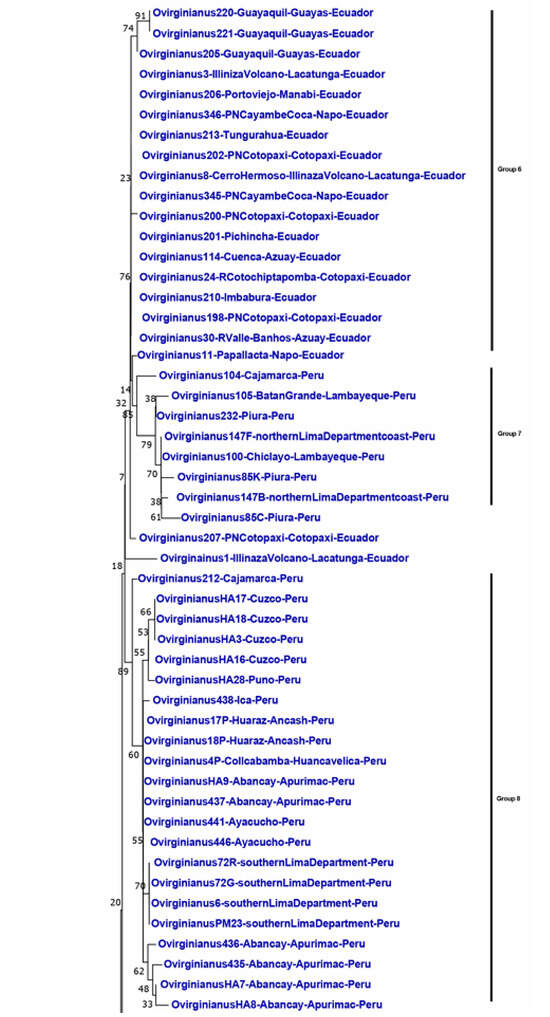
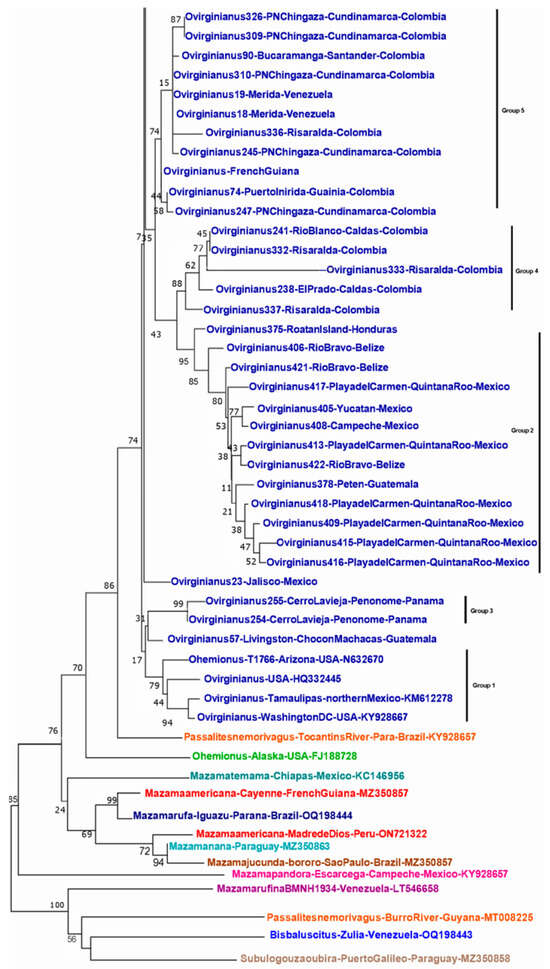
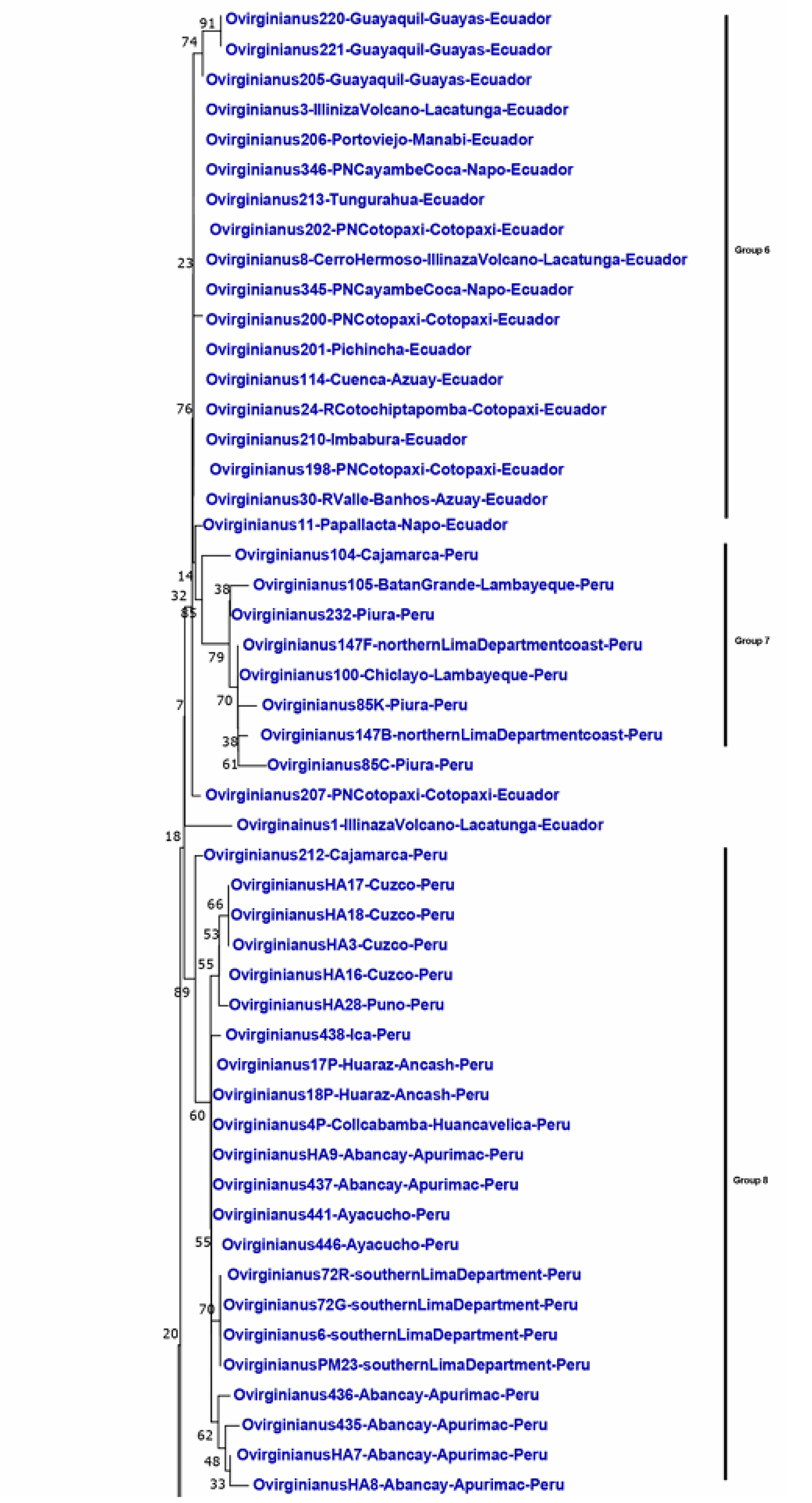
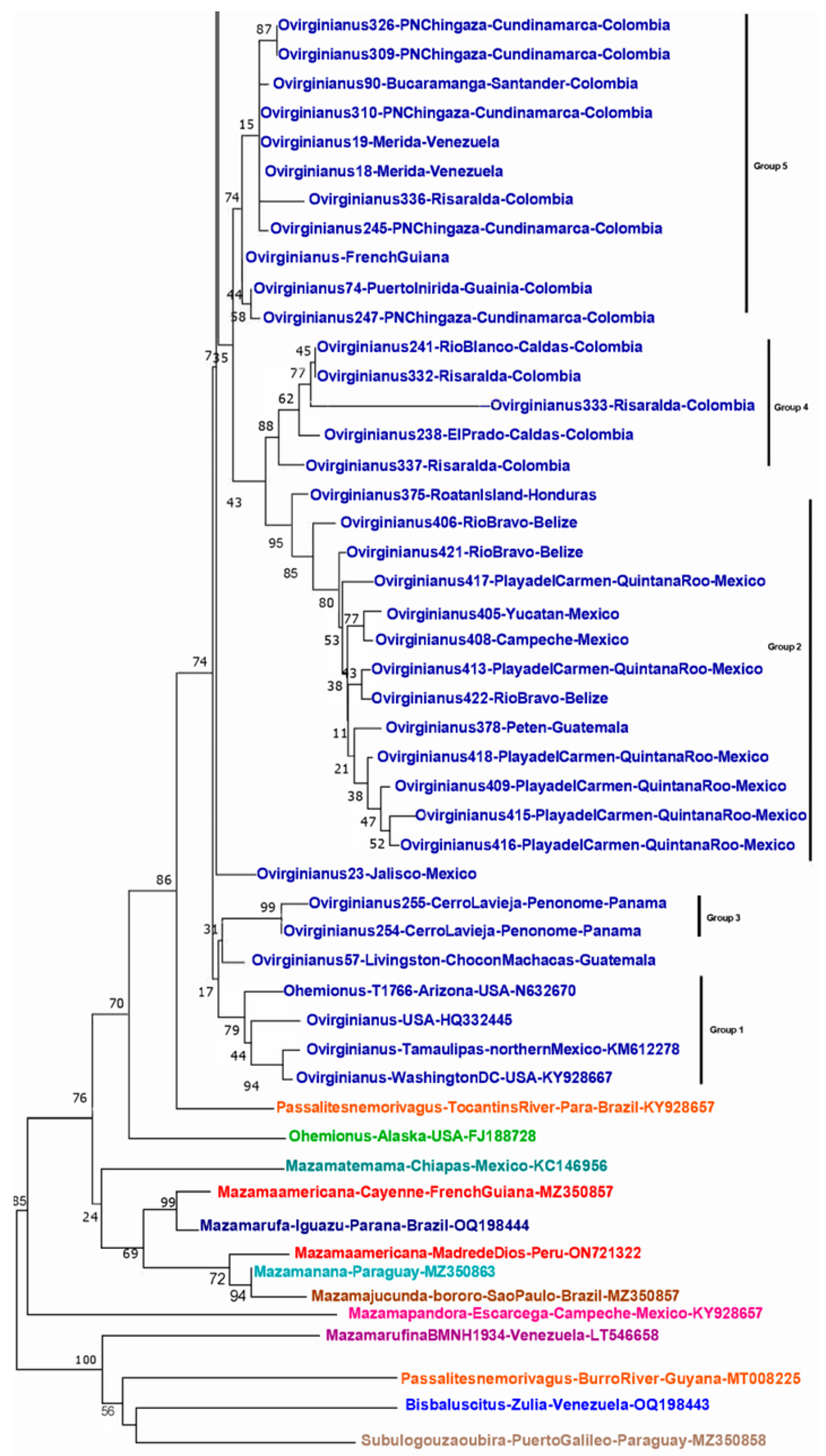
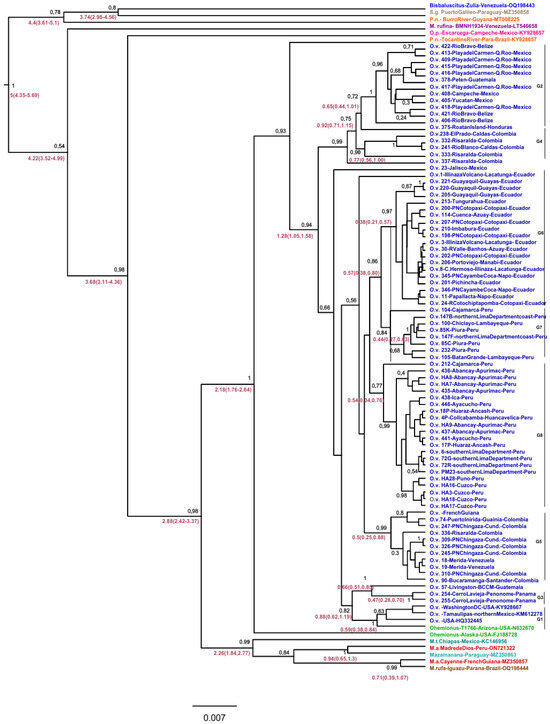
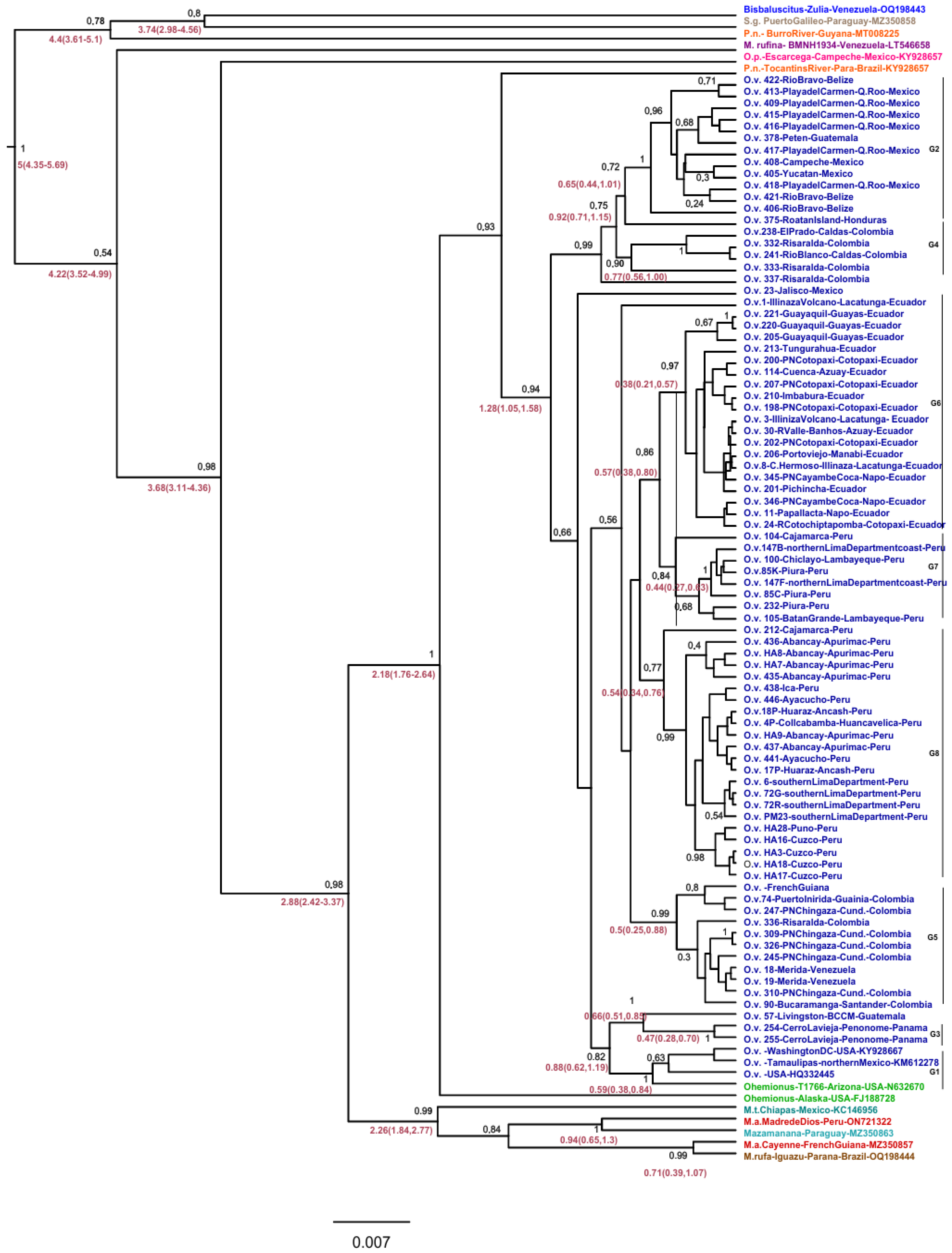
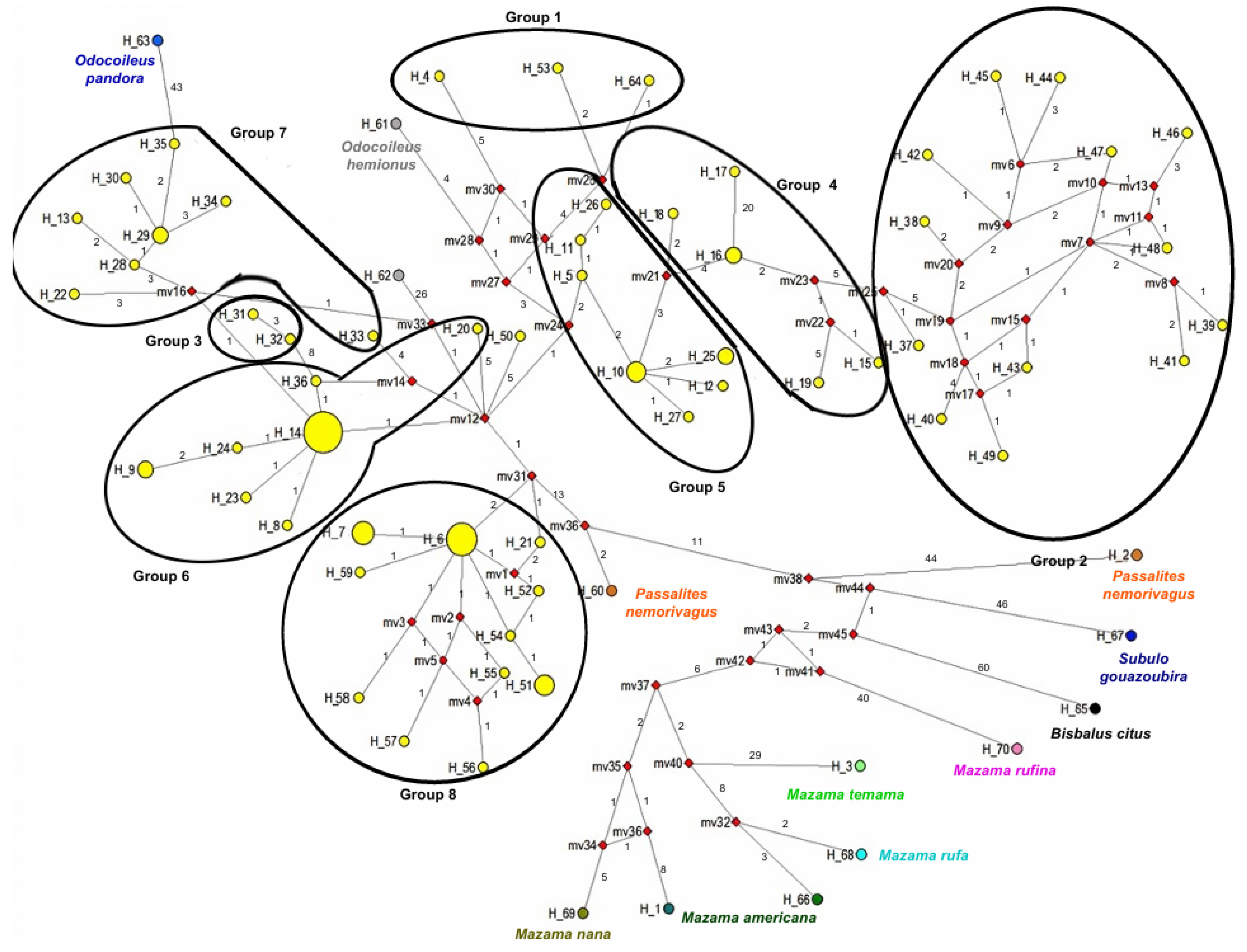
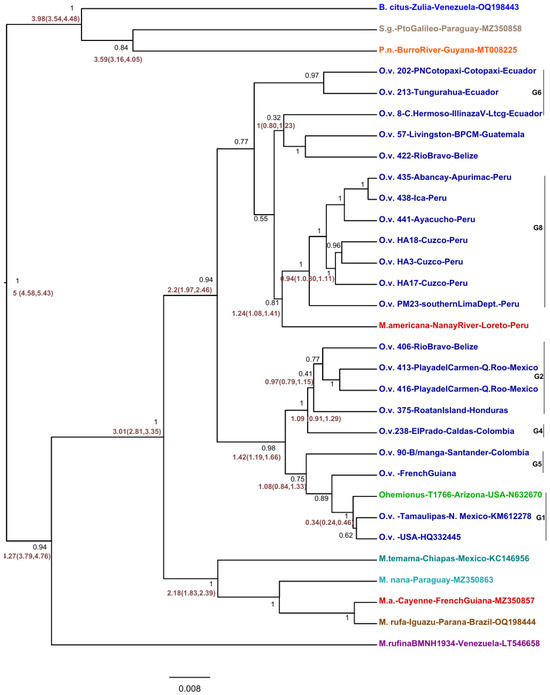
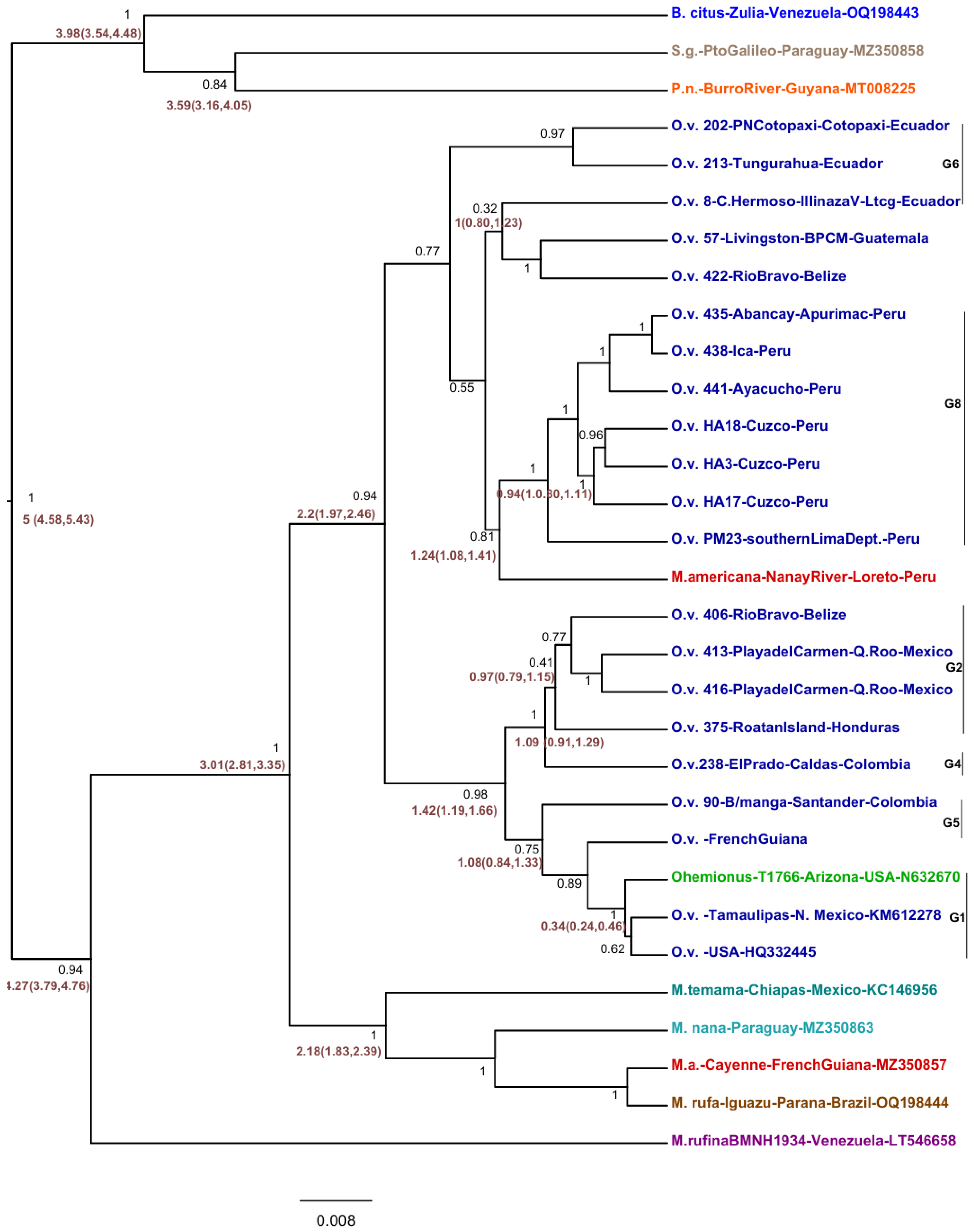
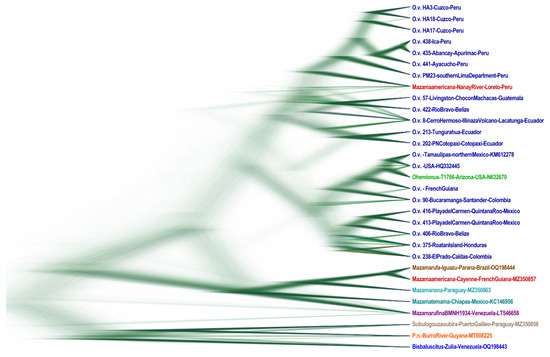
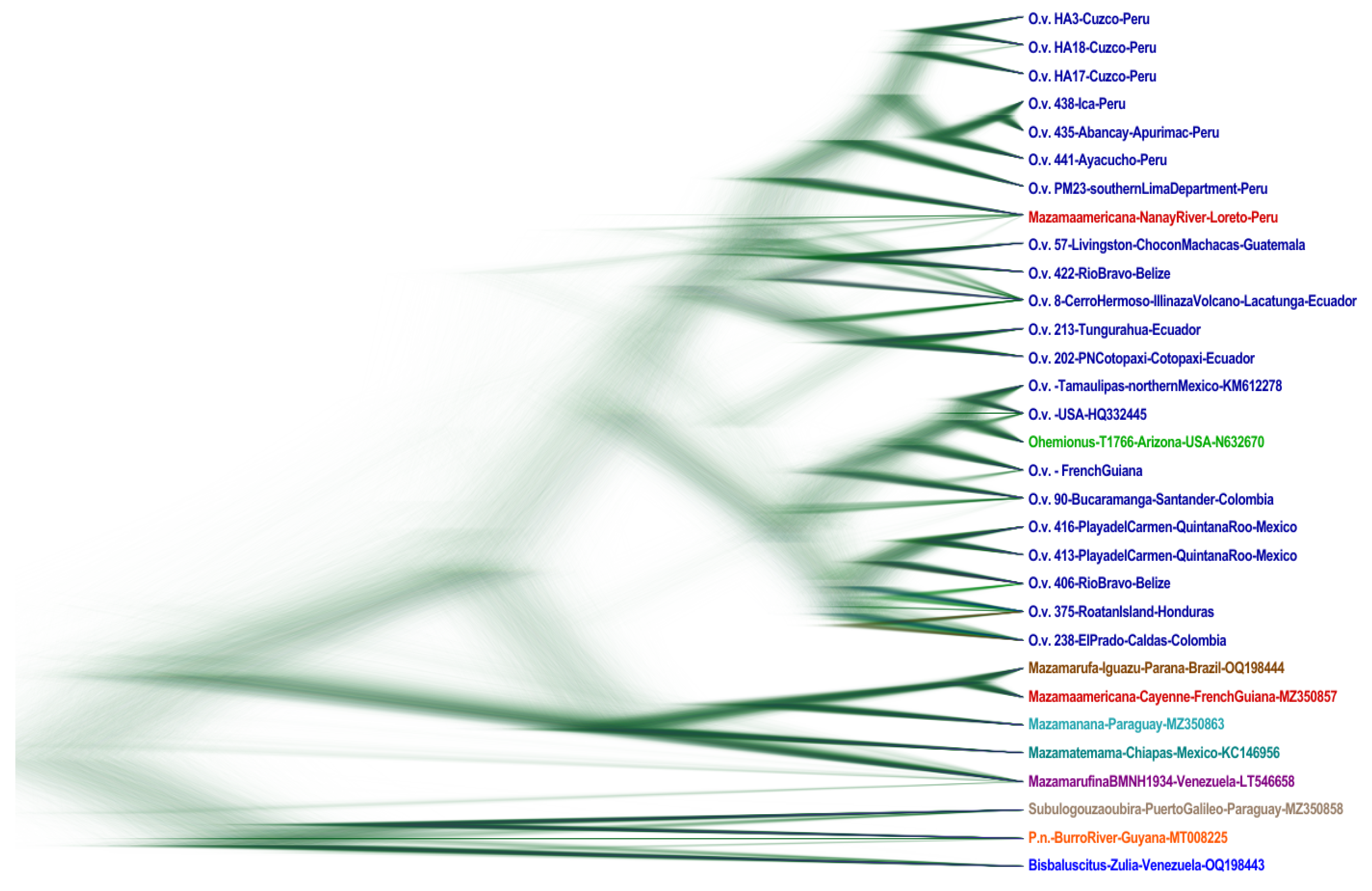
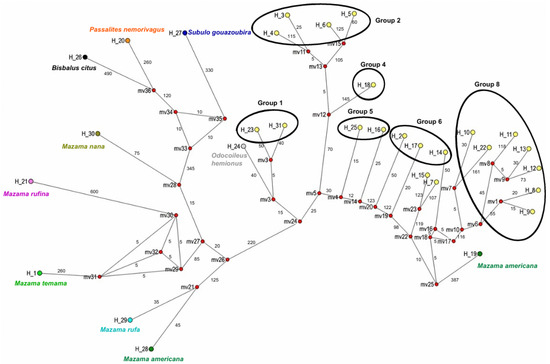
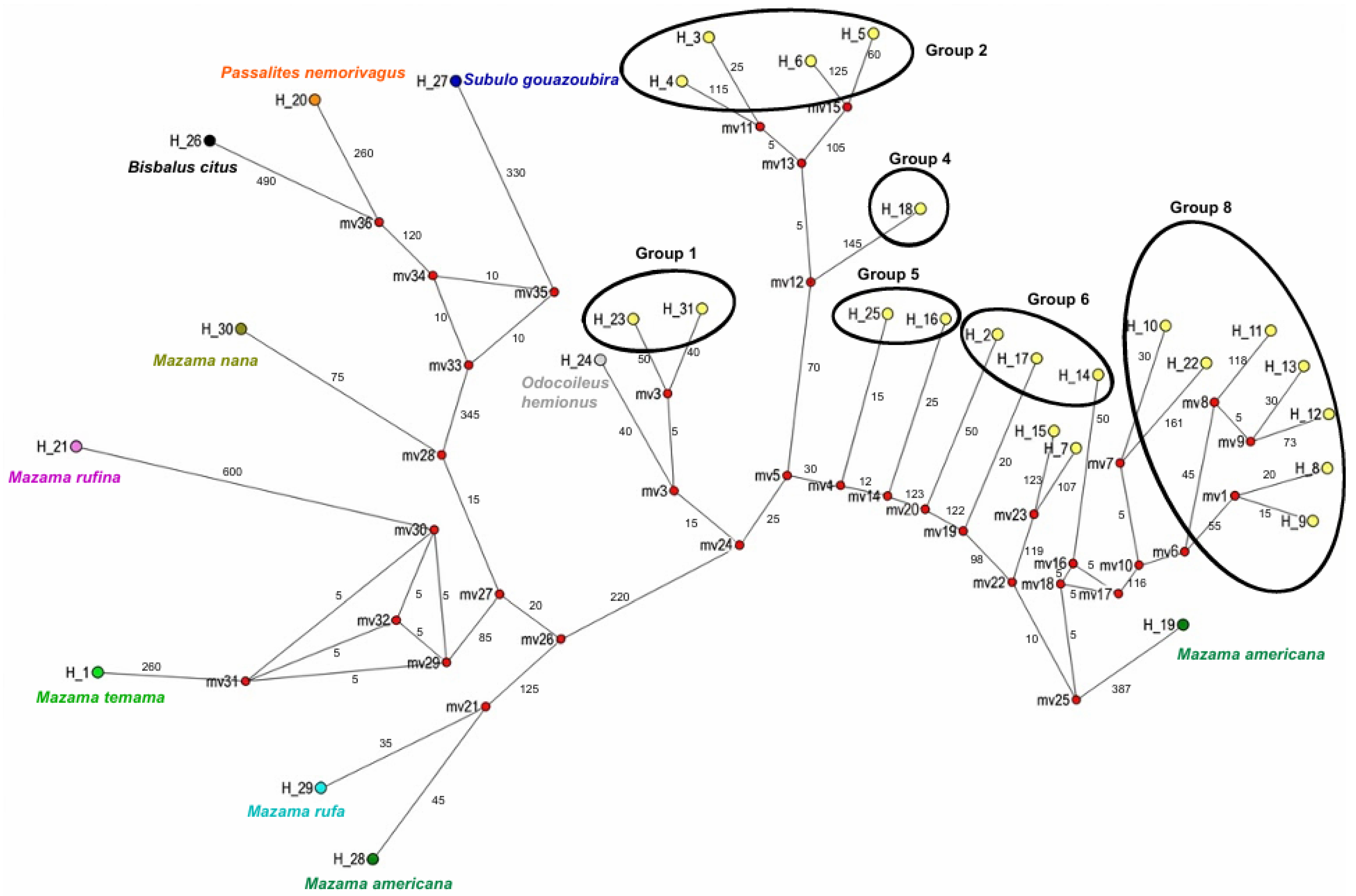
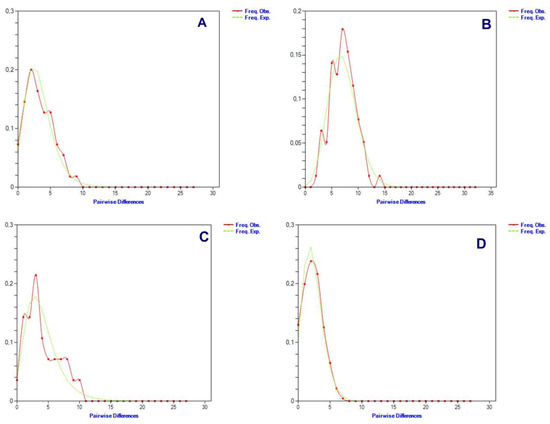
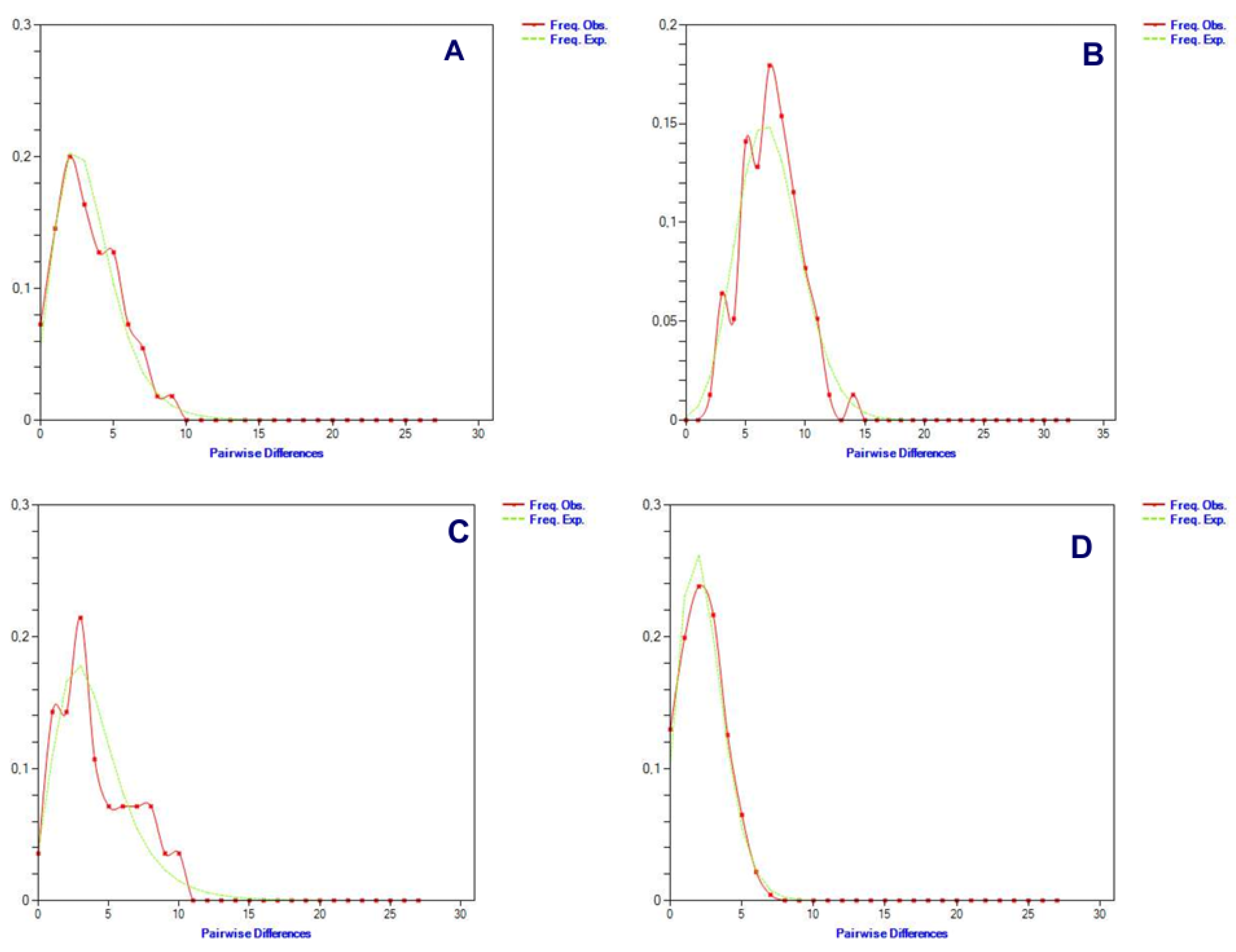

Disclaimer/Publisher’s Note: The statements, opinions and data contained in all publications are solely those of the individual author(s) and contributor(s) and not of MDPI and/or the editor(s). MDPI and/or the editor(s) disclaim responsibility for any injury to people or property resulting from any ideas, methods, instructions or products referred to in the content. |
© 2026 by the authors. Licensee MDPI, Basel, Switzerland. This article is an open access article distributed under the terms and conditions of the Creative Commons Attribution (CC BY) license.