Interesting Images

Between Soy and Pumas: The Future of Brazilian Biodiversity Is in the Hands of Farmers

by
Fabio Angeoletto
1,2,*,
Aline Gauer
3,
Adroaldo Sturmer
2,4,
Domingos Sávio Barbosa
1,
Franciele Finck
2,4,5,
Clarisse Hendges Sturmer
2,4,
Aline Locatelli
2,
Alana Vanoni Alnoch
4,
Bruna Luísa Bervian Schons
4,
Davi Otávio Zohler
4,
Emily Sturmer
4,
Flora Essy Angeoletto
2,4,
Gabriel Binsfeld
4,
Gabriela Catto Berwig
4,
Haiana Luisa Mai Soares
4,
Izadora Steffen Polla
4,
Maria Clara Zandoná Tramontina
4,
Théo Bernardo Rockenbach
4,
Valentina Antônia Kohlrausch Pinto
4,
Victória Schneider Giacomelli
4,
Vinícius Drechsler
4 and
Mark D. E. Fellowes
6
add Show full author list remove Hide full author list
1
Programa de Pós-Graduação em Gestão e Tecnologia Ambiental, Universidade Federal de Rondonópolis, Rondonópolis 78736-900, Brazil
2
PUMAS—Pessoas Unidas pelo Meio Ambiente, Agricultura & Sociedade, Chapada 99530-000, Brazil
3
Programa de Pós Graduação em Sistemas Ambientais e Sustentabilidade, Universidade Regional do Noroeste do Estado do Rio Grande do Sul-Unijuí/UPF, Ijuí 98700-000, Brazil
4
Escola da Floresta Olho da Coruja, Chapada 99530-000, Brazil
5
APATA—Associação Protetora dos Animais de Chapada, Chapada 99530-000, Brazil
6
School of Biological Sciences, Royal Holloway, University of London, Surrey TW20 0EX, UK
*
Author to whom correspondence should be addressed.
Diversity 2026, 18(5), 268; https://doi.org/10.3390/d18050268
Submission received: 4 March 2026 / Revised: 27 April 2026 / Accepted: 27 April 2026 / Published: 30 April 2026
(This article belongs to the Section Biodiversity Conservation)

Abstract

Brazil holds 13% of the global biodiversity; however, agricultural expansion threatens its biomes. Farmers are pivotal for conservation, as 71% of the country’s territory is rural property. A ‘citizen science’ project, which engaged students and farmers to monitor wildlife in forest remnants using camera traps was carried out in a rural municipality located in the Atlantic Forest biome. The endangered species Puma concolor and the invasive species Sus scrofa, alongside other native fauna, were documented in the area. In addition to securing these new records, the project aimed to open dialogs, fight misinformation, and strengthen local partnerships. It highlighted how community-based science can bridge the gap between biodiversity conservation and agricultural production.

Brazil is a highly diverse country, and its share of the world’s biota is approximately 13.1%, comprising 1.8 million named species [1]. The country is also a global agribusiness powerhouse and one of the world’s leading soybean, maize, and animal protein producers. However, this profile brings along significant environmental risks. According to Brazilian environmental legislation, betwwen 20% and 80% of the native flora found on rural properties must be preserved; in other words, deforestation is forbidden by law [2]. The preservation rate depends on the biome the property is located in. Actually, 80% of the native vegetation in rural properties in the Amazon must be preserved, although agricultural expansion is among the main deforestation causes in Brazil.
It is known that between 6.4 and 8.8 million hectares of native vegetation are lost every year in the tropics, and this number is largely driven by agricultural expansion [3]. Brazil houses almost half of South America’s territory, and 71% of its 8.51 million km2 is contained within rural properties. This area houses approximately 5 million rural properties that, altogether, hold 53% of Brazil’s native flora, which is distributed over six different biomes, namely, Amazon (rainforest), Cerrado, Caatinga, Pantanal, Pampa, and Atlantic Forest [2]. Based on these statistics, farmers are key characters for the conservation of Brazilian biodiversity and ecosystem services essential for agricultural production. Therefore, policies and strategies aimed at preserving the Brazilian biodiversity outside the farms and the forests in them are not likely to succeed [2,4,5].
The aim to conserve the native flora in rural properties mostly means helping to protect Brazilian agricultural production from invasive species. Actually, the future of Brazilian agriculture is uncertain without the ecosystem services provided by the country’s biomes [2,6]. There are many examples of ecosystem services on which Brazilian agriculture depends. Atlantic Forest remnants in rural properties in southeastern Brazil, for instance, provide habitat for pollinators of soybean, orange, coffee, and bean crops, among others. Atlantic Forest restoration on areas close to crops could increase these sites’ yearly yield by approximately US $900 million [7]. Native bees distributed in this biome, such as Tetragonisca angustula (Latreille, 1811) and Melipona quadrifasciata (Lepeletier, 1836) could intensify pollination in crops and, consequently, their yield, without the need for expanding cultivation areas [7].
Despite the urgency for conserving tropical forests, some Brazilian farmers have opposed the ‘zero-deforestation’ agenda because they believe that environmental regulations aimed at native vegetation preservation in rural properties are a burden [8]. Brazilian farmers stand for their ‘right to deforest.’ According to them, this right is unduly repressed by this environmental legislation. Furthermore, their understanding of development is outdated, as they still associate deforestation with social and economic progress [8]. Farmers are frequent illegal deforestation perpetrators in all Brazilian biomes [5]; yet, opposition to forest conservation in the countryside has been mostly treated as a ‘conspiracy theory’ emerging from disinformation and scientific denialism [8]. Furthermore, the outspread of false information is driven by agribusiness corporations that fight against sustainability policies, which would require substantial changes in their businesses practise [8]. These corporations have high political and economic power, and farmers reproduce false information in ‘echo chambers,’ such as social media groups [8].
Some farmers are skeptical about the ecological consequences of deforestation, and they do not believe that the Amazon deforestation leads to lower rainfall rates. Farmers often react to this information by dismissing it as a theory developed by “mad scientists” [8]. The same reaction has also been observed in their confrontation with the empirical research by Brazilian scientists, according to whom the large-scale deforestation in the Southern Brazilian Amazon is associated with lower regional rainfall rates. This rain shortage potentially explains agricultural revenue losses close to US$1 billion on a yearly basis due to high-deforestation scenarios [9].
Believing in conspiracy theories means harming sustainability, because they are used to justify and reinforce anti-environmental behaviors. The false belief that climate change is a hoax, for example, reduces the concern with ecosystem degradation, ocean plastic pollution, habitat destruction, the extinction of plant and animal species, melting ice caps, forest wildfire events, and coral bleaching [10]. The core issue lies in getting a different perspective, regardless of the complex cultural causes which providie room for distorted understandings of conservation. Positive changes will only be achieved if other viewpoints are introduced to farmers.
Chapada Municipality, Northern Rio Grande do Sul State, Brazil [28°03′18″ S 53°04′04″ W], is a rural municipality characterized by low population density (close to 10,000 people in 2022). Many of its residents live in the countryside for agricultural purposes [11]. Soybean crops are this municipality’s key economic driver [12]. Chapada municipality is located in the Atlantic Forest biome, which is a global biodiversity hotspot that provides ecosystem services to 65% of the Brazilian population [13]. This biome has been overexploited since the European colonizers reached the country in 1500 AD. Its destruction got more intense from the 20th century onwards due to the expansion of agricultural frontiers. Currently, only 25% of the Atlantic Forest’s original territory remains in place [13].

How Is It Possible to Set Partnerships with Farmers as a Strategy to Preserve Forest Remnants in Their Properties?

Adopting sustainable agriculture practices is essential to achieving global food security and agricultural resilience [14]. There is no single path to accomplish the complex task of building alliances with farmers. Nevertheless, environmental and science education are relevant tools to fight misinformation, as educational opportunities are essential to mitigate scientific denialism and to disrupt conspiracy theories driving Brazilian farmers’ anti-environmentalism [8,15]. A structured initiative is required to reach farmers and their communities; therefore, a program to make the dialog between the local community and wildlife ecologists easier was set.
Despite some evidence of pumas (Puma concolor) living in Chapada’s rural area, as their footprints were observed there, their presence in rural landscapes was not taken into consideration either the farmers or the local authorities. Thus, their likely presence in this region was seen as an opportunity to develop scientific and environmental education projects aimed at farmers. A ‘citizen science’ project was carried out with adolescent students and teachers from Olho da Coruja Forest School, which follows the ‘forest school’ pedagogical approach. The project counted on 14 students, 3 teachers, and 3 farmers who were trained to install 21 camera traps and to use them. The cameras were installed by a group of scientists from the Universidade Federal de Rondonópolis (Brazil), the Royal Holloway, the University of London, and the University of Reading (UK), who also provided the camera traps. Local businessmen supported their efforts by funding some project costs, such as costs of logistics for field visits to check on the cameras.
The students were supervised by an adult over the cameras’ installation in habitat fragments on the rural properties. They were responsible for monitoring the cameras’ batteries, collecting the memory chips, downloading the images onto their computers, and analyzing them. The group monitored rural forest remnants in Chapada Municipality from August 2023 to February 2025. The goal of the project and a WhatsApp number were publicized in the local press as an attempt to encourage residents to join the project, as farmers were asked to report any signs of pumas on their properties. The cameras were installed on properties of farmers who had made contact with the researchers. Interestingly, 24 farmers invited the researchers to install cameras on their properties, even though they did not notice the presence of felines on them. Moreover, many farmers were curious about what kinds of animals were living on their land. On the other hand, some farmers refused the researchers’ request to install cameras on areas highly prone to puma sightings, such as riverbanks.
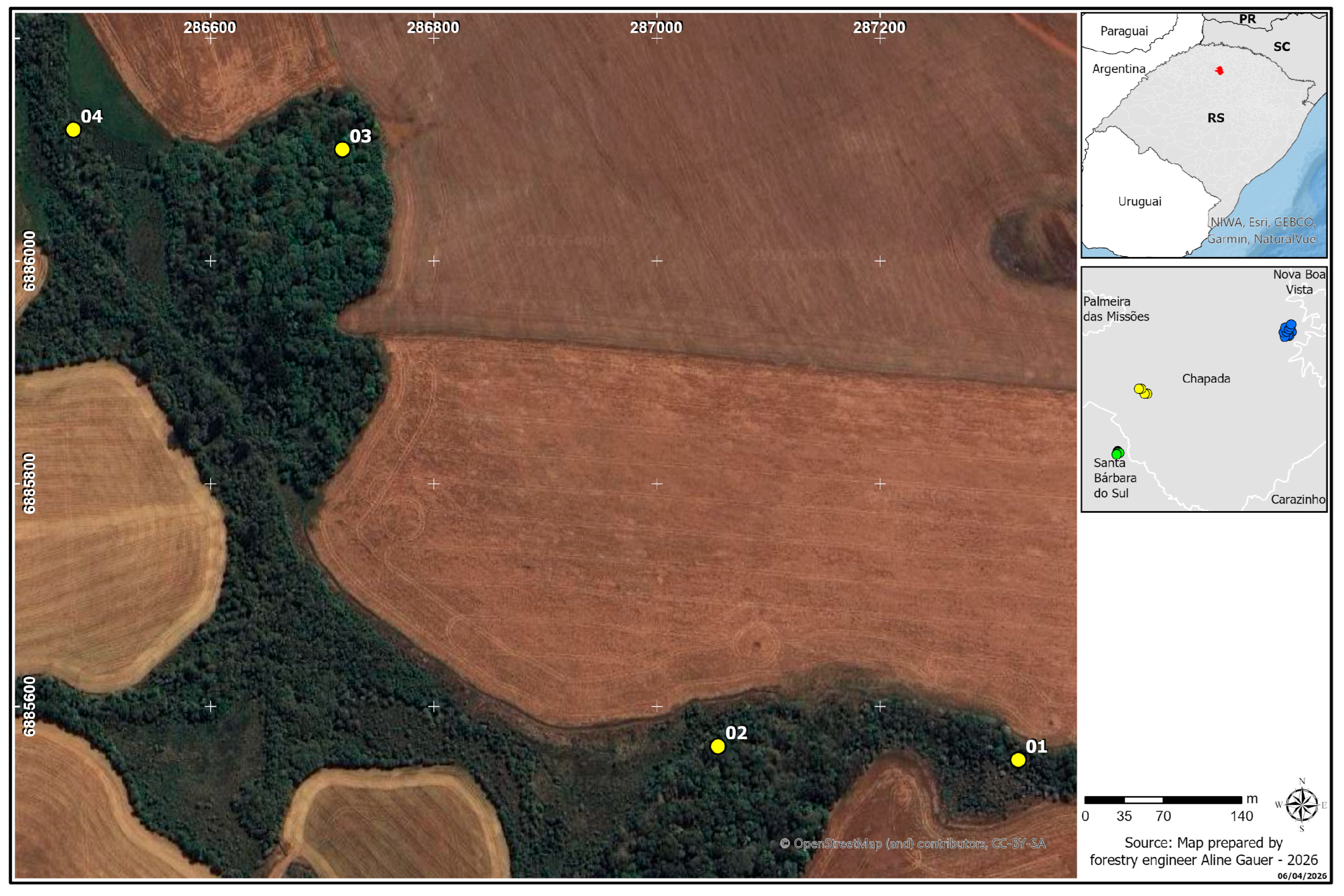
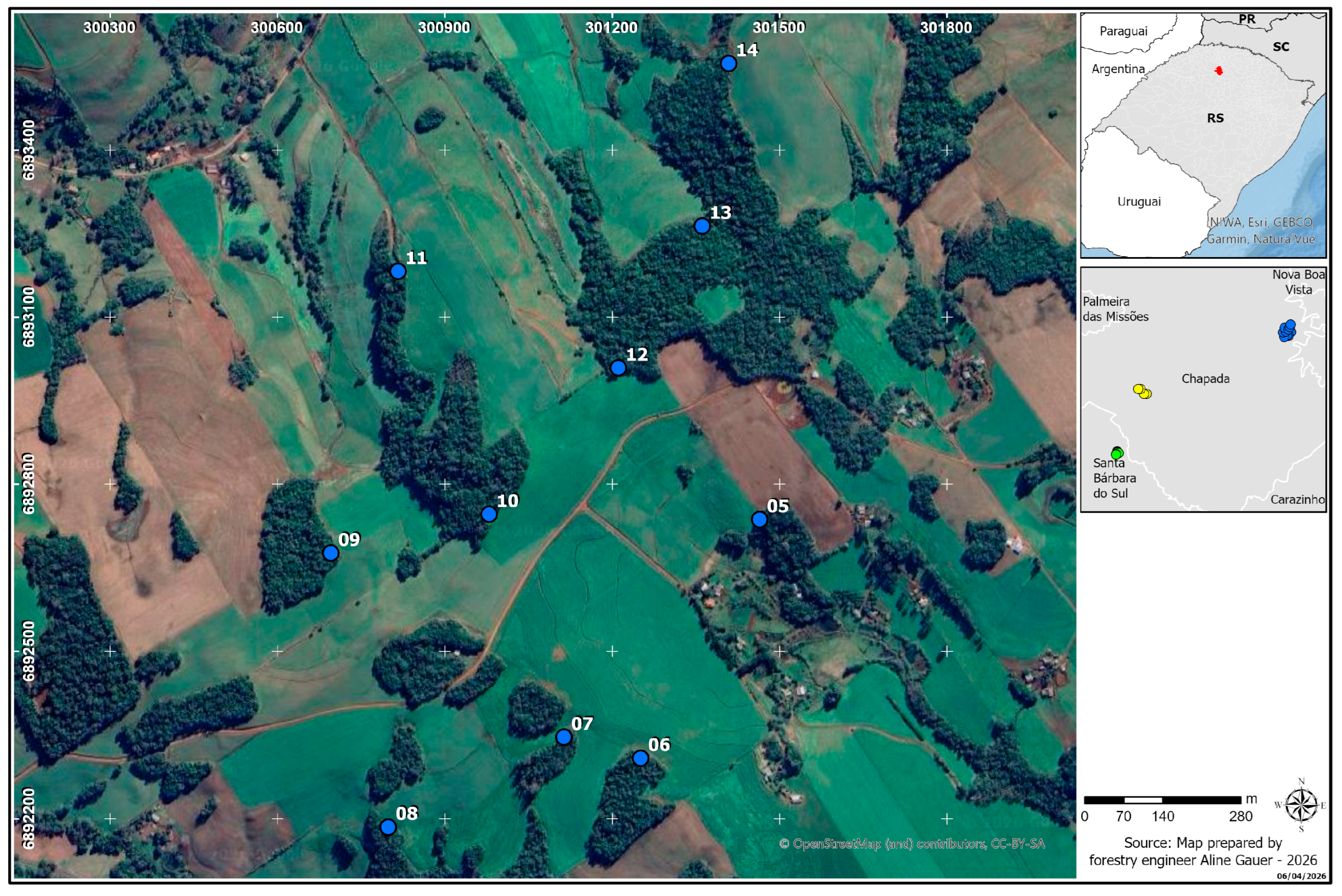
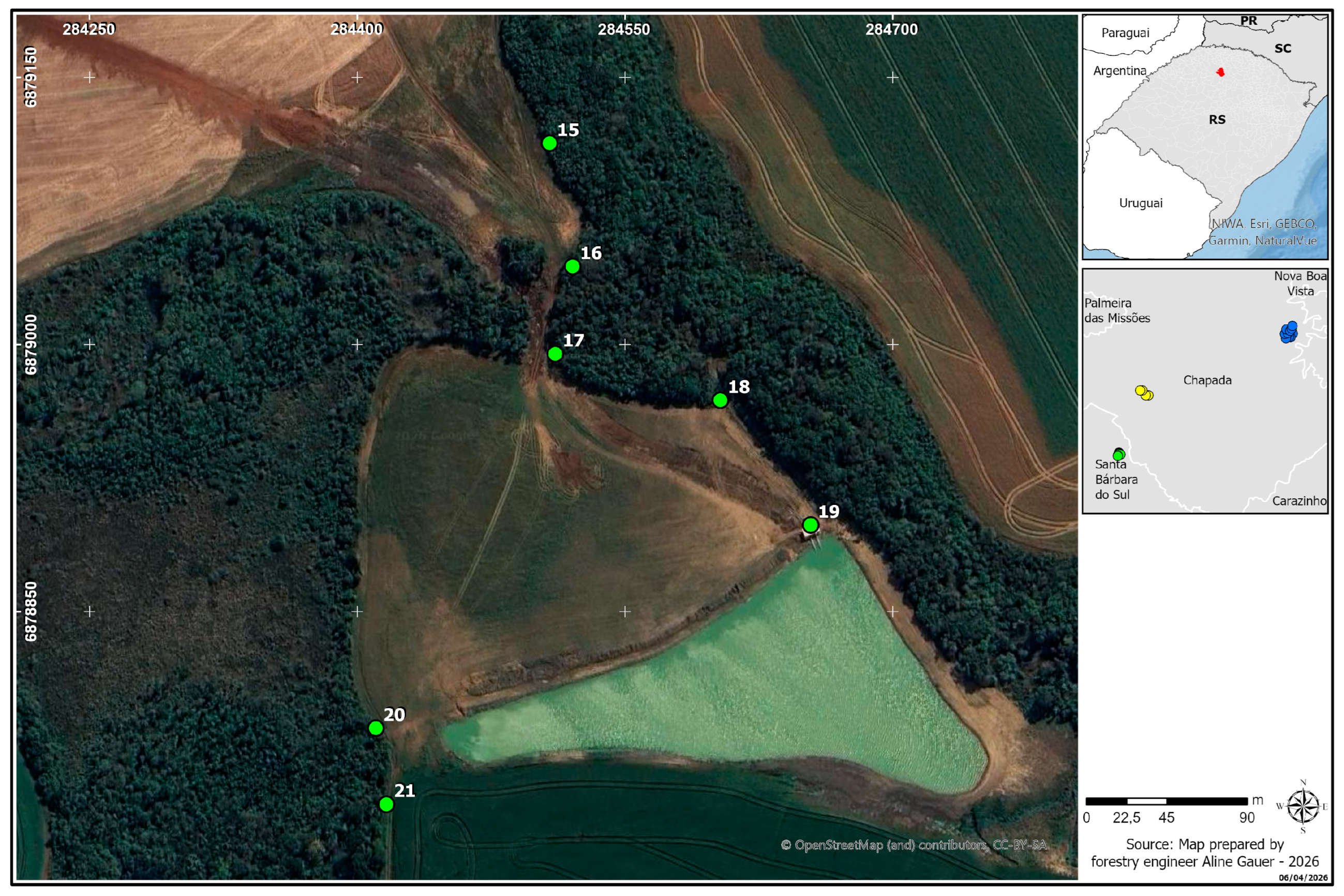
The study was conducted in three different sampling areas distributed within Chapada Municipality and on fields bordering Santa Bárbara do Sul Municipality, both on the Atlantic Forest biome. These areas are featured as mixed ombrophilous forest (Scheme 1, Scheme 2 and Scheme 3 and Table 1). Twenty-one (21) camera traps were distributed near natural trails and forest edges and on locations presenting evidence of animal passage, such as footprints and feces. A minimum distance between the cameras was not set. The cameras were fixed to the tree trunks, approximately 40 cm from the ground. The equipment was set to operate 24/7, and was based on using motion and heat sensors to detect the animals. The sampling time lasted 121 days on 21 farms.
The total number of camera-days was used to quantify the camera trapping effort. It was conducted to improve the sampling effort transparency. The total sampling effort reached 2541 camera-days if one bears in mind 21 camera traps operating for 121 days. The cameras were distributed across three sampling areas within the study site (see Scheme 1, Scheme 2 and Scheme 3); there were 4, 10, and 7 cameras were allocated in each sampling spot, respectively. Camera spots were chosen based on location accessibility and landowner consent, as well as on the evidence of animal signs, such as tracks and feces. Cameras recorded photographic images upon their triggering and made short videos whenever possible. There was no programmed delay between consecutive triggers since it would allow fast successive recordings when animals remained in front of the device.
Voluntary participation was adopted as a source of potential sampling bias. Access to systematic data on non-participating properties was not achievable, although it would allow formal comparisons (e.g., forest fragment size, distance to forest edges, among others). Any potential bias could influence patterns’ detection, mainly in the case of species mostly using less disturbed habitats or avoiding human presence. Therefore, the current findings are assumedly conservative when it comes to the occurrence of disturbance-sensitive species, including large carnivores. Non-random camera placement is widely recognized as a biased source in camera trap studies. It is so because detection probabilities are strongly influenced by site selection, habitat features, and accessibility [16]. These limitations should be taken into account when interpreting species occurrence patterns observed through opportunistic or volunteer-based sampling designs.
The main aim of this study was not to estimate detection, occupancy, or abundance probabilities, but rather to document species presence and assess the ‘citizen science’ approach potential in engaging rural stakeholders with fauna monitoring and with biodiversity conservation in Atlantic Forest remnants in rural properties. Therefore, the methodological design was exploratory and demonstrative, rather than a standardized ecological survey.
The study site landscape, which is interspersed with remnant native vegetation patches, is mostly surrounded by dense soybean cultivation. Soybean crops are the main land use in the region. These forest remnants are highly fragmented and embedded in an agricultural matrix. Just as observed in other southern Brazil areas, this pattern leads to mosaic landscapes where small and isolated forest patches work as critical refuges and as wildlife corridors.
The study followed an empirical and exploratory design based on the direct monitoring of fauna through camera traps in forest remnants. It should be interpreted as a ‘proof-of-concept’ initiative rather than as an understandable quantitative biodiversity–pattern assessment.
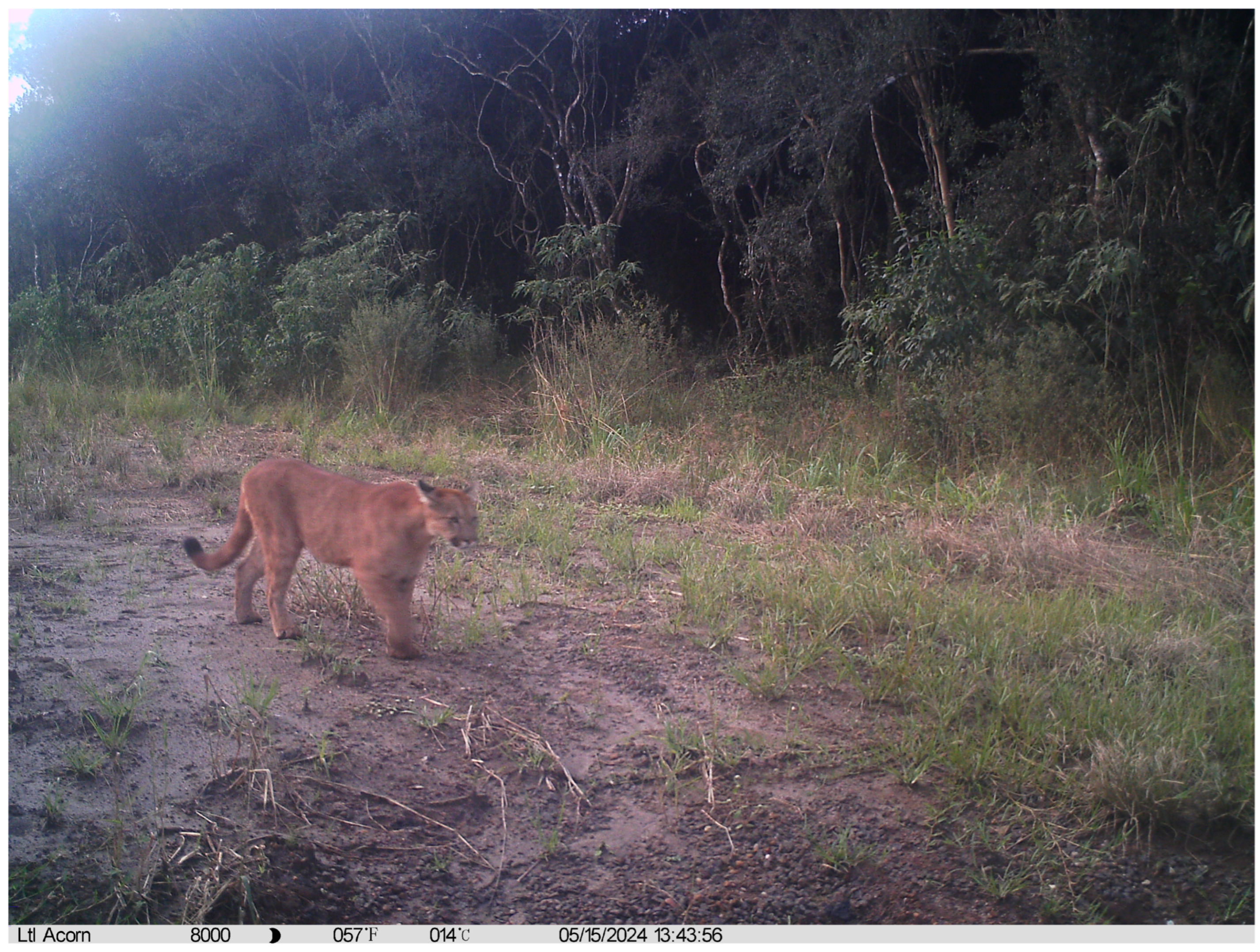
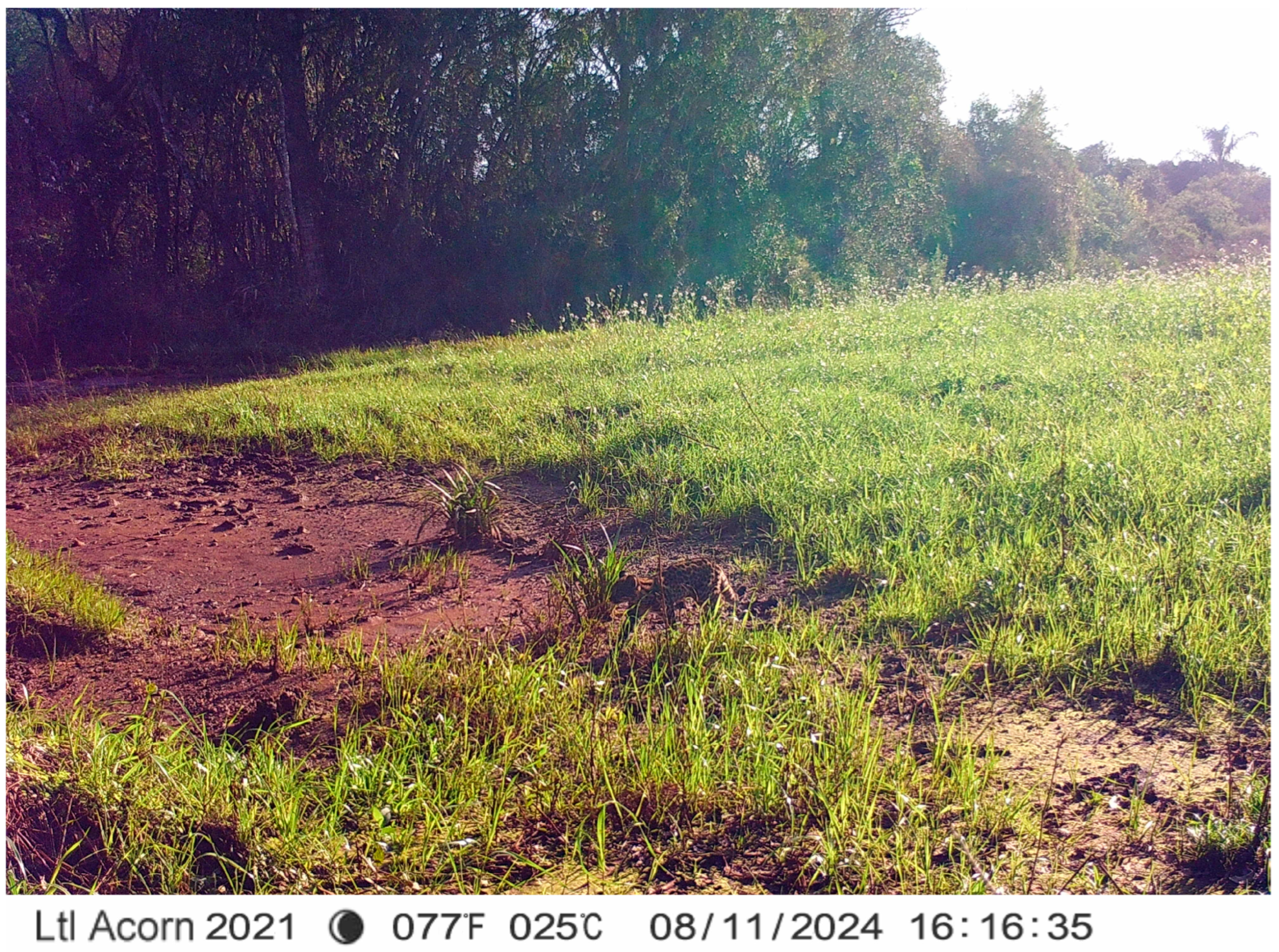
Images and footage of a Puma concolor specimen found on the Chapada rural area were collected (Figure 1 and Supplementary Material Video S1). Puma concolor is an endangered species in Rio Grande do Sul State (threat category: Endangered) [17]. To the best of our knowledge, based on available data, this was the first record of Puma concolor in this municipality. This statement is supported by the research conducted in the biodiversity database of the Global Biodiversity Information Facility (GBIF) [18].
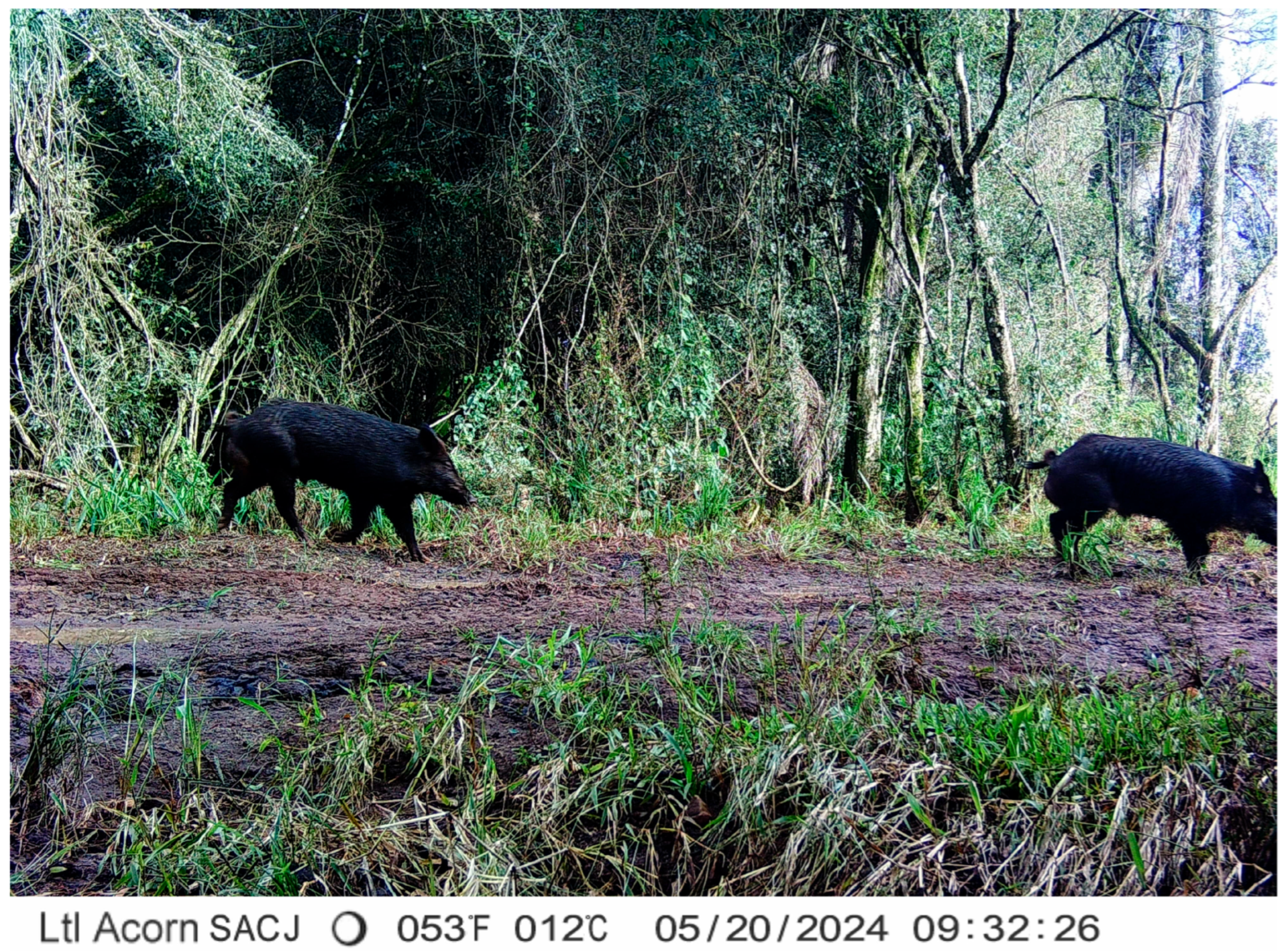
Surprisingly, the installed cameras also recorded wild boars (Sus scrofa) in this region (Figure 2). This finding is the first record of this species in Chapada Municipality, as observed in theavailable data. This statement is substantiated by searches in the biodiversity database of the Global Biodiversity Information Facility (GBIF) [19]. Wild boars are an invasive species that causes significant damage to agricultural crops and to biodiversity in the six Brazilian biomes [20]. This species was identified by scientists from the Universidade Federal de Rondonópolis, the Royal Holloway, and the University of London.
Despite its wide geographic distribution, ranging from Canada to Chile, the Puma concolor population is declining in Latin America. A literature review published in the Mammal Review journal recorded over 400 biotic interactions between pumas and other species, and they may directly and indirectly, regulate the size of their prey population [21]. Furthermore, their presence is a good indicator of ecosystem integrity [18]. Dickman et al. (2015) [22] ranked Puma concolor among one of the felid species which demand the highest conservation priority given their potential to act as ‘umbrella’ species for the conservation of other species. According to these authors, Brazil, Argentina, Bolivia, Chile, and Peru are contries of priority in South America when it comes to the conservation of Puma concolor and other felids [22].
Pumas are even more ecologically relevant in regions where jaguars (Panthera onca) have become locally extinct in Latin America, such as in Rio Grande do Sul State, Brazil. This species preys on wild boars [23] and this behavior can be translated into a potential ecosystem service provided by Brazilian farmers. However, given the lack of data on the diet of pumas in Chapada’s rural areas, it is only possible to speculate about the likely wild boar predation on the present study site.
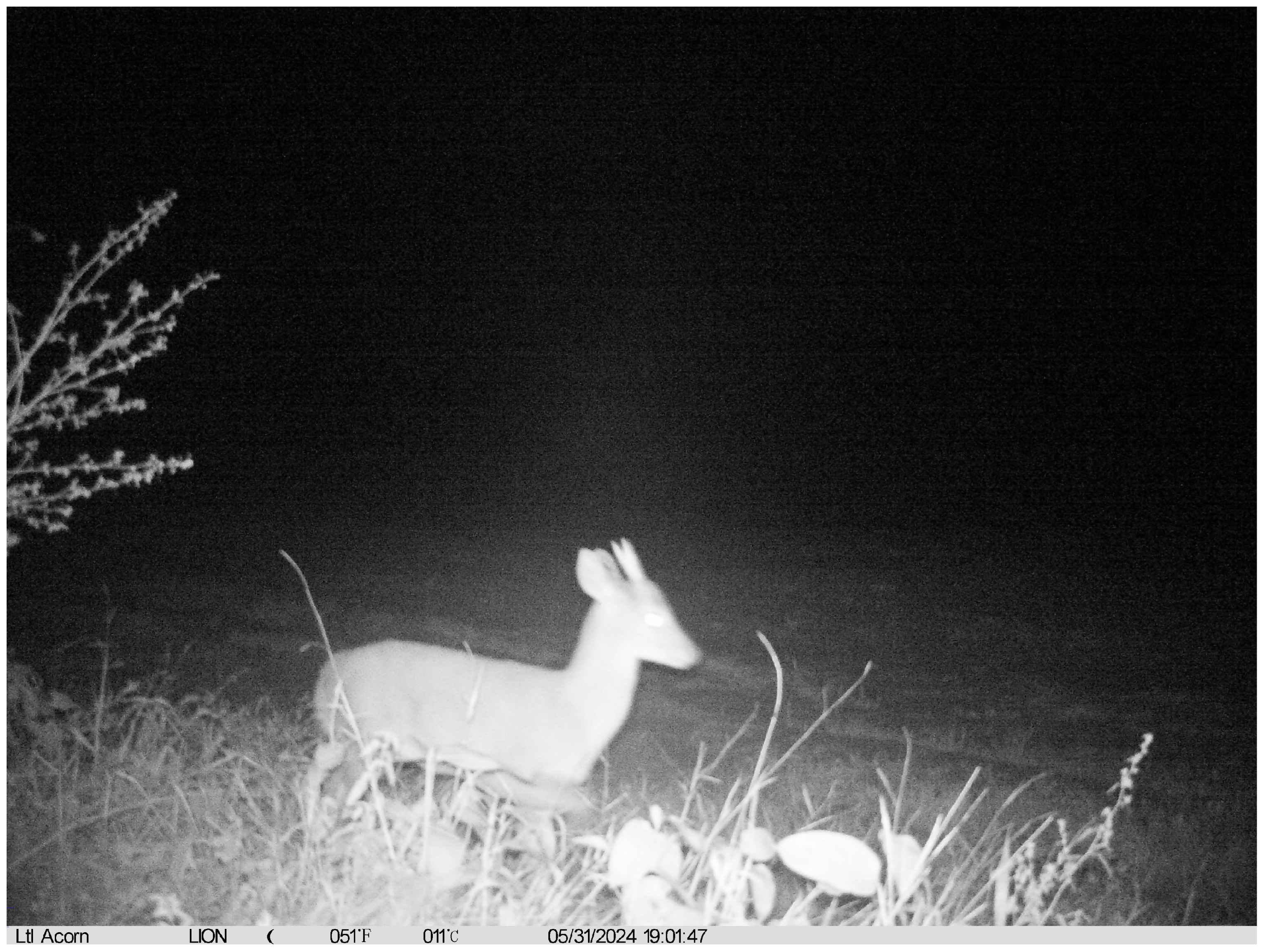
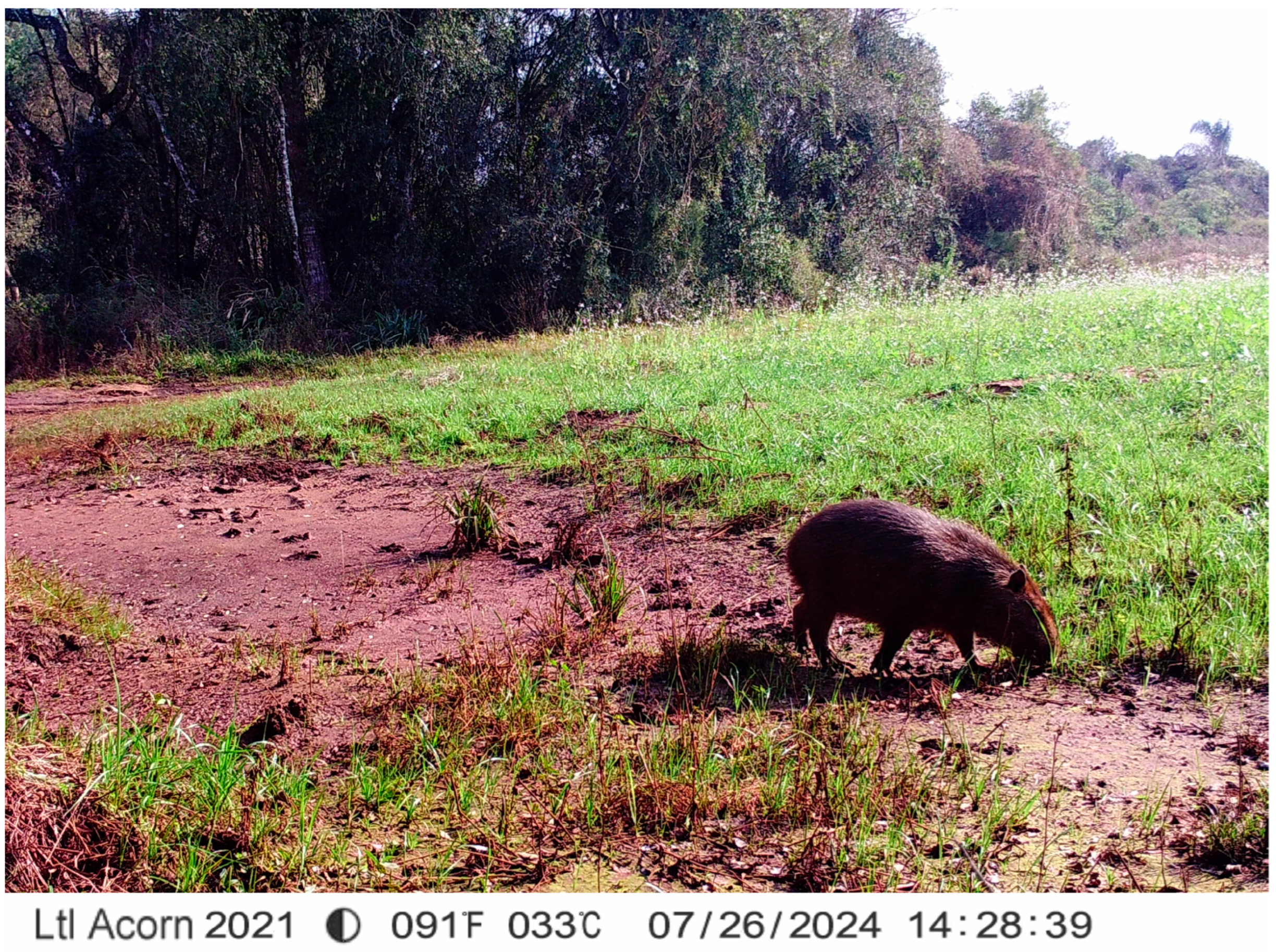
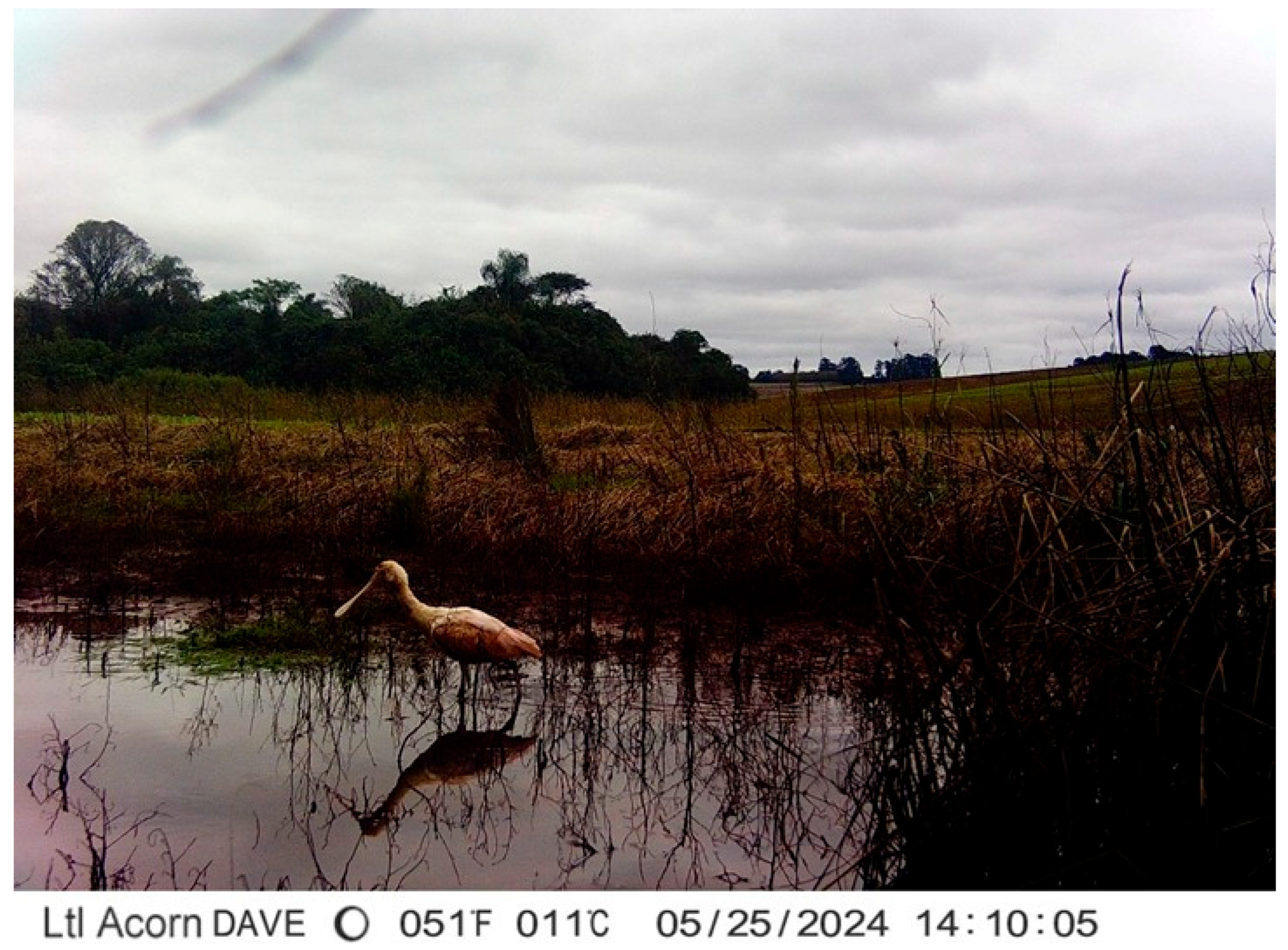
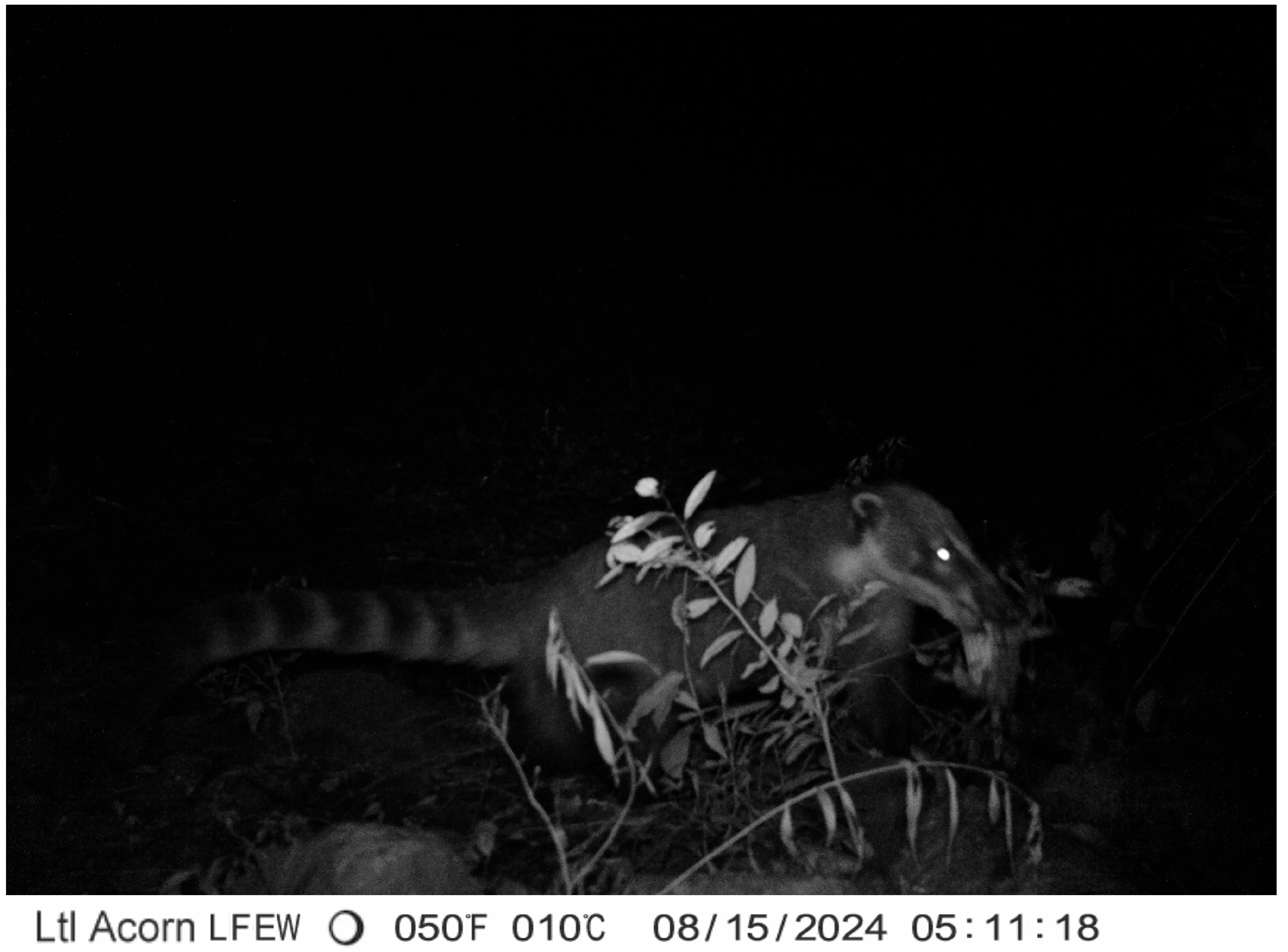
Although the main aim was to find out whether pumas were present in the study site, other animals were also photographed, including gray brocket deer (Mazama gouazoubira) (Figure 3), capybara (Hydrochoerus hydrochaeris) (Figure 4), roseate spoonbill (Platalea ajaja) (Figure 5), ocelot (Leopardus pardalis) (Figure 6), and ring-tailed coati (Nasua nasua) (Figure 7). Species belonging to the threat category ‘Vulnerable,’ namely: Leopardus pardalis and Nasua nasua, are also endangered species in Rio Grande do Sul State [17]. We also obtained footage of two more species (Supplementary Material Videos S2 and S3): the wood fox (Cerdocyon thous) and the margay (Leopardus wiedii). Leopardus wiedii is another endangered species in Rio Grande do Sul State (threat category: Vulnerable) [17]. Current population trends for Puma concolor, Mazama gouazoubira, Nasua nasua, Leopardus pardalis, and Leopardus wiedii are decreasing, according to the IUCN Red List of Threatened Species.
In line with the literature on misinformation and scientific denialism in environmental contexts, during the development of the project, we encountered indications of misinformation circulating among some local stakeholders, particularly via social media and messaging applications. Due to ethical considerations, we chose not to reproduce specific messages. However, these observations could be broadly grouped into a limited number of recurring themes. First, some farmers expressed skepticism regarding the presence of large carnivores such as pumas in the region, often questioning the reliability of indirect evidence (e.g., footprints). Second, more general narratives consistent with scientific denialism were occasionally noted, including distrust in academic research and the perception that environmental concerns may be exaggerated or politically motivated. These observations are anecdotal, context-specific, and derived from informal interactions during the project and therefore should not be interpreted as representative of the broader farming community. In contrast, the association between misinformation, conspiracy beliefs, and anti-environmental attitudes is well documented in the scientific literature.
In order to combat scientific denialism, several educational assignments were carried out with the collected wildlife records. Students enrolled in the forest school attended a scientific writing workshop taught by Professor Juan Pedro Ruiz from Autonomous University of Madrid. The Spanish scholar was able to travel to Brazil due to resources granted by the Chapada municipality. The results and the importance of the conservation of the Atlantic Forest biodiversity for agricultural production were discussed during two meetings with the students’ parents, most of whom are farmers.
FM radio stations are the most popular means of local communication, particularly in the rural area of Chapada. A science outreach program entitled “Urban Photosynthesis,” (Fotossíntese Urbana), broadcasted on two FM stations belonging to the Grupo Simpatia de Comunicação, aired 43 editions with daily information about the camera trap research and its results and also about sustainable agriculture, and about wild boar sightings and the importance of conserving Puma concolor for agriculture. Furthermore, the teachers from the forest school and one of the scientists from UFR (F. Angeoletto) were interviewed by FM radio stations on four occasions regarding the progress of the project and its results. The programming of the two FM radio stations managed by the Grupo Simpatia de Comunicação reaches 60 municipalities in the state of Rio Grande do Sul, encompassing a potential audience of 600,000 listeners [24].
Throughout the citizen science project, several reports from the farmers about alleged puma attacks on sheep and domestic animals, such as dogs, were heard throughout the citizen science project time. It was not possible to check whether these attacks were actually true, but the rumors certainly point out the legitimate concern of rural producers. Wildlife and farmers’ coexistence is one of the greatest challenges for biodiversity conservation in rural landscapes [25,26]. Conflicts between humans and wild animals have increased dramatically in Brazil, including those between humans and pumas [27]. Electrified barriers could be a solution for protecting the sheep from pumas. However, the most effective measure against them lies in implementing socio-environmental coexistence policies, but they require community involvement and education to change paradigms and develop relationships based on trust between scientists, managers, and farmers and promote the outstanding role of the ones involved with it [28]. Creating municipal funds to compensate farmers whose animals have been preyed upon by pumas is among the policies for small rural Brazilian municipalities housing Puma concolor populations. Farmers would have a mechanism to offset any potential losses; in return, they would commit to not killing these felines.
Despite the resistance to environmental regulation, a growing body of research has shown that many Brazilian farmers will actively collaborate on biodiversity conservationefforts by adopting sustainable intensification practices, restoring native vegetation, and paying for ecosystem-service programs [29]. Any potential changes in attitude of the Chapada farmers were not assessed, i.e., the adoption of pro-environmental behaviors. However, students, farmers, and other social actors involved in the citizen science project helped to launch the PUMAS NGO. This name is an acronym for Pessoas Unidas pelo Meio Ambiente, Agricultura e Sociedade [People United for the Environment, Agriculture and Society—in Portuguese]. The main goal of this non-governmental organization is to implement forest conservation projects in rural areas, in partnership with local farmers. These local-scale initiatives are welcome and essential, as they help to address Brazil’s greatest challenge, namely, reconciling agriculture and the conservation of the country’s enormous biodiversity and the resulting ecosystem services, many of which are essential for agricultural production.
Universities in Brazil are concentrated in large cities, and small rural municipalities often lack local scientific institutions [30]. Thus, there is virtually no knowledge production on biodiversity conservation in rural landscapes in small towns, such as Chapada [31]. The current study helped to fill this gap, as it generated scientific data and boosted conservation initiatives in a small agricultural municipality. It highlighted that local education-based approaches can encourage the farmers’ engagement and institutional innovation.

Supplementary Materials

The following supporting information can be downloaded at: https://www.mdpi.com/article/10.3390/d18050268/s1, Video S1: Footage of Puma concolor; Video S2: Footage of Cerdocyon thous and Video S3: Footage of Leopardus wiedii in a rural landscape in Chapada Municipality, Brazil.

Author Contributions

Conceptualization, data curation, writing—original draft preparation, writing—review and editing, F.A.; conceptualization, methodology, writing—original draft preparation, writing—review and editing, A.G.; conceptualization, writing—original draft preparation, writing—review and editing, A.S.; writing—original draft, investigation, writing—review and editing, D.S.B.; investigation, writing—review and editing, F.F., C.H.S., A.L., A.V.A., B.L.B.S., D.O.Z., E.S., F.E.A., G.B., G.C.B., H.L.M.S., I.S.P., M.C.Z.T., T.B.R., V.A.K.P., V.S.G. and V.D., conceptualization, supervision, writing—review and editing, M.D.E.F. All authors have read and agreed to the published version of the manuscript.

Funding

This research received no external funding.

Institutional Review Board Statement

Not applicable.

Data Availability Statement

The original contributions presented in this study are included in the article/Supplementary Material. Further inquiries can be sent to the corresponding author.

Acknowledgments

We would like to thank Prefeitura Municipal de Chapada, Cooperativa dos Agricultores de Chapada (COAGRIL), Banco Cooperativo Sicredi, Supermercado Donna, Grupo Simpatia de Comunicação and Mila Flora Biocosméticos. We thank Felipe Bortolotto Peters, who helped us identify the species Leopardus wiedii.

Conflicts of Interest

The authors declare no conflicts of interest.

References

  1. Lewinsohn, T.M.; Prado, P.I. How many species are there in Brazil? Conserv. Biol. 2005, 19, 619–624. [Google Scholar] [CrossRef]
  2. Vacchiano, M.C.; Santos, J.W.; Angeoletto, F.; Silva, N.M. Do data support claims that Brazil leads the world in environmental preservation? Environ. Conserv. 2019, 46, 118–120. [Google Scholar] [CrossRef]
  3. Pendrill, F.; Gardner, T.A.; Meyfroidt, P.; Persson, U.M.; Adams, J.; Azevedo, T.; Lima, M.G.B.; Baumann, M.; Curtis, P.G.; De Sy, V.; et al. Disentangling the numbers behind agriculture-driven tropical deforestation. Science 2022, 377, eabm9267. [Google Scholar] [CrossRef]
  4. Scherr, S.J.; McNeely, J.A. Biodiversity conservation and agricultural sustainability: Towards a new paradigm of ‘ecoagriculture’ landscapes. Philos. Trans. R. Soc. B Biol. Sci. 2008, 363, 477–494. [Google Scholar] [CrossRef]
  5. Gonzaga, C.A.C.; Roquette, J.G.; Angeoletto, F.; Silgueiro, V.D.F.; Macedo, L.O.B.; Valdiones, A.P.; da Silva, N.M. The Public Prosecutor’s Office’s experience using Global Forest Watch to monitor and deter deforestation in the Cerrado. Environ. Conserv. 2024, 51, 236–241. [Google Scholar] [CrossRef]
  6. Lovejoy, T.E.; Nobre, C. Amazon tipping point. Sci. Adv. 2018, 4, eaat2340. [Google Scholar] [CrossRef]
  7. Moreira, E.F.; Tourinho, L.; Chaves, R.B.; Viana, B.F.; Menezes, C.; Agostini, K.; Abreu, C.M.G.D.; Azevedo, C.M.D.A.; Lopes, L.E.; Ivanauskas, N.M.; et al. Potencial do Serviço Ecossistêmico de Polinização no Estado de São Paulo; Instituto de Estudos Avançados da USP: São Paulo, Brazil; Instituto de Pesquisas Ambientais: São Paulo, Brazil, 2024. [Google Scholar]
  8. Andrade Aragão, R.B.; Lima, M.G.B.; Burns, G.L.; Ross, H.; Biggs, D. ‘Greenlash’ and reactionary stakeholders in environmental governance: An analysis of soy farmers against zero deforestation in Brazil. For. Policy Econ. 2024, 166, 103267. [Google Scholar] [CrossRef]
  9. Leite-Filho, A.T.; Soares-Filho, B.S.; Davis, J.L.; Abrahão, G.M.; Börner, J. Deforestation reduces rainfall and agricultural revenues in the Brazilian Amazon. Nat. Commun. 2021, 12, 2591. [Google Scholar] [CrossRef]
  10. van Prooijen, J.W.; Šrol, J.; Maglić, M. How belief in conspiracy theories could harm sustainability. Nat. Hum. Behav. 2025, 9, 1770–1779. [Google Scholar] [CrossRef] [PubMed]
  11. Instituto Brasileiro de Geografia e Estatística. Classificação e Caracterização dos Espaços Rurais e Urbanos do Brasil: Uma Primeira Aproximação. Available online: https://www.ibge.gov.br/geociencias/organizacao-do-territorio/tipologias-do-territorio/15790-classificacao-rural-e-urbana.html (accessed on 12 January 2026).
  12. Instituto Brasileiro de Geografia e Estatística. Panorama—Chapada (RS). Instituto Brasileiro de Geografia e Estatística. Available online: https://cidades.ibge.gov.br/brasil/rs/chapada/panorama (accessed on 6 February 2026).
  13. Resende, A.F.; Gavioli, F.R.; Chaves, R.B.; Metzger, J.P.; Pinto, L.F.G.; Piffer, P.R.; Krainovic, P.M.; Fuza, M.S.; Rodrigues, R.R.; Pinho, M.; et al. How to enhance Atlantic Forest protection? Dealing with the shortcomings of successional stages classification. Perspect. Ecol. Conserv. 2024, 22, 101–111. [Google Scholar] [CrossRef]
  14. Xu, M. Towards a Sustainable Future: Agricultural Environmental Science Driving Global Agricultural Transformation. Agric. Environ. Sustain. 2025, 100001. [Google Scholar] [CrossRef]
  15. Mellberg, S.; Danielsson Friberg, A.; Nygren, T. Science education against misinformation: An educational intervention in upper-secondary schools. Int. J. Sci. Educ. 2025, 1–33. [Google Scholar] [CrossRef]
  16. Burton, A.C.; Neilson, E.; Moreira, D.; Ladle, A.; Steenweg, R.; Fisher, J.T.; Bayne, E.; Boutin, S. Wildlife camera trapping: A review and recommendations for linking surveys to ecological processes. J. Appl. Ecol. 2015, 52, 675–685. [Google Scholar] [CrossRef]
  17. Estado do Rio Grande do Sul. Decreto n.º 51.797, de 8 de Setembro de 2014: Declara as Espécies da Fauna Silvestre Ameaçadas de Extinção no Estado do Rio Grande do Sul. In Diário Oficial do Estado; DOE n.° 173, 9 de setembro de 2014; Diário Oficial do Estado: Rio Grande do Sul, Brazil, 2014. [Google Scholar]
  18. GBIF.org GBIF Occurrence Download (Puma concolor). Available online: https://doi.org/10.15468/dl.mynd5h (accessed on 11 April 2026).
  19. GBIF.org. GBIF Occurrence Download (Sus scrofa). Available online: https://doi.org/10.15468/dl.hkkaak (accessed on 11 April 2026). [CrossRef]
  20. Martins, F.I.; Mourão, G.; Campos, Z.; Pellegrin, A.; Silva, V.S. Activity pattern and habitat selection by invasive wild boars (Sus scrofa) in Brazilian agroecosystems. Mastozoología Neotrop. 2019, 26, 129–141. [Google Scholar] [CrossRef]
  21. LaBarge, L.R.; Evans, M.J.; Miller, J.R.; Cannataro, G.; Hunt, C.; Elbroch, L.M. Pumas Puma concolor as ecological brokers: A review of their biotic relationships. Mammal. Rev. 2022, 52, 360–376. [Google Scholar] [CrossRef]
  22. Dickman, A.J.; Hinks, A.E.; Macdonald, E.A.; Burnham, D.; Macdonald, D.W. Priorities for global felid conservation. Conserv. Biol. 2015, 29, 854–864. [Google Scholar] [CrossRef]
  23. Guerisoli, M.M.; Gallo, O.; Martinez, S.; Luengos Vidal, E.M.; Lucherini, M. Native, exotic, and livestock prey: Assessment of puma Puma concolor diet in South American temperate region. Mammal. Res. 2021, 66, 33–43. [Google Scholar] [CrossRef]
  24. Scheibe, E.M. (Grupo Simpatia de Comunicação, Chapada, Brazil). Personal communication, 2026.
  25. Schulz, F.; Printes, R.C.; Oliveira, L.R. Depredation of domestic herds by pumas based on farmer’s information in Southern Brazil. J. Ethnobiol. Ethnomedicine 2014, 10, 73. [Google Scholar] [CrossRef] [PubMed]
  26. Angeoletto, F.; Nogueira, F.A.d.S.; Santos, J.W.M.C.; Guirra, A.P.M. Monitoramentos de Panthera onca deve incluir estudos de longo prazo e abordagens genéticas. Terra Plur. 2023, 17, 1–6. [Google Scholar] [CrossRef]
  27. Marchini, S.; Crawshaw, P.G., Jr. Human–wildlife conflicts in Brazil: A fast-growing issue. Hum. Dimens. Wildl. 2015, 20, 323–328. [Google Scholar] [CrossRef]
  28. Nogueira, A.L.G.; Alves, C.; Alvarez, L.F.P.; Cera, M.B.; de Mendonça Guimarães, M.A.; Rabelo, M.A.; Beltrão, M.G.; Pereira, M.S.; Hatakeyama, R.; de Barros, K.M.P.M. Human-wildlife conflicts in Brazil: Navigating through shared and spared landscapes. Perspect. Ecol. Conserv. 2025, 23, 236–245. [Google Scholar] [CrossRef]
  29. Prado, R.B.; Overbeck, G.E.; Duarte, G.T.; Monteiro, M.M.; Moreira, R.A.; Roza, C.G.; Viana, B.F.; Nabinger, C.; Pires, M.d.M.; da Silva e Silva, F.D.; et al. Thematic Report on Agriculture, Biodiversity and Ecosystem Services: Summary for Policymakers. Biota Neotrop. 2025, 25, e20251845. [Google Scholar] [CrossRef]
  30. Angeoletto, F.; Tryjanowski, P.; Fellowes, M. (Eds.) Ecology of Tropical Cities, Volume I: Natural and Social Sciences Applied to the Conservation of Urban Biodiversity; Springer Nature: Basel, Switzerland, 2025. [Google Scholar]
  31. Angeoletto, F.; Tryjanowski, P.; Fellowes, M. (Eds.) Ecology of Tropical Cities, Volume II: Biodiversity, People and Places; Springer Nature: Basel, Switzerland, 2025. [Google Scholar]
Scheme 1. Yellow dots (01–04) highlight the camera traps locations on the study site.
Diversity 18 00268 sch001
Scheme 2. Blue dots (05–14) point out the camera traps locations on the study site.
Diversity 18 00268 sch002
Scheme 3. Green dots (15–21) show the camera traps locations on the study site.
Diversity 18 00268 sch003
Figure 1. Puma concolor in a rural property in Chapada Municipality, Brazil.
Diversity 18 00268 g001
Figure 2. Sus scrofa recorded on a rural property in Chapada Municipality, Brazil.
Diversity 18 00268 g002
Figure 3. Mazama gouazoubira recorded on a rural property in Chapada Municipality, Brazil.
Diversity 18 00268 g003
Figure 4. Hydrochoerus hydrochaeris on a rural property in Chapada Municipality, Brazil.
Diversity 18 00268 g004
Figure 5. Platalea ajaja on a rural property in Chapada Municipality, Brazil.
Diversity 18 00268 g005
Figure 6. Leopardus pardalis on a rural property in Chapada Municipality, Brazil.
Diversity 18 00268 g006
Figure 7. Ring-tailed coati (Nasua nasua) with prey in its mouth.
Diversity 18 00268 g007
Table 1. Geographic coordinates of wildlife monitoring points.
CameraGeographic Coordinates
0128°8′18.83″ S/53°9′55.92″ W
0228°8′18.27″ S/53°10′5.77″ W
0328°8′0.67″ S/53°10′17.76″ W
0428°7′59.96″ S/53°10′26.58″ W
0528°4′33.40″ S/53°1′13.49″ W
0628°4′47.21″ S/53°1′21.55″ W
0728°4′45.91″ S/53°1′26.58″ W
0828°4′50.95″ S/53°1′38.19″ W
0928°4′34.95″ S/53°1′41.67″ W
1028°4′32.84″ S/53°1′31.23″ W
1128°4′18.58″ S/53°1′36.95″ W
1228°4′24.43″ S/53°1′22.59″ W
1328°4′16.24″ S/53°1′16.93″ W
1428°4′6.79″ S/53°1′15.03″ W
1528°11′46.29″ S/53°11′43.36″ W
1628°11′48.54″ S/53°11′42.93″ W
1728°11′50.13″ S/53°11′43.32″ W
1828°11′51.03″ S/53°11′39.94″ W
1928°11′53.33″ S/53°11′38.14″ W
2028°11′56.89″ S/53°11′47.15″ W
2128°11′58.28″ S/53°11′46.96″ W
Disclaimer/Publisher’s Note: The statements, opinions and data contained in all publications are solely those of the individual author(s) and contributor(s) and not of MDPI and/or the editor(s). MDPI and/or the editor(s) disclaim responsibility for any injury to people or property resulting from any ideas, methods, instructions or products referred to in the content.