Article

Amphibians and Reptiles of the Veracruzan Biogeographic Province of Mexico: Patterns of Diversity, Similarity, and Conservation


by
Julio A. Lemos-Espinal
1,*,
Geoffrey R. Smith
2,
Erik Joaquín Torres-Romero
3,4 and
Guillermo A. Woolrich-Piña
4
1
Laboratorio de Ecología-UBIPRO, Facultad de Estudios Superiores Iztacala Universidad Nacional Autónoma de México, Avenida los Barrios 1, Los Reyes Iztacala, Tlalnepantla 54090, Mexico
2
Department of Biology, Denison University, Granville, OH 43023, USA
3
Ingeniería en Biotecnología, Universidad Politécnica de Puebla, Puebla 72640, Mexico
4
División de Biología, Subdirección de Estudios de Posgrado e Investigación, Tecnológico Nacional de México Campus Zacapoaxtla, Puebla 73680, Mexico
*
Author to whom correspondence should be addressed.
Diversity 2026, 18(4), 209; https://doi.org/10.3390/d18040209
Submission received: 7 March 2026 / Revised: 28 March 2026 / Accepted: 29 March 2026 / Published: 2 April 2026
(This article belongs to the Section Biodiversity Conservation)

Abstract

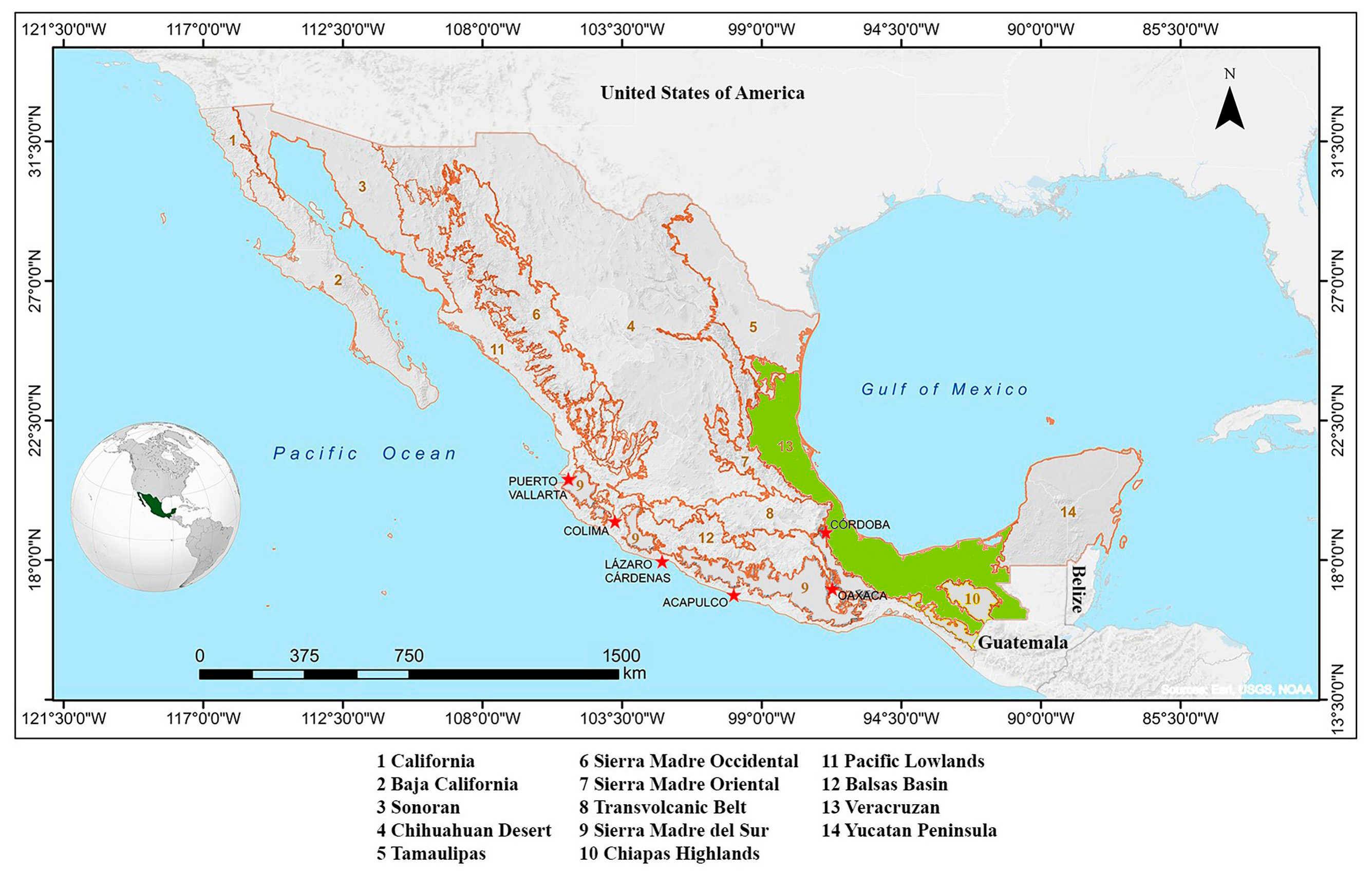
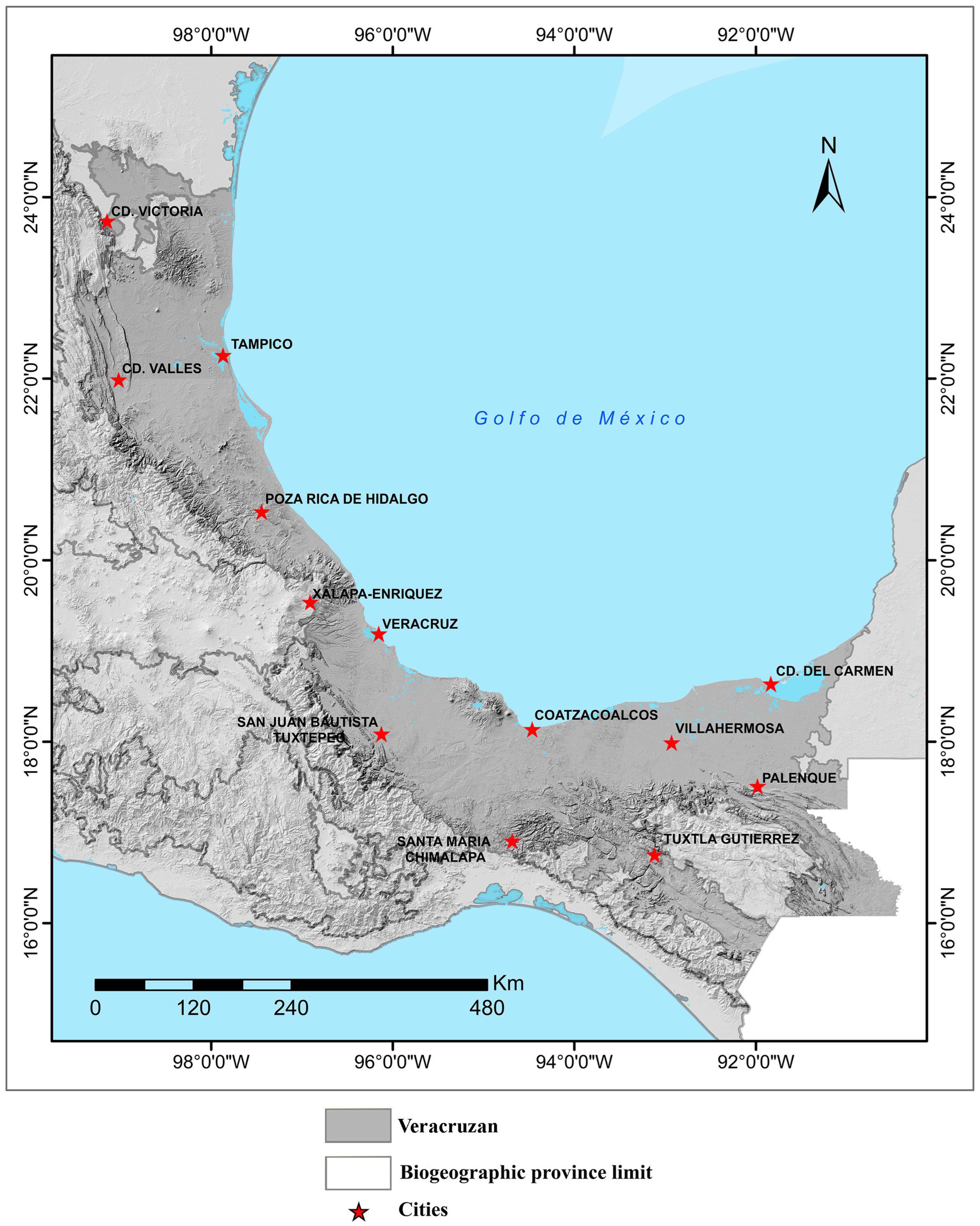
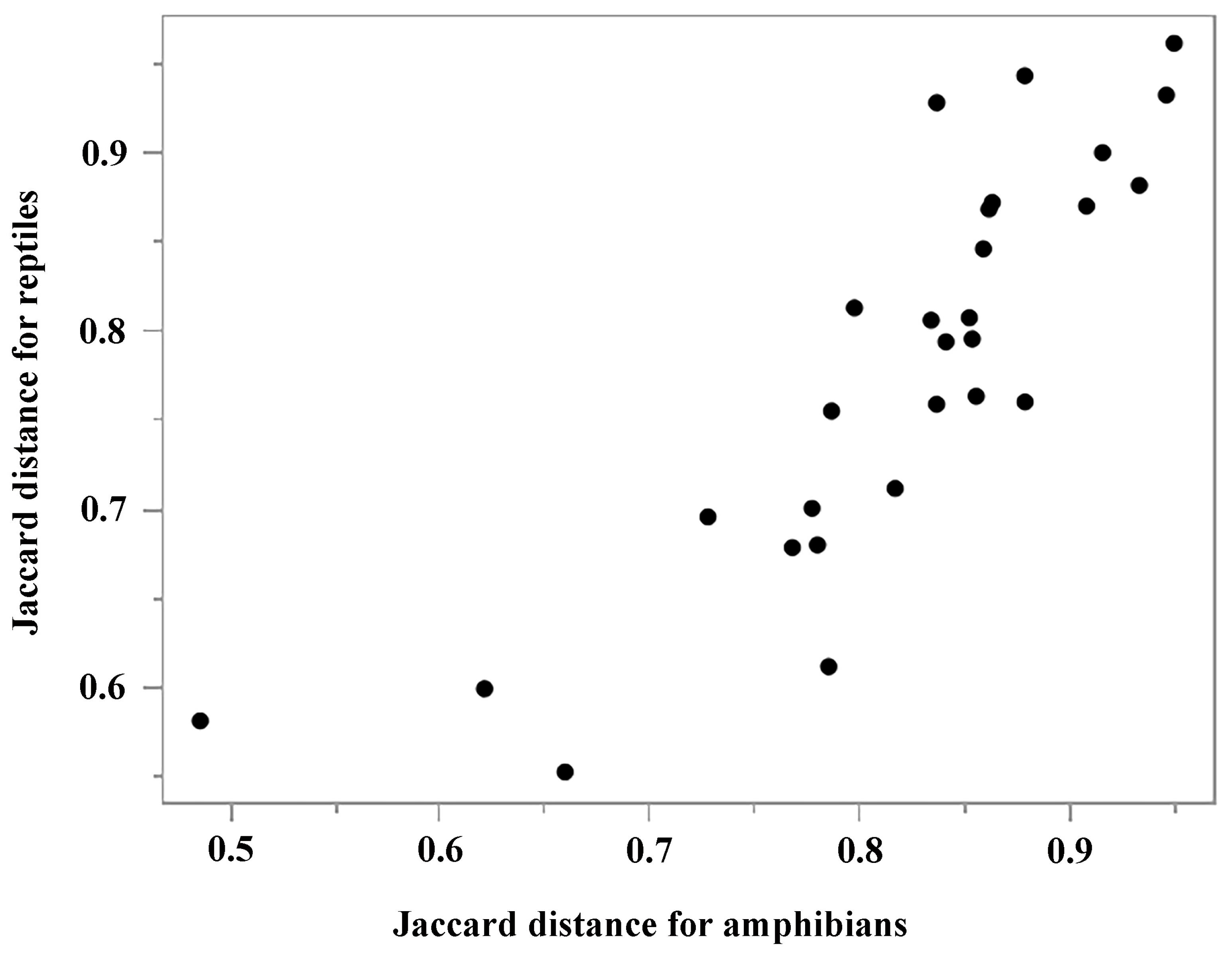
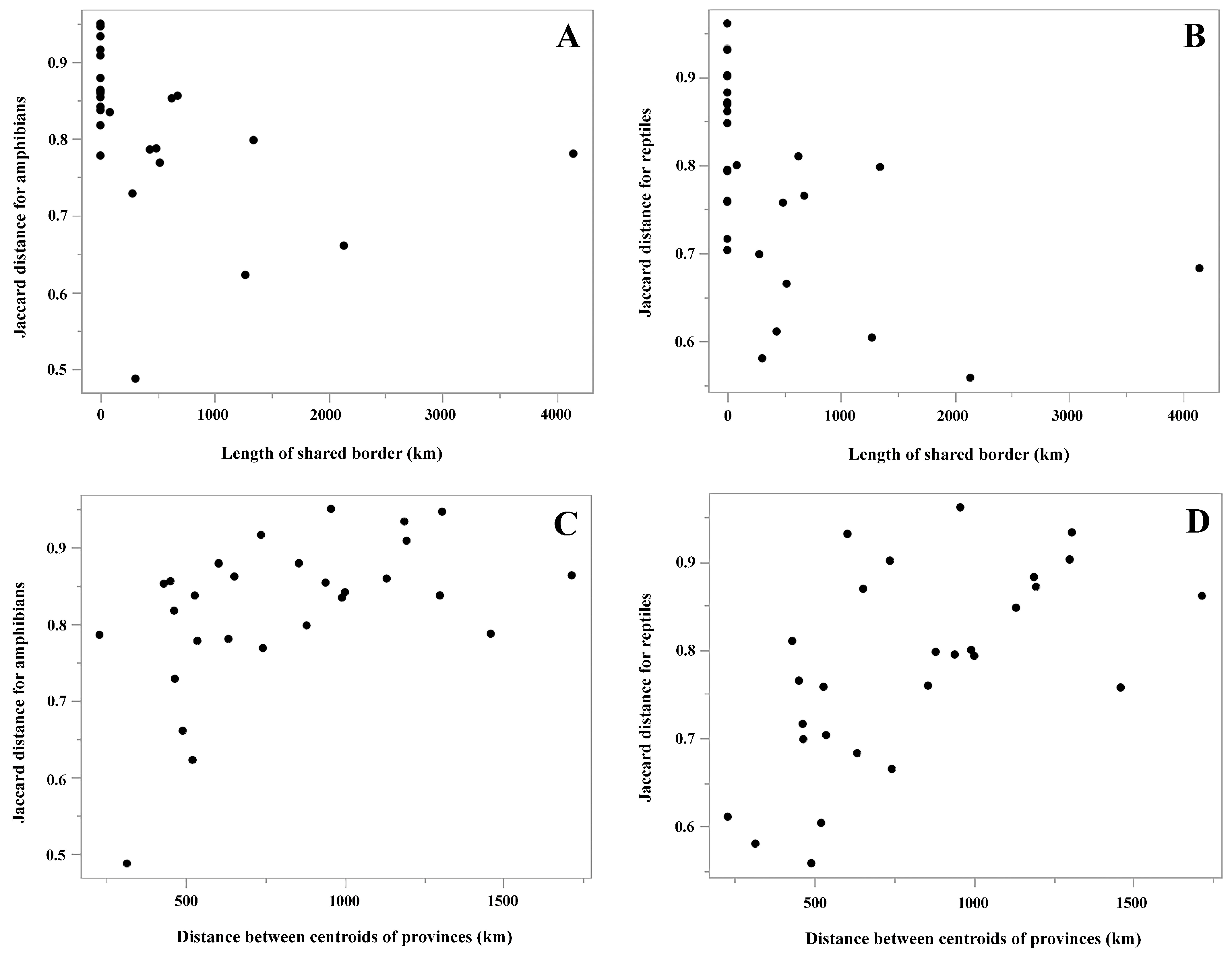
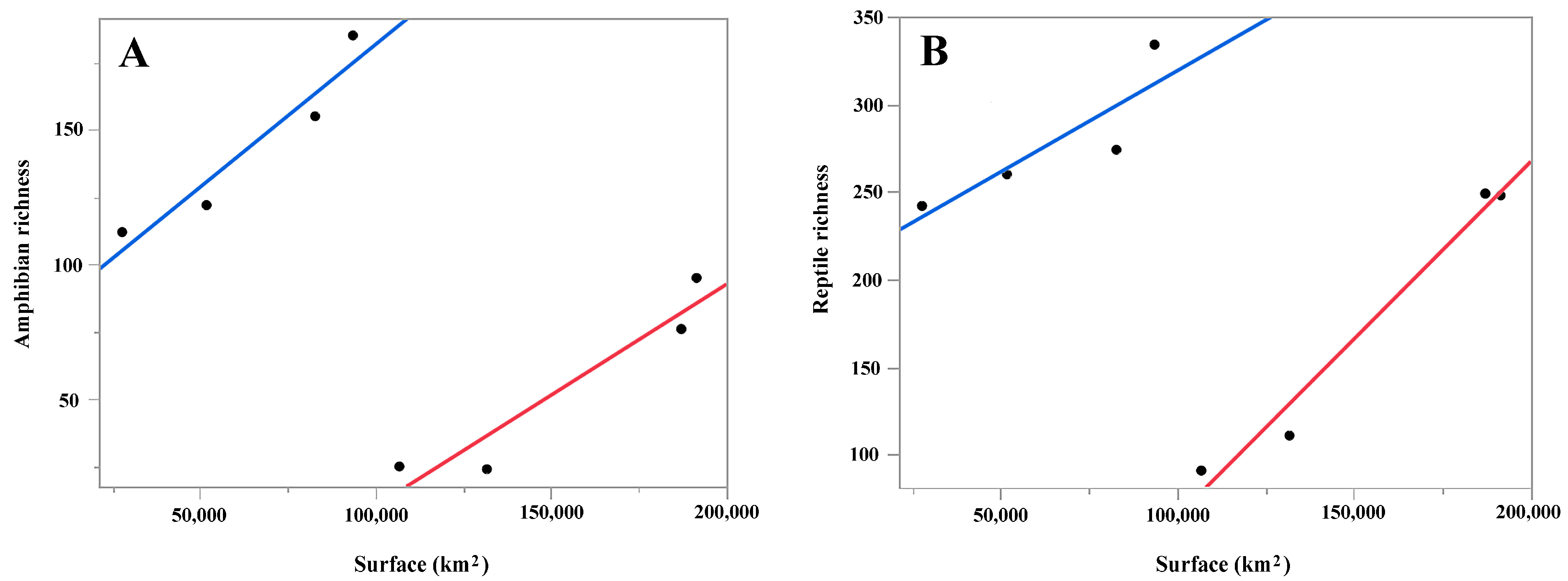
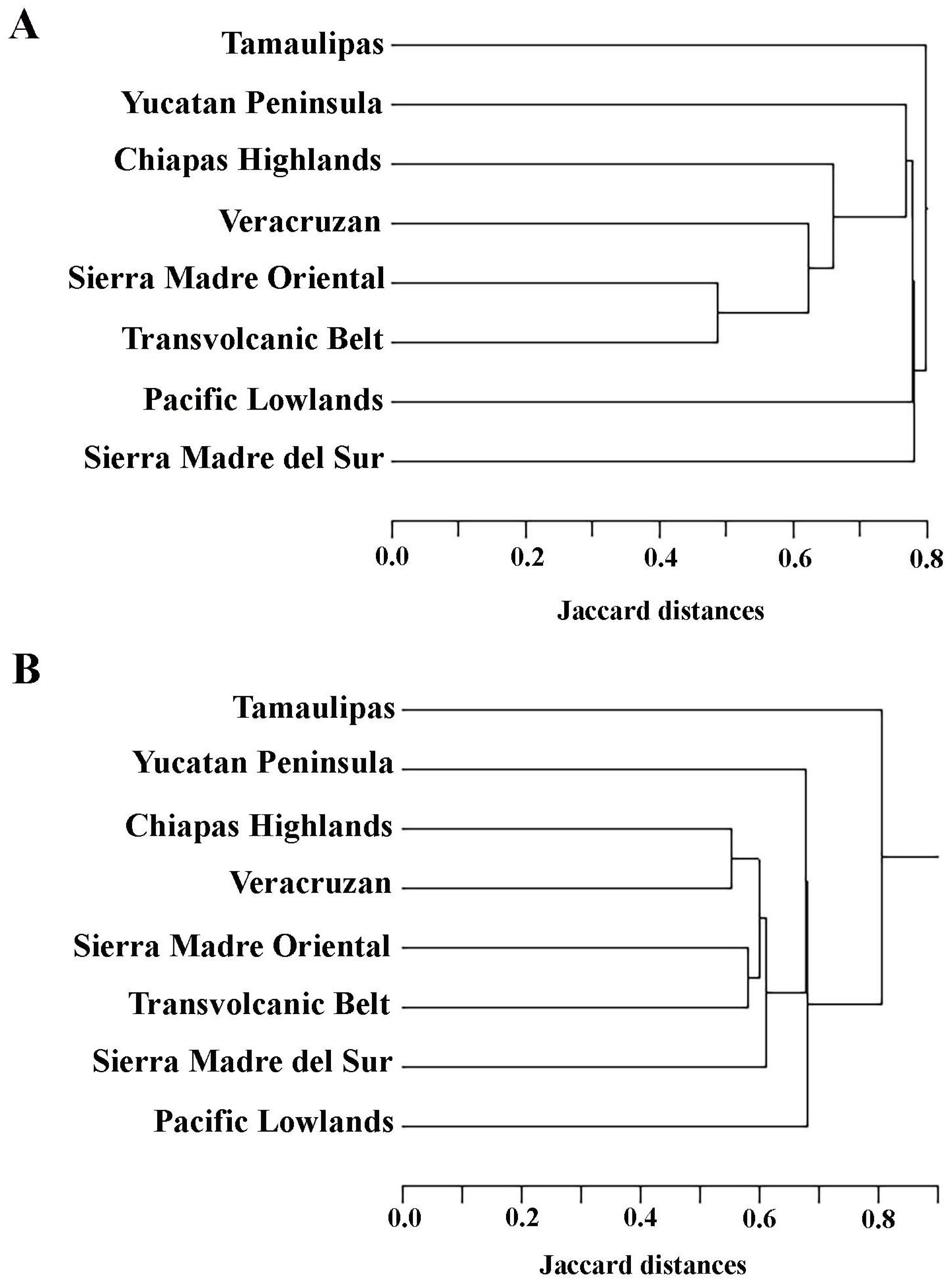
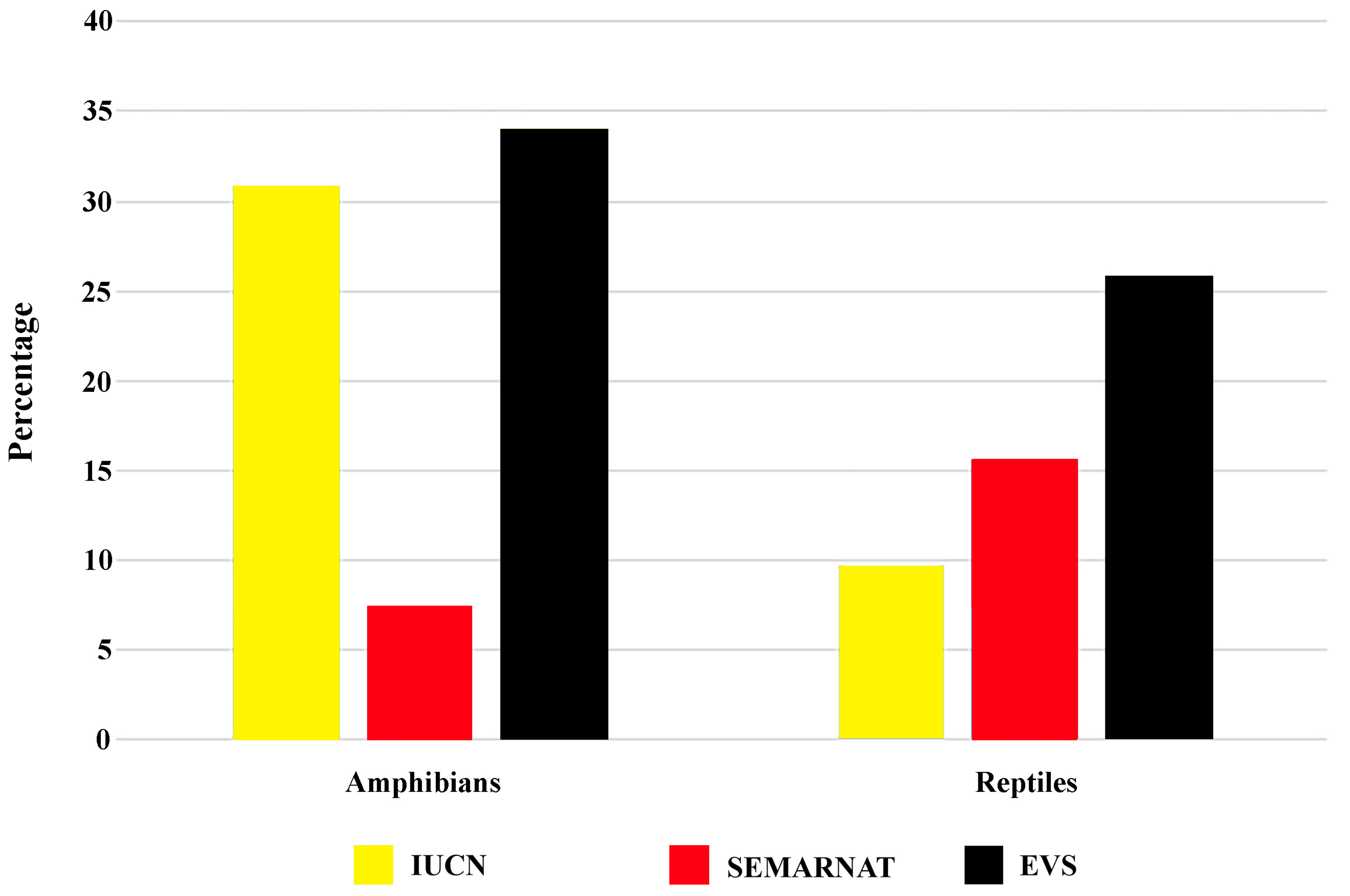
The Veracruzan biogeographic province is a central part of the Gulf of Mexico slope and serves as an interface between the Neotropical Region, the Mexican Transition Zone, and the Nearctic Region. We provide an overview of amphibian and reptile diversity in the province, focusing on species richness, endemism, conservation status, and faunal similarity to neighboring biogeographic provinces. In the Veracruzan biogeographic province there are 343 native species of amphibians and reptiles, encompassing nearly one quarter of the Mexican herpetofauna, with over 85% of the families and over 90% of the genera found in Mexico represented. The province therefore possesses exceptional taxonomic richness. It has the fifth highest richness among Mexican biogeographic provinces. The herpetofauna comprises several Neotropical taxa and locally endemic species found among amphibians of montane and cloud forest fauna. Richness of amphibians and reptiles generally increases with province area. Regions of the Mexican Transition Zone exhibit a relatively higher species richness than their Neotropical neighbors. Analyses of faunal similarities between the Veracruzan province and its neighboring provinces and highlight the importance of geographic proximity, environmental continuity, and historical processes for assemblage composition. Amphibians are more threatened than reptiles, with high levels of endemism and vulnerability to habitat loss and emerging diseases, whereas reptiles are more threatened by habitat degradation, exploitation, and invasive species. Our findings show that the Veracruzan biogeographic province is an important reservoir of herpetofaunal diversity and a priority region for conservation in Mexico.
Keywords: conservation assessment; cloud forest; endemism; faunal turnover; species-area relationship; Veracruzan biogeographic province conservation assessment; cloud forest; endemism; faunal turnover; species-area relationship; Veracruzan biogeographic province