

Research on the Impact of Biodiversity in Tea Plantations on Tea Quality

 , ,
, ,
Abstract
1. Introduction
2. Evaluation Methods for Biodiversity
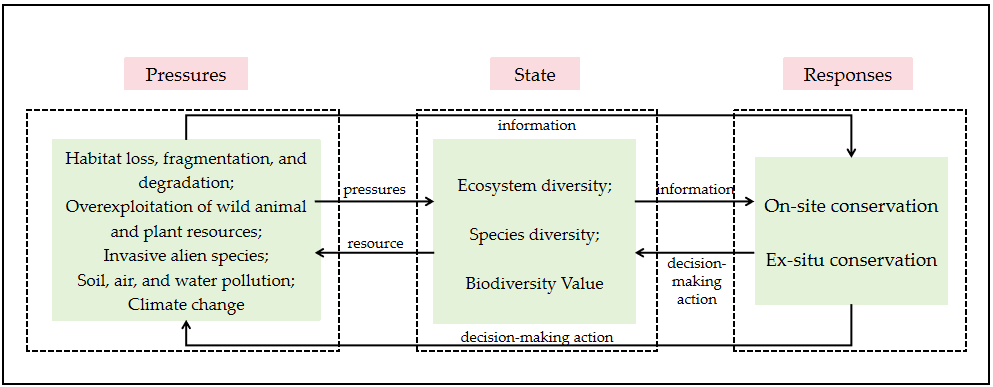
2.1. PSR Framework
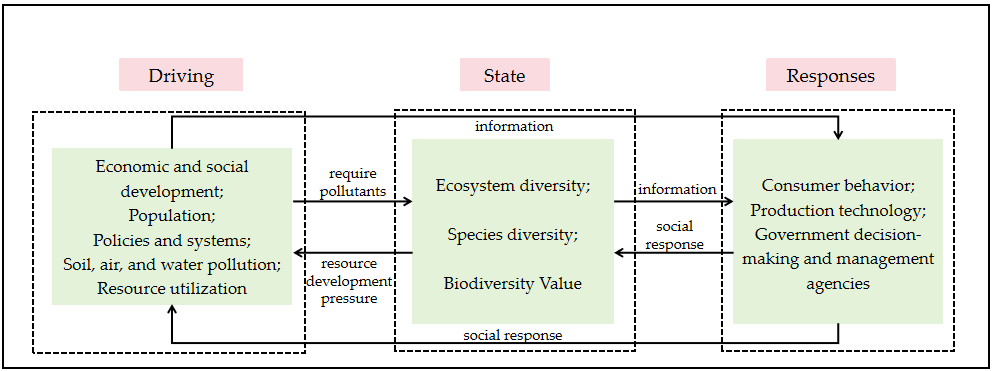
2.2. DSR Framework
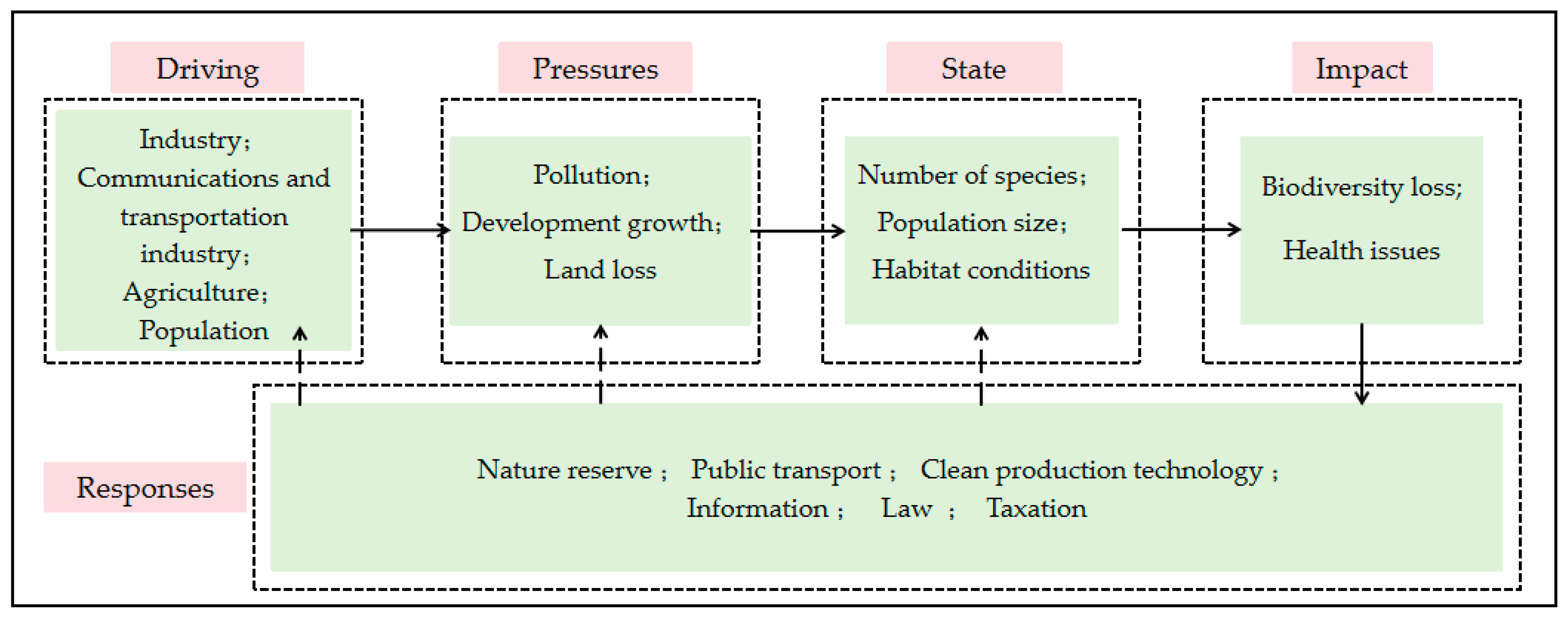
2.3. DPSTR Framework
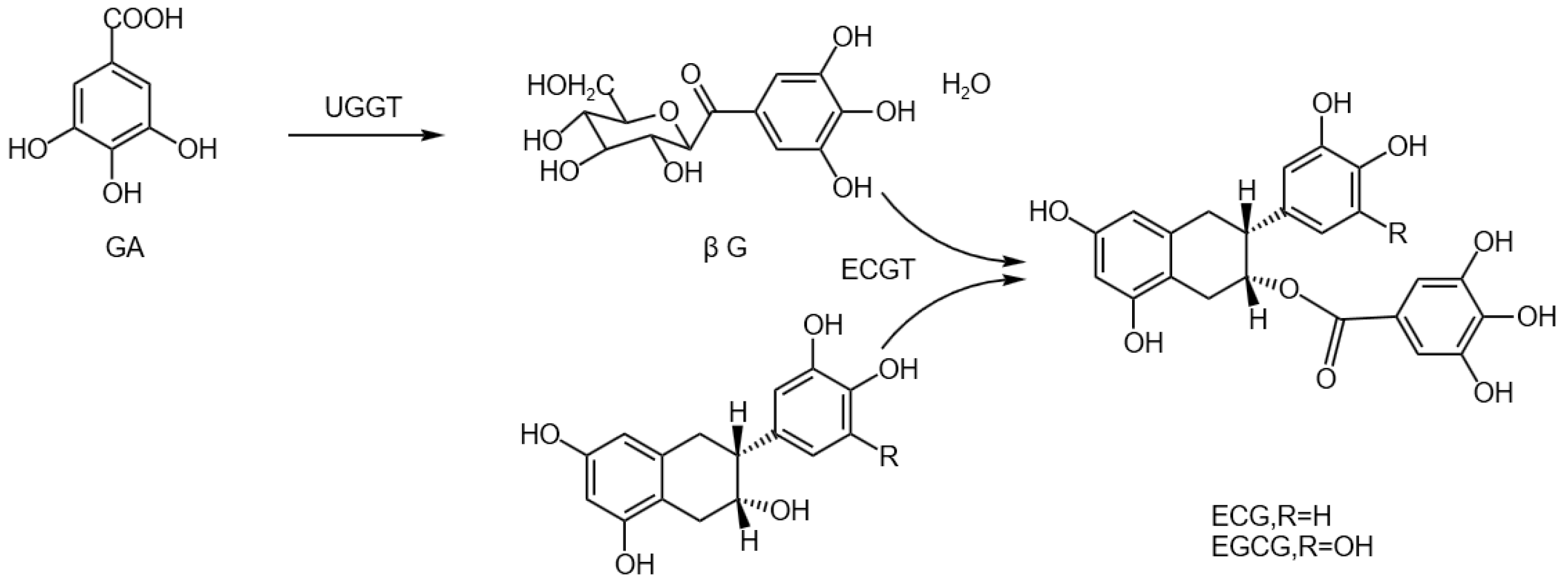
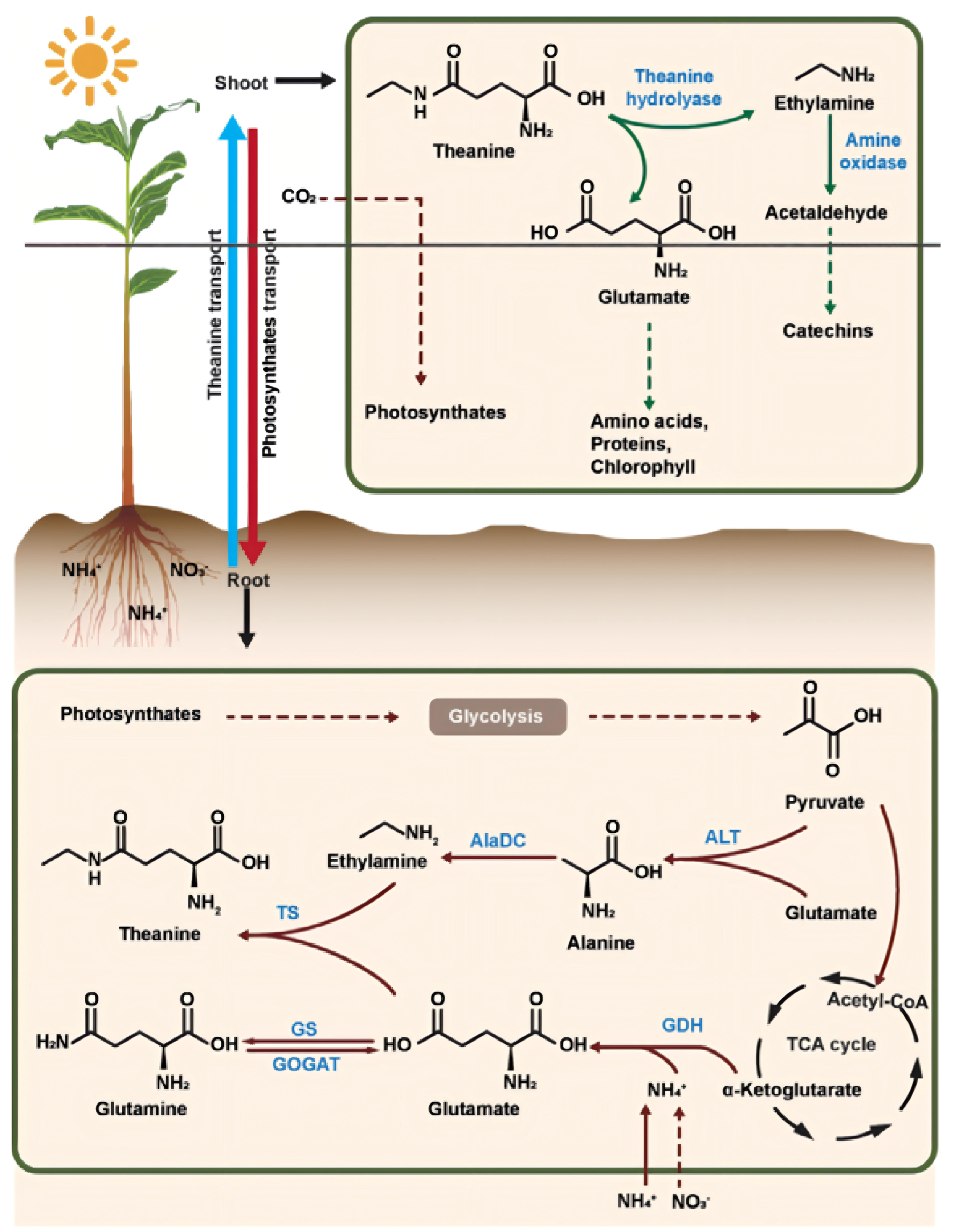
3. The Synthetic Pathways of Chemical Components in Tea
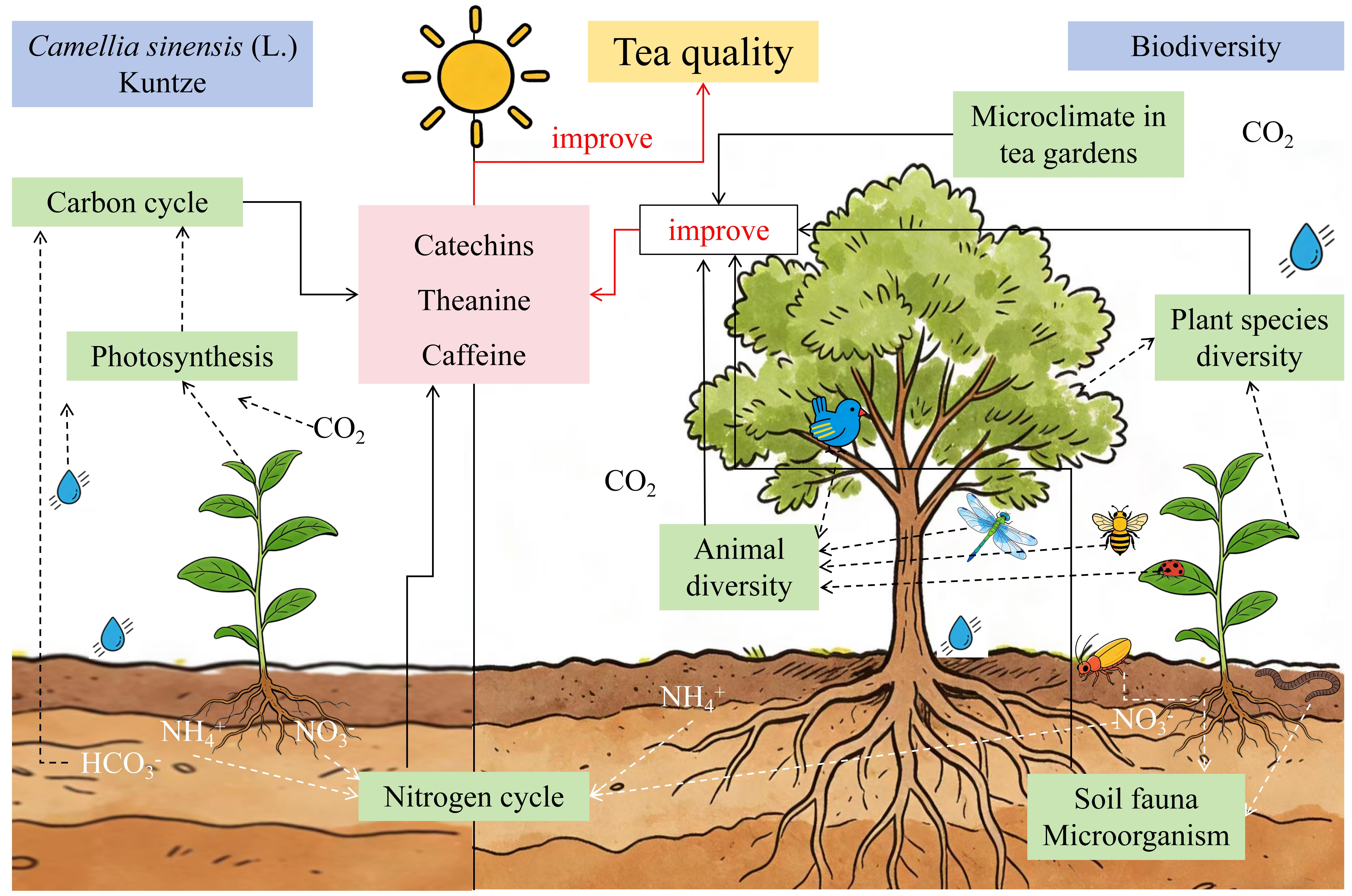
4. The Impact of Biodiversity on Tea Quality
4.1. Genetic Diversity
4.2. Ecosystem Diversity
4.2.1. Microclimate of Tea Gardens
4.2.2. Soil Environment
4.2.3. Regional Habitat
4.3. Species Diversity
4.3.1. Plant
4.3.2. Animal
4.3.3. Soil Microorganisms
5. The Influence of the Carbon Cycle and Nitrogen Cycle on Tea Quality
6. Summary and Future Research Directions
Author Contributions
Funding
Data Availability Statement
Acknowledgments
Conflicts of Interest
Abbreviations
| PSR | pressure-state-responses |
| DSR | driving forces-state-responses |
| DPSIR | driving forces-pressure-state-impact-responses |
| TPs | tea polyphenols |
| EC | Epicatechin |
| EGC | epigallocatechin |
| ECG | epicatechin gallate |
| EGCG | epigallocatechin gallate |
| UGGT | galloyl-1-O-β-D-glucosyltransferase |
| GA | Gallic acid |
| βG | 1-O-galloyl-β-glucose |
| ECGT | 1-O-galloyl-β-D-glucose-O-galloyl-transferase |
| GCH | galloylated catechins hydrolase |
| PAs | proanthocyanidins |
| ALT | alanine transaminase |
| AlaDC | L-alanine decarboxylase |
| GDH | glutamate dehydrogenase |
| GS | glutamine synthetase |
| GOGAT | glutamate synthetase/glutamine-α-ketoglutarate aminotransferase |
| TS | theanine synthetase |
| SAM | S-Adenosyl methionine |
| SAH | S-Adenosylhomocysteine |
| SVs | structural variations |
| ANS3 | anthocyanin synthase gene |
| PPO | polyphenol oxidase |
| mGWAS | metabolomic genomic association analysis |
| UGT | glycosyltransferase |
| MAS | marker-assisted selection |
References
- Mo, Q.; Wei, D.; Yu, C.L.; Hao, W.H.; Qin, W.H. Research progress on pharmacological effects of tea. TeaComm 2021, 48, 598–605. [Google Scholar]
- Hong, Y.; Li, H.Y.; Yan, Y.; Yang, H.; Wei, R. Chemical components from tea. Shandong Chem. Ind. 2021, 50, 79–80+83. [Google Scholar]
- Wei, Y.A.; Li, S.Q.; Wei, J.R.; Ying, M.M.; Chen, X.Q. Research progress in the chemical components and effects of white tea. Food Res. Dev. 2025, 46, 210–217. [Google Scholar]
- Sun, M.F.; Jiang, C.L.; Kong, Y.S.; Luo, J.L.; Yin, P.; Guo, G.Y. Recent advances in analytical methods for determination of polyphenols in tea: A comprehensive review. Foods 2022, 11, 1425. [Google Scholar] [CrossRef]
- Graham, H.N. Green tea composition, consumption, and polyphenol chemistry. Prev. Med. 1992, 21, 334–350. [Google Scholar] [CrossRef] [PubMed]
- Lin, Z.; Lv, H.P.; Zhang, S. Chemical and pharmacological effects of active ingredients in tea. China Tea 2018, 40, 1–6. [Google Scholar]
- Tian, A.L. Study on Physiological Characteristics of Theanine and Caffeine Metabolism in Wuyi Rock Tea Dahongpao. Master’s Thesis, Huaqiao University, Quanzhou, China, 2018. [Google Scholar]
- Liu, X.; Wu, J.M. High performance liquid chromatography was used to simultaneously detect 9 kinds of catechins and 3 kinds of alkaloids in tea extracts. Flavour Fragr. Cosmet. 2024, 114–118. [Google Scholar] [CrossRef]
- Yi, J. Ecological Chemical Metering Characteristics and Microbial Nutrient Limitation of Intensive Tea Plantations. Master’s Thesis, Huazhong Agricultural University, Wuhan, China, 2022. [Google Scholar]
- Zhang, R.Y.; Feng, W.J.; Liu, H. The Practice of Ecological Agriculture: Biodiversity and Sustainable Agricultural Development. Encyclop. Knowl. 2025, 4–5. [Google Scholar]
- Isbell, F.; Gonzalez, A.; Loreau, M.; Cowles, J.; Díaz, S.; Hector, A.; Mace, G.M.; Wardle, D.A.; O’Connor, M.I.; Duffy, J.E.; et al. Linking the influence and dependence of people on biodiversity across scales. Nature 2017, 546, 65–72. [Google Scholar] [CrossRef]
- Gari, S.R.; Newton, A.; Icely, J.D. A review of the application and evolution of theDPSIR framework with an emphasis on coastal social-ecological systems. Ocean Coast. Manag. 2015, 103, 63–77. [Google Scholar] [CrossRef]
- Rapport, D.J.; Friend, A.M. Towards a Comprehensive Framework for Environmental Statistics: A Stress-Response Approach; Statistics Canada: Ottawa, ON, Canada, 1979.
- Levrel, H.; Kerbiriou, C.; Couvet, D.; Weber, J. OECD pressure–state–responseindicators for managing biodiversity: A realistic perspective for a French biospherereserve. Biodivers. Conserv. 2009, 18, 1719–1732. [Google Scholar] [CrossRef]
- Qin, W.H.; Ding, H. Biodiversity Assessment Indicators and Case Studies; China Environmental Science Press: Beijing, China, 2009; pp. 4–5. [Google Scholar]
- Kelble, C.R.; Loomis, D.K.; Lovelace, S.; Nuttle, W.K.; Ortner, P.B.; Fletcher, P.; Cook, G.S.; Lorenz, J.J.; Boyer, J.N. The EBM-DPSER conceptual model: Integrating ecosystem services into the DPSIR framework. PLoS ONE 2013, 8, e70766. [Google Scholar] [CrossRef]
- Newton, A.; Kapos, V. Biodiversity indicators in national forest inventories. Unasylva 2002, 53, 56–64. [Google Scholar]
- Li, J.S.; Li, G.; Wu, X.P.; Wang, W. Research on Assessment Technology of Biodiversity in Terrestrial Ecosystems; China Environmental Science Press: Beijing, China, 2012; p. 12. [Google Scholar]
- Cooper, P. Socio-ecological accounting: DPSWR, a modified DPSIR framework, and its application to marine ecosystems. Ecol. Econ. 2013, 94, 106–115. [Google Scholar] [CrossRef]
- Deng, K.Q. Research on Ecological Security Assessment of Guizhou Chayuan Reservoir Basin Based on DPSIR Model. Master’s Thesis, GZNU, Guiyang, China, 2024. [Google Scholar]
- Pinto, R.; de Jonge, V.N.; Neto, J.M.; Domingos, T.; Marques, J.C.; Patrício, J. Towards a DPSIR driven integration of ecological value, water uses and ecosystem services for estuarine systems. Ocean Coast. Manag. 2013, 72, 64–79. [Google Scholar] [CrossRef]
- Zhu, Y.F.; He, H.; Zhang, W.J.; Du, S.H. Water resource vulnerability assessment of Changchun City based on DPSIR-TOPSIS model. Bull. Soil Water Conserv. 2022, 42, 174–180. [Google Scholar]
- Wang, Z.; Zhou, J.; Loaiciga, H.; Guo, H.; Hong, S. A DPSIR model for ecological security assessment through indicator screening: A case study at Dianchi Lake in China. PLoS ONE 2015, 10, e0131732. [Google Scholar] [CrossRef]
- Hou, L.; Lu, J.R.; Liang, Q.B.; Wang, C. Ecological Security Assessment of Lakes in Yunnan Province Based on DPSIR Model. J. Agric. Resour. Environ. 2022, 39, 485–492. [Google Scholar]
- Ahmed, I.A.M.; Aljuhaimi, F.; Özcan, M.M.; Uslu, N.; Albakry, Z. The effect of fermentation on the oil content, fatty acid profile and bioactive compounds of fresh and fermented almond kernels. J. Oleo Sci. 2024, 73, 1447–1455. [Google Scholar] [CrossRef]
- Liu, Y. The Influence of Phenolic Components in Tea on Oral Health. J. Guizhou Tea 2025, 10, 1–3. [Google Scholar]
- Wan, X.C. Tea Biochemistry; China Agricultural Press: Beijing, China, 2003. [Google Scholar]
- Huang, Y.K.; Wang, G.S.; Luo, S.Y.; Ji, H.A.G.; Hu, C.Q. Determination of anthocyanin active substances in tea by HPLC-MS/MS method. J. Xihua Uni. (Nat. Sci. Ed.) 2024, 43, 123–136. [Google Scholar]
- Zhao, J.J.; Guo, R.; Chen, X.C.; Pan, A.; Hu, W.W. Determination of flavonoids and phenolic acids in tea by liquid chromatography-mass spectrometry. Newsl. Sericult. Tea 2024, 49, 19–26. [Google Scholar]
- Liu, Y.J.; Gao, L.P.; Liu, L.; Yang, Q.; Lu, Z.W.; Nie, Z.Y. Purification and characterization of a novel galloyltransferase involved in catechin galloylation in the tea plant (Camellia sinensis). J. Biol. Chem. 2012, 287, 44406–44417. [Google Scholar] [CrossRef]
- Xia, T.; Gao, L.P.; Liu, Y.J.; Wang, Y.S.; Liu, L. Research progress on biosynthesis and hydrolysis pathways of tea ester catechins. SAS 2013, 46, 2307–2320. [Google Scholar]
- Zhang, J.; Rong, S.F.; Gong, G.M.; Qiu, Z.C. Comparison of determination of theanine content in different types of tea leaves. Food Sci. 2008, 29, 335–337. [Google Scholar]
- Deng, W.W.; Wang, S.; Chen, Q.; Zhang, Z.Z.; Hu, X.Y. Effect of salt treatment on theanine biosynthesis in Camellia sinensis seedlings. Plant Physiol. Biochem. 2012, 56, 35–40. [Google Scholar] [CrossRef] [PubMed]
- Zhong, T.Y.; Mao, Z.Y.; Wu, B.; Wang, M.J.; Han, X.J. Research on the extraction and physiological functions of theanine and its application in food. Food Sci. Technol. 2024, 49, 293–302. [Google Scholar]
- Han, Z.Y.; Wang, L.Y.; Zhu, H.Q.; Tu, Y.Y.; He, P.M.; Li, B. Uncovering the effects and mechanisms of tea and its components on depression, anxiety, and sleep disorders:A comprehensive review. Food Res. Int. 2024, 197, 115191. [Google Scholar] [CrossRef]
- Matsuoka, K.; Akaihata, H.; Hata, J.; Tanji, R.; Honda-Takinami, R.; Onagi, A. l-Theanine protects bladder function by suppressing chronic sympathetic hyperactivity in spontaneously hypertensive rat. Metabolites 2021, 11, 778. [Google Scholar] [CrossRef] [PubMed]
- Kim, S.; Jo, K.; Hong, K.B.; Han, S.H.; Suh, H.J. GABA and l-theanine mixture decreases sleep latency and improves NREM sleep. Pharm. Biol. 2019, 57, 65–73. [Google Scholar] [CrossRef]
- Takeo, T.; Zheng, D.Z. The main issues related to the synthesis of theanine nitrogen in tea trees related to green tea quality. J. Tea Bus. 1986, 40. [Google Scholar] [CrossRef]
- Takeo, T. Ammonium-type nitrogen assimilation in tea plants. Agric. Biol. Chem. 1980, 44, 2007–2012. [Google Scholar]
- Chen, Q. Cloning and Heterologous Expression of Theanine Synthase in Tea Plants and Its Regulation by Nitric Oxide Signaling. Ph.D. Thesis, Anhui Agricultural University, Hefei, China, 2011. [Google Scholar]
- Liao, Y.Y.; Fu, X.M.; Zhou, H.Y.; Rao, W.; Zeng, L.T.; Yang, Z.Y. Visualized analysis of within-tissue spatialdistribution of specialized metabolites in tea (Camellia sinensis) using desorptionelectrospray ionization imaging mass spectrometry. Food Chem. 2019, 292, 204–210. [Google Scholar] [CrossRef] [PubMed]
- Cheng, S.H.; Fu, X.M.; Liao, Y.Y.; Xu, X.L.; Zeng, L.T.; Tang, J.C. Differential accumulation of specialized metabolitel-theanine in green and albino-induced yellow tea (Camellia sinensis) leaves. Food Chem. 2019, 276, 93–100. [Google Scholar] [CrossRef]
- Fang, K.X.; Jiang, X.H.; Wu, H.L. Research progress on the metabolism and breeding of theanine in tea trees. Acta Hortic. Sin. 2016, 43, 1791–1802. [Google Scholar]
- Shu, Z.F.; Wang, L.L.; Lou, Y.H.; Ji, Q.Y.; Shao, J.N. Research progress on the accumulation mechanism of L-theanine in albino tea trees. Food Res. Dev. 2020, 41, 217–224. [Google Scholar]
- Lin, S.J.; Chen, Z.P.; Chen, T.T.; Deng, W.W.; Wan, X.C.; Zhang, Z.L. Theanine metabolism and transport in tea plants(Camellia sinensis L.): Advances and perspectives. Crit. Rev. Biotechnol. 2022, 43, 327–341. [Google Scholar] [CrossRef] [PubMed]
- Ashihara, H.; Sano, H.; Crozier, A. Caffeine and related purine alkaloids: Biosynthesis, catabolism, function and genetic engineering. Phytochemistry 2008, 69, 841–856. [Google Scholar] [CrossRef]
- Chen, J.J. Establishment of Quantitative Methods for Volatile Components in Tea and Determination of Six Major Aroma Skeleton Components in Tea. Master’s Thesis, ZAFU, Hangzhou, China, 2020. [Google Scholar]
- Xin, D.D.; Zhang, H.; Li, H.B.; Mo, H.Z. Research progress on the main aromatic components in volatile compounds of different types of tea. J. Henan Inst. Sci. Technol. (Nat. Sci. Ed.) 2019, 47, 21–28. [Google Scholar]
- Tao, L.L.; Zhu, J..Y.; Hu, J.B.; Xu, Q.; Wu, J.; Chen, C.; Li, Y.; Li, F.; Chen, H.; Huang, S.; et al. Pangenome analyses of tea plants reveal structural variations driving gene expression alterations and agronomic trait diversification. Nat. Commun. 2025, 16, 67060. [Google Scholar] [CrossRef]
- Ning, Y.Q.; Zheng, S.H.; Feng, Y.X.; Ji, Q.Y.; Zhou, H.J.; Shu, Z.F.; He, W.Z. Analysis of Biochemical Diversity of Purple Bud Tea Germplasm Resources and Selection of Specific Germplasm. Jiangsu J. Agric. Sci. 2025, 41, 1606–1615. [Google Scholar]
- Kong, W.L.; Kong, X.R.; Xia, Z.Q.; Li, X.F.; Wang, F.; Shan, R.; Chen, Z.; You, X.; Zhao, Y.; Hu, Y.; et al. Genomic analysis of 1,325 Camellia accessions sheds light on agronomic and metabolic traits for tea plant improvement. Nat. Genet. 2025, 57, 997–1007. [Google Scholar] [CrossRef] [PubMed]
- Huang, J.A.; Huang, Y.H.; Li, J.X.; Luo, J.W.; Li, J.; Liu, Z.H. RFLP polymorphism analysis of tea polyphenol oxidase gene. J. Tea Sci. 2008, 28, 370–378. [Google Scholar]
- Kawahara, Y.; Tanaka, J.; Takayama, K.; Wako, T.; Ogino, A.; Yamashita, S.; Taniguchi, F. Chromosome-Scale Genome Assembly and Characterization of Top-Quality Japanese Green Tea Cultivar ‘Seimei’. Plant Cell Physiol. 2024, 65, 1271–1284. [Google Scholar] [CrossRef] [PubMed]
- Socorro, A. Genetic Diversity and Its Implications in Plant Breeding: A Comprehensive Review. J. Plant Biochem. Physiol. 2024, 12, 307. [Google Scholar]
- Li, Y.X.; Lin, K.Q.; Wang, A.R.; Wei, J.; Yan, D.H.; Zhao, D.G. Multi-omics analysis of molecular mechanisms driving the grafting- enhanced resistance of tea plants to Colletotrichum camelliae. Front. Plant Sci. 2026, 16, 1750493. [Google Scholar] [CrossRef]
- Wang, J.M.; Hu, Y.T.; Guo, D.Y.; Gao, T.; Liu, T.Q.; Jin, J.Y.; Zhao, M.; Yu, K.; Tong, W.; Ge, H.; et al. Evolution and functional divergence of glycosyltransferase genes shaped the quality and cold tolerance of tea plants. Plant Cell 2024, 37, koae268. [Google Scholar] [CrossRef]
- Rao, Y.; Zhang, T.; Ma, W.W.; Li, L.Y.; Li, C.H. Effects of different intercropping modes on photosynthetic physiology and tea quality of tea plants. J. Shanxi Agric. Sci. 2016, 44, 470–473. [Google Scholar]
- Duan, Y.; Shang, X.W.; Liu, G.D.; Zou, Z.W.; Zhu, X.J.; Ma, Y.C. The effects of tea plants-soybean intercropping on the secondary metabolites of tea plants by metabolomics analysis. BMC Plant Biol. 2021, 21, 482. [Google Scholar] [CrossRef]
- Zhao, T.; Liu, S.; Yan, S.; Li, Y.; Hu, Q.F. Effects of Intercropping and Shading Systems on Tea Photosynthesis and Respiration. Agric. Sci. Technol. 2016, 17, 2225. [Google Scholar]
- Chen, C.H.; Wang, Y.; Tang, Q.; Chen, S.X. Analysis of ecological and economic effects of tea garden intercropping with pear trees. Southwest China J. Agric. Sci. 2011, 24, 1446–1449. [Google Scholar]
- Zhang, M.Z.; Yao, Y.X.; Shen, T.G.; Wang, X.Y. Effects of intercropping giant fungus grass on microclimate and soil nutrients in tea plantations. J. Shanxi Agric. Sci. 2020, 48, 238–241+245. [Google Scholar]
- Li, C.K.; Chen, D.Q. Effects of intercropping mode on production and benefit of tea plantations. China Tea 2022, 44, 18–21. [Google Scholar]
- Sun, J.J.; Zhu, X.Y.; Luo, X.J.L.; Deng, S.; Ning, J.M. Effects of different shading treatments on quality of green tea. J. Anhui Agric. Univ. 2015, 42, 387–390. [Google Scholar]
- Zhou, Y.D.; Chen, J.L.; Wu, J.M.; Zhao, H.B.; Sun, B.M. Tea tree nitrogen metabolism genes: Research progress on environmental stress adaptation mechanism and breeding application. J. Tea Sci. 2025, 45, 545–558. [Google Scholar]
- Li, L. Research progress and application prospect of intercropping to enhance the ecosystem services of farmland. Chin. J. Eco-Agric. 2016, 24, 403–415. [Google Scholar]
- Li, J. Analysis of the Effect of Organic Fertilizer Application on Soil Improvement and Tea Quality Improvement in Tea Plantations. J. South. Agric. 2023, 17, 152–156. [Google Scholar]
- Wang, S.; Zhang, X.; Li, X.; Shen, J.; Sun, L.; Zaman, S. Different changes of bacterial diversity and soil metabolites in tea plants-legume intercropping systems. Front. Plant Sci. 2023, 14, 1110623. [Google Scholar] [CrossRef]
- Wang, H.M.; Cai, H.Y.; He, R.R.; Zhao, F. Effects of intercropping aromatic ground cover plants on soil physical and chemical properties and nutrients in tea plantations. J. Southwest For. Univ. 2016, 36, 71–77. [Google Scholar]
- Zhang, Z.Q.; Tian, Y.Y.; Gao, S.W.; Xu, Y.Y.; Huang, X.Q. Study on the effects of intercropping aromatic plants basil and perilla on tea garden ecosystem. J. Tea Sci. 2016, 36, 389–395. [Google Scholar]
- Zhang, G.; Chu, X.; Zhu, H.; Zou, D.; Li, L.; Du, L. The Response of Soil Nutrients and Microbial Community Structures in Long-Term Tea Plantations and Diverse Agroforestry Intercropping Systems. Sustainability 2021, 13, 7799. [Google Scholar] [CrossRef]
- Wen, B.; Zhang, X.L.; Ren, S.; Duan, Y.; Zhang, Y.Y.; Zhu, Z.J. Characteristics of soil nutrients, heavy metals and tea quality in different intercropping patterns. Agro For. Syst. 2019, 94, 963–974. [Google Scholar] [CrossRef]
- Li, T.K.; Zhang, X.N.; Guo, Z.L.; Kou, C.G.; Lv, J.L.; Yang, X.L. Effects of mulching and intercropping on nitrogen and phosphorus runoff losses from sloping land and soil environment of tea garden in the Danjiangkou reservoir area. Ecol. Environ. Sci. 2020, 29, 543–549. [Google Scholar]
- Farooq, T.H.; Kumar, U.; Mo, J.; Shakoor, A.; Wang, J.; Rashid, M.H.U. Intercropping of Peanut–Tea Enhances Soil Enzymatic Activity and Soil Nutrient Status at Different Soil Profiles in Subtropical Southern China. Plants 2021, 10, 881. [Google Scholar] [CrossRef] [PubMed]
- Bai, Y.C.; Li, B.X.; Xu, C.Y.; Raza, M.; Wang, Q.; Wang, Q.Z. Intercropping Walnut and Tea: Effects on Soil Nutrients, Enzyme Activity and Microbial Communities. Front. Microbiol. 2022, 13, 852342. [Google Scholar] [CrossRef]
- Xu, H.Q.; Xiao, R.L.; Xiang, Z.X.; Song, T.Q.; Ren, Q. Soil enzyme activities and their relations with soil fertility in a tea plantation under straw mulching and white clover intercropping. Chin. J. Ecol. 2009, 28, 1537–1543. [Google Scholar]
- Wei, C.Z.; Nong, Y.Q.; Chen, Y.Q.; Chen, H.S.; Wei, J.J. Effects of tea tree and soybean intercropping on rhizosphere microbial communities and enzyme activities. Acta Agric. Boreali-Occident. Sin. 2018, 27, 537–544. [Google Scholar]
- Hu, S.S.; Gao, S.L.; Guo, B.; Pan, R.Y.; Zhang, S. Effects of clover alfalfa on soil and tea quality in tea plantations. J. Commun. 2019, 46, 154–161. [Google Scholar]
- Hou, T.X.; Luo, Y.J.; Tao, Y.L.; Lan, Z.Q. Effects of different tea intercropping patterns on tea quality, soil environmental factors and associated plant diversity. Jiangsu Agric. Sci. 2025, 53, 233–244. [Google Scholar]
- Abdullah, A.T.M.; Sayka, M.I.; Rahman, M.M.; Sharif, M.; Khan, T.A.; Jahan, S.; Mazumdar, R.M.; Uddin, M.N.; Hoque, M. Tea (Camellia sinensis) cultivated in three agro-ecological regions of Bangladesh: Unveiling the variability of methylxanthine, bioactive phenolic compound, and antioxidant activity. Heliyon 2024, 10, e28760. [Google Scholar] [CrossRef]
- Li, L.L.; Yao, J.M.; Yin, R.X.; Pu, L.L.; Wen, J. Effect of Grape Intercropping Pattern on the Biochemical Composition and Color Developmen to the New Shoots of Tea Plants. Till. Cultiv. 2022, 42, 69–72. [Google Scholar]
- Hou, J.; Liu, B.; Shang, X.Y.; Yu, Q.; Han, X.Y. Study on the effect of intercropping with pine tea in ‘Camellia sinensis (L.) Kuntze’ seedlings of Rizhao Tea District II. Growth status and biochemical composition of new shoots and leaves of ‘Camellia sinensis (L.) Kuntze’ tea seedlings. Shandong Agric. Sci. 2020, 52, 38–47. [Google Scholar]
- Yang, L.R.; Jiang, B.; Jiao, W.W.; Zhong, X.X.; Liu, K.Y. Effects of tea-plum intercropping on growth of tea trees and the quality of autumn green tea. J. South. Agric. 2023, 54, 2989–2999. [Google Scholar]
- Xie, K.X.; Xue, Z.H.; Chen, Z.D. Journal of Agricultural and Food Chemistry. Tea Commun. 2021, 48, 422–429. [Google Scholar]
- Zheng, S.H.; Chai, H.L.; He, W.Z.; Li, J.G.; Dong, R.X. Effects of intercropping white clover on above-ground growth and nitrogen content of tea plants. J. Zhejiang Agric. Sci. 2022, 63, 1530–1533. [Google Scholar]
- Zou, Y.; Shen, F.Y.; Zhong, Y.N.; Lv, C.N.; Pokharel, S.S.; Fang, W.P. Impacts of Intercropped Maize Ecological Shading on Tea Foliar and Functional Components, Insect Pest Diversity and Soil Microbes. Plants 2022, 11, 1883. [Google Scholar] [CrossRef]
- Ma, Q.P.; Song, L.C.; Niu, Z.H.; Qiu, Z.Y.; Sun, H.W.; Ren, Z.H. Pea-Tea Intercropping Improves Tea Quality through Regulating Amino Acid Metabolism and Flavonoid Biosynthesis. Foods 2022, 11, 3746. [Google Scholar] [CrossRef] [PubMed]
- Wu, T.; Zou, R.; Pu, D.; Lan, Z.; Zhao, B. Non-targeted and targeted metabolomics profiling of tea plants (Camellia sinensis) in response to its intercropping with Chinese chestnut. BMC Plant Biol. 2021, 21, 55. [Google Scholar] [CrossRef]
- Ma, Y.H.; Fu, S.L.; Zhang, X.P.; Zhao, K.; Chen, H.Y.H. Intercropping improves soil nutrient availability, soil enzyme activity and tea quantity and quality. Appl. Soil Ecol. 2017, 119, 171–178. [Google Scholar] [CrossRef]
- Yang, N.; Li, Z.; Liu, M.C.; Ma, J.J.; Shi, Y.T. Studies on the regulation of EGCG biosynthesis in tea plants by potassium nutrition. J. Tea Sci. 2024, 44, 887–900. [Google Scholar]
- Gurr, G.M.; Wratten, S.D.; Landis, D.A.; You, M. Habitat management to suppress pest populations: Progress and prospects. Annu. Rev. Entomol. 2017, 62, 91–109. [Google Scholar] [CrossRef]
- Han, B.Y.; Jiang, C.J.; Li, Z.M. Differences in arthropod community composition between intercropping and monoculture tea gardens. Acta Ecol. Sin. 2001, 21, 646–652. [Google Scholar]
- Rakotomalala, A.A.N.A.; Ficiciyan, A.M.; Tscharntke, T. Intercropping enhances beneficial arthropods and controls pests: A systematic review and meta-analysis. Agric. Ecosyst. Environ. 2023, 356, 108617. [Google Scholar] [CrossRef]
- Mi, Y.Y.; Yang, Y.J.; Wang, S.; Jin, Z.Y.; Li, S. Research on screening functional plants based on predatory natural enemies and pest population dynamics. J. Environ. Entomol. 2024, 46, 489–497. [Google Scholar]
- Wu, M.X. Research on intercropping tea gardens to enhance biodiversity and improve tea quality. Master’s Thesis, Chinese Academy of Agricultural Sciences, Beijing, China, 2010. [Google Scholar]
- Zhang, H.; Li, H.L.; Wang, D.F.; Wu, G.Y.; Wang, Q.S. Effects of Artemisia argyi volatiles on the behavior of the tea green leafhopper (Empoasca onukii) in tea plantations. Chin. J. Appl. Entomol. 2022, 59, 773–784. [Google Scholar]
- War, A.R.; Paulraj, M.G.; Ahmad, T.; Buhroo, A.A.; Hussain, B.; Ignacimuthu, S.; Sharma, H.C. Mechanisms of plant defense against insect herbivores. Plant Signal. Behav. 2012, 7, 1306–1320. [Google Scholar] [CrossRef] [PubMed]
- Zhang, X.R. Parasitic Wasps in Guizhou Tea Gardens and Their Control Over Host Populations. Master’s Thesis, GZU, Guiyang, China, 2016. [Google Scholar]
- Li, H.L.; Zhang, H.; Chen, H.H.; Li, L.D.; Liu, F.J. The control effect of Amblyseius cucumeris on two harmful mites in tea gardens. Acta Tea Sin. 2022, 63, 46–51. [Google Scholar]
- Jiang, H.Y.; Chen, S.C.; Cheng, L.; Hu, X.; Wu, X.H. The Predatory Effects of the Stethoconus japonicus Schumacher and the Orius similis on the Nymphs of the Tea Net Bug. J. Environ. Entomol. 2023, 45, 754–760. [Google Scholar]
- Zhu, Y.M.; Fang, Z.J.; Zhang, J.J.; Yan, M.J.; Mao, F.H. Research Progress on Preservation of Tea Plantation Soil Quality. Acta Tea Sin. 2024, 46, 489–497. [Google Scholar]
- Pieterse, C.M.; Zamioudis, C.; Berendsen, R.L.; Weller, D.M.; Van Wees, S.C.; Bakker, P.A. Induced systemic resistance by beneficial microbes. Annu. Rev. Phytopathol. 2014, 52, 347–375. [Google Scholar] [CrossRef] [PubMed]
- Liu, W.; Wei, Y.W.; Du, J.B.; Zhang, Y.R.; Huang, S.J. The impact of intercropping trees on the structure and function of soil fungal communities in tea gardens. Guihaia 2025, 45, 1149–1160. [Google Scholar]
- Zhong, Y.J.; Liang, L.N.; Xu, R.N.; Xu, H.Y.; Sun, L.L.; Liao, H. Intercropping Tea Plantations with Soybean and Rapeseed Enhances Nitrogen Fixation Through Shifts in Soil Microbial Communities. Front. Agric. Sci. Eng. 2022, 9, 344–355. [Google Scholar]
- Huang, Z.; Cui, C.H.; Cao, Y.J.; Dai, J.H.; Cheng, X.Y.; Hua, S.W. Tea plant-legume intercropping simultaneously improves soil fertility and tea quality by changing bacillus species composition. Hortic. Res. 2022, 9, uhac046. [Google Scholar] [CrossRef]
- Ma, X.Q.; Wu, H.W.; Cao, C.X.; Zheng, J.L. Screening of rhizosphere phosphorolytic bacteria in tea plantations and its effects on tea yield, quality and soil properties. J. Tea Sci. 2025, 45, 110–120. [Google Scholar]
- Xu, H.R.; Liu, W.D.; He, Y.H.; Zou, D.; Zhou, J.H.; Zhang, J.Y. Plant-root microbiota interactions in nutrient utilization. Front. Agric. Sci. Eng. 2025, 12, 16–26. [Google Scholar] [CrossRef]
- Zhan, Q.H.; Sun, L.T.; Wang, Y.; Ding, Z.T.; Li, M. Effects of arbuscular mycorrhizal fungi and nitrogen application rates on tea plant growth, mineral element uptake, and tea quality. Acta Phytophysiol. Sin. 2014, 50, 164–170. [Google Scholar]
- Lavelle, P.; Decaëns, T.; Aubert, M.; Barot, S.; Blouin, M.; Bureau, F. Soil invertebrates and ecosystem services. Eur. J. Soil Biol. 2006, 42, S3–S15. [Google Scholar] [CrossRef]
- Li, X.H.; Nong, H.Q.; Cai, X.Y.; Zou, J.H.; Li, S.H. Comprehensive evaluation of intercropping of Desmodium Styracifolium Herba in tea gardens. Guangdong Tea Ind. 2022, 44, 25–30. [Google Scholar]
- Shaffer, M.J.; Hansen, S.; Ma, L. Modeling Carbon and Nitrogen Dynamics for Soil Management; Lewis Publishers: Boca Raon, FL, USA, 2001; p. 651. [Google Scholar]
- Jiang, Y.; Zhuang, Q.L.; Liang, W.J. Soil organic carbon pool and its influencing factors in agricultural ecosystems. Chin. J. Ecol. 2007, 26, 278–285. [Google Scholar]
- Priess, J.A.; de Koning, G.H.J.; Veldkamp, A. Assessment of interactions between land use change and carbon and nutrient fluxes in Ecuador. Agric. Ecosyst. Environ. 2001, 85, 269–279. [Google Scholar] [CrossRef]
- Gaiser, T.; Stahr, K. Soil organic carbon, soil formation and soil fertility. In Ecosystem Services and Carbon Sequestration in the Biosphere; Lal, R., Lorenz, K., Hüttl, R.F., Schneider, B.U., von Braun, J., Eds.; Springer: Dordrecht, The Netherlands, 2013; pp. 407–418. [Google Scholar]
- Wang, D.; Wu, B.S.; Li, F.; Li, X.Q.; Wang, Z.H.; Hou, J.F.; Cao, R.; Yang, W.Q. Soil organic carbon stock in China’s tea plantations and their great potential of carbon sequestration. J. Clean. Prod. 2023, 421, 138485. [Google Scholar] [CrossRef]
- Wallenstein, M.D.; Haddix, M.L.; Ayres, E.; Steltzer, H.; Magrini-Bair, K.A.; Paul, E.A. Litter chemistry changes more rapidly when decomposed at home but converges during decomposition-transformation. Soil Biol. Biochem. 2013, 57, 311–319. [Google Scholar] [CrossRef]
- Zhou, J.C.; Pu, Y.; Jiao, Y.L.; Yang, L.L.; Yang, J.; Du, L. Decomposition rate and C, N, P release dynamics of pruning litter from different tea varieties. J. Agro-Environ. Sci. 2024, 43, 1657–1665. [Google Scholar]
- Philippot, L.; Chenu, C.; Kappler, A.; Rillig, M.C.; Fierer, N. The interplay between microbial communities and soil properties. Nat. Rev. Microbiol. 2024, 22, 226–239. [Google Scholar] [CrossRef]
- Zhou, C.B.; Chen, W.P. Research progress of soil microorganism on tea plantation. Chin. Tea 2014, 36, 14–15. [Google Scholar]
- Su, Y.J.; Liao, W.Y.; Ding, Y.; Wang, H.S.; Xia, X.J. The effect of different nitrogen nutrient levels on tea yield and quality. J. Plant Nutr. Fertil. 2011, 17, 1430–1436. [Google Scholar]
- Ruan, J.Y.; Haerdter, R.; Gerendas, J. Impact of nitrogen supply on carbon/nitrogen allocation: A case study on amino acids and catechins in green tea Camellia sinensis (L.) O. Kuntze plants. Plant Biol. 2010, 12, 724–734. [Google Scholar] [CrossRef] [PubMed]
- Yang, Y.Y.; Li, X.H.; Ratcliffe, R.G.; Ruan, J.Y. Characterization of ammonium and nitrate uptake and assimilation in roots of tea plants. Russ. J. Plant Physiol. 2013, 60, 91–99. [Google Scholar] [CrossRef]




| Biodiversity | Influencing Factors |
|---|---|
| genetic diversity | structural variations |
| allelic variations | |
| differences in resistance genes | |
| artificial domestication and natural genetic | |
| ecosystem diversity | microclimate of tea gardens |
| soil environment | |
| regional habitat | |
| species diversity | plant |
| animal | |
| soil microorganisms |
Disclaimer/Publisher’s Note: The statements, opinions and data contained in all publications are solely those of the individual author(s) and contributor(s) and not of MDPI and/or the editor(s). MDPI and/or the editor(s) disclaim responsibility for any injury to people or property resulting from any ideas, methods, instructions or products referred to in the content. |
© 2026 by the authors. Licensee MDPI, Basel, Switzerland. This article is an open access article distributed under the terms and conditions of the Creative Commons Attribution (CC BY) license.
Share and Cite
Wu, Q.; Wang, T.; Cui, J.; Wang, Y.; Zhao, L.; Zhao, Y.; Wu, X.; Wang, J.; Yun, Z. Research on the Impact of Biodiversity in Tea Plantations on Tea Quality. Diversity 2026, 18, 155. https://doi.org/10.3390/d18030155
Wu Q, Wang T, Cui J, Wang Y, Zhao L, Zhao Y, Wu X, Wang J, Yun Z. Research on the Impact of Biodiversity in Tea Plantations on Tea Quality. Diversity. 2026; 18(3):155. https://doi.org/10.3390/d18030155
Chicago/Turabian StyleWu, Qi, Tiantian Wang, Jimei Cui, Yutong Wang, Lin Zhao, Yangnan Zhao, Xi Wu, Jiaqi Wang, and Zhenyu Yun. 2026. "Research on the Impact of Biodiversity in Tea Plantations on Tea Quality" Diversity 18, no. 3: 155. https://doi.org/10.3390/d18030155
APA StyleWu, Q., Wang, T., Cui, J., Wang, Y., Zhao, L., Zhao, Y., Wu, X., Wang, J., & Yun, Z. (2026). Research on the Impact of Biodiversity in Tea Plantations on Tea Quality. Diversity, 18(3), 155. https://doi.org/10.3390/d18030155