3D Bioprinting of Blood Vessel Model for Improving Wound Healing

 ,
, 
 ,
,  ,
, 
Abstract
1. Introduction
2. Results
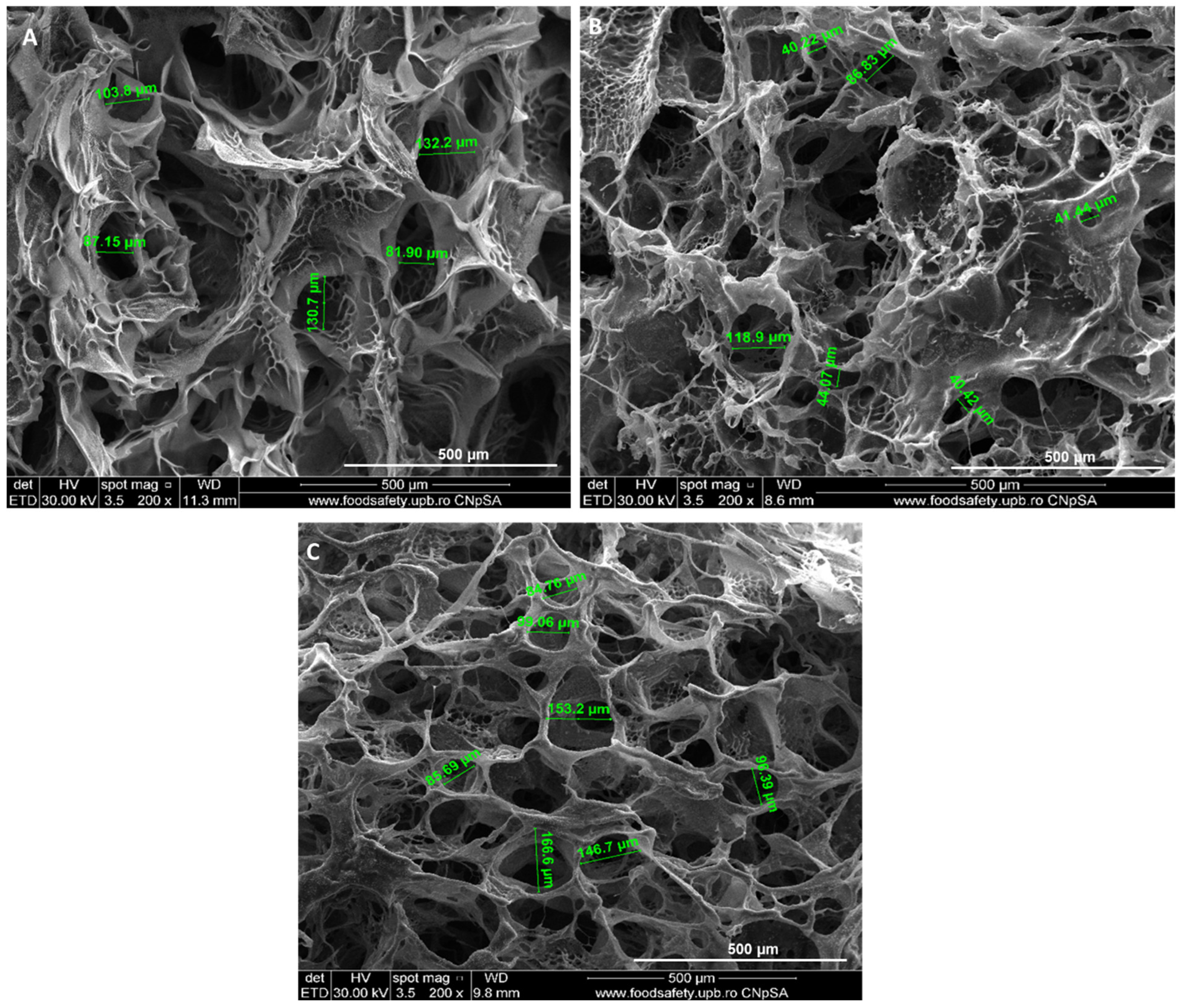
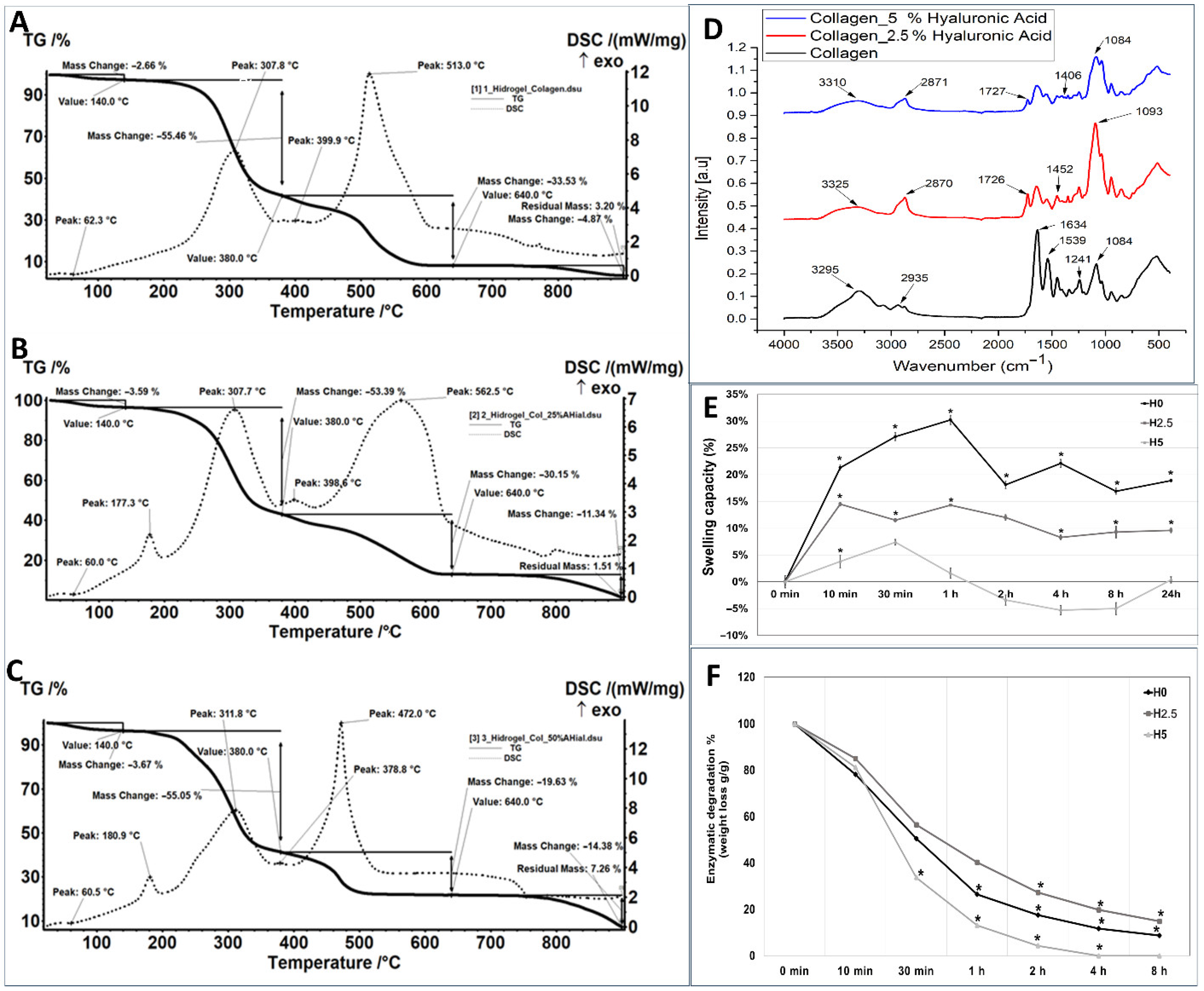
2.1. Characterization of Collagen–Hyaluronic Acid Hydrogels
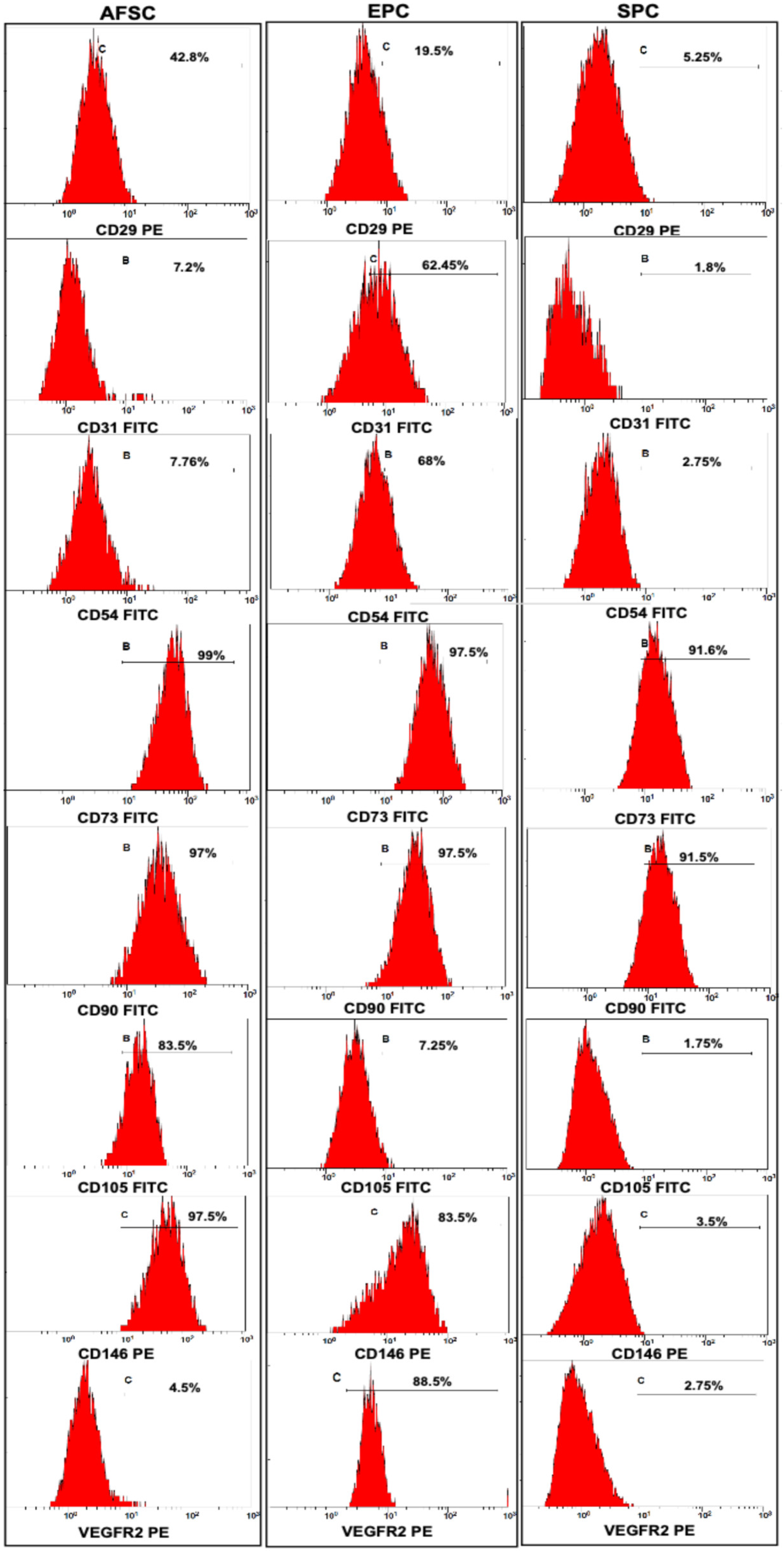
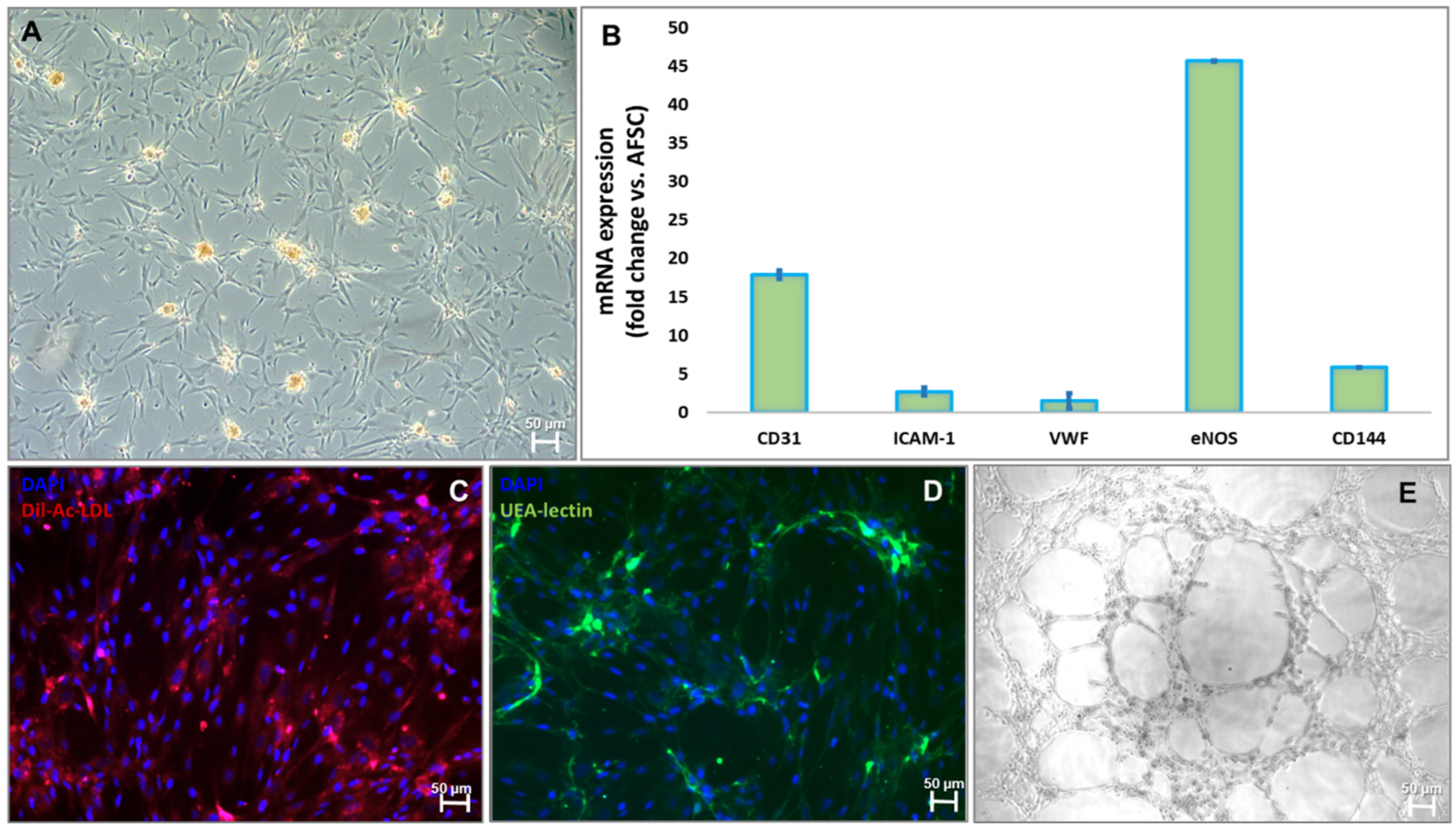
2.2. Characterization of Differentiated Endothelial Progenitor Cells (EPCs) and Smooth Muscle Progenitor Cells (SPCs)
2.3. Biocompatibility and Immunohistochemistry of Blood Vessel Constructs
3. Discussion
4. Materials and Methods
4.1. Amniotic Fluid Stem Cell Differentiation and Characterization
4.1.1. Cell Culture and Differentiation Conditions
4.1.2. Flow Cytometry Assay
4.1.3. Gene Expression and Functional Characterization of EPCs
4.1.4. Gene Expression and Electrophysiological Analysis of SPCs
4.2. Design, Bioprinting, and Characterization of Blood Vessel Constructs Using Collagen–Hyaluronic Acid Hydrogels and EPCs and SPCs
4.2.1. Hydrogel Preparation
4.2.2. Fourier Transform Infrared Spectroscopy (FTIR), Thermal Gravimetric Analysis (TGA), and Scanning Electron Microscopy (SEM)
4.2.3. Water Uptake
4.2.4. Enzymatic Degradation
4.2.5. Viability, Morphology, and Oxidative Stress Assays
4.2.6. ELISA and Griess Assay
4.2.7. Immunohistochemistry
4.2.8. Data Analysis
5. Conclusions
Supplementary Materials
Author Contributions
Funding
Institutional Review Board Statement
Informed Consent Statement
Data Availability Statement
Acknowledgments
Conflicts of Interest
References
- Dunaway, L.S.; Mills, W.A.; Eyo, U.B.; Isakson, B.E. The Cells of the Vasculature: Advances in the Regulation of Vascular Tone in the Brain and Periphery. Basic Clin. Pharmacol. Toxicol. 2025, 136, e70023. [Google Scholar] [CrossRef] [Scilit] [PubMed]
- Pugsley, M.K.; Tabrizchi, R. The vascular system. An overview of structure and function. J. Pharmacol. Toxicol. Methods 2000, 44, 333–340. [Google Scholar] [CrossRef] [Scilit] [PubMed]
- Luo, Y.; Zhang, X.; Cao, X.; Chen, Y.; Ni, R.; Hu, Z.; Feng, P.; Li, G.; Sun, Y.; Chen, Y.; et al. Construction of Multilayered Biomimetic Blood Vessel with Biphasic Cellular System Viapre-Stressed Bioprinting. Adv. Healthc. Mater. 2025, 14, e2501640. [Google Scholar] [CrossRef] [Scilit]
- Subramaniam, T.; Fauzi, M.B.; Lokanathan, Y.; Law, J.X. The Role of Calcium in Wound Healing. Int. J. Mol. Sci. 2021, 22, 6486. [Google Scholar] [CrossRef] [Scilit]
- Eming, S.A.; Martin, P.; Tomic-Canic, M. Wound repair and regeneration: Mechanisms, signaling, and translation. Sci. Transl. Med. 2014, 6, 265sr6. [Google Scholar] [CrossRef] [Scilit]
- Li, W.W.; Carter, M.J.; Mashiach, E.; Guthrie, S.D. Vascular assessment of wound healing: A clinical review. Int. Wound J. 2017, 14, 460–469. [Google Scholar] [CrossRef] [Scilit]
- Canale, L.S.; Mick, S.; Mihaljevic, T.; Nair, R.; Bonatti, J. Robotically assisted totally endoscopic coronary artery bypass surgery. J. Thorac. Dis. 2013, 5, S641–S649. [Google Scholar] [PubMed]
- Isenberg, B.C.; Williams, C.; Tranquillo, R.T. Small-diameter artificial arteries engineered in vitro. Circ. Res. 2006, 98, 25–35. [Google Scholar] [CrossRef] [Scilit]
- Dall’Olmo, L.; Zanusso, I.; Di Liddo, R.; Chioato, T.; Bertalot, T.; Guidi, E.; Conconi, M.T. Blood vessel-derived acellular matrix for vascular graft application. Biomed. Res. Int. 2014, 2014, 685426. [Google Scholar] [CrossRef] [Scilit]
- Hasan, A.; Memic, A.; Annabi, N.; Hossain, M.; Paul, A.; Dokmeci, M.R.; Dehghani, F.; Khademhosseini, A. Electrospun scaffolds for tissue engineering of vascular grafts. Acta Biomater. 2014, 10, 11–25. [Google Scholar] [CrossRef] [Scilit]
- Seifu, D.G.; Purnama, A.; Mequanint, K.; Mantovani, D. Small-diameter vascular tissue engineering. Nat. Rev. Cardiol. 2013, 10, 410–421. [Google Scholar] [CrossRef] [Scilit]
- Ostróżka-Cieślik, A.; Tanwar, A.; Michalak, M. Hyaluronan-Based Hybrid Systems as Growth Factor Carriers in the Treatment of Chronic Wounds. Int. J. Mol. Sci. 2025, 26, 10871. [Google Scholar] [CrossRef] [Scilit] [PubMed] [PubMed Central]
- Kawano, Y.; Patrulea, V.; Sublet, E.; Borchard, G.; Iyoda, T.; Kageyama, R.; Morita, A.; Seino, S.; Yoshida, H.; Jordan, O.; et al. Wound Healing Promotion by Hyaluronic Acid: Effect of Molecular Weight on Gene Expression and In Vivo Wound Closure. Pharmaceuticals 2021, 14, 301. [Google Scholar] [CrossRef] [Scilit]
- Giraudo, M.V.; Di Francesco, D.; Catoira, M.C.; Cotella, D.; Fusaro, L.; Boccafoschi, F. Angiogenic Potential in Biological Hydrogels. Biomedicines 2020, 8, 436. [Google Scholar] [CrossRef] [Scilit]
- Ren, Y.; Zhang, H.; Qin, W.; Du, B.; Liu, L.; Yang, J. A collagen mimetic peptide-modified hyaluronic acid hydrogel system with enzymatically mediated degradation for mesenchymal stem cell differentiation. Mater. Sci. Eng. C Mater. Biol. Appl. 2020, 108, 110276. [Google Scholar] [CrossRef] [Scilit]
- Abdulrazzak, H.; De Coppi, P.; Guillot, P.V. Therapeutic potential of amniotic fluid stem cells. Curr. Stem Cell Res. Ther. 2013, 8, 117–124. [Google Scholar] [CrossRef] [Scilit]
- Pozzobon, M.; Piccoli, M.; Schiavo, A.A.; Atala, A.; De Coppi, P. Isolation of c-Kit+ human amniotic fluid stem cells from second trimester. In Stem Cell Niche: Methods and Protocols; Humana Press: Totowa, NJ, USA, 2013; Volume 1035, pp. 191–198. [Google Scholar]
- Pipino, C.; Pierdomenico, L.; Di Tomo, P.; Di Giuseppe, F.; Cianci, E.; D’Alimonte, I.; Morabito, C.; Centurione, L.; Antonucci, I.; Mariggiò, M.A.; et al. Molecular and phenotypic characterization of human amniotic fluid-derived cells: A morphological and proteomic approach. Stem Cells Dev. 2015, 24, 1415–1428. [Google Scholar] [CrossRef] [Scilit]
- Resca, E.; Zavatti, M.; Maraldi, T.; Bertoni, L.; Beretti, F.; Guida, M.; La Sala, G.B.; Guillot, P.V.; David, A.L.; Sebire, N.J.; et al. Enrichment in c-Kit improved differentiation potential of amniotic membrane progenitor/stem cells. Placenta 2015, 36, 18–26. [Google Scholar] [CrossRef] [Scilit] [PubMed]
- Connell, J.P.; Ruano, R.; Jacot, J.G. Amniotic fluid-derived stem cells demonstrate limited cardiac differentiation following small molecule-based modulation of Wnt signaling pathway. Biomed. Mater. 2015, 10, 034103. [Google Scholar] [CrossRef] [Scilit] [PubMed]
- Cananzi, M.; De Coppi, P. CD117+ amniotic fluid stem cells: State of the art and future perspectives. Organogenesis 2012, 8, 77–88. [Google Scholar] [CrossRef] [Scilit] [PubMed]
- Mirabella, T.; Hartinger, J.; Lorandi, C.; Gentili, C.; van Griensven, M.; Cancedda, R. Proangiogenic soluble factors from amniotic fluid stem cells mediate the recruitment of endothelial progenitors in a model of ischemic fasciocutaneous flap. Stem Cells Dev. 2012, 21, 2179–2188. [Google Scholar] [CrossRef] [Scilit]
- Hou, Y.C.; Cui, X.; Qin, Z.; Su, C.; Zhang, G.; Tang, J.N.; Li, J.A.; Zhang, J.Y. Three-dimensional bioprinting of artificial blood vessel: Process, bioinks, and challenges. Int. J. Bioprint. 2023, 9, 740. [Google Scholar] [CrossRef] [Scilit]
- Thomas, J.D. Could 3D bioprinted tissues offer future hope for microtia treatment? Int. J. Surg. 2016, 32, 43–44. [Google Scholar] [CrossRef] [Scilit]
- Holban, A.M.; Grumezescu, A. Materials for Biomedical Engineering: Hydrogels and Polymer-Based Scaffolds; Elsevier: Cambridge, MA, USA, 2019; pp. 5–60. [Google Scholar]
- Chua, C.K.; Yeong, W.Y. Bioprinting: Principles and Applications; World Scientific Publishing Co.: Singapore, 2015; pp. 50–90. [Google Scholar]
- Datta, P.; Ayan, B.; Ozbolat, I.T. Bioprinting for vascular and vascularized tissue biofabrication. Acta Biomater. 2017, 51, 1–20. [Google Scholar] [CrossRef] [Scilit]
- Tipple, T.E.; Rogers, L.K. Methods for the determination of plasma or tissue glutathione levels. In Developmental Toxicology: Methods and Protocols; Humana Press: Totowa, NJ, USA, 2012; Volume 889, pp. 315–324. [Google Scholar]
- Bolotina, V.M.; Najibi, S.; Palacino, J.J.; Pagano, P.J.; Cohen, R.A. Nitric oxide directly activates calcium-dependent potassium channels în vascular smooth muscle. Nature 1994, 368, 850–853. [Google Scholar] [CrossRef] [Scilit]
- Matai, I.; Kaur, G.; Seyedsalehi, A.; McClinton, A.; Laurencin, C.T. Progress in 3D bioprinting technology for tissue/organ re-generative engineering. Biomaterials 2020, 226, 119536. [Google Scholar] [CrossRef] [Scilit] [PubMed]
- Fedorovich, N.E.; Kuipers, E.; Gawlitta, D.; Dhert, W.J.; Alblas, J. Scaffold porosity and oxygenation of printed hydrogel con-structs affect functionality of embedded osteogenic progenitors. Tissue Eng. Part A 2011, 17, 2473–2486. [Google Scholar] [CrossRef] [Scilit] [PubMed]
- Loo, Y.; Lakshmanan, A.; Ni, M.; Toh, L.L.; Wang, S.; Hauser, C.A.E. Peptide bioink: Self-assembling nanofibrous scaffolds for three-dimensional organotypic cultures. Nano Lett. 2015, 15, 6919–6925. [Google Scholar] [CrossRef] [Scilit]
- Mukasheva, F.; Adilova, L.; Dyussenbinov, A.; Yernaimanova, B.; Abilev, M.; Akilbekova, D. Optimizing scaffold pore size for tissue engineering: Insights across various tissue types. Front. Bioeng. Biotechnol. 2024, 12, 1444986. [Google Scholar] [CrossRef] [Scilit] [PubMed]
- Bružauskaitė, I.; Bironaitė, D.; Bagdonas, E.; Bernotienė, E. Scaffolds and cells for tissue regeneration: Different scaffold pore sizes-different cell effects. Cytotechnology 2016, 68, 355–369. [Google Scholar] [CrossRef] [Scilit]
- Taguchi, T.; Tanaka, J. Swelling behavior of hyaluronic acid and type II collagen hydrogels prepared by using conventional crosslinking and subsequent additional polymer interactions. J. Biomater. Sci. 2002, 13, 43–52. [Google Scholar] [CrossRef] [Scilit] [PubMed]
- Lai, V.K.; Nedrelow, D.S.; Lake, S.P.; Kim, B.; Weiss, E.M.; Tranquillo, R.T.; Barocas, V.H. Swelling of Colla-gen-Hyaluronic Acid Co-Gels: An In Vitro Residual Stress Model. Ann. Biomed. Eng. 2016, 44, 2984–2993. [Google Scholar] [CrossRef] [Scilit] [PubMed]
- Ng, H.W.; Zhang, Y.; Naffa, R.; Prabakar, S. Monitoring the Degradation of Collagen Hydrogels by Collagenase Clostridium histolyticum. Gels 2020, 6, 46. [Google Scholar] [CrossRef] [Scilit]
- Cao, Q.N.; Cherqaoui, A.; Henrique Michelin Beraldo, C.; Paternoster, C.; Gélinas, S.; Blais, C.; Mengucci, P.; Mantovani, D. Effect of Volumetric Energy Density on the Evolution of the Microstructure and the Degradation Behavior of 3D-Printed Fe-Mn-C Alloys from Water-Atomized Powders. Metals 2025, 15, 101. [Google Scholar] [CrossRef] [Scilit]
- Melero, A.; Andrade del Olmo, J.; Martínez de Cestafe, N.; Goenaga Ibeas, C.; Ucelay López de Heredia, M.; Izaguirre, J.K.; Alonso, J.M.; Pérez González, R. Viscoelastic Properties and Enzymatic Degradation of Crosslinked Hyaluronic Acid for Deep Dermal Filler Use. Gels 2025, 11, 754. [Google Scholar] [CrossRef] [Scilit]
- Fundarò, S.P.; Salti, G.; Malgapo, D.M.H.; Innocenti, S. The Rheology and Physicochemical Characteristics of Hyaluronic Acid Fillers: Their Clinical Implications. Int. J. Mol. Sci. 2022, 23, 10518. [Google Scholar] [CrossRef] [Scilit]
- Faivre, J.; Wu, K.; Gallet, M.; Sparrow, J.; Bourdon, F.; Gallagher, C.J. Comparison of Hyaluronidase-Mediated Degradation Kinetics of Commercially Available Hyaluronic Acid Fillers In Vitro. Aesthetic Surg. J. 2024, 44, NP402–NP410. [Google Scholar] [CrossRef] [Scilit]
- Vaiasicca, S.; James, D.W.; Melone, G.; Saeed, O.; Francis, L.W.; Corradetti, B. Amniotic fluid-derived mesenchymal stem cells as a therapeutic tool against cytokine storm: A comparison with umbilical cord counterparts. Stem Cell Res. Ther. 2025, 16, 151. [Google Scholar] [CrossRef] [Scilit]
- Lennon, M.L.; Frieman, A.; Salazar, A.K.; Kogut, I.; Bilousova, G.; Jacot, J.G. Amniotic fluid collected from vaginal birth as a source of stem cells for clinical applications and disease modeling. Stem Cells Transl. Med. 2025, 14, szaf017. [Google Scholar] [CrossRef] [Scilit]
- Ahmed, M.; Ffrench-Constant, C. Extracellular Matrix Regulation of Stem Cell Behavior. Curr. Stem Cell Rep. 2016, 2, 197–206. [Google Scholar] [CrossRef] [Scilit]
- Martínez Ávila, H.; Schwarz, S.; Rotter, N.; Gatenholm, P. 3D bioprinting of human chondrocyte-laden nanocellulose hydrogels for patient-specific auricular cartilage regeneration. Bioprinting 2016, 1, 22–35. [Google Scholar] [CrossRef] [Scilit]
- Xu, H.Q.; Liu, J.C.; Zhang, Z.Y.; Xu, C.X. A review on cell damage, viability, and functionality during 3D bioprinting. Mil. Med. Res. 2022, 9, 70. [Google Scholar] [CrossRef] [Scilit]
- Bright, L.M.E.; Wu, Y.; Brisbois, E.J.; Handa, H. Advances in Nitric Oxide-Releasing Hydrogels for Biomedical Applications. Curr. Opin. Colloid. Interface Sci. 2023, 66, 101704. [Google Scholar] [CrossRef] [Scilit]
- Yang, L.; Guan, H.; He, J.; Zeng, L.; Yuan, Z.; Xu, M.; Zhang, W.; Wu, X.; Guan, J. VEGF increases the proliferative capacity and eNOS/NO levels of endothelial progenitor cells through the calcineurin/NFAT signalling pathway. Cell Biol. Int. 2012, 36, 21–27. [Google Scholar] [CrossRef] [Scilit]
- Duan, K.; Dash, B.C.; Sasson, D.C.; Islam, S.; Parker, J.; Hsia, H.C. Human iPSC-Derived Vascular Smooth Muscle Cells in a Fibronectin Functionalized Collagen Hydrogel Augment Endothelial Cell Morphogenesis. Bioengineering 2021, 8, 223. [Google Scholar] [CrossRef] [Scilit]
- Simon, M.C. Vascular morphogenesis and the formation of vascular networks. Dev. Cell 2004, 6, 479–482. [Google Scholar] [CrossRef] [Scilit]
- Dash, B.C.; Duan, K.; Xing, H.; Kyriakides, T.R.; Hsia, H.C. An in situ collagen-HA hydrogel system promotes survival and preserves the proangiogenic secretion of hiPSC-derived vascular smooth muscle cells. Biotechnol. Bioeng. 2020, 117, 3912–3923. [Google Scholar] [CrossRef] [Scilit] [PubMed]
- Park, K.M.; Gerecht, S. Hypoxia-inducible hydrogels. Nat. Commun. 2014, 5, 4075. [Google Scholar] [CrossRef] [Scilit] [PubMed]
- Dash, B.C.; Setia, O.; Gorecka, J.; Peyvandi, H.; Duan, K.; Lopes, L.; Nie, J.; Berthiaume, F.; Dardik, A.; Hsia, H.C. A Dense Fibrillar Collagen Scaffold Differentially Modulates Secretory Function of iPSC-Derived Vascular Smooth Muscle Cells to Promote Wound Healing. Cells 2020, 9, 966. [Google Scholar] [CrossRef] [Scilit]
- Murphy, K.C.; Whitehead, J.; Zhou, D.; Ho, S.S.; Leach, J.K. Engineering fibrin hydrogels to promote the wound healing potential of mesenchymal stem cell spheroids. Acta Biomater. 2017, 64, 176–186. [Google Scholar] [CrossRef] [Scilit] [PubMed]
- Li, Q.; Wang, D.; Jiang, Z.; Li, R.; Xue, T.; Lin, C.; Deng, Y.; Jin, Y.; Sun, B. Advances of hydrogel combined with stem cells in promoting chronic wound healing. Front. Chem. 2022, 10, 1038839. [Google Scholar] [CrossRef] [Scilit]
- Liang, M.; Dong, L.; Guo, Z.; Liu, L.; Fan, Z.; Wei, C.; Mi, S.; Sun, W. Collagen-Hyaluronic Acid Composite Hydrogels with Applications for Chronic Diabetic Wound Repair. ACS Biomater. Sci. Eng. 2023, 9, 5376–5388. [Google Scholar] [CrossRef] [Scilit] [PubMed]
- Kammona, O.; Tsanaktsidou, E.; Kiparissides, C. Recent Developments in 3D-(Bio)printed Hydrogels as Wound Dressings. Gels 2024, 10, 147. [Google Scholar] [CrossRef] [Scilit] [PubMed]
- Airini, R.; Iordache, F.; Alexandru, D.; Savu, L.; Epureanu, F.B.; Mihailescu, D.; Amuzescu, B.; Maniu, H. Senescence-induced immunophenotype, gene expression and electrophysiology changes in human amniocytes. J. Cell. Mol. Med. 2019, 23, 7233–7245. [Google Scholar] [CrossRef] [Scilit] [PubMed]




Disclaimer/Publisher’s Note: The statements, opinions and data contained in all publications are solely those of the individual author(s) and contributor(s) and not of MDPI and/or the editor(s). MDPI and/or the editor(s) disclaim responsibility for any injury to people or property resulting from any ideas, methods, instructions or products referred to in the content. |
© 2026 by the authors. Licensee MDPI, Basel, Switzerland. This article is an open access article distributed under the terms and conditions of the Creative Commons Attribution (CC BY) license.
Share and Cite
Iordache, F.; Dulceanu, M.; Holban, A.M.; Badaluta, A.V.; Pisoschi, A.M.; Vasile, B.S.; Amuzescu, B.; Curutiu, C. 3D Bioprinting of Blood Vessel Model for Improving Wound Healing. Int. J. Mol. Sci. 2026, 27, 4019. https://doi.org/10.3390/ijms27094019
Iordache F, Dulceanu M, Holban AM, Badaluta AV, Pisoschi AM, Vasile BS, Amuzescu B, Curutiu C. 3D Bioprinting of Blood Vessel Model for Improving Wound Healing. International Journal of Molecular Sciences. 2026; 27(9):4019. https://doi.org/10.3390/ijms27094019
Chicago/Turabian StyleIordache, Florin, Madalina Dulceanu, Alina Maria Holban, Alexandra Valentina Badaluta, Aurelia Magdalena Pisoschi, Bogdan Stefan Vasile, Bogdan Amuzescu, and Carmen Curutiu. 2026. "3D Bioprinting of Blood Vessel Model for Improving Wound Healing" International Journal of Molecular Sciences 27, no. 9: 4019. https://doi.org/10.3390/ijms27094019
APA StyleIordache, F., Dulceanu, M., Holban, A. M., Badaluta, A. V., Pisoschi, A. M., Vasile, B. S., Amuzescu, B., & Curutiu, C. (2026). 3D Bioprinting of Blood Vessel Model for Improving Wound Healing. International Journal of Molecular Sciences, 27(9), 4019. https://doi.org/10.3390/ijms27094019