Genome-Wide DNA Methylation Profiling Reveals Ancestry-Associated Epigenetic Reprogramming in Cervical Intraepithelial Neoplasia


Abstract
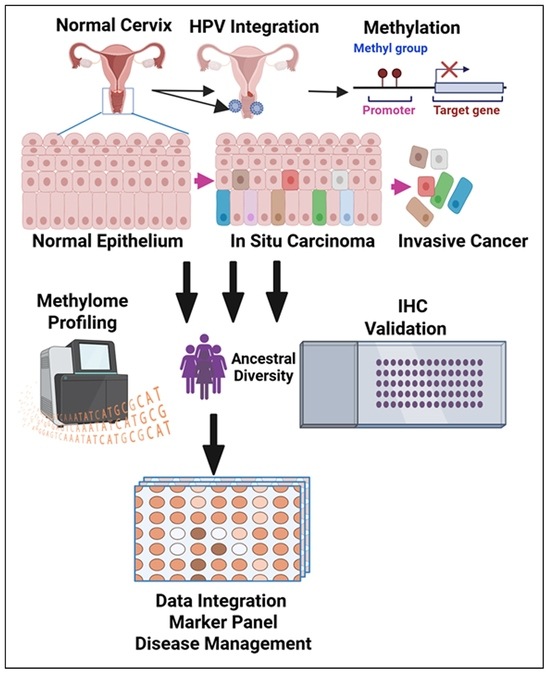
1. Introduction
2. Results
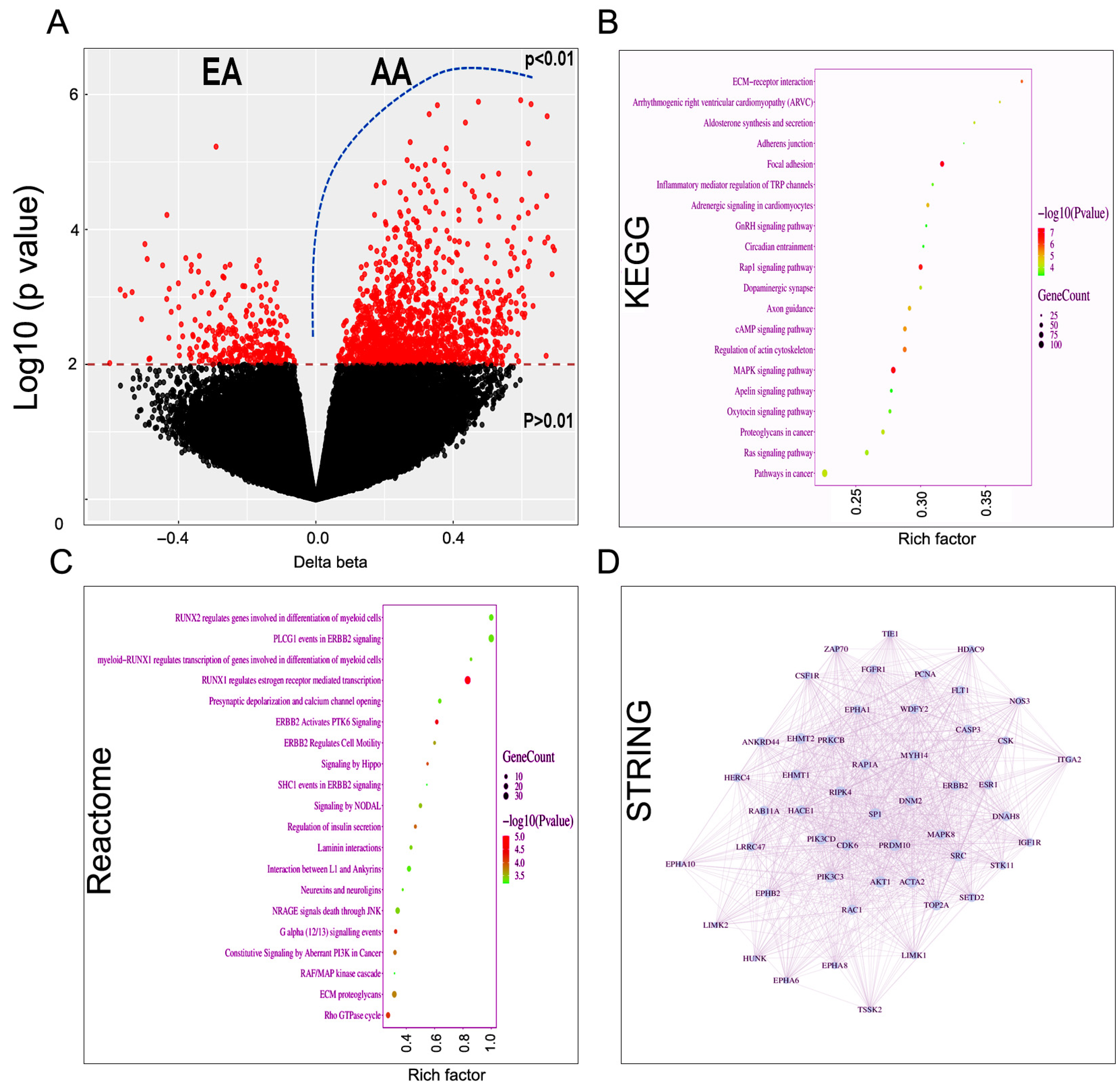
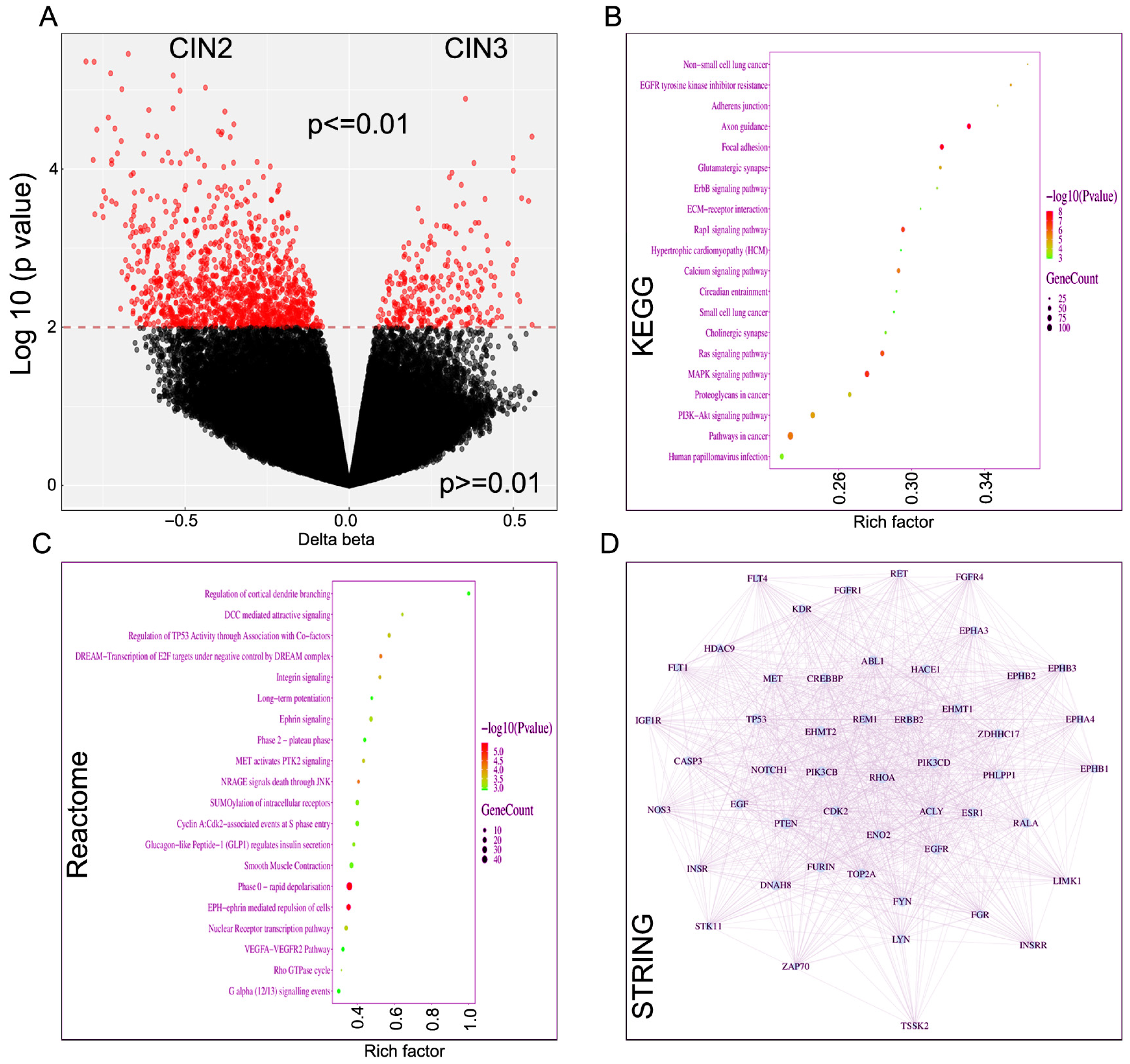
2.1. Presence of Distinct Epigenomic Landscape in the Early Lesions of Women with African Ancestry
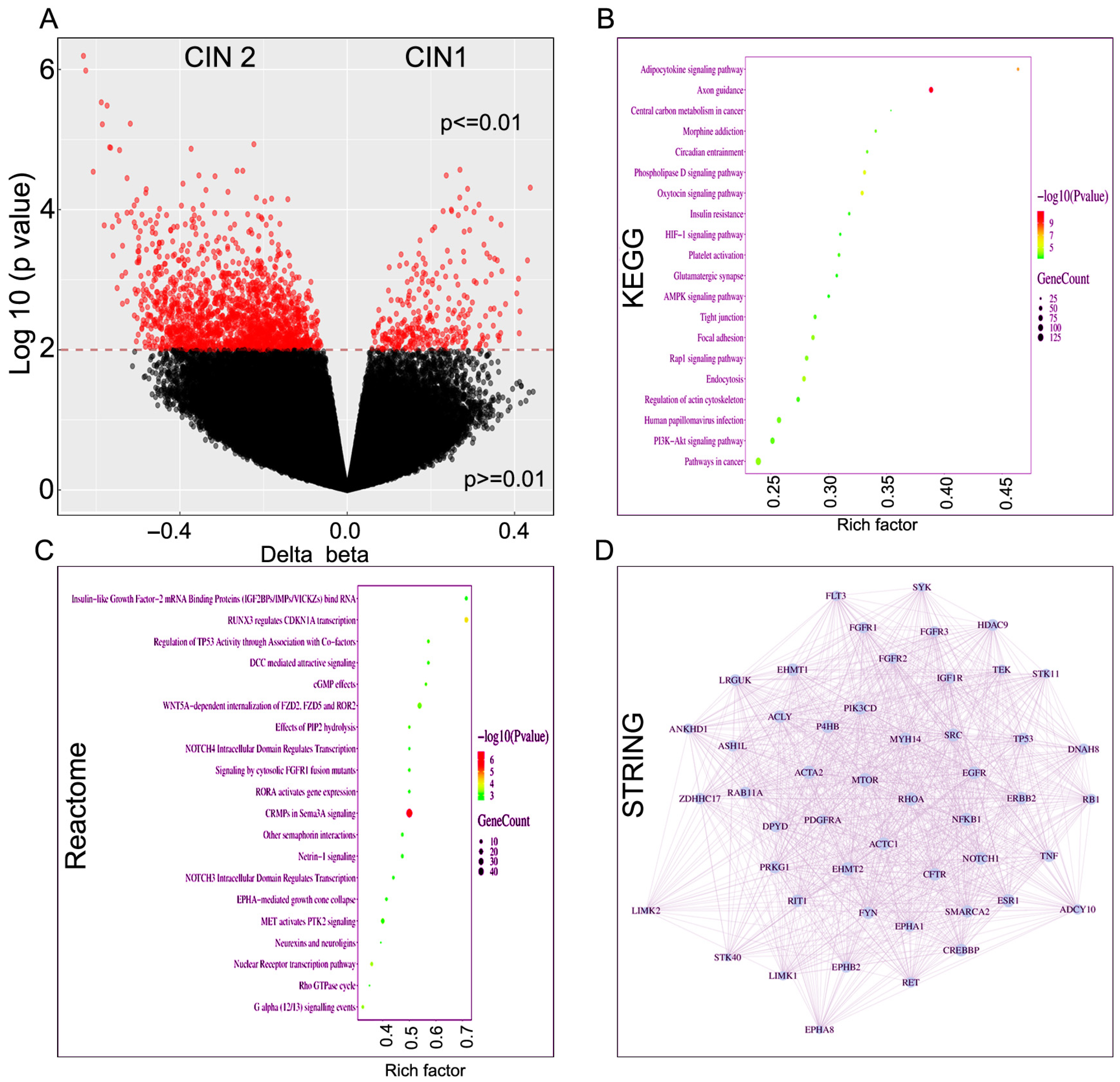
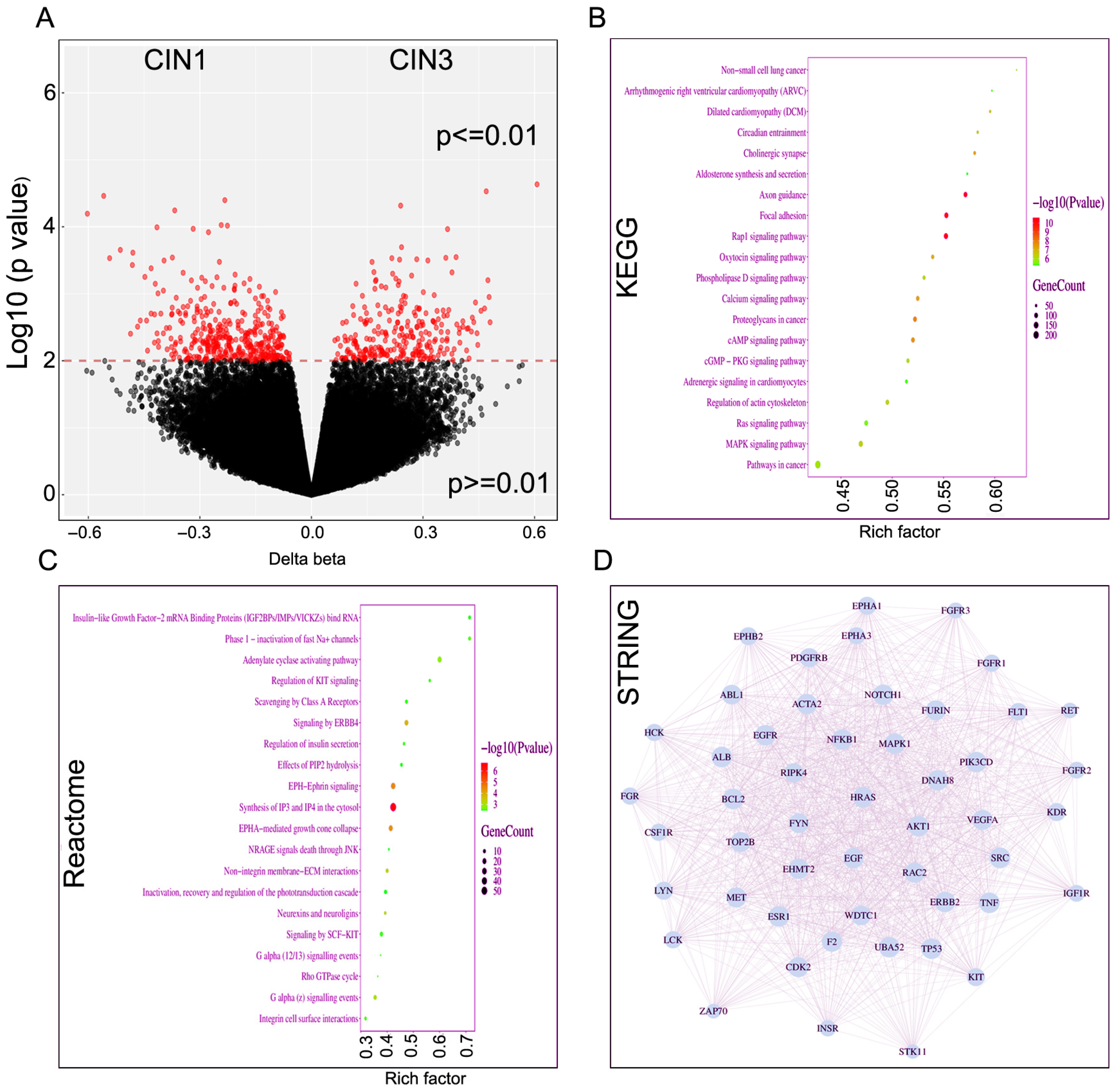
2.2. Distinct Global Methylation Pattern Across Carcinoma In Situ Progression
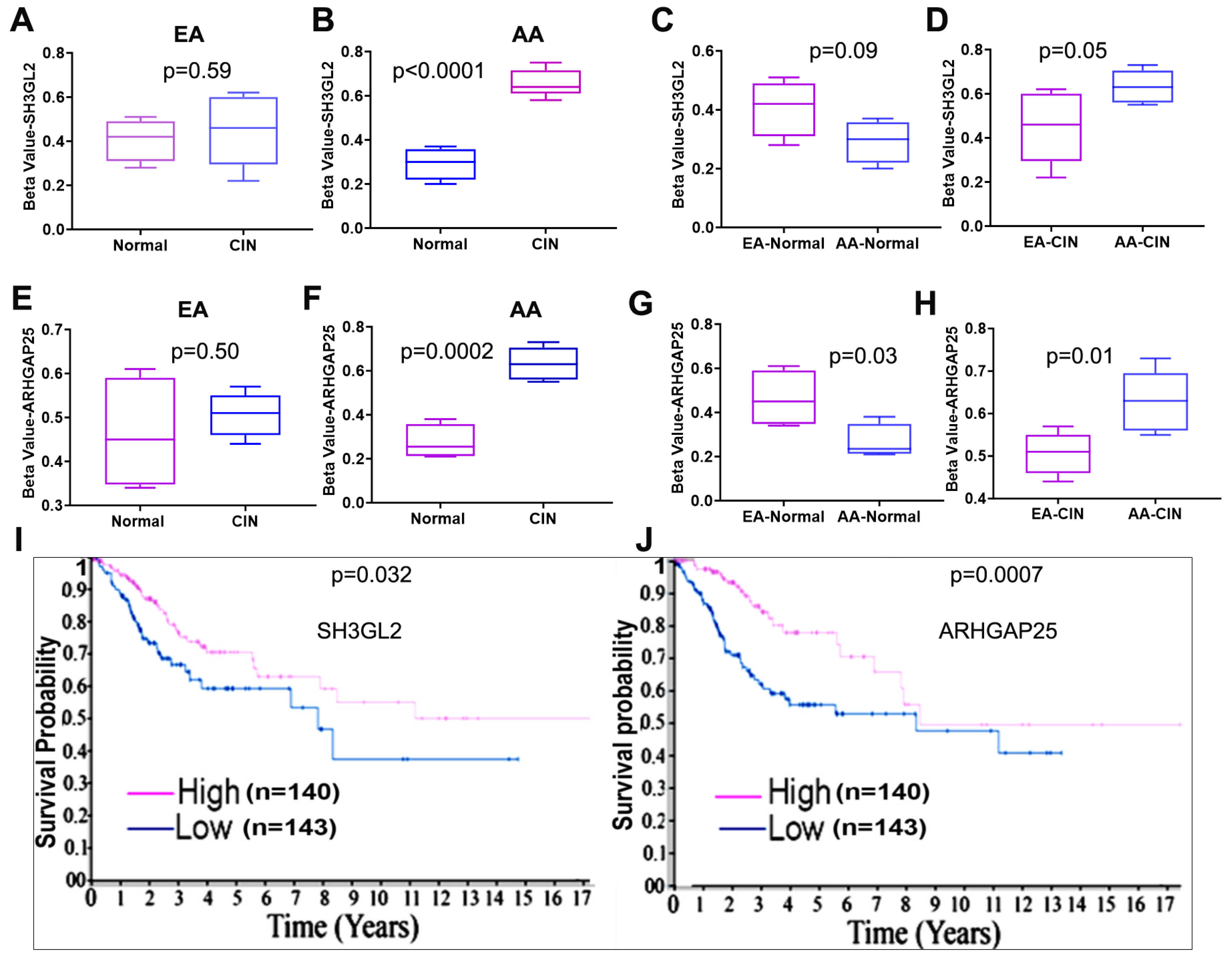
2.3. DNA Hypermethylation of SH3GL2 and ARHGAP25 Is an Early Event in CC Health Disparities
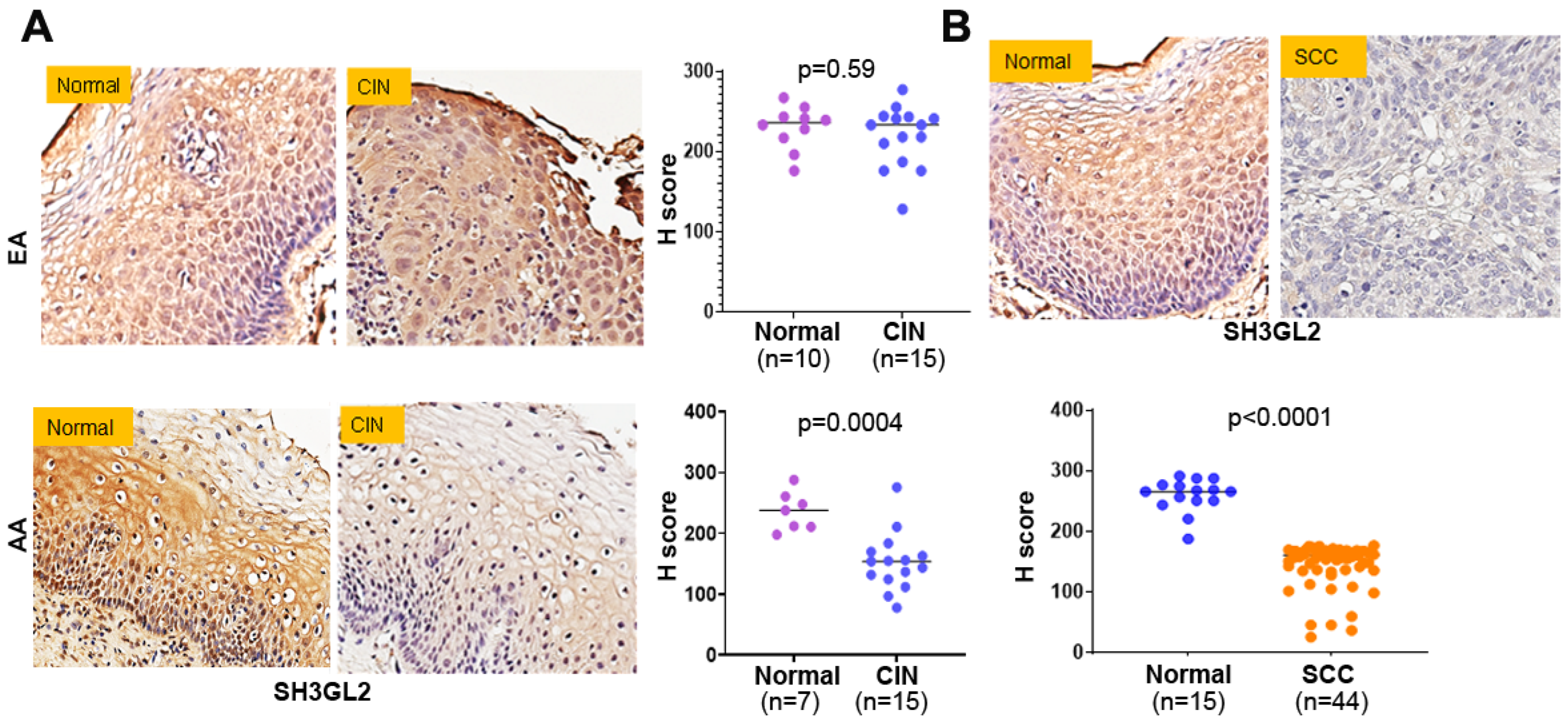
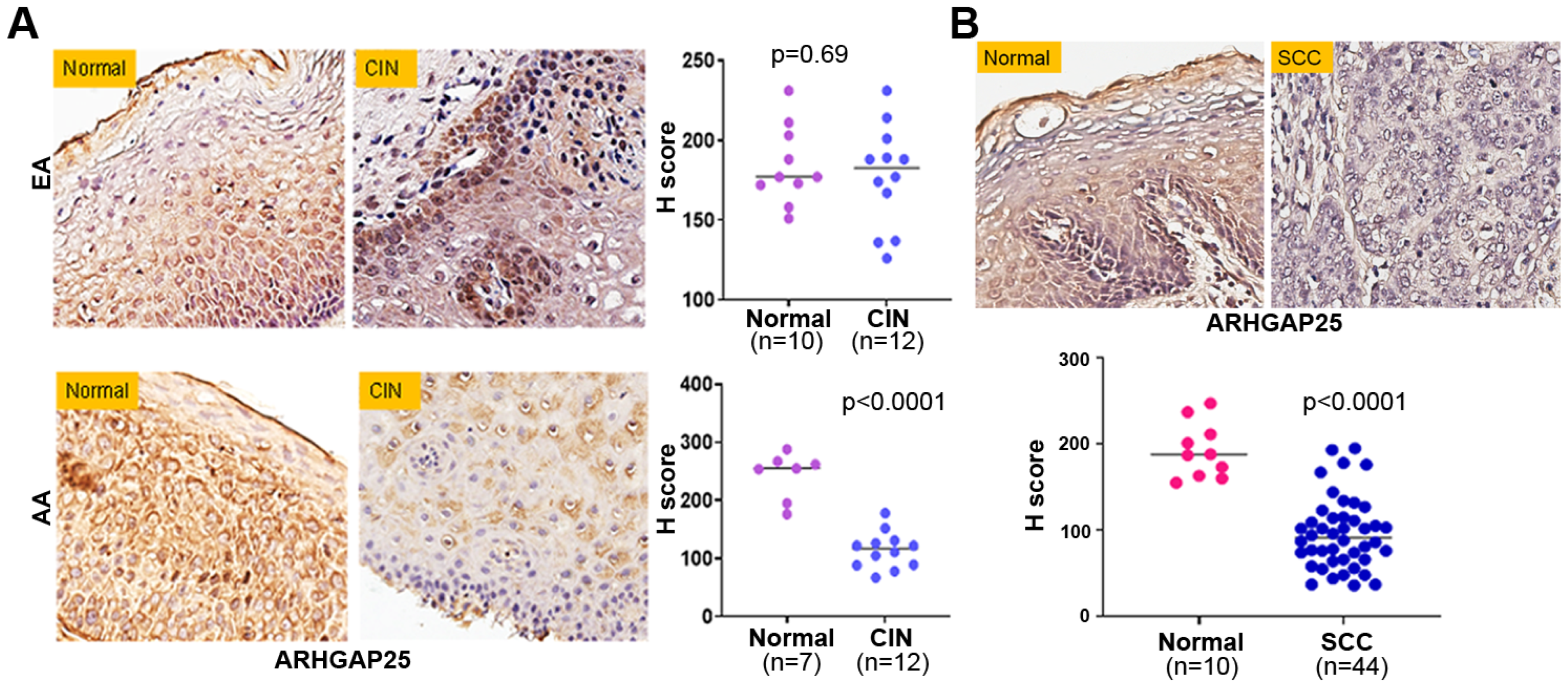
2.4. Early SH3GL2 and ARHGAP25 Methylation Correlated with Loss of Protein Expression in CC Health Disparities
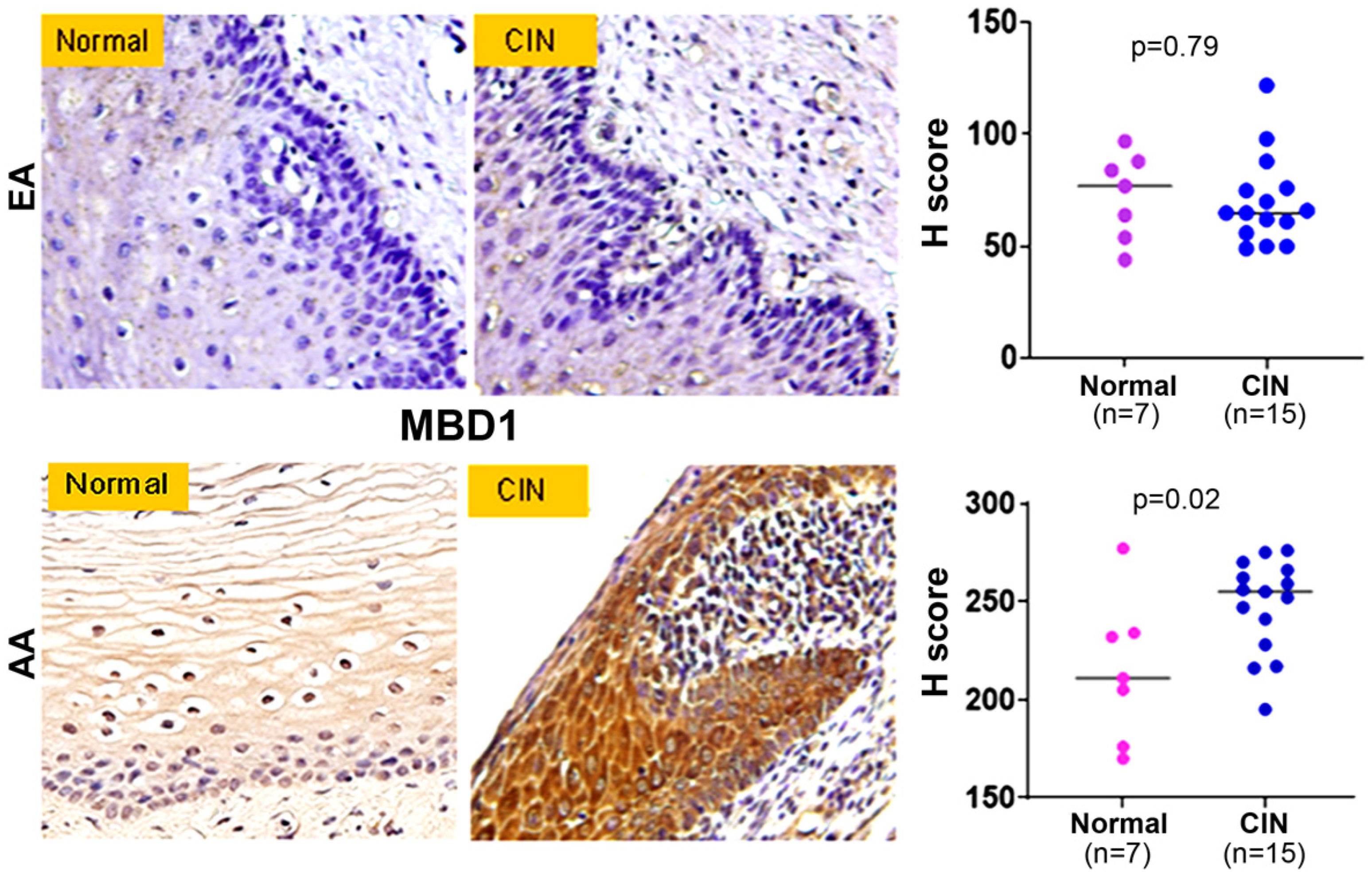
2.5. Abundance of MBD1 Expression in High Grade CIN Lesions from AA Women
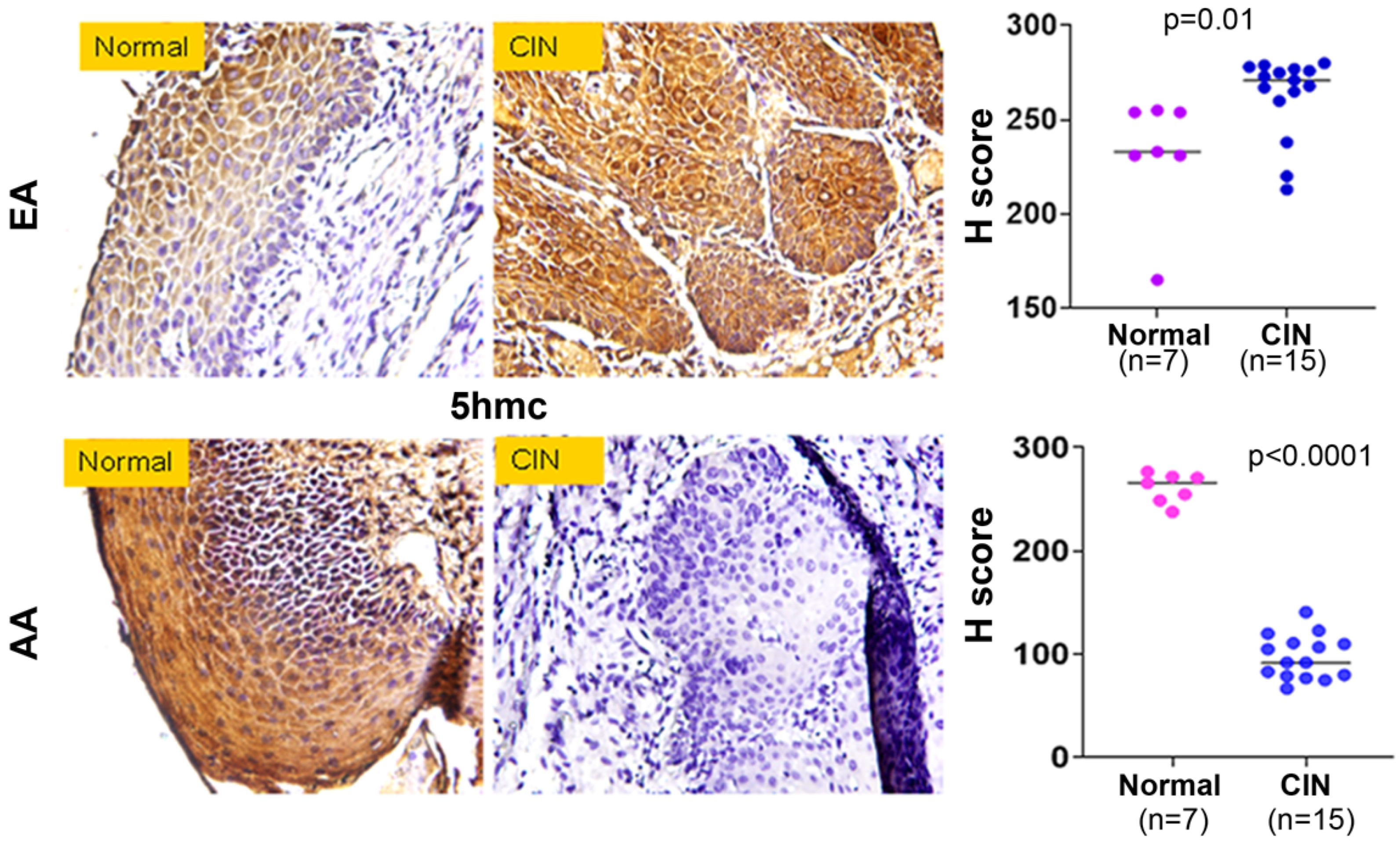
2.6. Predominant Loss of 5hmC Methylation Mark in CIN Lesion from AA Women with MBD1 Upregulation
3. Discussion
4. Materials and Methods
4.1. Patient Cohort and Ethical Statement
4.2. Isolation and Purification of DNA Samples
4.3. EPIC BeadChip Methylation Array, Raw Data Pre-Processing, and Normalization
4.4. Identification of Differentially Methylated Probes and Regions and Quality Control
4.5. Gene Ontology and KEGG Function Enrichment Analysis
4.6. Disease Annotation Function and Reactome Metabolic Pathway Analysis
4.7. Promoter Methylation Analysis
4.8. Immunohistochemistry
4.9. Transcriptomic Profiling and Statistical Analysis
5. Conclusions
Author Contributions
Funding
Institutional Review Board Statement
Informed Consent Statement
Data Availability Statement
Acknowledgments
Conflicts of Interest
Abbreviations
| CC | Cervical cancer |
| CIN | Cervical intraepithelial neoplasia |
| HPV | Human papillomavirus |
| ECM | Extracellular matrix |
| 5hmC | 5 hydroxymethylcytosine |
| TSS | Transcription start site |
| CpG | 5’-C-phosphate-G-3’ |
| KEGG | Kyoto Encyclopedia of Genes and Genomes |
| GO | Gene ontology |
| PPI | Protein–protein interaction |
| IHC | Immunohistochemistry |
| FFPE | Formalin-fixed paraffin-embedded |
| DEGs | Differential expression of genes |
| GEO | Gene Expression Omnibus. |
References
- Wu, J.; Jin, Q.; Zhang, Y.; Ji, Y.; Li, J.; Liu, X.; Duan, H.; Feng, Z.; Liu, Y.; Zhang, Y.; et al. Global Burden of Cervical Cancer: Current Estimates, Temporal Trend and Future Projections Based on the GLOBOCAN 2022. J. Natl. Cancer Cent. 2025, 5, 322–329. [Google Scholar] [CrossRef] [Scilit]
- Huang, Y.; Lin, W.; Chen, X.; Zheng, X.; Yi, H.; Zhang, L. Analyzing and Forecasting Global Cervical Cancer Burden Based on WHO’s Elimination Strategy: Insights and Projections from a 1990-2021 Global Burden of Disease (GBD) Study Covering 204 Countries and Territories. J. Adv. Res. 2025; in press. [CrossRef] [Scilit]
- Son, Y.; Hong, S.; Jang, W.; Kim, S.; Lee, H.; Lee, S.; Kang, J.; Smith, L.; Yon, D.K. Global, Regional, and National Burden of Cervical Cancer in 2022 and Projections to 2050: A Population-Based Analysis of GLOBOCAN. Int. J. Gynecol. Cancer Off. J. Int. Gynecol. Cancer Soc. 2026, 36, 102751. [Google Scholar] [CrossRef] [Scilit]
- Olusola, P.; Banerjee, H.N.; Philley, J.V.; Dasgupta, S. Human Papilloma Virus-Associated Cervical Cancer and Health Disparities. Cells 2019, 8, 622. [Google Scholar] [CrossRef] [Scilit] [PubMed]
- Brady, K.C.; Stephens, C.P.; Sudan, S.K.; Singh, A.P.; Dasgupta, S.; Singh, S. Breast and Cervical Cancer Disparities in Alabama: Current Scenario, Ongoing Efforts to Reduce the Disparity Gaps, and What More We Could Be Doing. Cancer Health Disparities 2022, 6, e1–e10. [Google Scholar] [PubMed]
- Chatterjee, S.; Gupta, D.; Caputo, T.A.; Holcomb, K. Disparities in Gynecological Malignancies. Front. Oncol. 2016, 6, 36. [Google Scholar] [CrossRef] [Scilit]
- Deshmukh, S.K.; Azim, S.; Ahmad, A.; Zubair, H.; Tyagi, N.; Srivastava, S.K.; Bhardwaj, A.; Singh, S.; Rocconi, R.P.; Singh, A.P. Biological Basis of Cancer Health Disparities: Resources and Challenges for Research. Am. J. Cancer Res. 2017, 7, 1–12. [Google Scholar]
- Doll, K.M. Investigating Black-White Disparities in Gynecologic Oncology: Theories, Conceptual Models, and Applications. Gynecol. Oncol. 2018, 149, 78–83. [Google Scholar] [CrossRef] [Scilit]
- Landrine, H.; Corral, I.; Lee, J.G.L.; Efird, J.T.; Hall, M.B.; Bess, J.J. Residential Segregation and Racial Cancer Disparities: A Systematic Review. J. Racial Ethn. Health Disparities 2017, 4, 1195–1205. [Google Scholar] [CrossRef] [Scilit]
- Musselwhite, L.W.; Oliveira, C.M.; Kwaramba, T.; de Paula Pantano, N.; Smith, J.S.; Fregnani, J.H.; Reis, R.M.; Mauad, E.; de Lima Vazquez, F.; Longatto-Filho, A. Racial/Ethnic Disparities in Cervical Cancer Screening and Outcomes. Acta Cytol. 2016, 60, 518–526. [Google Scholar] [CrossRef] [Scilit] [PubMed]
- Xu, J.; Zhu, W.; Xu, W.; Cui, X.; Chen, L.; Ji, S.; Qin, Y.; Yao, W.; Liu, L.; Liu, C.; et al. Silencing of MBD1 Reverses Pancreatic Cancer Therapy Resistance through Inhibition of DNA Damage Repair. Int. J. Oncol. 2013, 42, 2046–2052. [Google Scholar] [CrossRef] [Scilit]
- Xu, J.; Zhu, W.; Xu, W.; Yao, W.; Zhang, B.; Xu, Y.; Ji, S.; Liu, C.; Long, J.; Ni, Q.; et al. Up-Regulation of MBD1 Promotes Pancreatic Cancer Cell Epithelial-Mesenchymal Transition and Invasion by Epigenetic down-Regulation of E-Cadherin. Curr. Mol. Med. 2013, 13, 387–400. [Google Scholar] [PubMed]
- Liu, D.; Huang, K.; Wang, T.; Zhang, X.; Liu, W.; Yue, X.; Wu, J. NR2F2-AS1 Accelerates Cell Proliferation through Regulating MiR-4429/MBD1 Axis in Cervical Cancer. Biosci. Rep. 2020, 40, BSR20194282. [Google Scholar] [CrossRef] [Scilit]
- Nakao, M.; Matsui, S.; Yamamoto, S.; Okumura, K.; Shirakawa, M.; Fujita, N. Regulation of Transcription and Chromatin by Methyl-CpG Binding Protein MBD1. Brain Dev. 2001, 23, S174–S176. [Google Scholar] [CrossRef] [Scilit]
- Li, L.; Chen, B.-F.; Chan, W.-Y. An Epigenetic Regulator: Methyl-CpG-Binding Domain Protein 1 (MBD1). Int. J. Mol. Sci. 2015, 16, 5125–5140. [Google Scholar] [CrossRef] [Scilit]
- Haffner, M.C.; Chaux, A.; Meeker, A.K.; Esopi, D.M.; Gerber, J.; Pellakuru, L.G.; Toubaji, A.; Argani, P.; Iacobuzio-Donahue, C.; Nelson, W.G.; et al. Global 5-Hydroxymethylcytosine Content Is Significantly Reduced in Tissue Stem/Progenitor Cell Compartments and in Human Cancers. Oncotarget 2011, 2, 627–637. [Google Scholar] [CrossRef] [Scilit]
- Arvinden, V.R.; Rao, A.K.D.M.; Rajkumar, T.; Mani, S. Regulation and Functional Significance of 5-Hydroxymethylcytosine in Cancer. Epigenomes 2017, 1, 19. [Google Scholar] [CrossRef] [Scilit]
- Kharat, S.S.; Sharan, S.K. 5-Hydroxymethylcytosine: A Key Epigenetic Mark in Cancer and Chemotherapy Response. Epigenetics Chromatin 2025, 18, 73. [Google Scholar] [CrossRef] [Scilit]
- Mahmood, N.; Rabbani, S.A. DNA Methylation Readers and Cancer: Mechanistic and Therapeutic Applications. Front. Oncol. 2019, 9, 489. [Google Scholar] [CrossRef] [Scilit] [PubMed]
- Sinha, S.; Chunder, N.; Mukherjee, N.; Alam, N.; Roy, A.; Roychoudhury, S.; Kumar Panda, C. Frequent Deletion and Methylation in SH3GL2 and CDKN2A Loci Are Associated with Early- and Late-Onset Breast Carcinoma. Ann. Surg. Oncol. 2008, 15, 1070–1080. [Google Scholar] [CrossRef] [Scilit]
- Tian, Z.; Yu, S.; Cai, R.; Zhang, Y.; Liu, Q.; Zhu, Y. SH3GL2 and MMP17 as Lung Adenocarcinoma Biomarkers: A Machine-Learning Based Approach. Biochem. Biophys. Rep. 2024, 38, 101693. [Google Scholar] [CrossRef] [Scilit] [PubMed]
- Zhu, Y.; Zhang, X.; Wang, L.; Ji, Z.; Xie, M.; Zhou, X.; Liu, Z.; Shi, H.; Yu, R. Loss of SH3GL2 Promotes the Migration and Invasion Behaviours of Glioblastoma Cells through Activating the STAT3/MMP2 Signalling. J. Cell. Mol. Med. 2017, 21, 2685–2694. [Google Scholar] [CrossRef] [Scilit] [PubMed]
- Majumdar, S.; Gong, E.M.; Di Vizio, D.; Dreyfuss, J.; Degraff, D.J.; Hager, M.H.; Park, P.J.; Bellmunt, J.; Matusik, R.J.; Rosenberg, J.E.; et al. Loss of Sh3gl2/Endophilin A1 Is a Common Event in Urothelial Carcinoma That Promotes Malignant Behavior. Neoplasia 2013, 15, 749–760. [Google Scholar] [CrossRef] [Scilit]
- Dasgupta, S.; Jang, J.S.; Shao, C.; Mukhopadhyay, N.D.; Sokhi, U.K.; Das, S.K.; Brait, M.; Talbot, C.; Yung, R.C.; Begum, S.; et al. SH3GL2 Is Frequently Deleted in Non-Small Cell Lung Cancer and Downregulates Tumor Growth by Modulating EGFR Signaling. J. Mol. Med. 2013, 91, 381–393. [Google Scholar] [CrossRef] [Scilit]
- Han, S.; Jin, X.; Hu, T.; Chi, F. ARHGAP25 Suppresses the Development of Breast Cancer by an ARHGAP25/Wnt/ASCL2 Feedback Loop. Carcinogenesis 2023, 44, 369–382. [Google Scholar] [CrossRef] [Scilit]
- Huang, W.-K.; Chen, Y.; Su, H.; Chen, T.-Y.; Gao, J.; Liu, Y.; Yeh, C.-N.; Li, S. ARHGAP25 Inhibits Pancreatic Adenocarcinoma Growth by Suppressing Glycolysis via AKT/MTOR Pathway. Int. J. Biol. Sci. 2021, 17, 1808–1820. [Google Scholar] [CrossRef] [Scilit]
- Xu, K.; Liu, B.; Ma, Y. The Tumor Suppressive Roles of ARHGAP25 in Lung Cancer Cells. OncoTargets Ther. 2019, 12, 6699–6710. [Google Scholar] [CrossRef] [Scilit] [PubMed]
- Tao, L.; Zhu, Y.; Gu, Y.; Zheng, J.; Yang, J. ARHGAP25: A Negative Regulator of Colorectal Cancer (CRC) Metastasis via the Wnt/β-Catenin Pathway. Eur. J. Pharmacol. 2019, 858, 172476. [Google Scholar] [CrossRef] [Scilit]
- Thuault, S.; Comunale, F.; Hasna, J.; Fortier, M.; Planchon, D.; Elarouci, N.; De Reynies, A.; Bodin, S.; Blangy, A.; Gauthier-Rouvière, C. The RhoE/ROCK/ARHGAP25 Signaling Pathway Controls Cell Invasion by Inhibition of Rac Activity. Mol. Biol. Cell 2016, 27, 2653–2661. [Google Scholar] [CrossRef] [Scilit]
- Anakwenze, C.; Kalra, A.; Lumley, C.; Chinniah, G.; Munsell, M.; Rajan, T.; Moorkanat, G.; Mehta, P.; Ewongwo, A.; Valle, L.; et al. Cervical Cancer Stage Distribution and Survival Outcomes in Africa: A Systematic Review and Meta-Analysis. Int. J. Gynecol. Cancer 2025, 35, 100008. [Google Scholar] [CrossRef] [Scilit]
- Kyei-Arthur, F.; Agyekum, M.W.; Afrifa-Anane, G.F.; Alhassan, N.; Kugbey, N.; Nyarko, K.M. Cervical Cancer Screening Prevalence and Predictors Among Women Aged 25-49 Years in Ghana: A Cross-Sectional Study. Health Sci. Rep. 2026, 9, e71971. [Google Scholar] [CrossRef] [Scilit] [PubMed]
- Ogundare, O.C.; Adeyemo, G.O.; Folorunsho, S. Determinants of Cervical Cancer Screening among African and African American Women: A Qualitative Systematic Review. Ethn. Health 2026, 31, 1–16. [Google Scholar] [CrossRef] [Scilit]
- Fruman, D.A.; Rommel, C. PI3K and Cancer: Lessons, Challenges and Opportunities. Nat. Rev. Drug Discov. 2014, 13, 140–156. [Google Scholar] [CrossRef] [Scilit]
- Han, B.; Lin, X.; Hu, H. Regulation of PI3K Signaling in Cancer Metabolism and PI3K-Targeting Therapy. Transl. Breast Cancer Res. 2024, 5, 33. [Google Scholar] [CrossRef] [Scilit] [PubMed]
- Peng, Y.; Wang, Y.; Zhou, C.; Mei, W.; Zeng, C. PI3K/Akt/MTOR Pathway and Its Role in Cancer Therapeutics: Are We Making Headway? Front. Oncol. 2022, 12, 819128. [Google Scholar] [CrossRef] [Scilit]
- Sementino, E.; Hassan, D.; Bellacosa, A.; Testa, J.R. AKT and the Hallmarks of Cancer. Cancer Res. 2024, 84, 4126–4139. [Google Scholar] [CrossRef] [Scilit]
- Tsai, P.-J.; Lai, Y.-H.; Manne, R.K.; Tsai, Y.-S.; Sarbassov, D.; Lin, H.-K. Akt: A Key Transducer in Cancer. J. Biomed. Sci. 2022, 29, 76, Correction in J. Biomed. Sci. 2023, 30, 7. https://doi.org/10.1186/s12929-023-00900-y. [Google Scholar] [CrossRef] [Scilit]
- Braicu, C.; Buse, M.; Busuioc, C.; Drula, R.; Gulei, D.; Raduly, L.; Rusu, A.; Irimie, A.; Atanasov, A.G.; Slaby, O.; et al. A Comprehensive Review on MAPK: A Promising Therapeutic Target in Cancer. Cancers 2019, 11, 1618. [Google Scholar] [CrossRef] [Scilit]
- Kadasah, S.F. Targeting the MAPK Pathway in Cancer. Int. J. Mol. Sci. 2025, 27, 214. [Google Scholar] [CrossRef] [Scilit]
- Mishra, S.; Sahu, A.; Kaur, A.; Kaur, M.; Kumar, J.; Wal, P. Recent Development in the Search for Epidermal Growth Factor Receptor (EGFR) Inhibitors Based on the Indole Pharmacophore. Curr. Top. Med. Chem. 2024, 24, 581–613. [Google Scholar] [CrossRef] [Scilit] [PubMed]
- Ung, C.Y.; Li, H.; Ma, X.H.; Jia, J.; Li, B.W.; Low, B.C.; Chen, Y.Z. Simulation of the Regulation of EGFR Endocytosis and EGFR-ERK Signaling by Endophilin-Mediated RhoA-EGFR Crosstalk. FEBS Lett. 2008, 582, 2283–2290. [Google Scholar] [CrossRef] [Scilit]
- Uribe, M.L.; Marrocco, I.; Yarden, Y. EGFR in Cancer: Signaling Mechanisms, Drugs, and Acquired Resistance. Cancers 2021, 13, 2748. [Google Scholar] [CrossRef] [Scilit] [PubMed]
- Gupta, R. Epigenetic Regulation and Targeting of ECM for Cancer Therapy. Am. J. Physiol.-Cell Physiol. 2022, 322, C762–C768. [Google Scholar] [CrossRef] [Scilit]
- Anusewicz, D.; Orzechowska, M.; Bednarek, A.K. Notch Signaling Pathway in Cancer—Review with Bioinformatic Analysis. Cancers 2021, 13, 768. [Google Scholar] [CrossRef] [Scilit] [PubMed]
- Aster, J.C.; Pear, W.S.; Blacklow, S.C. The Varied Roles of Notch in Cancer. Annu. Rev. Pathol. 2017, 12, 245–275. [Google Scholar] [CrossRef] [Scilit]
- Murphy, J.M.; Rodriguez, Y.A.R.; Jeong, K.; Ahn, E.-Y.E.; Lim, S.-T.S. Targeting Focal Adhesion Kinase in Cancer Cells and the Tumor Microenvironment. Exp. Mol. Med. 2020, 52, 877–886. [Google Scholar] [CrossRef] [Scilit]
- Chédotal, A.; Kerjan, G.; Moreau-Fauvarque, C. The Brain within the Tumor: New Roles for Axon Guidance Molecules in Cancers. Cell Death Differ. 2005, 12, 1044–1056. [Google Scholar] [CrossRef] [Scilit] [PubMed]
- Chen, F.; Liu, X.; Bai, J.; Pei, D.; Zheng, J. The Emerging Role of RUNX3 in Cancer Metastasis (Review). Oncol. Rep. 2016, 35, 1227–1236. [Google Scholar] [CrossRef] [Scilit]
- Chuang, L.S.H.; Matsuo, J.; Douchi, D.; Bte Mawan, N.A.; Ito, Y. RUNX3 in Stem Cell and Cancer Biology. Cells 2023, 12, 408. [Google Scholar] [CrossRef] [Scilit]
- Manandhar, S.; Lee, Y.M. Emerging Role of RUNX3 in the Regulation of Tumor Microenvironment. BMB Rep. 2018, 51, 174–181. [Google Scholar] [CrossRef] [Scilit]
- Hurst, H.C. Update on HER-2 as a Target for Cancer Therapy: The ERBB2 Promoter and Its Exploitation for Cancer Treatment. Breast Cancer Res. 2001, 3, 395–398. [Google Scholar] [CrossRef] [Scilit]
- Kedrin, D.; Wyckoff, J.; Boimel, P.J.; Coniglio, S.J.; Hynes, N.E.; Arteaga, C.L.; Segall, J.E. ERBB1 and ERBB2 Have Distinct Functions in Tumor Cell Invasion and Intravasation. Clin. Cancer Res. 2009, 15, 3733–3739. [Google Scholar] [CrossRef] [Scilit]
- Whelan, K.A.; Schwab, L.P.; Karakashev, S.V.; Franchetti, L.; Johannes, G.J.; Seagroves, T.N.; Reginato, M.J. The Oncogene HER2/Neu (ERBB2) Requires the Hypoxia-Inducible Factor HIF-1 for Mammary Tumor Growth and Anoikis Resistance. J. Biol. Chem. 2013, 288, 15865–15877. [Google Scholar] [CrossRef] [Scilit]
- Samji, P.; Rajendran, M.K.; Warrier, V.P.; Ganesh, A.; Devarajan, K. Regulation of Hippo Signaling Pathway in Cancer: A MicroRNA Perspective. Cell. Signal. 2021, 78, 109858. [Google Scholar] [CrossRef] [Scilit]
- Xiao, Y.; Dong, J. The Hippo Signaling Pathway in Cancer: A Cell Cycle Perspective. Cancers 2021, 13, 6214. [Google Scholar] [CrossRef] [Scilit]
- Hippo Pathway in Cancer: Aberrant Regulation and Therapeutic Opportunities: Trends in Cancer. Available online: https://www.cell.com/trends/cancer/fulltext/S2405-8033(19)30071-8 (accessed on 7 March 2026).
- Haga, R.B.; Ridley, A.J. Rho GTPases: Regulation and Roles in Cancer Cell Biology. Small GTPases 2016, 7, 207–221. [Google Scholar] [CrossRef] [Scilit] [PubMed]
- Jung, H.; Yoon, S.R.; Lim, J.; Cho, H.J.; Lee, H.G. Dysregulation of Rho GTPases in Human Cancers. Cancers 2020, 12, 1179. [Google Scholar] [CrossRef] [Scilit]
- Nam, S.; Kim, J.H.; Lee, D.H. RHOA in Gastric Cancer: Functional Roles and Therapeutic Potential. Front. Genet. 2019, 10, 438. [Google Scholar] [CrossRef] [Scilit]
- Ghosh, S.; Bhattacharjee, M.; Jana, N.K. Gene Regulation by P53 in Human Cancer System. Asian Pac. J. Cancer Biol. 2022, 7, 97–109. [Google Scholar] [CrossRef] [Scilit]
- Koo, K.Y.; Moon, K.; Song, H.S.; Lee, M.-S. Metabolic Regulation by P53: Implications for Cancer Therapy. Mol. Cells 2025, 48, 100198. [Google Scholar] [CrossRef] [Scilit] [PubMed]
- Liu, Y.; Su, Z.; Tavana, O.; Gu, W. Understanding the Complexity of P53 in a New Era of Tumor Suppression. Cancer Cell 2024, 42, 946–967. [Google Scholar] [CrossRef] [Scilit]
- Marei, H.E.; Althani, A.; Afifi, N.; Hasan, A.; Caceci, T.; Pozzoli, G.; Morrione, A.; Giordano, A.; Cenciarelli, C. P53 Signaling in Cancer Progression and Therapy. Cancer Cell Int. 2021, 21, 703. [Google Scholar] [CrossRef] [Scilit] [PubMed]
- Wang, H.; Guo, M.; Wei, H.; Chen, Y. Targeting P53 Pathways: Mechanisms, Structures and Advances in Therapy. Signal Transduct. Target. Ther. 2023, 8, 92. [Google Scholar] [CrossRef] [Scilit] [PubMed]
- Andrysik, Z.; Espinosa, J.M. Harnessing P53 for Targeted Cancer Therapy: New Advances and Future Directions. Transcription 2025, 16, 3–46. [Google Scholar] [CrossRef] [Scilit]
- Ono, M.; Kuwano, M. Molecular Mechanisms of Epidermal Growth Factor Receptor (EGFR) Activation and Response to Gefitinib and Other EGFR-Targeting Drugs. Clin. Cancer Res. 2006, 12, 7242–7251. [Google Scholar] [CrossRef] [Scilit]
- Marafie, S.K.; Al-Mulla, F.; Abubaker, J. MTOR: Its Critical Role in Metabolic Diseases, Cancer, and the Aging Process. Int. J. Mol. Sci. 2024, 25, 6141. [Google Scholar] [CrossRef] [Scilit]
- Panwar, V.; Singh, A.; Bhatt, M.; Tonk, R.K.; Azizov, S.; Raza, A.S.; Sengupta, S.; Kumar, D.; Garg, M. Multifaceted Role of MTOR (Mammalian Target of Rapamycin) Signaling Pathway in Human Health and Disease. Signal Transduct. Target. Ther. 2023, 8, 375. [Google Scholar] [CrossRef] [Scilit]
- Saxton, R.A.; Sabatini, D.M. MTOR Signaling in Growth, Metabolism, and Disease. Cell 2017, 168, 960–976, Correction in Cell 2017, 169, 361–371. [Google Scholar] [CrossRef] [Scilit]
- Tian, T.; Li, X.; Zhang, J. MTOR Signaling in Cancer and MTOR Inhibitors in Solid Tumor Targeting Therapy. Int. J. Mol. Sci. 2019, 20, 755. [Google Scholar] [CrossRef] [Scilit]
- Liu, X.; Chipurupalli, S.; Jiang, P.; Tavasoli, M.; Yoo, B.H.; McPhee, M.; Mazinani, S.; Francia, G.; Kerbel, R.S.; Rosen, K.V. ErbB2/Her2-Dependent Downregulation of a Cell Death-Promoting Protein BLNK in Breast Cancer Cells Is Required for 3D Breast Tumor Growth. Cell Death Dis. 2022, 13, 687. [Google Scholar] [CrossRef] [Scilit] [PubMed]
- Dyson, N.J. RB1: A Prototype Tumor Suppressor and an Enigma. Genes Dev. 2016, 30, 1492–1502. [Google Scholar] [CrossRef] [Scilit] [PubMed]
- Zhang, L.; Goodrich, D.W. RB1, Cancer Lineage Plasticity, and Therapeutic Resistance. Annu. Rev. Cancer Biol. 2022, 6, 201–221. [Google Scholar] [CrossRef] [Scilit]
- Aleshin, A.; Finn, R.S. SRC: A Century of Science Brought to the Clinic. Neoplasia 2010, 12, 599–607. [Google Scholar] [CrossRef] [Scilit] [PubMed]
- Pelaz, S.G.; Tabernero, A. Src: Coordinating Metabolism in Cancer. Oncogene 2022, 41, 4917–4928. [Google Scholar] [CrossRef] [Scilit]
- Raji, L.; Tetteh, A.; Amin, A.R.M.R. Role of C-Src in Carcinogenesis and Drug Resistance. Cancers 2023, 16, 32. [Google Scholar] [CrossRef] [Scilit]
- Xu, W.; Allbritton, N.; Lawrence, D.S. Src Kinase Regulation in Progressively Invasive Cancer. PLoS ONE 2012, 7, e48867. [Google Scholar] [CrossRef] [Scilit] [PubMed]
- Gilbert-Ross, M.; Marcus, A.I.; Zhou, W. RhoA, a Novel Tumor Suppressor or Oncogene as a Therapeutic Target? Genes Dis. 2014, 2, 2–3. [Google Scholar] [CrossRef] [Scilit]
- Santos, J.C.; Profitós-Pelejà, N.; Sánchez-Vinces, S.; Roué, G. RHOA Therapeutic Targeting in Hematological Cancers. Cells 2023, 12, 433. [Google Scholar] [CrossRef] [Scilit]
- Chen, H.-Z.; Tsai, S.-Y.; Leone, G. Emerging Roles of E2Fs in Cancer: An Exit from Cell Cycle Control. Nat. Rev. Cancer 2009, 9, 785–797. [Google Scholar] [CrossRef] [Scilit]
- Benevolenskaya, E.V.; Frolov, M.V. Emerging Links between E2F Control and Mitochondrial Function. Cancer Res. 2015, 75, 619–623. [Google Scholar] [CrossRef] [Scilit]
- Gao, Y.; Qiao, X.; Liu, Z.; Zhang, W. The Role of E2F2 in Cancer Progression and Its Value as a Therapeutic Target. Front. Immunol. 2024, 15, 1397303. [Google Scholar] [CrossRef] [Scilit]
- Nakajima, R.; Zhao, L.; Zhou, Y.; Shirasawa, M.; Uchida, A.; Murakawa, H.; Fikriyanti, M.; Iwanaga, R.; Bradford, A.P.; Araki, K.; et al. Deregulated E2F Activity as a Cancer-Cell Specific Therapeutic Tool. Genes 2023, 14, 393. [Google Scholar] [CrossRef] [Scilit] [PubMed]
- Pellarin, I.; Dall’Acqua, A.; Favero, A.; Segatto, I.; Rossi, V.; Crestan, N.; Karimbayli, J.; Belletti, B.; Baldassarre, G. Cyclin-Dependent Protein Kinases and Cell Cycle Regulation in Biology and Disease. Signal Transduct. Target. Ther. 2025, 10, 11. [Google Scholar] [CrossRef] [Scilit]
- Foffano, L.; Cucciniello, L.; Nicolò, E.; Migliaccio, I.; Noto, C.; Reduzzi, C.; Malorni, L.; Cristofanilli, M.; Gerratana, L.; Puglisi, F. Cyclin-Dependent Kinase 4 and 6 Inhibitors (CDK4/6i): Mechanisms of Resistance and Where to Find Them. Breast 2025, 79, 103863. [Google Scholar] [CrossRef] [Scilit]
- Javed, A.; Yarmohammadi, M.; Korkmaz, K.S.; Rubio-Tomás, T. The Regulation of Cyclins and Cyclin-Dependent Kinases in the Development of Gastric Cancer. Int. J. Mol. Sci. 2023, 24, 2848. [Google Scholar] [CrossRef] [Scilit]
- Punwani, N.; Chhabra, S. Curing the Incurable: TP53 Mutated Myeloid Neoplasms. Clin. Lymphoma Myeloma Leuk. 2025, 25, e976–e985. [Google Scholar] [CrossRef] [Scilit] [PubMed]
- Jackstadt, R.; Hodder, M.C.; Sansom, O.J. WNT and β-Catenin in Cancer: Genes and Therapy. Annu. Rev. Cancer Biol. 2020, 4, 177–196. [Google Scholar] [CrossRef] [Scilit]
- Liang, J.; Pan, Y.; Yang, J.; Zeng, D.; Li, J. WNT Signaling in Cancer: Molecular Mechanisms and Potential Therapies. Mol. Biomed. 2025, 6, 83. [Google Scholar] [CrossRef] [Scilit] [PubMed]
- Parsons, M.J.; Tammela, T.; Dow, L.E. WNT as a Driver and Dependency in Cancer. Cancer Discov. 2021, 11, 2413–2429. [Google Scholar] [CrossRef] [Scilit] [PubMed]
- Xue, C.; Chu, Q.; Shi, Q.; Zeng, Y.; Lu, J.; Li, L. Wnt Signaling Pathways in Biology and Disease: Mechanisms and Therapeutic Advances. Signal Transduct. Target. Ther. 2025, 10, 106. [Google Scholar] [CrossRef] [Scilit]
- Begum, S.; Brait, M.; Dasgupta, S.; Ostrow, K.L.; Zahurak, M.; Carvalho, A.L.; Califano, J.A.; Goodman, S.N.; Westra, W.H.; Hoque, M.O.; et al. An Epigenetic Marker Panel for Detection of Lung Cancer Using Cell-Free Serum DNA. Clin. Cancer Res. Off. J. Am. Assoc. Cancer Res. 2011, 17, 4494–4503. [Google Scholar] [CrossRef] [Scilit] [PubMed]
- Brait, M.; Begum, S.; Carvalho, A.L.; Dasgupta, S.; Vettore, A.L.; Czerniak, B.; Caballero, O.L.; Westra, W.H.; Sidransky, D.; Hoque, M.O. Aberrant Promoter Methylation of Multiple Genes during Pathogenesis of Bladder Cancer. Cancer Epidemiol. Biomark. Prev. Publ. Am. Assoc. Cancer Res. Cosponsored Am. Soc. Prev. Oncol. 2008, 17, 2786–2794. [Google Scholar] [CrossRef] [Scilit]
- Hoque, M.O.; Brait, M.; Rosenbaum, E.; Poeta, M.L.; Pal, P.; Begum, S.; Dasgupta, S.; Carvalho, A.L.; Ahrendt, S.A.; Westra, W.H.; et al. Genetic and Epigenetic Analysis of ErbB Signaling Pathway Genes in Lung Cancer. J. Thorac. Oncol. 2010, 5, 1887–1893, Erratum in J. Thorac. Oncol. 2011, 6, 409. [Google Scholar] [CrossRef] [Scilit] [PubMed] [PubMed Central]
- Demokan, S.; Chuang, A.Y.; Chang, X.; Khan, T.; Smith, I.M.; Pattani, K.M.; Dasgupta, S.; Begum, S.; Khan, Z.; Liegeois, N.J.; et al. Identification of Guanine Nucleotide-Binding Protein γ-7 as an Epigenetically Silenced Gene in Head and Neck Cancer by Gene Expression Profiling. Int. J. Oncol. 2013, 42, 1427–1436. [Google Scholar] [CrossRef] [Scilit] [PubMed]
- Hertweck, K.L.; Vikramdeo, K.S.; Galeas, J.N.; Marbut, S.M.; Pramanik, P.; Yunus, F.; Singh, S.; Singh, A.P.; Dasgupta, S. Clinicopathological Significance of Unraveling Mitochondrial Pathway Alterations in Non-Small-Cell Lung Cancer. FASEB J. Off. Publ. Fed. Am. Soc. Exp. Biol. 2023, 37, e23018. [Google Scholar] [CrossRef] [Scilit]
- Haastrup, M.O.; Vikramdeo, K.S.; Anand, S.; Khan, M.A.; Carter, J.E.; Singh, S.; Singh, A.P.; Dasgupta, S. Mitochondrial Translocase TOMM22 Is Overexpressed in Pancreatic Cancer and Promotes Aggressive Growth by Modulating Mitochondrial Protein Import and Function. Mol. Cancer Res. MCR 2024, 22, 197–208. [Google Scholar] [CrossRef] [Scilit]
- Dasgupta, S.; Galappaththi, S.L.; Banerjee, R.; Alsatari, E.S.; Pramanik, P.; Marbut, S.M.; Yunus, F.; Galeas, J.N.; Dasgupta, S. Frequent Loss of CACNA1C Is Associated with Poor Prognosis in Non-Small Cell Lung Cancer. FASEB J. Off. Publ. Fed. Am. Soc. Exp. Biol. 2026, 40, e71614, Correction in FASEB J. Off. Publ. Fed. Am. Soc. Exp. Biol. 2026, 40, e71775. [Google Scholar] [CrossRef] [Scilit] [PubMed]
- The Human Protein Atlas. Available online: https://www.proteinatlas.org/ (accessed on 7 March 2026).





| Gene Name | Gene Feature | Chromosomal Location | Function |
|---|---|---|---|
| THUMPD3 | TSS200, cg19372952 | 3p25 | tRNA methylation |
| ZNF292 | Body, cg26565472 | 6q14 | Transcriptional regulation |
| SERPINA1 | TSS1500, cg00108569 | 14q32 | Serine protease inhibitor |
| ILF2 | TSS200, cg24951781 | 1q21 | Transcriptional regulation |
| SEPT8 | TSS1500, cg01528321 | 5q31 | Cytoskeletal organization |
| TSPAN14 | 5′UTR | 10q23 | Regulation of Notch signaling |
| NPTX1 | 3′UTR, cg13182916 | 17q25 | Synapse remodeling |
| TNXB | Body cg22143115 | 6p21 | ECM cohesion |
| PKIB | TSS1500, cg12077487 | 6q23 | Protein kinase inhibitor |
| BRUNOL5 | Body cg16551414 | 19p13 | Nucleotide binding |
| CYYR1 | TSS1500, cg02896251 | 21q21 | Integral component of membrane |
| HBEGF | 3′UTR cg23352621 | 5q31 | Enables growth factor activity |
| HIVEP3 | 5′UTR | 1p34 | Transcriptional regulation |
| MSH2 | Body cg16131972 | 2p21 | Mismatch repair |
| SLC13A3 | 5′UTR cg08314795 | 20q13 | High-affinity sodium-dicarboxylate cotransporter |
| COL5A3 | Body cg09293560 | 19p13 | Type V collagen |
| REPIN1 | TSS200 cg16994880 | 7q36 | Fatty acid transport |
| PCK1 | 3′UTR cg17854747 | 20q13 | Regulate gluconeogenesis |
| RNF138 | 5′UTR cg20291363 | 18q12 | DNA damage response |
| NKAIN1 | TSS1500, cg12497171 | 1p35 | Interacts with the beta subunit of Na, K-ATPase |
| ZNF233 | TSS1500 | 19q13 | Transcriptional regulation |
| SH3GL2 | TSS1500 | 9p22 | Synaptic vesicle endocytosis |
| ARHGAP25 | TSS1500 | 2p13 | Negative regulators of Rho GTPases |
| Patient ID | Age | Grade 1 | Ancestry 2 | HPV 3 | Marital Status 4 | BMI 5 | Birth Control | FHC 6 | SMO/ DRK 7 | No. of Pregnancies | No. of Births | Age of Menarche |
|---|---|---|---|---|---|---|---|---|---|---|---|---|
| HC1 | 24 | CIN1 | AA | + | UM | 27 | Y | N | Y/Y | 1 | 1 | NR |
| HC5 | 25 | CIN1 | AA | + | M | NR | NR | N | N/UK | 1 | 0 | 12 |
| HC7 | 39 | CIN1 | AA | + | UM | 28 | Y | Y | N/N | 6 | 6 | NR |
| HC8 | 36 | CIN1 | AA | + | S | 34 | NR | N | N/Y | 3 | 3 | NR |
| HC12 | 26 | CIN1 | EA | + | UM | 29 | Y | N | N/N | 3 | 3 | 13 |
| HC13 | 38 | CIN1 | EA | + | DIV | 32 | Y | Y | Y/Y | 4 | 2 | 14 |
| HC15 | 50 | CIN1 | EA | + | DIV | 25 | NR | Y | N/Y | 6 | 4 | NR |
| HC23 | 58 | CIN1 | EA | + | M | 56 | Y | Y | N/N | 2 | 2 | 13 |
| HC24 | 37 | CIN1 | EA | + | S | 46 | N | N | N/N | 8 | 7 | 15 |
| HC26 | 24 | CIN1 | EA | + | UM | 45 | Y | Y | N/N | 4 | 3 | 11 |
| HC3 | 49 | CIN2 | AA | + | UM | 30 | Y | N | N/N | 0 | 0 | NR |
| HC6 | 27 | CIN2 | AA | + | M | 52 | NR | Y | Y/Y | 1 | 1 | NR |
| HC10 | 50 | CIN2 | AA | + | UM | 31 | Y | N | N/N | 0 | 0 | NR |
| HC11 | 33 | CIN2 | AA | + | M | 41 | Y | Y | N/Y | 1 | 1 | 12 |
| HC14 | 39 | CIN2 | EA | + | UM | 23 | NR | Y | Y/Y | 2 | 1 | NR |
| HC20 | 31 | CIN2 | EA | + | M | 33 | NR | N | N/Y | 5 | 1 | NR |
| HC25 | 25 | CIN2 | EA | + | S | 34 | Y | Y | N/N | 0 | 0 | NR |
| HC27 | 33 | CIN2 | EA | + | M | 26 | NR | Y | Y/Y | 0 | 0 | NR |
| HC28 | 46 | CIN2 | EA | + | UM | 20 | Y | Y | N/Y | 3 | 3 | NR |
| HC18 | 28 | CIN3 | AA | + | UM | 33 | Y | Y | Y/Y | 6 | 3 | NR |
| HC2 | 44 | CIN3 | AA | + | S | 25 | NR | N | Y/N | 0 | 0 | NR |
| HC4 | 48 | CIN3 | AA | + | DIV | 32 | NR | Y | Y/Y | 1 | 1 | NR |
| HC9 | 29 | CIN3 | AA | + | NR | 24 | N | N | N/Y | 1 | 1 | NR |
| HC16 | 40 | CIN3 | AA | + | S | 22 | N | Y | N/N | 2 | 2 | NR |
| HC17 | 25 | CIN3 | AA | + | S | 29 | Y | N | N/N | 0 | 0 | NR |
| HC29 | 26 | CIN3 | AA | + | M | 32 | Y | NR | N/N | 4 | 3 | NR |
| HC30 | 63 | CIN3 | AA | + | DIV | 33 | NR | Y | N/Y | 2 | 2 | 15 |
| HC19 | 43 | CIN3 | EA | + | M | 22 | NR | N | N/Y | 0 | 0 | NR |
| HC21 | 48 | CIN3 | EA | + | UM | 29 | NR | N | N/N | 0 | 0 | NR |
| HC22 | 35 | CIN3 | EA | + | S | 42 | YN | N | N/Y | 6 | 5 | 13 |
Disclaimer/Publisher’s Note: The statements, opinions and data contained in all publications are solely those of the individual author(s) and contributor(s) and not of MDPI and/or the editor(s). MDPI and/or the editor(s) disclaim responsibility for any injury to people or property resulting from any ideas, methods, instructions or products referred to in the content. |
© 2026 by the authors. Licensee MDPI, Basel, Switzerland. This article is an open access article distributed under the terms and conditions of the Creative Commons Attribution (CC BY) license.
Share and Cite
Masoud, M.; Shastri, C.; Banerjee, R.; Dasgupta, S.; Chavarria-Bernal, H.; Singh, K.P.; Pierce, J.Y.; Dasgupta, S. Genome-Wide DNA Methylation Profiling Reveals Ancestry-Associated Epigenetic Reprogramming in Cervical Intraepithelial Neoplasia. Int. J. Mol. Sci. 2026, 27, 3986. https://doi.org/10.3390/ijms27093986
Masoud M, Shastri C, Banerjee R, Dasgupta S, Chavarria-Bernal H, Singh KP, Pierce JY, Dasgupta S. Genome-Wide DNA Methylation Profiling Reveals Ancestry-Associated Epigenetic Reprogramming in Cervical Intraepithelial Neoplasia. International Journal of Molecular Sciences. 2026; 27(9):3986. https://doi.org/10.3390/ijms27093986
Chicago/Turabian StyleMasoud, Mohamed, Charu Shastri, Rajarshi Banerjee, Saanvi Dasgupta, Hector Chavarria-Bernal, Karan P. Singh, Jennifer Y. Pierce, and Santanu Dasgupta. 2026. "Genome-Wide DNA Methylation Profiling Reveals Ancestry-Associated Epigenetic Reprogramming in Cervical Intraepithelial Neoplasia" International Journal of Molecular Sciences 27, no. 9: 3986. https://doi.org/10.3390/ijms27093986
APA StyleMasoud, M., Shastri, C., Banerjee, R., Dasgupta, S., Chavarria-Bernal, H., Singh, K. P., Pierce, J. Y., & Dasgupta, S. (2026). Genome-Wide DNA Methylation Profiling Reveals Ancestry-Associated Epigenetic Reprogramming in Cervical Intraepithelial Neoplasia. International Journal of Molecular Sciences, 27(9), 3986. https://doi.org/10.3390/ijms27093986