The Therapeutic Potential of Dihydroartemisinin in Cancer Treatment
Abstract
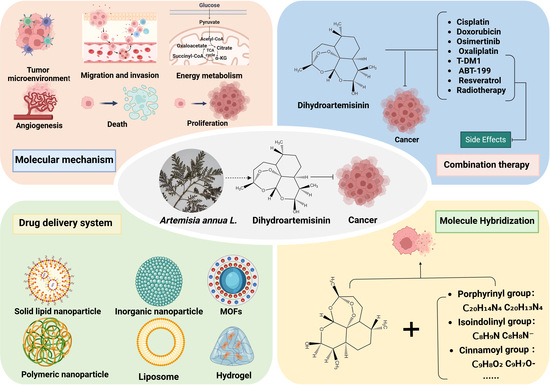
1. Introduction
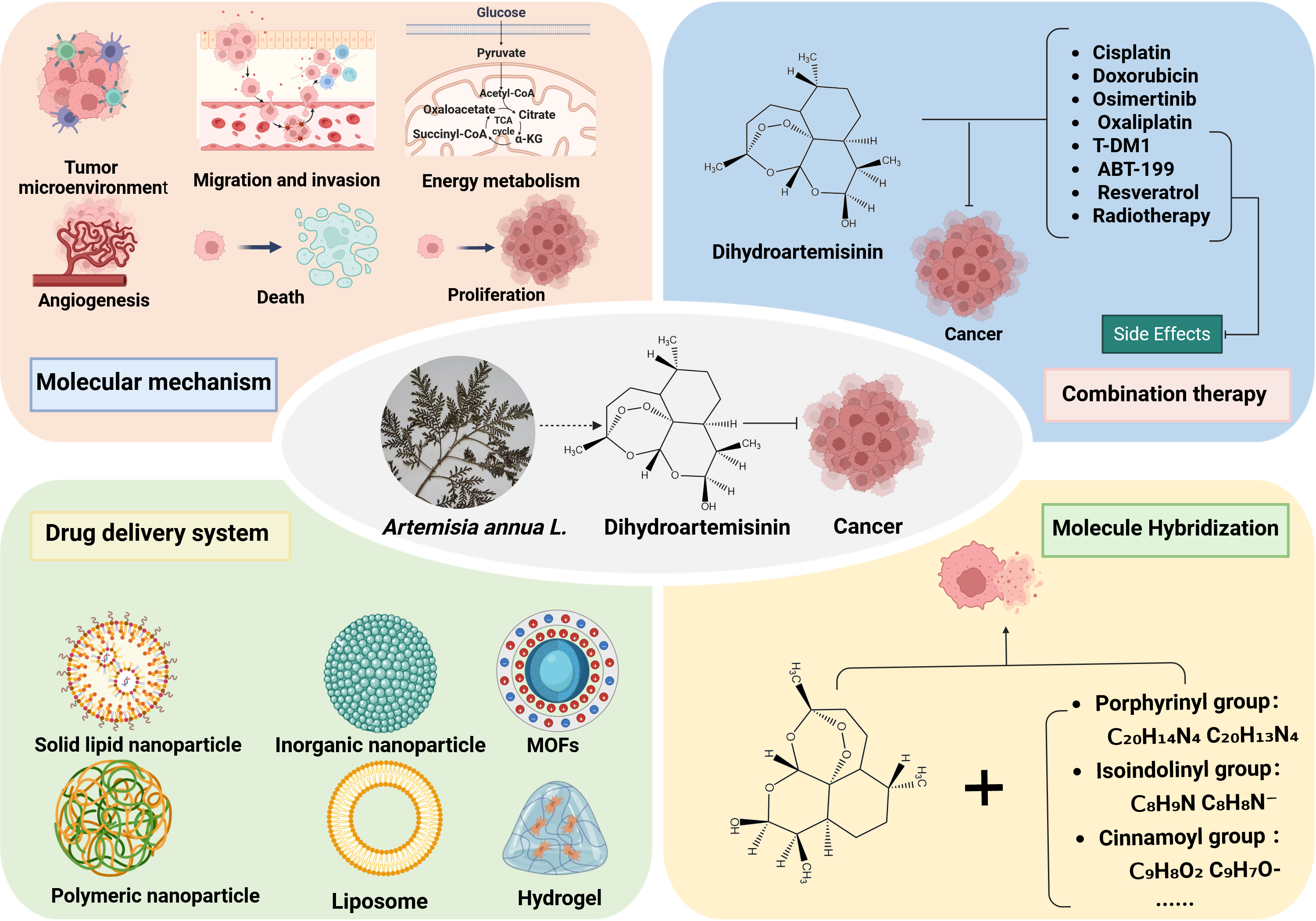
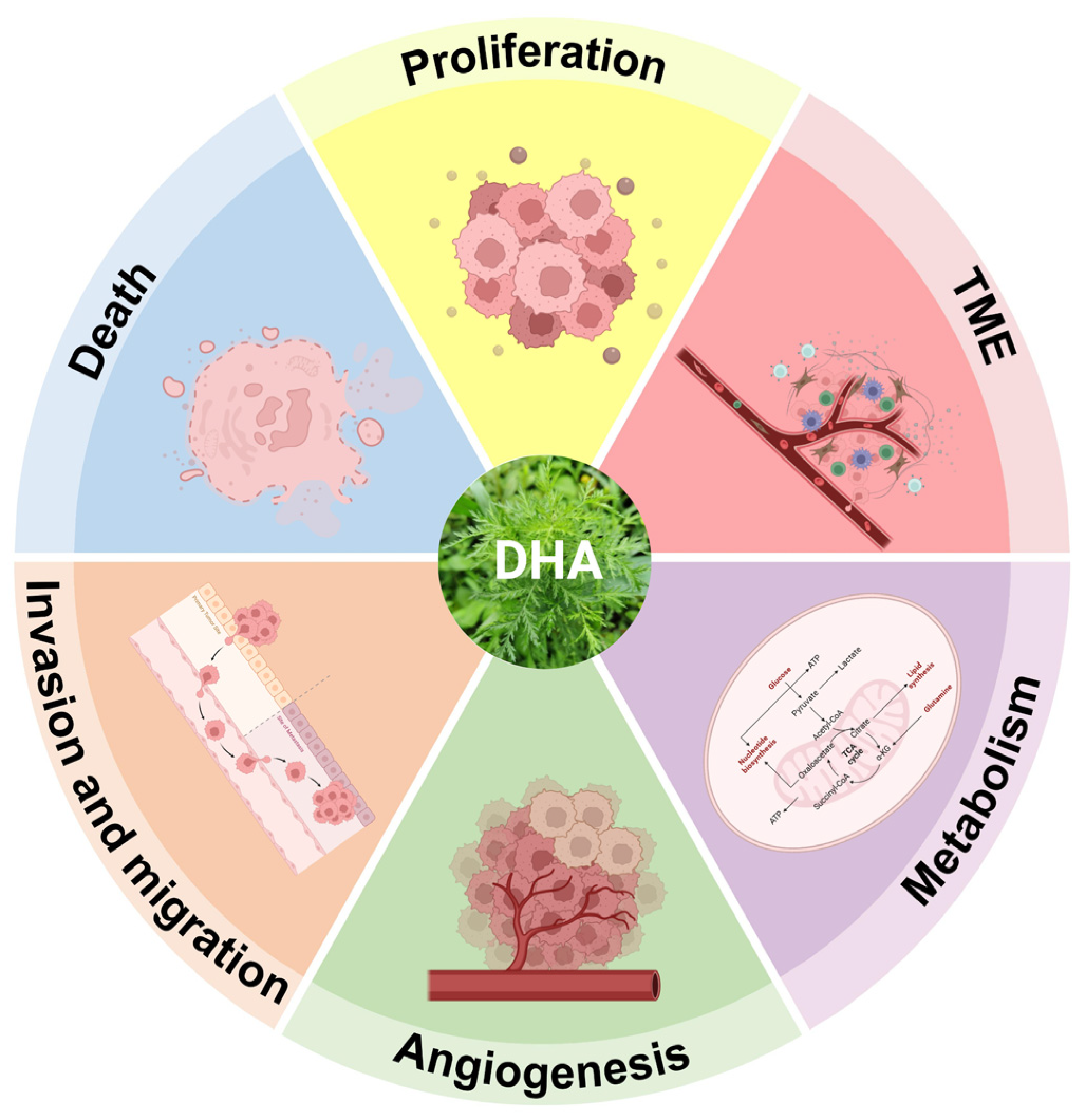
2. Mechanism of DHA’s Antitumor Effects
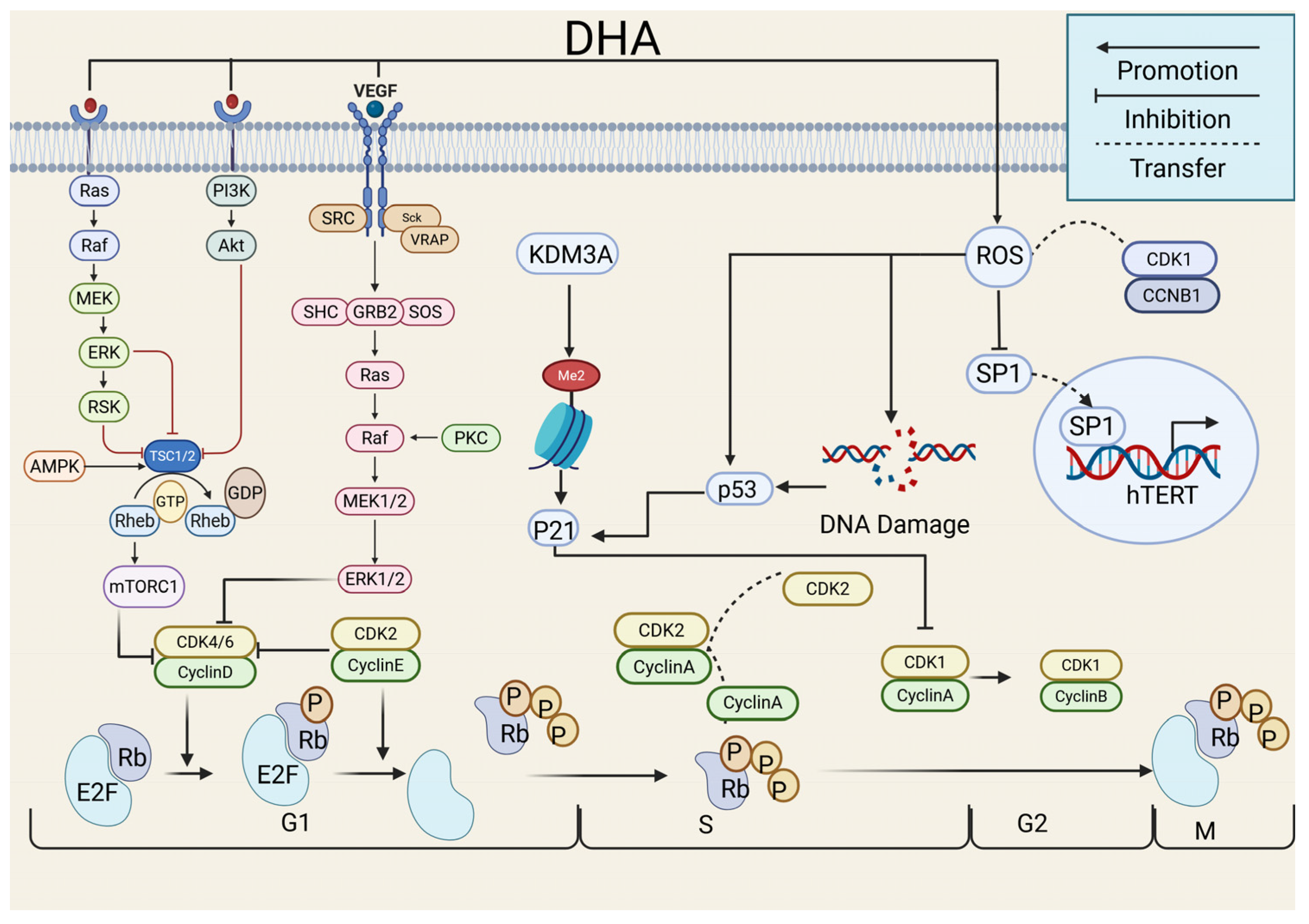
2.1. Inhibition of Tumor Cell Proliferation
2.2. Induction of Tumor Cell Death
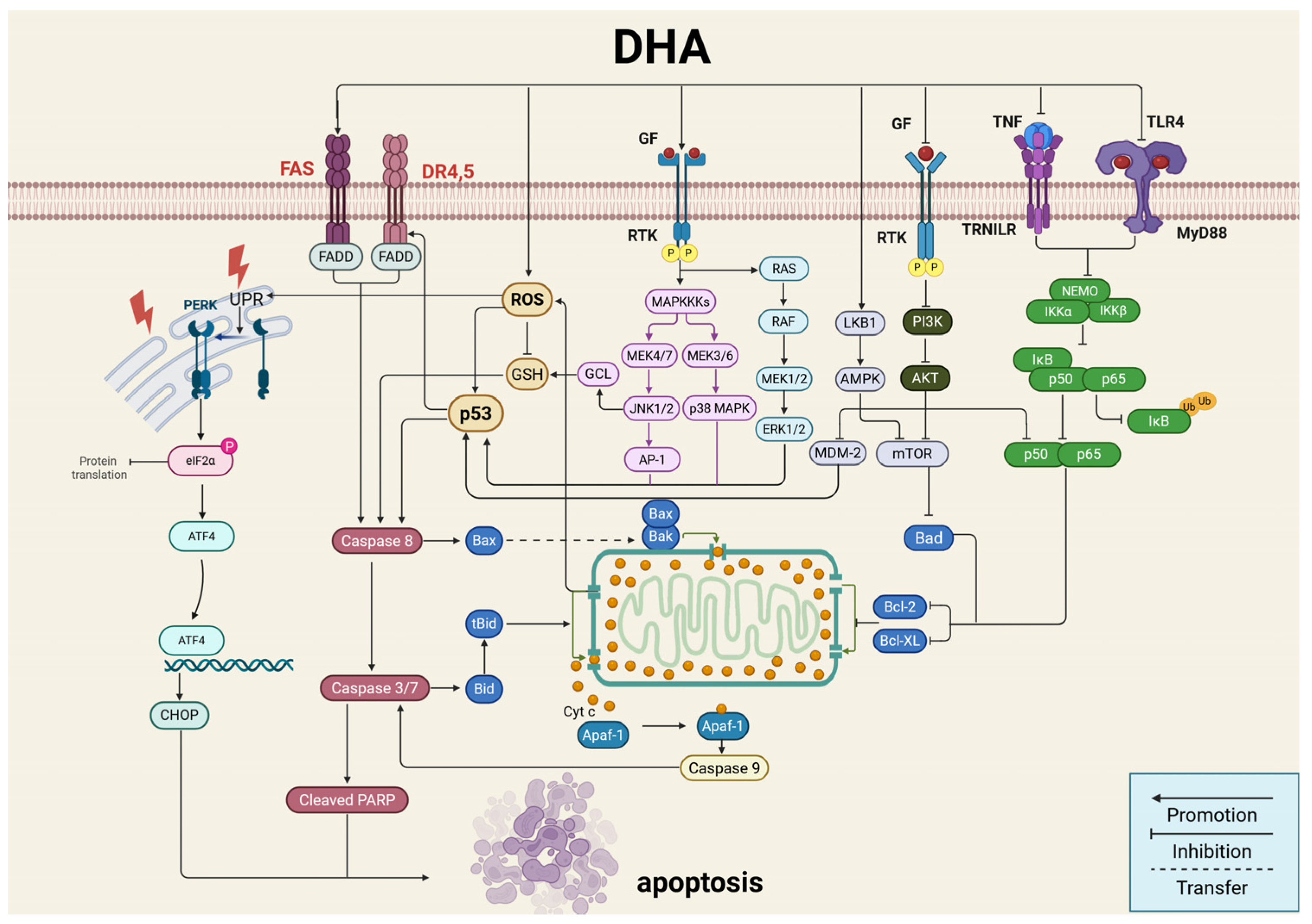
2.2.1. Apoptosis
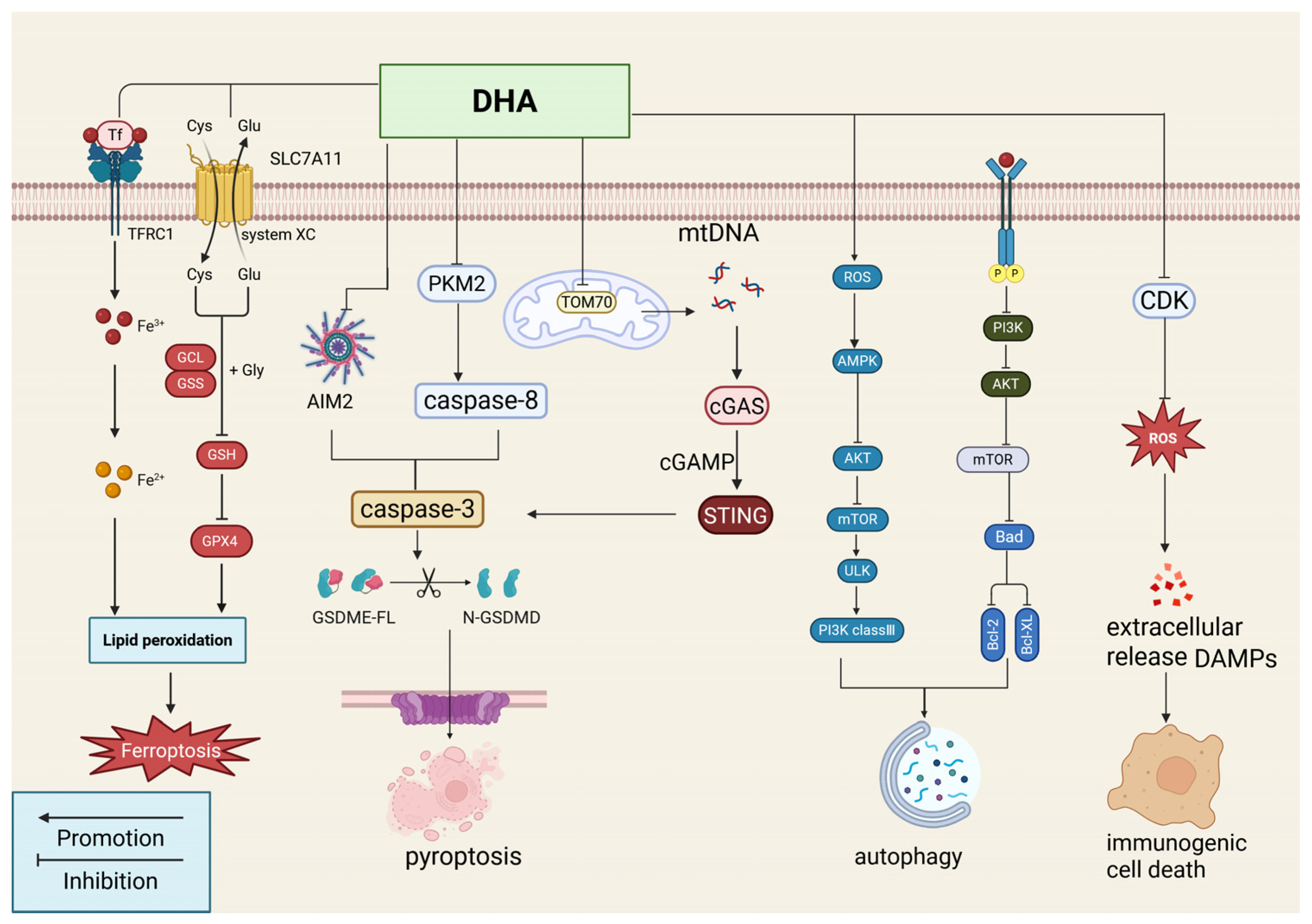
2.2.2. Ferroptosis
2.2.3. Autophagic Cell Death
2.2.4. Pyroptosis
2.2.5. Immunogenic Cell Death
2.3. Inhibition of Tumor Cell Invasion and Migration
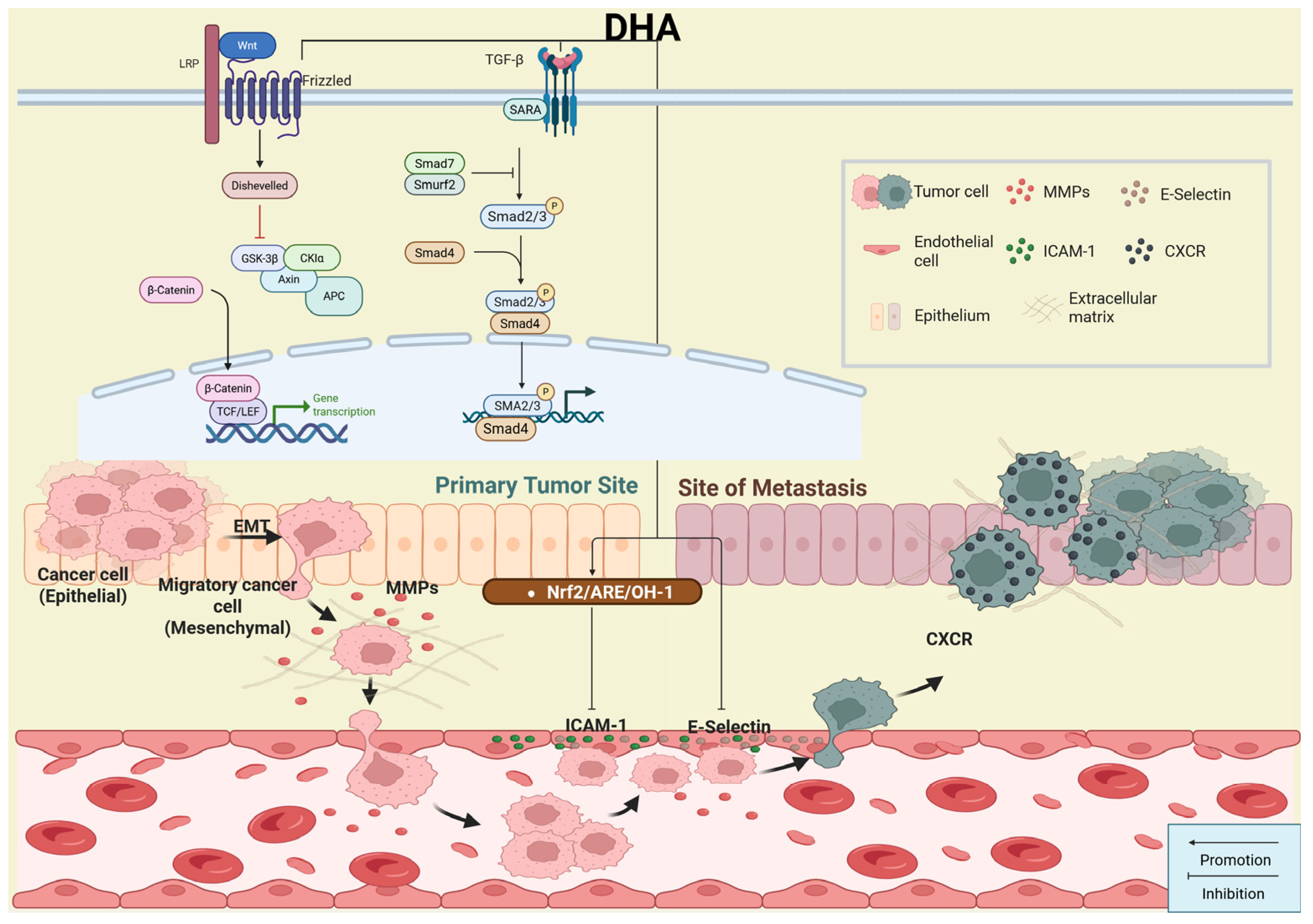
2.3.1. Inhibition of Epithelial–Mesenchymal Transition
2.3.2. Downregulation of Matrix Metalloproteinase Activity
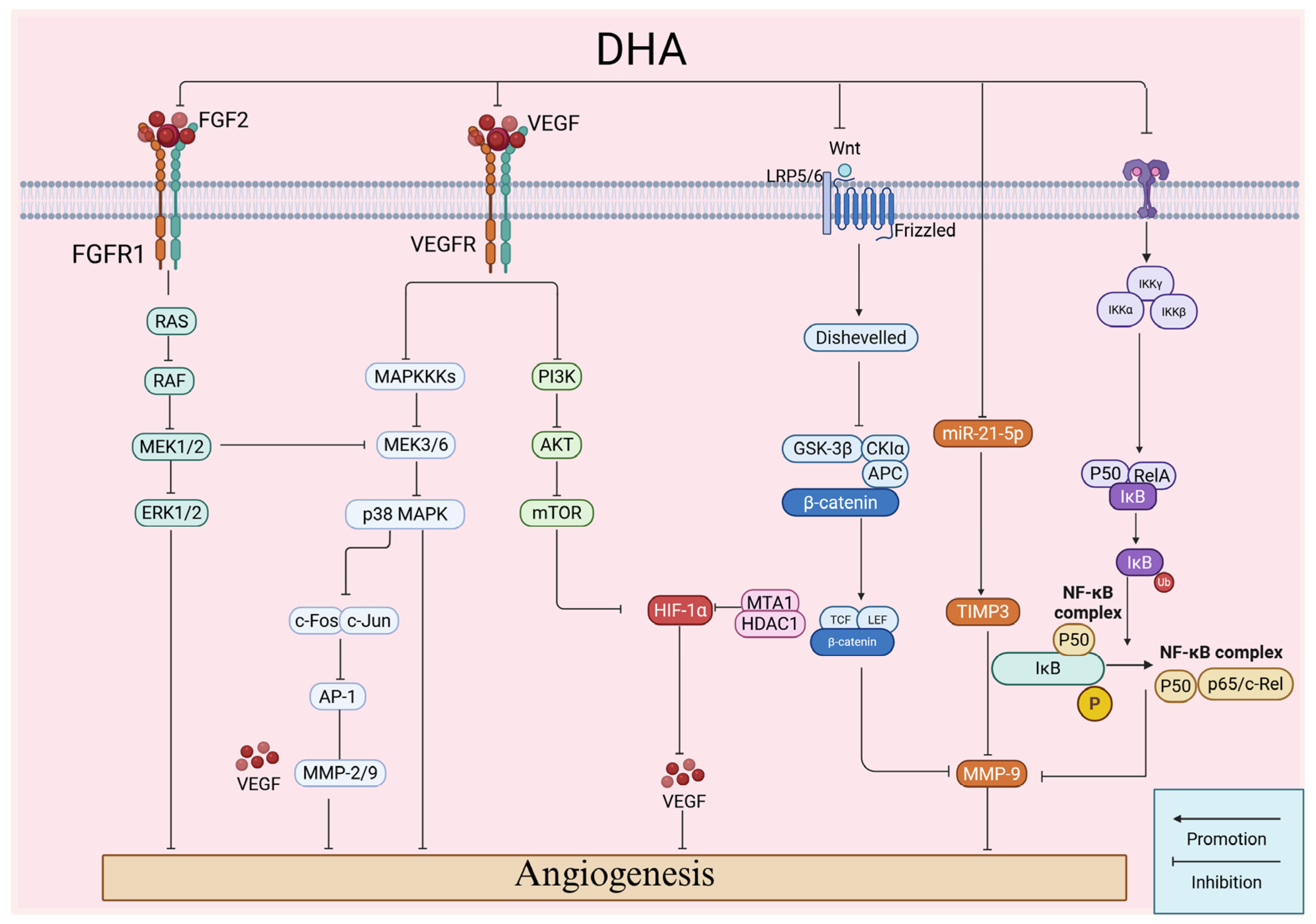
2.4. Inhibition of Angiogenesis
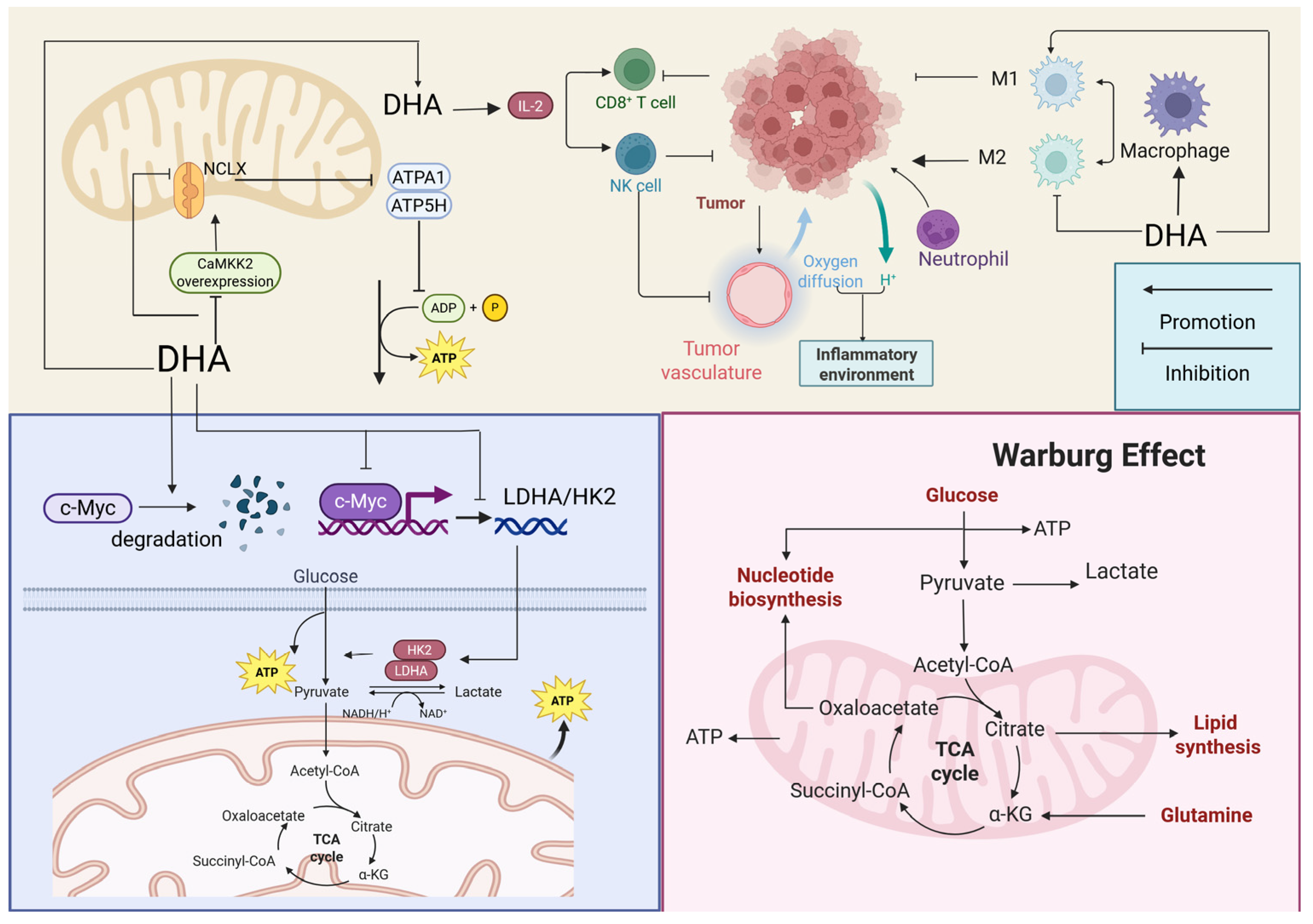
2.5. Regulation of Energy Metabolism
2.6. Modulating the Tumor Microenvironment
3. Enhancing the Potential of DHA in Cancer Treatment
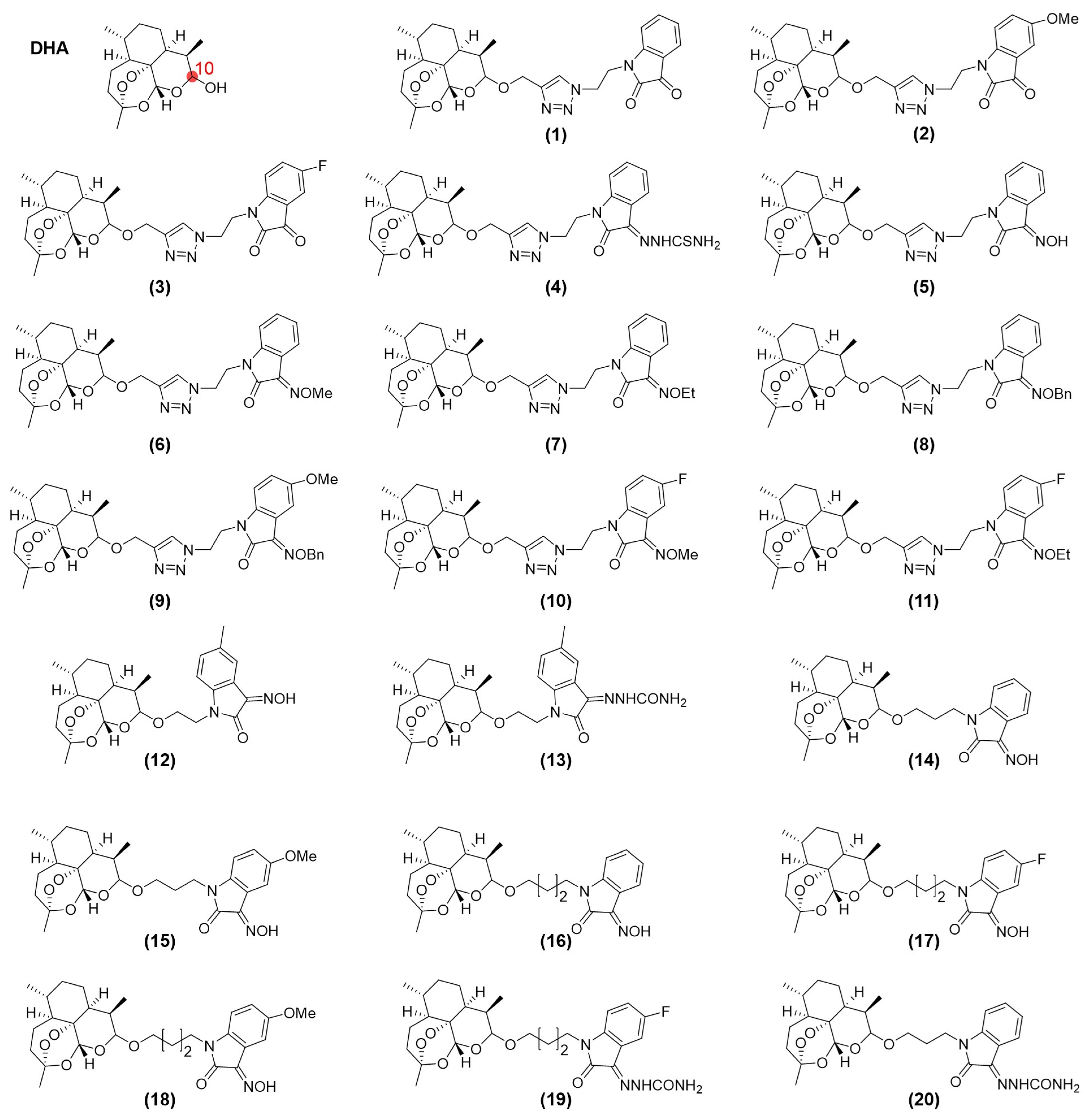
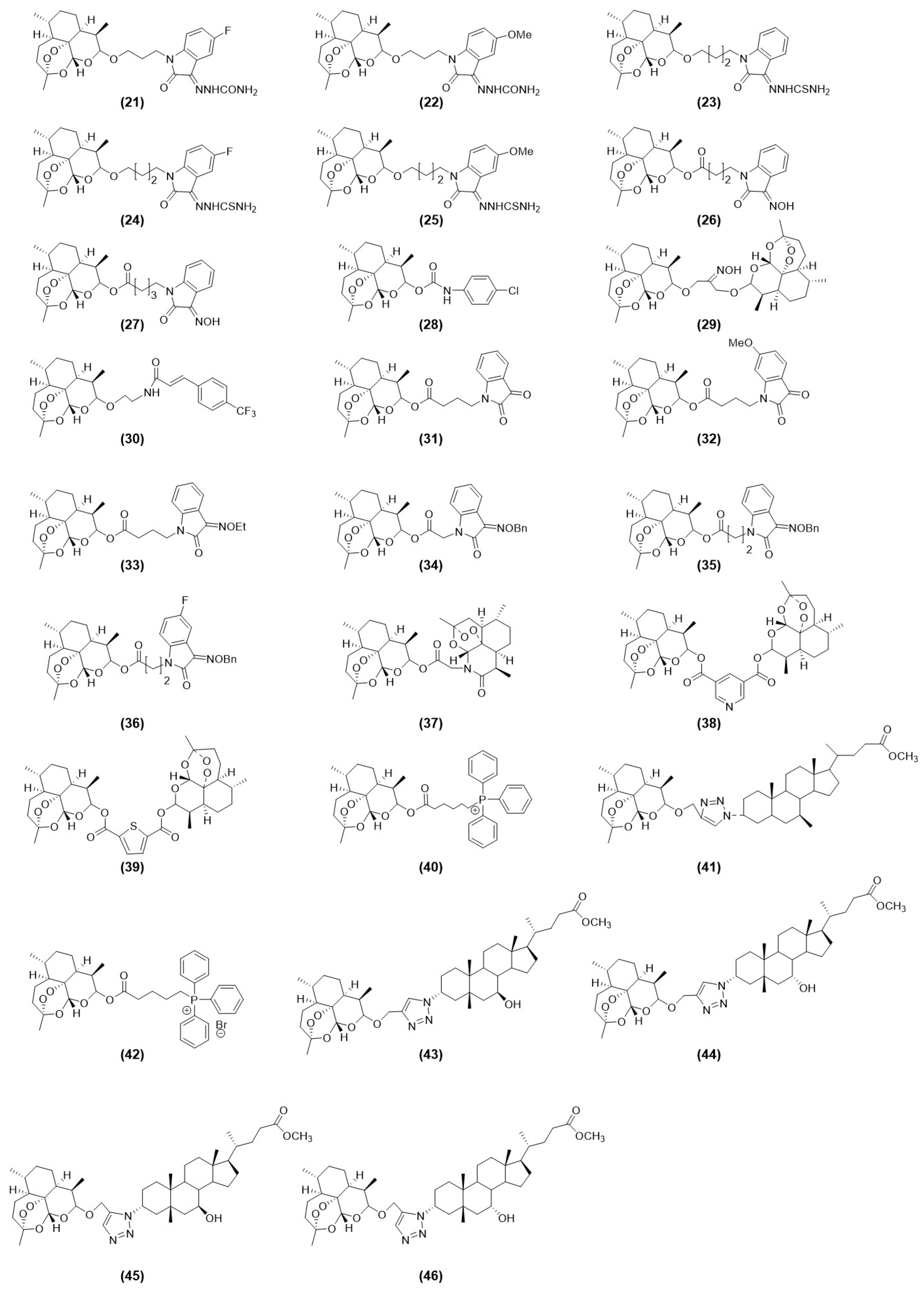
3.1. Hybridization of DHA
3.2. Drug Delivery Systems of DHA
3.2.1. Drug Delivery Systems
3.2.2. DHA-Based Carrier Delivery System Therapy
3.2.3. Use with Other Preparations
3.3. Combined Use as an Adjuvant Therapy
3.3.1. Combination Use with Chemotherapy Drugs
Reversal of Tumor Cell Drug Resistance
Enhanced Chemosensitivity of Tumor Cells
Synergistic Effects with Chemotherapeutic Agents
Reduction in Drug Toxicity
3.3.2. Combined with Radiotherapy
3.3.3. Combination with Immunotherapy
4. Preliminary Studies of Clinical Anticancer Effects
4.1. Preclinical Trials
4.1.1. Pharmacokinetic Study of DHA
4.1.2. Safety Studies on DHA
4.2. Clinical Trials

| NO | Study Title | Conditions | Status | Identifier | Ref. |
|---|---|---|---|---|---|
| 1 | Pharmacokinetics of Intravaginal, Self-administered Artesunate Vaginal Pessaries Among Women in Kenya | Cervix Cancer | Completed, Phase 1 | NCT06263582 | [180] |
| 2 | Efficacy of Dihydroartemisinin for Treating PCOS | Polycystic Ovary Syndrome | Completed, Phase 2 | NCT06417099 | [181] |
| 3 | The Effect of Dihydroartemisinin in PCOS | Polycystic Ovary Syndrome | Completed, Phase 4 | NCT05465135 | [182] |
| 4 | Phase II Study of Artesunate Ointment for the Treatment of Vulvar High Grade Squamous Intraepithelial Lesions (Vulvar HSIL, VIN2/3) | Vulvar Diseases, HPV Infection | Recruiting, Phase 2 | NCT06075264 | [183] |
| 5 | Dihydroartemisinin for the Treatment of Polycystic Ovary Syndrome | Polycystic Ovary Syndrome | Recruiting, Phase 2 | NCT06842524 | [184] |
| 6 | Artesunate Ointment for the Treatment of Anal HSIL in HIV-negative Participants | Anal High-grade Squamous Intraepithelial Lesion | Recruiting, Phase 2 | NCT06206564 | [185] |
| 7 | Safety and Effectiveness Study of Pre-operative Artesunate in Stage II/III Colorectal Cancer (NeoART-V) | Colorectal Cancer | Unknown, Phase 2 | NCT03093129 | [186] |
| 8 | Artesunate Suppositories for the Treatment of HIV-negative Patients with Intra-anal HSIL | Anal High Grade Squamous Intraepithelial Lesion | Not recruiting, Phase 2 | NCT05555862 | [187] |
5. Summary and Prospects
Supplementary Materials
Author Contributions
Funding
Institutional Review Board Statement
Informed Consent Statement
Data Availability Statement
Acknowledgments
Conflicts of Interest
Abbreviations
| AKT | Protein kinase B |
| AMPK | AMP-dependent protein kinase |
| Bad | B-cell lymphoma-2-associated death-inducing factor |
| Bax | Bcl-2-associated X protein |
| Bcl-2 | B-cell lymphoma-2 |
| CCL2 | C-C motif chemokine ligand 2 |
| CDK | Cyclin-dependent kinase |
| CDT | Chemodynamic therapy |
| cGAS | Cyclic guanosine monophosphate-adenosine monophosphate synthase |
| CHOP | C/EBP homologous protein |
| CIZ1 | CDKN1A-binding zinc finger protein 1 |
| CRC | Colorectal cancer |
| Caspase | Cysteinyl aspartate-specific proteinase |
| DDP | Cisplatin |
| DDS | Drug delivery systems |
| DHA | Dihydroartemisinin |
| DOX | Doxorubicin |
| eIF2α | Eukaryotic initiation factor 2α |
| EMT | Epithelial–mesenchymal transition |
| ER | Endoplasmic reticulum |
| ERK1/2 | Extracellular regulated protein kinases |
| FGF2 | Fibroblast growth factor 2 |
| GPX4 | Glutathione peroxidase 4 |
| GSDME | Gasdermin E |
| GSH | Glutathione |
| HCC | Hepatocellular carcinoma |
| HER2 | Human epidermal growth factor receptor 2 |
| HIF-1α | Hypoxia-inducible factor-1α |
| HO-1 | Heme Oxygenase-1 |
| ICD | Immunogenic cell death |
| ICIs | Immune checkpoint inhibitors |
| IFN-β | Interferon-β |
| IL-6 | Interleukin-6 |
| JNK | c-Jun N-terminal kinase |
| LASS2 | Late endosomal/lysosomal adaptor, MAPK, and mTOR activator 2 |
| LPO | Lipid peroxides |
| MAPK | Mitogen-activated protein kinase |
| Mcl-1 | Myeloid cell leukemia-1 |
| MMP-9 | Matrix metalloproteinase-9 |
| MMPs | Matrix metalloproteinases |
| MOFs | Metal–organic frameworks |
| mTOR | Mammalian target of rapamycin |
| NDDSs | Nanodelivery systems |
| NSCLC | Non-small cell lung cancer |
| ORI | Oridonin |
| OSCC | Oral squamous cell carcinoma |
| PARP | Poly-ADP-ribose polymerase |
| PCa | Prostate cancer |
| PCD | Programmed cell death |
| PDT | Photodynamic therapy |
| PERK | Protein kinase R-like endoplasmic reticulum kinase |
| PI3K | Phosphoinositide 3-kinase |
| Rb | Retinoblastoma protein |
| ROS | Reactive Oxygen Species |
| ROR1 | Receptor tyrosine kinase-like orphan receptor 1 |
| STAT3 | Signal transducer and activator of transcription 3 |
| Smad | Mothers against decapentaplegic homolog |
| TCTP | Translation control tumor protein |
| TGF-β | Transforming growth factor-β |
| TLR4 | Toll-like receptor 4 |
| TME | Tumor microenvironment |
| TNBC | Triple-negative breast cancer |
| TNF-α | Tumor necrosis factor-α |
| TRAIL | Tumor necrosis factor-related apoptosis-inducing ligand |
| TfR | Transferrin receptor |
| VEGF | Vascular endothelial growth factor |
| VM | Vascular mimicry |
| YAP1 | Yes-associated protein 1 |
| ZIF-8 | Zeolite imidazole framework-8 |
References
- Ferlay, J.; Colombet, M.; Soerjomataram, I.; Parkin, D.M.; Piñeros, M.; Znaor, A.; Bray, F. Cancer statistics for the year 2020: An overview. Int. J. Cancer 2021, 149, 778–789. [Google Scholar] [CrossRef]
- McGranahan, N.; Swanton, C. Clonal Heterogeneity and Tumor Evolution: Past, Present, and the Future. Cell 2017, 168, 613–628. [Google Scholar] [CrossRef]
- Colmegna, B.; Morosi, L.; D’Incalci, M. Molecular and Pharmacological Mechanisms of Drug Resistance:An Evolving Paradigm. Handb. Exp. Pharmacol. 2018, 249, 1–12. [Google Scholar]
- Lambert, A.W.; Pattabiraman, D.R.; Weinberg, R.A. Emerging Biological Principles of Metastasis. Cell 2017, 168, 670–691. [Google Scholar] [CrossRef]
- Nurgali, K.; Jagoe, R.T.; Abalo, R. Editorial: Adverse Effects of Cancer Chemotherapy: Anything New to Improve Tolerance and Reduce Sequelae? Front. Pharmacol. 2018, 9, 245. [Google Scholar] [CrossRef] [PubMed]
- Guo, J.; Huang, M.; Hou, S.; Yuan, J.; Chang, X.; Gao, S.; Zhang, Z.; Wu, Z.; Li, J. Therapeutic Potential of Terpenoids in Cancer Treatment: Targeting Mitochondrial Pathways. Cancer Rep. 2024, 7, e70006. [Google Scholar] [CrossRef]
- Keating, G.M. Dihydroartemisinin/Piperaquine: A review of its use in the treatment of uncomplicated Plasmodium falciparum malaria. Drugs 2012, 72, 937–961. [Google Scholar] [CrossRef]
- Li, L.G.; Hu, J.; Han, N.; Chen, N.N.; Yu, T.T.; Ren, T.; Xu, H.Z.; Peng, X.C.; Li, X.Y.; Ma, T.Q.; et al. Dihydroartemisinin-driven TOM70 inhibition leads to mitochondrial destabilization to induce pyroptosis against lung cancer. Phytother. Res. 2024, 38, 3856–3876. [Google Scholar] [CrossRef] [PubMed]
- Ma, L.; Zhao, X.; Liu, Y.; Wu, J.; Yang, X.; Jin, Q. Dihydroartemisinin attenuates osteoarthritis by inhibiting abnormal bone remodeling and angiogenesis in subchondral bone. Int. J. Mol. Med. 2021, 47, 22. [Google Scholar] [CrossRef]
- Luo, J.; Zhang, Y.; Wang, Y.; Liu, Q.; Li, J.; He, H.; Luo, Y.; Huang, S.; Guo, X. Artesunate and Dihydroartemisinin Inhibit Rabies Virus Replication. Virol. Sin. 2021, 36, 721–729. [Google Scholar] [CrossRef] [PubMed]
- Yu, N.; Wang, N.; Zhang, W.; Xue, J.; Zhou, Q.; Hu, F.; Bai, X.; Liu, N. Dihydroartemisinin (DHA) inhibits myofibroblast differentiation through inducing ferroptosis mediated by ferritinophagy. Heliyon 2024, 10, e27276. [Google Scholar] [CrossRef] [PubMed]
- Li, Y.; Sun, H.; Bai, C.; Hu, Y.; Tang, J.; Zhang, Y.; Chen, J.; Zhong, Z.; He, Y.; Hu, K.; et al. Dihydroartemisinin inhibits tumor progress via blocking ROR1-induced STAT3-activation in non-small cell lung cancer. Int. Immunopharmacol. 2024, 133, 112157. [Google Scholar] [CrossRef]
- Luo, J.; Odaka, Y.; Huang, Z.; Cheng, B.; Liu, W.; Li, L.; Shang, C.; Zhang, C.; Wu, Y.; Luo, Y.; et al. Dihydroartemisinin Inhibits mTORC1 Signaling by Activating the AMPK Pathway in Rhabdomyosarcoma Tumor Cells. Cells 2021, 10, 1363. [Google Scholar] [CrossRef]
- Varmazyad, M.; Modi, M.M.; Kalen, A.L.; Sarsour, E.H.; Wagner, B.; Du, J.; Schultz, M.K.; Buettner, G.R.; Pigge, F.C.; Goswami, P.C. N-alkyl triphenylvinylpyridinium conjugated dihydroartemisinin perturbs mitochondrial functions resulting in enhanced cancer versus normal cell toxicity. Free Radic. Biol. Med. 2021, 165, 421–434. [Google Scholar] [CrossRef]
- Xu, Q.; Deng, H.; Huang, X.; Chen, G.Q.; Quan, Y.S.; Wang, Y.L.; Liu, J.Y.; Yan, R.; Nie, W.Z.; Shen, Q.K.; et al. Design, synthesis, and in vitro and in vivo biological evaluation of dihydroartemisinin derivatives as potent anti-cancer agents with ferroptosis-inducing and apoptosis-activating properties. Eur. J. Med. Chem. 2025, 281, 117018. [Google Scholar] [CrossRef]
- Li, L.G.; Peng, X.C.; Yang, Z.Y.; Han, N.; Gou, C.L.; Shi, J.; Yu, L.L.; Chen, N.N.; Yu, T.T.; Li, T.F.; et al. Dihydroartemisinin-driven selective anti-lung cancer proliferation by binding to EGFR and inhibition of NRAS signaling pathway-induced DNA damage. Sci. Rep. 2024, 14, 11704. [Google Scholar] [CrossRef] [PubMed]
- Ma, Q.; Liao, H.; Xu, L.; Li, Q.; Zou, J.; Sun, R.; Xiao, D.; Liu, C.; Pu, W.; Cheng, J.; et al. Autophagy-dependent cell cycle arrest in esophageal cancer cells exposed to dihydroartemisinin. Chin. Med. 2020, 15, 37. [Google Scholar] [CrossRef]
- Hao, L.; Li, S.; Peng, Q.; Guo, Y.; Ji, J.; Zhang, Z.; Xue, Y.; Liu, Y.; Shi, X. Anti-malarial drug dihydroartemisinin downregulates the expression levels of CDK1 and CCNB1 in liver cancer. Oncol. Lett. 2021, 22, 653. [Google Scholar] [CrossRef]
- Zhang, J.; Zhang, Y.; Liu, J.; Luo, J.; Yun, Y.; Cao, Y. Identification of TUBB4A as a Prognostic Biomarker of Melanoma by Transcriptomic Data and In Vitro Experiments. Technol. Cancer Res. Treat. 2023, 22, 15330338231184842. [Google Scholar] [CrossRef] [PubMed]
- Siteni, S.; Grichuk, A.; Shay, J.W. Telomerase in Cancer Therapeutics. Cold Spring Harb. Perspect. Biol. 2024, 16, a041703. [Google Scholar] [CrossRef] [PubMed]
- Li, Q.; Ma, Q.; Xu, L.; Gao, C.; Yao, L.; Wen, J.; Yang, M.; Cheng, J.; Zhou, X.; Zou, J.; et al. Human Telomerase Reverse Transcriptase as a Therapeutic Target of Dihydroartemisinin for Esophageal Squamous Cancer. Front. Pharmacol. 2021, 12, 769787. [Google Scholar] [CrossRef] [PubMed]
- Yang, J.; Xia, T.; Zhou, S.; Liu, S.; Pan, T.; Li, Y.; Luo, Z. Anticancer Effect of Dihydroartemisinin via Dual Control of ROS-induced Apoptosis and Protective Autophagy in Prostate Cancer 22Rv1 Cells. Curr. Pharm. Biotechnol. 2024, 25, 1321–1332. [Google Scholar] [CrossRef] [PubMed]
- Zheng, J.; Li, X.; Yang, W.; Zhang, F. Dihydroartemisinin regulates apoptosis, migration, and invasion of ovarian cancer cells via mediating RECK. J. Pharmacol. Sci. 2021, 146, 71–81. [Google Scholar] [CrossRef]
- Zhang, W.; Wang, Y.; Chen, L.; Chen, H.; Qi, H.; Zheng, Y.; Du, Y.; Zhang, L.; Wang, T.; Li, Q. Dihydroartemisinin suppresses glioma growth by repressing ERRα-mediated mitochondrial biogenesis. Mol. Cell Biochem. 2024, 479, 2809–2825. [Google Scholar] [CrossRef]
- Shi, S.; Luo, H.; Ji, Y.; Ouyang, H.; Wang, Z.; Wang, X.; Hu, R.; Wang, L.; Wang, Y.; Xia, J.; et al. Repurposing Dihydroartemisinin to Combat Oral Squamous Cell Carcinoma, Associated with Mitochondrial Dysfunction and Oxidative Stress. Oxid. Med. Cell Longev. 2023, 2023, 9595201. [Google Scholar] [CrossRef]
- Yu, R.; Jin, L.; Li, F.; Fujimoto, M.; Wei, Q.; Lin, Z.; Ren, X.; Jin, Q.; Li, H.; Meng, F.; et al. Dihydroartemisinin inhibits melanoma by regulating CTL/Treg anti-tumor immunity and STAT3-mediated apoptosis via IL-10 dependent manner. J. Dermatol. Sci. 2020, 99, 193–202. [Google Scholar] [CrossRef]
- Hu, Y.; Wang, Y.; Li, N.; Chen, L.; Sun, J. Discovery of novel dihydroartemisinin-cinnamic hybrids inducing lung cancer cells apoptosis via inhibition of Akt/Bad signal pathway. Bioorg. Chem. 2021, 111, 104903. [Google Scholar] [CrossRef]
- Xiao, L.; Xu, C.; Lin, P.; Mu, L.; Yang, X. Novel dihydroartemisinin derivative Mito-DHA5 induces apoptosis associated with mitochondrial pathway in bladder cancer cells. BMC Pharmacol. Toxicol. 2022, 23, 10. [Google Scholar] [CrossRef] [PubMed]
- Bader, S.; Wilmers, J.; Ontikatze, T.; Ritter, V.; Jendrossek, V.; Rudner, J. Loss of pro-apoptotic Bax and Bak increases resistance to dihydroartemisinin-mediated cytotoxicity in normoxia but not in hypoxia in HCT116 colorectal cancer cells. Free Radic. Biol. Med. 2021, 174, 157–170. [Google Scholar] [CrossRef] [PubMed]
- Cao, L.; Lin, J.; Fang, Y.; Yu, J.; Du, S.; Chen, J.; Xu, S.; Xu, B.; Zhao, J. Dihydroartemisinin suppresses COX-2-mediated apoptosis resistance in hepatocellular carcinoma under endoplasmic reticulum stress. Cytotechnology 2025, 77, 59. [Google Scholar] [CrossRef]
- Elhassanny, A.E.M.; Soliman, E.; Marie, M.; McGuire, P.; Gul, W.; ElSohly, M.; Van Dross, R. Heme-Dependent ER Stress Apoptosis: A Mechanism for the Selective Toxicity of the Dihydroartemisinin, NSC735847, in Colorectal Cancer Cells. Front. Oncol. 2020, 10, 965. [Google Scholar] [CrossRef]
- Zhang, X.Y.; Li, R.C.; Xu, C.; Li, X.M. Regulation of Dihydroartemisinin on the pathological progression of laryngeal carcinoma through the periostin/YAP/IL-6 pathway. Heliyon 2024, 10, e27494. [Google Scholar] [CrossRef] [PubMed]
- Shi, H.; Xiong, L.; Yan, G.; Du, S.; Liu, J.; Shi, Y. Susceptibility of cervical cancer to dihydroartemisinin-induced ferritinophagy-dependent ferroptosis. Front. Mol. Biosci. 2023, 10, 1156062. [Google Scholar] [CrossRef]
- Duensing, H.M.; Dixon, J.M.; Hunter, O.R.; Graves, N.C.; Smith, N.C.; Tomes, A.J.; Fahrenholtz, C.D. Preclinical Evaluation of Repurposed Antimalarial Artemisinins for the Treatment of Malignant Peripheral Nerve Sheath Tumors. Int. J. Mol. Sci. 2025, 26, 6628. [Google Scholar] [CrossRef] [PubMed]
- Yuan, B.; Liao, F.; Shi, Z.Z.; Ren, Y.; Deng, X.L.; Yang, T.T.; Li, D.Y.; Li, R.F.; Pu, D.D.; Wang, Y.J.; et al. Dihydroartemisinin Inhibits the Proliferation, Colony Formation and Induces Ferroptosis of Lung Cancer Cells by Inhibiting PRIM2/SLC7A11 Axis. Onco Targets Ther. 2020, 13, 10829–10840. [Google Scholar] [CrossRef] [PubMed]
- Wang, Z.; Li, M.; Liu, Y.; Qiao, Z.; Bai, T.; Yang, L.; Liu, B. Dihydroartemisinin triggers ferroptosis in primary liver cancer cells by promoting and unfolded protein response-induced upregulation of CHAC1 expression. Oncol. Rep. 2021, 46, 240. [Google Scholar] [CrossRef] [PubMed]
- Chen, Y.; Mi, Y.; Zhang, X.; Ma, Q.; Song, Y.; Zhang, L.; Wang, D.; Xing, J.; Hou, B.; Li, H.; et al. Dihydroartemisinin-induced unfolded protein response feedback attenuates ferroptosis via PERK/ATF4/HSPA5 pathway in glioma cells. J. Exp. Clin. Cancer Res. 2019, 38, 402. [Google Scholar] [CrossRef]
- Zhou, Q.; Meng, Y.; Li, D.; Yao, L.; Le, J.; Liu, Y.; Sun, Y.; Zeng, F.; Chen, X.; Deng, G. Ferroptosis in cancer: From molecular mechanisms to therapeutic strategies. Signal Transduct. Target. Ther. 2024, 9, 55. [Google Scholar] [CrossRef]
- Ding, Q.; Fan, H.; Wang, H.; Huang, C.; Liu, G.; Cheng, Z.; Zhao, X.; You, X. Dihydroartemisinin inhibits galectin-1-induced ferroptosis resistance and peritoneal metastasis of gastric cancer via the Nrf2-HO-1 pathway. Phytomedicine 2025, 148, 157416. [Google Scholar] [CrossRef]
- Liu, R.; Huang, Y.; Li, D.; Cui, H.; Tang, Y.; Hu, Y.; Xu, L.; Lin, C.; Qi, G.; Chen, L.; et al. Dihydroartemisinin alleviates diethylnitrosamine-induced hepatocarcinogenesis by targeting a novel MAZ/TRIM50 axis. Int. Immunopharmacol. 2025, 156, 114733. [Google Scholar] [CrossRef]
- Wang, L.; Li, J.; Shi, X.; Li, S.; Tang, P.M.; Li, Z.; Li, H.; Wei, C. Antimalarial Dihydroartemisinin triggers autophagy within HeLa cells of human cervical cancer through Bcl-2 phosphorylation at Ser70. Phytomedicine 2019, 52, 147–156. [Google Scholar] [CrossRef]
- Li, Y.; Wang, W.; Li, A.; Huang, W.; Chen, S.; Han, F.; Wang, L. Dihydroartemisinin induces pyroptosis by promoting the AIM2/caspase-3/DFNA5 axis in breast cancer cells. Chem. Biol. Interact. 2021, 340, 109434. [Google Scholar] [CrossRef]
- Zhou, Z.; Lei, J.; Fang, J.; Chen, P.; Zhou, J.; Wang, H.; Sun, Z.; Chen, Y.; Yin, L. Dihydroartemisinin remodels tumor micro-environment and improves cancer immunotherapy through inhibiting cyclin-dependent kinases. Int. Immunopharmacol. 2024, 139, 112637. [Google Scholar] [CrossRef] [PubMed]
- Han, N.; Yang, Z.Y.; Xie, Z.X.; Xu, H.Z.; Yu, T.T.; Li, Q.R.; Li, L.G.; Peng, X.C.; Yang, X.X.; Hu, J.; et al. Dihydroartemisinin elicits immunogenic death through ferroptosis-triggered ER stress and DNA damage for lung cancer immunotherapy. Phytomedicine 2023, 112, 154682. [Google Scholar] [CrossRef]
- Zhao, H.Y.; Li, K.H.; Wang, D.D.; Zhang, Z.L.; Xu, Z.J.; Qi, M.H.; Huang, S.W. A mitochondria-targeting dihydroartemisinin derivative as a reactive oxygen species -based immunogenic cell death inducer. iScience 2024, 27, 108702. [Google Scholar] [CrossRef] [PubMed]
- Shao, Y.; Chan, Y.; Zhang, C.; Zhao, R.; Zu, Y. Dihydroartemisinin Modulates Prostate Cancer Progression by Regulating Multiple Genes via the Transcription Factor NR2F2. Curr. Pharm. Biotechnol. 2025, 26, 935–955. [Google Scholar] [CrossRef]
- Yang, C.; Wei, W.; Hu, F.; Zhao, X.; Yang, H.; Song, X.; Sun, Z. Dihydroartemisinin suppresses the tumorigenesis of esophageal carcinoma by elevating DAB2IP expression in a NFIC-dependent manner. Naunyn Schmiedebergs Arch. Pharmacol. 2024, 397, 8117–8128. [Google Scholar] [CrossRef] [PubMed]
- Chen, X.; He, L.Y.; Lai, S.; He, Y. Dihydroartemisinin inhibits the migration of esophageal cancer cells by inducing autophagy. Oncol. Lett. 2020, 20, 94. [Google Scholar] [CrossRef]
- Yin, Q.H.; Zhou, Q.; Hu, J.B.; Weng, J.; Shen, E.D.; Wen, F.; Liu, S.L.; Yin, L.L.; Tong, Y.J.; Long, L.; et al. Dihydroartemisinin targets the miR-497-5p/SOX5 axis to suppress tumor progression in non-small cell lung cancer. Front. Pharmacol. 2025, 16, 1605531. [Google Scholar] [CrossRef]
- Ma, Y.; Zhang, P.; Zhang, Q.; Wang, X.; Miao, Q.; Lyu, X.; Cui, B.; Ma, H. Dihydroartemisinin suppresses proliferation, migration, the Wnt/β-catenin pathway and EMT via TNKS in gastric cancer. Oncol. Lett. 2021, 22, 688. [Google Scholar] [CrossRef]
- Li, R.; Zhang, X.; Ge, Y.; Zhao, Z.; Feng, L.; Li, X. Dihydroartemisinin Inhibits Epithelial-Mesenchymal Transition Progression in Medullary Thyroid Carcinoma Through the Hippo Signaling Pathway Regulated by Interleukin-6. Cancer Biother. Radiopharm. 2025, 40, 139–150. [Google Scholar] [CrossRef]
- Que, Z.; Zhou, Z.; Liu, S.; Zheng, W.; Lei, B. Dihydroartemisinin inhibits EMT of glioma via gene BASP1 in extrachromosomal DNA. Biochem. Biophys. Res. Commun. 2023, 675, 130–138. [Google Scholar] [CrossRef]
- Li, Y.; Zhou, X.; Liu, J.; Gao, N.; Yang, R.; Wang, Q.; Ji, J.; Ma, L.; He, Q. Dihydroartemisinin inhibits the tumorigenesis and metastasis of breast cancer via downregulating CIZ1 expression associated with TGF-β1 signaling. Life Sci. 2020, 248, 117454. [Google Scholar] [CrossRef]
- Rao, Q.; Yu, H.; Li, R.; He, B.; Wang, Y.; Guo, X.; Zhao, G.; Wu, F. Dihydroartemisinin inhibits angiogenesis in breast cancer via regulating VEGF and MMP-2/-9. Fundam. Clin. Pharmacol. 2024, 38, 113–125. [Google Scholar] [CrossRef]
- Cao, J.F.; Hang, K.; Tan, C.; Wu, Z.; Guo, Z.; Men, J.; Tian, J.; Li, K. Dihydroartemisinin suppresses metastatic potential and induces apoptosis in gastric adenocarcinoma: An integrative experimental and computational analysis revealing inhibition of MMP14 and promotion of oxidative stress. Bioorg. Chem. 2025, 163, 108729. [Google Scholar] [CrossRef]
- Wang, W.; Sun, Y.; Li, X.; Shi, X.; Li, Z.; Lu, X. Dihydroartemisinin Prevents Distant Metastasis of Laryngeal Carcinoma by Inactivating STAT3 in Cancer Stem Cells. Med. Sci. Monit. 2020, 26, e922348. [Google Scholar] [CrossRef] [PubMed]
- Zhang, Y.; Gao, Y.; Gong, Y.; Yang, Y.; Gong, Y.; Song, X.; Xiong, Y.; Wang, D.; Liu, Z.; Shi, X. Dihydroartemisinin inhibited tongue squamous cell carcinoma progression and tongue-to-lymph node metastasis through inhibiting RalB expression. Acta Histochem. 2025, 127, 152276. [Google Scholar] [CrossRef] [PubMed]
- Li, Z.; Zhang, Q.; Zhang, X.; Jin, Q.; Yue, Q.; Li, N.; Liu, H.; Fujimoto, M.; Jin, G. Dihydroartemisinin inhibits melanoma migration and metastasis by affecting angiogenesis. Phytother. Res. 2025, 39, 1679–1693. [Google Scholar] [CrossRef]
- Cao, L.; Wang, L.; Lin, J.; Zhao, J.; Xu, B.; Chen, J.; Hu, J.; Wang, S.; Yu, J. Dihydroartemisinin targets ANXA2 to suppress hepatocellular carcinoma angiogenesis through the PI3K/AKT signaling pathway. Tissue Cell 2025, 97, 103087. [Google Scholar] [CrossRef]
- Cho, J.G.; Kim, S.W.; Yun, E.; Yoon, S.; Choi, J.; Yeom, D.; Lee, A.; Lee, D.; Jeong, S.J.; Chang, W.; et al. Dihydroartemisinin inhibits metastatic potential and cancer stemness by modulating the miR-200b-BMI-1/VEGF-A axis in ovarian cancer. Exp. Mol. Med. 2025, 57, 2782–2797. [Google Scholar] [CrossRef] [PubMed]
- Wang, H.; Ding, Q.; Zhou, H.; Huang, C.; Liu, G.; Zhao, X.; Cheng, Z.; You, X. Dihydroartemisinin inhibited vasculogenic mimicry in gastric cancer through the FGF2/FGFR1 signaling pathway. Phytomedicine 2024, 134, 155962. [Google Scholar] [CrossRef]
- Fu, H.; Wu, S.; Shen, H.; Luo, K.; Huang, Z.; Lu, N.; Li, Y.; Lan, Q.; Xian, Y. Dihydroartemisinin inhibits EphA2/PI3K/Akt pathway-mediated malignant behaviors and vasculogenic mimicry in glioma stem cells. Heliyon 2025, 11, e42095. [Google Scholar] [CrossRef]
- Zhang, K.; Dai, X.; Chen, W.; Li, X.; Wang, Y.; Chen, Y.; Qiao, Y.; Chen, Y.; Duan, X.; Zhao, J.; et al. JAK3/STAT5A-dependent IL-8 regulation drives ESCC angiogenesis and is suppressed by dihydroartemisinin. Int. Immunopharmacol. 2025, 161, 115042. [Google Scholar] [CrossRef] [PubMed]
- Zhang, Y.; Wang, Y.; Li, Y.; Huang, C.; Xiao, X.; Zhong, Z.; Tang, J.; Lu, H.; Tang, Y.; Yang, J. Dihydroartemisinin and artesunate inhibit aerobic glycolysis via suppressing c-Myc signaling in non-small cell lung cancer. Biochem. Pharmacol. 2022, 198, 114941. [Google Scholar] [CrossRef] [PubMed]
- Peng, Q.; Hao, L.; Guo, Y.; Zhang, Z.; Ji, J.; Xue, Y.; Liu, Y.; Li, C.; Lu, J.; Shi, X. Dihydroartemisinin inhibited the Warburg effect through YAP1/SLC2A1 pathway in hepatocellular carcinoma. J. Nat. Med. 2023, 77, 28–40. [Google Scholar] [CrossRef]
- Gao, Y.; Gong, Y.; Lu, J.; Yang, Y.; Zhang, Y.; Xiong, Y.; Shi, X. Dihydroartemisinin breaks the positive feedback loop of YAP1 and GLUT1-mediated aerobic glycolysis to boost the CD8+ effector T cells in hepatocellular carcinoma. Biochem. Pharmacol. 2024, 225, 116294. [Google Scholar] [CrossRef]
- Wu, M.H.; Sung, C.J.; Kung, F.L.; Guh, J.H.; Su, Y.; Hsu, L.C. Repurposing dihydroartemisinin as a novel anticancer agent against colorectal cancer stem cells. J. Food Drug Anal. 2025, 33, 277–291. [Google Scholar] [CrossRef] [PubMed]
- Chang, J.; Xin, C.; Wang, Y.; Wang, Y. Dihydroartemisinin inhibits liver cancer cell migration and invasion by reducing ATP synthase production through CaMKK2/NCLX. Oncol. Lett. 2023, 26, 540. [Google Scholar] [CrossRef]
- Chang, J.; Yang, Q.; Liu, X.; Li, W.; Gao, L. Dihydroartemisinin inhibits ATP6 activity, reduces energy metabolism of hepatocellular carcinoma cells, promotes apoptosis and inhibits metastasis via CANX. Oncol. Lett. 2024, 28, 474. [Google Scholar] [CrossRef]
- Zeng, W.; Yang, Y.; Xiong, J.; Li, C.; He, Y.; Liang, Z.; He, Y. Artemisinin derivatives maintain fibroblast normalization by acting on tumor-stroma interactions in oral tongue squamous cell carcinoma. Am. J. Cancer Res. 2025, 15, 2657–2681. [Google Scholar] [CrossRef]
- Lai, J.; Zhong, T.; Zhang, C.; Fang, C.; Lei, D.; Xie, Y.; Liu, X.; Lai, Z.; Yan, Z.; Ai, W.; et al. Identification of a dihydroartemisinin-related prognostic signature and its contribution to cancer associated fibroblast of the tumor microenvironment of pancreatic cancer. BMC Gastroenterol. 2025, 25, 656. [Google Scholar] [CrossRef]
- Hu, B.Q.; Huang, J.F.; Niu, K.; Zhou, J.; Wang, N.N.; Liu, Y.; Chen, L.W. B7-H3 but not PD-L1 is involved in the antitumor effects of Dihydroartemisinin in non-small cell lung cancer. Eur. J. Pharmacol. 2023, 950, 175746. [Google Scholar] [CrossRef]
- Saliu, M.A.; Salisu, M.D.; Suleiman, R.B.; Liang, W.; Rabiu, L.; Abdalsalam, N.M.F.; Afolabi, L.O.; Babarinde, I.A.; Adeshakin, A.O.; Xu, Z.; et al. Dihydroartemisinin enhances NKG2D CAR-T cell therapy against solid tumors by inducing NKG2D ligands and remodeling the tumor microenvironment. Biomed. Pharmacother. 2026, 195, 118974. [Google Scholar] [CrossRef]
- Xing, X.; Zhou, Z.; Farhan, M.; Zhao, X.; Li, S.; Lei, B.; Fang, J.; Zhou, W.; Zheng, W. FoxO3a-Mediated Modulation of PD-L1 Expression and Inhibition by Dihydroartemisinin in Triple-Negative Breast Cancer. J. Cell Mol. Med. 2026, 30, e70947. [Google Scholar] [CrossRef] [PubMed]
- Gong, Y.; Peng, Q.; Gao, Y.; Yang, J.; Lu, J.; Zhang, Y.; Yang, Y.; Liang, H.; Yue, Y.; Shi, X. Dihydroartemisinin inhibited interleukin-18 expression by decreasing YAP1 in hepatocellular carcinoma cells. Acta Histochem. 2023, 125, 152040. [Google Scholar] [CrossRef] [PubMed]
- Gao, Y.; Gong, Y.; Song, X.; Xiong, Y.; Lu, J.; Yang, Y.; Gong, Y.; Du, Z.; Wang, S.; Jia, R.; et al. Dihydroartemisinin inhibits histone lactylation through YAP1 to act as a ‘hot’ switch for ‘cold’ tumor in hepatocellular carcinoma. Phytomedicine 2025, 148, 157307. [Google Scholar] [CrossRef] [PubMed]
- Wang, C.Z.; Wan, C.; Luo, Y.; Zhang, C.F.; Zhang, Q.H.; Chen, L.; Liu, Z.; Wang, D.H.; Lager, M.; Li, C.H.; et al. Effects of dihydroartemisinin, a metabolite of artemisinin, on colon cancer chemoprevention and adaptive immune regulation. Mol. Biol. Rep. 2022, 49, 2695–2709. [Google Scholar] [CrossRef] [PubMed]
- Hang, G.; Gu, X.; Gu, Y.; Gan, P.; Hua, C.; Chen, A. Dihydroartemisinin inhibits lung cancer bone metastasis by modulating macrophage polarization. Eur. J. Med. Res. 2025, 30, 247. [Google Scholar] [CrossRef] [PubMed]
- Chen, R.; Lu, X.; Li, Z.; Sun, Y.; He, Z.; Li, X. Dihydroartemisinin Prevents Progression and Metastasis of Head and Neck Squamous Cell Carcinoma by Inhibiting Polarization of Macrophages in Tumor Microenvironment. Onco Targets Ther. 2020, 13, 3375–3387. [Google Scholar] [CrossRef]
- Guo, W.; Liu, Y.; Ma, W.; Wang, J.; Chen, B.; Fan, L. Dihydroartemisinin Promotes N1 Polarization of Tumor-Associated Neutrophils and Enhances Their Anti-Tumor Activity via Hub Gene Modulation. Pharmaceuticals 2026, 19, 88. [Google Scholar] [CrossRef]
- Hou, H.; Qu, B.; Su, C.; Hou, G.; Gao, F. Design, Synthesis and Anti-Lung Cancer Evaluation of 1, 2, 3-Triazole Tethered Dihydroartemisinin-Isatin Hybrids. Front. Pharmacol. 2021, 12, 801580. [Google Scholar] [CrossRef] [PubMed]
- Yao, Y.; Wang, H.; Xu, J.; Gao, F.; Cao, W. The Anti-Breast Cancer Activity of Dihydroartemisinin-5-methylisatin Hybrids Tethered via Different Carbon Spacers. Molecules 2022, 27, 7994. [Google Scholar] [CrossRef] [PubMed]
- Ding, F.; Chen, X.; Cao, W.; Dong, T.; Wang, P. The anti-breast cancer potential of dihydroartemisinin-isatin hybrids with hydrogen bond donors at C-3 position of isatin moiety. Fitoterapia 2023, 165, 105426. [Google Scholar] [CrossRef]
- Liu, S.; Wang, S.; Xu, D.; Pan, B.; Chen, L.; Zhao, S.; Xu, Z.; Zhou, W. Novel ester tethered dihydroartemisinin-3-(oxime/thiosemicarbazide)isatin hybrids as potential anti-breast cancer agents: Synthesis, in vitro cytotoxicity and structure-activity relationship. Drug Dev. Res. 2023, 84, 1175–1182. [Google Scholar] [CrossRef] [PubMed]
- De Marchi, E.; Filippi, S.; Cesarini, S.; Di Maio, B.; Bizzarri, B.M.; Saladino, R.; Botta, L. Modulation of the Antimelanoma Activity Imparted to Artemisinin Hybrids by the Monoterpene Counterpart. Molecules 2024, 29, 3421. [Google Scholar] [CrossRef]
- Zhong, H.; Jiang, Q.; Wu, C.; Yu, H.; Li, B.; Zhou, X.; Fu, R.; Wang, W.; Sheng, W. Design, Synthesis, and Antitumor Activity Evaluation of Artemisinin Bivalent Ligands. Molecules 2024, 29, 409. [Google Scholar] [CrossRef]
- Ackermann, A.; Çapcı, A.; Buchfelder, M.; Tsogoeva, S.B.; Savaskan, N. Chemical hybridization of sulfasalazine and dihydroartemisinin promotes brain tumor cell death. Sci. Rep. 2021, 11, 20766. [Google Scholar] [CrossRef] [PubMed]
- Hsu, Y.F.; Kung, F.L.; Huang, T.E.; Deng, Y.N.; Guh, J.H.; Marchetti, P.; Marchesi, E.; Perrone, D.; Navacchia, M.L.; Hsu, L.C. Anticancer Activity and Molecular Mechanisms of an Ursodeoxycholic Acid Methyl Ester-Dihydroartemisinin Hybrid via a Triazole Linkage in Hepatocellular Carcinoma Cells. Molecules 2023, 28, 2358. [Google Scholar] [CrossRef]
- Wang, C.Z.; Wan, C.; Li, C.H.; Liang, G.G.; Luo, Y.; Zhang, C.F.; Zhang, Q.H.; Ma, Q.; Wang, A.H.; Lager, M.; et al. Ruthenium-dihydroartemisinin complex: A promising new compound for colon cancer prevention via G1 cell cycle arrest, apoptotic induction, and adaptive immune regulation. Cancer Chemother. Pharmacol. 2024, 93, 411–425. [Google Scholar] [CrossRef]
- Perrone, D.; Melloni, E.; Gnudi, L.; Casciano, F.; Pozza, E.; Bompan, F.; Secchiero, P.; Marchesi, E.; Navacchia, M.L. Biological Evaluation and SAR Exploration of Bile Acid-Dihydroartemisinin Hybrids as Potential Anticancer Agents for Colorectal Cancer. Biomolecules 2026, 16, 177. [Google Scholar] [CrossRef]
- Zhao, S.; Zhang, X.; Tang, M.; Liu, X.; Deng, J.; Zhou, W.; Xu, Z. Design, synthesis and anti-breast cancer properties of butyric ester tethered dihydroartemisinin-isatin hybrids. Med. Chem. Res. 2023, 32, 705–712. [Google Scholar] [CrossRef] [PubMed]
- Xu, Z.; Pan, B.; Chen, L.; Xu, D. Design, synthesis, and in vitro cytotoxicity evaluation of novel dihydroartemisinin-isatin hybrids tethered via different length of esters as potential anti-breast cancer agents. Fitoterapia 2023, 166, 105436. [Google Scholar] [CrossRef] [PubMed]
- Liu, H.; Liu, Y.; Li, N.; Zhang, G.Q.; Wang, M. Ginsenoside Rg_3 based liposomes target delivery of dihydroartemisinin and paclitaxel for treatment of triple-negative breast cancer. China J. Chin. Mater. Medica 2023, 48, 3472–3484. [Google Scholar]
- Shen, S.; Du, M.; Liu, Q.; Gao, P.; Wang, J.; Liu, S.; Gu, L. Development of GLUT1-targeting alkyl glucoside-modified dihydroartemisinin liposomes for cancer therapy. Nanoscale 2020, 12, 21901–21912. [Google Scholar] [CrossRef] [PubMed]
- Peng, J.; Wang, Q.; Zhou, J.; Zhao, S.; Di, P.; Chen, Y.; Tao, L.; Du, Q.; Shen, X.; Chen, Y. Targeted Lipid Nanoparticles Encapsulating Dihydroartemisinin and Chloroquine Phosphate for Suppressing the Proliferation and Liver Metastasis of Colorectal Cancer. Front. Pharmacol. 2021, 12, 720777. [Google Scholar] [CrossRef] [PubMed]
- Zhang, X.; Liu, H.; Li, N.; Li, J.; Wang, M.; Ren, X. A (Traditional Chinese Medicine) TCM-Inspired Doxorubicin Resistance Reversing Strategy: Preparation, Characterization, and Application of a Co-loaded pH-Sensitive Liposome. AAPS PharmSciTech 2023, 24, 181. [Google Scholar] [CrossRef]
- Zhao, S.; Liu, P.; Li, Y. Biomineralized apoferritin nanoparticles delivering dihydroartemisinin and calcium for synergistic breast cancer therapy. Sci. Rep. 2024, 14, 29402. [Google Scholar] [CrossRef]
- Liu, S.; Sun, K.; Li, M.; Liu, X.; Wang, P.; Li, M.; Peng, B.; Wang, B.; Chang, Y.X.; Yu, X.A. Quadruple synergistic amplification of ferroptosis for precision glioblastoma therapy: A luteolin-coordinated ferric ion nanoplatform. J. Nanobiotechnol. 2025, 23, 605. [Google Scholar] [CrossRef]
- Zhang, J.; Li, Z.; Xie, Z.; You, S.; Chen, Y.; Zhang, Y.; Zhang, J.; Zhao, N.; Deng, X.; Sun, S. Building of CuO2@Cu-TA@DSF/DHA Nanoparticle Targets MAPK Pathway to Achieve Synergetic Chemotherapy and Chemodynamic for Pancreatic Cancer Cells. Pharmaceutics 2024, 16, 1614. [Google Scholar] [CrossRef]
- Wang, A.T.; Wen, X.; Duan, S.; Tian, J.; Liu, L.; Zhang, W. A gold cluster fused manganese dioxide nanocube loaded with dihydroartemisinin for effective cancer treatment via amplified oxidative stress. RSC Adv. 2024, 14, 27703–27711. [Google Scholar] [CrossRef]
- Phung, C.D.; Le, T.G.; Nguyen, V.H.; Vu, T.T.; Nguyen, H.Q.; Kim, J.O.; Yong, C.S.; Nguyen, C.N. PEGylated-Paclitaxel and Dihydroartemisinin Nanoparticles for Simultaneously Delivering Paclitaxel and Dihydroartemisinin to Colorectal Cancer. Pharm. Res. 2020, 37, 129. [Google Scholar] [CrossRef] [PubMed]
- Li, Z.; Zhu, J.; Wang, Y.; Zhou, M.; Li, D.; Zheng, S.; Yin, L.; Luo, C.; Zhang, H.; Zhong, L.; et al. In situ apolipoprotein E-enriched corona guides dihydroartemisinin-decorating nanoparticles towards LDLr-mediated tumor-homing chemotherapy. Asian J. Pharm. Sci. 2020, 15, 482–491. [Google Scholar] [CrossRef] [PubMed]
- Guo, M.; Liang, Y.; Zhang, M.; Fu, Y.; Luo, P.; Huang, Y.; Ren, C.; Gao, Y.; Xiong, S.; Guo, X.; et al. Lysosome-hijacking inhalable nanomimosa enhances ferroptosis for lung cancer therapy. J. Control. Release 2025, 386, 114101. [Google Scholar] [CrossRef] [PubMed]
- Yan, Y.; Yang, X.; Han, N.; Liu, Y.; Liang, Q.; Li, L.G.; Hu, J.; Li, T.F.; Xu, Z. Metal-organic framework-encapsulated dihydroartemisinin nanoparticles induces apoptotic cell death in ovarian cancer by blocking ROMO1-mediated ROS production. J. Nanobiotechnol. 2023, 21, 204. [Google Scholar] [CrossRef]
- Li, Y.; Song, Y.; Zhang, W.; Xu, J.; Hou, J.; Feng, X.; Zhu, W. MOF nanoparticles with encapsulated dihydroartemisinin as a controlled drug delivery system for enhanced cancer therapy and mechanism analysis. J. Mater. Chem. B 2020, 8, 7382–7389. [Google Scholar] [CrossRef]
- Yan, X.; Zhao, X.; Fan, M.; Zheng, W.; Zhu, G.; Li, B.; Wang, L. Acidic Environment-Responsive Metal Organic Framework-Mediated Dihydroartemisinin Delivery for Triggering Production of Reactive Oxygen Species in Drug-Resistant Lung Cancer. Int. J. Nanomed. 2024, 19, 3847–3859. [Google Scholar] [CrossRef]
- Xiao, Y.; Huang, W.; Zhu, D.; Wang, Q.; Chen, B.; Liu, Z.; Wang, Y.; Liu, Q. Cancer cell membrane-camouflaged MOF nanoparticles for a potent dihydroartemisinin-based hepatocellular carcinoma therapy. RSC Adv. 2020, 10, 7194–7205. [Google Scholar] [CrossRef] [PubMed]
- Yang, C.; Ming, H.; Li, B.; Liu, S.; Chen, L.; Zhang, T.; Gao, Y.; He, T.; Huang, C.; Du, Z. A pH and glutathione-responsive carbon monoxide-driven nano-herb delivery system for enhanced immunotherapy in colorectal cancer. J. Control. Release 2024, 376, 659–677. [Google Scholar] [CrossRef]
- Zhang, Y.; Chen, B.; Wei, P.; Shen, Z.; Wu, X.; Mei, W.; Zhu, Y.; Lin, Y. Single-atom nanozyme-mediated dihydroartemisinin delivery for self-enhanced chemodynamic therapy and ferroptosis. Mater. Today Bio 2025, 34, 102096. [Google Scholar] [CrossRef]
- Li, S.; Wang, B.; Tao, J.; Dong, Y.; Wang, T.; Zhao, X.; Jiang, T.; Zhang, L.; Yang, H. Chemodynamic therapy combined with endogenous ferroptosis based on “sea urchin-like” copper sulfide hydrogel for enhancing anti-tumor efficacy. Int. J. Pharm. 2024, 660, 124330. [Google Scholar] [CrossRef]
- Han, W.; Duan, X.; Ni, K.; Li, Y.; Chan, C.; Lin, W. Co-delivery of dihydroartemisinin and pyropheophorbide-iron elicits ferroptosis to potentiate cancer immunotherapy. Biomaterials 2022, 280, 121315. [Google Scholar] [CrossRef] [PubMed]
- Kumar, D.N.; Chaudhuri, A.; Shiromani, U.; Kumar, D.; Agrawal, A.K. An Investigation of In Vitro Anti-Cancer Efficacy of Dihydroartemisinin-Loaded Bovine Milk Exosomes Against Triple-Negative Breast Cancer. AAPS J. 2024, 26, 91. [Google Scholar] [CrossRef] [PubMed]
- Chen, D.; Chen, C.; Huang, C.; Chen, T.; Liu, Z. Injectable Hydrogel for NIR-II Photo-Thermal Tumor Therapy and Dihydroartemisinin-Mediated Chemodynamic Therapy. Front. Chem. 2020, 8, 251. [Google Scholar] [CrossRef]
- Kumar, D.N.; Chaudhuri, A.; Dehari, D.; Gamper, A.M.; Kumar, D.; Agrawal, A.K. Oral delivery of dihydroartemisinin for the treatment of melanoma via bovine milk exosomes. Drug Deliv. Transl. Res. 2025, 15, 2862–2877. [Google Scholar] [CrossRef]
- Xu, L.; Wang, Y.; Hu, Y.; Dai, X.; Sun, C.; Cheng, J. ROS-responsive oridonin and dihydroartemisinin hetero-polymeric prodrug NPs for potentiating ferroptosis in gastric cancer by disrupting redox balance. Colloids Surf. B Biointerfaces 2025, 252, 114637. [Google Scholar] [CrossRef]
- Zheng, Y.; Qin, C.; Li, F.; Qi, J.; Chu, X.; Li, H.; Shi, T.; Yan, Z.; Yang, L.; Xin, X.; et al. Self-assembled thioether-bridged paclitaxel-dihydroartemisinin prodrug for amplified antitumor efficacy-based cancer ferroptotic-chemotherapy. Biomater. Sci. 2023, 11, 3321–3334. [Google Scholar] [CrossRef] [PubMed]
- Yang, X.X.; Xu, X.; Wang, M.F.; Xu, H.Z.; Peng, X.C.; Han, N.; Yu, T.T.; Li, L.G.; Li, Q.R.; Chen, X.; et al. A nanoreactor boosts chemodynamic therapy and ferroptosis for synergistic cancer therapy using molecular amplifier dihydroartemisinin. J. Nanobiotechnol. 2022, 20, 230. [Google Scholar] [CrossRef]
- Lin, Q.; He, Y.; Li, Y.; Sun, Q.; Li, F.N.; Lin, J.; Zhu, X. Tumor-microenvironment-driven carbon-center radical generation accompanied by glutathione exhaustion for intensified chemodynamic therapy. J. Colloid. Interface Sci. 2025, 692, 137545. [Google Scholar] [CrossRef]
- Jia, J.; Chen, W.; Xu, L.; Wang, X.; Li, M.; Wang, B.; Huang, X.; Wang, T.; Chen, Y.; Li, M.; et al. Codelivery of dihydroartemisinin and chlorin e6 by copolymer nanoparticles enables boosting photodynamic therapy of breast cancer with low-power irradiation. Regen. Biomater. 2023, 10, rbad048. [Google Scholar] [CrossRef]
- Chen, L.; Xu, R.; Ding, Y.; Wang, C.; Zhang, S.; Sun, Z.; Chen, Y.; Mi, Y.; Gao, M.; Ma, X.; et al. Intelligent triggering of nanomicelles based on a ROS-activated anticancer prodrug and photodynamic therapy (PDT)-synergistic therapy for lung cancers. Eur. J. Med. Chem. 2022, 241, 114622. [Google Scholar] [CrossRef]
- Chen, M.; Shen, Y.; Pu, Y.; Zhou, B.; Bing, J.; Ge, M.; Zhu, Y.; Gao, S.; Wu, W.; Zhou, M.; et al. Biomimetic inducer enabled dual ferroptosis of tumor and M2-type macrophages for enhanced tumor immunotherapy. Biomaterials 2023, 303, 122386. [Google Scholar] [CrossRef]
- Wang, Y.; Chen, F.; Zhou, H.; Huang, L.; Ye, J.; Liu, X.; Sheng, W.; Gao, W.; Yu, H.; Wang, F. Redox Dyshomeostasis with Dual Stimuli-Activatable Dihydroartemisinin Nanoparticles to Potentiate Ferroptotic Therapy of Pancreatic Cancer. Small Methods 2023, 7, e2200888. [Google Scholar] [CrossRef]
- Zhang, Y.; Zhang, X.; Zhou, B. Zinc Protoporphyrin-9 Potentiates the Anticancer Activity of Dihydroartemisinin. Antioxidants 2023, 12, 250. [Google Scholar] [CrossRef]
- Taubenschmid-Stowers, J.; Orthofer, M.; Laemmerer, A.; Krauditsch, C.; Rózsová, M.; Studer, C.; Lötsch, D.; Gojo, J.; Gabler, L.; Dyczynski, M.; et al. A whole-genome scan for Artemisinin cytotoxicity reveals a novel therapy for human brain tumors. EMBO Mol. Med. 2023, 15, e16959. [Google Scholar] [CrossRef]
- Zhu, P.; Zhou, B. The Antagonizing Role of Heme in the Antimalarial Function of Artemisinin: Elevating Intracellular Free Heme Negatively Impacts Artemisinin Activity in Plasmodium falciparum. Molecules 2022, 27, 1755. [Google Scholar] [CrossRef]
- Yu, Y.; Chen, D.; Wu, T.; Lin, H.; Ni, L.; Sui, H.; Xiao, S.; Wang, C.; Jiang, S.; Pan, H.; et al. Dihydroartemisinin enhances the anti-tumor activity of oxaliplatin in colorectal cancer cells by altering PRDX2-reactive oxygen species-mediated multiple signaling pathways. Phytomedicine 2022, 98, 153932. [Google Scholar] [CrossRef] [PubMed]
- Bhowmick, S.; Lee, Y.J. ER Stress Induced by Artemisinin and Its Derivatives Determines the Susceptibility to Their Synergistic Apoptotic Killing with TRAIL. Cancer Med. 2025, 14, e71001. [Google Scholar] [CrossRef] [PubMed]
- Yang, Y.; Gao, Y.; Gong, Y.; Lu, J.; Li, S.; Xiong, Y.; Zhang, Y.; Wang, D.; Gong, P.; Li, Y.; et al. Dihydroartemisinin breaks the immunosuppressive tumor niche during cisplatin treatment in Hepatocellular carcinoma. Acta Histochem. 2024, 126, 152171. [Google Scholar] [CrossRef] [PubMed]
- Zhang, H.; Zhou, F.; Wang, Y.; Xie, H.; Luo, S.; Meng, L.; Su, B.; Ye, Y.; Wu, K.; Xu, Y.; et al. Eliminating Radiation Resistance of Non-Small Cell Lung Cancer by Dihydroartemisinin Through Abrogating Immunity Escaping and Promoting Radiation Sensitivity by Inhibiting PD-L1 Expression. Front. Oncol. 2020, 10, 595466. [Google Scholar] [CrossRef] [PubMed]
- Ni, L.; Zhu, X.; Zhao, Q.; Shen, Y.; Tao, L.; Zhang, J.; Lin, H.; Zhuge, W.; Cho, Y.C.; Cui, R.; et al. Dihydroartemisinin, a potential PTGS1 inhibitor, potentiated cisplatin-induced cell death in non-small cell lung cancer through activating ROS-mediated multiple signaling pathways. Neoplasia 2024, 51, 100991. [Google Scholar] [CrossRef]
- Wu, S.; Li, Z.; Li, H.; Liao, K. Dihydroartemisinin Reduces Irradiation-Induced Mitophagy and Radioresistance in Lung Cancer A549 Cells via CIRBP Inhibition. Life 2022, 12, 1129. [Google Scholar] [CrossRef]
- Yang, Z.; Zhou, Z.; Meng, Q.; Chen, Z.; Yun, L.; Jiang, J.; He, Y.; Dian, M.; Zhang, R.; Ge, H.; et al. Dihydroartemisinin Sensitizes Lung Cancer Cells to Cisplatin Treatment by Upregulating ZIP14 Expression and Inducing Ferroptosis. Cancer Med. 2024, 13, e70271. [Google Scholar] [CrossRef]
- Li, Y.; Ma, P.; Li, J.; Wu, F.; Guo, M.; Zhou, E.; Song, S.; Wang, S.; Zhang, S.; Jin, Y. Dihydroartemisinin restores the immunogenicity and enhances the anticancer immunosurveillance of cisplatin by activating the PERK/eIF2α pathway. Cell Biosci. 2024, 14, 100. [Google Scholar] [CrossRef] [PubMed]
- Mölleken, J.; Kragl, A.; Monecke, A.; Metelmann, I.; Krämer, S.; Kallendrusch, S. Artemisinin derivatives differently affect cell death of lung cancer subtypes by regulating GPX4 in patient-derived tissue cultures. Cell Death Discov. 2025, 11, 256. [Google Scholar] [CrossRef] [PubMed]
- D’Amico, S.; Krasnowska, E.K.; Manni, I.; Toietta, G.; Baldari, S.; Piaggio, G.; Ranalli, M.; Gambacurta, A.; Vernieri, C.; Di Giacinto, F.; et al. DHA Affects Microtubule Dynamics Through Reduction of Phospho-TCTP Levels and Enhances the Antiproliferative Effect of T-DM1 in Trastuzumab-Resistant HER2-Positive Breast Cancer Cell Lines. Cells 2020, 9, 1260. [Google Scholar] [CrossRef]
- Zou, M.; Gong, Y.; Zeng, J.; Zhang, X.; Guo, X.; Hua, J.; Chen, Z.; Lin, L.; Wu, F. Dihydroartemisinin restrains angiogenesis through the TNF-α pathway to enhance the efficacy of anti-PD-1 immunotherapy in breast cancer. Biochem. Biophys. Res. Commun. 2025, 776, 152171. [Google Scholar] [CrossRef] [PubMed]
- Chen, D.; Lü, Y.; Guo, Y.; Zhang, Y.; Wang, R.; Zhou, X.; Chen, Y.; Wu, X. Dihydroartemisinin enhances doxorubicin-induced apoptosis of triple negative breast cancer cells by negatively regulating the STAT3/HIF-1α pathway. J. South. Med. Univ. 2025, 45, 254–260. [Google Scholar]
- Nazmabadi, R.; Pooladi, M.; Amri, J.; Darvish, M.; Abbasi, Y.; Karami, H. The Effects of ABT-199 and Dihydroartemisinin Combination on Cell Growth and Apoptosis in Human U937 and KG-1 Cancer Cells. Asian Pac. J. Cancer Prev. 2024, 25, 343–350. [Google Scholar] [CrossRef]
- Luo, Q.; Zhang, S.; Zhang, D.; Feng, R.; Li, N.; Chen, W.; Chen, X.; Yang, S. Effects and Mechanisms of Anlotinib and Dihydroartemisinin Combination Therapy in Ameliorating Malignant Biological Behavior of Gastric Cancer Cells. Curr. Pharm. Biotechnol. 2021, 22, 523–533. [Google Scholar] [CrossRef] [PubMed]
- Wang, H.; Lu, C.; Zhou, H.; Zhao, X.; Huang, C.; Cheng, Z.; Liu, G.; You, X. Synergistic effects of dihydroartemisinin and cisplatin on inducing ferroptosis in gastric cancer through GPX4 inhibition. Gastric Cancer 2025, 28, 187–210. [Google Scholar] [CrossRef]
- Tang, T.; Xia, Q.; Xi, M. Dihydroartemisinin and its anticancer activity against endometrial carcinoma and cervical cancer: Involvement of apoptosis, autophagy and transferrin receptor. Singap. Med. J. 2021, 62, 96–103. [Google Scholar] [CrossRef]
- Zhang, J.; Li, Y.; Wang, J.G.; Feng, J.Y.; Huang, G.D.; Luo, C.G. Dihydroartemisinin Affects STAT3/DDA1 Signaling Pathway and Reverses Breast Cancer Resistance to Cisplatin. Am. J. Chin. Med. 2023, 51, 445–459. [Google Scholar] [CrossRef]
- Cai, X.; Miao, J.; Sun, R.; Wang, S.; Molina-Vila, M.A.; Chaib, I.; Rosell, R.; Cao, P. Dihydroartemisinin overcomes the resistance to osimertinib in EGFR-mutant non-small-cell lung cancer. Pharmacol. Res. 2021, 170, 105701. [Google Scholar] [CrossRef] [PubMed]
- Lai, X.Y.; Shi, Y.M.; Zhou, M.M. Dihydroartemisinin enhances gefitinib cytotoxicity against lung adenocarcinoma cells by inducing ROS-dependent apoptosis and ferroptosis. Kaohsiung J. Med. Sci. 2023, 39, 699–709. [Google Scholar] [CrossRef] [PubMed]
- Wang, Y.; Yang, Z.; Zhu, W.; Chen, Y.; He, X.; Li, J.; Han, Z.; Yang, Y.; Liu, W.; Zhang, K. Dihydroartemisinin inhibited stem cell-like properties and enhanced oxaliplatin sensitivity of colorectal cancer via AKT/mTOR signaling. Drug Dev. Res. 2023, 84, 988–998. [Google Scholar] [CrossRef]
- Deng, Z.J.; Zhang, J.; Yang, Z.Z.; Tuo, Q.Z.; Lei, P. HMOX1 drives dihydroartemisinin-sensitized ferroptosis antagonized by mitochondrial fusion. iScience 2026, 29, 114382. [Google Scholar] [CrossRef]
- Qiao, X.; Xue, R.; Li, S.; Li, J.; Ji, C. Expression of LASS2 Can be Regulated by Dihydroartemisinin to Regulate Cisplatin Chemosensitivity in Bladder Cancer Cells. Curr. Pharm. Biotechnol. 2025, 26, 525–538. [Google Scholar] [CrossRef] [PubMed]
- Nazmabadi, R.; Pooladi, M.; Amri, J.; Abbasi, Y.; Karami, H.; Darvish, M. Dihydroartemisinin Enhances the Therapeutic Efficacy of BH3 Mimetic Inhibitor in Acute Lymphoblastic Leukemia Cells via Inhibition of Mcl-1. Asian Pac. J. Cancer Prev. 2024, 25, 325–332. [Google Scholar] [CrossRef]
- Abbasi, Y.; Pooladi, M.; Nazmabadi, R.; Amri, J.; Abbasi, H.; Karami, H. Formononetin and Dihydroartemisinin Act Synergistically to Induce Apoptosis in Human Acute Myeloid Leukemia Cell Lines. Cell J. 2024, 26, 121–129. [Google Scholar]
- Li, L.; Lu, F.; Shu, S.; Jiang, X.; Lu, H.; Cao, K.; Chen, Z.; Gao, J.; Liu, M.; Chang, L.; et al. High-Dose Ascorbic Acid Combined with Dihydroartemisinin Inhibits Lung Adenocarcinoma Malignancy by Inducing Ferroptosis via SLC7A11/GPX4 Pathway. J. Cell Mol. Med. 2025, 29, e70993. [Google Scholar] [CrossRef]
- Wang, X.; Zheng, Y.; Chai, Z.; Li, J.; Zhu, C.; Peng, Y.; Qiu, J.; Xu, J.; Liu, C. Dihydroartemisinin synergistically enhances the cytotoxic effects of oxaliplatin in colon cancer by targeting the PHB2-RCHY1 mediated signaling pathway. Mol. Carcinog. 2023, 62, 293–302. [Google Scholar] [CrossRef] [PubMed]
- Gao, J.; Ma, F.; Wang, X.; Li, G. Combination of dihydroartemisinin and resveratrol effectively inhibits cancer cell migration via regulation of the DLC1/TCTP/Cdc42 pathway. Food Funct. 2020, 11, 9573–9584. [Google Scholar] [CrossRef] [PubMed]
- Fu, H.; Wu, S.; Shen, H.; Luo, K.; Huang, Z.; Lu, N.; Li, Y.; Lan, Q.; Xian, Y. Glutamine Metabolism Heterogeneity in Glioblastoma Unveils an Innovative Combination Therapy Strategy. J. Mol. Neurosci. 2024, 74, 52. [Google Scholar] [CrossRef] [PubMed]
- Zhou, X.; Soto-Gamez, A.; Nijdam, F.; Setroikromo, R.; Quax, W.J. Dihydroartemisinin-Transferrin Adducts Enhance TRAIL-Induced Apoptosis in Triple-Negative Breast Cancer in a P53-Independent and ROS-Dependent Manner. Front. Oncol. 2021, 11, 789336. [Google Scholar] [CrossRef]
- Li, N.; Guo, W.; Li, Y.; Zuo, H.; Zhang, H.; Wang, Z.; Zhao, Y.; Yang, F.; Ren, G.; Zhang, S. Construction and anti-tumor activities of disulfide-linked docetaxel-dihydroartemisinin nanoconjugates. Colloids Surf. B Biointerfaces 2020, 191, 111018. [Google Scholar] [CrossRef]
- Luo, Y.; Zhang, J.; Jiao, Y.; Huang, H.; Ming, L.; Song, Y.; Niu, Y.; Tang, X.; Liu, L.; Li, Y.; et al. Dihydroartemisinin abolishes cisplatin-induced nephrotoxicity in vivo. J. Nat. Med. 2024, 78, 439–454. [Google Scholar] [CrossRef]
- Jin, Q.; Zhou, X.; Niu, X.; Ping, C.; Dong, X.; Duan, D.; Wang, R.; Chen, Y.; Pan, F.; Yang, F.; et al. Co-delivery of doxorubicin-dihydroartemisinin prodrug/TEPP-46 nano-liposomes for improving antitumor and decreasing cardiotoxicity in B16-F10 tumor-bearing mice. Colloids Surf. B Biointerfaces 2024, 241, 113992. [Google Scholar] [CrossRef]
- Zhang, Y.; Cao, S.; Zeng, F.; Pan, D.; Cai, L.; Zhou, Y.; Wang, H.; Qin, G.; Zhang, C.; Chen, W. Dihydroartemisinin enhances the radiosensitivity of breast cancer by targeting ferroptosis signaling pathway through hsa_circ_0001610. Eur. J. Pharmacol. 2024, 983, 176943. [Google Scholar] [CrossRef] [PubMed]
- Liu, W.; Zheng, M.; Zhang, R.; Jiang, Q.; Du, G.; Wu, Y.; Yang, C.; Li, F.; Li, W.; Wang, L.; et al. RNF126-Mediated MRE11 Ubiquitination Activates the DNA Damage Response and Confers Resistance of Triple-Negative Breast Cancer to Radiotherapy. Adv. Sci. 2023, 10, e2203884, Correction in Adv. Sci. 2025, 12, e2417701. [Google Scholar] [CrossRef] [PubMed]
- Ning, X.; Zhao, W.; Wu, Q.; Wang, C.; Liang, S. Therapeutic potential of dihydroartemisinin in mitigating radiation-induced lung injury: Inhibition of ferroptosis through Nrf2/HO-1 pathways in mice. Immun. Inflamm. Dis. 2024, 12, e1175. [Google Scholar] [CrossRef] [PubMed]
- Wang, Y.; Yang, X.; Xiao, H.; Guan, F.; Aneja, S. Hypofractionated radiotherapy (RT) combined with dihydroartemisinin (DHA): No synergistic effect observed in a preliminary animal study. Precis. Radiat. Oncol. 2025, 9, 54–60. [Google Scholar] [CrossRef] [PubMed]
- Hao, L.; Guo, Y.; Peng, Q.; Zhang, Z.; Ji, J.; Liu, Y.; Xue, Y.; Li, C.; Zheng, K.; Shi, X. Dihydroartemisinin reduced lipid droplet deposition by YAP1 to promote the anti-PD-1 effect in hepatocellular carcinoma. Phytomedicine 2022, 96, 153913. [Google Scholar] [CrossRef]
- Peng, Q.; Li, S.; Shi, X.; Guo, Y.; Hao, L.; Zhang, Z.; Ji, J.; Zhao, Y.; Li, C.; Xue, Y.; et al. Dihydroartemisinin broke the tumor immunosuppressive microenvironment by inhibiting YAP1 expression to enhance anti-PD-1 efficacy. Phytother. Res. 2023, 37, 1740–1753. [Google Scholar] [CrossRef]
- Zhang, Z.; Shi, X.; Ji, J.; Guo, Y.; Peng, Q.; Hao, L.; Xue, Y.; Liu, Y.; Li, C.; Lu, J.; et al. Dihydroartemisinin increased the abundance of Akkermansia muciniphila by YAP1 depression that sensitizes hepatocellular carcinoma to anti-PD-1 immunotherapy. Front. Med. 2023, 17, 729–746. [Google Scholar] [CrossRef] [PubMed]
- Morris, C.A.; Duparc, S.; Borghini-Fuhrer, I.; Jung, D.; Shin, C.S.; Fleckenstein, L. Review of the clinical pharmacokinetics of artesunate and its active metabolite dihydroartemisinin following intravenous, intramuscular, oral or rectal administration. Malar. J. 2011, 10, 263. [Google Scholar] [CrossRef]
- Veerappan, A.; Eichhorn, T.; Zeino, M.; Efferth, T.; Schneider, D. Differential interactions of the broad spectrum drugs artemisinin, dihydroartemisinin and artesunate with serum albumin. Phytomedicine 2013, 20, 969–974. [Google Scholar] [CrossRef] [PubMed]
- Ilett, K.F.; Ethell, B.T.; Maggs, J.L.; Davis, T.M.; Batty, K.T.; Burchell, B.; Binh, T.Q.; Thu, L.T.A.; Hung, N.C.; Pirmohamed, M.; et al. Glucuronidation of dihydroartemisinin in vivo and by human liver microsomes and expressed UDP-glucuronosyltransferases. Drug Metab. Dispos. 2002, 30, 1005–1012. [Google Scholar] [CrossRef]
- Zhao, Y.; Sun, P.; Ma, Y.; Chang, X.; Chen, X.; Ji, X.; Bai, Y.; Zhang, D.; Yang, L. Metabolite Profiling of Dihydroartemisinin in Blood of Plasmodium-Infected and Healthy Mice Using UPLC-Q-TOF-MSE. Front. Pharmacol. 2020, 11, 614159. [Google Scholar] [CrossRef]
- Ericsson, T.; Sundell, J.; Torkelsson, A.; Hoffmann, K.J.; Ashton, M. Effects of artemisinin antimalarials on Cytochrome P450 enzymes in vitro using recombinant enzymes and human liver microsomes: Potential implications for combination therapies. Xenobiotica 2014, 44, 615–626. [Google Scholar] [CrossRef]
- Jian, Y.; Yue, P.; Qiao, H. 28-Day Repeated Dose Toxicity and Toxicokinetics Study on Dihydroartemisinin (DHA) in SD Rats. J. Appl. Toxicol. 2025, 45, 755–766. [Google Scholar] [CrossRef]
- Luo, Y.; Che, M.J.; Liu, C.; Liu, H.G.; Fu, X.W.; Hou, Y.P. Toxicity and related mechanisms of dihydroartemisinin on porcine oocyte maturation in vitro. Toxicol. Appl. Pharmacol. 2018, 341, 8–15. [Google Scholar] [CrossRef] [PubMed]
- Longo, M.; Zanoncelli, S.; Manera, D.; Brughera, M.; Colombo, P.; Lansen, J.; Mazué, G.; Gomes, M.; Taylor, W.R.; Olliaro, P. Effects of the antimalarial drug dihydroartemisinin (DHA) on rat embryos in vitro. Reprod. Toxicol. 2006, 21, 83–93. [Google Scholar] [CrossRef] [PubMed]
- Finaurini, S.; Ronzoni, L.; Colancecco, A.; Cattaneo, A.; Cappellini, M.D.; Ward, S.A.; Taramelli, D. Selective toxicity of dihydroartemisinin on human CD34+ erythroid cell differentiation. Toxicology 2010, 276, 128–134. [Google Scholar] [CrossRef]
- Nontprasert, A.; Pukrittayakamee, S.; Prakongpan, S.; Supanaranond, W.; Looareesuwan, S.; White, N.J. Assessment of the neurotoxicity of oral dihydroartemisinin in mice. Trans. R. Soc. Trop. Med. Hyg. 2002, 96, 99–101. [Google Scholar] [CrossRef] [PubMed]
- Zhang, Z.Y.; Yu, S.Q.; Miao, L.Y.; Huang, X.Y.; Zhang, X.P.; Zhu, Y.P.; Xia, X.H.; Li, D.Q. Artesunate combined with vinorelbine plus cisplatin in treatment of advanced non-small cell lung cancer: A randomized controlled trial. J. Chin. Integr. Med. 2008, 6, 134–138. [Google Scholar] [CrossRef]
- Krishna, S.; Ganapathi, S.; Ster, I.C.; Saeed, M.E.; Cowan, M.; Finlayson, C.; Kovacsevics, H.; Jansen, H.; Kremsner, P.G.; Efferth, T.; et al. A Randomised, Double Blind, Placebo-Controlled Pilot Study of Oral Artesunate Therapy for Colorectal Cancer. EBioMedicine 2015, 2, 82–90. [Google Scholar] [CrossRef]
- Ericsson, T.; Blank, A.; von Hagens, C.; Ashton, M.; Äbelö, A. Population pharmacokinetics of artesunate and dihydroartemisinin during long-term oral administration of artesunate to patients with metastatic breast cancer. Eur. J. Clin. Pharmacol. 2014, 70, 1453–1463. [Google Scholar] [CrossRef]
- von Hagens, C.; Walter-Sack, I.; Goeckenjan, M.; Osburg, J.; Storch-Hagenlocher, B.; Sertel, S.; Elsässer, M.; Remppis, B.A.; Edler, L.; Munzinger, J.; et al. Prospective open uncontrolled phase I study to define a well-tolerated dose of oral artesunate as add-on therapy in patients with metastatic breast cancer (ARTIC M33/2). Breast Cancer Res. Treat. 2017, 164, 359–369. [Google Scholar] [CrossRef]
- Deeken, J.F.; Wang, H.; Hartley, M.; Cheema, A.K.; Smaglo, B.; Hwang, J.J.; He, A.R.; Weiner, L.M.; Marshall, J.L.; Giaccone, G.; et al. A phase I study of intravenous artesunate in patients with advanced solid tumor malignancies. Cancer Chemother. Pharmacol. 2018, 81, 587–596. [Google Scholar] [CrossRef]
- UNC Lineberger Comprehensive Cancer Center. Pharmacokinetics of Intravaginal, Self-administered Artesunate Vaginal Pessaries Among Women in Kenya. 2024. Available online: https://clinicaltrials.gov/study/NCT06263582 (accessed on 1 February 2026).
- Shanghai Zhongshan Hospital. Therapeutic Efficacy of Dihydroartemisinin in Patients with Polycystic Ovary Syndrome. 2024. Available online: https://clinicaltrials.gov/study/NCT06417099 (accessed on 1 February 2026).
- Shanghai Zhongshan Hospital. The Evaluation of the Effect of Dihydroartemisinin in Patients with Polycystic Ovary Syndrome. 2022. Available online: https://clinicaltrials.gov/study/NCT05465135 (accessed on 1 February 2026).
- Frantz Viral Therapeutics, LLC. A Phase II Double-blind, Placebo-Controlled, Randomized Trial of Topical Artesunate Ointment for the Treatment of Patients with Vulvar High-Grade Squamous Intraepithelial Lesions (Vulvar HSIL). 2023. Available online: https://clinicaltrials.gov/study/NCT06075264 (accessed on 1 February 2026).
- Shanghai Zhongshan Hospital. Dihydroartemisinin for the Treatment of Polycystic Ovary Syndrome: A Multi-Centre Placebo-Controlled Randomized Clinical Trial. 2025. Available online: https://clinicaltrials.gov/study/NCT06842524 (accessed on 1 February 2026).
- Frantz Viral Therapeutics, LLC. A Phase II Double Blind, Placebo-Controlled, Randomized Trial of Artesunate Ointment for the Treatment of HIV-Negative Patients with Anal High-Grade Squamous Intraepithelial Lesions (Anal HSIL). 2024. Available online: https://clinicaltrials.gov/study/NCT06206564 (accessed on 1 February 2026).
- The 108 Military Central Hospital. Phase II Randomised, Double Blind, Placebo Controlled Trial of Neoadjuvant Artesunate in Stage II/III Colorectal Cancer in Vietnamese Patients. 2017. Available online: https://clinicaltrials.gov/study/NCT03093129 (accessed on 1 February 2026).
- Frantz Viral Therapeutics, LLC. A Phase II Double Blind, Placebo-Controlled, Randomized Trial of Artesunate Suppositories for the Treatment of HIV-Negative Patients with Anal High-Grade Squamous Intraepithelial Lesions (Anal HSIL). 2022. Available online: https://clinicaltrials.gov/study/NCT05555862 (accessed on 1 February 2026).
- Su, T.; Li, F.; Guan, J.; Liu, L.; Huang, P.; Wang, Y.; Qi, X.; Liu, Z.; Lu, L.; Wang, D. Artemisinin and its derivatives prevent Helicobacter pylori-induced gastric carcinogenesis via inhibition of NF-κB signaling. Phytomedicine 2019, 63, 152968. [Google Scholar] [CrossRef]
- Bai, B.; Wu, F.; Ying, K.; Xu, Y.; Shan, L.; Lv, Y.; Gao, X.; Xu, D.; Lu, J.; Xie, B. Therapeutic effects of dihydroartemisinin in multiple stages of colitis-associated colorectal cancer. Theranostics 2021, 11, 6225–6239. [Google Scholar] [CrossRef] [PubMed]




| DDS | Animal/Cell Model | Advanced Effect | Ref. | |
|---|---|---|---|---|
| ginsenoside Rg_3-based liposomes loaded with DHA and paclitaxel | In vitro | MDA-MB-231, 4T1, and H9c2 cells | Better stability. High release rate. Low side effect. Stronger anti-tumor effect. | [93] |
| alkyl glycoside-modified dihydroartemisinin liposomes | In vitro | HepG2 cells | Better stability. Targeting ability. Stronger anti-tumor effect. | [94] |
| RLNP/DC | In vitro In vivo | HCT116 and SW480 cells BALB/c nude mice | Better stability. Targeting ability. Stronger anti-tumor effect. | [95] |
| DHA-TET pH-sensitive LPs | In vitro | MCF-7 cells | Stronger anti-tumor effect. High encapsulation efficiency. | [96] |
| Ca/DHA@AFn | In vitro | 4T1 cells | Increasing drug loading efficiency. Targeting ability. Stronger anti-tumor effect. | [97] |
| FLD NPs | In vitro | U251 cells | Stronger anti-tumor effect. Crossing the blood–brain barrier easily. | [98] |
| CuO2@Cu-TA@DSF/DHA | In vitro | PANC-1 and BxPC-3 cells | Targeting ability. Stronger anti-tumor effect. | [99] |
| BSA-AuNC-MnO2@DHA | In vitro | AML-12 and HK-2 cells | Better stability. Good biocompatibility | [100] |
| PD@PPD NPs | In vitro in vivo | HT-29 cancer cells Balb/c nude mice | Good biocompatibility. | [101] |
| PPD NPs | In vitro In vivo | 4T1 and 3T3 cells Tumor-harboring mice | Efficient chemotherapy and minimum off-target toxicities | [102] |
| Tf-Mic@SD | In vitro | A549 cells | Stronger anti-tumor effect. Targeting ability. | [103] |
| ZIF-DHA | In vitro In vivo | SKOV3 and A2780 cells Female BALB/c nude mice | Tumor-inhibiting activity. | [104] |
| DHA@ZIF-8 | In vitro | HepG2 | Better stability. Good biocompatibility. Low side effect. Stronger anti-tumor effect. | [105] |
| D-ZIF | In vitro In vivo | A549-TAX cells BALB/c nude mice | Low side effect. Targeting ability. Stronger anti-tumor effect. | [106] |
| CDZs | In vitro In vivo | Hep G2, HCT116, MCF-7, RAW264.7, and U937 cells BALB/c nude mice | Increasing drug loading efficiency. Targeting ability. Stronger anti-tumor effect. | [107] |
| MOF-5@DHA&CORM-401 NPs | In vitro in vivo | CT26 cells BALB/c mouse | Stronger anti-tumor effect in the combination with ICD. | [108] |
| Fe-SAE@D | In vitro | GL261 | Lower costs. Better stability. | [109] |
| CuS NPs | In vitro in vivo | 4T1 cells, L929 cells BALB/c mice | Stronger anti-tumor effect in the combination with ICD. Excellent biosafety. | [110] |
| ZnP@DHA/Pyro-Fe | In vitro In vivo | MC38 and CT26 cells SD rats, BALB/c and C57BL/6 mice | Low side effect. Stronger anti-tumor effect. Targeting ability. | [111] |
| Exo-DHA | In vitro | MDA-MB-23 and 4T1 cells | Easy to release. Stronger anti-tumor effect. | [112] |
| ink@hydrogel and DHA | In vitro In vivo | 4T1 cells BALB/c nude mice | Controllable drug release. Stronger anti-tumor effect. | [113] |
| Exo-DHA | In vitro | B16F10 cells | Stronger anti-tumor effect. Improving oral bioavailability. | [114] |
| NPs OD-M | In vitro | AGS cells | Good biocompatibility. Stronger anti-tumor effect. | [115] |
| Disease | Animal/Cell Model | Types | Routes | Dose | Effects and Related Mechanism | Ref. |
|---|---|---|---|---|---|---|
| Colon cancer | HCT116 cells RKO cells athymic BALB/c nu/nu male mice | In vitro In vitro In vivo | - - ip | DHA: 5 µM Oxaliplatin: 60 µM DHA: 15 µM Oxaliplatin: 60 µM DHA: 5 mg/kg Oxaliplatin: 2 mg/kg | ↑ ROS, ATF4, p-eIF2α, p-JNK ↓ PRDX2, p-STAT3 | [126] |
| HCT116 cells | In vitro | - | DHA: 50 µM TRAIL: 2 ng/mL | ↑ CHOP, Cleaved PARP, and ATF4 | [127] | |
| Liver cancer | DEN/TCPOBOP-induced liver tumor model in male C57BL/6 mice | In vivo | ip | DHA: 25 mg/kg DDP: 2 mg/kg | ↓ TGF-β, CCL2 | [128] |
| Lung cancer | A549, PC9, and Lewis lung cancer cells (LLC) A549/X and PC9/X cells female-specific pathogen-free (SPF) C57/BL6 mice | In vitro In vivo | - ip | Radiate: 2, 4, and 6 Gy DHA: 50 mg/kg Radiate: 2 Gy | ↓ PD-L1, TGF-β, PI3K/AKT, and STAT3 signaling pathways ↑ Trim21 and EMT-Related Proteins | [129] |
| A549 cells H460 cells H460 subcutaneous xenograft BALB/c nude mice | In vitro In vitro In vivo | - - ip | DHA: 20 µM DDP: 30 µM DHA: 20 µM DDP: 30 µM DHA: 5 mg/kg DDP: 4 mg/kg | ↑ ROS, p-JNK, p-eIF2α, ATF4, p-p38 ↓ PTGS1 | [130] | |
| radioresistant lung cancer A549 cells | In vitro | - | Hydroxychloroquine: 50 µM DHA: 8 µM Radiate: 2 Gy | ↓ PD-L1, AKT/GSK3β/cyclinD1 Pathway, CIRBP ↑ LC 3 II, ROS | [131] | |
| A549/H1975 cells A549/H1975 subcutaneous xenograft C57 BL/6 mice | In vitro In vivo | - ip | DHA: 20 µM DDP: 10 µM DDP: 10 mg/kg DHA: 20 mg/kg | ↑ ZIP 14, TFRC ↓ GPX 4, FTH 1 | [132] | |
| LLC BALB/c mice | In vitro In vivo | - ip | CDDP: 100/150 µM DHA: 10 µM | ↑ ROS, HMGB1, IFN-γ | [133] | |
| LUSC cells derived from NSCLC patients | In vitro | - | DDP: 3 µM DHA: 10 µM | ↑ Bax/Bcl-2 | [134] | |
| Breast cancer | HCC1954, HCC1569, BT-474 cells CB17SCID mice | In vitro In vivo | - ip | DHA: 2.5 µM T-DM1: 0.25 µg/mL T-DM1: 10 mg/kg DHA: 25 mg/kg | ↓ AKT phosphorylation levels, TCTP ↑ p-AMPK | [135] |
| 4T-1 subcutaneous xenograft of BALB/c nude mice | In vivo | ip ig | Anti-PD-1: 100 µg/mouse DHA: 50 mg/kg | ↓ TNF-α, CD31, VEGFA, CD34 | [136] | |
| MD-AMB-231 cells | In vitro | - | DHA: 50 µM Dox: 0.5 µmol/L | ↑ Cleaved Caspase 3, Cleaved PARP, PCNA, Bax/Bcl-2 ↓ p-STAT3, p-JAK1/2, Bcl-XL, Mcl-1, HIF-1α | [137] | |
| 4T-1 cells 4T-1 subcutaneous xenograft of BALB/c nude mice | In vitro In vivo | - ip | ZnPPIX: 10 µM DHA: 2 µM DHA: 50 mg/kg ZnPPIX: 25 mg/kg | ↑ ROS | [123] | |
| Leukemia | U937 cells KG-1 cells | In vitro In vitro | - - | DHA: 14.95 µM ABT: 0.12 µM DHA: 11.26 µM ABT: 0.18 µM | ↑ Bax, Cyt C, Cleaved Caspase 9, Cleaved Caspase 3 ↓ Bcl-2 | [138] |
| Gastric cancer | SGC7901 gastric cancer cells | In vitro | - | Anlotinib: 2.5 µmol/L DHA: 5 µmol/L | ↓ Ki67, Bcl-2, and VEGF-A | [139] |
| AGS tumor-bearing mice | In vivo | iv | DHA: 15 mg/kg ORI: 15 mg/kg | ↑ ROS ↓ GSH | [115] | |
| GC cells | In vitro | - | DDP: 1.5–15 µM DHA: 3–100 µM | ↓ GPX4, GSH, GSH-PX ↑ROS, MDA | [140] | |
| Endometrial carcinoma | Ishikawa cells | In vitro | - | DHA: 40 µM DPP: 20 µM | ↑ Cleaved Caspase-3 | [141] |
| Glioblastoma | human neuroblastoma cells (SHSY5Y) | In vitro | - | DHA: 0.5 µM 5-ALA: 0.25 mM | ↑ ROS | [124] |
Disclaimer/Publisher’s Note: The statements, opinions and data contained in all publications are solely those of the individual author(s) and contributor(s) and not of MDPI and/or the editor(s). MDPI and/or the editor(s) disclaim responsibility for any injury to people or property resulting from any ideas, methods, instructions or products referred to in the content. |
© 2026 by the authors. Licensee MDPI, Basel, Switzerland. This article is an open access article distributed under the terms and conditions of the Creative Commons Attribution (CC BY) license.
Share and Cite
Hu, Z.; Zhang, S.; Shi, Y.; Song, Y.; Miao, D.; Xiong, W.; Guo, J.; Jiang, Y. The Therapeutic Potential of Dihydroartemisinin in Cancer Treatment. Int. J. Mol. Sci. 2026, 27, 3420. https://doi.org/10.3390/ijms27083420
Hu Z, Zhang S, Shi Y, Song Y, Miao D, Xiong W, Guo J, Jiang Y. The Therapeutic Potential of Dihydroartemisinin in Cancer Treatment. International Journal of Molecular Sciences. 2026; 27(8):3420. https://doi.org/10.3390/ijms27083420
Chicago/Turabian StyleHu, Zhaochuan, Shuai Zhang, Yongqi Shi, Yunlei Song, Dan Miao, Wenhe Xiong, Jiaying Guo, and Yumao Jiang. 2026. "The Therapeutic Potential of Dihydroartemisinin in Cancer Treatment" International Journal of Molecular Sciences 27, no. 8: 3420. https://doi.org/10.3390/ijms27083420
APA StyleHu, Z., Zhang, S., Shi, Y., Song, Y., Miao, D., Xiong, W., Guo, J., & Jiang, Y. (2026). The Therapeutic Potential of Dihydroartemisinin in Cancer Treatment. International Journal of Molecular Sciences, 27(8), 3420. https://doi.org/10.3390/ijms27083420