


Characterization of Six Complete Mitochondrial Genomes and ITS Sequences from Armillaria mellea (Vahl) P. Kumm.: A Phylogenetic Study and Comparative Analysis
Abstract
1. Introduction
2. Results
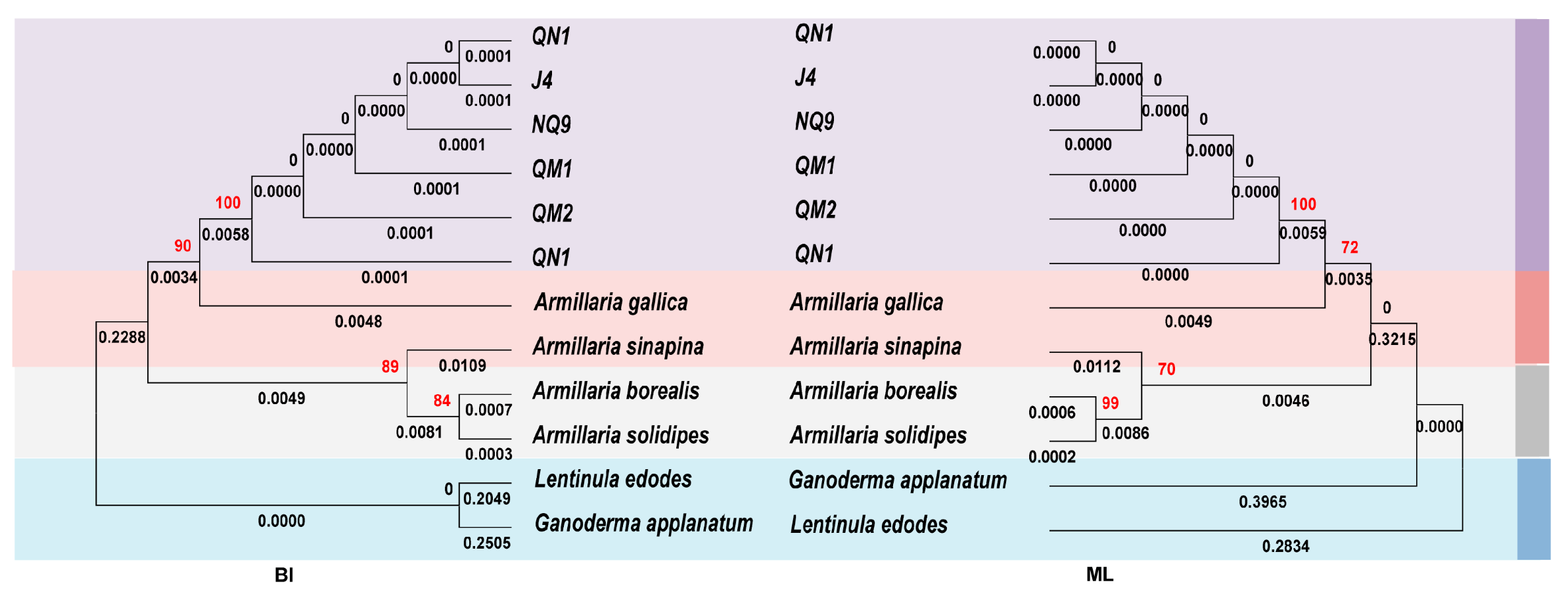
2.1. ITS Sequence Analysis
2.2. Features and Protein-Coding Genes of the Armillaria Mitogenomes
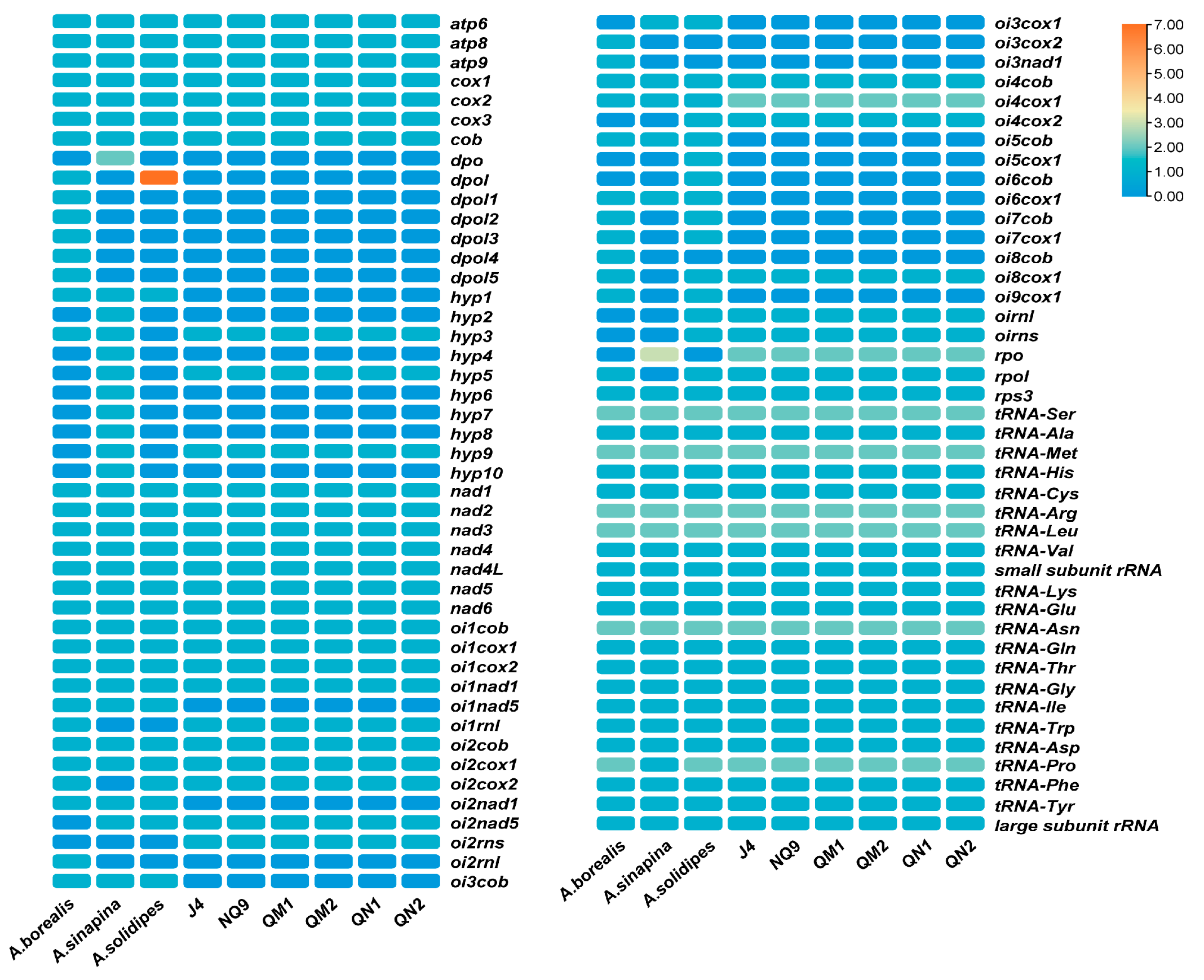
2.3. Mitogenome Deletion Scale
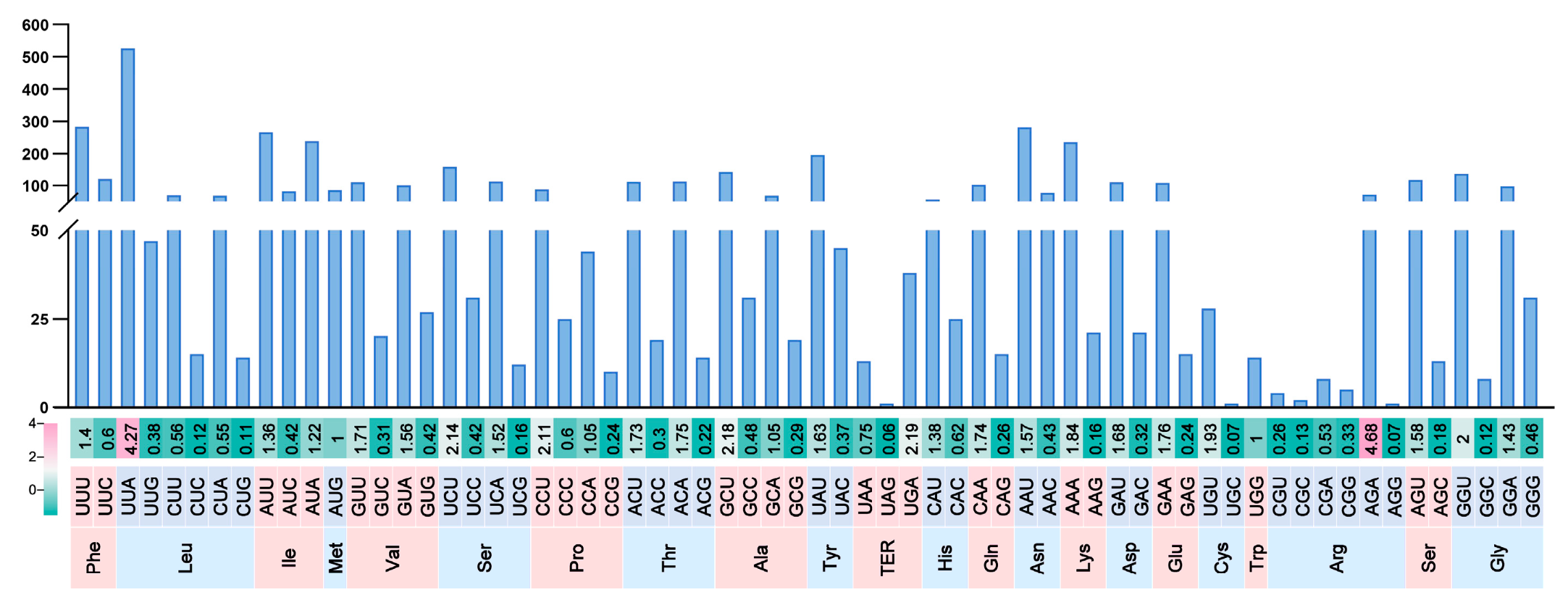
2.4. Codon Usage Analysis
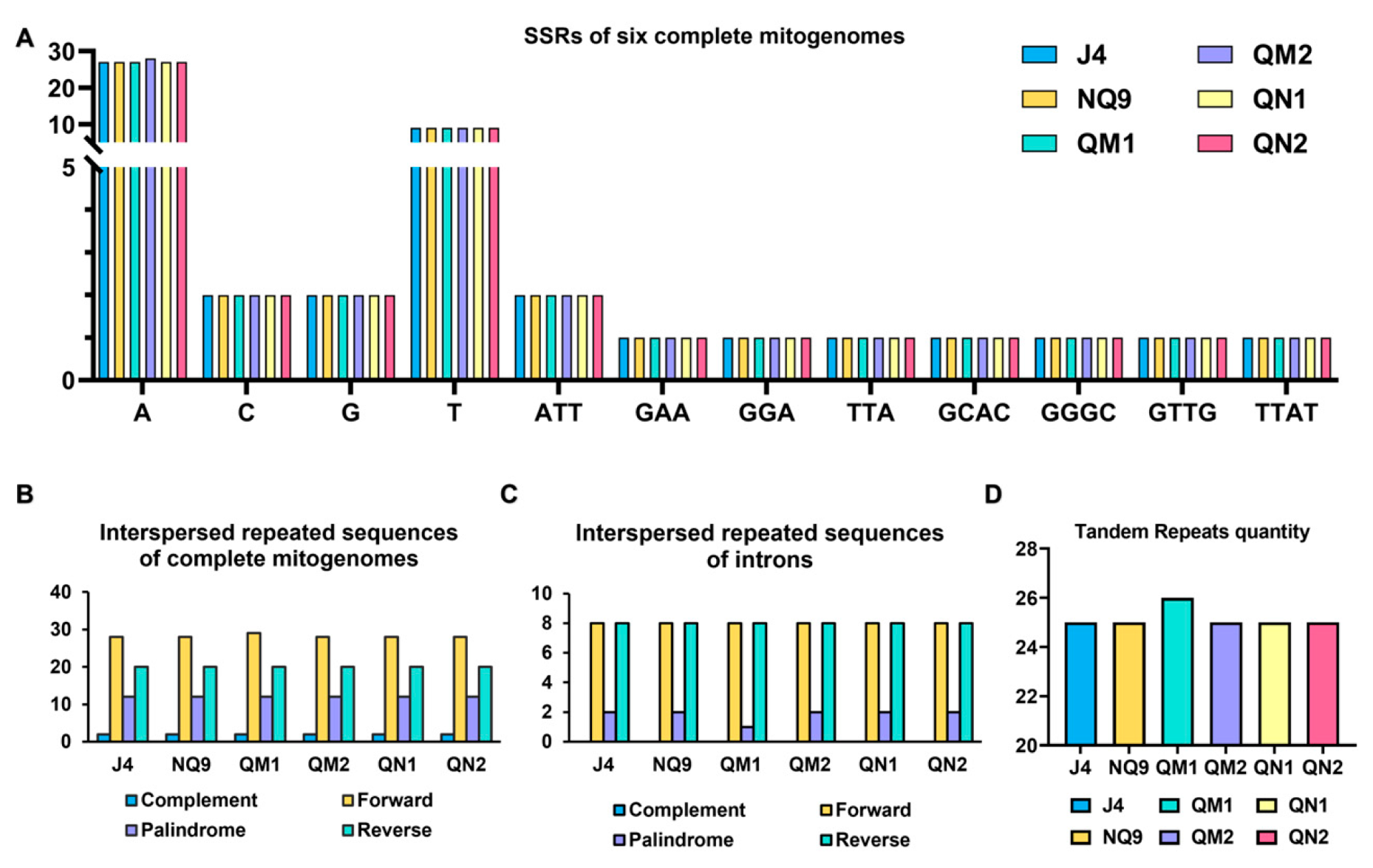
2.5. Repeat Analysis
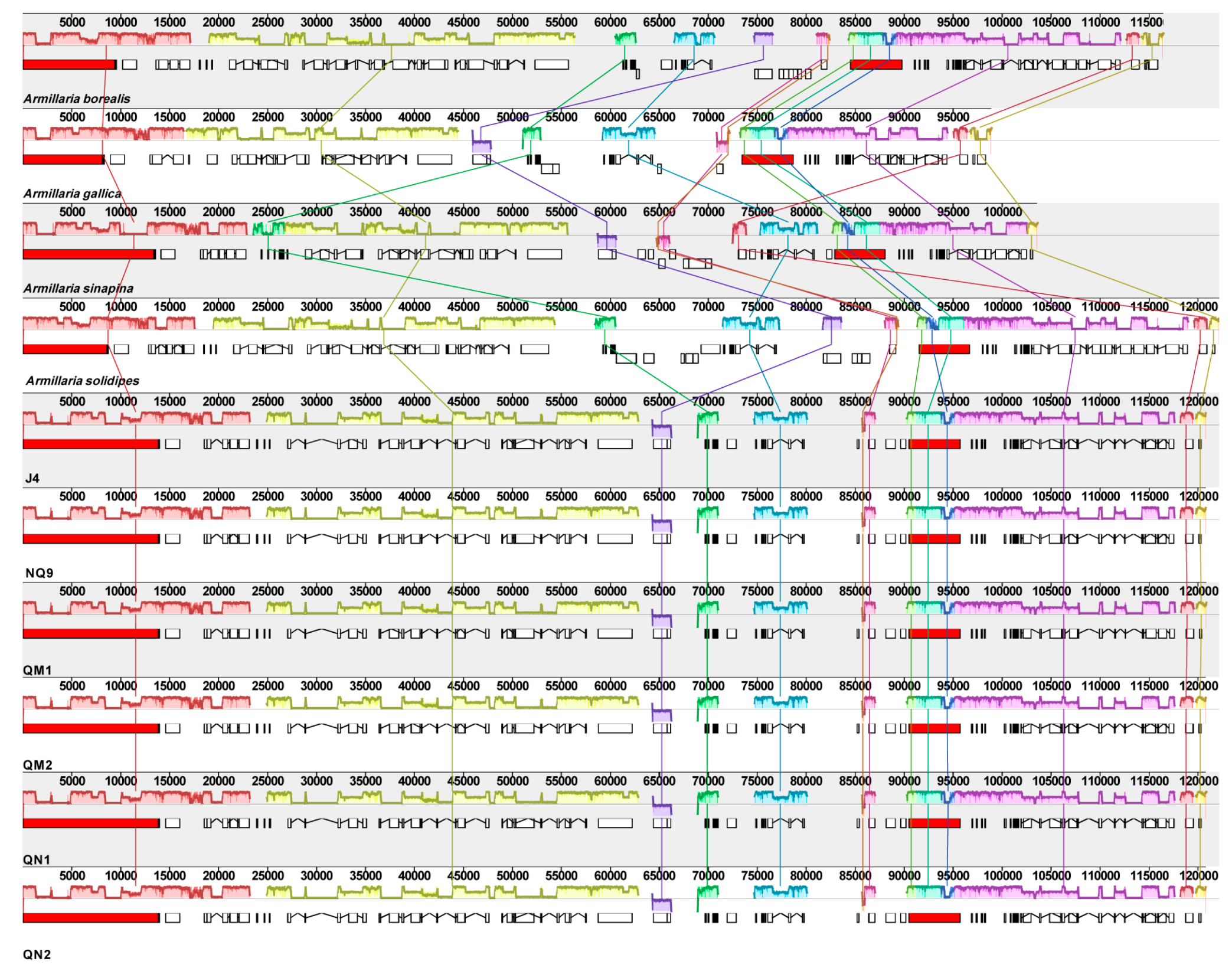
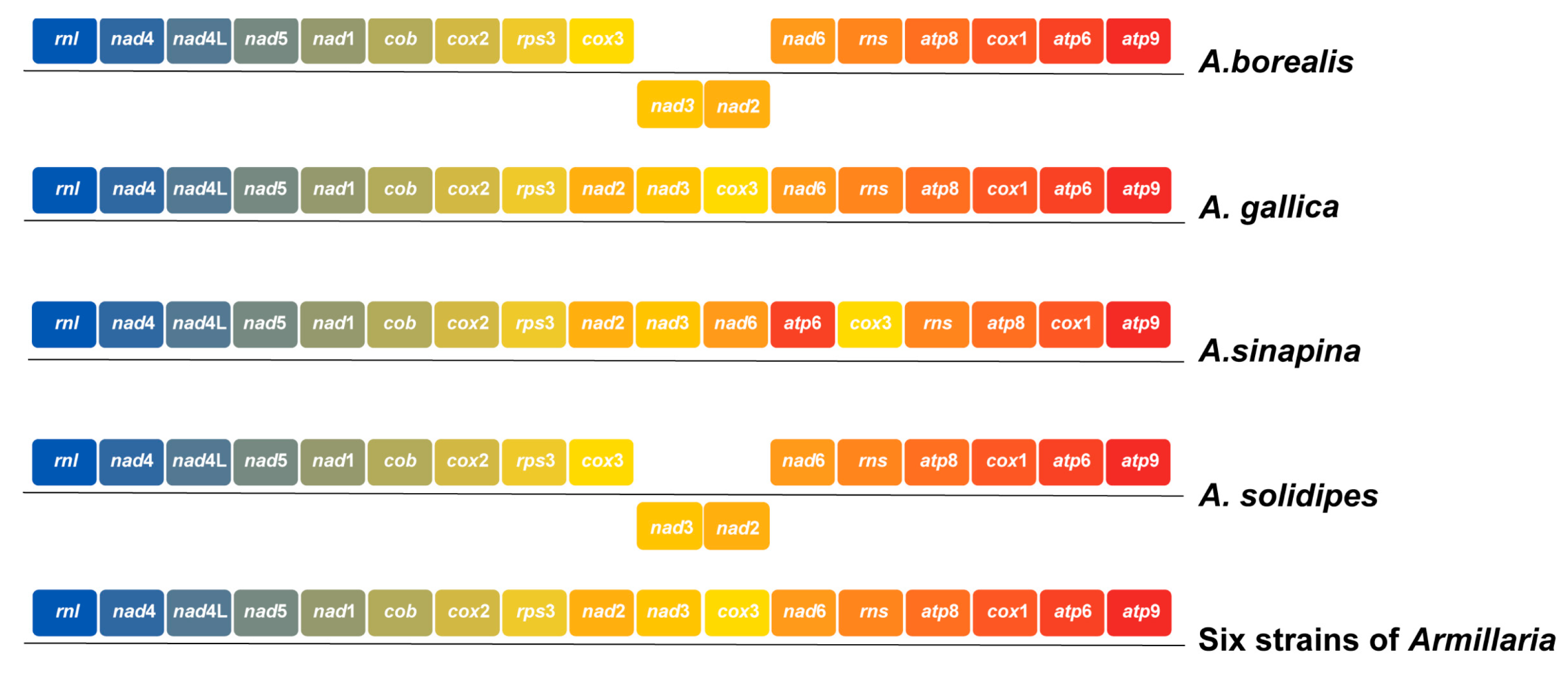
2.6. Comparative Mitogenomic Analysis
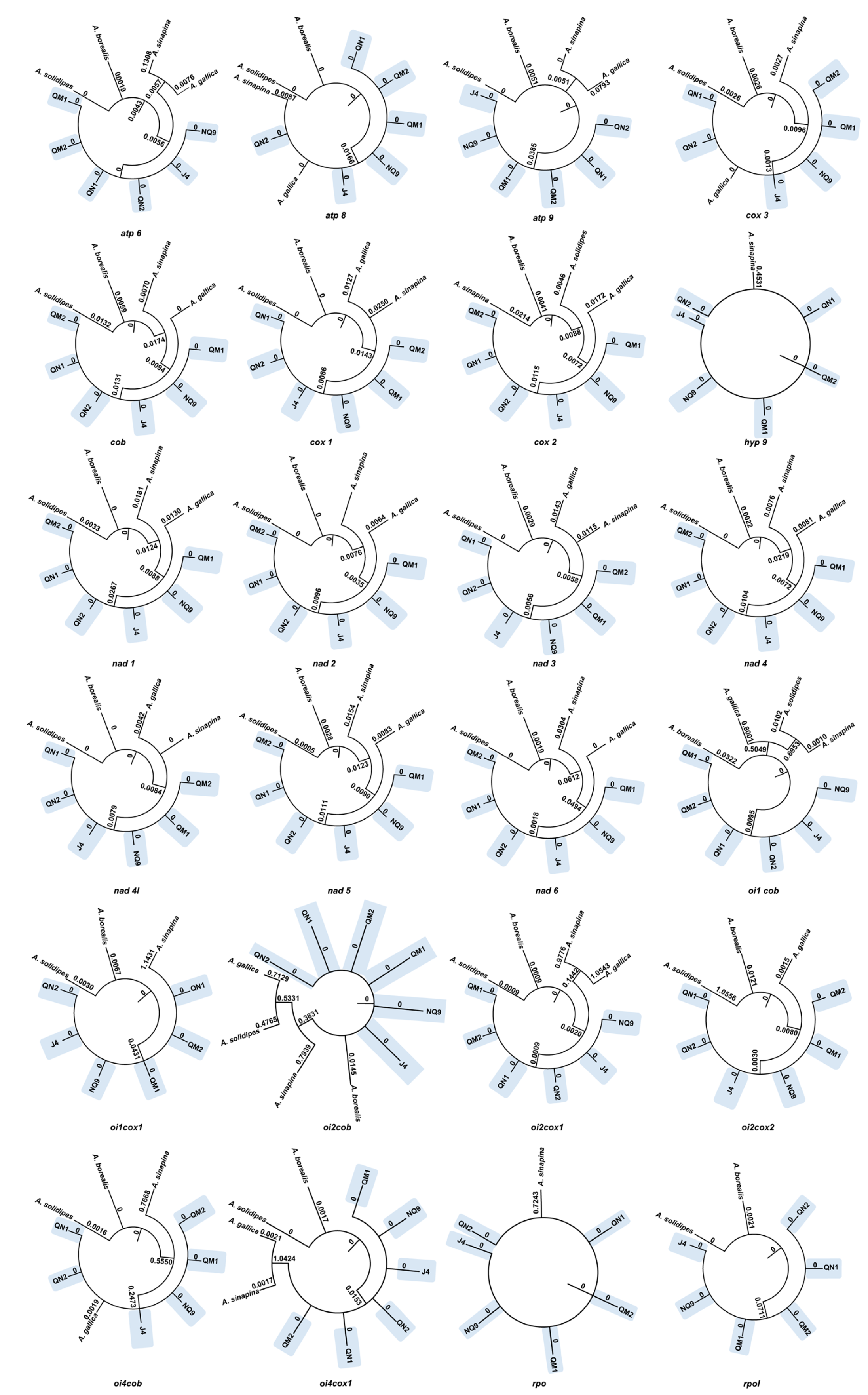
2.7. Selective Pressure
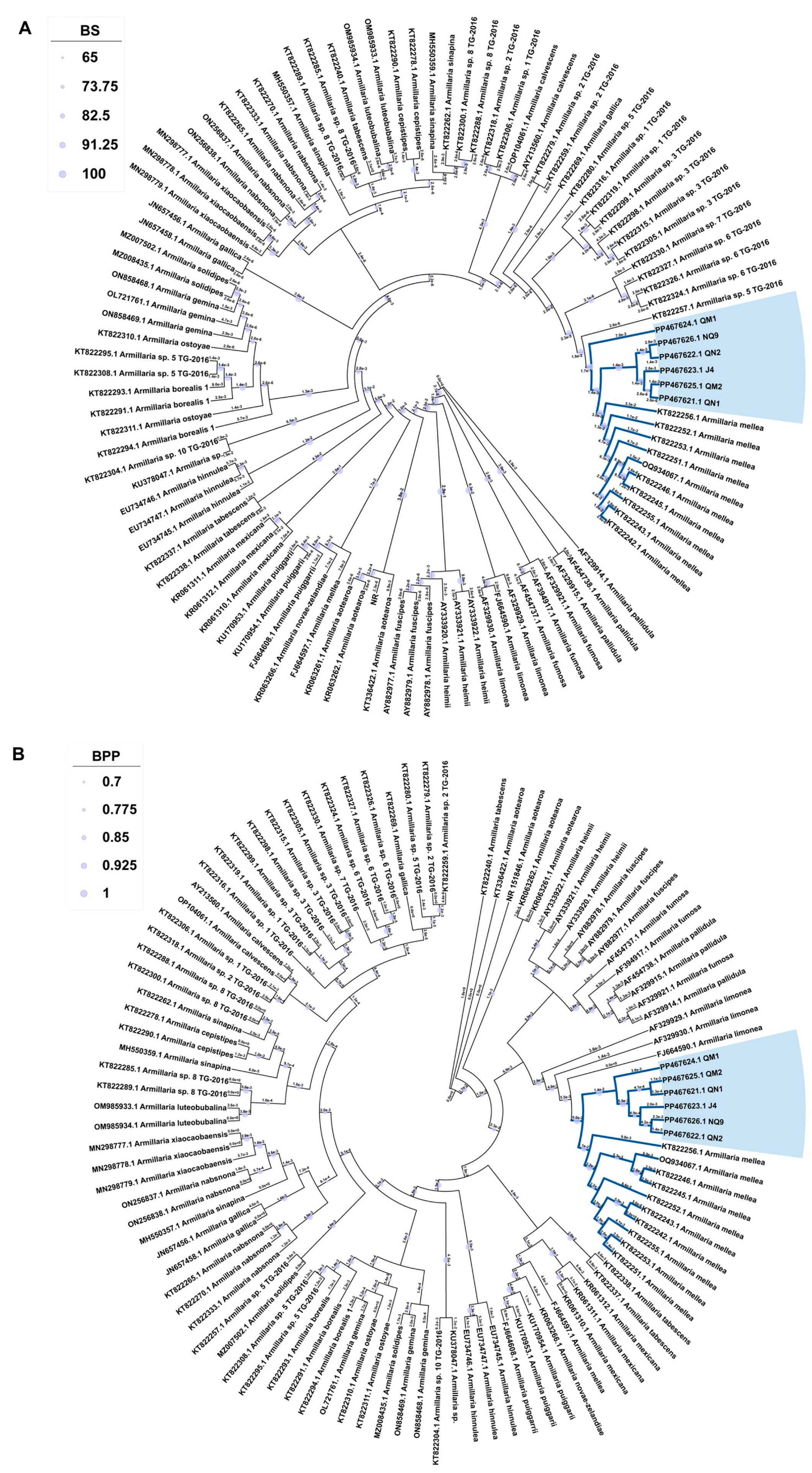
2.8. Phylogenetic Analysis
3. Discussion
4. Materials and Methods
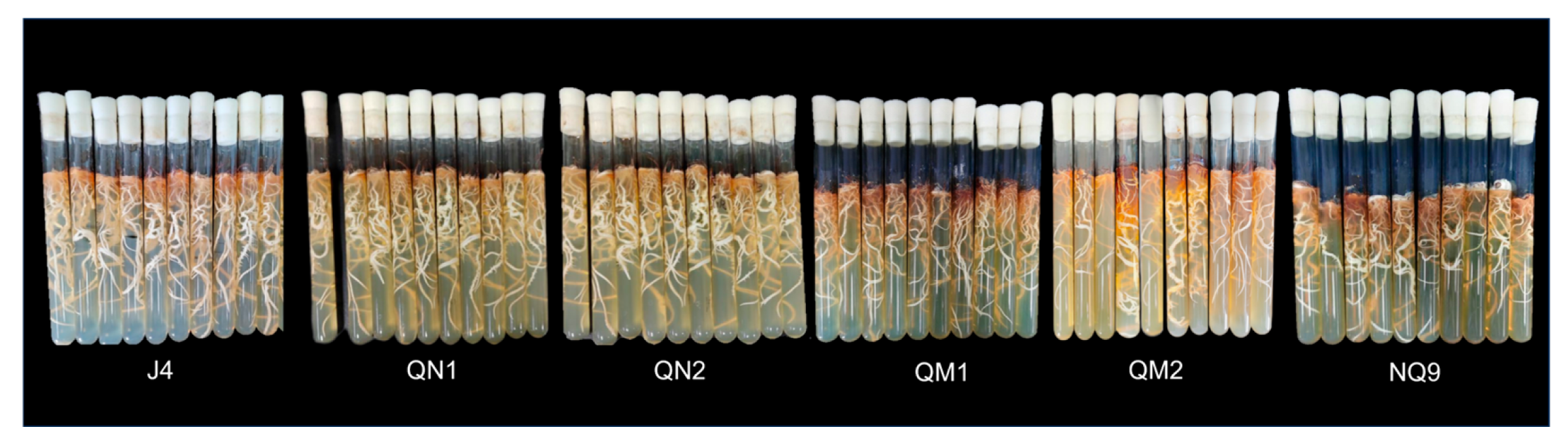
4.1. Sample Collection and Material Cultivation
4.2. DNA Extraction and Sequencing
4.3. Quality Check, Assembly and Annotation of the Mitogenomes of Armillaria
4.4. Characterization and Comparative Analysis of Mitogenomes
4.5. Repeat Analysis
4.6. Codon Usage
4.7. Selective Pressure in Armillaria Mitogenome Genes
4.8. Phylogenetic Analysis
5. Conclusions
Supplementary Materials
Author Contributions
Funding
Institutional Review Board Statement
Informed Consent Statement
Data Availability Statement
Acknowledgments
Conflicts of Interest
Abbreviations
| G. elata | Gastrodia elata |
| ITS | Internal Transcribed Spacer |
| A. mellea | Armillaria mellea |
| PCGs | Protein-Coding Genes |
| ORFs | Open Reading Frames |
| A. gallica | Armillaria gallica |
| GCPSR | Genome Consistency Phylogenetic Species Recognition Method |
| A. borealis | Armillaria borealis |
| A. sinapina | Armillaria sinapina |
| A. solidipes | Armillaria solidipes |
| IGS1 | Intergenic Spacer 1 |
| mitogenomes | Mitochondrial Genomes |
| ML | Maximum Likelihood |
| BI | Bayesian Inference |
| BS | Bootstrap Values |
| BPP | Bayesian Posterior Probability |
| A. tabescens | Armillaria tabescens |
| A. ostoyae | Armillaria ostoyae |
| Tef1-α | Translation elongation factor 1-alpha |
| atp6, atp8, atp9 | ATP synthase subunit 6, 8, 9 |
| cox1, cox2, cox3 | cytochrome c oxidase subunit 1, 2, 3 |
| cob | cytochrome b |
| nad1, nad2, nad3, nad4, nad4 L, nad5, nad6 | NADH dehydrogenase subunit 1–6 |
| rps3 | ribosomal protein S3 |
| hyp3, hyp5, hyp9 | hypothetical protein 3, 5, 9 |
| dpol, dpol1, dpol2, dpol3, dpol4, dpol5 | deoxyribonucleic acid polymerase 1, 2, 3, 4, 5 |
| oilrnl/oirns | open reading frame in intron of the mitochondrial large/small ribosomal RNA |
| RSCU | Relative Synonymous Codon Usage |
| SSRs | Simple Sequence Repeats |
| dN/dS | Ratio of Nonsynonymous Substitutions to Synonymous Substitutions |
| A. cepistipes | Armillaria cepistipes |
| HEGs | Homing Endonuclease |
| OXPHOS | Oxidative Phosphorylation |
| ROS | Reactive Oxygen Species |
| aBSREL | Adaptive Branch-Site Random Effects Likelihood |
References
- Watling, R.; Kile, G.A.; Gregory, N.M. The genus Armillaria—Nomenclature, typification, the identity of Armillaria mellea and species differentiation. Trans. Br. Mycol. Soc. 1982, 78, 271–285. [Google Scholar] [CrossRef]
- Devkota, P.; Hammerschmidt, R. The infection process of Armillaria mellea and Armillaria solidipes. Physiol. Mol. Plant Pathol. 2020, 112, 101543. [Google Scholar] [CrossRef]
- Koch, R.A.; Herr, J.R. Global Distribution and Richness of Armillaria and Related Species Inferred From Public Databases and Amplicon Sequencing Datasets. Front. Microbiol. 2021, 12, 733159. [Google Scholar] [CrossRef] [PubMed]
- Hua, Z.Y.; Liu, T.R.; Han, P.J.; Zhou, J.H.; Zhao, Y.Y.; Huang, L.Q.; Yuan, Y. Isolation, genomic characterization, and mushroom growth-promoting effect of the first fungus-derived Rhizobium. Front. Microbiol. 2022, 13, 947687. [Google Scholar] [CrossRef] [PubMed]
- Kim, M.S.; Hanna, J.W.; McDonald, G.I.; Klopfenstein, N.B. Armillaria altimontana in North America: Biology and Ecology. J. Fungi 2023, 9, 904. [Google Scholar] [CrossRef]
- Heinzelmann, R.; Dutech, C.; Tsykun, T.; Labbé, F.; Soularue, J.P.; Prospero, S. Latest advances and future perspectives in Armillaria research. Can. J. Plant Pathol. 2019, 41, 1–23. [Google Scholar] [CrossRef]
- Zhan, J.; Yuan, J.; Liu, J.; Zhang, F.; Yu, F.; Wang, Y. Metabolomics analysis of mycelial exudates provides insights into fungal antagonists of Armillaria. Mycology 2023, 14, 264–274. [Google Scholar] [CrossRef]
- Ren, S.Z.; Gao, Y.P.; Li, H.; Ma, H.H.; Han, X.L.; Yang, Z.T.; Chen, W.J. Research Status and Application Prospects of the Medicinal Mushroom Armillaria mellea. Appl. Biochem. Biotechnol. 2023, 195, 3491–3507. [Google Scholar] [CrossRef]
- Nowacka-Jechalke, N.; Kanak, S.; Moczulski, M.; Martyna, A.; Kubinski, K.; Maslyk, M.; Szpakowska, N.; Kaczynski, Z.; Nowak, R.; Olech, M. Crude polysaccharides from wild-growing Armillaria mellea-chemical composition and antidiabetic, anti-inflammatory, antioxidant, and antiproliferative potential. Appl. Sci. 2023, 13, 3853. [Google Scholar] [CrossRef]
- Cai, J.L.; Muhammad, I.; Chen, B.L.; Xu, P.; Li, Y.G.; Xu, H.N.; Li, K.Z. Whole genome sequencing and analysis of Armillaria gallica Jzi34 symbiotic with Gastrodia elata. BMC Genom. 2023, 24, 275. [Google Scholar] [CrossRef]
- de Souza, P.; Crestani, S.; da Silva Rde, C.; Gasparotto, F.; Kassuya, C.A.; da Silva-Santos, J.E.; Gasparotto, A., Jr. Involvement of bradykinin and prostaglandins in the diuretic effects of Achillea millefolium L. (Asteraceae). J. Ethnopharmacol. 2013, 149, 157–161. [Google Scholar] [CrossRef] [PubMed]
- Wang, Y.H.; Xu, J.; Yuan, Q.S.; Guo, L.P.; Xiao, C.H.; Yang, C.G.; Li, L.Y.; Jiang, W.K.; Zhou, T. Effect of symbiotic fungi-Armillaria gallica on the yield of Gastrodia elata Bl. and insight into the response of soil microbial community. Front. Microbiol. 2023, 14, 1233555. [Google Scholar] [CrossRef] [PubMed]
- Zhao, F.Y.; Wang, Q.L.; An, X.M.; Tan, Q.F.; Yun, J.M.; Zhang, Y.B. Oxidative damage from repeated tissue isolation for subculturing causes degeneration in Volvariella volvacea. Front. Microbiol. 2023, 14, 1210496. [Google Scholar] [CrossRef] [PubMed]
- Yu, E.; Gao, Y.G.; Li, Y.Q.; Zang, P.; Zhao, Y.; He, Z.M. An exploration of mechanism of high quality and yield of Gastrodia elata Bl. f. glauca by the isolation, identification and evaluation of Armillaria. BMC Plant Biol. 2022, 22, 621. [Google Scholar] [CrossRef]
- Qin, G.F.; Qin, W.M.; Wang, H.C.; Zhao, J.; Korhonen, K.; Chen, J.; Dai, Y.C.; Yuan, Y. Phylogeny and species diversity of Armillaria in China based on morphological, mating test, and GCPSR criteria. Mycology 2025, 16, 777–811. [Google Scholar] [CrossRef]
- Li, X.W.; Yang, Y.; Henry, R.J.; Rossetto, M.; Wang, Y.T.; Chen, S.L. Plant DNA barcoding: From gene to genome. Biol. Rev. 2015, 90, 157–166. [Google Scholar] [CrossRef]
- Chen, S.L.; Yao, H.; Han, J.P.; Liu, C.; Song, J.Y.; Shi, L.C.; Zhu, Y.J.; Ma, X.Y.; Gao, T.; Pang, X.H.; et al. Validation of the ITS2 Region as a Novel DNA Barcode for Identifying Medicinal Plant Species. PLoS ONE 2010, 5, e8613. [Google Scholar]
- White, T.J.; Bruns, T.; Lee, S.; Taylor, J. Amplification and direct sequencing of fungal ribosomal RNA genes for phylogenetics. In PCR Protocols: A Guide to Methods and Applications; Innis, M.A., Gelfand, D.H., Sninsky, J.J., White, T.J., Eds.; Academic Press: San Diego, CA, USA, 1990; pp. 315–322. [Google Scholar]
- Tsykun, T.; Rigling, D.; Prospero, S. A new multilocus approach for a reliable DNA-based identification of Armillaria species. Mycologia 2013, 105, 1059–1076. [Google Scholar] [CrossRef]
- Liu, Y.; Steenkamp, E.T.; Brinkmann, H.; Forget, L.; Philippe, H.; Lang, B.F. Phylogenomic analyses predict sistergroup relationship of nucleariids and Fungi and paraphyly of zygomycetes with significant support. BMC Evol. Biol. 2009, 9, 272. [Google Scholar] [CrossRef]
- Megarioti, A.H.; Kouvelis, V.N. The Coevolution of Fungal Mitochondrial Introns and Their Homing Endonucleases (GIY-YIG and LAGLIDADG). Genome Biol. Evol. 2020, 12, 1337–1354. [Google Scholar] [CrossRef]
- Nie, Y.; Wang, L.; Cai, Y.; Tao, W.; Zhang, Y.J.; Huang, B. Mitochondrial genome of the entomophthoroid fungus Conidiobolus heterosporus provides insights into evolution of basal fungi. Appl. Microbiol. Biotechnol. 2019, 103, 1379–1391. [Google Scholar] [CrossRef] [PubMed]
- Guo, T.; Wang, H.C.; Xue, W.Q.; Zhao, J.; Yang, Z.L. Phylogenetic Analyses of Armillaria Reveal at Least 15 Phylogenetic Lineages in China, Seven of Which Are Associated with Cultivated Gastrodia elata. PLoS ONE 2016, 11, e0154794. [Google Scholar] [CrossRef] [PubMed]
- Li, Q.; Yang, M.; Chen, C.; Xiong, C.; Jin, X.; Pu, Z.G.; Huang, W.L. Characterization and phylogenetic analysis of the complete mitochondrial genome of the medicinal fungus Laetiporus sulphureus. Sci. Rep. 2018, 8, 9104. [Google Scholar] [CrossRef]
- Sharp, P.M.; Bailes, E.; Grocock, R.J.; Peden, J.F.; Sockett, R.E. Variation in the strength of selected codon usage bias among bacteria. Nucleic Acids Res. 2005, 33, 1141–1153. [Google Scholar] [CrossRef] [PubMed]
- Kolesnikova, A.I.; Putintseva, Y.A.; Simonov, E.P.; Biriukov, V.V.; Oreshkova, N.V.; Pavlov, I.N.; Sharov, V.V.; Kuzmin, D.A.; Anderson, J.B.; Krutovsky, K.V. Mobile genetic elements explain size variation in the mitochondrial genomes of four closely-related Armillaria species. BMC Genom. 2019, 20, 351. [Google Scholar] [CrossRef]
- Li, Q.; Chen, C.; Xiong, C.; Jin, X.; Chen, Z.Q.; Huang, W.L. Comparative mitogenomics reveals large-scale gene rearrangements in the mitochondrial genome of two Pleurotus species. Appl. Microbiol. Biotechnol. 2018, 102, 6143–6153. [Google Scholar] [CrossRef]
- Li, Q.; Xiang, D.B.; Wan, Y.; Wu, Q.; Wu, X.Y.; Ma, C.R.; Song, Y.; Zhao, G.; Huang, W.L. The complete mitochondrial genomes of five important medicinal Ganoderma species: Features, evolution, and phylogeny. Int. J. Biol. Macromol. 2019, 139, 397–408. [Google Scholar] [CrossRef]
- James, T.Y.; Pelin, A.; Bonen, L.; Ahrendt, S.; Sain, D.; Corradi, N.; Stajich, J.E. Shared Signatures of Parasitism and Phylogenomics Unite Cryptomycota and Microsporidia. Curr. Biol. 2013, 23, 1548–1553. [Google Scholar] [CrossRef]
- Zaccaron, A.Z.; Stergiopoulos, I. Characterization of the mitochondrial genomes of three powdery mildew pathogens reveals remarkable variation in size and nucleotide composition. Microb. Genom. 2021, 17, 000720. [Google Scholar] [CrossRef]
- Mardanov, A.V.; Beletsky, A.V.; Kadnikov, V.V.; Ignatov, A.N.; Ravin, N.V. The 203 kbp Mitochondrial Genome of the Phytopathogenic Fungus Sclerotinia borealis Reveals Multiple Invasions of Introns and Genomic Duplications. PLoS ONE 2014, 9, e107536. [Google Scholar] [CrossRef]
- Férandon, C.; Xu, J.P.; Barroso, G. The 135 kbp mitochondrial genome of Agaricus bisporus is the largest known eukaryotic reservoir of group I introns and plasmid-related sequences. Fungal Genet. Biol. 2013, 55, 85–91. [Google Scholar] [CrossRef] [PubMed]
- Li, Q.; Wang, Q.F.; Jin, X.; Chen, Z.Q.; Xiong, C.; Li, P.; Zhao, J.; Huang, W.L. Characterization and comparison of the mitochondrial genomes from two Lyophyllum fungal species and insights into phylogeny of Agaricomycetes. Int. J. Biol. Macromol. 2019, 121, 364–372. [Google Scholar] [CrossRef] [PubMed]
- Sethuraman, J.; Majer, A.; Friedrich, N.C.; Edgell, D.R.; Hausner, G. Genes within genes: Multiple LAGLIDADG homing endonucleases target the ribosomal protein S3 gene encoded within an rnl group I intron of Ophiostoma and related taxa. Mol. Biol. Evol. 2009, 26, 2299–2315. [Google Scholar] [CrossRef] [PubMed]
- Monteiro-Vitorello, C.B.; Hausner, G.; Searles, D.B.; Gibb, E.A.; Fulbright, D.W.; Bertrand, H. The Cryphonectria parasitica mitochondrial rns gene: Plasmid-like elements, introns and homing endonucleases. Fungal Genet. Biol. 2009, 46, 837–848. [Google Scholar] [CrossRef]
- Hausner, G. Introns, Mobile Elements, and Plasmids. In Organelle Genetics: Evolution of Organelle Genomes and Gene Expression; Bullerwell, C.E., Ed.; Springer: Berlin/Heidelberg, Germany, 2012; pp. 329–357. [Google Scholar]
- Nielsen, R. Molecular signatures of natural selection. Annu. Rev. Genet. 2005, 39, 197–218. [Google Scholar] [CrossRef]
- Kang, X.C.; Hu, L.Q.; Shen, P.Y.; Li, R.; Liu, D.B. SMRT Sequencing Revealed Mitogenome Characteristics and Mitogenome-Wide DNA Modification Pattern in Ophiocordyceps sinensis. Front. Microbiol. 2017, 8, 1422. [Google Scholar] [CrossRef]
- Mendoza, H.; Lamb, E.A.; Thomas, J.; Tavares, D.G.; Schroeder, L.A.; Müller, C.; Agrawal, N.; Schirawski, J.; Perlin, M.H. Comparative mitogenomic analysis of Sporisorium reilianum f. sp. zeae suggests recombination events during its evolutionary history. Front. Physiol. 2024, 15, 1264359. [Google Scholar] [CrossRef]
- Gardes, M.; Bruns, T. ITS primers with enhanced specificity for basidiomycetes—Application to the identification of mycorrhizae and rusts. Mol. Ecol. 1993, 2, 113–118. [Google Scholar] [CrossRef]
- Jin, J.J.; Yu, W.B.; Yang, J.B.; Song, Y.; dePamphilis, C.W.; Yi, T.S.; Li, D.Z. GetOrganelle: A fast and versatile toolkit for accurate de novo assembly of organelle genomes. Genome Biol. 2020, 21, 241. [Google Scholar] [CrossRef]
- Dierckxsens, N.; Mardulyn, P.; Smits, G. NOVOPlasty: De novo assembly of organelle genomes from whole genome data. Nucleic Acids Res. 2017, 45, e18. [Google Scholar]
- Wu, X.; Heffelfinger, C.; Zhao, H.Y.; Dellaporta, S.L. Benchmarking variant identification tools for plant diversity discovery. BMC Genom. 2019, 20, 701. [Google Scholar] [CrossRef]
- Yao, Z.; You, F.M.; N’Diaye, A.; Knox, R.E.; McCartney, C.; Hiebert, C.W.; Pozniak, C.; Xu, W.N. Evaluation of variant calling tools for large plant genome re-sequencing. BMC Bioinform. 2020, 21, 360. [Google Scholar] [CrossRef] [PubMed]
- Langmead, B.; Salzberg, S.L. Fast gapped-read alignment with Bowtie 2. Nat. Methods 2012, 9, 357–359. [Google Scholar] [CrossRef] [PubMed]
- Langmead, B.; Wilks, C.; Antonescu, V.; Charles, R. Scaling read aligners to hundreds of threads on general-purpose processors. Bioinformatics 2019, 35, 421–432. [Google Scholar] [CrossRef] [PubMed]
- Hahn, C.; Bachmann, L.; Chevreux, B. Reconstructing mitochondrial genomes directly from genomic next-generation sequencing reads—A baiting and iterative mapping approach. Nucleic Acids Res. 2013, 41, e129. [Google Scholar] [CrossRef]
- Tillich, M.; Lehwark, P.; Pellizzer, T.; Ulbricht-Jones, E.S.; Fischer, A.; Bock, R.; Greiner, S. GeSeq—Versatile and accurate annotation of organelle genomes. Nucleic Acids Res. 2017, 45, W6–W11. [Google Scholar] [CrossRef]
- Rissman, A.I.; Mau, B.; Biehl, B.S.; Darling, A.E.; Glasner, J.D.; Perna, N.T. Reordering contigs of draft genomes using the Mauve Aligner. Bioinformatics 2009, 25, 2071–2073. [Google Scholar] [CrossRef]
- Beier, S.; Thiel, T.; Münch, T.; Scholz, U.; Mascher, M. MISA-web: A web server for microsatellite prediction. Bioinformatics 2017, 33, 2583–2585. [Google Scholar] [CrossRef]
- Benson, G. Tandem repeats finder: A program to analyze DNA sequences. Nucleic Acids Res. 1999, 27, 573–580. [Google Scholar] [CrossRef]
- Kurtz, S.; Schleiermacher, C. REPuter: Fast computation of maximal repeats incomplete genomes. Bioinformatics 1999, 15, 426–427. [Google Scholar] [CrossRef]
- Jiang, Y.; Zhu, C.; Wang, S.; Wang, F.; Sun, Z. Identification of three cultivated varieties of Scutellaria baicalensis using the complete chloroplast genome as a super-barcode. Sci. Rep. 2023, 13, 5602. [Google Scholar] [CrossRef] [PubMed]
- Zhang, D.; Gao, F.L.; Jakovlic, I.; Zou, H.; Zhang, J.; Li, W.X.; Wang, G.T. PhyloSuite: An integrated and scalable desktop platform for streamlined molecular sequence data management and evolutionary phylogenetics studies. Mol. Ecol. Resour. 2020, 20, 348–355. [Google Scholar] [CrossRef] [PubMed]
- Chen, C.J.; Chen, H.; Zhang, Y.; Thomas, H.R.; Frank, M.H.; He, Y.H.; Xia, R. TBtools: An Integrative Toolkit Developed for Interactive Analyses of Big Biological Data. Mol. Plant 2020, 13, 1194–1202. [Google Scholar] [CrossRef] [PubMed]
- Katoh, K.; Rozewicki, J.; Yamada, K.D. MAFFT online service: Multiple sequence alignment, interactive sequence choice and visualization. Brief. Bioinform. 2019, 20, 1160–1166. [Google Scholar] [CrossRef]
- Kumar, S.; Stecher, G.; Li, M.; Knyaz, C.; Tamura, K. MEGA X: Molecular Evolutionary Genetics Analysis across Computing Platforms. Mol. Biol. Evol. 2018, 35, 1547–1549. [Google Scholar] [CrossRef]
- Nylander, J.A.A.; Ronquist, F.; Huelsenbeck, J.P.; Nieves-Aldrey, J.L. Bayesian phylogenetic analysis of combined data. Syst. Biol. 2004, 53, 47–67. [Google Scholar] [CrossRef]
- Stamatakis, A. RAxML version 8: A tool for phylogenetic analysis and post-analysis of large phylogenies. Bioinformatics 2014, 30, 1312–1313. [Google Scholar] [CrossRef]
- Pond, S.L.K.; Frost, S.D.W.; Muse, S.V. HyPhy: Hypothesis testing using phylogenies. Bioinformatics 2005, 21, 676–679. [Google Scholar] [CrossRef]
- Pond, S.L.K.; Poon, A.F.Y.; Velazquez, R.; Weaver, S.; Hepler, N.L.; Murrell, B.; Shank, S.D.; Magalis, B.R.; Bouvier, D.; Nekrutenko, A.; et al. HyPhy 2.5—A Customizable Platform for Evolutionary Hypothesis Testing Using Phylogenies. Mol. Biol. Evol. 2020, 37, 295–299. [Google Scholar] [CrossRef]
- Smith, M.D.; Wertheim, J.O.; Weaver, S.; Murrell, B.; Scheffler, K.; Pond, S.L.K. Less Is More: An Adaptive Branch-Site Random Effects Model for Efficient Detection of Episodic Diversifying Selection. Mol. Biol. Evol. 2015, 32, 1342–1353. [Google Scholar] [CrossRef]
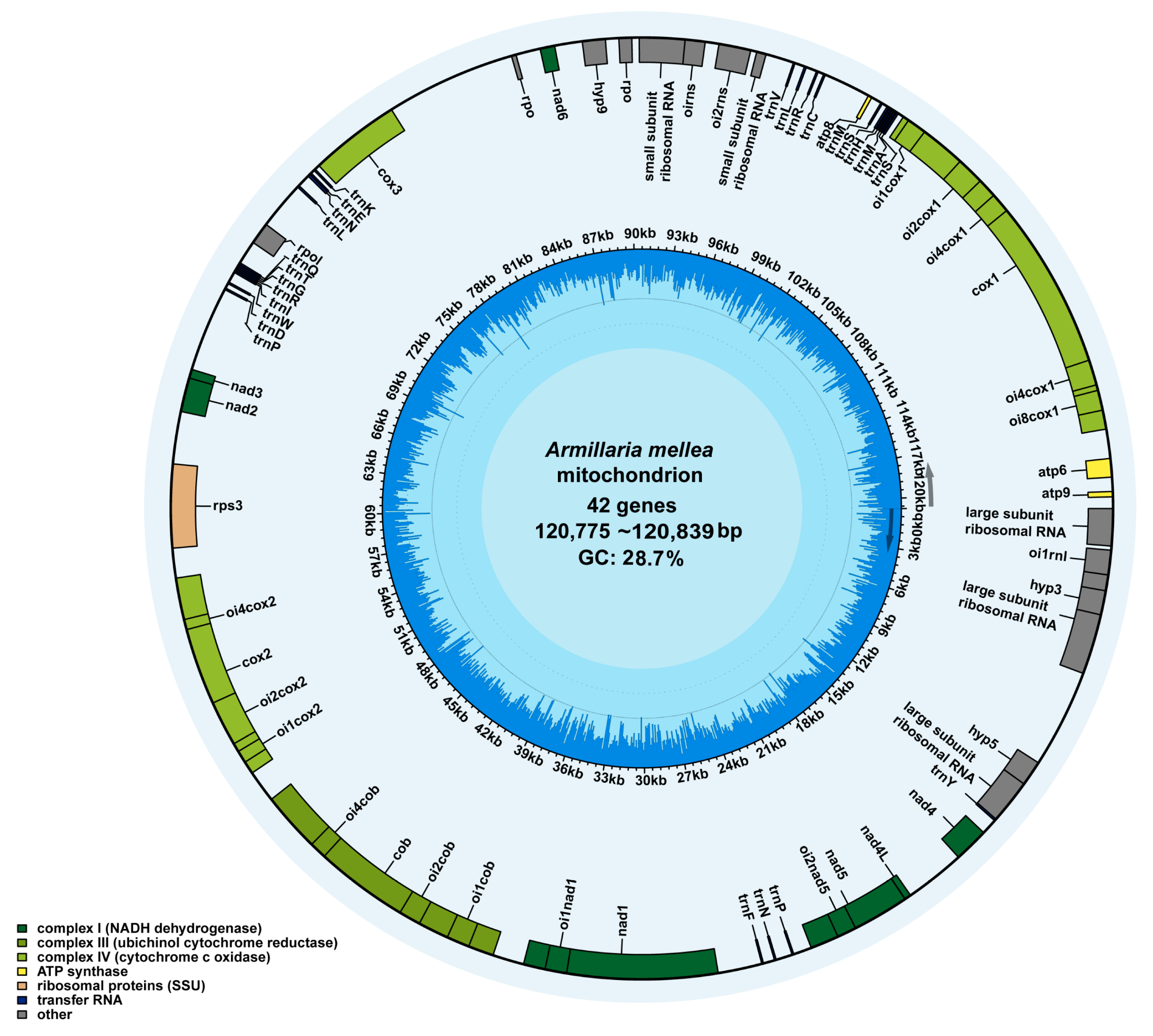

| Group of Genes | Gene Names | Amount |
|---|---|---|
| Protein-coding genes (PCGs) | nad1, nad2, nad3, nad4, nad4 L, nad5, nad6, cob, cox1, cox2, cox3, atp6, atp8, atp9, rps3, rpo | 16 |
| Intronic ORFs | GIY-YIG endonuclease and intron ORFs (oi1cox1, oi2cox1, etc.) | 20 |
| Intergenic ORFs (hypothetical proteins) | hyp3, hyp5, hyp9 | 3 |
| rRNA | rnl (large subunit rRNA), rns (small subunit rRNA) | 2 |
| tRNA | Tyrosine, Proline (×2), Asparagine (×2), Phenylalanine, Aspartic acid, Tryptophan, Isoleucine, Arginine (×2), Glycine, Threonine, Glutamine, Leucine (×2), Glutamic acid, Lysine, Valine, Cysteine, Methionine (×3), Serine, Histidine, Alanine, Serine | 27 |
Disclaimer/Publisher’s Note: The statements, opinions and data contained in all publications are solely those of the individual author(s) and contributor(s) and not of MDPI and/or the editor(s). MDPI and/or the editor(s) disclaim responsibility for any injury to people or property resulting from any ideas, methods, instructions or products referred to in the content. |
© 2026 by the authors. Licensee MDPI, Basel, Switzerland. This article is an open access article distributed under the terms and conditions of the Creative Commons Attribution (CC BY) license.
Share and Cite
Jiang, Y.; Li, Y.; Zhang, Y.; Jin, J.; Cao, Y.; Wang, Y.; Sun, Z. Characterization of Six Complete Mitochondrial Genomes and ITS Sequences from Armillaria mellea (Vahl) P. Kumm.: A Phylogenetic Study and Comparative Analysis. Int. J. Mol. Sci. 2026, 27, 3407. https://doi.org/10.3390/ijms27083407
Jiang Y, Li Y, Zhang Y, Jin J, Cao Y, Wang Y, Sun Z. Characterization of Six Complete Mitochondrial Genomes and ITS Sequences from Armillaria mellea (Vahl) P. Kumm.: A Phylogenetic Study and Comparative Analysis. International Journal of Molecular Sciences. 2026; 27(8):3407. https://doi.org/10.3390/ijms27083407
Chicago/Turabian StyleJiang, Yuan, Yaping Li, Yuanfan Zhang, Jiadi Jin, Yisu Cao, Yanjun Wang, and Zhirong Sun. 2026. "Characterization of Six Complete Mitochondrial Genomes and ITS Sequences from Armillaria mellea (Vahl) P. Kumm.: A Phylogenetic Study and Comparative Analysis" International Journal of Molecular Sciences 27, no. 8: 3407. https://doi.org/10.3390/ijms27083407
APA StyleJiang, Y., Li, Y., Zhang, Y., Jin, J., Cao, Y., Wang, Y., & Sun, Z. (2026). Characterization of Six Complete Mitochondrial Genomes and ITS Sequences from Armillaria mellea (Vahl) P. Kumm.: A Phylogenetic Study and Comparative Analysis. International Journal of Molecular Sciences, 27(8), 3407. https://doi.org/10.3390/ijms27083407

