KIF18B Modulates SKP2 Ubiquitination to Promote Aerobic Glycolysis and Osteosarcoma Progression

Abstract
1. Introduction
2. Results
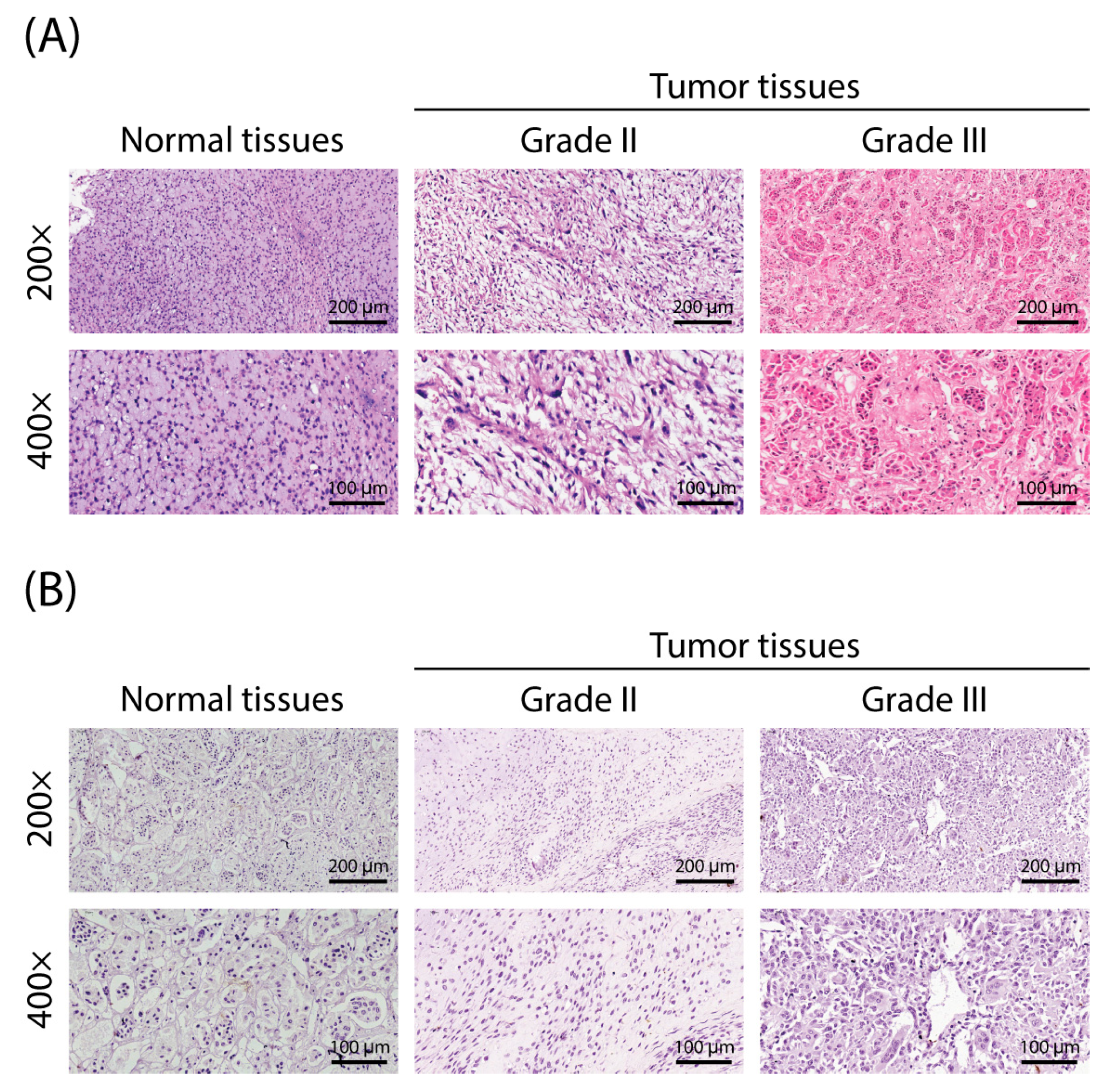
2.1. Expression of KIF18B in OS and Its Association with Clinicopathological Features and Survival Outcomes
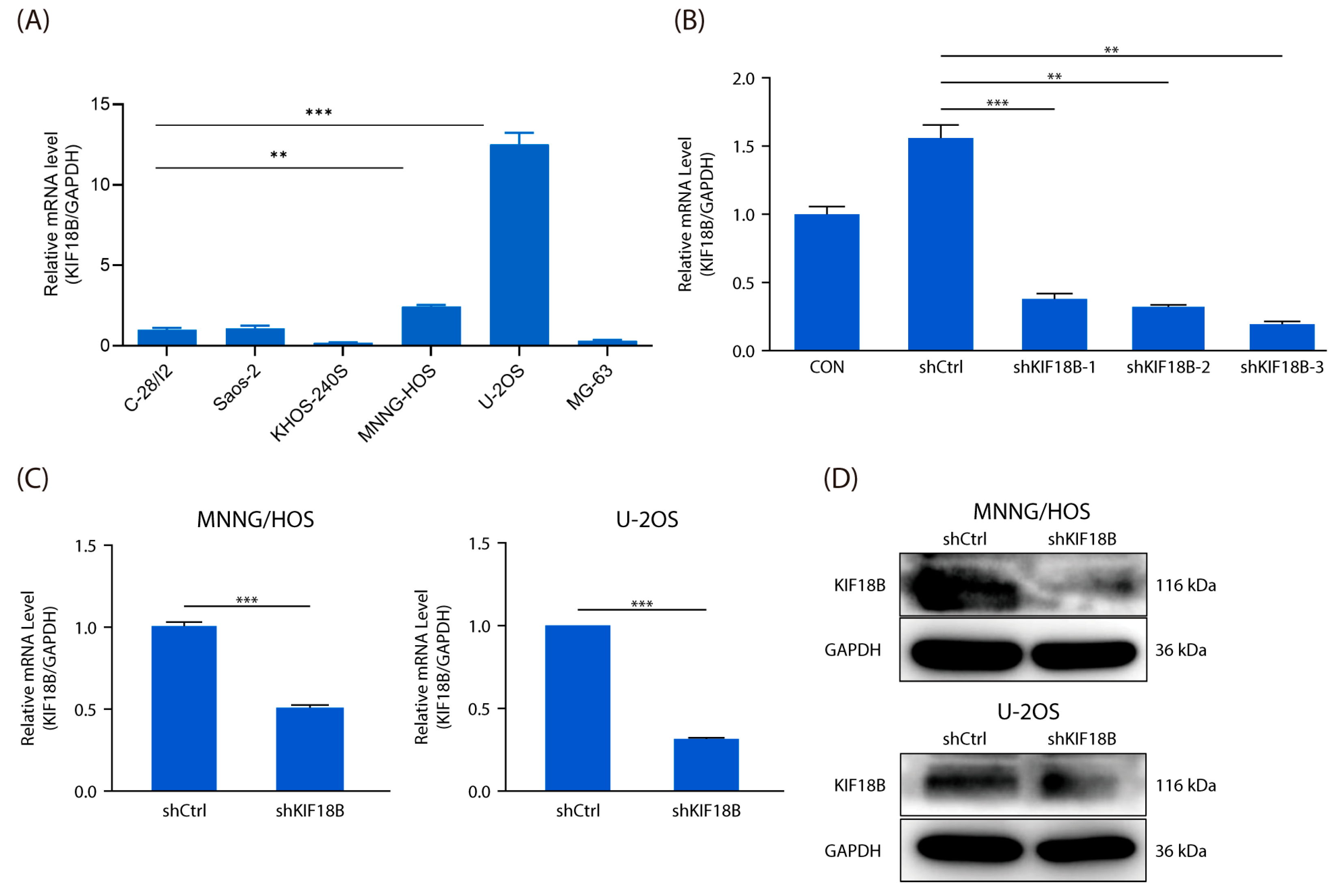
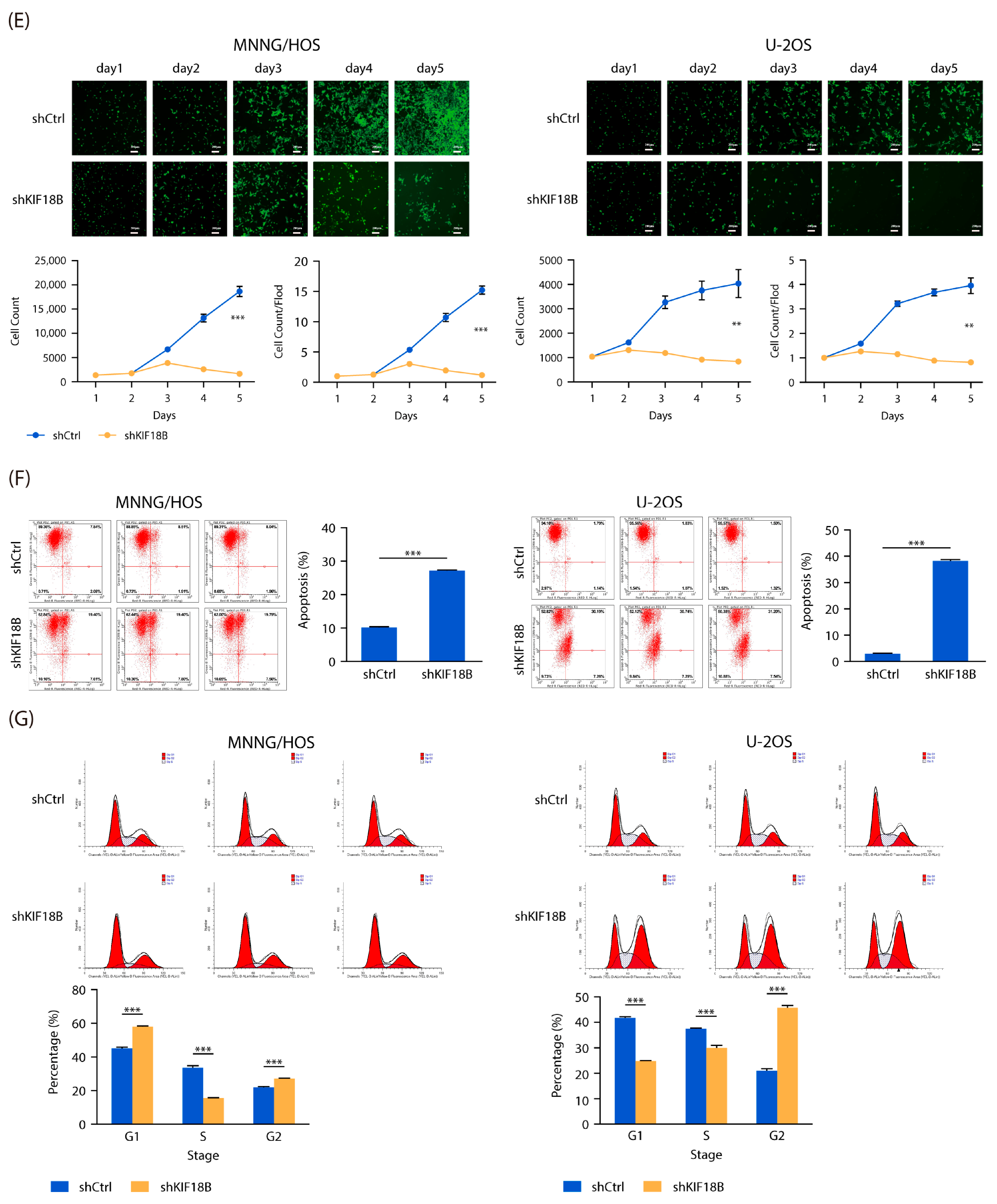
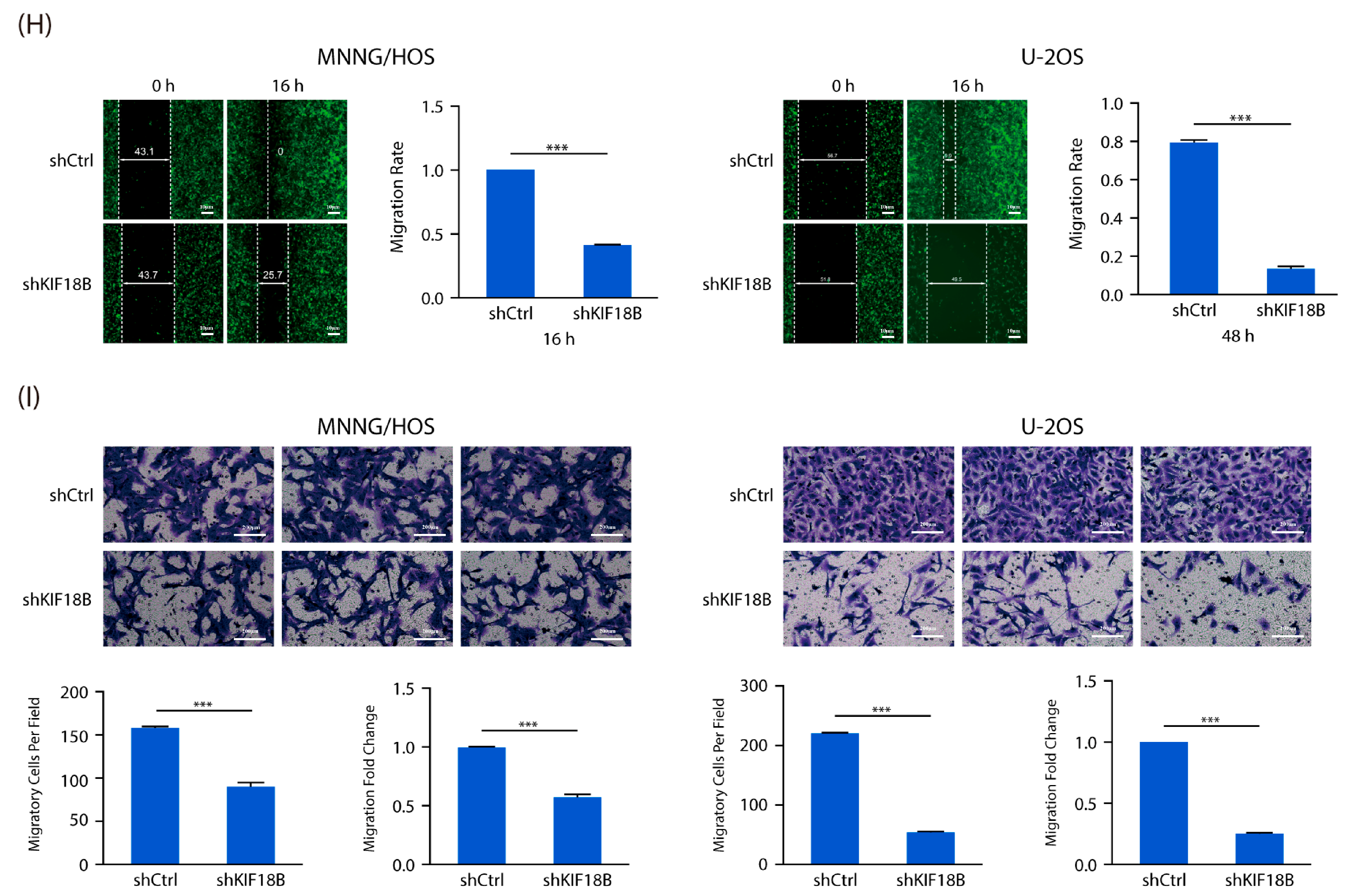
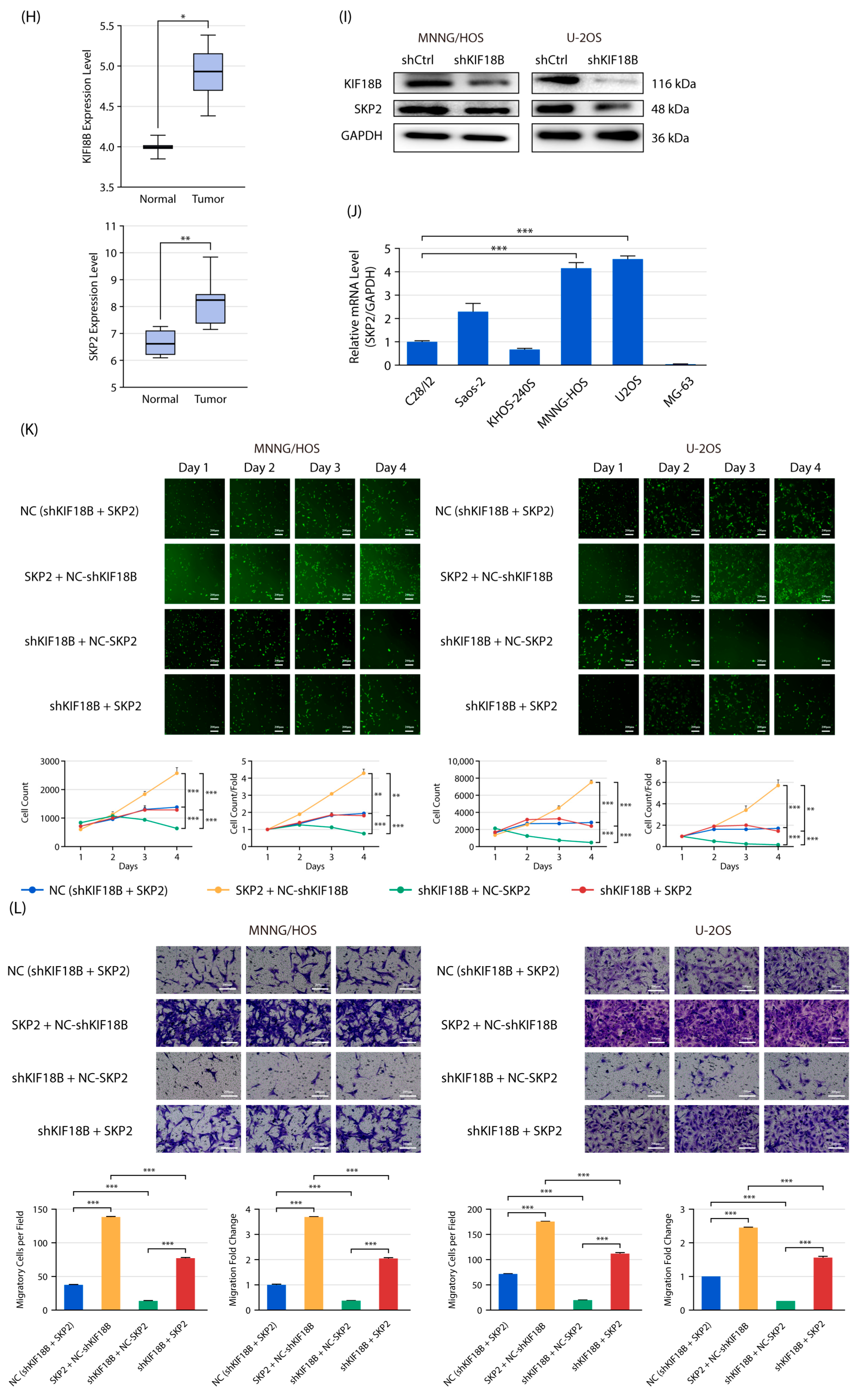
2.2. Knockdown of KIF18B Inhibits Progression of OS Cells
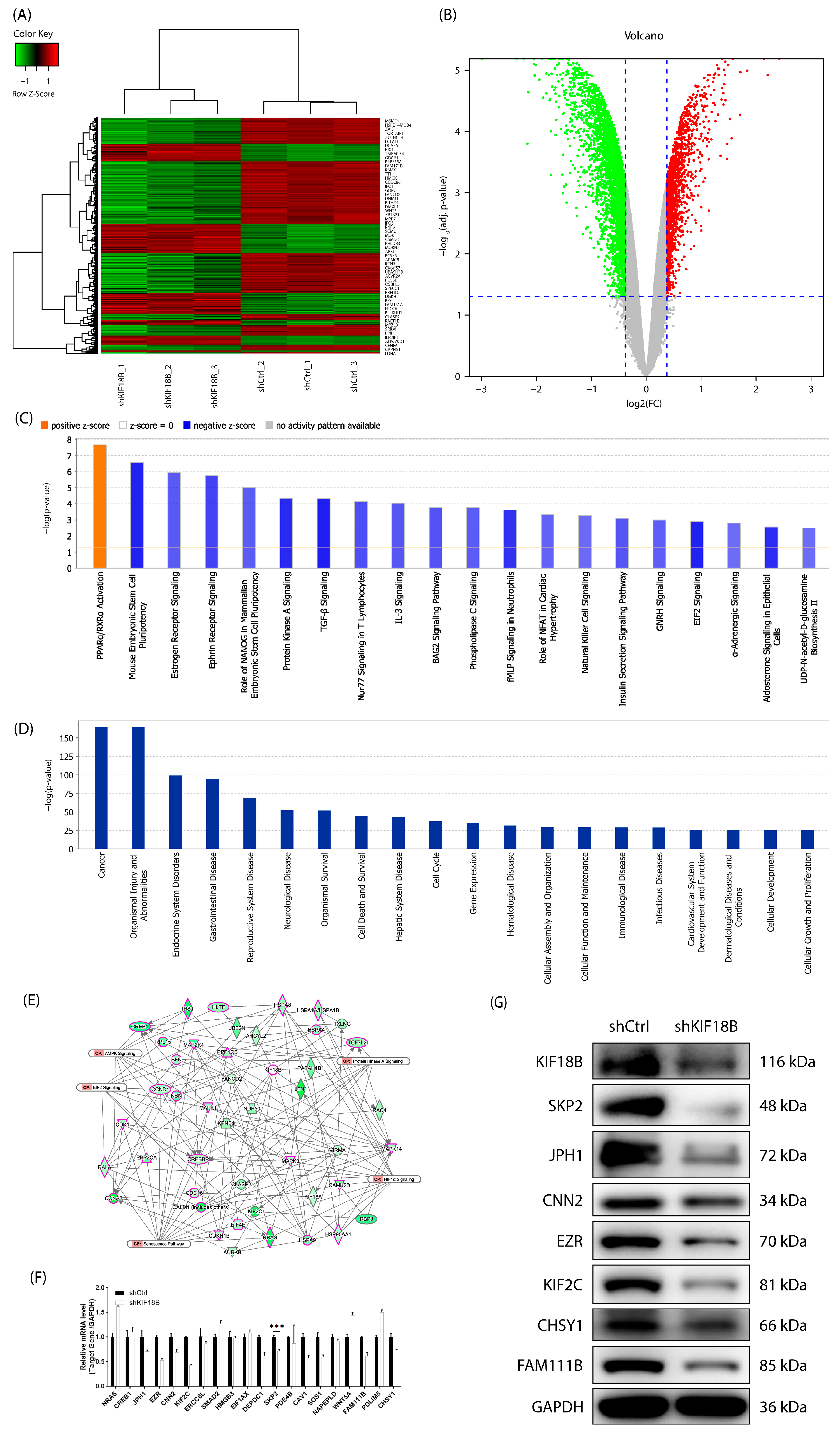
2.3. KIF18B Targets Skp2 to Promote OS Progression
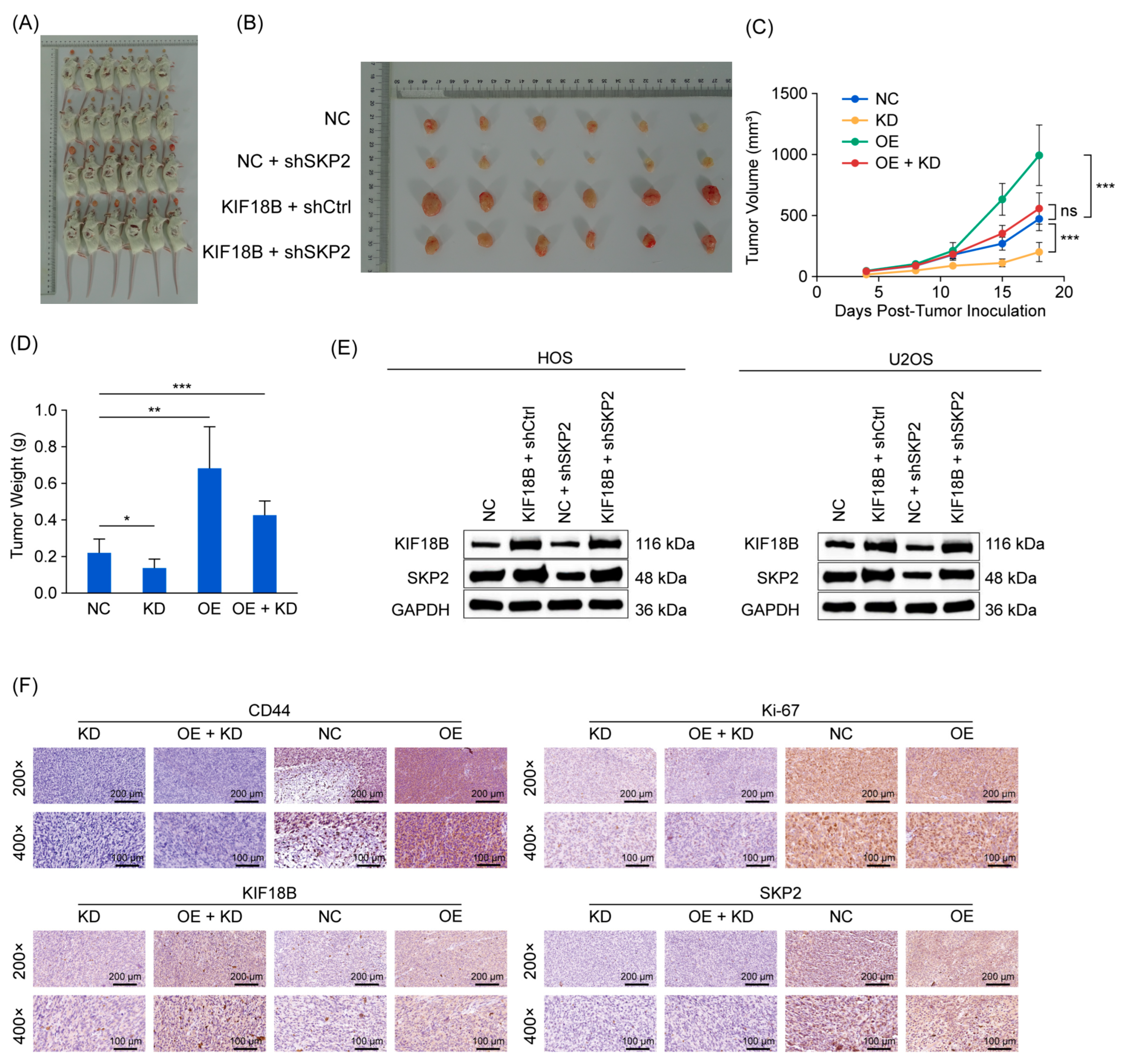
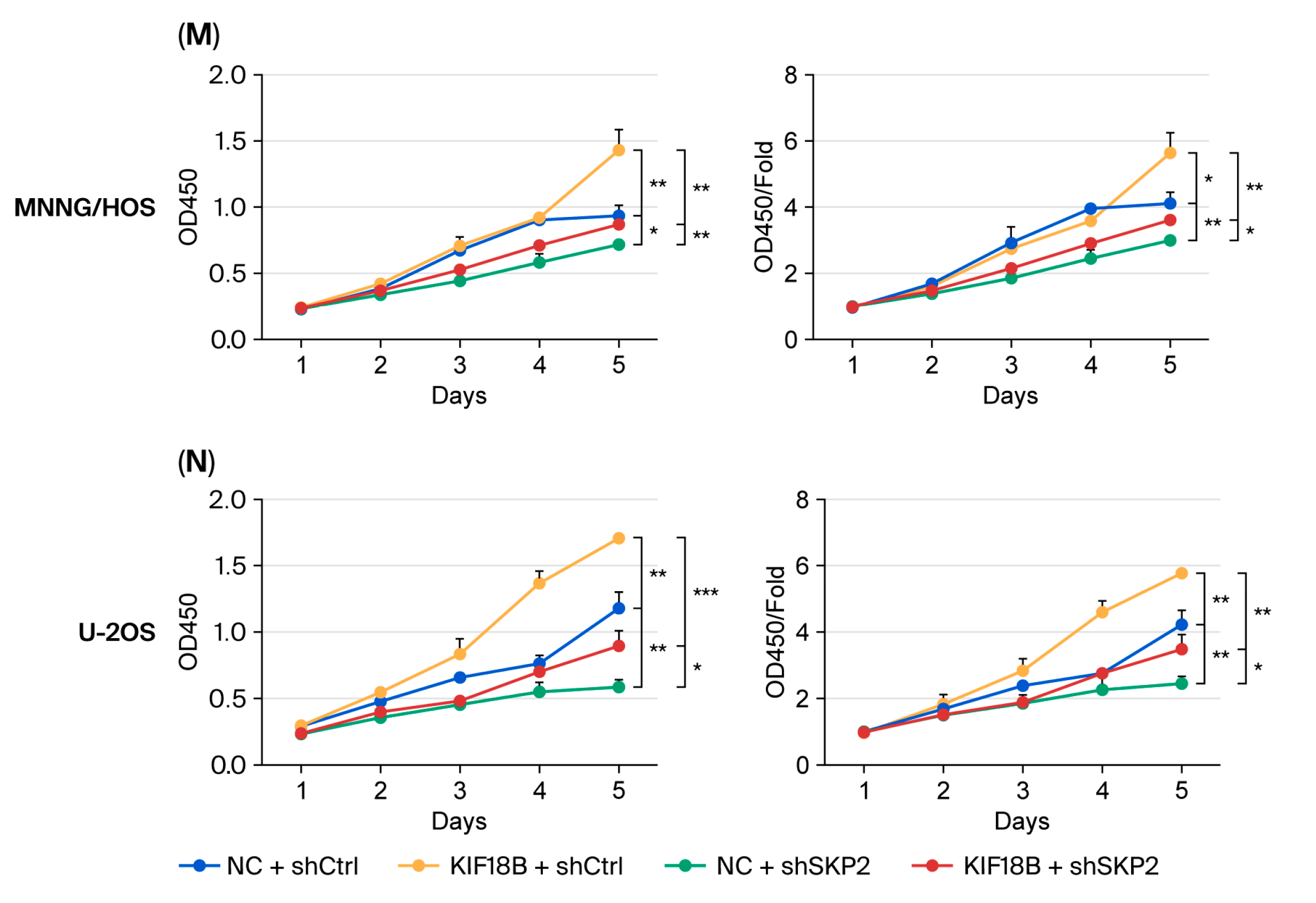
2.4. KIF18B Facilitates the Tumorigenesis of OS Cells via Skp2
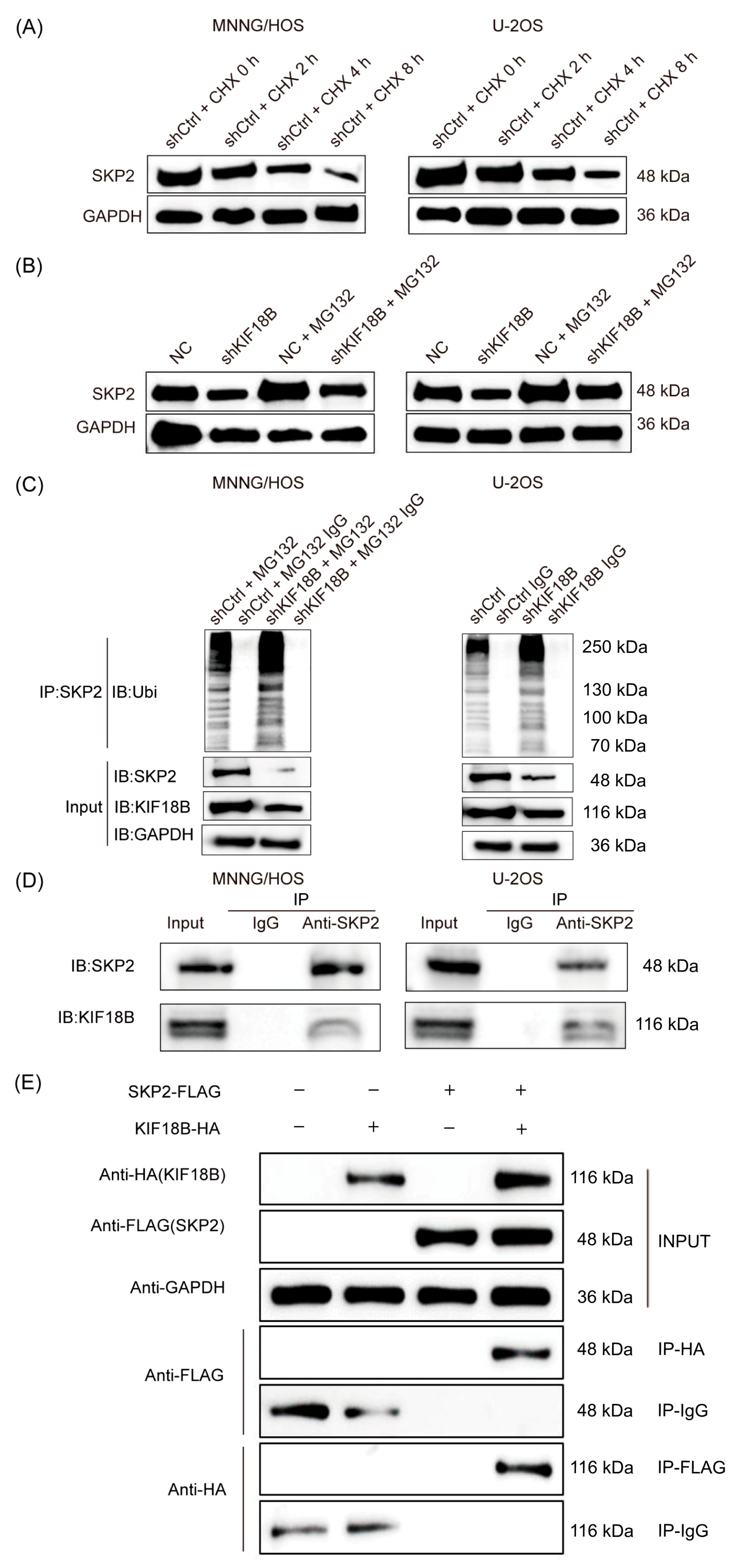
2.5. KIF18B Knockdown Accelerated Ubiquitination of Skp2
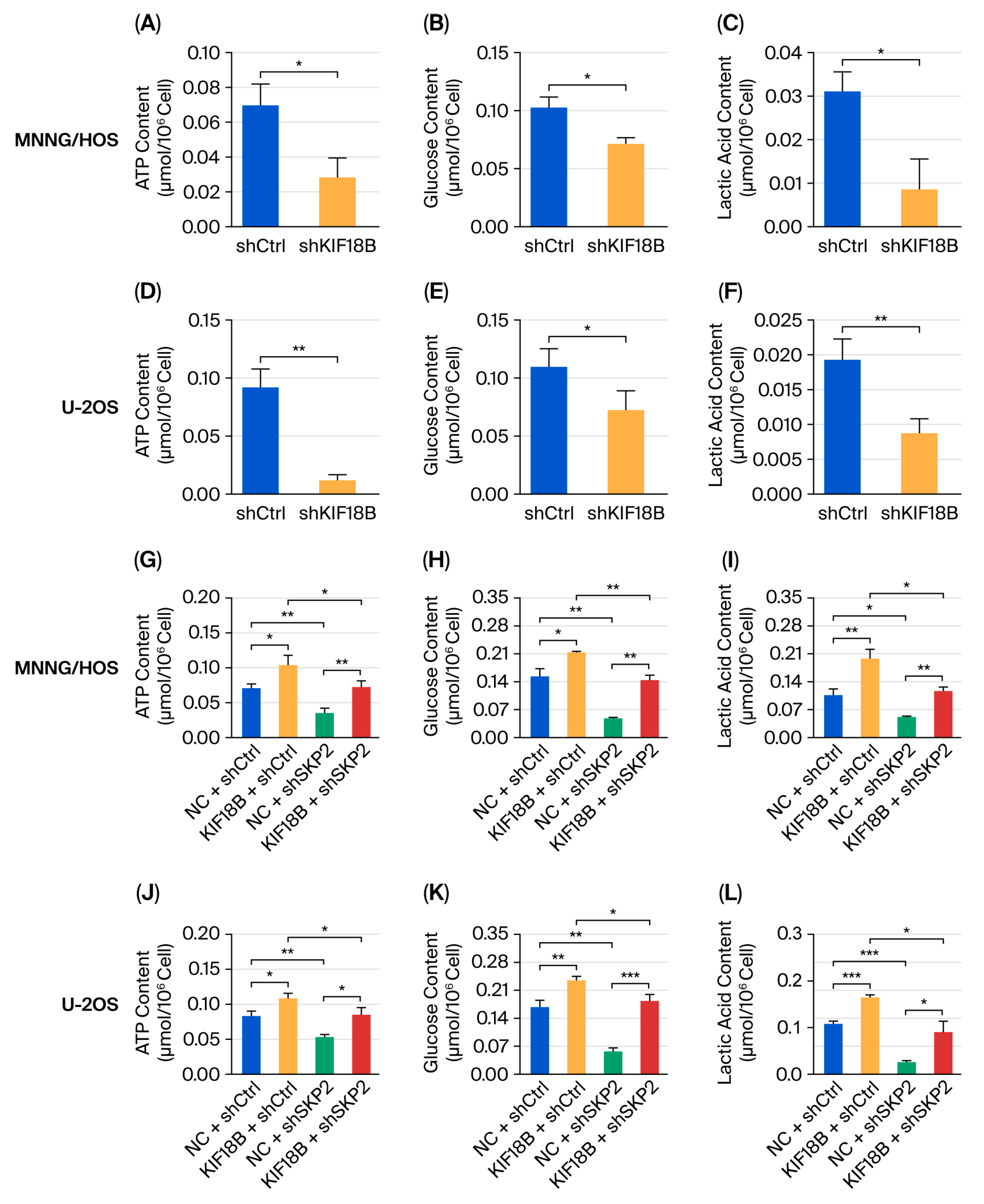
2.6. KIF18B-Skp2 Axis Regulates Aerobic Glycolysis in OS
3. Discussion
4. Materials and Methods
4.1. Cell Culture
4.2. Cell Transfection
- shKIF18B-1: 5′-GAGGAAGAAGCTCCAAGTGTA-3′
- shKIF18B-2: 5′-CACGTACAACACCCTCAAATA-3′
- shKIF18B-3: 5′-AAGGGCAAAGACCTGACGTTT-3′
- shSKP2: 5′-GCAGATGTTGCTGTACAAATT-3′
- (1)
- NC (shNC + Vector)—double negative control group;
- (2)
- SKP2 + shNC—SKP2 overexpression alone;
- (3)
- shKIF18B + Vector—KIF18B knockdown alone;
- (4)
- shKIF18B + SKP2—combined KIF18B knockdown and SKP2 overexpression.
4.3. RNA Extraction and qRT-PCR
- KIF18B Forward: 5′-CTCCCATGCCATCTTCCAGA-3′
- KIF18B Reverse: 5′-TGAGCCAGCCAGGTCAATCA-3′
- SKP2 Forward: 5′-ATGCCCCAATCTTGTCCATCT-3′
- SKP2 Reverse: 5′-CACAGTGCTGGTGATGTTCTG-3′
- GAPDH Forward: 5′-GGAGCGAGATCCCTCCAAAAT-3′
- GAPDH Reverse: 5′-GGCTGTTGTCATACTTCTCATGG-3′
4.4. Western Blot
4.5. Cell Migration and Invasion Assays
4.6. Wound-Healing Assay
4.7. The CCK-8 Assay
4.8. Flow Cytometry Analysis
4.9. Co-Immunoprecipitation
4.10. In Vivo Experiments
4.11. Clinical Sample Collection and Histological Evaluation Title
4.11.1. Clinical Samples
4.11.2. Histology Analysis
4.12. Genome-Wide Gene Expression Profiling
4.12.1. Differential Expression Analysis
4.12.2. Pathway and Functional Enrichment Analysis
4.13. Glycolysis Experiment
4.13.1. Intracellular ATP Level Measurement
4.13.2. Glucose Uptake Assay
4.13.3. Lactate Production Assay
4.14. Statistical Analyses
5. Conclusions
Author Contributions
Funding
Institutional Review Board Statement
Informed Consent Statement
Data Availability Statement
Acknowledgments
Conflicts of Interest
Abbreviations
| AJCC | American Joint Committee on Cancer |
| CHX | cycloheximide |
| Co-IP | co-immunoprecipitation |
| DEGs | differentially expressed genes |
| FBXL1 | F-box and leucine-rich repeat protein 1 |
| FFPE | formalin-fixed paraffin-embedded |
| GLUT | glucose transporter |
| HE | hematoxylin–eosin |
| IHC | immunohistochemical |
| IPA | Ingenuity Pathway Analysis |
| KIF18B | kinesin family member 18B |
| MCAK | Mitotic Centromere-Associated Kinesin |
| OS | osteosarcoma |
| Skp2 | S-phase kinase-associated protein 2 |
| TCA | tricarboxylic acid cycle |
| Ub | ubiquitin |
| UPS | ubiquitin–proteasome system |
References
- Thanindratarn, P.; Dean, D.C.; Nelson, S.D.; Hornicek, F.J.; Duan, Z. Advances in immune checkpoint inhibitors for bone sarcoma therapy. J. Bone Oncol. 2019, 15, 100221. [Google Scholar] [CrossRef]
- McMahon, K.M.; Eaton, V.P.; Cichon, G.J.; Griffin, J.B.; Dahl, M.E.; Silberstein, P.J.; McKillip, K. Utilization of Palliative Care in Osteosarcoma: A National Cancer Database Review. Am. J. Hosp. Palliat. Care 2023, 40, 926–935. [Google Scholar] [CrossRef]
- Reed, D.R.; Hayashi, M.; Wagner, L.; Binitie, O.; Steppan, D.A.; Brohl, A.S.; Shinohara, E.T.; Bridge, J.A.; Loeb, D.M.; Borinstein, S.C.; et al. Treatment pathway of bone sarcoma in children, adolescents, and young adults. Cancer 2017, 123, 2206–2218. [Google Scholar] [CrossRef]
- Liu, W.F.; Huang, Z.; Gong, L.H.; Yang, Y.K.; Jin, T.; Deng, Z.P.; Li, Y.; Hao, L.; Zhang, Q.; Ding, Y.; et al. Synchronous multicentric osteosarcoma: Treatment and prognostic factor analysis. Zhonghua Yi Xue Za Zhi 2019, 99, 2897–2902. [Google Scholar] [CrossRef]
- Bian, J.; Liu, Y.; Zhao, X.; Meng, C.; Zhang, Y.; Duan, Y.; Wang, G. Research progress in the mechanism and treatment of osteosarcoma. Chin. Med. J. 2023, 136, 2412–2420. [Google Scholar] [CrossRef] [PubMed]
- Meltzer, P.S.; Helman, L.J. New Horizons in the Treatment of Osteosarcoma. N. Engl. J. Med. 2021, 385, 2066–2076. [Google Scholar] [CrossRef]
- Fan, T.M.; Roberts, R.D.; Lizardo, M.M. Understanding and Modeling Metastasis Biology to Improve Therapeutic Strategies for Combating Osteosarcoma Progression. Front. Oncol. 2020, 10, 13. [Google Scholar] [CrossRef] [PubMed]
- Bacci, G.; Rocca, M.; Salone, M.; Balladelli, A.; Ferrari, S.; Palmerini, E.; Forni, C.; Briccoli, A. High grade osteosarcoma of the extremities with lung metastases at presentation: Treatment with neoadjuvant chemotherapy and simultaneous resection of primary and metastatic lesions. J. Surg. Oncol. 2008, 98, 415–420. [Google Scholar] [CrossRef]
- Gaspar, N.; Campbell-Hewson, Q.; Gallego Melcon, S.; Locatelli, F.; Venkatramani, R.; Hecker-Nolting, S.; Gambart, M.; Bautista, F.; Thebaud, E.; Aerts, I.; et al. Phase I/II study of single-agent lenvatinib in children and adolescents with refractory or relapsed solid malignancies and young adults with osteosarcoma (ITCC-050)(☆). ESMO Open 2021, 6, 100250. [Google Scholar] [CrossRef] [PubMed]
- Miki, H.; Okada, Y.; Hirokawa, N. Analysis of the kinesin superfamily: Insights into structure and function. Trends Cell Biol. 2005, 15, 467–476. [Google Scholar] [CrossRef]
- Lawrence, C.J.; Dawe, R.K.; Christie, K.R.; Cleveland, D.W.; Dawson, S.C.; Endow, S.A.; Goldstein, L.S.; Goodson, H.V.; Hirokawa, N.; Howard, J.; et al. A standardized kinesin nomenclature. J. Cell Biol. 2004, 167, 19–22. [Google Scholar] [CrossRef]
- Vale, R.D.; Reese, T.S.; Sheetz, M.P. Identification of a novel force-generating protein, kinesin, involved in microtubule-based motility. Cell 1985, 42, 39–50. [Google Scholar] [CrossRef]
- Miki, H.; Setou, M.; Kaneshiro, K.; Hirokawa, N. All kinesin superfamily protein, KIF, genes in mouse and human. Proc. Natl. Acad. Sci. USA 2001, 98, 7004–7011. [Google Scholar] [CrossRef]
- Hirokawa, N.; Noda, Y.; Tanaka, Y.; Niwa, S. Kinesin superfamily motor proteins and intracellular transport. Nat. Rev. Mol. Cell Biol. 2009, 10, 682–696. [Google Scholar] [CrossRef] [PubMed]
- Vale, R.D.; Fletterick, R.J. The design plan of kinesin motors. Annu. Rev. Cell Dev. Biol. 1997, 13, 745–777. [Google Scholar] [CrossRef] [PubMed]
- Sharp, D.J.; Rogers, G.C.; Scholey, J.M. Microtubule motors in mitosis. Nature 2000, 407, 41–47. [Google Scholar] [CrossRef] [PubMed]
- Bloom, G.S.; Wagner, M.C.; Pfister, K.K.; Brady, S.T. Native structure and physical properties of bovine brain kinesin and identification of the ATP-binding subunit polypeptide. Biochemistry 1988, 27, 3409–3416. [Google Scholar] [CrossRef]
- Nishidate, T.; Katagiri, T.; Lin, M.L.; Mano, Y.; Miki, Y.; Kasumi, F.; Yoshimoto, M.; Tsunoda, T.; Hirata, K.; Nakamura, Y. Genome-wide gene-expression profiles of breast-cancer cells purified with laser microbeam microdissection: Identification of genes associated with progression and metastasis. Int. J. Oncol. 2004, 25, 797–819. [Google Scholar]
- Gnjatic, S.; Cao, Y.; Reichelt, U.; Yekebas, E.F.; Nölker, C.; Marx, A.H.; Erbersdobler, A.; Nishikawa, H.; Hildebrandt, Y.; Bartels, K.; et al. NY-CO-58/KIF2C is overexpressed in a variety of solid tumors and induces frequent T cell responses in patients with colorectal cancer. Int. J. Cancer 2010, 127, 381–393. [Google Scholar] [CrossRef]
- Bie, L.; Zhao, G.; Wang, Y.P.; Zhang, B. Kinesin family member 2C (KIF2C/MCAK) is a novel marker for prognosis in human gliomas. Clin. Neurol. Neurosurg. 2012, 114, 356–360. [Google Scholar] [CrossRef]
- Dyrskjøt, L.; Kruhøffer, M.; Thykjaer, T.; Marcussen, N.; Jensen, J.L.; Møller, K.; Ørntoft, T.F. Gene expression in the urinary bladder: A common carcinoma in situ gene expression signature exists disregarding histopathological classification. Cancer Res. 2004, 64, 4040–4048. [Google Scholar] [CrossRef]
- Hippo, Y.; Taniguchi, H.; Tsutsumi, S.; Machida, N.; Chong, J.M.; Fukayama, M.; Kodama, T.; Aburatani, H. Global gene expression analysis of gastric cancer by oligonucleotide microarrays. Cancer Res. 2002, 62, 233–240. [Google Scholar]
- Ra, S.H.; Su, A.; Li, X.; Binder, S. Molecularly enriched pathways and differentially expressed genes distinguishing cutaneous squamous cell carcinoma from pseudoepitheliomatous hyperplasia. Diagn. Mol. Pathol. 2013, 22, 41–47. [Google Scholar] [CrossRef]
- Richardson, A.L.; Wang, Z.C.; De Nicolo, A.; Lu, X.; Brown, M.; Miron, A.; Liao, X.; Iglehart, J.D.; Livingston, D.M.; Ganesan, S. X chromosomal abnormalities in basal-like human breast cancer. Cancer Cell 2006, 9, 121–132. [Google Scholar] [CrossRef] [PubMed]
- Madhavan, J.; Coral, K.; Mallikarjuna, K.; Corson, T.W.; Amit, N.; Khetan, V.; George, R.; Biswas, J.; Gallie, B.L.; Kumaramanickavel, G. High expression of KIF14 in retinoblastoma: Association with older age at diagnosis. Investig. Ophthalmol. Vis. Sci. 2007, 48, 4901–4906. [Google Scholar] [CrossRef] [PubMed]
- Abiatari, I.; DeOliveira, T.; Kerkadze, V.; Schwager, C.; Esposito, I.; Giese, N.A.; Huber, P.; Bergman, F.; Abdollahi, A.; Friess, H.; et al. Consensus transcriptome signature of perineural invasion in pancreatic carcinoma. Mol. Cancer Ther. 2009, 8, 1494–1504. [Google Scholar] [CrossRef]
- Gao, T.; Yu, L.; Fang, Z.; Liu, J.; Bai, C.; Li, S.; Xue, R.; Zhang, L.; Tan, Z.; Fan, Z. KIF18B promotes tumor progression in osteosarcoma by activating β-catenin. Cancer Biol. Med. 2020, 17, 371–386. [Google Scholar] [CrossRef] [PubMed]
- Zhang, H.; Kobayashi, R.; Galaktionov, K.; Beach, D. p19Skp1 and p45Skp2 are essential elements of the cyclin A-CDK2 S phase kinase. Cell 1995, 82, 915–925. [Google Scholar] [CrossRef]
- Demetrick, D.J.; Zhang, H.; Beach, D.H. Chromosomal mapping of the genes for the human CDK2/cyclin A-associated proteins p19 (SKP1A and SKP1B) and p45 (SKP2). Cytogenet. Cell Genet. 1996, 73, 104–107. [Google Scholar] [CrossRef] [PubMed]
- Hnit, S.S.; Xie, C.; Yao, M.; Holst, J.; Bensoussan, A.; De Souza, P.; Li, Z.; Dong, Q. p27(Kip1) signaling: Transcriptional and post-translational regulation. Int. J. Biochem. Cell Biol. 2015, 68, 9–14. [Google Scholar] [CrossRef]
- Wang, Z.; Gao, D.; Fukushima, H.; Inuzuka, H.; Liu, P.; Wan, L.; Sarkar, F.H.; Wei, W. Skp2: A novel potential therapeutic target for prostate cancer. Biochim. Biophys. Acta 2012, 1825, 11–17. [Google Scholar] [CrossRef] [PubMed]
- Ravaioli, A.; Monti, F.; Regan, M.M.; Maffini, F.; Mastropasqua, M.G.; Spataro, V.; Castiglione-Gertsch, M.; Panzini, I.; Gianni, L.; Goldhirsch, A.; et al. p27 and Skp2 immunoreactivity and its clinical significance with endocrine and chemo-endocrine treatments in node-negative early breast cancer. Ann. Oncol. 2008, 19, 660–668. [Google Scholar] [CrossRef]
- Sonoda, H.; Inoue, H.; Ogawa, K.; Utsunomiya, T.; Masuda, T.A.; Mori, M. Significance of skp2 expression in primary breast cancer. Clin. Cancer Res. 2006, 12, 1215–1220. [Google Scholar] [CrossRef]
- Osoegawa, A.; Yoshino, I.; Tanaka, S.; Sugio, K.; Kameyama, T.; Yamaguchi, M.; Maehara, Y. Regulation of p27 by S-phase kinase-associated protein 2 is associated with aggressiveness in non-small-cell lung cancer. J. Clin. Oncol. 2004, 22, 4165–4173. [Google Scholar] [CrossRef]
- Li, C.; Du, L.; Ren, Y.; Liu, X.; Jiao, Q.; Cui, D.; Wen, M.; Wang, C.; Wei, G.; Wang, Y.; et al. SKP2 promotes breast cancer tumorigenesis and radiation tolerance through PDCD4 ubiquitination. J. Exp. Clin. Cancer Res. 2019, 38, 76. [Google Scholar] [CrossRef]
- Yokoi, S.; Yasui, K.; Mori, M.; Iizasa, T.; Fujisawa, T.; Inazawa, J. Amplification and overexpression of SKP2 are associated with metastasis of non-small-cell lung cancers to lymph nodes. Am. J. Pathol. 2004, 165, 175–180. [Google Scholar] [CrossRef]
- Ben-Izhak, O.; Lahav-Baratz, S.; Meretyk, S.; Ben-Eliezer, S.; Sabo, E.; Dirnfeld, M.; Cohen, S.; Ciechanover, A. Inverse relationship between Skp2 ubiquitin ligase and the cyclin dependent kinase inhibitor p27Kip1 in prostate cancer. J. Urol. 2003, 170, 241–245. [Google Scholar] [CrossRef]
- Lee, S.W.; Li, C.F.; Jin, G.; Cai, Z.; Han, F.; Chan, C.H.; Yang, W.L.; Li, B.K.; Rezaeian, A.H.; Li, H.Y.; et al. Skp2-dependent ubiquitination and activation of LKB1 is essential for cancer cell survival under energy stress. Mol. Cell 2015, 57, 1022–1033. [Google Scholar] [CrossRef]
- Yu, X.; Zhou, L.; Liu, W.; Liu, L.; Gao, F.; Li, W.; Liu, H. Skp2 stabilizes Mcl-1 and confers radioresistance in colorectal cancer. Cell Death Dis. 2022, 13, 249. [Google Scholar] [CrossRef] [PubMed]
- Ma, X.M.; Liu, Y.; Guo, J.W.; Liu, J.H.; Zuo, L.F. Relation of overexpression of S phase kinase-associated protein 2 with reduced expression of p27 and PTEN in human gastric carcinoma. World J. Gastroenterol. 2005, 11, 6716–6721. [Google Scholar] [CrossRef] [PubMed]
- Zhang, Y.; Zvi, Y.S.; Batko, B.; Zaphiros, N.; O’Donnell, E.F.; Wang, J.; Sato, K.; Yang, R.; Geller, D.S.; Koirala, P.; et al. Down-regulation of Skp2 expression inhibits invasion and lung metastasis in osteosarcoma. Sci. Rep. 2018, 8, 14294. [Google Scholar] [CrossRef]
- Vucic, D.; Dixit, V.M.; Wertz, I.E. Ubiquitylation in apoptosis: A post-translational modification at the edge of life and death. Nat. Rev. Mol. Cell Biol. 2011, 12, 439–452. [Google Scholar] [CrossRef]
- Zheng, N.; Wang, Z.; Wei, W. Ubiquitination-mediated degradation of cell cycle-related proteins by F-box proteins. Int. J. Biochem. Cell Biol. 2016, 73, 99–110. [Google Scholar] [CrossRef]
- Benanti, J.A. Coordination of cell growth and division by the ubiquitin-proteasome system. Semin. Cell Dev. Biol. 2012, 23, 492–498. [Google Scholar] [CrossRef]
- Popovic, D.; Vucic, D.; Dikic, I. Ubiquitination in disease pathogenesis and treatment. Nat. Med. 2014, 20, 1242–1253. [Google Scholar] [CrossRef] [PubMed]
- Senft, D.; Qi, J.; Ronai, Z.A. Ubiquitin ligases in oncogenic transformation and cancer therapy. Nat. Rev. Cancer 2018, 18, 69–88. [Google Scholar] [CrossRef] [PubMed]
- Park, J.; Cho, J.; Song, E.J. Ubiquitin-proteasome system (UPS) as a target for anticancer treatment. Arch. Pharm. Res. 2020, 43, 1144–1161. [Google Scholar] [CrossRef]
- Hsu, P.P.; Sabatini, D.M. Cancer cell metabolism: Warburg and beyond. Cell 2008, 134, 703–707. [Google Scholar] [CrossRef] [PubMed]
- Patra, K.C.; Wang, Q.; Bhaskar, P.T.; Miller, L.; Wang, Z.; Wheaton, W.; Chandel, N.; Laakso, M.; Muller, W.J.; Allen, E.L.; et al. Hexokinase 2 is required for tumor initiation and maintenance and its systemic deletion is therapeutic in mouse models of cancer. Cancer Cell 2013, 24, 213–228, Erratum in Cancer Cell 2013, 24, 399. https://doi.org/10.1016/j.ccr.2013.08.029. [Google Scholar] [CrossRef]
- Xiang, J.; Hu, Q.; Qin, Y.; Ji, S.; Xu, W.; Liu, W.; Shi, S.; Liang, C.; Liu, J.; Meng, Q.; et al. TCF7L2 positively regulates aerobic glycolysis via the EGLN2/HIF-1α axis and indicates prognosis in pancreatic cancer. Cell Death Dis. 2018, 9, 321. [Google Scholar] [CrossRef]
- Warburg, O.; Wind, F.; Negelein, E. THE METABOLISM OF TUMORS IN THE BODY. J. Gen. Physiol. 1927, 8, 519–530. [Google Scholar] [CrossRef]
- Vander Heiden, M.G.; Cantley, L.C.; Thompson, C.B. Understanding the Warburg effect: The metabolic requirements of cell proliferation. Science 2009, 324, 1029–1033. [Google Scholar] [CrossRef] [PubMed]
- Ancey, P.B.; Contat, C.; Meylan, E. Glucose transporters in cancer-from tumor cells to the tumor microenvironment. FEBS J. 2018, 285, 2926–2943. [Google Scholar] [CrossRef] [PubMed]
- Bonuccelli, G.; Tsirigos, A.; Whitaker-Menezes, D.; Pavlides, S.; Pestell, R.G.; Chiavarina, B.; Frank, P.G.; Flomenberg, N.; Howell, A.; Martinez-Outschoorn, U.E.; et al. Ketones and lactate "fuel" tumor growth and metastasis: Evidence that epithelial cancer cells use oxidative mitochondrial metabolism. Cell Cycle 2010, 9, 3506–3514. [Google Scholar] [CrossRef]
- Martinez-Outschoorn, U.E.; Prisco, M.; Ertel, A.; Tsirigos, A.; Lin, Z.; Pavlides, S.; Wang, C.; Flomenberg, N.; Knudsen, E.S.; Howell, A.; et al. Ketones and lactate increase cancer cell "stemness," driving recurrence, metastasis and poor clinical outcome in breast cancer: Achieving personalized medicine via Metabolo-Genomics. Cell Cycle 2011, 10, 1271–1286. [Google Scholar] [CrossRef]
- Liu, J.; Peng, Y.; Shi, L.; Wan, L.; Inuzuka, H.; Long, J.; Guo, J.; Zhang, J.; Yuan, M.; Zhang, S.; et al. Skp2 dictates cell cycle-dependent metabolic oscillation between glycolysis and TCA cycle. Cell Res. 2021, 31, 80–93, Erratum in Cell Res. 2021, 31, 104. https://doi.org/10.1038/s41422-020-00406-4. [Google Scholar] [CrossRef] [PubMed]
- Nie, Z.; Peng, H. Osteosarcoma in patients below 25 years of age: An observational study of incidence, metastasis, treatment and outcomes. Oncol. Lett. 2018, 16, 6502–6514. [Google Scholar] [CrossRef]
- Shin, Y.; Du, Y.; Collier, S.E.; Ohi, M.D.; Lang, M.J.; Ohi, R. Biased Brownian motion as a mechanism to facilitate nanometer-scale exploration of the microtubule plus end by a kinesin-8. Proc. Natl. Acad. Sci. USA 2015, 112, E3826–E3835. [Google Scholar] [CrossRef]
- Lin, Y.; Wei, Y.L.; She, Z.Y. Kinesin-8 motors: Regulation of microtubule dynamics and chromosome movements. Chromosoma 2020, 129, 99–110. [Google Scholar] [CrossRef]
- Lee, Y.M.; Kim, E.; Park, M.; Moon, E.; Ahn, S.M.; Kim, W.; Hwang, K.B.; Kim, Y.K.; Choi, W.; Kim, W. Cell cycle-regulated expression and subcellular localization of a kinesin-8 member human KIF18B. Gene 2010, 466, 16–25. [Google Scholar] [CrossRef]
- Li, Q.; Sun, M.; Meng, Y.; Feng, M.; Wang, M.; Chang, C.; Dong, H.; Bu, F.; Xu, C.; Liu, J.; et al. Kinesin family member 18B activates mTORC1 signaling via actin gamma 1 to promote the recurrence of human hepatocellular carcinoma. Oncogenesis 2023, 12, 54. [Google Scholar] [CrossRef] [PubMed]
- Zhong, Y.; Jiang, L.; Long, X.; Zhou, Y.; Deng, S.; Lin, H.; Li, X. Clinical Significance And Integrative Analysis Of Kinesin Family Member 18B In Lung Adenocarcinoma. Onco Targets Ther. 2019, 12, 9249–9264. [Google Scholar] [CrossRef]
- Zhu, Y.; Cao, F.; Liu, F.; Liu, S.; Meng, L.; Gu, L.; Zhao, H.; Sang, M.; Shan, B. Identification of potential circular RNA biomarkers in lung adenocarcinoma: A bioinformatics analysis and retrospective clinical study. Oncol. Lett. 2022, 23, 144. [Google Scholar] [CrossRef]
- Pan, S.; Zhan, Y.; Chen, X.; Wu, B.; Liu, B. Identification of Biomarkers for Controlling Cancer Stem Cell Characteristics in Bladder Cancer by Network Analysis of Transcriptome Data Stemness Indices. Front. Oncol. 2019, 9, 613. [Google Scholar] [CrossRef]
- Wu, Y.P.; Ke, Z.B.; Zheng, W.C.; Chen, Y.H.; Zhu, J.M.; Lin, F.; Li, X.D.; Chen, S.H.; Cai, H.; Zheng, Q.S.; et al. Kinesin family member 18B regulates the proliferation and invasion of human prostate cancer cells. Cell Death Dis. 2021, 12, 302. [Google Scholar] [CrossRef]
- Ke, H.; Wu, S.; Zhang, Y.; Zhang, G. miR-139-3p/Kinesin family member 18B axis suppresses malignant progression of gastric cancer. Bioengineered 2022, 13, 4528–4536. [Google Scholar] [CrossRef]
- Xie, J.; Wang, B.; Luo, W.; Li, C.; Jia, X. Upregulation of KIF18B facilitates malignant phenotype of esophageal squamous cell carcinoma by activating CDCA8/mTORC1 pathway. J. Clin. Lab. Anal. 2022, 36, e24633. [Google Scholar] [CrossRef] [PubMed]
- Hong, B.; Lu, R.; Lou, W.; Bao, Y.; Qiao, L.; Hu, Y.; Liu, K.; Chen, J.; Bao, D.; Ye, M.; et al. KIF18b-dependent hypomethylation of PARPBP gene promoter enhances oxaliplatin resistance in colorectal cancer. Exp. Cell Res. 2021, 407, 112827. [Google Scholar] [CrossRef]
- Yang, B.; Wang, S.; Xie, H.; Wang, C.; Gao, X.; Rong, Y.; Liu, Z.; Lu, Y. KIF18B promotes hepatocellular carcinoma progression through activating Wnt/β-catenin-signaling pathway. J. Cell Physiol. 2020, 235, 6507–6514. [Google Scholar] [CrossRef] [PubMed]
- Li, T.F.; Zeng, H.J.; Shan, Z.; Ye, R.Y.; Cheang, T.Y.; Zhang, Y.J.; Lu, S.H.; Zhang, Q.; Shao, N.; Lin, Y. Overexpression of kinesin superfamily members as prognostic biomarkers of breast cancer. Cancer Cell Int. 2020, 20, 123. [Google Scholar] [CrossRef]
- Wu, Y.; Wang, A.; Zhu, B.; Huang, J.; Lu, E.; Xu, H.; Xia, W.; Dong, G.; Jiang, F.; Xu, L. KIF18B promotes tumor progression through activating the Wnt/β-catenin pathway in cervical cancer. Onco Targets Ther. 2018, 11, 1707–1720. [Google Scholar] [CrossRef] [PubMed]
- Bornstein, G.; Bloom, J.; Sitry-Shevah, D.; Nakayama, K.; Pagano, M.; Hershko, A. Role of the SCFSkp2 ubiquitin ligase in the degradation of p21Cip1 in S phase. J. Biol. Chem. 2003, 278, 25752–25757. [Google Scholar] [CrossRef]
- Kamura, T.; Hara, T.; Kotoshiba, S.; Yada, M.; Ishida, N.; Imaki, H.; Hatakeyama, S.; Nakayama, K.; Nakayama, K.I. Degradation of p57Kip2 mediated by SCFSkp2-dependent ubiquitylation. Proc. Natl. Acad. Sci. USA 2003, 100, 10231–10236. [Google Scholar] [CrossRef]
- Yeh, K.H.; Kondo, T.; Zheng, J.; Tsvetkov, L.M.; Blair, J.; Zhang, H. The F-box protein SKP2 binds to the phosphorylated threonine 380 in cyclin E and regulates ubiquitin-dependent degradation of cyclin E. Biochem. Biophys. Res. Commun. 2001, 281, 884–890. [Google Scholar] [CrossRef]
- von der Lehr, N.; Johansson, S.; Wu, S.; Bahram, F.; Castell, A.; Cetinkaya, C.; Hydbring, P.; Weidung, I.; Nakayama, K.; Nakayama, K.I.; et al. The F-box protein Skp2 participates in c-Myc proteosomal degradation and acts as a cofactor for c-Myc-regulated transcription. Mol. Cell 2003, 11, 1189–1200. [Google Scholar] [CrossRef]
- Huang, H.; Regan, K.M.; Wang, F.; Wang, D.; Smith, D.I.; van Deursen, J.M.; Tindall, D.J. Skp2 inhibits FOXO1 in tumor suppression through ubiquitin-mediated degradation. Proc. Natl. Acad. Sci. USA 2005, 102, 1649–1654. [Google Scholar] [CrossRef] [PubMed]
- Masuda, T.A.; Inoue, H.; Sonoda, H.; Mine, S.; Yoshikawa, Y.; Nakayama, K.; Nakayama, K.; Mori, M. Clinical and biological significance of S-phase kinase-associated protein 2 (Skp2) gene expression in gastric carcinoma: Modulation of malignant phenotype by Skp2 overexpression, possibly via p27 proteolysis. Cancer Res. 2002, 62, 3819–3825. [Google Scholar]
- Liberti, M.V.; Locasale, J.W. The Warburg Effect: How Does it Benefit Cancer Cells? Trends Biochem. Sci. 2016, 41, 211–218, Erratum in Trends Biochem. Sci. 2016, 41, 287. https://doi.org/10.1016/j.tibs.2016.01.004. [Google Scholar] [CrossRef]
- Bonnet, S.; Archer, S.L.; Allalunis-Turner, J.; Haromy, A.; Beaulieu, C.; Thompson, R.; Lee, C.T.; Lopaschuk, G.D.; Puttagunta, L.; Bonnet, S.; et al. A mitochondria-K+ channel axis is suppressed in cancer and its normalization promotes apoptosis and inhibits cancer growth. Cancer Cell 2007, 11, 37–51. [Google Scholar] [CrossRef] [PubMed]



| KIF18B Expression | Tumor Tissue | Normal Tissue | p-Value | ||
|---|---|---|---|---|---|
| Cases | Percentage | Cases | Percentage | ||
| Low | 31 | 47.0% | 8 | 100% | 0.000 *** |
| High | 35 | 53.0% | 0 | - | |
| Features | No. of Patients | KIF18B Expression | p-Value | |
|---|---|---|---|---|
| Low | High | |||
| All patients | 66 | 31 | 35 | |
| Age (years) | 0.635 | |||
| <28 | 32 | 16 | 16 | |
| ≥28 | 34 | 15 | 19 | |
| Gender | 0.919 | |||
| Male | 43 | 20 | 23 | |
| Female | 23 | 11 | 12 | |
| Tumor size | 0.545 | |||
| ≤6 cm | 30 | 10 | 20 | |
| >6 cm | 14 | 6 | 8 | |
| T Infiltrate | 0.456 | |||
| T1 | 30 | 11 | 19 | |
| T2 | 31 | 20 | 11 | |
| T3 | 5 | 0 | 5 | |
| lymphatic metastasis (N) | 0.016 * | |||
| N0 | 60 | 31 | 29 | |
| N1 | 6 | 0 | 6 | |
| Stage | 0.006 ** | |||
| 1 | 2 | 2 | 0 | |
| 2 | 58 | 29 | 29 | |
| 4 | 6 | 0 | 6 | |
| KIF18B | ||
|---|---|---|
| Lymphatic metastasis (N) | Spearman’s rank-order correlation | 0.298 |
| Two-tailed significance level | 0.015 * | |
| N | 66 | |
| Stage | Spearman’s rank-order correlation | 0.343 |
| Two-tailed significance level | 0.005 ** | |
| N | 66 |
Disclaimer/Publisher’s Note: The statements, opinions and data contained in all publications are solely those of the individual author(s) and contributor(s) and not of MDPI and/or the editor(s). MDPI and/or the editor(s) disclaim responsibility for any injury to people or property resulting from any ideas, methods, instructions or products referred to in the content. |
© 2026 by the authors. Licensee MDPI, Basel, Switzerland. This article is an open access article distributed under the terms and conditions of the Creative Commons Attribution (CC BY) license.
Share and Cite
Liu, H.; Guo, X.; Lu, C.; Lu, D. KIF18B Modulates SKP2 Ubiquitination to Promote Aerobic Glycolysis and Osteosarcoma Progression. Int. J. Mol. Sci. 2026, 27, 3235. https://doi.org/10.3390/ijms27073235
Liu H, Guo X, Lu C, Lu D. KIF18B Modulates SKP2 Ubiquitination to Promote Aerobic Glycolysis and Osteosarcoma Progression. International Journal of Molecular Sciences. 2026; 27(7):3235. https://doi.org/10.3390/ijms27073235
Chicago/Turabian StyleLiu, Haonan, Xin Guo, Chaoxiang Lu, and Daifeng Lu. 2026. "KIF18B Modulates SKP2 Ubiquitination to Promote Aerobic Glycolysis and Osteosarcoma Progression" International Journal of Molecular Sciences 27, no. 7: 3235. https://doi.org/10.3390/ijms27073235
APA StyleLiu, H., Guo, X., Lu, C., & Lu, D. (2026). KIF18B Modulates SKP2 Ubiquitination to Promote Aerobic Glycolysis and Osteosarcoma Progression. International Journal of Molecular Sciences, 27(7), 3235. https://doi.org/10.3390/ijms27073235