


Abstract
Polysaccharides are natural polymers that are widely found in medicinal plants. Structurally, they are complex molecules composed of long chains of monosaccharide units linked by glycosidic bonds. Modern pharmacological research shows that the bioactivity of polysaccharides is closely related to their monosaccharide composition. This review summarises the monosaccharide composition of 210 polysaccharides from 72 medicinal plants. They were classified into 10 types through principal component analysis (glucans; homogalacturonan; galactans; arabinogalactans; mannans; glucomannans; arabinans; xylans; fructans; rhamnogalacturonan-I). The relationship between monosaccharide composition and biological activity was further analysed. The results are as follows: glucans make significant contributions to immunomodulation, antioxidant activity, and gut microbiota regulation; galactans are crucial for antioxidant effects, immunomodulation, and gut microbiota regulation; mannans play a key role in immunomodulation, antitumor activity, and neuroprotection; fructans are vital for gut microbiota regulation, immunomodulation, and antioxidant effects; and pectins exhibit notable immunomodulatory, antioxidant, and hypoglycaemic properties. Consequently, developing polysaccharides from medicinal plant resources based on their monosaccharide composition is expected to speed up the search for polysaccharides with high biological activity and provide a theoretical reference for polysaccharide research.
1. Introduction
Polysaccharides are natural macromolecule polymers of long chains of monosaccharide units linked via glycosidic bonds and are widely found in medicinal plants [1]. Due to their non-toxicity and abundant availability, they have garnered increasing research attention in recent years [2].
Modern pharmacological studies have shown that medicinal plant polysaccharides have a variety of biological activities, including immune regulation, protection of the liver, protection of nerves, anti-oxidation, anti-fatigue, regulation of intestinal flora, and regulation of blood glucose [3].
Polysaccharides possess highly complex structural characteristics, including molecular weight, monosaccharide composition, glycosidic bond configuration, and functional groups [4]. These structural features determine and influence the biological activity of polysaccharides. Among these, monosaccharides constitute the most fundamental units of the primary structure of polysaccharides and form the basis for other advanced structures [5]. They not only influence the physicochemical properties of polysaccharides, such as functional group, electrification, chain length, and spatial conformation [6], but are also among the most easily detectable indicators. For example, Feng et al. [7] found that an increase in uronic acid content induced by ultrasonic treatment enhanced the foam capacity, thermal stability, antioxidant activity, and antitumor activity of polysaccharides from Sagittaria sagittifolia. Yu et al. [8] highlighted the composition and proportion of monosaccharides as key structural features influencing the probiotic activity of polysaccharides. They noted that neutral sugars in the side chains of sugar beet pulp polysaccharides are more readily fermented by gut microbiota, and that intestinal flora preferentially utilise arabinose, glucose, fucose, and galacturonic acid, in that sequence.
Although various biological activities of medicinal plant polysaccharides have been extensively studied, a review focusing on how monosaccharide composition influences their biological functions remains relatively scarce. An analysis of the relationship between monosaccharide composition and specific biological activities is crucial for understanding the mechanisms of action of polysaccharides.
However, this field of research faces a fundamental challenge: most published bioactivity data currently originate from incompletely isolated, highly heterogeneous mixed polysaccharide fractions. Directly exploring the correlation between monosaccharide composition and activity based on such data is prone to introducing bias, thereby reducing the reliability of conclusions. To address this issue, this study screened the literature by searching PubMed and Web of Science databases using keywords such as “polysaccharides” and “Latin names of 72 medicinal plants”. All the selected publications underwent a rigorous evaluation to ensure direct relevance to this review. To enhance the reliability of structure–activity relationship analysis, only studies involving highly homogeneous polysaccharide fractions-systematically isolated, purified, and structurally characterised were included. Additionally, publications were required to explicitly provide monosaccharide composition data and corresponding bioactivity assay results. This screening strategy established a relatively reliable and comparable data foundation for this research.
This review summarises high-quality literature from recent years concerning the influence of monosaccharide composition on the biological activity of polysaccharides. It is hoped that this will provide new perspectives for understanding the relationship between the structure and function of medicinal plant polysaccharides.
2. Main Monosaccharides Description
The primary monosaccharide types in medicinal plant polysaccharides include glucose, galactose, arabinose, mannose, rhamnose, xylose, fucose, glucuronic acid, galacturonic acid, and fructose. The monosaccharides are classified as pentoses and hexoses based on the number of carbon atoms [9]. Xylose and arabinose are classified as pentoses. Meanwhile, glucose, galactose, mannose, rhamnose, fucose, glucuronic acid, galacturonic acid, and fructose are classified as hexoses or their derivatives. Furthermore, uronic acids are a class of monosaccharide derivatives characterised by the structural oxidation of the hydroxyl group (typically at C6) to a carboxyl group (-COOH) [10]. The types of uronic acid that make up medicinal plant polysaccharides mainly include glucuronic acid and galacturonic acid. Their structures are shown in Figure 1.
Figure 1.
Main types of monosaccharides composing medicinal plant polysaccharides.
3. Classification of Medicinal Plant Polysaccharides
This article summarises the monosaccharide composition of 210 polysaccharides from 72 medicinal plants. These are listed in Table 1 and Figure 2. Polysaccharides in medicinal plants may be classified as neutral polysaccharides or acidic polysaccharides based on whether their monosaccharide composition includes uronic acids. Neutral polysaccharides are primarily classified into six categories: glucans, galactans, arabinans, mannans, fructans, and xylans(Figure 2A). In the classification of galactans, arabinogalactan constitutes the primary component, whereas the proportion of pure galactans (gal > 90%) is comparatively low (Figure 2B). In the classification of mannans, glucomannan constitutes the primary component, whereas the proportion of pure mannans (man > 90%) is comparatively low (Figure 2C). Acidic polysaccharides are primarily pectins, which are categorised into two main types (Figure 2D) based on their monosaccharide composition: homogalacturonan(HG) and rhamnogalacturonan-I(RG I). Their structures of 10 polysaccharides are shown in Figure 3.
Table 1.
Monosaccharide composition and the bioactivity of medicinal plant polysaccharides.
Figure 2.
PCA scatter plots of monosaccharide composition of medicinal plant polysaccharides. (A): neutral polysaccharides (glucans, galactans, arabinans, mannans, fructans, and xylans); (B): galactans (galactans, arabinogalactan, arabinans); (C): mannans (mannans, glucomannans); (D): acidic polysaccharides (homogalacturonan, rhamnogalacturonan-I).
Figure 3.
The hypothetical chemical structure of 10 polysaccharides. (A): glucans; (B): homogalacturonan; (C): galactans; (D): arabinogalactans; (E): mannans; (F): glucomannan; (G): arabinans; (H): xylans; (I): fructans; (J): rhamnogalacturonan-I. All shapes and colors comply with the Symbol Nomenclature for Glycans guidelines (https://www.ncbi.nlm.nih.gov/glycans, accessed on 4 February 2026).
4. The Correlation Between Activities and Monosaccharide Composition of Medicinal Plant Polysaccharides
Based on the analysis of the collected literature in Table 1, it appears that there may be some relationship between monosaccharide composition and the biological activity of medicinal plant polysaccharides (Figure 4 and Table 2). For each polysaccharide, we select the top three bioactivities with the highest number of literature reports for discussion.
Figure 4.
The Correlation Between Activities and Monosaccharide Composition of Medicinal Plant Polysaccharides.
Table 2.
Summary of the Effects of Different Polysaccharide Types on Biological Activity.
Glucans play a critical role in immune regulation [13], antioxidant effects [47], and the regulation of gut microbiota [30]. Galactans play a critical role in antioxidant effects [94], immune regulation [79], and the regulation of gut microbiota [84]. Mannans play a critical role in immune regulation [124], antitumor effects [128], and neuroprotection [130]. Fructans play a critical role in the regulation of gut microbiota [143], immune regulation [154], and antioxidant effects [160]. Pectins play a critical role in immune regulation [171], antioxidant effects [190], and lowering blood sugar [207]. Furthermore, due to the limited variety of arabinan and arabinoxylan found in medicinal plants, they are not discussed in this article.
5. Effects of the Monosaccharide Composition on the Bioactivity of Medicinal Plant Polysaccharides
5.1. Immunomodulatory Activity
Medicinal plant polysaccharides are important macromolecules that can strongly affect the immune system and have the potential to be used as immunomodulators with broad clinical applications [221]. Table 2 reveals that glucans and pectins exhibit excellent immunomodulatory activity.
The monosaccharide composition of glucans is simple, with glucose content exceeding 90%. For instance, a glucan (glucose content: 89.0%) isolated from Astragalus membranaceus promotes the polarisation of M0-type macrophages to the M1-type and repolarises M2-type to M1-type via the TLR4-MyD88-NF-κB signalling pathway [11]. Another glucan from the same plant (glucose content: 95.7%) significantly alleviates the immunosuppression in mice by enhancing immune organ indices, stimulating immune cell proliferation, and reducing intestinal inflammation, mechanisms linked to activation of TLR4 and MAPK signalling [12]. A further glucan (91.6% glucose) isolated from Astragalus membranaceus suppresses pro-inflammatory cytokines while elevating anti-inflammatory mediators through coordinated regulation of the SIRT1/PGC-1α/NF-κB and FXR-mediated pathways [14]. Similarly, a glucan (glucose content: 97.5%) from Angelica dahurica enhances phagocytosis and promotes the release of NO, TNF-α, and IL-6 from RAW264.7 cells, accompanied by up-regulation of iNOS, TNF-α, and IL-6 mRNA and increased phosphorylation of p65, p38, ERK, and JNK proteins [20]. Glucans from Angelica sinensis also exhibit immunostimulatory effects: one (97.8% glucose) could cause the proliferation of the lymphocyte, upregulate and stimulate the production of IFN-γ, IL-2, IL-6, and TNF-α secretion, and increase the ratio of CD3(+)CD56(+) cells to some extent [21]; another (95.7% glucose) promotes surface molecule expression on RAW264.7 cells, stimulates T and B lymphocytes proliferation and cytokine secretion, and improves immune organ indices, cytokine levels, and T lymphocyte subtype in cyclophosphamide-induced immunosuppressed mice [27].
In contrast, the monosaccharide composition of pectin is highly complex, but galacturonic acid is the key component that distinguishes it from other types of polysaccharides. A pectin from Panax ginseng (49.3% galacturonic acid) promotes TLR2, NF-κB, and TRAF6 protein expression levels, thereby enhancing macrophage phagocytosis, splenic lymphocyte proliferation, and secretion of NO, IL-1β, IL-6, and TNF-α [171]. Another pectin (47.7% galacturonic acid) from Panax ginseng increases IgG, IgG1, and IgG2a production, elevates the splenocyte proliferation index, and promotes expression of GATA-3, T-bet, IFN-γ, and IL-4 in H1N1 vaccine-immunised mice, mediated through the activation of the TLR4-dependent pathway via up-regulation of TLR4, MyD88, TRAF-6, and NF-κB proteins and genes [175]. A pectin (17.1% galacturonic acid) from Panax notoginseng triggers the DC-induced T-cell immune response, as indicated by the higher expressions of CD4, CD8, CD69, and MHC II in T cells with increased secretion of INF-β. Furthermore, it could bind to the pattern recognition receptors (PRR) of Toll-like receptor 4 (TLR 4), Toll-like receptor 2 (TLR 2), mannose receptor (MR), and activate TLR4/TLR2-NF-κB signaling pathway [180].
In summary, both glucans and pectins modulate systemic immune homeostasis by acting on immune organs, cells, and cytokines. Their consistent mechanisms of action are illustrated in Figure 5. Additionally, due to structural differences, they all possess characteristic immune receptors (glucans: Dectin-1, CR3, and pectins: MR, Gal-3) [180]. These features support their further development as potential immunomodulatory agents.
Figure 5.
Immunomodulatory Mechanisms of Medicinal Plant Polysaccharides. Glucans and pectins modulate systemic immune homeostasis by acting on immune organs (spleen and thymus), cells (macrophages, natural killer cells, T-lymphocyte (T cells), B-lymphocyte (B cells), and dendritic cells), and cytokines (Nitric Oxide (NO), Tumor Necrosis Factor-α (TNF-α), Interleukin-6 (IL-6), Interleukin-10 (IL-10), Interferon-γ (IFN-γ), and Interleukin-2 (IL-2)). The signaling pathways involved in this process include mitogen-activated protein kinase pathway (MAPK), toll-like receptor 4-myeloid differentiationfactor 88-nuclear factor-κB pathway (TLR4-MyD88-NF-κB), sirtuin 1-peroxisome proliferator-activated receptor-γ coactivator 1α-nuclear factor-κB pathway (SIRT1-PGC-1α-NF-κB), and toll-like receptor 2-nuclear factor-κB pathway (TLR2-NF-κB).
5.2. Antioxidant Activity
Oxidative stress is caused by a variety of oxygen-derived free radicals (ROS), such as superoxide anion, hydrogen peroxide, and hydroxyl radical. Elevated ROS levels can damage proteins, lipids, and DNA, ultimately leading to cell death [222]. Due to their notable antioxidant properties, polysaccharides have attracted growing research interest in recent years. As shown in Table 2, glucans, galactans, and pectins all demonstrate considerable antioxidant activity.
A glucan from Dendrobium officinale (77.8% glucose) significantly alleviates glial cell activation, enhances antioxidant enzyme activities, and decreases malondialdehyde (MDA) content in senescent mice [45]. A glucan (glucose content: 100%) from Polygonum multiflorum exhibits strong activity against free radicals, lipid oxidation, and protein glycation, with IC50 values of 0.47, 0.6, and 0.93 mg/mL for scavenging superoxide anion, hydroxyl radical (OH), and hydrogen peroxide (H2O2), respectively [47]. Another glucan from Pouteria campechiana (86.6% glucose) shows potent scavenging capacity toward 1,1-diphenyl-2-picrylhydrazyl (DPPH), 2,2′-azino-bis-(3-ethylbenzthiazoline-6-sulphonic acid) (ABTS), OH, and superoxide radicals [50]. Similarly, a glucan from Fallopia multiflora (100% glucose) displays high hydroxyl radical scavenging activity and reducing capacity in vivo, increasing serum superoxide dismutase (SOD) and glutathione peroxidase (GSH-Px) activities while lowering MDA levels [53].
In the classification of galactans, arabinogalactan constitutes the primary component. Galactose serves as the primary backbone and framework, while arabinose exists as a side-chain modification. The combined content of galactose and arabinose exceeds 70%. An arabinogalactan from Angelica sinensis (galactose 52.4%, arabinose 19.3%) significantly increases glutathione (GSH) levels and SOD activity while reducing MDA content [93]. Another from Taraxacum officinale (galactose 52.9%, arabinose 25.9%) exhibits excellent radical scavenging ability (DPPH, ABTS, OH) and reducing power, protects against H2O2-induced oxidative damage in vitro, enhances SOD activity, and reduces MDA levels [98].
Pectins also possess notable antioxidant activity. A pectin from Lycium barbarum (60.5% galacturonic acid) alleviates paraquat-induced oxidative stress in N2 worms, modulating NO production, activities of SOD, catalase (CAT), and glutathione reductase (GR), GSH and GSSG levels, GSH/GSSG ratio, and MDA content [190]. A pectin (galacturonic acid content: 49.2%) from Bupleurum chinense demonstrates potent scavenging of DPPH, ABTS, OH, and superoxide radicals in vitro, increases total antioxidant capacity (T-AOC), SOD, and GSH-Px activities, and reduces MDA levels in H2O2-treated SH-SY5Y cells [192]. Another pectin from Morus alba (61.0% galacturonic acid) shows strong Fe2+ chelating ability and scavenging activity against DPPH, OH, SOD, and ABTS radicals [196].
In summary, glucans, galactans, and pectins each exhibit broad antioxidant effects through direct radical scavenging, reduction of oxidative stress, and enhancement of intracellular antioxidant defence systems. Their consistent mechanisms of action are illustrated in Figure 6. Furthermore, structural differences among these polysaccharides also influence their target tissues: the high galacturonic acid content and complex branching of pectins and arabinogalactans make them particularly effective in the liver and intestines [92,193], whereas glucans show distinctive potential in cellular protection and immune activation [48].
Figure 6.
Mechanism of Antioxidant Action in Medicinal Plant Polysaccharides. Glucans, galactans, and pectins exhibit broad antioxidant effects through direct radical scavenging (1,1-diphenyl-2-picrylhydrazyl (DPPH) and 2,2′-azino-bis-(3-ethylbenzthiazoline-6-sulphonic acid) (ABTS)), reduction of oxidative stress (malondialdehyde (MDA)), and enhancement of intracellular antioxidant defence systems (serum superoxide dismutase (SOD) and catalase (CAT)).
5.3. Regulation of Intestinal Flora
The gut, the largest organ in the human body, plays essential roles in digestion and immunity and harbours a complex microbial ecosystem. The gut microbiota is involved in numerous physiological processes, including nutrient absorption, metabolism, and immune regulation [223]. Given their notable capacity to modulate the gut microbiota, polysaccharides have garnered increasing research attention in recent years. As indicated in Table 2, fructans exhibit favourable effects on gut microbiota regulation. These polysaccharides possess a simple monosaccharide composition, typically containing over 90% fructose.
For example, a fructan from Ophiopogon japonicus (100% fructose) ameliorates microbial diversity and increases the relative abundance of beneficial bacteria, especially short-chain fatty acid (SCFA)-producing bacteria in high fat-diet (HFD)-induced obesity mice. Following microbial fermentation, it elevates levels of acetic and valeric acids, thereby regulating inflammatory responses and hepatic lipid metabolism [144]. Similarly, a fructan from Polygonati kingianum (91.3% fructose) enhanced the expression of tight junction proteins (zonula occludens-1 and occludin) and restored intestinal microbiota diversity by increasing the abundance of Firmicutes and reducing the abundance of Verrucomicrobiota [147]. Fructans from Polygonatum cyrtonema also showed prebiotic effects: one (77.4% fructose) protects the intestinal barrier, regulates SCFA levels, and promotes beneficial bacteria while inhibiting pathogens [150]; another (89.4% fructose) stimulates SCFA production and increases the abundance of beneficial bacteria such as Megamonas, Bifidobacterium, and Phascolarctobacterium, thereby changing microbial composition [152]. Noteworthy, previous research has proven that Bifidobacteria are considered key players in maintaining intestinal homeostasis [224,225].
Furthermore, extensive research has focused on the interactions between the gut microbiota, the gut, and the brain, commonly referred to as the “microbiota-gut-brain axis [226]”. Metabolites produced by the gut microbiota, particularly SCFAs, serve as key mediators in this bidirectional communication [227]. For example, a fructan (93.56% fructose) extracted from Polygonatum kingianum demonstrated significant neuro-regenerative activity in a mouse model of spinal cord injury by inhibiting excessive microglial activation, reducing neuroinflammation, and promoting neuronal survival and axonal regeneration [148]. However, fructans do not act directly on the brain or spinal cord but instead exert their effects by regulating the brain-gut axis. By reshaping the gut microbiota, they significantly increase the abundance of beneficial bacteria within the intestines, thereby elevating systemic circulation levels of their metabolic product, butyrate. Elevated butyrate acts as a key signalling molecule, ultimately exerting a remote inhibitory effect on inflammatory responses within the central nervous system.
Fructans are the common name of a polysaccharide consisting of β-D-fructose. Although the small intestine does not produce any human digestive enzymes that can hydrolyse the β-glycosidic linkages, most gut microbiota can ferment fructans to promote the production of short-chain fatty acids (SCFAs), regulate the composition of the gut microbiota, maintain intestinal barrier integrity, and restore microbial metabolite levels [149,152]. The mechanism of action is shown in Figure 7. These properties support the potential development of fructans as prebiotic agents.
Figure 7.
Mechanism of Gut Microbiota Regulation by Medicinal Plant Polysaccharides.
Fructans exert their overall regulation of the gut microbiota through enhancing intestinal barrier function (Zonula Occludens-1 (ZO-1), Occludin, Mucin 2 (MUC2)), producing key metabolites (short-chain fatty acids (butyrate, acetate, propionate)) and modulating the composition of the gut microbiota.
5.4. Other Activities
As summarised in Table 2, glucans display notable bioactivity in liver protection, neuroprotection, and tumour inhibition. Galactans have shown anti-ageing properties, mannans exhibit immunomodulatory potential, fructans combine immunomodulatory and antioxidant functions, and pectins hold promise for hypoglycaemic applications.
The biological activities of medicinal plant polysaccharides are closely linked to their highly complex and heterogeneous structures. Such structural diversity underlies their wide range of physiological effects. To date, however, the structure–activity relationships of these polysaccharides have not been elucidated, and the connections between specific structural features and their corresponding functions require further investigation.
6. Conclusions
Polysaccharides possess highly complex structural characteristics. These include molecular weight, monosaccharide composition, glycosidic bond configuration, and functional groups [4]. It is these structural features that determine and influence the biological activity of polysaccharides. Monosaccharides are the most fundamental units of the primary structure of polysaccharides and form the basis for more complex structures [5]. This review summarises high-quality literature from recent years concerning the influence of monosaccharide composition on the biological activity of polysaccharides.
The results are as follows: glucans are vital for immune regulation, antioxidant effects, and the regulation of gut microbiota. Similarly, galactans are important for antioxidant effects, immune regulation, and the regulation of gut microbiota. Mannans play a critical role in immune regulation, anti-tumour effects, and neuroprotection. Fructans play a critical role in regulating gut microbiota, immune regulation, and antioxidant effects. Pectins play a critical role in immune regulation, antioxidant effects, and lowering blood sugar.
Based on the fact that monosaccharide composition is a key factor affecting the activity of medicinal plant polysaccharides, subsequent researchers may consider isolating and purifying total polysaccharides to obtain target polysaccharides in order to improve their bioactivity. An in-depth and comprehensive understanding of the structure–activity relationship between the monosaccharide composition and biological activity of medicinal plant polysaccharides is expected to lead to the development and production of functional polysaccharides.
Author Contributions
Conceptualisation, X.F., K.L. and Y.D.; software, X.F.; formal analysis, X.F.; investigation, X.F.; data curation, X.F.; writing—original draft preparation, X.F.; writing—review and editing, X.F., K.L., M.Y., X.Q., Z.L. and Y.D.; supervision, X.F., K.L., X.Q., Z.L. and Y.D.; funding acquisition, K.L. All authors have read and agreed to the published version of the manuscript.
Funding
This study was supported by the National Natural Science Foundation of China (Grant No. 81872962).
Institutional Review Board Statement
Not applicable.
Informed Consent Statement
Not applicable.
Data Availability Statement
No new data were created or analysed in this study. Data sharing is not applicable to this article.
Conflicts of Interest
The authors declare no conflicts of interest.
References
- Choi, S.I.; La, I.J.; Han, X.; Men, X.; Lee, S.J.; Oh, G.; Kwon, H.Y.; Kim, Y.D.; Seong, G.S.; Kim, S.H.; et al. Immunomodulatory Effect of Polysaccharide from Fermented Morinda citrifolia L. (Noni) on RAW 264.7 Macrophage and Balb/c Mice. Foods 2022, 11, 1925. [Google Scholar] [CrossRef] [Scilit]
- Wu, S.; Liu, H.; Li, S.; Sun, H.; He, X.; Huang, Y.; Long, H. Transcriptome Analysis Reveals Possible Immunomodulatory Activity Mechanism of Chlorella sp. Exopolysaccharides on RAW264.7 Macrophages. Mar. Drugs 2021, 19, 217. [Google Scholar] [CrossRef] [Scilit]
- Fan, X.; Li, K.; Qin, X.; Li, Z.; Du, Y. Advances in the Preparation and Bioactivity of Polysaccharides from Medicinal Plants with Different Molecular Weights: A Review. Chem. Biodivers. 2025, 22, e03031. [Google Scholar] [CrossRef] [Scilit]
- Liu, Q.; Wu, J.; Wang, P.; Lu, Y.; Ban, X. Neutral Polysaccharides from Hohenbuehelia serotina with Hypoglycemic Effects in a Type 2 Diabetic Mouse Model. Front. Pharmacol. 2022, 13, 883653. [Google Scholar] [CrossRef] [Scilit]
- Wang, Z.; Zheng, Y.; Lai, Z.; Hu, X.; Wang, L.; Wang, X.; Li, Z.; Gao, M.; Yang, Y.; Wang, Q.; et al. Effect of monosaccharide composition and proportion on the bioactivity of polysaccharides: A review. Int. J. Biol. Macromol. 2024, 254, 127955. [Google Scholar] [CrossRef] [Scilit] [PubMed]
- Wang, Z.; Zhou, X.; Shu, Z.; Zheng, Y.; Hu, X.; Zhang, P.; Huang, H.; Sheng, L.; Zhang, P.; Wang, Q.; et al. Regulation strategy, bioactivity, and physical property of plant and microbial polysaccharides based on molecular weight. Int. J. Biol. Macromol. 2023, 244, 125360. [Google Scholar] [CrossRef] [Scilit]
- Feng, Y.Q.; Juliet, I.C.; Wen, C.T.; Duan, Y.Q.; Zhou, J.; He, Y.Q.; Zhang, H.H.; Ma, H.L. Effects of multi-mode divergent ultrasound pretreatment on the physicochemical and functional properties of polysaccharides from Sagittaria sagittifolia L. Food Biosci. 2021, 42, 101145. [Google Scholar] [CrossRef] [Scilit]
- Yu, C.X.; Ahmadi, S.; Shen, S.H.; Wu, D.M.; Xiao, H.; Ding, T.; Liu, D.H.; Ye, X.Q.; Chen, S.G. Structure and fermentation characteristics of five polysaccharides sequentially extracted from sugar beet pulp by different methods. Food Hydrocoll. 2022, 126, 107462. [Google Scholar] [CrossRef] [Scilit]
- Bao, X.; Yuan, H.; Wang, C.; Liu, J.; Lan, M. Antitumor and immunomodulatory activities of a polysaccharide from Artemisia argyi. Carbohydr. Polym. 2013, 98, 1236–1243. [Google Scholar] [CrossRef] [Scilit] [PubMed]
- Ruan, Y.; Niu, C.; Zhang, P.; Qian, Y.; Li, X.; Wang, L.; Ma, B. Acid-Catalyzed Water Extraction of Two Polysaccharides from Artemisia argyi and Their Physicochemical Properties and Antioxidant Activities. Gels 2022, 8, 5. [Google Scholar] [CrossRef] [Scilit] [PubMed]
- Zhang, Y.; Li, N.; Gong, H.X.; Zhao, C.J.; Bao, X.R.; Liu, W.; Gao, J.; Zhang, J.L.; Yin, H.S.; Dong, Z.Q. Structural characterization and anti-tumor immunomodulatory effects of polysaccharides from Astragalus mongholicus with different cultivation modes. Int. J. Biol. Macromol. 2025, 318, 145233. [Google Scholar] [CrossRef] [Scilit]
- Li, Y.; Zheng, J.; Wang, Y.; Yang, H.; Cao, L.; Gan, S.; Ma, J.; Liu, H. Immuno-stimulatory activity of Astragalus polysaccharides in cyclophosphamide-induced immunosuppressed mice by regulating gut microbiota. Int. J. Biol. Macromol. 2023, 242, 124789. [Google Scholar] [CrossRef] [Scilit]
- Hu, L.Q.; Sun, Q.L.; Liu, Z.P.; Huang, H.W.; Zhao, E.Z.; Chen, H.T.; Wu, Y.X.; Ge, Y.M.; Ouyang, D.F.; Tang, B. Structural Characterization of APSN from Astragalus membranaceus and Its Potential Therapeutic Effect on Immune Dysregulation and Tissue Damage. J. Agric. Food Chem. 2025, 73, 4042–4054. [Google Scholar] [CrossRef] [Scilit]
- Ye, M.; Fan, M.; Zhao, Y.; Wang, F.; Yang, X.; Yao, W.; Gao, X.; Yu, J.; Liu, W. Low molecular weight Astragalus membranaceus polysaccharides alleviates dextran sulfate sodium-induced colitis in mice. Carbohydr. Polym. 2025, 367, 124050. [Google Scholar] [CrossRef] [Scilit]
- Guan, H.; Ling, X.; Xu, J.; Zhu, Y.Q.; Zhang, J.Y.; Liu, X.Y. Structural Characterization of Polysaccharide Derived from Gastrodia elata and Its Immunostimulatory Effect on RAW264.7 Cells. Molecules 2022, 27, 8059. [Google Scholar] [CrossRef] [Scilit]
- Zhang, J.; Chen, M.; Wen, C.; Zhou, J.; Gu, J.; Duan, Y.; Zhang, H.; Ren, X.; Ma, H. Structural characterization and immunostimulatory activity of a novel polysaccharide isolated with subcritical water from Sagittaria sagittifolia L. Int. J. Biol. Macromol. 2019, 133, 11–20. [Google Scholar] [CrossRef] [Scilit] [PubMed]
- Xu, M.R.; Ren, J.; Jiang, Z.Y.; Zhou, S.; Wang, E.P.; Li, H.; Wu, W.; Zhang, X.Y.; Wang, J.; Jiao, L.L. Structural characterization and immunostimulant activities of polysaccharides fractionated by gradient ethanol precipitation method from Panax ginseng C. A. Meyer. Front. Pharmacol. 2024, 15, 1388206. [Google Scholar] [CrossRef] [Scilit]
- Hao, K.K.; Wang, Q.J.; Wei, S.X.; Si, H.Y.; Hao, J.W.; Chen, N.F.; Chen, N.D.; Gao, X.Y.; Liao, S.J.; Zheng, S.J.; et al. Structural characterization and anti-inflammatory activity of a neutral polysaccharide from Dendrobium huoshanense C. Z. Tang et S. J. Cheng. Int. J. Biol. Macromol. 2025, 302, 140339. [Google Scholar] [CrossRef] [Scilit]
- Li, M.; Yue, H.; Wang, Y.; Guo, C.; Du, Z.; Jin, C.; Ding, K. Intestinal microbes derived butyrate is related to the immunomodulatory activities of Dendrobium officinale polysaccharide. Int. J. Biol. Macromol. 2020, 149, 717–723. [Google Scholar] [CrossRef] [Scilit] [PubMed]
- Wang, J.; Wang, H.; Zhang, H.; Liu, Z.; Ma, C.; Kang, W. Immunomodulation of ADPs-1a and ADPs-3a on RAW264.7 cells through NF-κB/MAPK signaling pathway. Int. J. Biol. Macromol. 2019, 132, 1024–1030. [Google Scholar] [CrossRef] [Scilit] [PubMed]
- Wang, J.; Ge, B.; Li, Z.; Guan, F.; Li, F. Structural analysis and immunoregulation activity comparison of five polysaccharides from Angelica sinensis. Carbohydr. Polym. 2016, 140, 6–12. [Google Scholar] [CrossRef] [Scilit]
- Zhang, Q.; Xu, Y.; Lv, J.; Cheng, M.; Wu, Y.; Cao, K.; Zhang, X.; Mou, X.; Fan, Q. Structure characterization of two functional polysaccharides from Polygonum multiflorum and its immunomodulatory. Int. J. Biol. Macromol. 2018, 113, 195–204. [Google Scholar] [CrossRef] [Scilit]
- Yang, X.; Wu, Y.; Zhang, C.; Fu, S.; Zhang, J.; Fu, C. Extraction, structural characterization, and immunoregulatory effect of a polysaccharide fraction from Radix Aconiti Lateralis Preparata (Fuzi). Int. J. Biol. Macromol. 2020, 143, 314–324. [Google Scholar] [CrossRef] [Scilit]
- Zhao, T.; Mao, G.H.; Mao, R.W.; Zou, Y.; Zheng, D.H.; Feng, W.W.; Ren, Y.N.; Wei, W.; Wei, Z.; Song, J.; et al. Antitumor and immunomodulatory activity of a water-soluble low molecular weight polysaccharide from Schisandra chinensis (Turcz.) Baill. Food Chem. Toxicol. 2013, 55, 609–616. [Google Scholar] [CrossRef] [Scilit]
- Zhao, T.; Wang, F.; Guo, Y.; Ji, H.; Zhang, W.; Mao, G.; Feng, W.; Chen, Y.; Yang, L.; Wu, X. Structural characterization of a novel Schisandra polysaccharides and nutritional intervention in immunotoxicity to PCBs. Carbohydr. Polym. 2021, 258, 117380. [Google Scholar] [CrossRef] [Scilit]
- Li, N.; Wang, D.; Wen, X.J.; Chu, R.; Fan, J.Y.; Chen, Y.L.; Luo, Y.F. Effects of polysaccharides from Gastrodia elata on the immunomodulatory activity and gut microbiota regulation in cyclophosphamide-treated mice. J. Sci. Food Agric. 2023, 103, 3390–3401. [Google Scholar] [CrossRef] [Scilit]
- Cai, G.; Wu, C.; Zhu, T.; Peng, S.; Xu, S.; Hu, Y.; Liu, Z.; Yang, Y.; Wang, D. Structure of a Pueraria root polysaccharide and its immunoregulatory activity on T and B lymphocytes, macrophages, and immunosuppressive mice. Int. J. Biol. Macromol. 2023, 230, 123386. [Google Scholar] [CrossRef] [Scilit]
- Dong, Z.; Zhang, M.; Li, H.; Zhan, Q.; Lai, F.; Wu, H. Structural characterization and immunomodulatory activity of a novel polysaccharide from Pueraria lobata (Willd.) Ohwi root. Int. J. Biol. Macromol. 2020, 154, 1556–1564. [Google Scholar] [CrossRef] [Scilit]
- Du, B.; Fu, Y.; Wang, X.; Jiang, H.; Lv, Q.; Du, R.; Yang, Y.; Rong, R. Isolation, purification, structural analysis and biological activities of water-soluble polysaccharide from Glehniae radix. Int. J. Biol. Macromol. 2019, 128, 724–731. [Google Scholar] [CrossRef] [Scilit]
- Liu, J.S.; Liu, J.; Liu, L.; Zhang, G.W.; Zhou, A.M.; Peng, X.C. The gut microbiota alteration and the key bacteria in Astragalus polysaccharides (APS)-improved osteoporosis. Food Res. Int. 2020, 138, 109811. [Google Scholar] [CrossRef] [Scilit]
- Rong, X.Q.; Shu, Q.L. Enhancing immunomodulation in cyclophosphamide-induced immunosuppressed mice through targeted modulation of butyrate-producing gut microbiota via oral administration of astragalus polysaccharides. Food Sci. Nutr. 2024, 12, 7683–7695. [Google Scholar] [CrossRef] [Scilit]
- Zhang, X.; Jia, L.N.; Ma, Q.; Zhang, X.Y.; Chen, M.; Liu, F.; Zhang, T.C.; Jia, W.G.; Zhu, L.Y.; Qi, W.; et al. Astragalus Polysaccharide Modulates the Gut Microbiota and Metabolites of Patients with Type 2 Diabetes in an In Vitro Fermentation Model. Nutrients 2024, 16, 1698. [Google Scholar] [CrossRef] [Scilit]
- Wang, H.; Zhu, W.Z.; Hong, Y.; Wei, W.J.; Zheng, N.N.; He, X.F.; Bao, Y.Y.; Gao, X.X.; Huang, W.J.; Sheng, L.L.; et al. Astragalus polysaccharides attenuate chemotherapy-induced immune injury by modulating gut microbiota and polyunsaturated fatty acid metabolism. Phytomedicine 2024, 128, 155492. [Google Scholar] [CrossRef] [Scilit]
- Li, S.S.; Huo, X.H.; Qi, Y.L.; Ren, D.D.; Li, Z.M.; Qu, D.; Sun, Y.S. The Protective Effects of Ginseng Polysaccharides and Their Effective Subfraction against Dextran Sodium Sulfate-Induced Colitis. Foods 2022, 11, 890. [Google Scholar] [CrossRef] [Scilit] [PubMed]
- Luo, L.; Meng, X.; Wang, S.; Zhang, R.; Guo, K.; Wang, W.; Zhao, Z. Hawthorn (Crataegus pinnatifida Bunge) polysaccharide improves the adaptability of crucian carp (Carassius auratus) to high alkalinity by regulating immunity, intestinal microbiota, and intestinal metabolomics. Int. J. Biol. Macromol. 2025, 320, 146088. [Google Scholar] [CrossRef] [Scilit] [PubMed]
- Zhang, S.; Zhou, R.; Xie, X.; Xiong, S.; Li, L.; Li, Y. Polysaccharides from Lycium barbarum, yam, and sunflower ameliorate colitis in a structure and intrinsic flora-dependent manner. Carbohydr. Polym. 2025, 349, 122905. [Google Scholar] [CrossRef] [Scilit]
- Huang, S.; He, H.; Li, H.; Li, C.; Wang, F.; Hu, Y.; Liu, Y.; Chen, L.; Chen, H. Modulating the intestinal flora involves the effect of Atractylodis macrocephalae Rhizoma polysaccharide on spleen deficiency diarrhea. Int. J. Biol. Macromol. 2025, 321, 146562. [Google Scholar] [CrossRef] [Scilit]
- Zhou, Y.; Duan, Y.; Huang, S.; Zhou, X.; Zhou, L.; Hu, T.; Yang, Y.; Lu, J.; Ding, K.; Guo, D.; et al. Polysaccharides from Lycium barbarum ameliorate amyloid pathology and cognitive functions in APP/PS1 transgenic mice. Int. J. Biol. Macromol. 2020, 144, 1004–1012. [Google Scholar] [CrossRef] [Scilit]
- Xu, M.J.; Wang, J.Y.; Zhang, X.Y.; Yan, T.X.; Wu, B.; Bi, K.S.; Jia, Y. Polysaccharide from Schisandra chinensis acts via LRP-1 to reverse microglia activation through suppression of the NF-κB and MAPK signaling. J. Ethnopharmacol. 2020, 256, 112798. [Google Scholar] [CrossRef] [Scilit]
- Wen, M.; Liu, M.; Zhang, Y.; Qiao, B.; Luo, T.; Liu, G.; Li, D.; Zhou, B. Gastrodia elata polysaccharide alleviates depression via gut microbiota modulation and Keap1-Nrf2/BDNF-TrkB pathway activation. Int. J. Biol. Macromol. 2025, 317, 144630. [Google Scholar] [CrossRef] [Scilit]
- Liu, H.; Zhi, X.; Sun, J.; Li, Y.; Tao, L.; Xiong, B.; Lan, W.; Yu, L.; Song, S.; Zhou, Y. Structural characterization of two polysaccharides from Gastrodia elata Blume and their neuroprotective effect on copper exposure-induced HT-22 cell damage. Int. J. Biol. Macromol. 2025, 311, 144019. [Google Scholar] [CrossRef] [Scilit]
- Zhu, C.; Ma, S.; Zhang, S.; Ma, F.; Li, B.; Wang, S.; Sun, Z. Structural characterisation of a homogeneous polysaccharide from Gastrodia elata Bl. and its effects on two models of Alzheimer’s disease. Int. J. Biol. Macromol. 2025, 311, 143987. [Google Scholar] [CrossRef] [Scilit]
- Wang, P.; Liao, W.; Fang, J.; Liu, Q.; Yao, J.; Hu, M.; Ding, K. A glucan isolated from flowers of Lonicera japonica Thunb. inhibits aggregation and neurotoxicity of Aβ42. Carbohydr. Polym. 2014, 110, 142–147. [Google Scholar] [CrossRef] [Scilit]
- He, Y.; Xu, W.; Qin, Y. Structural characterization and neuroprotective effect of a polysaccharide from Corydalis yanhusuo. Int. J. Biol. Macromol. 2020, 157, 759–768. [Google Scholar] [CrossRef] [Scilit]
- Xu, L.; Zeng, X.; Liu, Y.; Wu, Z.; Zheng, X.; Zhang, X. Inhibitory effect of Dendrobium officinale polysaccharide on oxidative damage of glial cells in aging mice by regulating gut microbiota. Int. J. Biol. Macromol. 2023, 247, 125787. [Google Scholar] [CrossRef] [Scilit]
- Tuo, W.; Wang, S.; Shi, Y.; Cao, W.; Liu, Y.; Su, Y.; Xiu, M.; He, J. Angelica sinensis polysaccharide extends lifespan and ameliorates aging-related diseases via insulin and TOR signaling pathways, and antioxidant ability in Drosophila. Int. J. Biol. Macromol. 2023, 241, 124639. [Google Scholar] [CrossRef] [Scilit]
- Lv, L.; Cheng, Y.; Zheng, T.; Li, X.; Zhai, R. Purification, antioxidant activity and antiglycation of polysaccharides from Polygonum multiflorum Thunb. Carbohydr. Polym. 2014, 99, 765–773. [Google Scholar] [CrossRef] [Scilit] [PubMed]
- Cheng, Z.; Zheng, Q.; Duan, Y.; Cai, M.; Zhang, H. Effect of subcritical water temperature on the structure, antioxidant activity and immune activity of polysaccharides from Glycyrrhiza inflata Batalin. Int. J. Biol. Macromol. 2024, 261, 129591. [Google Scholar] [CrossRef] [Scilit]
- Mutaillifu, P.; Bobakulov, K.; Abuduwaili, A.; Huojiaaihemaiti, H.; Nuerxiati, R.; Aisa, H.A.; Yili, A. Structural characterization and antioxidant activities of a water soluble polysaccharide isolated from Glycyrrhiza glabra. Int. J. Biol. Macromol. 2020, 144, 751–759. [Google Scholar] [CrossRef] [Scilit] [PubMed]
- Ma, J.S.; Liu, H.; Han, C.R.; Zeng, S.J.; Xu, X.J.; Lu, D.J.; He, H.J. Extraction, characterization and antioxidant activity of polysaccharide from Pouteria campechiana seed. Carbohydr. Polym. 2020, 229, 115409. [Google Scholar] [CrossRef] [Scilit] [PubMed]
- Cai, L.; Chen, B.; Yi, F.; Zou, S. Optimization of extraction of polysaccharide from dandelion root by response surface methodology: Structural characterization and antioxidant activity. Int. J. Biol. Macromol. 2019, 140, 907–919. [Google Scholar] [CrossRef] [Scilit]
- Zhang, Q.; Yu, J.; Zhang, L.; Hu, M.; Xu, Y.; Su, W. Extraction, characterization, and biological activity of polysaccharides from Sophora flavescens Ait. Int. J. Biol. Macromol. 2016, 93, 459–467. [Google Scholar] [CrossRef] [Scilit]
- Chen, L.; Zhang, Y.; Jin, L.; Gao, R.; Bao, J.; Cui, B. Preparation, characterization and antioxidant activity of polysaccharide from Fallopia multiflora (Thunb.) Harald. Int. J. Biol. Macromol. 2018, 108, 259–262. [Google Scholar] [CrossRef] [Scilit]
- Long, J.; Li, M.; Yao, C.; Ma, W.; Liu, H.; Yan, D. Structural characterization of Astragalus polysaccharide-D1 and its improvement of low-dose metformin effect by enriching Staphylococcus lentus. Int. J. Biol. Macromol. 2024, 272, 132860. [Google Scholar] [CrossRef] [Scilit]
- Liu, W.; Li, Z.; Feng, C.; Hu, S.; Yang, X.; Xiao, K.; Nong, Q.; Xiao, Q.; Wu, K.; Li, X.Q.; et al. The structures of two polysaccharides from Angelica sinensis and their effects on hepatic insulin resistance through blocking RAGE. Carbohydr. Polym. 2022, 280, 119001. [Google Scholar] [CrossRef] [Scilit]
- Liu, W.; Lv, X.; Huang, W.; Yao, W.; Gao, X. Characterization and hypoglycemic effect of a neutral polysaccharide extracted from the residue of Codonopsis Pilosula. Carbohydr. Polym. 2018, 197, 215–226. [Google Scholar] [CrossRef] [Scilit] [PubMed]
- Guo, D.; Yin, X.; Wu, D.; Chen, J.; Ye, X. Natural polysaccharides from Glycyrrhiza uralensis residues with typical glucan structure showing inhibition on α-glucosidase activities. Int. J. Biol. Macromol. 2023, 224, 776–785. [Google Scholar] [CrossRef] [Scilit] [PubMed]
- Gao, L.L.; Ma, J.M.; Fan, Y.N.; Zhang, Y.N.; Ge, R.; Tao, X.J.; Zhang, M.W.; Gao, Q.H.; Yang, J.J. Lycium barbarum polysaccharide combined with aerobic exercise ameliorated nonalcoholic fatty liver disease through restoring gut microbiota, intestinal barrier and inhibiting hepatic inflammation. Int. J. Biol. Macromol. 2021, 183, 1379–1392. [Google Scholar] [CrossRef] [Scilit]
- Yuan, G.; Wang, Y.; Niu, H.; Ma, Y.; Song, J. Isolation, purification, and physicochemical characterization of Polygonatum polysaccharide and its protective effect against CCl(4)-induced liver injury via Nrf2 and NF-κB signaling pathways. Int. J. Biol. Macromol. 2024, 261, 129863. [Google Scholar] [CrossRef] [Scilit] [PubMed]
- Chi, Y.Y.; Xiang, J.Y.; Li, H.M.; Shi, H.Y.; Ning, K.; Shi, C.; Xiang, H.; Xie, Q. Schisandra chinensis polysaccharide prevents alcohol-associated liver disease in mice by modulating the gut microbiota-tryptophan metabolism-AHR pathway axis. Int. J. Biol. Macromol. 2024, 282, 136843. [Google Scholar] [CrossRef] [Scilit]
- Cao, W.; Wu, J.; Zhao, X.; Li, Z.; Yu, J.; Shao, T.; Hou, X.; Zhou, L.; Wang, C.; Wang, G.; et al. Structural elucidation of an active polysaccharide from Radix Puerariae lobatae and its protection against acute alcoholic liver disease. Carbohydr. Polym. 2024, 325, 121565. [Google Scholar] [CrossRef] [Scilit]
- Li, Q.; Liu, W.; Zhang, H.; Chen, C.; Liu, R.; Hou, H.; Luo, Q.; Yu, Q.; Ouyang, H.; Feng, Y.; et al. α-D-1,3-glucan from Radix Puerariae thomsonii improves NAFLD by regulating the intestinal flora and metabolites. Carbohydr. Polym. 2023, 299, 120197. [Google Scholar] [CrossRef] [Scilit]
- Li, Q.; Liu, W.; Feng, Y.; Hou, H.; Zhang, Z.; Yu, Q.; Zhou, Y.; Luo, Q.; Luo, Y.; Ouyang, H.; et al. Radix Puerariae thomsonii polysaccharide (RPP) improves inflammation and lipid peroxidation in alcohol and high-fat diet mice by regulating gut microbiota. Int. J. Biol. Macromol. 2022, 209, 858–870. [Google Scholar] [CrossRef] [Scilit]
- Meng, X.; Wang, Z.; Liang, S.; Tang, Z.; Liu, J.; Xin, Y.; Kuang, H.; Wang, Q. Hepatoprotective effect of a polysaccharide from Radix Cyathulae officinalis Kuan against CCl(4)-induced acute liver injury in rat. Int. J. Biol. Macromol. 2019, 132, 1057–1067. [Google Scholar] [CrossRef] [Scilit]
- Liang, S.; Yao, Z.; Chen, J.; Qian, J.; Dai, Y.; Li, H. Structural characterization of a α-d-glucan from Ginkgo biloba seeds and its protective effects on non-alcoholic fatty liver disease in mice. Carbohydr. Polym. 2025, 349, 123022. [Google Scholar] [CrossRef] [Scilit]
- He, Y.F.; Jiang, P.; Bian, M.; Xu, G.P.; Huang, S.P.; Sun, C.B. Structural characteristics and anti-tumor effect of low molecular weight Dendrobium officinale polysaccharides by reconstructing tumor microenvironment. J. Funct. Foods 2024, 119, 106314. [Google Scholar] [CrossRef] [Scilit]
- Cao, W.; Li, X.Q.; Liu, L.; Yang, T.H.; Li, C.; Fan, H.T.; Jia, M.; Lv, Z.G.; Mei, Q.B. Structure of an anti-tumor polysaccharide from Angelica sinensis (Oliv.) Diels. Carbohydr. Polym. 2006, 66, 149–159. [Google Scholar] [CrossRef] [Scilit]
- Wu, X.; Ali, S.S.F.; Jiang, S.; Zhong, Y.; Xu, Y.; Wei, L.; Zhang, S.; Feng, Z.; Huang, X.; Shi, X.; et al. Ultrasound-assisted combined with natural deep eutectic solvents for Platycodon grandiflorum polysaccharides extraction: Process optimization and evaluation of anti-lung cancer activity. Int. J. Biol. Macromol. 2025, 313, 144190. [Google Scholar] [CrossRef] [Scilit] [PubMed]
- Feng, Y.Y.; Ji, H.Y.; Dong, X.D.; Liu, A.J. An alcohol-soluble polysaccharide from Atractylodes macrocephala Koidz induces apoptosis of Eca-109 cells. Carbohydr. Polym. 2019, 226, 115136. [Google Scholar] [CrossRef] [Scilit]
- Wu, J.; Gao, W.; Song, Z.; Xiong, Q.; Xu, Y.; Han, Y.; Yuan, J.; Zhang, R.; Cheng, Y.; Fang, J.; et al. Anticancer activity of polysaccharide from Glehnia littoralis on human lung cancer cell line A549. Int. J. Biol. Macromol. 2018, 106, 464–472. [Google Scholar] [CrossRef] [Scilit] [PubMed]
- Pu, Y.; Zhu, J.; Xu, J.; Zhang, S.; Bao, Y. Antitumor effect of a polysaccharide from Pseudostellaria heterophylla through reversing tumor-associated macrophages phenotype. Int. J. Biol. Macromol. 2022, 220, 816–826. [Google Scholar] [CrossRef] [Scilit]
- Luo, W.; Huang, B.; Lei, M.; Wu, Z.; Yu, Q.; Zhang, D.; Yan, C. Structural characterization and anti-inflammatory effects of Angelica pubescens polysaccharide APRP50-2-1 in rheumatoid arthritis. Int. J. Biol. Macromol. 2025, 318, 144896. [Google Scholar] [CrossRef] [Scilit]
- Li, P.; Xiao, N.; Zeng, L.; Xiao, J.; Huang, J.; Xu, Y.; Chen, Y.; Ren, Y.; Du, B. Structural characteristics of a mannoglucan isolated from Chinese yam and its treatment effects against gut microbiota dysbiosis and DSS-induced colitis in mice. Carbohydr. Polym. 2020, 250, 116958. [Google Scholar] [CrossRef] [Scilit] [PubMed]
- Liu, J.J.; Yang, X.Q.; Huang, X.; Luo, Y.; Zhang, Q.L.; Wang, F.; Lin, Y.C.; Lin, L.B. Antioxidant and Anti-Inflammatory Effects of Crude Gastrodia elata Polysaccharides in UVB-Induced Acute Skin Damage. Antioxidants 2025, 14, 894. [Google Scholar] [CrossRef] [Scilit]
- Xie, H.T.; Chen, Y.Y.; Wu, W.; Feng, X.B.; Du, K.R. Gastrodia elata Blume Polysaccharides Attenuate Vincristine-Evoked Neuropathic Pain through the Inhibition of Neuroinflammation. Mediat. Inflamm. 2021, 2021, 9965081. [Google Scholar] [CrossRef] [Scilit]
- Peng, Q.; Liu, H.; Shi, S.; Li, M. Lycium ruthenicum polysaccharide attenuates inflammation through inhibiting TLR4/NF-κB signaling pathway. Int. J. Biol. Macromol. 2014, 67, 330–335. [Google Scholar] [CrossRef] [Scilit] [PubMed]
- Gu, J.; Zhao, M.; You, L.; Lin, L. Demonstration of the effective intestinal immunity activity of a high branched rhamnogalacturonan-I type pectin polysaccharide from wolfberry via exploration its interaction with mechanical barrier. Carbohydr. Polym. 2025, 362, 123698. [Google Scholar] [CrossRef] [Scilit]
- Xiong, S.; Li, N.; Shi, S.; Zhao, Y.; Chen, J.; Ruan, M.; Xu, Y.; Liu, R.; Wang, S.; Wang, H. Structural characterization of a polysaccharide from Scutellaria baicalensis Georgi and its immune-enhancing properties on RAW264.7 cells. Int. J. Biol. Macromol. 2024, 283, 137890. [Google Scholar] [CrossRef] [Scilit] [PubMed]
- Zhou, Y.; Wang, S.; Feng, W.; Zhang, Z.; Li, H. Structural characterization and immunomodulatory activities of two polysaccharides from Rehmanniae Radix Praeparata. Int. J. Biol. Macromol. 2021, 186, 385–395. [Google Scholar] [CrossRef] [Scilit]
- Qin, J.; Wang, H.Y.; Zhuang, D.; Meng, F.C.; Zhang, X.; Huang, H.; Lv, G.P. Structural characterization and immunoregulatory activity of two polysaccharides from the rhizomes of Atractylodes lancea (Thunb.) DC. Int. J. Biol. Macromol. 2019, 136, 341–351. [Google Scholar] [CrossRef] [Scilit]
- Wang, K.; Zhou, Y.; Li, M.; Chen, Z.; Wu, Z.; Ji, W.; Wang, J.; Zhang, Y. Structural elucidation and immunomodulatory activities in vitro of type I and II arabinogalactans from different origins of Astragalus membranaceus. Carbohydr. Polym. 2024, 333, 121974. [Google Scholar] [CrossRef] [Scilit]
- Yin, J.Y.; Chan, B.C.; Yu, H.; Lau, I.Y.; Han, X.Q.; Cheng, S.W.; Wong, C.K.; Lau, C.B.; Xie, M.Y.; Fung, K.P.; et al. Separation, structure characterization, conformation and immunomodulating effect of a hyperbranched heteroglycan from Radix Astragali. Carbohydr. Polym. 2012, 87, 667–675. [Google Scholar] [CrossRef] [Scilit] [PubMed]
- Shen, Y.; Guo, Y.L.; Zhang, Y.; Li, Y.; Liang, J.; Kuang, H.X.; Xia, Y.G. Structure and immunological activity of an arabinan-rich acidic polysaccharide from Atractylodes lancea (Thunb.) DC. Int. J. Biol. Macromol. 2022, 199, 24–35. [Google Scholar] [CrossRef] [Scilit]
- Jin, C.; Li, M.; Duo, L.; Chen, H.; Guo, X.; Li, S.; Wen, C.; Xie, C.; Ding, K. Arabinogalactan-like polysaccharide isolated from the flowers of Dendrobium officinale regulates the gut microbes and promotes vitamin K1, vitamin A, and vitamin B6 products. Carbohydr. Polym. 2025, 366, 123660. [Google Scholar] [CrossRef] [Scilit]
- Cao, C.; Zhu, B.W.; Liu, Z.Q.; Wang, X.; Ai, C.Q.; Gong, G.P.; Hu, M.H.; Huang, L.J.; Song, S. An arabinogalactan from Lycium barbarum attenuates DSS-induced chronic colitis in C57BL/6J mice associated with the modulation of intestinal barrier function and gut microbiota. Food Funct. 2021, 12, 9829–9843. [Google Scholar] [CrossRef] [Scilit]
- Yu, C.X.; Hu, X.X.; Ahmadi, S.; Wu, D.M.; Xiao, H.; Zhang, H.L.; Ding, T.; Liu, D.H.; Ye, X.Q.; Chen, S.G.; et al. Structure and In Vitro Fermentation Characteristics of Polysaccharides Sequentially Extracted from Goji Berry (Lycium barbarum) Leaves. J. Agric. Food Chem. 2022, 70, 7535–7546. [Google Scholar] [CrossRef] [Scilit]
- An, X.; Sun, S.; Sun, J.S.; Liao, R.; Ma, R.S.; Zhao, H.A.; Liu, Q. Different regulatory effects of Lycium barbarum polysaccharide components on gut microbiota in vivo and in vitro. Food Biosci. 2024, 61, 104643. [Google Scholar] [CrossRef] [Scilit]
- Ding, Y.; Yan, Y.M.; Chen, D.; Ran, L.W.; Mi, J.; Lu, L.; Jing, B.; Li, X.Y.; Zeng, X.X.; Cao, Y.L. Modulating effects of polysaccharides from the fruits of Lycium barbarum on the immune response and gut microbiota in cyclophosphamide-treated mice. Food Funct. 2019, 10, 3671–3683. [Google Scholar] [CrossRef] [Scilit]
- Luo, J.; Yang, Q.; Jiang, W.; Liu, Y.; Hu, Q.; Peng, X. The interaction between Angelica sinensis polysaccharide ASP-2pb and specific gut bacteria alleviates rheumatoid arthritis in rats. Int. J. Biol. Macromol. 2025, 301, 140473. [Google Scholar] [CrossRef] [Scilit] [PubMed]
- Sun, J.; Jiang, Y.; Wang, B.; Yang, J.; Chen, Y.; Luo, H.; Chen, T.; Xiao, C.; Weng, L. Structural characterization of the polysaccharides from Atractylodes chinensis (DC.) Koidz. and the protective effection against alcohol-induced intestinal injury in rats. Int. J. Biol. Macromol. 2024, 282, 136641. [Google Scholar] [CrossRef] [Scilit]
- He, Z.; Guo, T.; Cui, Z.; Xu, J.; Wu, Z.; Yang, X.; Hu, H.; Mei, H.; Zhou, J.; Zhang, Y.; et al. New understanding of Angelica sinensis polysaccharide improving fatty liver: The dual inhibition of lipid synthesis and CD36-mediated lipid uptake and the regulation of alcohol metabolism. Int. J. Biol. Macromol. 2022, 207, 813–825. [Google Scholar] [CrossRef] [Scilit]
- Wang, K.; Wang, J.; Song, M.; Wang, H.; Xia, N.; Zhang, Y. Angelica sinensis polysaccharide attenuates CCl(4)-induced liver fibrosis via the IL-22/STAT3 pathway. Int. J. Biol. Macromol. 2020, 162, 273–283. [Google Scholar] [CrossRef] [Scilit]
- Cao, P.; Sun, J.; Sullivan, M.A.; Huang, X.; Wang, H.; Zhang, Y.; Wang, N.; Wang, K. Angelica sinensis polysaccharide protects against acetaminophen-induced acute liver injury and cell death by suppressing oxidative stress and hepatic apoptosis in vivo and in vitro. Int. J. Biol. Macromol. 2018, 111, 1133–1139, Erratum in Int. J. Biol. Macromol. 2018, 115, 1269. [Google Scholar] [CrossRef] [Scilit]
- Sun, L.W.; Feng, K.; Jiang, R.; Chen, J.Q.; Zhao, Y.; Ma, R.; Tong, H.B. Water-soluble polysaccharide from Bupleurum chinense DC: Isolation, structural features and antioxidant activity. Carbohydr. Polym. 2010, 79, 180–183. [Google Scholar] [CrossRef] [Scilit]
- Zhang, L.; Liu, X.; Wang, Y.; Liu, G.; Zhang, Z.; Zhao, Z.; Cheng, H. In vitro antioxidative and immunological activities of polysaccharides from Zizyphus Jujuba cv. Muzao. Int. J. Biol. Macromol. 2017, 95, 1119–1125. [Google Scholar] [CrossRef] [Scilit] [PubMed]
- Li, X.; Ji, W.; Wu, S.; Qian, C.; Zhou, J.; Zhang, Z.; Li, D. The isolation, characterization and biological activities of the non-glucan polysaccharides from the high-starch-content plant Pueraria mirifica. Int. J. Biol. Macromol. 2024, 261, 129709. [Google Scholar] [CrossRef] [Scilit]
- Du, G.; Liu, Y.; Zhang, J.; Fang, S.; Wang, C. Microwave-assisted extraction of dandelion root polysaccharides: Extraction process optimization, purification, structural characterization, and analysis of antioxidant activity. Int. J. Biol. Macromol. 2025, 299, 139732. [Google Scholar] [CrossRef] [Scilit] [PubMed]
- Chen, P.; Sang, E.; Chen, H.; Meng, Q.; Liu, H. Effects of different extraction temperatures on the structural characteristics and antioxidant activity of polysaccharides from dandelion leaves. Int. J. Biol. Macromol. 2024, 283, 137726. [Google Scholar] [CrossRef] [Scilit]
- Ren, Q.; Chen, J.; Ding, Y.; Cheng, J.; Yang, S.; Ding, Z.; Dai, Q.; Ding, Z. In vitro antioxidant and immunostimulating activities of polysaccharides from Ginkgo biloba leaves. Int. J. Biol. Macromol. 2019, 124, 972–980. [Google Scholar] [CrossRef] [Scilit]
- Wang, J.; Zhou, Y.; Yu, Y.; Wang, Y.; Xue, D.; Zhou, Y.; Li, X. A ginseng-derived rhamnogalacturonan I (RG-I) pectin promotes longevity via TOR signalling in Caenorhabditis elegans. Carbohydr. Polym. 2023, 312, 120818. [Google Scholar] [CrossRef] [Scilit]
- Li, X.; Chen, Q.; Liu, G.; Xu, H.; Zhang, X. Chemical elucidation of an arabinogalactan from rhizome of Polygonatum sibiricum with antioxidant activities. Int. J. Biol. Macromol. Int. J. Biol. Macromol. [CrossRef] [Scilit]
- Tang, R.; Chen, X.Y.; Dang, T.T.; Deng, Y.N.; Zou, Z.H.; Liu, Q.; Gong, G.P.; Song, S.; Ma, F.L.; Huang, L.J.; et al. Lycium barbarum polysaccharides extend the mean lifespan of Drosophila melanogaster. Food Funct. 2019, 10, 4231–4241. [Google Scholar] [CrossRef] [Scilit] [PubMed]
- Huang, W.; Zhao, M.; Wang, X.; Tian, Y.; Wang, C.; Sun, J.; Wang, Z.; Gong, G.; Huang, L. Revisiting the structure of arabinogalactan from Lycium barbarum and the impact of its side chain on anti-ageing activity. Carbohydr. Polym. 2022, 286, 119282. [Google Scholar] [CrossRef] [Scilit] [PubMed]
- Shi, R.; Yang, S.; Zeng, S.; Lin, J.; Wang, X.; Yu, J.; Liang, Y.; Li, J.; Zhou, T.; Deng, Y.; et al. Effect of structural changes of Rehmannia glutinosa polysaccharide before and after processing on anti-aging activity. Int. J. Biol. Macromol. 2025, 309, 143168. [Google Scholar] [CrossRef] [Scilit]
- Liang, L.; Yue, Y.; Zhong, L.; Liang, Y.; Shi, R.; Luo, R.; Zhao, M.; Cao, X.; Yang, M.; Du, J.; et al. Anti-aging activities of Rehmannia glutinosa Libosch. crude polysaccharide in Caenorhabditis elegans based on gut microbiota and metabonomic analysis. Int. J. Biol. Macromol. 2023, 253, 127647. [Google Scholar] [CrossRef] [Scilit]
- Wu, J.; Chen, T.; Wan, F.; Wang, J.; Li, X.; Li, W.; Ma, L. Structural characterization of a polysaccharide from Lycium barbarum and its neuroprotective effect against β-amyloid peptide neurotoxicity. Int. J. Biol. Macromol. 2021, 176, 352–363. [Google Scholar] [CrossRef] [Scilit]
- Zhang, F.; Zhang, X.; Guo, S.; Cao, F.; Zhang, X.; Wang, Y.; Liu, J.; Qian, B.; Yan, Y.; Chen, P.; et al. An acidic heteropolysaccharide from Lycii fructus: Purification, characterization, neurotrophic and neuroprotective activities in vitro. Carbohydr. Polym. 2020, 249, 116894. [Google Scholar] [CrossRef] [Scilit]
- Zhou, L.; Liao, W.; Chen, X.; Yue, H.; Li, S.; Ding, K. An arabinogalactan from fruits of Lycium barbarum L. inhibits production and aggregation of Aβ(42). Carbohydr. Polym. 2018, 195, 643–651. [Google Scholar] [CrossRef] [Scilit]
- Yang, Y.; Liu, P.; Chen, L.; Liu, Z.; Zhang, H.; Wang, J.; Sun, X.; Zhong, W.; Wang, N.; Tian, K.; et al. Therapeutic effect of Ginkgo biloba polysaccharide in rats with focal cerebral ischemia/reperfusion (I/R) injury. Carbohydr. Polym. 2013, 98, 1383–1388. [Google Scholar] [CrossRef] [Scilit]
- Ma, W.J.; Zhou, Y.B.; Lou, W.J.; Wang, B.; Li, B.; Liu, X.F.; Yang, J.J.; Yang, B.; Liu, J.F.; Di, D.L. Mechanism regulating the inhibition of lung cancer A549 cell proliferation and structural analysis of the polysaccharide Lycium barbarum. Food Biosci. 2022, 47, 101664. [Google Scholar] [CrossRef] [Scilit]
- Duan, J.L.; Liu, M.Q.; Liu, Y.N.; Liang, X.F.; Cao, C.; Yao, A.N.; Zhao, L.Q.; Guo, S.; Qian, D.W.; Bao, C.J.; et al. Comparative study on physicochemical characterization and immunomodulatory activities of neutral and acidic Lycium barbarum polysaccharides. Biomed. Pharmacother. 2024, 181, 117659. [Google Scholar] [CrossRef] [Scilit]
- Zhang, Y.; Zhou, T.; Wang, H.; Cui, Z.; Cheng, F.; Wang, K.P. Structural characterization and in vitro antitumor activity of an acidic polysaccharide from Angelica sinensis (Oliv.) Diels. Carbohydr. Polym. 2016, 147, 401–408. [Google Scholar] [CrossRef] [Scilit]
- Wang, P.; Zhang, L.; Yao, J.; Shi, Y.; Li, P.; Ding, K. An arabinogalactan from flowers of Panax notoginseng inhibits angiogenesis by BMP2/Smad/Id1 signaling. Carbohydr. Polym. 2015, 121, 328–335. [Google Scholar] [CrossRef] [Scilit]
- Gu, D.; Huang, L.; Chen, X.; Wu, Q.; Ding, K. Structural characterization of a galactan from Ophiopogon japonicus and anti-pancreatic cancer activity of its acetylated derivative. Int. J. Biol. Macromol. 2018, 113, 907–915. [Google Scholar] [CrossRef] [Scilit]
- Gong, H.; Gan, X.; Qin, B.; Chen, J.; Zhao, Y.; Qiu, B.; Chen, W.; Yu, Y.; Shi, S.; Li, T.; et al. Structural characteristics of steamed Polygonatum cyrtonema polysaccharide and its bioactivity on colitis via improving the intestinal barrier and modifying the gut microbiota. Carbohydr. Polym. 2023, 327, 121669. [Google Scholar] [CrossRef] [Scilit]
- Zhang, J.; Chen, H.; Luo, L.; Zhou, Z.; Wang, Y.; Gao, T.; Yang, L.; Peng, T.; Wu, M. Structures of fructan and galactan from Polygonatum cyrtonema and their utilization by probiotic bacteria. Carbohydr. Polym. 2021, 267, 118219. [Google Scholar] [CrossRef] [Scilit] [PubMed]
- Wang, Y.; Liu, N.; Xue, X.; Li, Q.; Sun, D.; Zhao, Z. Purification, structural characterization and in vivo immunoregulatory activity of a novel polysaccharide from Polygonatum sibiricum. Int. J. Biol. Macromol. 2020, 160, 688–694. [Google Scholar] [CrossRef] [Scilit] [PubMed]
- Sun, T.; Zhang, H.; Li, Y.; Liu, Y.; Dai, W.; Fang, J.; Cao, C.; Die, Y.; Liu, Q.; Wang, C.; et al. Physicochemical properties and immunological activities of polysaccharides from both crude and wine-processed Polygonatum sibiricum. Int. J. Biol. Macromol. 2020, 143, 255–264. [Google Scholar] [CrossRef] [Scilit] [PubMed]
- Zhang, H.; Yue, Y.; Zhang, Q.; Liang, L.; Li, C.; Chen, Y.; Li, W.; Peng, M.; Yang, M.; Zhao, M.; et al. Structural characterization and anti-inflammatory effects of an arabinan isolated from Rehmannia glutinosa Libosch. Carbohydr. Polym. 2022, 303, 120441. [Google Scholar] [CrossRef] [Scilit]
- Liu, W.; Li, K.; Zhang, H.; Li, Y.; Lin, Z.; Xu, J.; Guo, Y. An antitumor arabinan from Glehnia littoralis activates immunity and inhibits angiogenesis. Int. J. Biol. Macromol. 2024, 263, 130242. [Google Scholar] [CrossRef] [Scilit] [PubMed]
- Wang, H.; Wang, X.; Li, Y.; Zhang, S.; Li, Z.; Li, Y.; Cui, J.; Lan, X.; Zhang, E.; Yuan, L.; et al. Structural properties and in vitro and in vivo immunomodulatory activity of an arabinofuranan from the fruits of Akebia quinata. Carbohydr. Polym. 2021, 256, 117521. [Google Scholar] [CrossRef] [Scilit]
- Sun, C.B.; Zhang, N.; Xu, G.P.; Jiang, P.; Huang, S.P.; Zhao, Q.; He, Y.F. Anti-tumor and immunomodulation activity of polysaccharides from Dendrobium officinale in S180 tumor-bearing mice. J. Funct. Foods 2022, 94, 105105. [Google Scholar] [CrossRef] [Scilit]
- Tong, X.C.; Nie, W.L.; Pung, C.; Ye, H.; Ji, M.R.; Huang, X.J. Insight into the relationship between structure and immunomodulatory activity of enzymatic degradated Dendrobium officinale polysaccharide fractions. Food Biosci. 2025, 68, 106623. [Google Scholar] [CrossRef] [Scilit]
- Li, J.; Yang, X.L.; Zheng, Z.Y.; Song, S.; Tian, Y.; Bai, Z.B. Immune regulation mechanism of polysaccharide from Dendrobium officinale Kimura et Migo on intestinal lamina propria cells. Food Biosci. 2025, 71, 107410. [Google Scholar] [CrossRef] [Scilit]
- Sun, S.J.; Deng, P.; Peng, C.E.; Ji, H.Y.; Mao, L.F.; Peng, L.Z. Extraction, Structure and Immunoregulatory Activity of Low Molecular Weight Polysaccharide from Dendrobium officinale. Polymers 2022, 14, 2899. [Google Scholar] [CrossRef] [Scilit] [PubMed]
- Cao, R.A.; Ji, R.; Tabarsa, M.; Zhang, J.; Meng, L.; Zhang, C.; Zhang, J.; Wang, L.; Wu, R.; Wang, C.; et al. Purification, characterization and immunostimulatory effects of polysaccharides from Anemarrhena asphodeloides rhizomes. Int. J. Biol. Macromol. 2021, 172, 550–559. [Google Scholar] [CrossRef] [Scilit]
- Ye, G.; Li, J.; Zhang, J.; Liu, H.; Ye, Q.; Wang, Z. Structural characterization and antitumor activity of a polysaccharide from Dendrobium wardianum. Carbohydr. Polym. 2021, 269, 118253. [Google Scholar] [CrossRef] [Scilit]
- Yu, J.; Long, Y.; Chi, J.Y.; Dai, K.Y.; Jia, X.Y.; Ji, H.Y. Effects of Ethanol Concentrations on Primary Structural and Bioactive Characteristics of Dendrobium officinale Polysaccharides. Nutrients 2024, 16, 897. [Google Scholar] [CrossRef] [Scilit]
- Zhang, J.; Li, Y.; Li, Y.; Li, Y.; Gong, X.; Zhou, L.; Xu, J.; Guo, Y. Structure, selenization modification, and antitumor activity of a glucomannan from Platycodon grandiflorum. Int. J. Biol. Macromol. 2022, 220, 1345–1355. [Google Scholar] [CrossRef] [Scilit]
- Fu, J.; Liang, Z.; Chen, Z.; Chen, W.; Zhou, Y.; Xiong, F.; Meng, L.; Liang, Q.; Gao, H. Mechanism of Dendrobium officinale polysaccharide in alleviating Alzheimer’s disease: Insights from metabolomics, lipidomics, and proteomics analysis. Int. J. Biol. Macromol. 2025, 319, 145531. [Google Scholar] [CrossRef] [Scilit]
- Zhang, X.; Ge, R.; Wu, J.; Cai, X.; Deng, G.; Lv, J.; Ma, M.; Yu, N.; Yao, L.; Peng, D. Structural characterization and improves cognitive disorder in ageing mice of a glucomannan from Dendrobium huoshanense. Int. J. Biol. Macromol. 2024, 269, 131995. [Google Scholar] [CrossRef] [Scilit]
- Wang, H.; Jin, H.; Dong, Y.; Wang, Z.; Wang, Y.; Wei, F. Structural characterization of Dendrobium huoshanense polysaccharides and its gastroprotective effect on acetic acid-induced gastric ulcer in mice. Int. J. Biol. Macromol. 2025, 311, 143361. [Google Scholar] [CrossRef] [Scilit]
- Ye, H.Y.; Shang, Z.Z.; Zhang, F.Y.; Zha, X.Q.; Li, Q.M.; Luo, J.P. Dendrobium huoshanense stem polysaccharide ameliorates alcohol-induced gastric ulcer in rats through Nrf2-mediated strengthening of gastric mucosal barrier. Int. J. Biol. Macromol. 2023, 236, 124001. [Google Scholar] [CrossRef] [Scilit]
- Tao, M.; Xie, Y.; Fan, X.; Yan, X.; Fan, W.; Cao, R.; Li, M.; Li, R.; Wang, L. Neutral polysaccharide from Dendrobium officinale alleviates acute alcohol-induced liver injury via the gut microbiota-short chain fatty acids-liver axis. Int. J. Biol. Macromol. 2025, 317, 144719. [Google Scholar] [CrossRef] [Scilit]
- Shi, Y.; Zhou, L.; Zheng, G.; Jing, Y.; Zhang, X.; Yuan, J.; Zhang, Q.; Li, H.; Huang, S.; Xie, T.; et al. Therapeutic mechanism exploration of polysaccharides from Dendrobium officinale on unilateral ureteral obstruction operation-induced renal fibrosis based on improving oxidative stress injury mediated by AhR/NOX4 pathway. Int. J. Biol. Macromol. 2023, 253, 126920. [Google Scholar] [CrossRef] [Scilit]
- Sun, Y.; Zeng, X.; Liu, Y.; Zhan, S.; Wu, Z.; Zheng, X.; Zhang, X. Dendrobium officinale polysaccharide attenuates cognitive impairment in circadian rhythm disruption mice model by modulating gut microbiota. Int. J. Biol. Macromol. 2022, 217, 677–688. [Google Scholar] [CrossRef] [Scilit]
- Li, X.; Zhang, Q.; Zhu, Y.; Li, Y.; Mei, S.; Luo, H.; Wu, K. Structural characterization of a mannoglucan polysaccharide from Dendrobium huoshanense and evaluation of its osteogenesis promotion activities. Int. J. Biol. Macromol. 2022, 211, 441–449. [Google Scholar] [CrossRef] [Scilit] [PubMed]
- Yue, L.; Wang, W.; Wang, Y.; Du, T.; Shen, W.; Tang, H.; Wang, Y.; Yin, H. Bletilla striata polysaccharide inhibits angiotensin II-induced ROS and inflammation via NOX4 and TLR2 pathways. Int. J. Biol. Macromol. 2016, 89, 376–388. [Google Scholar] [CrossRef] [Scilit]
- Li, J.; Tao, W.; Zhou, W.; Xing, J.; Luo, M.; Yang, Y. The comprehensive analysis of gut microbiome and spleen transcriptome revealed the immunomodulatory mechanism of Dendrobium officinale leaf polysaccharide on immunosuppressed mice. Int. J. Biol. Macromol. 2024, 278, 134975. [Google Scholar] [CrossRef] [Scilit] [PubMed]
- Yuan, F.; Yu, R.; Yin, Y.; Shen, J.; Dong, Q.; Zhong, L.; Song, L. Structure characterization and antioxidant activity of a novel polysaccharide isolated from Ginkgo biloba. Int. J. Biol. Macromol. 2010, 46, 436–439. [Google Scholar] [CrossRef] [Scilit]
- Zhou, J.; Zhang, X.; Wang, C.; Xu, X.; Zhang, J.; Ge, Y.; Li, J.; Yang, F.; Gao, J. An inulin-type fructan CP-A from Codonopsis pilosula combined with 5-Fluorouracil alleviates colitis-associated tumorigenesis via inhibition of EGFR/AKT/ERK signaling pathway and regulation of intestinal flora. Int. J. Biol. Macromol. 2025, 308, 142655. [Google Scholar] [CrossRef] [Scilit] [PubMed]
- Rong, X.; Shu, Q. Modulating butyric acid-producing bacterial community abundance and structure in the intestine of immunocompromised mice with neutral polysaccharides extracted from Codonopsis pilosula. Int. J. Biol. Macromol. 2024, 278, 134959. [Google Scholar] [CrossRef] [Scilit] [PubMed]
- Zhang, L.; Wang, Y.; Wu, F.; Wang, X.; Feng, Y.; Wang, Y. MDG, an Ophiopogon japonicus polysaccharide, inhibits non-alcoholic fatty liver disease by regulating the abundance of Akkermansia muciniphila. Int. J. Biol. Macromol. 2022, 196, 23–34. [Google Scholar] [CrossRef] [Scilit]
- Wang, X.; Shi, L.; Wang, X.; Feng, Y.; Wang, Y. MDG-1, an Ophiopogon polysaccharide, restrains process of non-alcoholic fatty liver disease via modulating the gut-liver axis. Int. J. Biol. Macromol. 2019, 141, 1013–1021. [Google Scholar] [CrossRef] [Scilit]
- Shi, L.L.; Li, Y.; Wang, Y.; Feng, Y. MDG-1, an Ophiopogon polysaccharide, regulate gut microbiota in high-fat diet-induced obese C57BL/6 mice. Int. J. Biol. Macromol. 2015, 81, 576–583. [Google Scholar] [CrossRef] [Scilit]
- Wang, Y.; Zhu, Y.; Ruan, K.; Wei, H.; Feng, Y. MDG-1, a polysaccharide from Ophiopogon japonicus, prevents high fat diet-induced obesity and increases energy expenditure in mice. Carbohydr. Polym. 2014, 114, 183–189. [Google Scholar] [CrossRef] [Scilit]
- Fan, H.; Zhao, H.; Zheng, Y.; Chen, G.; Ji, Y.; Yu, W.; Yan, J.; Yang, H.; Liang, X.; Chen, Y. Polygonati kingianum polysaccharide alleviates dextran sulfate sodium-induced colitis by modulating gut microbiota and metabolic homeostasis. Int. J. Biol. Macromol. 2025, 316, 144836. [Google Scholar] [CrossRef] [Scilit]
- Xue, C.; Lu, M.; Qin, Y.; Zhao, X.; Yang, J.; Yuan, S.; Wang, Z.; Cho, N.; Jiang, C. Polygonati Rhizoma polysaccharide suppresses microglial activation and promotes functional recovery of spinal cord via improving intestinal microbiota. Int. J. Biol. Macromol. 2025, 313, 143934. [Google Scholar] [CrossRef] [Scilit]
- Shi, J.Y.; Wang, Y.J.; Bao, Q.W.; Qin, Y.M.; Li, P.P.; Wu, Q.Q.; Xia, C.K.; Wu, D.L.; Xie, S.Z. Polygonatum cyrtonema Hua polysaccharide alleviates ulcerative colitis via gut microbiota-independent modulation of inflammatory immune response. Carbohydr. Polym. 2025, 313, 143934. [Google Scholar] [CrossRef] [Scilit]
- Yuan, Q.; Liu, W.; Wu, H.; Yang, X.; Li, H.; Chen, Y.; Shui, M.; Ding, Y.; Wang, S. Fructans with various molecular weights from Polygonatum cyrtonema Hua differentially ameliorate intestinal inflammation by regulating the gut microbiota and maintaining intestinal barrier. Int. J. Biol. Macromol. 2025, 285, 138359. [Google Scholar] [CrossRef] [Scilit]
- Xu, X.; Shan, M.; Chu, C.; Bie, S.; Wang, H.; Cai, S. Polysaccharides from Polygonatum kingianum Collett & Hemsl ameliorated fatigue by regulating NRF2/HO-1/NQO1 and AMPK/PGC-1α/TFAM signaling pathways, and gut microbiota. Int. J. Biol. Macromol. 2024, 266, 131440. [Google Scholar]
- Cheng, Y.; Tian, S.; Chen, Y.; Xie, J.; Hu, X.; Wang, Y.; Xie, J.; Huang, H.; Yang, C.; Si, J.; et al. Structural characterization and in vitro fermentation properties of polysaccharides from Polygonatum cyrtonema. Int. J. Biol. Macromol. 2024, 258, 128877. [Google Scholar] [CrossRef] [Scilit] [PubMed]
- Chen, Y.; Ma, S.; Cui, J.; Huang, A.; Chen, Z.; Pi, D.; Yi, Z.; Ye, H.; Ma, M.; Ouyang, M. Atractylodes lancea (Thunb.) DC polysaccharide structural properties and its protective impact on cisplatin-induced gastrointestinal harm by restoring the intestinal barrier and gut flora. Int. J. Biol. Macromol. 2025, 318, 145232, Erratum in Int. J. Biol. Macromol. 2025, 318, 145950. [Google Scholar] [CrossRef] [Scilit] [PubMed]
- Meng, Y.; Xu, Y.; Chang, C.; Qiu, Z.; Hu, J.; Wu, Y.; Zhang, B.; Zheng, G. Extraction, characterization and anti-inflammatory activities of an inulin-type fructan from Codonopsis pilosula. Int. J. Biol. Macromol. 2020, 163, 1677–1686. [Google Scholar] [CrossRef] [Scilit]
- Shi, S.H.; Zhang, J.Q.; Zhang, J.L.; Ma, S.Y.; Hu, Y.F.; Zhu, H.T.; Wang, H.N.; Jiang, M.R.; Wang, Y.Z. Structural characterization of raw and wine-steamed Polygonatum cyrtonema Hua oligosaccharides and their bioactivity on immune regulation via modifying the gut microbiota. Int. Immunopharmacol. 2025, 153, 114468. [Google Scholar] [CrossRef] [Scilit]
- Zhao, P.; Zhou, H.; Zhao, C.; Li, X.; Wang, Y.; Wang, Y.; Huang, L.; Gao, W. Purification, characterization and immunomodulatory activity of fructans from Polygonatum odoratum and P. cyrtonema. Carbohydr. Polym. 2019, 214, 44–52. [Google Scholar] [CrossRef] [Scilit] [PubMed]
- Li, X.J.; Xiao, S.J.; Chen, J.; Xu, H.R. Inulin-type fructans obtained from Atractylodis Macrocephalae by water/alkali extraction and immunoregulatory evaluation. Int. J. Biol. Macromol. 2023, 230, 123212. [Google Scholar] [CrossRef] [Scilit] [PubMed]
- Zhang, S.; Zhang, Q.; An, L.; Zhang, J.; Li, Z.; Zhang, J.; Li, Y.; Tuerhong, M.; Ohizumi, Y.; Jin, J.; et al. A fructan from Anemarrhena asphodeloides Bunge showing neuroprotective and immunoregulatory effects. Carbohydr. Polym. 2020, 229, 115477. [Google Scholar] [CrossRef] [Scilit]
- Gan, Q.; Wang, X.; Cao, M.; Zheng, S.; Ma, Y.; Huang, Q. NF-κB and AMPK-Nrf2 pathways support the protective effect of polysaccharides from Polygonatum cyrtonema Hua in lipopolysaccharide-induced acute lung injury. J. Ethnopharmacol. 2022, 291, 115153. [Google Scholar] [CrossRef] [Scilit]
- Qin, Y.; Zhao, G.; Wang, Z.; Liu, M.; Deng, H.; Guo, L.; Cao, L.; Zhang, Y.; Qiao, Y.; Zhang, X.; et al. Polygonatum sibiricum polysaccharide attenuates cyclophosphamide-induced testicular damages and sperm defects in male mice via Nrf2 mediating antioxidant protective mechanisms. Int. J. Biol. Macromol. 2025, 307, 141968. [Google Scholar] [CrossRef] [Scilit]
- Liu, W.; Qin, Y.M.; Shi, J.Y.; Wu, D.L.; Liu, C.Y.; Liang, J.; Xie, S.Z. Effect of ultrasonic degradation on the physicochemical characteristics, GLP-1 secretion, and antioxidant capacity of Polygonatum cyrtonema polysaccharide. Int. J. Biol. Macromol. 2024, 274, 133434. [Google Scholar] [CrossRef] [Scilit]
- Huang, J.; Chen, Y.; Su, Y.; Yuan, W.; Peng, D.; Guan, Z.; Chen, J.; Li, P.; Du, B. Identification of carbohydrate in Polygonatum kingianum Coll. et Hemsl and inhibiting oxidative stress. Int. J. Biol. Macromol. 2024, 261, 129760. [Google Scholar] [CrossRef] [Scilit]
- Gong, Y.; Zhang, J.; Gao, F.; Zhou, J.; Xiang, Z.; Zhou, C.; Wan, L.; Chen, J. Structure features and in vitro hypoglycemic activities of polysaccharides from different species of Maidong. Carbohydr. Polym. 2017, 173, 215–222. [Google Scholar] [CrossRef] [Scilit]
- Xu, J.; Wang, Y.; Xu, D.S.; Ruan, K.F.; Feng, Y.; Wang, S. Hypoglycemic effects of MDG-1, a polysaccharide derived from Ophiopogon japonicas, in the ob/ob mouse model of type 2 diabetes mellitus. Int. J. Biol. Macromol. 2011, 49, 657–662. [Google Scholar] [CrossRef] [Scilit]
- Yu, J.; Zhao, L.; Wang, Z.; Yue, T.; Wang, X.; Liu, W. Correlations between the structure and anti-diabetic activity of novel polysaccharides from raw and “Nine Steaming Nine Sun-Drying” Polygonti rhizome. Int. J Biol. Macromol. 2024, 260, 129171. [Google Scholar] [CrossRef] [Scilit]
- Ma, K.; Yi, X.; Yang, S.T.; Zhu, H.; Liu, T.Y.; Jia, S.S.; Fan, J.H.; Hu, D.J.; Lv, G.P.; Huang, H. Isolation, purification, and structural characterization of polysaccharides from Codonopsis pilosula and its therapeutic effects on non-alcoholic fatty liver disease in vitro and in vivo. Int. J. Biol. Macromol. 2024, 265, 130988. [Google Scholar] [CrossRef] [Scilit]
- Liu, W.; Zhang, L.; Wei, X.; Xu, Y.; Fang, Q.; Qi, S.; Chen, J.; Wang, C.; Wang, S.; Qin, L.; et al. Structural characterization of an inulin neoseries-type fructan from Ophiopogonis Radix and the therapeutic effect on liver fibrosis in vivo. Carbohydr. Polym. 2024, 327, 121659. [Google Scholar] [CrossRef] [Scilit] [PubMed]
- Li, F.; Du, P.; Yang, W.; Huang, D.; Nie, S.; Xie, M. Polysaccharide from the seeds of Plantago asiatica L. alleviates nonylphenol induced intestinal barrier injury by regulating tight junctions in human Caco-2 cell line. Int. J. Biol. Macromol. 2020, 164, 2134–2140. [Google Scholar] [CrossRef] [Scilit]
- Hu, J.L.; Nie, S.P.; Li, C.; Xie, M.Y. In vitro effects of a novel polysaccharide from the seeds of Plantago asiatica L. on intestinal function. Int. J. Biol. Macromol. 2013, 54, 264–269. [Google Scholar] [CrossRef] [Scilit] [PubMed]
- Li, C.; Huang, Q.; Fu, X.; Yue, X.J.; Liu, R.H.; You, L.J. Characterization, antioxidant and immunomodulatory activities of polysaccharides from Prunella vulgaris Linn. Int. J. Biol. Macromol. 2015, 75, 298–305. [Google Scholar] [CrossRef] [Scilit]
- Feng, L.; Shi, P.; Zhao, L.; Shang, M.; Han, Y.; Han, N.; Liu, Z.; Li, S.; Zhai, J.; Yin, J. Structural characterization of polysaccharides from Panax ginseng C. A. Meyer root and their triggered potential immunoregulatory and radioprotective activities. Int. J. Biol. Macromol. 2024, 280, 135993, Erratum in Int. J. Biol. Macromol. 2024, 281, 136322. [Google Scholar] [CrossRef] [Scilit]
- Fan, Y.; Cheng, H.; Liu, D.; Zhang, X.; Wang, B.; Sun, L.; Tai, G.; Zhou, Y. The inhibitory effect of ginseng pectin on L-929 cell migration. Arch. Pharm. Res. 2010, 33, 681–689. [Google Scholar] [CrossRef] [Scilit]
- Fan, Y.Y.; Cheng, H.R.; Li, S.S.; Wang, J.; Liu, D.; Hao, M.A.; Gao, X.G.; Fan, E.X.; Tai, G.H.; Zhou, Y.F. Relationship of the inhibition of cell migration with the structure of ginseng pectic polysaccharides. Carbohydr. Polym. 2010, 81, 340–347. [Google Scholar] [CrossRef] [Scilit]
- Fan, Y.; Sun, L.; Yang, S.; He, C.; Tai, G.; Zhou, Y. The roles and mechanisms of homogalacturonan and rhamnogalacturonan I pectins on the inhibition of cell migration. Int. J. Biol. Macromol. 2018, 106, 207–217. [Google Scholar] [CrossRef] [Scilit]
- Feng, L.; Han, N.; Han, Y.B.; Shang, M.W.; Liang, T.W.; Liu, Z.H.; Li, S.K.; Zhai, J.X.; Yin, J. Structural analysis of a soluble polysaccharide GSPA-0.3 from the root of Panax ginseng C. A. Meyer and its adjuvant activity with mechanism investigation. Carbohydr. Polym. 2024, 326, 121591. [Google Scholar] [CrossRef] [Scilit]
- Xue, H.; Zhao, Z.; Lin, Z.; Geng, J.; Guan, Y.; Song, C.; Zhou, Y.; Tai, G. Selective effects of ginseng pectins on galectin-3-mediated T cell activation and apoptosis. Carbohydr. Polym. 2019, 219, 121–129. [Google Scholar] [CrossRef] [Scilit] [PubMed]
- Sun, Q.L.; Li, Y.X.; Cui, Y.S.; Jiang, S.L.; Dong, C.X.; Du, J. Structural characterization of three polysaccharides from the roots of Codonopsis pilosula and their immunomodulatory effects on RAW264.7 macrophages. Int. J. Biol. Macromol. 2019, 130, 556–563. [Google Scholar] [CrossRef] [Scilit] [PubMed]
- Zhang, P.; Hu, L.; Bai, R.; Zheng, X.; Ma, Y.; Gao, X.; Sun, B.; Hu, F. Structural characterization of a pectic polysaccharide from Codonopsis pilosula and its immunomodulatory activities in vivo and in vitro. Int. J. Biol. Macromol. 2017, 104, 1359–1369. [Google Scholar] [CrossRef] [Scilit]
- Qiao, J.; Gao, Z.; Zhang, C.; Hennigs; Wu, B.; Jing, L.; Gao, R.; Yang, Y. Structural characterization and immune modulation activities of Chinese Angelica polysaccharide (CAP) and selenizing CAP (sCAP) on dendritic cells. Int. J. Biol. Macromol. 2024, 277, 132628. [Google Scholar] [CrossRef] [Scilit]
- Liu, S.; Yang, Y.; Qu, Y.; Guo, X.; Yang, X.; Cui, X.; Wang, C. Structural characterization of a novel polysaccharide from Panax notoginseng residue and its immunomodulatory activity on bone marrow dendritic cells. Int. J. Biol. Macromol. 2020, 161, 797–809. [Google Scholar] [CrossRef] [Scilit]
- Zhang, J.; Pan, W.; Cui, J.; Lin, Z.; Gao, J.; Lin, J. Purified polysaccharides from Plantago asiatica L.: Preparation, characterization and immune-activating effects. Int. J. Biol. Macromol. 2025, 318, 144771. [Google Scholar] [CrossRef] [Scilit] [PubMed]
- Yu, X.H.; Liu, Y.; Wu, X.L.; Liu, L.Z.; Fu, W.; Song, D.D. Isolation, purification, characterization and immunostimulatory activity of polysaccharides derived from American ginseng. Carbohydr. Polym. 2017, 156, 9–18. [Google Scholar] [CrossRef] [Scilit] [PubMed]
- Cai, G.; Wu, C.; Mao, N.; Song, Z.; Yu, L.; Zhu, T.; Peng, S.; Yang, Y.; Liu, Z.; Wang, D. Isolation, purification and characterization of Pueraria lobata polysaccharide and its effects on intestinal function in cyclophosphamide-treated mice. Int. J. Biol. Macromol. 2022, 218, 356–367. [Google Scholar] [CrossRef] [Scilit]
- Cui, Y.S.; Li, Y.X.; Jiang, S.L.; Song, A.N.; Fu, Z.; Dong, C.X.; Yao, Z.; Qiao, W. Isolation, purification, and structural characterization of polysaccharides from Atractylodis Macrocephalae Rhizoma and their immunostimulatory activity in RAW264.7 cells. Int. J. Biol. Macromol. 2020, 163, 270–278. [Google Scholar] [CrossRef] [Scilit]
- Shao, J.; Li, T.; Zeng, S.; Dong, J.; Chen, X.; Zang, C.; Yao, X.; Li, H.; Yu, Y. The structures of two acidic polysaccharides from Gardenia jasminoides and their potential immunomodulatory activities. Int. J. Biol. Macromol. 2023, 248, 125895. [Google Scholar] [CrossRef] [Scilit]
- Li, Y.; Sheng, Y.; Liu, J.; Xu, G.; Yu, W.; Cui, Q.; Lu, X.; Du, P.; An, L. Hair-growth promoting effect and anti-inflammatory mechanism of Ginkgo biloba polysaccharides. Carbohydr. Polym. 2022, 278, 118811. [Google Scholar] [CrossRef] [Scilit]
- He, X.; Fan, H.; Sun, M.; Li, J.; Xia, Q.; Jiang, Y.; Liu, B. Chemical structure and immunomodulatory activity of a polysaccharide from Saposhnikoviae Radix. Int. J. Biol. Macromol. 2024, 276, 133459. [Google Scholar] [CrossRef] [Scilit]
- Fan, H.; Sun, M.; Li, J.; Zhang, S.; Tu, G.; Liu, K.; Xia, Q.; Jiang, Y.; Liu, B. Structure characterization and immunomodulatory activity of a polysaccharide from Saposhnikoviae Radix. Int. J. Biol. Macromol. 2023, 233, 123502. [Google Scholar] [CrossRef] [Scilit]
- Ahmadi, S.; Yu, C.X.; Zaeim, D.; Wu, D.M.; Hu, X.X.; Ye, X.Q.; Chen, S.G. Increasing RG-I content and lipase inhibitory activity of pectic polysaccharides extracted from goji berry and raspberry by high-pressure processing. Food Hydrocoll. 2022, 126, 107477. [Google Scholar] [CrossRef] [Scilit]
- Zhang, F.; Zhang, X.; Liang, X.; Wu, K.; Cao, Y.; Ma, T.; Guo, S.; Chen, P.; Yu, S.; Ruan, Q.; et al. Defensing against oxidative stress in Caenorhabditis elegans of a polysaccharide LFP-05S from Lycii fructus. Carbohydr. Polym. 2022, 289, 119433. [Google Scholar] [CrossRef] [Scilit] [PubMed]
- Zou, Y.F.; Zhang, Y.Y.; Paulsen, B.S.; Rise, F.; Chen, Z.L.; Jia, R.Y.; Li, L.X.; Song, X.; Feng, B.; Tang, H.Q.; et al. Structural features of pectic polysaccharides from stems of two species of Radix Codonopsis and their antioxidant activities. Int. J. Biol. Macromol. 2020, 159, 704–713. [Google Scholar] [CrossRef] [Scilit]
- Feng, A.; Zhao, Z.; Liu, C.; Du, C.; Gao, P.; Liu, X.; Li, D. Study on characterization of Bupleurum chinense polysaccharides with antioxidant mechanisms focus on ROS relative signaling pathways and anti-aging evaluation in vivo model. Int. J. Biol. Macromol. 2024, 266, 131171. [Google Scholar] [CrossRef] [Scilit]
- Fu, Y.P.; Peng, X.; Zhang, C.W.; Jiang, Q.X.; Li, C.Y.; Paulsen, B.S.; Rise, F.; Huang, C.; Feng, B.; Li, L.X.; et al. Salvia miltiorrhiza polysaccharide and its related metabolite 5-methoxyindole-3-carboxaldehyde ameliorate experimental colitis by regulating Nrf2/Keap1 signaling pathway. Carbohydr. Polym. 2023, 306, 120626. [Google Scholar] [CrossRef] [Scilit] [PubMed]
- Feng, J.; Luo, X.; Li, B.; Yang, X.Y.; Zhang, L.; Huang, J.W.; Hu, Y.C.; Zou, L.; Wu, D.T. Chemical structures, antioxidant capacities, and immunostimulatory activities of pectic polysaccharides from jujube fruits collected from different producing areas. Food Biosci. 2025, 68, 106485. [Google Scholar] [CrossRef] [Scilit]
- Zhao, X.; Meng, Y.; Liu, Y.; Sun, Z.; Cui, K.; Zhu, L.; Yang, X.; Mayo, K.H.; Sun, L.; Cui, S. Pectic polysaccharides from Lilium brownii and Polygonatum odoratum exhibit significant antioxidant effects in vitro. Int. J. Biol. Macromol. 2024, 257, 128830. [Google Scholar] [CrossRef] [Scilit]
- Yuan, Q.; Xie, Y.; Wang, W.; Yan, Y.; Ye, H.; Jabbar, S.; Zeng, X. Extraction optimization, characterization and antioxidant activity in vitro of polysaccharides from mulberry (Morus alba L.) leaves. Carbohydr. Polym. 2015, 128, 52–62. [Google Scholar] [CrossRef] [Scilit] [PubMed]
- Ning, X.; Liu, Y.; Jia, M.; Wang, Q.; Sun, Z.; Ji, L.; Mayo, K.H.; Zhou, Y.; Sun, L. Pectic polysaccharides from Radix Sophorae Tonkinensis exhibit significant antioxidant effects. Carbohydr. Polym. 2021, 262, 117925. [Google Scholar] [CrossRef] [Scilit]
- Yang, C.; Gou, Y.; Chen, J.; An, J.; Chen, W.; Hu, F. Structural characterization and antitumor activity of a pectic polysaccharide from Codonopsis pilosula. Carbohydr. Polym. 2013, 98, 886–895. [Google Scholar] [CrossRef] [Scilit]
- Wang, X.; Gan, J.; Han, M.; Wu, Y.; Liu, L.; Zhao, Y.; Zhao, R. Comparison of structure and the synergistic anti-hepatocellular carcinoma effect of three polysaccharides from vinegar-baked Radix Bupleuri. Int. J. Biol. Macromol. 2024, 282, 136755. [Google Scholar] [CrossRef] [Scilit]
- Liu, M.Q.; Bao, C.J.; Liang, X.F.; Ji, X.Y.; Zhao, L.Q.; Yao, A.N.; Guo, S.; Duan, J.L.; Zhao, M.; Duan, J.A. Specific molecular weight of Lycium barbarum polysaccharide for robust breast cancer regression by repolarizing tumor-associated macrophages. Int. J. Biol. Macromol. 2024, 261, 129674. [Google Scholar] [CrossRef] [Scilit]
- Zhang, S.; He, F.; Chen, X.; Ding, K. Isolation and structural characterization of a pectin from Lycium ruthenicum Murr and its anti-pancreatic ductal adenocarcinoma cell activity. Carbohydr. Polym. 2019, 223, 115104. [Google Scholar] [CrossRef] [Scilit] [PubMed]
- Zhu, W.; Xue, X.; Zhang, Z. Structural, physicochemical, antioxidant and antitumor property of an acidic polysaccharide from Polygonum multiflorum. Int. J. Biol. Macromol. 2017, 96, 494–500. [Google Scholar] [CrossRef] [Scilit]
- Bian, Y.; Zeng, H.; Tao, H.; Huang, L.; Du, Z.; Wang, J.; Ding, K. A pectin-like polysaccharide from Polygala tenuifolia inhibits pancreatic cancer cell growth in vitro and in vivo by inducing apoptosis and suppressing autophagy. Int. J. Biol. Macromol. 2020, 162, 107–115. [Google Scholar] [CrossRef] [Scilit]
- Jiao, Y.; Chen, J.; Hao, F.; Tian, M. Ginseng Pectin WGPA Alleviates Exercise-Induced Fatigue by Enhancing Gluconeogenesis. Evid.-Based Complement. Altern. Med. 2022, 2022, 7973380. [Google Scholar]
- Zhu, J.; Liu, W.; Yu, J.; Zou, S.; Wang, J.; Yao, W.; Gao, X. Characterization and hypoglycemic effect of a polysaccharide extracted from the fruit of Lycium barbarum L. Carbohydr. Polym. 2013, 98, 8–16. [Google Scholar]
- Zou, S.; Zhang, X.; Yao, W.B.; Niu, Y.G.; Gao, X.D. Structure characterization and hypoglycemic activity of a polysaccharide isolated from the fruit of Lycium barbarum L. Carbohydr. Polym. 2010, 80, 1161–1167. [Google Scholar]
- Ko, K.; Guo, C.; Kim, E.; Zhang, G.; Lee, Y. Structural features of galacturonic acid-rich polysaccharides from Ziziphus jujuba and their protective effects against insulin resistance and muscle atrophy. Int. J. Biol. Macromol. 2025, 322, 146287. [Google Scholar] [CrossRef] [Scilit] [PubMed]
- Guo, X.; Su, Y.; Du, Y.; Zhang, F.; Yu, W.; Ren, W.; Li, S.; Kuang, H.; Wu, L. Vinegar-processed Schisandra chinensis polysaccharide ameliorates type 2 diabetes via modulation serum metabolic profiles, gut microbiota, and fecal SCFAs. Int. J. Biol. Macromol. 2025, 294, 139514. [Google Scholar] [CrossRef] [Scilit]
- Chen, J.; Pang, W.; Kan, Y.; Zhao, L.; He, Z.; Shi, W.; Yan, B.; Chen, H.; Hu, J. Structure of a pectic polysaccharide from Pseudostellaria heterophylla and stimulating insulin secretion of INS-1 cell and distributing in rats by oral. Int. J. Biol. Macromol. 2018, 106, 456–463. [Google Scholar] [CrossRef] [Scilit] [PubMed]
- Dong, D.; Wang, H.; Bi, H.; Li, Y.; Gao, T.; Feng, J.; Li, G.; Guo, S.; Yuan, H.; Ni, W. A pectic polysaccharide from Lycium ruthenicum Murray alleviates dextran sulfate sodium-induced colitis in mice. Curr. Res. Food Sci. 2025, 10, 100955. [Google Scholar] [CrossRef] [Scilit]
- Yan, H.; Fan, C.J.; Wang, Y.J.; Liu, Z.L.; Wang, J.Q.; Nie, S.P. Structural characterization and in vitro fermentation of the polysaccharide from fruits of Gardenia jasminoides. Int. J. Biol. Macromol. 2025, 309, 142678. [Google Scholar] [CrossRef] [Scilit]
- Liu, T.Y.; Han, Z.W.; Jia, S.S.; Ma, K.; Li, M.; Yi, X.; Zhu, H.; Fan, J.H.; Qiu, H.W.; Lv, G.P.; et al. An acidic polysaccharide from Lycium barbarum L: Isolation, purification, structural characterization, and therapeutic effects on ulcerative colitis. Int. J. Biol. Macromol. 2025, 319, 145602. [Google Scholar] [CrossRef] [Scilit]
- Wang, Y.; Shao, S.; Guo, C.; Zhang, S.; Li, M.; Ding, K. The homogenous polysaccharide SY01-23 purified from leaf of Morus alba L. has bioactivity on human gut Bacteroides ovatus and Bacteroides cellulosilyticus. Int. J. Biol. Macromol. 2020, 158, 698–707. [Google Scholar] [CrossRef] [Scilit]
- Li, Y.; Duan, X.; Wang, Y.; Deng, Y.; Zhang, J. Structural characterization and in vitro hepatoprotective activity of an acidic polysaccharide from Dendrobium nobile Lindl. flower. Int. J. Biol. Macromol. 2025, 284, 138100. [Google Scholar] [CrossRef] [Scilit]
- Wang, C.; Zheng, L.; Liu, S.; Guo, X.; Qu, Y.; Gao, M.; Cui, X.; Yang, Y. A novel acidic polysaccharide from the residue of Panax notoginseng and its hepatoprotective effect on alcoholic liver damage in mice. Int. J. Biol. Macromol. 2020, 149, 1084–1097. [Google Scholar] [CrossRef] [Scilit] [PubMed]
- Li, T.P.; Chen, X.J.; Huang, Z.; Xie, W.Y.; Tong, C.N.; Bao, R.W.; Sun, X.; Li, W.J.; Li, S.H. Pectin oligosaccharide from hawthorn fruit ameliorates hepatic inflammation via NF-κB inactivation in high-fat diet fed mice. J. Funct. Foods 2019, 57, 345–350. [Google Scholar] [CrossRef] [Scilit]
- Ma, X.; Zhou, W.; Nie, Y.; Jing, X.; Li, S.; Jin, C.; Zhu, A.; Su, J.; Liao, W.; Ding, K. A novel branched galacturonan from Gardenia jasminoides alleviates liver fibrosis linked to TLR4/NF-κB signaling. Int. J. Biol. Macromol. 2023, 245, 125540. [Google Scholar] [CrossRef] [Scilit] [PubMed]
- Ma, S.; Liu, X.; Cheng, B.; Jia, Z.; Hua, H.; Xin, Y. Chemical characterization of polysaccharides isolated from scrophularia ningpoensis and its protective effect on the cerebral ischemia/reperfusin injury in rat model. Int. J. Biol. Macromol. 2019, 139, 955–966. [Google Scholar] [CrossRef] [Scilit] [PubMed]
- Zeng, H.; Li, P.; Zhou, L.; Ding, K. A novel pectin from Polygala tenuifolia blocks Aβ(42) aggregation and production by enhancing insulin-degradation enzyme and neprilysin. Int. J. Biol. Macromol. 2020, 161, 35–43. [Google Scholar] [CrossRef] [Scilit]
- Song, J.; Zhang, Y.; Zhu, Y.; Jin, X.; Li, L.; Wang, C.; Zhou, Y.; Li, Y.; Wang, D.; Hu, M. Structural characterization and anti-osteoporosis effects of polysaccharide purified from Eucommia ulmoides Oliver cortex based on its modulation on bone metabolism. Carbohydr. Polym. 2023, 306, 120601. [Google Scholar] [CrossRef] [Scilit]
- Wang, M.; Meng, X.; Yang, R.; Qin, T.; Li, Y.; Zhang, L.; Fei, C.; Zhen, W.; Zhang, K.; Wang, X.; et al. Cordyceps militaris polysaccharides can improve the immune efficacy of Newcastle disease vaccine in chicken. Int. J. Biol. Macromol. 2013, 59, 178–183. [Google Scholar] [CrossRef] [Scilit]
- Schieber, M.; Chandel, N.S. ROS function in redox signaling and oxidative stress. Curr. Biol. 2014, 24, R453–R462. [Google Scholar] [CrossRef] [Scilit]
- Han, J.L.; Lin, H.L. Intestinal microbiota and type 2 diabetes: From mechanism insights to therapeutic perspective. World J. Gastroenterol. 2014, 20, 17737–17745. [Google Scholar] [CrossRef] [Scilit] [PubMed]
- Heimesaat, M.M.; Mrazek, K.; Bereswill, S. Murine Fecal Microbiota Transplantation Alleviates Intestinal and Systemic Immune Responses in Campylobacter jejuni Infected Mice Harboring a Human Gut Microbiota. Front. Immunol. 2019, 10, 2272. [Google Scholar] [CrossRef] [Scilit] [PubMed]
- Wang, Q.Y.; Su, Y.; Gu, Y.; Lai, C.H.; Ling, Z.; Yong, Q. Valorization of bamboo shoot shell waste for the coproduction of fermentable sugars and xylooligosaccharides. Front. Bioeng. Biotechnol. 2022, 10, 1006925. [Google Scholar] [CrossRef] [Scilit]
- Sudo, N. Biogenic Amines: Signals Between Commensal Microbiota and Gut Physiology. Front. Endocrinol. 2019, 10, 504. [Google Scholar] [CrossRef] [Scilit]
- Paciolla, C.; Manganelli, M.; Di Chiano, M.; Montenegro, F.; Gallone, A.; Sallustio, F.; Guida, G. Valeric Acid: A Gut-Derived Metabolite as a Potential Epigenetic Modulator of Neuroinflammation in the Gut-Brain Axis. Cells 2025, 14, 1823. [Google Scholar] [CrossRef] [Scilit]
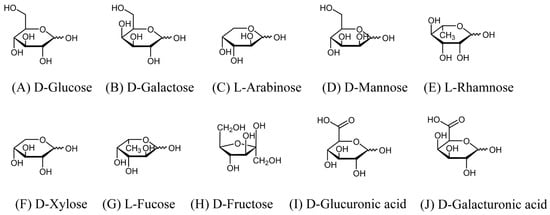
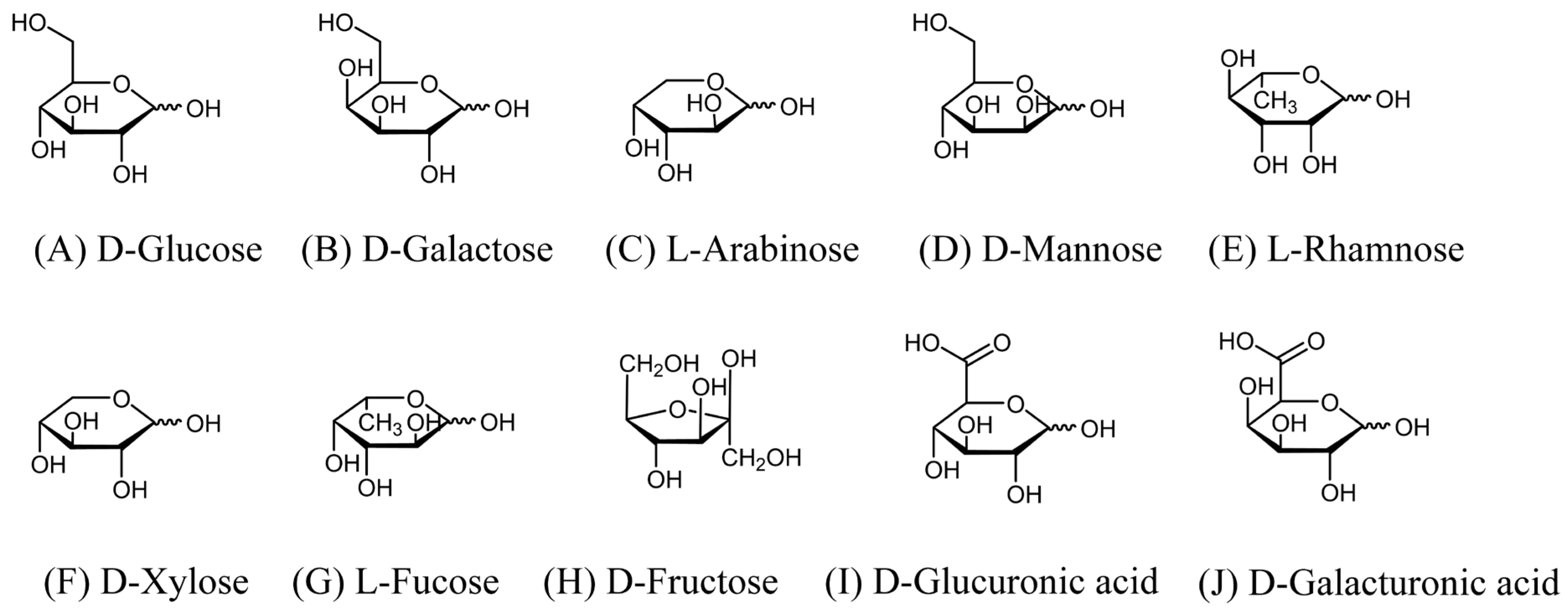
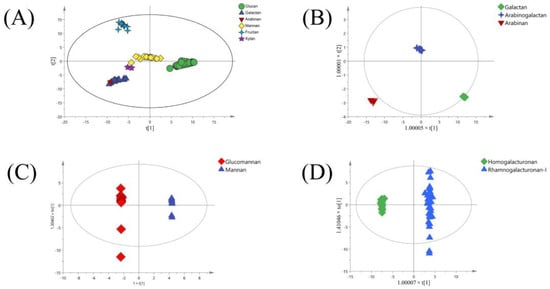
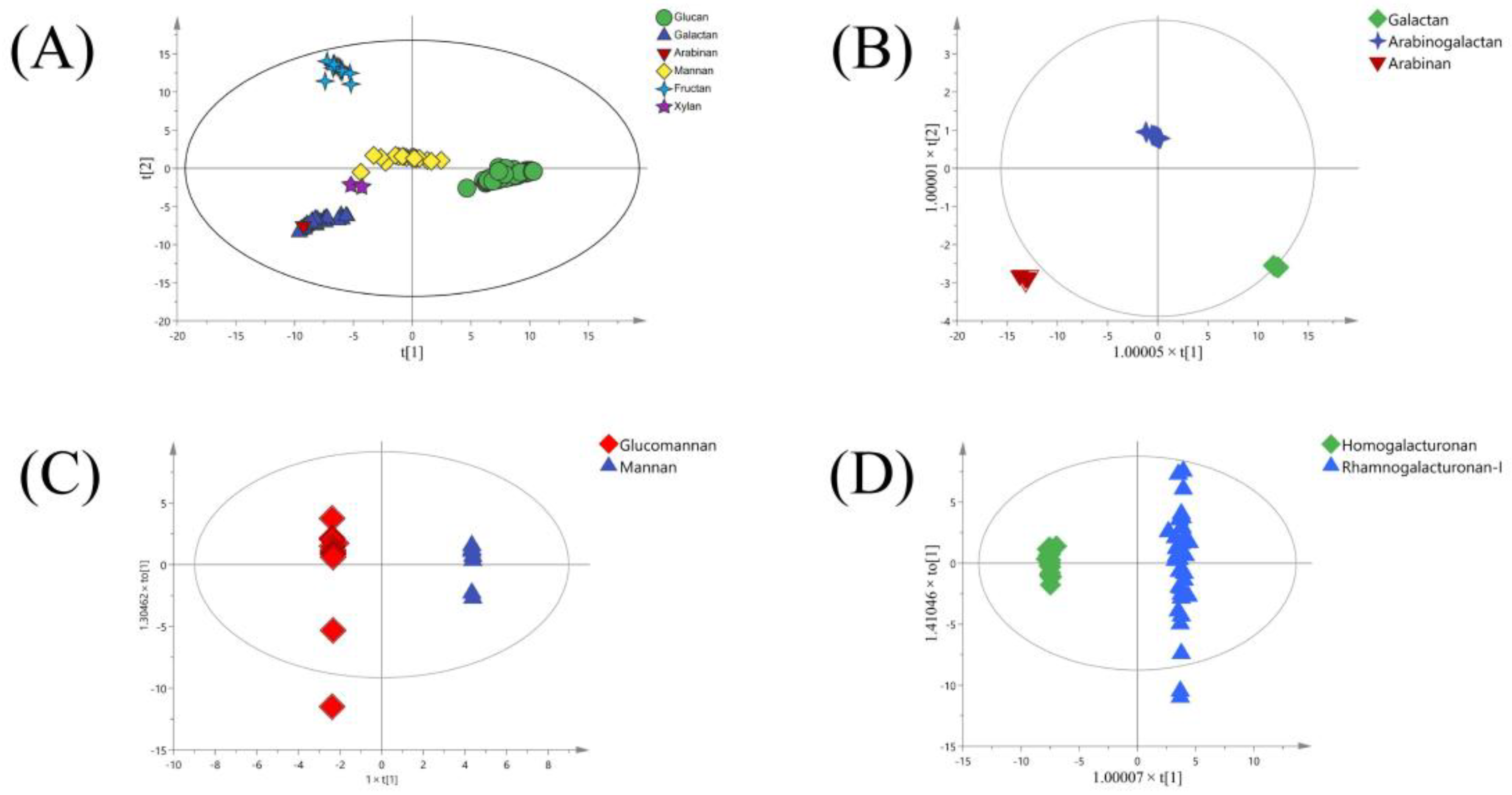
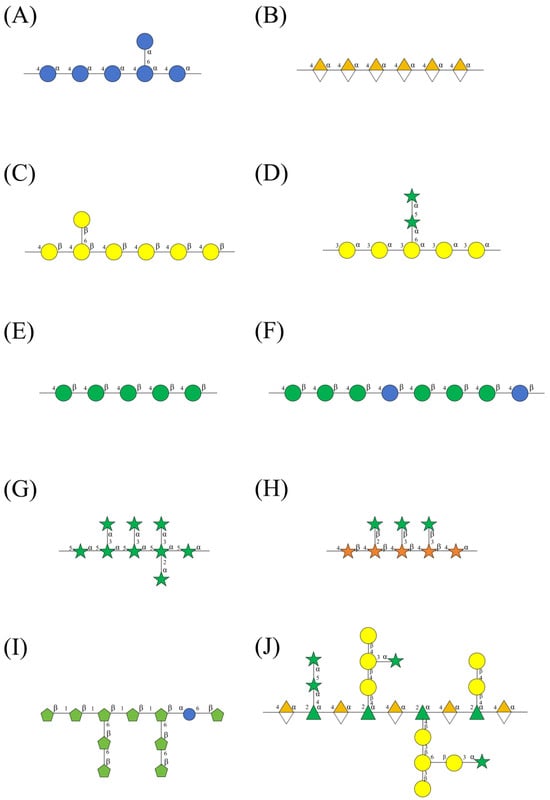
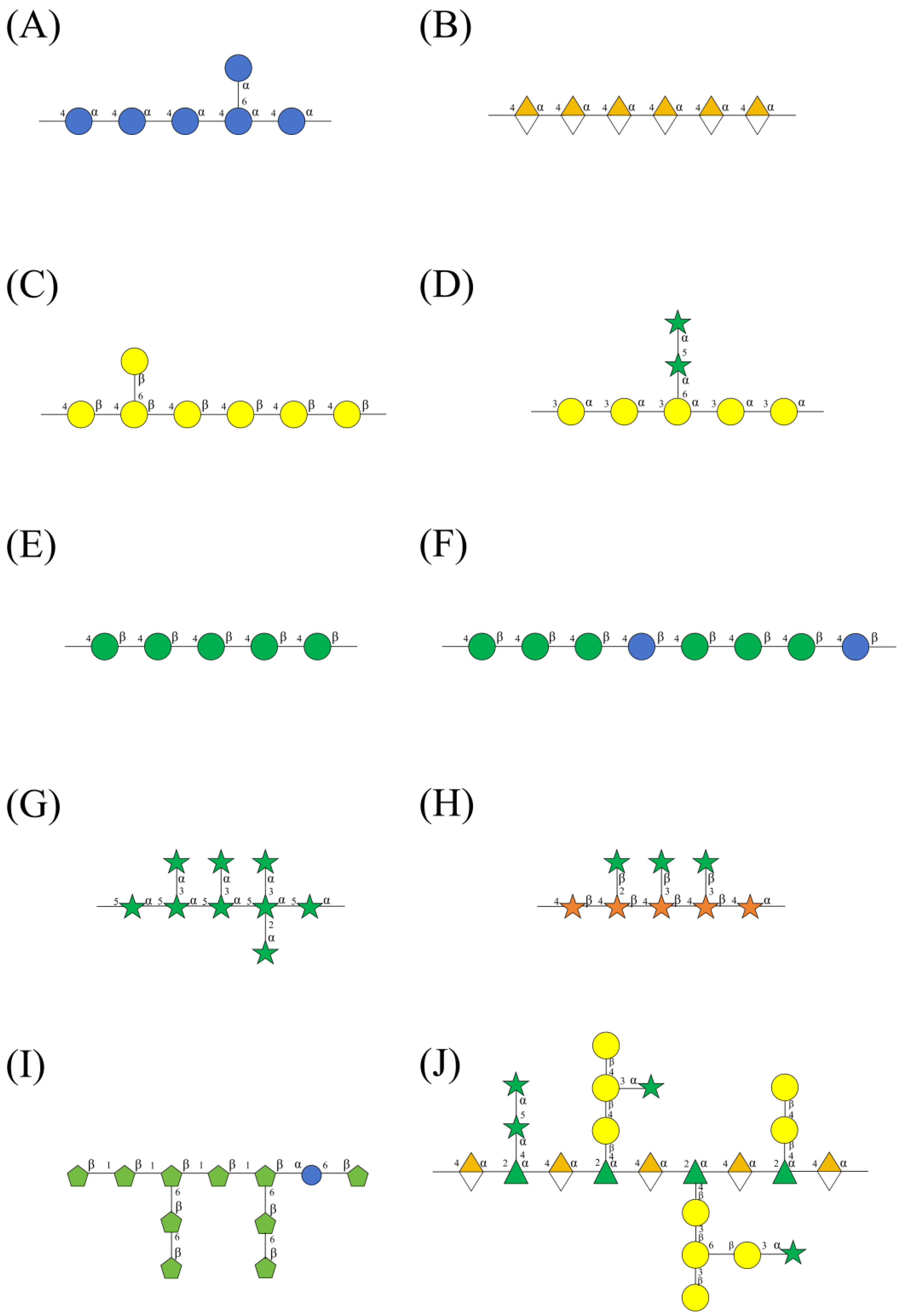
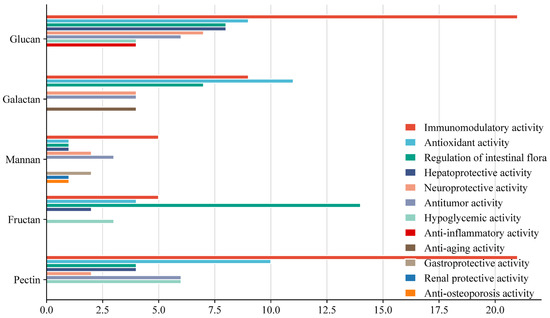
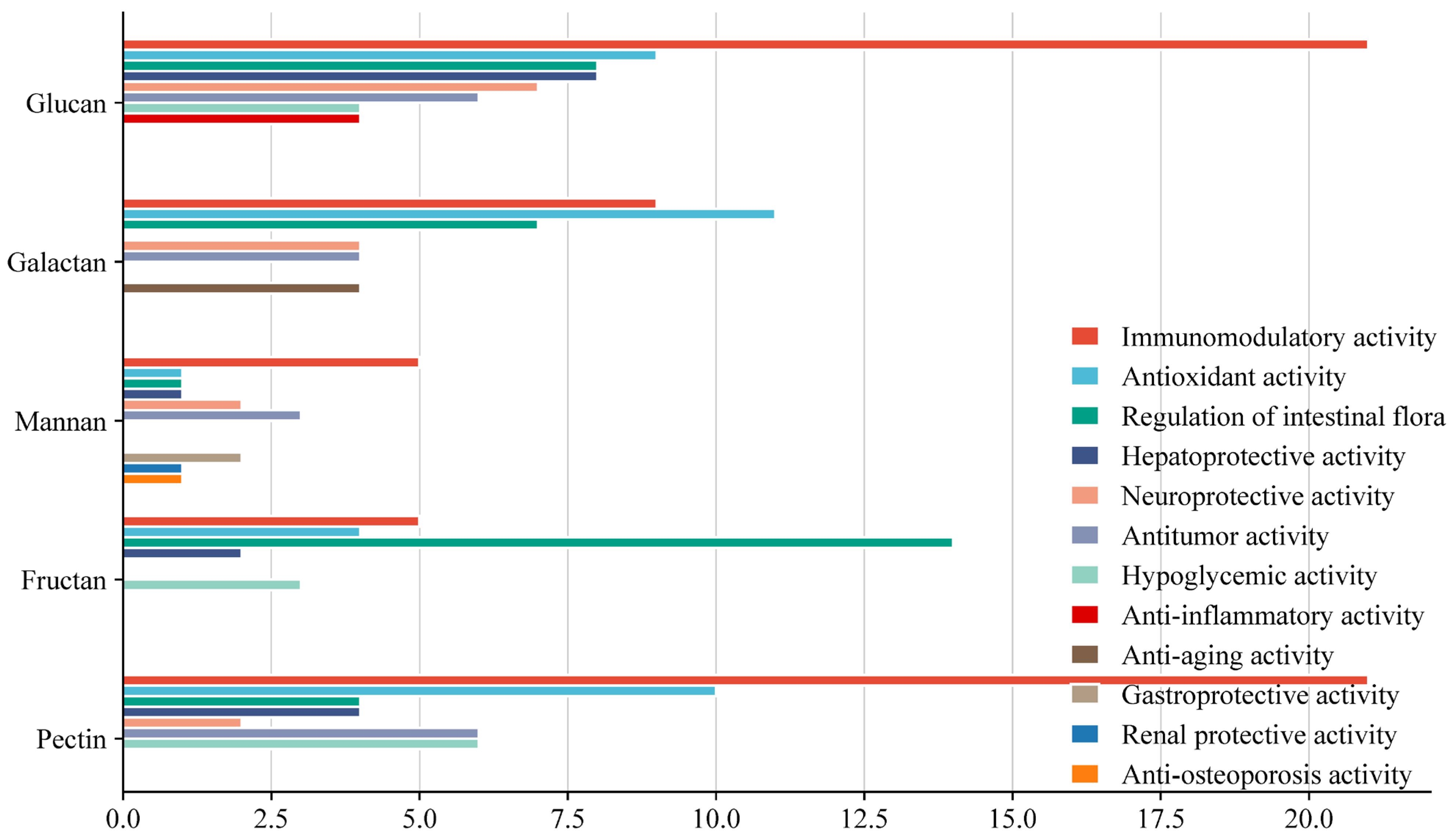
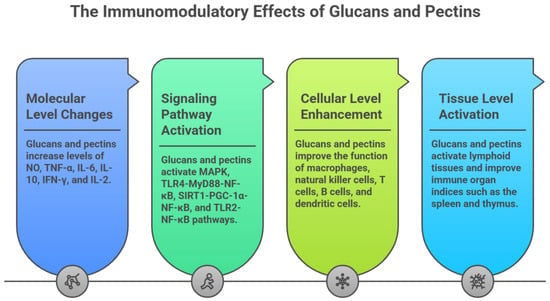
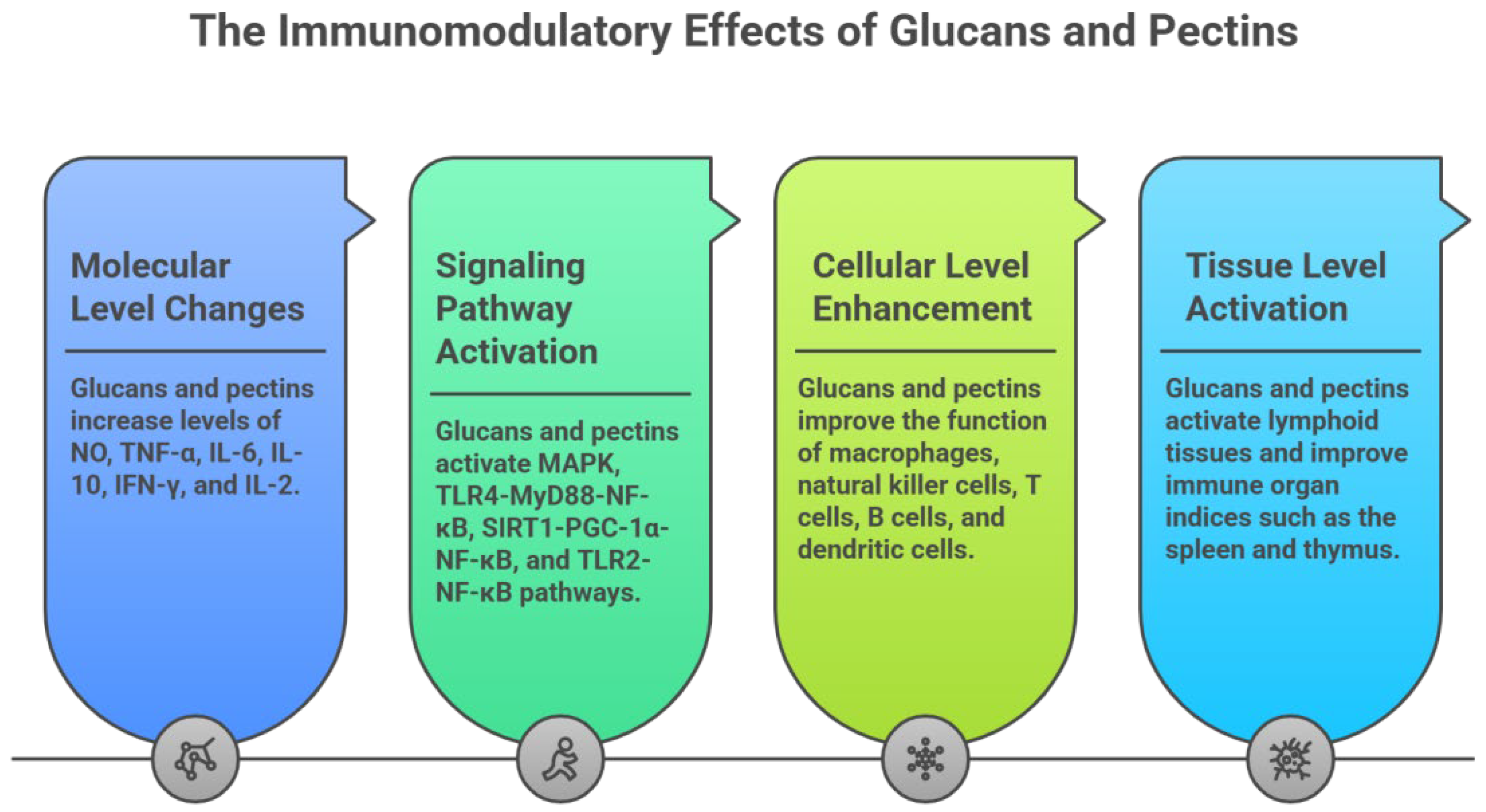
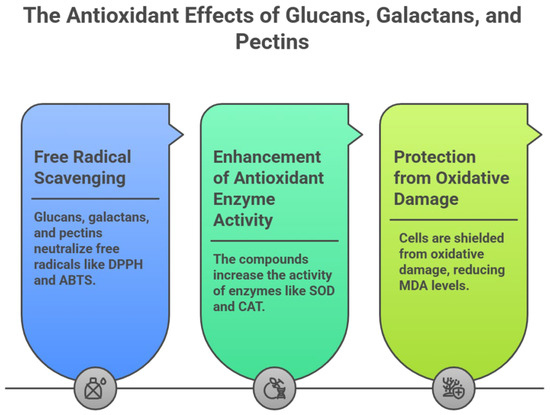
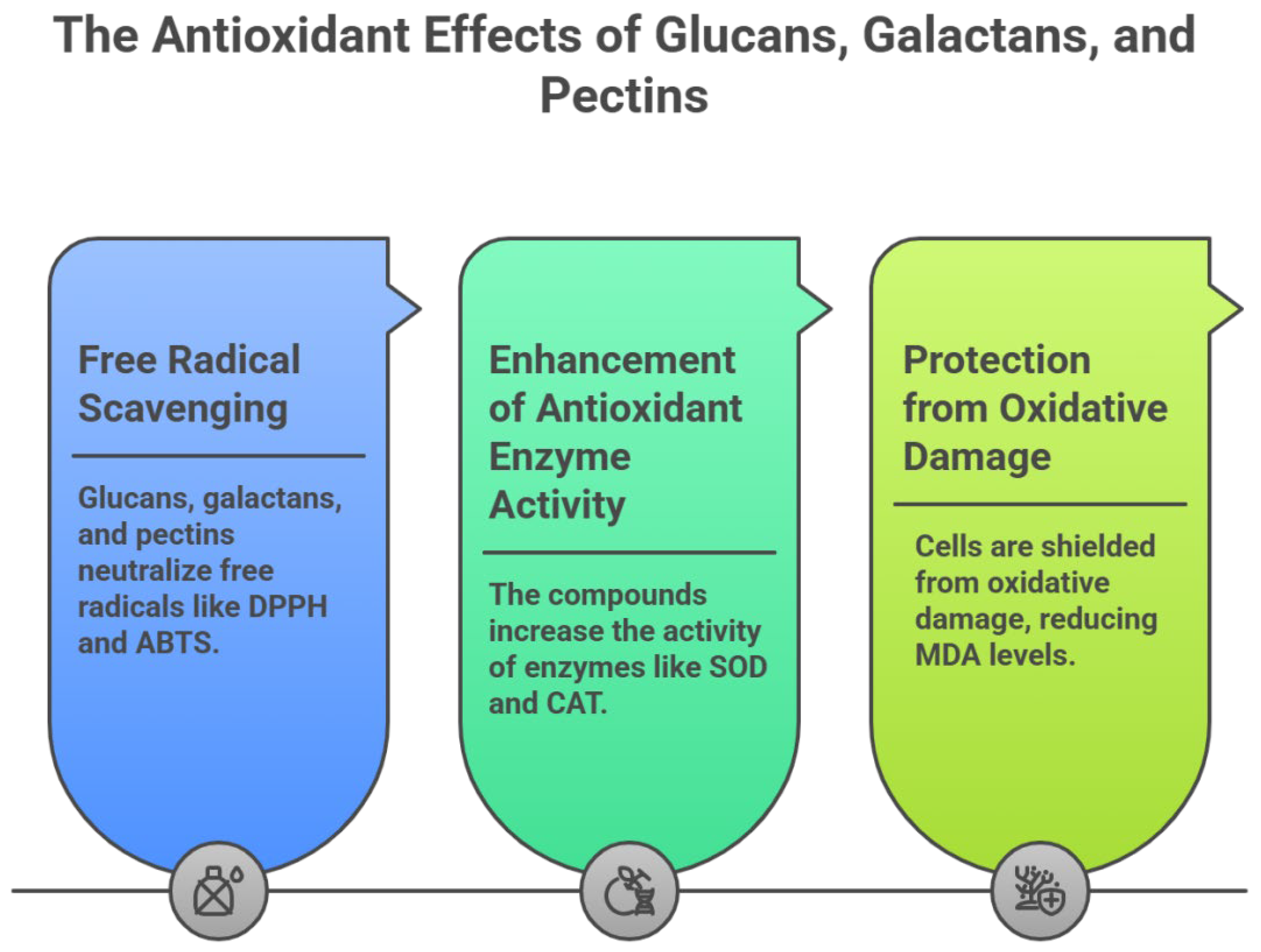
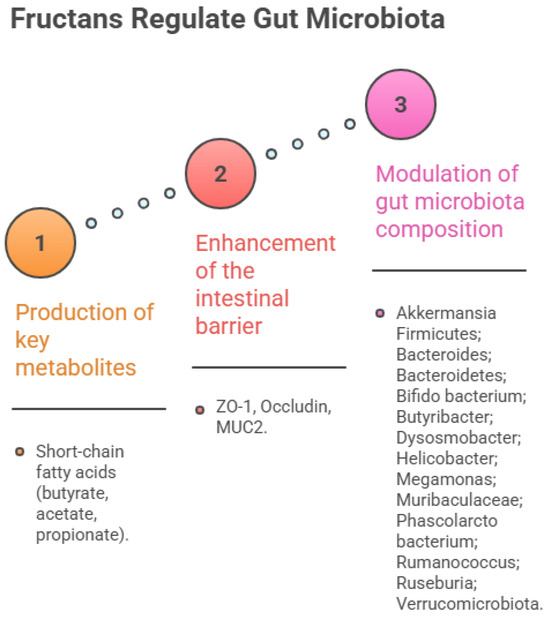
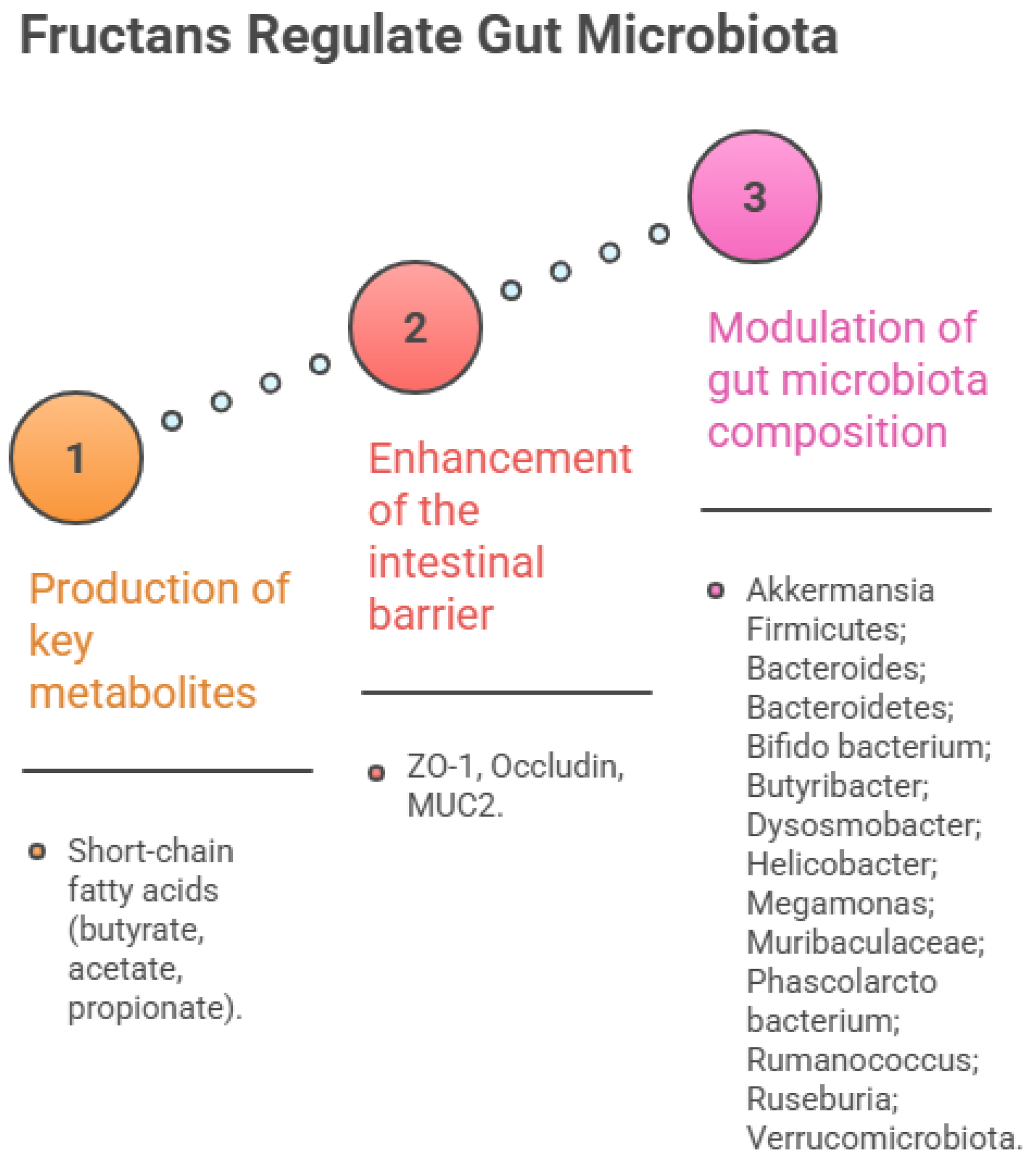

Disclaimer/Publisher’s Note: The statements, opinions and data contained in all publications are solely those of the individual author(s) and contributor(s) and not of MDPI and/or the editor(s). MDPI and/or the editor(s) disclaim responsibility for any injury to people or property resulting from any ideas, methods, instructions or products referred to in the content. |
© 2026 by the authors. Licensee MDPI, Basel, Switzerland. This article is an open access article distributed under the terms and conditions of the Creative Commons Attribution (CC BY) license.