Naproxen and Ibuprofen Exposure Alter the Blood–Testis Barrier in a Novel In Vitro Model
 , , , , , ,
  and
and 
Abstract
1. Introduction
2. Results
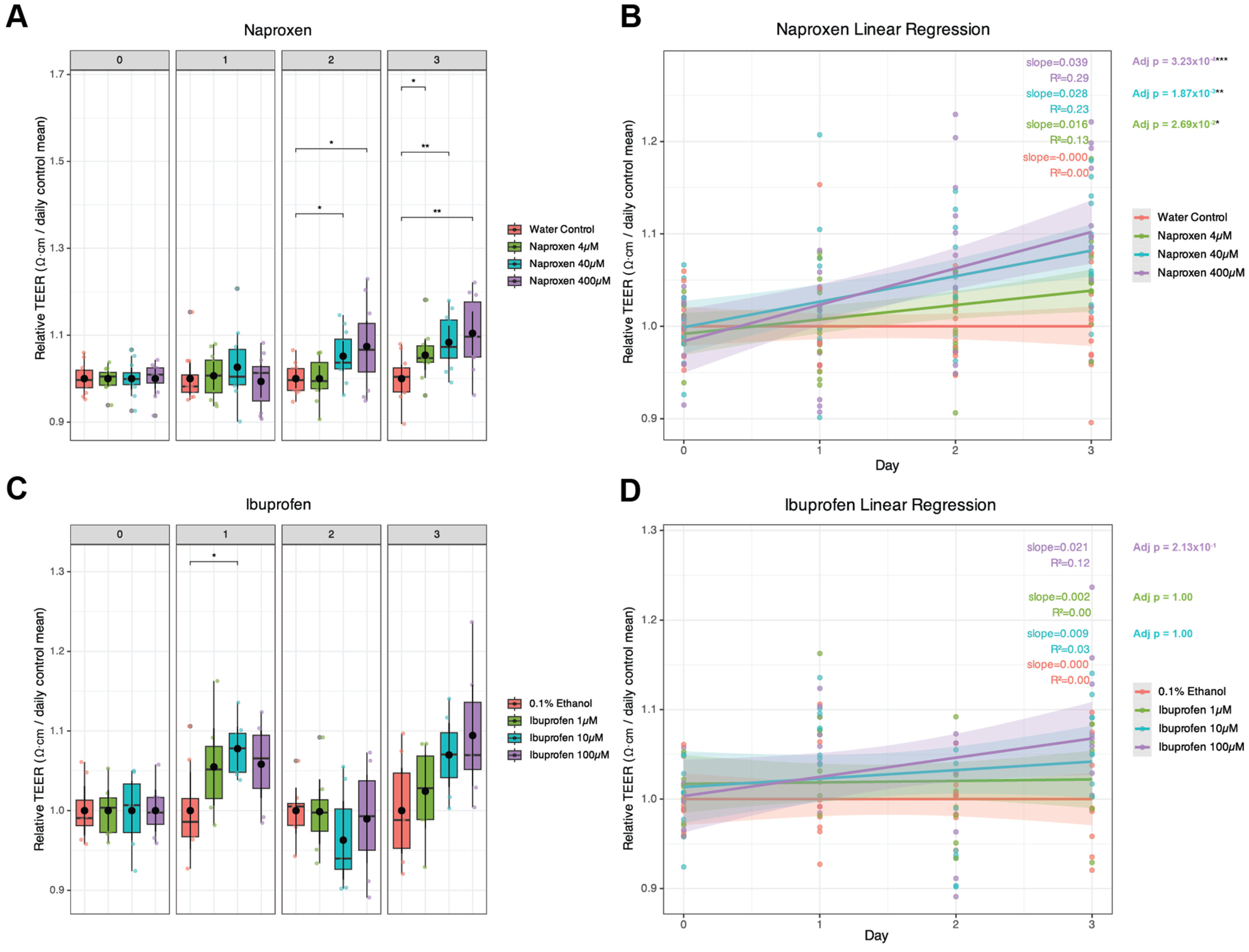
2.1. Short-Term NSAID Treatment Alters the Barrier Function Without Affecting the Viability of In Vitro Primary Sertoli Cells
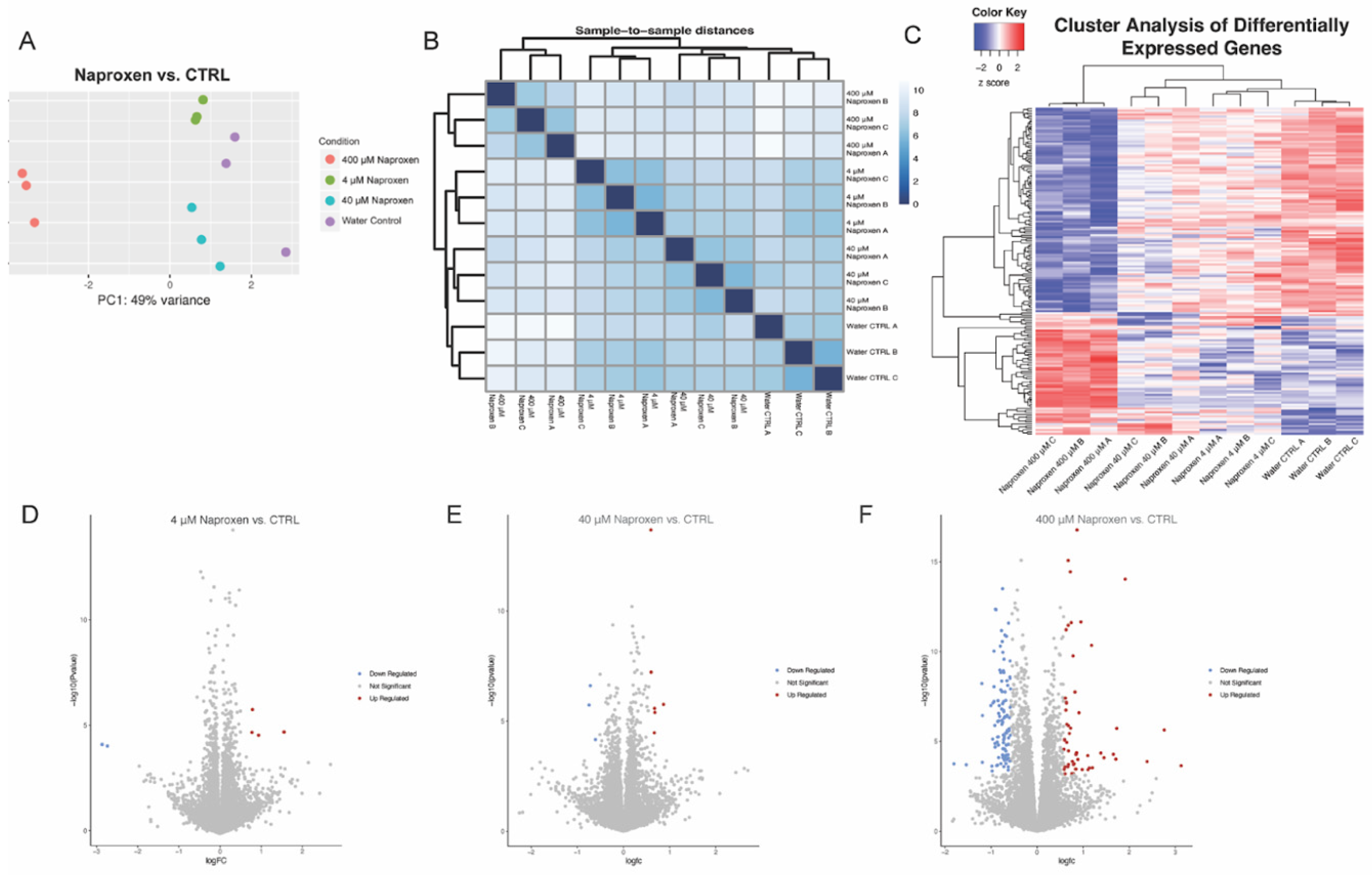
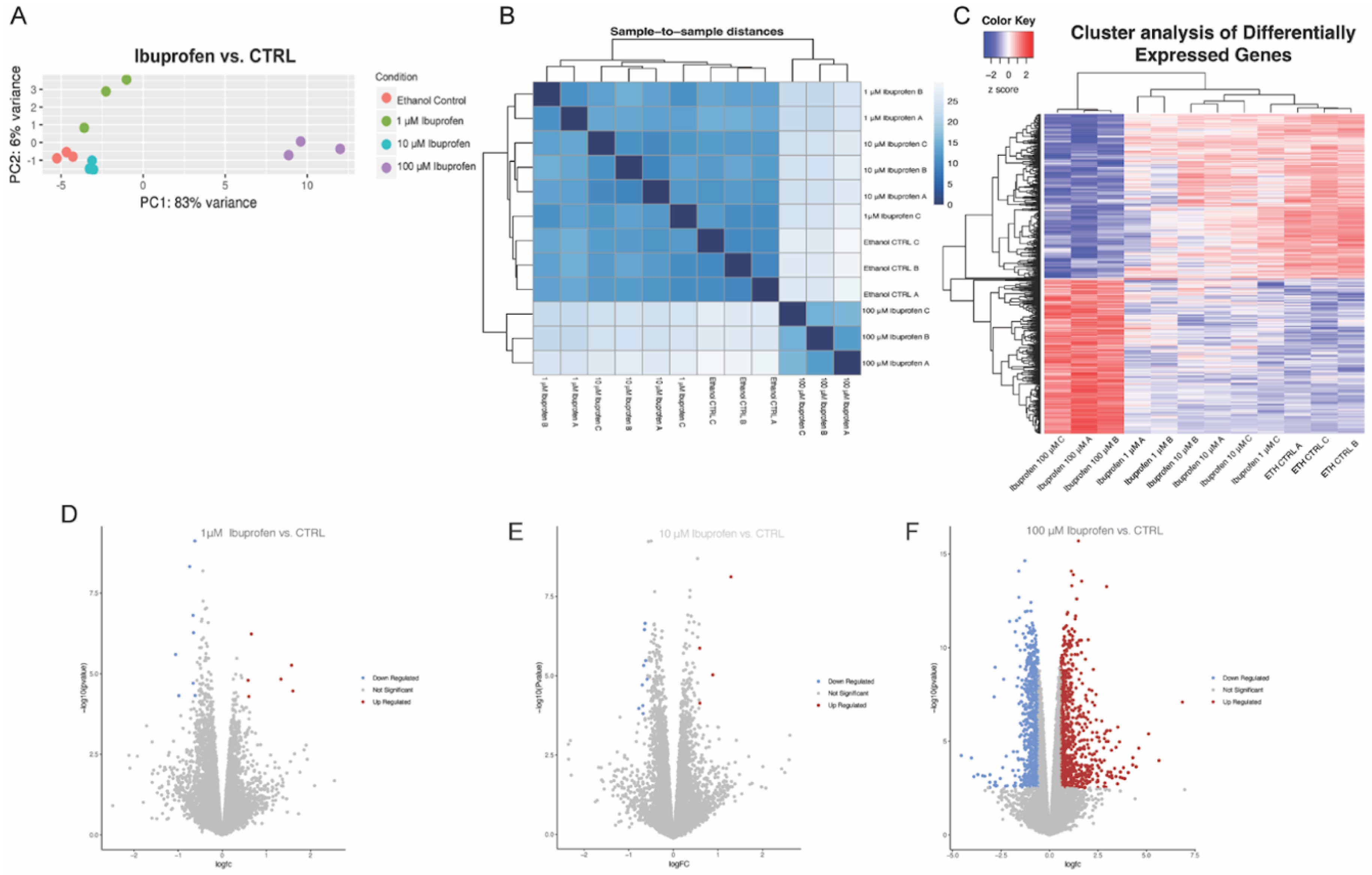
2.2. Short-Term NSAID Treatment Alters the Expression of Genes Involved in the Function of the NHP Blood–Testis Barrier
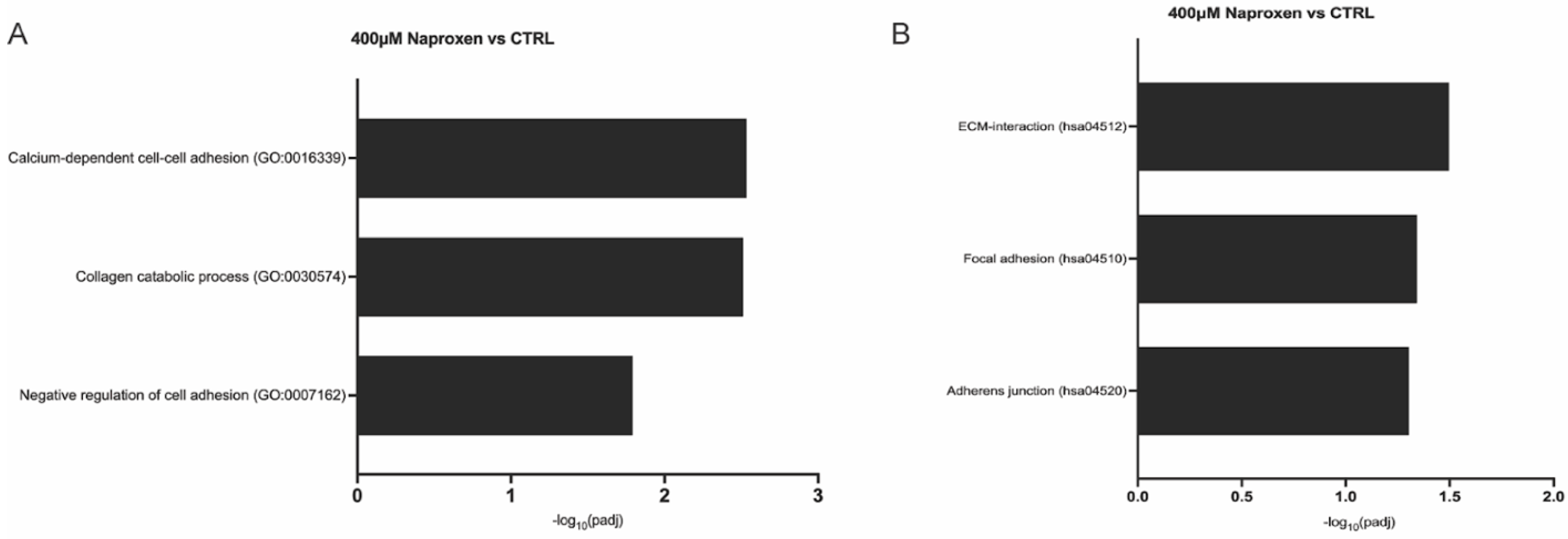
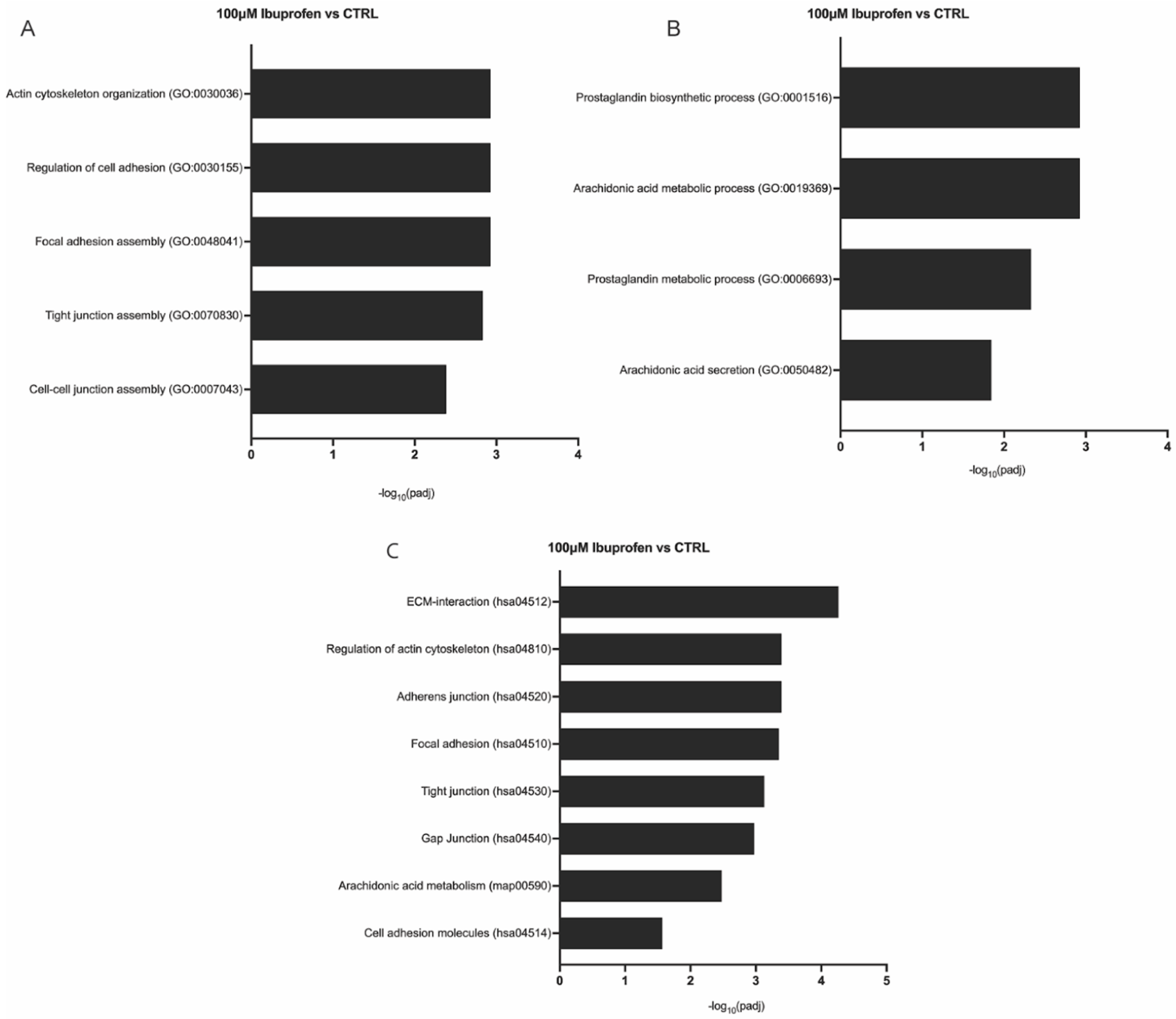
2.3. NSAID-Induced Gene Expression Changes Disrupt Blood–Testis Barrier Integrity by Affecting Junctional Dynamics
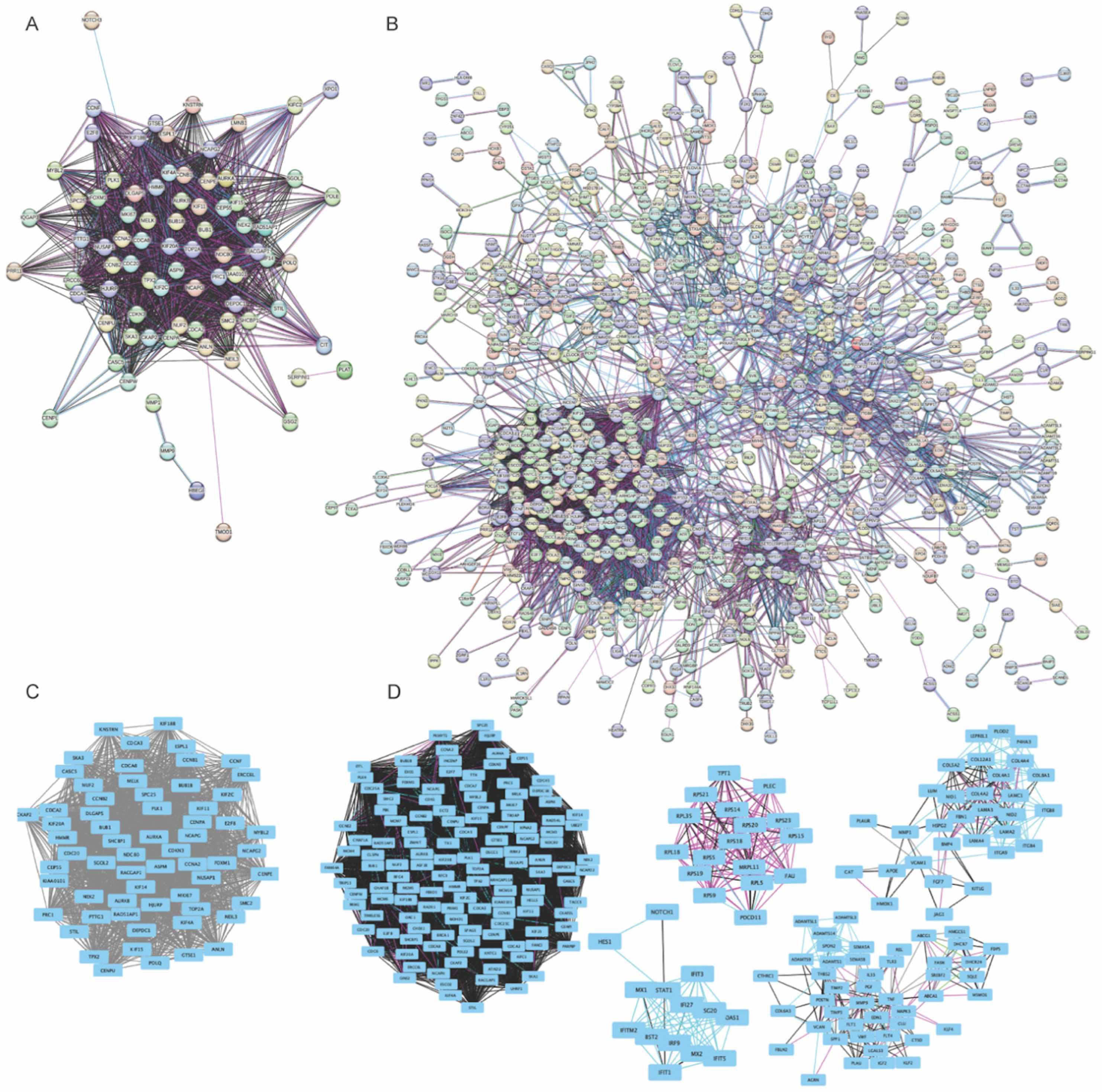
2.4. Human Phenotype Ontology Analysis Reveals Enrichment of Genes Associated with Male Infertility Following Ibuprofen Exposure
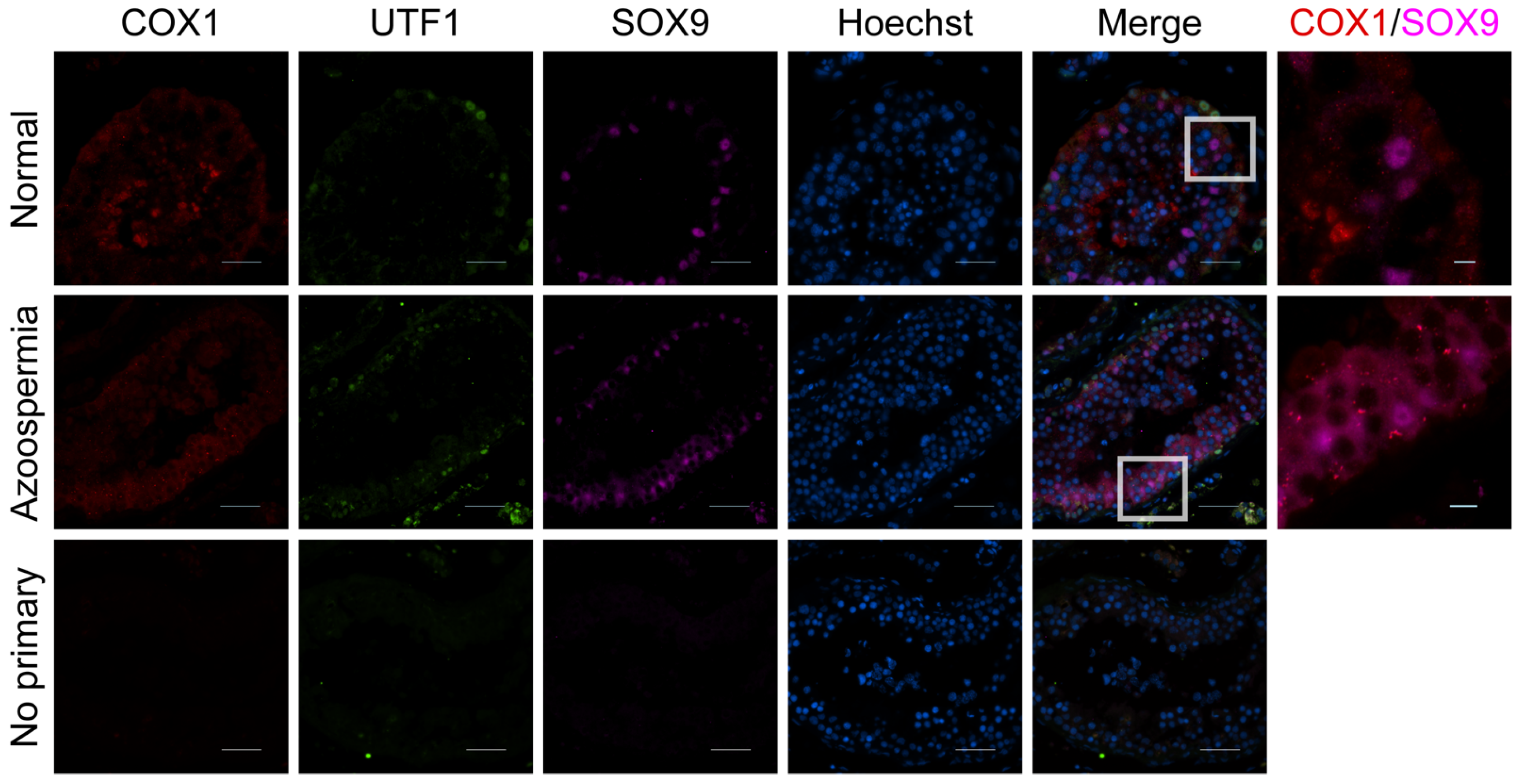
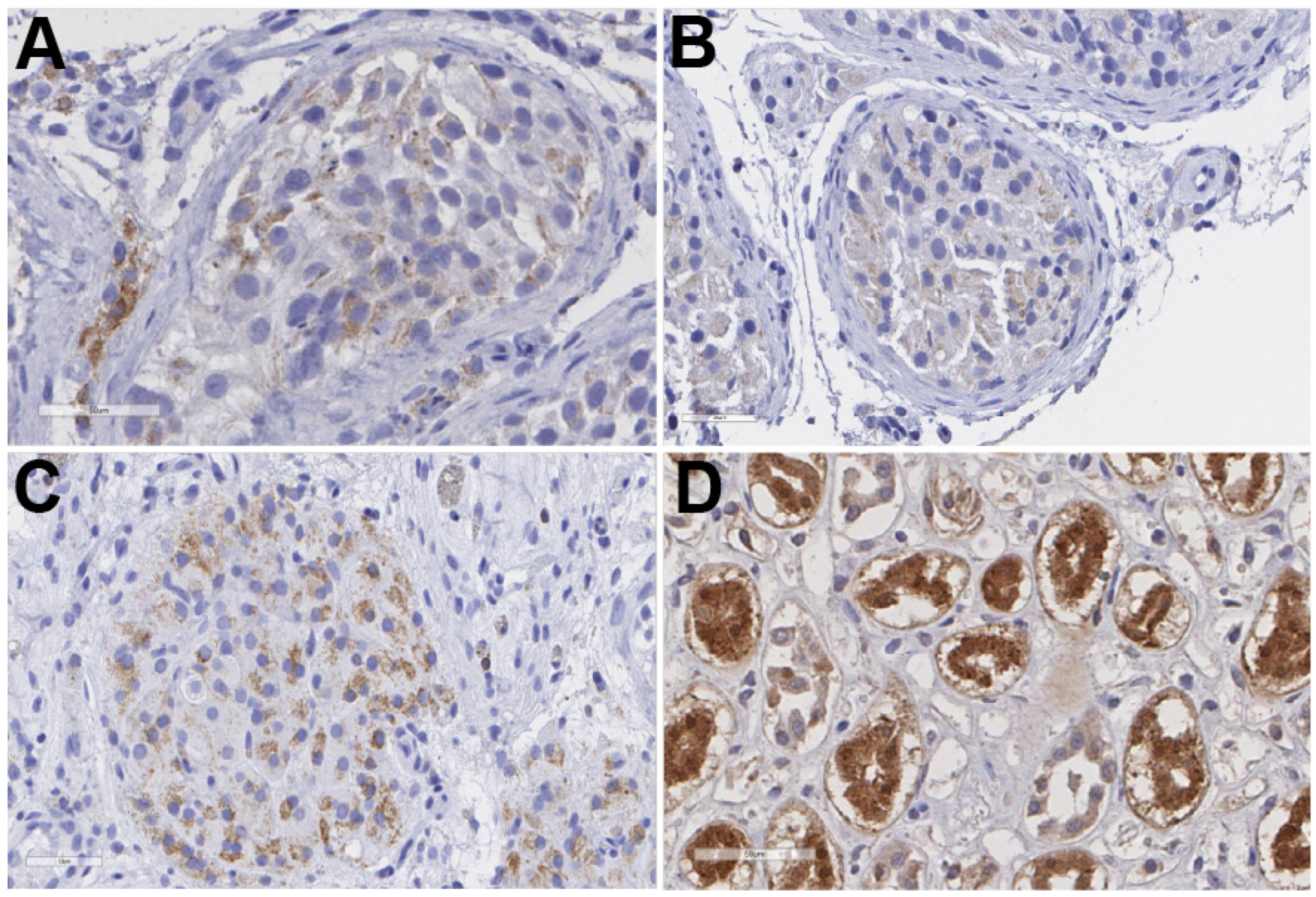
2.5. NHP Sertoli Cells and Human Testicular Tissue Express NSAID-Inhibiting Enzymes and Prostaglandins In Vitro and In Vivo
3. Discussion
4. Materials and Methods
4.1. Study Design
4.2. Primary Non-Human Primate Sertoli Cell Isolation and Validation
4.2.1. Isolation
4.2.2. Validation
4.3. Cell Culture and NSAID Treatment
4.3.1. Cell Culture
4.3.2. NSAID Treatment
4.4. Cell Viability and Apoptosis
4.5. Mitochondrial Membrane Potential
4.6. Transepithelial Electrical Resistance (TEER) Measurement
4.7. RNA Extraction and Quantification
4.8. Reverse Transcription Real-Time Quantitative Polymerase Chain Reaction (RT-qPCR) Analysis
4.9. Immunocytochemistry (ICC)
4.10. Human Testis Samples Preparation and Histological Processing
4.10.1. Participants
4.10.2. Testicular Biopsy
4.10.3. Tissue Processing
4.11. Immunofluorescence (IF) of Cyclooxygenase and Sertoli Cell Markers
4.12. mRNA Sequencing (RNA-Seq), Quantification of Gene Expression Level, and Differential Gene Expression Analysis
4.12.1. Library Preparation and Illumina Sequencing
4.12.2. Quantification of Gene Expression Level and Differential Expression Analysis
4.12.3. Gene Set Enrichment Analysis
4.13. Generation and Comprehensive Analysis of Protein–Protein Interaction (PPI) Network
4.14. Statistical Analysis
5. Conclusions
Supplementary Materials
Author Contributions
Funding
Institutional Review Board Statement
Informed Consent Statement
Data Availability Statement
Acknowledgments
Conflicts of Interest
References
- Levine, H.; Jørgensen, N.; Martino-Andrade, A.; Mendiola, J.; Weksler-Derri, D.; Mindlis, I.; Pinotti, R.; Swan, S.H. Temporal trends in sperm count: A systematic review and meta-regression analysis. Hum. Reprod. Update 2017, 23, 646–659. [Google Scholar] [CrossRef]
- Skakkebaek, N.E.; Meyts, E.R.D.; Louis, G.M.B.; Toppari, J.; Andersson, A.M.; Eisenberg, M.L.; Jensen, T.K.; Jørgensen, N.; Swan, S.H.; Sapra, K.J.; et al. Male Reproductive Disorders and Fertility Trends: Influences of Environment and Genetic Susceptibility. Physiol. Rev. 2016, 96, 55–97. [Google Scholar] [CrossRef]
- Mehta, A.; Nangia, A.K.; Dupree, J.M.; Smith, J.F. Limitations and barriers in access to care for male factor infertility. Fertil. Steril. 2016, 105, 1128–1137. [Google Scholar] [CrossRef]
- Ding, J.; Shang, X.; Zhang, Z.; Jing, H.; Shao, J.; Fei, Q.; Rayburn, E.R.; Li, H. FDA-approved medications that impair human spermatogenesis. Oncotarget 2017, 8, 10714–10725. [Google Scholar] [CrossRef]
- Kristensen, D.M.; Mazaud-Guittot, S.; Gaudriault, P.; Lesne, L.; Serrano, T.; Main, K.M.; Jegou, B. Analgesic use—Prevalence, biomonitoring and endocrine and reproductive effects. Nat. Rev. Endocrinol. 2016, 12, 381–393. [Google Scholar] [CrossRef] [PubMed]
- Mompelat, S.; Le Bot, B.; Thomas, O. Occurrence and fate of pharmaceutical products and by-products, from resource to drinking water. Environ. Int. 2009, 35, 803–814. [Google Scholar] [CrossRef] [PubMed]
- Christensen, F. Pharmaceuticals in the environment—A human risk? Regul. Toxicol. Pharmacol. 1998, 28, 212–221. [Google Scholar]
- Fisher, B.G.; Thankamony, A.; Hughes, I.A.; Ong, K.K.; Dunger, D.B.; Acerini, C.L. Prenatal paracetamol exposure is associated with shorter anogenital distance in male infants. Hum. Reprod. 2016, 31, 2642–2650. [Google Scholar] [CrossRef] [PubMed]
- Marsh, C.A.; Cragan, J.D.; Alverson, C.J.; Correa, A. Case-control analysis of maternal prenatal analgesic use and cardiovascular malformations: Baltimore-Washington Infant Study. Am. J. Obstet. Gynecol. 2014, 211, 404.e1–404.e9. [Google Scholar] [CrossRef] [PubMed]
- Nezvalová-Henriksen, K.; Spigset, O.; Nordeng, H. Effects of ibuprofen, diclofenac, naproxen, and piroxicam on the course of pregnancy and pregnancy outcome: A prospective cohort study. Int. J. Obstet. Gynaecol. 2013, 120, 948–959. [Google Scholar] [CrossRef]
- Vieux, R.; Fresson, J.; Guillemin, F.; Hascoet, J.M. Perinatal drug exposure and renal function in very preterm infants. Arch. Dis. Child. Fetal Neonatal Ed. 2011, 96, F290–F295. [Google Scholar] [CrossRef]
- Tran-Guzman, A.; Culty, M. Eicosanoid Biosynthesis in Male Reproductive Development: Effects of Perinatal Exposure to NSAIDs and Analgesic Drugs. Front. Toxicol. 2022, 4, 842565. [Google Scholar] [CrossRef]
- Hammerman, C.; Kaplan, M. Patent ductus arteriousus in the premature neonate: Current concepts in pharmacological management. Paediatr. Drugs 1999, 1, 81–92. [Google Scholar] [CrossRef] [PubMed]
- Drobnis, E.; Nangia, A.K. Impacts of Medications on Male Fertility; Springer: Cham, Switzerland, 2017; Volume 1, pp. 2017–2325. [Google Scholar]
- Kristensen, D.M.; Desdoits-Lethimonier, C.; Mackey, A.L.; Dalgaard, M.D.; De Masi, F.; Munkbøl, C.H.; Styrishave, B.; Antignac, J.P.; Le Bizec, B.; Platel, C.; et al. Ibuprofen alters human testicular physiology to produce a state of compensated hypogonadism. Proc. Natl. Acad. Sci. USA 2018, 115, E715–E724, Correction in Proc. Natl. Acad. Sci. USA 2018, 115, E4143. https://doi.org/10.1073/pnas.1805313115. [Google Scholar] [CrossRef] [PubMed]
- Holmboe, S.A.; Vradi, E.; Jensen, T.K.; Linneberg, A.; Husemoen, L.L.; Scheike, T.; Skakkebæk, N.E.; Juul, A.; Andersson, A.M. The Association of Reproductive Hormone Levels and All-Cause, Cancer, and Cardiovascular Disease Mortality in Men. J. Clin. Endocrinol. Metab. 2015, 100, 4472–4480. [Google Scholar] [CrossRef]
- Tajar, A.; Forti, G.; O’Neill, T.W.; Lee, D.M.; Silman, A.J.; Finn, J.D.; Bartfai, G.; Boonen, S.; Casanueva, F.F.; Giwercman, A.; et al. Characteristics of secondary, primary, and compensated hypogonadism in aging men: Evidence from the European Male Ageing Study. J. Clin. Endocrinol. Metab. 2010, 95, 1810–1818. [Google Scholar] [CrossRef]
- Wei, N.; Hood, J.C. Naproxen and ejaculatory dysfunction. Ann. Intern. Med. 1980, 93, 933. [Google Scholar] [CrossRef] [PubMed]
- Lichtenberger, L.M.; Zhou, Y.; Jayaraman, V.; Doyen, J.R.; O’Neil, R.G.; Dial, E.J.; Volk, D.E.; Gorenstein, D.G.; Boggara, M.B.; Krishnamoorti, R. Insight into NSAID-induced membrane alterations, pathogenesis and therapeutics: Characterization of interaction of NSAIDs with phosphatidylcholine. Biochim. Biophys. Acta (BBA)-Mol. Cell Biol. Lipids 2012, 1821, 994–1002. [Google Scholar] [CrossRef]
- Matsui, H.; Shimokawa, O.; Kaneko, T.; Nagano, Y.; Rai, K.; Hyodo, I. The pathophysiology of non-steroidal anti-inflammatory drug (NSAID)-induced mucosal injuries in stomach and small intestine. J. Clin. Biochem. Nutr. 2011, 48, 107–111. [Google Scholar] [CrossRef]
- Gerber, J.; Heinrich, J.; Brehm, R. Blood-testis barrier and Sertoli cell function: Lessons from SCCx43KO mice. Reproduction 2016, 151, R15–R27. [Google Scholar] [CrossRef]
- Maamar, M.B.; Lesné, L.; Hennig, K.; Desdoits-Lethimonier, C.; Kilcoyne, K.R.; Coiffec, I.; Rolland, A.D.; Chevrier, C.; Kristensen, D.M.; Lavoué, V. Ibuprofen results in alterations of human fetal testis development. Sci. Rep. 2017, 7, 44184. [Google Scholar] [CrossRef]
- Cheng, C.Y.; Mruk, D.D. The Blood-Testis Barrier and Its Implications for Male Contraception. Pharmacol. Rev. 2012, 64, 16–64. [Google Scholar] [CrossRef]
- Byers, S.W.; Hadley, M.A.; Djakiew, D.; Dym, M. Growth and characterization of polarized monolayers of epididymal epithelial cells and Sertoli cells in dual environment culture chambers. J. Androl. 1986, 7, 59–68. [Google Scholar] [CrossRef] [PubMed]
- Janecki, A.; Steinberger, A. Polarized Sertoli cell functions in a new two-compartment culture system. J. Androl. 1986, 7, 69–71. [Google Scholar] [CrossRef] [PubMed]
- Russell, L.D.; Griswold, M.D. The Sertoli Cell; Cache River Press: Vienna, IL, USA, 1993; p. 1993. [Google Scholar]
- Siu, M.K.; Wong, C.h.; Lee, W.M.; Cheng, C.Y. Sertoli-germ cell anchoring junction dynamics in the testis are regulated by an interplay of lipid and protein kinases. J. Biol. Chem. 2005, 280, 25029–25047. [Google Scholar] [CrossRef] [PubMed]
- Wan, H.T.; Mruk, D.D.; Wong, C.K.; Cheng, C.Y. Perfluorooctanesulfonate (PFOS) perturbs male rat Sertoli cell blood-testis barrier function by affecting F-actin organization via p-FAK-Tyr(407): An in vitro study. Endocrinology 2014, 155, 249–262. [Google Scholar] [CrossRef]
- Qiu, L.; Zhang, X.; Zhang, X.; Zhang, Y.; Gu, J.; Chen, M.; Zhang, Z.; Wang, X.; Wang, S.L. Sertoli cell is a potential target for perfluorooctane sulfonate–induced reproductive dysfunction in male mice. Toxicol. Sci. 2013, 135, 229–240. [Google Scholar] [CrossRef]
- Su, L.; Mruk, D.D.; Lie, P.P.; Silvestrini, B.; Cheng, C.Y. A peptide derived from laminin-γ3 reversibly impairs spermatogenesis in rats. Nat. Commun. 2012, 3, 1185. [Google Scholar] [CrossRef]
- Lui, W.Y.; Wong, C.H.; Mruk, D.D.; Cheng, C.Y. TGF-beta3 regulates the blood-testis barrier dynamics via the p38 mitogen activated protein (MAP) kinase pathway: An in vivo study. Endocrinology 2003, 144, 1139–1142. [Google Scholar] [CrossRef]
- Wong, C.H.; Mruk, D.D.; Lui, W.Y.; Cheng, C.Y. Regulation of blood-testis barrier dynamics: An in vivo study. J. Cell Sci. 2004, 117, 783–798. [Google Scholar] [CrossRef]
- Ahmed, E.A.; Barten-van Rijbroek, A.D.; Kal, H.B.; Sadri-Ardekani, H.; Mizrak, S.C.; van Pelt, A.M.; de Rooij, D.G. Proliferative activity in vitro and DNA repair indicate that adult mouse and human Sertoli cells are not terminally differentiated, quiescent cells. Biol. Reprod. 2009, 80, 1084–1091. [Google Scholar] [CrossRef] [PubMed]
- Tarulli, G.A.; Stanton, P.G.; Lerchl, A.; Meachem, S.J. Adult sertoli cells are not terminally differentiated in the Djungarian hamster: Effect of FSH on proliferation and junction protein organization. Biol. Reprod. 2006, 74, 798–806. [Google Scholar] [CrossRef] [PubMed]
- Figueiredo, A.F.; Franca, L.R.; Hess, R.A.; Costa, G.M. Sertoli cells are capable of proliferation into adulthood in the transition region between the seminiferous tubules and the rete testis in Wistar rats. Cell Cycle 2016, 15, 2486–2496. [Google Scholar] [CrossRef] [PubMed]
- Food, U.S.; Administration, D. EC-Naprosyn (Naproxen Delayed-Release Tablets), Naprosyn (Naproxen Tablets/Suspension), Anaprox/Anaprox DS (Naproxen Sodium Tablets): Prescribing Information; U.S. Food and Drug Administration: Silver Spring, MD, USA, 2007. [Google Scholar]
- U.S. Food and Drug Administration. Motrin (Ibuprofen) Suspension 100 mg/5 mL: Prescribing Information; U.S. Food and Drug Administration: Silver Spring, MD, USA, 2006. [Google Scholar]
- Paul, C.; Robaire, B. Impaired function of the blood-testis barrier during aging is preceded by a decline in cell adhesion proteins and GTPases. PLoS ONE 2013, 8, e84354. [Google Scholar] [CrossRef]
- Kelwick, R.; Desanlis, I.; Wheeler, G.N.; Edwards, D.R. The ADAMTS (A Disintegrin and Metalloproteinase with Thrombospondin motifs) family. Genome Biol. 2015, 16, 113. [Google Scholar] [CrossRef]
- Mulholland, D.J.; Dedhar, S.; Vogl, A.W. Rat seminiferous epithelium contains a unique junction (Ectoplasmic specialization) with signaling properties both of cell/cell and cell/matrix junctions. Biol. Reprod. 2001, 64, 396–407. [Google Scholar] [CrossRef]
- Cashman, J.N. The mechanisms of action of NSAIDs in analgesia. Drugs 1996, 52, 13–23. [Google Scholar] [CrossRef]
- Cha, Y.I.; Solnica-Krezel, L.; DuBois, R.N. Fishing for prostanoids: Deciphering the developmental functions of cyclooxygenase-derived prostaglandins. Dev. Biol. 2006, 289, 263–272. [Google Scholar] [CrossRef]
- Korbecki, J.; Baranowska-Bosiacka, I.; Gutowska, I.; Chlubek, D. Cyclooxygenase pathways. Acta Biochim. Pol. 2014, 61, 639–649. [Google Scholar] [CrossRef]
- Ishikawa, T.; Morris, P. A multistep kinase-based Sertoli cell autocrine amplifying loop regulates prostaglandins, their receptors, and cytokines. Endocrinology 2006, 147, 1706–1716. [Google Scholar] [CrossRef]
- Winnall, W.R.; Ali, U.; O’Bryan, M.K.; Hirst, J.J.; Whiley, P.A.F.; Muir, J.A.; Hedger, M.P. Constitutive Expression of Prostaglandin-Endoperoxide Synthase 2 by Somatic and Spermatogenic Cells Is Responsible for Prostaglandin E2 Production in the Adult Rat Testis. Biol. Reprod. 2007, 76, 759–768. [Google Scholar] [CrossRef]
- Kristensen, D.; Skalkam, M.; Audouze, K.; Lesné, L.; Desdoits-Lethimonier, C.; Frederiksen, H.; Brunak, S.; Skakkebæk, N.; Jégou, B.; Hansen, J. Many putative endocrine disruptors inhibit prostaglandin synthesis. Environ. Health Perspect. 2011, 119, 534–541. [Google Scholar] [CrossRef]
- Matzkin, M.; Pellizzari, E.; Rossi, S.; Calandra, R.; Cigorraga, S.; Frungieri, M. Exploring the cyclooxygenase 2 (COX2)/15d-Δ12,14PGJ2 system in hamster Sertoli cells: Regulation by FSH/testosterone and relevance to glucose uptake. Gen. Comp. Endocrinol. 2012, 179, 254–264. [Google Scholar] [CrossRef] [PubMed]
- Zidar, N.; Odar, K.; Glavac, D.; Jerse, M.; Zupanc, T.; Stajer, D. Cyclooxygenase in normal human tissues—Is COX-1 really a constitutive isoform, and COX-2 an inducible isoform? J. Cell Mol. Med. 2009, 13, 3753–3763. [Google Scholar] [CrossRef] [PubMed]
- Neeraja, S.; Sreenath, A.; Reddy, P.; Reddanna, P. Expression of cyclooxygenase-2 in rat testis. Reprod. Biomed. Online 2003, 6, 302–309. [Google Scholar] [CrossRef]
- O’Neill, G.P.; Ford-Hutchinson, A.W. Expression of mRNA for cyclooxygenase-1 and cyclooxygenase-2 in human tissues. FEBS Lett. 1993, 330, 157–160. [Google Scholar] [CrossRef]
- Frungieri, M.; Calandra, R.; Lustig, L.; Meineke, V.; Köhn, F.; Vogt, H.; Mayerhofer, A. Number, distribution pattern, and identification of macrophages in the testes of infertile men. Fertil. Steril. 2002, 78, 298–306. [Google Scholar] [CrossRef] [PubMed]
- Schell, C.; Frungieri, M.B.; Albrecht, M.; Gonzalez-Calvar, S.I.; Köhn, F.M.; Calandra, R.S.; Mayerhofer, A. A prostaglandin D2 system in the human testis. Fertil. Steril. 2007, 88, 233–236. [Google Scholar] [CrossRef]
- Hase, T.; Yoshimura, R.; Matsuyama, M.; Kawahito, Y.; Wada, S.; Tsuchida, K.; Sano, H.; Nakatani, T. Cyclooxygenase-1 and -2 in human testicular tumours. Eur. J. Cancer 2003, 39, 2043–2049. [Google Scholar] [CrossRef]
- Frungieri, M.B.; Calandra, R.S.; Mayerhofer, A.; Matzkin, M.E. Cyclooxygenase and prostaglandins in somatic cell populations of the testis. Reproduction 2015, 149, R169–R180. [Google Scholar] [CrossRef]
- Mruk, D.D.; Cheng, C.Y. Sertoli-Sertoli and Sertoli-Germ Cell Interactions and Their Significance in Germ Cell Movement in the Seminiferous Epithelium during Spermatogenesis. Endocr. Rev. 2004, 25, 747–806. [Google Scholar] [CrossRef]
- Cheng, C.Y.; Mruk, D.D. A local autocrine axis in the testes that regulates spermatogenesis. Nat. Rev. Endocrinol. 2010, 6, 380–395. [Google Scholar] [CrossRef]
- Kidder, G.M.; Cyr, D.G. Roles of connexins in testis development and spermatogenesis. Semin. Cell Dev. Biol. 2016, 50, 22–30. [Google Scholar] [CrossRef]
- Cheng, C.Y.; Mruk, D.D. Cell junction dynamics in the testis: Sertoli-germ cell interactions and male contraceptive development. Physiol. Rev. 2002, 82, 825–874. [Google Scholar] [CrossRef]
- Dym, M. Basement membrane regulation of Sertoli cells. Endocr. Rev. 1994, 15, 102–115. [Google Scholar]
- Siu, M.K.Y.; Cheng, C.Y. Extracellular Matrix: Recent Advances on Its Role in Junction Dynamics in the Seminiferous Epithelium During Spermatogenesis1. Biol. Reprod. 2004, 71, 375–391. [Google Scholar] [CrossRef]
- Jensen, M.S.; Rebordosa, C.; Thulstrup, A.M.; Toft, G.; Sørensen, H.T.; Bonde, J.P.; Henriksen, T.B.; Olsen, J. Maternal Use of Acetaminophen, Ibuprofen, and Acetylsalicylic Acid During Pregnancy and Risk of Cryptorchidism. Epidemiology 2010, 21, 779–785. [Google Scholar] [CrossRef]
- Kristensen, D.M.; Hass, U.; Lesné, L.; Lottrup, G.; Jacobsen, P.R.; Desdoits-Lethimonier, C.; Boberg, J.; Petersen, J.H.; Toppari, J.; Jensen, T.K.; et al. Intrauterine exposure to mild analgesics is a risk factor for development of male reproductive disorders in human and rat. Hum. Reprod. 2010, 26, 235–244. [Google Scholar] [CrossRef]
- Kristensen, D.M.; Lesné, L.; Le Fol, V.; Desdoits-Lethimonier, C.; Dejucq-Rainsford, N.; Leffers, H.; Jégou, B. Paracetamol (acetaminophen), aspirin (acetylsalicylic acid) and indomethacin are anti-androgenic in the rat foetal testis. Int. J. Androl. 2012, 35, 377–384. [Google Scholar] [CrossRef]
- Snijder, C.A.; Kortenkamp, A.; Steegers, E.A.; Jaddoe, V.W.; Hofman, A.; Hass, U.; Burdorf, A. Intrauterine exposure to mild analgesics during pregnancy and the occurrence of cryptorchidism and hypospadia in the offspring: The Generation R Study. Hum. Reprod. 2012, 27, 1191–1201. [Google Scholar] [CrossRef] [PubMed]
- Berkowitz, G.S.; Lapinski, R.H. Risk factors for cryptorchidism: A nested case-control study. Paediatr. Perinat. Epidemiol. 1996, 10, 39–51. [Google Scholar] [CrossRef]
- Albert, O.; Desdoits-Lethimonier, C.; Lesné, L.; Legrand, A.; Guillé, F.; Bensalah, K.; Dejucq-Rainsford, N.; Jégou, B. Paracetamol, aspirin and indomethacin display endocrine disrupting properties in the adult human testis in vitro. Hum. Reprod. 2013, 28, 1890–1898. [Google Scholar] [CrossRef]
- Kaufman, D.W.; Kelly, J.P.; Rosenberg, L.; Anderson, T.E.; Mitchell, A.A. Recent patterns of medication use in the ambulatory adult population of the United States: The Slone survey. JAMA 2002, 287, 337–344. [Google Scholar] [CrossRef]
- Qato, D.M.; Alexander, G.C.; Conti, R.M.; Johnson, M.; Schumm, P.; Lindau, S.T. Use of prescription and over-the-counter medications and dietary supplements among older adults in the United States. JAMA 2008, 300, 2867–2878. [Google Scholar] [CrossRef]
- Thomson, W.M.; Poulton, R.; Hancox, R.J.; Ryan, K.M.; Al-Kubaisy, S. Changes in medication use from age 26 to 32 in a representative birth cohort. Intern. Med. J. 2007, 37, 543–549. [Google Scholar] [CrossRef]
- Siu, M.K.; Lee, W.M.; Cheng, C.Y. The interplay of collagen IV, tumor necrosis factor-alpha, gelatinase B (matrix metalloprotease-9), and tissue inhibitor of metalloproteases-1 in the basal lamina regulates Sertoli cell-tight junction dynamics in the rat testis. Endocrinology 2003, 144, 371–387. [Google Scholar] [CrossRef] [PubMed]
- Tung, P.S.; Fritz, I.B. Interactions of Sertoli cells with laminin are essential to maintain integrity of the cytoskeleton and barrier functions of cells in culture in the two-chambered assembly. J. Cell. Physiol. 1993, 156, 1–11. [Google Scholar] [CrossRef] [PubMed]
- Mazaud-Guittot, S.; Nicolaz, C.N.; Desdoits-Lethimonier, C.; Coiffec, I.; Maamar, M.B.; Balaguer, P.; Kristensen, D.; Chevrier, C.; Lavoué, V.; Poulain, P. Paracetamol, aspirin, and indomethacin induce endocrine disturbances in the human fetal testis capable of interfering with testicular descent. J. Clin. Endocrinol. Metab. 2013, 98, E1757–E1767. [Google Scholar] [CrossRef] [PubMed]
- Meinhardt, A.; Hedger, M.P. Immunological, paracrine and endocrine aspects of testicular immune privilege. Mol. Cell. Endocrinol. 2011, 335, 60–68. [Google Scholar] [CrossRef]
- Pérez, C.; Theas, M.; Jacobo, P.; Jarazo-Dietrich, S.; Guazzone, V.; Lustig, L. Dual role of immune cells in the testis: Protective or pathogenic for germ cells? Spermatogenesis 2013, 3, e23870. [Google Scholar] [CrossRef]
- Frungieri, M.; Weidinger, S.; Meineke, V.; Köhn, F.; Mayerhofer, A. Proliferative action of mast-cell tryptase is mediated by PAR2, COX2, prostaglandins, and PPARγ: Possible relevance to human fibrotic disorders. Proc. Natl. Acad. Sci. USA 2002, 99, 15072–15077. [Google Scholar] [CrossRef]
- Meineke, V.; Frungieri, M.; Jessberger, B.; Vogt, H.; Mayerhofer, A. Human testicular mast cells contain tryptase: Increased mast cell number and altered distribution in the testes of infertile men. Fertil. Steril. 2000, 74, 239–244. [Google Scholar] [CrossRef]
- Gaur, M.; Ramathal, C.; Pera, R.A.R.; Turek, P.J.; John, C.M. Isolation of human testicular cells and co-culture with embryonic stem cells. Reproduction 2018, 155, 153–166. [Google Scholar] [CrossRef]
- Easley, C.A.t.; Bradner, J.M.; Moser, A.; Rickman, C.A.; McEachin, Z.T.; Merritt, M.M.; Hansen, J.M.; Caudle, W.M. Assessing reproductive toxicity of two environmental toxicants with a novel in vitro human spermatogenic model. Stem Cell Res. 2015, 14, 347–355. [Google Scholar] [CrossRef]
- Steves, A.N.; Bradner, J.M.; Fowler, K.L.; Clarkson-Townsend, D.; Gill, B.J.; Turry, A.C.; Caudle, W.M.; Miller, G.W.; Chan, A.W.S.; Easley, C.A.t. Ubiquitous Flame-Retardant Toxicants Impair Spermatogenesis in a Human Stem Cell Model. iScience 2018, 3, 161–176. [Google Scholar] [CrossRef] [PubMed]
- Steves, A.N.; Turry, A.; Gill, B.; Clarkson-Townsend, D.; Bradner, J.M.; Bachli, I.; Caudle, W.M.; Miller, G.W.; Chan, A.W.S.; Easley, C.A.t. Per- and polyfluoroalkyl substances impact human spermatogenesis in a stem-cell-derived model. Syst. Biol. Reprod. Med. 2018, 64, 225–239. [Google Scholar] [CrossRef]
- Wang, F.; Daugherty, B.; Keise, L.L.; Wei, Z.; Foley, J.P.; Savani, R.C.; Koval, M. Heterogeneity of claudin expression by alveolar epithelial cells. Am. J. Respir. Cell Mol. Biol. 2003, 29, 62–70. [Google Scholar] [CrossRef]
- Ward, C.; Schlingmann, B.; Stecenko, A.A.; Guidot, D.M.; Koval, M. NF-κB inhibitors impair lung epithelial tight junctions in the absence of inflammation. Tissue Barriers 2015, 3, e982424. [Google Scholar] [CrossRef] [PubMed]
- Easley, C.A.t.; Phillips, B.T.; McGuire, M.M.; Barringer, J.M.; Valli, H.; Hermann, B.P.; Simerly, C.R.; Rajkovic, A.; Miki, T.; Orwig, K.E.; et al. Direct differentiation of human pluripotent stem cells into haploid spermatogenic cells. Cell Rep. 2012, 2, 440–446. [Google Scholar] [CrossRef] [PubMed]
- Holstein, A.; Schütte, B.; Becker, H.; Hartmann, M. Morphology of normal and malignant germ cells. Int. J. Androl. 1987, 10, 1–18. [Google Scholar] [CrossRef]
- Schulze, W.; Davidoff, M.; Holstein, A.; Schirren, C. Processing of Testicular Biopsies—Fixed in Stieve’s Solution—For Visualization of Substance P-and Methionine-Enkephalin-Like Immunoreactivity in Leydig Cells. Andrologia 1987, 19, 419–422. [Google Scholar] [CrossRef]
- Goluža, T.; Boscanin, A.; Cvetko, J.; Kozina, V.; Kosović, M.; Bernat, M.M.; Kasum, M.; Kaštelan, Z.; Ježek, D. Macrophages and Leydig cells in testicular biopsies of azoospermic men. Biomed. Res. Int. 2014, 2014, 828697. [Google Scholar] [CrossRef]
- Jezek, D.; Knuth, U.; Schulze, W. Successful testicular sperm extraction (TESE) in spite of high serum follicle stimulating hormone and azoospermia: Correlation between testicular morphology, TESE results, semen analysis and serum hormone values in 103 infertile men. Hum. Reprod. 1998, 13, 1230–1234. [Google Scholar] [CrossRef] [PubMed]
- Sigg, C.; Hedinger, C. Quantitative and ultrastructural study of germinal epithelium in testicular biopsies with “mixed atrophy”. Andrologia 1981, 13, 412–424. [Google Scholar] [CrossRef] [PubMed]
- Fink, C.; Baal, N.; Wilhelm, J.; Sarode, P.; Weigel, R.; Schumacher, V.; Nettersheim, D.; Schorle, H.; Schröck, C.; Bergmann, M.; et al. On the origin of germ cell neoplasia in situ: Dedifferentiation of human adult Sertoli cells in cross talk with seminoma cells in vitro. Neoplasia 2021, 23, 731–742. [Google Scholar] [CrossRef] [PubMed]
- Lucy, L.B. An iterative technique for the rectification of observed distributions. Astron. J. 1974, 79, 745. [Google Scholar] [CrossRef]
- Richardson, W.H. Bayesian-based iterative method of image restoration. J. Opt. Soc. Am. 1972, 62, 55–59. [Google Scholar] [CrossRef]
- Bolger, A.M.; Lohse, M.; Usadel, B. Trimmomatic: A flexible trimmer for Illumina sequence data. Bioinformatics 2014, 30, 2114–2120. [Google Scholar] [CrossRef]
- Ritchie, M.E.; Phipson, B.; Wu, D.; Hu, Y.; Law, C.W.; Shi, W.; Smyth, G.K. limma powers differential expression analyses for RNA-sequencing and microarray studies. Nucleic Acids Res. 2015, 43, e47. [Google Scholar] [CrossRef]
- Robinson, M.D.; McCarthy, D.J.; Smyth, G.K. edgeR: A Bioconductor package for differential expression analysis of digital gene expression data. Bioinformatics 2010, 26, 139–140. [Google Scholar] [CrossRef]
- Law, C.W.; Chen, Y.; Shi, W.; Smyth, G.K. voom: Precision weights unlock linear model analysis tools for RNA-seq read counts. Genome Biol. 2014, 15, R29. [Google Scholar] [CrossRef]
- Phipson, B.; Lee, S.; Majewski, I.J.; Alexander, W.S.; Smyth, G.K. Robust Hyperparameter Estimation Protects Against Hypervariable Genes and Improves Power to Detect Differential Expression. Ann. Appl. Stat. 2016, 10, 946–963. [Google Scholar] [CrossRef]
- Liberzon, A.; Birger, C.; Thorvaldsdóttir, H.; Ghandi, M.; Mesirov, J.P.; Tamayo, P. The Molecular Signatures Database (MSigDB) hallmark gene set collection. Cell Syst. 2015, 1, 417–425. [Google Scholar] [CrossRef] [PubMed]
- Köhler, S.; Gargano, M.; Matentzoglu, N.; Carmody, L.C.; Lewis-Smith, D.; Vasilevsky, N.A.; Danis, D.; Balagura, G.; Baynam, G.; Brower, A.M.; et al. The Human Phenotype Ontology in 2021. Nucleic Acids Res. 2020, 49, D1207–D1217. [Google Scholar] [CrossRef]
- Ni, F.D.; Hao, S.L.; Yang, W.X. Multiple signaling pathways in Sertoli cells: Recent findings in spermatogenesis. Cell Death Dis. 2019, 10, 541. [Google Scholar] [CrossRef]
- Szklarczyk, D.; Franceschini, A.; Wyder, S.; Forslund, K.; Heller, D.; Huerta-Cepas, J.; Simonovic, M.; Roth, A.; Santos, A.; Tsafou, K.P.; et al. STRING v10: Protein-protein interaction networks, integrated over the tree of life. Nucleic Acids Res. 2015, 43, D447–D452. [Google Scholar] [CrossRef]
- Boizet-Bonhoure, B.; Déjardin, S.; Rossitto, M.; Poulat, F.; Philibert, P. Using Experimental Models to Decipher the Effects of Acetaminophen and NSAIDs on Reproductive Development and Health. Front. Toxicol. 2022, 4, 835360. [Google Scholar] [CrossRef]
- Andersson, A.M.; Jørgensen, N.; Frydelund-Larsen, L.; Meyts, E.R.-D.; Skakkebaek, N.E. Impaired Leydig cell function in infertile men: A study of 357 idiopathic infertile men and 318 proven fertile controls. J. Clin. Endocrinol. Metab. 2004, 89, 3161–3167. [Google Scholar] [CrossRef]
- Uzun, B.; Atli, O.; Perk, B.; Burukoglu, D.; Ilgin, S. Evaluation of the reproductive toxicity of naproxen sodium and meloxicam in male rats. Hum. Exp. Toxicol. 2015, 34, 415–429. [Google Scholar] [CrossRef] [PubMed]
- Hurtado-Gonzalez, P.; Anderson, R.A.; Macdonald, J.; van den Driesche, S.; Kilcoyne, K.; Jorgensen, A.; McKinnell, C.; Macpherson, S.; Sharpe, R.M.; Mitchell, R.T. Effects of Exposure to Acetaminophen and Ibuprofen on Fetal Germ Cell Development in Both Sexes in Rodent and Human Using Multiple Experimental Systems. Environ. Health Perspect. 2018, 126, 047006. [Google Scholar] [CrossRef] [PubMed]
- Barbosa, M.G.; Jorge, B.C.; Stein, J.; Ferreira, D.A.S.; Barreto, A.C.d.S.; Reis, A.C.C.; Moreira, S.D.S.; Inocencio, L.C.D.L.; Macorini, L.F.B.; Arena, A.C. Pre-pubertal exposure to ibuprofen impairs sperm parameters in male adult rats and compromises the next generation. J. Toxicol. Environ. Health Part A 2020, 83, 559–572. [Google Scholar] [CrossRef]
- Banihani, S.A. Effect of aspirin on semen quality: A review. Andrologia 2020, 52, e13487. [Google Scholar] [CrossRef]
- Banihani, S.A. Effect of ibuprofen on semen quality. Andrologia 2019, 51, e13228. [Google Scholar] [CrossRef] [PubMed]
- Banihani, S.A. Effect of paracetamol on semen quality. Andrologia 2018, 50, e12874. [Google Scholar] [CrossRef] [PubMed]
- CZI Cell Science Program; Abdulla, S.; Aevermann, B.; Assis, P.; Badajoz, S.; Bell, S.M.; Bezzi, E.; Cakir, B.; Chaffer, J.; Chambers, S.; et al. CZ CELL×GENE Discover: A single-cell data platform for scalable exploration, analysis and modeling of aggregated data. bioRxiv 2023, 2023-10. [Google Scholar]
- Garcia-Alonso, L.; Lorenzi, V.; Mazzeo, C.I.; Alves-Lopes, J.P.; Roberts, K.; Sancho-Serra, C.; Engelbert, J.; Marečková, M.; Gruhn, W.H.; Botting, R.A.; et al. Single-cell roadmap of human gonadal development. Nature 2022, 607, 540–547. [Google Scholar] [CrossRef]





| Pathway Description | FDR Value | Number of Nodes | Genes |
|---|---|---|---|
| Cell cycle | 2.91 × 10⁻⁷ | 33 | CDC6, GADD45B, MCM5, CDC25B, CCNB1, ESPL1, MCM4, PKMYT1, CDKN2C, E2F3, MCM6, CDK6, CCNA2, BUB1B, CCNB2, PLK1, BUB1, CDC25, AMCM7, PRKDC, CDC25C, SMC1A, ANAPC1, ATR, E2F1, E2F2, TTK, ORC1, CDC20, CDK1, CHEK1, CCNE2, MCM3 |
| DNA replication | 8.80 × 10⁻⁵ | 15 | MCM5, POLE2, MCM4, LIG1, MCM6, POLA2, MCM7, POLE, PRIM1, RPA2, POLA1, RFC3, RFC4, RFC5, MCM3 |
| PI3K-Akt signaling pathway | 2.10 × 10⁻⁴ | 52 | ITGB4, EPOR, COMP, ITGB8, COL1A1, KITLG, LAMA4, GNB4, LAMC1, VWF, GNB5, FLT4, PHLPP1, MAPK3, ITGA9, TNC, CDK6, FGF7, OSMR, FGF18, NTRK2, FLT1, PKN3, TGFA, COL6A3, MAP2K1, INSR, RPTOR, DDIT4, VEGFB, PPP2R1B, LAMA3, CREB3L2, ATF4, COL4A2, THBS2, EFNA1, EFNA3, COL4A1, PIK3CD, SPP1, COL4A4, IGF2, LAMA2, BRCA1, CCNE2, NR4A1, PGF, ITGB3, PHLPP2, VEGFA, GHR |
| ECM-receptor interaction | 2.10 × 10⁻⁴ | 22 | ITGB4, COMP, ITGB8, COL1A1, LAMA4, LAMC1, VWF, ITGA9, TNC, COL6A3, LAMA3, COL4A2, THBS2, HSPG2, COL4A1, AGRN, HMMR, SPP1, COL4A4, NPNT, LAMA2, ITGB3 |
| MicroRNAs in cancer | 2.10 × 10⁻⁴ | 31 | HMOX1, CDC25B, KIF23, E2F3, MAPK3, NOTCH3, HDAC4, TNC, CDK6, TIMP3, CDCA5, NOTCH1, MAP2K1, CDC25A, RPTOR, DDIT4, CDC25C, E2F1, DNMT1, E2F2, EFNA1, EFNA3, MMP9, PLAU, IRS2, PIK3CD, BRCA1, CCNE2, DICER1, ITGB3, VEGF |
| Human papillomavirus infection | 2.90 × 10⁻⁴ | 48 | ITGB4, COMP, ITGB8, COL1A1, LAMA4, HES1, JAG1, LAMC1, WNT10A, VWF, MPP5, MAPK3, NOTCH3, WNT5A, ITGA9, TNC, CDK6, CCNA2, NOTCH1, WNT7A, BAX, COL6A3, TLR3, MAP2K1, PTGER4, PPP2R1B, LAMA3, CREB3L2, MX2, TRADD, ATR, E2F1, COL4A2, STAT1, THBS2, HEYL, COL4A1, PIK3CD, SPP1, COL4A4, IRF9, MX1, TNF, LAMA2, CCNE2, FZD4, ITGB3, VEGFA |
| Focal adhesion | 8.80 × 10⁻⁴ | 33 | ITGB4, VCL, COMP, ITGB8, COL1A1, LAMA4, LAMC1, VWF, FLT4, MAPK3, ITGA9, TNC, PAK1, FLT1, COL6A3, MAP2K1, VEGFB, TLN1, LAMA3, FLNC, MYLK, COL4A2, THBS2, FLNA, COL4A1, PIK3CD, SPP1, COL4A4, LAMA2, FLNB, PGF, ITGB3, VEGFA |
| 4 μm Naproxen | 40 μm Naproxen | 400 μm Naproxen | |
|---|---|---|---|
| Phenotype | p.adj | p.adj | p.adj |
| Cryptorchidism (HP:0000028) | 0.08052002 | 0.08159682 | 0.12648019 |
| Functional abnormality of male internal genitalia (HP:0000025) | 0.08052002 | 1 | 0.85441472 |
| Aplasia/ Hypoplasia of the testes (HP:0010468) | 0.11567548 | 0.85137133 | 0.85664023 |
| Infertility (HP:0000789) | 0.28610804 | 1 | 0.97361985 |
| 1 μm Ibuprofen | 10 μm Ibuprofen | 100 μm Ibuprofen | |
|---|---|---|---|
| Phenotype | p.adj | p.adj | p.adj |
| Cryptorchidism (HP:0000028) | 0.15176734 | 0.00083239 | 8.9895 × 10⁻⁸ |
| Functional abnormality of male internal genitalia (HP:0000025) | 0.09505467 | 0.00103354 | 0.00054086 |
| Aplasia/ Hypoplasia of the testes (HP:0010468) | 0.10999084 | 0.0010258 | 0.00058149 |
| Infertility (HP:0000789) | 0.53214939 | 0.00094366 | 0.00320424 |
Disclaimer/Publisher’s Note: The statements, opinions and data contained in all publications are solely those of the individual author(s) and contributor(s) and not of MDPI and/or the editor(s). MDPI and/or the editor(s) disclaim responsibility for any injury to people or property resulting from any ideas, methods, instructions or products referred to in the content. |
© 2026 by the authors. Licensee MDPI, Basel, Switzerland. This article is an open access article distributed under the terms and conditions of the Creative Commons Attribution (CC BY) license.
Share and Cite
Crow, K.M.S.; Cho, I.K.; Edenfield, R.C.; Easley, K.F.; Planinić, A.; Younis, N.; Waters, E.; McClellan, J.S.; Zielen, A.C.; Tager, K.; et al. Naproxen and Ibuprofen Exposure Alter the Blood–Testis Barrier in a Novel In Vitro Model. Int. J. Mol. Sci. 2026, 27, 3033. https://doi.org/10.3390/ijms27073033
Crow KMS, Cho IK, Edenfield RC, Easley KF, Planinić A, Younis N, Waters E, McClellan JS, Zielen AC, Tager K, et al. Naproxen and Ibuprofen Exposure Alter the Blood–Testis Barrier in a Novel In Vitro Model. International Journal of Molecular Sciences. 2026; 27(7):3033. https://doi.org/10.3390/ijms27073033
Chicago/Turabian StyleCrow, Krista M. Symosko, In Ki Cho, Robert Clayton Edenfield, Kristen F. Easley, Ana Planinić, Nagham Younis, Elizabeth Waters, James S. McClellan, Amanda Colvin Zielen, Kylie Tager, and et al. 2026. "Naproxen and Ibuprofen Exposure Alter the Blood–Testis Barrier in a Novel In Vitro Model" International Journal of Molecular Sciences 27, no. 7: 3033. https://doi.org/10.3390/ijms27073033
APA StyleCrow, K. M. S., Cho, I. K., Edenfield, R. C., Easley, K. F., Planinić, A., Younis, N., Waters, E., McClellan, J. S., Zielen, A. C., Tager, K., Castro, C., Simerly, C., Orwig, K. E., Ježek, D., Koval, M., & Easley, C. A., IV. (2026). Naproxen and Ibuprofen Exposure Alter the Blood–Testis Barrier in a Novel In Vitro Model. International Journal of Molecular Sciences, 27(7), 3033. https://doi.org/10.3390/ijms27073033