Genome-Wide Analysis of the Cinnamoyl-CoA Reductase (CCR) Gene Family and Its Involvement in Lignin Biosynthesis and Stress Responses in Six Tea Plant Cultivars

 ,
,  and
and 
Abstract
1. Introduction
2. Results
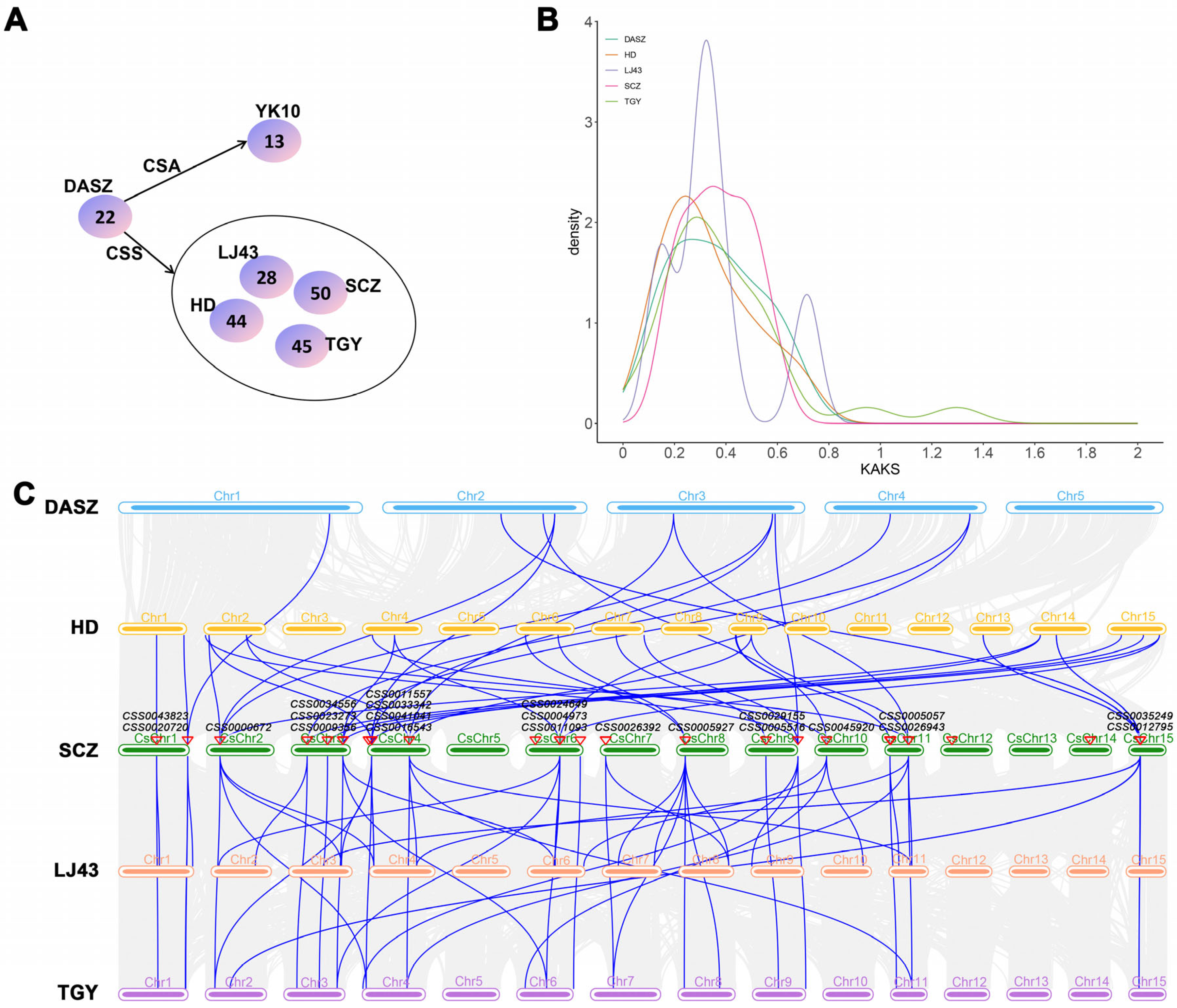
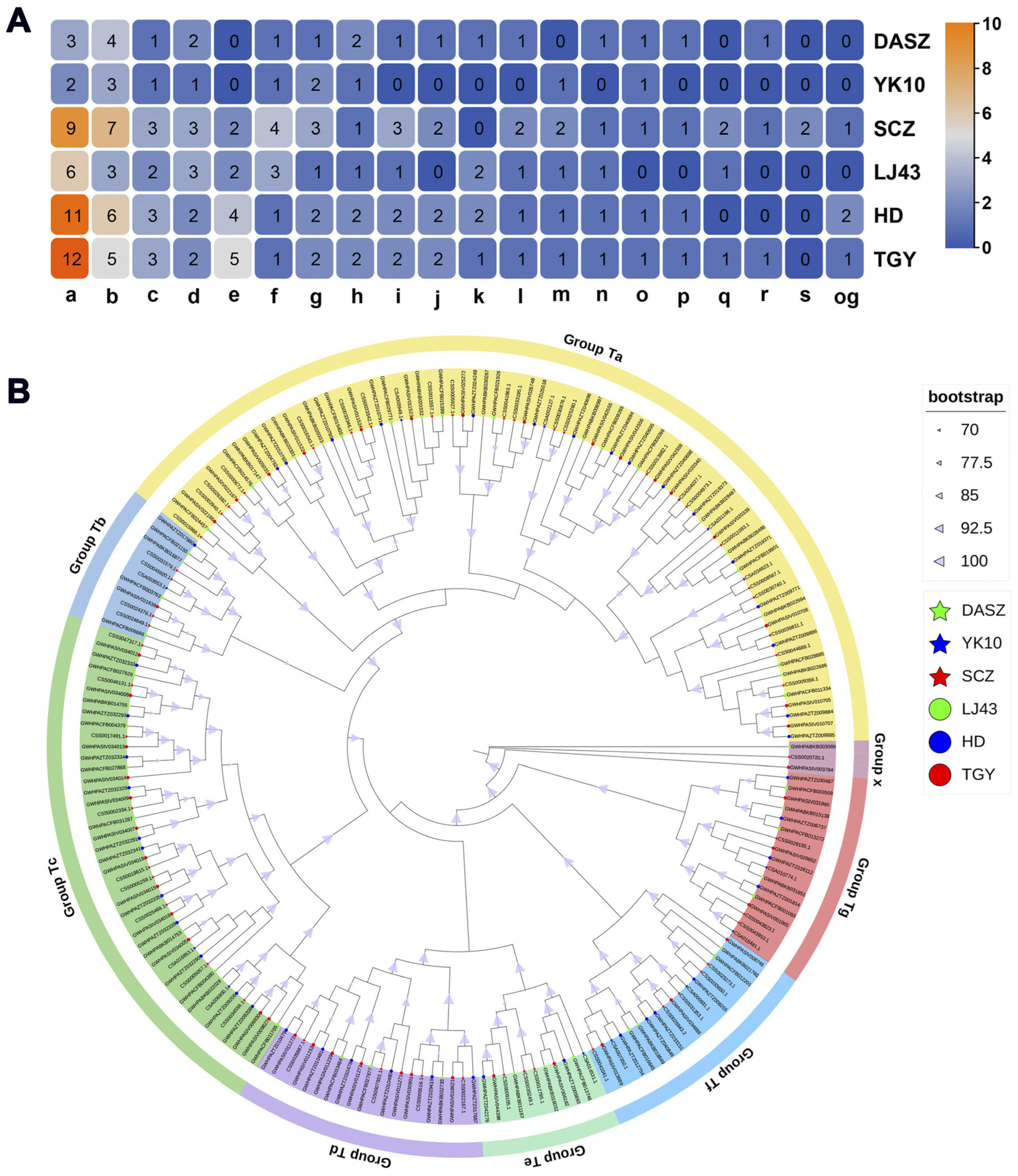
2.1. Evolutionary Expansion Patterns of the CCR Gene Family in Large-Leaf and Small-Leaf Tea Cultivars
2.2. Syntenic Conservation and Orthologous Clustering Analysis of the CCR Gene Family Among Different Tea Cultivars
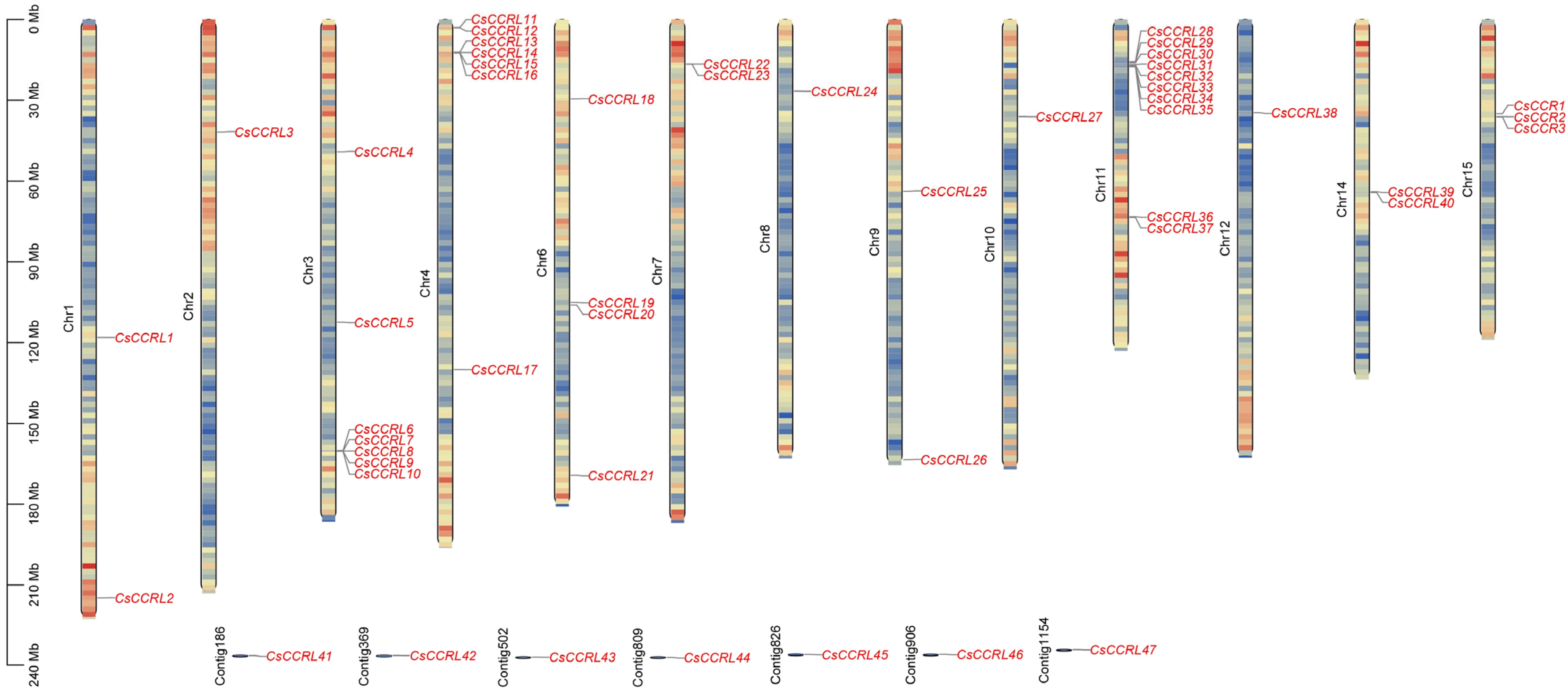
2.3. Identification, Chromosomal Localization, and Physicochemical Characterization of the CCR Gene Family in C. sinensis ‘Shuchazao’
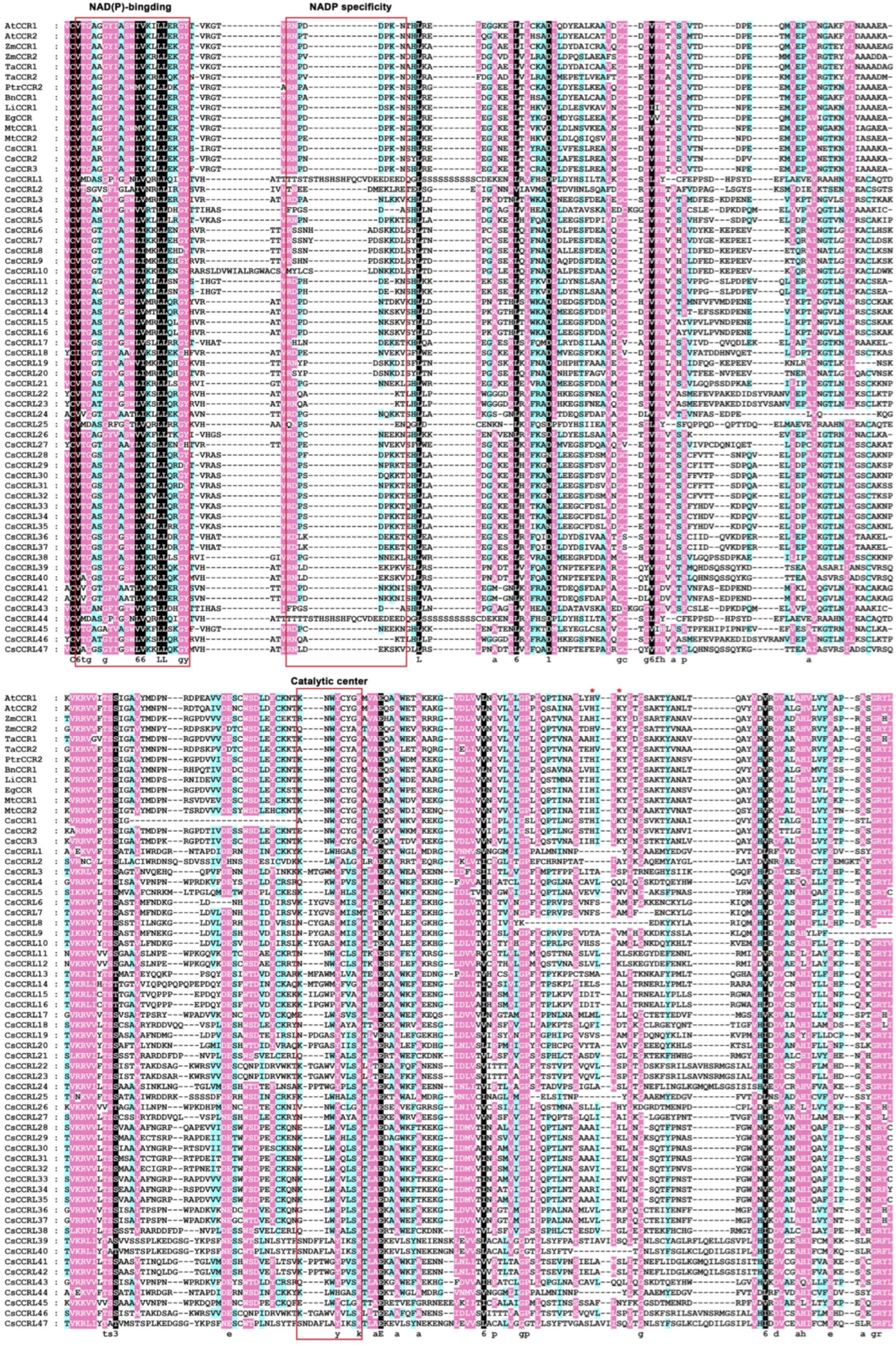
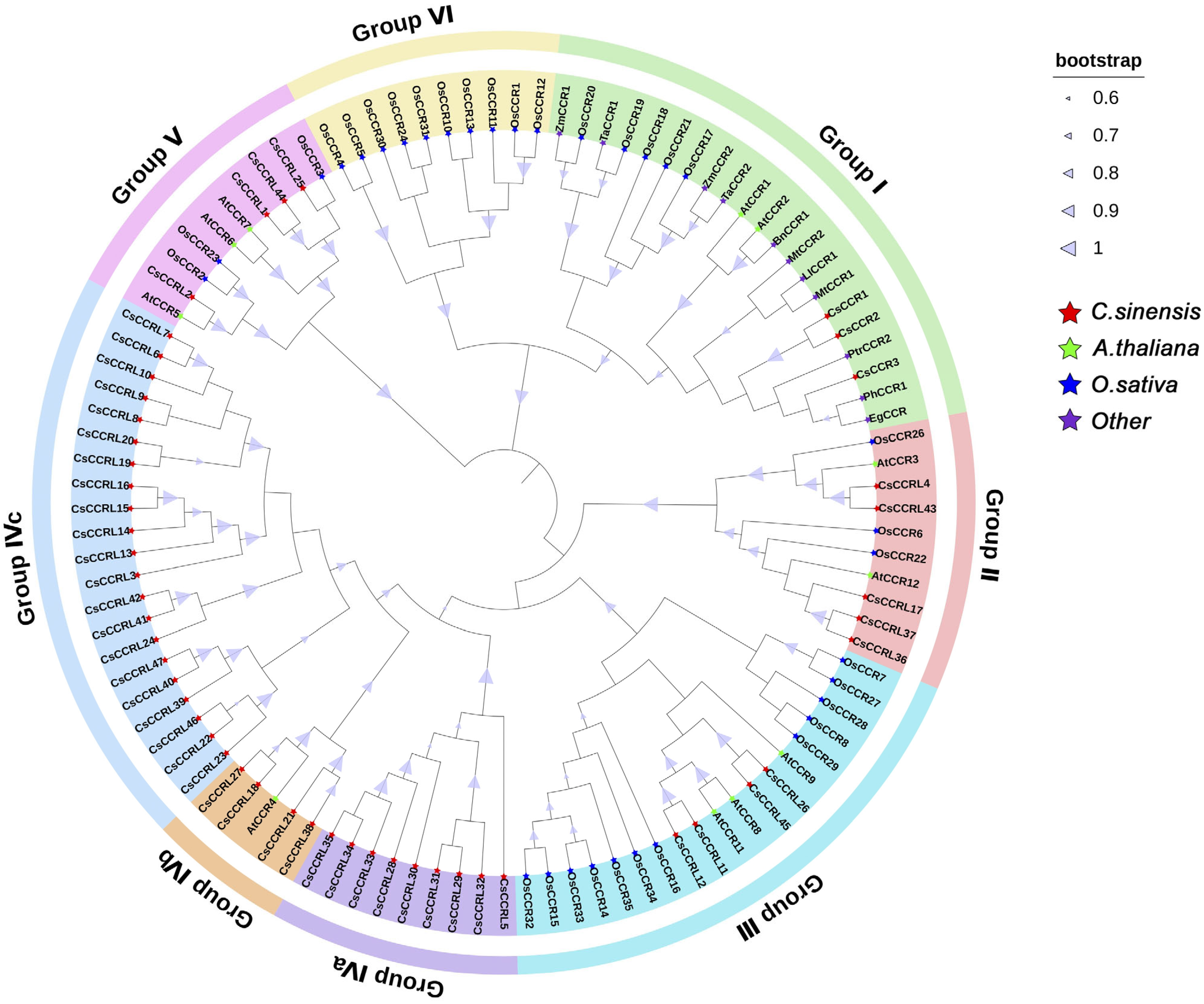
2.4. Multiple Sequence Alignment and Phylogenetic Analysis of the CsCCR Gene Family
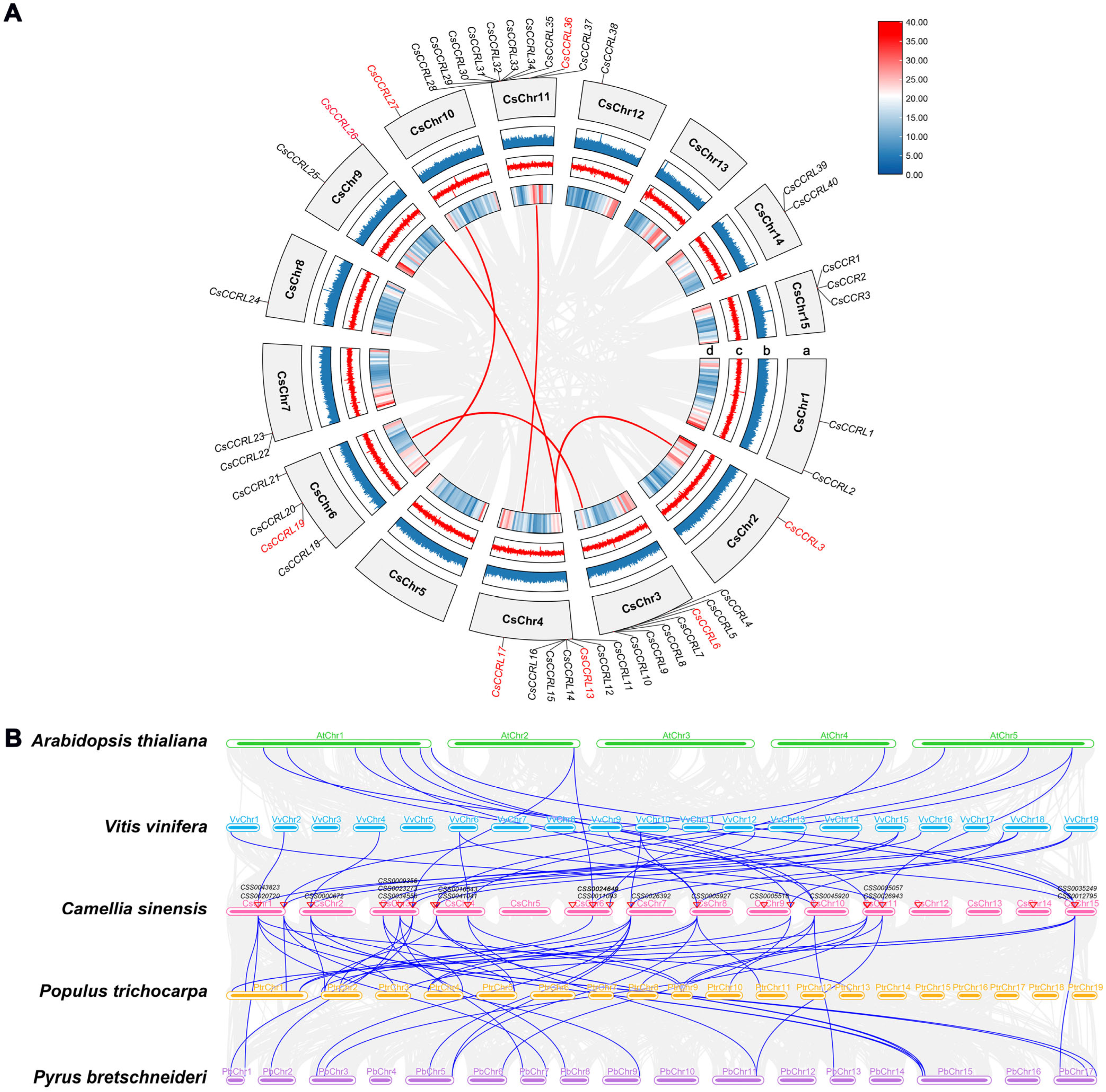
2.5. CsCCR Synteny Analysis
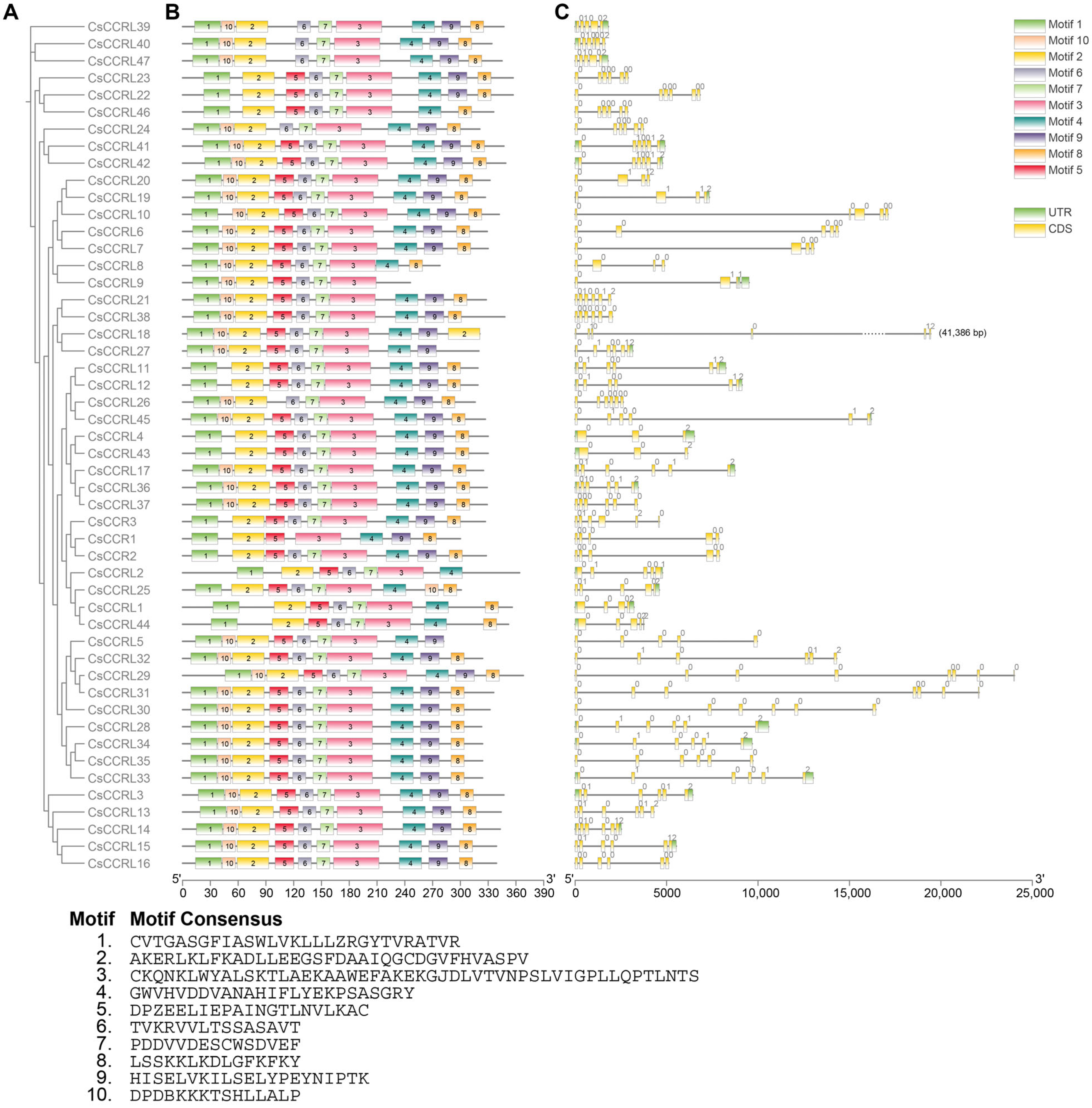
2.6. Conserved Motif and Gene Structure Analysis of CsCCR Gene Family
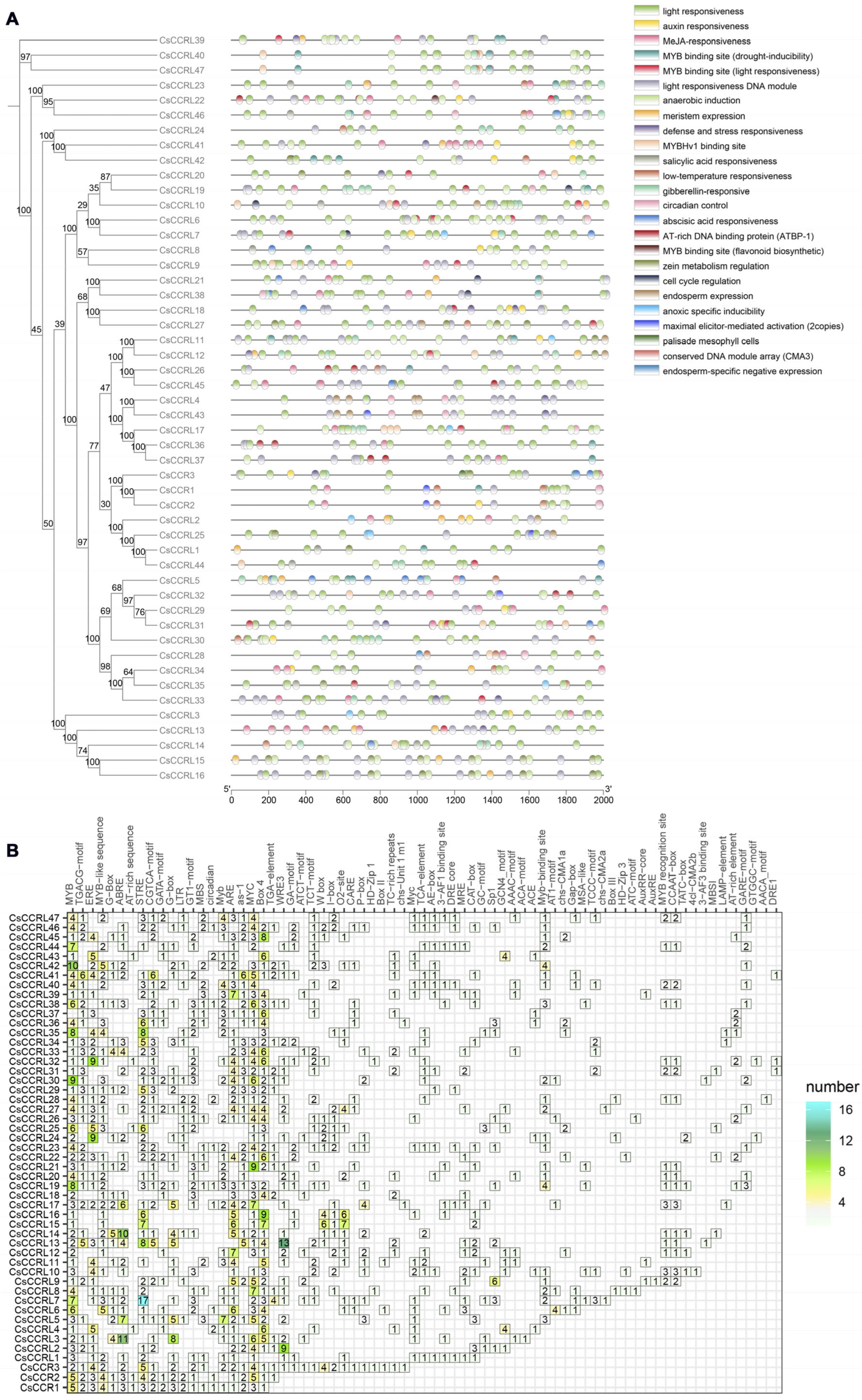
2.7. cis-Acting Element Analysis of CsCCR Gene Family in Tea Plant
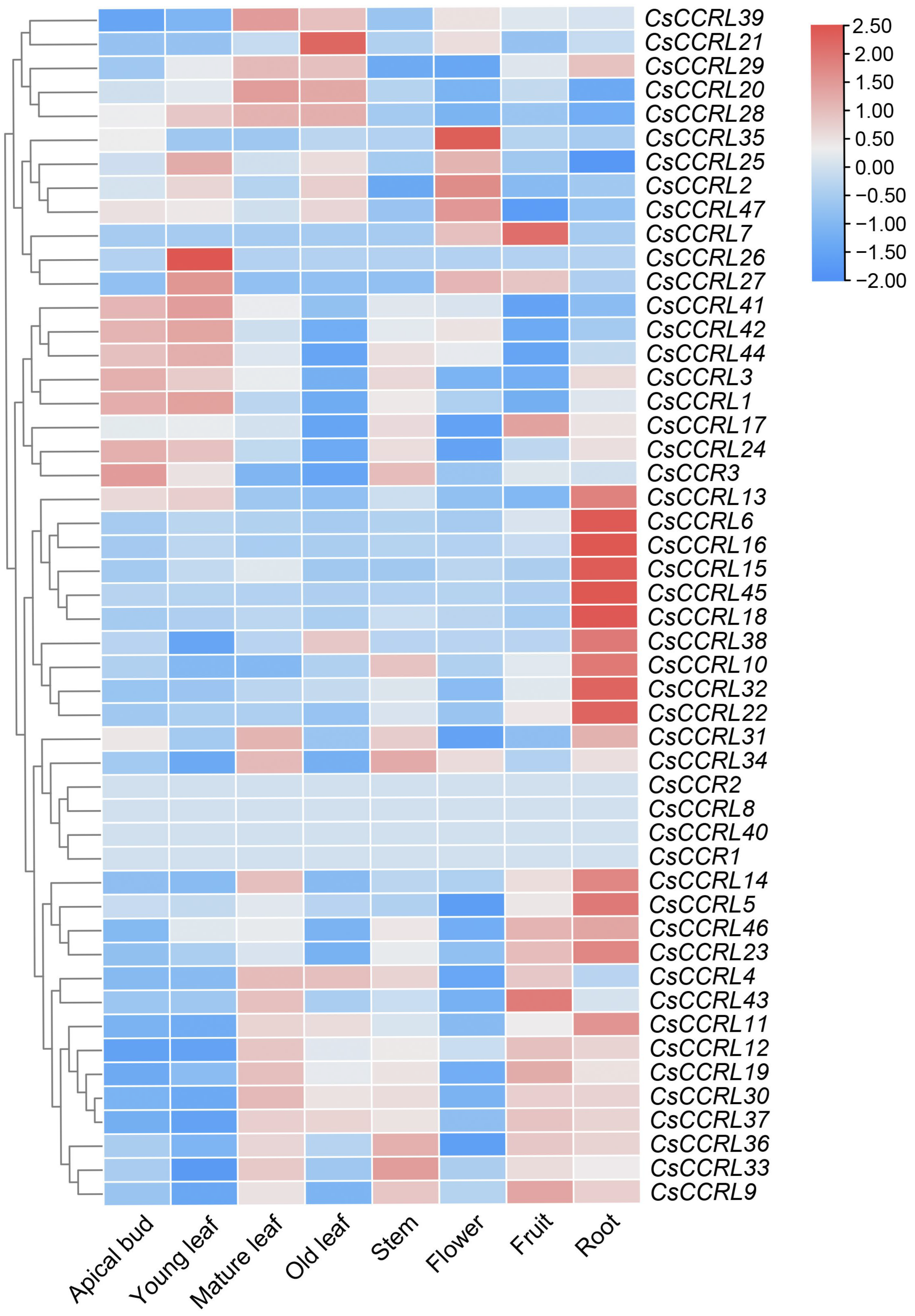
2.8. Heatmap Analysis of Expression Patterns of CsCCR Gene Family in Tea Plant
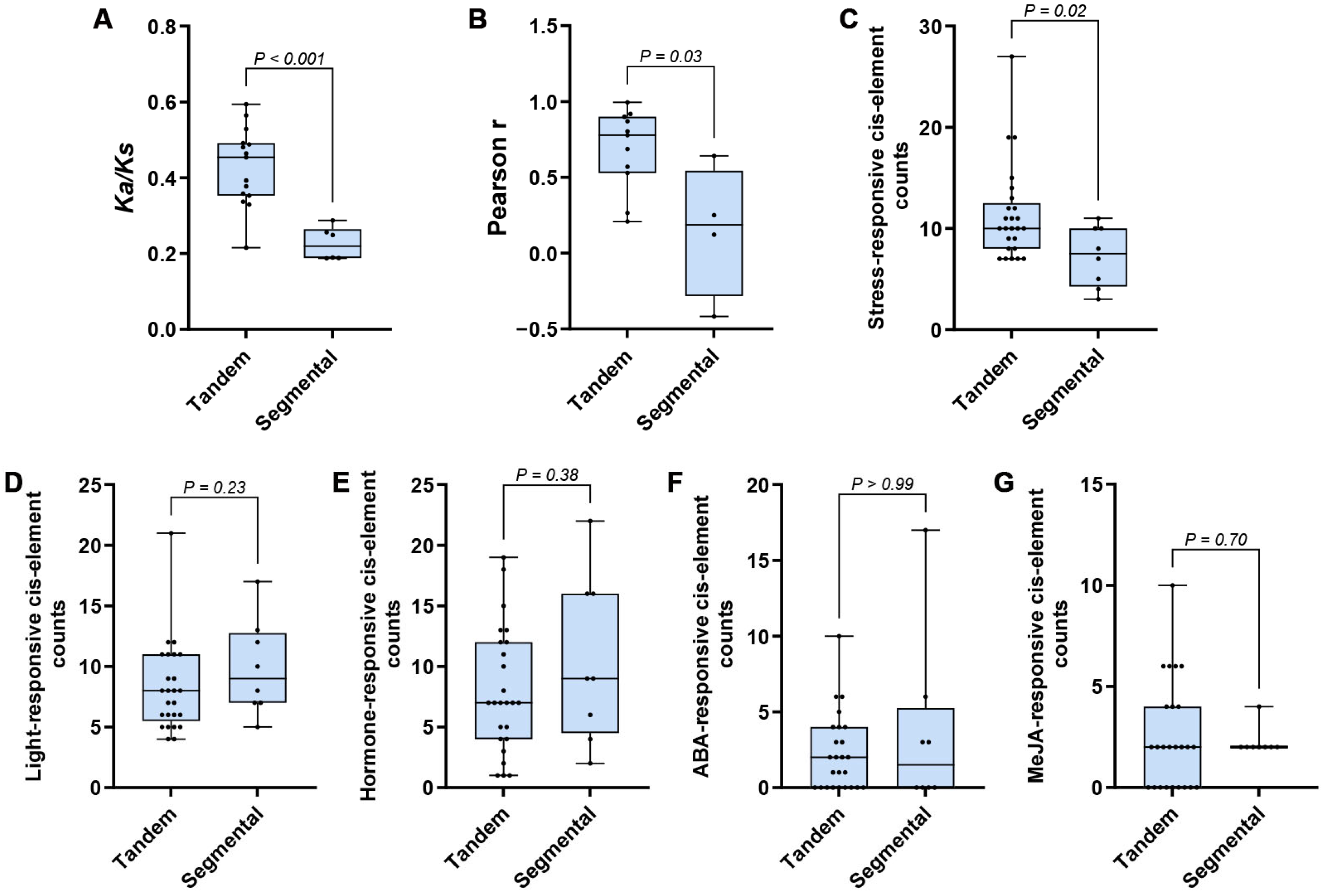
2.9. Functional Divergence Driven by Different Gene Duplication Modes
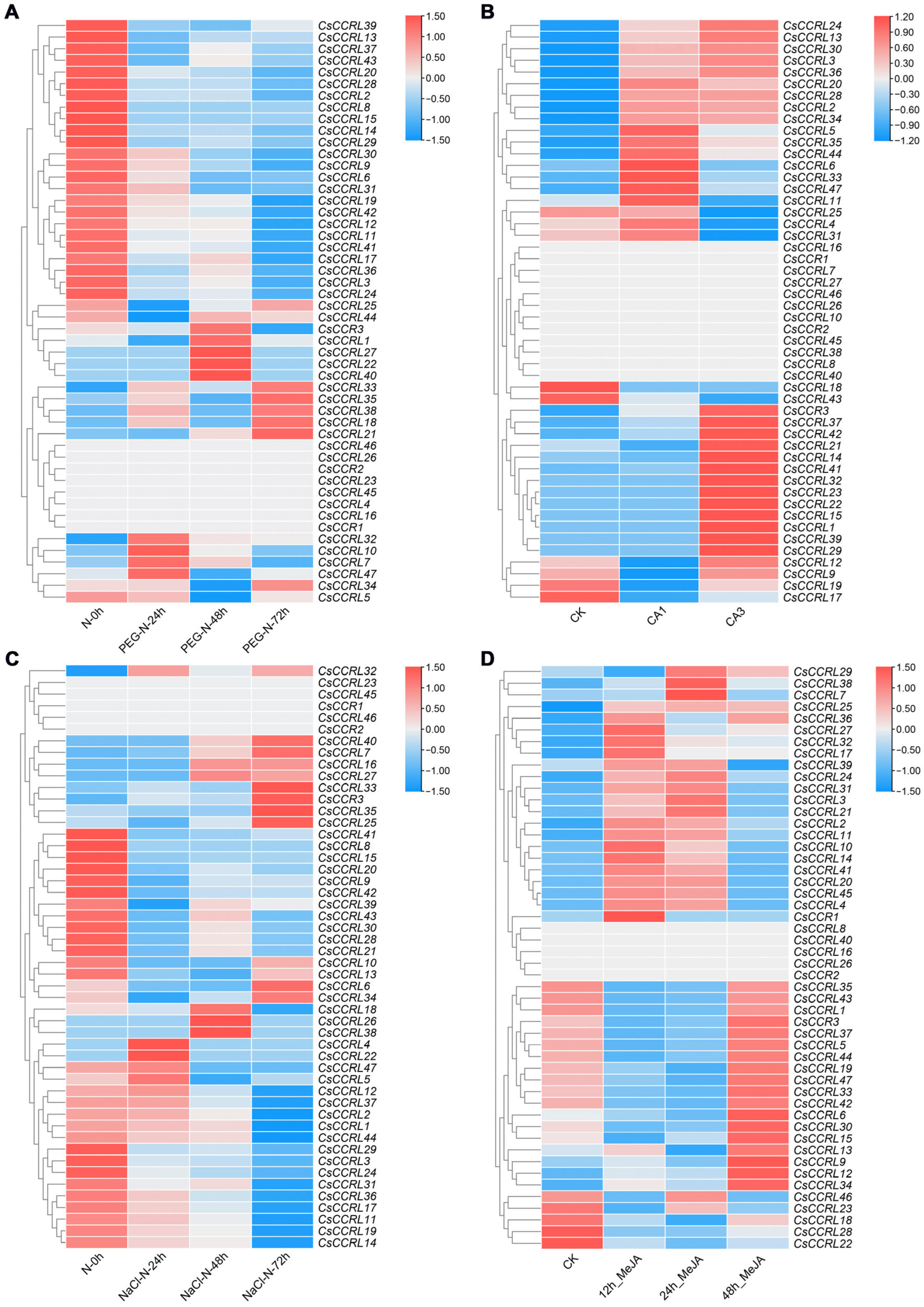
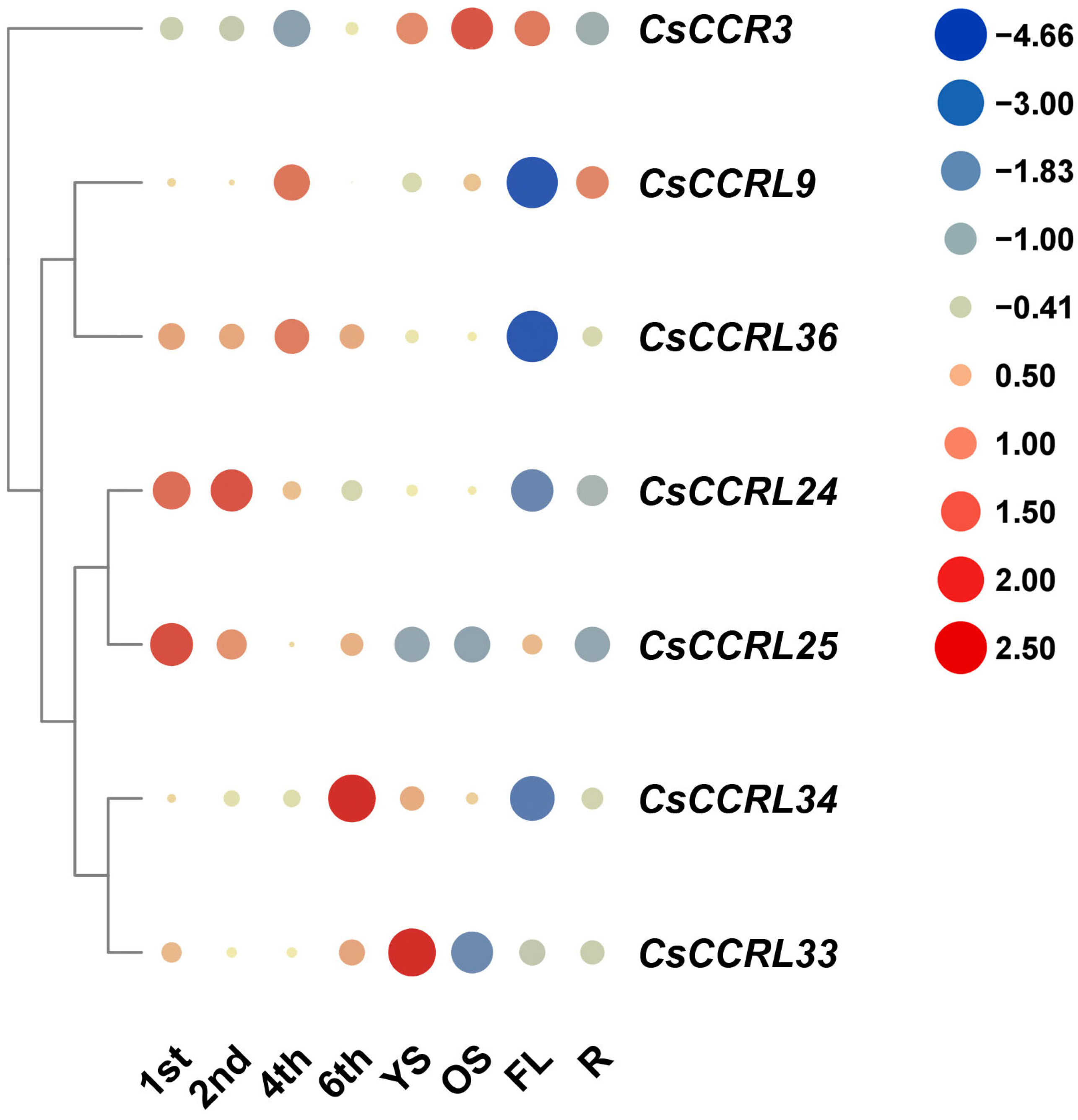
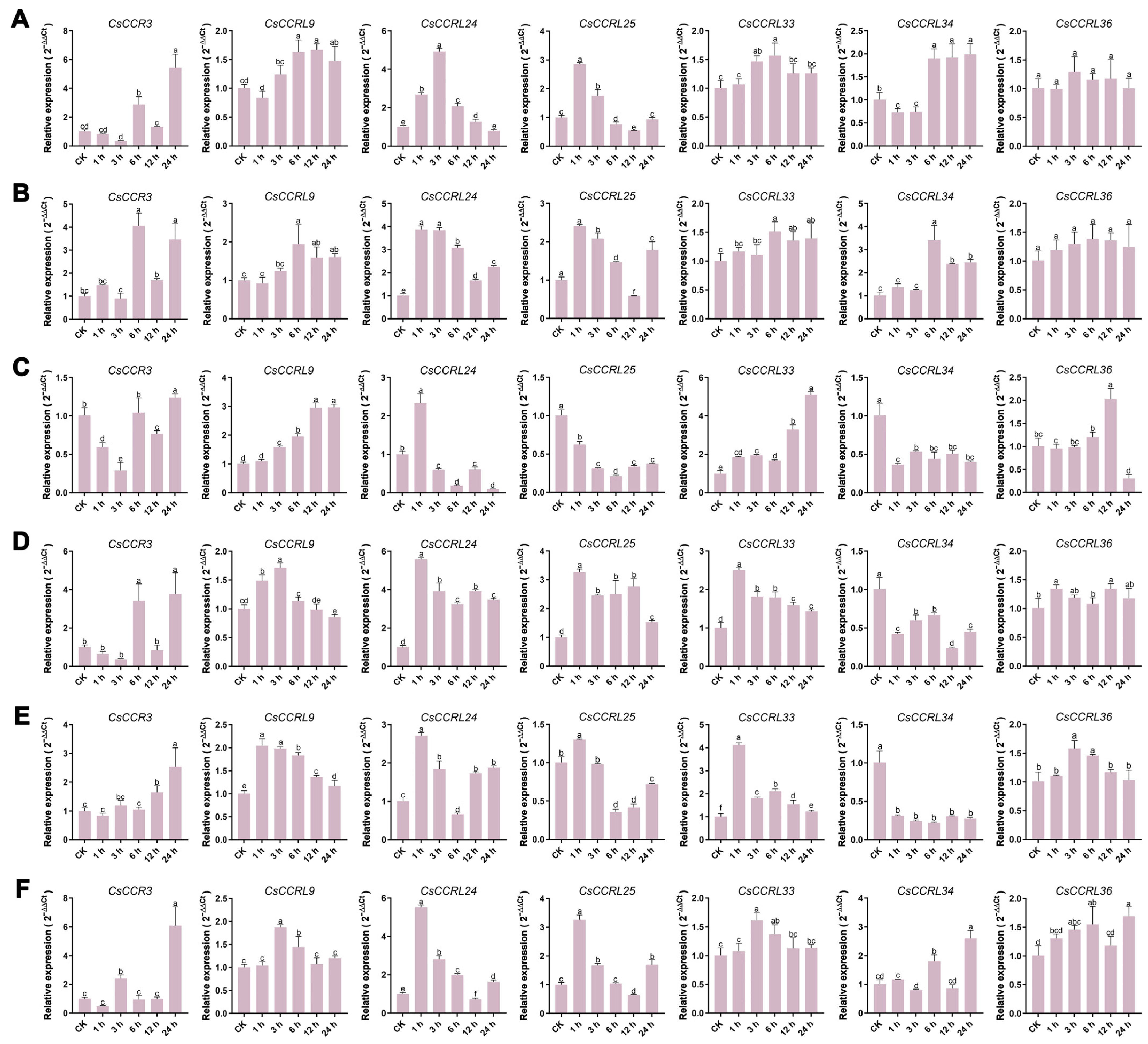
2.10. Spatiotemporal Expression Patterns and Stress-Responsive Characteristics of CsCCR Genes in Tea Plant
3. Discussion
4. Materials and Methods
4.1. Plant Materials and Growth Conditions
4.2. Genome-Wide Identification and Characterization of CCR Genes in Tea Plants
4.3. Homology-Based Clustering and Phylogenetic Analysis of the CCR Gene Family
4.4. Chromosomal Distribution, Sequence Alignment, and Synteny Analysis of CsCCR Genes
4.5. Structural Characterization, Conserved Motif Identification, and Promoter cis-Element Analysis
4.6. Expression Profiling of the CsCCR Gene Family in Tea Plant Based on Heatmap Analysis
4.7. Analysis of Functional Divergence Driven by Different Duplication Modes
4.8. Extraction of Total RNA and Synthesis of cDNA
4.9. RT-qPCR Detection and Gene Expression Analysis
4.10. Data Processing and Analysis
5. Conclusions
Supplementary Materials
Author Contributions
Funding
Institutional Review Board Statement
Informed Consent Statement
Data Availability Statement
Conflicts of Interest
Abbreviations
| ABA | Abscisic acid |
| CCR | Cinnamoyl-CoA reductase |
| CDD | Conserved Domain Database |
| CDS | Coding sequences |
| GA3 | Gibberellin |
| HMM | Hidden Markov Model |
| Ka/Ks | Ratio of nonsynonymous substitutions per nonsynonymous site (Ka) to synonymous substitutions per synonymous site (Ks) |
| MCL | Markov cluster algorithm |
| PEG | Polyethylene glycol |
| RT-qPCR | Real-time quantitative reverse transcription PCR |
| UTR | Untranslated region |
References
- Xia, E.H.; Tong, W.; Hou, Y.; An, Y.I.; Chen, L.B.; Wu, Q.; Liu, Y.L.; Yu, J.; Li, F.D.; Li, R.P.; et al. The reference genome of tea plant and resequencing of 81 diverse accessions provide insights into its genome evolution and adaptation. Mol. Plant 2020, 13, 1013–1026. [Google Scholar] [CrossRef]
- Hazra, A.; Dasgupta, N.; Sengupta, C.; Bera, B.; Das, S. Tea: A worthwhile, popular beverage crop since time immemorial. In Agronomic Crops: Volume 1: Production Technologies; Hasanuzzaman, M., Ed.; Springer: Singapore, 2019; pp. 507–531. [Google Scholar]
- Hu, Z.H.; Huang, T.; Zhang, N.; Chen, C.; Yang, K.X.; Sun, M.Z.; Yang, N.; Chen, Y.; Tao, J.P.; Liu, H.; et al. Interference of skeleton photoperiod in circadian clock and photosynthetic efficiency of tea plant: In-depth analysis of mathematical model. Hortic. Res. 2024, 11, uhae226. [Google Scholar] [CrossRef]
- Xia, E.H.; Zhang, H.B.; Sheng, J.; Li, K.; Zhang, Q.J.; Kim, C.; Zhang, Y.; Liu, Y.; Zhu, T.; Li, W.; et al. The tea tree genome provides insights into tea flavor and independent evolution of caffeine biosynthesis. Mol. Plant 2017, 10, 866–877. [Google Scholar] [CrossRef]
- Yang, N.; Li, J.W.; Deng, Y.J.; Teng, R.M.; Luo, W.; Li, G.N.; Hu, Z.H.; Liu, H.; Xiong, A.S.; Zhang, J.; et al. Ectopic biosynthesis of catechin of tea plant can be completed by co-expression of the three CsANS, CsLAR, and CsANR genes. Hortic. Res. 2025, 12, uhae304. [Google Scholar] [CrossRef]
- Shen, J.Z.; Wang, Y.; Ding, Z.T.; Ding, S.B.; Wang, H.; Bi, C.H.; Wang, L.J. Metabolic analyses reveal growth characteristics of young tea shoots in spring. Sci. Hortic. 2019, 246, 478–489. [Google Scholar] [CrossRef]
- Zhao, X.C.; Xu, X.Y.; Chi, N.; Liu, Y.M.; Zhou, X.X.; Jin, J.Q.; Ma, C.L.; Ma, J.Q.; Chen, W.; Yao, M.Z.; et al. Integrated single-nucleus transcriptomic and metabolomic insights into bud-to-leaf development and metabolite synthesis in tea plant. Hortic. Res. 2025, 13, uhaf281. [Google Scholar] [CrossRef]
- Wang, Y.X.; Teng, R.M.; Wang, W.L.; Wang, Y.; Shen, W.; Zhuang, J. Identification of genes revealed differential expression profiles and lignin accumulation during leaf and stem development in tea plant (Camellia sinensis (L.) O. Kuntze). Protoplasma 2019, 256, 359–370. [Google Scholar] [CrossRef] [PubMed]
- Wang, Y.S.; Gao, L.P.; Wang, Z.R.; Liu, Y.J.; Sun, M.L.; Yang, D.Q.; Wei, C.L.; Shan, Y.; Xia, T. Light-induced expression of genes involved in phenylpropanoid biosynthetic pathways in callus of tea (Camellia sinensis (L.) O. Kuntze). Sci. Hortic. 2012, 133, 72–83. [Google Scholar] [CrossRef]
- Wang, W.D.; Gao, T.; Yang, H.B.; Sun, Y.Y.; Yang, J.K.; Zhou, J.; Zhou, T.S.; Chen, L.; Yu, Y.B. The balance between lignin and flavonoid metabolism has a central role in the changes of quality in young shoots of the tea plant (Camellia sinensis). Sci. Hortic. 2024, 338, 113788. [Google Scholar] [CrossRef]
- Xu, X.D.; Chen, Y.; Li, B.Q.; Zhang, Z.Q.; Qin, G.; Chen, T.; Tian, S. Molecular mechanisms underlying multi-level defense responses of horticultural crops to fungal pathogens. Hortic. Res. 2022, 9, uhac066. [Google Scholar] [CrossRef] [PubMed]
- Uddin, N.; Li, X.; Ullah, M.W.; Sethupathy, S.; Ma, K.; Zahoor; Elboughdiri, N.; Khan, K.A.; Zhu, D. Lignin developmental patterns and casparian strip as apoplastic barriers: A review. Int. J. Biol. Macromol. 2024, 260, 129595. [Google Scholar] [CrossRef]
- Choi, S.J.; Lee, Z.; Kim, S.; Jeong, E.; Shim, J.S. Modulation of lignin biosynthesis for drought tolerance in plants. Front. Plant Sci. 2023, 14, 1116426. [Google Scholar] [CrossRef]
- Han, X.J.; Zhao, Y.Q.; Chen, Y.J.; Xu, J.; Jiang, C.; Wang, X.; Zhuo, R.; Lu, M.Z.; Zhang, J. Lignin biosynthesis and accumulation in response to abiotic stresses in woody plants. For. Res. 2022, 2, 9. [Google Scholar] [CrossRef] [PubMed]
- Zhang, S.; Yang, J.; Li, H.Q.; Chiang, V.L.; Fu, Y.J. Cooperative regulation of flavonoid and lignin biosynthesis in plants. Crit. Rev. Plant Sci. 2021, 40, 109–126. [Google Scholar] [CrossRef]
- Yao, T.; Feng, K.; Xie, M.; Barros, J.; Tschaplinski, T.J.; Tuskan, G.A.; Muchero, W.; Chen, J.G. Phylogenetic occurrence of the phenylpropanoid pathway and lignin biosynthesis in plants. Front. Plant Sci. 2021, 12, 704697. [Google Scholar] [CrossRef] [PubMed]
- Li, W.; Hao, Z.Y.; Yang, L.C.; Xia, H.; Tu, Z.H.; Cui, Z.K.; Wu, J.P.; Li, H.G. Genome-wide identification and characterization of LcCCR13 reveals its potential role in lignin biosynthesis in Liriodendron chinense. Front. Plant Sci. 2023, 13, 1110639. [Google Scholar] [CrossRef]
- Cheng, X.; Li, M.L.; Li, D.H.; Zhang, J.Y.; Jin, Q.; Sheng, L.L.; Cai, Y.P.; Lin, Y. Characterization and analysis of CCR and CAD gene families at the whole-genome level for lignin synthesis of stone cells in pear (Pyrus bretschneideri) fruit. Biol. Open 2017, 6, 1602–1613. [Google Scholar] [CrossRef]
- Zhan, W.M.; Cui, L.H.; Song, N.N.; Liu, X.Y.; Guo, G.H.; Zhang, Y.P. Comprehensive analysis of cinnamoyl-CoA reductase (CCR) gene family in wheat: Implications for lignin biosynthesis and stress responses. BMC Plant Biol. 2025, 25, 567. [Google Scholar] [CrossRef]
- Escamilla-Trevino, L.L.; Shen, H.; Uppalapati, S.R.; Ray, T.; Tang, Y.H.; Hernandez, T.; Yin, Y.B.; Xu, Y.; Dixon, R.A. Switchgrass (Panicum virgatum) possesses a divergent family of cinnamoyl CoA reductases with distinct biochemical properties. New Phytol. 2010, 185, 143–155. [Google Scholar] [CrossRef]
- Chao, N.; Jiang, W.T.; Wang, X.C.; Jiang, X.N.; Gai, Y. Novel motif is capable of determining CCR and CCR-like proteins based on the divergence of CCRs in plants. Tree Physiol. 2019, 39, 2019–2026. [Google Scholar] [CrossRef] [PubMed]
- Song, X.X.; Liu, D.D.; Yao, Y.B.; Tang, L.L.; Cheng, L.L.; Yang, L.; Jiang, Z.J.; Kang, Q.H.; Chen, S.; Ru, J.R.; et al. Genome-wide identification and expression pattern analysis of the cinnamoyl-CoA reductase gene family in flax (Linum usitatissimum L.). BMC Genom. 2025, 26, 315. [Google Scholar] [CrossRef] [PubMed]
- Liu, D.X.; Wu, J.; Lin, L.; Li, P.P.; Li, S.F.; Wang, Y.; Li, J.; Sun, Q.F.; Liang, J.S.; Wang, Y.P. Overexpression of cinnamoyl-CoA reductase 2 in Brassica napus increases resistance to sclerotinia sclerotiorum by affecting lignin biosynthesis. Front. Plant Sci. 2021, 12, 732733. [Google Scholar] [CrossRef]
- Yin, N.W.; Li, B.; Liu, X.; Liang, Y.; Lian, J.P.; Xue, Y.F.; Qu, C.M.; Lu, K.; Wei, L.J.; Wang, R.; et al. Two types of cinnamoyl-CoA reductase function divergently in accumulation of lignins, flavonoids and glucosinolates and enhance lodging resistance in Brassica napus. Crop J. 2022, 10, 647–660. [Google Scholar] [CrossRef]
- Raes, J.; Rohde, A.; Christensen, J.H.; Van De Peer, Y.; Boerjan, W. Genome-wide characterization of the lignification toolbox in Arabidopsis. Plant Physiol. 2003, 133, 1051–1071. [Google Scholar] [CrossRef]
- Costa, M.A.; Collins, R.E.; Anterola, A.M.; Cochrane, F.C.; Davin, L.B.; Lewis, N.G. An in silico assessment of gene function and organization of the phenylpropanoid pathway metabolic networks in Arabidopsis thaliana and limitations thereof. Phytochemistry 2003, 64, 1097–1112. [Google Scholar] [CrossRef]
- Goujon, T.; Ferret, V.; Mila, I.; Pollet, B.; Ruel, K.; Burlat, V.; Joseleau, J.P.; Barrière, Y.; Lapierre, C.; Jouanin, L. Down-regulation of the AtCCR1 gene in Arabidopsis thaliana: Effects on phenotype, lignins and cell wall degradability. Planta 2003, 217, 218–228. [Google Scholar] [CrossRef] [PubMed]
- Thevenin, J.; Pollet, B.; Letarnec, B.; Saulnier, L.; Gissot, L.; Maia-Grondard, A.; Lapierre, C.; Jouanin, L. The simultaneous repression of CCR and CAD, two enzymes of the lignin biosynthetic pathway, results in sterility and dwarfism in Arabidopsis thaliana. Mol. Plant 2011, 4, 70–82. [Google Scholar] [CrossRef] [PubMed]
- Li, J.Q.; Fan, F.F.; Wang, L.H.; Zhan, Q.W.; Wu, P.J.; Du, J.L.; Yang, X.C.; Liu, Y.L. Cloning and expression analysis of cinnamoyl-CoA reductase (CCR) genes in sorghum. PeerJ 2016, 4, e2005. [Google Scholar] [CrossRef]
- Bang, S.W.; Choi, S.; Jin, X.; Jung, S.E.; Choi, J.W.; Seo, J.S.; Kim, J.K. Transcriptional activation of rice cinnamoyl-CoA reductase 10 by OsNAC5, contributes to drought tolerance by modulating lignin accumulation in roots. Plant Biotechnol. J. 2022, 20, 736–747. [Google Scholar] [CrossRef]
- Wei, C.L.; Yang, H.; Wang, S.B.; Zhao, J.; Liu, C.; Gao, L.P.; Xia, E.H.; Lu, Y.; Tai, Y.; She, G.B.; et al. Draft genome sequence of Camellia sinensis var. sinensis provides insights into the evolution of the tea genome and tea quality. Proc. Natl. Acad. Sci. USA 2018, 115, e4151–e4158. [Google Scholar] [CrossRef]
- Qiao, X.; Li, Q.H.; Yin, H.; Qi, K.J.; Li, L.T.; Wang, R.Z.; Zhang, S.L.; Paterson, A.H. Gene duplication and evolution in recurring polyploidization–diploidization cycles in plants. Genome Biol. 2019, 20, 38. [Google Scholar] [CrossRef]
- Chae, L.; Kim, T.; Nilo-Poyanco, R.; Rhee, S.Y. Genomic signatures of specialized metabolism in plants. Science 2014, 344, 510–513. [Google Scholar] [CrossRef]
- Moghe, G.D.; Last, R.L. Something old, something new: Conserved enzymes and the evolution of novelty in plant specialized metabolism. Plant Physiol. 2015, 169, 1512–1523. [Google Scholar] [CrossRef] [PubMed]
- Barakat, A.; Yassin, N.B.M.; Park, J.S.; Choi, A.; Herr, J.; Carlson, J.E. Comparative and phylogenomic analyses of cinnamoyl-CoA reductase and cinnamoyl-CoA-reductase-like gene family in land plants. Plant Sci. 2011, 181, 249–257. [Google Scholar] [CrossRef] [PubMed]
- Birchler, J.A.; Yang, H. The multiple fates of gene duplications: Deletion, hypofunctionalization, subfunctionalization, neofunctionalization, dosage balance constraints, and neutral variation. Plant Cell 2022, 34, 2466–2474. [Google Scholar] [CrossRef]
- Lauvergeat, V.; Lacomme, C.; Lacombe, E.; Lasserre, E.; Roby, D.; Grima-Pettenati, J. Two cinnamoyl-CoA reductase (CCR) genes from Arabidopsis thaliana are differentially expressed during development and in response to infection with pathogenic bacteria. Phytochemistry 2001, 57, 1187–1195. [Google Scholar] [CrossRef]
- Tamasloukht, B.; Lam, M.S.-J.W.Q.; Martinez, Y.; Tozo, K.; Barbier, O.; Jourda, C.; Jauneau, A.; Borderies, G.; Balzergue, S.; Renou, J.-P.; et al. Characterization of a cinnamoyl-CoA reductase 1 (CCR1) mutant in maize: Effects on lignification, fibre development, and global gene expression. J. Exp. Bot. 2011, 62, 3837–3848. [Google Scholar] [CrossRef] [PubMed]
- Yan, X.J.; Liu, J.; Kim, H.; Liu, B.G.; Huang, X.; Yang, Z.; Lin, Y.-C.J.; Chen, H.; Yang, C.M.; Wang, J.P.; et al. CAD1 and CCR2 protein complex formation in monolignol biosynthesis in Populus trichocarpa. New Phytol. 2019, 222, 244–260. [Google Scholar] [CrossRef]
- Park, H.L.; Bhoo, S.H.; Kwon, M.; Lee, S.W.; Cho, M.H. Biochemical and expression analyses of the rice cinnamoyl-COA reductase gene family. Front. Plant Sci. 2017, 8, 2099. [Google Scholar] [CrossRef]
- Su, X.Q.; Zhao, Y.; Wang, H.; Li, G.H.; Cheng, X.; Jin, Q.; Cai, Y.P. Transcriptomic analysis of early fruit development in Chinese white pear (Pyrus bretschneideri Rehd.) and functional identification of PbCCR1 in lignin biosynthesis. BMC Plant Biol. 2019, 19, 417. [Google Scholar] [CrossRef]
- Liu, C.; Yu, H.; Rao, X.L.; Laigeng, L.; Richard, A.D. Abscisic acid regulates secondary cell-wall formation and lignin deposition in Arabidopsis thaliana through phosphorylation of NST1. Proc. Natl. Acad. Sci. USA 2021, 118, e2010911118, Erratum in Proc. Natl. Acad. Sci. USA 2021, 118, e2106367118. [Google Scholar] [CrossRef] [PubMed]
- Xue, Y.S.; Shan, Y.F.; Yao, J.L.; Wang, R.Z.; Xu, S.Z.; Liu, D.L.; Ye, Z.C.; Lin, J.; Li, X.G.; Xue, C.; et al. The transcription factor PbrMYB24 regulates lignin and cellulose biosynthesis in stone cells of pear fruits. Plant Physiol. 2023, 192, 1997–2014. [Google Scholar] [CrossRef]
- Ko, J.H.; Jeon, H.W.; Kim, W.C.; Kim, J.Y.; Han, K.H. The MYB46/MYB83-mediated transcriptional regulatory programme is a gatekeeper of secondary wall biosynthesis. Ann. Bot. 2014, 114, 1099–1107. [Google Scholar] [CrossRef]
- Zhou, J.L.; Lee, C.H.; Zhong, R.Q.; Ye, Z.H. MYB58 and MYB63 are transcriptional activators of the lignin biosynthetic pathway during secondary cell wall formation in Arabidopsis. Plant Cell 2009, 21, 248–266. [Google Scholar] [CrossRef]
- Li, J.W.; Zhou, P.; Hu, Z.H.; Xiong, A.S.; Li, X.H.; Chen, X.; Zhuang, J. The transcription factor CsPAT1 from tea plant (Camellia sinensis) is involved in drought tolerance by modulating phenylpropanoid biosynthesis. J. Plant Physiol. 2025, 308, 154474. [Google Scholar] [CrossRef]
- Li, J.W.; Zhou, P.; Yang, N.; Hu, Z.H.; Chen, Y.; Luo, W.; Kong, J.Y.; Qin, Z.Y.; Li, X.H.; Chen, X.; et al. CsBZR1 family transcription factors in wild and cultural tea plants and their response to hormone and abiotic stress. J. Plant Growth Regul. 2024, 43, 840–853. [Google Scholar] [CrossRef]
- Chen, C.J.; Wu, Y.; Li, J.W.; Wang, X.; Zeng, Z.H.; Xu, J.; Liu, Y.L.; Feng, J.T.; Chen, H.; He, Y.H.; et al. TBtools-II: A “one for all, all for one” bioinformatics platform for biological big-data mining. Mol. Plant 2023, 16, 1733–1742. [Google Scholar] [CrossRef]
- Wu, Z.J.; Tian, C.; Jiang, Q.; Li, X.H.; Zhuang, J. Selection of suitable reference genes for qRT-PCR normalization during leaf development and hormonal stimuli in tea plant (Camellia sinensis). Sci. Rep. 2016, 6, 19748. [Google Scholar] [CrossRef] [PubMed]
- Livak, K.J.; Schmittgen, T.D. Analysis of relative gene expression data using real-time quantitative PCR and the 2−ΔΔCT method. Methods 2001, 25, 402–408. [Google Scholar] [CrossRef] [PubMed]







Disclaimer/Publisher’s Note: The statements, opinions and data contained in all publications are solely those of the individual author(s) and contributor(s) and not of MDPI and/or the editor(s). MDPI and/or the editor(s) disclaim responsibility for any injury to people or property resulting from any ideas, methods, instructions or products referred to in the content. |
© 2026 by the authors. Licensee MDPI, Basel, Switzerland. This article is an open access article distributed under the terms and conditions of the Creative Commons Attribution (CC BY) license.
Share and Cite
Yang, N.; Li, G.-N.; Zhang, J.-Q.; Gao, Y.; Hu, Z.-H.; Xiong, A.-S.; Zhuang, J. Genome-Wide Analysis of the Cinnamoyl-CoA Reductase (CCR) Gene Family and Its Involvement in Lignin Biosynthesis and Stress Responses in Six Tea Plant Cultivars. Int. J. Mol. Sci. 2026, 27, 2957. https://doi.org/10.3390/ijms27072957
Yang N, Li G-N, Zhang J-Q, Gao Y, Hu Z-H, Xiong A-S, Zhuang J. Genome-Wide Analysis of the Cinnamoyl-CoA Reductase (CCR) Gene Family and Its Involvement in Lignin Biosynthesis and Stress Responses in Six Tea Plant Cultivars. International Journal of Molecular Sciences. 2026; 27(7):2957. https://doi.org/10.3390/ijms27072957
Chicago/Turabian StyleYang, Ni, Gui-Nan Li, Jia-Qi Zhang, Yuan Gao, Zhi-Hang Hu, Ai-Sheng Xiong, and Jing Zhuang. 2026. "Genome-Wide Analysis of the Cinnamoyl-CoA Reductase (CCR) Gene Family and Its Involvement in Lignin Biosynthesis and Stress Responses in Six Tea Plant Cultivars" International Journal of Molecular Sciences 27, no. 7: 2957. https://doi.org/10.3390/ijms27072957
APA StyleYang, N., Li, G.-N., Zhang, J.-Q., Gao, Y., Hu, Z.-H., Xiong, A.-S., & Zhuang, J. (2026). Genome-Wide Analysis of the Cinnamoyl-CoA Reductase (CCR) Gene Family and Its Involvement in Lignin Biosynthesis and Stress Responses in Six Tea Plant Cultivars. International Journal of Molecular Sciences, 27(7), 2957. https://doi.org/10.3390/ijms27072957