Ginsenoside Rh4 Triggers Ferroptosis in Lung Cancer: Targeting KEAP1/NRF2/HO-1 and Remodeling Gut Microbiota for Butyrate-Mediated ATF3 Activation

 , and
, and
Abstract
1. Introduction
2. Results
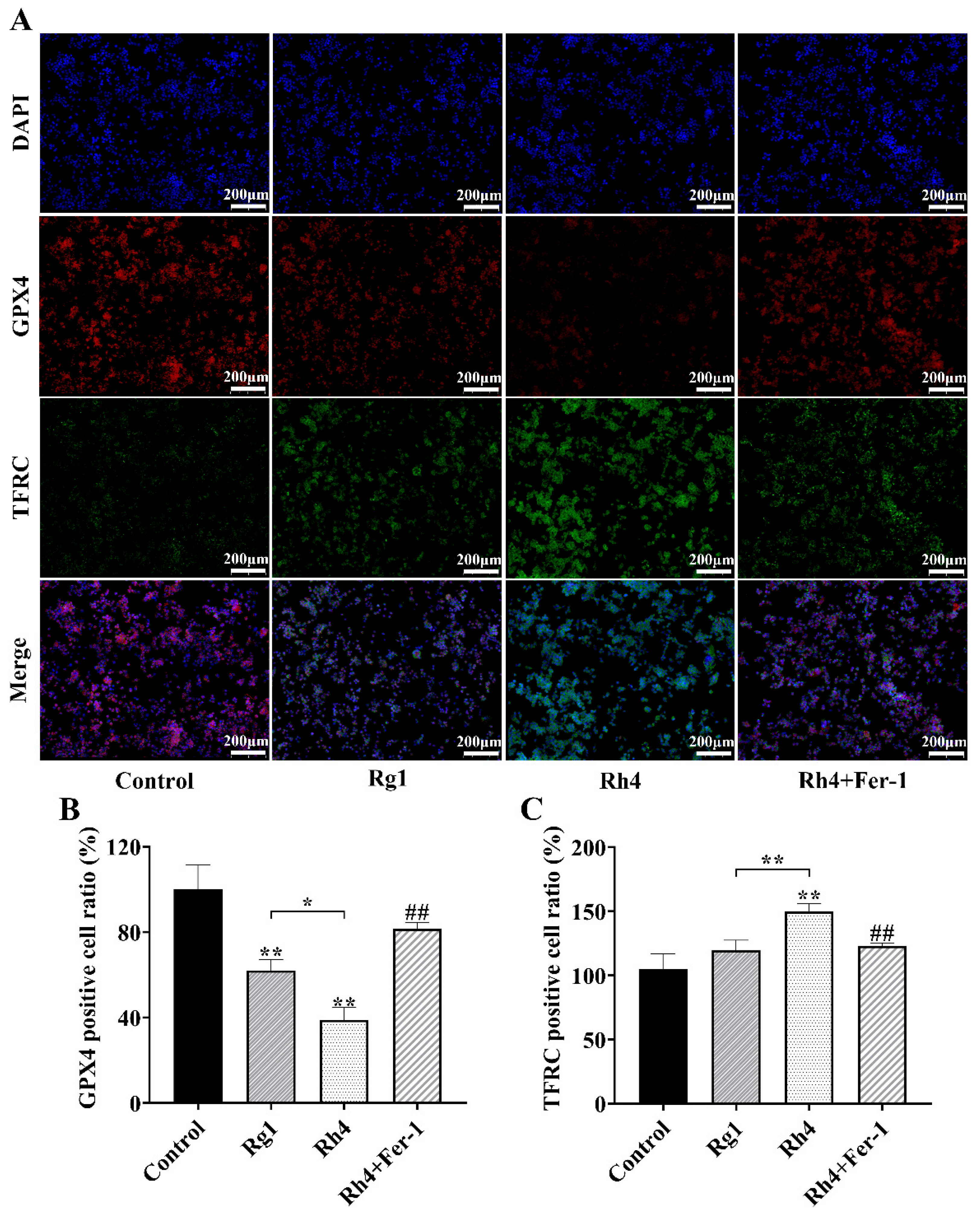
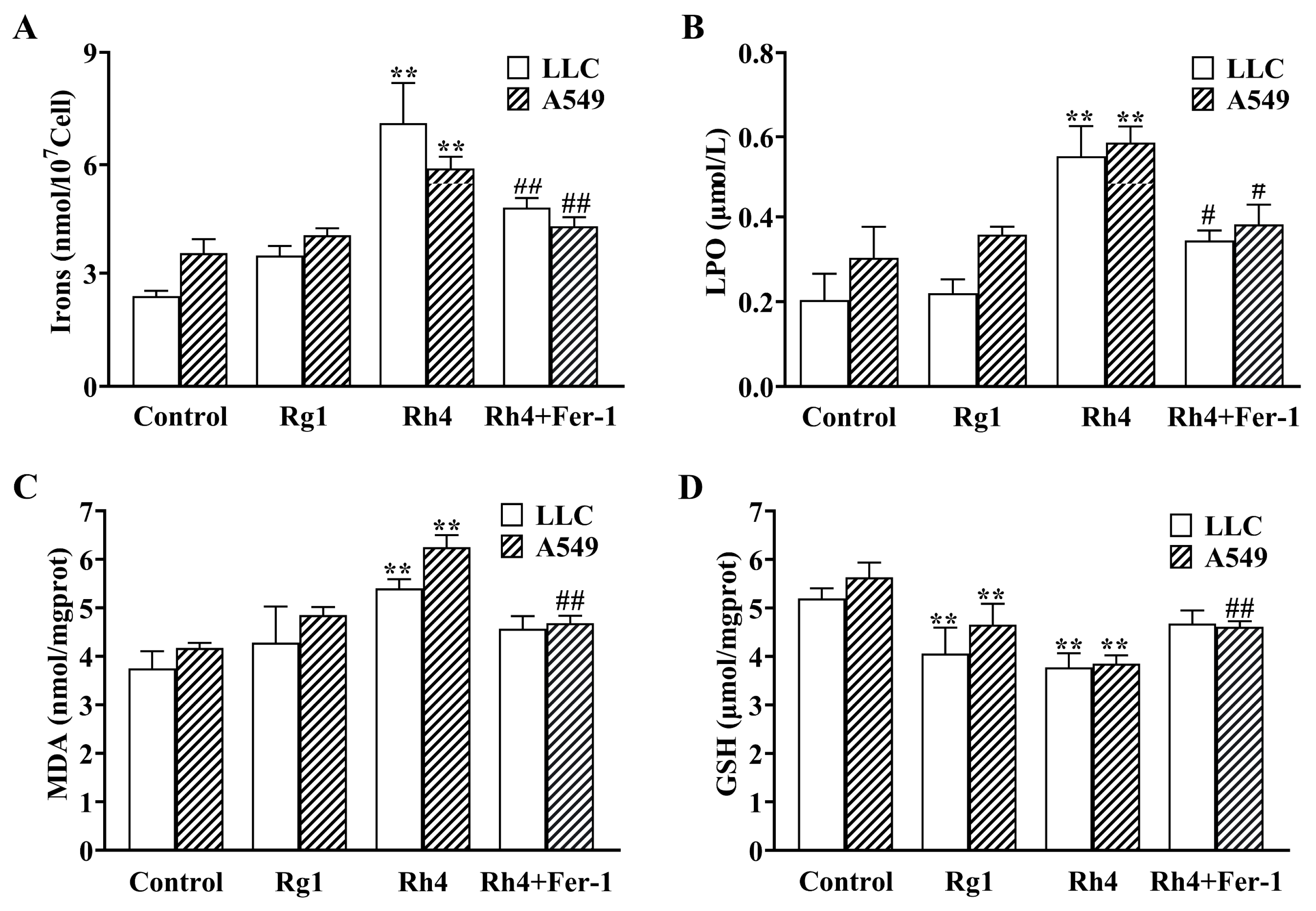
2.1. Ginsenoside Rh4 Promotes Ferroptosis-Associated Changes in LLC and A549 Cells
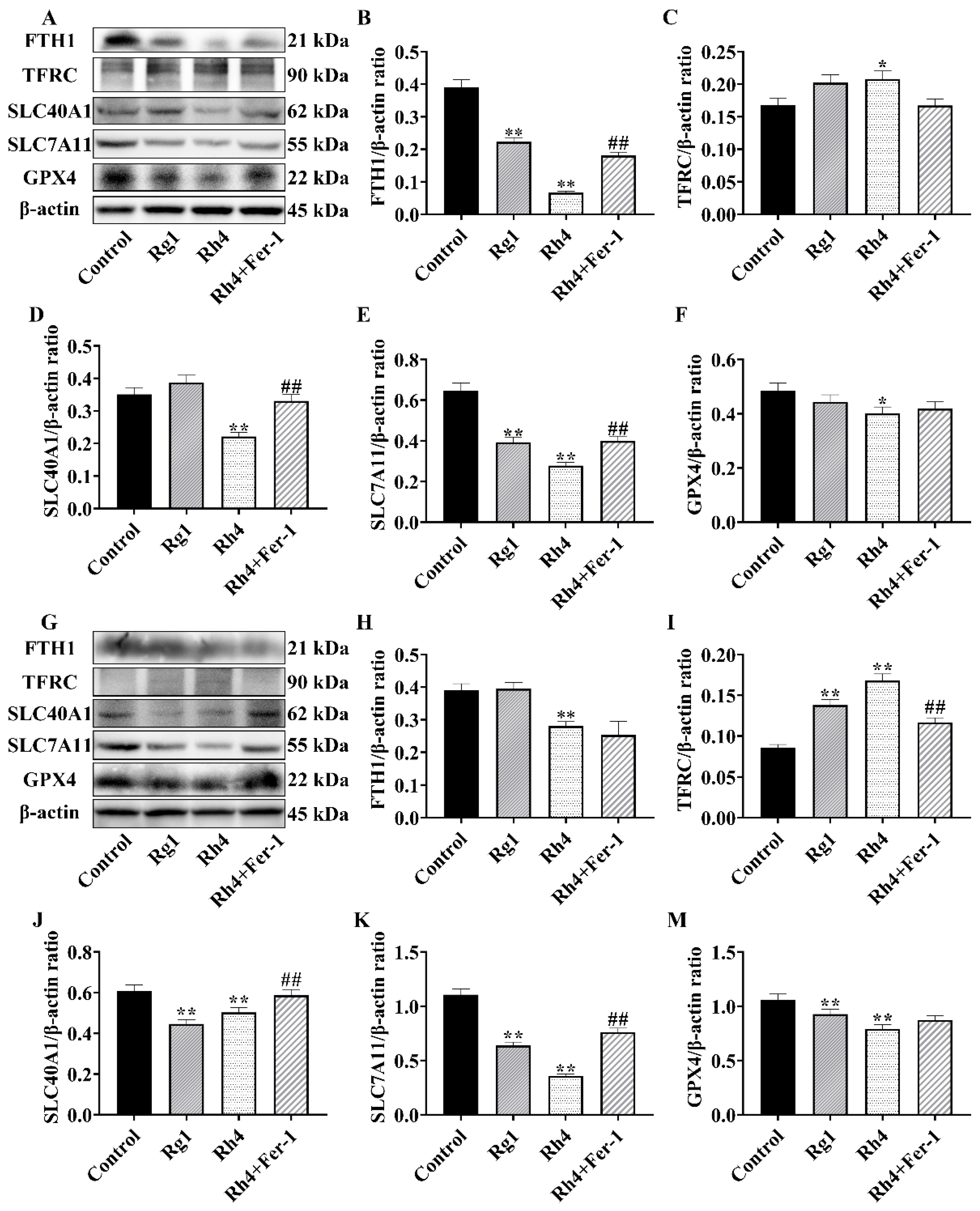
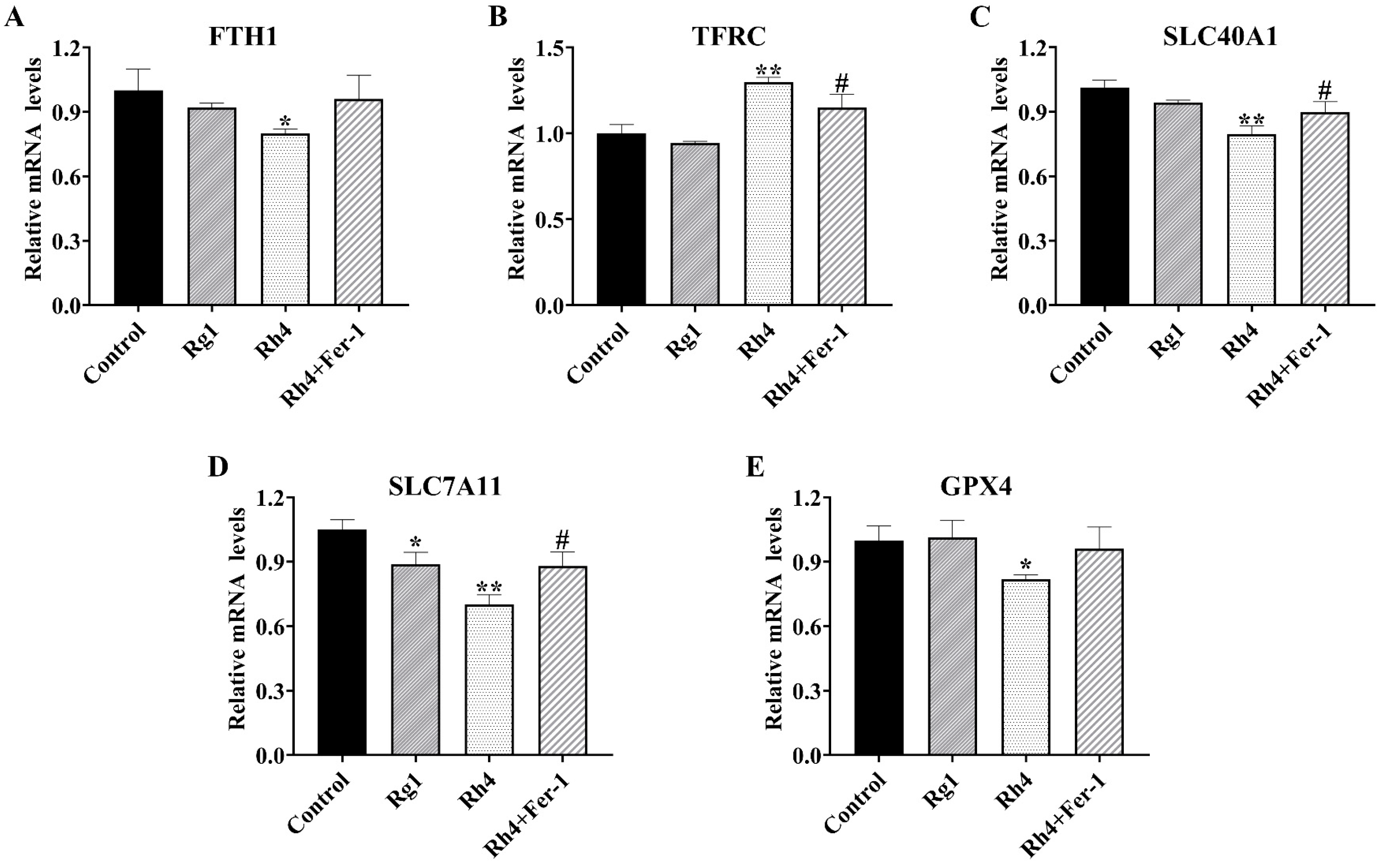
2.2. Ginsenoside Rh4 Affects the Expression of Ferroptosis-Related Proteins and Genes in LLC Cells
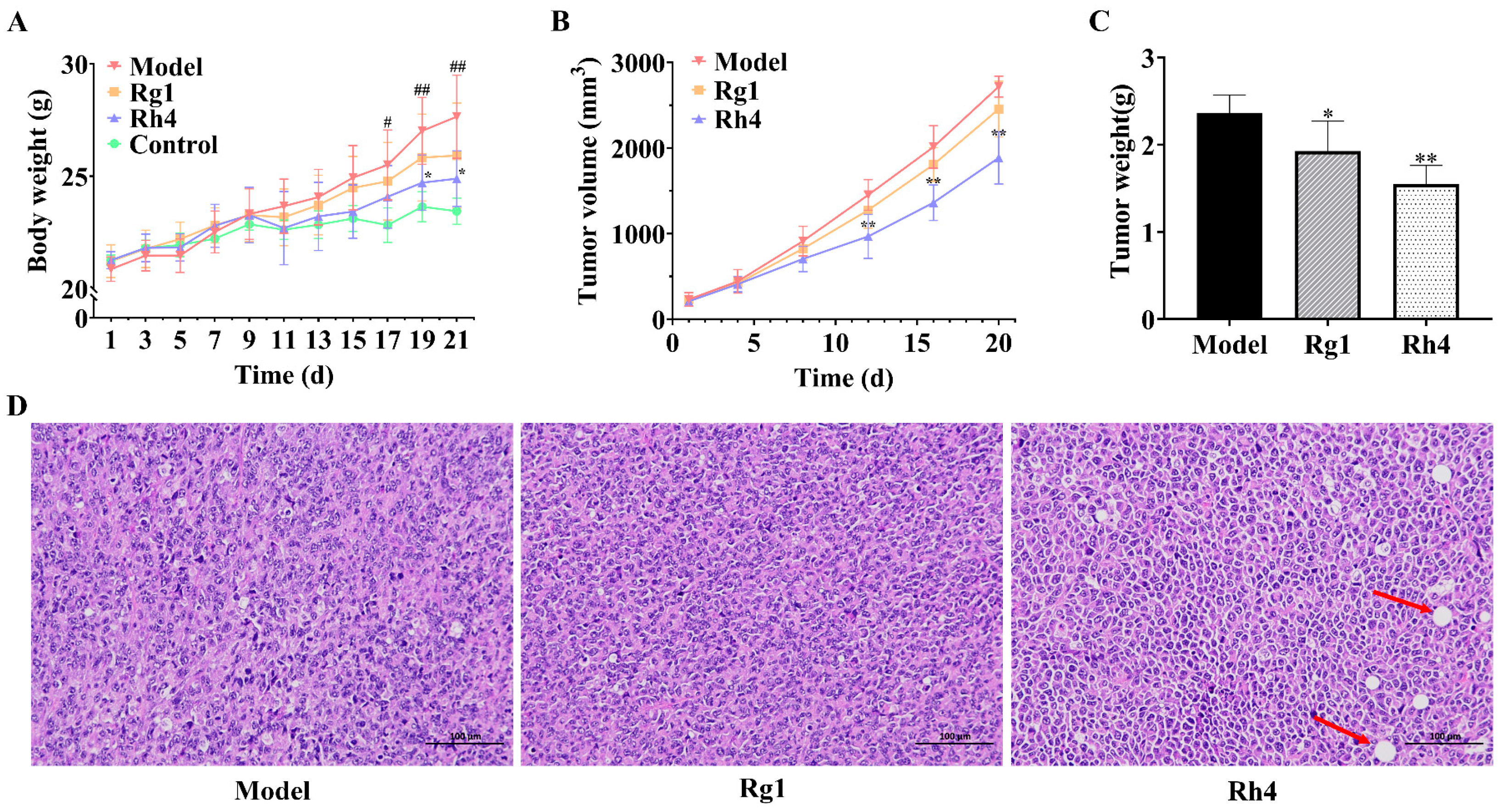
2.3. Ginsenoside Rh4 Inhibits Tumor Growth in LLC Tumor-Bearing Mice
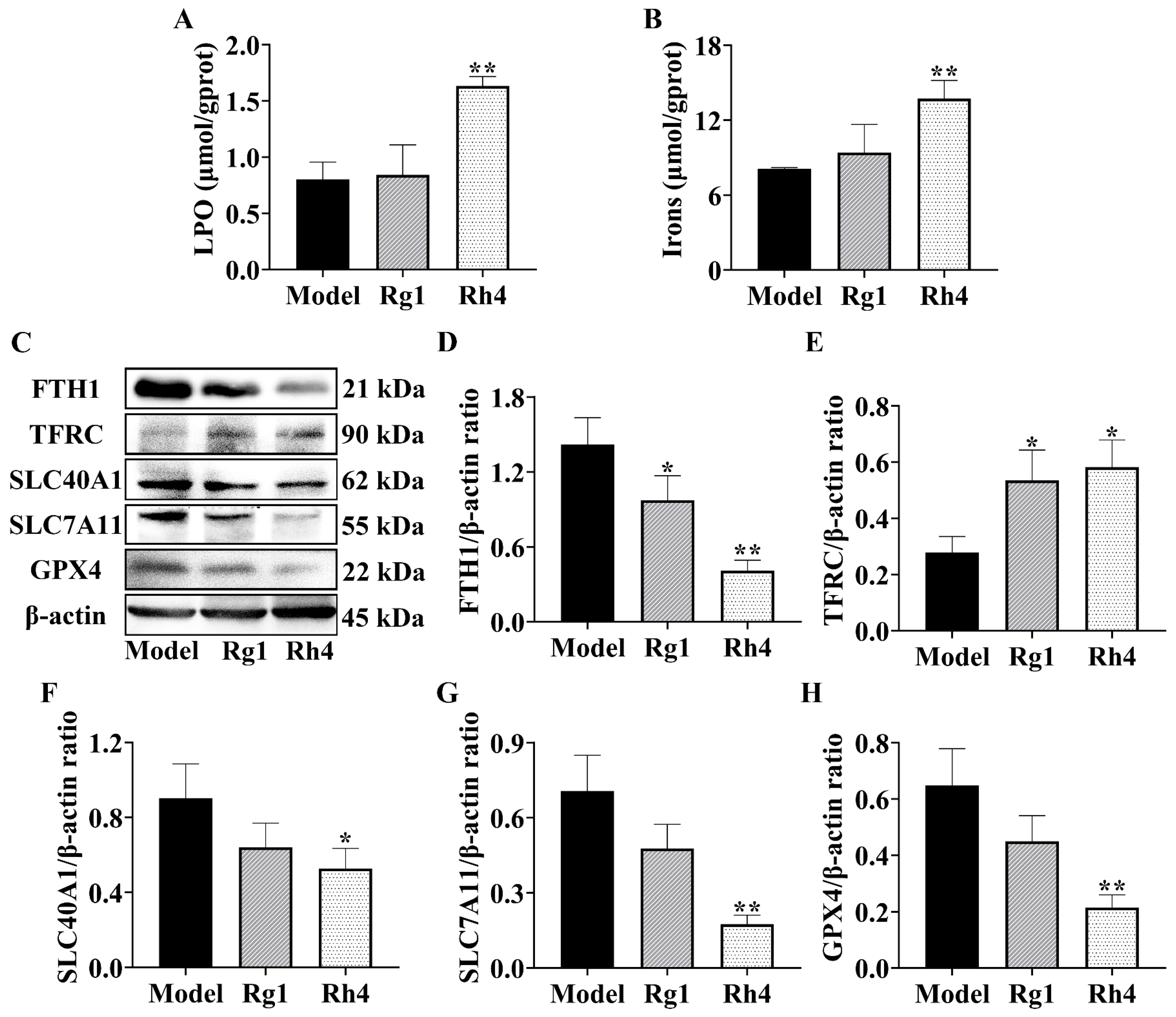
2.4. Ginsenoside Rh4 Modulates Changes in Iron Homeostasis and Ferroptosis in LLC Tumor-Bearing Mice
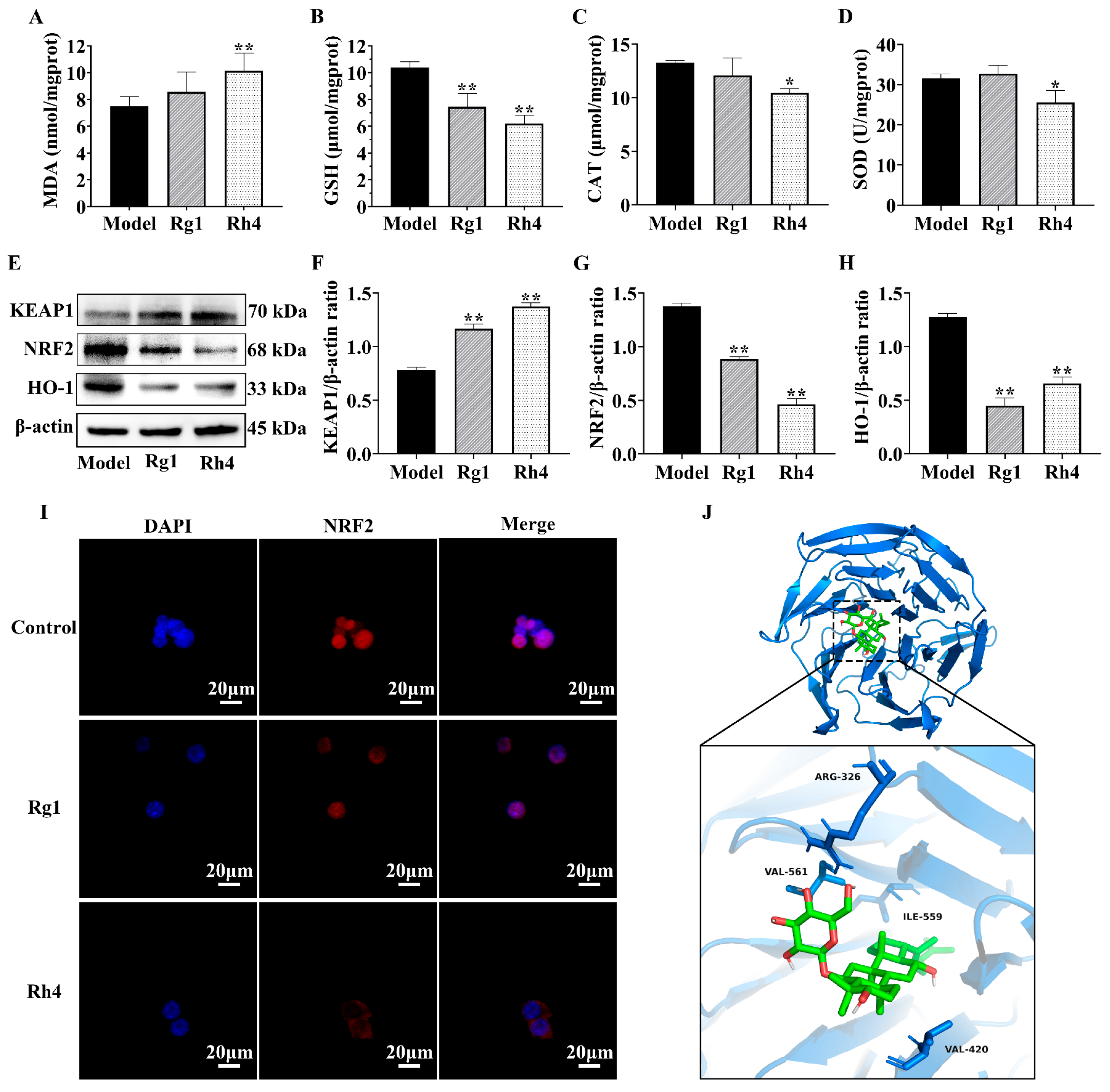
2.5. Ginsenoside Rh4 Downregulates KEAP1/NRF2/HO-1 Axis in LLC Tumor-Bearing Mice
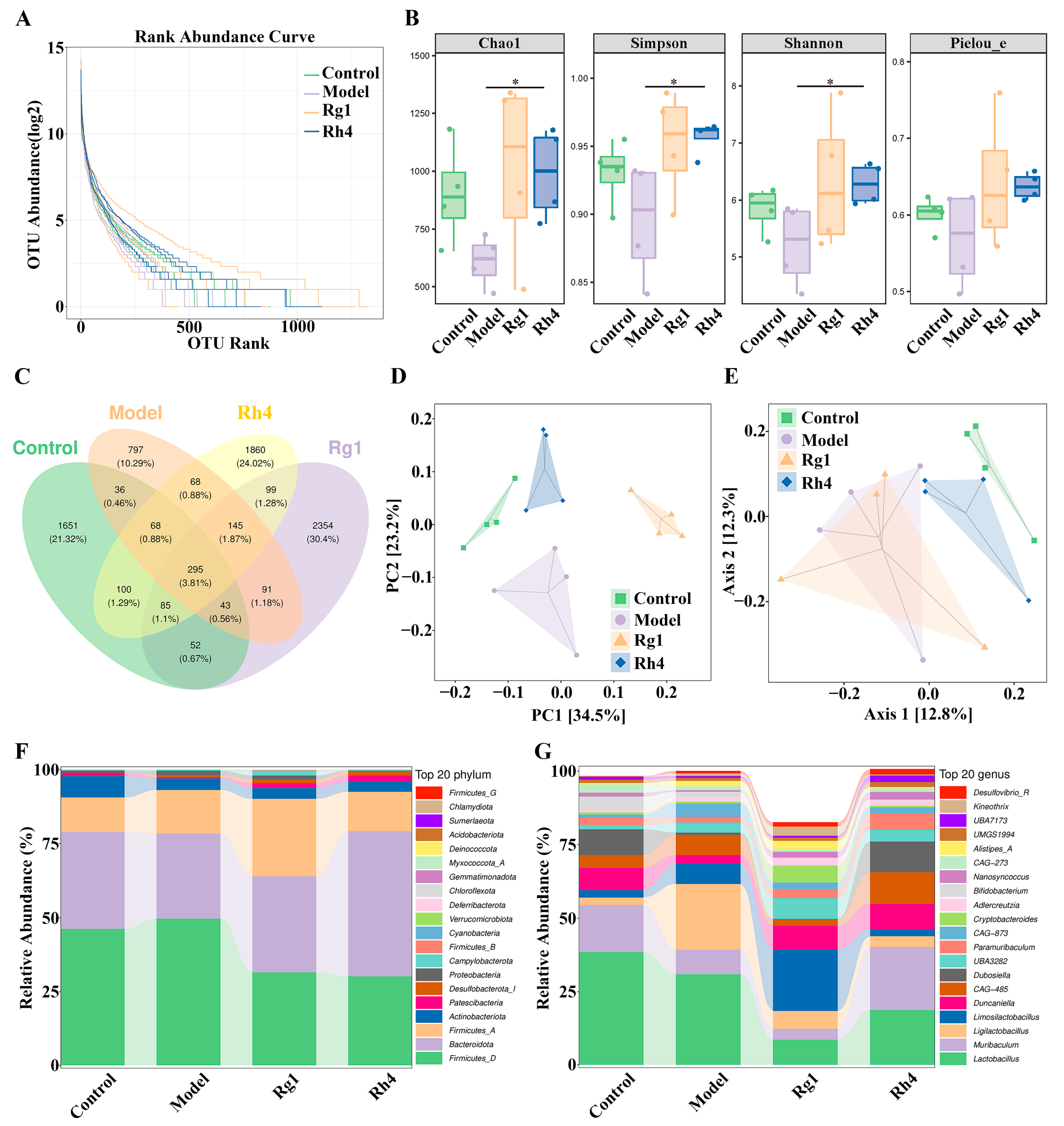
2.6. Ginsenoside Rh4 Reverses Gut Microbiota Dysbiosis in LLC Tumor-Bearing Mice
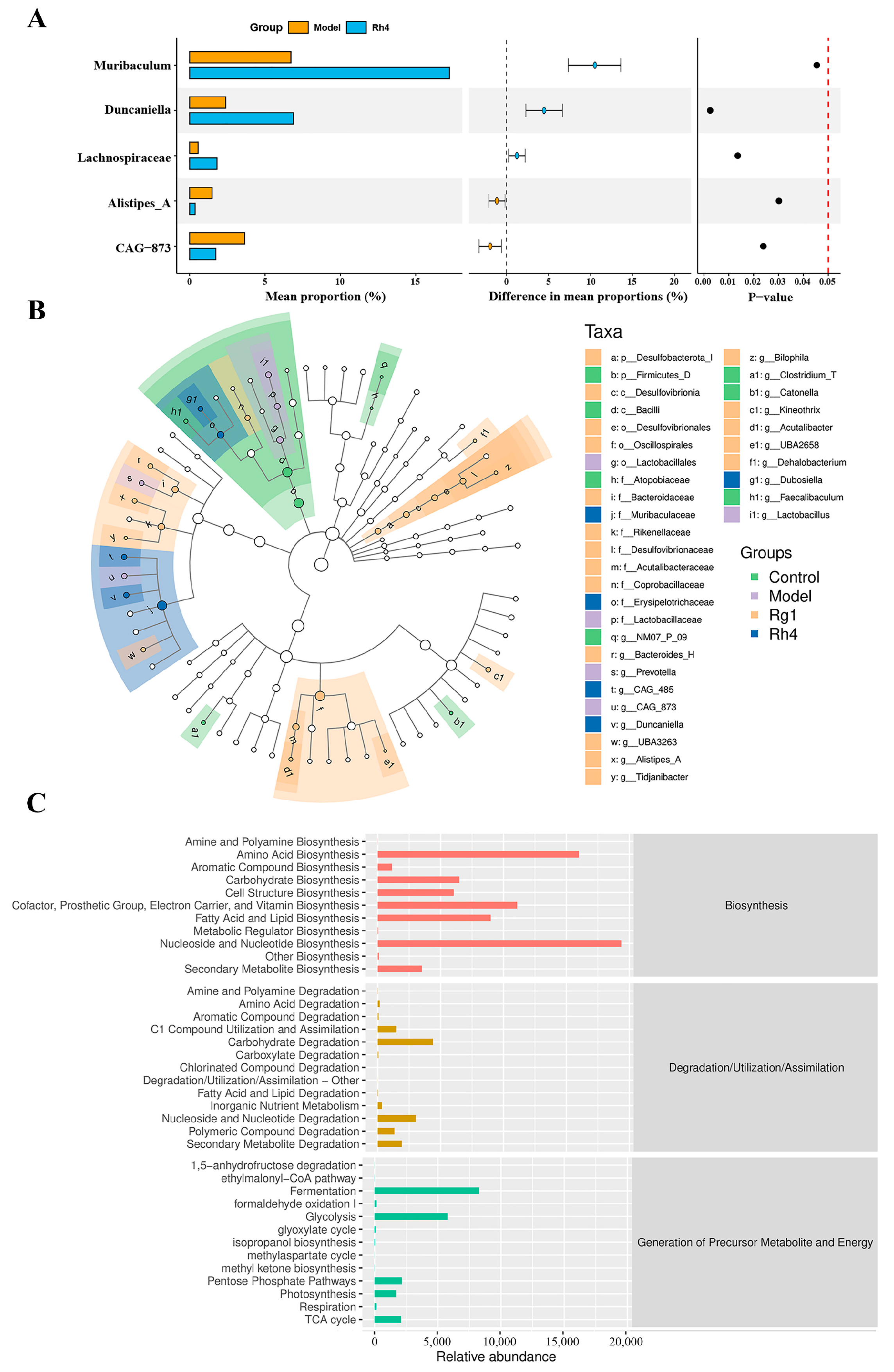
2.7. Ginsenoside Rh4 Reshapes Gut Microbiota Functionality and Intestinal SCFAs
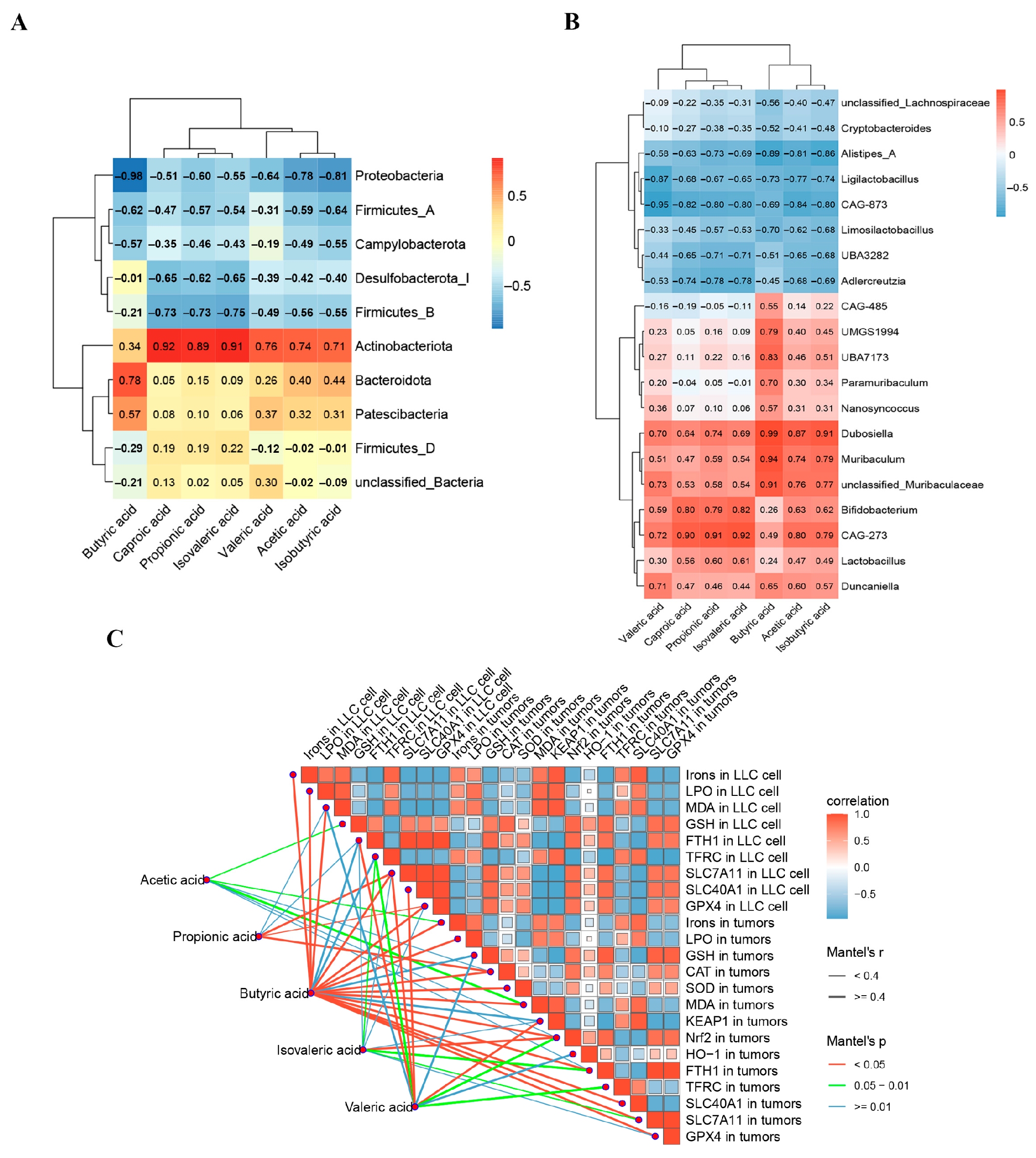
2.8. Gut Microbiota, SCFAs, and Cell Death Factors from Multifactorial Correlation Analysis
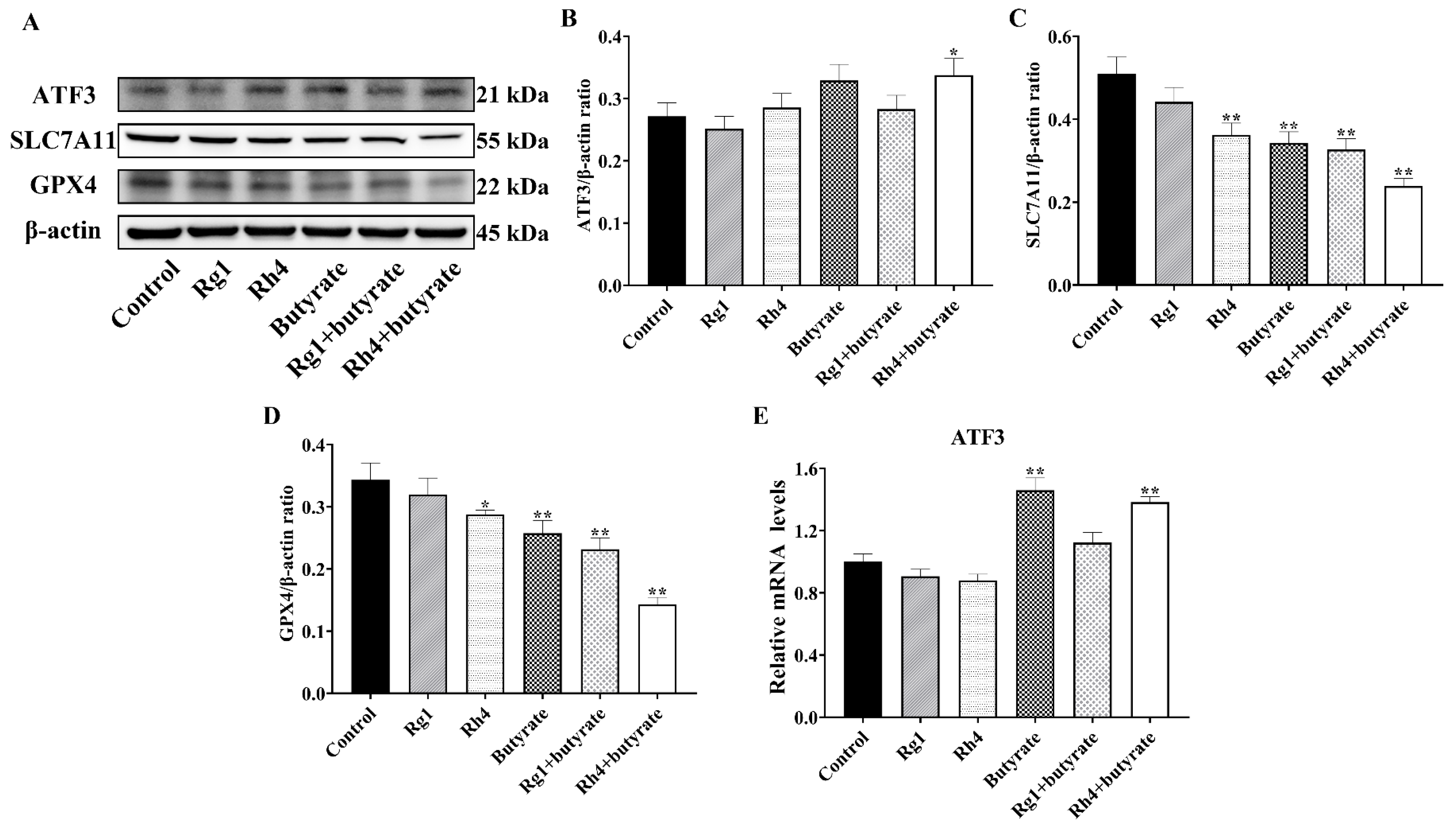
2.9. Butyrate and Ginsenoside Rh4 Activate Ferroptosis in LLC Cells in Vitro via the ATF3/SLC7A11/GPX4 Pathway
3. Discussion
4. Materials and Methods
4.1. Ginsenoside Rh4 Preparation
4.2. Cell Culture and Grouping
4.3. Immunofluorescence Staining
4.4. Quantitative Real-Time PCR (RT-qPCR)
4.5. Animals and Experimental Design
4.6. Biochemical Index Assay
4.7. Western Blotting
4.8. Hematoxylin and Eosin (H&E) Staining
4.9. Gut Microbiota Analysis
4.10. SCFAs Analysis
4.11. Evaluating the Potentiating Effects of Butyrate on Ferroptosis in LLC Cells
4.11.1. Cell Grouping and Treatment
4.11.2. RT-qPCR
4.11.3. Western Blotting
4.12. Molecular Docking
4.13. Statistical Analysis
5. Conclusions
Supplementary Materials
Author Contributions
Funding
Institutional Review Board Statement
Data Availability Statement
Conflicts of Interest
Abbreviations
| ATF3 | Activating transcription factor 3 |
| BCA | Bicinchoninic acid assay |
| CAT | Catalase |
| CCK-8 | Cell counting kit-8 |
| FTH1 | Ferritin heavy chain 1 |
| GC-MS | Gas chromatography–mass spectrometry |
| GPX4 | Glutathione peroxidase 4 |
| GSH | Glutathione |
| HO-1 | Heme oxygenase-1 |
| HPLC | High performance liquid chromatography |
| H&E | Hematoxylin–eosin |
| KEAP1 | Kelch-like ECH-associated protein 1 |
| KEGG | Kyoto encyclopedia of genes and genomes |
| LC-MS | Liquid chromatography–mass spectrometry |
| LefSe | Linear discriminant analysis effect size |
| LLC | Lewis lung carcinoma |
| LPO | Lipid peroxides |
| MDA | Malondialdehyde |
| NMR | Nuclear magnetic resonance spectroscopy |
| NRF2 | Nuclear respiratory factor 2 |
| NSCLC | Non-small cell lung cancer |
| OTU | Operational taxonomic unit |
| PBS | Phosphate-buffered saline |
| PCA | Principal component analysis |
| PCoA | Principal coordinates analysis |
| PVDF | Polyvinylidene fluoride |
| ROS | Reactive oxygen species |
| RT-qPCR | Real-time quantitative PCR |
| SCFAs | Short-chain fatty acids |
| SLC40A1 | Solute carrier family 40 member 1 |
| SLC7A11 | Solute carrier family 7 member 11 |
| SOD | Superoxide dismutase |
| TFRC | Transferrin receptor |
References
- Siegel, R.L.; Miller, K.D.; Wagle, N.S.; Jemal, A. Cancer statistics, 2023. CA Cancer J. Clin. 2023, 73, 17–48. [Google Scholar] [CrossRef] [PubMed]
- Friedlaender, A.; Addeo, A.; Russo, A.; Gregorc, V.; Cortinovis, D.; Rolfo, C.D. Targeted therapies in early stage NSCLC: Hype or hope? Int. J. Mol. Sci. 2020, 21, 6329. [Google Scholar] [CrossRef]
- Zhang, P.; Chen, P.L.; Li, Z.H.; Zhang, A.; Zhang, X.R.; Zhang, Y.J.; Liu, D.; Mao, C. Association of smoking and polygenic risk with the incidence of lung cancer: A prospective cohort study. Br. J. Cancer 2022, 126, 1637–1646. [Google Scholar] [CrossRef]
- Chen, X.; Kang, R.; Kroemer, G.; Tang, D. Broadening horizons: The role of ferroptosis in cancer. Nat. Rev. Clin. Oncol. 2021, 18, 280–296. [Google Scholar] [CrossRef] [PubMed]
- Xiong, R.; He, R.; Liu, B.; Jiang, W.; Wang, B.; Li, N.; Geng, Q. Ferroptosis: A new promising target for lung cancer therapy. Oxidative Med. Cell. Longev. 2021, 2021, 8457521. [Google Scholar] [CrossRef]
- Mou, Y.; Wang, J.; Wu, J.; He, D.; Zhang, C.; Duan, C.; Li, B. Ferroptosis, a new form of cell death: Opportunities and challenges in cancer. J. Hematol. Oncol. 2019, 12, 34. [Google Scholar] [CrossRef] [PubMed]
- Shakya, A.; McKee, N.W.; Dodson, M.; Chapman, E.; Zhang, D.D. Anti-ferroptotic effects of Nrf2: Beyond the antioxidant response. Mol. Cells 2023, 46, 165–175. [Google Scholar] [CrossRef]
- Cai, J.; Zhang, W.; Zhu, S.; Lin, T.; Mao, R.; Wu, N.; Zhang, P.; Kang, M. Gut and intratumoral microbiota: Key to lung cancer development and immunotherapy. Int. Immunopharmacol. 2025, 156, 114677. [Google Scholar] [CrossRef]
- Yu, H.; Lin, G.; Jiang, J.; Yao, J.; Pan, Z.; Xie, H.; Bo, Z.; He, Q.; Yang, J.; Chen, Z.; et al. Synergistic activity of Enterococcus Faecium-induced ferroptosis via expansion of IFN-γ+CD8+ T cell population in advanced hepatocellular carcinoma treated with sorafenib. Gut Microbes 2024, 16, 2410474. [Google Scholar] [CrossRef] [PubMed]
- Li, B.; Wei, Z.; Wang, Z.; Xu, F.; Yang, J.; Lin, B.; Chen, Y.; Wenren, H.; Wu, L.; Guo, X.; et al. Fusobacterium nucleatum induces oxaliplatin resistance by inhibiting ferroptosis through E-cadherin/ β-catenin/GPX4 axis in colorectal cancer. Free. Radic. Biol. Med. 2024, 220, 125–138. [Google Scholar] [CrossRef]
- Yang, X.; Zhang, Z.; Shen, X.; Xu, J.; Weng, Y.; Wang, W.; Xue, J. Clostridium butyricum and its metabolite butyrate promote ferroptosis susceptibility in pancreatic ductal adenocarcinoma. Cell. Oncol. 2023, 46, 1645–1658. [Google Scholar] [CrossRef] [PubMed]
- Wang, Z.; Shu, W.; Zhao, R.; Liu, Y.; Wang, H. Sodium butyrate induces ferroptosis in endometrial cancer cells via the RBM3/SLC7A11 axis. Apoptosis 2023, 28, 1168–1183. [Google Scholar] [CrossRef]
- Jiang, H.; Ma, P.; Duan, Z.; Liu, Y.; Shen, S.; Mi, Y.; Fan, D. Ginsenoside Rh4 suppresses metastasis of gastric cancer via SIX1-dependent TGF-β/Smad2/3 signaling pathway. Nutrients 2022, 14, 1564. [Google Scholar] [CrossRef] [PubMed]
- Zhang, Y.; Ma, P.; Duan, Z.; Liu, Y.; Mi, Y.; Fan, D. Ginsenoside Rh4 suppressed metastasis of lung adenocarcinoma via inhibiting JAK2/STAT3 signaling. Int. J. Mol. Sci. 2022, 23, 2018. [Google Scholar] [CrossRef]
- Ying, Q.; Lou, J.; Zheng, D. Ginsenoside Rh4 inhibits the malignant progression of multiple myeloma and induces ferroptosis by regulating SIRT2. Clin. Exp. Pharmacol. Physiol. 2023, 50, 757–765. [Google Scholar] [CrossRef] [PubMed]
- Wu, Y.; Pi, D.; Chen, Y.; Zuo, Q.; Zhou, S.; Ouyang, M. Ginsenoside Rh4 inhibits colorectal cancer cell proliferation by inducing ferroptosis via autophagy activation. Evid-Based. Compl. Alt 2022, 2022, 6177553. [Google Scholar] [CrossRef] [PubMed]
- Wang, D.; Tang, L.; Zhang, Y.; Ge, G.; Jiang, X.; Mo, Y.; Wu, P.; Deng, X.; Li, L.; Zuo, S.; et al. Regulatory pathways and drugs associated with ferroptosis in tumors. Cell Death Dis. 2022, 13, 544. [Google Scholar] [CrossRef] [PubMed]
- Chen, J.; Wang, Z.; Fu, J.; Cai, Y.; Cheng, H.; Cui, X.; Sun, M.; Liu, M.; Zhang, X. Ginsenoside compound K induces ferroptosis via the FOXO pathway in liver cancer cells. BMC Complement. Med. Ther. 2024, 24, 174. [Google Scholar] [CrossRef] [PubMed]
- Lang, Z.; Yu, S.; Hu, Y.; Tao, Q.; Zhang, J.; Wang, H.; Zheng, L.; Yu, Z.; Zheng, J. Ginsenoside Rh2 promotes hepatic stellate cell ferroptosis and inactivation via regulation of IRF1-inhibited SLC7A11. Phytomedicine 2023, 118, 154950. [Google Scholar] [CrossRef]
- Xu, H.; Wu, Z.; Tang, J.; Gan, Y.; Li, J.; Yu, Y.; Chen, Y.; Sui, R.; Liu, J.; Zhang, Y.; et al. Ginsenoside F2-modified liposomes delivering FTY720 enhance glioblastoma targeting and antitumor activity via ferroptosis. Phytomedicine 2025, 144, 156917. [Google Scholar] [CrossRef]
- Pandey, P.K.; Bhorkade, S.; Jha, S.; Saren, B.N.; Kuche, K.; Jain, S. Ferroptosis: Molecular perspective, cellular influence, cancer manifestation, and therapeutic potentials. J. Drug Delivery Sci. Technol. 2024, 100, 105998. [Google Scholar] [CrossRef]
- Zhang, G.; Hu, J.; Li, A.; Zhang, H.; Guo, Z.; Li, X.; You, Z.; Wang, Y.; Jing, Z. Ginsenoside Rg5 inhibits glioblastoma by activating ferroptosis via NR3C1/ HSPB1/NCOA4. Phytomedicine 2024, 129, 155631. [Google Scholar] [CrossRef] [PubMed]
- Wan, X.; Jin, X.; Wu, X.; Dong, D.; Yang, H.; Tan, R.; Sun, Y.; Liu, X.; Sun, K.; Wu, W.; et al. Ginsenoside Rd reduces cell proliferation of non-small cell lung cancer cells by p53-mitochondrial apoptotic pathway. Heliyon 2024, 10, e32483. [Google Scholar] [CrossRef] [PubMed]
- Liu, Y.; Deng, J.; Fan, D. G-Rh4 improves pancreatic β-cells dysfunction in vivo and in vitro by increased expression of Nrf2 and its target genes. Food Chem. Toxicol. 2021, 148, 111925. [Google Scholar] [CrossRef] [PubMed]
- Koeberle, S.C.; Kipp, A.P.; Stuppner, H.; Koeberle, A. Ferroptosis-modulating small molecules for targeting drug-resistant cancer: Challenges and opportunities in manipulating redox signaling. Med. Res. Rev. 2023, 43, 614–682. [Google Scholar] [CrossRef]
- Chiang, S.-K.; Chen, S.-E.; Chang, L.-C. A dual role of heme oxygenase-1 in cancer cells. Int. J. Mol. Sci. 2019, 20, 39. [Google Scholar] [CrossRef]
- Wu, Y.; Pi, D.; Zhou, S.; Yi, Z.; Dong, Y.; Wang, W.; Ye, H.; Chen, Y.; Zuo, Q.; Ouyang, M. Ginsenoside Rh3 induces pyroptosis and ferroptosis through the Stat3/p53/NRF2 axis in colorectal cancer cells. Acta Biochim. Biophys. Sin. 2023, 55, 587–600. [Google Scholar] [CrossRef]
- Hagihara, M.; Kato, H.; Yamashita, M.; Shibata, Y.; Umemura, T.; Mori, T.; Hirai, J.; Asai, N.; Mori, N.; Mikamo, H. Lung cancer progression alters lung and gut microbiomes and lipid metabolism. Heliyon 2024, 10, e23509. [Google Scholar] [CrossRef]
- Fan, W.; Fan, L.; Wang, Z.; Mei, Y.; Liu, L.; Li, L.; Yang, L.; Wang, Z. Rare ginsenosides: A unique perspective of ginseng research. J. Adv. Res. 2024, 66, 303–328. [Google Scholar] [CrossRef] [PubMed]
- Zhang, S.; Wen, H.; Chen, Y.; Ning, J.; Hu, D.; Dong, Y.; Yao, C.; Yuan, B.; Yang, S. Crosstalk between gut microbiota and tumor: Tumors could cause gut dysbiosis and metabolic imbalance. Mol. Oncol. 2025, 19, 1707–1724. [Google Scholar] [CrossRef]
- Bai, X.; Fu, R.; Liu, Y.; Deng, J.; Fei, Q.; Duan, Z.; Zhu, C.; Fan, D. Ginsenoside Rk3 modulates gut microbiota and regulates immune response of group 3 innate lymphoid cells to against colorectal tumorigenesis. J. Pharm. Anal. 2024, 14, 259–275. [Google Scholar] [CrossRef]
- Zhu, Z.; Zuo, S.; Zhu, Z.; Wang, C.; Du, Y.; Chen, F. THSWD upregulates the LTF/AMPK/mTOR/Becn1 axis and promotes lysosomal autophagy in hepatocellular carcinoma cells by regulating gut flora and metabolic reprogramming. Int. Immunopharmacol. 2025, 148, 114091. [Google Scholar] [CrossRef]
- Liu, R.; Wang, J.; Liu, Y.; Gao, Y.; Yang, R. Regulation of gut microbiota on immune cell ferroptosis: A novel insight for immunotherapy against tumor. Cancer Lett. 2024, 598, 217115. [Google Scholar] [CrossRef] [PubMed]
- Liu, Y.; Bai, X.; Wu, H.; Duan, Z.; Zhu, C.; Fu, R.; Fan, D. Ginsenoside CK alleviates dss-induced ibd in mice by regulating tryptophan metabolism and activating aryl hydrocarbon receptor via gut microbiota modulation. J. Agric. Food. Chem. 2024, 72, 9867–9879. [Google Scholar] [CrossRef]
- Huang, J.; Liu, D.; Wang, Y.; Liu, L.; Li, J.; Yuan, J.; Jiang, Z.; Jiang, Z.; Hsiao, W.L.W.; Liu, H.; et al. Ginseng polysaccharides alter the gut microbiota and kynurenine/tryptophan ratio, potentiating the antitumour effect of antiprogrammed cell death 1/programmed cell death ligand 1 (anti-PD-1/PD-L1) immunotherapy. Gut 2022, 71, 734–745. [Google Scholar] [CrossRef]
- Zong, G.; Deng, R.; Pan, Y.; Liu, M.; Zhu, H.; Tao, R.; Shan, Y.; Wei, Z.; Lu, Y. Ginseng polysaccharides ameliorate colorectal tumorigenesis through Lachnospiraceae-mediated immune modulation. Int. J. Biol. Macromol. 2025, 307, 142015. [Google Scholar] [CrossRef]
- Bai, X.; Fu, R.; Duan, Z.; Wang, P.; Zhu, C.; Fan, D. Ginsenoside Rk3 alleviates gut microbiota dysbiosis and colonic inflammation in antibiotic-treated mice. Food Res. Int. 2021, 146, 110465. [Google Scholar] [CrossRef]
- Chang, Q.; Mao, H.; Feng, J.; Rao, L.; Tang, W.; Zhang, Z.; Hu, Z. Sodium butyrate increases USP5-mediated ubiquitination degradation of GPX4 and enhances anti-cancer efficacy of anti-PD-1 antibody. Biochem. Pharmacol. 2025, 237, 116927. [Google Scholar] [CrossRef]
- He, Y.; Ling, Y.; Zhang, Z.; Mertens, R.T.; Cao, Q.; Xu, X.; Guo, K.; Shi, Q.; Zhang, X.; Huo, L.; et al. Butyrate reverses ferroptosis resistance in colorectal cancer by inducing c-Fos-dependent xCT suppression. Redox Biol. 2023, 65, 102822. [Google Scholar] [CrossRef] [PubMed]
- Shen, Y.; Gao, Y.; Yang, G.; Zhao, Z.; Zhao, Y.; Gao, L.; Zhao, L.; Li, S. Transformation of ginsenosides by Lactiplantibacillus plantarum MB11 fermentation: Minor ginsenosides conversion and enhancement of anti-colorectal cancer activity. Molecules 2024, 29, 27. [Google Scholar] [CrossRef]
- Yang, H.; Kim, J.Y.; Kim, S.O.; Yoo, Y.H.; Sung, S.H. Complete 1H-NMR and 13C-NMR spectral analysis of the pairs of 20(S) and 20(R) ginsenosides. J. Ginseng Res. 2014, 38, 194–202. [Google Scholar] [CrossRef]
- Zheng, Y.; Yang, S.; Si, J.; Zhao, Y.; Zhao, M.; Ji, E. Shashen-Maidong Decoction inhibited cancer growth under intermittent hypoxia conditions by suppressing oxidative stress and inflammation. J. Ethnopharmacol. 2022, 299, 115654. [Google Scholar] [CrossRef]





| Group | Acetic Acid (μg/g) | Propionic Acid (μg/g) | Isobutyric Acid (μg/g) | Butyric Acid (μg/g) | Isovaleric Acid (μg/g) | Valeric Acid (μg/g) | Caproic Acid (μg/g) |
|---|---|---|---|---|---|---|---|
| Control | 917.2 ± 34.3 | 252.0 ± 43.4 | 17.4 ± 2.7 | 195.6 ± 24.1 | 14.6 ± 1.4 | 15.7 ± 1.4 | 1.3 ± 0.27 |
| Model | 588.9 ± 51.5 # | 115.8 ± 15.7 ## | 9.5 ± 1.5 ## | 125.1 ± 15.6 ## | 6.7 ± 1.1 # | 9.5 ± 2.0 # | 0.5 ± 0.10 ## |
| Rg1 | 638.6 ± 74.5 | 128.7 ± 6.5 | 10.2 ± 0.8 | 132.3 ± 28.5 | 7.5 ± 1.9 | 12.0 ± 0.9 | 0.7 ± 0.07 |
| Rh4 | 796.5 ± 66.4 | 168.4 ± 19.6 | 14.8 ± 1.4 * | 213.3 ± 21.6 ** | 9.3 ± 1.2 | 12.9 ± 3.1 | 0.8 ± 0.02 |
Disclaimer/Publisher’s Note: The statements, opinions and data contained in all publications are solely those of the individual author(s) and contributor(s) and not of MDPI and/or the editor(s). MDPI and/or the editor(s) disclaim responsibility for any injury to people or property resulting from any ideas, methods, instructions or products referred to in the content. |
© 2026 by the authors. Licensee MDPI, Basel, Switzerland. This article is an open access article distributed under the terms and conditions of the Creative Commons Attribution (CC BY) license.
Share and Cite
Zhu, Q.; Xu, W.; Yang, G.; Gao, Y.; Zhao, Y.; Zhao, Z.; Kang, Y.; Li, S.; Zhao, L. Ginsenoside Rh4 Triggers Ferroptosis in Lung Cancer: Targeting KEAP1/NRF2/HO-1 and Remodeling Gut Microbiota for Butyrate-Mediated ATF3 Activation. Int. J. Mol. Sci. 2026, 27, 2703. https://doi.org/10.3390/ijms27062703
Zhu Q, Xu W, Yang G, Gao Y, Zhao Y, Zhao Z, Kang Y, Li S, Zhao L. Ginsenoside Rh4 Triggers Ferroptosis in Lung Cancer: Targeting KEAP1/NRF2/HO-1 and Remodeling Gut Microbiota for Butyrate-Mediated ATF3 Activation. International Journal of Molecular Sciences. 2026; 27(6):2703. https://doi.org/10.3390/ijms27062703
Chicago/Turabian StyleZhu, Qihan, Wenxuan Xu, Ge Yang, Yansong Gao, Yujuan Zhao, Zijian Zhao, You Kang, Shengyu Li, and Lei Zhao. 2026. "Ginsenoside Rh4 Triggers Ferroptosis in Lung Cancer: Targeting KEAP1/NRF2/HO-1 and Remodeling Gut Microbiota for Butyrate-Mediated ATF3 Activation" International Journal of Molecular Sciences 27, no. 6: 2703. https://doi.org/10.3390/ijms27062703
APA StyleZhu, Q., Xu, W., Yang, G., Gao, Y., Zhao, Y., Zhao, Z., Kang, Y., Li, S., & Zhao, L. (2026). Ginsenoside Rh4 Triggers Ferroptosis in Lung Cancer: Targeting KEAP1/NRF2/HO-1 and Remodeling Gut Microbiota for Butyrate-Mediated ATF3 Activation. International Journal of Molecular Sciences, 27(6), 2703. https://doi.org/10.3390/ijms27062703