1. Introduction
The intestine serves not only as the main site for the digestion and absorption of nutrients, but also as a critical component of the body’s immune defense system, effectively preventing the invasion of pathogens and harmful compounds [
1]. As the primary contact layer between the intestinal lumen and the internal environment, intestinal epithelial cells (IECs) are constantly exposed to various physical and chemical stimuli [
2,
3], making them highly sensitive targets for oxidative stress. Under normal conditions, intracellular reactive oxygen species (ROS) are maintained at a moderate level and participate in regulating key cell signal transduction pathways [
4]. However, once the cell’s antioxidant capacity is insufficient to eliminate the excessive production of ROS, it will lead to an imbalance in the redox system, triggering a series of pathological changes such as lipid peroxidation, protein denaturation, and DNA damage [
5]. Studies have shown that, in IECs, chronic oxidative stress can damage the integrity of tight junction structures, induce mitochondrial dysfunction, and activate pro-inflammatory signal cascades, thereby gradually weakening the epithelial barrier function [
6,
7,
8]. This evidence suggests that oxidative stress plays a crucial role in the mechanism of intestinal epithelial structure damage and mucosal microenvironment disorder.
Synthetic antioxidants, including butylated hydroxyanisole (BHA) and butylated hydroxytoluene (BHT), have been extensively utilized owing to their antioxidant efficacy. However, due to concerns about their long-term safety, such as potential liver and kidney toxicity as well as genetic toxicity risks, their wide application has been restricted [
9]. Researchers have been conducting in-depth exploration of natural antioxidant components with better biocompatibility. In recent years, active compounds derived from nature have become an important hotspot in the development of functional foods and biomedical research [
10,
11,
12,
13]. Among them, polysaccharides derived from traditional Chinese herbal medicines have attracted much attention due to their diverse chemical structures, wide range of action targets, and high clinical application safety. Research evidence shows that these polysaccharides can effectively eliminate free radicals, activate the endogenous antioxidant defense mechanism in cells, and regulate the signaling pathways closely related to cell survival, thereby exerting significant protective effects in alleviating oxidative stress damage in the gastrointestinal tract [
14,
15].
Gastrodia elata Blume, a well-established traditional medicinal herb, has a long-standing application in the treatment of neurological disorders. Recent pharmacological studies have shown that polysaccharides from
Gastrodia elata Blume, as the main bioactive component of
Gastrodia elata Blume, possess a variety of biological functions, including significant neuroprotection, immune regulation, and antioxidant effects [
16,
17,
18]. Our previous research indicates that total polysaccharides from
Gastrodia elata can effectively alleviate intestinal mucosal damage in mice induced by cyclophosphamide (CTX), reduce oxidative stress damage in intestinal tissues, regulate intestinal barrier function, and highlight its potential role in intestinal protection [
19,
20]. Oxidative stress has been confirmed to be the basic mechanism of cell damage induced by CTX. Excessive reactive oxygen species (ROS) can directly damage cellular macromolecules and ultimately lead to cellular dysfunction or death. More generally, oxidative stress is widely acknowledged as a central mediator of intestinal epithelial injury induced by various exogenous insults [
21]. Although the antioxidant properties of
Gastrodia elata polysaccharides have been documented, their regulatory role in JAK/STAT signaling within intestinal epithelial cells under oxidative stress remains largely unexplored.
Building on previous findings [
22], this study established an H
2O
2-induced oxidative stress model in NCM460 cells to investigate the protective effects and underlying mechanism of
Gastrodia elata polysaccharide-2 (GEP-2), a water-soluble low-molecular-weight polysaccharide of ginseng isolated in our previous study [
20]. To evaluate the antioxidant properties of GEP-2, we assessed cell viability, mitochondrial membrane potential (MMP), intracellular ROS level, and antioxidant parameters, including total antioxidant capacity (T-AOC), total superoxide dismutase (T-SOD) activity, catalase (CAT) activity, and glutathione (GSH) content. Next, transcriptome sequencing was conducted to identify genes that were differentially expressed in response to GEP-2 treatment. To confirm the involvement of key signaling pathways, particularly those related to nuclear factor erythroid 2-related factor 2 (Nrf2), Janus kinase (JAK), and signal transducer and activator of transcription 3 (STAT3), further validation was carried out using Western blotting and reverse transcription–quantitative polymerase chain reaction (RT-qPCR). Through this methodology, this study aims to explain how GEP-2 alleviates intestinal oxidative stress to offer a mechanistic foundation for the development of
Gastrodia elata as a natural intestinal protective agent.
3. Discussion
Oxidative stress plays a crucial role in the initiation and progression of intestinal diseases [
23,
24]. In this study, we established an oxidative stress model in NCM460 cells using hydrogen peroxide to evaluate the protective effect of GEP-2. Through a comprehensive set of research methods, we conducted a detailed analysis of the response of GEP-2 treatment to oxidative stress at different levels.
The research results indicate that the pre-treatment with GEP-2 significantly alleviated the damage caused by H
2O
2 to NCM460 cells. Exposure to H
2O
2 leads to an increase in ROS levels in the cells, enhanced lipid peroxidation, inhibition of antioxidant enzyme activity, decreased MMP, and decreased cell viability [
25,
26]. As shown in
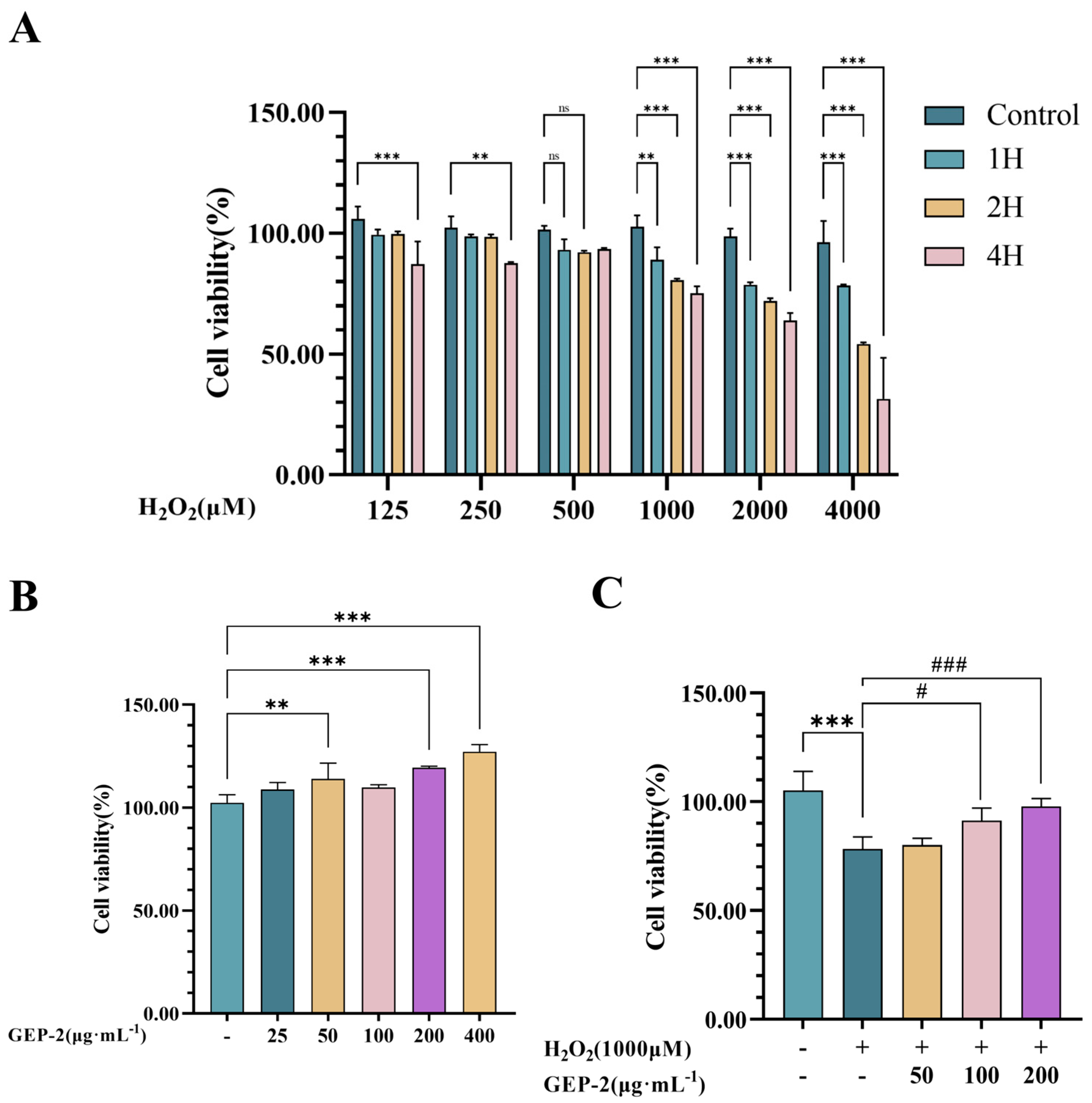
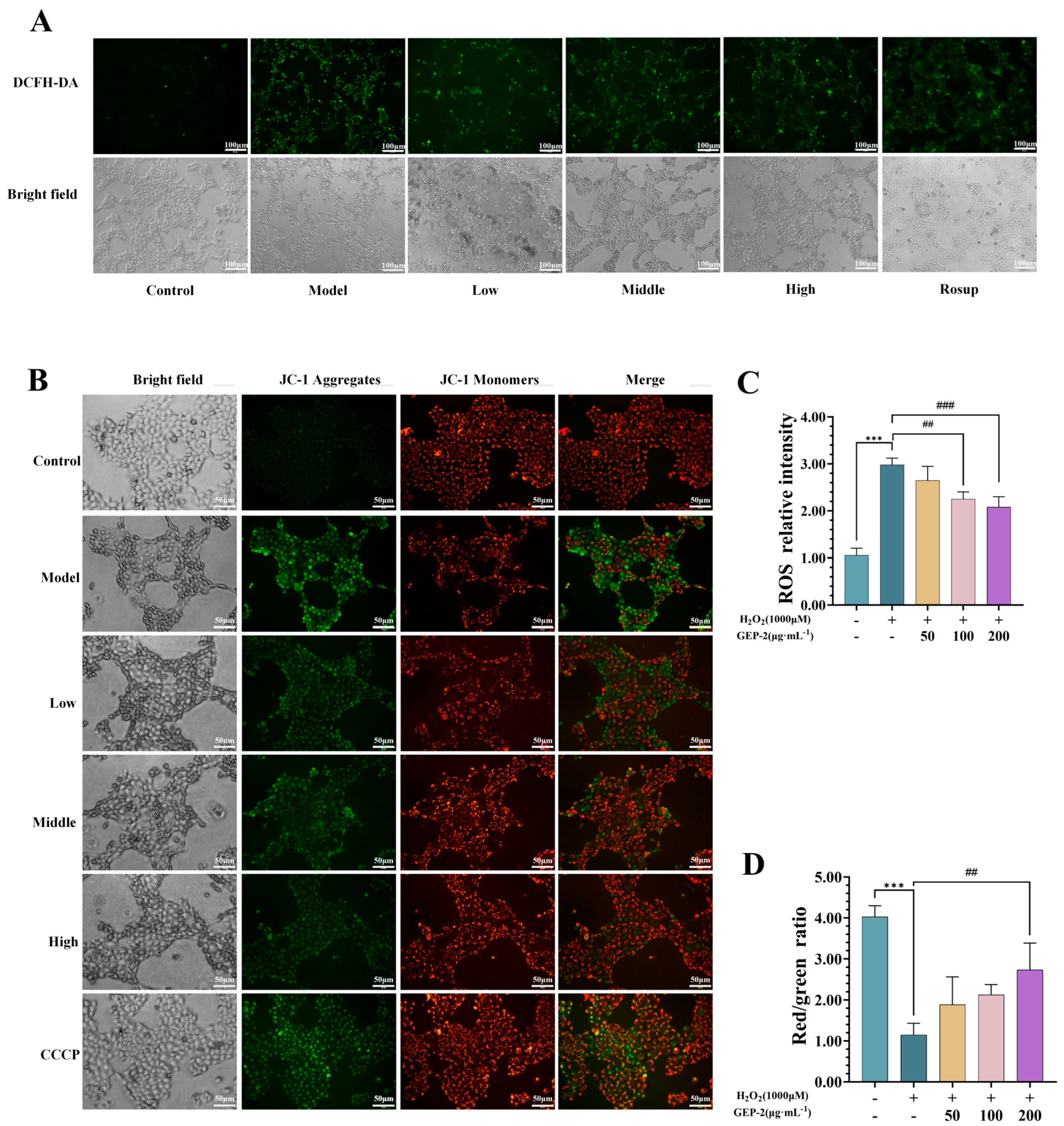
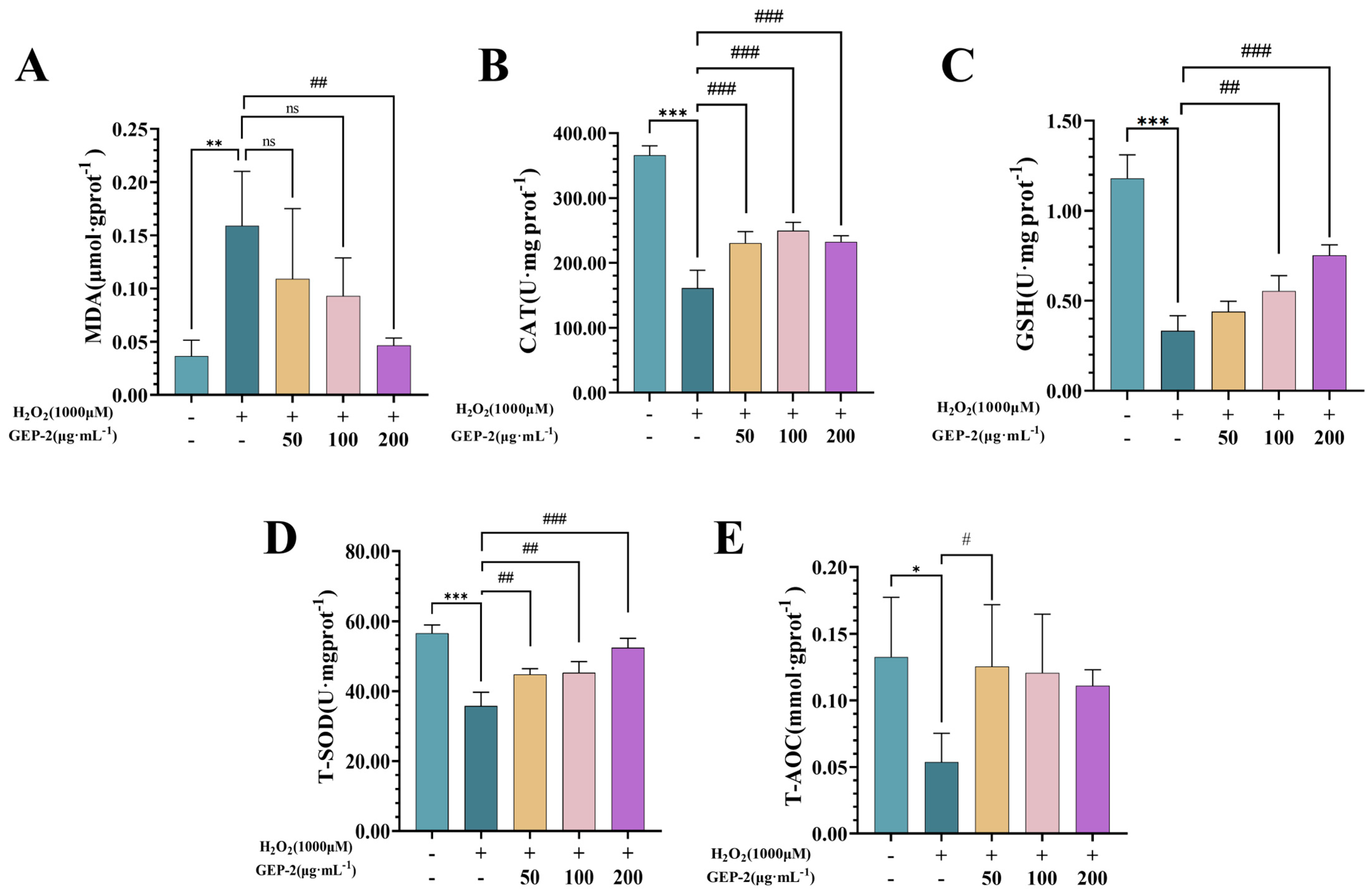
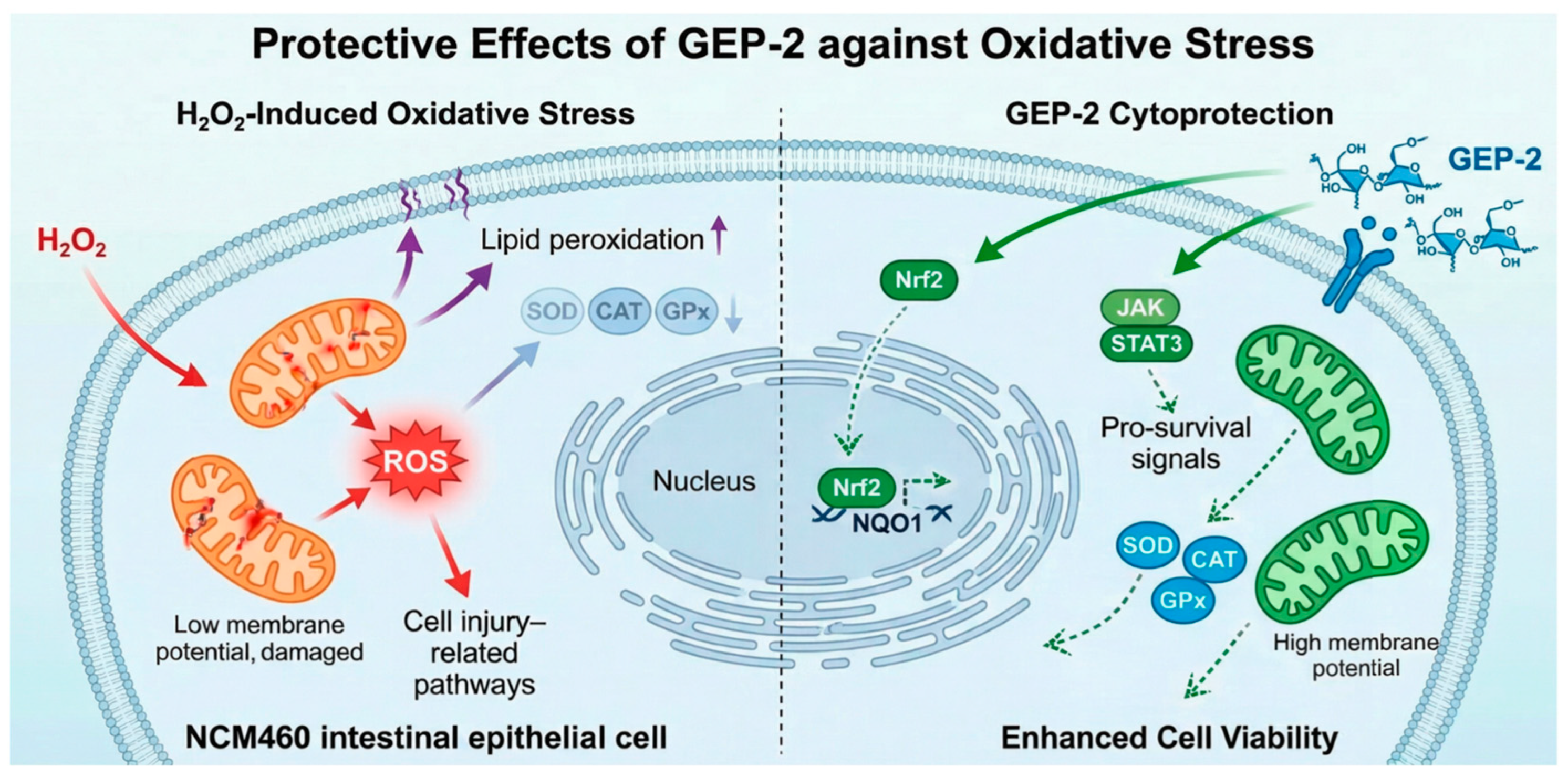
Figure 10, we constructed an oxidative stress injury model of NCM460 cells induced by hydrogen peroxide, and found that treatment with GEP-2 could improve cell viability, while reducing reactive oxygen species, decreasing malondialdehyde content, enhancing antioxidant enzyme activity, and increasing mitochondrial membrane potential. Given the central role of mitochondria in redox regulation and cell fate determination, these findings support the protective effect of GEP-2 in NCM460 cells by maintaining mitochondrial function and redox balance, indicating the existence of a mitochondrial-related polysaccharide adaptive response to cope with oxidative stress.
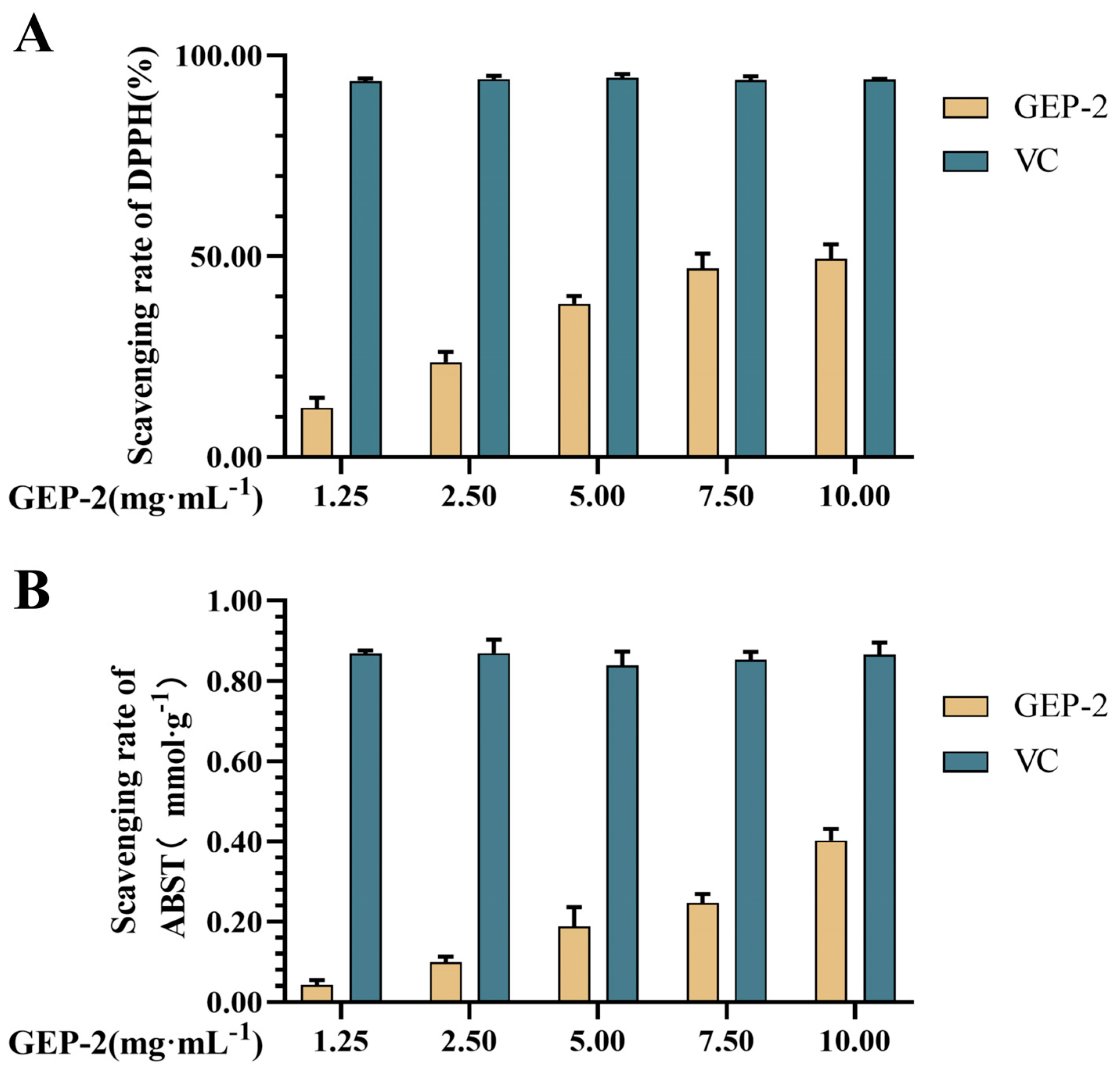
Although GEP-2 exhibited weaker radical scavenging activity than vitamin C in chemical assays, it is important to note that such assays primarily reflect direct electron-donating capacity in cell-free systems and do not fully capture the complex cellular antioxidant mechanisms. Polysaccharides like GEP-2 are generally believed to exert antioxidant effects by modulating endogenous defense pathways, rather than directly neutralizing free radicals. In line with this, our study observed the activation of Nrf2 signaling and improvements in cellular oxidative stress markers, suggesting that GEP-2 primarily functions as an indirect antioxidant through the regulation of intracellular protective systems.
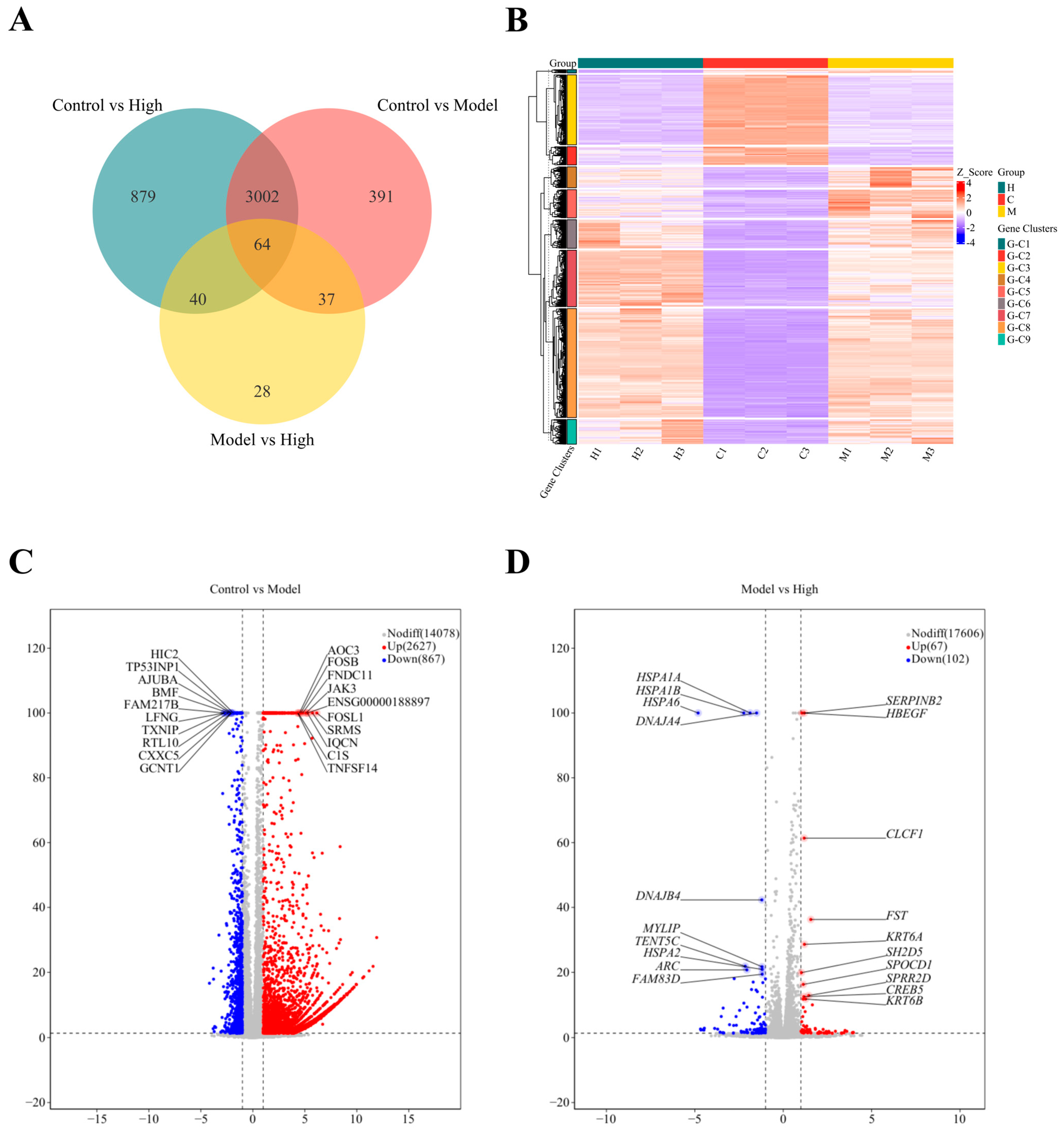
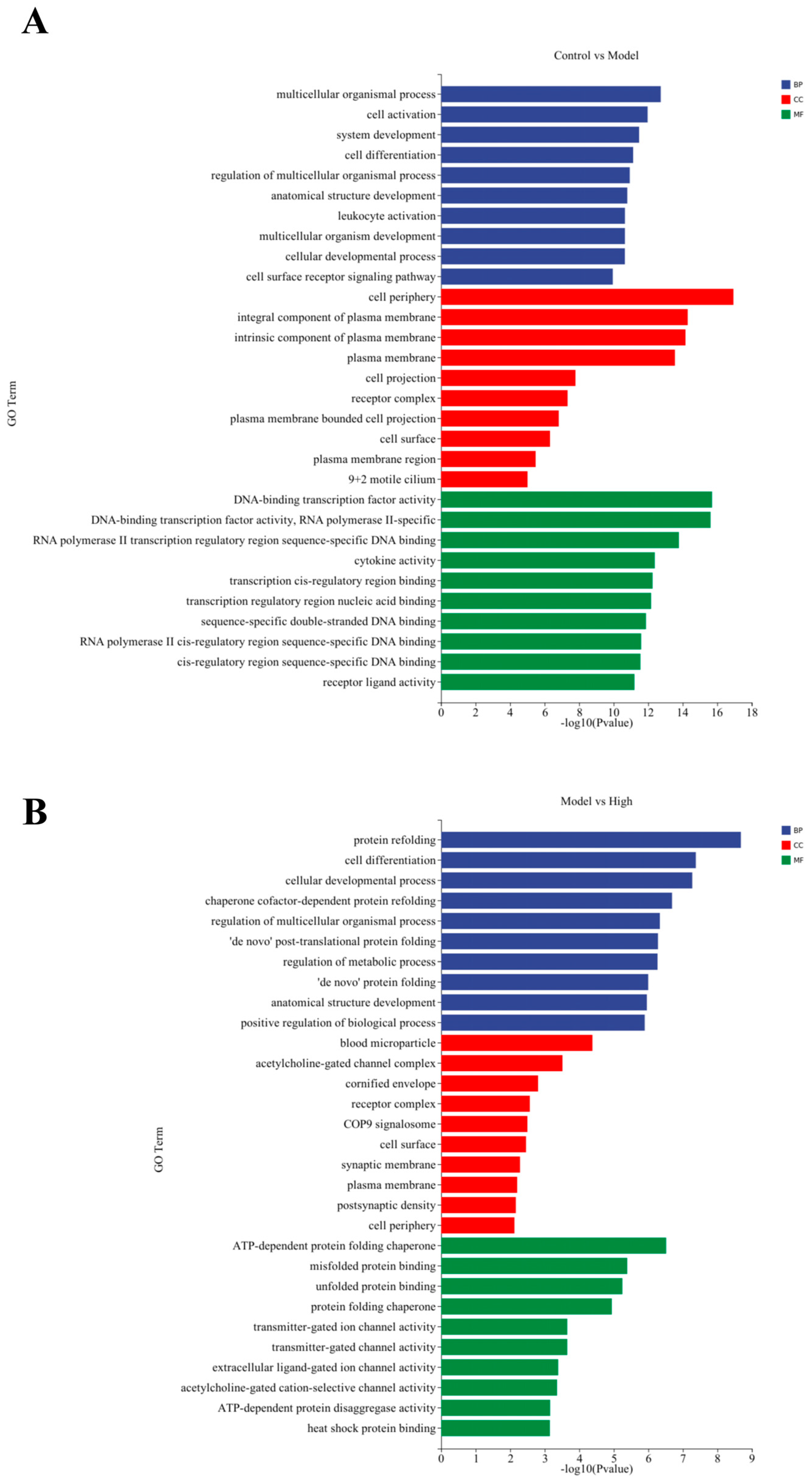
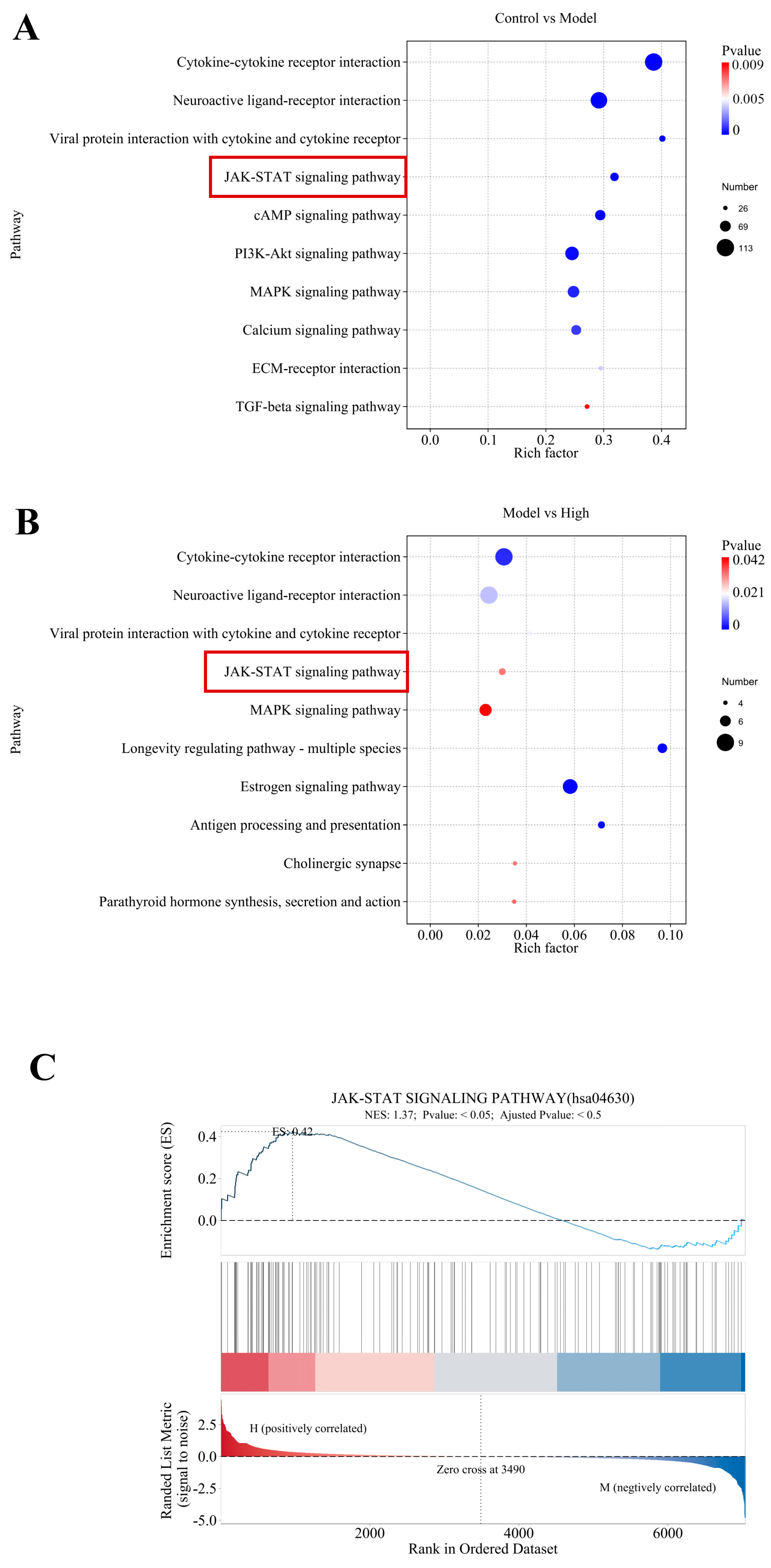
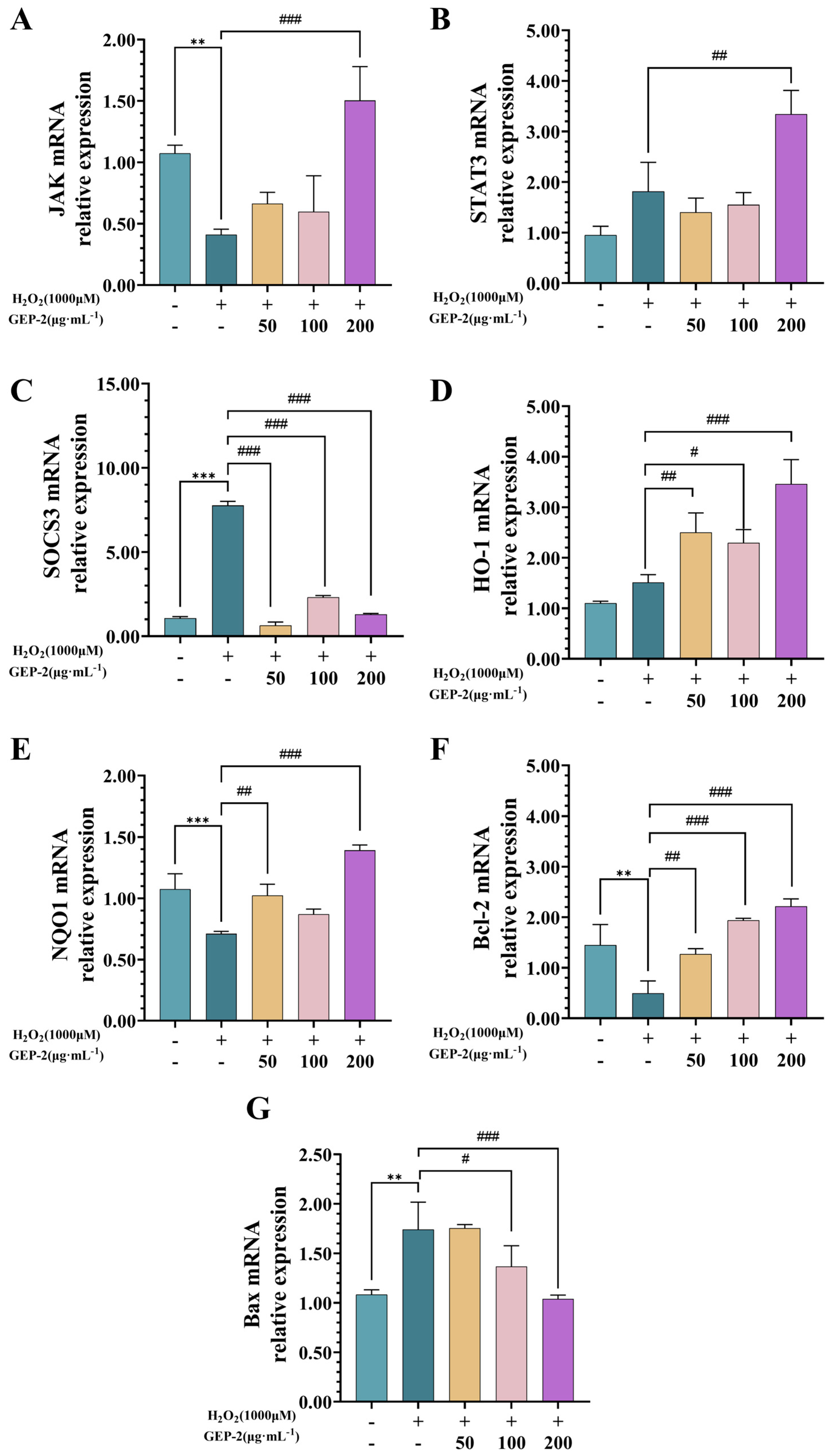
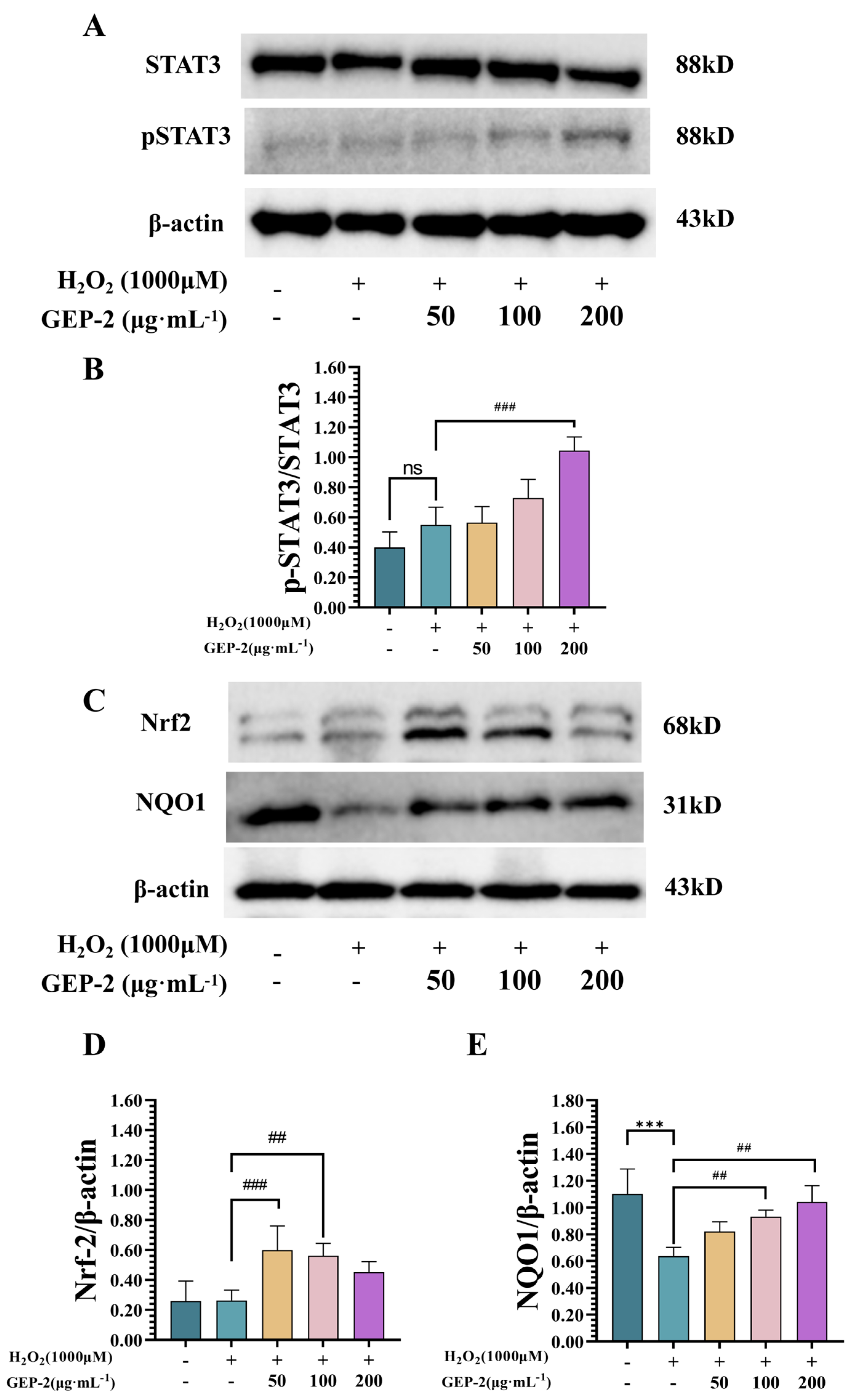
Furthermore, through combined transcriptome analysis, we further discovered that pathways related to oxidative stress, inflammation, and cell survival were enriched. Among these pathways, the JAK/STAT signaling pathway seemed to be closely associated with GEP-2 treatment. At the protein level, GEP-2 enhanced the phosphorylation of STAT3 and regulated the expression of SOCS3, indicating that the activation of STAT3 was regulated under oxidative stress conditions. At the same time, GEP-2 upregulated Nrf2 and its downstream target NQO1, which is consistent with the synergistic activation of antioxidant and survival signaling pathways.
Intracellular oxidative stress is primarily characterized by the excessive accumulation of reactive oxygen species (ROS) and free radicals that overwhelm the capacity of endogenous antioxidant systems. The aberrant activation of oxidative stress is closely associated with various diseases. Notably, the Nrf2/HO-1 signaling pathway is widely recognized as a central component of the cellular antioxidant defense mechanism. Previous research has indicated that
Gastrodia elata polysaccharides, across diverse neurological [
27] and tissue injury models [
28], can mitigate oxidative damage markers such as ROS and MDA by facilitating Nrf2 nuclear translocation and upregulating HO-1 and NQO1 expression. Meanwhile, oxidative stress frequently activates apoptotic pathways through the induction of mitochondrial dysfunction. Studies in murine depression models [
29] and PC12 cell models [
30] have demonstrated that
Gastrodia elata polysaccharides inhibit mitochondrial-mediated apoptotic cascades by modulating the Bcl-2/Bax ratio and suppressing the activation of Caspase-3, Caspase-9, and Caspase-12. These mechanisms are in line with the preservation of MMP and the enhancement of cell survival observed in the current study.
At present, studies investigating the regulatory effects of
Gastrodia elata polysaccharides on the JAK/STAT signaling pathway are relatively limited. However, the existing evidence suggests that GEP-2 can activate the JAK/STAT pathway under oxidative stress conditions. Notably, the JAK/STAT pathway has been reported to display distinct context-dependent behaviors across various disease models. In some kinds of inflammatory models, JAK/STAT has been confirmed as a key pathway mediating anti-inflammatory and anti-apoptotic responses [
31,
32,
33]. In contrast, in chronic metabolic diseases [
34,
35], the persistent over-activation of this pathway aggravates inflammatory responses and oxidative damage. These findings indicate that JAK/STAT is not strictly a “pro-inflammatory” or “protective” pathway but rather a crucial signaling hub whose outcome is dependent on cell type and stimulus intensity. Although JAK/STAT signaling is widely recognized for its role in inflammation and pathological conditions under chronic activation, emerging evidence indicates that transient STAT3 activation can function as an adaptive survival mechanism during acute cellular stress. In intestinal epithelial cells, moderate STAT3 activation has been shown to promote epithelial regeneration, maintain barrier integrity, and enhance antioxidant defense. Therefore, the observed activation of JAK2/STAT3 in the present study is more likely to represent a protective and adaptive response rather than a pathological inflammatory signal.
Integrating the results from neurological, intestinal, and tissue injury models, the cytoprotective effect of Gastrodia elata polysaccharides in the crucial pathological cascade of “oxidative stress–mitochondrial damage–apoptosis initiation” is not attributed to a single molecular target but is realized through the coordinated regulation of redox homeostasis, mitochondrial function, inflammatory signaling, and cell survival pathways. This study further indicates that JAK/STAT may be a previously under-recognized regulatory pathway modulated by Gastrodia elata polysaccharides, and the crosstalk between it and canonical antioxidant signaling pathways demands further clarification. These findings provide novel mechanistic perspectives on the molecular actions of GEP-2 in intestinal oxidative stress-related injury.
Nevertheless, this study has several limitations. Firstly, the in vitro NCM460 model is unable to fully replicate the complex intestinal environment; thus, validation in organoid or animal models is required. Secondly, although transcriptomic analysis implicated the JAK/STAT pathway, the causal relationship of GEP-2 in protection necessitates further exploration. Thirdly, the active components of GEP-2 have not been comprehensively characterized, highlighting the necessity for structure–activity relationship studies. Lastly, this study did not address the potential impacts of gastrointestinal digestion or microbial metabolism, emphasizing the significance of investigating the metabolic fate and bioactivity of GEP-2 in vivo.
However, this study has some limitations. Firstly, the present study was conducted in a single human intestinal epithelial cell line (NCM460), which may limit the generalizability of the findings. The in vitro NCM460 cell model also does not fully mimic the complex intestinal environment, so further validation using organoid or animal models is needed. Future studies involving additional intestinal epithelial models, such as Caco-2 or HT-29 cells, as well as primary intestinal epithelial cells, are warranted to further validate the protective effects of GEP-2. Secondly, while transcriptomic analysis suggested the involvement of the JAK/STAT pathway, the exact role of GEP-2 in protection still requires further investigation. To confirm the causal relationship between these pathways, loss-of-function experiments, such as siRNA-mediated knockdown of Nrf2 or STAT3, are necessary. These experiments will be addressed in future studies. Thirdly, the active components of GEP-2 have not been fully characterized, highlighting the need for structure–activity relationship studies. Additionally, this study did not account for the potential effects of gastrointestinal digestion or microbial metabolism, underscoring the necessity to assess the metabolic fate and bioactivity of GEP-2 in vivo. In the present study, GEP-2 was administered as a pretreatment prior to oxidative stress exposure, primarily reflecting a preventive protective effect. Future studies are warranted to investigate whether GEP-2 also exerts therapeutic benefits when administered after oxidative injury, thereby enhancing its translational relevance. Finally, we assessed the anti-apoptotic effect of GEP-2 by monitoring Bcl-2/Bax expression and mitochondrial membrane potential (MMP), which reflect mitochondrial-dependent apoptotic signaling. However, these methods provide indirect evidence. Future studies will incorporate more direct apoptosis assays, such as Annexin V/PI flow cytometry and caspase activity measurements, to further validate the findings.
In summary, this study demonstrates that GEP-2 can help NCM460 cells against oxidative stress by regulating mitochondrial function, antioxidant defenses, and survival-related signaling pathways.
4. Materials and Methods
4.1. Drugs and Main Reagents
H2O2 (C17736142) was sourced from Macklin Biochemical Co., Ltd. (Shanghai, China). Assay kits for MDA (G4300), T-AOC (G4313), T-SOD (G4306), CAT (G4307), and GSH (G4310), 5 × SDS protein loading buffer (PE0020), primary/secondary antibody stripping buffer (P0025), fetal bovine serum (BL205B), PBS (C8136), 0.25% trypsin–EDTA solution (C8019), Cell Counting Kit-8 (C8022), ROS detection kit (S0033S), and JC-1 assay kit (C2006), RIPA lysis buffer (G2002), PMSF (G2008-1 mL), phosphatase inhibitor cocktail (G2007-1 mL), and 50 × protease inhibitor cocktail (G2006-250 μL) were also provided by Servicebio Technology Co., Ltd. (Wuhan, China). DMEM (6125525) came from Gibco (Grand Island, NY, USA). The bicinchoninic acid (BCA) protein assay kit (BB-3401), the Super RT one-step reverse transcription premix (BL1020B) and universal SYBR Green qPCR kit (BL1304A) were purchased from Beibo Biotechnology Co., Ltd. (Shanghai, China). The 10% PAGE precast color gel kit (BL1466A) and ECL substrate (BL520B) were used, sourced from Beijing Lanjieke Technology Co., Ltd. (Beijing, China). Additionally, the DPPH free radical scavenging assay kit (C9021-100T-PKG) and Total Antioxidant Capacity Assay Kit (ABTS, Microplate Method, C8315-100T-PKG) were obtained from Shanghai Titan Technology Co., Ltd. (Shanghai, China).
4.2. Experimental Instruments
These included a full wavelength microplate reader and micropipettes procured from Thermo Fisher Scientific (Waltham, MA, USA), a vertical electrophoresis system and a real-time fluorescence quantitative PCR system sourced from Bio-Rad (Hercules, CA, USA), a wet transfer electrophoresis apparatus and a chemiluminescence imaging system obtained from Tanon Science & Technology (Shanghai, China), a horizontal shaker acquired from Beijing Liuyi Biotechnology (Beijing, China), an ultrapure water system provided by Merck Millipore (Darmstadt, Germany), and a gradient PCR thermal cycler supplied by Thermo Fisher Scientific.
4.3. Preparation of GEP-2
Gastrodiae Rhizoma was harvested in October 2019 from a standardized cultivation site in Chengkou County, Chongqing, China. The plant was identified as the dried rhizome of
Gastrodia elata Blume by Longyun Li, a Research Fellow at the Chongqing Academy of Chinese Materia Medica. Polysaccharide extraction was carried out according to the protocol established by our research group [
20]. Polysaccharides were prepared via a water extraction–ethanol precipitation strategy previously developed by our research group. During the pretreatment process, non-polar components and proteins were removed. Subsequently, membrane-based purification was employed to eliminate insoluble materials and low-molecular-weight constituents. The resultant extract was concentrated and dried under reduced pressure to obtain
Gastrodia elata polysaccharide-2 (GEP-2). GEP-2 was stored at −20 °C.
The phenol–sulfuric acid method, using anhydrous glucose as the standard, was utilized to evaluate the purity of GEP-2. The obtained regression equation was y = 2.9562x + 0.0304 (r = 0.999). Based on this equation, the polysaccharide purity was calculated to be 92.89%.
GEP-2 used in the present study is the same polysaccharide fraction previously isolated and structurally characterized by our research group. In that study, GEP-2 was found to have a broad molecular weight distribution (Mn = 2.54 kDa, Mw = 9.24 kDa), with glucose as the main component (89.08%) and smaller amounts of galacturonic acid, galactose, arabinose, and rhamnose. It is a branched polysaccharide with a backbone of α-D-glucose and branches including galacturonic acid, galactose, rhamnose, and arabinose, as confirmed by NMR and methylation analysis.
4.4. Antioxidant Capacity Measurement
The free radical scavenging ability of GEP-2 was evaluated using DPPH and ABTS+ detection systems. According to the manufacturer’s protocol, solutions of GEP-2 at different concentrations were prepared and analyzed using commercially available kits. All measurements were repeated three times, and the scavenging activity was calculated based on the absorbance values.
4.5. Cell Culture
The NCM460 cell line was obtained from the New Drug Research and Development Laboratory at Guangzhou University of Chinese Medicine. Cell culture operations were carried out at the Analytical Center of Chongqing Academy of Chinese Materia Medica. Cells were cultivated in complete medium and incubated at 37 °C in a 5% CO2 humidified environment. Cells were cultured until they reached 80–90% confluence, and those in the log-phase with optimal morphology were selected for experiments.
4.6. Assessment of Cell Viability via the CCK-8 Assay
NCM460 cells were inoculated at an appropriate density in 96-well plates to guarantee stable adhesion. After complete attachment, the cells were exposed to GEP-2 solutions with concentrations spanning from 12.5 to 400 μg·mL−1 for 24 h at 37 °C. Cell viability was assessed using the CCK-8 assay. After treatment, the culture medium was replaced with serum-free medium containing CCK-8 reagent and incubated in the dark. Absorbance was measured at 450 nm, and relative cell viability was calculated based on optical density values.
4.7. Assessment of NCM460 Cell Viability Following GEP-2 Pretreatment Under Oxidative Stress
To establish an oxidative stress model, NCM460 cells were treated with varying concentrations of H2O2 for different time periods. Cell viability was assessed to identify conditions that caused oxidative damage while ensuring sufficient cell survival. Optimal parameters for the model were then selected.
In subsequent experiments, cells were pretreated with GEP-2 before exposure to H2O2 under these conditions. Cell viability was measured to evaluate the protective effects of GEP-2 and determine the appropriate concentration range for further analysis.
4.8. Cell Culture and Experimental Grouping
Cells were randomly allocated into the following groups: Control, Model (1000 μM H2O2), Low-dose (50 μg·mL−1), Middle-dose (100 μg·mL−1), and High-dose (200 μg·mL−1). Except for the Control group, which was cultured under standard conditions, other groups were pretreated with their respective drug concentrations for 24 h. Following this, all groups were exposed to 1000 μM H2O2 for 4 h to induce oxidative stress under consistent conditions.
4.9. Assessment of Intracellular ROS via DCFH-DA Staining
Following the manufacturer’s protocol, the intracellular ROS level was measured using DCFH-DA fluorescent probing after the specified treatments. Cells were incubated and stained with DCFH-DA working solution in a light-protected environment. Excess probe was removed prior to imaging, and fluorescence signals were captured using an inverted fluorescence microscope. ROS generation was quantified by measuring relative fluorescence intensity, which indicated the intracellular oxidative status.
4.10. Assessment of MMP Through JC-1 Staining
Following the specified treatments and manufacturer’s protocol, MMP was assessed using JC-1 fluorescent staining. Cells were incubated with JC-1 working solution in a light-protected environment. Excess dye was removed before imaging, and fluorescence signals were captured using an inverted fluorescence microscope. It was evaluated by measuring the red-to-green fluorescence intensity ratio.
4.11. To Quantify the Intracellular Activities of T-SOD, T-AOC, GSH, and CAT Enzymes, as Well as the MDA Content
After treatment, the cells were harvested and homogenized in 500 µL of PBS under ice-bath conditions. The cell lysate was centrifuged at 4 °C and 10,000× g for 10–15 min. Subsequently, the supernatant was collected and kept on ice for subsequent analysis. The supernatant was divided, with part used to determine total protein concentration, and the rest processed according to the kit instructions to measure intracellular MDA, T-SOD, T-AOC, CAT, and GSH levels.
4.12. Total RNA Extraction and Transcriptome Sequencing Data Processing
Following treatment, RNA was extracted using the TRIzol method according to the manufacturer’s instructions. The purity and integrity of RNA were assessed using an ultra-micro spectrophotometer and a bioanalyzer, respectively. Samples with an A260/A280 ratio ranging from 1.8 to 2.0 were regarded as pure, and an RNA integrity number (RIN) of 7.0 or higher was regarded as acceptable.
Transcriptome sequencing libraries were prepared using the Illumina
® Stranded mRNA protocol, which involved mRNA enrichment, fragmentation, cDNA synthesis, adaptor ligation, and PCR amplification. High-throughput sequencing was performed by PERSONALBIO Technology Co., Ltd. (Shanghai, China). The raw sequencing data were processed on the PERSONALBIO cloud platform (
https://www.genescloud.cn/, accessed on 19 January 2026), including quality control, read alignment, expression quantification, and differential gene expression analysis. Differentially expressed genes were identified based on specified fold-change and adjusted
p-value thresholds.
4.13. RNA Sequencing and Bioinformatic Analysis
Total RNA was extracted and subjected to high-throughput sequencing. Libraries were constructed and sequenced on an Illumina platform. Each group included three independent biological replicates (n = 3).
Clean reads were obtained after quality control filtering. The average sequencing depth per sample was approximately 25–30 million reads. The Q30 percentage exceeded 92%, and mapping rates to the reference genome were above 95%.
Differential expression analysis was performed using DESeq2 (version numberversion number 1.50.0). Genes with |log2 fold change| ≥ 1 and adjusted p-value (FDR) < 0.05 were considered significantly differentially expressed. p-values were adjusted using the Benjamini–Hochberg method.
4.14. Real-Time Fluorescence Quantitative PCR Detection
Total RNA was extracted from cells using the TRIzol reagent (Invitrogen Corporation, Carlsbad, CA, USA), and complementary DNA was synthesized with a commercially available reverse transcription kit for subsequent real-time quantitative PCR analysis. The relative mRNA expression levels were determined using the 2
−ΔΔCt method. Primer sequences were designed and synthesized by Shanghai Bogu Biotechnology Co., Ltd. (Shanghai, China), and detailed information is presented in
Table 1.
4.15. Detection of Cellular Protein Expression via Western Blotting
Western blotting was carried out as previously described [
20]. The antibodies employed were as follows: anti-Nrf2 (1:2000, B2321, Santa Cruz Biotechnology, Dallas, TX, USA), anti-NQO1 (1:2000, AF7614; Beyotime Biotechnology, Shanghai, China), anti-STAT3 (1:2000, D3Z2G), anti-phospho-STAT3 (1:2000, Tyr705; Cell Signaling Technology, Danvers, MA, USA), and anti-β-actin (1:5000, 66009-1-Ig; Proteintech, Wuhan, China). The expression of the target proteins was normalized to that of β-actin, and protein quantification was performed using ImageJ software (version number 1.8.0).
4.16. Statistical Methods
ImageJ software was used for image processing and statistical analysis, while quantitative data were analyzed and visualized using GraphPad Prism v9.5.0. Data are presented as the mean ± standard deviation. Pairwise comparisons between groups were performed using unpaired Student’s t-test, and multiple group comparisons were conducted using one-way ANOVA followed by Tukey’s post hoc test. Normality of the data was assessed using the Shapiro–Wilk test. A significance level of α = 0.05 was set, and p < 0.05 was considered statistically significant. All experiments were conducted with at least three independent biological replicates (n ≥ 3).



 ,
,