DDR2-COL11A1 Transcriptional Coupling as a Candidate Therapeutic Target in Colorectal Cancer: Integrative Transcriptomic and Deep Learning Validation

 , , ,
, , ,  , ,
, ,  and
and
Abstract
1. Introduction
2. Results
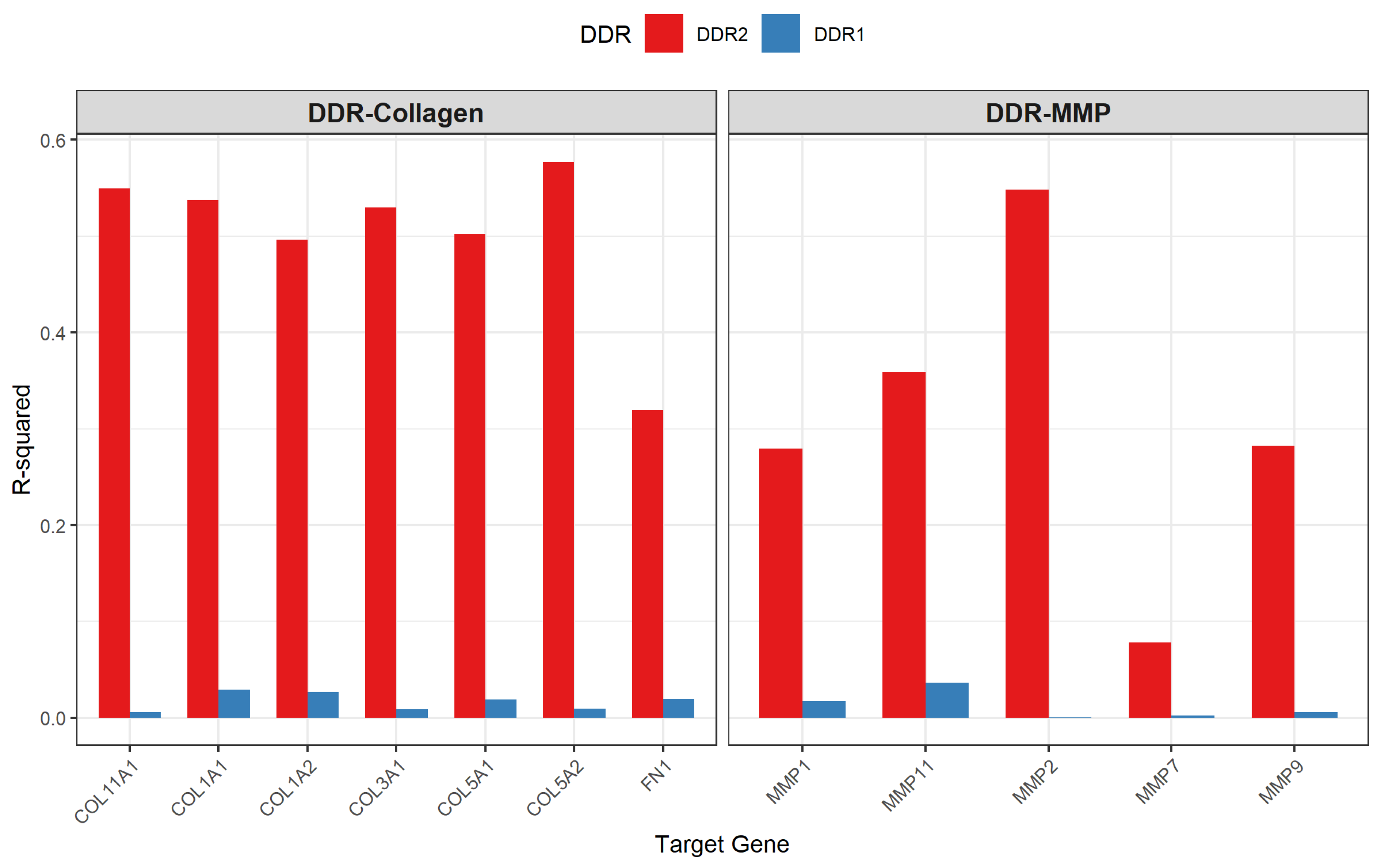
2.1. Divergent Evolution of DDR1 and DDR2 Networks During Colorectal Tumorigenesis
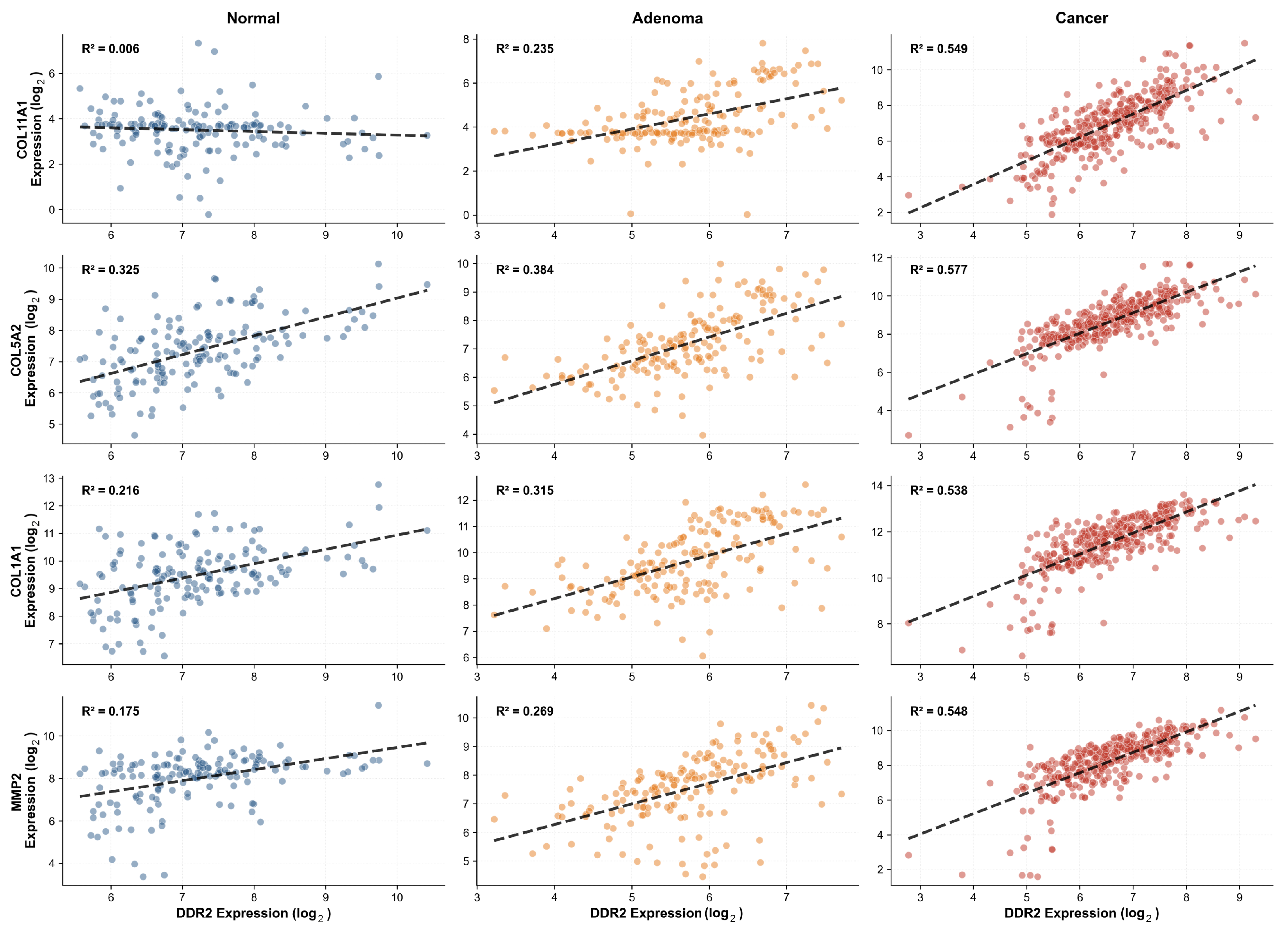
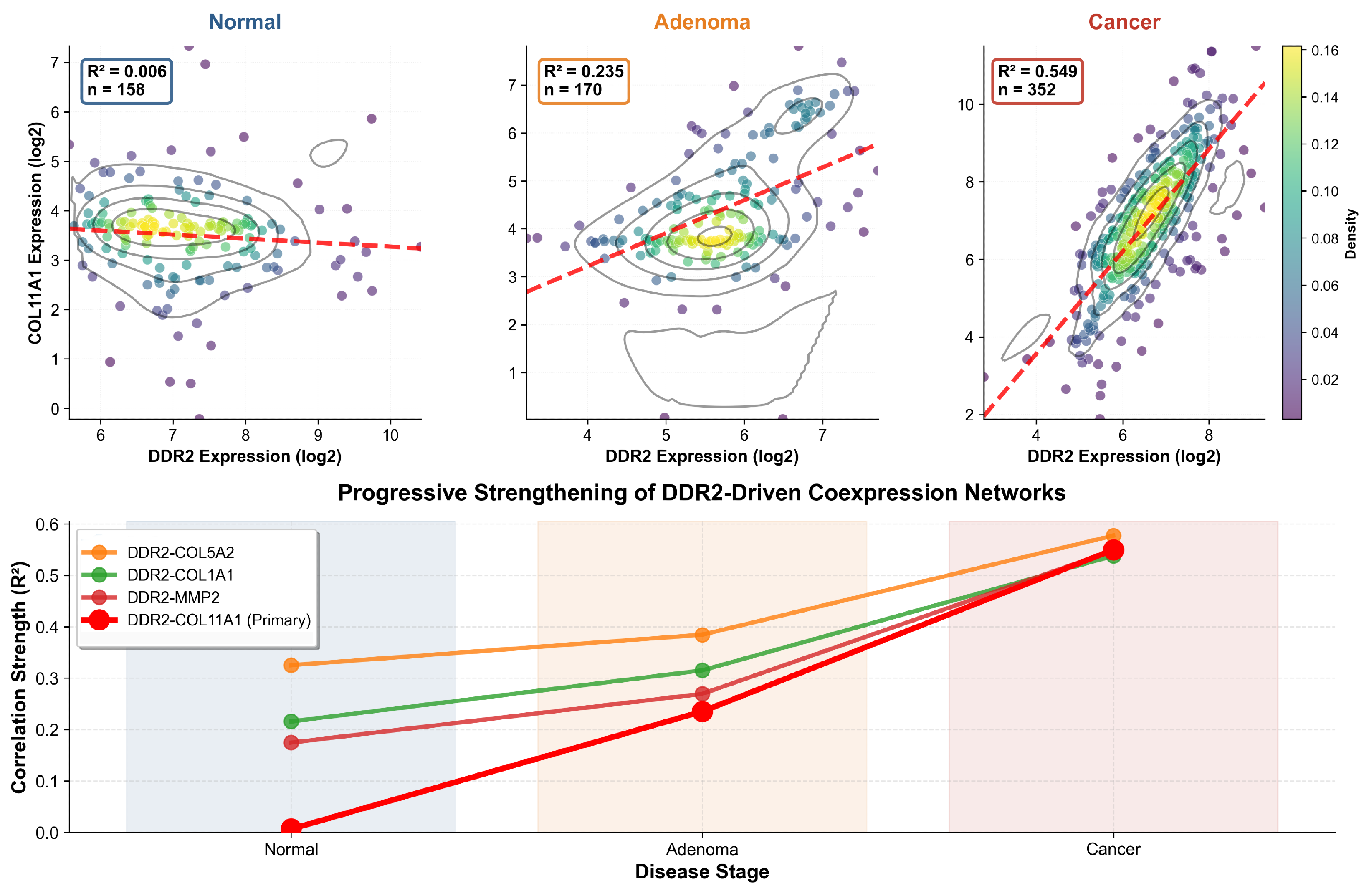
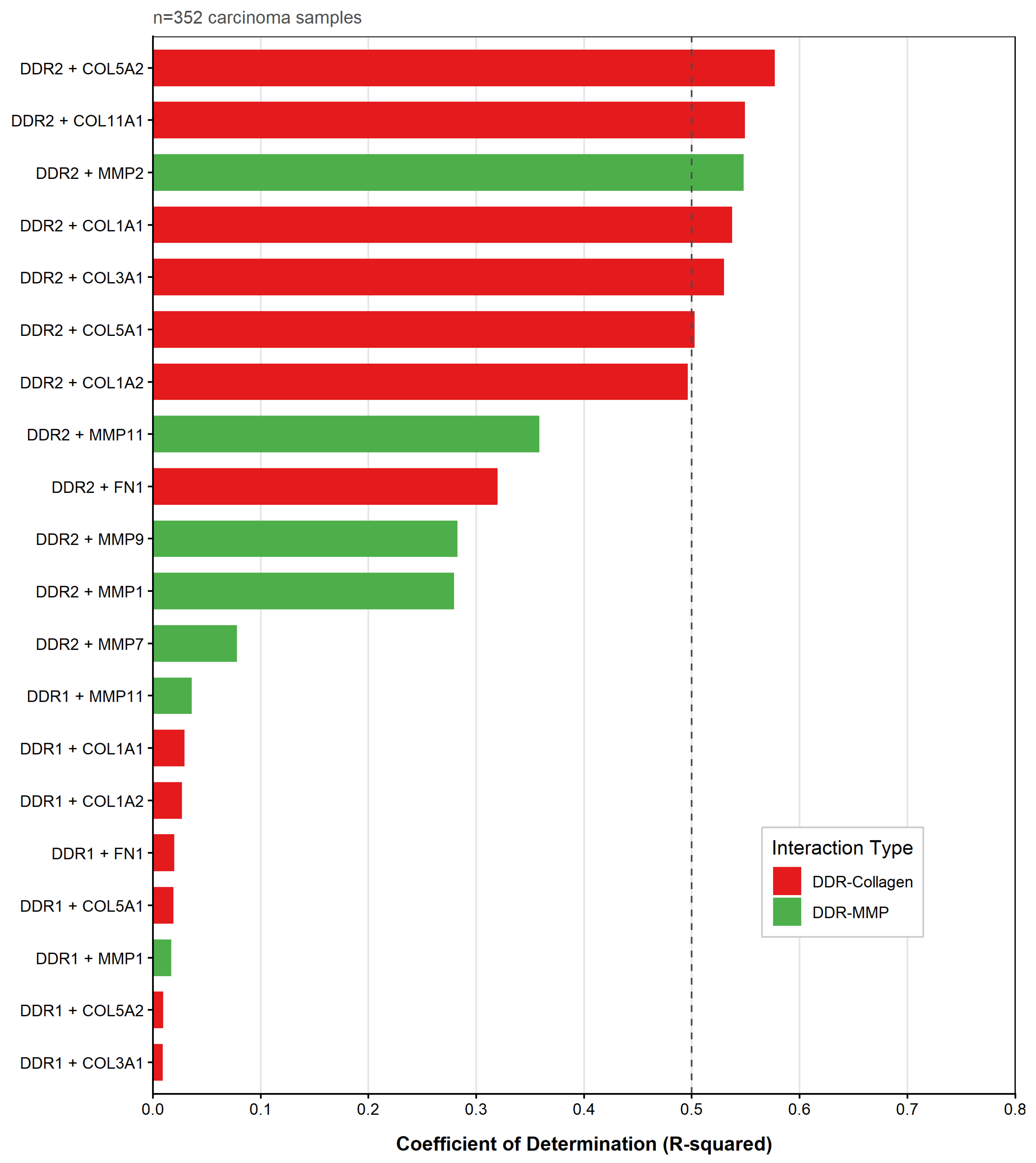
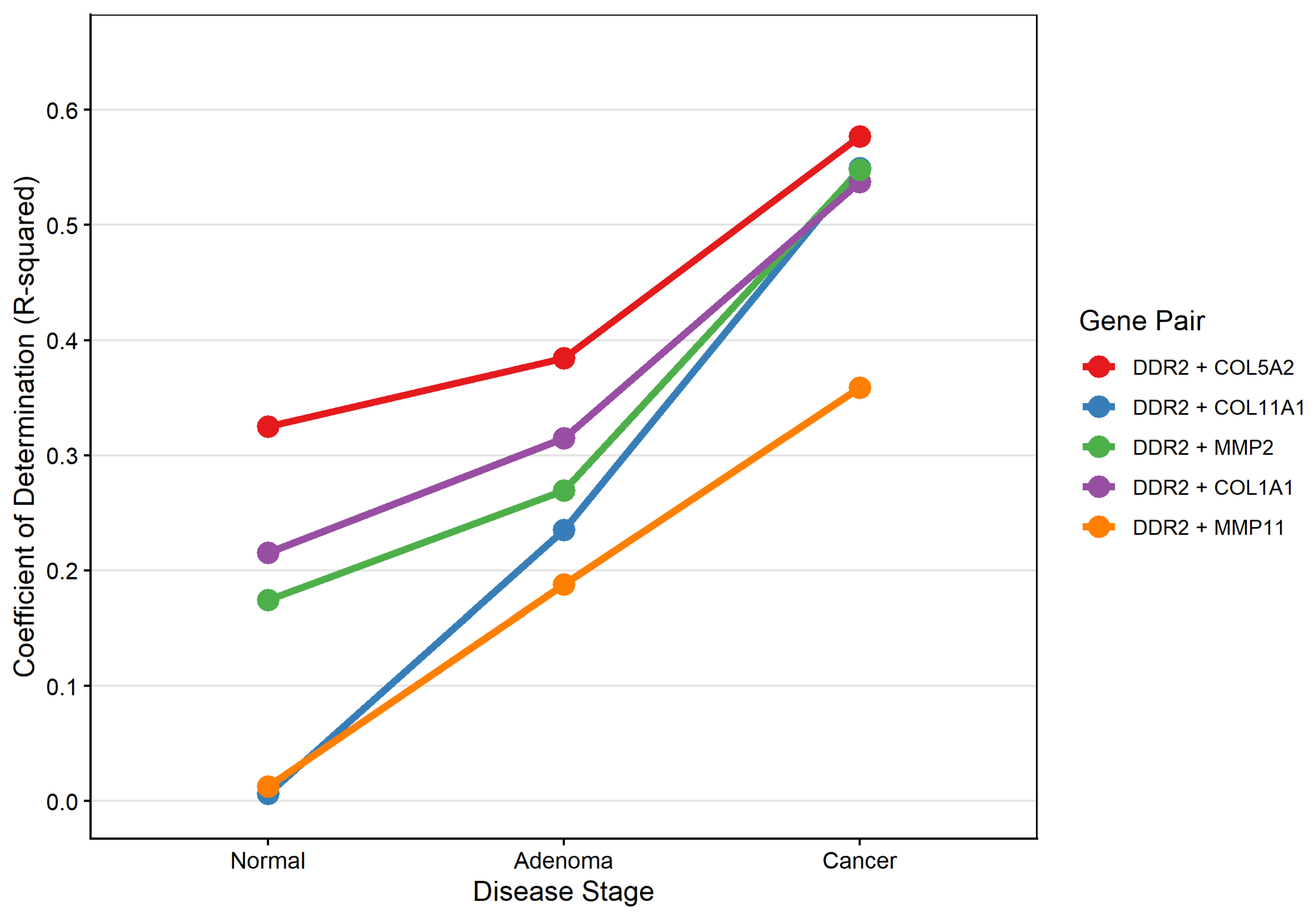
2.2. Enhanced Transcriptional Coupling Despite Stable Receptor Expression
2.3. Deep Learning Validation Identifies DDR2-COL11A1 as Critical Interaction
3. Discussion
3.1. Coupling Efficiency as a Candidate Mechanism: Transcriptional Evidence
3.2. Functional Specialization: DDR2 Dominance and DDR1 Suppression
3.3. DDR2-COL11A1: A Critical Therapeutic Axis
3.4. Temporal Dynamics and Intervention Opportunities
3.5. Methodological Advances and Future Directions
3.6. Computational Hypotheses for Experimental Investigation
3.7. Limitations
4. Materials and Methods
4.1. Data Acquisition and Preprocessing
4.2. Gene Selection and Pathway Definition
4.3. Coexpression Network Analysis
4.4. Differential Expression Analysis
4.5. Deep Neural Network Classification and Interpretability Analysis
4.6. STRING Protein–Protein Interaction Analysis
5. Conclusions
Author Contributions
Funding
Institutional Review Board Statement
Informed Consent Statement
Data Availability Statement
Conflicts of Interest
Appendix A
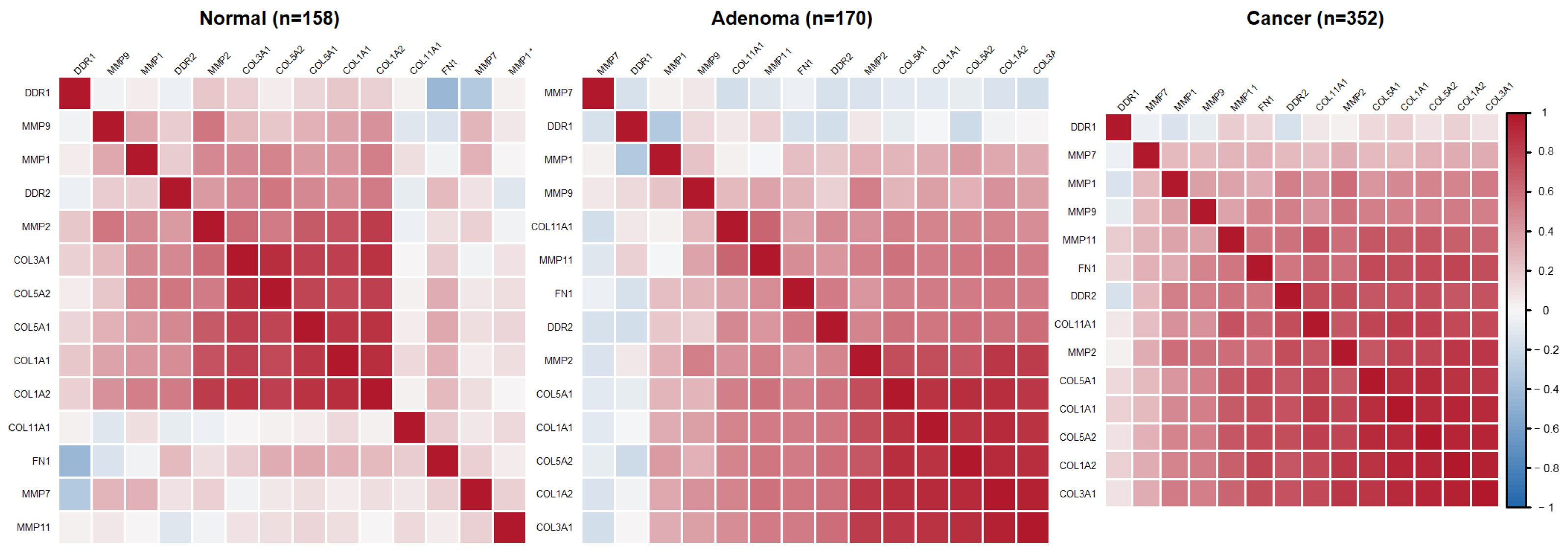
Appendix A.1. Global Coexpression Patterns Across Disease Stages

Appendix A.2. Detailed Quantification of Correlation Changes
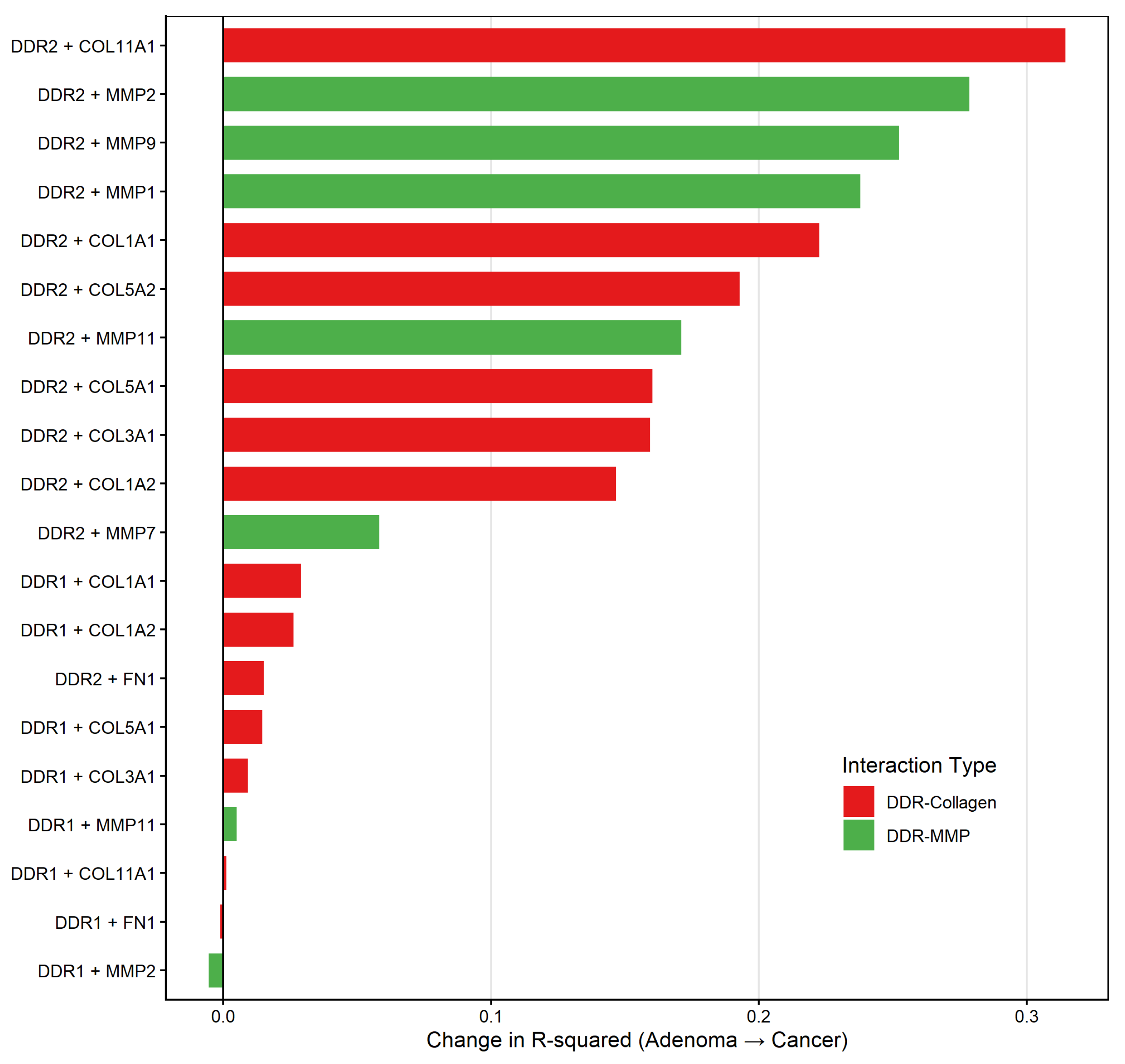

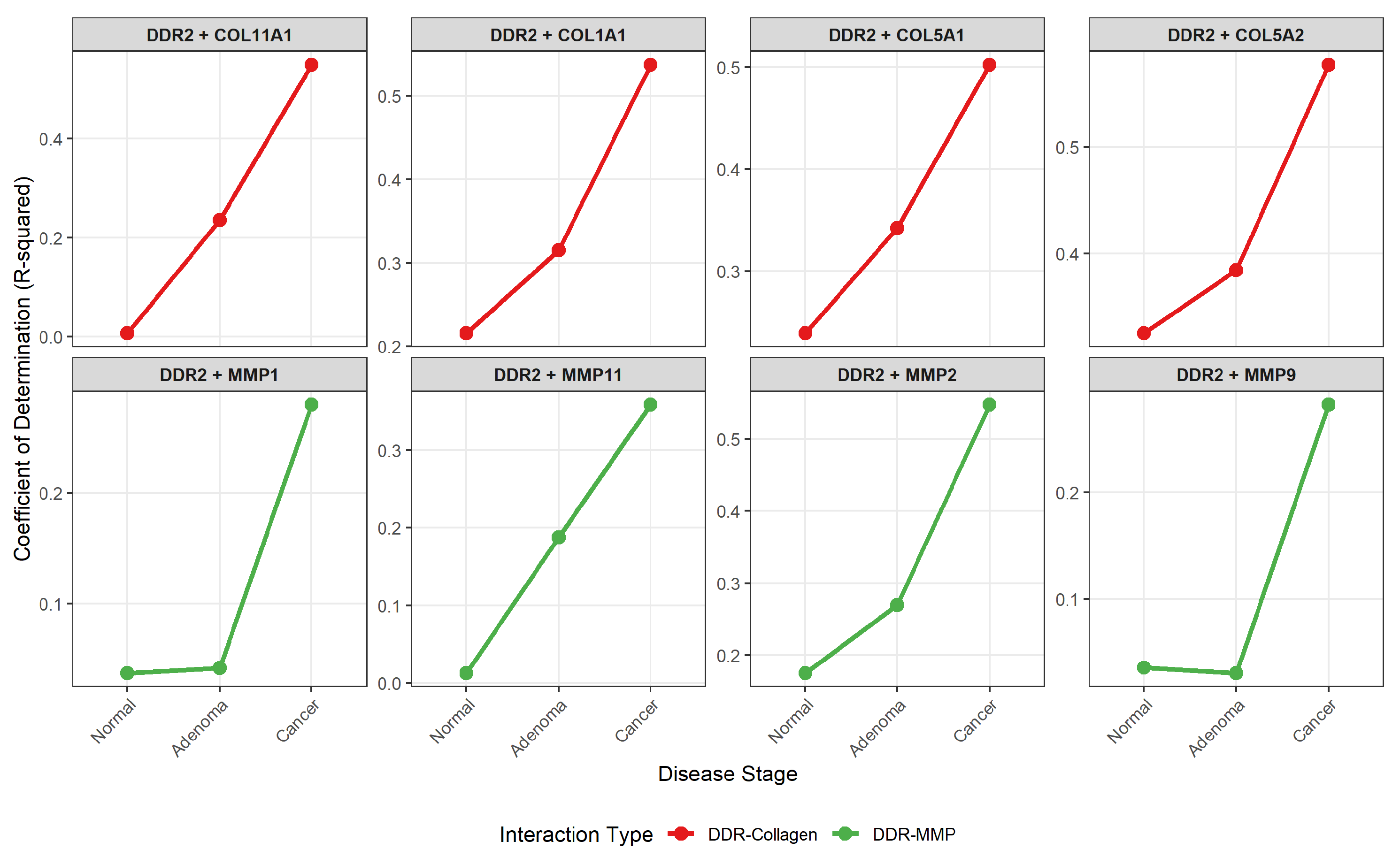
Appendix A.3. Detailed Temporal Trajectories of DDR2 Pairs

Appendix A.4. Differential Expression Analysis

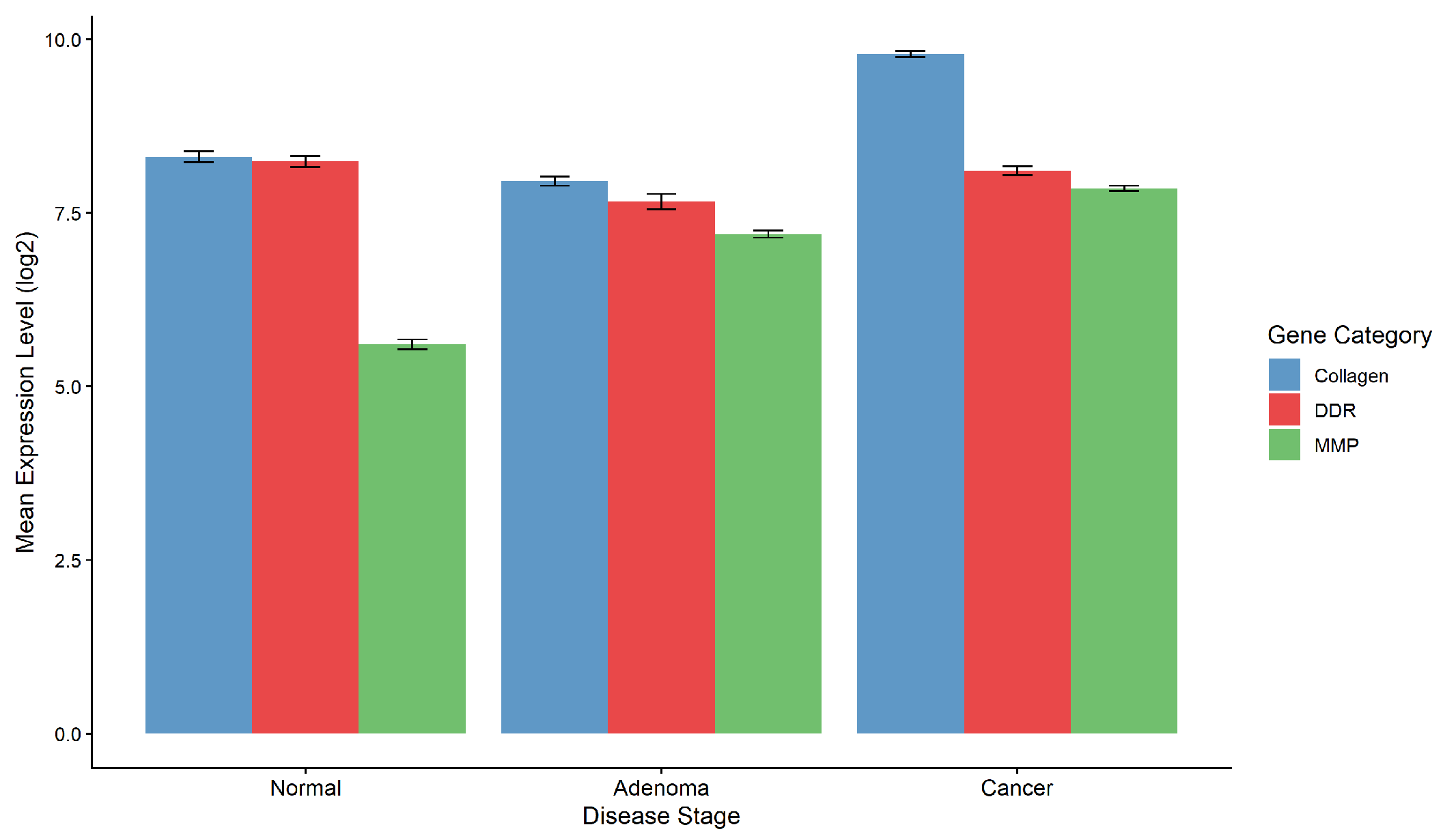
Appendix A.5. Expression Analysis by Gene Category

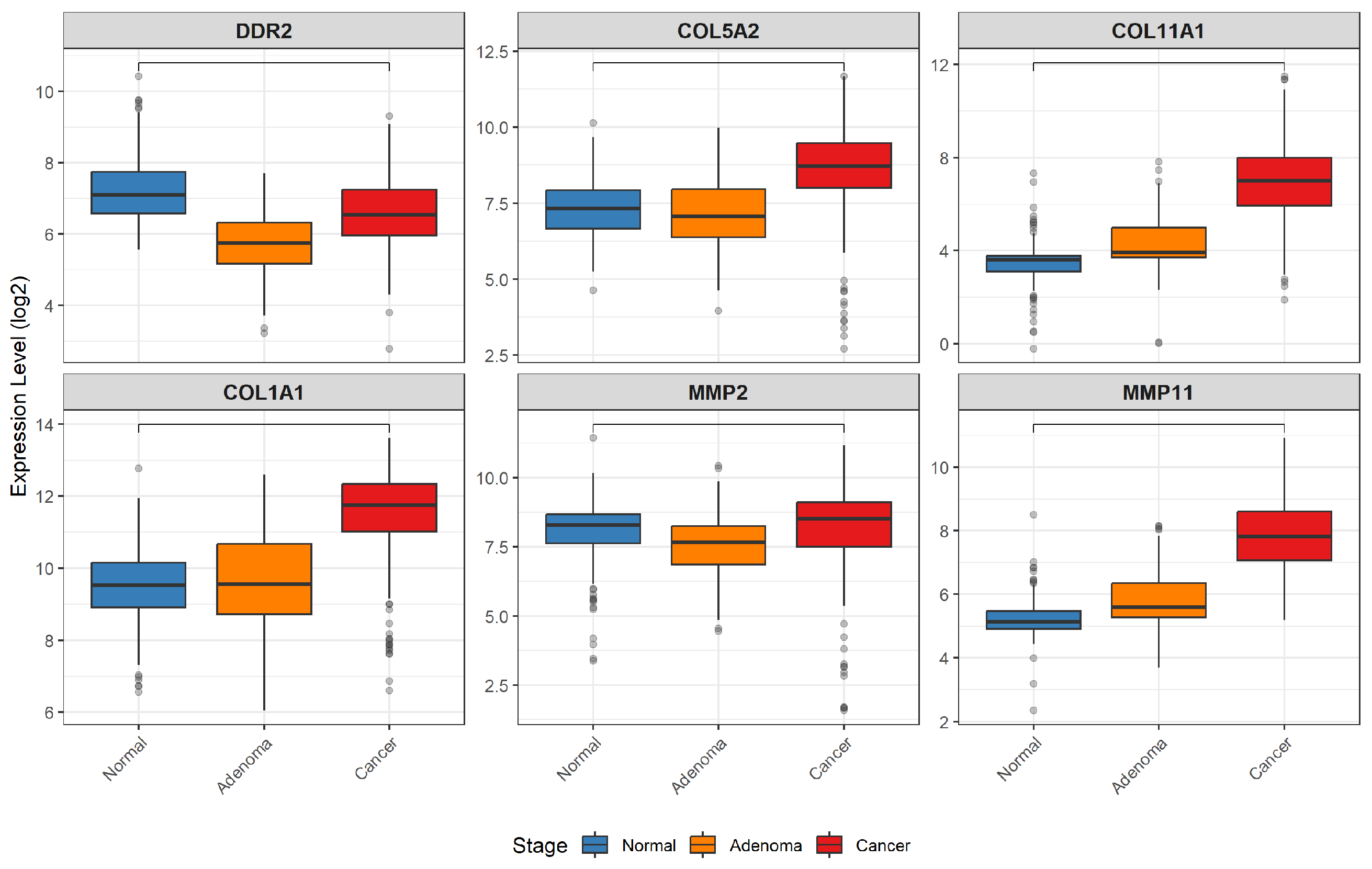
Appendix A.6. Extended Expression Patterns of DDR2 and Targets

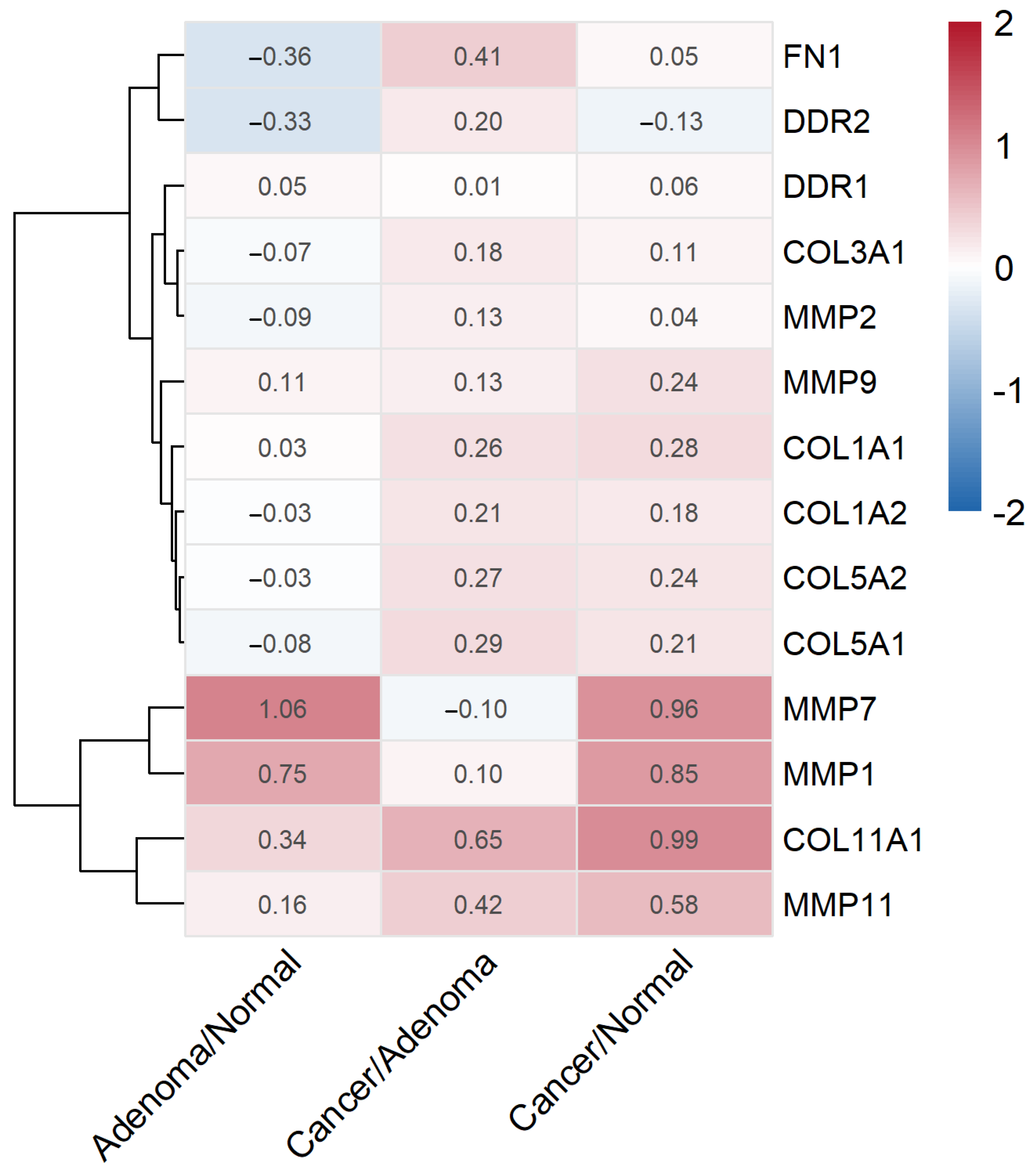
Appendix A.7. Hierarchical Clustering of Fold Changes
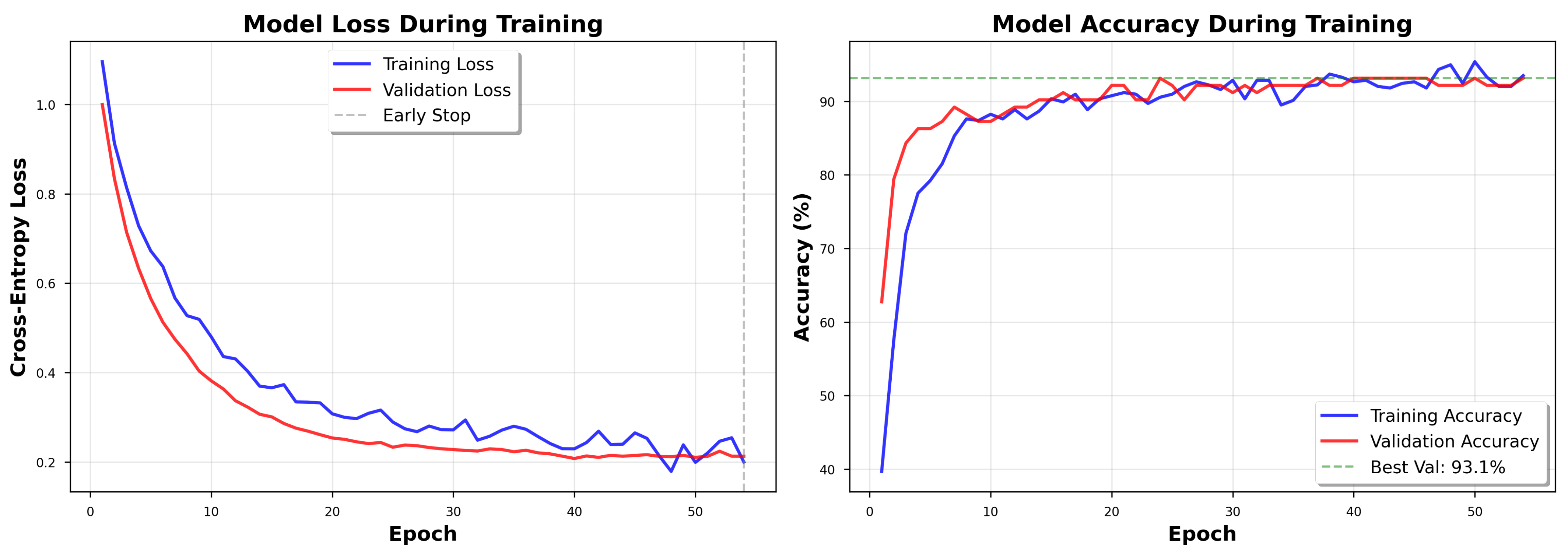
Appendix A.8. Neural Network Training Dynamics

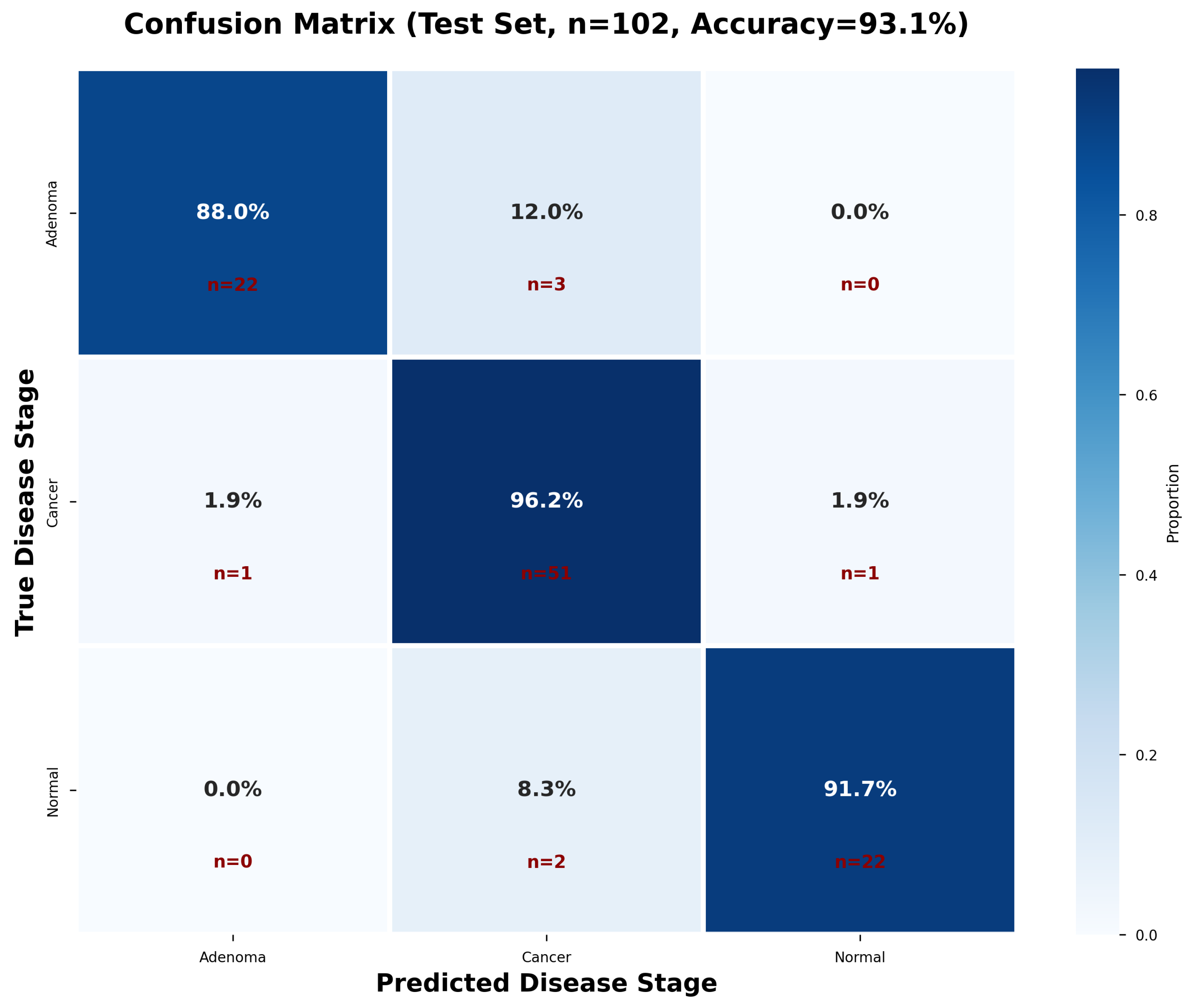
Appendix A.9. Confusion Matrix and Classification Errors

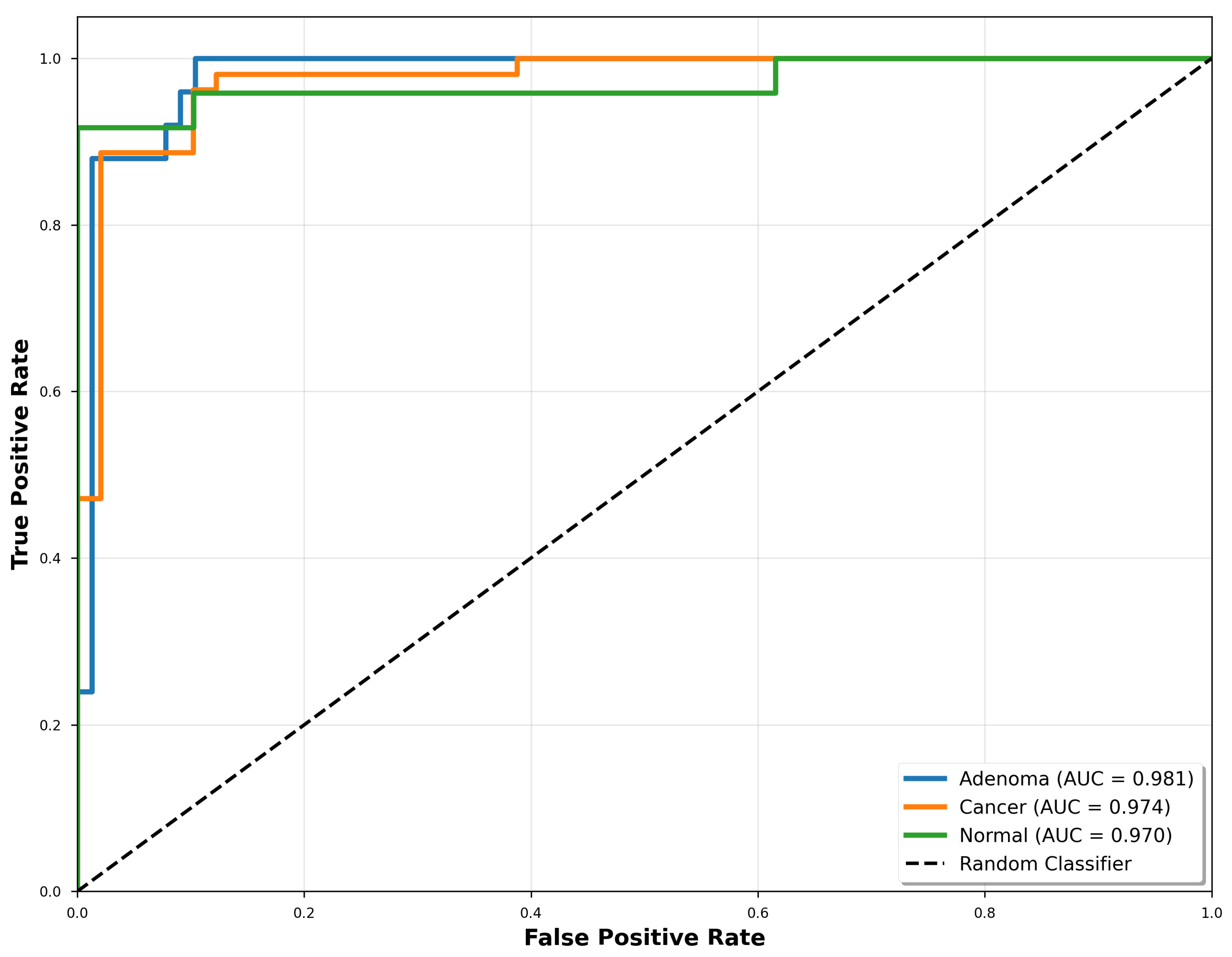
Appendix A.10. ROC Curves and Discrimination Performance

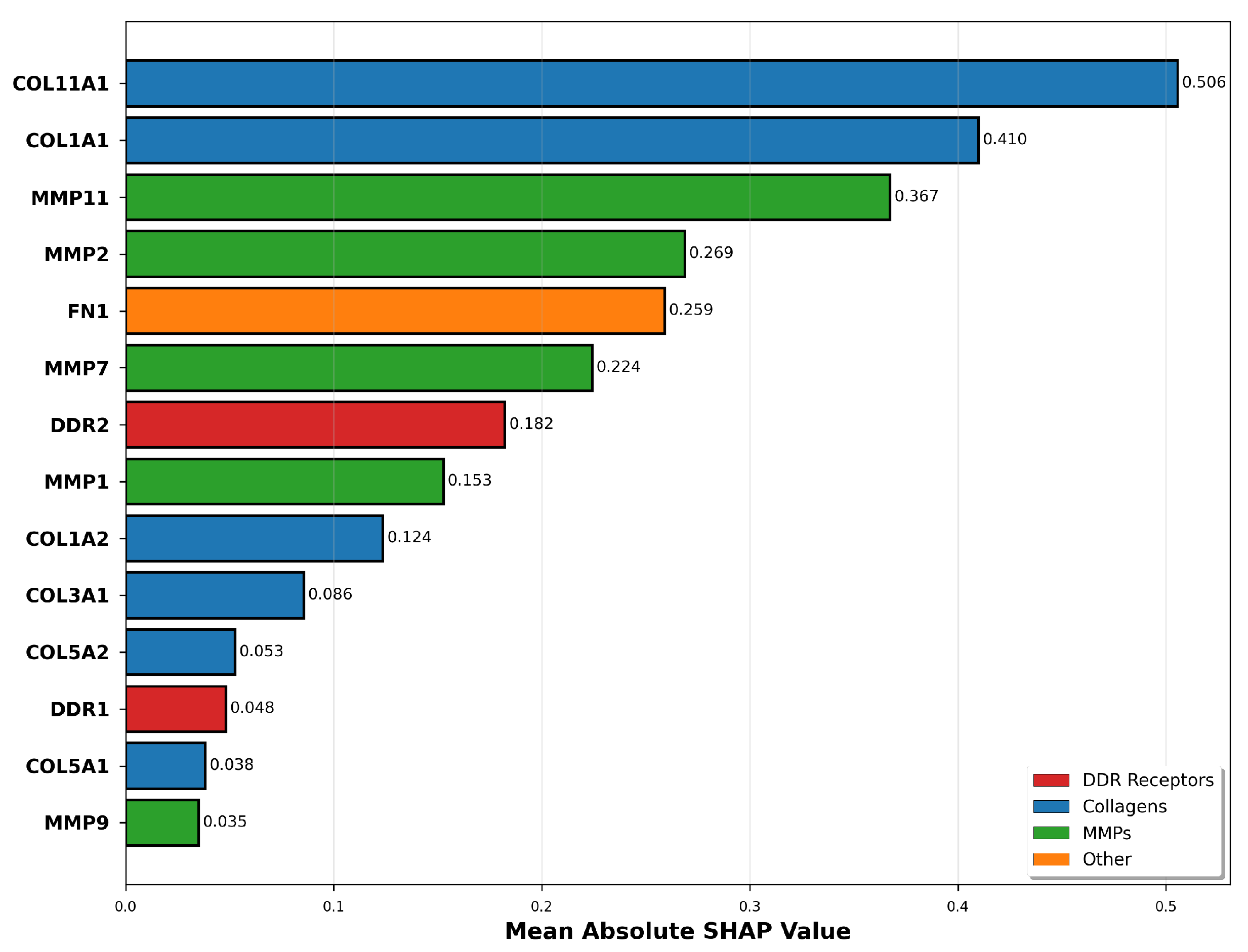
Appendix A.11. SHAP Feature Importance Analysis

- COL11A1: 0.506 (Collagen)
- COL1A1: 0.410 (Collagen)
- MMP11: 0.367 (Matrix Metalloproteinase)
- MMP2: 0.269 (Matrix Metalloproteinase)
- FN1: 0.259 (ECM Glycoprotein)
- MMP7: 0.224 (Matrix Metalloproteinase)
- DDR2: 0.182 (Receptor Tyrosine Kinase)
- MMP1: 0.153 (Matrix Metalloproteinase)
- COL1A2: 0.124 (Collagen)
- COL3A1: 0.086 (Collagen)
- COL5A2: 0.053 (Collagen)
- DDR1: 0.048 (Receptor Tyrosine Kinase)
- COL5A1: 0.038 (Collagen)
- MMP9: 0.035 (Matrix Metalloproteinase)
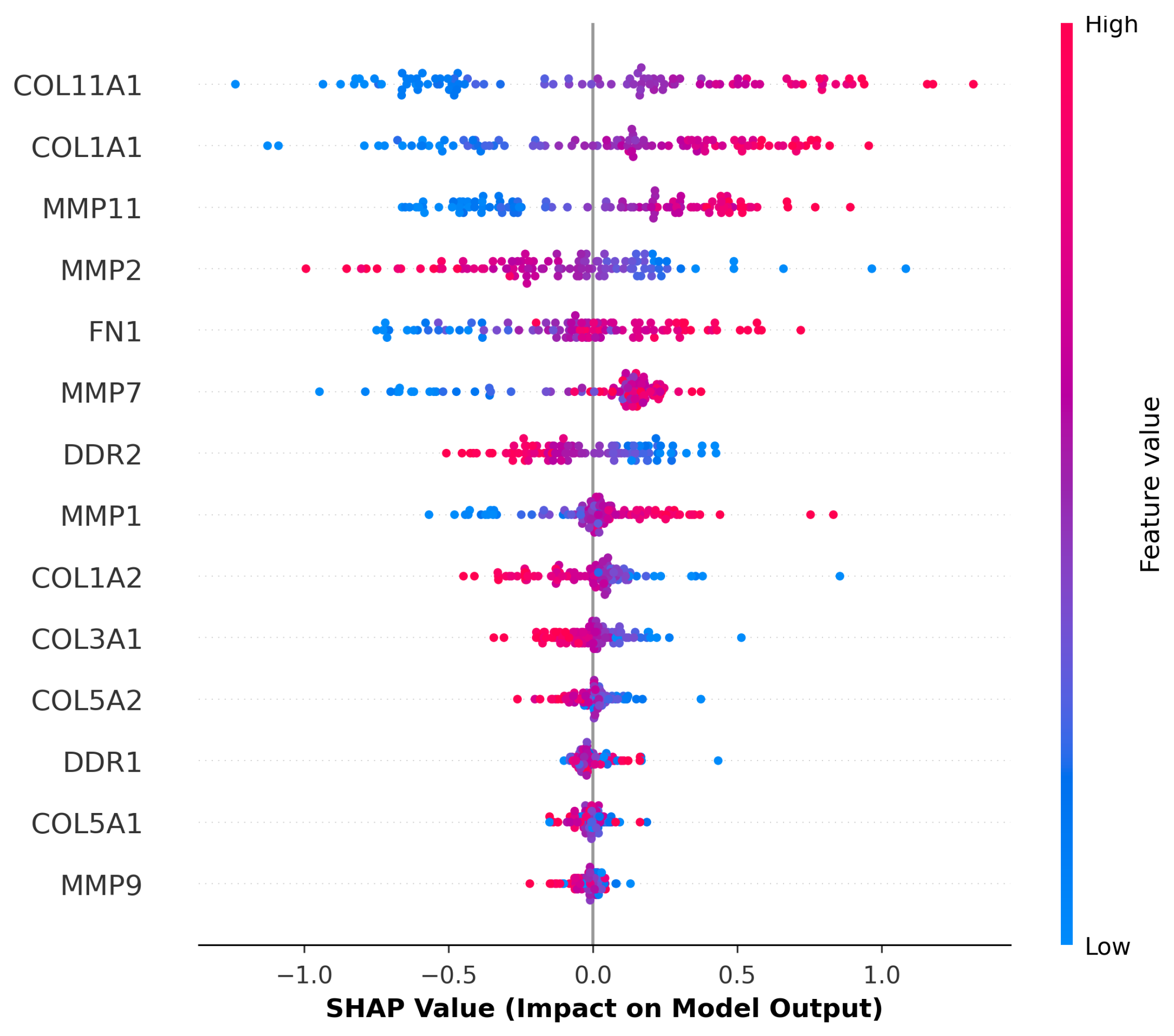
Appendix A.12. SHAP Summary Visualization

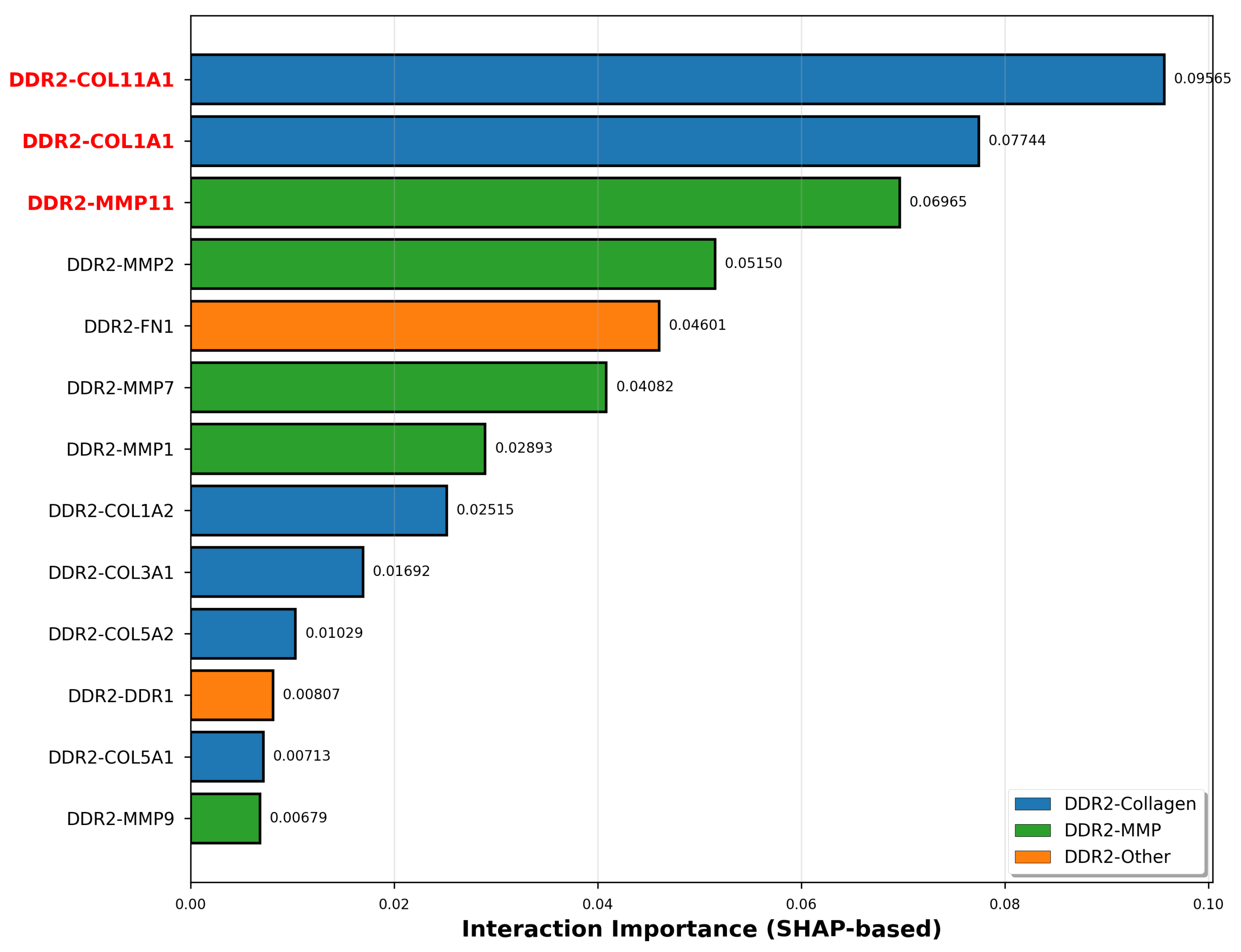
Appendix A.13. DDR2 Interaction Importance Analysis
- DDR2-COL11A1: 0.0956 (DDR2-Collagen)
- DDR2-COL1A1: 0.0774 (DDR2-Collagen)
- DDR2-MMP11: 0.0697 (DDR2-MMP)
- DDR2-MMP2: 0.0515 (DDR2-MMP)
- DDR2-FN1: 0.0460 (DDR2-ECM Glycoprotein)
- DDR2-MMP7: 0.0408 (DDR2-MMP)
- DDR2-MMP1: 0.0289 (DDR2-MMP)
- DDR2-COL1A2: 0.0251 (DDR2-Collagen)
- DDR2-COL3A1: 0.0169 (DDR2-Collagen)
- DDR2-COL5A2: 0.0103 (DDR2-Collagen)
- DDR2-DDR1: 0.0081 (DDR2-Receptor)
- DDR2-COL5A1: 0.0071 (DDR2-Collagen)
- DDR2-MMP9: 0.0068 (DDR2-MMP)
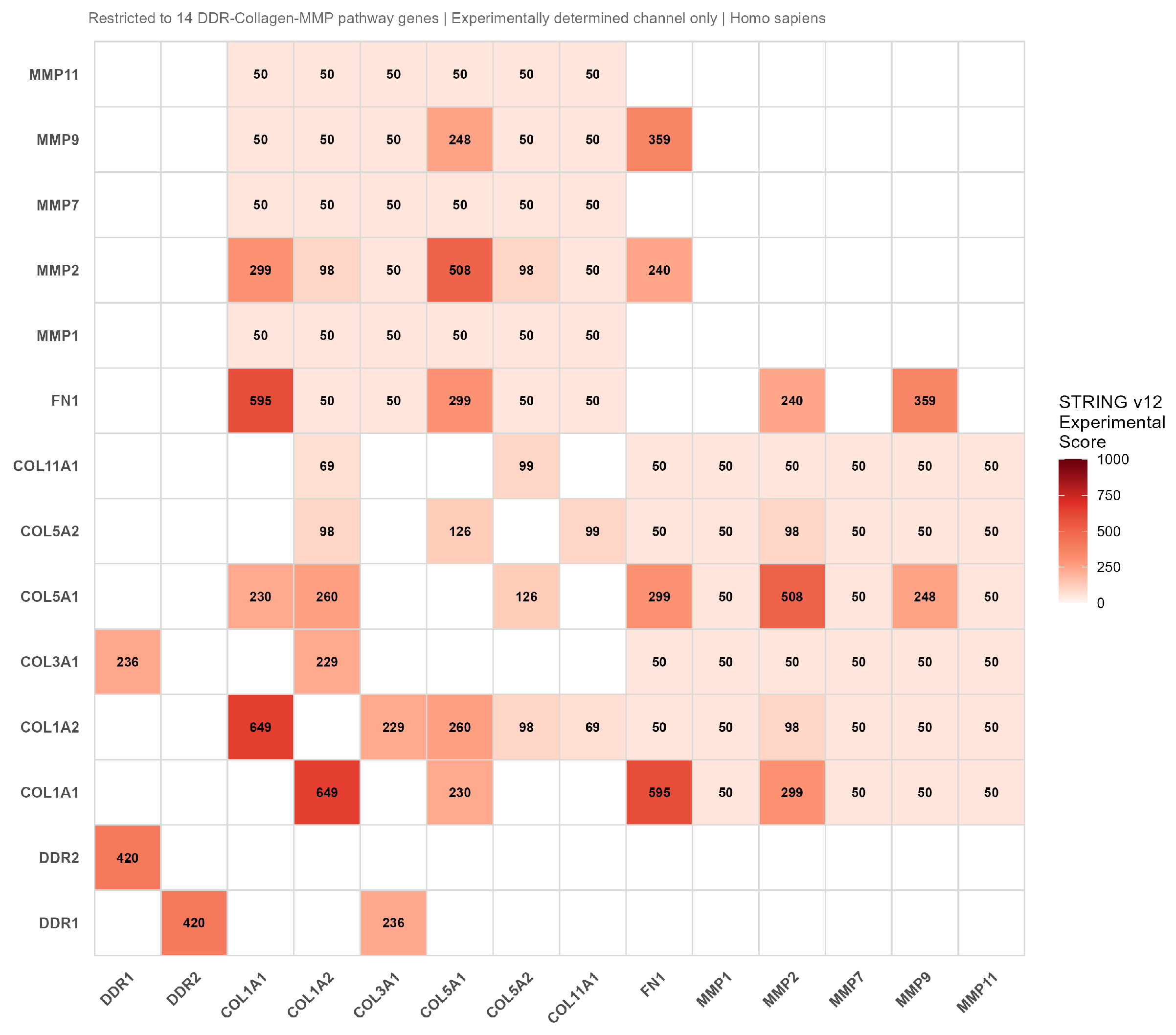
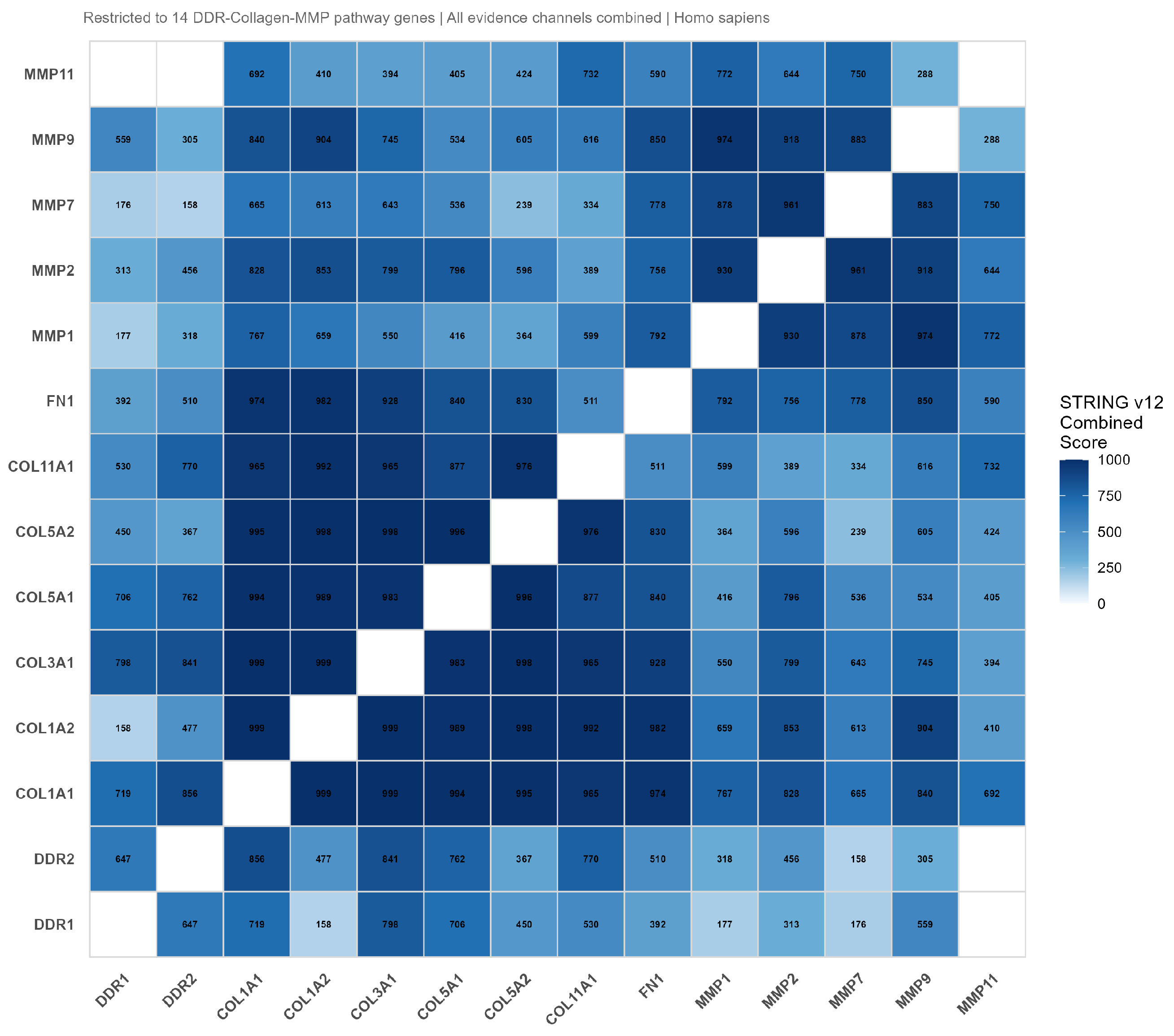
Appendix A.14. STRING v12.0 Protein-Protein Interaction Analysis


| Channel/Threshold | Unique Pairs | Percentage of 91 |
|---|---|---|
| Experimental > 0 (any biochemical evidence) | 48/91 | 52.7% |
| Experimental ≥ 150 (low confidence) | 13/91 | 14.3% |
| Experimental ≥ 400 (medium confidence) | 4/91 | 4.4% |
| Experimental ≥ 700 (high confidence—reviewer threshold) | 0/91 | 0.0% |
| Database/curated ≥ 400 | 25/91 | 27.5% |
| Combined score ≥ 700 | 48/91 | 52.7% |
| Combined score ≥ 900 | 22/91 | 24.2% |
References
- Zhou, J.; Yang, Q.; Zhao, S.; Sun, L.; Li, R.; Wang, J.; Wang, L.; Wang, D. Evolving landscape of colorectal cancer: Global and regional burden, risk factor dynamics, and future scenarios (the Global Burden of Disease 1990–2050). Ageing Res. Rev. 2025, 104, 102666. [Google Scholar] [CrossRef] [PubMed]
- Matsuda, T.; Fujimoto, A.; Igarashi, Y. Colorectal cancer: Epidemiology, risk factors, and public health strategies. Digestion 2025, 106, 91–99. [Google Scholar] [CrossRef]
- Klimeck, L.; Heisser, T.; Hoffmeister, M.; Brenner, H. Colorectal cancer: A health and economic problem. Best Pract. Res. Clin. Gastroenterol. 2023, 66, 101839. [Google Scholar] [CrossRef]
- Qi, G.X.; Zhao, R.X.; Gao, C.; Ma, Z.Y.; Wang, S.; Xu, J. Recent advances and challenges in colorectal cancer: From molecular research to treatment. World J. Gastroenterol. 2025, 31, 106964. [Google Scholar] [CrossRef] [PubMed]
- Siegel, R.L.; Kratzer, T.B.; Giaquinto, A.N.; Sung, H.; Jemal, A. Cancer statistics, 2025. Ca 2025, 75, 10. [Google Scholar] [CrossRef] [PubMed]
- Kilmister, E.J.; Koh, S.P.; Weth, F.R.; Gray, C.; Tan, S.T. Cancer metastasis and treatment resistance: Mechanistic insights and therapeutic targeting of cancer stem cells and the tumor microenvironment. Biomedicines 2022, 10, 2988. [Google Scholar] [CrossRef]
- Zhou, B.; Liu, Q.; Huang, C.; Chen, H.; Wang, P.; Lu, Y.; Jiang, S.; Kong, D.; Wang, L.; Fan, Z. Progressively altered genes in colorectal carcinogenesis link oncogenesis immune cycle and tumor microenvironment. Sci. Rep. 2025, 15, 37495. [Google Scholar] [CrossRef]
- Ghadyani, R.; Mozooni, Z.; Sohbatzadeh, Z.; Gachkar, L.; Kahrizi, S.; Movafagh, A. Expression patterns and clinical significance of MMP-8, MMP-9 and MMP-13 in colorectal cancer. Cell. Mol. Biol. 2025, 71, 111–116. [Google Scholar] [CrossRef]
- Yang, X.; Gao, J.; Zhang, T.; Yang, L.; Jing, C.; Zhang, Z.; Tian, D. Potential regulation and prognostic model of colorectal cancer with extracellular matrix genes. Heliyon 2024, 10, e36164. [Google Scholar] [CrossRef]
- Sleeboom, J.J.; van Tienderen, G.S.; Schenke-Layland, K.; van der Laan, L.J.; Khalil, A.A.; Verstegen, M.M. The extracellular matrix as hallmark of cancer and metastasis: From biomechanics to therapeutic targets. Sci. Transl. Med. 2024, 16, eadg3840. [Google Scholar] [CrossRef]
- Chitty, J.L.; Cox, T.R. The extracellular matrix in cancer: From understanding to targeting. Trends Cancer 2025, 11, 839–849. [Google Scholar] [CrossRef]
- Lee, J.J.; Ng, K.Y.; Bakhtiar, A. Extracellular matrix: Unlocking new avenues in cancer treatment. Biomark. Res. 2025, 13, 78. [Google Scholar] [CrossRef]
- Terzi, A.; Maqoud, F.; Guido, D.; Mallardi, D.; Aloisio, M.; Ura, B.; Gualandi, N.; Russo, F.; Giannelli, G. Ion Channel–Extracellular Matrix Interplay in Colorectal Cancer: A Network-Based Approach to Tumor Microenvironment Remodeling. Int. J. Mol. Sci. 2025, 26, 5147. [Google Scholar] [CrossRef] [PubMed]
- Bai, S.; Chen, M.; Wang, X.; Lan, N.; Meng, R.; Yan, Y.; Liu, W.; Li, W.; Wu, F.; Zhang, X.; et al. GPR4 promotes immune exclusion in colon cancer through LOXL2-mediated extracellular matrix remodeling. Nat. Commun. 2025, 17, 1196. [Google Scholar] [CrossRef] [PubMed]
- Nag, R.; Chen, C.; Mejbel, H.; Li, H.; Aqeel, A.; Fu, P.; Corredor, G.; Khalighi, S.; Pathak, T.; Mokhtari, M.; et al. Collagen disorder architecture features are associated with clinical, molecular, genetic factors and survival outcomes in colon cancer. npj Precis. Oncol. 2025, 9, 304. [Google Scholar] [CrossRef]
- Wang, Y.; Zhang, F.; Qian, Z.; Jiang, Y.; Wu, D.; Liu, L.; Ning, X.; Mei, J.; Chen, D.; Zhang, Y. Targeting collagen to optimize cancer immunotherapy. Exp. Hematol. Oncol. 2025, 14, 101. [Google Scholar] [CrossRef] [PubMed]
- Zhang, H.; Chen, W.; Zhu, H.; Tsai, H.i. Discoidin Domain Receptors in Tumor Biology and Immunology: Progression and Challenge. Biomolecules 2025, 15, 832. [Google Scholar] [CrossRef]
- Lu, T.; Guo, H.; Gong, H.; Ma, Y.; Tian, Y.; Zhang, D. Discoidin domain receptor tyrosine kinase 2: A new perspective on microenvironment remodeling and targeted therapy of solid tumors. Oncol. Lett. 2025, 30, 532. [Google Scholar] [CrossRef]
- Nishida-Aoki, N.; Zhu, S.; Chan, M.; Kang, Y.; Fujita, M.; Jiang, X.; McCabe, M.; Vaz, J.M.; Davidson, N.E.; Ghajar, C.M.; et al. Drug screening in 3D microtumors reveals DDR1/2-MAPK12-GLI1 as a vulnerability in cancer-associated fibroblasts. Cell Rep. Med. 2025, 6, 102357. [Google Scholar] [CrossRef]
- Luo, Y.; Liu, T.; Pei, J.; Xu, S.; Liu, J.; Yu, J. Emerging strategies and translational advancements of DDR1 in oncology. Discov. Oncol. 2025, 16, 428. [Google Scholar] [CrossRef]
- Wang, J.; Wang, L.; Qiang, W.; Ge, W. The role of DDR1 in cancer and the progress of its selective inhibitors. Bioorganic Chem. 2024, 154, 108018. [Google Scholar] [CrossRef] [PubMed]
- Liu, M.; Zhang, J.; Li, X.; Wang, Y. Research progress of DDR1 inhibitors in the treatment of multiple human diseases. Eur. J. Med. Chem. 2024, 268, 116291. [Google Scholar] [CrossRef] [PubMed]
- Trono, P.; Ottavi, F. Novel insights into the role of discoidin domain receptor 2 (DDR2) in cancer progression: A new avenue of therapeutic intervention. Matrix Biol. 2024, 125, 31–39. [Google Scholar] [CrossRef]
- Sagehashi, M.; Takagi, K.; Sato, A.; Yamaguchi-Tanaka, M.; Miki, Y.; Ito, A.; Suzuki, T. Discoidin Domain Receptor 2 (DDR2) Promotes Prostate Cancer Progression in Cooperation with Collagen Remodeling. Acta Histochem. Cytochem. 2025, 58, 143–152. [Google Scholar] [CrossRef]
- Su, H.; Karin, M. Multifaceted collagen-DDR1 signaling in cancer. Trends Cell Biol. 2024, 34, 406–415. [Google Scholar] [CrossRef]
- Ma, Y.; Gong, H.; Cheng, L.; Zhang, D. Discoid Domain Receptors Signaling in Macrophages-Mediated Diseases. Int. J. Gen. Med. 2025, 18, 907–926. [Google Scholar] [CrossRef] [PubMed]
- Chen, L.; Kong, X.; Fang, Y.; Paunikar, S.; Wang, X.; Brown, J.A.; Bourke, E.; Li, X.; Wang, J. Recent advances in the role of discoidin domain receptor tyrosine kinase 1 and discoidin domain receptor tyrosine kinase 2 in breast and ovarian cancer. Front. Cell Dev. Biol. 2021, 9, 747314. [Google Scholar] [CrossRef]
- Mariadoss, A.V.A.; Wang, C.Z. Exploring the cellular and molecular mechanism of discoidin domain receptors (DDR1 and DDR2) in bone formation, regeneration, and its associated disease conditions. Int. J. Mol. Sci. 2023, 24, 14895. [Google Scholar] [CrossRef]
- Zhang, Y.; Su, J.; Yu, J.; Bu, X.; Ren, T.; Liu, X.; Yao, L. An essential role of discoidin domain receptor 2 (DDR2) in osteoblast differentiation and chondrocyte maturation via modulation of Runx2 activation. J. Bone Miner. Res. 2011, 26, 604–617. [Google Scholar] [CrossRef]
- Torun, Y.M.; Delen, E.; Doğanlar, O.; Doğanlar, Z.B.; Delen, Ö.; Orakdöğen, M. Effects of expression of matrix metalloproteinases and discoidin domain receptors in ligamentum flavum fibrosis in patients with degenerative lumbar canal stenosis. Asian Spine J. 2022, 17, 194. [Google Scholar] [CrossRef]
- Borza, C.M.; Su, Y.; Tran, T.L.; Yu, L.; Steyns, N.; Temple, K.J.; Skwark, M.J.; Meiler, J.; Lindsley, C.W.; Hicks, B.R.; et al. Discoidin domain receptor 1 kinase activity is required for regulating collagen IV synthesis. Matrix Biol. 2017, 57, 258–271. [Google Scholar] [CrossRef]
- Ruiz, P.A.; Jarai, G. Collagen I induces discoidin domain receptor (DDR) 1 expression through DDR2 and a JAK2-ERK1/2-mediated mechanism in primary human lung fibroblasts. J. Biol. Chem. 2011, 286, 12912–12923. [Google Scholar] [CrossRef] [PubMed]
- Sasaki, S.; Ueda, M.; Iguchi, T.; Kaneko, M.; Nakayama, H.; Watanabe, T.; Sakamoto, A.; Mimori, K. DDR2 expression is associated with a high frequency of peritoneal dissemination and poor prognosis in colorectal cancer. Anticancer Res. 2017, 37, 2587–2591. [Google Scholar] [CrossRef]
- Avanthi, S.U.; Mondkar, S.; Rao, V.; Rebala, P.; Patil, S.M.; Shetty, M.; Sasikala, M.; Sekaran, A.; Reddy, N.; Pinnamaneni, R.; et al. Upregulated expression of DDR2 and MYLK correlates with poor prognosis in colorectal tumours. Hum. Gene 2025, 43, 201358. [Google Scholar] [CrossRef]
- Xu, X.; Duan, X.; Wang, S.; Zhang, Y.; Gao, Y.; Xu, X.; Yeerkenbieke, G.; Zhou, J.; Li, J. Special issue “The advance of solid tumor research in China”: Discoidin domain receptor 2 promotes colorectal cancer metastasis by regulating epithelial mesenchymal transition via activating AKT signaling. Int. J. Cancer 2023, 152, 51–65. [Google Scholar] [CrossRef]
- Nallanthighal, S.; Heiserman, J.P.; Cheon, D.J. Collagen type XI alpha 1 (COL11A1): A novel biomarker and a key player in cancer. Cancers 2021, 13, 935. [Google Scholar] [CrossRef] [PubMed]
- Sun, B. The mechanics of fibrillar collagen extracellular matrix. Cell Rep. Phys. Sci. 2021, 2, 100515. [Google Scholar] [CrossRef]
- García-Pravia, C.; Galván, J.A.; Gutiérrez-Corral, N.; Solar-García, L.; García-Pérez, E.; García-Ocaña, M.; Del Amo-Iribarren, J.; Menéndez-Rodríguez, P.; García-García, J.; de Los Toyos, J.R.; et al. Overexpression of COL11A1 by cancer-associated fibroblasts: Clinical relevance of a stromal marker in pancreatic cancer. PLoS ONE 2013, 8, e78327, Erratum in: PLOS ONE 2013, 8. https://doi.org/10.1371/annotation/a8d1d94b-f9fa-415c-88ce-2c41a23cd6f9. [Google Scholar] [CrossRef]
- Vázquez-Villa, F.; García-Ocaña, M.; Galván, J.A.; García-Martínez, J.; García-Pravia, C.; Menéndez-Rodríguez, P.; Rey, C.G.d.; Barneo-Serra, L.; de Los Toyos, J.R. COL11A1/(pro) collagen 11A1 expression is a remarkable biomarker of human invasive carcinoma-associated stromal cells and carcinoma progression. Tumor Biol. 2015, 36, 2213–2222. [Google Scholar] [CrossRef]
- Wang, H.; Zhou, H.; Ni, H.; Shen, X. COL11A1-Driven epithelial–mesenchymal transition and stemness of pancreatic cancer cells induce cell migration and invasion by modulating the AKT/GSK-3β/Snail pathway. Biomolecules 2022, 12, 391. [Google Scholar] [CrossRef]
- Di, Y.B.; Bao, Y.; Guo, J.; Liu, W.; Zhang, S.X.; Zhang, G.H.; Li, T.K. COL11A1 as a potential prognostic target for oral squamous cell carcinoma. Medicine 2022, 101, e30989. [Google Scholar] [CrossRef] [PubMed]
- Freire, J.; García-Berbel, P.; Caramelo, B.; García-Berbel, L.; Ovejero, V.J.; Cadenas, N.; Azueta, A.; Gómez-Román, J. Usefulness of COL11A1 as a prognostic marker of tumor infiltration. Biomedicines 2023, 11, 2496. [Google Scholar] [CrossRef]
- Shen, L.; Yang, M.; Lin, Q.; Zhang, Z.; Zhu, B.; Miao, C. COL11A1 is overexpressed in recurrent non-small cell lung cancer and promotes cell proliferation, migration, invasion and drug resistance. Oncol. Rep. 2016, 36, 877–885. [Google Scholar] [CrossRef]
- Savino, A.; Provero, P.; Poli, V. Differential co-expression analyses allow the identification of critical signalling pathways altered during tumour transformation and progression. Int. J. Mol. Sci. 2020, 21, 9461. [Google Scholar] [CrossRef]
- Chowdhury, H.A.; Bhattacharyya, D.K.; Kalita, J.K. (Differential) co-expression analysis of gene expression: A survey of best practices. IEEE/ACM Trans. Comput. Biol. Bioinform. 2019, 17, 1154–1173. [Google Scholar] [CrossRef]
- Liu, R.; Wang, X.; Aihara, K.; Chen, L. Early diagnosis of complex diseases by molecular biomarkers, network biomarkers, and dynamical network biomarkers. Med. Res. Rev. 2014, 34, 455–478. [Google Scholar] [CrossRef]
- Tanvir, R.B.; Mondal, A.M. Stage-Specific Co-expression Network Analysis for Cancer Biomarker Discovery. In 2020 IEEE International Conference on Bioinformatics and Biomedicine (BIBM); IEEE: New York, NY, USA, 2020; pp. 1813–1819. [Google Scholar]
- Lundberg, S.M.; Lee, S.I. A unified approach to interpreting model predictions. In 31st International Conference on Neural Information Processing Systems; ACM: New York, NY, USA, 2017; Volume 30. [Google Scholar]
- Ganie, S.M.; Dutta Pramanik, P.K.; Zhao, Z. Enhanced and Interpretable Prediction of Multiple Cancer Types Using a Stacking Ensemble Approach with SHAP Analysis. Bioengineering 2025, 12, 472. [Google Scholar] [CrossRef]
- Ge, S.; Sun, S.; Xu, H.; Cheng, Q.; Ren, Z. Deep learning in single-cell and spatial transcriptomics data analysis: Advances and challenges from a data science perspective. Briefings Bioinform. 2025, 26, bbaf136. [Google Scholar] [CrossRef] [PubMed]
- Zahedi, R.; Ghamsari, R.; Argha, A.; Macphillamy, C.; Beheshti, A.; Alizadehsani, R.; Lovell, N.H.; Lotfollahi, M.; Alinejad-Rokny, H. Deep learning in spatially resolved transcriptomics: A comprehensive technical view. Briefings Bioinform. 2024, 25, bbae082. [Google Scholar] [CrossRef] [PubMed]


| Dataset | Platform | Normal | Adenoma | Carcinoma | Total | Characteristics |
|---|---|---|---|---|---|---|
| GSE20916 | GPL570 | 44 | 55 | 46 | 145 | Balanced stages |
| GSE41258 | GPL570 | 74 | 51 | 265 | 390 | Largest cohort |
| GSE4183 | GPL570 | 8 | 15 | 0 | 23 | Early neoplasia |
| GSE77953 | GPL570 | 0 | 17 | 41 | 58 | Adenoma-carcinoma |
| GSE8671 | GPL570 | 32 | 32 | 0 | 64 | Matched pairs |
| Total | – | 158 | 170 | 352 | 680 | – |
Disclaimer/Publisher’s Note: The statements, opinions and data contained in all publications are solely those of the individual author(s) and contributor(s) and not of MDPI and/or the editor(s). MDPI and/or the editor(s) disclaim responsibility for any injury to people or property resulting from any ideas, methods, instructions or products referred to in the content. |
© 2026 by the authors. Licensee MDPI, Basel, Switzerland. This article is an open access article distributed under the terms and conditions of the Creative Commons Attribution (CC BY) license.
Share and Cite
Başbınar, Y.; Akgüller, Ö.; Leblebici, A.; Çalıbaşı Koçal, G.; Balcı, M.A.; Isik, Z.; Ellidokuz, H. DDR2-COL11A1 Transcriptional Coupling as a Candidate Therapeutic Target in Colorectal Cancer: Integrative Transcriptomic and Deep Learning Validation. Int. J. Mol. Sci. 2026, 27, 2509. https://doi.org/10.3390/ijms27052509
Başbınar Y, Akgüller Ö, Leblebici A, Çalıbaşı Koçal G, Balcı MA, Isik Z, Ellidokuz H. DDR2-COL11A1 Transcriptional Coupling as a Candidate Therapeutic Target in Colorectal Cancer: Integrative Transcriptomic and Deep Learning Validation. International Journal of Molecular Sciences. 2026; 27(5):2509. https://doi.org/10.3390/ijms27052509
Chicago/Turabian StyleBaşbınar, Yasemin, Ömer Akgüller, Asım Leblebici, Gizem Çalıbaşı Koçal, Mehmet Ali Balcı, Zerrin Isik, and Hülya Ellidokuz. 2026. "DDR2-COL11A1 Transcriptional Coupling as a Candidate Therapeutic Target in Colorectal Cancer: Integrative Transcriptomic and Deep Learning Validation" International Journal of Molecular Sciences 27, no. 5: 2509. https://doi.org/10.3390/ijms27052509
APA StyleBaşbınar, Y., Akgüller, Ö., Leblebici, A., Çalıbaşı Koçal, G., Balcı, M. A., Isik, Z., & Ellidokuz, H. (2026). DDR2-COL11A1 Transcriptional Coupling as a Candidate Therapeutic Target in Colorectal Cancer: Integrative Transcriptomic and Deep Learning Validation. International Journal of Molecular Sciences, 27(5), 2509. https://doi.org/10.3390/ijms27052509