1. Introduction
Autoimmune thyroiditis (AIT), most commonly represented by Hashimoto’s thyroiditis, is a chronic endocrine autoimmune disorder characterized by progressive immune-mediated destruction of the thyroid gland [
1]. The disease is typically associated with elevated concentrations of anti-thyroid peroxidase (anti-TPO) and anti-thyroglobulin (anti-TG) antibodies in the serum and predominantly affects women. Its pathogenesis reflects a multifactorial interplay between genetic susceptibility, environmental influences, hormonal factors, and dysregulated immune responses [
2].
The COVID-19 pandemic has highlighted the vulnerability of individuals with underlying immune-mediated disorders to altered immune responses following both infection and vaccination. SARS-CoV-2 infection has been associated with thyroid dysfunction, including subacute thyroiditis, hypothyroidism, and exacerbation of pre-existing autoimmune thyroid disease [
3]. These effects have been attributed, at least in part, to viral entry mechanisms involving ACE2 and TMPRSS2, which are expressed in thyroid tissue, as well as to post-infectious immune dysregulation [
4].
Vitamin D exists in two principal forms, D
2 (ergocalciferol) and D
3 (cholecalciferol), and undergoes sequential hydroxylation in the liver (via CYP2R1) and the kidney (via CYP27B1) to form the biologically active metabolite (1,25-dihydroxyvitamin D
3 [1,25(OH)
2D
3]) [
5,
6]. Beyond its classical role in calcium and bone metabolism, vitamin D exerts important immunomodulatory effects through genomic and non-genomic effects mediated by the vitamin D receptor (VDR). The VDR is widely expressed in immune cells, including T and B lymphocytes, macrophages, and dendritic cells, underscoring vitamin D’s role in regulating both innate and adaptive immune responses [
7].
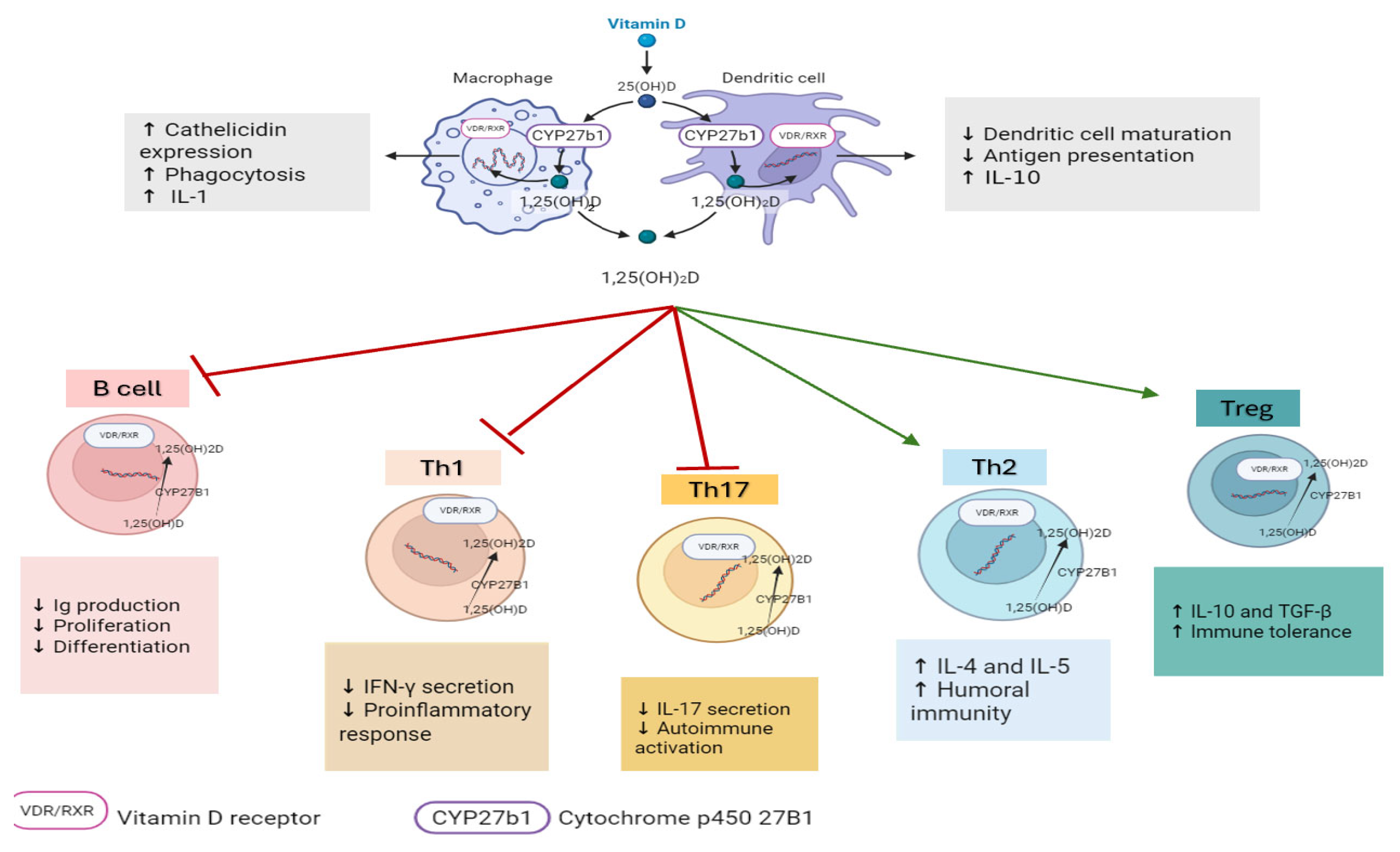
Vitamin D influences immune homeostasis by modulating cytokine production, antigen presentation, and lymphocyte differentiation. It has been shown to suppress pro-inflammatory mediators such as IL-6, TNF-α, and IL-17 while promoting anti-inflammatory cytokines, including IL-10 and TGF-β, and favors regulatory T cell (Treg) differentiation over Th1 and Th17 polarization. In addition, vitamin D affects B-cell activation, plasma cell differentiation, and antibody production [
8,
9]. These immunoregulatory actions are particularly relevant in autoimmune thyroiditis, where vitamin D deficiency has been associated with increased disease severity and higher thyroid autoantibody titers. The principal immunological pathways influenced by vitamin D are summarized in
Figure 1.
SARS-CoV-2 infection and vaccination are known to induce robust immune activation, which in some individuals may unmask or exacerbate autoimmune phenomena [
10,
11]. Proposed mechanisms include molecular mimicry between viral and host antigens [
12], bystander activation of autoreactive T cells [
13], and disruption of regulatory immune networks [
14], and prolonged post-viral inflammation affecting the hypothalamic–pituitary–thyroid axis. In patients with autoimmune thyroiditis, such immune perturbations may influence vaccine-induced responses, including humoral immunity [
15].
Recent studies suggest that vitamin D status may be associated with variability in vaccine-induced antibody responses [
16]. However, findings across populations and disease contexts remain heterogeneous. In autoimmune conditions, exaggerated antibody responses may reflect underlying immune dysregulation rather than enhanced protective immunity [
17,
18,
19]. The biological mechanisms linking vitamin D status, endocrine regulation, and post-vaccination humoral responses in autoimmune thyroiditis are not yet fully understood.
In addition to its direct immunomodulatory effects, vitamin D is closely interconnected with endocrine pathways involved in steroid hormone biosynthesis and hormone receptor signaling. These endocrine pathways are known to influence immune function, sex-specific differences in autoimmunity, and B-cell activity. Autoimmune thyroiditis displays a strong sex-hormone bias and is influenced by estrogen, androgen, and metabolic pathways. Therefore, exploring the molecular crosstalk between vitamin D signaling and endocrine–immune regulation is essential for understanding vaccine-related immune responses in AIT. Network pharmacology provides a systems-level approach to explore such complex interactions by integrating disease-associated genes, molecular targets, and signaling pathways. When combined with molecular docking, this strategy enables hypothesis-generating exploration of potential molecular interactions that may link vitamin D status with endocrine modulation and humoral immune responses.
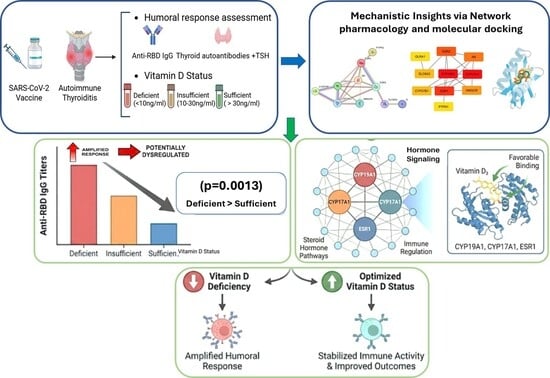
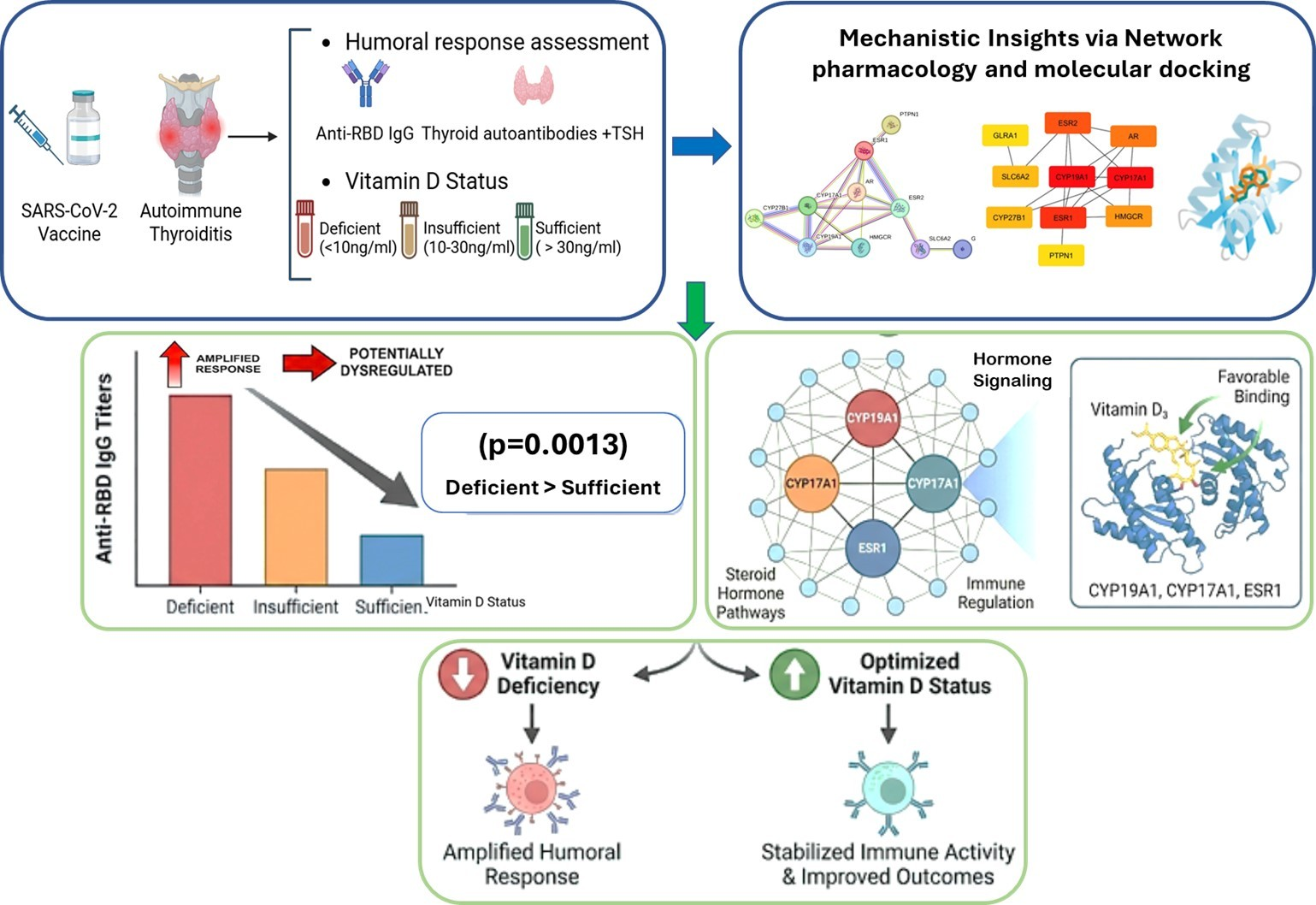
The objective of this study was to investigate the association between serum vitamin D concentrations and anti-SARS-CoV-2 receptor-binding domain (RBD) IgG antibody levels in patients with autoimmune thyroiditis following COVID-19 vaccination. To complement the clinical findings, network pharmacology and molecular docking analyses were employed to explore potential endocrine-related molecular pathways through which vitamin D may be linked to immune regulation in autoimmune thyroiditis. By integrating clinical observations with in silico analyses, this work aims to provide a broader perspective on endocrine–immune crosstalk in the context of vaccination in autoimmune disease.
2. Results
2.1. Clinical and Serological Characteristics
To evaluate the interplay between vitamin D status, immune response, and thyroid function in patients with autoimmune thyroiditis following COVID-19 vaccination, we examined key clinical and immunological markers.
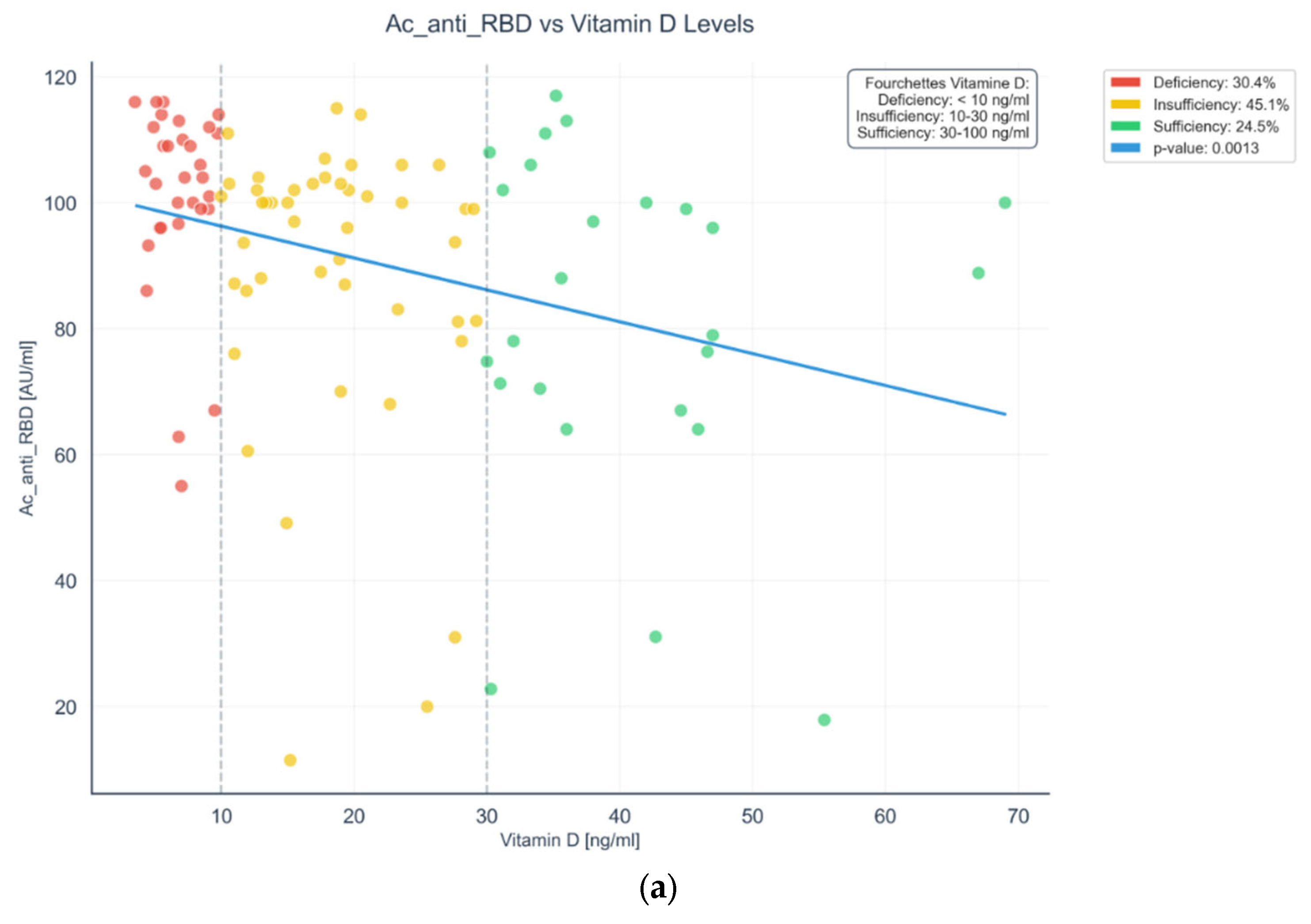
Figure 2a presents a scatter plot illustrating the correlation between serum 25(OH) D levels and anti-SARS-CoV-2 S-RBD IgG antibody titers, reflecting the humoral immune response. The association between serum 25(OH)D levels and anti-RBD IgG titers was statistically assessed using Spearman’s rank correlation analysis. In contrast,
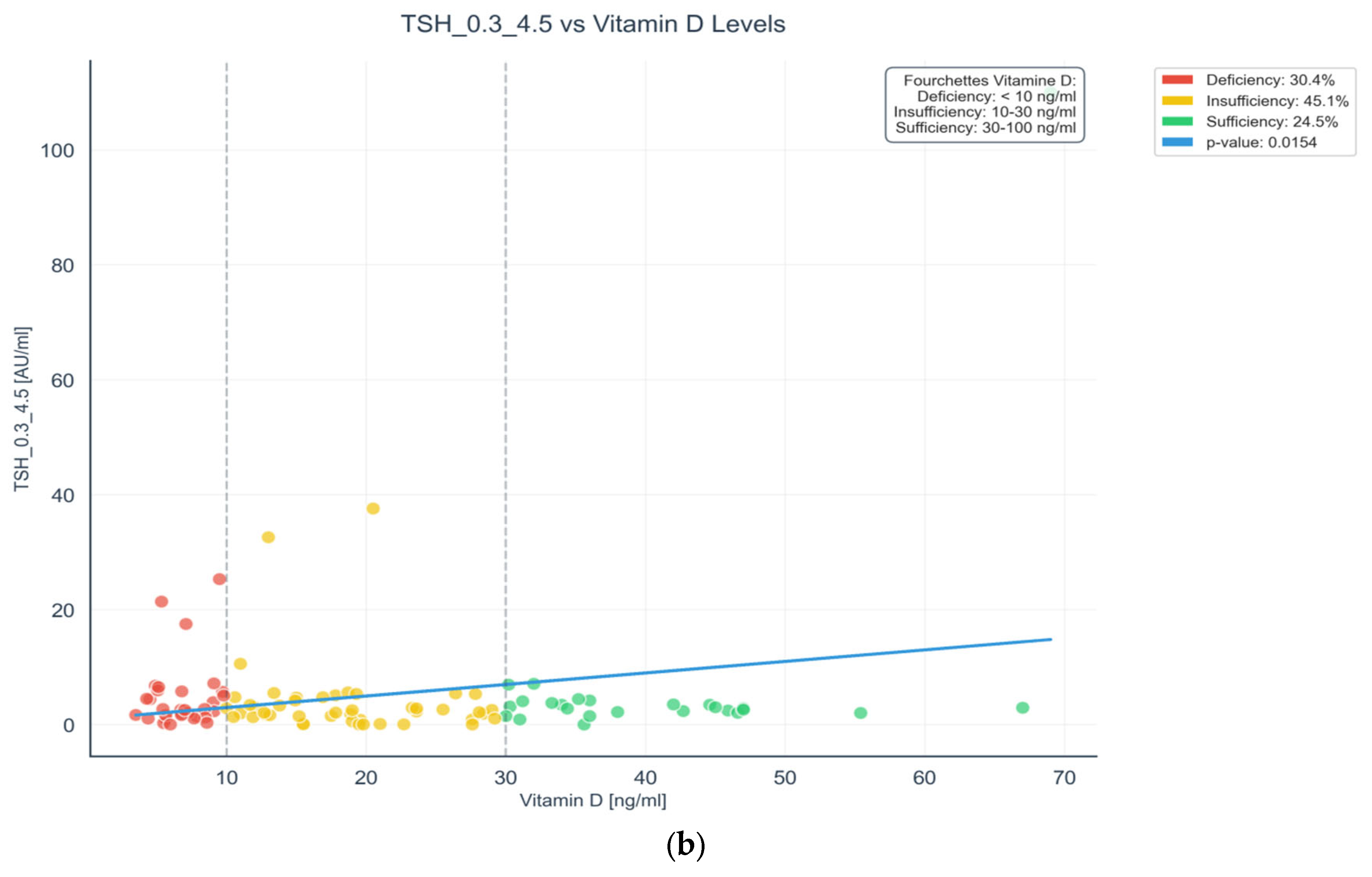
Figure 2b displays the distribution of 25(OH) D concentrations alongside TSH levels, allowing a comparative overview of vitamin D status and thyroid function across the study population.
This plot displays the relationship between serum 25-hydroxyvitamin D [25(OH)D] concentrations (ng/mL) and anti-SARS-CoV-2 spike receptor-binding domain (S-RBD) IgG antibody levels (AU/mL) in patients with autoimmune thyroiditis following COVID-19 vaccination. Patients are color-coded by vitamin D status: deficient (<10 ng/mL, red; 30.4%), insufficient (10–30 ng/mL, yellow; 45.1%), and sufficient (≥30 ng/mL, green; 24.5%). A significant inverse correlation was observed (p = 0.0013), with higher antibody titers in vitamin D-deficient individuals and lower, more stable responses in those with sufficient levels. The blue trend line represents the negative correlation, suggesting that vitamin D status may influence the magnitude and regulation of vaccine-induced humoral responses in this population.
Scatter plot showing serum 25(OH)D levels (ng/mL) against TSH levels (µIU/mL) in patients with autoimmune thyroiditis following COVID-19 vaccination. The X-axis represents vitamin D concentration categories, and the Y-axis shows TSH values (normal range: 0.3–4.5 µIU/mL). A significant positive correlation was observed (p = 0.0154). Higher TSH levels were observed in patients with vitamin D deficiency (<10 ng/mL), whereas patients with sufficient vitamin D (≥30 ng/mL) had more stable TSH levels.
2.2. Distribution of Vitamin D and Anti-RBD IgG and Thyroid Autoimmunity Markers by Age
To examine the influence of age on immunological and endocrine profiles in patients with autoimmune thyroiditis post-COVID-19 vaccination, we assessed the distribution of several biomarkers across different age groups. As shown in
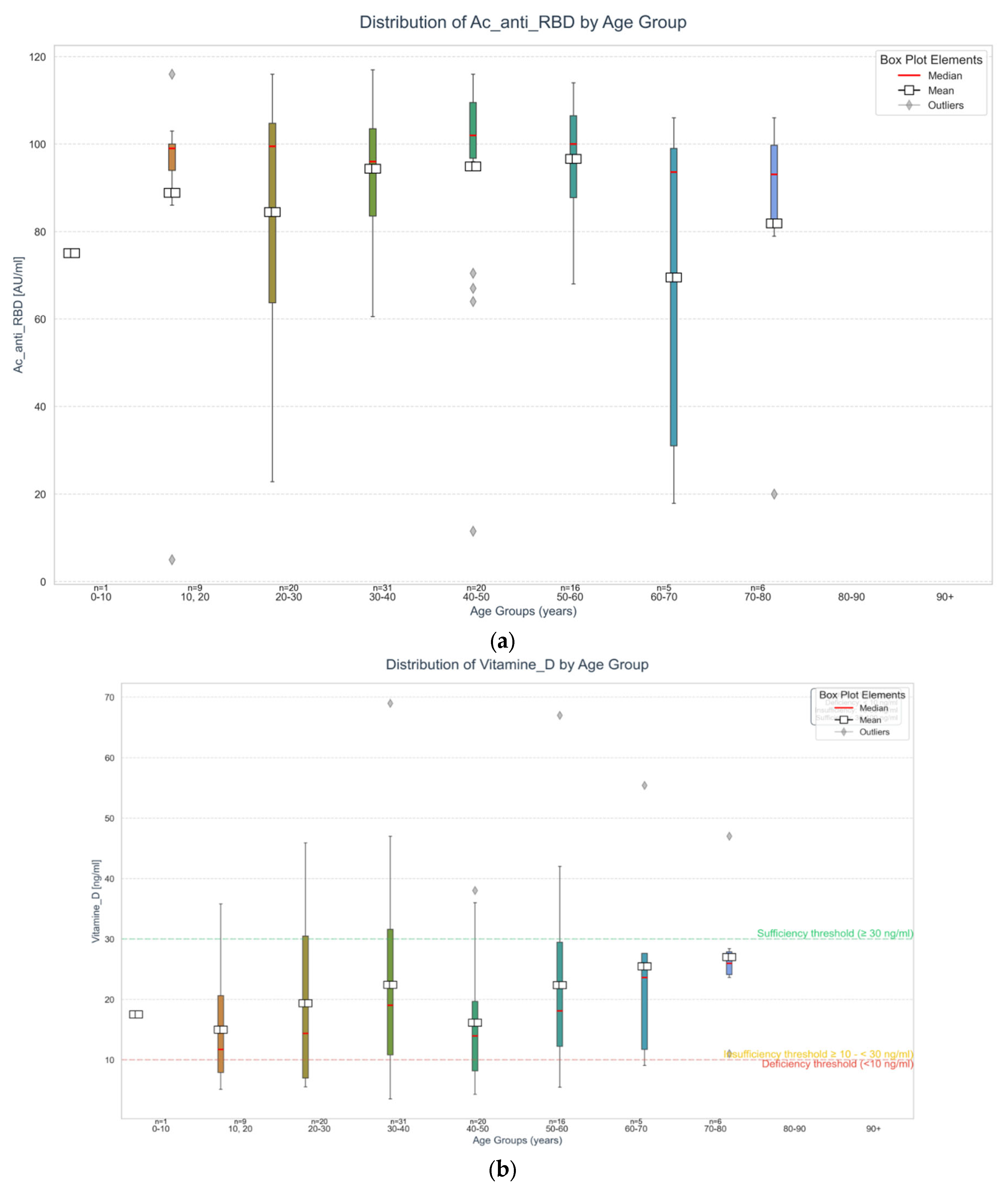
Figure 3a, anti-RBD IgG antibody levels demonstrated variability with age, suggesting possible age-related differences in humoral response. In
Figure 3b, serum 25(OH)D concentrations are presented across the same age groups, revealing distinct patterns in vitamin D status.
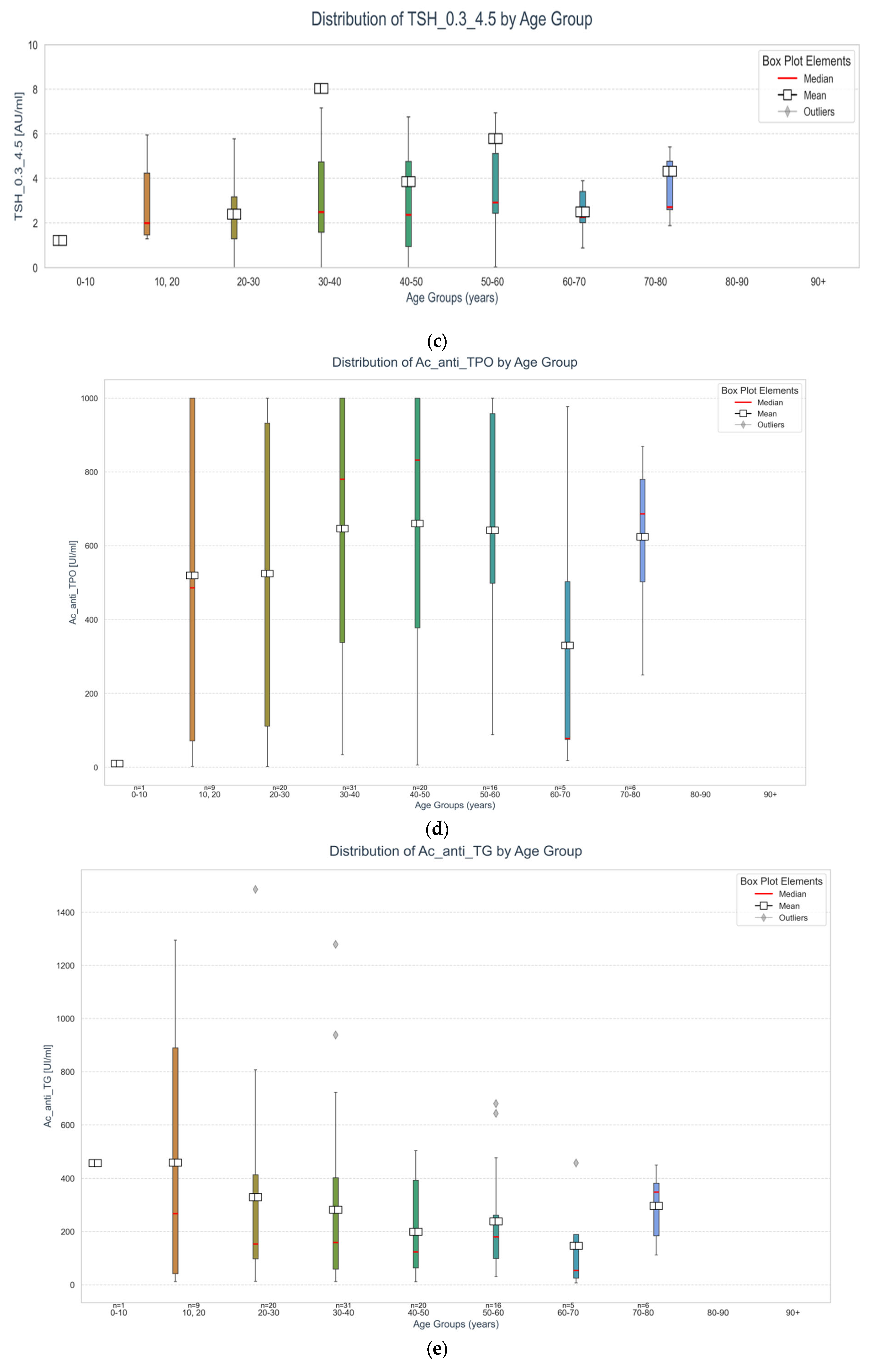
Figure 3c illustrates the distribution of TSH levels, while
Figure 3d,e depict the levels of anti-TPO and anti-TG antibodies, respectively. Statistical comparisons across these age-defined groups were performed using the Kruskal–Wallis test to identify significant differences in biomarker distributions. Together, these age-stratified analyses provide insight into how immune activation, endocrine function, and autoantibody production may vary across the lifespan in this patient population.
Box plot illustrating the distribution of anti-SARS-CoV-2 spike receptor-binding domain (S-RBD) IgG antibody concentrations (AU/mL) stratified by age group in patients with autoimmune thyroiditis following COVID-19 vaccination. Younger individuals (10–60 years) exhibited higher and more consistent antibody responses, with median values nearing 100 AU/mL. In contrast, older patients (≥60 years), particularly those in the 60–70 age group, showed greater variability and a wider interquartile range. The presence of multiple outliers across all the groups highlights individual variability in humoral immune responses. These findings suggest a potential age-related decline in vaccine-induced immunity in this population.
Box plot showing the distribution of serum 25(OH)D levels across different age groups in patients with autoimmune thyroiditis. Deficiency (<10 ng/mL) and sufficiency (≥30 ng/mL) thresholds are indicated. Most age groups had median vitamin D levels below the sufficiency cutoff, reflecting widespread insufficiency. Greater variability was observed in individuals aged 10–60 years, with some reaching sufficient levels, whereas older adults (≥60 years) showed lower and more stable vitamin D concentrations. Outliers above 50 ng/mL may reflect individual differences in supplementation or sun exposure. These results highlight the need for monitoring vitamin D status, particularly among older adults.
The box plot illustrates TSH levels across different age groups in patients with autoimmune thyroiditis. While overall values remain within the normal range (0.3–4.5 µIU/mL), a slight increase is observed in the 50–60 and 70–80 age groups. Greater variability is noted among younger individuals (10–50 years), whereas older age groups show more consistent values. The presence of outliers suggests occasional cases of thyroid dysregulation, potentially influenced by age-related hormonal, metabolic, or autoimmune factors.
The box plot illustrates the distribution of anti-thyroid peroxidase (anti-TPO) antibody levels across different age groups. Individuals aged 10–60 years exhibit marked variability, with a wide interquartile range (IQR) and numerous outliers, reflecting heterogeneous autoimmune activity. In contrast, a narrower IQR is observed beyond 60 years of age, suggesting a possible decline in autoimmune reactivity with aging. Median values remain elevated across all the groups, indicating persistent anti-TPO positivity. The presence of high outliers in multiple age ranges points to intensified autoimmune responses in specific patients.
This box plot depicts the distribution of anti-thyroglobulin (anti-TG) antibody levels across age groups. Marked variability is observed among younger individuals (10–20 years), with a broad interquartile range and extreme outliers, suggesting diverse and heightened autoimmune activity. As age increases, the IQR progressively narrows, and median values decline, indicating a potential reduction in both anti-TG levels and autoimmune reactivity over time. The presence of high outliers, especially in younger groups, points to elevated autoimmune thyroid responses in specific cases.
2.3. Distribution of Anti-RBD Antibodies by Sex in Autoimmune Thyroiditis Patients
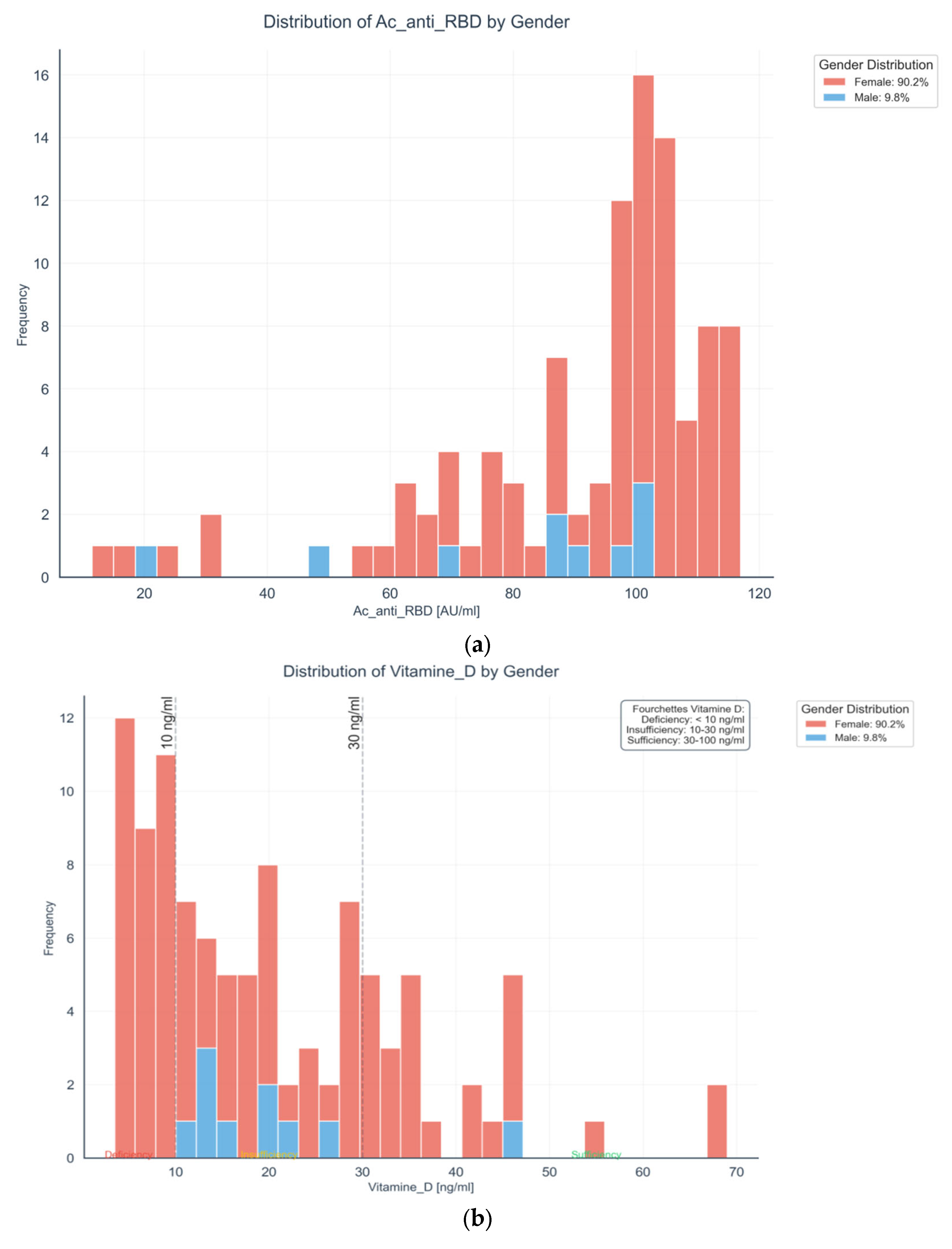
To explore sex-related differences in immune and endocrine profiles, we compared the distribution of key biomarkers between male and female patients with autoimmune thyroiditis following COVID-19 vaccination. As shown in
Figure 4a, anti-RBD IgG antibody levels varied by sex, suggesting potential sex-based differences in humoral immune response.
Figure 4b presents serum 25(OH) D levels, revealing disparities in vitamin D status between groups. In
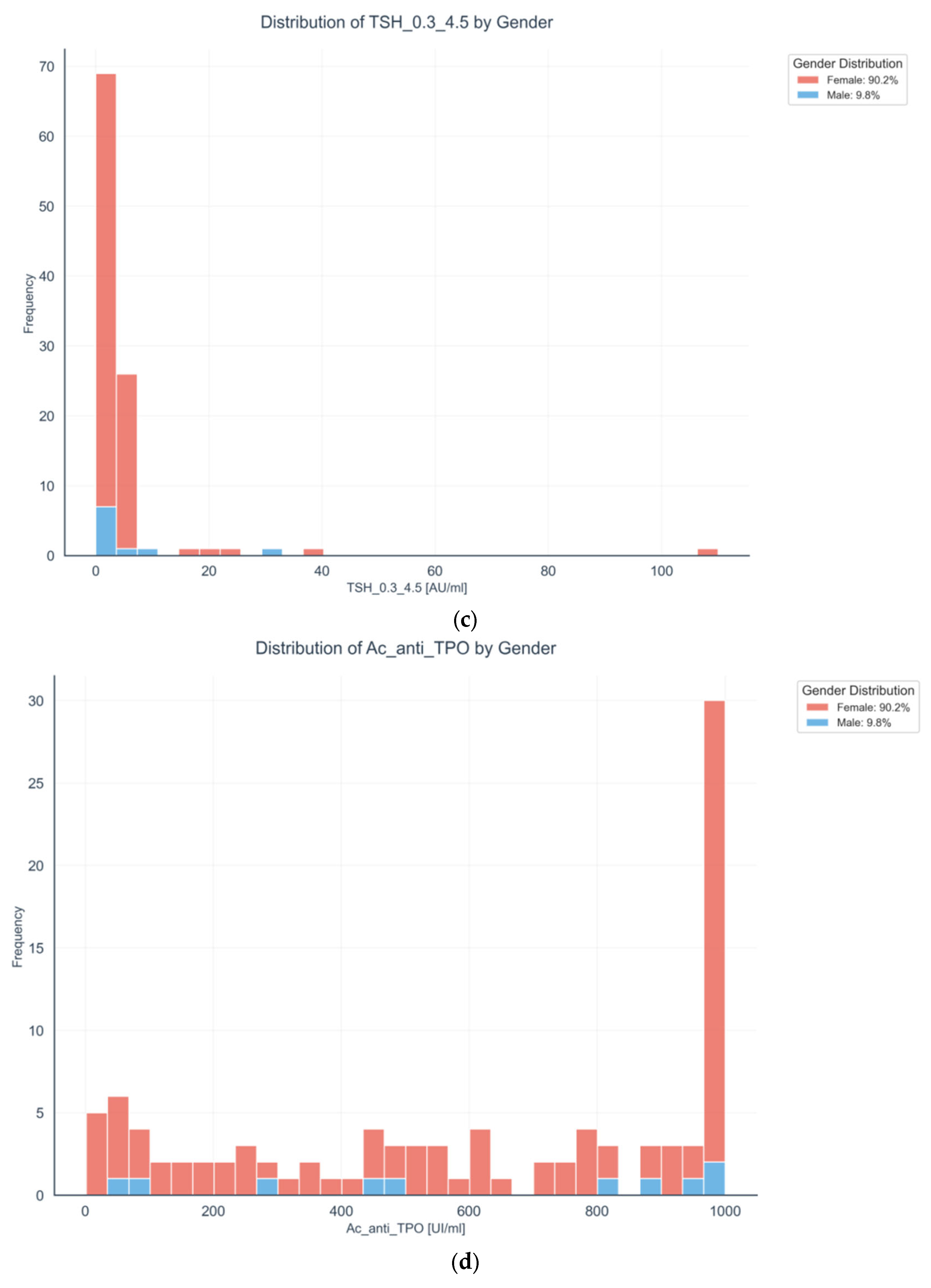
Figure 4c, TSH levels are compared across sexes, while
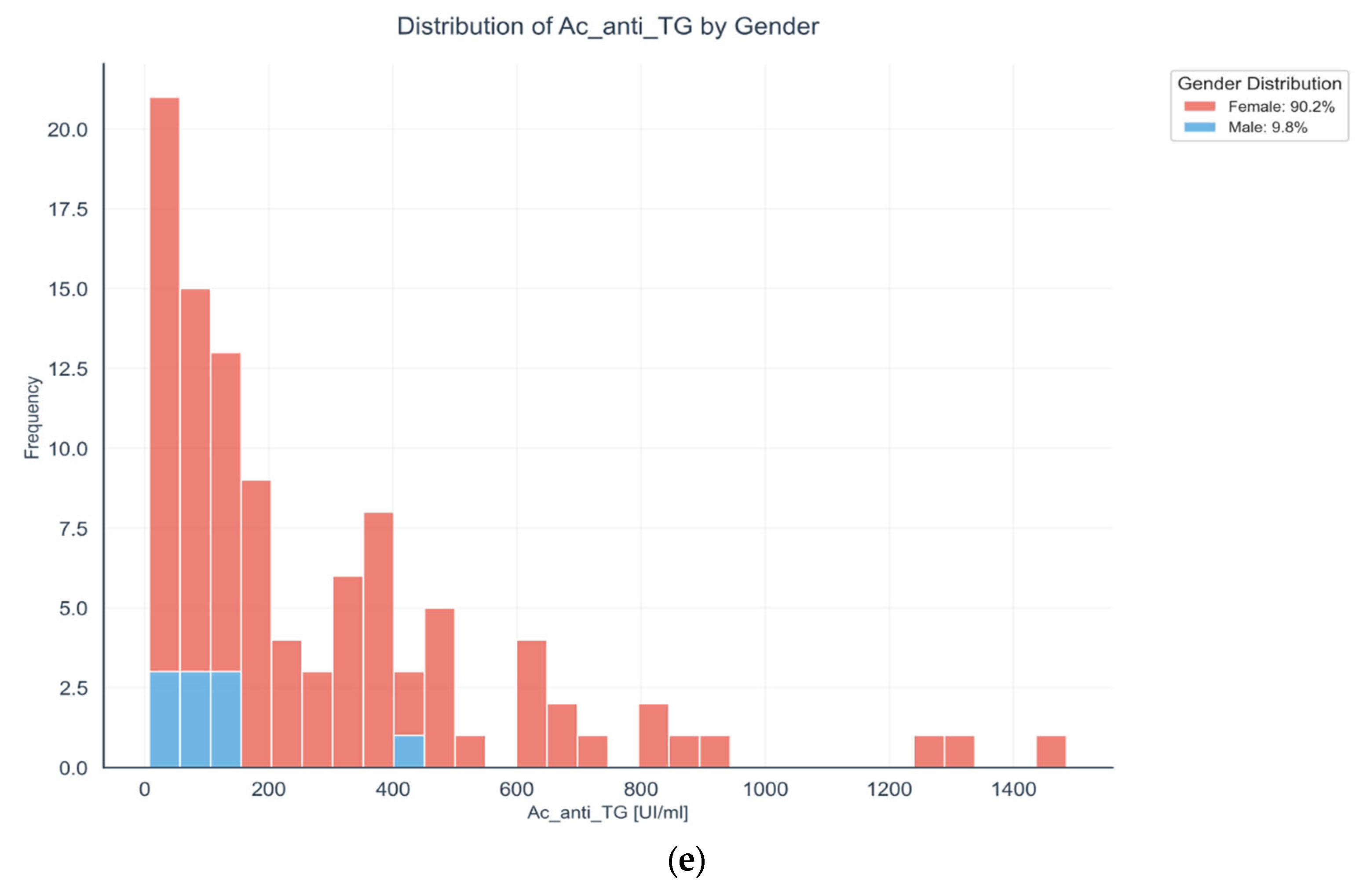
Figure 4d,e illustrate the distributions of anti-TPO and anti-TG autoantibodies, respectively. These analyses provide insight into how biological sex may modulate both immune reactivity and thyroid-related parameters in this patient population.
Histogram compares anti-receptor binding domain (anti-RBD) IgG antibody levels between male and female patients with autoimmune thyroiditis. Female participants, who represent the vast majority of the cohort (90.2%), exhibit higher and more concentrated antibody titers around 100 AU/mL, indicating a robust humoral response post-COVID-19 vaccination. In contrast, male participants (9.8%) display a more variable distribution. Although limited by the smaller male sample size, these observations suggest that sex-related immunological and hormonal factors may influence vaccine-induced antibody responses.
This histogram illustrates serum 25(OH) vitamin D concentrations across sexes in patients with autoimmune thyroiditis. A predominant vitamin D deficiency (<10 ng/mL) is observed in both sexes, with a higher frequency among females, who represent 90.2% of the cohort. Most individuals exhibit levels below the sufficiency threshold (≥30 ng/mL), indicating widespread insufficiency. These findings may reflect sex-related differences in vitamin D metabolism, lifestyle, or environmental exposure influencing vitamin D status.
The distribution of TSH levels is highly skewed, with most patients exhibiting low to moderate TSH values (0–5 AU/mL). A small subset of individuals presents abnormally high TSH levels, reflecting severe thyroid dysfunction in certain cases. Females (90.2%) dominate the cohort, in line with the higher prevalence of autoimmune thyroid diseases in women. The presence of extreme outliers (>100 AU/mL) suggests that some patients experience severe thyroid dysregulation, possibly linked to post-COVID-19 immune disturbances or chronic autoimmune activity. The similar distribution patterns in both sexes indicate that while women are more frequently affected, the severity of thyroid dysfunction is comparable between sexes.
Histogram showing the distribution of anti-thyroid peroxidase (anti-TPO) antibody levels by sex in patients with autoimmune thyroiditis. A clear predominance of elevated anti-TPO levels was observed among females (90.2%), with a substantial proportion reaching values close to 1000 IU/mL. This pattern suggests a more pronounced autoimmune response in women, consistent with known sex-based differences in the prevalence of autoimmune thyroid disorders. Male participants exhibited lower frequencies and generally lower anti-TPO titers.
Histogram illustrating the distribution of anti-thyroglobulin (anti-TG) antibody levels by sex in patients with autoimmune thyroiditis. Female participants (90.2%) showed a higher prevalence and concentration of anti-TG antibodies compared to males. Most individuals had anti-TG levels below 400 IU/mL, though a few exceeded 1000 IU/mL, indicating marked thyroid autoimmunity in select cases. This pattern is consistent with the known higher susceptibility of women to autoimmune thyroid diseases.
2.4. In Silico Network Pharmacology and Molecular Docking Analysis to Explore the Mechanistic Effect of Vitamin D3 on Autoimmune Thyroiditis
Identification of Autoimmune Thyroiditis and Vitamin D3-Associated Targets
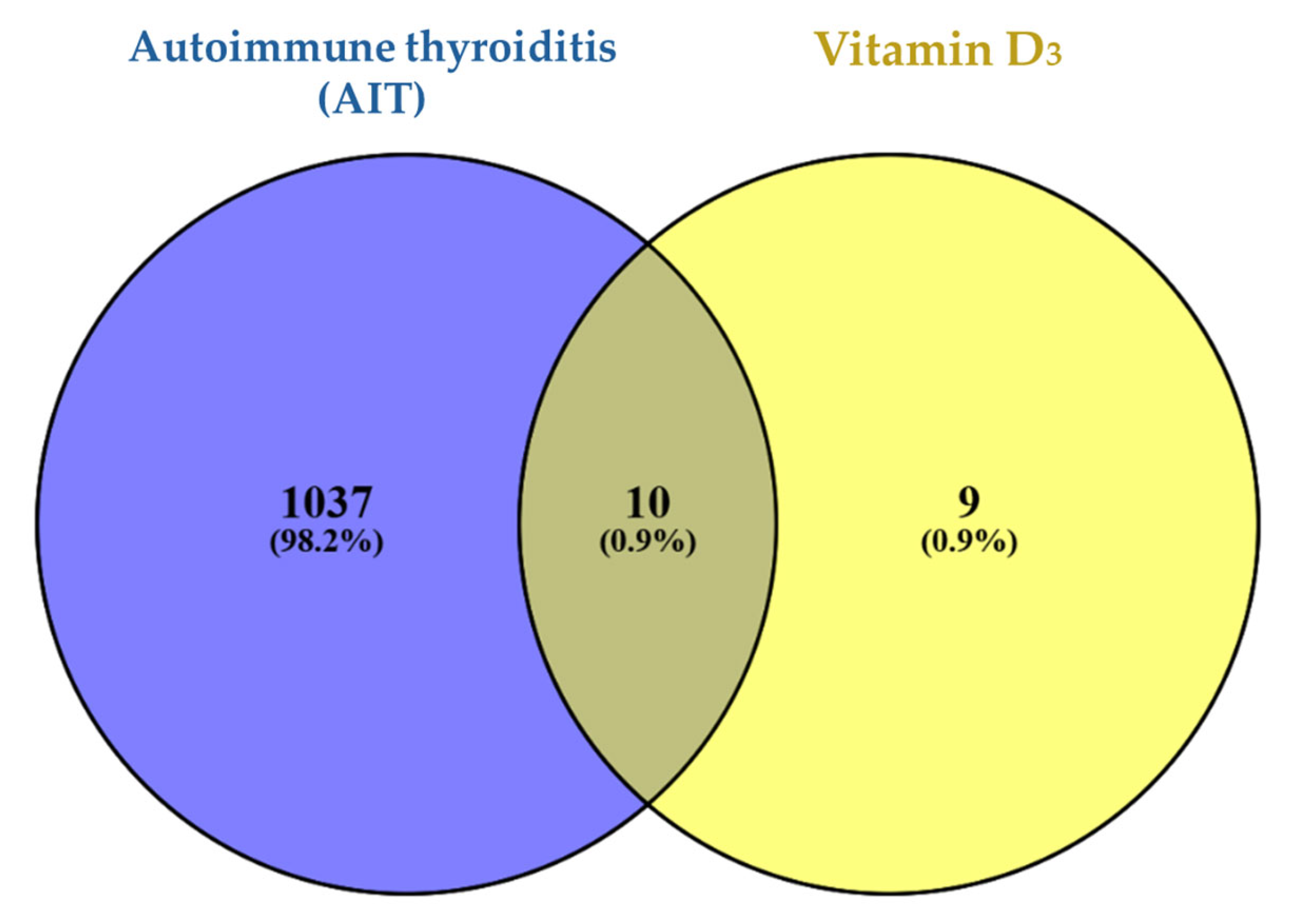
A total of 1047 genes associated with autoimmune thyroiditis (AIT) were identified from GeneCards after filtering based on GIFTS score ≥60 to ensure the inclusion of high-confidence disease-related genes. In parallel, 19 vitamin D
3-related targets were collected from the SwissTargetPrediction platform (
https://www.swisstargetprediction.ch/, accessed on 11 November 2025). By comparing these two gene sets using a Venn diagram, 10 overlapping targets were identified, representing the potential molecular interface through which vitamin D
3 may exert regulatory effects on autoimmune thyroiditis (
Figure 5).
The limited number of overlapping targets reflects the use of stringent probability thresholds in SwissTargetPrediction, prioritizing high-confidence vitamin D3 interactions. This approach was intentionally adopted to reduce false-positive associations and to focus subsequent analyses on the most reliable candidate targets.
2.5. Construction of the PPI Network and Identification of Hub Genes
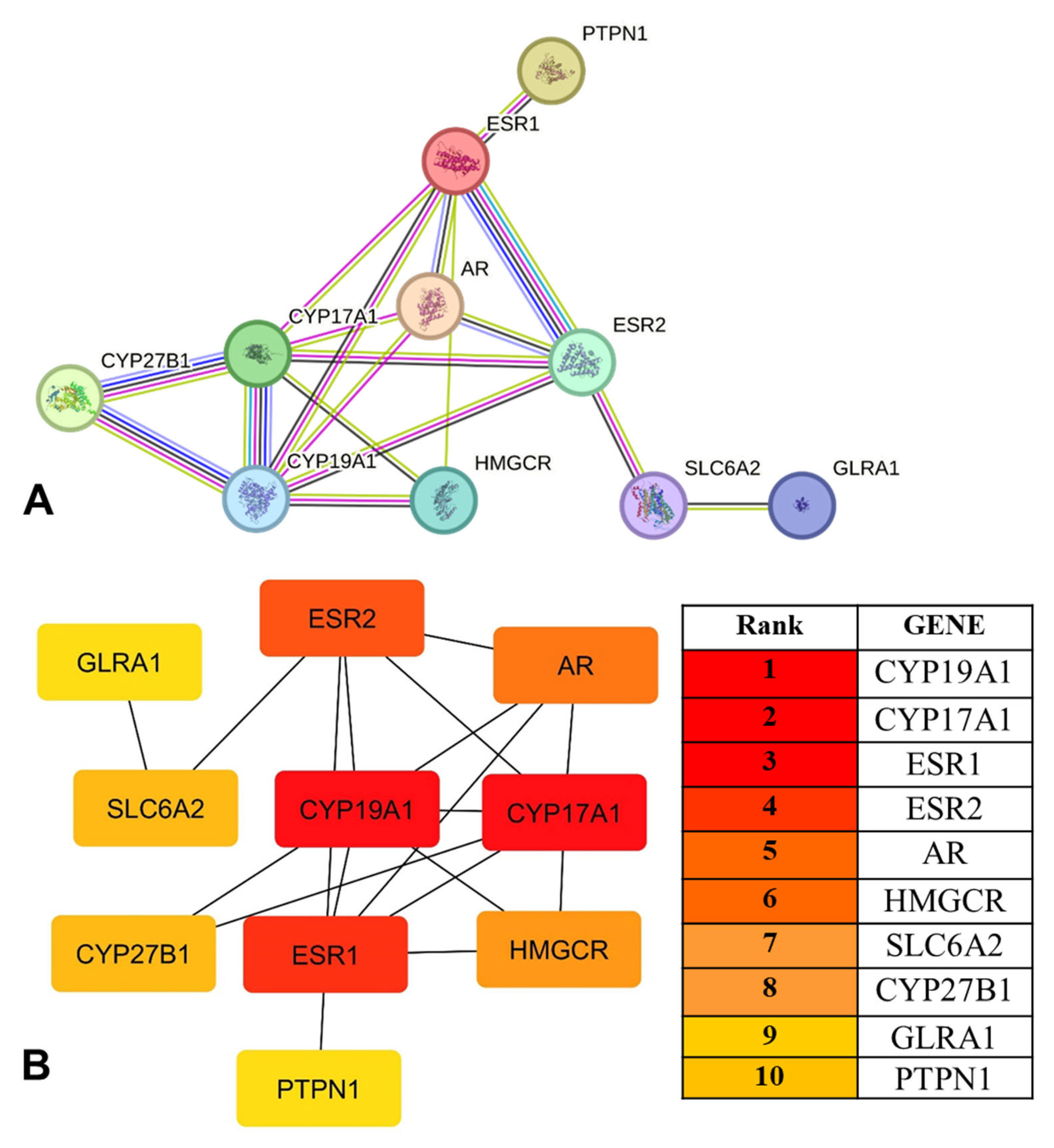
The overlapping genes were imported into the STRING database using a medium-confidence interaction score (≥0.4), resulting in a protein–protein interaction (PPI) network composed of 10 nodes and 18 edges. Despite the limited size of the network, a connected interaction pattern was observed, indicating non-random biological relationships among the shared targets. Network visualization and topological analysis were performed using Cytoscape. Node importance was evaluated based on degree, betweenness, and closeness centrality metrics. Hub gene prioritization was conducted using the cytoHubba plugin, applying the Maximal Clique Centrality (MCC) algorithm. Based on this analysis, the top-ranked genes included CYP19A1, CYP17A1, ESR1, ESR2, AR, HMGCR, SLC6A2, CYP27B1, GLRA1, and PTPN1 (
Figure 6). These genes are primarily involved in endocrine and steroidogenic regulation rather than immune-specific. Extensive evidence indicates that steroidogenic enzymes and nuclear hormone receptors exert indirect regulatory effects on humoral immunity through modulation of B-cell responses, cytokine networks, and immune tolerance, particularly in autoimmune and vaccine-responsive contexts.
Considering the modest size of the overlapping target set, these highly connected genes are represented as central nodes within a conservative, high-confidence interaction framework. However, the presence of steroidogenic enzymes and nuclear hormone receptors among these hubs is significant. It suggests that endocrine regulatory pathways are a key interface linking vitamin D3 signaling to autoimmune thyroid dysfunction.
2.6. Functional Enrichment Analysis
Functional enrichment analysis of the identified hub genes was performed to explore biological processes and pathways potentially linking vitamin D
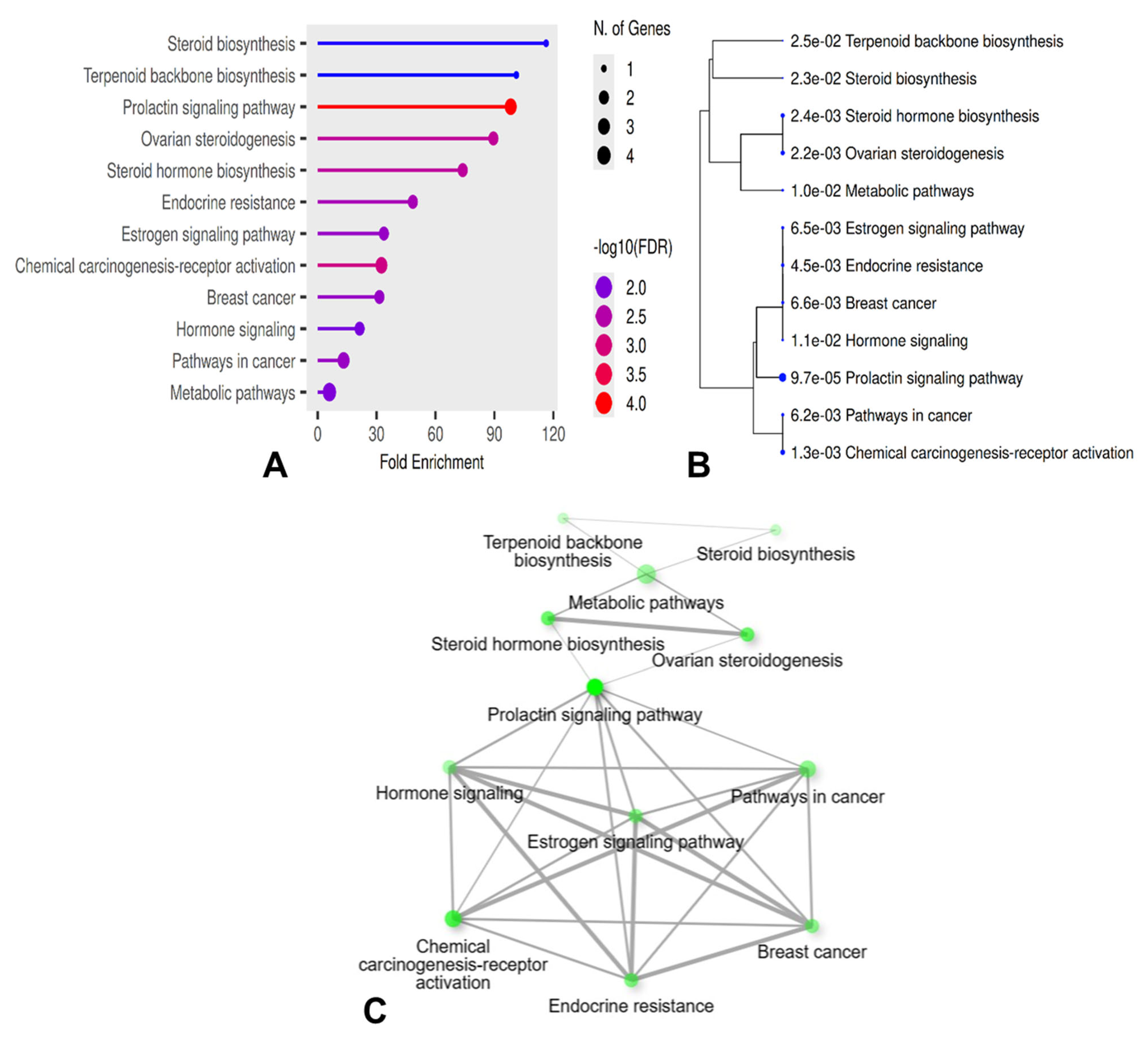
3 signaling and autoimmune thyroiditis. Given the limited gene set, enrichment results were interpreted as exploratory. KEGG pathway analysis revealed significant enrichment of pathways related to steroid biosynthesis, hormone signaling, and endocrine regulation (
Table 1). CYP27B1 was associated with steroid biosynthesis (FDR = 0.023), while HMGCR mapped to terpenoid backbone biosynthesis (FDR = 0.025), reflecting their roles in vitamin D
3 metabolism and cholesterol-derived hormone synthesis.
Several sex hormone-related pathways were prominently enriched. The prolactin signaling pathway (FDR = 9.6 × 10⁻⁵) included CYP17A1, ESR1, and ESR2, while ovarian steroidogenesis (FDR = 0.002) and steroid hormone biosynthesis (FDR = 0.002) were represented by CYP17A1 and CYP19A1.
Additionally, estrogen signaling and endocrine resistance pathways (FDR < 0.01) involved ESR1 and ESR2, both of which have been reported to modulate immune cell activation, cytokine production, and antibody responses through hormone-dependent mechanisms.
Cancer and cancer metabolism-related pathways, including chemical carcinogenesis–receptor activation and general metabolic pathways, were also enriched, reflecting the broad transcriptional and regulatory functions of nuclear hormone receptors and steroidogenic enzymes. Collectively, these enrichment patterns suggest that the vitamin D
3–AIT interaction network is predominantly driven by endocrine and metabolic pathways with known immunomodulatory potential. (
Figure 7).
2.7. Molecular Docking Results
Molecular docking was performed to explore the structural compatibility between vitamin D
3 (cholecalciferol) and three key targets identified through network pharmacology analysis, CYP19A1 (PDB: 3S79), CYP17A1 (PDB: 3RUK), and ESR1 (PDB: 1XP1). These proteins were selected based on their central roles in steroid hormone biosynthesis and estrogen signaling pathways with known immunomodulatory potential. Docking protocol reliability was assessed through redocking of the native co-crystallized ligands into their respective binding sites. The redocked poses reproduced favorable Glide XP scores for androstenedione in CYP19A1 (−8.234 kcal/mol), abiraterone in CYP17A1 (−8.752 kcal/mol), and the native ligand (AIH) in ESR1 (−7.406 kcal/mol), supporting the reliability of the docking setup (
Table 2).
To further evaluate pose accuracy, the docked vitamin D
3 conformations were structurally aligned with the corresponding native ligands, and root-mean-square deviation (RMSD) values were calculated (
Table 2). The resulting RMSD values were 2.146 Å for CYP19A1, 1.953 Å for CYP17A1, and 0.007 Å for ESR1. These RMSD values were within an acceptable range (˂2 Å), indicating acceptable pose overlap for the cytochrome P450 enzymes and near-identical positioning within the ESR1 ligand-binding domain.
Vitamin D
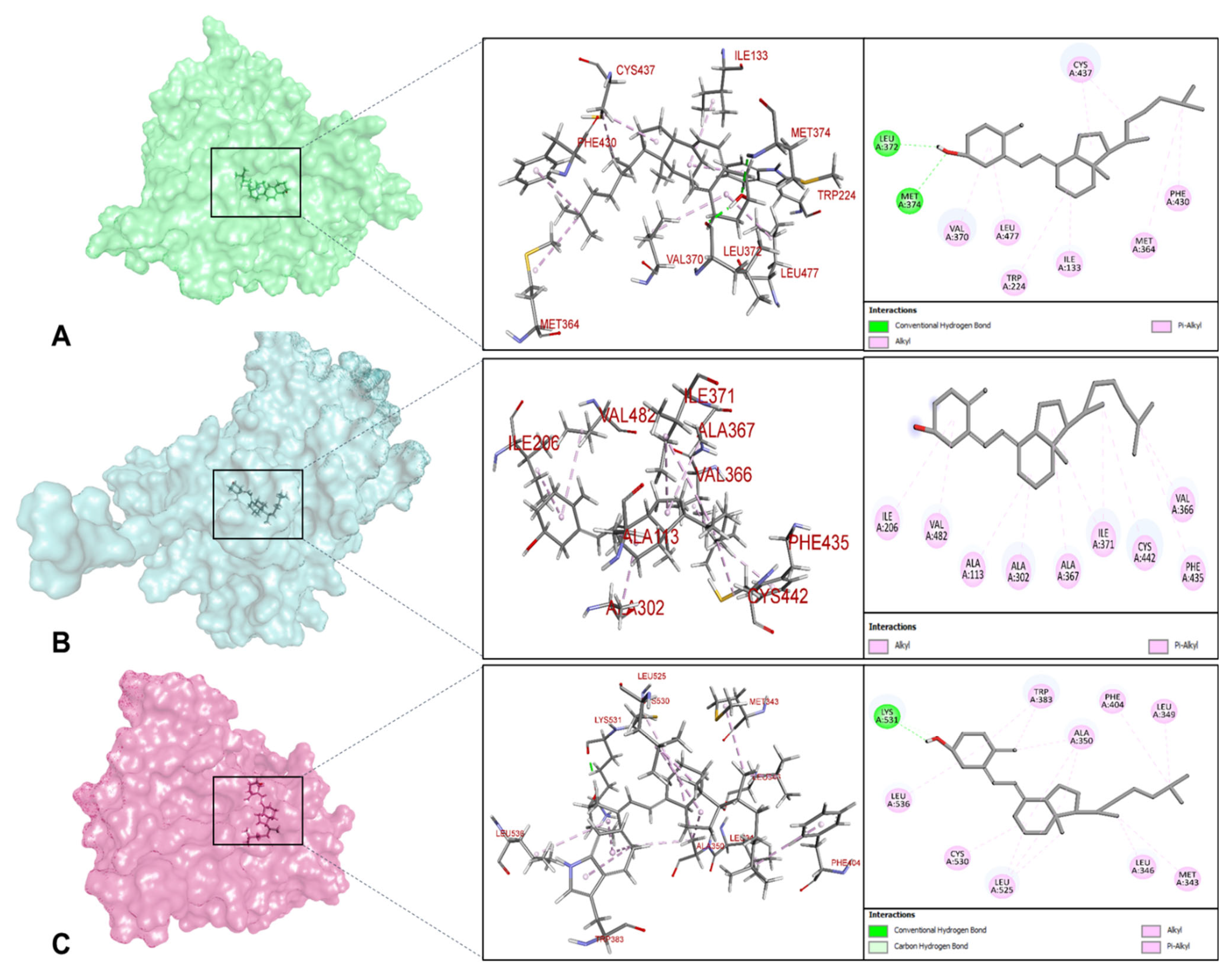
3 demonstrated favorable binding affinities across all three targets. For CYP19A1, a docking score of −7.382 kcal/mol was obtained, indicating moderate affinity within the aromatase active site. The binding pose revealed two hydrogen bonds with LEU372 and MET374 (2.01–2.52 Å), along with eight hydrophobic interactions involving ILE133, TRP224, MET364, VAL370, PHE430, CYS437, and LEU477 (4.45–5.40 Å) (
Figure 8A). These interactions positioned vitamin D
3 within the steroid-binding cavity, suggesting structural compatibility with the enzyme’s pocket.
In CYP17A1, vitamin D
3 achieved a docking score of −7.289 kcal/mol. Although hydrogen bonds were not detected, the ligand was stabilized by ten hydrophobic contacts with residues ALA113, ILE206, ALA302, VAL366, ALA367, ILE371, PHE435, CYS442, and VAL482 (3.49–5.43 Å) (
Table 3;
Figure 8B). This interaction profile is consistent with the highly lipophilic nature of the CYP17A1 active site.
The strongest interaction was observed for ESR1, where vitamin D
3 yielded a docking score of -8.016 kcal/mol, exceeding that of the native ligand. Two hydrogen bonds with LYS531 (1.99–2.89 Å) were observed, accompanied by extensive hydrophobic interactions involving residues ALA350, LEU525, CYS530, LEU536, MET343, LEU346, LEU349, TRP383, and PHE404 (3.31–5.44 Å) (
Table 3;
Figure 8C). The RMSD value further confirmed a highly stable and well-defined binding orientation within the estrogen receptor ligand-binding domain.
The obtained docking results indicated that vitamin D3 could be structurally accommodated within the binding sites of CYP19A1, CYP17A1, and ESR1, supporting potential interaction compatibility with endocrine regulators implicated in autoimmune thyroiditis.
2.8. Molecular Dynamics Simulations Results
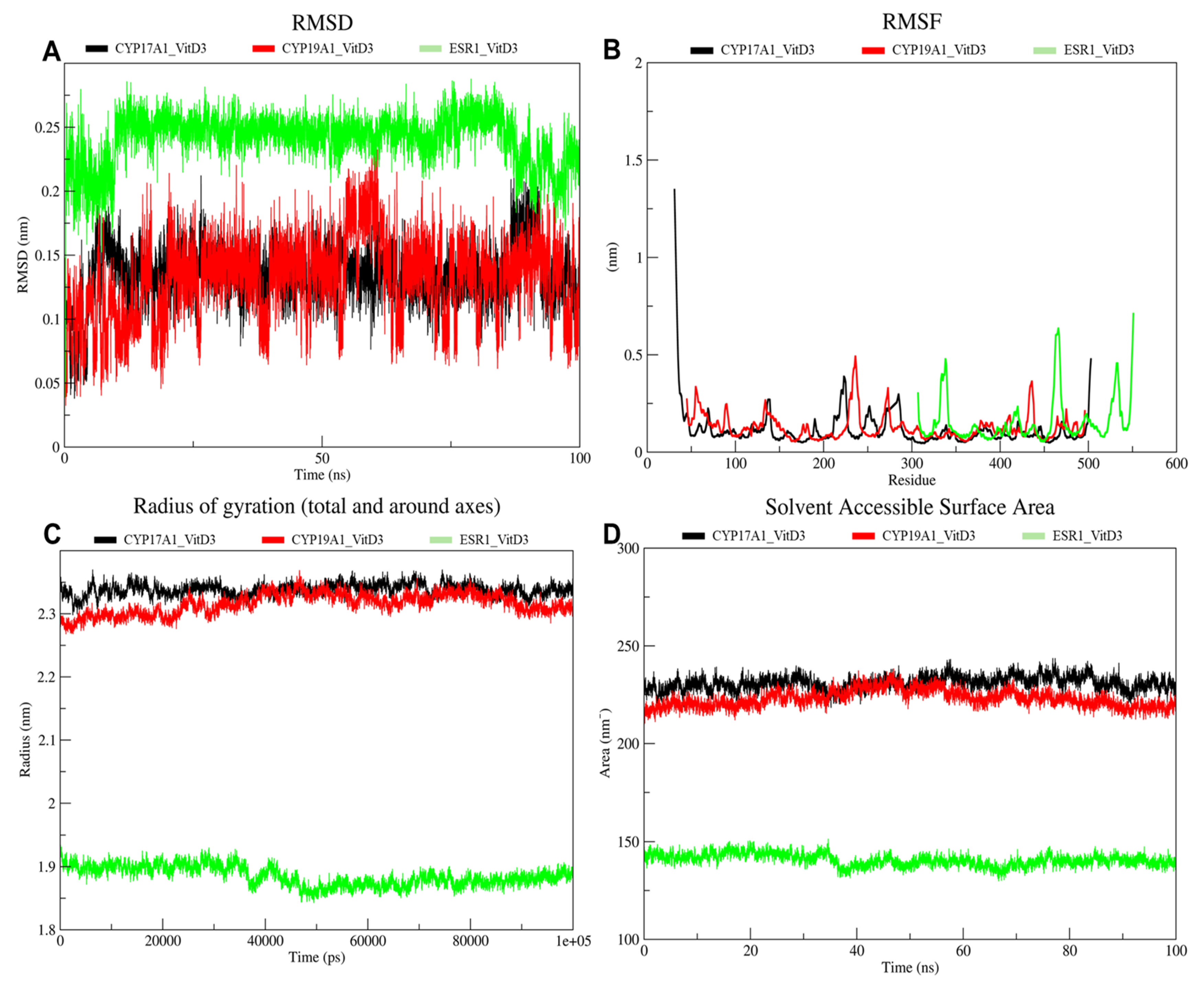
The three vitamin D3 protein complexes were further evaluated through molecular dynamics (MD) simulations to assess their structural stability and conformational behavior. During the 100 ns MD simulations, all of the complexes exhibited stable root mean square deviation (RMSD) profiles after an initial equilibration phase (
Figure 9A). The CYP19A1-Vitamin D
3 and CYP17A1-Vitamin D
3 complexes showed relatively low RMSD values throughout the simulation, with fluctuations remaining within a narrow range after the initial equilibration period. The calculated average RMSD values were 0.130 nm for CYP19A1-Vitamin D
3 and 0.135 nm for CYP17A1-Vitamin D
3 (
Table 4). In contrast, the ESR1-Vitamin D
3 complex exhibited higher RMSD values over the simulation time, with more pronounced fluctuations compared to the cytochrome P450 complexes. The average RMSD value for ESR1-Vitamin D
3 was 0.241 nm. Despite these differences, all three complexes maintained RMSD values below 0.3 nm across the simulation period, indicating stable trajectories without major structural deviations.
The root mean square fluctuation (RMSF) was used to assess residue-level flexibility of the three vitamin D
3 complexes (
Figure 9B). For all the complexes, the majority of residues exhibited low fluctuation values, with RMSF values generally remaining below 0.3 nm, indicating limited backbone mobility across most of the protein structures. The CYP17A1-Vitamin D
3 complex showed the lowest overall fluctuations, with an average RMSF value of 0.114 nm, while CYP19A1-Vitamin D
3 displayed slightly higher residue mobility, with an average RMSF of 0.126 nm. The ESR1-Vitamin D
3 complex exhibited comparatively higher fluctuations, particularly in specific residue regions, resulting in a higher average RMSF value of 0.157 nm. Notable localized peaks were observed in all three complexes, corresponding to flexible loop or terminal regions, whereas the remaining residues maintained relatively stable fluctuation profiles throughout the simulations.
The compactness of the protein vitamin D
3 complexes during the 100 ns molecular dynamics simulations was evaluated by monitoring the radius of gyration (Rg) as a function of time (
Figure 9C). The CYP17A1-Vitamin D
3 and CYP19A1-Vitamin D
3 complexes exhibited relatively stable Rg profiles throughout the simulation, with minor fluctuations around their respective mean values. The average Rg was 2.337 nm for CYP17A1-Vitamin D
3 and 2.315 nm for CYP19A1-Vitamin D
3, indicating that both complexes maintained a consistent overall structural compactness over time. In contrast, the ESR1- Vitamin D
3 complex displayed lower Rg values across the simulation, with an average Rg of 1.885 nm. A slight decrease in Rg was observed during the mid-simulation period, followed by stabilization toward the end of the trajectory. The Rg profiles suggest that all three complexes preserved their global folding during the simulation, with no pronounced structural expansion or collapse observed.
The solvent accessible surface area (SASA) of the protein with vitamin D
3 complexes was monitored over the 100 ns molecular dynamics simulations to assess changes in solvent exposure (
Figure 9D). The CYP17A1-Vitamin D
3 complex exhibited consistently higher SASA values throughout the trajectory, fluctuating around an average of 230.901 nm
2, with moderate temporal variations but no abrupt shifts. Similarly, the CYP19A1-Vitamin D
3 complex showed a stable SASA profile, with values centered around an average of 222.974 nm
2, displaying small fluctuations over time. In contrast, the ESR1-Vitamin D
3 complex presented markedly lower SASA values compared to the cytochrome P450 complexes, with an average SASA of 140.650 nm
2. The results indicate that solvent exposure of all three complexes remained relatively consistent during the simulation timeframe, with no pronounced or sustained changes observed.
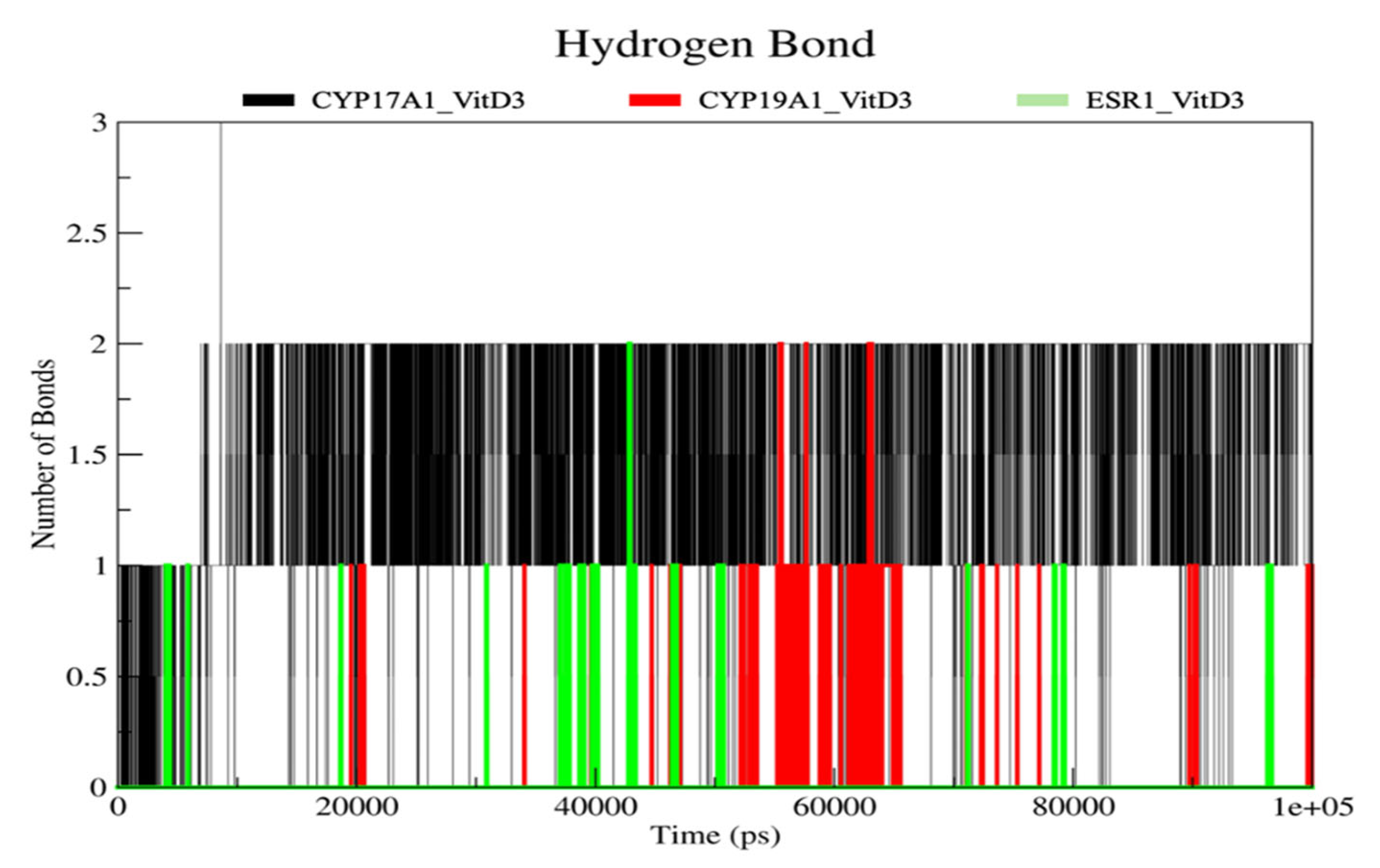
The number of hydrogen bonds formed between vitamin D
3 and the target proteins was monitored throughout the molecular dynamics simulations (
Figure 10). For the CYP17A1-Vitamin D
3 complex, hydrogen bonds were observed intermittently over the simulation time, with the number of hydrogen bonds fluctuating mainly between 0 and 2, and occasional persistence of 1–2 hydrogen bonds during extended periods of the trajectory. Similarly, the CYP19A1-Vitamin D
3 complex displayed transient hydrogen bond formation, predominantly ranging from 0 to 2 hydrogen bonds, with several intervals showing the presence of one hydrogen bond and sporadic occurrences of two hydrogen bonds, particularly during the mid-simulation phase. These interactions were not continuous but appeared repeatedly across the simulation time. In contrast, the ESR1-Vitamin D
3 complex exhibited fewer hydrogen bonds overall. The hydrogen bond count for this complex remained predominantly at 0 or 1, with occasional short-lived appearances of up to 2 hydrogen bonds, indicating more limited and transient hydrogen bond interactions compared to the cytochrome P450 complexes. The hydrogen bond analysis suggests that vitamin D
3 engages in intermittent and dynamic hydrogen bonding interactions with all three proteins during the simulation period, without the presence of a continuously maintained hydrogen bond network.
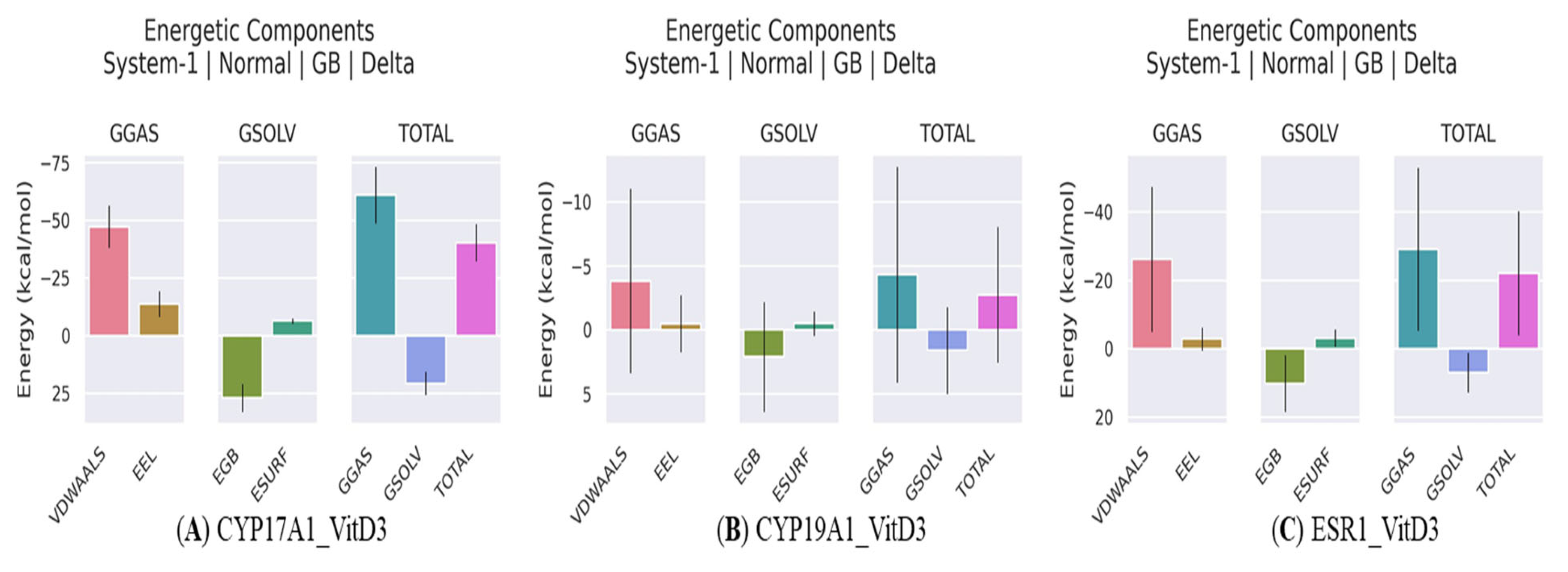
MM-GBSA calculations were performed to estimate the binding free energies and energetic contributions of vitamin D
3 toward CYP19A1, CYP17A1, and ESR1 (
Table 5 and
Figure 11). The CYP17A1-vitamin D
3 complex showed the most favorable binding free energy, with a total ΔG of −40.4 kcal/mol. This interaction was primarily driven by strong van der Waals (VDWAALS = −47.27 kcal/mol) and electrostatic (EEL = −13.73 kcal/mol) contributions, resulting in a highly favorable gas-phase energy (GGAS = −61.0 kcal/mol). These interactions were partially counterbalanced by polar solvation effects (EGB = 26.96 kcal/mol), yielding an overall negative binding free energy.
The ESR1-vitamin D3 complex also exhibited a favorable binding profile, with a total ΔG of −22.15 kcal/mol. Similar to CYP17A1, van der Waals interactions (−26.23 kcal/mol) represented the dominant stabilizing force, accompanied by modest electrostatic contributions (−2.89 kcal/mol). Although polar solvation energy opposed binding (EGB = 10.12 kcal/mol), the overall gas-phase contribution (GGAS = −29.12 kcal/mol) remained sufficient to support a net favorable interaction. In contrast, the CYP19A1–vitamin D3 complex displayed a substantially weaker binding affinity, with a total ΔG of −2.75 kcal/mol. Both van der Waals (−3.84 kcal/mol) and electrostatic (−0.50 kcal/mol) contributions were limited, and the stabilizing effects were largely offset by solvation energies, resulting in only a marginally favorable binding free energy. The obtained MM-GBSA results indicate differential binding strengths of vitamin D3 across the three targets, with stronger predicted interactions for CYP17A1 and ESR1, and comparatively weaker binding for CYP19A1 under the applied simulation conditions.
3. Discussion
The present study examined the relationship between vitamin D status and humoral responses to SARS-CoV-2 vaccination in patients with autoimmune thyroiditis, a population characterized by altered endocrine–immune regulation. An inverse association was observed between serum 25-hydroxyvitamin D levels and anti–SARS-CoV-2 spike RBD IgG titers, indicating that lower vitamin D status was associated with higher post-vaccination antibody concentrations. Given the cross-sectional design, this finding reflects an association at a single time point and should not be interpreted as evidence of causality. Importantly, the magnitude of antibody responses does not necessarily equate to optimal or protective immunity. In autoimmune-prone individuals, elevated humoral responses may reflect altered immune regulation rather than enhanced vaccine efficacy. Within this context, heightened antibody production may represent a state of increased immune reactivity, potentially influenced by underlying autoimmune activity and endocrine imbalance. These observations are consistent with existing evidence suggesting that vitamin D plays a regulatory role in immune homeostasis by influencing T- and B-cell differentiation, cytokine signaling, and inflammatory responses [
20,
21,
22].
In patients with autoimmune thyroiditis, particularly Hashimoto’s thyroiditis, vitamin D deficiency has been linked to increased Th1 and Th17 activity, fostering a pro-inflammatory environment that may exacerbate autoimmune processes [
18]. Consistent with this, our analysis of vitamin D distribution by age group revealed widespread insufficiency, with a large proportion of patients falling below the 30 ng/mL sufficiency threshold, further supporting the hypothesis that hypovitaminosis D contributes to immune dysregulation in this population.
Patients with autoimmune thyroiditis who were vitamin D-deficient exhibited significantly higher anti-SARS-CoV-2 RBD antibody titers (mean: 105.6 AU/mL) compared to those with sufficient vitamin D levels (mean: 78.4 AU/mL), suggesting the presence of a dysregulated humoral immune response. Several mechanisms may underlie this observation: first, impaired regulatory T cell (Treg) function in the context of vitamin D deficiency may contribute to reduced immune control; second, increased levels of pro-inflammatory cytokines such as IL-6, TNF-α, and IL-17—normally downregulated by vitamin D—may amplify immune activation; and third, enhanced B-cell activity may be reflected in elevated anti-TPO and anti-TG antibody levels, particularly among female patients. These results suggest that vitamin D deficiency could amplify antibody production following vaccination, potentially heightening autoimmune reactivity rather than supporting a balanced and protective immune outcome [
23].
The marked female predominance in our study cohort (90.2%) aligns with well-established epidemiological trends in autoimmune thyroiditis, where women are disproportionately affected. This sex disparity is attributed to several biological mechanisms. Hormonal influences play a central role: estrogen enhances B-cell activation and autoantibody production, whereas testosterone exerts immunosuppressive effects [
24]. Genetic predisposition also contributes, notably through X-linked immune-related genes such as
Toll-like receptor 7 (TLR7), which are more highly expressed in females and promote robust innate immune responses [
25]. Additionally, women generally exhibit stronger immune reactions to both infections and vaccines, potentially contributing to the greater variability in antibody titers observed in our cohort. Histograms illustrating anti-TPO and anti-TG antibody distributions by sex further reinforce this trend, showing markedly elevated levels among female participants. These findings support the role of sex hormones and genetic architecture in shaping autoimmune susceptibility and immune dysregulation.
The inverse relationship between vitamin D status and post-vaccination antibody concentrations highlights important clinical and immunological implications. Patients with sufficient vitamin D levels (≥30 ng/mL) demonstrated more regulated humoral responses, likely reflecting vitamin D’s capacity to modulate B-cell function by inhibiting plasma cell differentiation and limiting excessive antibody production [
25]. Additionally, vitamin D promotes the secretion of anti-inflammatory cytokines such as IL-10 and TGF-β, while suppressing pro-inflammatory mediators including IL-6, IL-17, and TNF-α. It also favors the expansion of regulatory T cells over pro-inflammatory Th1 and Th17 subsets, thereby reducing the risk of autoimmune flare-ups.
The high variability in antibody responses observed among vitamin D-deficient individuals suggests that optimizing vitamin D status prior to vaccination may help stabilize immune reactivity and potentially reduce the risk of vaccine-related autoimmune complications [
16,
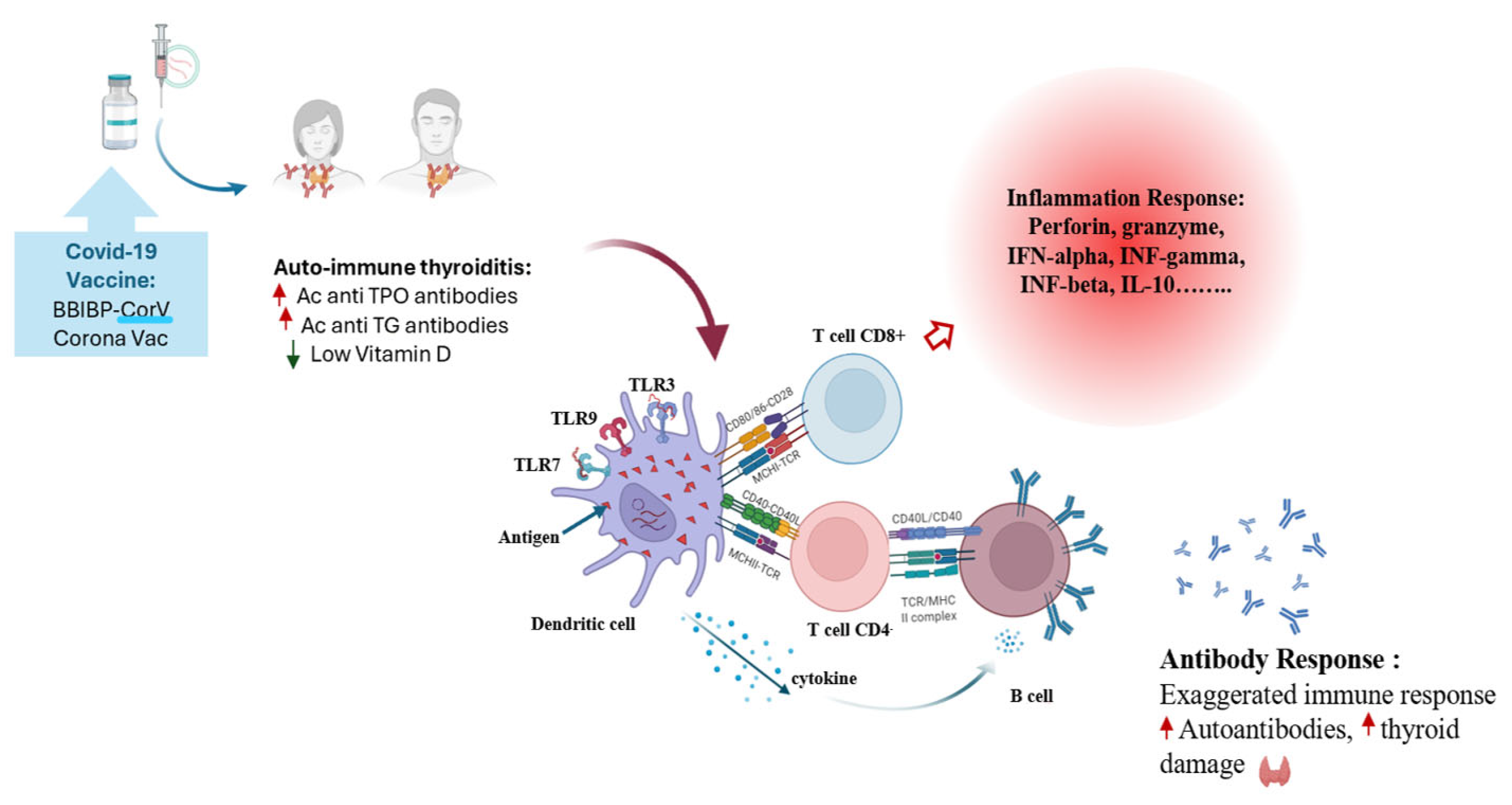
25]. To illustrate these mechanisms,
Figure 12 provides a schematic overview of how low vitamin D levels may contribute to dysregulated immune activation and excessive antibody production following COVID-19 vaccination in patients with autoimmune thyroiditis.
This schematic illustrates the potential effects of low vitamin D status on immune regulation in the context of COVID-19 vaccination. In vitamin D-deficient individuals, reduced secretion of anti-inflammatory cytokines (IL-10, TGF-β) combined with increased production of pro-inflammatory mediators (IL-6, IL-17, TNF-α) promotes Th1 and Th17 polarization and enhances B-cell activation. These immune shifts may lead to exaggerated anti-RBD IgG responses and increased thyroid autoantibody levels, particularly in individuals predisposed to autoimmune disease.
Selenium has also emerged as a potential modulator of autoimmune thyroid disease due to its critical role in antioxidant defense and immune regulation. It contributes to thyroid hormone synthesis and metabolism by reducing reactive oxygen species and maintaining redox balance. In addition, selenium supports regulatory T cell activity and may help suppress the production of thyroid autoantibodies [
26]. Although current evidence remains preliminary, co-supplementation strategies involving both vitamin D and selenium during vaccination have been proposed to enhance immune regulation via synergistic antioxidant and immunomodulatory effects. Further research is needed to clarify the interplay between selenium, vitamin D, oxidative stress, and immune homeostasis in the context of thyroid autoimmunity and vaccine-induced immune responses [
27,
28].
Despite the strength of these findings, several limitations should be acknowledged. This study was conducted on a moderately sized cohort using a cross-sectional design, which may limit the generalizability of the results. Additionally, vitamin D levels and antibody titers were measured at a single time point, precluding assessment of dynamic immune changes over time. Potential confounders such as sun exposure, dietary intake, supplementation compliance, and comorbidities were not fully controlled. Future multicenter longitudinal studies are warranted to validate these results and elucidate the underlying causal mechanisms.
The network pharmacology analysis yielded a modest overlap between vitamin D3-associated targets and autoimmune thyroiditis-related genes, reflecting the application of conservative, high-confidence filtering criteria rather than an absence of biological relevance. Accordingly, downstream protein–protein interaction, enrichment, and docking analyses were interpreted as exploratory and hypothesis-generating rather than mechanistically definitive.
Within this framework, enrichment analysis of the prioritized top-ranked genes (CYP19A1, CYP17A1, ESR1, ESR2, AR, HMGCR, CYP27B1, SLC6A2, GLRA1, and PTPN1) highlighted pathways related to steroid biosynthesis, estrogen and prolactin signaling, hormone signaling, and metabolic regulation. These pathways are increasingly recognized as indirect modulators of immune function, as dysregulated sex-steroid and endocrine signaling can influence immune tolerance, T-cell polarization, and autoantibody production in autoimmune disorders. Notably, ESR1 and ESR2, central components of estrogen signaling, were consistently enriched, supporting the established role of sex hormones in shaping autoimmune susceptibility, particularly in thyroid disease. Similarly, the identification of steroidogenic enzymes such as CYP17A1 and CYP19A1 suggests that vitamin D
3 signaling may intersect with broader hormonal regulatory networks rather than acting solely through classical immune pathways [
27].
The inclusion of CYP27B1, responsible for local activation of vitamin D within peripheral tissues, further reinforces the biological plausibility of crosstalk between vitamin D metabolism and endocrine–immune regulation [
29]. Collectively, these findings support a conceptual model in which vitamin D deficiency may contribute to autoimmune thyroid dysfunction through indirect modulation of endocrine pathways that influence immune reactivity, while acknowledging that experimental validation is required to confirm these relationships.
Molecular docking analyses were performed to structurally explore the interactions suggested by the network pharmacology results. Vitamin D
3 was accommodated within the binding pockets of CYP17A1, CYP19A1, and ESR1, with docking poses indicating favorable spatial complementarity. Pose validation based on RMSD values supported the reliability of the predicted binding orientations, particularly for ESR1, where vitamin D
3 adopted a conformation closely aligned with the native ligand. Given the established involvement of estrogen receptor signaling in female-predominant autoimmune disorders and humoral immune regulation, the interaction with ESR1 provides a plausible structural link between vitamin D
3 and endocrine pathways relevant to autoimmune thyroid disease [
27,
30]. The compatibility of vitamin D
3 with CYP17A1 and CYP19A1 further suggests potential intersections with steroidogenic pathways that regulate hormone availability and downstream immune responses [
31]. However, these docking results represent structural binding compatibility rather than evidence of functional modulation.
To further evaluate the stability of the docked complexes under dynamic conditions, molecular dynamics (MD) simulations were conducted. MD simulations assess the temporal behavior of ligand-protein complexes in a solvated environment, allowing verification of whether the predicted poses remain stable over time. Across all the simulated systems, the vitamin D3-protein complexes remained structurally stable, with no indications of major conformational disruption or ligand dissociation during the simulation period.
Backbone deviation and fluctuation analyses indicated that the proteins preserved their overall structural integrity, with flexibility mainly restricted to peripheral or solvent-exposed regions, while residues surrounding the binding sites showed relatively limited motion. Global structural descriptors further suggested maintenance of protein compactness and solvent accessibility throughout the simulations, indicating that vitamin D3 binding did not induce unfavorable conformational changes.
Hydrogen bond analysis revealed transient and intermittent interactions rather than persistent hydrogen bond networks, suggesting that the stabilization of the complexes was largely driven by hydrophobic and van der Waals contributions [
29]. This observation is consistent with the physicochemical properties of vitamin D
3 and the predominantly nonpolar nature of the identified binding pockets. MM-GBSA analysis provided complementary energetic insight, indicating favorable binding energetics dominated by gas-phase interaction components, partially offset by solvation effects. As noted in this study, these estimates should be interpreted qualitatively and used for comparative assessment rather than as absolute binding free energies.
The MD analysis supports the structural and dynamic stability of the vitamin D3 binding modes identified by docking. The MD results are presented as supportive evidence in which vitamin D deficiency may contribute to altered endocrine–immune crosstalk. Together with the network pharmacology and docking analyses, these findings suggest that vitamin D3 may stably associate with key endocrine-related targets implicated in autoimmune thyroid disease, requiring further experimental investigation to clarify biological relevance.
The present findings suggest that vitamin D status may represent a modifiable factor influencing vaccine-induced immune responses in patients with autoimmune thyroiditis. The results suggest that optimizing vitamin D levels could potentially contribute to more balanced immune reactivity in autoimmune populations. Future studies should aim to define optimal vitamin D thresholds that support immune regulation without promoting excessive humoral activation. In this context, the immunomodulatory role of selenium also requires further investigation, given its involvement in antioxidant defense, thyroid hormone metabolism, and immune regulation. Longitudinal studies assessing the combined effects of vitamin D and selenium on thyroid function, autoantibody production, and immune responses following vaccination would provide valuable mechanistic and clinical insights. A multidisciplinary research approach involving endocrinology, immunology, and infectious disease expertise will be essential to refine preventive strategies. In addition, lifestyle-related factors such as nutrition, physical activity, and stress management should be explored as potential modifiers of micronutrient–immune interactions.
Overall, this study highlights the complex interplay between vitamin D status, vaccine-induced antibody responses, and thyroid autoimmunity. The observed inverse association between serum vitamin D levels and anti-RBD IgG titers suggests that insufficient vitamin D may be associated with heightened and potentially dysregulated humoral immune responses in AIT. The pronounced female predominance and elevated thyroid autoantibody levels are consistent with established sex-related differences in immune regulation and autoimmune susceptibility. Together, these findings support the relevance of considering endocrine–immune interactions when evaluating vaccine responses in autoimmune conditions. While causality cannot be inferred from the present study, integrating vitamin D assessment into future pre-vaccination research frameworks may help clarify its role in optimizing immune responses while minimizing immune dysregulation in susceptible individuals.