3. Discussion
This study proposes the idea that an arterial “switch” caused by the anatomical herniation of the primitive intestine and its return into the abdomen around the 6th week of gestation may play a role in the pathogenesis of the defect. At that point, the original vascular branches may be replaced by others, leading to insufficient vascular development and impaired fusion of the abdominal wall. We will be able to support or refute this hypothesis based on our results.
The theory starts from the idea that, around the 6th week, physiological herniation and subsequent reintegration of the intestinal loops alter the local arterial network: some vascular trunks regress or are replaced, a chaotic reorganization of the circulation occurs, and a region of the abdominal wall becomes hypovascular/hypoxic, preventing proper fusion and maturation of the wall.
The integrative etiopathogenic model already formulated acknowledges early vasculogenesis and hypoxia (the 4–6-week window) as a common core mechanism underlying abdominal wall defects.
The selected IHC panel translates this vascular hypothesis into measurable morphological parameters along three axes:
Vascular axis: VEGFR, CD31, CD34, ICAM-2
Muscular axis: DUX4 (muscle dysgenesis/maturation)
Extracellular matrix axis: Pro-Collagen III α1 and Collagen I (immature vs. mature ECM)
Furthermore, the fact that the samples are collected in a standardized manner from the margin of the defect—supra- and subumbilical, from the sheath and from the muscle—allows us to determine whether the vascular/muscular/fibrous profile is segmental and related to a specific “perfusion map”, which is essential for supporting the possibility of a regional arterial switch.
VEGFR, CD31, CD34, and ICAM-2 were chosen specifically to separate three dimensions of vascular pathology:
What would support our arterial switch hypothesis (regional ischemia at 6 weeks): CD31/CD34:
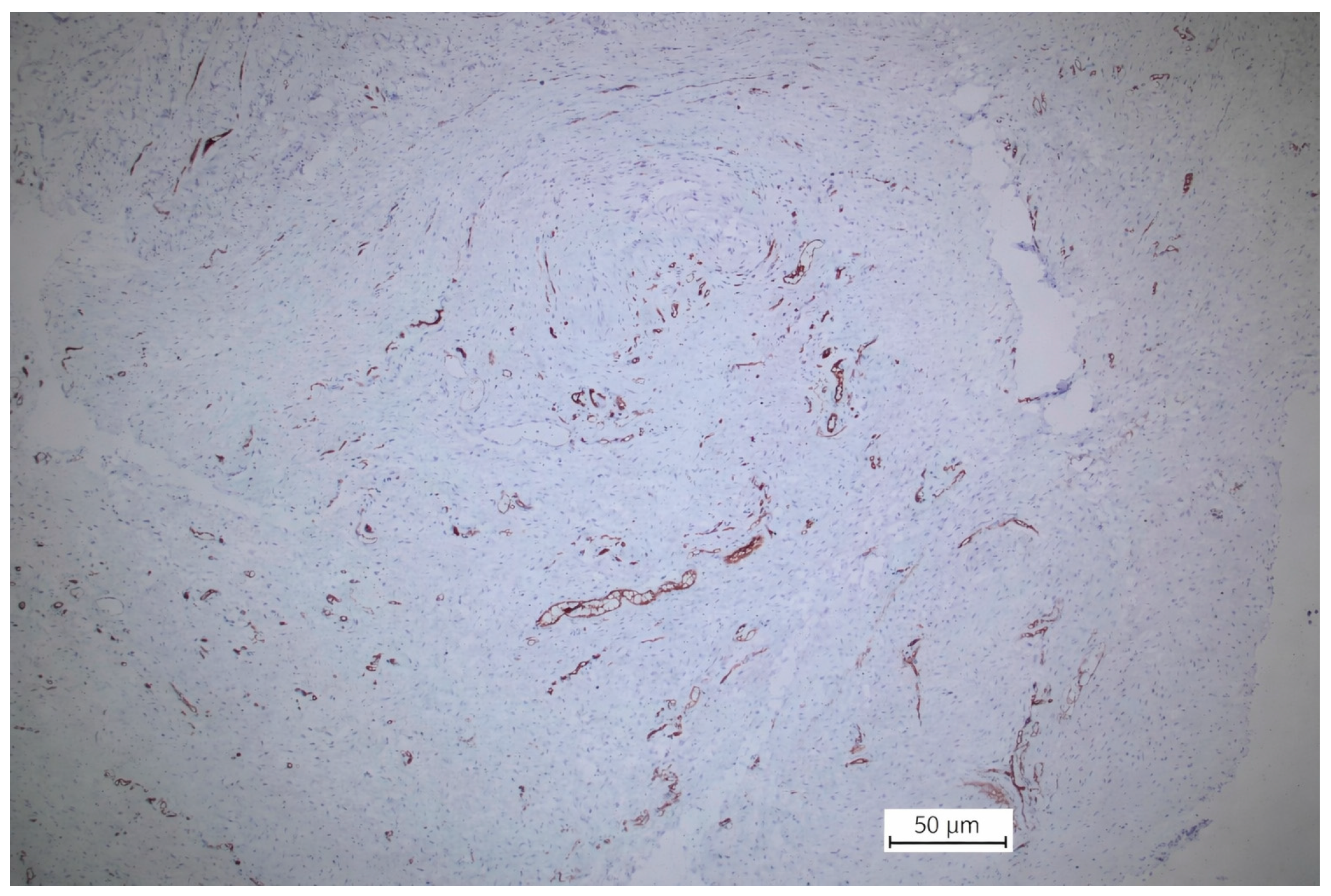
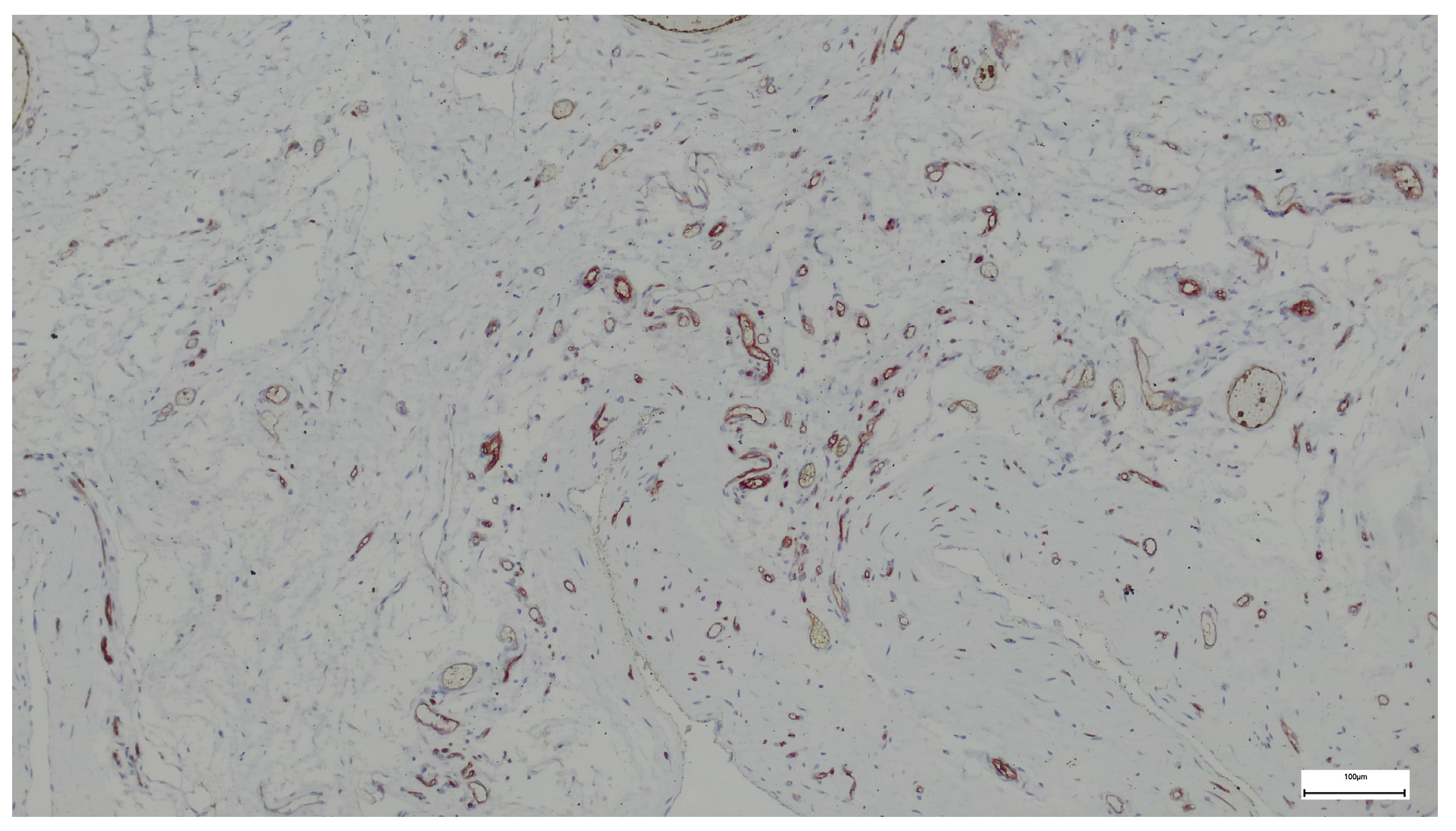
Altered microvascular density (reduced or disorganized) in the critical zones at the edge of the defect, compared with control regions or with other areas of the same abdominal wall;
And possible discrepancies between supra- and subumbilical regions that may suggest different perfusion territories.
Increased VEGFR in the same territories indicates reactive angiogenesis in response to hypoxia—meaning tissue that has been “left behind” by the normal vascular network and is attempting to compensate belatedly through neovascularization.
Low/patchy ICAM-2, while CD31 is present, indicates numerous but immature, unstable vessels—typical of a network that has been “rearranged” and insufficiently matured, rather than a territory that simply never developed vessels (as in a very early embryologic defect).
A high CD31+/ICAM-2—ratio at the margin of the defect fits a scenario of pathological angiogenesis secondary to an arterial switch rather than a simple “abdominal cavity too small” problem or a strict defect of lateral fold fusion.
What would contradict the arterial switch hypothesis is globally low vascular density, without increased VEGFR and with few CD31+/CD34+ vessels throughout the wall. This would support a primary mesodermal defect (theories 2 and 5) rather than an arterial redistribution event and a similar vascular profile in areas with and without the defect, with no supra/sub or sheath/muscle gradient, which would argue against a regional mechanism linked to vascular branching.
DUX4 was included specifically to determine whether the rectus abdominis muscle is intrinsically dysgenetic or merely a “victim” of defective perfusion.
If DUX4 is strongly and diffusely expressed, including in areas with relatively preserved vascularization, then there is evidence for primary muscular dysgenesis (Theory 5—a defect of muscular differentiation), which cannot be explained solely by hypoxia or an arterial switch.
If DUX4 expression is high only in territories with a pathological vascular profile (VEGFR↑, CD31/CD34 disorganized, ICAM-2↓), then we can argue that dysgenesis and delayed fiber maturation are secondary to regional hypoxia—thus supporting a vascular theory (arterial switch during herniation/re-entry).
In this way, DUX4 becomes the marker that tells you whether the muscle is “born abnormal” or “damaged by circulation”.
The ECM markers were chosen to assess whether the wall defect is primarily fibro-mesodermal or the result of incomplete maturation due to ischemia.
Pro-Collagen III α1 ↑ and Collagen I ↓, together with immature matrix with predominance of type III collagen, suggest:
Either a primary defect of synthesis/remodeling (the connective dysgenesis theory),
Or an “emergency remodeling” response in hypoxic tissue that fails to progress to mature type I collagen.
If the regions with altered vascular profiles are also those with a low Col I/Col III ratio, we can argue that abnormal vascularity precedes and determines the defective maturation of the sheath—again supporting a mechanism of arterial switch/regional hypoxia.
Conversely, if this collagen imbalance is diffuse and does not correlate with vascular abnormalities, the vascular hypothesis weakens, and the “collagen theory” (primary ECM defect) gains weight.
The IHC panel allows you to differentiate between these mechanisms as follows:
Evidence in favor of an arterial switch/vascular mechanism during physiological herniation (rotation/blockage theory + vascular component):
Regional gradient of vascular density (CD31/CD34),
VEGFR↑ and ICAM-2↓ in critical territories,
DUX4 and Col I/Col III ratio altered in the same territories, not diffusely.
Evidence in favor of an early embryologic/mesodermal defect (Theory 2 + early molecular model):
Diffuse muscular hypoplasia and immature sheath,
Reduced vascular density but without significant signs of reactive angiogenesis (modest VEGFR, globally low ICAM-2, no gradient).
Evidence in favor of primary muscular/connective dysgenesis (Theory 5):
Diffuse DUX4↑ regardless of vascular status,
Col I/Col III imbalance present even in tissues with near-normal vascularization.
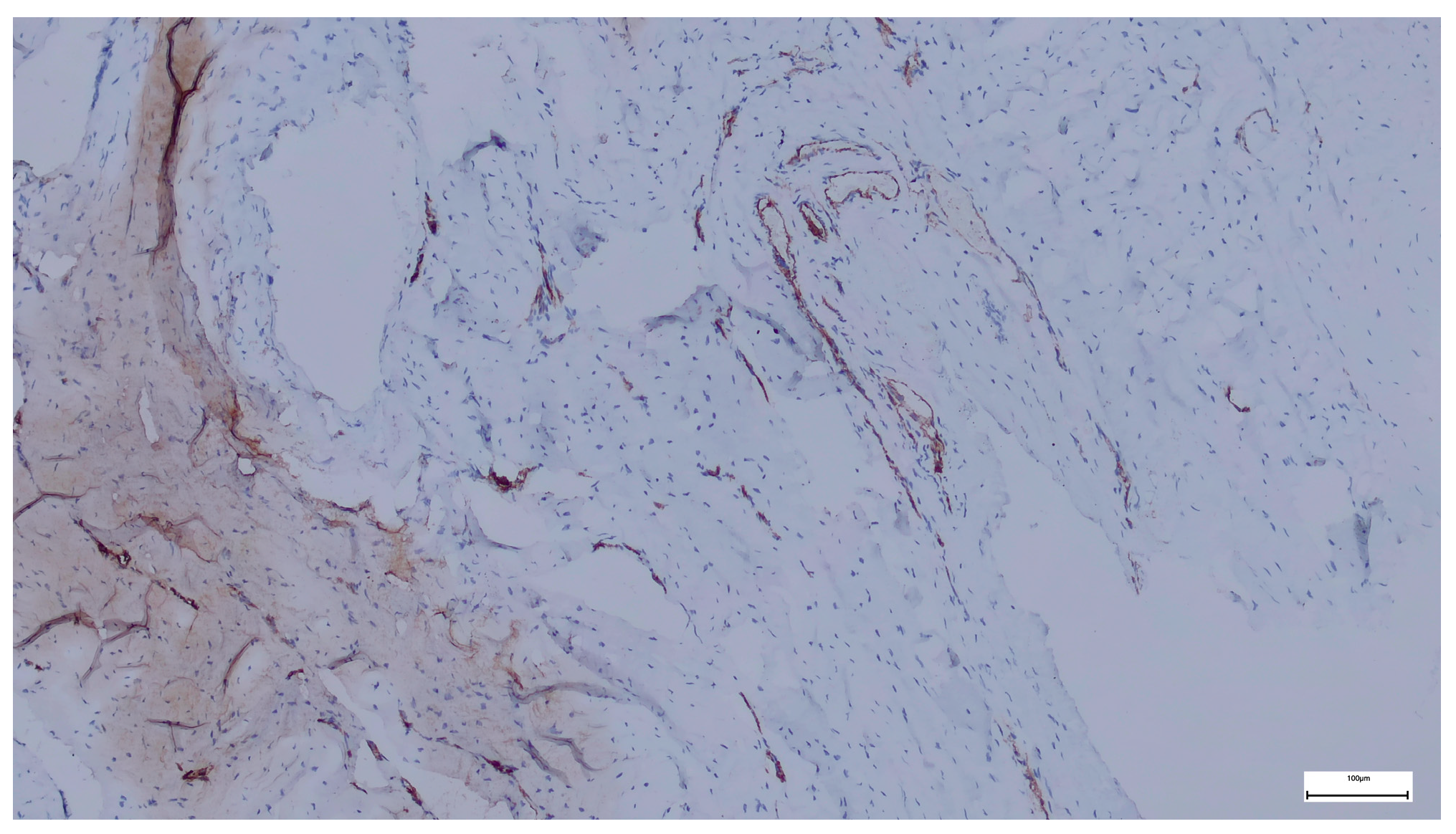
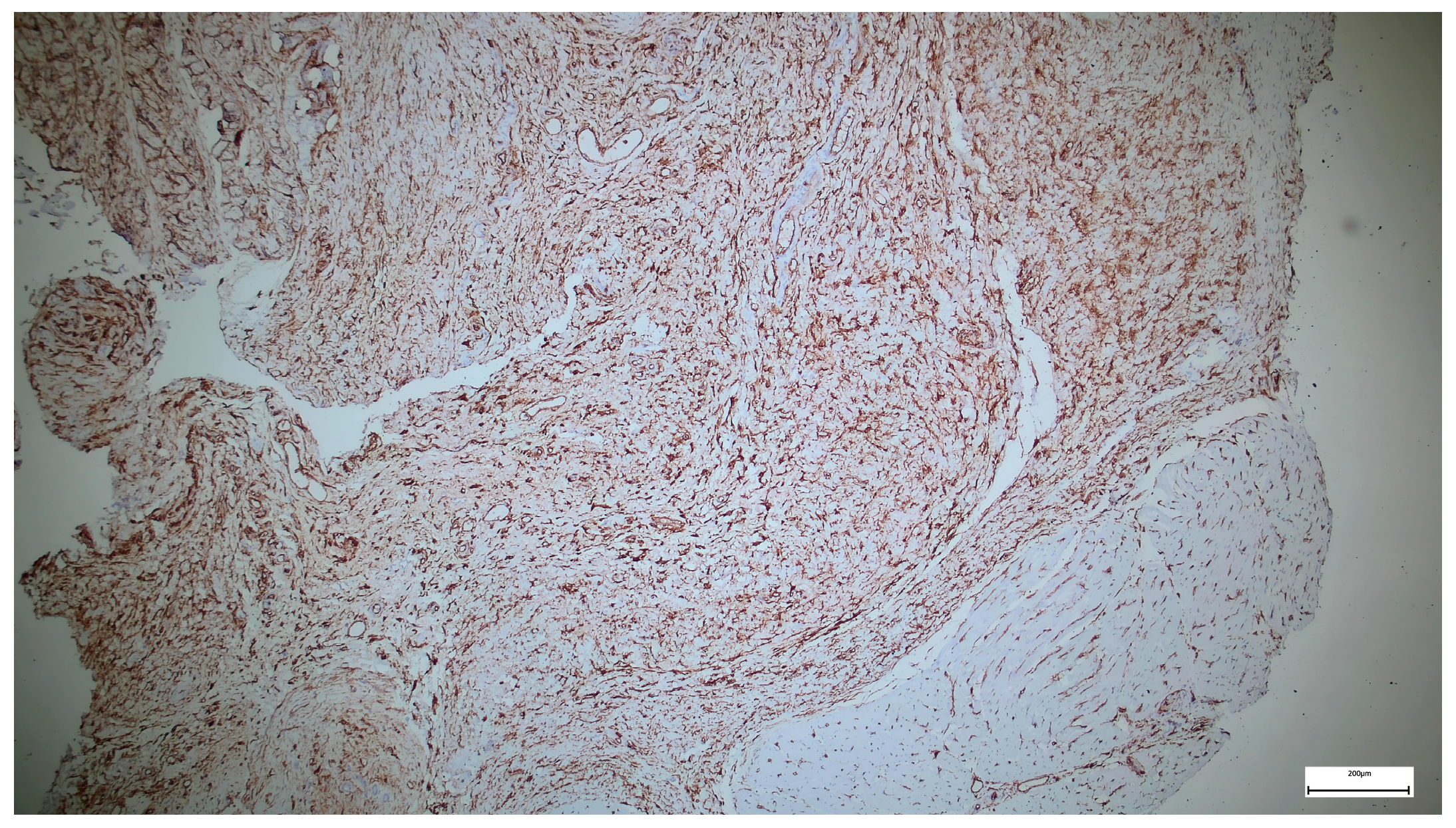
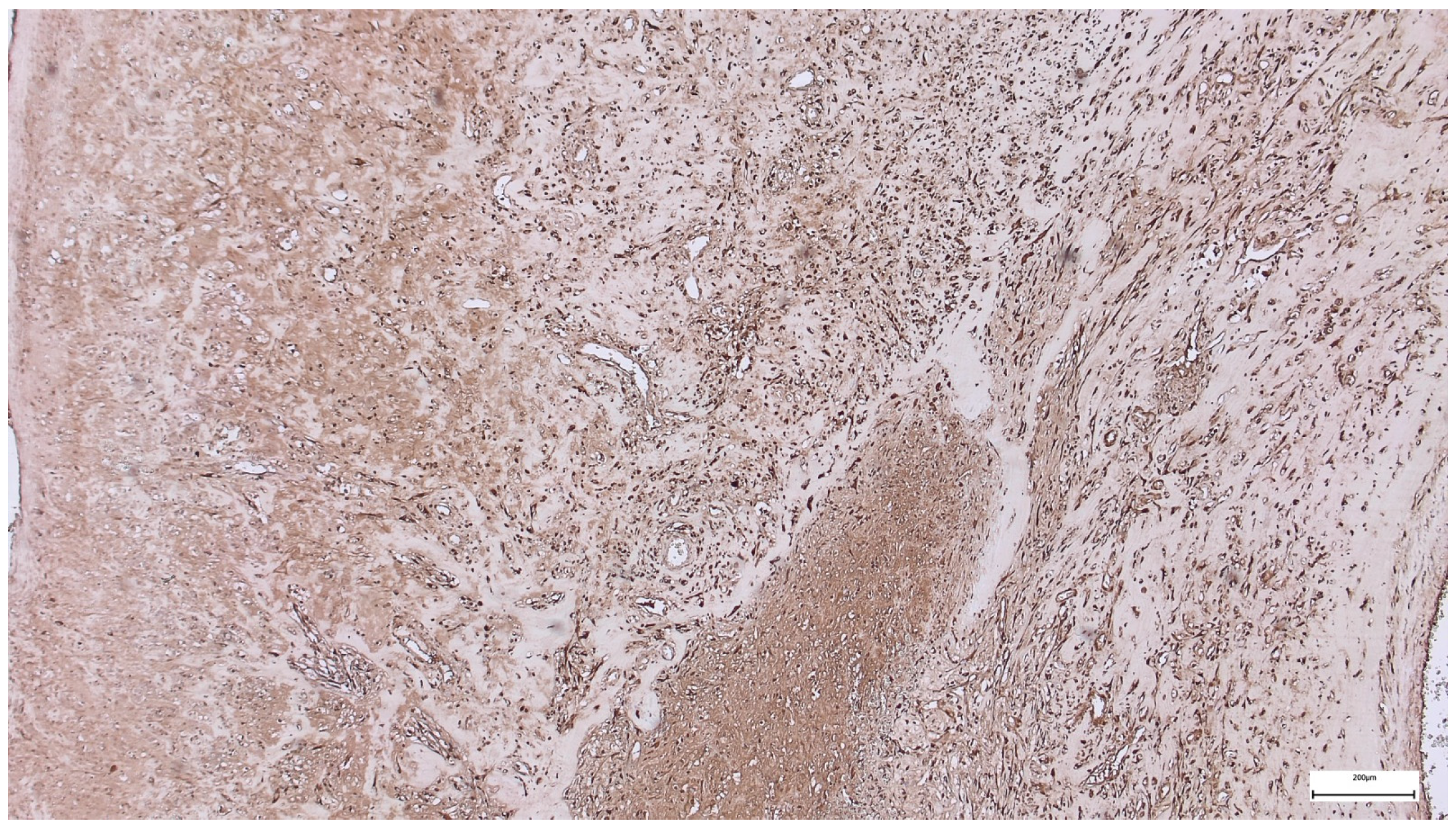
The strong Collagen I expression observed in the supraumbilical region reflects a tissue environment characterized by advanced extracellular matrix deposition but incomplete structural maturation. Although Collagen I is typically associated with mature and mechanically robust connective tissue, the irregular and disorganized arrangement of collagen bundles seen here suggests that matrix accumulation has occurred in a non-physiological or dysregulated manner.
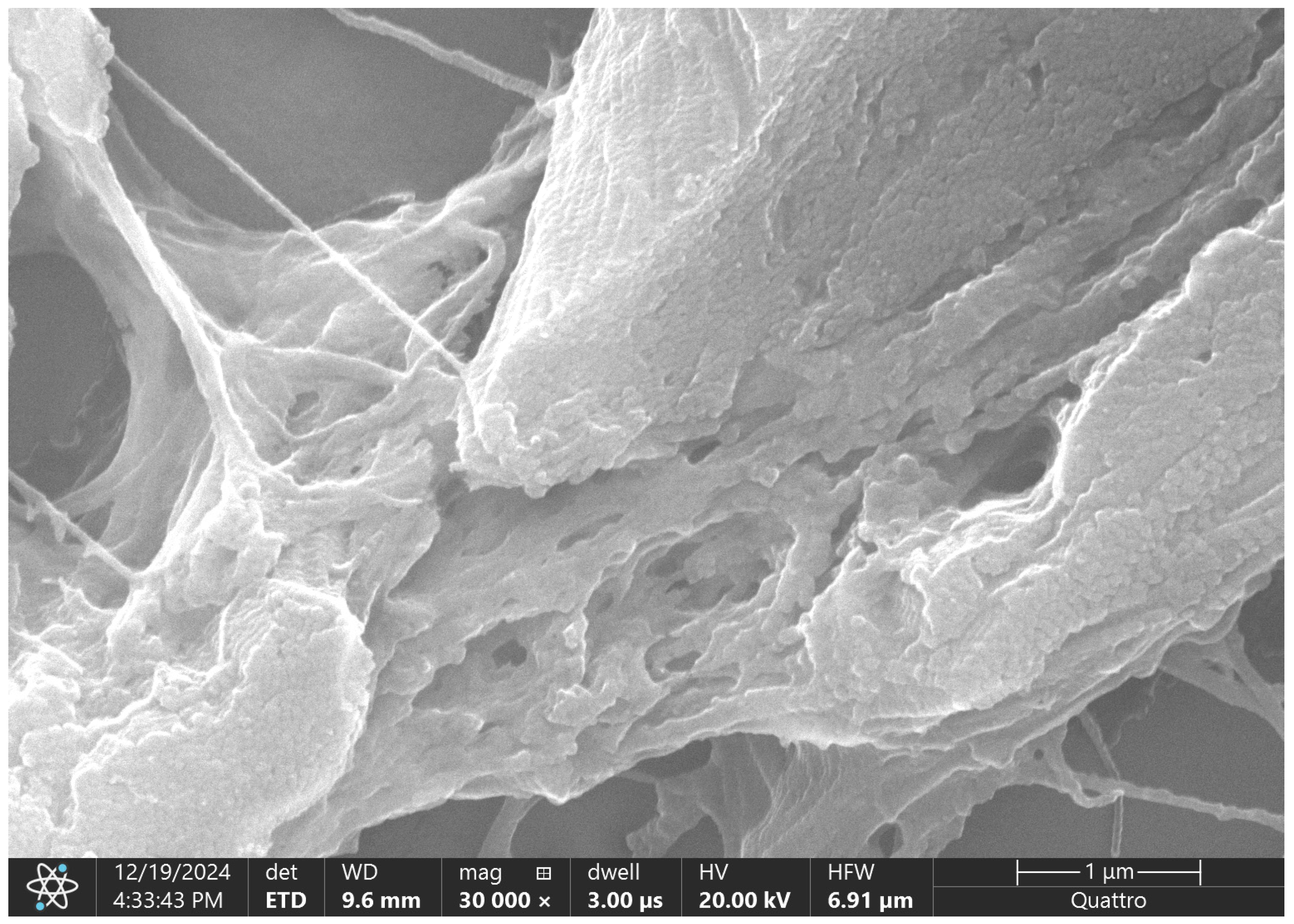
When interpreted in conjunction with the SEM findings—showing delaminated and fragmented collagen lamellae—the Collagen I immunoprofile supports the notion that matrix quantity does not equate to matrix quality. Rather than forming a compact, uniformly oriented scaffold, collagen appears excessively deposited yet poorly integrated into a coherent architectural framework.
Within the context of the proposed vascular-driven developmental model, this pattern may represent a secondary or compensatory fibrotic response to early tissue stress, such as transient hypoperfusion or hypoxia during a critical window of abdominal wall development. In such conditions, fibroblastic activity and collagen synthesis may be initiated or amplified, while the processes responsible for proper fiber alignment, cross-linking, and mechanical integration remain impaired.
Importantly, the coexistence of high Collagen I expression with ultrastructural features of matrix instability argues against a simple primary collagen deficiency. Instead, it supports a scenario in which vascular disturbance precedes and shapes extracellular matrix remodeling, leading to the formation of a structurally weak but collagen-rich abdominal wall in the supraumbilical region.
In the supraumbilical region, Collagen I is abundantly expressed but exhibits a disorganized spatial arrangement, indicating excessive yet mechanically inefficient matrix deposition.
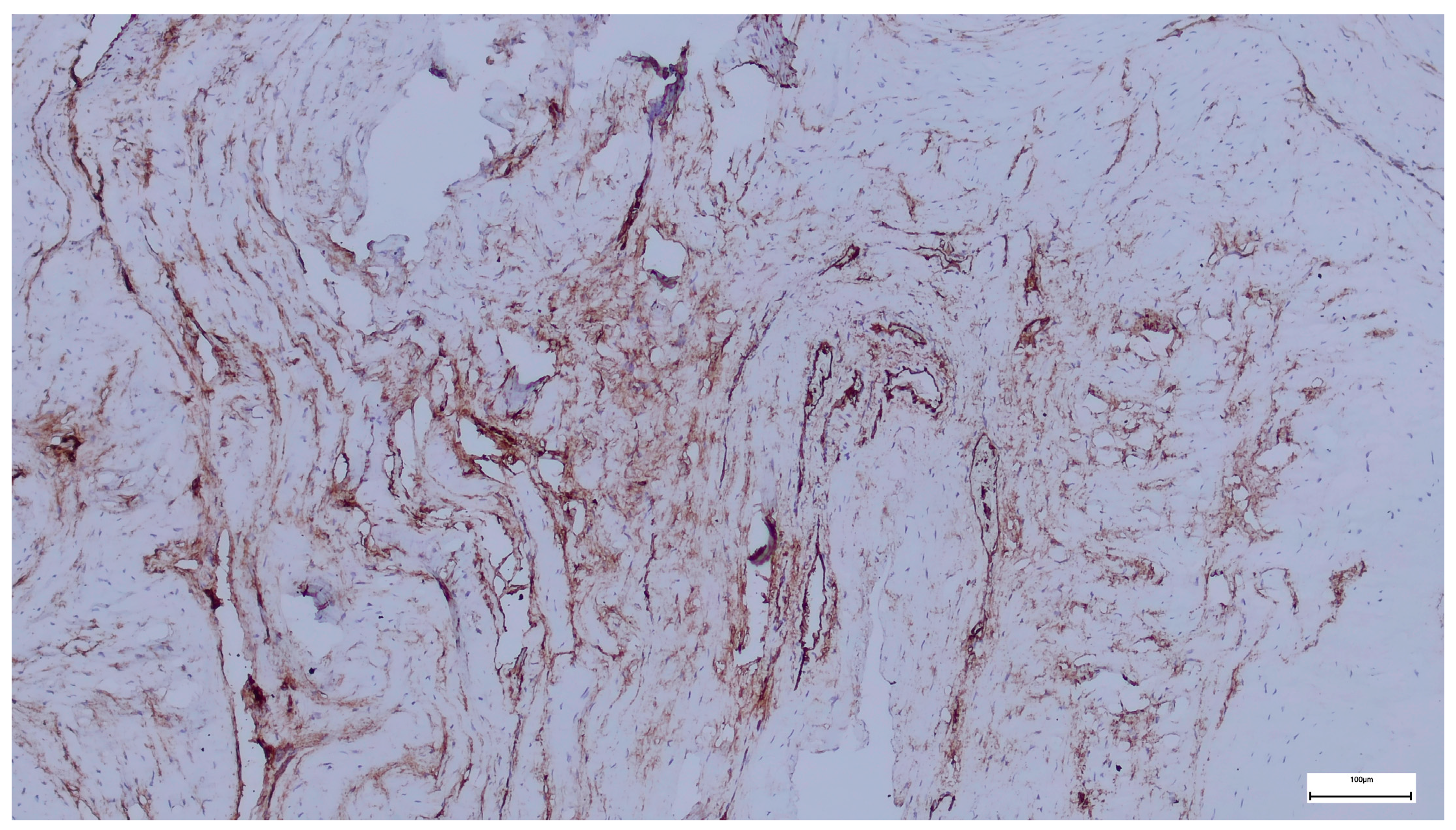
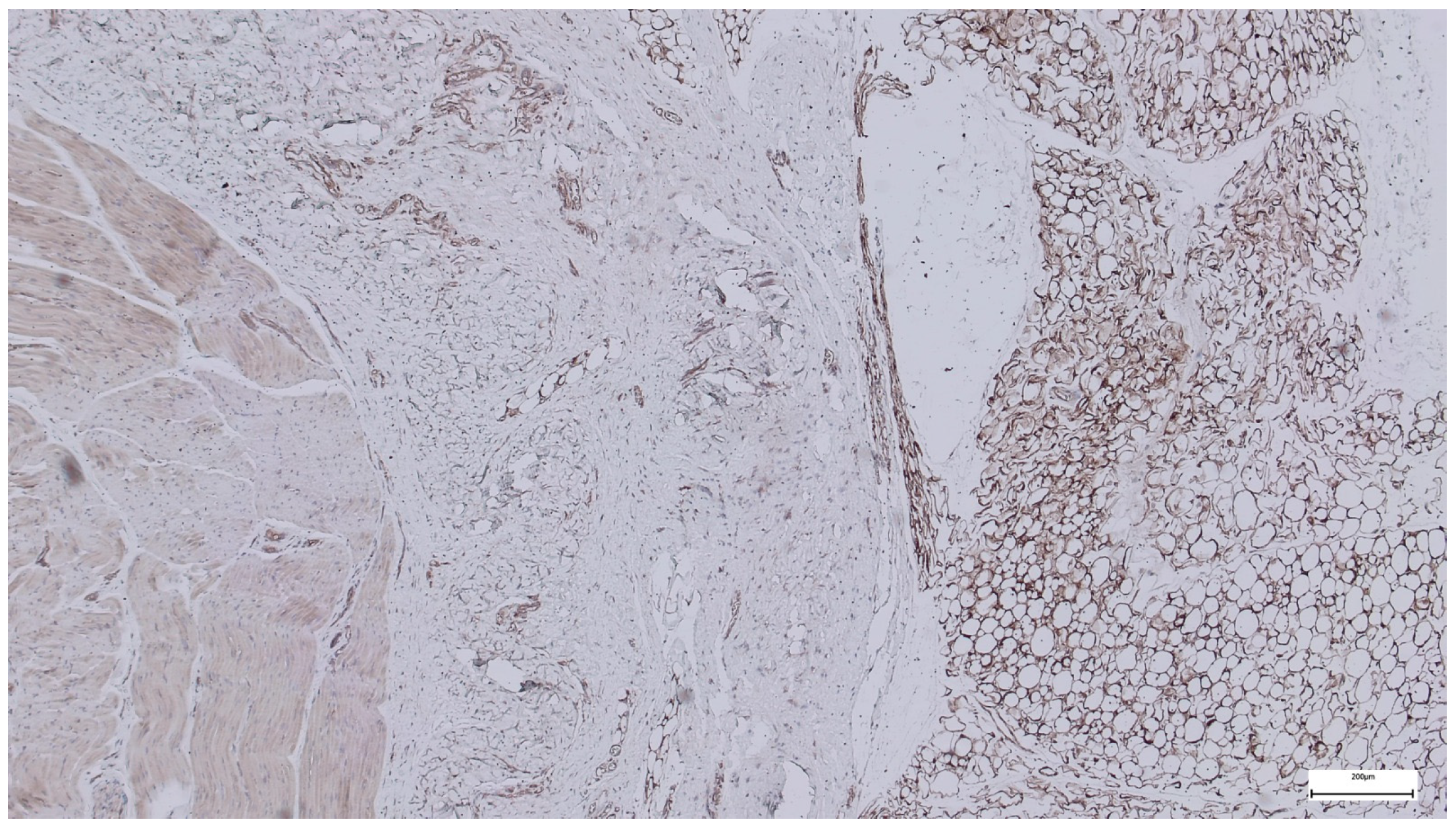
The Collagen I expression pattern observed in the subumbilical region suggests a matrix that is rich in mature collagen but remains structurally dynamic and incompletely consolidated. Although Collagen I is present in high amounts, its relatively fine, reticular organization indicates ongoing remodeling rather than the formation of a rigid, mechanically integrated scaffold.
When compared with the supraumbilical region—where Collagen I forms thick, irregular, and compact bundles—the subumbilical matrix appears less fibrotic and more adaptable, consistent with a tissue environment that continues to undergo reorganization. This architectural difference aligns with the ultrastructural SEM findings, which demonstrate a more filamentous and interconnected extracellular matrix umbilically.
Within the framework of the proposed vascular-driven developmental model, this pattern may reflect relatively preserved or compensatory vascularization in the subumbilical region, allowing sustained collagen synthesis and remodeling while delaying full structural maturation. In such a context, collagen deposition proceeds, but the transition toward a fully aligned and mechanically optimized matrix remains incomplete.
Importantly, the coexistence of abundant Collagen I with a loose and heterogeneous organization supports the concept that matrix composition and matrix architecture are dissociated in omphalocele. These findings argue against a primary deficiency of collagen production and instead favor a mechanism in which vascular and perfusion-related factors influence the tempo and quality of extracellular matrix maturation.
Compared with the supraumbilical region, the subumbilical area exhibits abundant but more finely distributed Collagen I, forming a reticular matrix architecture indicative of continued remodeling rather than dense fibrotic consolidation.
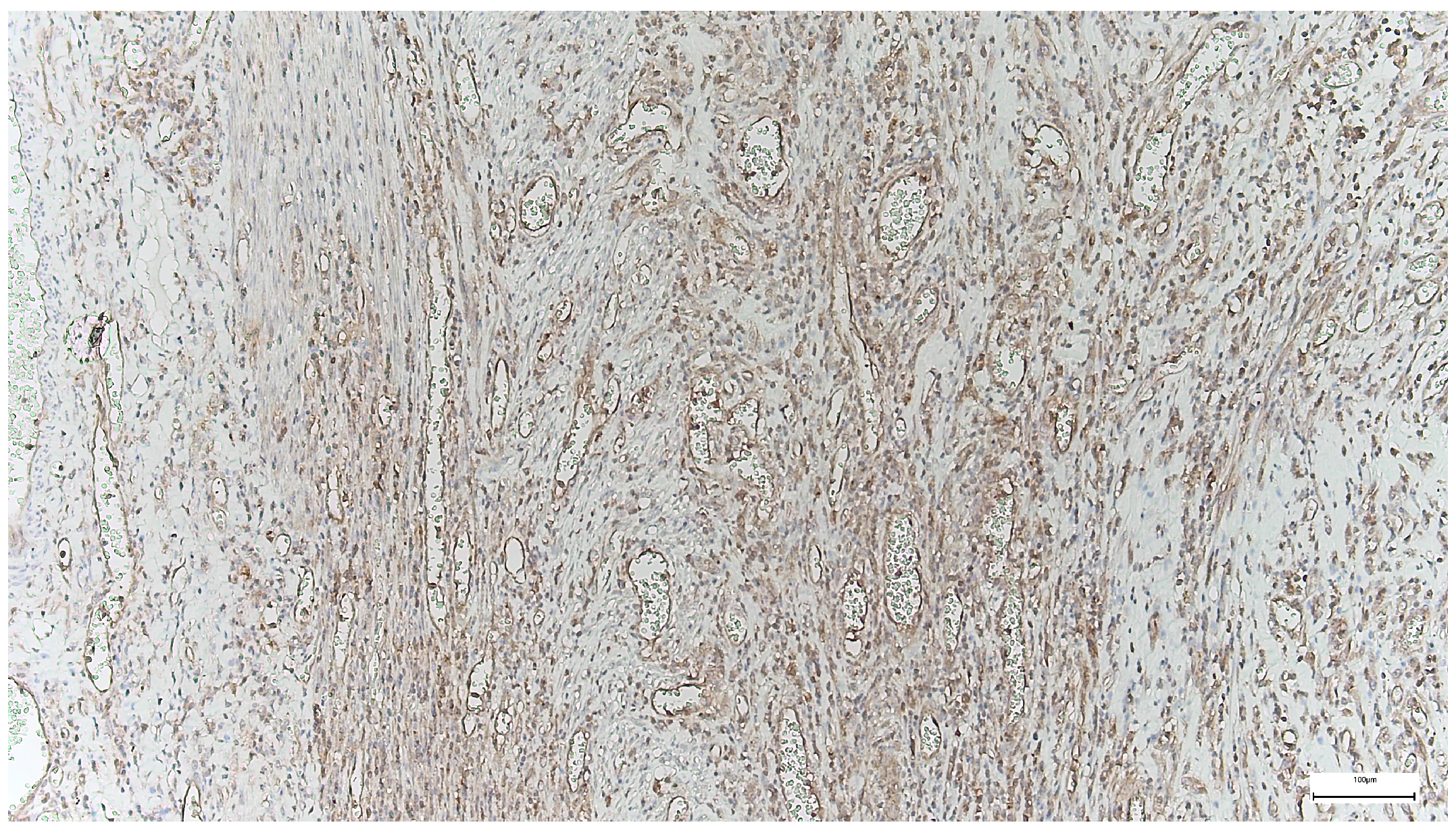
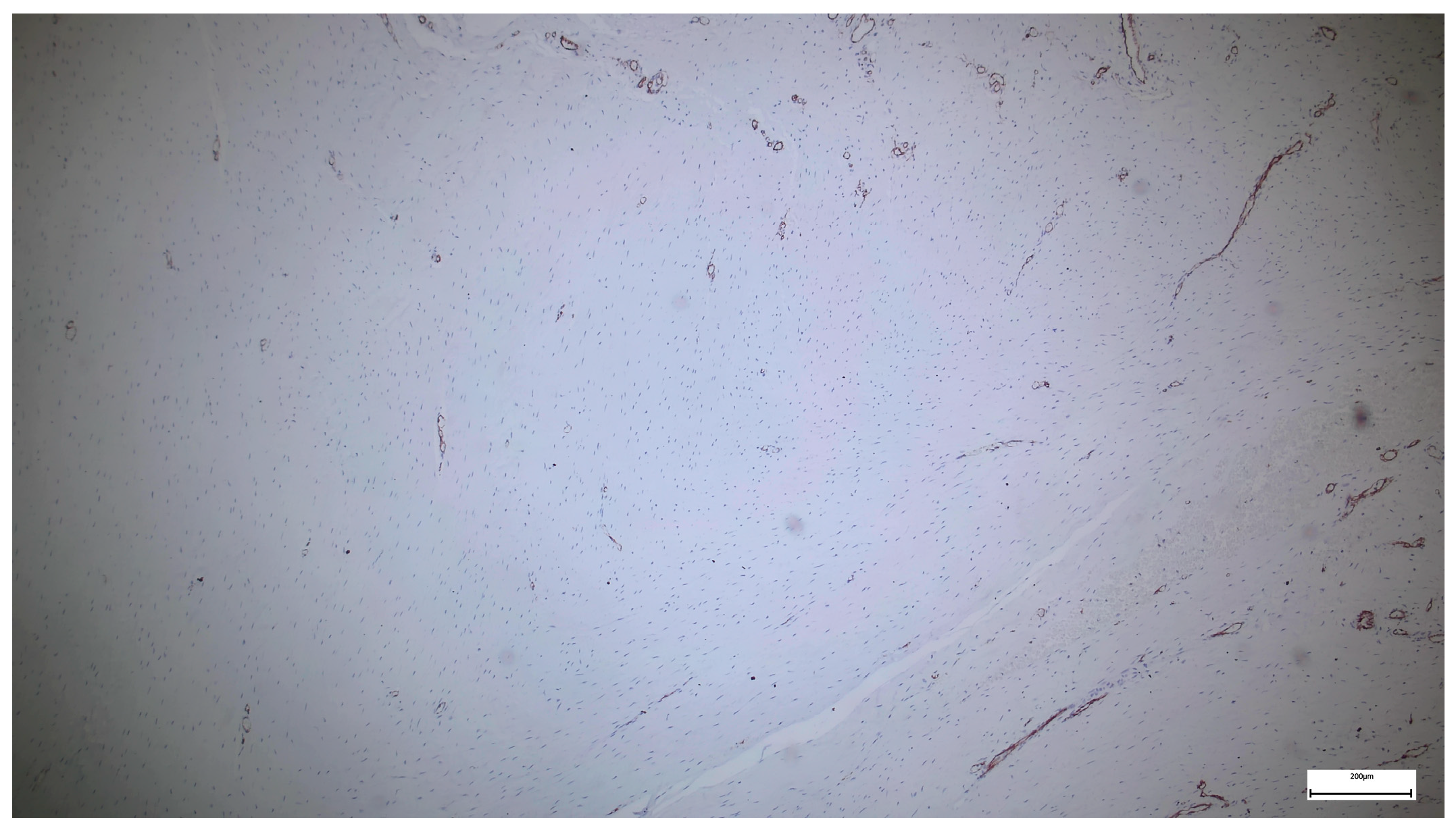
The presence of nuclear DUX4 immunoreactivity in the supraumbilical region is interpreted as a marker of delayed or incomplete myogenic and mesenchymal maturation, rather than as an indicator of primary muscle pathology. In contrast to its well-established pathogenic role in adult-onset muscular dystrophies, where DUX4 is aberrantly reactivated in fully differentiated myofibers, the expression observed here occurs within a developmental and perinatal tissue context.
The heterogeneous and regionally restricted pattern of DUX4 positivity suggests that its expression is not constitutive or diffuse, but instead reflects localized areas in which cells have retained an immature transcriptional profile. This interpretation is consistent with experimental and developmental studies demonstrating that DUX4 activity is physiologically compatible with early myogenic or mesodermal states and is normally silenced during later stages of muscle differentiation.
Within the framework of the proposed vascular-driven model, the supraumbilical DUX4 expression may reflect a secondary response to impaired local perfusion or tissue hypoxia, conditions known to delay myogenic maturation and to maintain cells in a less differentiated state. Importantly, the absence of widespread or intense DUX4 expression, together with the lack of morphological features suggestive of dystrophic muscle damage, argues against a primary myopathic process.
Taken together, the supraumbilical DUX4 staining pattern supports the concept that the muscle and stromal tissues at the margin of the defect are developmentally delayed rather than intrinsically dysgenetic, reinforcing the hypothesis that vascular instability during a critical embryological window contributes to the observed structural abnormalities.
In the supraumbilical region, DUX4 expression is heterogeneous and nuclear, suggesting persistence of an immature transcriptional state rather than diffuse pathological reactivation.
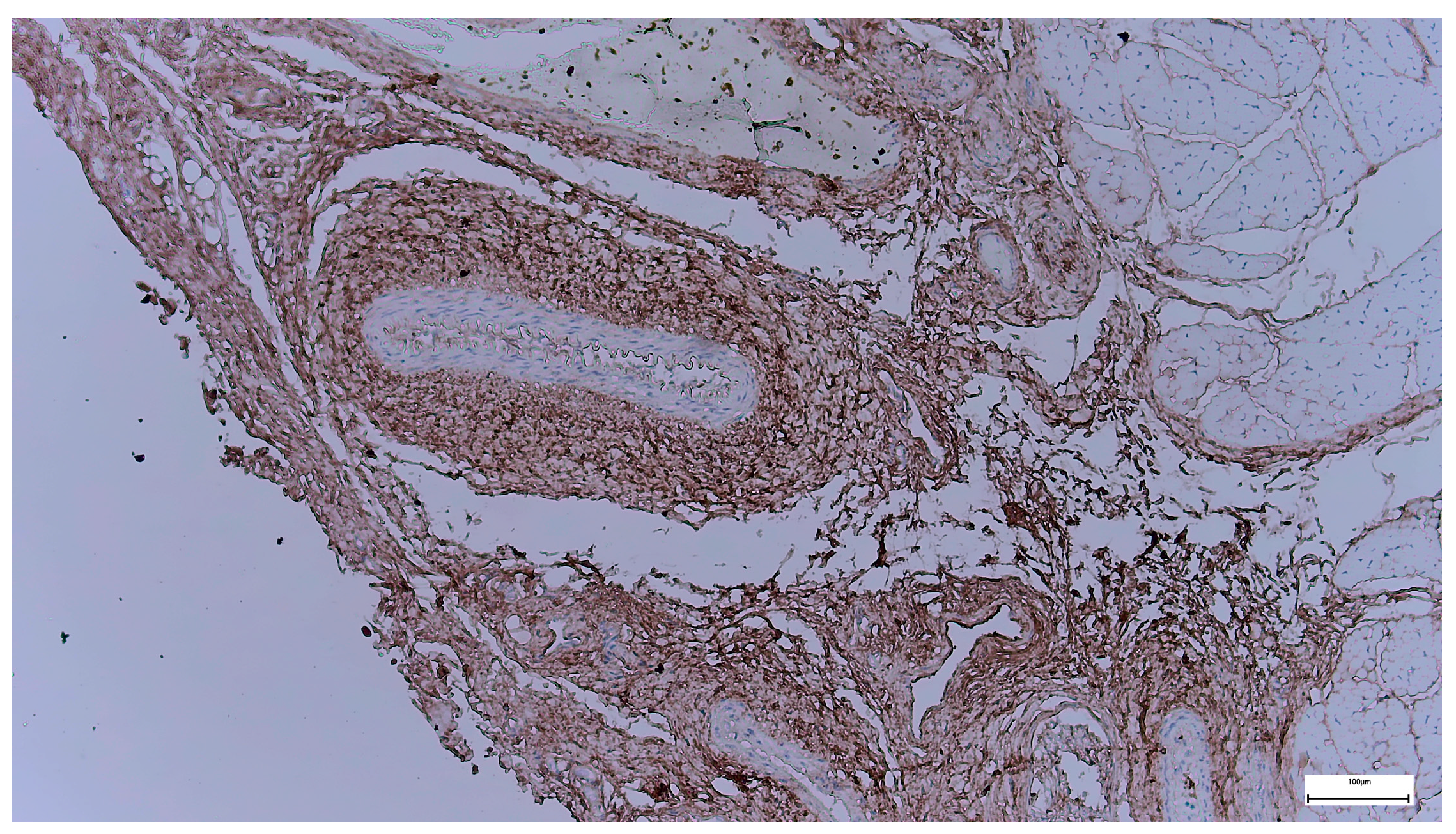
The broader and more uniform DUX4 expression observed in the subumbilical region suggests a persistent immature transcriptional state affecting a larger tissue compartment than in the supraumbilical region. Rather than indicating primary muscle pathology, this pattern is more consistent with delayed or dysregulated tissue maturation within a developmental context.
In contrast to the patchy, regionally restricted DUX4 positivity seen supraumbilically, the subumbilical distribution appears more diffuse, implying that a wider area of tissue has remained in a less differentiated state. This finding is compatible with the concept that subumbilical tissues may experience prolonged or altered developmental signaling, potentially influenced by local vascular dynamics.
When interpreted alongside the ultrastructural findings—characterized by a loosely organized, filamentous extracellular matrix—and the immunohistochemical evidence of increased microvascular density in the subumbilical region, the DUX4 expression profile supports a model of ongoing but incomplete maturation rather than fixed developmental arrest. In this scenario, improved or compensatory vascularization may permit continued matrix remodeling and cellular survival, while simultaneously maintaining cells in a transcriptionally immature state.
Importantly, the absence of diffuse, intense DUX4 expression within mature myofibers, together with the lack of histological features of muscular dystrophy, argues against a primary myopathic mechanism. Instead, the subumbilical DUX4 pattern reinforces the hypothesis that vascular and oxygenation-related factors modulate the tempo of myogenic and mesenchymal maturation, contributing to regional heterogeneity within the abdominal wall.
Compared with the supraumbilical region, the subumbilical area shows a broader and more homogeneous DUX4 expression pattern, suggesting region-dependent differences in the regulation of tissue maturation.
The justification for this panel is that it transforms the “arterial switch” hypothesis from a merely plausible embryologic explanation into a testable morpho-molecular hypothesis, by finely correlating vessel type and maturity (VEGFR, CD31, CD34, ICAM-2), muscle status (DUX4), and fibro-sheath maturity (Pro-Collagen III, Collagen I) in samples taken precisely from the region where such a switch would have been expected to occur.
Importantly, the interpretation of
DUX4 expression in the present study differs fundamentally from its established pathogenic role in adult-onset muscular dystrophies. In FSHD,
DUX4 reactivation occurs in fully differentiated myofibers and triggers aberrant transcriptional programs leading to muscle degeneration. By contrast, the tissue analyzed here derives from a developmental context, in which transient
DUX4 activity is physiologically compatible with early myogenic or mesodermal states. Therefore, the observed
DUX4 immunoreactivity is interpreted not as a marker of muscle damage, but as an indicator of incomplete myogenic maturation or persistence of an immature transcriptional profile [
11,
12,
13,
14].
Within the framework of fetal myogenesis, progression from undifferentiated mesenchymal progenitors toward mature myofibers is tightly regulated by spatial and temporal cues, including vascular supply and oxygen tension. Experimental data indicate that hypoxia and altered perfusion can delay myogenic differentiation and maintain cells in a less mature transcriptional state. In this regard, the regional persistence of
DUX4 expression, particularly when associated with ultrastructural features of immature muscle and extracellular matrix remodeling, may reflect a developmental delay linked to local vascular constraints rather than a fixed myopathic process [
15,
16,
17,
18,
19,
20,
21].
Nevertheless,
DUX4 was used in this study as an exploratory and non-canonical marker of developmental immaturity, and not as a definitive indicator of myogenic stage. The absence of parallel assessment of established myogenic differentiation markers (such as
MyoD,
myogenin,
desmin, or embryonic/fetal myosin heavy chain isoforms) represents a limitation. Future studies integrating
DUX4 with canonical myogenic markers and quantitative transcriptomic approaches will be required to more precisely define its role within the spectrum of fetal muscle maturation in omphalocele [
22,
23,
24].
The ultrastructural features observed in the supraumbilical region are consistent with incomplete maturation of the extracellular matrix rather than established, stable fibrosis. Lamellar separation, surface fragmentation, and irregular collagen organization indicate that matrix deposition has occurred, but that subsequent processes of fibril alignment, compaction, and structural consolidation have remained impaired.
Such a pattern is compatible with a developmental environment characterized by transient hypoperfusion or hypoxia, in which extracellular matrix synthesis is initiated but fails to progress toward full structural maturity. In this context, the persistence of disorganized collagen lamellae may reflect an arrest at an intermediate stage of connective tissue development, rather than a primary absence of matrix formation.
Within the framework of the proposed arterial switch hypothesis, occurring during the period of physiological midgut herniation and return (approximately the sixth gestational week), these ultrastructural alterations may represent the morphological imprint of a critical window of vascular instability. A regional reduction or reorganization of blood supply at this stage could disrupt oxygen and nutrient delivery, thereby impairing coordinated extracellular matrix remodeling in the developing abdominal wall.
Importantly, the lack of a dense, mechanically integrated collagen network suggests that the abdominal wall in omphalocele is not simply incomplete in quantity, but structurally weakened in quality. This supports the concept that vascular disturbances during early development may precede and determine the formation of a mechanically insufficient wall, rather than representing a secondary phenomenon. The SEM findings therefore complement the immunohistochemical evidence of altered vascular and matrix-related markers and provide ultrastructural support for a vascular-driven mechanism contributing to omphalocele pathogenesis.
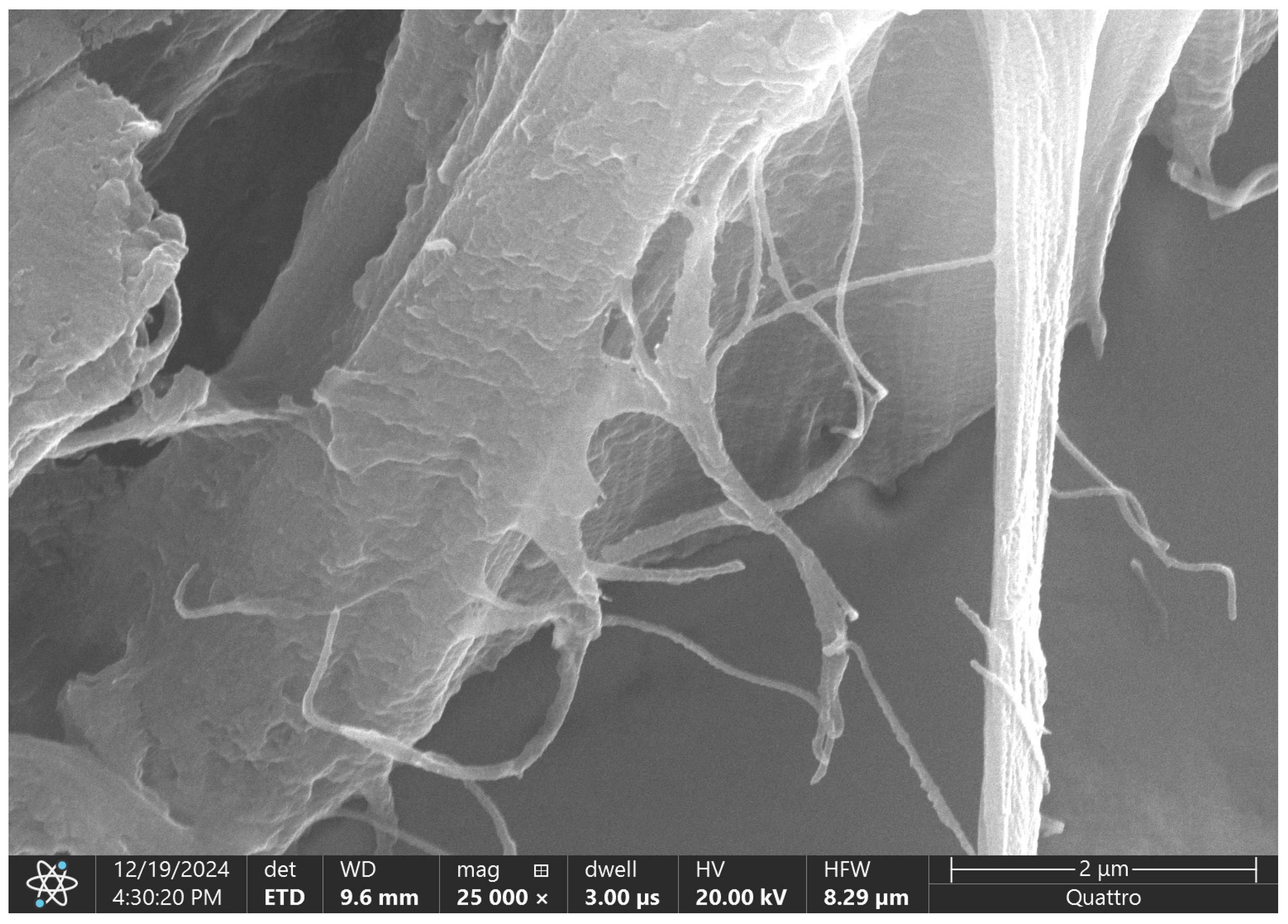
The subumbilical ultrastructural pattern is indicative of an immature but actively remodeling extracellular matrix, characterized by thin, loosely arranged collagen fibers rather than dense, delaminated lamellae. This architecture is compatible with a tissue environment in which matrix deposition is ongoing, but consolidation into a mechanically robust structure has not yet been achieved.
In contrast to the supraumbilical region—where collagen appears flattened, fragmented, and lamellarly separated—the subumbilical matrix displays features suggestive of active fibrillogenesis and remodeling, including fine inter-fibrillar connections and a more reticular organization. These differences support the presence of regional heterogeneity in matrix maturation, potentially reflecting distinct local developmental or perfusion conditions.
Within the framework of the arterial switch hypothesis, the subumbilical region may have been exposed to relative preservation or secondary recovery of vascular supply, allowing continued matrix synthesis and reorganization despite overall developmental delay. The presence of thin, elongated collagen fibers is consistent with an environment influenced by angiogenic activity and ongoing tissue adaptation, rather than fixed structural failure.
Taken together, the subumbilical SEM features suggest that extracellular matrix abnormalities in omphalocele are not uniform across the abdominal wall, but instead follow a regional pattern consistent with differential vascular influences. This observation complements the immunohistochemical findings of increased microvascular density in the subumbilical region and supports the concept that vascular dynamics play a central role in shaping the ultrastructural phenotype of the abdominal wall.
3.1. Benchmark Analysis in Relation to Previously Reported Data
Benchmarking the present findings against previously published reference data allows a more precise positioning of our results within the current framework of tissue remodeling and vascular pathology research. Recent histopathological and immunohistochemical studies investigating congenital or developmentally altered tissues have consistently reported increased microvascular density accompanied by stromal disorganization and incomplete extracellular matrix maturation [
25,
26,
27,
28].
In agreement with these benchmarks, our results demonstrate an extensive vascular network highlighted by
CD31 and
CD34 immunostaining, supporting the presence of an active angiogenic microenvironment. However, when compared with benchmark studies conducted in postnatal or adult tissues—where vascular structures tend to display a more uniform caliber and organized spatial distribution [
29]—the samples analyzed in the present study exhibit marked vascular heterogeneity and irregular endothelial arrangement. These differences are most likely attributable to the developmental stage of the tissue and to adaptive remodeling mechanisms specific to rare congenital pathological contexts [
30].
The use of semi-quantitative immunohistochemical scoring represents a limitation of the present study and may introduce a degree of subjectivity. Although standardized criteria and intra-patient comparisons were applied, digital image-based quantification would provide greater objectivity and sensitivity for detecting subtle differences. Future studies integrating automated image analysis are required to validate and extend the present findings.
With regard to the stromal compartment, the expression pattern of Collagen I further differentiates our findings from established benchmarks of mature fibrotic remodeling. Rather than a dense and compact collagen architecture, characteristic of chronic fibrosis, the analyzed tissues display a loose and disorganized collagen distribution, suggesting an ongoing and dynamically regulated remodeling process. This pattern reflects stromal plasticity rather than terminal fibrotic transformation and underscores the developmental specificity of the observed changes.
Although this adapted SEM technique provides reliable information on extracellular matrix architecture and surface morphology, it does not allow detailed intracellular ultrastructural analysis.
Overall, benchmarking our results against established histological and immunohistochemical reference models reveals both convergent features and distinctive characteristics. These differences do not indicate methodological discrepancies but instead highlight the unique biological context of the analyzed pathology. Consequently, the present findings extend existing benchmark data by providing insight into the interplay between angiogenic activation and stromal remodeling in a rare congenital setting. The limited cohort size restricts statistical power and increases the risk of type II errors, particularly for correlation analyses between immunohistochemical and ultrastructural parameters. Therefore, the absence of statistically significant correlations should be interpreted with caution and does not exclude biologically relevant associations.
Because omphalocele is a rare condition, one of the main limitations of our study was the small number of patients. To address this, we initiated a multicenter collaboration with additional hospitals, which allowed us to obtain a larger patient cohort and to apply the same study materials and methodology across all centers. The small size of intraoperative biopsies represents an inherent limitation and may not fully capture local tissue heterogeneity. Although sampling was standardized and performed at anatomically equivalent, non-scarred regions, selection was based on intraoperative visual assessment. Therefore, a degree of sampling bias cannot be excluded and should be considered when interpreting the results.
The robustness of the statistical inference is limited by the small cohort size and precludes application of advanced multivariate or machine learning–based analytical approaches. Integration of SEM and immunohistochemical data was therefore performed using exploratory, non-parametric methods appropriate for ordinal variables. Future studies with larger datasets and quantitative metrics will be required to enable more complex analytical modeling.
This study has several limitations that require caution in mechanistic interpretation. First, the cohort is small (n = 11) and single-center, and the absence of a comparable control group (including the potential differences introduced by the use of post-mortem samples) limits the ability to attribute the observed vascular and matrix alterations specifically to omphalocele. Second, some of the markers proposed to test the vascular hypothesis (e.g., VEGFR, ICAM-2, Pro-Collagen IIIα1) are not yet reported consistently in the quantitative results, and the semi-quantitative 0–3 scoring shows ceiling/saturation effects for certain markers, limiting robust correlations with ultrastructural parameters. In addition, the topographic differences between supra- and subumbilical regions should be interpreted as trends rather than definitive evidence until a paired per-patient design and objective quantification (digital microvessel density, percentage of positive area, ECM indices) are implemented.
Given these constraints, the present study should be regarded as exploratory and hypothesis-generating, providing a structural and biological framework for future quantitative validation in larger, multicenter cohorts.
The absence of an external control group represents a limitation of this study; however, the paired intra-patient design partially compensates for this constraint and is ethically appropriate in the context of neonatal congenital anomalies.
Complete blinding to anatomical location was not feasible due to inherent morphological differences between sampled regions, and residual observer bias cannot be excluded. In addition, potential confounding variables such as gestational age and associated anomalies were not included in multivariable analyses due to the limited cohort size.
The cross-sectional design of the present study provides a static view of tissue architecture and does not capture dynamic developmental or reparative processes. Integration of molecular profiling or functional assays in future studies will be essential to further elucidate the mechanisms underlying the observed alterations.
In the future, these limitations will be addressed through multicenter expansion of the cohort, inclusion of appropriate control groups, and standardized quantitative analyses (with blinded assessment and inter-observer reproducibility), as well as by integrating more canonical markers of muscle maturation and direct indicators of the hypoxic response. Within this framework, the hypothesis of an “arterial switch” may be considered a plausible explanation compatible with some of the observed patterns, but it cannot yet be asserted as a demonstrated causal mechanism.
3.2. Future Directions and Quantitative Refinement
Although the present study provides a detailed semi-quantitative and ultrastructural characterization of vascular, muscular, and extracellular matrix alterations at the margin of omphalocele defects, future investigations will benefit from the integration of objective digital image analysis to further refine these observations. Specifically, the assessment of microvascular density expressed as number of vessels per mm2, together with quantitative measurements of positively stained area (%) and digitally derived H-scores, would allow a more precise evaluation of regional vascular and stromal differences.
Such analyses should be performed using standardized regions of interest (ROIs), selected at predefined anatomical locations (supra- and subumbilical margins) and analyzed at fixed magnifications to ensure reproducibility across cases and centers. Reporting the number of analyzed fields per section, the total number of quantified vessels, and the criteria used for vessel identification would further enhance methodological transparency.
The application of dedicated digital pathology software platforms (e.g., ImageJ-based workflows or commercially available whole-slide image analysis systems) would also facilitate automated or semi-automated quantification, reduce observer-dependent variability, and enable more robust correlations between immunohistochemical markers and ultrastructural parameters. In the context of rare congenital anomalies such as omphalocele, where patient numbers are inherently limited, such quantitative standardization is particularly important to maximize the analytical value of small cohorts and to allow meaningful comparisons across future multicenter studies.




 ,
,