Cardiosphere-Derived Cells from Not Dilated and Dilated Human Myocardium Exhibit Enhanced Metabolic Potential Compared with Conventional Cardiac Mesenchymal Stem/Stromal Cells


Abstract
1. Introduction
2. Results
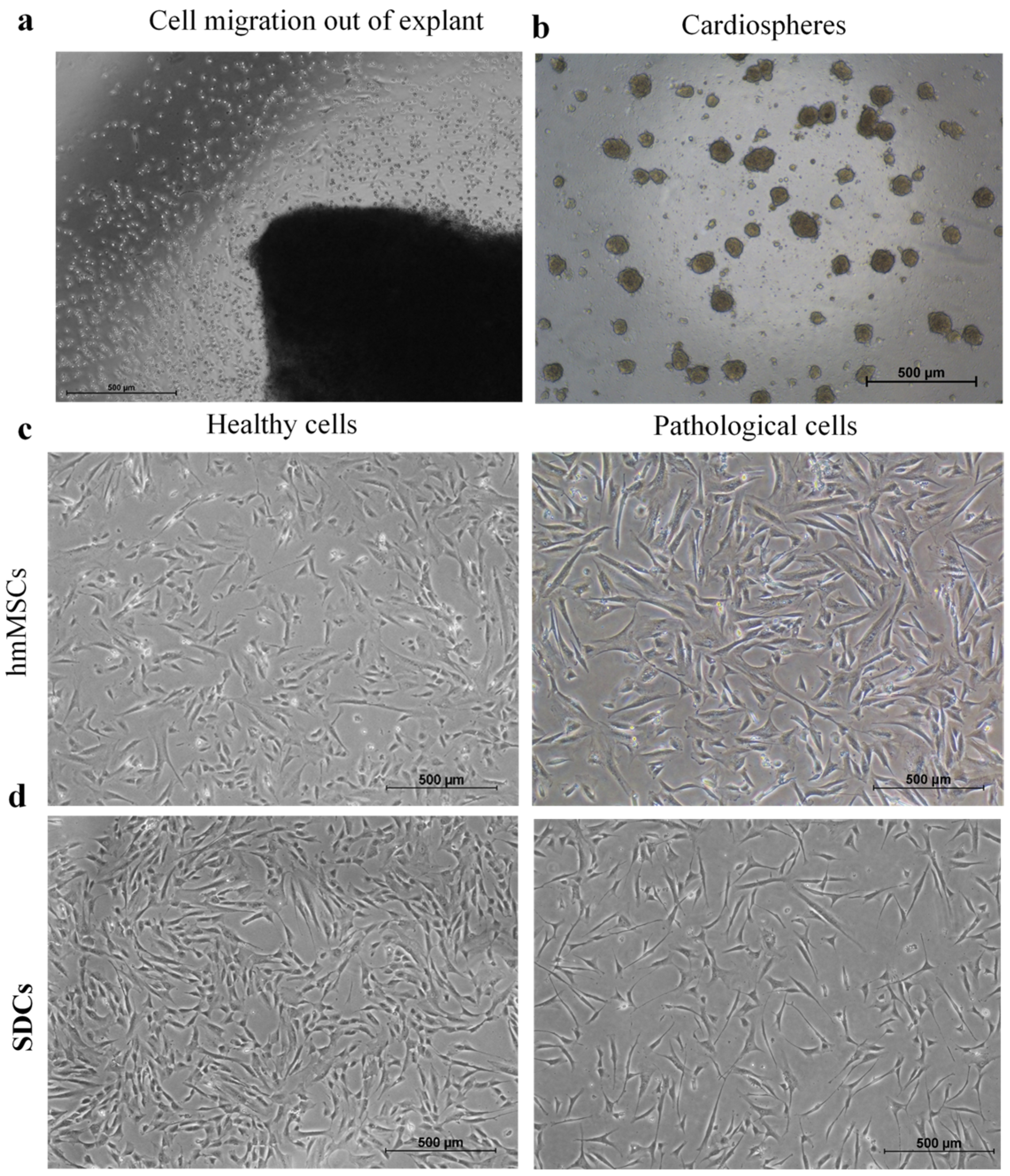
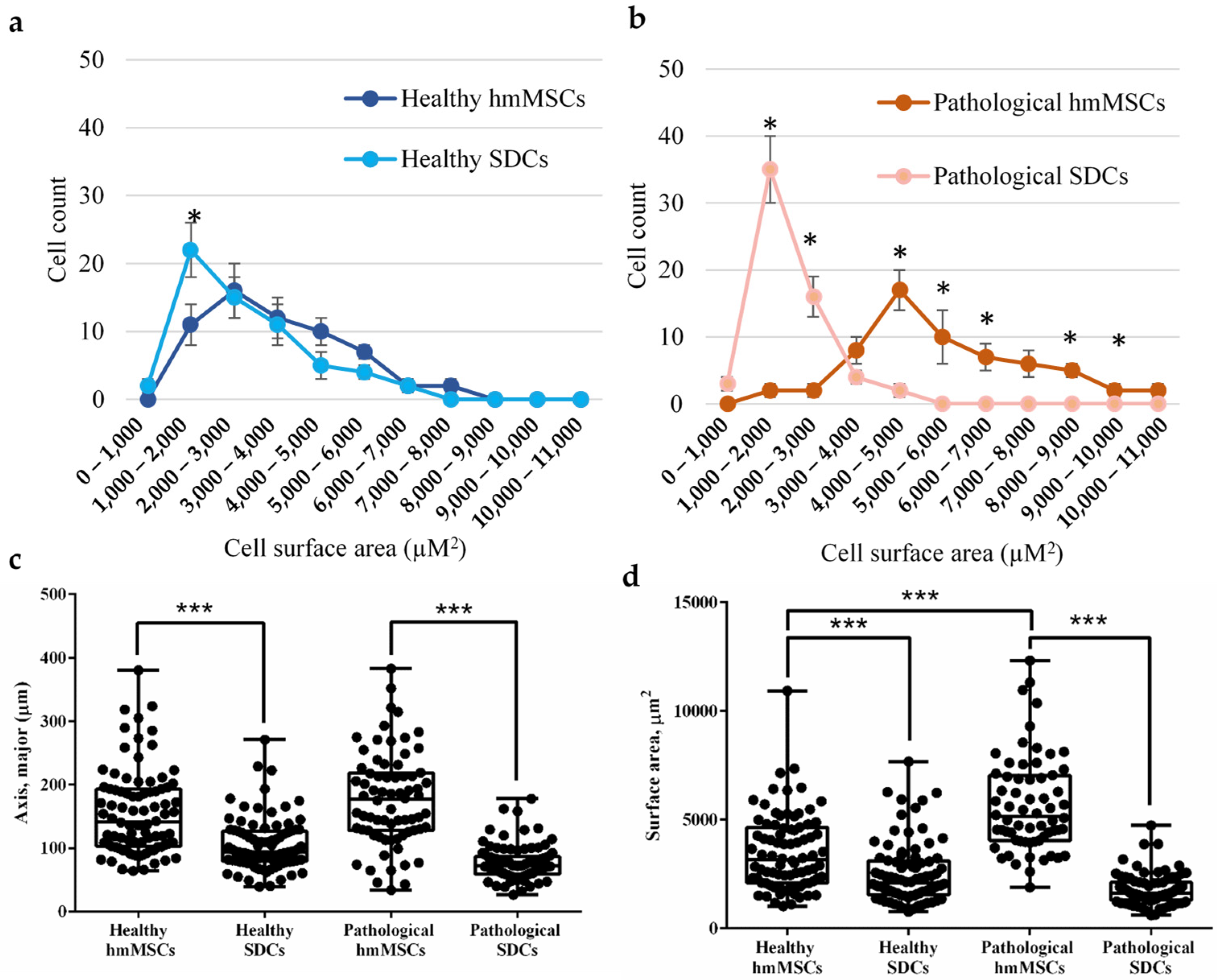
2.1. Isolation and Size Evaluation of Healthy/Not Dilated and Pathological/Dilated Myocardium-Derived hmMSCs and SDCs
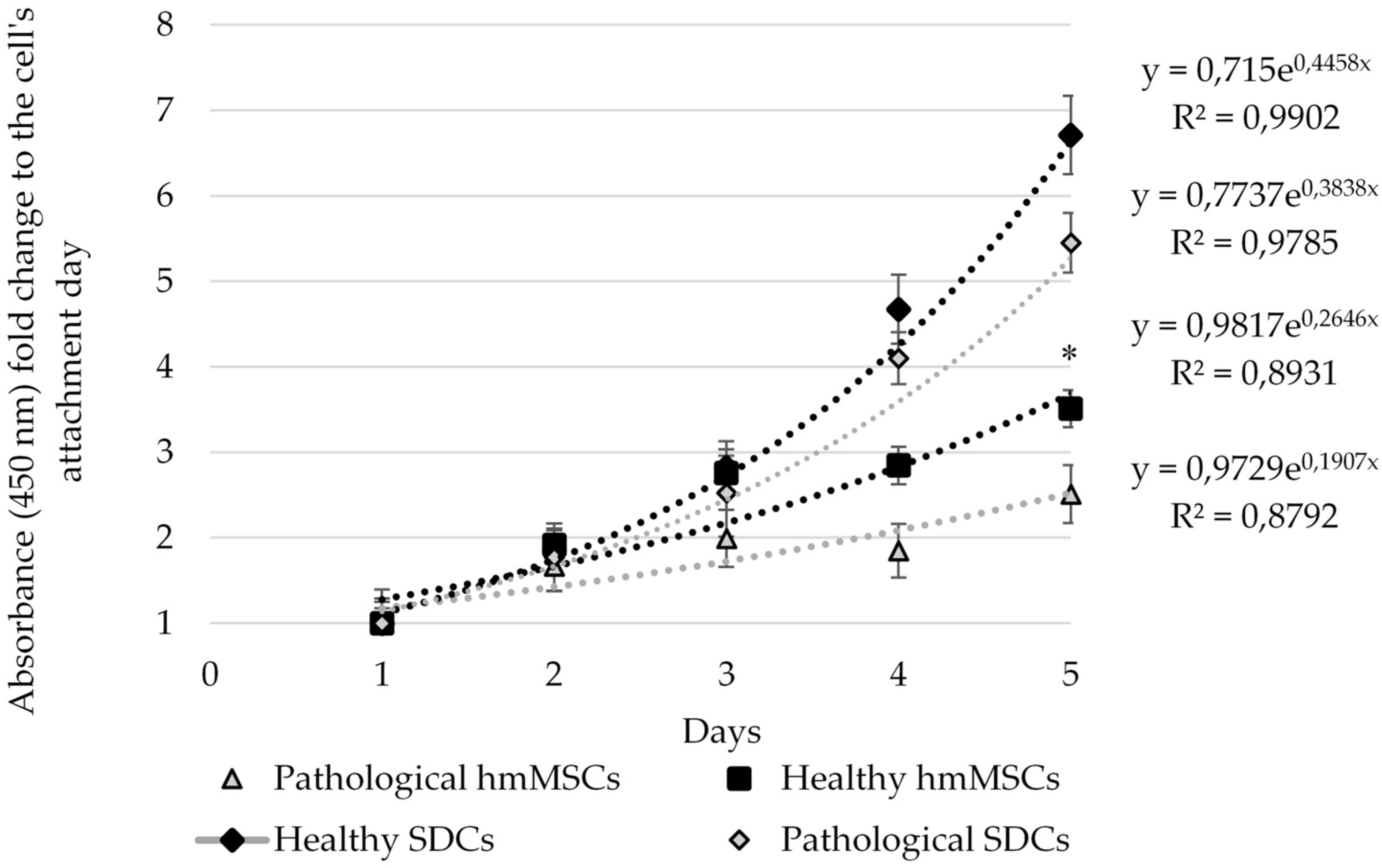
2.2. Proliferation of Healthy and Pathological hmMSCs and SDCs
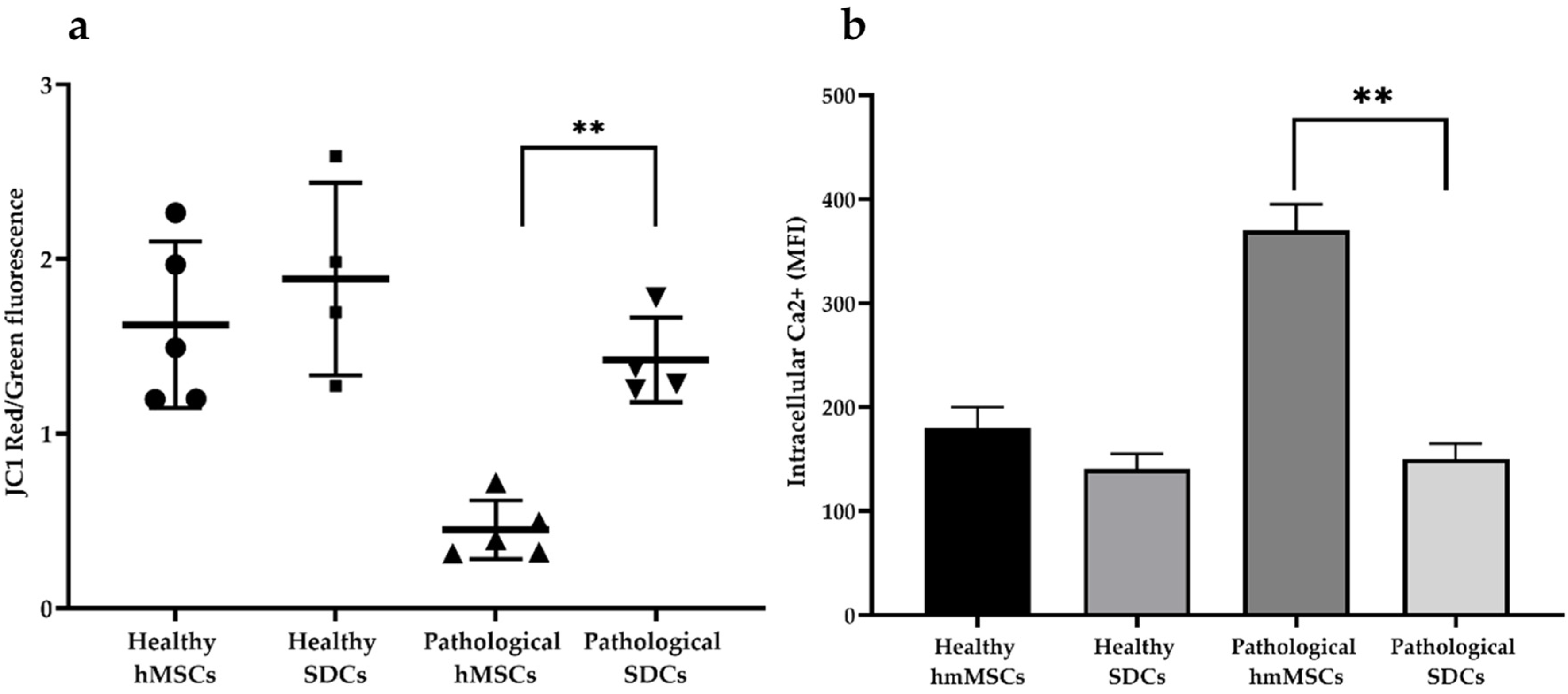
2.3. Mitochondrial Membrane Potential (MMP) and iCa2+ of Healthy and Pathological hmMSCs and SDCs
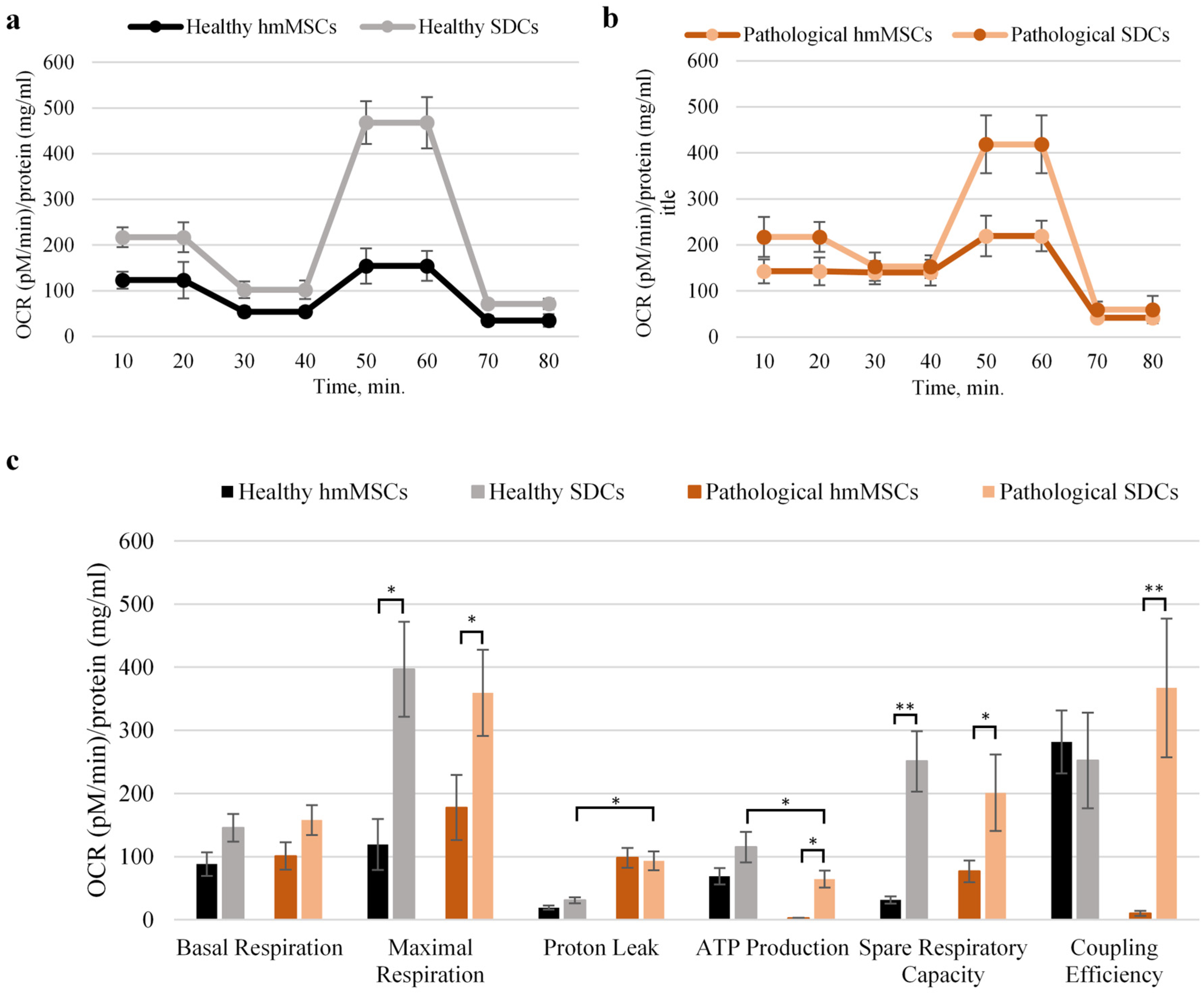
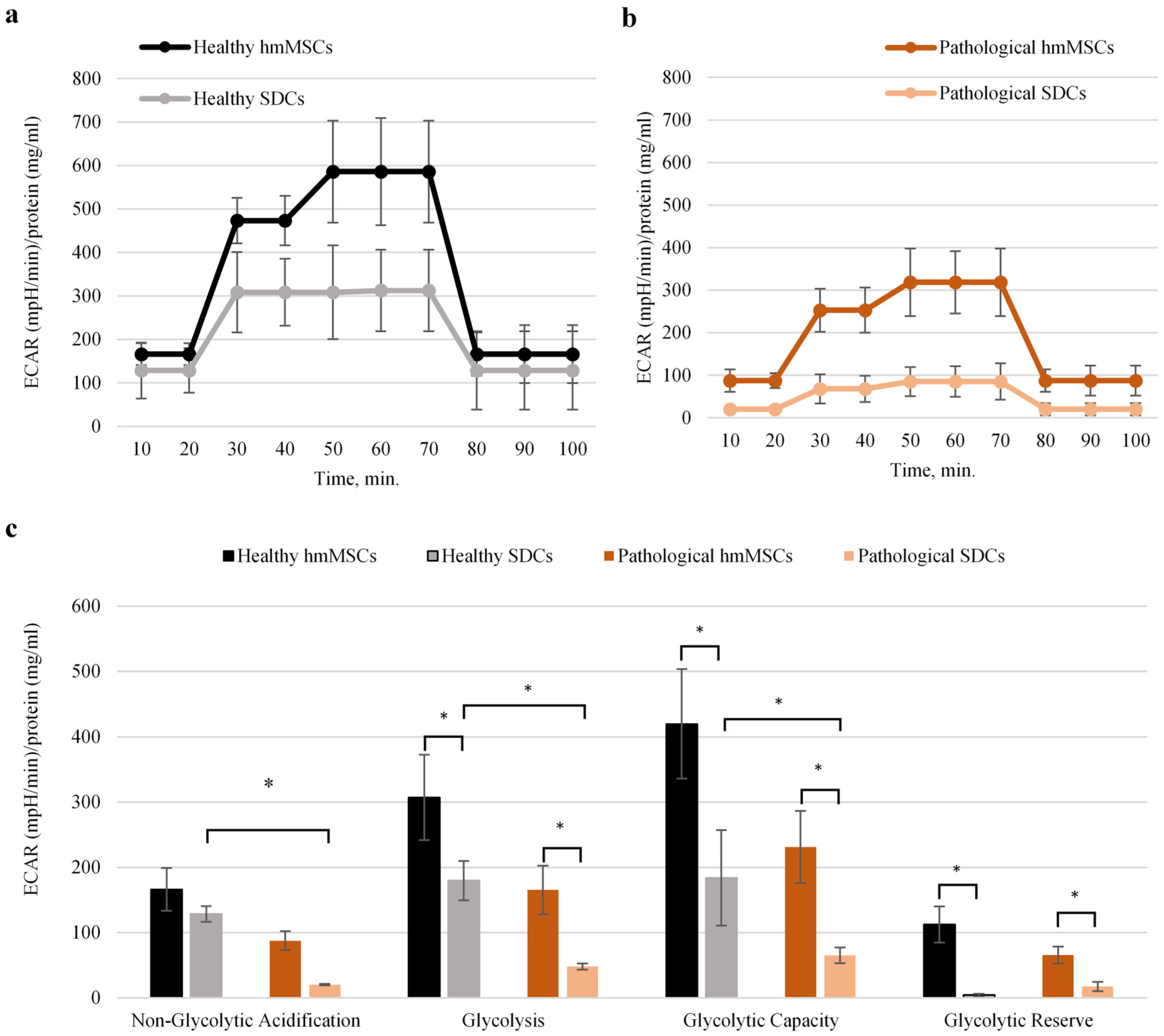
2.4. Oxidative Phosphorylation and Glycolysis of Healthy and Pathological hmMSCs and SDCs
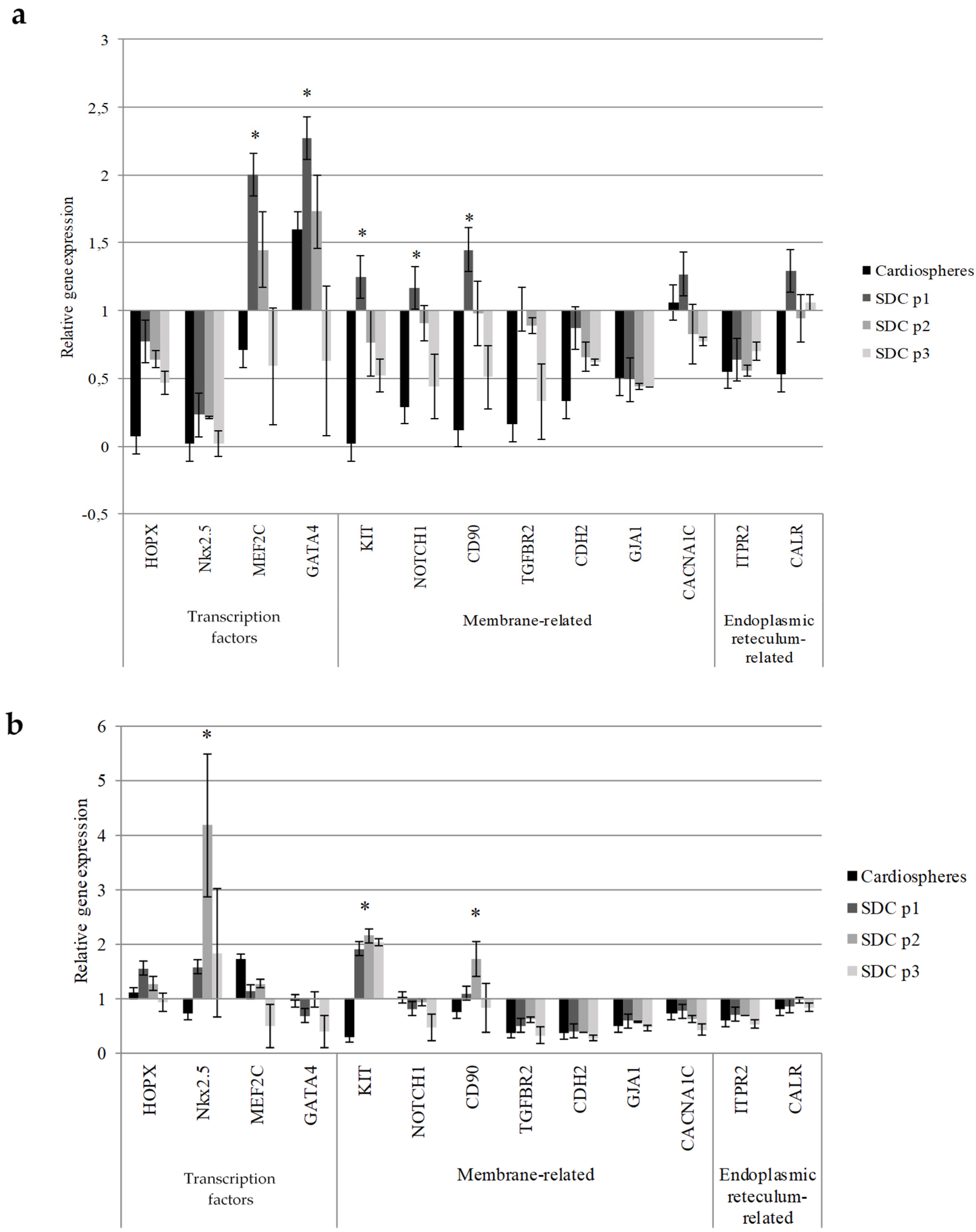
2.5. Cardiac Commitment Gene Expression Profile of Healthy and Pathological Cardiospheres and SDCs Versus hmMSCs
3. Discussion
4. Materials and Methods
4.1. Isolation of hmMSC and Growing in 2D Conditions
4.2. Formations of Cardiospheres
4.3. Proliferation Measurements
4.4. Evaluation of Intracellular Calcium Measurement Using Flow Cytometry
4.5. Evaluation of Mitochondria Potential Using Flow Cytometry
4.6. Metabolic Measurements with Seahorse
4.7. Real-Time RT-PCR
4.8. Statistical Analysis
5. Conclusions
Supplementary Materials
Author Contributions
Funding
Institutional Review Board Statement
Informed Consent Statement
Data Availability Statement
Acknowledgments
Conflicts of Interest
Abbreviations
| SDCs | Sphere-derived cells |
| hmMSCs | Human cardiac myocardium-derived mesenchymal stem/stromal cells |
| DCM | Dilated cardiomyopathy |
| ATP | Adenosine triphosphate |
| HF | Heart failure |
| OCR | Oxygen consumption rate |
| ECAR | Extracellular acidification rate |
| MMP | Mitochondrial membrane potential |
| KIT | KIT Proto-Oncogene, Receptor Tyrosine Kinase |
| NKX2-5 | NK2 Homeobox 5 |
| MDR1 | ATP Binding Cassette Subfamily B Member 1 |
| HOPX | HOP Homeobox |
| NOTCH1 | Notch Receptor 1 |
| TGFBR2 | Transforming Growth Factor Beta Receptor 2 |
| CDH2 | Cadherin 2 |
| GJA1 | Gap Junction Protein Alpha 1 |
| CACNA1C | Calcium Voltage-Gated Channel Subunit Alpha1 C |
| ITPR2 | Inositol 1,4,5-Trisphosphate Receptor Type 2 |
| CALR | Calreticulin |
References
- Lazenby, R.A.; White, R.J. Advances and Perspectives in Chemical Imaging in Cellular Environments Using Electrochemical Methods. Chemosensors 2018, 6, 24. [Google Scholar] [CrossRef]
- Lakdawala, N.K.; Winterfield, J.R.; Funke, B.H. Dilated Cardiomyopathy. Circ. Arrhythmia Electrophysiol. 2013, 6, 228–237. [Google Scholar] [CrossRef]
- Lushaj, E.B.; Anstadt, E.; Haworth, R.; Roenneburg, D.; Kim, J.; Hematti, P.; Kohmoto, T. Mesenchymal Stromal Cells Are Present in the Heart and Promote Growth of Adult Stem Cells in Vitro. Cytotherapy 2011, 13, 400–406. [Google Scholar] [CrossRef]
- Beltrami, A.P.; Barlucchi, L.; Torella, D.; Baker, M.; Limana, F.; Chimenti, S.; Kasahara, H.; Rota, M.; Musso, E.; Urbanek, K.; et al. Adult Cardiac Stem Cells Are Multipotent and Support Myocardial Regeneration. Cell 2003, 114, 763–776. [Google Scholar] [CrossRef] [PubMed]
- Matsuura, K.; Nagai, T.; Nishigaki, N.; Oyama, T.; Nishi, J.; Wada, H.; Sano, M.; Toko, H.; Akazawa, H.; Sato, T.; et al. Adult Cardiac Sca-1-Positive Cells Differentiate into Beating Cardiomyocytes. J. Biol. Chem. 2004, 279, 11384–11391. [Google Scholar] [CrossRef] [PubMed]
- Yoon, J.; Shim, W.J.; Ro, Y.M.; Lim, D.-S. Transdifferentiation of Mesenchymal Stem Cells into Cardiomyocytes by Direct Cell-to-Cell Contact with Neonatal Cardiomyocyte but Not Adult Cardiomyocytes. Ann. Hematol. 2005, 84, 715–721. [Google Scholar] [CrossRef]
- Messina, E.; De Angelis, L.; Frati, G.; Morrone, S.; Chimenti, S.; Fiordaliso, F.; Salio, M.; Battaglia, M.; Latronico, M.V.G.; Coletta, M.; et al. Isolation and Expansion of Adult Cardiac Stem Cells From Human and Murine Heart. Circ. Res. 2004, 95, 911–921. [Google Scholar] [CrossRef]
- Emani, S.M.; Del Nido, P.J. Cell-Based Therapy With Cardiosphere-Derived Cardiocytes: A New Hope for Pediatric Patients With Single Ventricle Congenital Heart Disease? Circ. Res. 2018, 122, 916–917. [Google Scholar] [CrossRef]
- Davis, D.R.; Zhang, Y.; Smith, R.R.; Cheng, K.; Terrovitis, J.; Malliaras, K.; Li, T.-S.; White, A.; Makkar, R.; Marbán, E. Validation of the Cardiosphere Method to Culture Cardiac Progenitor Cells from Myocardial Tissue. PLoS ONE 2009, 4, e7195. [Google Scholar] [CrossRef]
- Boukouaci, W.; Lauden, L.; Siewiera, J.; Dam, N.; Hocine, H.-R.; Khaznadar, Z.; Tamouza, R.; Borlado, L.R.; Charron, D.; Jabrane-Ferrat, N.; et al. Natural Killer Cell Crosstalk with Allogeneic Human Cardiac-Derived Stem/Progenitor Cells Controls Persistence. Cardiovasc. Res. 2014, 104, 290–302. [Google Scholar] [CrossRef] [PubMed]
- De Couto, G.; Liu, W.; Tseliou, E.; Sun, B.; Makkar, N.; Kanazawa, H.; Arditi, M.; Marbán, E. Macrophages Mediate Cardioprotective Cellular Postconditioning in Acute Myocardial Infarction. J. Clin. Investig. 2015, 125, 3147–3162. [Google Scholar] [CrossRef]
- Kanazawa, H.; Tseliou, E.; Malliaras, K.; Yee, K.; Dawkins, J.F.; De Couto, G.; Smith, R.R.; Kreke, M.; Seinfeld, J.; Middleton, R.C.; et al. Cellular Postconditioning: Allogeneic Cardiosphere-Derived Cells Reduce Infarct Size and Attenuate Microvascular Obstruction When Administered After Reperfusion in Pigs With Acute Myocardial Infarction. Circ. Heart Fail. 2015, 8, 322–332. [Google Scholar] [CrossRef]
- Lauden, L.; Boukouaci, W.; Borlado, L.R.; López, I.P.; Sepúlveda, P.; Tamouza, R.; Charron, D.; Al-Daccak, R. Allogenicity of Human Cardiac Stem/Progenitor Cells Orchestrated by Programmed Death Ligand 1. Circ. Res. 2013, 112, 451–464. [Google Scholar] [CrossRef]
- Malliaras, K.; Li, T.-S.; Luthringer, D.; Terrovitis, J.; Cheng, K.; Chakravarty, T.; Galang, G.; Zhang, Y.; Schoenhoff, F.; Van Eyk, J.; et al. Safety and Efficacy of Allogeneic Cell Therapy in Infarcted Rats Transplanted With Mismatched Cardiosphere-Derived Cells. Circulation 2012, 125, 100–112. [Google Scholar] [CrossRef] [PubMed]
- Dimmeler, S.; Leri, A. Aging and Disease as Modifiers of Efficacy of Cell Therapy. Circ. Res. 2008, 102, 1319–1330. [Google Scholar] [CrossRef]
- Flam, E.; Jang, C.; Murashige, D.; Yang, Y.; Morley, M.P.; Jung, S.; Kantner, D.S.; Pepper, H.; Bedi, K.C.; Brandimarto, J.; et al. Integrated Landscape of Cardiac Metabolism in End-Stage Human Nonischemic Dilated Cardiomyopathy. Nat. Cardiovasc. Res. 2022, 9, 817–829. [Google Scholar] [CrossRef] [PubMed]
- Lopaschuk, G.D.; Karwi, Q.G.; Tian, R.; Wende, A.R.; Abel, E.D. Cardiac Energy Metabolism in Heart Failure. Circ. Res. 2021, 128, 1487–1513. [Google Scholar] [CrossRef] [PubMed]
- Shyh-Chang, N.; Ng, H.H. The metabolic programming of stem cells. Genes. Dev. 2017, 31, 336–346. [Google Scholar] [CrossRef]
- Miksiunas, R.; Aldonyte, R.; Vailionyte, A.; Jelinskas, T.; Eimont, R.; Stankeviciene, G.; Cepla, V.; Valiokas, R.; Rucinskas, K.; Janusauskas, V.; et al. Cardiomyogenic Differentiation Potential of Human Dilated Myocardium-Derived Mesenchymal Stem/Stromal Cells: The Impact of HDAC Inhibitor SAHA and Biomimetic Matrices. Int. J. Mol. Sci. 2021, 22, 12702. [Google Scholar] [CrossRef]
- Miksiunas, R.; Rucinskas, K.; Janusauskas, V.; Labeit, S.; Bironaite, D. Histone Deacetylase Inhibitor Suberoylanilide Hydroxamic Acid Improves Energetic Status and Cardiomyogenic Differentiation of Human Dilated Myocardium-Derived Primary Mesenchymal Cells. Int. J. Mol. Sci. 2020, 21, 4845. [Google Scholar] [CrossRef]
- Chakravarty, T.; Henry, T.D.; Kittleson, M.; Lima, J.; Siegel, R.J.; Slipczuk, L.; Pogoda, J.M.; Smith, R.R.; Malliaras, K.; Marbán, L.; et al. Allogeneic Cardiosphere-Derived Cells for the Treatment of Heart Failure with Reduced Ejection Fraction: The Dilated cardiomYopathy iNtervention with Allogeneic MyocardIally-Regenerative Cells (DYNAMIC) Trial. EuroIntervention 2020, 16, e293–e300. [Google Scholar] [CrossRef]
- Makkar, R.R.; Kereiakes, D.J.; Aguirre, F.; Kowalchuk, G.; Chakravarty, T.; Malliaras, K.; Francis, G.S.; Povsic, T.J.; Schatz, R.; Traverse, J.H.; et al. Intracoronary ALLogeneic Heart STem Cells to Achieve Myocardial Regeneration (ALLSTAR): A Randomized, Placebo-Controlled, Double-Blinded Trial. Eur. Heart J. 2020, 41, 3451–3458. [Google Scholar] [CrossRef]
- Antoni, D.; Burckel, H.; Josset, E.; Noel, G. Three-Dimensional Cell Culture: A Breakthrough in Vivo. Int. J. Mol. Sci. 2015, 16, 5517–5527. [Google Scholar] [CrossRef]
- Fang, Y.; Eglen, R.M. Three-Dimensional Cell Cultures in Drug Discovery and Development. SLAS Discov. 2017, 22, 456–472, Erratum in SLAS Discov. 202, 2, 1. https://doi.org/10.1177/2472555218787198. [Google Scholar] [CrossRef] [PubMed]
- Wanigasekara, J.; Carroll, L.J.; Cullen, P.J.; Tiwari, B.; Curtin, J.F. Three-Dimensional (3D) in Vitro Cell Culture Protocols to Enhance Glioblastoma Research. PLoS ONE 2023, 18, e0276248. [Google Scholar] [CrossRef]
- Rybkowska, P.; Radoszkiewicz, K.; Kawalec, M.; Dymkowska, D.; Zabłocka, B.; Zabłocki, K.; Sarnowska, A. The Metabolic Changes between Monolayer (2D) and Three-Dimensional (3D) Culture Conditions in Human Mesenchymal Stem/Stromal Cells Derived from Adipose Tissue. Cells 2023, 12, 178. [Google Scholar] [CrossRef]
- Du Plessis, S.; Agarwal, A.; Mohanty, G.; Van Der Linde, M. Oxidative Phosphorylation versus Glycolysis: What Fuel Do Spermatozoa Use? Asian J. Androl. 2015, 17, 230. [Google Scholar] [CrossRef]
- Nam, A.; Jain, S.; Wu, C.; Campos, A.; Shepard, R.M.; Yu, Z.; Reddy, J.P.; Von Schalscha, T.; Weis, S.M.; Onaitis, M.; et al. Integrin Avβ3 Upregulation in Response to Nutrient Stress Promotes Lung Cancer Cell Metabolic Plasticity. Cancer Res. 2024, 84, 1630–1642. [Google Scholar] [CrossRef] [PubMed]
- Afzal, J.; Chan, A.; Karakas, M.F.; Woldemichael, K.; Vakrou, S.; Guan, Y.; Rathmell, J.; Wahl, R.; Pomper, M.; Foster, D.B.; et al. Cardiosphere-Derived Cells Demonstrate Metabolic Flexibility That Is Influenced by Adhesion Status. JACC Basic. Transl. Sci. 2017, 2, 543–560. [Google Scholar] [CrossRef] [PubMed]
- Zumbaugh, M.D.; Johnson, S.E.; Shi, T.H.; Gerrard, D.E. Molecular and Biochemical Regulation of Skeletal Muscle Metabolism. J. Anim. Sci. 2022, 100, skac035. [Google Scholar] [CrossRef]
- Gude, N.A.; Firouzi, F.; Broughton, K.M.; Ilves, K.; Nguyen, K.P.; Payne, C.R.; Sacchi, V.; Monsanto, M.M.; Casillas, A.R.; Khalafalla, F.G.; et al. Cardiac C-Kit Biology Revealed by Inducible Transgenesis. Circ. Res. 2018, 123, 57–72. [Google Scholar] [CrossRef]
- Gambini, E.; Pompilio, G.; Biondi, A.; Alamanni, F.; Capogrossi, M.C.; Agrifoglio, M.; Pesce, M. C-Kit+ Cardiac Progenitors Exhibit Mesenchymal Markers and Preferential Cardiovascular Commitment. Cardiovasc. Res. 2011, 89, 362–373. [Google Scholar] [CrossRef]
- Sanganalmath, S.K.; Bolli, R. Cell Therapy for Heart Failure: A Comprehensive Overview of Experimental and Clinical Studies, Current Challenges, and Future Directions. Circ. Res. 2013, 113, 810–834. [Google Scholar] [CrossRef] [PubMed]
- Van Berlo, J.H.; Kanisicak, O.; Maillet, M.; Vagnozzi, R.J.; Karch, J.; Lin, S.-C.J.; Middleton, R.C.; Marbán, E.; Molkentin, J.D. C-Kit+ Cells Minimally Contribute Cardiomyocytes to the Heart. Nature 2014, 509, 337–341. [Google Scholar] [CrossRef] [PubMed]
- Saalbach, A.; Anderegg, U. Thy-1: More than a Marker for Mesenchymal Stromal Cells. FASEB J. 2019, 33, 6689–6696. [Google Scholar] [CrossRef] [PubMed]
- Hudon-David, F.; Bouzeghrane, F.; Couture, P.; Thibault, G. Thy-1 Expression by Cardiac Fibroblasts: Lack of Association with Myofibroblast Contractile Markers. J. Mol. Cell. Cardiol. 2007, 42, 991–1000. [Google Scholar] [CrossRef]
- Luo, J.; Wang, P.; Wang, R.; Wang, J.; Liu, M.; Xiong, S.; Li, Y.; Cheng, B. The Notch Pathway Promotes the Cancer Stem Cell Characteristics of CD90+ Cells in Hepatocellular Carcinoma. Oncotarget 2016, 7, 9525–9537. [Google Scholar] [CrossRef]
- Yang, Z.F.; Ho, D.W.; Ng, M.N.; Lau, C.K.; Yu, W.C.; Ngai, P.; Chu, P.W.K.; Lam, C.T.; Poon, R.T.P.; Fan, S.T. Significance of CD90+ Cancer Stem Cells in Human Liver Cancer. Cancer Cell 2008, 13, 153–166. [Google Scholar] [CrossRef]
- Razzaq, S.S.; Khan, I.; Naeem, N.; Salim, A.; Begum, S.; Haneef, K. Overexpression of GATA Binding Protein 4 and Myocyte Enhancer Factor 2C Induces Differentiation of Mesenchymal Stem Cells into Cardiac-like Cells. World J. Stem Cells 2022, 14, 700–713. [Google Scholar] [CrossRef]
- Targoff, K.L.; Schell, T.; Yelon, D. Nkx Genes Regulate Heart Tube Extension and Exert Differential Effects on Ventricular and Atrial Cell Number. Dev. Biol. 2008, 322, 314–321. [Google Scholar] [CrossRef]
- Friedman, C.E.; Cheetham, S.W.; Negi, S.; Mills, R.J.; Ogawa, M.; Redd, M.A.; Chiu, H.S.; Shen, S.; Sun, Y.; Mizikovsky, D.; et al. HOPX-Associated Molecular Programs Control Cardiomyocyte Cell States Underpinning Cardiac Structure and Function. Dev. Cell 2024, 59, 91–107.e6. [Google Scholar] [CrossRef]
- Tong, Y.-F. Mutations of NKX2.5 and GATA4 Genes in the Development of Congenital Heart Disease. Gene 2016, 588, 86–94. [Google Scholar] [CrossRef]
- Barnes, R.M.; Harris, I.S.; Jaehnig, E.J.; Sauls, K.; Sinha, T.; Rojas, A.; Schachterle, W.; McCulley, D.J.; Norris, R.A.; Black, B.L. MEF2C Regulates Outflow Tract Alignment and Transcriptional Control of Tdgf1. Development 2016, 143, 774–779. [Google Scholar] [CrossRef]
- Heuvelmans, L.; Mostert, D.; Spanò, G.; Stoll, M.; De Windt, L.J. GATA4: Orchestrating Cardiac Development and Beyond. Cardiovasc. Res. 2025, 16, 2476–2483. [Google Scholar] [CrossRef]
- Marino, F.; Scalise, M.; Cianflone, E.; Mancuso, T.; Aquila, I.; Agosti, V.; Torella, M.; Paolino, D.; Mollace, V.; Nadal-Ginard, B.; et al. Role of C-Kit in Myocardial Regeneration and Aging. Front. Endocrinol. 2019, 10, 371. [Google Scholar] [CrossRef] [PubMed]
- Kachanova, O.; Lobov, A.; Malashicheva, A. The Role of the Notch Signaling Pathway in Recovery of Cardiac Function after Myocardial Infarction. Int. J. Mol. Sci. 2022, 23, 12509. [Google Scholar] [CrossRef] [PubMed]
- Gambini, E.; Rurali, E.; Barbagallo, V.; Pirola, S.; Scopece, A.; Biondi, A.; Bassetti, B.; Casaburo, M.; Eramo, L.; Marinelli, G.P.A.; et al. Angiogenic and Reparative Potency of a Human Cardiac CD90−Mesenchymal Subpopulation in Heart Ischemic Model. Transl. Res. 2025, 283, 22–35. [Google Scholar] [CrossRef] [PubMed]
- Langlois, D.; Hneino, M.; Bouazza, L.; Parlakian, A.; Sasaki, T.; Bricca, G.; Li, J.Y. Conditional Inactivation of TGF-β Type II Receptor in Smooth Muscle Cells and Epicardium Causes Lethal Aortic and Cardiac Defects. Transgenic Res. 2010, 19, 1069–1082. [Google Scholar] [CrossRef]
- Tsai, Y.-W.; Tseng, Y.-S.; Wu, Y.-S.; Song, W.-L.; You, M.-Y.; Hsu, Y.-C.; Chen, W.-P.; Huang, W.-H.; Chng, J.-C.; Lim, C.-L.; et al. N-Cadherin Promotes Cardiac Regeneration by Potentiating pro-Mitotic β-Catenin Signaling in Cardiomyocytes. Nat. Commun. 2025, 16, 896. [Google Scholar] [CrossRef]
- Michela, P.; Velia, V.; Aldo, P.; Ada, P. Role of Connexin 43 in Cardiovascular Diseases. Eur. J. Pharmacol. 2015, 768, 71–76. [Google Scholar] [CrossRef]
- Harvey, R.D.; Hell, J.W. CaV1.2 Signaling Complexes in the Heart. J. Mol. Cell. Cardiol. 2013, 58, 143–152. [Google Scholar] [CrossRef] [PubMed]
- Garcia, M.I.; Boehning, D. Cardiac Inositol 1,4,5-Trisphosphate Receptors. Biochim. Biophys. Acta BBA–Mol. Cell Res. 2017, 1864, 907–914. [Google Scholar] [CrossRef]
- Groenendyk, J.; Wang, W.-A.; Robinson, A.; Michalak, M. Calreticulin and the Heart. Cells 2022, 11, 1722. [Google Scholar] [CrossRef]
- Fonseca, L.N.; Bolívar-Moná, S.; Agudelo, T.; Beltrán, L.D.; Camargo, D.; Correa, N.; Del Castillo, M.A.; Fernández De Castro, S.; Fula, V.; García, G.; et al. Cell Surface Markers for Mesenchymal Stem Cells Related to the Skeletal System: A Scoping Review. Heliyon 2023, 9, e13464. [Google Scholar] [CrossRef] [PubMed]
- Dominici, M.; Le Blanc, K.; Mueller, I.; Slaper-Cortenbach, I.; Marini, F.C.; Krause, D.S.; Deans, R.J.; Keating, A.; Prockop, D.J.; Horwitz, E.M. Minimal Criteria for Defining Multipotent Mesenchymal Stromal Cells. The International Society for Cellular Therapy Position Statement. Cytotherapy 2006, 8, 315–317. [Google Scholar] [CrossRef]
- Cao, Y.; Boss, A.L.; Bolam, S.M.; Munro, J.T.; Crawford, H.; Dalbeth, N.; Poulsen, R.C.; Matthews, B.G. In Vitro Cell Surface Marker Expression on Mesenchymal Stem Cell Cultures Does Not Reflect Their Ex Vivo Phenotype. Stem Cell Rev. Rep. 2024, 20, 1656–1666. [Google Scholar] [CrossRef]
- Kogan, P.-S.; Wirth, F.; Tomar, A.; Darr, J.; Teperino, R.; Lahm, H.; Dreßen, M.; Puluca, N.; Zhang, Z.; Neb, I.; et al. Uncovering the Molecular Identity of Cardiosphere-Derived Cells (CDCs) by Single-Cell RNA Sequencing. Basic. Res. Cardiol. 2022, 117, 11. [Google Scholar] [CrossRef] [PubMed]




| Protein (Gene) | Function Summary | Taqman Assay Id | Key Reference (DOI) |
|---|---|---|---|
| Transcription Factors | |||
| HOPX | Regulates cardiomyocyte gene networks via protein–protein interactions rather than direct DNA binding. | Hs04188695_m1 | [41] |
| NKX2-5 | Essential for early heart development and cardiac conduction system formation. | Hs00231763_m1 | [42] |
| MEF2C | Controls cardiomyocyte differentiation and heart morphogenesis, including outflow tract formation. | Hs00231149_m1 | [43] |
| GATA4 | Zinc-finger transcription factor required for cardiac morphogenesis and cardiomyocyte survival. | Hs00171403_m1 | [44] |
| Cell Membrane-Related Proteins | |||
| c-KIT (CD117) | Tyrosine kinase receptor involved in stem/progenitor cell maintenance and cardiac repair. | Hs00174029_m1 | [45] |
| NOTCH1 | Regulates heart development and cardiomyocyte/vascular differentiation. | Hs01062014_m1 | [46] |
| THY1 (CD90) | Cell surface glycoprotein involved in cardiac fibroblast regulation and cell adhesion. | Hs00174816_m1 | [47] |
| TGFBR2 | TGF-β receptor critical for heart vessels and descending thoracic aorta development | Hs00234253_m1 | [48] |
| CDH2 (N-cadherin) | Essential for cardiomyocyte adhesion and intercalated disk integrity. | Hs00983056_m1 | [49] |
| GJA1 (Connexin43) | Main gap junction protein for cardiomyocyte electrical coupling. | Hs00748445_s1 | [50] |
| CACNA1C (CaV1.2) | L-type Ca2+ channel subunit essential for cardiac excitation–contraction coupling. | Hs00167681_m1 | [51] |
| Endoplasmic Reticulum-Related Proteins | |||
| ITPR2 | ER IP3 receptor regulating Ca2+ release in cardiac signaling and hypertrophy. | Hs00181916_m1 | [52] |
| CALR | ER chaperone regulating calcium homeostasis and cardiac development. | Hs00189032_m1 | [53] |
Disclaimer/Publisher’s Note: The statements, opinions and data contained in all publications are solely those of the individual author(s) and contributor(s) and not of MDPI and/or the editor(s). MDPI and/or the editor(s) disclaim responsibility for any injury to people or property resulting from any ideas, methods, instructions or products referred to in the content. |
© 2026 by the authors. Licensee MDPI, Basel, Switzerland. This article is an open access article distributed under the terms and conditions of the Creative Commons Attribution (CC BY) license.
Share and Cite
Bironaite, D.; Mikšiūnas, R. Cardiosphere-Derived Cells from Not Dilated and Dilated Human Myocardium Exhibit Enhanced Metabolic Potential Compared with Conventional Cardiac Mesenchymal Stem/Stromal Cells. Int. J. Mol. Sci. 2026, 27, 1303. https://doi.org/10.3390/ijms27031303
Bironaite D, Mikšiūnas R. Cardiosphere-Derived Cells from Not Dilated and Dilated Human Myocardium Exhibit Enhanced Metabolic Potential Compared with Conventional Cardiac Mesenchymal Stem/Stromal Cells. International Journal of Molecular Sciences. 2026; 27(3):1303. https://doi.org/10.3390/ijms27031303
Chicago/Turabian StyleBironaite, Daiva, and Rokas Mikšiūnas. 2026. "Cardiosphere-Derived Cells from Not Dilated and Dilated Human Myocardium Exhibit Enhanced Metabolic Potential Compared with Conventional Cardiac Mesenchymal Stem/Stromal Cells" International Journal of Molecular Sciences 27, no. 3: 1303. https://doi.org/10.3390/ijms27031303
APA StyleBironaite, D., & Mikšiūnas, R. (2026). Cardiosphere-Derived Cells from Not Dilated and Dilated Human Myocardium Exhibit Enhanced Metabolic Potential Compared with Conventional Cardiac Mesenchymal Stem/Stromal Cells. International Journal of Molecular Sciences, 27(3), 1303. https://doi.org/10.3390/ijms27031303