The Anti-Metastatic Role of Aspirin in Cancer: A Systematic Review


 , ,
, ,  and
and 
Abstract
1. Introduction
2. Methods
2.1. Literature Search Strategy
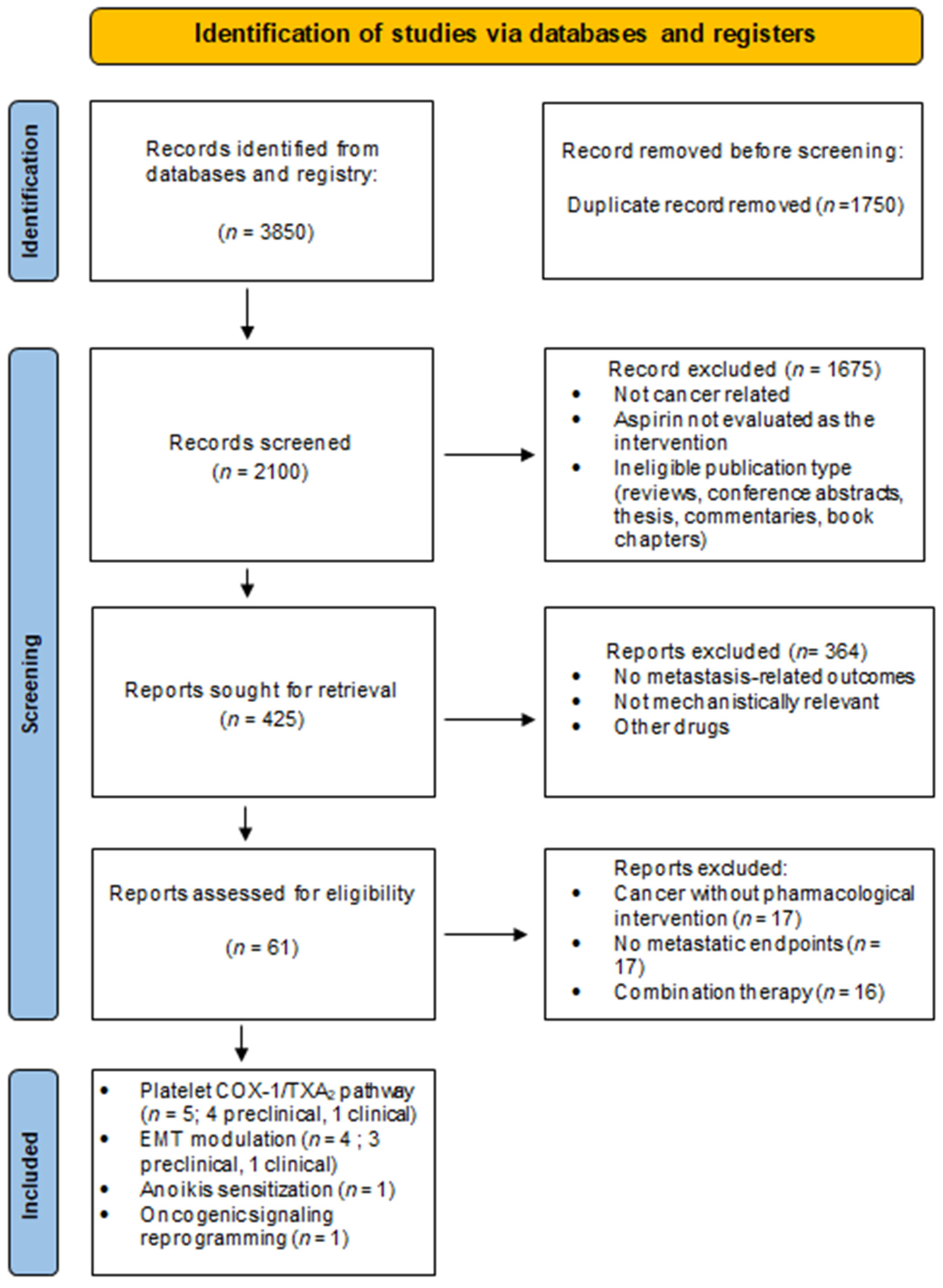
2.2. Selection Criteria
2.3. Screening and Data Extraction
3. Results and Discussion
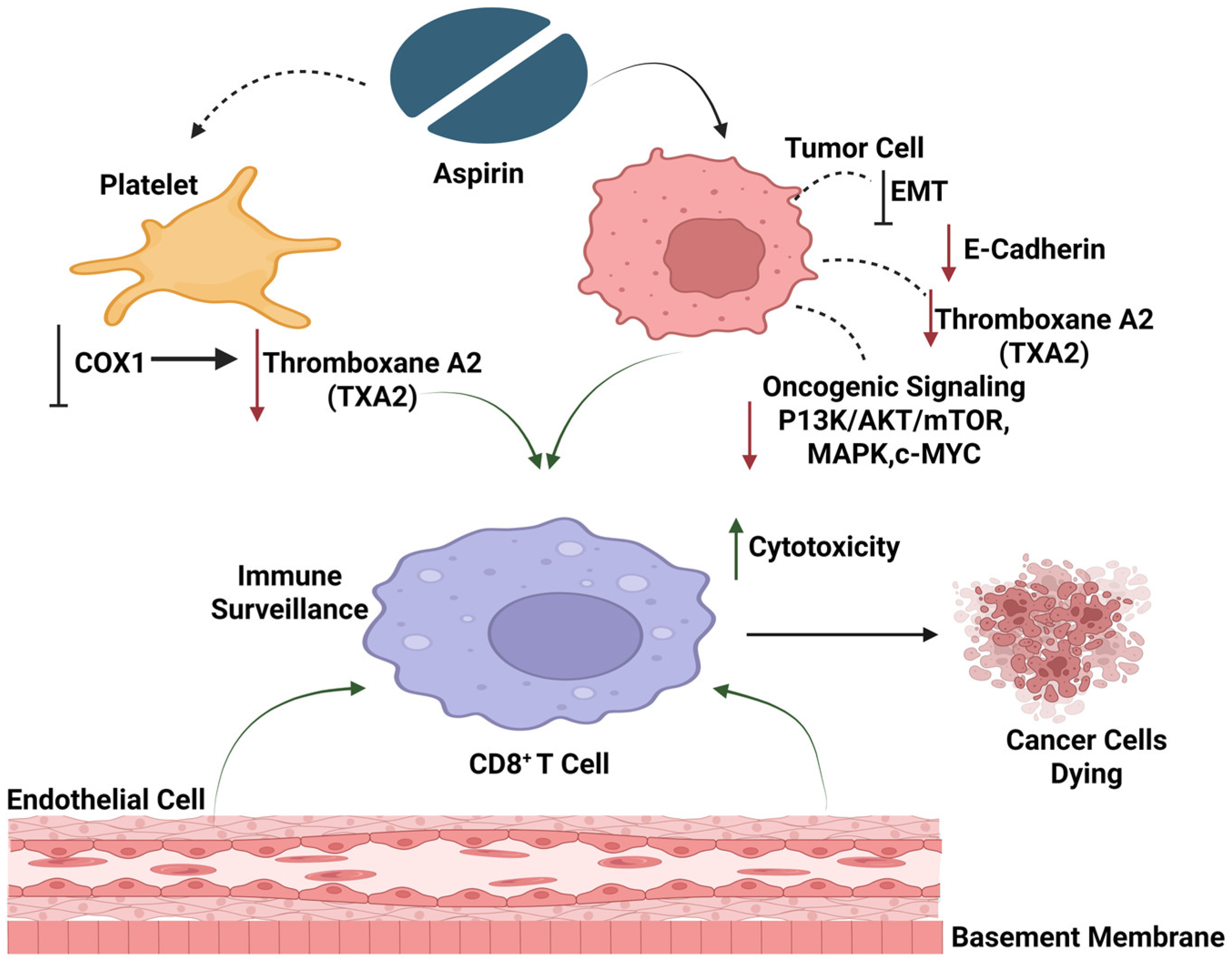
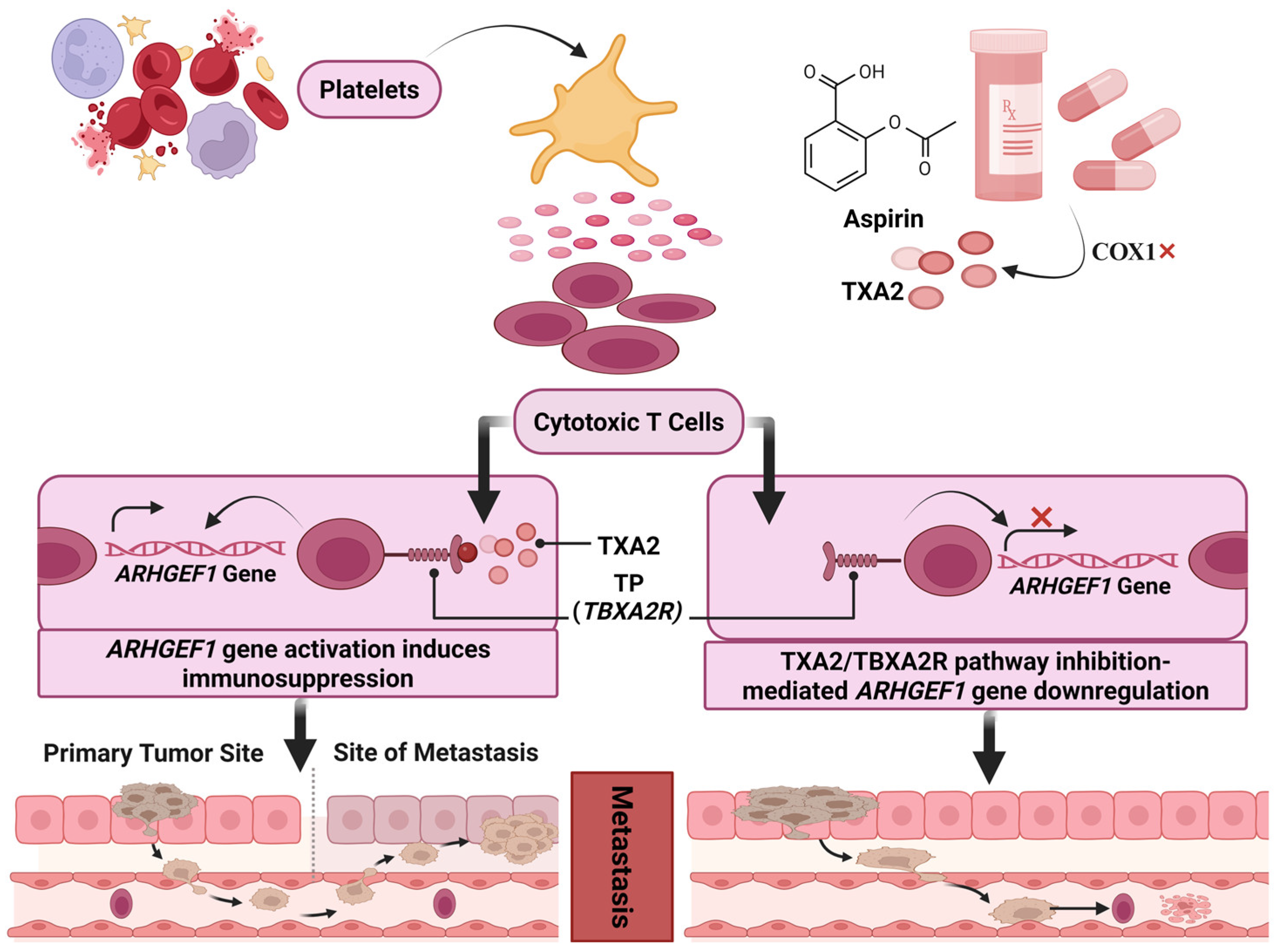
3.1. Aspirin Inhibits Platelet COX-1/TXA2-Driven Metastasis and Immune Evasion
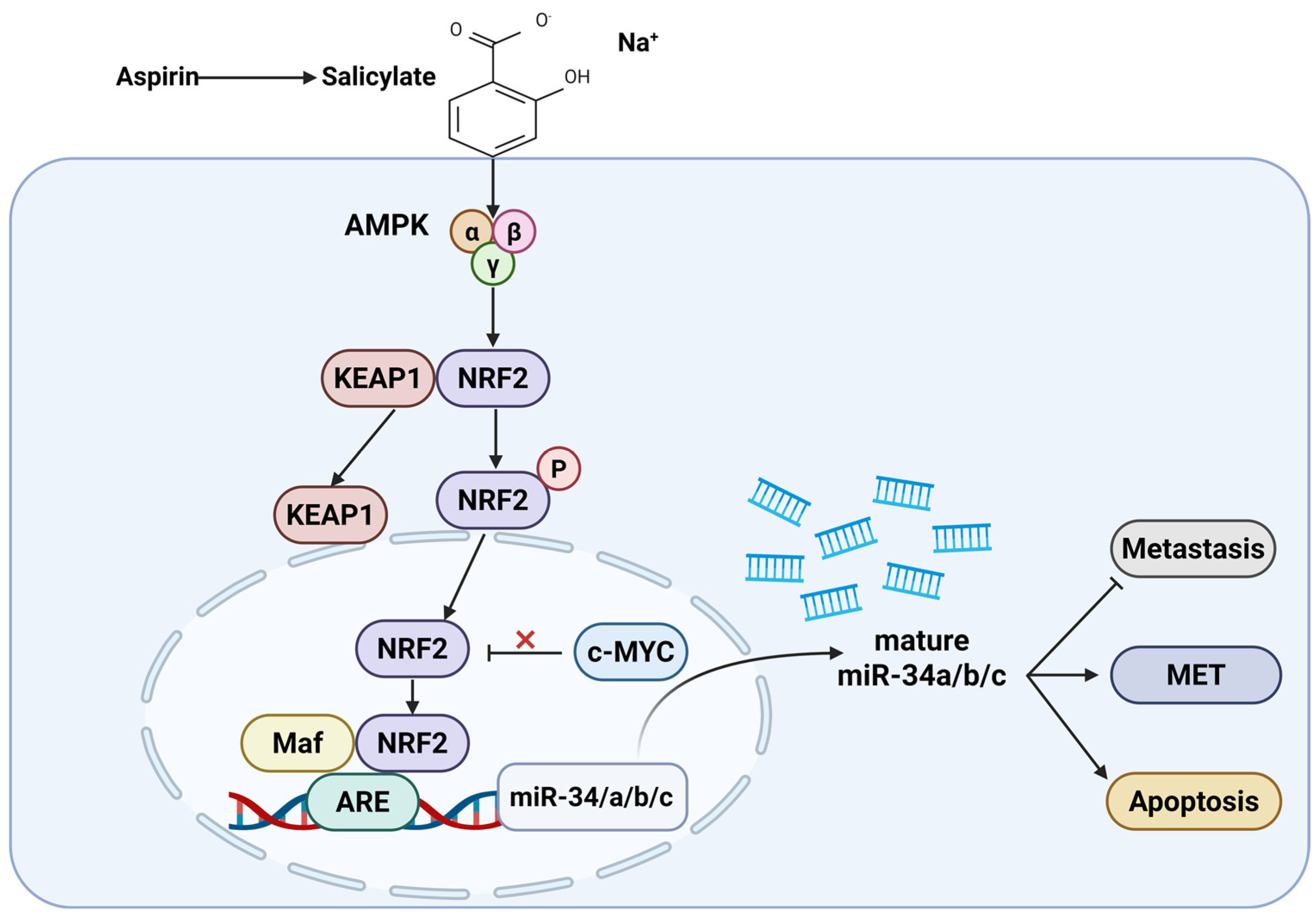
3.2. Aspirin Reprograms Oncogenic Signaling Networks to Suppress Metastatic Competence
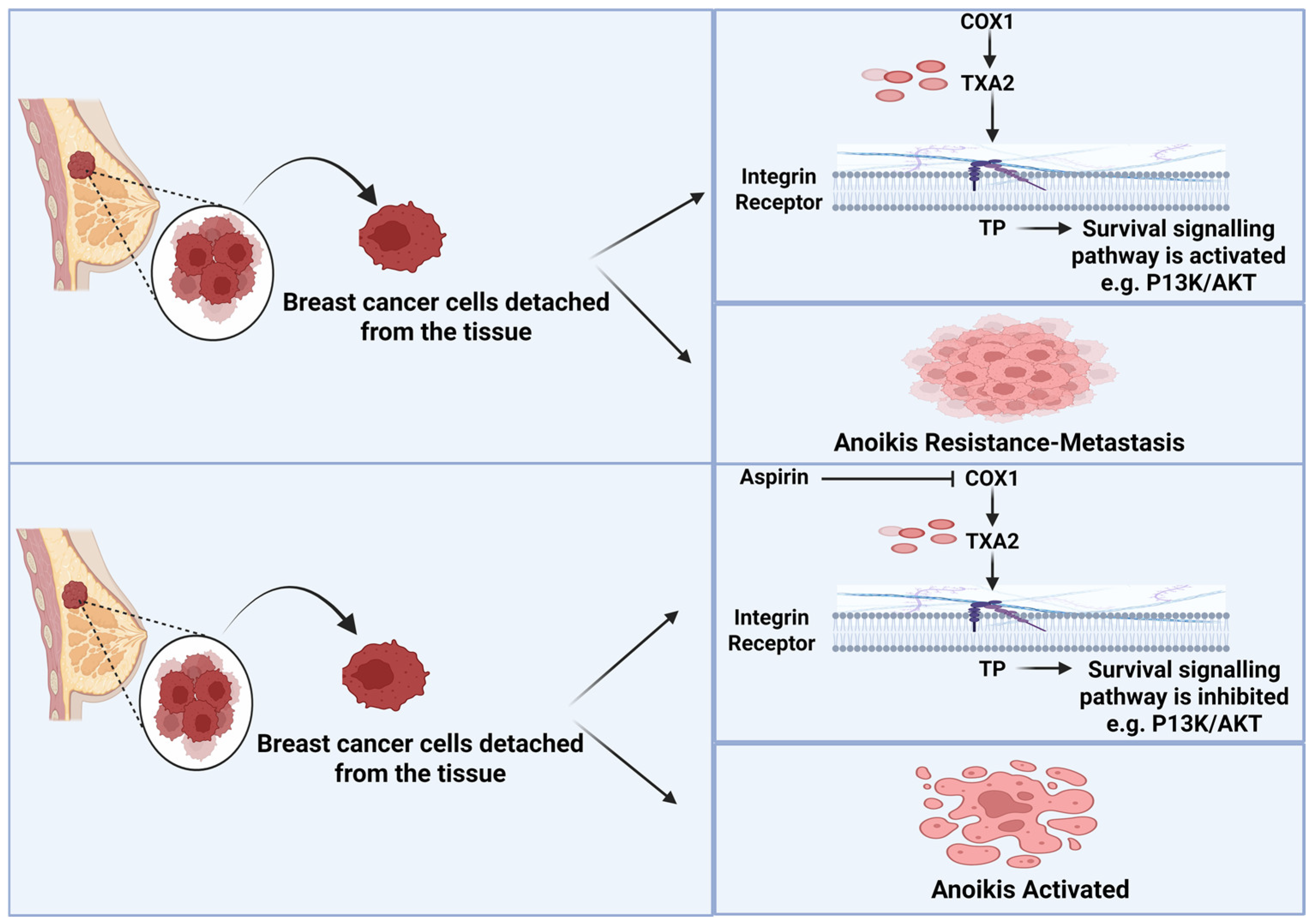
3.3. Aspirin Targets TXA2-Mediated Anoikis Resistance in Metastatic Cells
3.4. Aspirin Suppresses EMT-Driven Metastatic Programs
4. Limitations and Future Directions
5. Conclusions
Author Contributions
Funding
Institutional Review Board Statement
Informed Consent Statement
Data Availability Statement
Conflicts of Interest
Correction Statement
References
- Sung, H.; Ferlay, J.; Siegel, R.L.; Laversanne, M.; Soerjomataram, I.; Jemal, A.; Bray, F. Global Cancer Statistics 2020: GLOBOCAN estimates of incidence and mortality worldwide for 36 cancers in 185 countries. CA Cancer J. Clin. 2021, 71, 209–249. [Google Scholar] [CrossRef] [PubMed]
- Fares, J.; Fares, M.Y.; Khachfe, H.H.; Salhab, H.A.; Fares, Y. Molecular principles of metastasis: A hallmark of cancer revisited. Signal Transduct. Target. Ther. 2020, 5, 28. [Google Scholar] [CrossRef] [PubMed]
- Global cancer burden growing, amidst mounting need for services. Saudi Med. J. 2024, 45, 326–327.
- Bray, F.; Laversanne, M.; Sung, H.; Ferlay, J.; Siegel, R.L.; Soerjomataram, I.; Jemal, A. Global cancer statistics 2022: GLOBOCAN estimates of incidence and mortality worldwide for 36 cancers in 185 countries. CA Cancer J. Clin. 2024, 74, 229–263. [Google Scholar] [CrossRef]
- Office for National Statistics. Cancer Incidence and Mortality in the United Kingdom 2009–2010; Office for National Statistics: London, UK, 2012. [Google Scholar]
- Dovizio, M.; Sacco, A.; Patrignani, P. Curbing tumorigenesis and malignant progression through the pharmacological control of the wound healing process. Vascul. Pharmacol. 2017, 89, 1–11. [Google Scholar] [CrossRef]
- Dovizio, M.; Maier, T.J.; Alberti, S.; Di Francesco, L.; Marcantoni, E.; Münch, G.; John, C.M.; Suess, B.; Sgambato, A.; Steinhilber, D.; et al. Pharmacological inhibition of platelet-tumor cell crosstalk prevents platelet-induced overexpression of cyclooxygenase-2 in HT29 humancolon carcinoma cells. Mol. Pharmacol. 2013, 84, 25–40. [Google Scholar] [CrossRef]
- Wang, D.; Dubois, R.N. Eicosanoids and cancer. Nat. Rev. Cancer 2010, 10, 181–193. [Google Scholar] [CrossRef]
- Wang, D.; Dubois, R.N. The role of COX-2 in intestinal inflammation and colorectal cancer. Oncogene 2010, 29, 781–788. [Google Scholar] [CrossRef]
- Sznurkowska, M.K.; Aceto, N. The gate to metastasis: Key players in cancer cell intravasation. FEBS J. 2022, 289, 4336–4354. [Google Scholar] [CrossRef]
- Gerstberger, S.; Jiang, Q.; Ganesh, K. Metastasis. Cell 2023, 186, 1564–1579. [Google Scholar] [CrossRef]
- Nakahata, N. Thromboxane A2: Physiology/pathophysiology, cellular signal transduction, and pharmacology. Pharmacol. Ther. 2008, 118, 18–35. [Google Scholar] [CrossRef] [PubMed]
- Kihara, Y.; Gupta, S.; Maurya, M.R.; Armando, A.; Shah, I.; Quehenberger, O.; Subramaniam, S. Modeling of eicosanoid fluxes reveals functional coupling between cyclooxygenases and terminal synthases. Biophys. J. 2014, 106, 966–975. [Google Scholar] [CrossRef] [PubMed]
- Li, X.; Tai, H.H. Activation of thromboxane A(2) receptors induces orphan nuclear receptor Nurr1 expression and stimulates cell proliferation in human lung cancer cells. Carcinogenesis 2009, 30, 1606–1613. [Google Scholar] [CrossRef] [PubMed]
- Leung, K.C.; Li, M.Y.; Leung, B.C.; Hsin, M.K.; Mok, T.S.; Underwood, M.J.; Chen, G.G. Thromboxane synthase suppression induces lung cancer cell apoptosis via inhibiting NF-κB. Exp. Cell Res. 2010, 316, 3468–3477. [Google Scholar] [CrossRef]
- Li, X.; Tai, H.H. Activation of thromboxane A2 receptor (TP) increases the expression of monocyte chemoattractant protein -1 (MCP-1)/chemokine (C-C motif) ligand 2 (CCL2) and recruits macrophages to promote invasion of lung cancer cells. PLoS ONE 2013, 8, e54073. [Google Scholar] [CrossRef]
- Li, X.; Tai, H.H. Thromboxane A receptor-mediated release of matrix metalloproteinase-1 (MMP-1) induces expression of monocyte chemoattractant protein-1 (MCP-1) by activation of protease-activated receptor 2 (PAR2) in A549 human lung adenocarcinoma cells. Mol. Carcinog. 2013, 53, 659–666. [Google Scholar] [CrossRef]
- Nie, D.; Guo, Y.; Yang, D.; Tang, Y.; Chen, Y.; Wang, M.T.; Zacharek, A.; Qiao, Y.; Che, M.; Honn, K.V. Thromboxane A2 receptors in prostate carcinoma: Expression and its role in regulating cell motility via small GTPase Rho. Cancer Res. 2008, 68, 115–121. [Google Scholar] [CrossRef]
- Moussa, O.; Yordy, J.S.; Abol-Enein, H.; Sinha, D.; Bissada, N.K.; Halushka, P.V.; Ghoneim, M.A.; Watson, D.K. Prognostic and functional significance of thromboxane synthase gene overexpression in invasive bladder cancer. Cancer Res. 2005, 65, 11581–11587. [Google Scholar] [CrossRef]
- Ashton, A.W.; Zhang, Y.; Cazzolli, R.; Honn, K.V. The Role and Regulation of Thromboxane A2 Signaling in Cancer-Trojan Horses and Misdirection. Molecules 2022, 27, 6234. [Google Scholar] [CrossRef]
- Connolly, E.M.; Harmey, J.H.; O’Grady, T.; Foley, D.; Roche-Nagle, G.; Kay, E.; Bouchier-Hayes, D.J. Cyclo-oxygenase inhibition reduces tumour growth and metastasis in an orthotopic model of breast cancer. Br. J. Cancer 2002, 87, 231–237. [Google Scholar] [CrossRef]
- Sheng, J.; Sun, H.; Yu, F.B.; Li, B.; Zhang, Y.; Zhu, Y.T. The Role of Cyclooxygenase-2 in Colorectal Cancer. Int. J. Med. Sci. 2020, 17, 1095–1101. [Google Scholar] [PubMed]
- Gan, J.; Zhang, X.; Guo, J. The role of platelets in tumor immune evasion and metastasis: Mechanisms and therapeutic implications. Cancer Cell Int. 2025, 25, 258. [Google Scholar] [CrossRef] [PubMed]
- Patrono, C.; García Rodríguez, L.A.; Landolfi, R.; Baigent, C. Low-dose aspirin for the prevention of atherothrombosis. N. Engl. J. Med. 2005, 353, 2373–2383. [Google Scholar] [CrossRef] [PubMed]
- Bruno, A.; Tacconelli, S.; Contursi, A.; Ballerini, P.; Patrignani, P. Cyclooxygenases and platelet functions. Adv. Pharmacol. 2023, 97, 133–165. [Google Scholar]
- Rothwell, P.M.; Price, J.F.; Fowkes, F.G.; Zanchetti, A.; Roncaglioni, M.C.; Tognoni, G.; Lee, R.; Belch, J.F.; Wilson, M.; Mehta, Z.; et al. Short-term effects of daily aspirin on cancer incidence, mortality, and non-vascular death: Analysis of the time course of risks and benefits in 51 randomised controlled trials. Lancet 2012, 379, 1602–1612. [Google Scholar] [CrossRef]
- Rothwell, P.M.; Wilson, M.; Price, J.F.; Belch, J.F.; Meade, T.W.; Mehta, Z. Effect of daily aspirin on risk of cancer metastasis: A study of incident cancers during randomised controlled trials. Lancet 2012, 379, 1591–1601. [Google Scholar] [CrossRef]
- Lichtenberger, L.M.; Fang, D.; Bick, R.J.; Poindexter, B.J.; Phan, T.; Bergeron, A.L.; Pradhan, S.; Dial, E.J.; Vijayan, K.V. Unlocking Aspirin’s Chemopreventive Activity: Role of Irreversibly Inhibiting Platelet Cyclooxygenase-1. Cancer Prev. Res. 2017, 10, 142–152. [Google Scholar]
- Sun, J.; Guo, C.; Zheng, W.; Zhang, X. Aspirin inhibits proliferation and promotes apoptosis of hepatocellular carcinoma cells via wnt/beta-catenin signaling pathway. Panminerva Med. 2020. epub ahead of print. [Google Scholar] [CrossRef]
- Candido, S.; Salemi, R.; Piccinin, S.; Falzone, L.; Libra, M. The PIK3CA H1047R Mutation Confers Resistance to BRAF and MEK Inhibitors in A375 Melanoma Cells through the Cross-Activation of MAPK and PI3K–Akt Pathways. Pharmaceutics 2022, 14, 590. [Google Scholar] [CrossRef]
- Page, M.J.; McKenzie, J.E.; Bossuyt, P.M.; Boutron, I.; Hoffmann, T.C.; Mulrow, C.D.; Shamseer, L.; Tetzlaff, J.M.; Akl, E.A.; Brennan, S.E.; et al. The PRISMA 2020 statement: An updated guideline for reporting systematic reviews. BMJ 2021, 10, n71. [Google Scholar]
- Guillem-Llobat, P.; Dovizio, M.; Bruno, A.; Ricciotti, E.; Cufino, V.; Sacco, A.; Grande, R.; Alberti, S.; Arena, V.; Cirillo, M.; et al. Aspirin prevents colorectal cancer metastasis in mice by splitting the crosstalk between platelets and tumor cells. Oncotarget 2016, 7, 32462–32477. [Google Scholar] [CrossRef]
- Lucotti, S.; Cerutti, C.; Soyer, M.; Gil-Bernabé, A.M.; Gomes, A.L.; Allen, P.D.; Smart, S.; Markelc, B.; Watson, K.; Armstrong, P.C.; et al. Aspirin blocks formation of metastatic intravascular niches by inhibiting platelet-derived COX-1/thromboxane A2. J. Clin. Investig. 2019, 129, 1845–1862. [Google Scholar] [CrossRef] [PubMed]
- Yang, J.; Yamashita-Kanemaru, Y.; Morris, B.I.; Contursi, A.; Trajkovski, D.; Xu, J.; Patrascan, I.; Benson, J.; Evans, A.C.; Conti, A.C.; et al. Aspirin prevents metastasis by limiting platelet TXA2 suppression of T cell immunity. Nature 2025, 640, 1052–1061. [Google Scholar] [CrossRef] [PubMed]
- Zou, M.; Qattan, A.; Al-Alwan, M.; Ghebeh, H.; Binjumah, N.; Al-Haj, L.; Khabar, K.S.A.; Altaweel, A.; Almohanna, F.; Assiri, A.M.; et al. Genome-wide transcriptome analysis and drug target discovery reveal key genes and pathways in thyroid cancer metastasis. Front. Endocrinol. 2025, 16, 1514264. [Google Scholar] [CrossRef] [PubMed]
- Joharatnam-Hogan, N.; Hatem, D.; Cafferty, F.H.; Petrucci, G.; Cameron, D.A.; Ring, A.; Kynaston, H.G.; Gilbert, D.C.; Wilson, R.H.; Hubner, R.A.; et al. Thromboxane biosynthesis in cancer patients and its inhibition by aspirin: A sub-study of the Add-Aspirin trial. Br. J. Cancer 2023, 129, 706–720. [Google Scholar] [CrossRef]
- Liu, C.; Rokavec, M.; Huang, Z.; Hermeking, H. Salicylate induces AMPK and inhibits c-MYC to activate a NRF2/ARE/miR-34a/b/c cascade resulting in suppression of colorectal cancer metastasis. Cell Death Dis. 2023, 14, 707. [Google Scholar] [CrossRef]
- Xu, R.; Yan, Y.; Zheng, X.; Zhang, H.; Chen, W.; Li, H.; Dong, Z. Aspirin suppresses breast cancer metastasis to lung by targeting anoikis resistance. Carcinogenesis 2022, 43, 104–114. [Google Scholar] [CrossRef]
- Ying, J.; Zhou, H.Y.; Liu, P.; You, Q.; Kuang, F.; Shen, Y.N.; Hu, Z.Q. Aspirin inhibited the metastasis of colon cancer cells by inhibiting the expression of toll-like receptor 4. Cell Biosci. 2018, 8, 1. [Google Scholar] [CrossRef]
- Khan, P.; Manna, A.; Saha, S.; Mohanty, S.; Mukherjee, S.; Mazumdar, M.; Guha, D.; Das, T. Aspirin inhibits epithelial-to-mesenchymal transition and migration of oncogenic K-ras-expressing non-small cell lung carcinoma cells by down-regulating E-cadherin repressor Slug. BMC Cancer 2016, 16, 39. [Google Scholar] [CrossRef]
- Cooke, N.M.; Spillane, C.D.; Sheils, O.; O’Leary, J.; Kenny, D. Aspirin and P2Y12 inhibition attenuate platelet-induced ovarian cancer cell invasion. BMC Cancer 2015, 15, 627. [Google Scholar] [CrossRef]
- Yang, L.; Lv, Z.; Xia, W.; Zhang, W.; Xin, Y.; Yuan, H.; Chen, Y.; Hu, X.; Lv, Y.; Xu, Q.; et al. The effect of aspirin on circulating tumor cells in metastatic colorectal and breast cancer patients: A phase II trial study. Clin. Transl. Oncol. 2018, 20, 912–921. [Google Scholar] [CrossRef] [PubMed]
- Bambace, N.M.; Holmes, C.E. The platelet contribution to cancer progression. J. Thromb. Haemost. 2011, 9, 237–249. [Google Scholar] [CrossRef] [PubMed]
- Gay, L.J.; Felding-Habermann, B. Contribution of platelets to tumour metastasis. Nat. Rev. Cancer 2011, 11, 123–134. [Google Scholar] [CrossRef]
- Wang, L.; Hu, Z.; Chen, C.; Chen, T.; Yao, Z.; Li, W.; Yang, Z. Low-dose aspirin can inhibit exosomal release induced by radiotherapy in breast cancer and attenuate its inhibitory effect on NK cell proliferation. Cancer Med. 2023, 12, 16386–16404. [Google Scholar] [CrossRef]
- Xiao, X.; Zeng, S.; Li, Y.; Li, L.; Zhang, J. Aspirin suppressed PD-L1 expression through suppressing KAT5 and subsequently inhibited PD-1 and PD-L1 signaling to attenuate OC development. J. Oncol. 2022, 2022, 4664651. [Google Scholar] [CrossRef]
- Reimers, M.S.; Bastiaannet, E.; Langley, R.E.; van Eijk, R.; van Vlierberghe, R.L.; Lemmens, V.E.; Liefers, G.J. Expression of HLA class I antigen, aspirin use, and survival after a diagnosis of colon cancer. JAMA Intern. Med. 2014, 174, 732–739. [Google Scholar] [CrossRef]
- Surana, P.; Hercun, J.; Takyar, V.; Kleiner, D.E.; Heller, T.; Koh, C. Platelet count as a screening tool for compensated cirrhosis in chronic viral hepatitis. World J. Gastrointest. Pathophysiol. 2021, 12, 40–50. [Google Scholar] [CrossRef]
- Munker, S.; Rodriguez, I.; Bernhart, K.; Ben Khaled, N.; Findik, M.; Siegmund, L.K.; Ye, L.; Reiter, F.P.; Roessler, D.; Nasseh, D.; et al. Prognostic Significance of Elevated Platelet Count (>200 × 10^9 per L) in BCLC Stages B and C of Hepatocellular Carcinoma: A Retrospective Multicenter Analysis. J. Hepatocell. Carcinoma 2025, 12, 855–864. [Google Scholar] [CrossRef]
- Mills, E.J.; Wu, P.; Alberton, M.; Kanters, S.; Lanas, A.; Lester, R. Low-dose aspirin and cancer mortality: A meta-analysis of randomized trials. Am. J. Med. 2012, 125, 560–567. [Google Scholar] [CrossRef]
- McNeil, J.J.; Gibbs, P.; Orchard, S.G.; Lockery, J.E.; Bernstein, W.B.; Cao, Y.; Ford, L.; Haydon, A.; Kirapach, B.; Macrae, F.; et al. Effect of aspirin on cancer incidence and mortality in older adults. J. Natl. Cancer Inst. 2021, 113, 258–265. [Google Scholar] [CrossRef]
- Patrignani, P.; Tacconelli, S.; Contursi, A.; Piazuelo, E.; Bruno, A.; Nobili, S.; Mazzei, M.; Milillo, C.; Hofling, U.; Hijos-Mallada, G.; et al. Optimizing aspirin dose for colorectal cancer patients through deep phenotyping using novel biomarkers of drug action. Front. Pharmacol. 2024, 15, 1362217. [Google Scholar] [CrossRef] [PubMed]
- Kiely, M.; Milne, G.L.; Minas, T.Z.; Dorsey, T.H.; Tang, W.; Smith, C.J.; Baker, F.; Loffredo, C.A.; Yates, C.; Cook, M.B.; et al. Urinary Thromboxane B2 and Lethal Prostate Cancer in African American Men. J. Natl. Cancer Inst. 2022, 114, 123–129. [Google Scholar] [CrossRef] [PubMed]
- Ai, G.; Dachineni, R.; Muley, P.; Tummala, H.; Bhat, G.J. Aspirin and salicylic acid decrease c-Myc expression in cancer cells: A potential role in chemoprevention. Tumour Biol. 2016, 37, 1727–1738. [Google Scholar] [CrossRef] [PubMed]
- Nan, H.; Morikawa, T.; Suuriniemi, M.; Imamura, Y.; Werner, L.; Kuchiba, A.; Yamaauchi, M.; Hunter, D.J.; Kraft, P.; Giovannucci, E.L.; et al. Aspirin use, 8q24 single nucleotide polymorphism rs6983267, and colorectal cancer according to CTNNB1 alterations. J. Natl. Cancer Inst. 2013, 105, 1852–1861. [Google Scholar] [CrossRef]
- Pomerantz, M.M.; Ahmadiyeh, N.; Jia, L.; Herman, P.; Verzi, M.P.; Doddapaneni, H.; Beckwith, C.A.; Chan, J.A.; Hill, A.; Davis, M.; et al. The 8q24 cancer risk variant rs6983267 shows long-range interaction with MYC in colorectal cancer. Nat. Genet. 2009, 41, 882–884. [Google Scholar] [CrossRef]
- Tuupanen, S.; Turunen, M.; Lehtonen, R.; Hallikas, O.; Vanharanta, S.; Kivioja, T.; Bjorlund, M.; Wei, G.; Yan, J.; Niittymaki, I.; et al. The common colorectal cancer predisposition SNP rs6983267 at chromosome 8q24 confers potential to enhanced Wnt signaling. Nat. Genet. 2009, 41, 885–890. [Google Scholar] [CrossRef]
- Gala, M.K.; Chan, A.T. Molecular pathways: Aspirin and Wnt signaling-a molecularly targeted approach to cancer prevention and treatment. Clin. Cancer Res. 2015, 21, 1543–1548. [Google Scholar] [CrossRef]
- Zhou, H.; Yun, X.; Shu, Y.; Xu, K. Aspirin increases the efficacy of gemcitabine in pancreatic cancer by modulating the PI3K/AKT/mTOR signaling pathway and reversing epithelial-mesenchymal transition. Oncol. Lett. 2023, 25, 101. [Google Scholar] [CrossRef]
- Fanfone, D.; Wu, Z.; Mammi, J.; Berthenet, K.; Neves, D.; Weber, K.; Halaburkova, A.; Virard, F.; Bunel, F.; Jamard, C.; et al. Confined migration promotes cancer metastasis through resistance to anoikis and increased invasiveness. eLife 2022, 11, e73150. [Google Scholar] [CrossRef]
- Shaw, P.; Dey Bhowmik, A.; Gopinatha Pillai, M.S.; Robbins, N.; Dwivedi, S.K.D.; Rao, G. Anoikis resistance in Cancer: Mechanisms, therapeutic strategies, potential targets, and models for enhanced understanding. Cancer Lett. 2025, 624, 217750. [Google Scholar] [CrossRef]
- Adeshakin, F.O.; Adeshakin, A.O.; Afolabi, L.O.; Yan, D.; Zhang, G.; Wan, X. Mechanisms for Modulating Anoikis Resistance in Cancer and the Relevance of Metabolic Reprogramming. Front. Oncol. 2021, 11, 626577. [Google Scholar] [CrossRef] [PubMed]
- Roop, R.P.; Naughton, M.J.; Van Poznak, C.; Schneider, J.G.; Lammers, P.E.; Pluard, T.J.; John, F.; Eby, C.S.; Weibaecher, K.N. A randomized phase II trial investigating the effect of platelet function inhibition on circulating tumor cells in patients with metastatic breast cancer. Clin. Breast Cancer 2013, 13, 409–415. [Google Scholar] [CrossRef] [PubMed]
- Lamouille, S.; Xu, J.; Derynck, R. Molecular mechanisms of epithelial–mesenchymal transition. Nat. Rev. Mol. Cell Biol. 2014, 15, 178–196. [Google Scholar] [CrossRef] [PubMed]
- Kanwal, R.; Esposito, J.E.; Jawed, B.; Zakir, S.K.; Pulcini, R.; Martinotti, R.; Botteghi, M.; Gaudio, F.; Martinotti, S.; Toniato, E. Exploring the Role of Epithelial-Mesenchymal Transcriptional Factors Involved in Hematological Malignancy and Solid Tumors: A Systematic Review. Cancers 2025, 17, 529. [Google Scholar] [CrossRef]
- Thiery, J.P. Epithelial-mesenchymal transitions in tumour progression. Nat. Rev. Cancer 2002, 2, 442–454. [Google Scholar] [CrossRef]
- Aktas, B.; Tewes, M.; Fehm, T.; Hauch, S.; Kimmig, R.; Kasimir-Bauer, S. Stem cell and epithelial-mesenchymal transition markers are frequently overexpressed in circulating tumor cells of metastatic breast cancer patients. Breast Cancer Res. 2009, 11, R46. [Google Scholar] [CrossRef]
- Gotzmann, J.; Mikula, M.; Eger, A.; Schulte-Hermann, R.; Foisner, R.; Beug, H.; Mikulits, W. Molecular aspects of epithelial cell plasticity: Implications for local tumor invasion and metastasis. Mutat. Res. 2004, 566, 9–20. [Google Scholar] [CrossRef]
- Mimeault, M.; Batra, S.K. Interplay of distinct growth factors during epithelial mesenchymal transition of cancer progenitor cells and molecular targeting as novel cancer therapies. Ann. Oncol. 2007, 18, 1605–1619. [Google Scholar] [CrossRef]
- Tsuruo, T.; Fujita, N. Platelet aggregation in the formation of tumor metastasis. Proc. Jpn. Acad. Ser. B Phys. Biol. Sci. 2008, 84, 189–198. [Google Scholar] [CrossRef]
- Labelle, M.; Begum, S.; Hynes, R.O. Direct signaling between platelets and cancer cells induces an epithelial-mesenchymal-like transition and promotes metastasis. Cancer Cell 2011, 20, 576–590. [Google Scholar] [CrossRef]
- Li, P.; Wu, H.; Zhang, H.; Shi, Y.; Xu, J.; Ye, Y.; Xia, D.; Yang, J.; Cai, J.; Wu, Y. Aspirin use after diagnosis but not prediagnosis improves established colorectal cancer survival: A meta-analysis. Gut 2015, 64, 1419–1425. [Google Scholar] [CrossRef]
- Ye, X.F.; Wang, J.; Shi, W.T.; He, J. Relationship between aspirin use after diagnosis of colorectal cancer and patient survival: A meta-analysis of observational studies. Br. J. Cancer 2014, 111, 2172–2179. [Google Scholar] [CrossRef]
- Bosetti, C.; Rosato, V.; Gallus, S.; Cuzick, J.; La Vecchia, C. Aspirin and cancer risk: A quantitative review to 2011. Ann. Oncol. Off. J. Eur. Soc. Med. Oncol. ESMO 2012, 23, 1403–1415. [Google Scholar] [CrossRef]





| Mechanism/Pathway | Cancer Type | Model/Patient | Key Findings and Outcomes | Dosing | Reference |
|---|---|---|---|---|---|
| Platelet COX1/TXA2 Inhibition | Colorectal Cancer | Human colon carcinoma cell line HT29, NOD-scid IL2Rγnull (NSG) | Aspirin abrogated platelet-induced EMT, tumor cell–induced platelet aggregation, and lung metastatic burden by suppressing platelet COX-1–derived TXA2/PGE2 biosynthesis | Aspirin 20 mg/kg/d orally | Guillem-Llobat et al. [32] |
| Melanoma, breast cancer, colorectal cancer | syngeneic C57BL/6 and BALB/c mouse models bearing B16F10 melanoma, MC-38 colon carcinoma, and 4T1 and MDA-MB-231 breast cancer cells, complemented by COX-1–deficient, platelet-depleted, and Cx3cr1GFP/+ reporter mice to delineate platelet COX-1/TXA2-dependent mechanisms | Aspirin suppressed lung metastasis across tumor types by inhibiting platelet COX-1/TXA2 signaling, reducing platelet aggregation, tumor cell retention, endothelial activation, and monocyte recruitment during early metastatic seeding | Aspirin was administered via drinking water at 30 mg/L (low dose), 180 mg/L (medium dose), and 625 mg/L (high dose), | Lucotti et al. [33] | |
| Lung, liver, colon, breast | Genetically engineered mouse models with T cell–specific Arhgef1 deletion; syngeneic IV tumor injection models | Aspirin restored CD8+ T-cell activation by blocking platelet-derived TXA2–ARHGEF1 immunosuppressive signaling, resulting in immune-mediated clearance of lung and liver metastases | Aspirin 600 mg/L in drinking water | Yang et al. [34] | |
| Thyroid | Athymic BALB/c-nu/nu mice | Low-dose aspirin reduced lung metastatic burden by suppressing Tbxas1-dependent TXA2 production, platelet aggregation, EMT, MAPK/AKT signaling, stemness features, and immune checkpoint expression | Low-dose aspirin 25 mg/kg, 3× weekly | Zou et al. [35] | |
| Breast, colorectal, gastro-esophageal, prostate | 716 patients post-radical therapy | Low dose aspirin reduced U-TXM level from 77–82%; higher doses no additional benefit | Low-dose aspirin 100 mg/day; 300 mg/day also studied | Hogan et al. [36] | |
| Oncogenic Modulation | Colorectal | HCT116 and SW480 cell lines; xenograft mouse model | Salicylate upregulates miR-34a/b/c via AMPK → suppresses c-MYC; inhibits migration, invasion and metastasis | Salicylate 1–5 mM in vitro; 200 mg/kg/day in vivo | Liu et al. [37] |
| Anoikis Sensitization | Breast | Breast cancer cell lines MDA-MB-231, E0771and 4T1 | Aspirin inhibits AKT/ERK signaling, inhibit anoikis resistant increases apoptosis; reduces lung metastases | 100, 200 mg/kg/day | Xu et al. [38] |
| EMT Pathway Inhibition | Colon Cancer Cells | Murine C26 and human HCT116 colon cancer cell lines, Syngeneic BALB/c mice | Aspirin inhibits LPS-induced EMT and metastatic potential of colon cancer cells by downregulating TLR4/NF-κB signaling, reducing migration, invasion, and liver metastasis. | 10 mM | Ying et al. [39] |
| Non-small cell lung carcinoma | Human NSCLC cell lines: A549 (KRAS G12 mutant), H1299, NCI-H522 | Aspirin suppresses EMT-associated migration by downregulating Slug, restoring E-cadherin, and inhibiting NF-κB signaling, indicating reduced metastatic competence | 2.5 mM | Khan et al. [40] | |
| Ovarian Cancer Cell | Human metastatic ovarian cancer cell lines SK-OV-3 and 59 M co-cultured with human platelets (in vitro) | Platelets induced EMT-like gene expression and increased SK-OV-3 invasion by 3.5–3.8-fold, while aspirin significantly reduced platelet-mediated invasion via COX-1 inhibition without affecting platelet adhesion or EMT gene induction, indicating suppression of EMT-associated invasive function rather than EMT initiation. | 20 µM | Cooke et al. [41] | |
| Metastatic colorectal cancer (MCC); Metastatic breast cancer (MBC) | Phase II clinical trial; 21 MCC patients and 19 MBC patients | Aspirin treatment significantly reduced total circulating tumor cell (CTC) counts in metastatic colorectal cancer and selectively decreased mesenchymal (EMT-associated) CTCs with lower vimentin expression, indicating attenuation of EMT-linked metastatic potential; these effects were not significant in metastatic breast cancer. | Aspirin 100 mg/day orally for 2 months | Yang et al. [42] |
Disclaimer/Publisher’s Note: The statements, opinions and data contained in all publications are solely those of the individual author(s) and contributor(s) and not of MDPI and/or the editor(s). MDPI and/or the editor(s) disclaim responsibility for any injury to people or property resulting from any ideas, methods, instructions or products referred to in the content. |
© 2026 by the authors. Licensee MDPI, Basel, Switzerland. This article is an open access article distributed under the terms and conditions of the Creative Commons Attribution (CC BY) license.
Share and Cite
Kanwal, R.; Jawed, B.; Zakir, S.K.; Gaudio, F.; Martinotti, R.; Botteghi, M.; Martinotti, S.; Toniato, E. The Anti-Metastatic Role of Aspirin in Cancer: A Systematic Review. Int. J. Mol. Sci. 2026, 27, 1288. https://doi.org/10.3390/ijms27031288
Kanwal R, Jawed B, Zakir SK, Gaudio F, Martinotti R, Botteghi M, Martinotti S, Toniato E. The Anti-Metastatic Role of Aspirin in Cancer: A Systematic Review. International Journal of Molecular Sciences. 2026; 27(3):1288. https://doi.org/10.3390/ijms27031288
Chicago/Turabian StyleKanwal, Rimsha, Bilal Jawed, Syed Khuram Zakir, Francesco Gaudio, Riccardo Martinotti, Matteo Botteghi, Stefano Martinotti, and Elena Toniato. 2026. "The Anti-Metastatic Role of Aspirin in Cancer: A Systematic Review" International Journal of Molecular Sciences 27, no. 3: 1288. https://doi.org/10.3390/ijms27031288
APA StyleKanwal, R., Jawed, B., Zakir, S. K., Gaudio, F., Martinotti, R., Botteghi, M., Martinotti, S., & Toniato, E. (2026). The Anti-Metastatic Role of Aspirin in Cancer: A Systematic Review. International Journal of Molecular Sciences, 27(3), 1288. https://doi.org/10.3390/ijms27031288