


Abstract
Methyl farnesoate (MF) is a sesquiterpenoid hormone that controls a variety of physiological processes in crustaceans, including morphogenesis, development, reproduction, and molting. MF action is mediated by a transcriptional signaling cascade consisting of Methoprene-tolerant (Met), Steroid receptor coactivator (Src), Krüppel homolog 1 (Kr-h1), and Ecdysone response gene 93 (E93) transcription factors (TFs), and transcriptional co-regulators CREB-binding protein (CBP) and C-terminal-binding protein (CtBP). Phylogenetic and sequence analyses revealed that these genes were highly conserved across pancrustacean species. Met and Src were characterized as basic helix-loop-helix, Period (Per)-Aryl Hydrocarbon Nuclear Translocator (ARNT)-Single-minded (Sim) protein (bHLH-PAS) TFs; Kr-h1 was characterized as a C2H2 zinc finger TF with seven zinc finger motifs; E93 was characterized as a helix-turn-helix, pipsqueak (HTH_Psq) TF. CBP was identified by several zinc finger-binding regions with Transcription Adaptor Zinc Finger 1 and 2, Really Interesting New Gene, Plant homeodomain, and Z-type zinc finger domains; the Kinase-inducible Domain Interacting-transcription factor docking site; the Bromodomain-acetylated lysine recognition and binding site; the histone acetyltransferase domain; and a C-terminal CREB-binding region containing a nuclear receptor co-activator-binding domain. CtBP had a dehydrogenase domain with arginine-glutamate-histidine catalytic triad. 81 Met contigs, 45 Src contigs, 136 Kr-h1 contigs, 66 E93 contigs, 60 CBP contigs, and 172 CtBP contigs were identified across pancrustacean taxa, including decapod crustaceans. Bioinformatic identification and annotation of these TFs and co-regulators in brachyuran Y-organ (YO) transcriptomes suggests that MF signaling influences YO ecdysteroidogenesis; functional tests in the YO are needed to establish causality.
1. Introduction
Juvenile hormone (JH) and methyl farnesoate (MF) are sesquiterpenoid hormones that control various physiological processes, including development, growth, molting, and reproduction in insects and crustaceans, respectively (reviewed in [1,2,3,4,5,6,7,8]). JH/MF action is mediated by the MEKRE93 signaling cascade of transcription factors (TFs) consisting of Methoprene-tolerant (Met), Krüppel homolog 1 (Kr-h1), and Ecdysone inducible protein 93F (E93) as the central components (reviewed in [9,10,11]). Transcriptional co-regulators CREB-binding protein (CBP) and C-terminal-binding protein (CtBP) can alter the expression of JH biosynthesis and signaling genes in insects [3,12,13].
Met serves as the insect JH receptor and is a critical regulator of insect reproduction and development (reviewed in [14,15,16,17,18,19,20]). Met, along with Steroid receptor coactivator (Src), are transcriptional regulators within the basic helix-loop-helix (bHLH) protein superfamily [21]. Members of this superfamily are characterized by a ~60 amino acid DNA-binding domain, followed by two helices separated by a variable loop region that facilitates dimerization [22,23,24,25]. Met and Src are classified in the bHLH-Period, Aryl Hydrocarbon Receptor Nuclear Translocator, and Single-minded (PAS) family, which has a conserved N-terminal bHLH domain followed by two PAS domains (PAS-A and PAS-B) and a C-terminal transactivation domain [14,20,26,27]. The PAS-B domain binds JH and JH analogs, such as methoprene and fenoxycarb [14,27]. In Drosophila melanogaster Met, eight amino acid residues within the PAS-B domain are essential for JH III binding [17,28]. The C-terminus is a highly variable and disordered region that contributes to the functional properties of family members [29,30]. Met forms a heterodimer with Src or other bHLH-PAS TFs, such as Cycle (CYC), Germ cell expressed (Gce), Ftz-F1-interacting steroid receptor coactivator (FISC), or Taiman (Tai) [1,14,27,31,32]. Tai acts as the obligatory DNA-binding partner of Met in D. melanogaster; this receptor complex recognizes an E-box sequence in the promoters of JH target genes, which leads to transcriptional activation [14,33,34]. In Src, the bHLH-PAS domain is followed by a receptor-interacting domain containing a conserved LxxLL motif that mediates ligand-dependent interactions, and a C-terminal transcriptional activation domain [35]. The transcriptional activity of Src can be modulated by histone acetylation, methylation, and the recruitment of co-regulators, such as CBP/p300, to the C-terminus [35].
Krüppel homolog 1 (Kr-h1) is the key TF regulating insect metamorphosis and reproduction [15,36]. Kr-h1 belongs to the largest group of TFs in higher eukaryotes: the Cys2-His2 (C2H2) zinc finger (Zf) proteins [37]. The two cysteines and two histidines coordinate binding of a zinc ion, thereby stabilizing a finger-like loop that enables DNA-binding [38,39,40]. In insects, the DNA-binding domain contains eight C2H2 Zf repeats [36], whereas in decapod crustaceans the DNA-binding domain contains seven C2H2 Zf repeats [41,42]. Multiple Kr-h1 isoforms are generated from alternative promoters within the Kr-h1 locus [36]. Kr-h1 can be phosphorylated by protein kinase Cα to recruit co-repressor C-terminal binding protein (CtBP) to inhibit E93 expression in insects [13].
E93 encodes a helix-turn-helix, pipsqueak (HTH_Psq) TF that recognizes the GAAG response element in gene promoters to regulate chromatin accessibility in response to temporal and spatial cues [43,44,45,46,47]. E93 orchestrates gonadotrophic cycles in female yellow fever mosquitoes (Aedes aegypti) and tissue remodeling during metamorphosis in other insects [48,49,50,51,52,53,54,55].
cAMP response element binding protein (CREB)-binding protein (CBP) and its p300 paralog function as transcriptional co-activators with over 400 interaction partners identified [56]. CBP has histone acetyltransferase (HAT) activity that is essential for chromatin remodeling for metazoan growth and development [56]. The Cysteine/Histidine-rich 1 (CH1) region contains the Transcriptional Adaptor Zinc finger 1 (TAZ1) domain and the Kinase-Inducible Interacting (KIX) domain [57]. The KIX domain of CBP is a TF docking site with three α- and two 310- helices forming two binding surfaces that determine the magnitude of a transcriptional response [57]. The CBP catalytic core consists of (1) a Bromodomain (BROMO) with an acetylated lysine recognition and binding site; (2) the Cysteine/Histidine-rich 2 (CH2) domain, which contains the Really Interesting New Gene (RING) and Plant Homeodomain (PHD) subdomains; (3) the HAT domain; and (4) the Cysteine/Histidine-rich 3 (CH3) domain, which contains the ZZ zinc finger (ZZ) and Transcriptional Adaptor Zinc finger 2 (TAZ2) [58,59]. Interactions with the TAZ2 domain bring TFs into proximity with the HAT domain, thereby contributing to acetylation-dependent regulation of chromatin structure [60]. At the N-terminus, the CREB-binding region contains co-activator binding sites within the nuclear co-activator binding domain (NCBD), which interacts with partners, such as Src and thyroid and retinoid receptors [58]. The C-terminus contains a glutamine- and proline-rich region that contributes to transcriptional activation and protein-protein interactions [56].
CtBP represses transcription by recruiting histone deacetylases and other co-repressor complexes to target genes and plays essential roles in development, tumorigenesis, and cell fate decisions [61,62]. CtBP contains a D2 hydroxyacid dehydrogenase (D2-HDH) domain [63]. CtBP typically occurs as a dimer but can assemble into higher-order oligomers, with tetramers exhibiting greater transcriptional repression activity [63,64]. The D2-HDH domain contains a Rossmann fold with a canonical GxGxxG motif for NAD(H) binding and a diagnostic Arginine-Glutamate-Histidine (REH) catalytic triad [63]. The D2-HDH domain is flanked by N-terminal and C-terminal domains. The N-terminal domain (NTD) contributes to the binding cleft that recognizes TF partners carrying conserved motifs (e.g., PxDLS repressor motif) [63]. Across bilaterians, the NTD is highly conserved in length and contains multiple putative post-translational modification sites, including those for phosphorylation and SUMOylation [64,65,66]. By contrast, the C-terminal domain (CTD) is a proline- and glycine-rich structurally disordered region that is a characteristic of hydroxyacid dehydrogenases [66]. CtBP isoforms either retain or lack the CTD, with both forms functionally competent [64,65]. In D. melanogaster, these isoforms differentially influence wing development, suggesting the selective modulation of gene targets [65]. Vertebrates possess multiple CtBP paralogs due to gene duplication, while invertebrates generally have a single CtBP gene [64]. In insects, multiple isoforms are generated by alternative mRNA splicing and promoter usage [64].
The MF MEKRE93 signaling transcriptional cascade regulates reproduction, metamorphosis, and molting in crustaceans (reviewed in [7,67,68]). MF stimulation of vitellogenesis and ovary maturation is mediated by Met and Kr-h1 in the gazami crab (Portunus trituberculatus), Chinese mitten crab (Eriocheir sinensis), green mud crab (Scylla paramamosain), and whiteleg shrimp (Litopenaeus vannamei) [41,42,69,70,71,72,73]. MF inhibition of metamorphosis is associated with co-expression of Sp-Met, Sp-Kr-h1, and Sp-E93 in S. paramamosain larvae, as partial knockdown of Sp-Met by Sp-Met-RNAi lowered Sp-Kr-h1 and Sp-E93 mRNA levels [72]. MF acting through Met, Kr-h1, and E93 can accelerate molting by stimulating the synthesis of molting hormones (ecdysteroids) in the Y-organ (YO) [74,75,76,77,78].
MEKRE93 signaling and co-regulator genes have been characterized in relatively few decapod crustaceans (reviewed in [7]). Here we characterized transcripts encoding pancrustacean Met, Src, Kr-h1, E93, CtBP and CBP that were obtained from various databases, including CrusTome, a multi-species and multi-tissue transcriptome database of 189 crustacean species [79], CrustyBase [80,81], Crustacean Transcription Factor (CrusTF) [82], Crustacean Annotated Transcriptome (CAT) [83], and GenBank. Phylogenetic analysis and multiple sequence alignments (MSAs) determined evolutionary relationships and identified functional domains and motifs that can be used for accurate annotation. A similar strategy was used to characterize pancrustacean neuropeptide receptors, growth factor receptors, and AKG protein kinases [84,85,86,87]. Decapod sequences were emphasized, as this group includes species of ecological and economic importance [88,89,90]. The results constitute a comprehensive catalog of the MEKRE93 signaling and co-regulator genes for the analysis of MF transcriptional mechanisms that regulate molting, development, and reproduction in Crustacea.
2. Results
2.1. Taxonomic Distribution of the MEKRE93 Signaling and Co-Regulator Genes
BLAST sequence similarity searches of GenBank and transcriptome databases were used to identify MEKRE93 and co-regulator sequences in crustaceans. The sequences that were used in the initial queries are identified with an asterisk in the Supplementary Data Spreadsheet (see Section 4). The identity of each contig was verified through reciprocal BLAST searches and compiled in the Supplementary Data Spreadsheet. Phylogenetic trees were constructed and analyzed to validate and corroborate the BLAST results, as well as determine the evolutionary relationships of the MEKRE93 signaling and co-regulator genes in taxa across Clade Panarthropoda. Protein sequences were further characterized through multiple sequence alignments (MSAs) and annotations of conserved functional domains, motifs, and residues.
MEKRE93 signaling genes Met, Src, Kr-h1, and E93 were identified across taxonomic groups within Phylum Arthropoda, while transcriptional co-regulators CBP and CtBP were identified across Clade Panarthropoda (Table 1). The absence of a sequence in a particular species reflects limitations of the transcriptome datasets (CrusTome, CrutsyBase, CrusTF, CAT, and GenBank) used for reciprocal BLAST searches and phylogenetic validation [84,85,87]. Sequences of all six genes were identified in Decapoda, Insecta, and Isopoda (Table 1). Five genes (Met, Src, Kr-h1, CBP, and CtBP) were identified in Branchiopoda. Four genes were identified in Amphipoda (Met, Kr-h1, E93, and CtBP), Copepoda (Met, Kr-h1, CBP, and CtBP), and Euphausiacea (Kr-h1, E93, CBP, and CtBP) (Table 1). Three genes (E93, CBP, and CtBP) were identified in Chelicerata. Two genes were identified in Branchiura (Met and E93) and Stomatopoda (Kr-h1 and CtBP). CtBP was the most frequently detected under the filtering criteria, with 172 contigs identified in 116 species distributed across all taxa except Branchiura (Table 1). In crustacean species, single contig sequences for each of the six proteins were obtained, suggesting that crustacean genomes possess a single copy of each gene. In the Clade Multicrustacea, there was no evidence of isoforms generated by alternative mRNA splicing, although this requires confirmation by comparing mRNA and genomic sequences [64].
Table 1.
Taxonomic distribution of MEKRE93 transcription factor and transcriptional co-regulators CBP and CtBP sequences. Summary of the number of sequences obtained across Clade Panarthropoda. Abbreviations: CBP, CREB-binding protein; CtBP, C-terminal-binding protein; E93, Ecdysone response gene 93; Kr-h1, Krüppel homolog 1; Met, Methoprene-tolerant; and Src, Steroid receptor coactivator.
Contigs encoding MEKRE93 and co-regulator genes were identified in YO transcriptomes from four brachyuran species: the Chesapeake blue crab (Callinectes sapidus), the Dungeness crab (Metacarcinus magister), the green shore crab (Carcinus maenas), and the blackback land crab (Gecarcinus lateralis). In G. lateralis, complete coding sequences of Gl-Met, Gl-Kr-h1, Gl-CBP, and Gl-CtBP contigs and partial coding sequences of Gl-Src and Gl-E93 contigs were identified in the YO transcriptome (Table 2; Supplemental Figures S1–S6). In C. maenas, complete coding sequences of Cm-Kr-h1 and Cm-E93 contigs and partial coding sequences of Cm-Met, Cm-Src, Cm-CBP, and Cm-CtBP contigs were identified in both YO and central nervous system (CNS) transcriptomes (Table 3; Supplemental Figures S7–S12).
Table 2.
MEKRE93 signaling and co-regulator transcripts from the G. lateralis Y-organ (Y) transcriptome [79]. Abbreviations: aa, amino acids; bp, base pairs; bHLH-PAS, basic helix-loop-helix–Per-Arnt-Sim; C2H2 Znf, Cys2-His2 zinc finger; HTH_Psq, helix-turn-helix, pipsqueak; ORF, open reading frame; and UTR, untranslated region. Asterisks (*) indicate partial sequences (incomplete ORF). Minus (−) indicates that the UTR is missing in the partial contig sequence.
Table 3.
MEKRE93 signaling and co-regulator transcripts from the C. maenas Y-organ (Y) and central nervous system (CNS) transcriptomes [79]. Abbreviations: aa, amino acids; bp, base pairs; bHLH-PAS, basic helix-loop-helix–Per-Arnt-Sim; C2H2 Znf, Cys2-His2 zinc finger; HTH-Psq, helix-turn-helix, pipsqueak; ORF, open reading frame; and UTR, untranslated region. Asterisks (*) indicate partial sequences (incomplete ORF). Minus (–) indicates that the UTR is missing in the partial contig sequence.
2.2. Characterization of the MEKRE93 Signaling Genes
2.2.1. Methoprene-Tolerant (Met)
To identify crustacean Met orthologs, Met protein sequences were used to construct a maximum likelihood tree. Phylogenetic analysis showed that the pancrustacean sequences were divided into two major groups corresponding to insects and crustaceans (Figure 1). Within each division, the sequences sorted along hierarchical taxonomic ranking of class, order, and infraorder. The Met proteins from the two Daphnia species, crustaceans within Clade Allotriocarida, were grouped with other crustaceans instead of with other members of Clade Allotriocarida (i.e., the insects) (Figure 1). The extracted Met sequence from the copepod Calanus sinicus was separated from other crustaceans within Class Malacostraca by the crustacean fish-louse (Argulus siamensis), a member of Superclass Oligostraca (Figure 1). The amphipod Met proteins were more phylogenetically divergent when compared to the other malacostracan orders, such as isopods and decapods (Figure 1). Decapod Met sequences segregated into two groups with one group containing lobster (e.g., Achelata and Astacidea) and crab (e.g., Anomura and Brachyura) infraorders and the other group containing the shrimp infraorders (e.g., Caridea and Dendrobranchiata) (Figure 1).
Figure 1.
Phylogeny of pancrustacean Methoprene-tolerant (Met) proteins. The trimmed, midpoint rooted, maximum likelihood phylogenetic tree was constructed with IQ-TREE using the Bayesian information criterion (BIC) best-fit model JTT+F+I+R5. The confidence values at each branch point were determined with ultrafast bootstrap analysis (UFBoot = 1000). The scale bar for the branch lengths represents the estimated average number of substitutions per site as visualized in FigTree. Sequences and databases used in the analysis are provided in the Supplementary Data Spreadsheet. Species silhouettes were obtained from PhyloPic (http://phylopic.org; Supplementary Table S1).
The domain organization of Met proteins was analyzed across 18 decapod species (Figure 2). The N-terminal region had the same arrangement of three conserved domains: an N-terminal bHLH domain followed by two PAS domains (PAS-A and PAS-B), respectively (Figure 2). Decapod and amphipod Met orthologs were ~1K amino acids in length, whereas the cladoceran and isopod Met orthologs were shorter (~690 amino acids and 766 amino acids, respectively; Supplemental Figure S13). The lengths of decapod Met sequences were double that in some beetle species (Order Coleoptera) and the domestic silk moth (Bombyx mori; Order Lepidoptera), while similar in length to some hemipterans (Supplemental Figure S14).
Figure 2.
Domain organization of decapod Methoprene-tolerant (Met) proteins. Domains were identified with the NCBI CD search tool and visualized with IBS 2.0. Dashed outlines indicate partial sequences. The N-terminal region contained the basic helix-loop-helix (bHLH) DNA-binding domain, followed by the PAS-A and PAS-B domains. Information for the sequences is provided in the Supplementary Data Spreadsheet. Species silhouettes were obtained from PhyloPic (http://phylopic.org; Supplementary Table S1).
While the C-terminal region was more variable, MSAs of Met sequences showed that the three domains in the N-terminus were highly conserved. The 55-amino acid bHLH domain had high amino acid identity, including 10 residues involved in DNA binding (Figure 3). In decapods, the PAS-A domain had high sequence identities/similarities, including the seven active site residues (Figure 4; reference positions #25, #29, #35, #48, #49, #50, and #51). Seven of the eight residues in the PAS-B domain involved in JH binding in insect Met were identical in all the decapod sequences (Figure 5; reference positions #3, #6, #14, #32, #49, #70, and #100). Two penaeid species, Penaeus monodon and P. merguiensis, had a threonine at position #82, while all the other decapod species had a serine (Figure 5). Putative phosphorylation sites were identified in different regions of Met. In the bHLH domain, the serine at position #23 was only conserved in three mosquito species (A. aegypti, Anopheles gambiae, and Culex pipiens pipiens), the Japanese mealybug (Planococcus krauhiae), and the grain psocid (Lipscelis entomophila) (Figure 3) [91]. The serine at P. kraunhiae position #18 was identified in D. melanogaster as a critical phosphorylation site and exhibited high conservation among the dipteran species, but not across other pancrustacean species (Figure 3) [92]. The threonine at position #41, which is an additional known phosphorylation site in D. melanogaster [92], was highly conserved across the pancrustaceans. In the PAS-B domain, a threonine at position #92, as reported in the cotton bollworm (Helicoverpa armigera) [93], was conserved in decapods, except for penaeid shrimp, in which a lysine replaced the threonine (Figure 5). The threonine at position #92 was absent in coleopterans and hemipterans, while A. aegypti, D. melanogaster, and the fish louse (A. siamensis) had a serine substitution (Figure 5).
Figure 3.
Multiple sequence alignment (MSA) of pancrustacean Methoprene-tolerant (Met) basic helix-loop-helix (bHLH) domain. The sequences were aligned using the Mafft EINSI parameters, trimmed with ClipKIT, and visualized through Jalview following default Clustal coloring. The consensus sequence is illustrated as a logo schematic. Conserved amino acids involved with DNA binding and dimer interfaces are indicated by black stars and by dashed lines, respectively. Phosphorylation site reported in Aedes aegypti is indicated by the black arrow [91]. Sequences and databases used in the analysis are provided in the Supplementary Data Spreadsheet. Species silhouettes were obtained from PhyloPic (http://phylopic.org; Supplementary Table S1).
Figure 4.
Multiple sequence alignment (MSA) of pancrustacean Methoprene-tolerant (Met) PAS-A domain. The sequences were aligned using the Mafft EINSI parameters, trimmed with ClipKIT, and visualized through Jalview following default Clustal coloring. The consensus sequence is illustrated as a logo schematic. Conserved amino acids as active sites are indicated by black stars. Sequences and databases used in the analysis provided in the Supplementary Data Spreadsheet. Species silhouettes were obtained from PhyloPic (http://phylopic.org; Supplementary Table S1).
Figure 5.
Multiple sequence alignment (MSA) of pancrustacean Methoprene-tolerant (Met) PAS-B domain. The sequences were aligned using the Mafft EINSI parameters, trimmed with ClipKIT, and visualized through Jalview following default Clustal coloring. The consensus sequence is illustrated as a logo schematic. The reported positions of eight amino acids involved in JH binding in insects are indicated by the black stars. Phosphorylation site reported in Helicoverpa armigera [93] is indicated by the black arrow along with putative sites boxed in red (positions #33, #66, #72, and #103). Sequences and databases used in the analysis are provided in the Supplementary Data Spreadsheet. Species silhouettes were obtained from PhyloPic (http://phylopic.org; Supplementary Table S1).
2.2.2. Steroid Receptor Coactivator (Src)
Src proteins were divided into the insect and the crustacean groups with subclades organized along lower taxonomic hierarchy, as shown in the strongly supported maximum likelihood phylogenetic tree (Figure 6). In crustaceans, the Src proteins diverged between Class Branchiopoda (Orders Cladocera and Anostraca) and Class Malacostraca. No Src orthologs were identified in amphipods. Multiple Src variants were identified in some decapod species, such as Paratya australiensis, Bathypalaemonella serratipalma, Gastroptychus formosus, and Leptuca pugilator (Figure 6; Supplementary Data). A Src sequence was identified in one penaeid shrimp (L. vannamei) (Figure 6; Supplementary Data). Decapod Src sequences were further divided between the crab infraorders (Anomura and Brachyura) and the lobster and shrimp infraorders (Figure 6).
Figure 6.
Phylogeny of pancrustacean Steroid receptor coactivator (Src) proteins. The trimmed maximum likelihood phylogenetic tree was constructed with IQ-TREE using the Bayesian information criterion (BIC) best-fit model JTT+F+I+G4. The confidence values at each branch point were determined with ultrafast bootstrap analysis (UFBoot = 1000). The scale bar for the branch lengths represents the estimated average number of substitutions per site as visualized in FigTree. Sequences and databases used in the analysis are provided in the Supplementary Data Spreadsheet. Species silhouettes were obtained from PhyloPic (http://phylopic.org; Supplementary Table S1).
The domain organization of the Src proteins, with the N-terminal region encompassing the bHLH, PAS-A, and PAS-B domains, was conserved among the 14 decapod species (Figure 7). The Src sequences showed high sequence identity in the three functional domains; the C-terminal region varied in length and amino acid sequence (Figure 7; Supplemental Figures S15 and S16; Supplementary Data).
Figure 7.
Domain organization of decapod Steroid receptor coactivator (Src) proteins. Domains were identified with the NCBI CD search tool and visualized with IBS 2.0. Dashed outlines indicate partial sequences. The N-terminal region contained the basic helix-loop-helix (bHLH) DNA-binding domain, followed by the PAS-A and PAS-B domains. Information for the sequences is provided in the Supplementary Data Spreadsheet. Species silhouettes were obtained from PhyloPic (http://phylopic.org; Supplementary Table S1).
2.2.3. Krüppel Homolog 1 (Kr-h1)
Maximum-likelihood phylogenetic analysis of the maximum likelihood tree of Kr-h1 sequences separated the pancrustacean proteins into insect and crustacean groups (Figure 8). Apart from the copepod species, further division of Kr-h1 orthologs followed taxonomic hierarchy, which was supported by strong bootstrap values. The copepods (members of Clade Multicrustacea) were positioned adjacent to Clade Allotriocarida members (e.g., insects and Daphnia sp.) instead of clustering with other orders within this clade, including Euphausiacea and Decapoda (Figure 8). Within the Multicrustacea, decapod Kr-h1 sequences were segregated from the Kr-h1 sequences in Orders Euphausiacea, Amphipoda, and Isopoda, as indicated by highly supported, long branch lengths (Figure 8). Insect Kr-h1 orthologs clustered closely, with short branch lengths across taxonomic orders, whereas crustacean orthologs exhibited longer branch lengths between the different taxonomic groups (Figure 8).
Figure 8.
Phylogeny of pancrustacean Krüppel homolog 1 (Kr-h1) proteins. The trimmed maximum likelihood phylogenetic tree was constructed with IQ-TREE using the Bayesian information criterion (BIC) best-fit model JTT+I+I+R5. The confidence values at each branch point were determined with ultrafast bootstrap analysis (UFBoot = 1000). The scale bar for the branch lengths represents the estimated average number of substitutions per site as visualized in FigTree. Sequences and databases used in the analysis are provided in the Supplementary Data Spreadsheet. Species silhouettes were obtained from PhyloPic (http://phylopic.org; Supplementary Table S1).
The domain organization of decapod Kr-h1 orthologs was highly conserved in 22 decapod species (Figure 9). The N-terminal region had a series of DNA-binding domains consisting of seven C2H2 Znf repeats of ~21 amino acids in length (Figure 9). MSA analysis of pancrustacean Kr-h1 orthologs showed high sequence identity of the C2H2 Znf repeats, with insect Kr-h1 having eight repeats and crustacean Kr-h1 having seven repeats (Figure 10; Supplementary Figures S17 and S18). Although grouped within Clade Allotriocarida along with the insects, the Daphnia Kr-h1 sequences (781–860 amino acids) had seven C2H2 Znf repeats as in other crustaceans but was similar in length (791 amino acids) to D. melanogaster Kr-h1 (Supplementary Figures S17 and S18). Thus, the difference in the number of C2H2 Znf repeats was a distinguishing feature between insect and crustacean Kr-h1 orthologs.
Figure 9.
Domain organization of decapod Krüppel homolog 1 (Kr-h1) proteins. Domains were identified with the NCBI CD search tool and visualized with IBS 2.0. Dashed outlines indicate partial sequences. The N-terminal region contained seven zinc finger (Znf) repeats in the DNA-binding domain. Information for the sequences is provided in the Supplementary Data Spreadsheet. Species silhouettes were obtained from PhyloPic (http://phylopic.org; Supplementary Table S1).
Figure 10.
Multiple sequence alignment (MSA) of pancrustacean Krüppel homolog 1 (Kr-h1) proteins. The sequences were aligned using the Mafft EINSI parameters, trimmed with ClipKIT, and visualized through Jalview. The consensus sequence is illustrated as a logo schematic. The C2H2 zinc fingers are annotated following default Clustal coloring with the two Cys and His residues indicated by black stars. Sequences and databases used in the analysis are provided in the Supplementary Data Spreadsheet. Residues highlighted in black are functionally annotated post-translational modifications (PTM) (e.g., phosphorylation and acetylation) sites; refer to Figure S19 for additional PTM sites in the C-terminus identified in Aedes aegypti [91]. Species silhouettes were obtained from PhyloPic (http://phylopic.org; Supplementary Table S1).
Post-translational modification sites, such as phosphorylation and acetylation, that were identified in the yellow fever mosquito (A. aegypti; [91]) were not conserved in crustacean Kr-h1 sequences (Figure 10; Supplementary Figure S18). Only Kr-h1 sequences in American lobster (Homarus americanus) and the krill Euphausia crystallorophias shared a conserved serine in the C-terminal region that was identified by NetPhos 3.1 as a potential phosphorylation site (Supplementary Figure S18). Pancrustacean species, except for copepods, contained a conserved KxFSVKNLxVHRR sequence within the second (in crustacean species) or third (in insect species) Znf repeat, in which the serine is phosphorylated [13] (Figure 10; Ser154 in locust Kr-h1 highlighted in black).
2.2.4. E93
Annotated E93 amino acid sequences were used to construct a maximum likelihood phylogenetic tree that included the hypothesized E93 orthologs annotated as Mushroom body large-type Kenyon cell protein-1 (Mblk-1) [94]. With chelicerate species serving as the outgroup, phylogenetic analysis showed segregation of pancrustacean E93/Mblk-1 proteins into insect and crustacean groups; no E93 orthologs were identified in Daphnia and copepods (Figure 11). Within each group, the E93 orthologs segregated according to taxonomic hierarchy. In the crustacean fish-louse (A. siamensis), a member of Superclass Oligostraca, the Mblk-1/E93 sequence was positioned between chelicerate and malacostracan E93 sequences (Figure 11). Within Class Malacostraca, Mblk-1/E93 sequences were partitioned into amphipod, isopod, krill, shrimp/prawn, lobster/crayfish, and crab subgroups (Figure 11). Insect E93/Mblk-1 proteins clustered according to taxonomic rank, supporting their classification as orthologs (Figure 11).
Figure 11.
Phylogeny of arthropod E93 and Mushroom body large-type Kenyon cell-protein 1 (Mblk-1) proteins. The trimmed (midpoint rooted) maximum likelihood phylogenetic tree was constructed with IQ-TREE using the Bayesian information criterion (BIC) best-fit model JTT+F+I+R5. The confidence values at each branch point were determined with ultrafast bootstrap analysis (UFBoot = 1000). The scale bar for the branch lengths represents the estimated average number of substitutions per site as visualized in FigTree. Sequences and databases used in the analysis are provided in the Supplementary Data Spreadsheet. Species silhouettes were obtained from PhyloPic (http://phylopic.org; Supplementary Table S1).
Decapod E93/Mblk-1 sequences had two HTH_Psq domains, except for L. vannamei E93, which contained only one HTH_Psq domain (Figure 12). Aside from the HTH_Psq domains, the pancrustacean E93/Mblk-1 sequences varied in length and composition even within taxonomic groups (Figure 12; Supplementary Figures S20 and S21). Two interaction sequences were identified between the two HTH_Psq domains in pancrustacean E93/Mblk-1 orthologs (Figure 12; Supplemental Figure S22). The nuclear receptor interaction sequence (e.g., LxxLL or LLxxL motif) was conserved among brachyurans, as well as other crustaceans and the insect relatives (Figure 12; Supplementary Figure S22) [95]. Downstream of the nuclear receptor interaction sequence was the transcriptional co-repressor C-terminal binding protein (CtBP) interaction sequence (e.g., PxDLSVPS motif; Figure 12 and Supplementary Figure S22) [96]. The CtBP interaction sequence was highly conserved across brachyurans and, more broadly, among pancrustaceans (Supplementary Figure S22). Crustacean E93/Mblk-1 sequences possessed a conserved serine, which is a potential protein kinase C (PKC) phosphorylation site in most insect taxa (Supplementary Figure S22) [94].
Figure 12.
Domain organization of decapod E93/Mblk-1 proteins. Domains were identified with the NCBI CD search tool and visualized with IBS 2.0. Dashed outlines indicate partial sequences. Proteins, except Lv-E93, contained two helix-turn-helix, pipsqueak (HTH_Psq) DNA-binding domains. A nuclear receptor interaction sequence (e.g., LxxLL or LLxxL motif) and the C-terminal-binding protein (CtBP) interaction sequence (e.g., PxDLSVPS motif) is contained within the two HTH_Psq domains. Information for the sequences is provided in the Supplementary Data Spreadsheet. Species silhouettes were obtained from PhyloPic (http://phylopic.org; Supplementary Table S1).
2.3. Transcriptional Co-Regulators
2.3.1. CREB-Binding Protein (CBP)
A maximum likelihood phylogenetic tree was constructed and rooted with tardigrade CBP sequences to identify crustacean CBP orthologs. The three major clades did not always follow taxonomic groupings, as the pancrustacean sequences did not group together. Copepod CBPs formed a separate group from other malacostracans, such as the isopods, krill, and decapods (Figure 13). At the copepod branchpoint, the Pancrustacea partitioned into insect and crustacean groups with Daphnia positioned with the insects, as both are members of Clade Allotriocarida. Two spider CBPs were positioned between Daphnia and the insect orders (Figure 13). Malacostracan CBP sequences followed taxonomic order, with decapod CBPs grouping according to infraorder hierarchy (Figure 13).
Figure 13.
Phylogeny of Panarthropoda CREB-binding proteins (CBPs). The trimmed maximum likelihood phylogenetic tree was constructed with IQ-TREE using the Bayesian information criterion (BIC) best-fit model JTT+F+I+I+R5. The confidence values at each branch point were determined with ultrafast bootstrap analysis (UFBoot = 1000). The scale bar for the branch lengths represents the estimated average number of substitutions per site as visualized in FigTree. Sequences and databases used in the analysis are provided in the Supplementary Data Spreadsheet on the online repository. Species silhouettes were obtained from PhyloPic (http://phylopic.org; Supplementary Table S1).
CBPs of 15 decapod species were over 2K amino acids in length and had the same domain organization as annotated CBPs (Figure 14; Supplementary Figures S23 and S24). CBPs contained three cysteine/histidine-rich regions flanked by transactivation domains (e.g., transcriptional adaptor zinc finger or TAZ domains) at the N- and C-termini and also harbored the series of functional domains including the BROMO domain; the CH2 domain (i.e., with the BROMO, PHD, and HAT subdomains), CH3 domain (i.e., with the ZZ and TAZ2), and the nuclear co-activator binding domain (NCBD) (Figure 14; Supplementary Figures S23 and S24). Across infraorders, the lengths varied after the NCBD, with the HAT domain the longest in length. Within Infraorder Astacidea, the CBP ortholog was 2623 amino acids in H. americanus, 2636 amino acids in Procambarus clarkii, and 2175 amino acids Cherax quadricarinatus (Figure 14). The CBP orthologs within Infraorder Caridea, specifically in Macrobrachium nipponense and N. denticulata were 2178 and 2585 amino acids in length, respectively (Figure 14). The majority of crustacean CBP orthologs, except Daphnia, were shorter than the dipteran CBPs (Supplementary Figures S23 and S24).
Figure 14.
Domain organization of decapod CBPs. Domains were identified with the NCBI CD search tool and visualized with IBS 2.0. Dashed outlines indicate partial sequences. CBPs contained the Transcription Adaptor Zinc Finger (TAZ1), Kinase-inducible domain (KID) interacting domain (KIX), Bromodomain (BROMO), Really Interesting New Gene (RING), Plant Homeodomain (PHD), Histone acetyltransferase (HAT), ZZ zinc finger (ZZ), and TAZ2 domains. Coactivator binding sites were contained in the nuclear receptor co-activator binding domain (NCBD) within the CREB binding regions (CREB). Information for the sequences is provided in the Supplementary Data Spreadsheet. Species silhouettes were obtained from PhyloPic (http://phylopic.org; Supplementary Table S1).
2.3.2. C-Terminal-Binding Protein (CtBP)
A maximum likelihood phylogenetic tree was constructed to identify crustacean CtBP orthologs. Phylogenetic analysis showed a distinct separation between arthropods and tardigrades, which served as the outgroup (Figure 15). Furthermore, the division between the chelicerates and mandibulates was strongly supported by bootstrap values, except for the barnacle species (Order Thecostraca). Class Branchiopoda (Orders Cladocera and Notostraca) CtBPs were more closely related to other crustaceans (e.g., Nectiopoda, Copepoda), even though they are classified with insects in Clade Allotriocarida (Figure 15). Within Class Malacostraca, CtBP sequences followed taxonomic order and infraorder hierarchy. Many caridean shrimp species possessed long and short CtBP transcripts, whereas only a single CtBP ortholog was identified in the other decapod infraorders (Brachyura, Anomura, Achelata, Astacidea, and Dendrobranchiata) (Figure 15).
Figure 15.
Phylogeny of C-terminus-binding proteins (CtBPs) in Clade Panarthropoda. The trimmed maximum likelihood phylogenetic tree was constructed with IQ-TREE using the Bayesian information criterion (BIC) best-fit model Dayhoff+I+R4. The confidence values at each branch point were determined with ultrafast bootstrap analysis (UFBoot = 1000). The scale bar for the branch lengths represents the estimated average number of substitutions per site as visualized in FigTree. Sequences and databases used in the analysis are provided in the Supplementary Data Spreadsheet. Species silhouettes were obtained from PhyloPic (http://phylopic.org; Supplementary Table S1).
CtBP across Clade Panarthropoda consisted of three major domains: the N-terminal domain (NTD), the D2-HDH domain, and the C-terminal domain (CTD) (Figure 16; Supplementary Figures S25 and S26). The NTD, which contained multiple putative phosphorylation and SUMOylation sites showed high sequence conservation among decapods, pancrustaceans, and even Panarthropoda, which was consistent with reports across all bilaterians [64,65,66] (Figure 17; Supplementary Figures S27 and S28). Further analysis of the CtBP sequences showed that the D2-HDH domain was also highly conserved and contained the diagnostic REH catalytic triad (Figure 17; Supplementary Figures S27 and S28). By contrast, the CTD was a proline- and glycine-rich structurally disordered region that contained putative phosphorylation and SUMOylation sites [66] (Figure 18; Supplementary Figures S27 and S28). In amphipods and the tadpole shrimp, polyalanine stretches replaced the proline repeats, which also occurred in CTDs in tardigrades and D. melanogaster (Supplementary Figure S27). The CTD contained the conserved the CVNKEY and NGGYY/GLNG-–YY central block and AHSTT motifs with polyproline repeats following the central block (Table 4; Figure 18; Supplementary Figures S27 and S28). Only barnacle species had the ancestral SEVH motif (Table 4; Supplementary Figure S28).
Figure 16.
Domain organization of decapod CtBPs. Domains were identified with the NCBI CD search tool and visualized with IBS 2.0. Dashed outlines indicate partial sequences. The D-isomer specific 2-hydroxyacid dehydrogenase (D2-HDH) domain, flanked by the N-terminal domain (NTD) and the C-terminal domain (CTD), contains the R-E-H catalytic residue sites (indicated in yellow). Information for the sequences is provided in the Supplementary Data Spreadsheet. Species silhouettes were obtained from PhyloPic (http://phylopic.org; Supplementary Table S1).
Figure 17.
Multiple sequence alignment (MSA) of decapod crustacean CtBP N-terminal region. The N-terminal domain (NTD), indicated by the overhead dashed line, precedes and flanks the D-isomer specific 2-hydroxyacid dehydrogenase domain (D2-HDH), shown by the overhead solid line. The sequences were aligned using the Mafft EINSI parameters, trimmed with ClipKIT, and visualized through Jalview following default Clustal coloring. The consensus sequence is illustrated as a logo schematic. The D2-HDH domain contains the Rossmann fold along with the diagnostic catalytic triad of Arginine (R), Glutamic Acid (E), and Histidine (H) (highlighted in black). Black stars indicate conserved amino acids involved in NAD-binding, black circles indicate ligand-binding, and black rectangles show NAD/ligand-binding. Sequences and databases used in the analysis are archived in the Supplementary Data Spreadsheet. Species silhouettes were obtained from PhyloPic (http://phylopic.org; Supplementary Table S1).
Figure 18.
Multiple sequence alignment (MSA) of the disordered C-terminal domain (CTD) of decapod crustacean CtBPs. The sequences were aligned using the Mafft EINSI parameters, trimmed with ClipKIT, and visualized through Jalview. The consensus sequence is illustrated as a logo schematic. As visualized following default Clustal coloring, the CTD begins with the CVNKEY motif and is followed by the central block motif (GVNGTAPYY in brachyurans) and later the VHSTT motif. A proline (P) rich region (shown in peach) subsequently succeeds these motifs. Sequences and databases used in the analysis are archived in the Supplementary Data Spreadsheet. Species silhouettes were obtained from PhyloPic (http://phylopic.org; Supplementary Table S1).
Table 4.
Consensus sequence motifs in the C-terminal domain (CTD) of the C-terminal-binding protein (CtBP) transcriptional co-repressor. Aromatic residues, or likely animo acid substitutions, are bolded in red.
3. Discussion
The CrusTome transcriptome database, together with other published repositories, were used to identify Met, Src, Kr-h1, E93, CBP and CtBP transcripts across pancrustacean taxa, including some panarthropods (Table 1; Supplementary Data). Phylogenetic trees and MSAs were presented in the same format as that used for characterization of crustacean neuropeptide G protein-coupled receptors, insulin and growth factor receptors, and protein kinases A, C, and G [84,85,86,87]. The absence of some of these transcripts in certain species may be attributed to tissue source, RNA sequencing depth, and/or software and parameters used for transcriptome quality control, assembly, and filtering [79]. The sequences had the conserved domain organizations and motifs characteristic of each protein, which facilitated assignment to the correct gene family (Figure 2, Figure 3 and Figure 4, Figure 6, Figure 8, Figure 9, Figure 11, Figure 13, Figure 15, Figure 16 and Figure 17; Supplemental Data). The analysis established that insect Mblk-1 and crustacean E93 were orthologous HLH_Psq TFs (Figure 10). Contigs encoding each protein in each crustacean species, including isoforms that may have been generated by alternative splicing, appeared to be derived from one DNA sequence, which suggests that crustaceans have a single copy of Met, Src, Kr-h1, E93, CBP and CtBP. However, this must be confirmed by analysis of genomic sequences.
Met/Src is the MF receptor in crustaceans. In Daphnia pulex, Met/Src mediates transcriptional responses to MF [28]. Both Met and Src are members of the bHLH-PAS family of TFs, which have bHLH, PAS-A, PAS-B, and C-terminal transactivation domains (Figure 2 and Figure 7) [27]. The bHLH domain was highly conserved in decapods, with ten residues specifying DNA binding properties that were identical in all 19 species (Figure 3). MF initiates the assembly of the Met/Src receptor complex by binding to the Met PAS-B domain [28,97,98]. In D. melanogaster, eight conserved residues in the Met PAS-B domain mediate JH III binding, which results in dissociation of HSP83 and dimerization with Tai [27]. The Met/Tai heterodimer is stabilized by interactions between the bHLH/PAS-A/PAS-B regions of both proteins [27]. Interestingly, in the decapod and insect Met PAS-B domain, seven of the eight residues were identical (Figure 5) [69,70,72], which suggests that decapod and insect Met proteins differ in ligand binding affinities and specificities [17,28].
Kr-h1 is a C2H2 Zf gene that is transcriptionally up-regulated by Met [36]. The domain organization is highly conserved in decapods (Figure 9). The number of C2H2 Zf repeats in the DNA-binding domain differed between insects with eight and crustaceans with seven (Figure 9 and Figure 10; [41,42,71]). Decapods and insects shared a KxFSVKNLxVHRR sequence in the second or third Zf repeat, respectively (Figure 10). The serine in that sequence is phosphorylated by PKCa in insects [13]. In the migratory locust (Locusta migratoria), methoprene increases phosphorylated Kr-h1 in juveniles and adults [13]. In larval and juvenile insects, phosphorylated Kr-h1 recruits CtBP to inhibit E93 expression and metamorphosis [13]. In adults, phosphorylated Kr-h1 recruits CBP to stimulate ribosomal protein L36 expression and vitellogenesis [13]. These data suggest that the recruitment of CBP and CtBP by phosphorylated Kr-h1 is conserved in insects and decapods. Moreover, life history stage can determine the responses of tissues to MEKRE93 signaling. For example, in adult decapods, the MF-stimulated vitellogenesis by the hepatopancreas may be facilitated by recruitment of CBP by phosphorylated Kr-h1 to increase vitellogenin expression (reviewed in [7]; discussed below).
E93 encodes a HTH_Psq transcription factor that is a downstream target of Kr-h1 in insects [3,9,10,36,99,100]. A nuclear receptor interaction sequence (LxxLL or LLxxL) and CtBP interaction core motif (PxDLS) are located between the two HTH_Psq domains [78]. In decapod E93 proteins, these sequences are, respectively, LKHLL and PCDLS in P. trituberculatus [78], LKHLL and SCDLS in C. maenas (Supplemental Figures S10 and S22), and LRHLL and PCDLS in G. lateralis (Supplemental Figures S4 and S22).
MEKRE93 signaling is among several signaling pathways that regulate molting and YO ecdysteroid synthesis in decapods. Molt-inhibiting hormone (MIH) and other neuropeptides inhibit ecdysteroidogenesis and maintain the YO in the basal state during intermolt (reviewed in [1,7,101]. By contrast, MF can have the opposite effect as MIH. MF stimulates ecdysteroid production in the YO in vitro [74,78,102]. MF administration shortens the intermolt interval in intermolt animals by inducing the onset of premolt in multiple decapod species [76,103,104,105]. The ecdysteroid synthetic capacity of the YO is determined by the transcription and translation of Halloween genes Neverland (Nvl), Spook (Spo), Phantom (Phm), Disembodied (Dib), Shadow (Sad), and Shed (reviewed in [7]). In G. lateralis, Gl-Sad mRNA level is increased during mid- and late premolt when hemolymph 20E titers are elevated [106]. In P. trituberculatis, MF increases Pt-Spo and Pt-Sad expression in vivo and in vitro, which is mediated by Pt-Met, Pt-Kr-h1, and Pt-E93 [78]. Activation of the YO in early premolt relies primarily on mTORC1-dependent translation, as molt induction has little or no effect on Halloween gene mRNA levels from intermolt to early premolt animals [106]. However, transition of the YO to the committed state in mid-premolt requires transcriptional control by mTORC1 and TGFβ/Activin signaling, as blocking with rapamycin or SB431542, respectively, inhibits increases in Halloween gene expression [106,107].
MEKRE93 signaling interacts with ecdysteroid-responsive genes to control Halloween gene expression in the YO. Binding of 20-hydroxyecdysone (20E) to the EcR/RXR ecdysteroid receptor initiates a cascade of nuclear receptor TFs; these are Broad Complex (Br-C), hormone receptor 3 (HR3), HR4, E74, E75, and Fushi tirazu factor 1 (Ftz-f1), which can be modulated by MF MEKRE93 signaling in target tissues [2,7,99,108,109,110,111]. Differential expression of EcR/RXR and ecdysteroid-responsive genes over the molt cycle suggest a feedback control of ecdysteroid synthesis when 20E titers are increasing during premolt [112,113]. In P. trituberculatus YO, RNAi knockdown of Pt-E75 increased Pt-Sad expression, but had no effect on Pt-EcR and Pt-RXR expression [114]. E93 plays a central role as an inhibitor of ecdysteroid biosynthesis and gene expression, as E93 RNAi knockdown increases Pt-Spo and Pt-Sad mRNA levels and ecdysteroid synthesis in the P. trituberculatus YO [78]. Moreover, MF and 20E have opposite effects on gene expression. MF inhibits Pt-E93 expression and stimulates Pt-Met, Pt-Kr-h1, Pt-Spo, and Pt-Sad expression [78]. 20E stimulates Pt-EcR and Pt-E93 expression and inhibits Pt-Spo and Pt-Sad expression (Pt-Met and Pt-Kr-h1 mRNA levels were not determined) [78]. These data indicate that transcriptional control of YO ecdysteroidogenesis involves both 20E and MF signaling.
Ecdysteroid and MEKRE93 signaling also have roles in larval development and adult reproduction of decapods [2,7,67,115]. Both 20E and MF stimulate vitellogenesis in the hepatopancreas and ovarian growth and maturation in multiple decapod species [115,116]. Kr-h1 mediates MF stimulation of vitellogenin expression in the hepatopancreas [41,42,71]. As in insects, 20E and MEKRE93 signaling also control larval development and metamorphosis in decapods [9,117,118]. In S. paramamosain, increased expression of Sp-Met and Sp-Kr-h1 occurs at the 5th-stage zoea to megalope and megalope to juvenile transitions [72]. MF blocks metamorphosis of 5th stage zoea and delays metamorphosis of megalope to juvenile stages [72,119]. RNAi knockdown of Sp-Met in 4th-stage zoea induces metamorphic phenotypes, which is correlated with reduced expression of Sp-Met, Sp-Kr-h1, Sp-EcR, and Sp-E93 after 36 h [72].
Hormones and epigenetic mechanisms are tightly interconnected, with each shaping the other to fine-tune gene expression during insect development [120]. For instance, histone deacetylase 1 (HDAC1) plays a fundamental epigenetic role in T. castaenum, as JH reduces HDAC1 expression in a Met-dependent manner, thereby activating Kr-h1 [121]. Several insect studies have reported that the MEKRE93 TFs undergo PTMs (e.g., phosphorylation, acetylation, and SUMOylation post-translational modifications), which in turn influence downstream effects. However, the specific target residues may vary among species. Phosphorylation impacts the interaction and transactivation of the Met receptor complex. In A. aegypti, JH triggers the phospholipase C (PLC) pathway, leading to the phosphorylation of Met, through the activation of calcium/calmodulin-dependent protein kinase II (CaMKII) that contains an auto-phosphorylation site at Thr286 [122]. Liu et al. [122] also identified 14 putative phosphorylation sites in Met and 23 phosphorylation sites in Tai. JH can also activate protein kinase C (PKC) in a PLC-dependent manner, which enhances DNA binding of the Met-Tai heterodimer to response elements [123]. Phosphorylation of specific residues in Met and Tai requires JH, which modulates Met/Tai function and increases binding to JH response elements (JHREs), whereas other residues are phosphorylated in the absence JH [91,122]. After JH exposure, A. aegypti Met residues Ser77 and Ser710 were phosphorylated, whereas phosphoserine residues at positions #73 and #747 were dephosphorylated [91]. In addition, JH induced a transient and reversible phosphorylation of Met at Thr664 and Ser723 [91]. In H. armigera, Met Thr393 phosphorylation is essential for Met-Tai heterodimerization, prevention of Met homodimerization, and binding to the E-box in the Kr-h1 promoter [93]. Other putative phosphorylation sites were predicted in the Met PAS-B domain (Figure 5). In the red flour beetle (Tribolium castaneum), methoprene (a JH analog) exposure results in phosphorylation of Tai at S269 and of Met at T189, S191, S504, S438, S441, S459, T460, and T464 [124]. Potential phosphorylation sites in other regions of Met suggest that post-translational modifications modulate further regulation. Nuclear localization signals in the disordered C-terminus are straddled by phosphorylation sites, suggesting phosphorylation may regulate Met nuclear import and localization [124]. In D. melanogaster, Met phosphorylation promotes nuclear import mediated by heat shock protein 83 (Hsp83) and subsequent induction of Kr-h1 transcription through Kr-h1 promoter binding [125,126,127].
The E93/Mblk-1 orthologs have been reported to contain specific interaction sequences between the two HTH_Psq domains, where binding may occur to regulate gene transcription [128]. The identification of the nuclear receptor interaction sequence (LxxLL or LLxxL motif) in the E93/Mblk-1 sequences suggests that E93/Mblk-1 interacts with other ecdysteroid-responsive genes, such as E74, E75, and EcR [95]. The CtBP interaction sequence is conserved across pancrustaceans (except for P. kraunhiae), particularly the leucine residue associated with the activation of mTORC1, the signaling pathway driving ecdysteroidogenesis [49,107]. Phosphorylation of E93 is hypothesized to inhibit PI3K-mTORC1 signaling [49]. Crustacean E93/Mblk-1 sequences possess a potential PKC phosphorylation serine residue conserved across most insect orders (lepidopterans have a Ser–Thr substitution) [94]. Phosphorylation (or not) and localization of Mblk-1 in the honeybee brain is stage-specific [129]. In Hemiptera, the brown planthopper (Nilaparvata lugens) E93 retains the conserved serine in E93, whereas mealybugs exhibit reduced or delayed E93 expression in neotenic females, mediated by JH–dependent repression [130]. In neometabolous thrips (Frankliniella occidentalis and Haplothrips brevitubus), E93 is upregulated during propupal and pupal stages and suppressed by JH analogs, demonstrating that shifts in the timing of E93 expression under JH regulation contribute to the evolution of neometaboly [131]. Collectively, these data suggest that post-translational modifications of E93/Mblk-1 modulate interactions with other TFs and transcriptional co-regulators that are stage-specific in both crustaceans and insects.
By regulating the expression of TFs, CBP serves as a central modulator of insect JH and ecdysteroid signaling pathways. In A. aegypti, RNAi-mediated knockdown of CBP downregulated Kr-h1 and upregulated E93 in the JH and ecdysteroid pathways, respectively, which resulted in premature metamorphosis, larval-pupal intermediate formation, improper eye development, and increased mortality [132]. JH increased acetylation of core histones at the Kr-h1 promoter region and increased Aa-Kr-h1 expression, while CBP inhibited E75a-dependent expression of other ecdysteroid-responsive genes (e.g., Aa-EcR, Aa-USP, Aa-Br-C, and Aa-E93) [132]. In T. castaneum, Tc-Kr-h1 expression decreased when CBP was knocked down, but was increased with the presence of a HDAC inhibitor [133]. Roy et al. [134] showed that RNAi-mediated knockdown of CBP in T. castaneum decreased the expression of JH responsive genes (e.g., Kr-h1 and Hairy) and ecdysteroid-responsive genes (e.g., EcR, E74, E75, and Br-C). In CBP RNAi experiments, molting was delayed in pre-metamorphic German cockroaches (B. germanica) via reduced food intake and downregulating ecdysteroid signaling genes E75a/b and HR3 [135]. Although CBP could affect molting directly via ecdysteroid-responsive genes, it is plausible that the delay resulted from CBP acting indirectly through TGFβ and/or JH signaling. Fernandez-Nicolas and Belles [135] reported that the downregulation of CBP disrupted the normal Kr-h1 decline and increase in E93. Post-dsCBP treatment with JH abrogated the normal JH-induced increase in Kr-h1 expression and reduced E93 expression. This suggests that CBP is a co-activator to Kr-h1, E93, or both [135]. In B. germanica, PKCα phosphorylates Kr-h1 and recruits CBP to enhance expression of genes associated in vitellogenesis in adults, but recruits CtBP in juveniles to repress E93 expression [13]. Some post-translational modifications may be conserved in crustaceans, potentially affecting downstream TF functional interactions.
4. Materials and Methods
Previously identified and/or annotated protein sequences of the MEKRE93 transcription factor network and transcriptional co-regulators were used as queries in the National Center for Biotechnology Information Basic Local Alignment Search Tool (NCBI BLAST) program to search for candidate genes in CrusTome, CrustyBase, CrusTF (Crustacean Transcription Factor), CAT (Crustacean Annotated Transcriptome), and GenBank databases [79,80,81,82,83,136]. The following sequences were used for the initial search queries: E. sinensis Met (GenBank accession QLH01997.1), T. castaneum Src (BAN62669.1), P. trituberculatus Kr-h1, L. vannamei E93/Mblk-1 (accession IOCAS.LVAN11361 from [136], B. germanica CBP (CUT08824.1), and L. vannamei CtBP (AOD27417.1). Reciprocal BLAST searches were conducted to verify sequence identities. Reference sequences and the BLAST hit queries were aligned with Multiple Alignment using Fast Fourier Transform (MAFFT; version 7.490) employing long, iterative global refinement with global pairwise strategy (L-INS-I; --genafpair --maxiterate 10,000) with the DASH parameter (--dash) to incorporate structural homolog information [137,138]. Only the original sequences were retained in the final multiple sequence alignment (MSA; --originalseqonly); the alignment was performed using six threads (--thread 6). The MSAs were trimmed with ClipKIT using the smart-gap parameter to remove gaps, while preserving phylogenetically informative sites [139]. Phylogenetic analyses were inferred from the aligned protein sequences with the suitable model, as determined by ModelFinder following the Bayesian Information Criterion (BIC) [140,141] (https://tree.bio.ed.ac.uk/software/figtree/). Maximum likelihood phylogenetic trees were constructed using IQ-Tree 2 using 1000 ultrafast bootstrap iterations (UFBoot = 1000) [142,143]. The phylogenetic trees were then rooted and visualized in FigTree (version 1.4.4) and Inkscape (https://gitlab.com/inkscape/inkscape).
Conserved domains, motifs, and residues were identified with the NCBI ConservedDomain Database (CDD) platform (https://www.ncbi.nlm.nih.gov/Structure/cdd/wrpsb.cgi). For further contig annotation, MSAs were executed with Mafft with local pairwise-alignment with consistency scoring and iterative refinement (E-INS-I) and default vacancy penalty scores and parameters on the Jalview (version 2.11) platform and subsequently trimmed with ClipKIT [138,139,144,145,146]. Domain organizations were illustrated and annotated using Illustrator for Biological Sequences 2.0 [147] (https://ibs.renlab.org/#/home). NetPhos 3.1 web server (https://services.healthtech.dtu.dk/services/NetPhos-3.1/) was used to identify putative serine, threonine, and tyrosine phosphorylation sites [148,149]. Species taxonomic ranks were annotated according to the classifications defined by Giribet and Edgecombe [150].
5. Conclusions
This study constitutes the most comprehensive catalog of crustacean MF MEKRE93 signaling and co-regulator genes to date. Phylogenetic and sequence analysis revealed high conservation of the domain organizations and functional motifs, which aided in the identification and annotation of new sequences from transcriptomes and genomes in GenBank and other repositories. Transcriptome databases, such as CrusTome, CrustyBase, CrustTF, and CAT, have demonstrated to be useful resources for examining gene evolution and conservation of gene function, as well as providing structural information crucial to the study and analysis of physiological processes in Crustacea [7].
MF and ecdysteroid signaling pathways control YO ecdysteroidogenesis. Under certain conditions, such as in intermolt animals, MF can stimulate YO ecdysteroid secretion [74,78] and MF injection can accelerate molting [75,76], as reviewed in [7]. Moreover, the YO expresses MF biosynthetic enzymes, suggesting that MF acts as an autocrine factor [107]. Ecdysteroid receptor (EcR/RXR) and ecdysteroid-responsive genes Br-C, E74, E75, HR3, HR4, and Ftz-f1 are expressed in the decapod YO, suggesting a 20E feedback on transcriptional control of Halloween genes, such as Spo and Sad [78,106,112,114,151,152]. During premolt, mTORC1 and TGFβ signaling pathways are required for increased ecdysteroid production in the YO (reviewed in [7,101]). This is analogous to insects, in which mTORC1, TGFβ, JH, and 20E signaling pathways control ecdysteroid synthesis in the prothoracic gland [36,153,154,155,156].
Supplementary Materials
The following supporting information can accessed on the Harvard Dataverse online repository (Bentley, Vanessa, 2025, “Methyl farnesoate”, https://doi.org/10.7910/DVN/BCG5V4, Harvard Dataverse, V1.
Author Contributions
V.L.B.: Conceptualization, Data curation, Formal analysis, Methodology, Validation, Visualization, Writing—original draft, Writing—review and editing. J.L.P.-M.: Methodology, Software, Validation, Writing—review and editing. D.S.D.: Funding acquisition, Resources, Software, Writing—review and editing. D.L.M.: Funding acquisition, Project administration, Resources, Software, Validation, Writing—review and editing. All authors have read and agreed to the published version of the manuscript.
Funding
This research was funded by the National Science Foundation (NSF) grant numbers IOS 1922701 to DSD and IOS 1922755 to DLM.
Institutional Review Board Statement
Not applicable.
Informed Consent Statement
Not applicable.
Data Availability Statement
The original contributions presented in this study are included in the article/Supplementary Material. Further inquiries can be directed to the corresponding authors.
Acknowledgments
The authors acknowledge the use of the Supercomputing Center for Education & Research (OSCER) at the University of Oklahoma for providing high-performance computing resources for this bioinformatic work.
Conflicts of Interest
The authors declare no conflicts of interest.
References
- Campli, G.; Volovych, O.; Kim, K.; Veldsman, W.P.; Drage, H.B.; Sheizaf, I.; Lynch, S.; Chipman, A.D.; Daley, A.C.; Robinson-Rechavi, M.; et al. The moulting arthropod: A complete genetic toolkit review. Biol. Rev. 2024, 2024, 2338–2375. [Google Scholar] [CrossRef] [Scilit] [PubMed]
- Hyde, C.J.; Elizur, A.; Ventura, T. The crustacean ecdysone cassette: A gatekeeper for molt and metamorphosis. J. Steroid Biochem. Mol. Biol. 2019, 185, 172–183. [Google Scholar] [CrossRef] [Scilit]
- Leyria, J. Endocrine factors modulating vitellogenesis and oogenesis in insects: An update. Mol. Cell. Endocrinol. 2024, 587, 112211. [Google Scholar] [CrossRef] [Scilit]
- Palli, S.R. Juvenile hormone receptor Methoprene tolerant: Functions and applications. In Hormone Receptors: Structures and Functions; Litwack, G., Ed.; Elsevier Academic Press Inc.: San Diego, CA, USA, 2023; pp. 619–644. [Google Scholar]
- Toyota, K. Crustacean endocrinology: Sexual differentiation and potential application for aquaculture. Gen. Comp. Endocrinol. 2024, 356, 114578. [Google Scholar] [CrossRef] [Scilit] [PubMed]
- Zhang, X.S.; Li, S.; Liu, S.N. Juvenile hormone studies in Drosophila melanogaster. Front. Physiol. 2022, 12, 785320. [Google Scholar] [CrossRef] [Scilit] [PubMed]
- Mykles, D.L.; Musgrove, L.; Ventura, T. Crustacean endocrinology. In Comprehensive Molecular Insect Science, 2nd ed.; Yamanaka, N., Atkinson, P.W., Eds.; Elsevier: Amsterdam, The Netherlands, 2026; pp. 359–413. [Google Scholar]
- Belles, X. Krüppel homolog 1 and E93: The doorkeeper and the key to insect metamorphosis. Arch. Insect Biochem. Physiol. 2019, 2019, e21609. [Google Scholar] [CrossRef] [Scilit]
- Jindra, M.; Bellés, X.; Shinoda, T. Molecular basis of juvenile hormone signaling. Curr. Opin. Insect Sci. 2015, 11, 39–46. [Google Scholar] [CrossRef] [Scilit]
- Belles, X.; Santos, C.G. The MEKRE93 (Methoprene tolerant-Kruppel homolog 1-E93) pathway in the regulation of insect metamorphosis, and the homology of the pupal stage. Insect Biochem. Mol. Biol. 2014, 52, 60–68. [Google Scholar] [CrossRef] [Scilit]
- Martin, D.; Chafino, S.; Franch-Marro, X. How stage identity is established in insects: The role of the metamorphic gene network. Curr. Opin. Insect Sci. 2021, 43, 29–38. [Google Scholar] [CrossRef] [Scilit]
- Zhu, S.; Liu, F.; Chen, X.; Xia, S.; Wu, Y.; Tang, W.; Ren, C.; Wang, J.; Li, S. Inter-organelle communication dynamically orchestrates juvenile hormone biosynthesis and female reproduction. Natl. Sci. Rev. 2025, 12, nwaf022. [Google Scholar] [CrossRef] [Scilit]
- Wu, Z.; Yang, L.; Li, H.; Zhou, S. Krüppel-homolog 1 exerts anti-metamorphic and vitellogenic functions in insects via phosphorylation-mediated recruitment of specific cofactors. BMC Biol. 2021, 19, 222. [Google Scholar]
- Tumova, S.; Dolezel, D.; Jindra, M. Conserved and unique roles of bHLH-PAS transcription factors in insects—From clock to hormone reception. J. Mol. Biol. 2024, 436, 168332. [Google Scholar]
- Jindra, M.; Palli, S.R.; Riddiford, L.M. The juvenile hormone signaling pathway in insect development. Ann. Rev. Entomol. 2013, 58, 181–204. [Google Scholar]
- Miura, K.; Oda, M.; Makita, S.; Chinzei, Y. Characterization of the Drosophila Methoprene-tolerant gene product: Juvenile hormone binding and ligand-dependent gene regulation. FEBS J. 2005, 272, 1169–1178. [Google Scholar] [CrossRef] [Scilit]
- Charles, J.P.; Iwema, T.; Epa, V.C.; Takaki, K.; Rynes, J.; Jindra, M. Ligand-binding properties of a juvenile hormone receptor, Methoprene-tolerant. Proc. Natl. Acad. Sci. USA 2011, 108, 21128–21133. [Google Scholar]
- Bernardo, T.J.; Dubrovsky, E.B. The Drosophila juvenile hormone receptor candidates methoprene-tolerant (MET) and germ cell-expressed (GCE) utilize a conserved LIXXL motif to bnd the FTZ-F1 nuclear receptor. J. Biol. Chem. 2012, 287, 7821–7833. [Google Scholar] [PubMed]
- Zou, Z.; Saha, T.T.; Roy, S.; Shin, S.W.; Backman, T.W.H.; Girke, T.; White, K.P.; Raikhel, A.S. Juvenile hormone and its receptor, methoprene-tolerant, control the dynamics of mosquito gene expression. Proc. Natl. Acad. Sci. USA 2013, 110, E2173–E2181. [Google Scholar]
- Dubrovsky, E.B.; Bernardo, T.J. The juvenile hormone receptor and molecular mechanisms of juvenile hormone action. In Target Receptors in the Control of Insect Pests: Pt Ii; Cohen, E., Ed.; Academic Press Ltd.-Elsevier Science Ltd.: London, UK, 2014; pp. 305–388. [Google Scholar]
- Chang, W.H.; Lai, A.G. Genome-wide analyses of the bHLH superfamily in crustaceans: Reappraisal of higher-order groupings and evidence for lineage-specific duplications. R. Soc. Open Sci. 2018, 5, 172433. [Google Scholar]
- Atchley, W.R.; Fitch, W.M. A natural classification of the basic helix-loop-helix class of transcription factors. Proc. Natl. Acad. Sci. USA 1997, 94, 5172–5176. [Google Scholar]
- Ledent, V.; Vervoort, M. The basic helix-loop-helix protein family: Comparative genomics and phylogenetic analysis. Genome Res. 2001, 11, 754–770. [Google Scholar] [PubMed]
- Jones, S. An overview of the basic helix-loop-helix proteins. Genome Biol. 2004, 5, 226. [Google Scholar] [CrossRef] [Scilit]
- Massari, M.E.; Murre, C. Helix-loop-helix proteins: Regulators of transcription in eucaryotic organisms. Mol. Cell. Biol. 2000, 20, 429–440. [Google Scholar]
- Daffern, N.; Radhakrishnan, I. Per-ARNT-Sim (PAS) domains in basic helix-loop-helix (bHLH)-PAS transcription factors and coactivators: Structures and mechanisms. J. Mol. Biol. 2024, 436, 168370. [Google Scholar] [CrossRef] [Scilit] [PubMed]
- Jindra, M.; Tumova, S.; Bittova, L.; Tuma, R.; Sedlak, D. Agonist-dependent action of the juvenile hormone receptor. Curr. Opin. Insect Sci. 2024, 65, 101234. [Google Scholar] [CrossRef] [Scilit]
- Miyakawa, H.; Toyota, K.; Hirakawa, I.; Ogino, Y.; Miyagawa, S.; Oda, S.; Tatarazako, N.; Miura, T.; Colbourne, J.K.; Iguchi, T. A mutation in the receptor Methoprene-tolerant alters juvenile hormone response in insects and crustaceans. Nat. Commun. 2013, 4, 1856. [Google Scholar] [CrossRef] [Scilit]
- Kolonko, M.; Greb-Markiewicz, B. bHLH-PAS proteins: Their structure and intrinsic disorder. Int. J. Mol. Sci. 2019, 20, 3653. [Google Scholar] [PubMed]
- Kolonko, M.; Ozga, K.; Holubowicz, R.; Taube, M.; Kozak, M.; Ozyhar, A.; Greb-Markiewicz, B. Intrinsic disorder of the C-terminal domain of Drosophila methoprene-tolerant protein. PLoS ONE 2016, 11, e0162950. [Google Scholar]
- Shin, S.W.; Zou, Z.; Saha, T.T.; Raikhel, A.S. bHLH-PAS heterodimer of methoprene-tolerant and Cycle mediates circadian expression of juvenile hormone-induced mosquito genes. Proc. Natl. Acad. Sci. USA 2012, 109, 16576–16581. [Google Scholar]
- Zhang, Z.; Xu, J.; Sheng, Z.; Sui, Y.; Palli, S.R. Steroid receptor co-activator Is required for juvenile hormone signal transduction through a bHLH-PAS transcription factor, Methoprene tolerant. J. Biol. Chem. 2011, 286, 8437–8447. [Google Scholar] [CrossRef] [Scilit] [PubMed]
- Li, M.; Liu, P.C.; Wiley, J.D.; Ojani, R.; Bevan, D.R.; Li, J.Y.; Zhu, J.S. A steroid receptor coactivator acts as the DNA-binding partner of the methoprene-tolerant protein in regulating juvenile hormone response genes. Mol. Cell. Endocrinol. 2014, 394, 47–58. [Google Scholar] [CrossRef] [Scilit]
- Kayukawa, T.; Minakuchi, C.; Namiki, T.; Togawa, T.; Yoshiyama, M.; Kamimura, M.; Mita, K.; Imanishi, S.; Kiuchi, M.; Ishikawa, Y.; et al. Transcriptional regulation of juvenile hormone-mediated induction of Kruppel homolog 1, a repressor of insect metamorphosis. Proc. Natl. Acad. Sci. USA 2012, 109, 11729–11734. [Google Scholar] [CrossRef] [Scilit]
- Leo, C.; Chen, J.D. The SRC family of nuclear receptor coactivators. Gene 2000, 245, 1–11. [Google Scholar] [CrossRef] [Scilit]
- He, Q.; Zhang, Y. Kr-h1, a cornerstone gene in insect life hstory. Front. Physiol. 2022, 13, 905441. [Google Scholar] [CrossRef] [Scilit]
- Fedotova, A.A.; Bonchuk, A.N.; Mogila, V.A.; Georgiev, P.G. C2H2 zinc finger proteins: The largest but poorly explored family of higher eukaryotic transcription factors. Acta Naturae 2017, 9, 47–58. [Google Scholar] [CrossRef] [Scilit] [PubMed]
- Bonchuk, A.N.; Georgiev, P.G. C2H2 proteins: Evolutionary aspects of domain architecture and diversification. Bioessays 2024, 46, e2400052. [Google Scholar] [CrossRef] [Scilit] [PubMed]
- Laity, J.H.; Lee, B.M.; Wright, P.E. Zinc finger proteins: New insights into structural and functional diversity. Curr. Opin. Struct. Biol. 2001, 11, 39–46. [Google Scholar] [CrossRef] [Scilit]
- Ojani, R.; Fu, X.; Ahmed, T.; Liu, P.; Zhu, J. Kruppel homologue 1 acts as a repressor and an activator in the transcriptional response to juvenile hormone in adult mosquitoes. Insect Mol. Biol. 2018, 27, 268–278. [Google Scholar] [CrossRef] [Scilit]
- Li, X.; Chen, T.; Jiang, H.; Huang, J.; Huang, M.; Xu, R.; Xie, Q.; Zhu, H.; Su, S. Effects of methyl farnesoate on Krüppel homolog 1 (Kr-h1) during vitellogenesis in the Chinese mitten crab (Eriocheir sinensis). Anim. Reprod. Sci. 2021, 224, 106653. [Google Scholar] [CrossRef] [Scilit] [PubMed]
- Lai, Y.; Lu, L.; Gong, S.; Liu, F.; Ye, H. Krüppel homolog 1 is required for the role of methyl farnesoate in vitellogenesis in the mud crab Scylla paramamosain. Fishes 2025, 10, 103. [Google Scholar] [CrossRef] [Scilit]
- Nystrom, S.L.; Niederhuber, M.J.; McKay, D.J. Expression of E93 provides an instructive cue to control dynamic enhancer activity and chromatin accessibility during development. Development 2020, 147, dev181909. [Google Scholar] [CrossRef] [Scilit]
- Liu, X.; Dai, F.Y.; Guo, E.; Li, K.; Ma, L.; Tian, L.; Cao, Y.; Zhang, G.Z.; Palli, S.R.; Li, S. 20-Hydroxyecdysone (20E) primary response gene E93 modulates 20E sgnaling to promote Bombyx larval-pupal metamorphosis. J. Biol. Chem. 2015, 290, 27370–27383. [Google Scholar] [CrossRef] [Scilit] [PubMed]
- Ling, L.; Mühling, B.; Jaenichen, R.; Gompel, N. Increased chromatin accessibility promotes the evolution of a transcriptional silencer in Drosophila. Sci. Adv. 2023, 9, eade6529. [Google Scholar] [CrossRef] [Scilit]
- Siegmund, T.; Lehmann, M. The Drosophila Pipsqueak protein defines a new family of helix-turn-helix DNA-binding proteins. Dev. Genes Evol. 2002, 212, 152–157. [Google Scholar] [CrossRef] [Scilit]
- Uyehara, C.M.; Nystrom, S.L.; Niederhuber, M.J.; Leatham-Jensen, M.; Ma, Y.Q.; Buttitta, L.A.; McKay, D.J. Hormone-dependent control of developmental timing through regulation of chromatin accessibility. Genes Dev. 2017, 31, 862–875. [Google Scholar] [CrossRef] [Scilit]
- Zeng, M.; Yan, Z.Y.; Lv, Y.N.; Zeng, J.M.; Ban, N.; Yuan, D.W.; Li, S.; Luan, Y.X.; Bai, Y. Molecular basis of E93-dependent tissue morphogenesis and histolysis during insect metamorphosis. Insect Biochem. Mol. Biol. 2025, 177, 104249. [Google Scholar] [CrossRef] [Scilit] [PubMed]
- Liu, H.; Wang, J.; Li, S. E93 predominantly transduces 20-hydroxyecdysone signaling to induce autophagy and caspase activity in Drosophila fat body. Insect Biochem. Mol. Biol. 2014, 45, 30–39. [Google Scholar] [CrossRef] [Scilit]
- Pahl, M.C.; Doyle, S.E.; Siegrist, S.E. E93 integrates neuroblast intrinsic state with developmental time to terminate MB neurogenesis via autophagy. Curr. Biol. 2019, 29, 750–762. [Google Scholar] [CrossRef] [Scilit] [PubMed]
- Mané-Padrós, D.; Cruz, J.; Vilaplana, L.; Nieva, C.; Urena, E.; Belles, X.; Martin, D. The hormonal pathway controlling cell death during metamorphosis in a hemimetabolous insect. Dev. Biol. 2010, 346, 150–160. [Google Scholar] [CrossRef] [Scilit] [PubMed]
- Mou, X.; Duncan, D.M.; Baehrecke, E.H.; Duncan, I. Control of target gene specificity during metamorphosis by the steroid response gene E93. Proc. Natl. Acad. Sci. USA 2012, 109, 2949–2954. [Google Scholar] [CrossRef] [Scilit]
- Kamsoi, O.; Belles, X. E93-depleted adult insects preserve the prothoracic gland and molt again. Development 2020, 147, dev190066. [Google Scholar] [CrossRef] [Scilit]
- Wang, X.L.; Ding, Y.K.; Lu, X.Y.; Geng, D.Q.; Li, S.; Raikhel, A.S.; Zou, Z. The ecdysone-induced protein 93 is a key factor regulating gonadotrophic cycles in the adult female mosquito Aedes aegypti. Proc. Natl. Acad. Sci. USA 2021, 118, e2021910118. [Google Scholar] [CrossRef] [Scilit]
- Ureña, E.; Manjón, C.; Franch-Marro, X.; Martín, D. Transcription factor E93 specifies adult metamorphosis in hemimetabolous and holometabolous insects. Proc. Natl. Acad. Sci. USA 2014, 111, 7024–7029. [Google Scholar] [CrossRef] [Scilit]
- McManus, K.J.; Hendzel, M.J. CBP, a transcriptional coactivator and acetyltransferase. Biochem. Cell Biol. 2001, 79, 253–266. [Google Scholar] [CrossRef] [PubMed]
- Shaywitz, A.J.; Dove, S.L.; Kornhauser, J.M.; Hochschild, A.; Greenberg, M.E. Magnitude of the CREB-dependent transcriptional response is determined by the strength of the interaction between the kinase-inducible domain of CREB and the KIX domain of CREB-binding protein. Mol. Cell. Biol. 2000, 20, 9409–9422. [Google Scholar] [CrossRef] [Scilit] [PubMed]
- Dyson, H.J.; Wright, P.E. Role of intrinsic protein disorder in the function and interactions of the transcriptional coactivators CREB-binding protein (CBP) and p300. J. Biol. Chem. 2016, 291, 6714–6722. [Google Scholar] [CrossRef] [Scilit] [PubMed]
- Legge, G.B.; Martinez-Yamout, M.A.; Hambly, D.M.; Trinh, T.; Lee, B.M.; Dyson, H.J.; Wright, P.E. ZZ domain of CBP: An unusual zinc finger fold in a protein interaction module. J. Mol. Biol. 2004, 343, 1081–1093. [Google Scholar] [CrossRef] [Scilit]
- Dancy, B.M.; Cole, P.A. Protein lysine acetylation by p300/CBP. Chem. Rev. 2015, 115, 2419–2452, Correction in Chem. Rev. 2016, 116, 7727–8314. https://pubs.acs.org/doi/10.1021/acs.chemrev.6b00351. [Google Scholar] [CrossRef] [Scilit]
- Nibu, Y.; Zhang, H.L.; Bajor, E.; Barolo, S.; Small, S.; Levine, M. dCtBP mediates transcriptional repression by Knirps, Kruppel and Snail in the Drosophila embryo. EMBO J. 1998, 17, 7009–7020. [Google Scholar] [CrossRef] [Scilit]
- Chinnadurai, G. Transcriptional regulation by C-terminal binding proteins. Int. J. Biochem. Cell Biol. 2007, 39, 1593–1607. [Google Scholar] [CrossRef] [Scilit]
- Kumar, V.; Carlson, J.E.; Ohgi, K.A.; Edwards, T.A.; Rose, D.W.; Escalante, C.R.; Rosenfeld, M.G.; Aggarwal, A.K. Transcription corepressor CtBP is an NAD+-regulated dehydrogenase. Mol. Cell 2002, 10, 857–869. [Google Scholar] [CrossRef] [Scilit]
- Raicu, A.M.; Kadiyala, D.; Niblock, M.; Jain, A.; Yang, Y.H.; Bird, K.M.; Bertholf, K.; Seenivasan, A.; Siddiq, M.; Arnosti, D.N. The cynosure of CtBP: Evolution of a bilaterian transcriptional corepressor. Mol. Biol. Evol. 2023, 40, msad003. [Google Scholar] [CrossRef] [Scilit]
- Raicu, A.M.; Suresh, M.; Arnosti, D.N. A regulatory role for the unstructured C-terminal domain of the CtBP transcriptional corepressor. J. Biol. Chem. 2024, 300, 105490. [Google Scholar] [CrossRef] [Scilit]
- Nardini, M.; Svergun, D.; Konarev, P.V.; Spanò, S.; Fasano, M.; Bracco, C.; Pesce, A.; Donadini, A.; Cericola, C.; Secundo, F.; et al. The C-terminal domain of the transcriptional corepressor CtBP is intrinsically unstructured. Protein Sci. 2006, 15, 1042–1050. [Google Scholar] [CrossRef] [Scilit]
- Fehsenfeld, S.; Weihrauch, D.; McGaw, I.J. (Eds.) Ecophysiology of the European Green Crab (Carcinus maenas) and Related Species: Mechanisms Behind the Success of a Global Invader; Academic Press: London, UK, 2024; pp. 159–178. [Google Scholar]
- Jayasankar, V.; Tomy, S.; Wilder, M.N. Insights on molecular mechanisms of ovarian development in decapod Crustacea: Focus on vitellogenesis-stimulating factors and pathways. Front. Endocrinol. 2020, 11, 577925. [Google Scholar] [CrossRef] [Scilit]
- Liu, M.X.; Xie, X.; Tao, T.; Jiang, Q.H.; Shao, J.; Zhu, D.F. Molecular characterization of methoprene-tolerant gene (Met) in the swimming crab Portunus trituberculatus: Its putative role in methyl farnesoate-mediated vitellogenin transcriptional activation. Anim. Reprod. Sci. 2016, 174, 132–142. [Google Scholar] [CrossRef] [Scilit] [PubMed]
- Li, X.L.; Chen, T.T.; Han, Y.; Huang, M.T.; Jiang, H.C.; Huang, J.W.; Tao, M.H.; Xu, R.H.; Xie, Q.M.; Su, S.P. Potential role of Methoprene-tolerant (Met) in methyl farnesoate-mediated vitellogenesis in the Chinese mitten crab (Eriocheir sinensis). Comp. Biochem. Physiol. B Biochem. Mol. Biol. 2021, 252, 110524. [Google Scholar] [CrossRef] [Scilit] [PubMed]
- Xie, X.; Liu, M.X.; Jiang, Q.H.; Zheng, H.K.; Zheng, L.; Zhu, D.F. Role of Krüppel homolog 1 (Kr-h1) in methyl farnesoate-mediated vitellogenesis in the swimming crab Portunus trituberculatus. Gene 2018, 679, 260–265. [Google Scholar] [CrossRef] [Scilit]
- Zhao, M.; Wang, W.; Jin, X.; Liu, Z.Q.; Luo, M.H.; Fu, Y.; Zhan, T.Y.; Ma, K.Y.; Zhang, F.Y.; Ma, L.B. Methoprene-tolerant (Met) acts as methyl farnesoate receptor to regulate larva metamorphosis in mud crab, Scylla paramamosain. Int. J. Mol. Sci. 2024, 25, 12746. [Google Scholar] [CrossRef] [Scilit] [PubMed]
- Liu, J.; Hu, Z.; Guo, X.; Zhao, L.; Su, C.; Wang, W. Identification of three genes in the methyl farnesoate signaling pathway from the Pacific whiteleg shrimp Litopenaeus vannamei and their roles in methyl farnesoate-mediated ovarian development. Aquac. Rep. 2025, 43, 102914. [Google Scholar] [CrossRef] [Scilit]
- Tamone, S.L.; Chang, E.S. Methyl farnesoate stimulates ecdysteroid secretion from crab Y-organs in vitro. Gen. Comp. Endocrinol. 1993, 89, 425–432. [Google Scholar] [CrossRef] [Scilit]
- Laufer, H.; Demir, N.; Pan, X.J.; Stuart, J.D.; Ahl, J.S.B. Methyl farnesoate controls adult male morphogenesis in the crayfish, Procambarus clarkii. J. Insect Physiol. 2005, 51, 379–384. [Google Scholar] [CrossRef] [Scilit]
- Reddy, P.R.; Nagaraju, G.P.C.; Reddy, P.S. Involvement of methyl farnesoate in the regulation of molting and reproduction in the freshwater crab Oziotelphusa senex senex. J. Crustac. Biol. 2004, 24, 511–515. [Google Scholar] [CrossRef] [Scilit]
- Hui, J.H.L.; Tobe, S.S.; Chan, S.M. Characterization of the putative farnesoic acid O-methyltransferase (LvFAMeT) cDNA from white shrimp, Litopenaeus vannamei: Evidence for its role in molting. Peptides 2008, 29, 252–260. [Google Scholar] [CrossRef] [Scilit]
- Ge, F.Q.; Yu, Q.L.; Zhang, J.; Han, Y.Y.; Zhu, D.F.; Xie, X. E93 gene in the swimming crab, Portunus trituberculatus: Responsiveness to 20-hydroxyecdysone and methyl farnesoate and role on regulating ecdysteroid synthesis. Comp. Biochem. Physiol. B Biochem. Mol. Biol. 2024, 270, 110910. [Google Scholar] [CrossRef] [Scilit] [PubMed]
- Pérez-Moreno, J.L.; Kozma, M.T.; DeLeo, D.M.; Bracken-Grissom, H.D.; Durica, D.S.; Mykles, D.L. CrusTome: A transcriptome database resource for large-scale analyses across Crustacea. G3-Genes Genomes Genet. 2023, 13, jkad098. [Google Scholar] [CrossRef] [Scilit]
- Hyde, C.J.; Fitzgibbon, Q.P.; Elizur, A.; Smith, G.G.; Ventura, T. CrustyBase: An interactive online database for crustacean transcriptomes. BMC Genom. 2020, 21, 637. [Google Scholar] [CrossRef] [Scilit]
- Hyde, C.J.; Ventura, T. CrustyBase v.2.0: New features and enhanced utilities to support open science. BMC Genom. 2024, 25, 121. [Google Scholar] [CrossRef] [Scilit]
- Qin, J.; Hu, Y.H.; Ma, K.Y.; Jiang, X.S.; Ho, C.H.; Tsang, L.M.; Yi, L.F.; Leung, R.W.T.; Chu, K.H. CrusTF: A comprehensive resource of transcriptomes for evolutionary and functional studies of crustacean transcription factors. BMC Genom. 2017, 18, 908. [Google Scholar] [CrossRef] [Scilit]
- Nong, W.; Chai, Z.Y.H.; Jiang, X.; Qin, J.; Ma, K.Y.; Chan, K.M.; Chan, T.F.; Chow, B.K.C.; Kwan, H.S.; Wong, C.K.C.; et al. A crustacean annotated transcriptome (CAT) database. BMC Genom. 2020, 21, 32. [Google Scholar] [CrossRef] [Scilit] [PubMed]
- Kozma, M.T.; Pérez-Moreno, J.L.; Gandhi, N.S.; Jeppesen, L.H.; Durica, D.S.; Ventura, T.; Mykles, D.L. In silico analysis of crustacean hyperglycemic hormone family G protein-coupled receptor candidates. Front. Endocrinol. 2024, 14, 1322800. [Google Scholar] [CrossRef] [Scilit] [PubMed]
- Flores, K.A.; Pérez-Moreno, J.L.; Durica, D.S.; Mykles, D.L. Phylogenetic and transcriptomic characterization of insulin and growth factor receptor tyrosine kinases in crustaceans. Front. Endocrinol. 2024, 15, 1379231. [Google Scholar] [CrossRef] [Scilit]
- Head, T.B.; Pérez-Moreno, J.L.; Ventura, T.; Durica, D.S.; Mykles, D.L. Two cGMP-dependent protein kinases have opposing effects on molt-inhibiting hormone regulation of Y-organ ecdysteroidogenesis. J. Exp. Biol. 2025, 228, JEB249739. [Google Scholar] [CrossRef] [Scilit]
- Head, T.B.; Pérez-Moreno, J.L.; Antizzo, L.E.; Durica, D.S.; Mykles, D.L. Crustacean protein kinases A and C: Bioinformatic characterization in decapods and other non-model organisms. Int. J. Mol. Sci. 2025, 26, 10585. [Google Scholar] [CrossRef] [Scilit]
- Green, B.S.; Gardner, C.; Hochmuth, J.D.; Linnane, A. Environmental effects on fished lobsters and crabs. Rev. Fish Biol. Fish. 2014, 24, 613–638. [Google Scholar] [CrossRef] [Scilit]
- Fong, C.R.; Gonzales, C.M.; Rennick, M.; Gardner, L.D.; Halpern, B.S.; Froehlich, H.E. Global yield from aquaculture systems. Rev. Aquac. 2024, 16, 1021–1029. [Google Scholar] [CrossRef] [Scilit]
- Tacon, A.G.J.; Metian, M.; Parsons, G.J.; Shumway, S.E. A global aquaculture and aquafeed production update: 2010 to 2023. Rev. Fish. Sci. Aquac. 2025, 2025, 1–10. [Google Scholar] [CrossRef] [Scilit]
- Kim, K.; Albishi, N.M.; Palli, S.R. Identification of juvenile hormone-induced posttranslational modifications of methoprene tolerant and krüppel homolog 1 in the yellow fever mosquito, Aedes aegypti. J. Proteom. 2021, 242, 104257. [Google Scholar] [CrossRef] [Scilit]
- Gao, Y.; Chen, N.; Zhang, X.L.; Li, E.Y.; Luo, W.; Zhang, J.; Zhang, W.Q.; Li, S.; Wang, J.; Liu, S.N. Juvenile hormone membrane signaling enhances its intracellular signaling through phosphorylation of Met and Hsp83. Front. Physiol. 2022, 13, 872889. [Google Scholar] [CrossRef] [Scilit]
- Li, Y.X.; Wang, D.; Zhao, W.L.; Zhang, J.Y.; Kang, X.L.; Li, Y.L.; Zhao, X.F. Juvenile hormone induces methoprene-tolerant 1 phosphorylation to increase interaction with Taiman in Helicoverpa armigera. Insect Biochem. Mol. Biol. 2021, 130, 103519. [Google Scholar] [CrossRef] [Scilit] [PubMed]
- Takeuchi, H.; Kage, E.; Sawata, M.; Kamikouchi, A.; Ohashi, K.; Ohara, M.; Fujiyuki, T.; Kunieda, T.; Sekimizu, K.; Natori, S.; et al. Identification of a novel gene, Mblk-1, that encodes a putative transcription factor expressed preferentially in the large-type Kenyon cells of the honeybee brain. Insect Molec. Biol. 2001, 10, 487–494. [Google Scholar] [CrossRef] [Scilit] [PubMed]
- Heery, D.M.; Kalkhoven, E.; Hoare, S.; Parker, M.G. A signature motif in transcriptional co-activators mediates binding to nuclear receptors. Nature 1997, 387, 733–736. [Google Scholar] [CrossRef] [Scilit]
- Vo, N.; Fjeld, C.; Goodman, R.H. Acetylation of nuclear hormone receptor-interacting protein RIP140 regulates binding of the transcriptional corepressor CtBP. Mol. Cell. Biol. 2001, 21, 6181–6188. [Google Scholar] [CrossRef] [Scilit]
- Hirano, M.; Toyota, K.; Ishibashi, H.; Tominaga, N.; Sato, T.; Tatarazako, N.; Iguchi, T. Molecular insights into structural and ligand binding features of methoprene-tolerant in daphnids. Chem. Res. Toxicol. 2020, 33, 2785–2792. [Google Scholar] [CrossRef] [Scilit]
- Kakaley, E.K.M.; Wang, H.Y.; LeBlanc, G.A. Agonist-mediated assembly of the crustacean methyl farnesoate receptor. Sci. Rep. 2017, 7, 45071. [Google Scholar] [CrossRef] [Scilit]
- Li, K.; Jia, Q.Q.; Li, S. Juvenile hormone signaling—A mini review. Insect Sci. 2019, 26, 600–606. [Google Scholar] [CrossRef] [Scilit]
- Truman, J.W.; Riddiford, L.M. The evolution of insect metamorphosis: A developmental and endocrine view. Phil. Trans. R. Soc. B Biol. Sci. 2019, 374, 20190070. [Google Scholar] [CrossRef] [Scilit]
- Mykles, D.L. Signaling pathways that regulate the crustacean molting gland. Front. Endocrinol. 2021, 12, 674711. [Google Scholar] [CrossRef] [Scilit]
- Neelima, H.; Srinivasa, R.B.; Reddy, P.R. Crustacean molting: Regulation and effects of environmental toxicants. J. Marine Sci. Res. Dev. 2017, 7, 1000236. [Google Scholar]
- Raghavan, S.D.A.; Ayanath, A. Effect of 20-OH ecdysone and methyl farnesoate on moulting in the freshwater crab Travancoriana schirnerae. Invert. Reprod. Dev. 2019, 63, 309–318. [Google Scholar] [CrossRef] [Scilit]
- Yudin, A.I.; Diener, R.A.; Clark, W.H.; Chang, E.S. Mandibular gland of the blue crab, Callinectes sapidus. Biol. Bull. 1980, 159, 760–772. [Google Scholar] [CrossRef] [Scilit]
- Taketomi, T.; Motono, M.; Miyawaki, M. On the biological function of the mandibular gland of decapod Crustacea. Cell Biol. Int. Rep. 1989, 13, 463–469. [Google Scholar] [CrossRef] [Scilit]
- Benrabaa, S.A.M.; Chang, S.A.; Chang, E.S.; Mykles, D.L. Effects of molting on the expression of ecdysteroid biosynthesis genes in the Y-organ of the blackback land crab, Gecarcinus lateralis. Gen. Comp. Endocrinol. 2023, 340, 114304. [Google Scholar] [CrossRef] [Scilit]
- Shyamal, S.; Das, S.; Guruacharya, A.; Mykles, D.L.; Durica, D.S. Transcriptomic analysis of crustacean molting gland (Y-organ) regulation via the mTOR signaling pathway. Sci. Rep. 2018, 8, 7307. [Google Scholar] [CrossRef] [Scilit]
- Mu, X.Y.; Leblanc, G.A. Cross communication between signaling pathways: Juvenoid hormones modulate ecdysteroid activity in a crustacean. J. Exp. Zool. Part A Comp. Exp. Biol. 2004, 301, 793–801. [Google Scholar] [CrossRef] [Scilit]
- Kamiyama, T.; Niwa, R. Transcriptional regulators of ecdysteroid biosynthetic enzymes and their roles in insect development. Front. Physiol. 2022, 13, 823418. [Google Scholar] [CrossRef] [Scilit]
- Liu, S.N.; Li, K.; Gao, Y.; Liu, X.; Chen, W.T.; Ge, W.; Feng, Q.L.; Palli, S.R.; Li, S. Antagonistic actions of juvenile hormone and 20-hydroxyecdysone within the ring gland determine developmental transitions in Drosophila. Proc. Natl. Acad. Sci. USA 2018, 115, 139–144. [Google Scholar] [CrossRef] [Scilit]
- Adhitama, N.; Kato, Y.; Matsuura, T.; Watanabe, H. Roles of and cross-talk between ecdysteroid and sesquiterpenoid pathways in embryogenesis of branchiopod crustacean Daphnia magna. PLoS ONE 2020, 15, e0239893. [Google Scholar] [CrossRef] [Scilit]
- Benrabaa, S.A.M.; Chang, S.A.; Chang, E.S.; Mykles, D.L. Effects of molting on the expression of ecdysteroid responsive genes in the crustacean molting gland (Y-organ). Gen. Comp. Endocrinol. 2024, 355, 114548. [Google Scholar] [CrossRef] [Scilit]
- Techa, S.; Chung, J.S. Ecdysone and retinoid-X receptors of the blue crab, Callinectes sapidus: Cloning and their expression patterns in eyestalks and Y-organs during the molt cycle. Gene 2013, 527, 139–153. [Google Scholar] [CrossRef] [Scilit]
- Xie, X.; Zhou, Y.Q.; Liu, M.X.; Tao, T.; Jiang, Q.H.; Zhu, D.F. The nuclear receptor E75 from the swimming crab, Portunus trituberculatus: cDNA cloning, transcriptional analysis, and putative roles on expression of ecdysteroid-related genes. Comp. Biochem. Physiol. Part B Biochem. Mol. Biol. 2016, 200, 69–77. [Google Scholar] [CrossRef] [Scilit]
- Pates, G.; Maceren-Pates, M.; Quinitio, E.; Parado-Estepa, F.; Caballero, P. Advances in reproduction and broodstock management of mangrove crabs (Scylla spp.): A review. Fish. Sci. 2025, 91, 1089–1101. [Google Scholar] [CrossRef] [Scilit]
- Nagaraju, G.P.C. Reproductive regulators in decapod crustaceans: An overview. J. Exp. Biol. 2011, 214, 3–16. [Google Scholar] [CrossRef] [Scilit]
- Kawasaki, H. Background of insect metamorphosis: Numerous functions of ecdysteroid. Arch. Insect Biochem. Physiol. 2025, 118, e70064. [Google Scholar] [CrossRef] [Scilit]
- Belles, X.; Maestro, J.L.; Piulachs, M.D. The German cockroach as a model in insect development and reproduction in an endocrine context. In Advances in Insect Physiology; Jurenka, R., Ed.; Academic Press Ltd.-Elsevier Science Ltd.: London, UK, 2024; Volume 66, pp. 1–47. [Google Scholar]
- Zhao, M.; Zhang, F.Y.; Wang, W.; Liu, Z.Q.; Ma, L. Effect of methyl farnesoate and farnesoic acid during 5th zoea and megalopa metamorphosis in the mud crab Scylla paramamosain Estampador, 1950 (Decapoda, Brachyura, Portunidae). Crustaceana 2021, 94, 855–863. [Google Scholar] [CrossRef] [Scilit]
- Geens, B.; Goossens, S.; Li, J.; Peer, Y.V.; Broeck, J.V. Untangling the gordian knot: The intertwining interactions between developmental hormone signaling and epigenetic mechanisms in insects. Mol. Cell. Endocrinol. 2024, 585, 112178. [Google Scholar] [CrossRef] [Scilit]
- George, S.; Gaddelapati, S.C.; Palli, S.R. Histone deacetylase 1 suppresses Kruppel homolog 1 gene expression and influences juvenile hormone action in Tribolium castaneum. Proc. Natl. Acad. Sci. USA 2019, 116, 17759–17764. [Google Scholar] [CrossRef] [Scilit]
- Liu, P.C.; Peng, H.J.; Zhu, J.S. Juvenile hormone-activated phospholipase C pathway enhances transcriptional activation by the methoprene-tolerant protein. Proc. Natl. Acad. Sci. USA 2015, 112, E1871–E1879. [Google Scholar] [CrossRef] [Scilit]
- Ojani, R.; Liu, P.C.; Fu, X.N.; Zhu, J.S. Protein kinase C modulates transcriptional activation by the juvenile hormone receptor methoprene-tolerant. Insect Biochem. Mol. Biol. 2016, 70, 44–52. [Google Scholar] [CrossRef] [Scilit]
- Jindra, M.; McKinstry, W.J.; Nebl, T.; Bittova, L.; Ren, B.; Shaw, J.; Phan, T.; Lu, L.; Low, J.K.; Mackay, J.P.; et al. Purification of an insect juvenile hormone receptor complex enables insights into its post-translational phosphorylation. J. Biol. Chem. 2021, 297, 101387. [Google Scholar] [CrossRef] [Scilit]
- Gao, Y.; Liu, S.N.; Jia, Q.Q.; Wu, L.X.; Yuan, D.W.; Li, E.Y.; Feng, Q.L.; Wang, G.R.; Palli, S.R.; Wang, J.; et al. Juvenile hormone membrane signaling phosphorylates USP and thus potentiates 20-hydroxyecdysone action in Drosophila. Sci. Bull. 2022, 67, 186–197. [Google Scholar] [CrossRef] [Scilit]
- He, Q.Y.; Zhang, Y.X.; Zhang, X.; Xu, D.D.; Dong, W.T.; Li, S.; Wu, R. Nucleoporin Nup358 facilitates nuclear import of Methoprene-tolerant (Met) in an importin β- and Hsp83-dependent manner. Insect Biochem. Mol. Biol. 2017, 81, 10–18. [Google Scholar] [CrossRef] [Scilit] [PubMed]
- He, Q.Y.; Wen, D.; Jia, Q.Q.; Cui, C.L.; Wang, J.; Palli, S.R.; Li, S. Heat shock protein 83 (Hsp83) facilitates methoprene-tolerant (Met) nuclear import to modulate juvenile hormone signaling. J. Biol. Chem. 2014, 289, 27874–27885. [Google Scholar] [CrossRef] [Scilit]
- Kalderon, D.; Roberts, B.L.; Richardson, W.D.; Smith, A.E. A short amino acid sequence able to specify nuclear location. Cell 1984, 39, 499–509. [Google Scholar] [CrossRef] [Scilit]
- Kumagai, H.; Kunieda, T.; Nakamura, K.; Matsumura, Y.; Namiki, M.; Kohno, H.; Kubo, T. Developmental stage-specific distribution and phosphorylation of Mblk-1, a transcription factor involved in ecdysteroid-signaling in the honey bee brain. Sci. Rep. 2020, 10, 8735, Correction in Sci. Rep. 2020, 10, 11577. https://doi.org/10.1038/s41598-020-68540-y. [Google Scholar] [CrossRef] [Scilit]
- Vea, I.M.; Tanaka, S.; Tsuji, T.; Shiotsuki, T.; Jouraku, A.; Minakuchi, C. E93 expression and links to the juvenile hormone in hemipteran mealybugs with insights on female neoteny. Insect Biochem. Mol. Biol. 2019, 104, 65–72. [Google Scholar] [CrossRef] [Scilit]
- Suzuki, Y.; Shiotsuki, T.; Jouraku, A.; Miura, K.; Minakuchi, C. Characterization of E93 in neometabolous thrips Frankliniella occidentalis and Haplothrips brevitubus. PLoS ONE 2021, 16, e0254963. [Google Scholar] [CrossRef] [Scilit]
- Gaddelapati, S.C.; Dhandapani, R.K.; Palli, S.R. CREB-binding protein regulates metamorphosis and compound eye development in the yellow fever mosquito, Aedes aegypti. Biochim. Biophys. Acta Gene Regul. Mech. 2020, 1863, 194576. [Google Scholar] [CrossRef] [Scilit]
- Xu, J.J.; Roy, A.; Palli, S.R. CREB-binding protein plays key roles in juvenile hormone action in the red flour beetle, Tribolium castaneum. Sci. Rep. 2018, 8, 1426, Correction in Sci. Rep. 2018, 8, 11855.. [Google Scholar] [CrossRef] [Scilit]
- Roy, A.; George, S.; Palli, S.R. Multiple functions of CREB-binding protein during postembryonic development: Identification of target genes. BMC Genom. 2017, 18, 996, Correction in BMC Genom. 2018, 19, 584. https://doi.org/10.1186/s12864-018-4939-8. [Google Scholar] [CrossRef] [Scilit] [PubMed]
- Fernandez-Nicolas, A.; Belles, X. CREB-binding protein contributes to the regulation of endocrine and developmental pathways in insect hemimetabolan pre-metamorphosis. Biochim. Biophys. Acta 2016, 1860, 508–515. [Google Scholar] [CrossRef] [Scilit] [PubMed]
- Zhang, X.J.; Yuan, J.B.; Sun, Y.M.; Li, S.H.; Gao, Y.; Yu, Y.; Liu, C.Z.; Wang, Q.C.; Lv, X.J.; Zhang, X.X.; et al. Penaeid shrimp genome provides insights into benthic adaptation and frequent molting. Nature Commun. 2019, 10, 356. [Google Scholar]
- Rozewicki, J.; Li, S.L.; Amada, K.M.; Standley, D.M.; Katoh, K. MAFFT-DASH: Integrated protein sequence and structural alignment. Nucleic Acids Res. 2019, 47, W5–W10. [Google Scholar] [CrossRef] [Scilit]
- Yamada, K.D.; Tomii, K.; Katoh, K. Application of the MAFFT sequence alignment program to large data-reexamination of the usefulness of chained guide trees. Bioinformatics 2016, 32, 3246–3251. [Google Scholar] [CrossRef] [Scilit] [PubMed]
- Steenwyk, J.L.; Buida, T.J.; Li, Y.N.; Shen, X.X.; Rokas, A. ClipKIT: A multiple sequence alignment trimming software for accurate phylogenomic inference. PLoS Biol. 2020, 18, e3001007. [Google Scholar] [CrossRef] [Scilit] [PubMed]
- Kalyaanamoorthy, S.; Minh, B.Q.; Wong, T.K.F.; von Haeseler, A.; Jermiin, L.S. ModelFinder: Fast model selection for accurate phylogenetic estimates. Nature Meth. 2017, 14, 587–589. [Google Scholar] [CrossRef] [Scilit]
- Guindon, S.; Dufayard, J.F.; Lefort, V.; Anisimova, M.; Hordijk, W.; Gascuel, O. New algorithms and methods to estimate maximum-likelihood phylogenies: Assessing the performance of PhyML 3.0. Syst. Biol. 2010, 59, 307–321. [Google Scholar] [CrossRef] [Scilit]
- Hoang, D.T.; Chernomor, O.; von Haeseler, A.; Minh, B.Q.; Vinh, L.S. UFBoot2: Improving the Ultrafast Bootstrap Approximation. Mol. Biol. Evol. 2018, 35, 518–522. [Google Scholar] [CrossRef] [Scilit]
- Minh, B.Q.; Schmidt, H.A.; Chernomor, O.; Schrempf, D.; Woodhams, M.D.; von Haeseler, A.; Lanfear, R. IQ-TREE 2: New models and efficient methods for phylogenetic inference in the genomic era. Mol. Biol. Evol. 2020, 37, 1530–1534, Correction in Mol. Biol. Evol. 2020, 37, 2461. https://doi.org/10.1093/molbev/msaa131. [Google Scholar] [CrossRef] [Scilit]
- Clamp, M.; Cuff, J.; Searle, S.M.; Barton, G.J. The Jalview Java alignment editor. Bioinformatics 2004, 20, 426–427. [Google Scholar] [CrossRef] [Scilit] [PubMed]
- Waterhouse, A.M.; Procter, J.B.; Martin, D.M.A.; Clamp, M.; Barton, G.J. Jalview Version 2-a multiple sequence alignment editor and analysis workbench. Bioinformatics 2009, 25, 1189–1191. [Google Scholar] [CrossRef] [Scilit]
- Katoh, K.; Toh, H. Recent developments in the MAFFT multiple sequence alignment program. Brief. Bioinform. 2008, 9, 286–298. [Google Scholar] [CrossRef] [Scilit]
- Xie, Y.; Li, H.; Luo, X.; Li, H.; Gao, Q.; Zhang, L.; Teng, Y.; Zhao, Q.; Zuo, Z.; Ren, J. IBS 2.0: An upgraded illustrator for the visualization of biological sequences. Nucleic Acids Res. 2022, 50, W420–W426. [Google Scholar] [CrossRef] [Scilit]
- Blom, N.; Sicheritz-Pontén, T.; Gupta, R.; Gammeltoft, S.; Brunak, S. Prediction of post-translational glycosylation and phosphorylation of proteins from the amino acid sequence. Proteomics 2004, 4, 1633–1649. [Google Scholar] [CrossRef] [Scilit]
- Blom, N.; Gammeltoft, S.; Brunak, S. Sequence and structure-based prediction of eukaryotic protein phosphorylation sites. J. Mol. Biol. 1999, 294, 1351–1362. [Google Scholar] [CrossRef] [Scilit]
- Giribet, G.; Edgecombe, G.D. The phylogeny and evolutionary history of arthropods. Curr. Biol. 2019, 29, R592–R602. [Google Scholar] [CrossRef] [Scilit]
- Legrand, E.; Bachvaroff, T.; Schock, T.B.; Chung, J.S. Understanding molt control switches: Transcriptomic and expression analysis of the genes involved in ecdysteroidogenesis and cholesterol uptake pathways in the Y-organ of the blue crab, Callinectes sapidus. PLoS ONE 2021, 16, e0256735. [Google Scholar] [CrossRef] [Scilit]
- Zhou, K.M.; Zhou, F.L.; Jiang, S.; Huang, J.H.; Yang, Q.B.; Yang, L.S.; Jiang, S.G. Ecdysone inducible gene E75 from black tiger shrimp Penaeus monodon: Characterization and elucidation of its role in molting. Mol. Reprod. Devel. 2019, 86, 265–277. [Google Scholar] [CrossRef] [Scilit]
- Yamanaka, N. Ecdysteroid signalling in insects-From biosynthesis to gene expression regulation. In Genes and Endocrine Signaling in Development and Homeostasis; Adams, M.E., Ed.; Academic Press Ltd.-Elsevier Science Ltd.: London, UK, 2021; pp. 1–36. [Google Scholar]
- Pan, X.Y.; Connacher, R.P.; O’Connor, M.B. Control of the insect metamorphic transition by ecdysteroid production and secretion. Curr. Opin. Insect Sci. 2021, 43, 11–20. [Google Scholar] [CrossRef] [Scilit]
- Belles, X. Molecular mechanisms regulating hormone production and action. In Insect Metamorphosis: From Natural History to Regulation of Development and Evolution; Elsevier: Amsterdam, The Netherlands, 2020; pp. 131–176. [Google Scholar]
- Niwa, R.; Niwa, Y.S. Molecular mechanisms of ecdysteroid biosynthesis. In Comprehensive Molecular Insect Science; Yamanaka, N., Atkinson, P.W., Eds.; Elsevier: Amsterdam, The Netherlands, 2025; pp. 1–32. [Google Scholar]
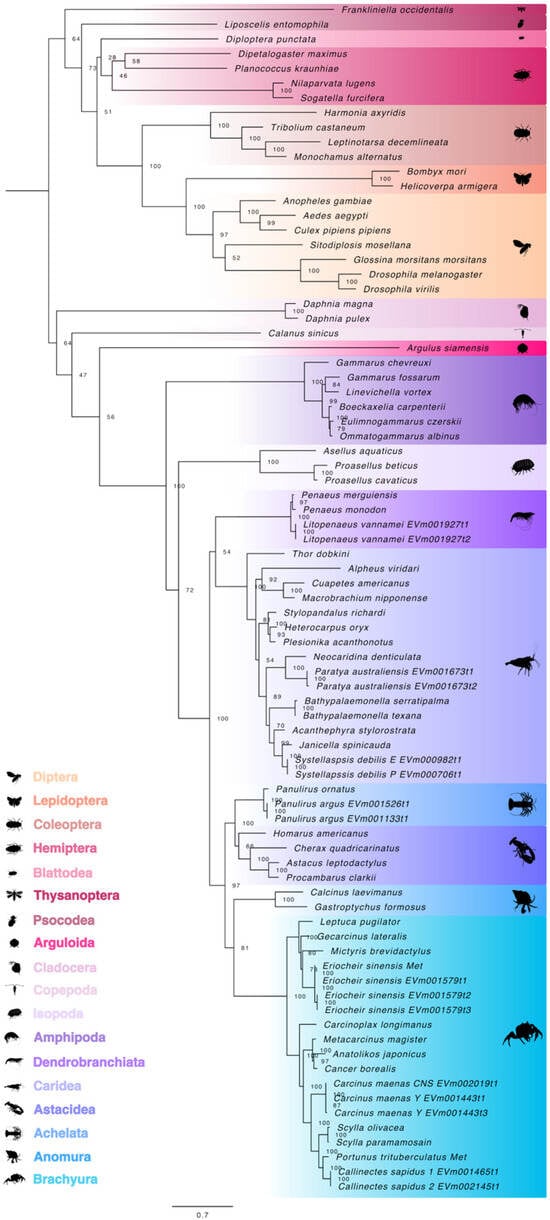
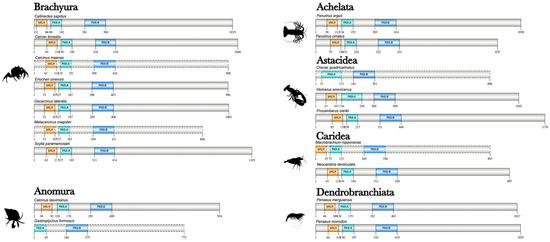
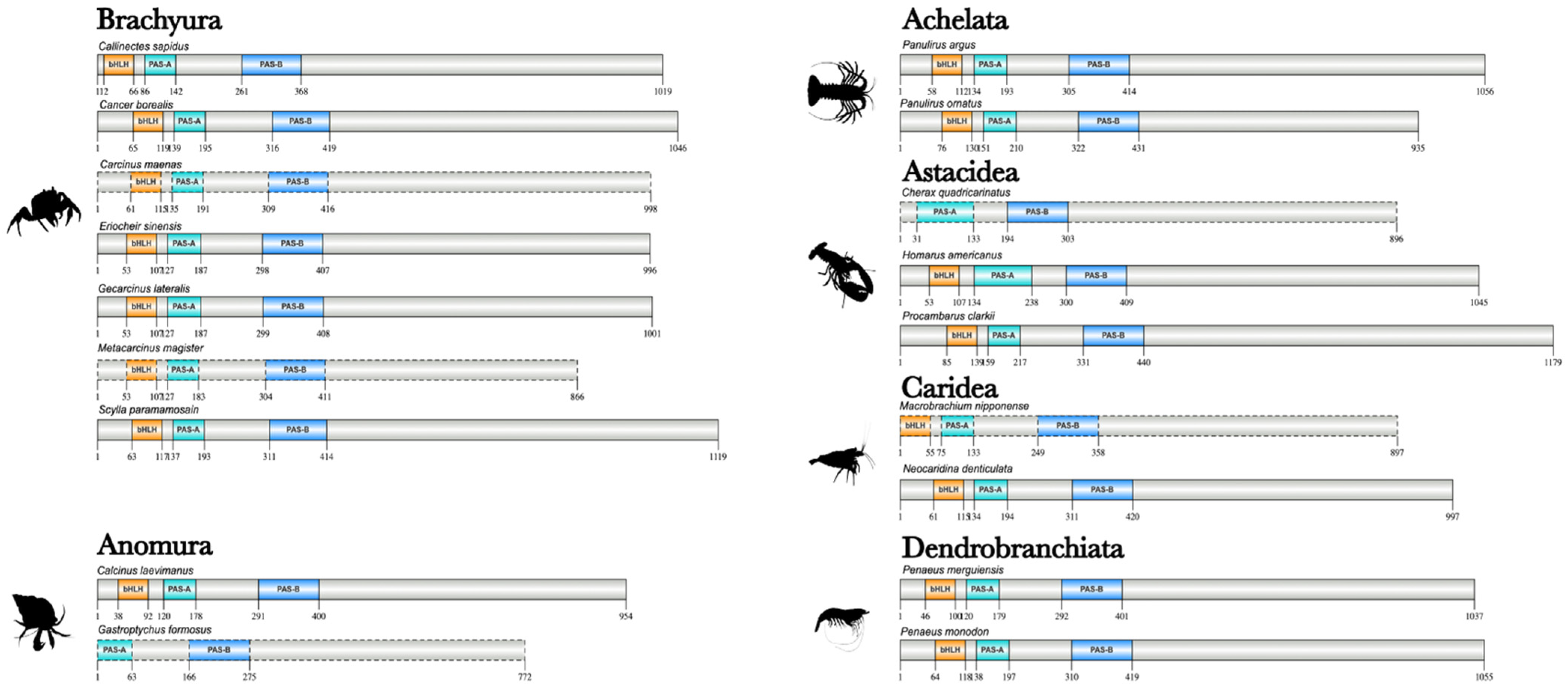
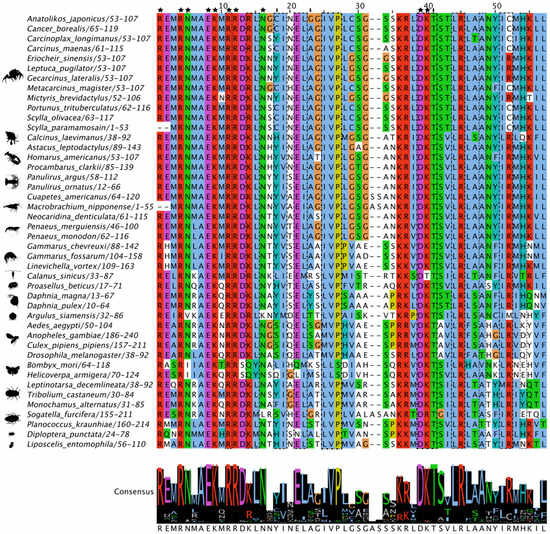
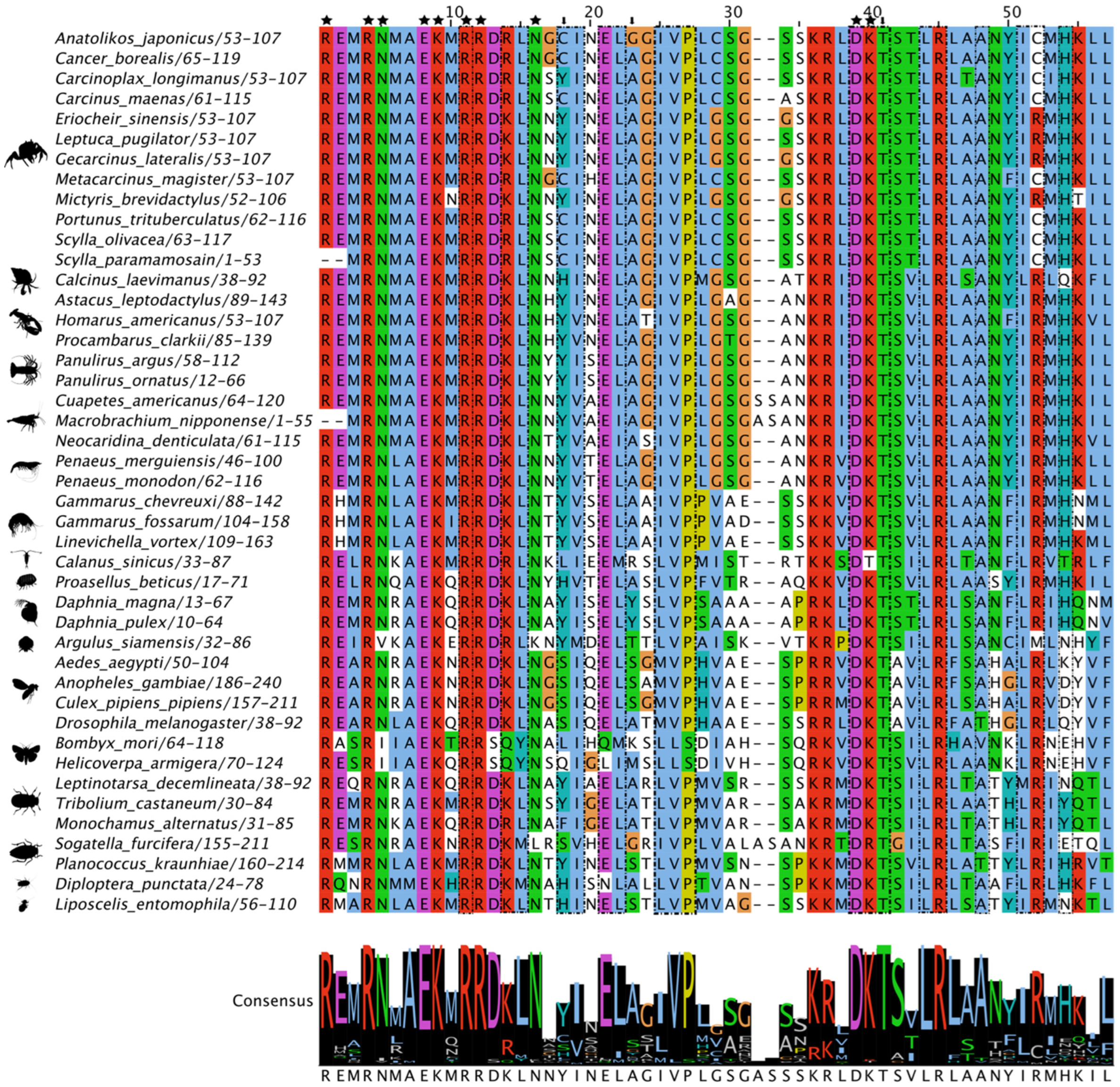
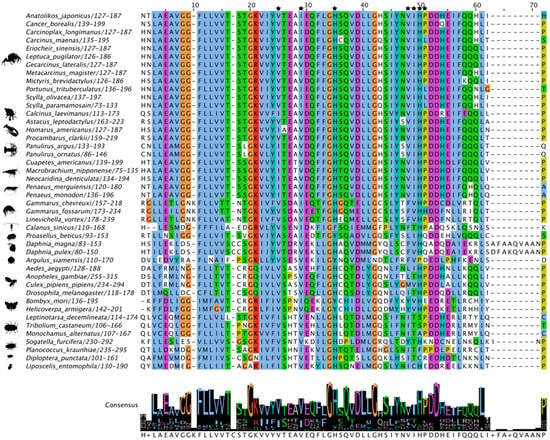
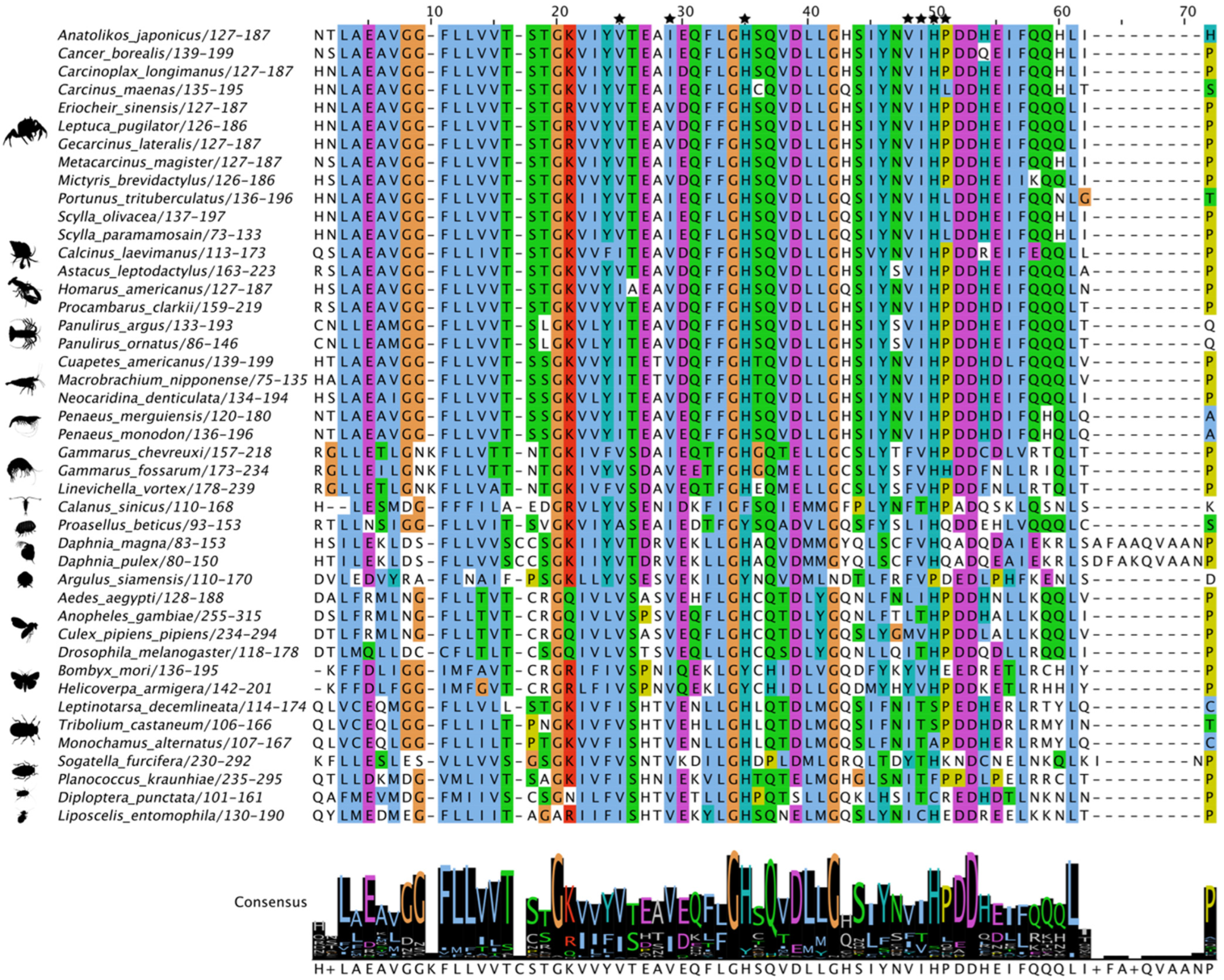
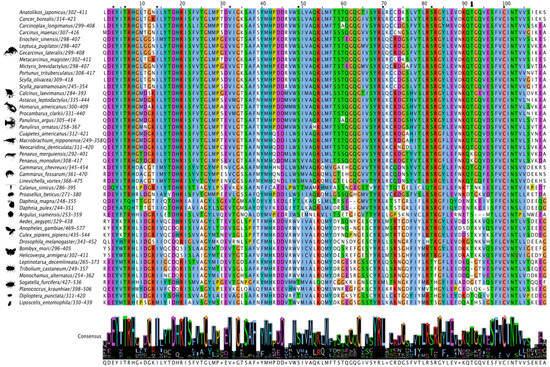
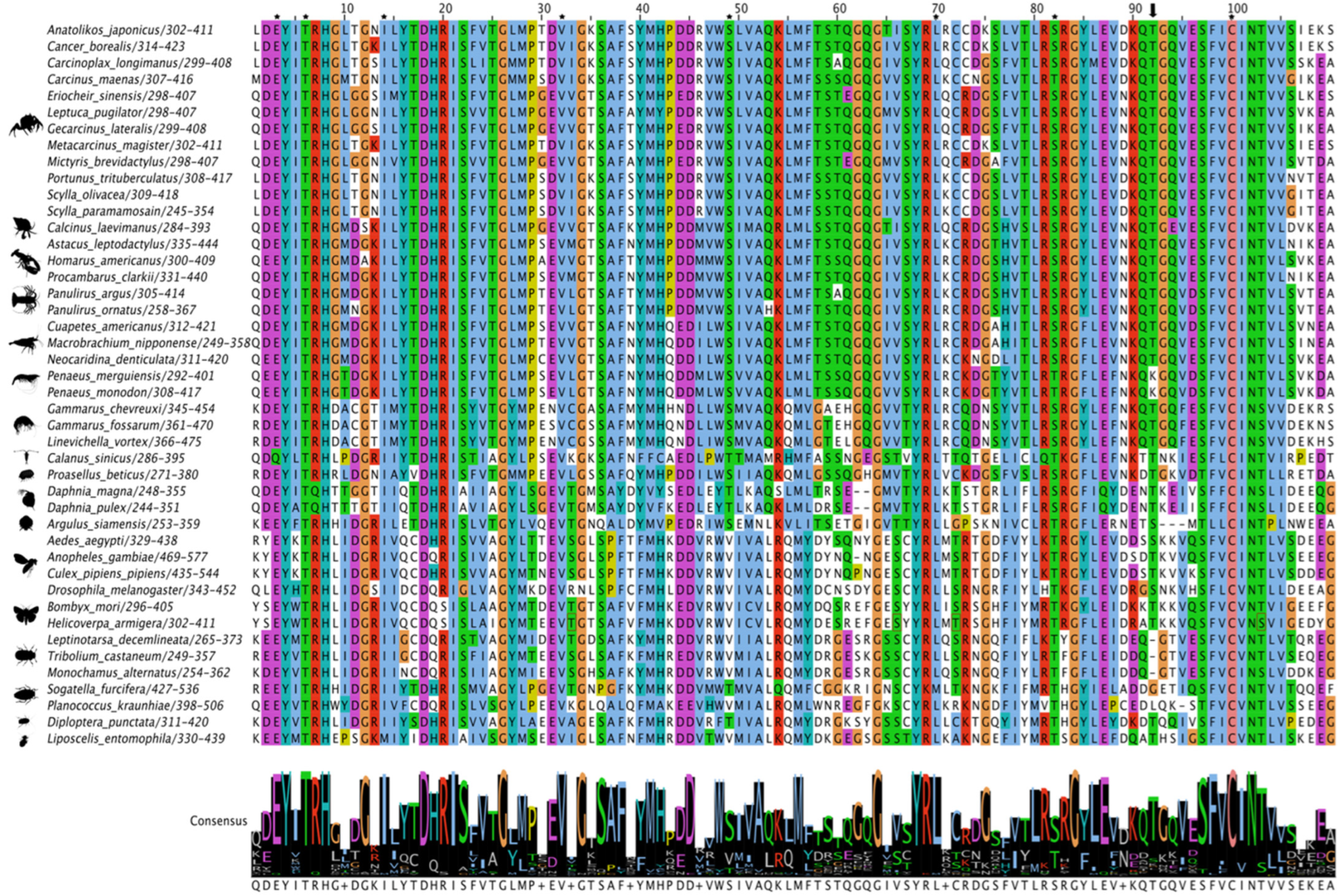
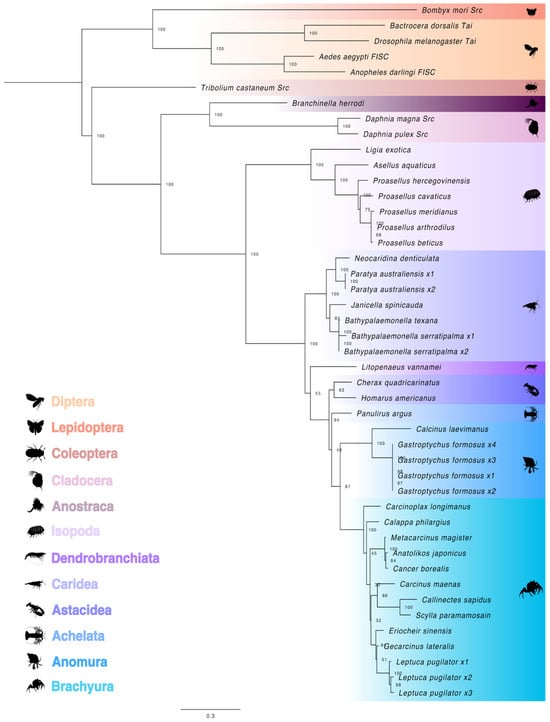
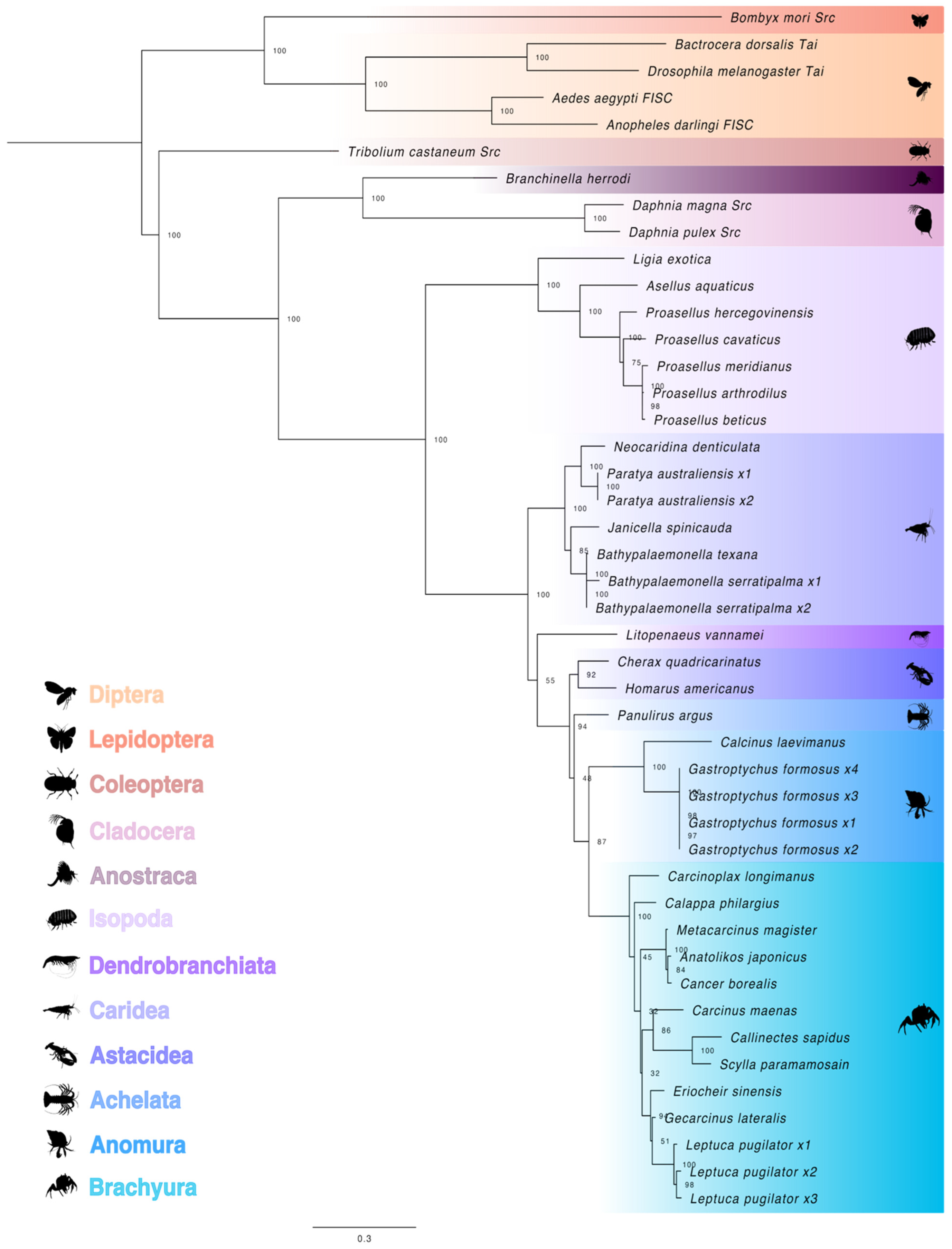
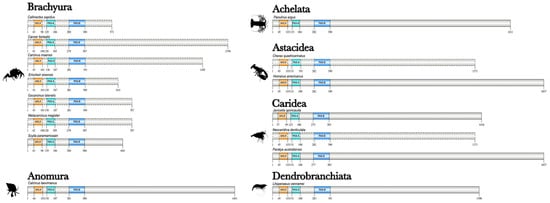
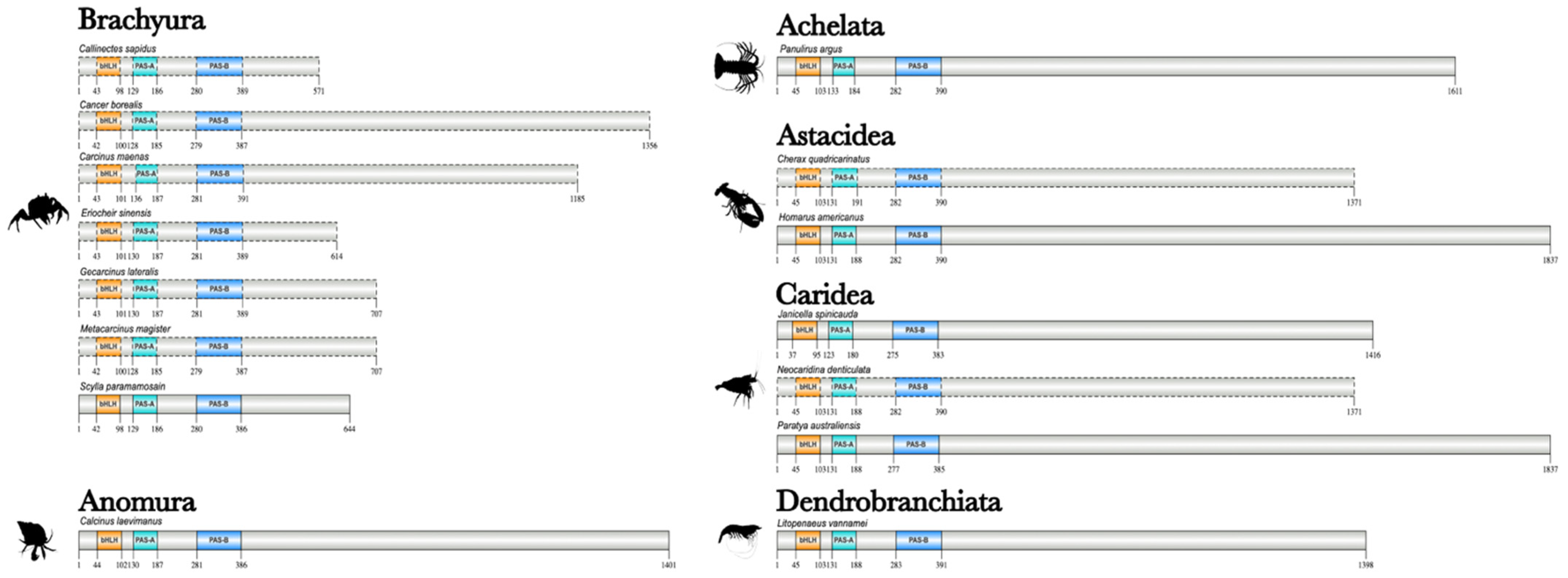
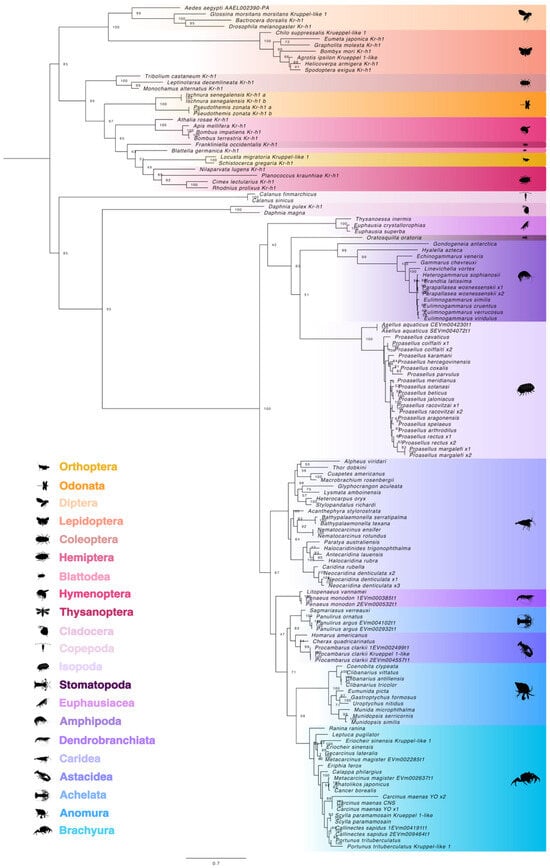
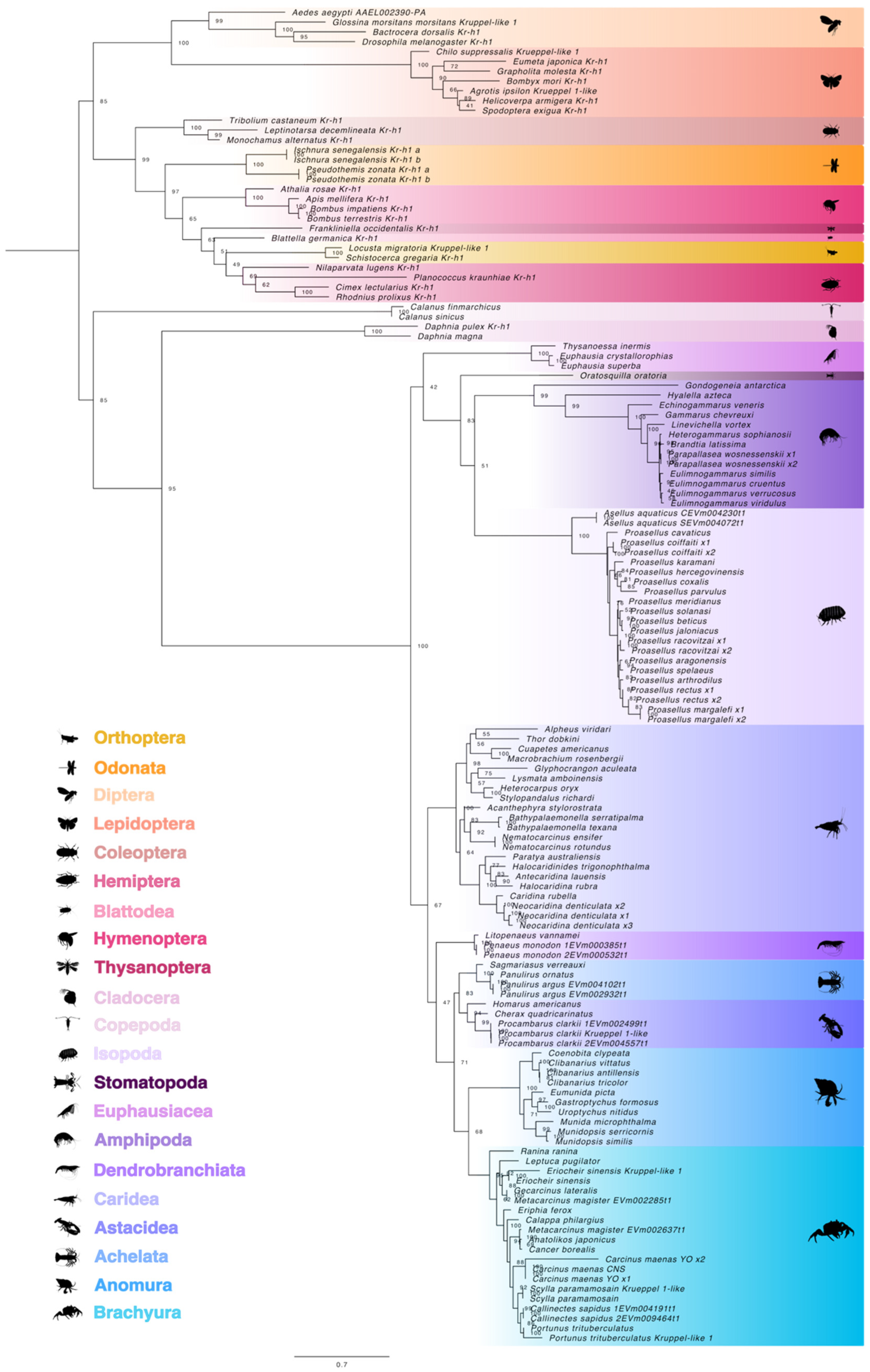
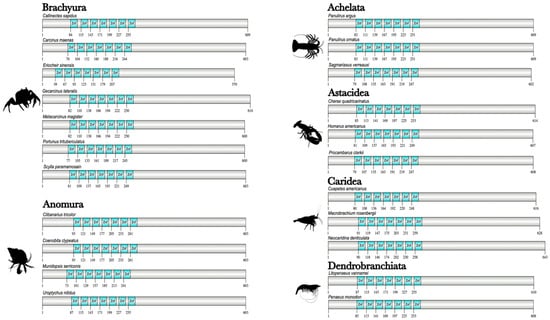
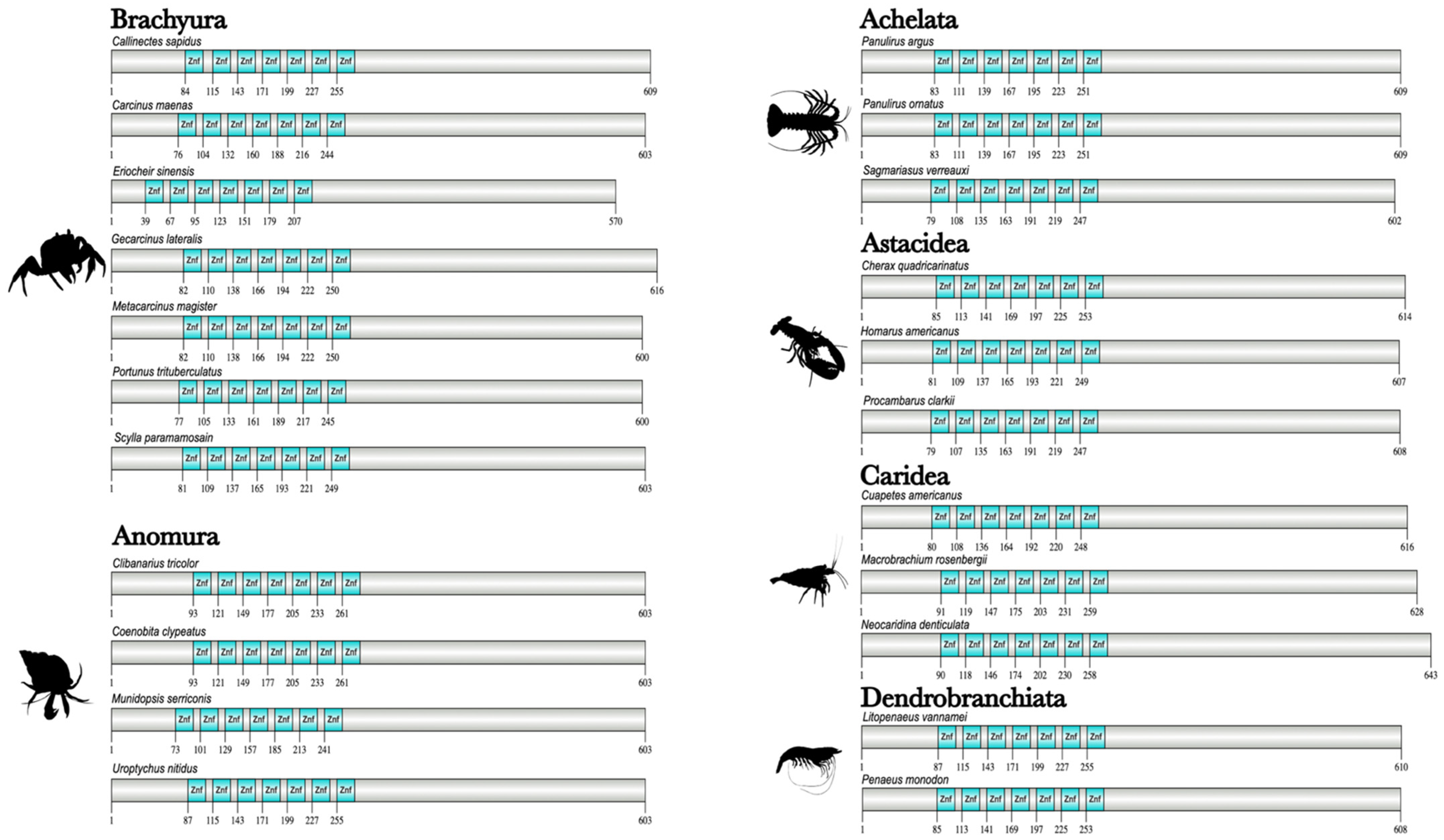
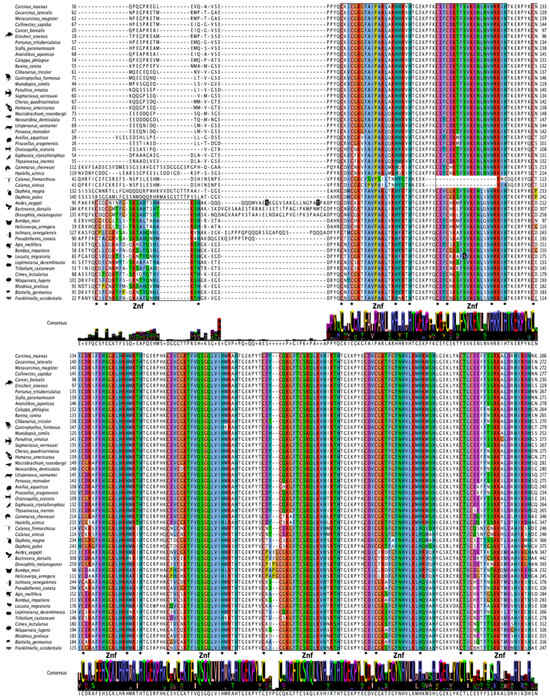
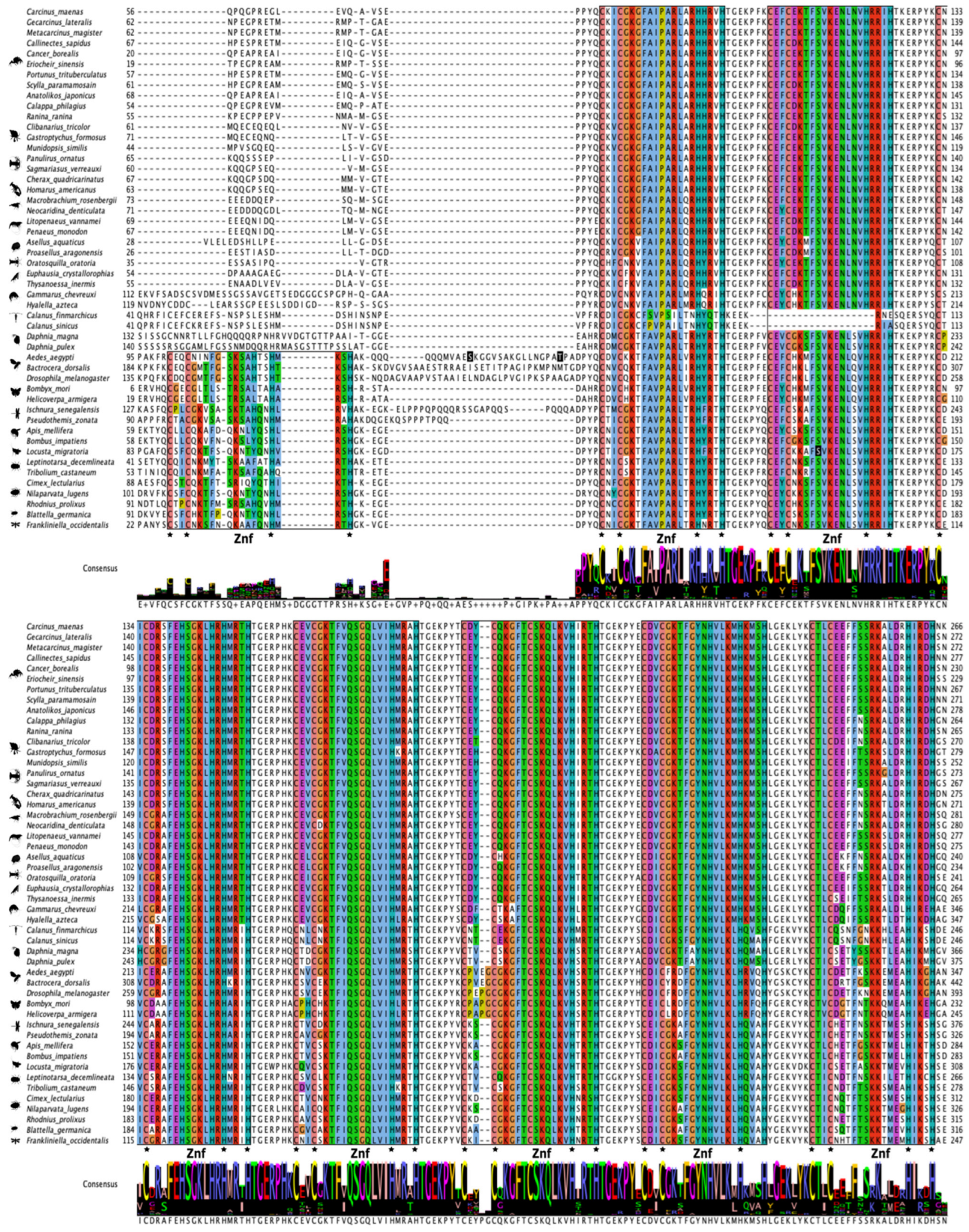
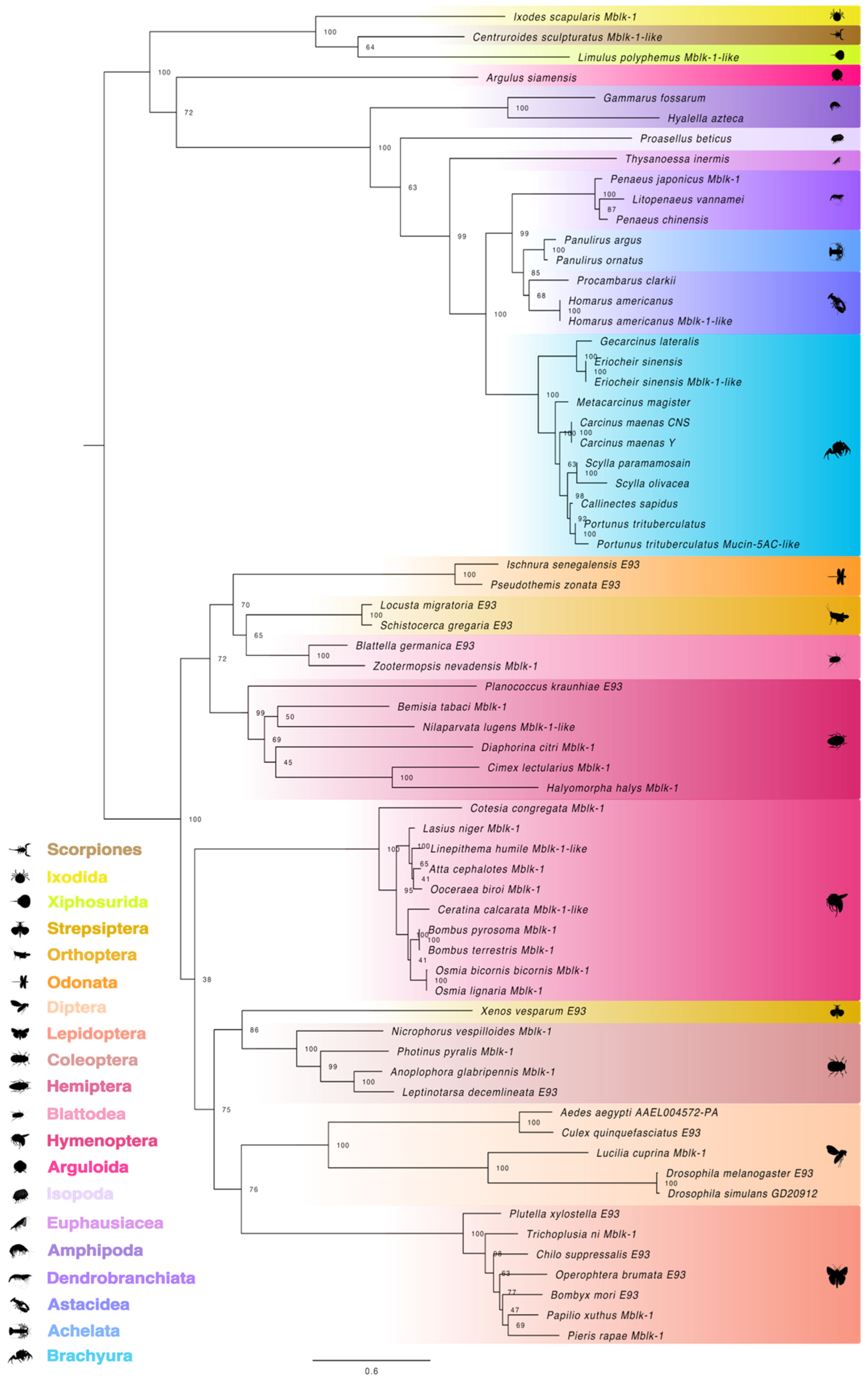
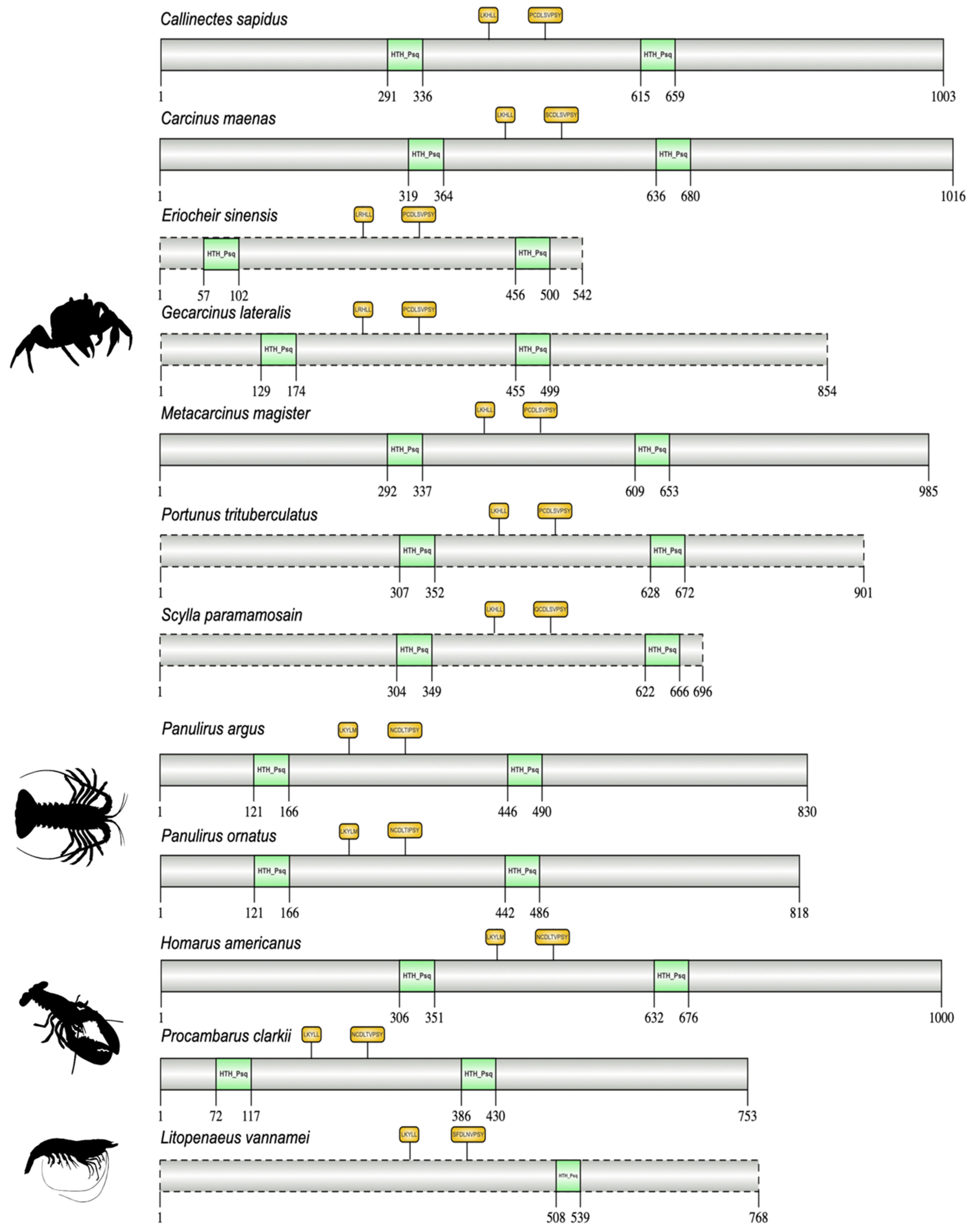
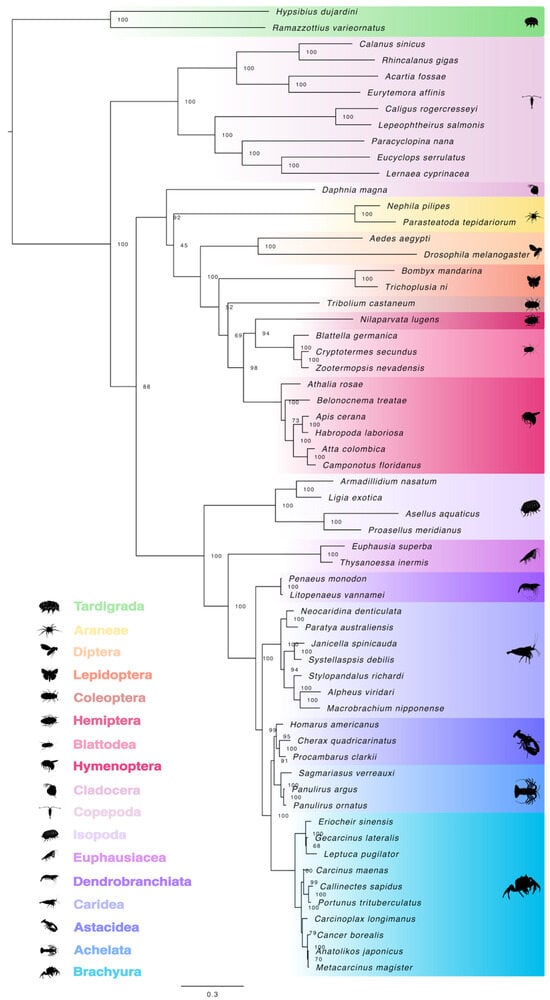
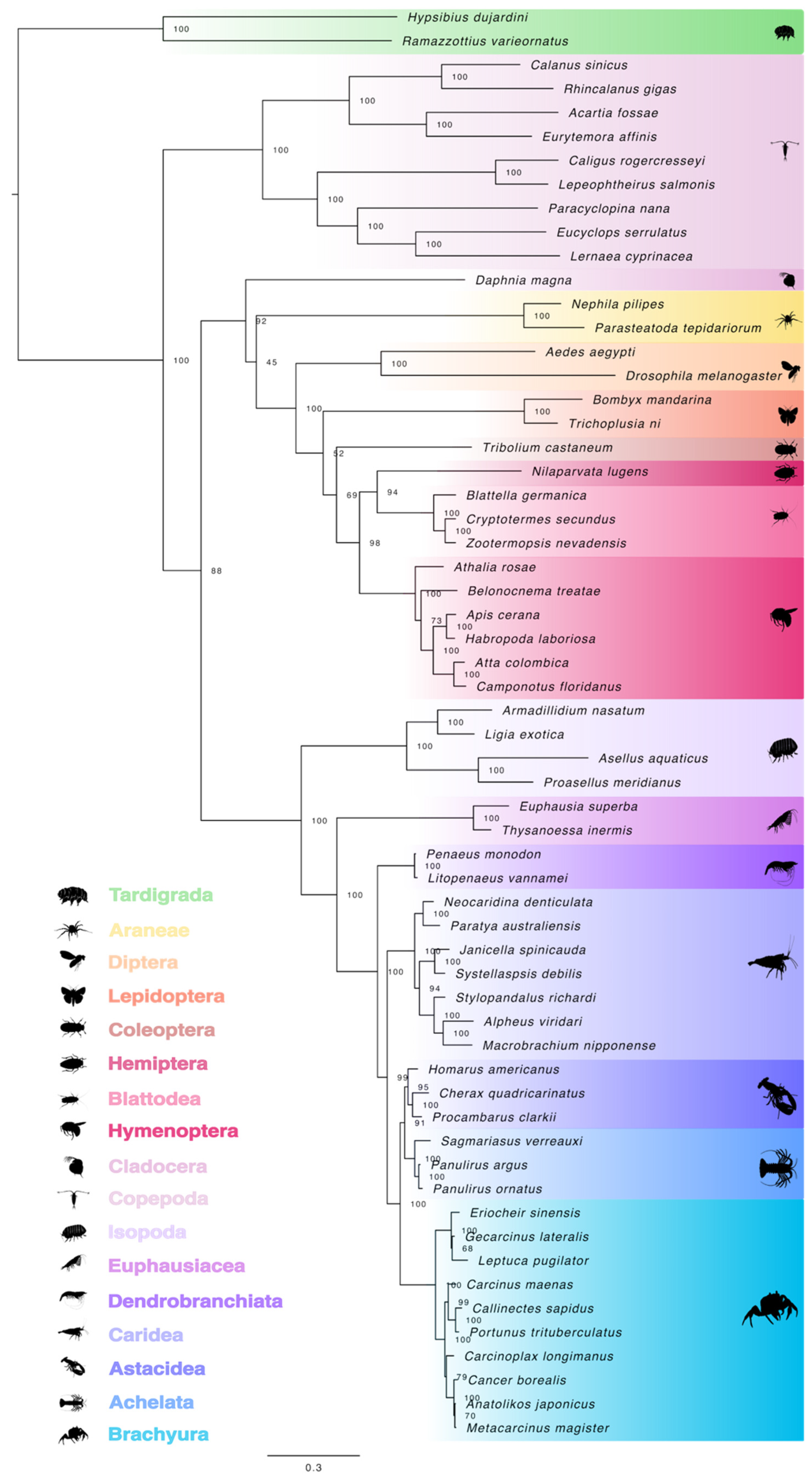
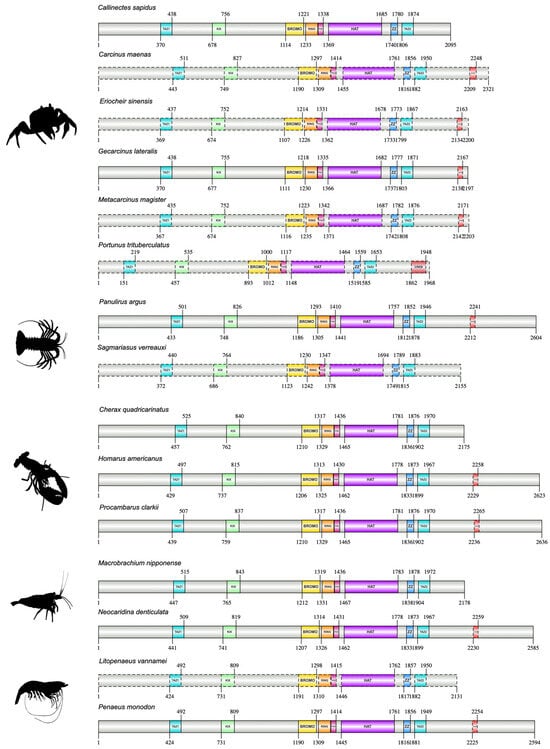
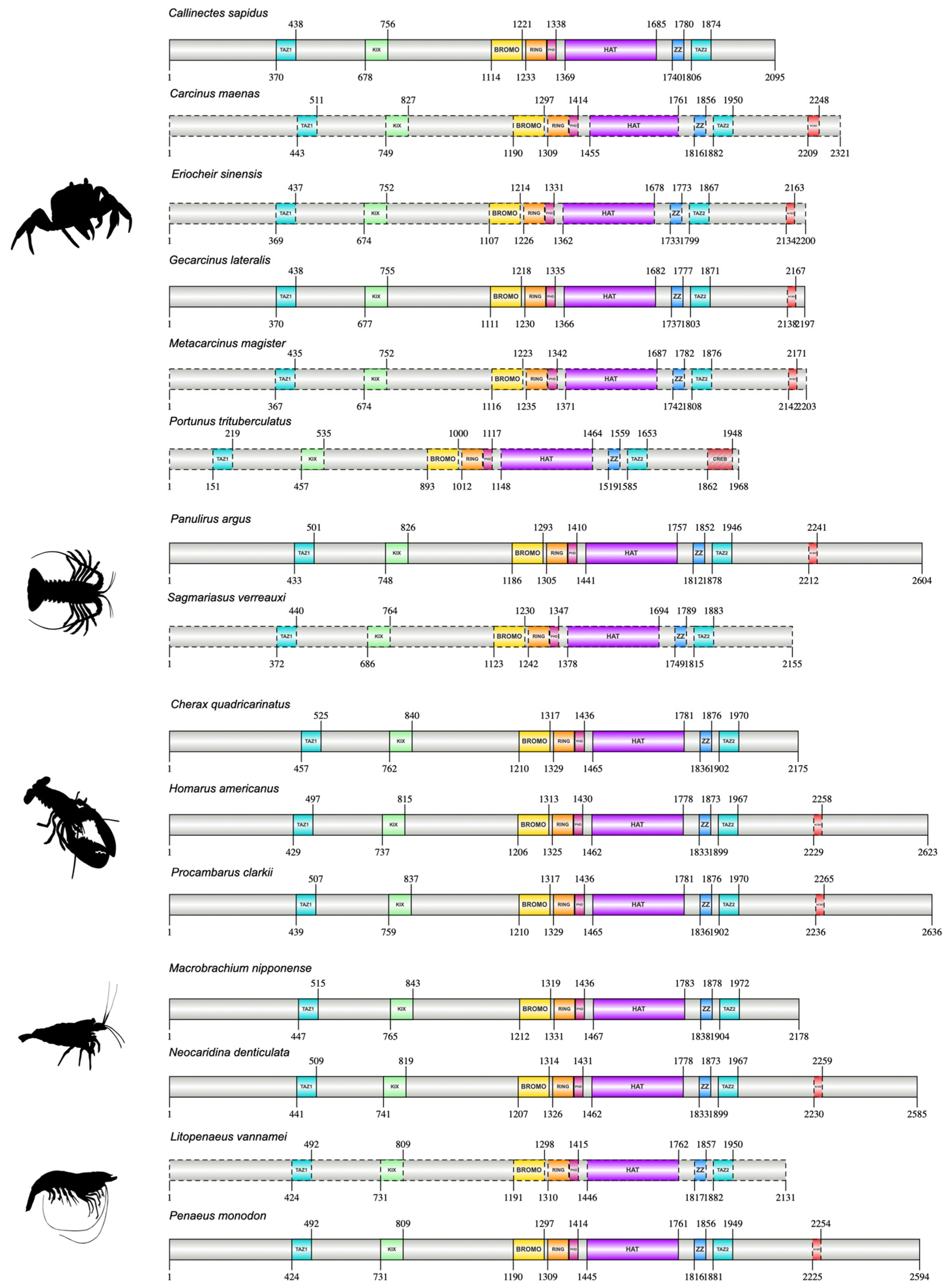
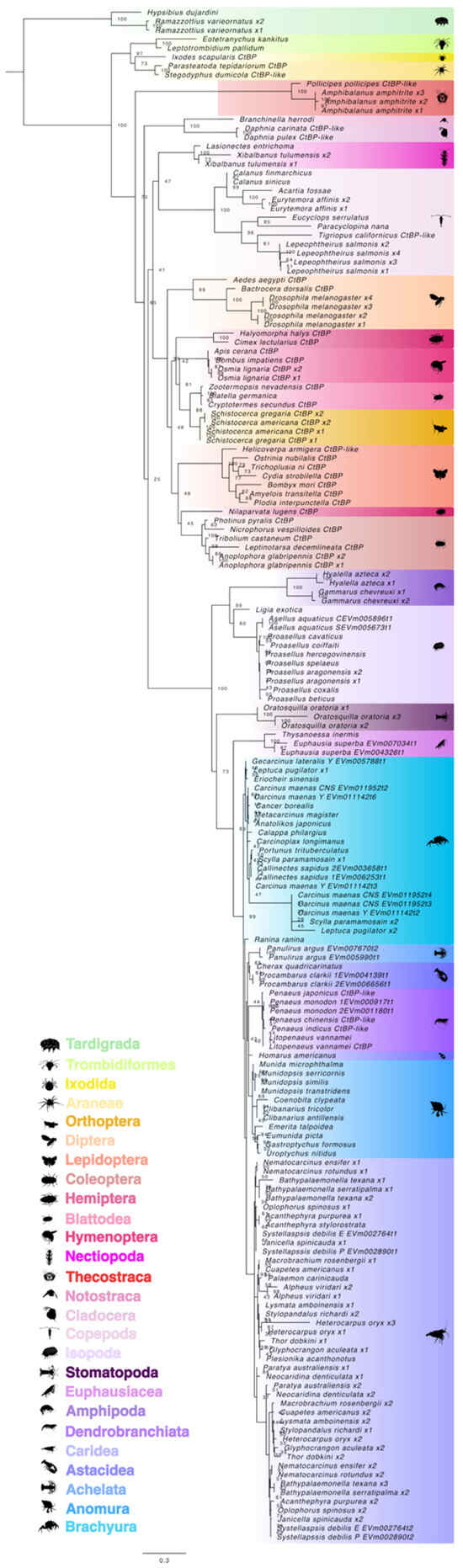
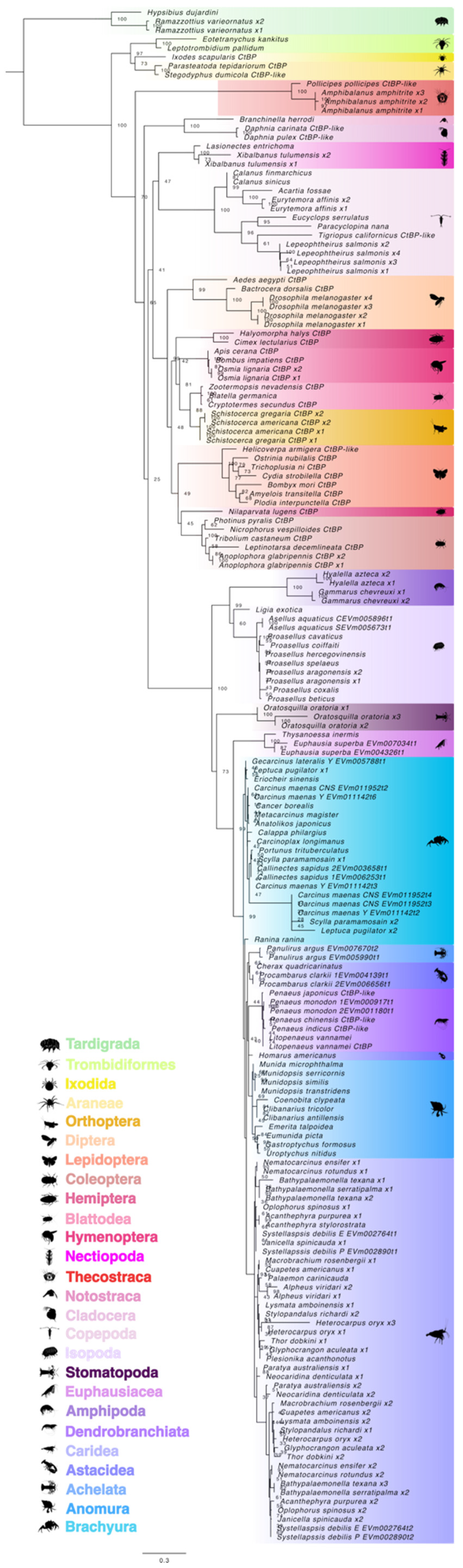
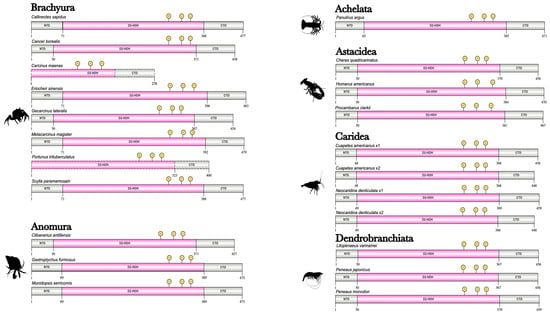
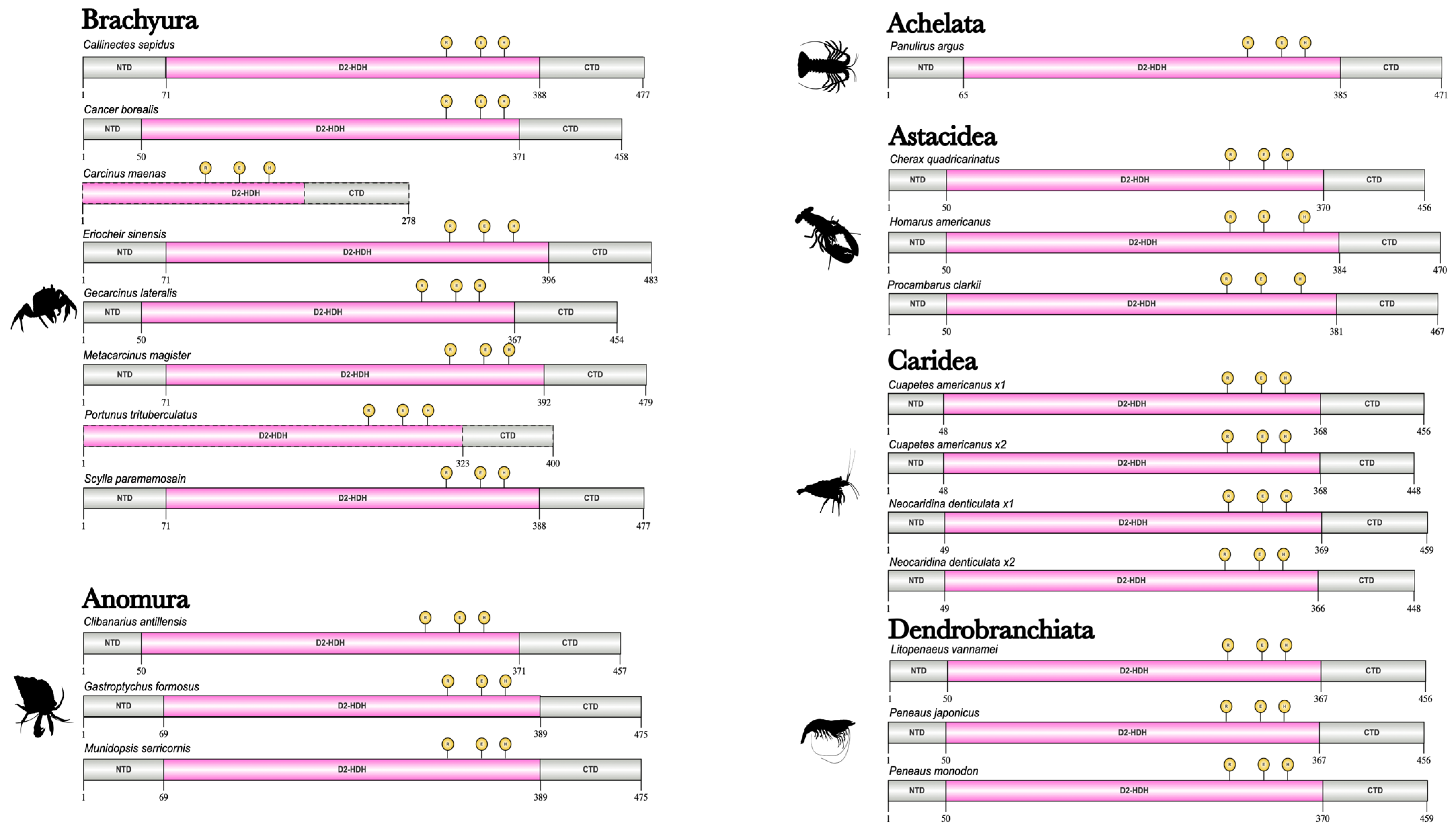
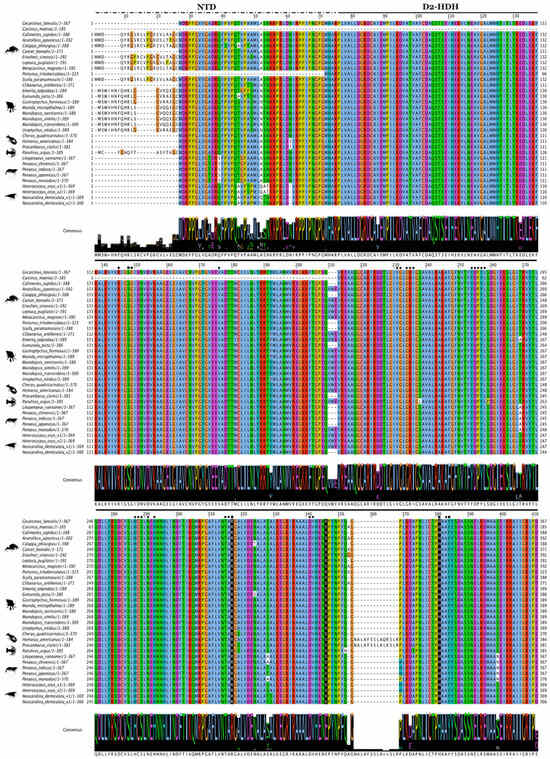
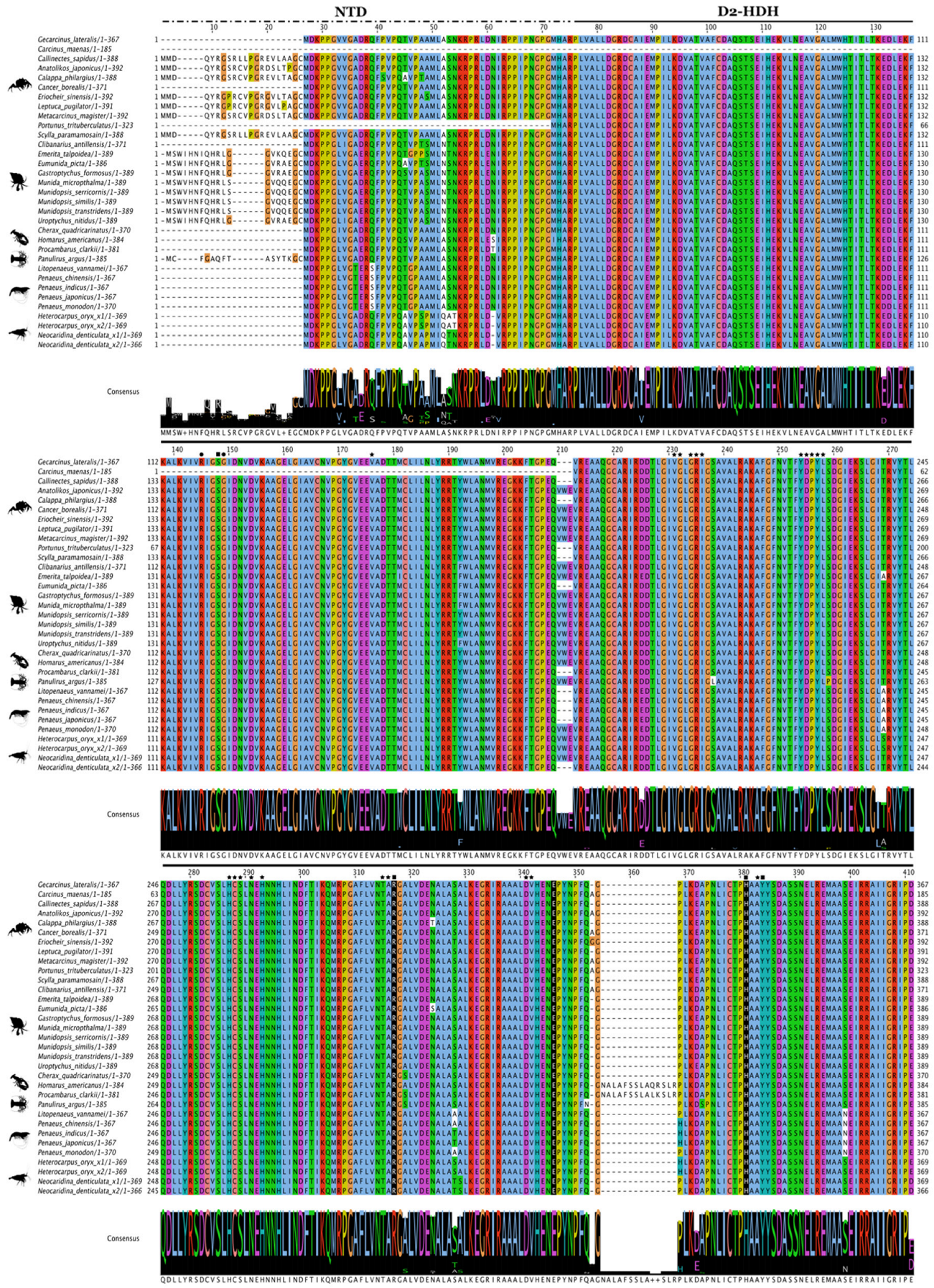
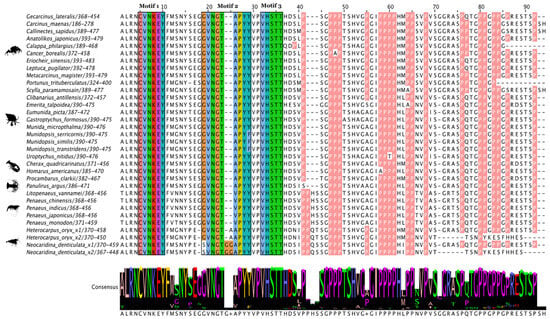
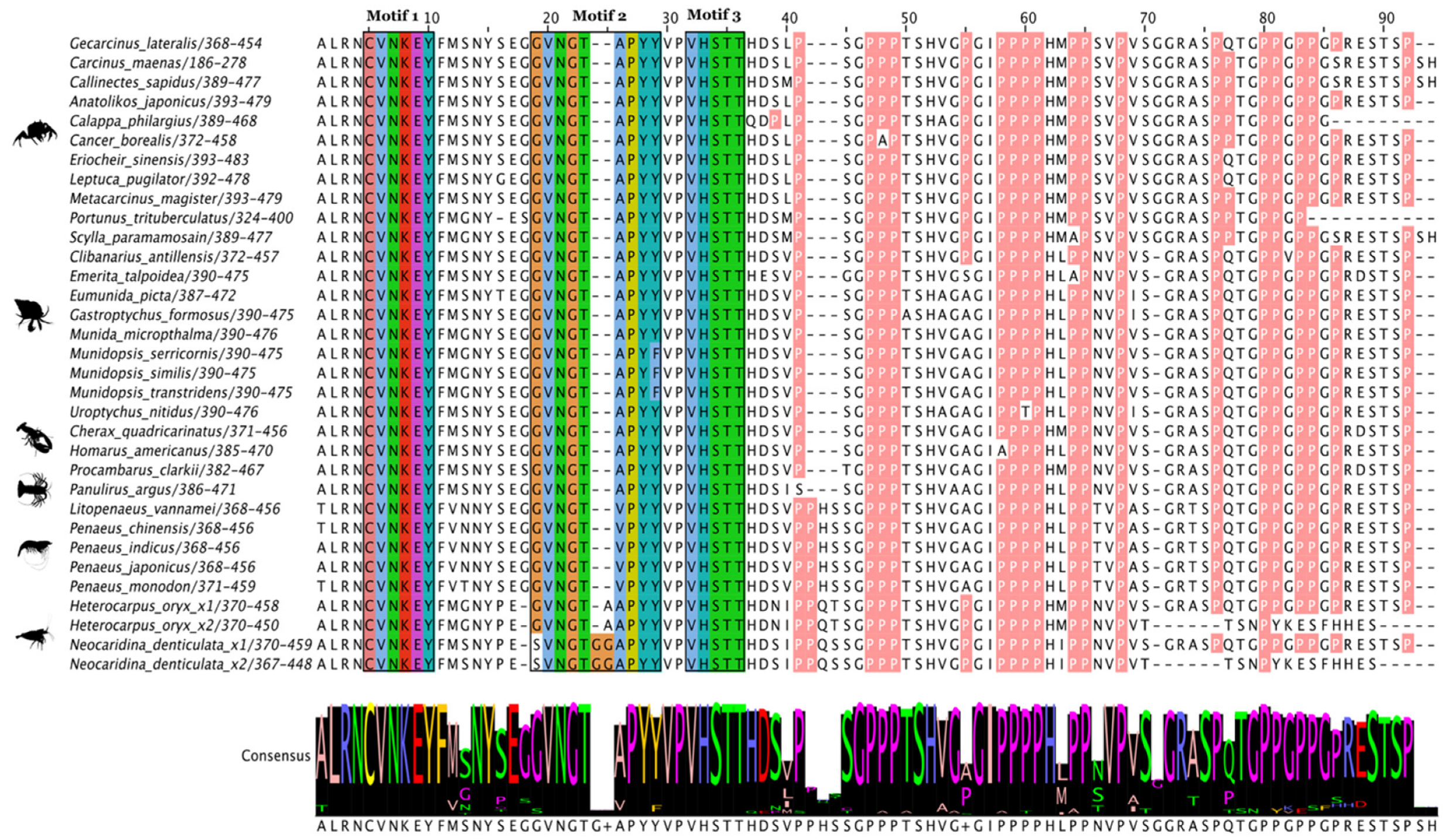

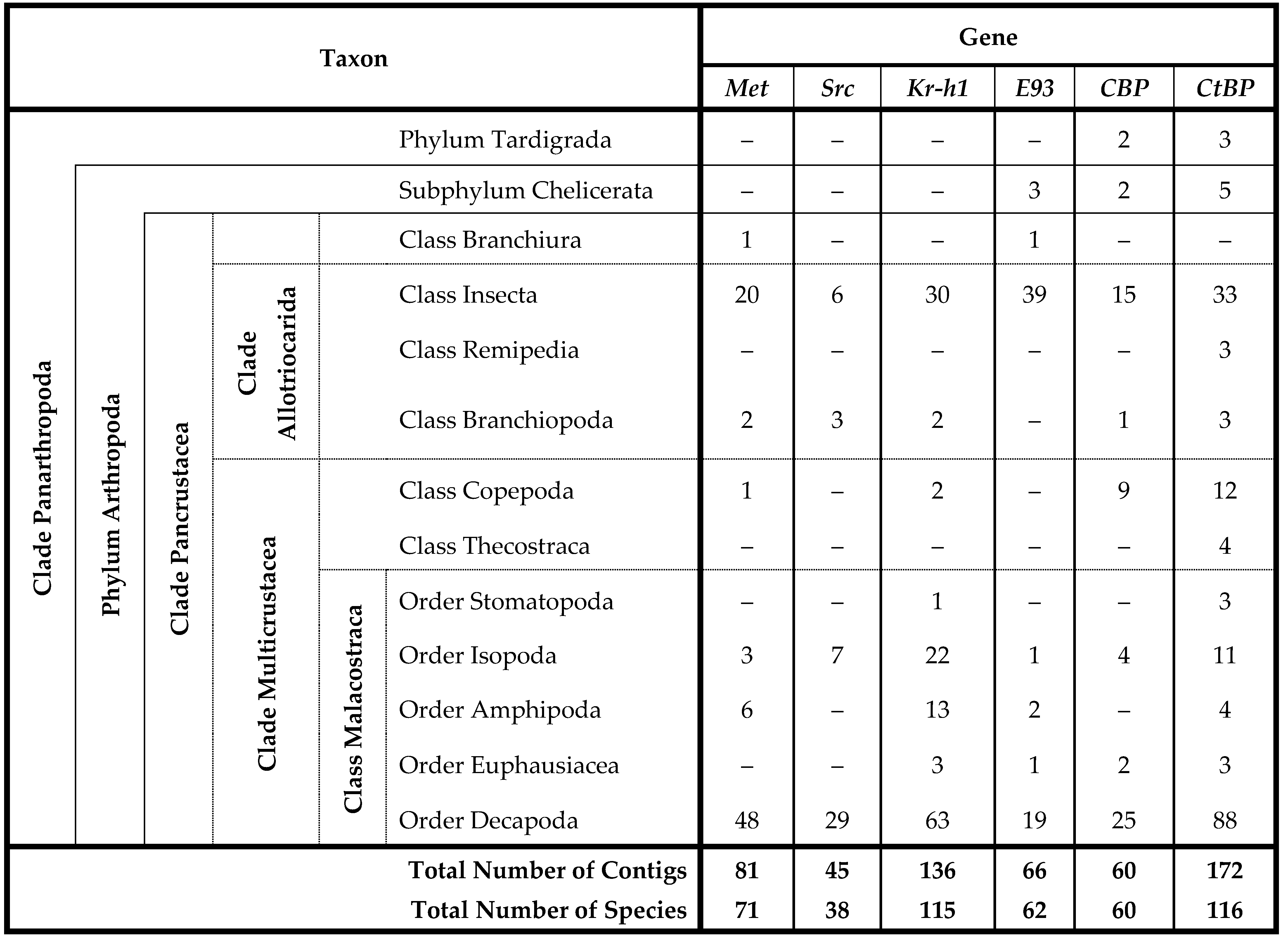
Disclaimer/Publisher’s Note: The statements, opinions and data contained in all publications are solely those of the individual author(s) and contributor(s) and not of MDPI and/or the editor(s). MDPI and/or the editor(s) disclaim responsibility for any injury to people or property resulting from any ideas, methods, instructions or products referred to in the content. |
© 2026 by the authors. Licensee MDPI, Basel, Switzerland. This article is an open access article distributed under the terms and conditions of the Creative Commons Attribution (CC BY) license.