Article

Amphiphilic Semisynthetic Triterpenoids Impair Survival Pathways and Suppress Clonogenic Growth in Multidrug-Resistant High-Risk Neuroblastoma


by
Silvana Alfei
1,*,
Cinzia Domenicotti
2,3,*,
Sara Tirendi
2,4,
Elaheh Khaledizadeh
2,
Dafni Graikioti
5,
Constantinos M. Athanassopoulos
5,
Guendalina Zuccari
1,6,
Caterina Reggio
6 and
Barbara Marengo
2,3
1
Department of Pharmacy, University of Genoa, Viale Cembrano, 16148 Genoa, Italy
2
Department of Experimental Medicine (DIMES), University of Genova, Via Alberti L.B., 16132 Genoa, Italy
3
AOM-IRCCS Ospedale Policlinico San Martino, 16132 Genoa, Italy
4
Inter-University Center for the Promotion of the 3Rs Principles in Teaching & Research (Centro 3R), 56122 Pisa, Italy
5
Department of Chemistry, University of Patras, University Campus Rio Achaias, 26504 Rio, Greece
6
Laboratory of Experimental Therapies in Oncology, IRCCS Istituto Giannina Gaslini, Via G. Gaslini 5, 16147 Genoa, Italy
*
Authors to whom correspondence should be addressed.
Int. J. Mol. Sci. 2026, 27(15), 6563; https://doi.org/10.3390/ijms27156563
Submission received: 24 June 2026 / Revised: 17 July 2026 / Accepted: 19 July 2026 / Published: 23 July 2026
(This article belongs to the Collection Feature Papers in Molecular Oncology)

Abstract

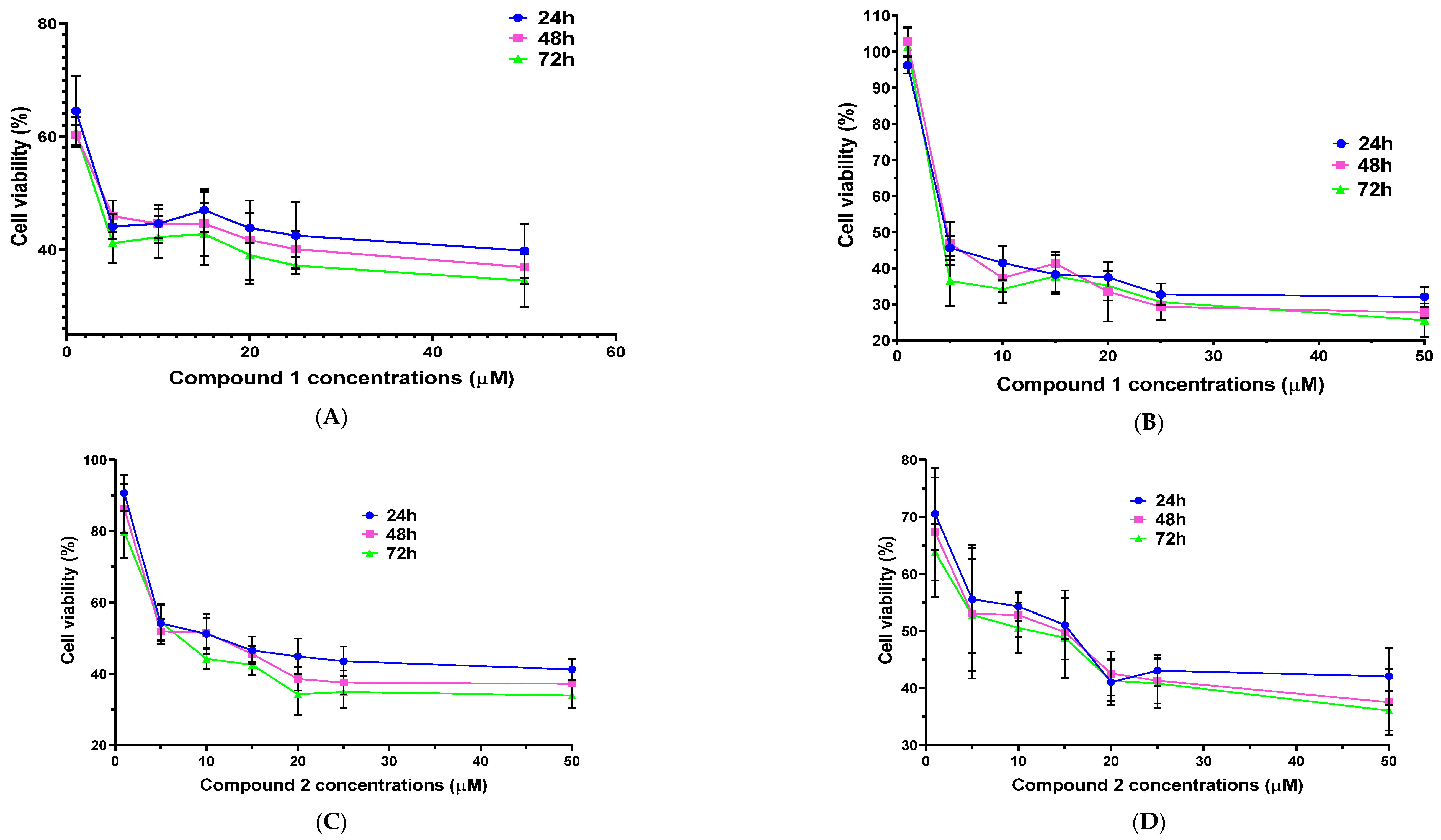
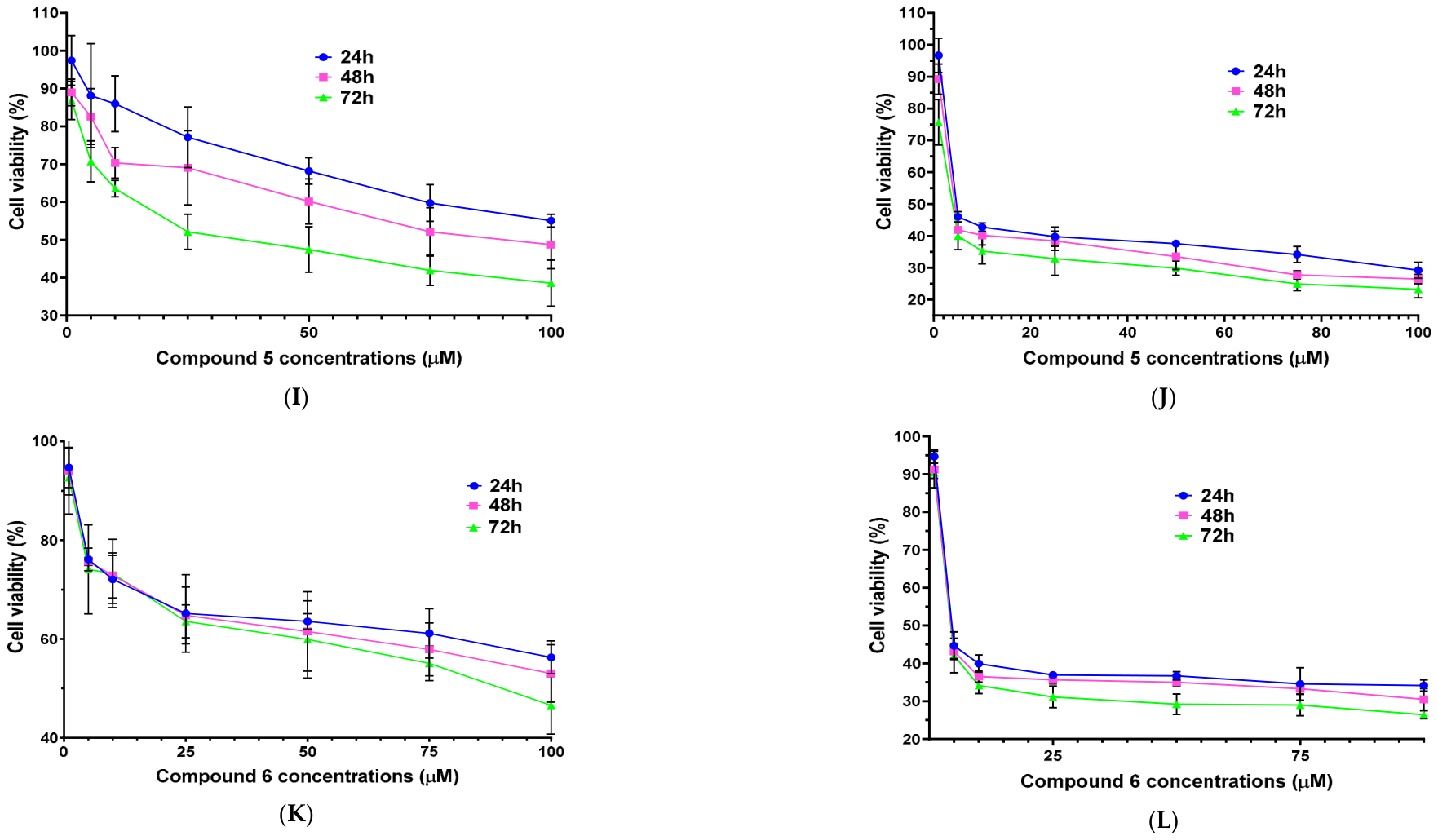
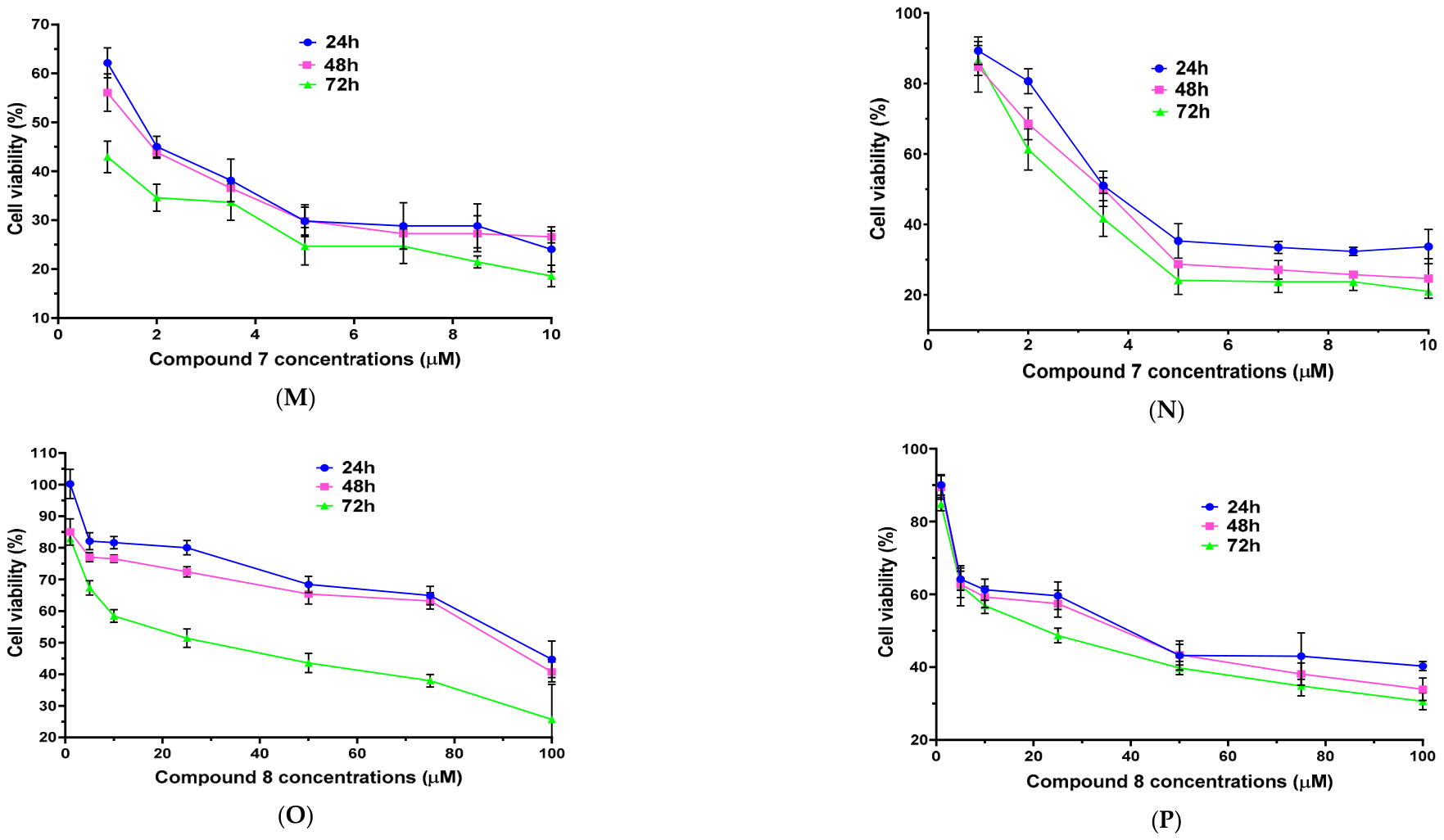
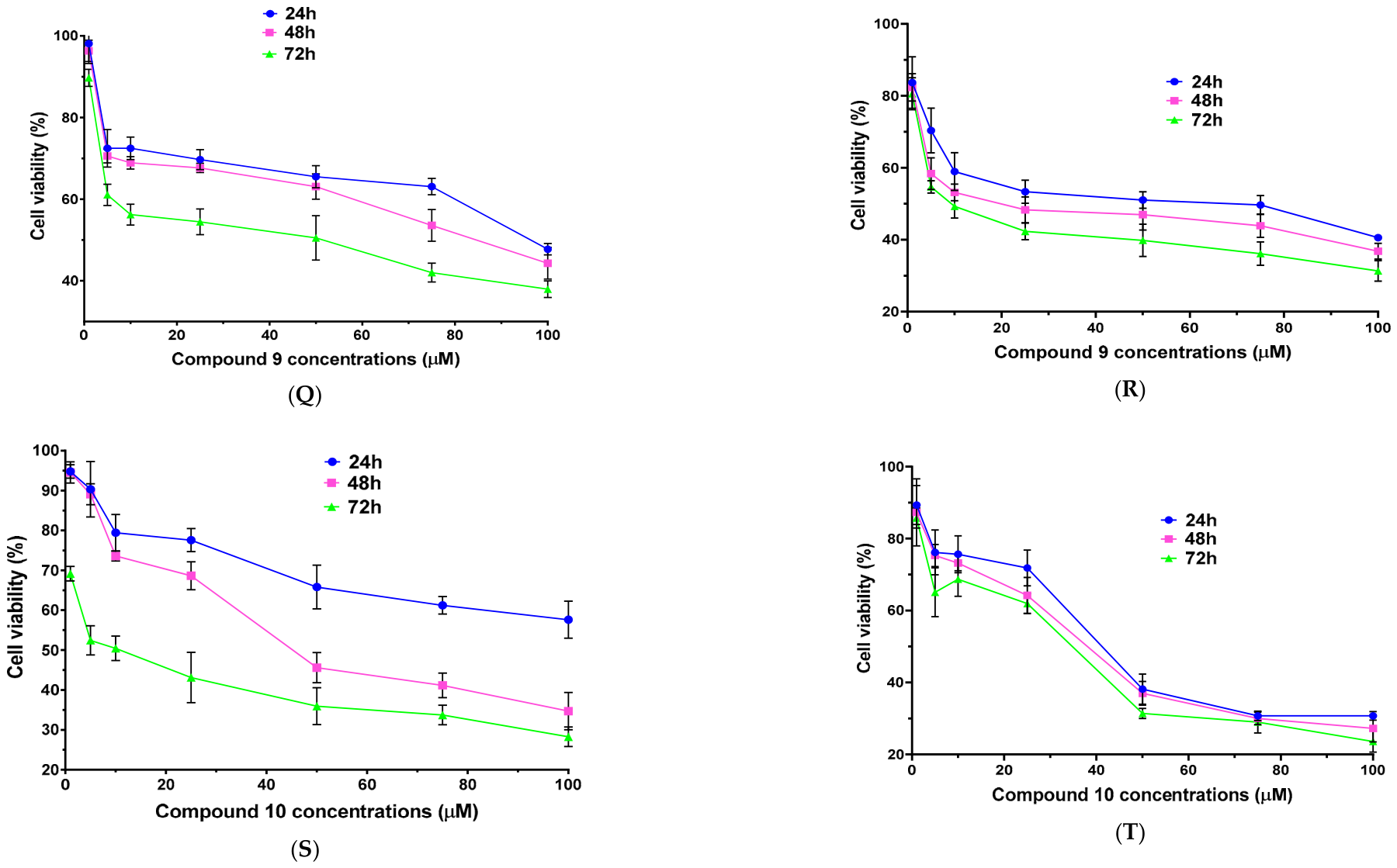
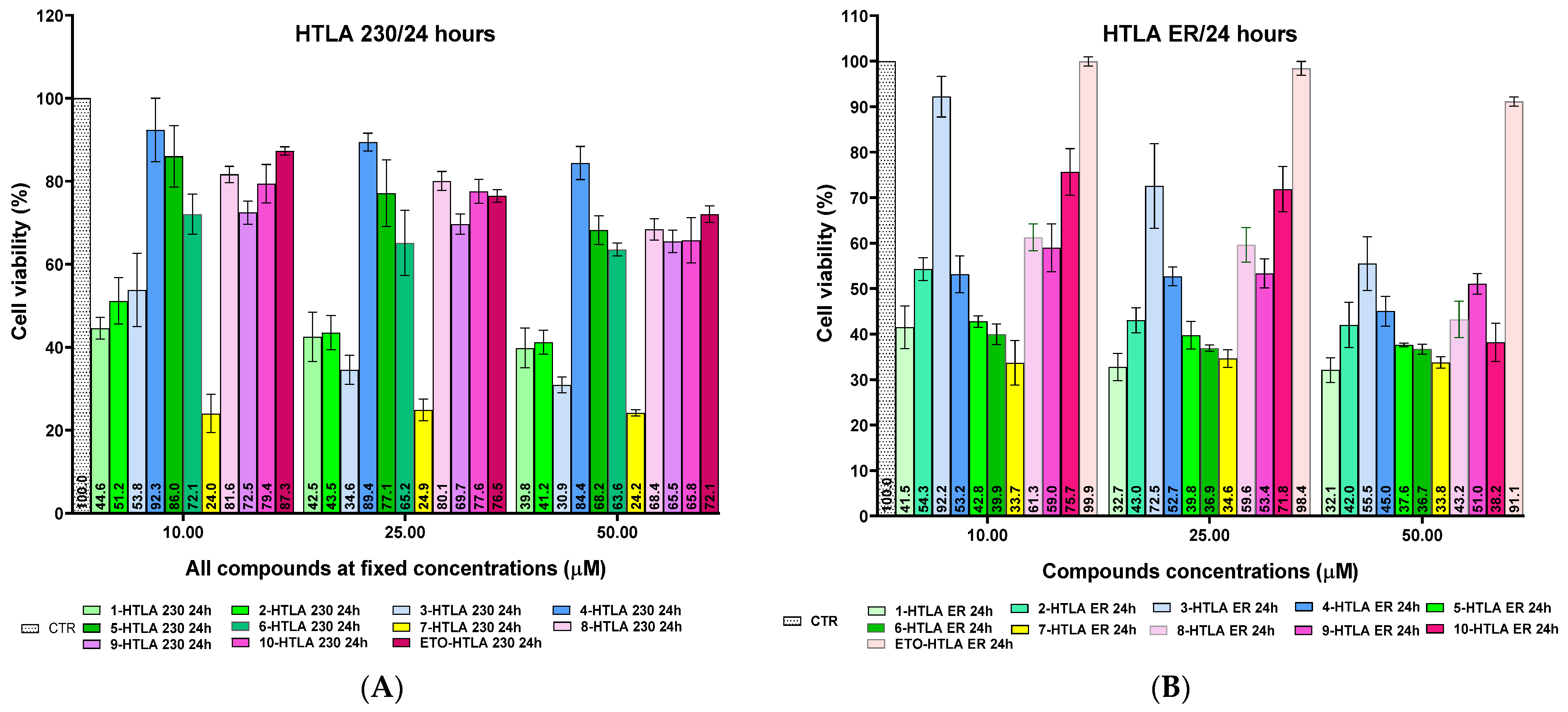
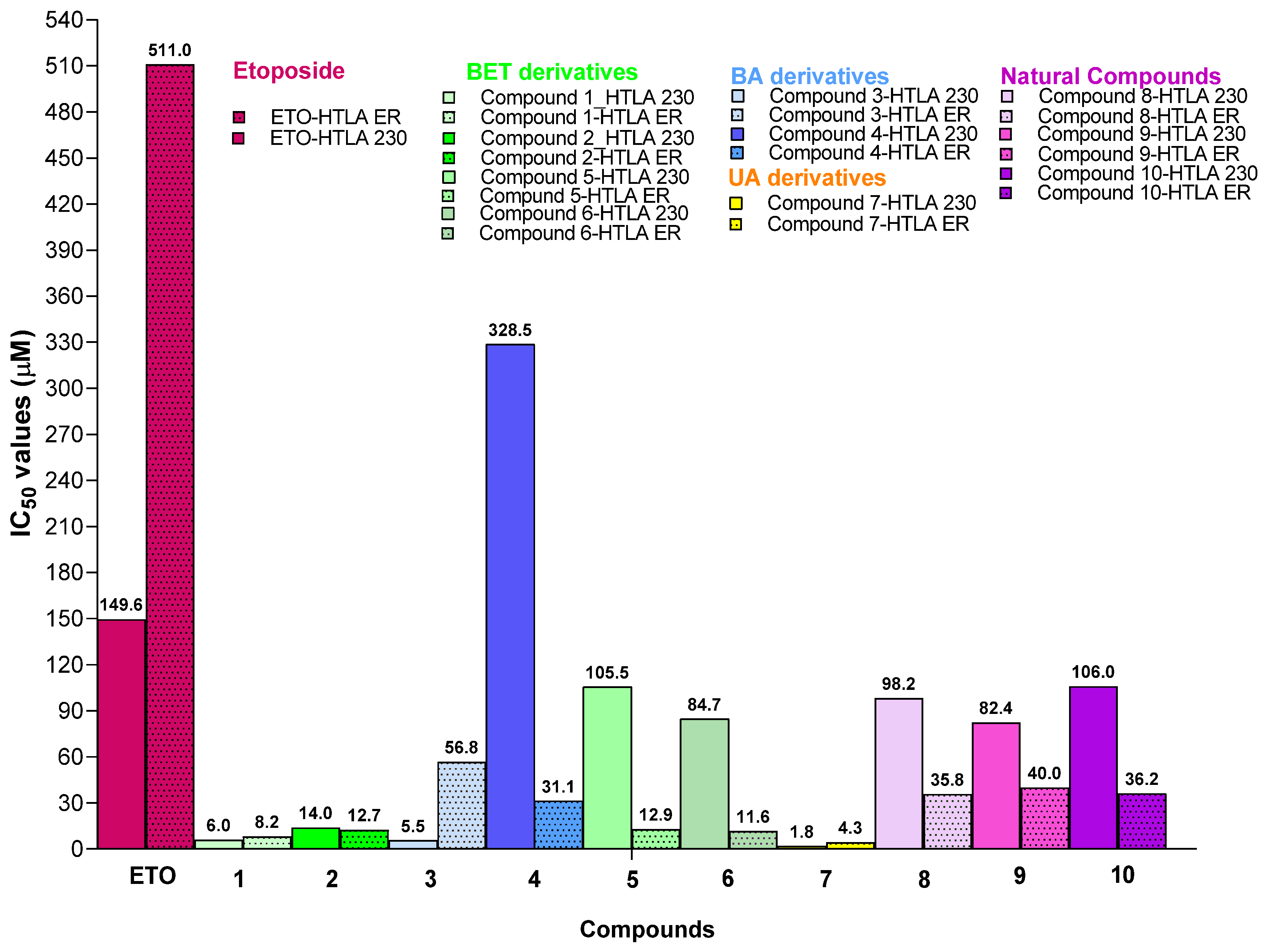
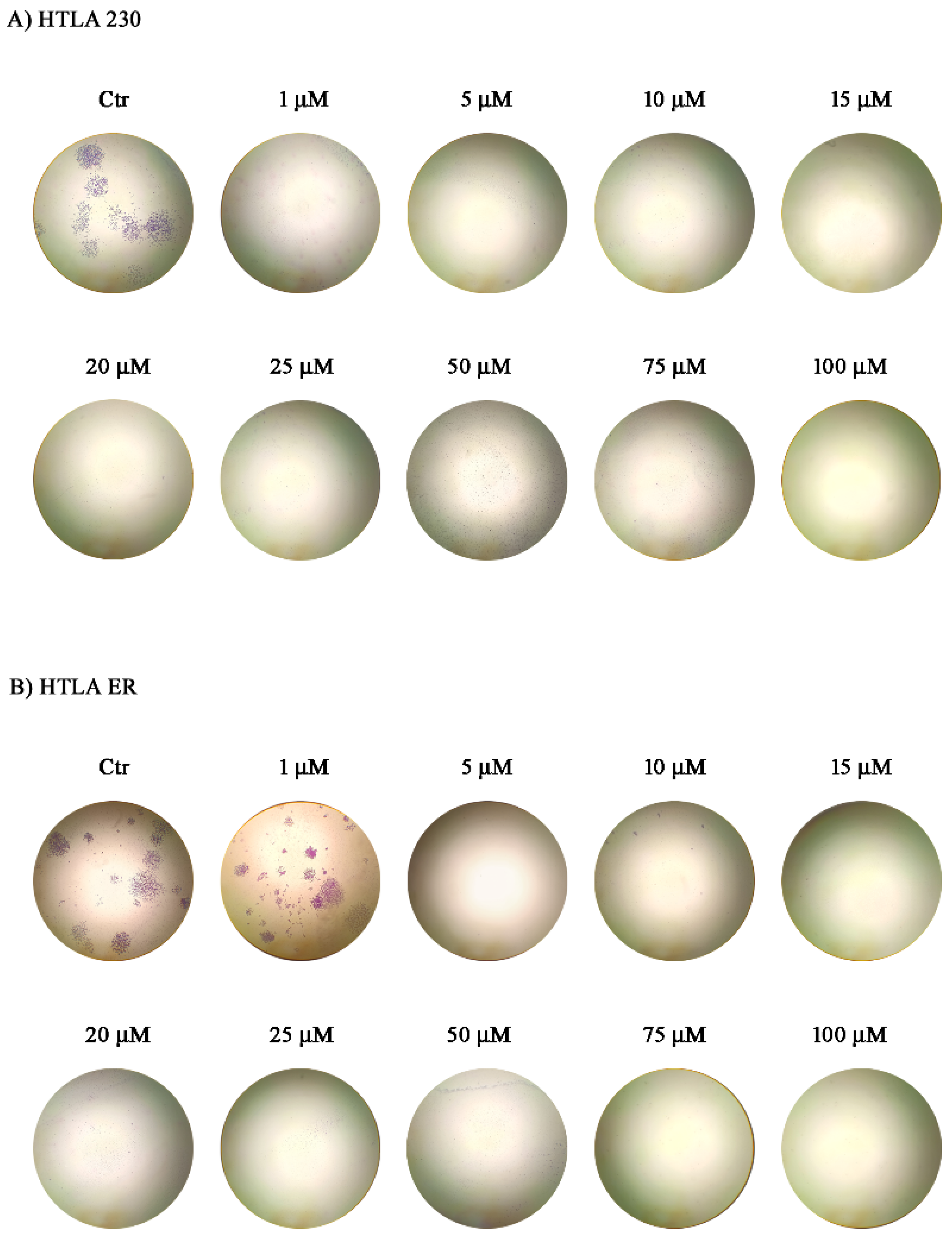
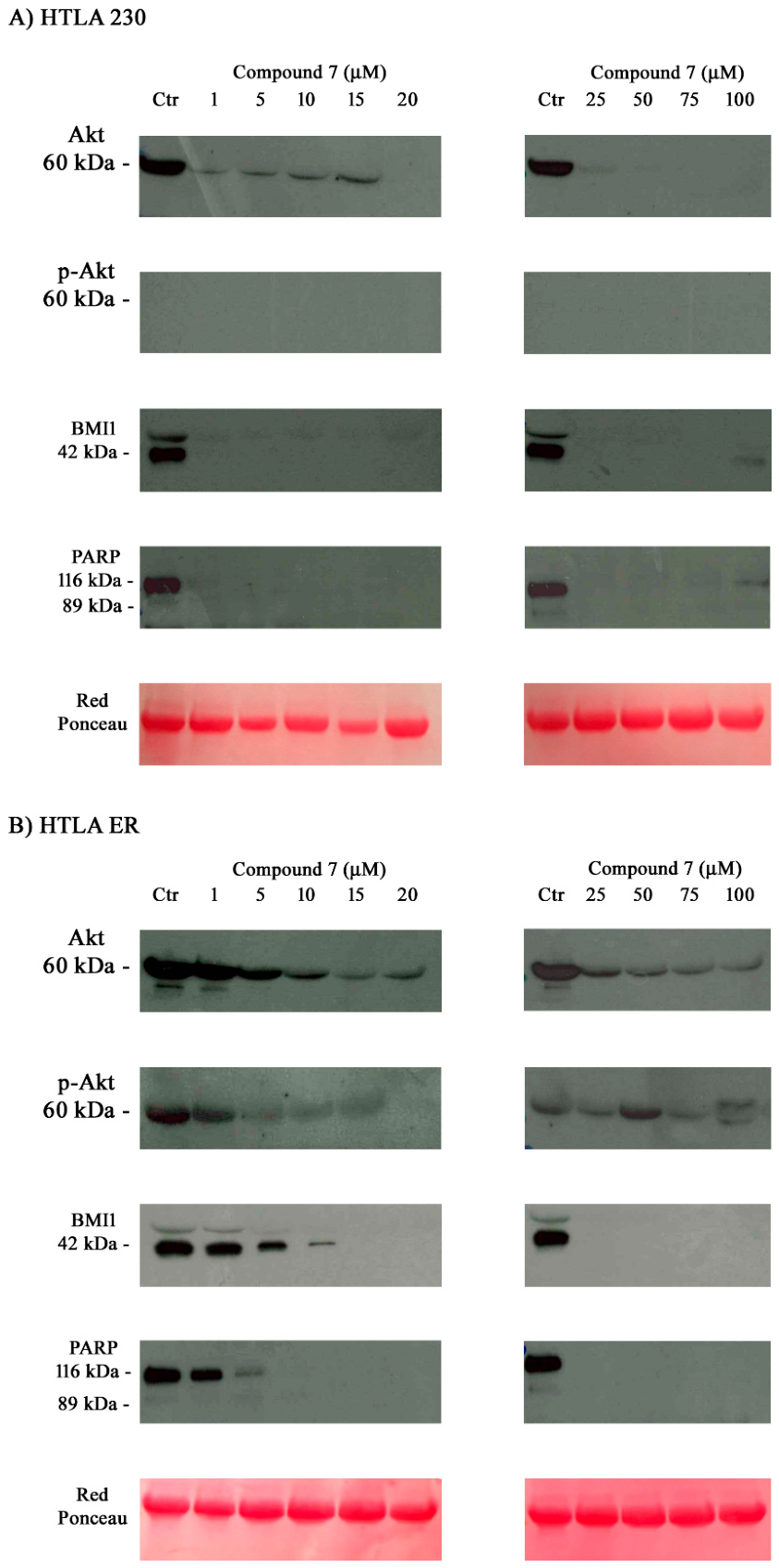
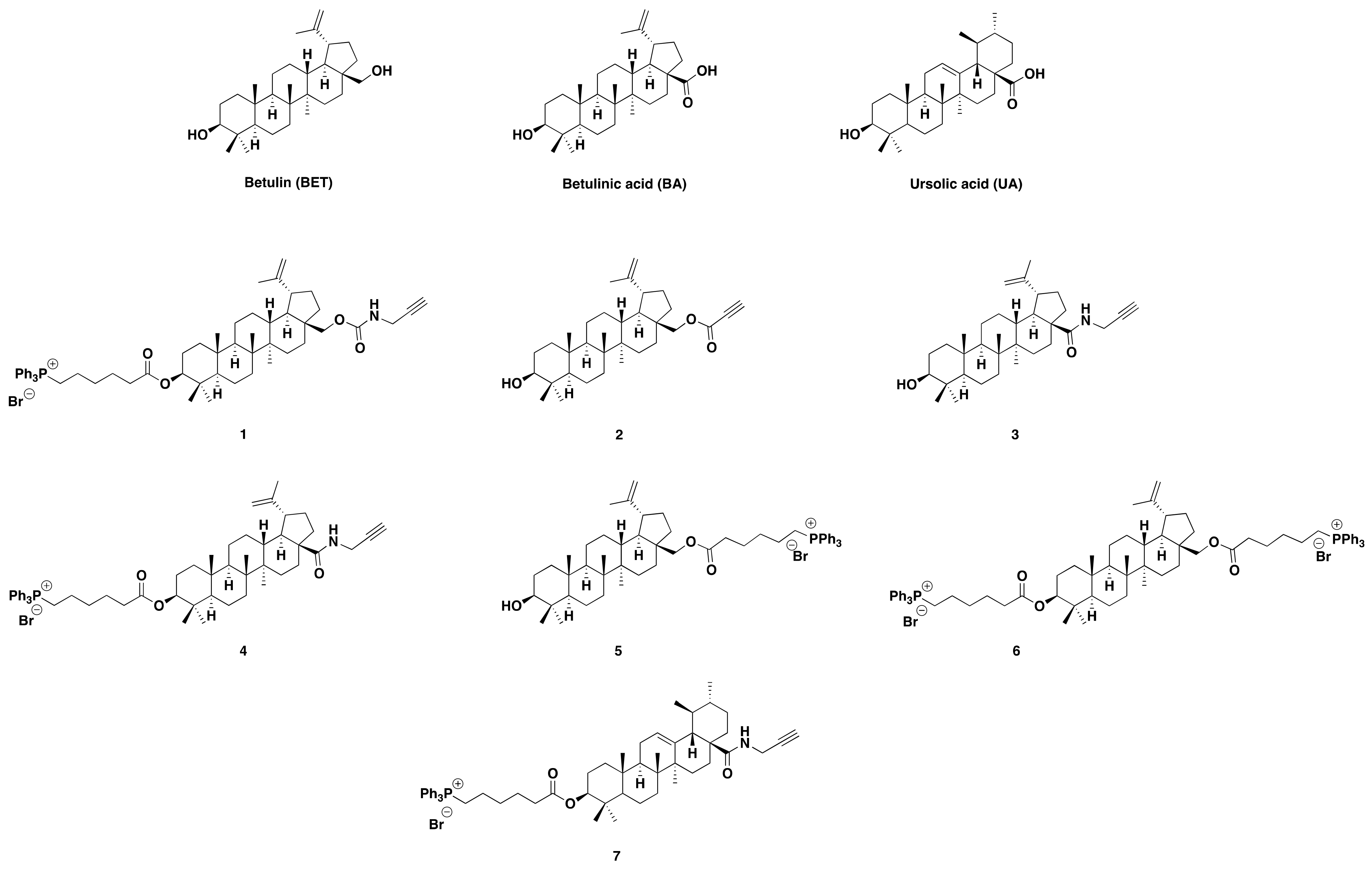
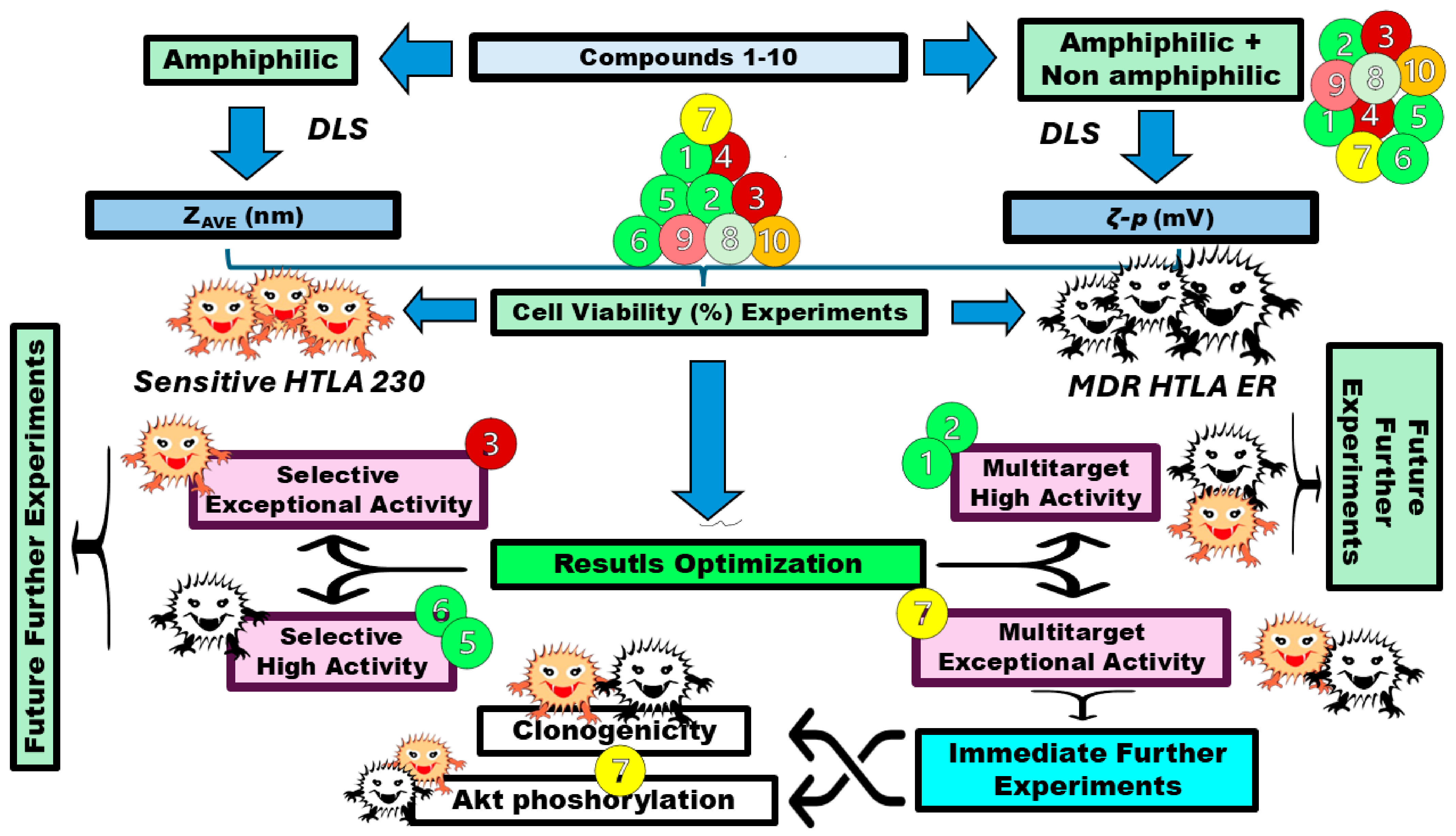
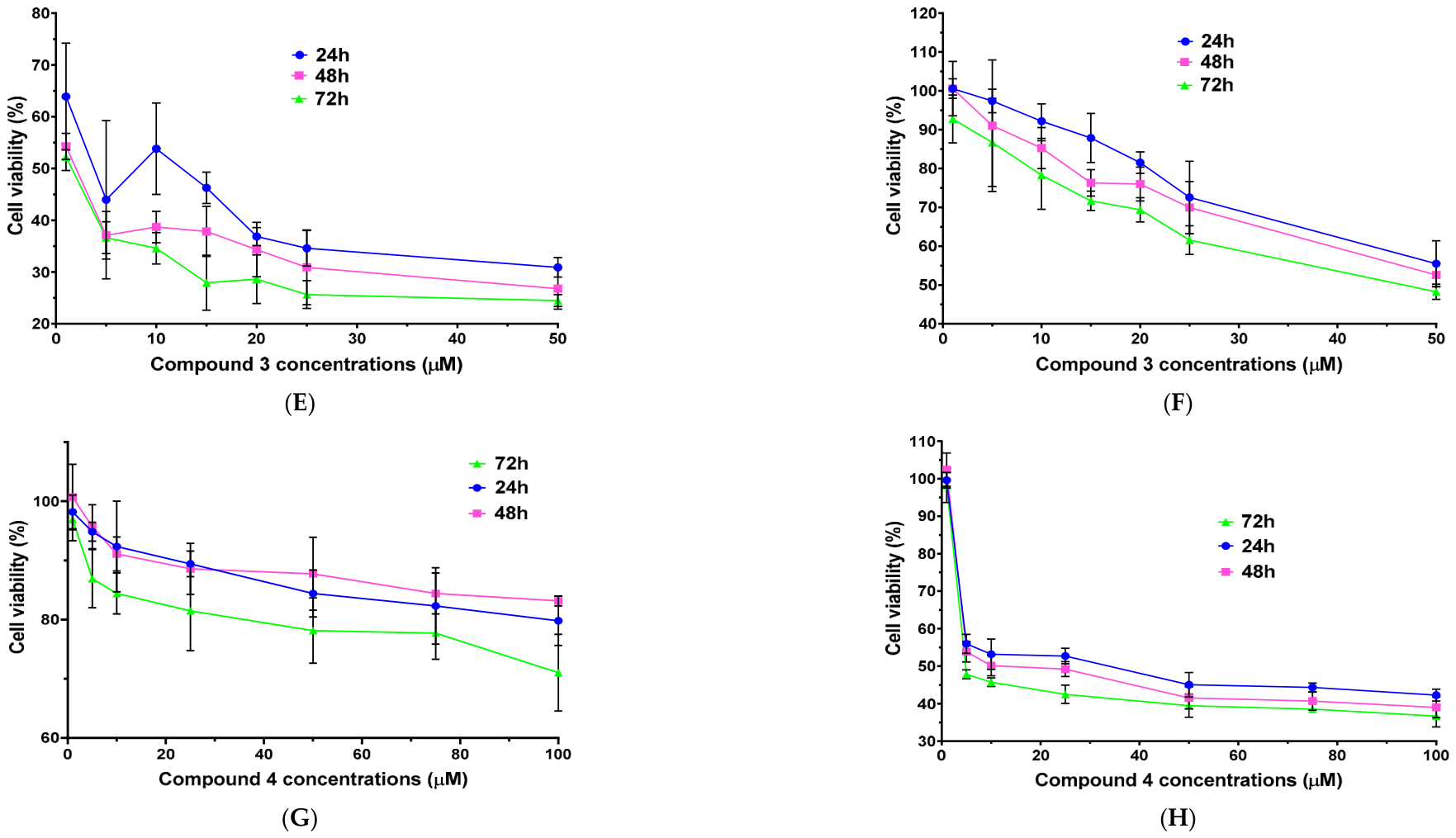
High-risk neuroblastoma (HR-NB) remains a major clinical challenge due to the emergence of therapy resistance. In this study, the anticancer effects of seven previously synthesized betulin (BET), betulinic acid (BA) and ursolic acid (UA) derivatives (17) and of their natural precursors BET, BA and UA (810) were investigated in HTLA NB cells, selected as the experimental model by MTT assay, to find a possible solution to drugs that have lost their effect. Dynamic light scattering (DLS) analysis showed that amphiphilic compounds 1 and 47 form nanovesicles (240–448 nm) in water, while all compounds have high positive ζ-potential (ζ-p, +28.5–+83.1 mV), supporting favourable membrane interaction and cellular uptake. Cytotoxic experiment results and related IC50 values were expressed as the mean ± SD of four independent experiments run in triplicate. Most derivatives exhibited a cytotoxic activity higher than that of their natural precursors and outperformed etoposide; they were particularly effective against the multidrug resistant (MDR) HTLA ER cells. Among them, the ursolic acid (UA) derivative 7 emerged as the most active compound, displaying sub-micromolar to low micromolar IC50 values and markedly improving the activity of native UA. Functional studies revealed that it induces complete suppression of clonogenic growth at low micromolar concentrations in both HTLA ER and parental HTLA 230 NB cells. In addition, a concentration-dependent downregulation of Akt, p-Akt, BMI1 and PARP, was observed consistently with a marked suppression of survival pathways and loss of cellular homeostasis. Collectively, our experiments, which need further direct investigation to confirm subsequent assumption, could suggest that compound 7 could kill cancer cells via a non-apoptotic, bioenergetic collapse mechanism. All of these findings suggest compound 7 as a promising mitochondria-targeted lead candidate and support amphiphilic triterpenoid derivatives as attractive platforms for overcoming multidrug resistance in high-risk NB.
Keywords: high-risk NB (HR-NB); natural triterpenoids; synthetic triterpenes; nanovesicles; cell viability; clonogenicity; Akt and ERK1/2 kinase system high-risk NB (HR-NB); natural triterpenoids; synthetic triterpenes; nanovesicles; cell viability; clonogenicity; Akt and ERK1/2 kinase system