Review

Comprehensive Review of the Interplay of MicroRNA and Epithelial–Mesenchymal Transition in Radiation Resistance of Cancer

1
Department of Pathology, Virginia Commonwealth University, Richmond, VA 23284, USA
2
Massey Comprehensive Cancer Center, Virginia Commonwealth University, Richmond, VA 23284, USA
*
Author to whom correspondence should be addressed.
Int. J. Mol. Sci. 2026, 27(13), 5781; https://doi.org/10.3390/ijms27135781
Submission received: 28 May 2026 / Revised: 15 June 2026 / Accepted: 23 June 2026 / Published: 26 June 2026

Abstract

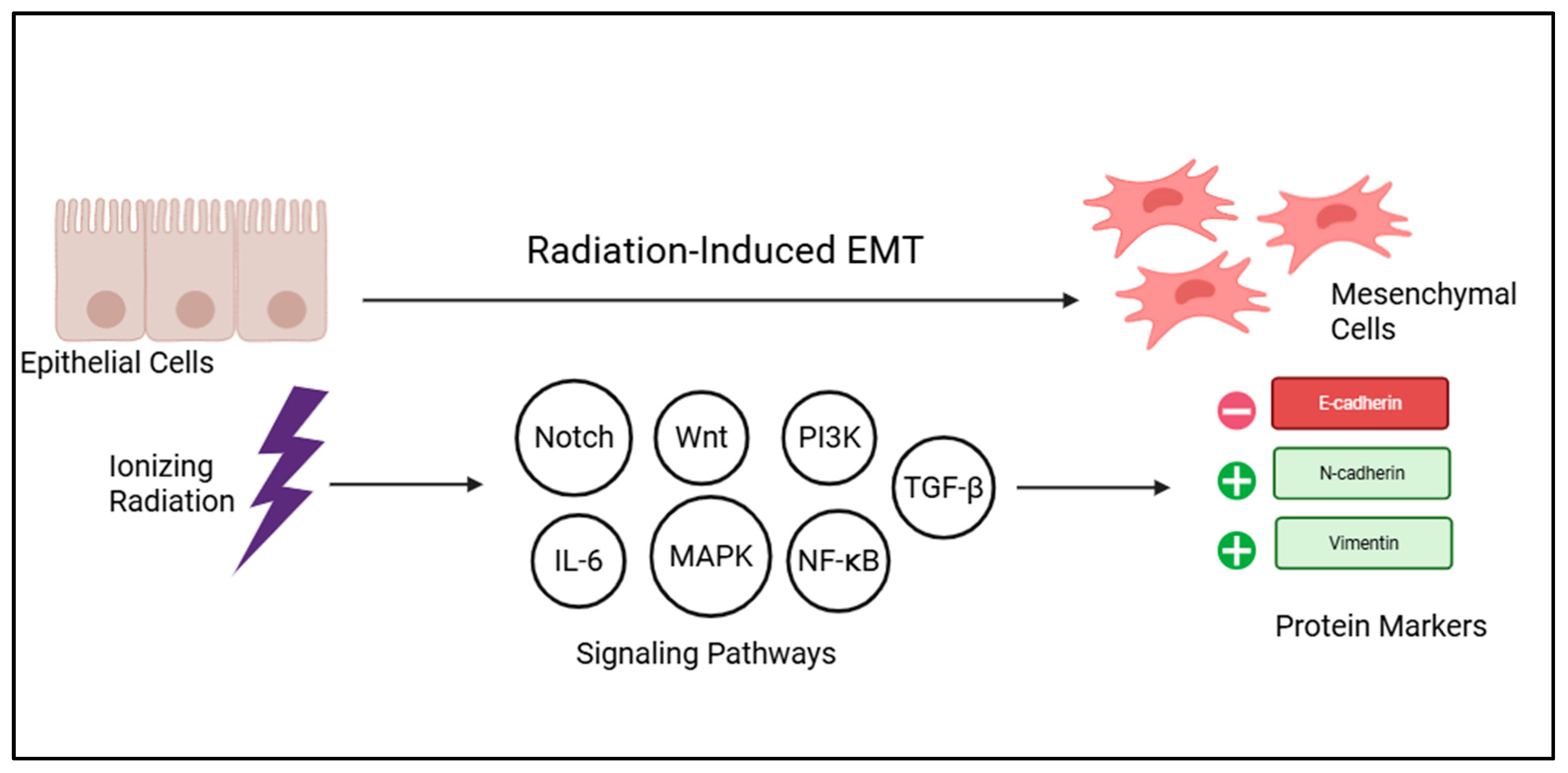
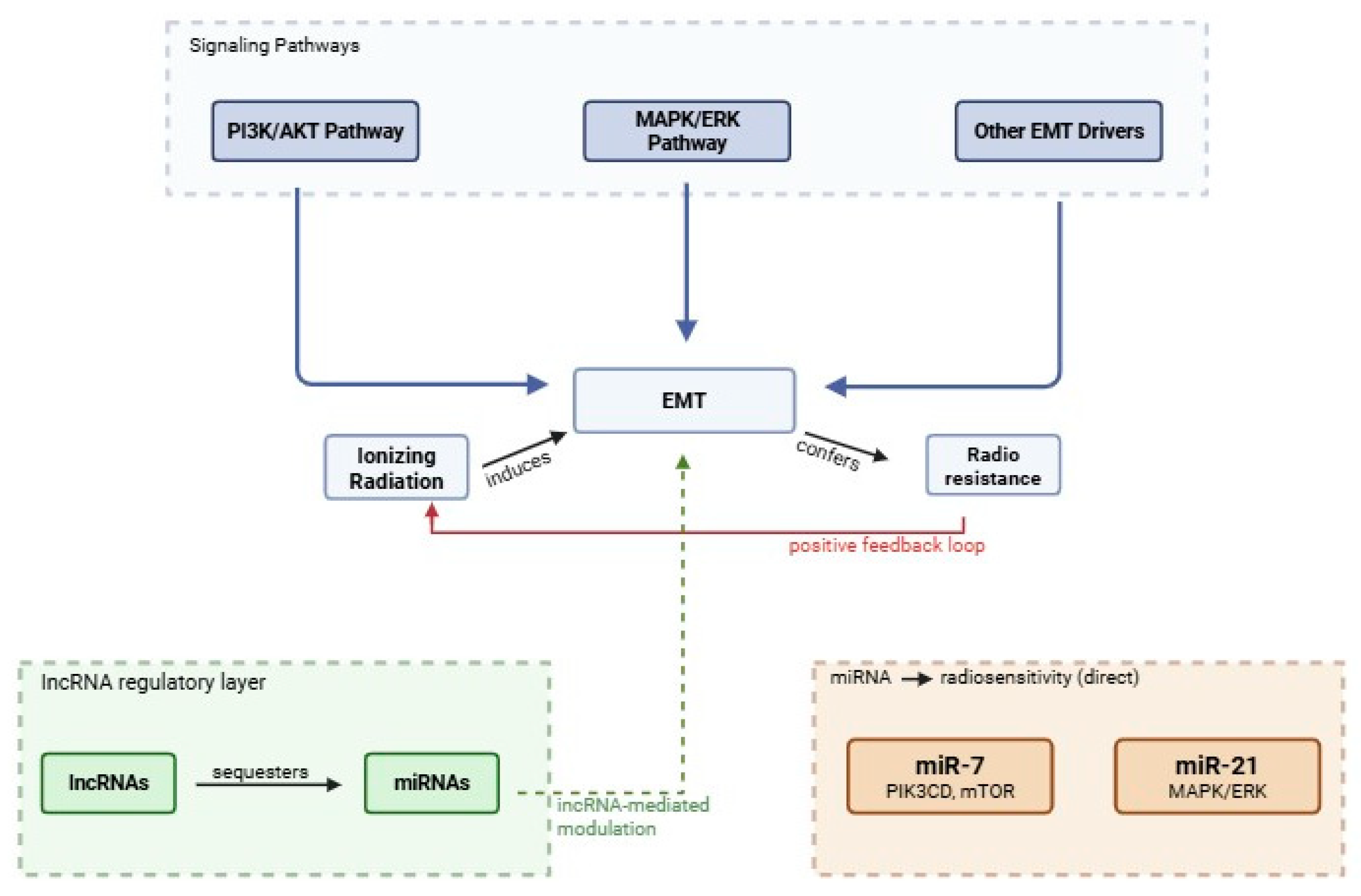
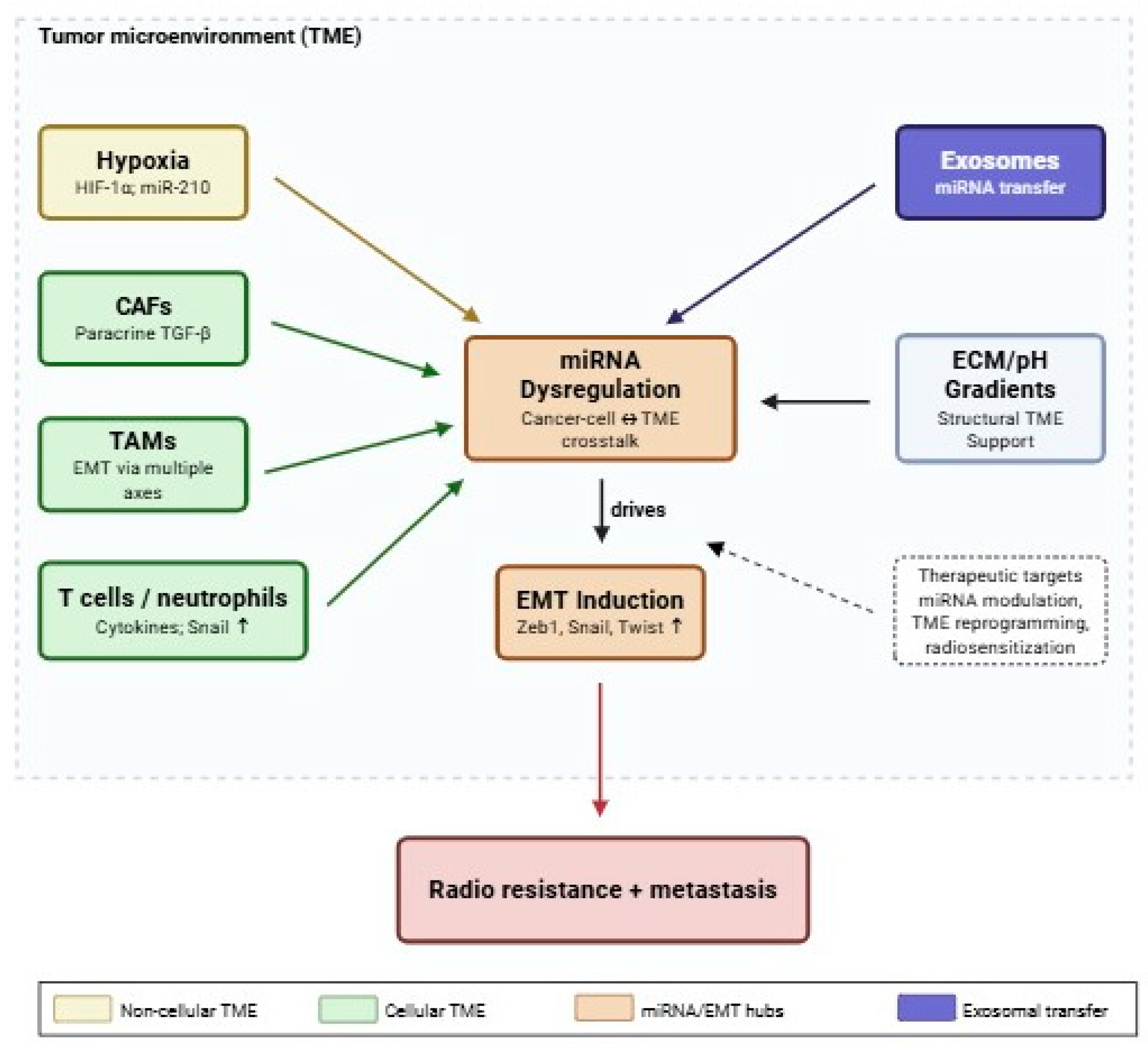
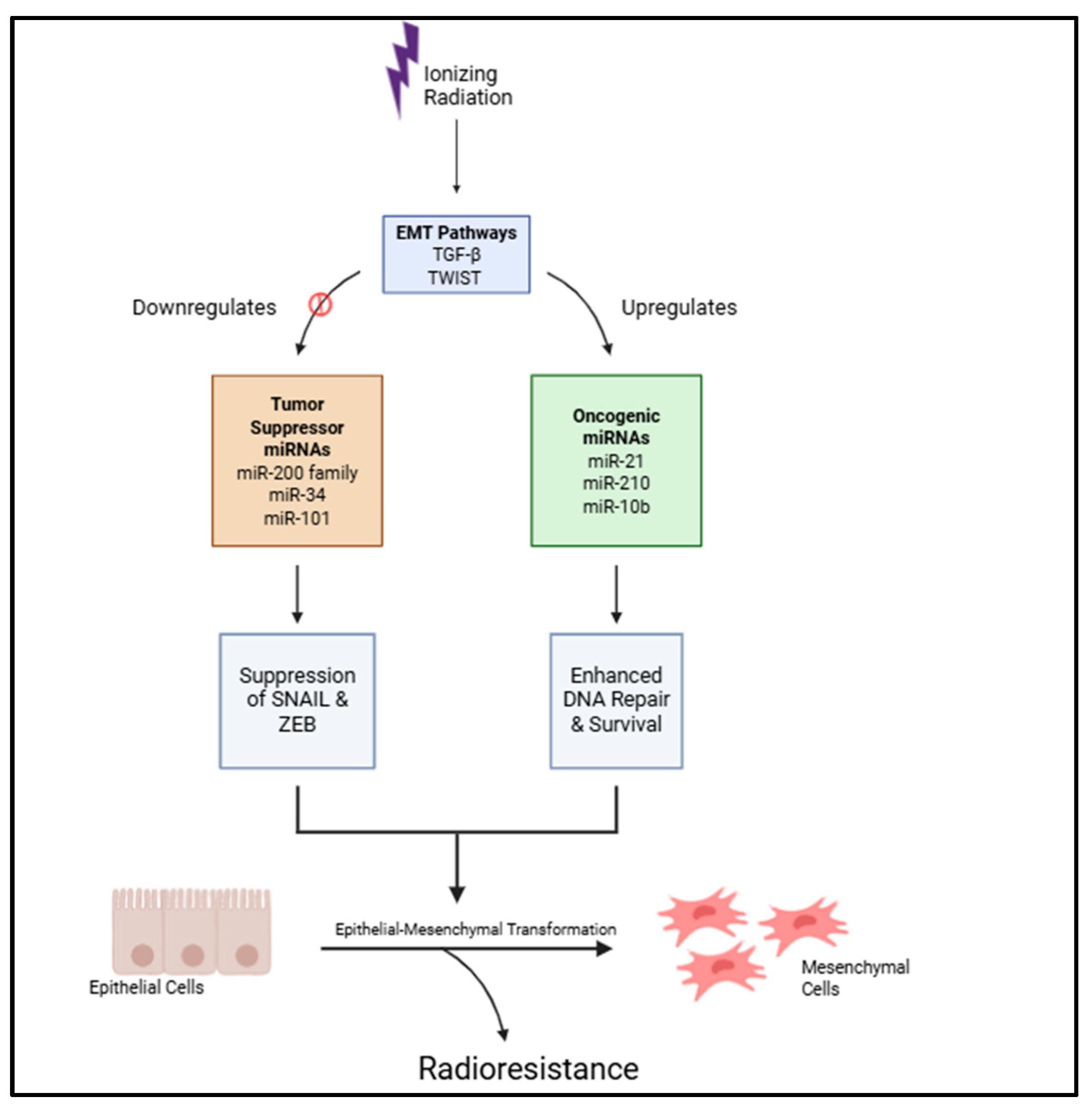
Radiation therapy is a fundamental pillar in cancer treatment, yet its clinical efficacy is frequently compromised by the development of intrinsic and acquired tumor radioresistance. This review provides a comprehensive analysis of the molecular mechanisms underlying radioresistance, with a specific focus on the Epithelial–Mesenchymal Transition (EMT) and its regulation by microRNAs (miRNAs). EMT is recognized as a key driver of therapeutic resistance, enabling cancer cells to acquire enhanced migratory capacity, stem-like characteristics, and resistance to apoptosis. Importantly, ionizing radiation can itself function as a cellular stressor that induces EMT through major signaling pathways, including TGF-β, Wnt, and Notch, thereby establishing a self-reinforcing loop that promotes resistance. In addition, this review highlights the pivotal role of miRNAs as post-transcriptional regulators within this network. Dysregulated miRNAs, acting as either tumor suppressors or oncogenes, modulate EMT-transcription factors and DNA damage repair pathways to influence cellular radiosensitivity. The complex interplay between these factors and the tumor microenvironment is also explored. Finally, emerging therapeutic strategies designed to break this resistance loop, such as EMT inhibitors, miRNA mimics, and antagomirs, as well as combination therapies, are evaluated. Collectively, these approaches hold significant promise for restoring radiosensitivity and improving clinical outcomes in precision oncology.
Keywords: radiation therapy; radioresistance; epithelial–mesenchymal transition; microRNA; tumor microenvironment; cancer stem cells; DNA damage response; radiosensitivity radiation therapy; radioresistance; epithelial–mesenchymal transition; microRNA; tumor microenvironment; cancer stem cells; DNA damage response; radiosensitivity