Therapeutic Potential of Rosmarinus officinalis Extract on Endometriosis: Evidence from In Vitro Models
 , ,
, ,  ,
,
Abstract
1. Introduction
2. Results
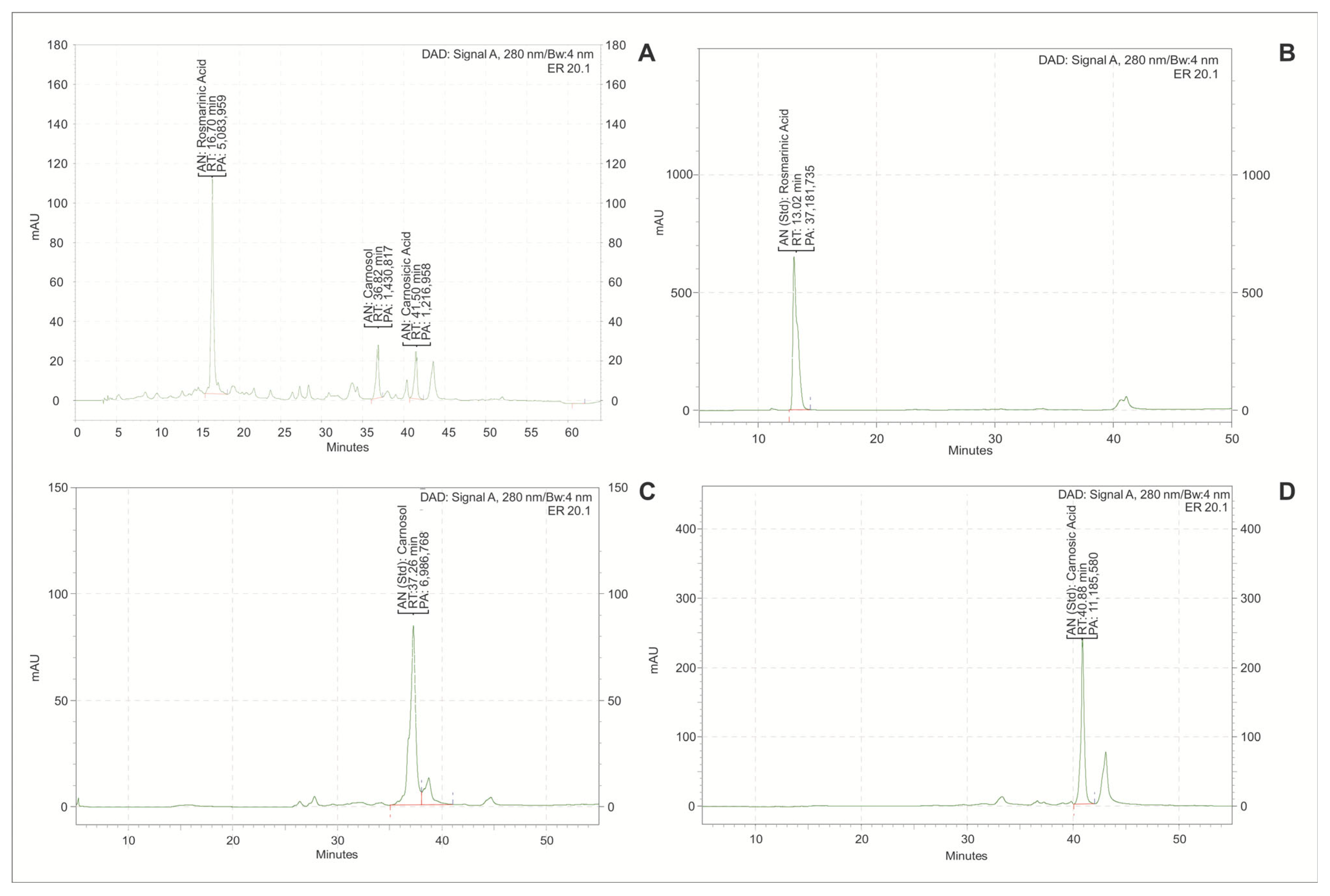
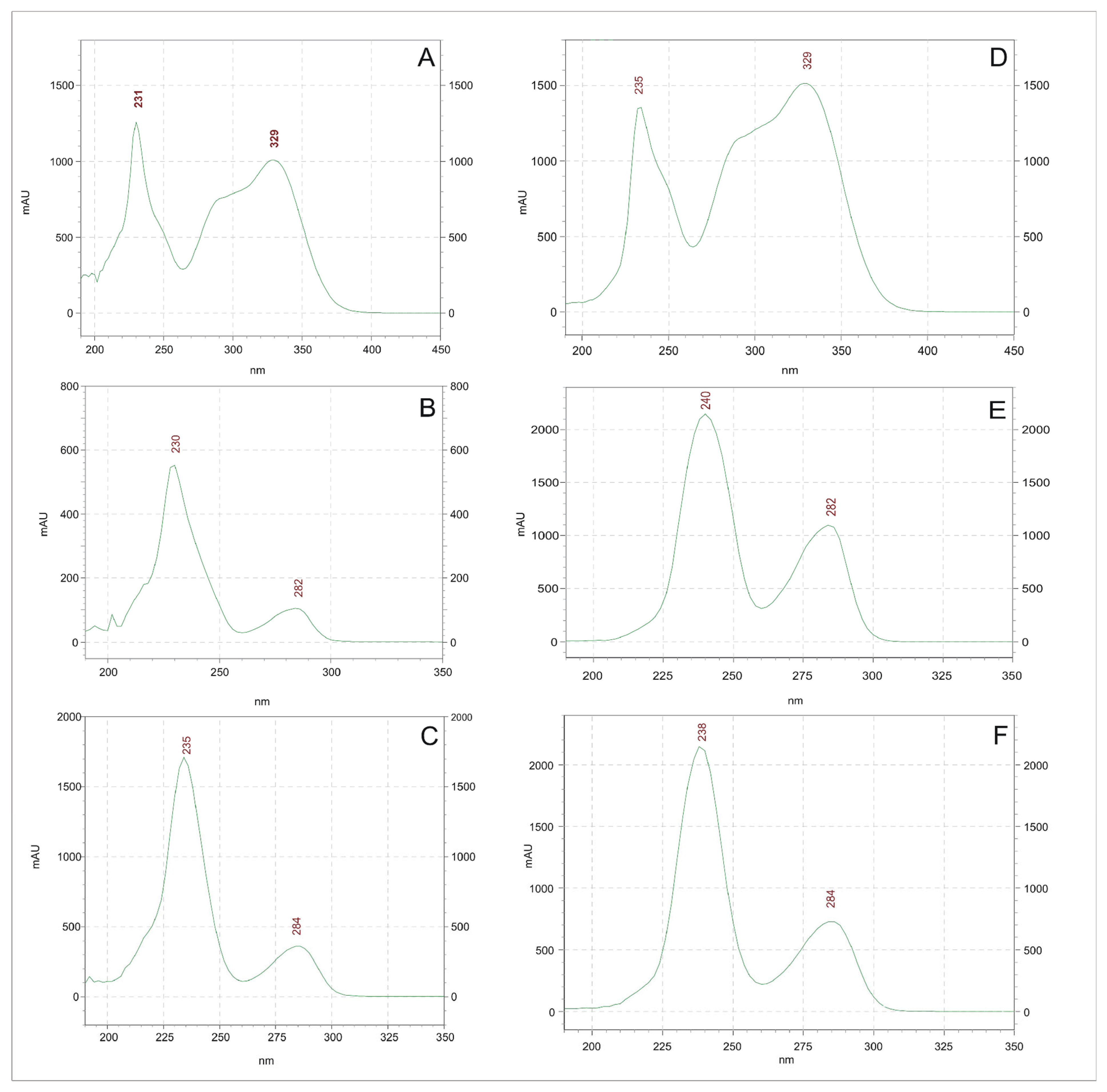
2.1. Phenolic Composition and Antioxidant Activity of RE
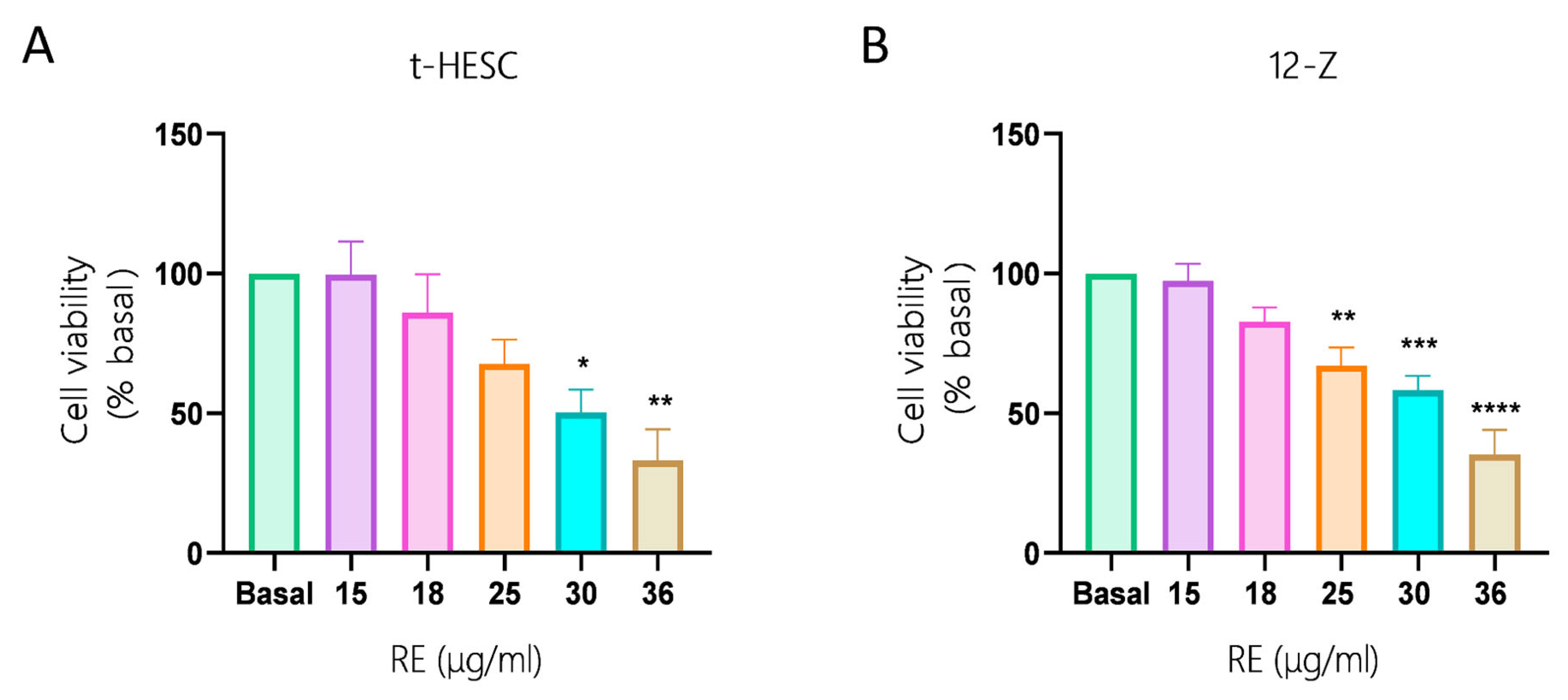
2.2. RE Reduces the Viability of Endometrial Stromal and Endometriotic Epithelial Cells
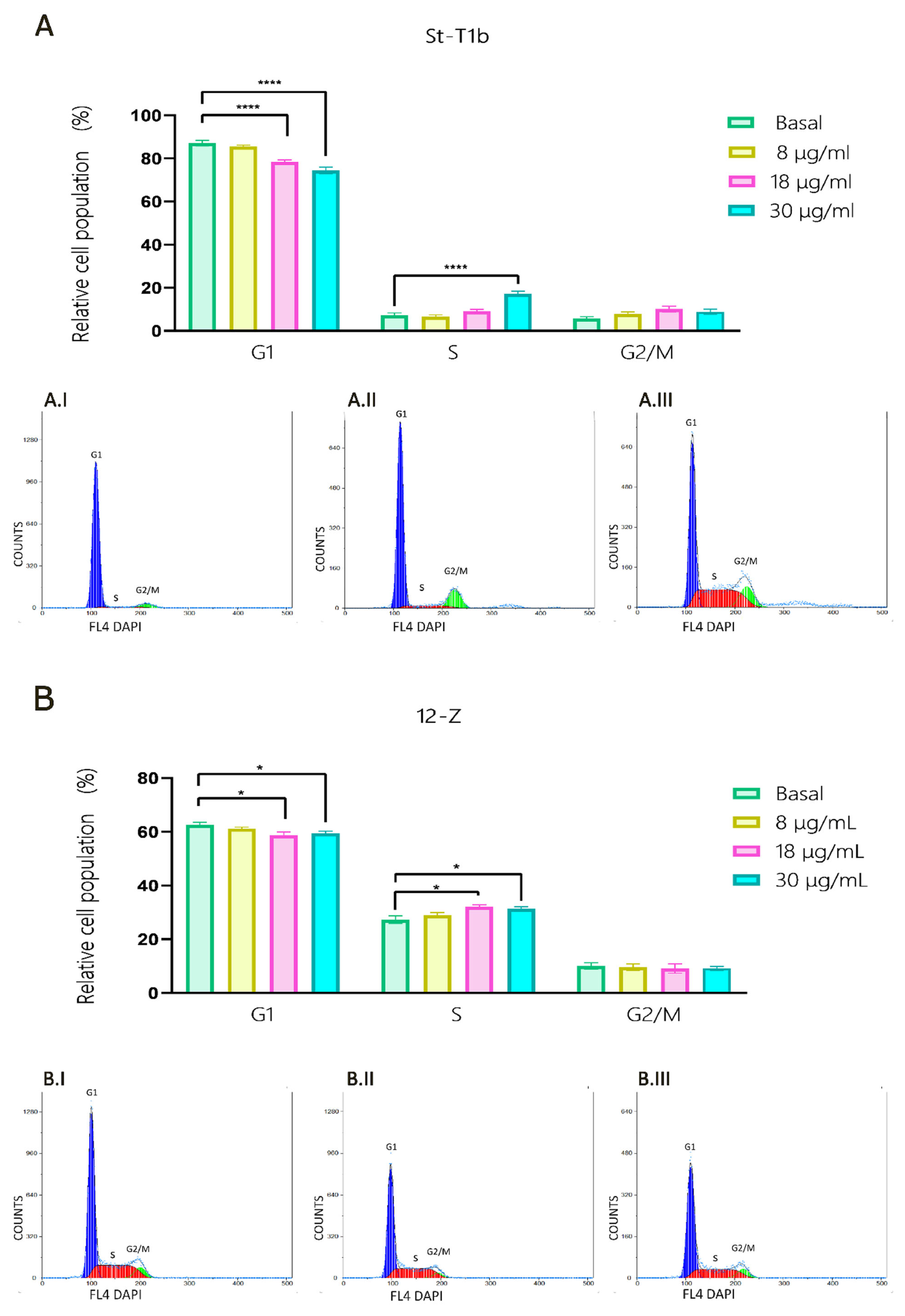
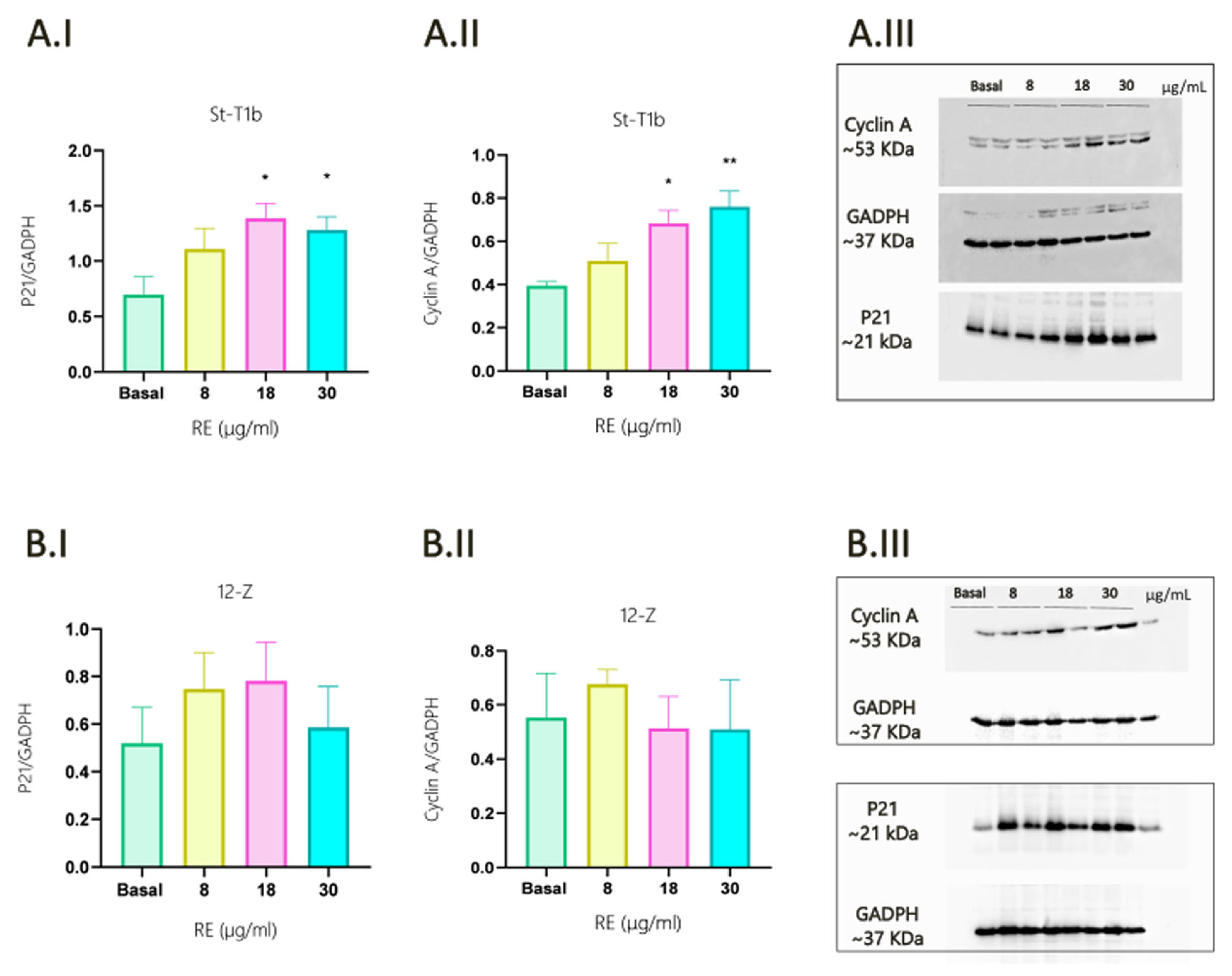
2.3. RE Promotes S-Phase Cell Cycle Accumulation in Endometrial Stromal and Endometriotic Epithelial Cells
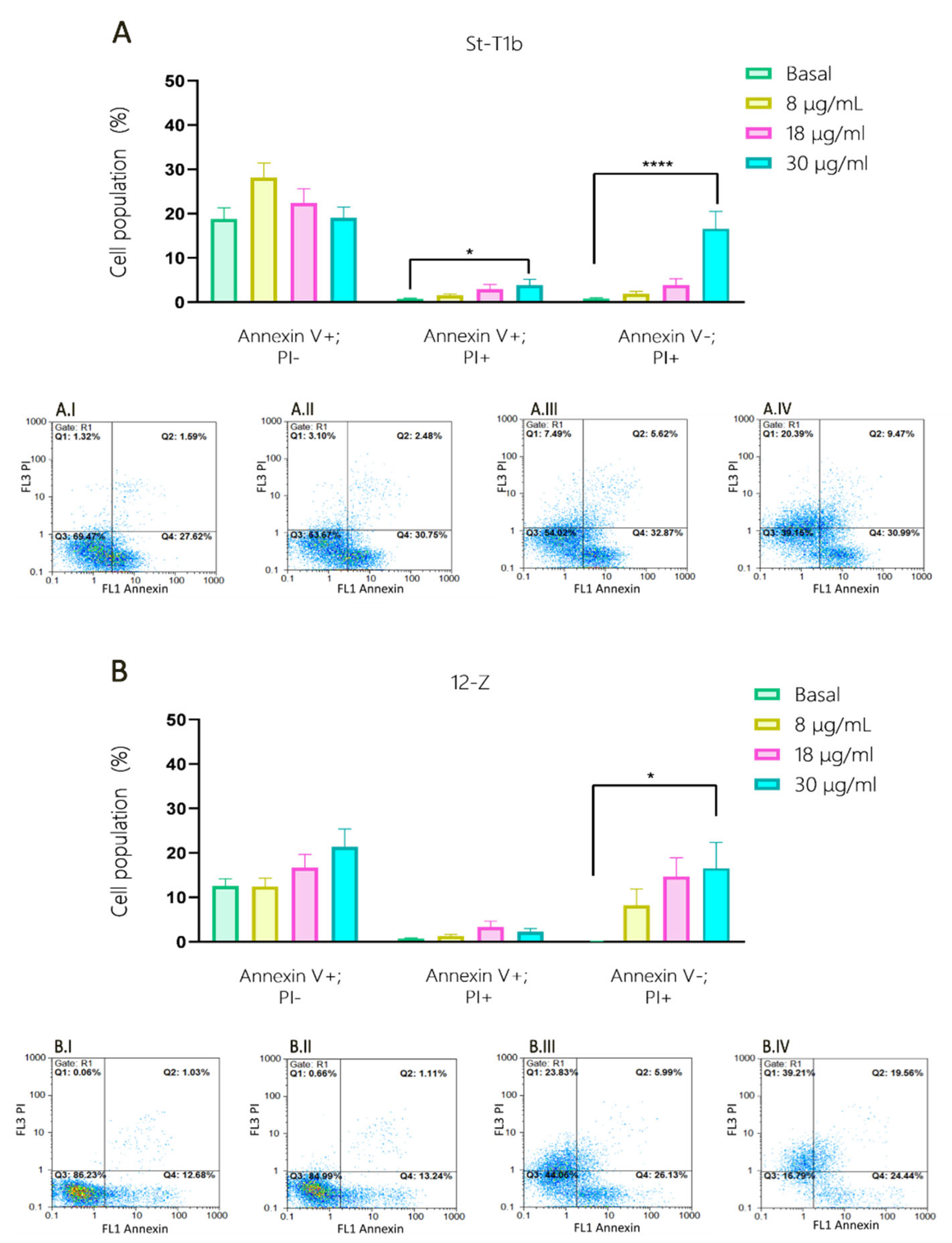
2.4. RE Induces Cell Death at Higher Concentrations in Endometrial Stromal and Endometriotic Epithelial Cells
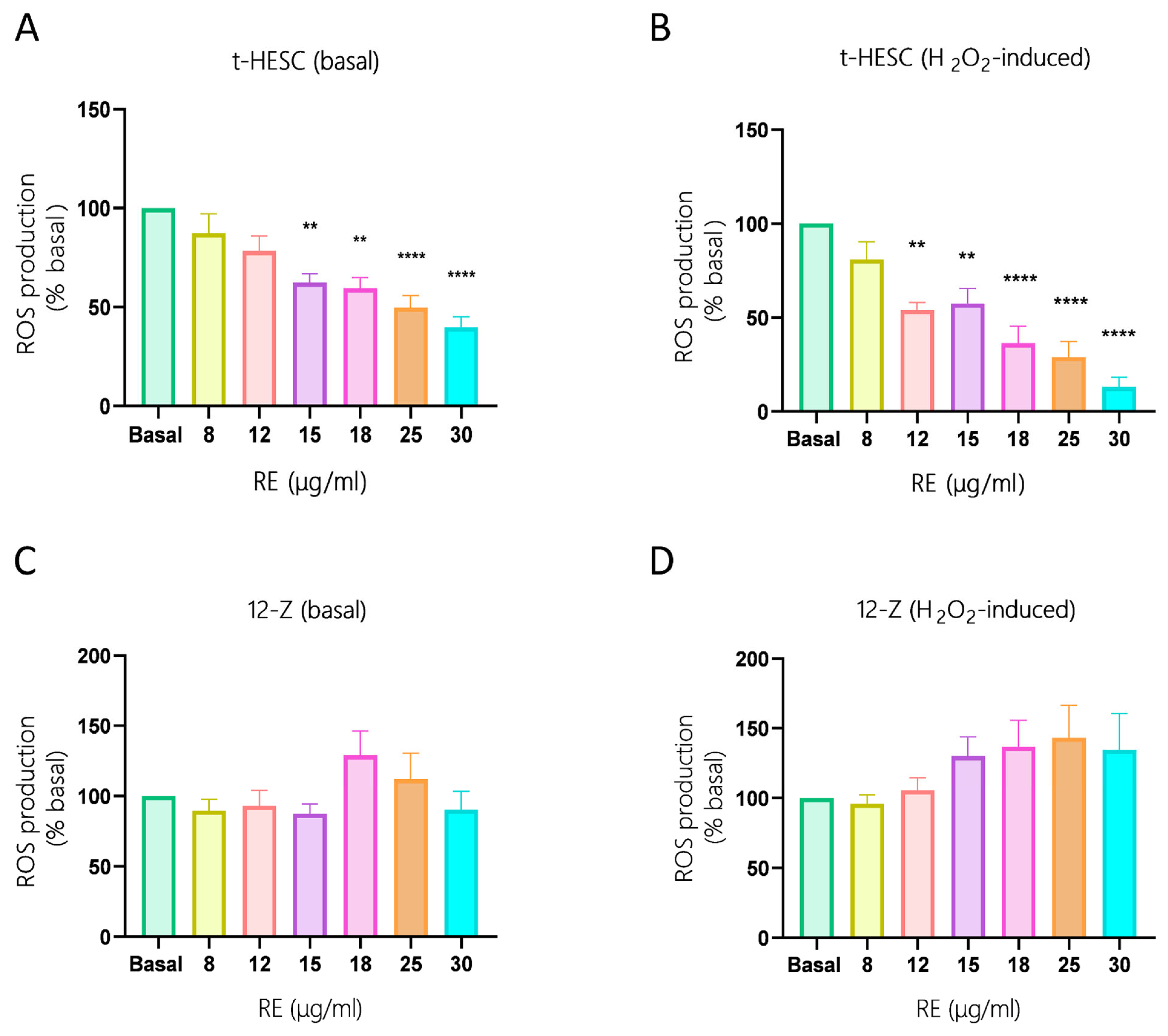
2.5. RE Reduces Intracellular Oxidative Activity in Endometrial Stromal Cells
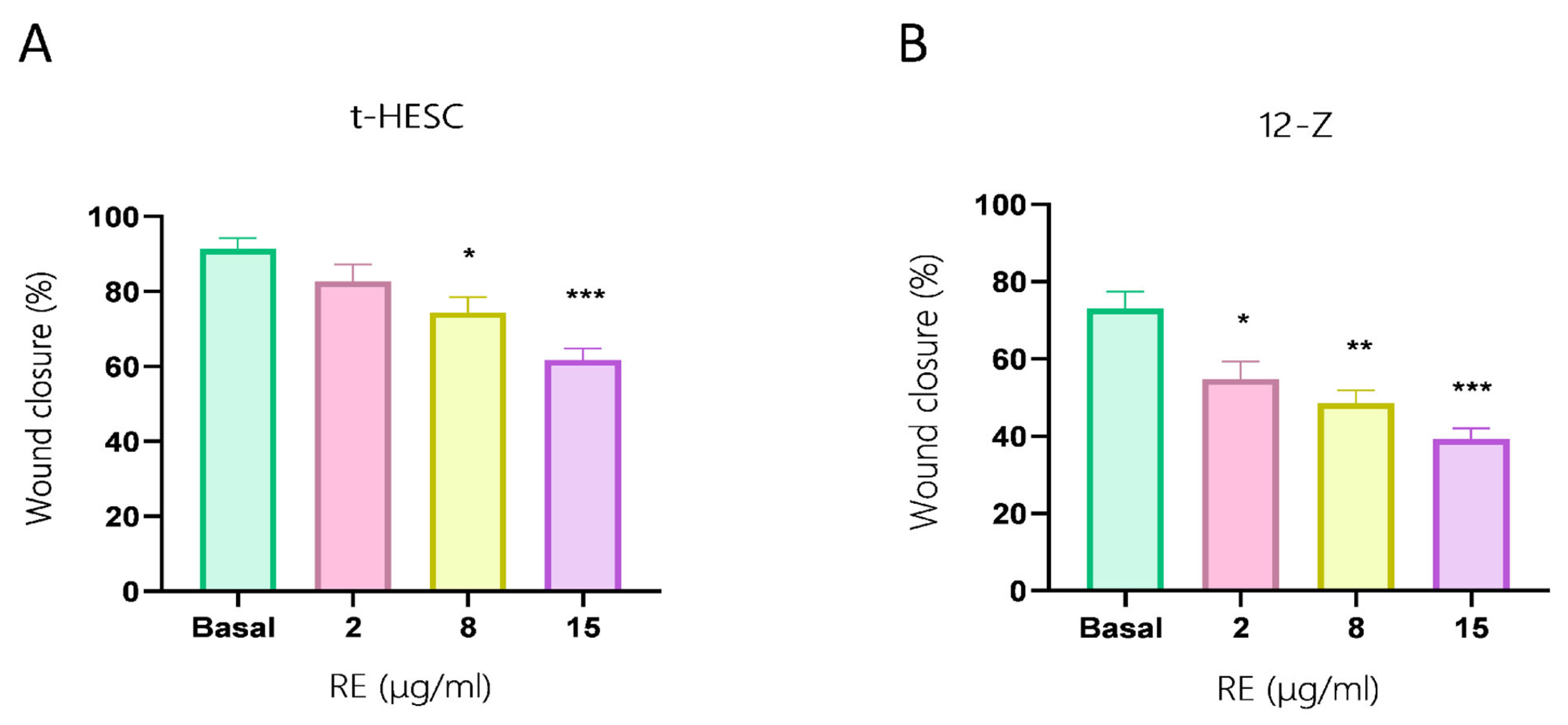
2.6. RE Inhibits the Migratory Capacity of Endometrial Stromal and Endometriotic Epithelial Cells
3. Discussion
4. Materials and Methods
4.1. Materials
4.2. Plant Material and Extract Preparation
4.3. HPLC Analysis
4.4. In Vitro Antioxidant Capacity Assessment
4.4.1. FRAP Assay
4.4.2. ABTS Assay
4.4.3. DPPH Radical-Scavenging Assay
4.5. Cell Lines and Culture Conditions
4.6. Treatment Conditions and Concentration Selection
4.7. Cell Viability Assay
4.8. Cell Cycle Analysis
4.9. Western Blotting
4.10. Apoptosis Assessment
4.11. Wound Healing (Scratch) Assay
4.12. Determination of Intracellular Reactive Oxygen Species (ROS) Levels
4.13. Statistical Analysis
5. Conclusions
Supplementary Materials
Author Contributions
Funding
Data Availability Statement
Acknowledgments
Conflicts of Interest
Abbreviations
References
- Cousins, F.L.; McKinnon, B.D.; Mortlock, S.; Fitzgerald, H.C.; Zhang, C.; Montgomery, G.W.; Gargett, C.E. New Concepts on the Etiology of Endometriosis. J. Obstet. Gynaecol. Res. 2023, 49, 1090–1105. [Google Scholar] [CrossRef]
- Kavoussi, S.K.; Lim, C.S.; Skinner, B.D.; Lebovic, D.I.; As-Sanie, S. New Paradigms in the Diagnosis and Management of Endometriosis. Curr. Opin. Obstet. Gynecol. 2016, 28, 267–276. [Google Scholar] [CrossRef] [PubMed]
- Tanbo, T.; Fedorcsak, P. Endometriosis-associated Infertility: Aspects of Pathophysiological Mechanisms and Treatment Options. Acta Obstet. Gynecol. Scand. 2017, 96, 659–667. [Google Scholar] [CrossRef] [PubMed]
- Varma, R.; Rollason, T.; Gupta, J.K.; Maher, E.R. Endometriosis and the Neoplastic Process. Reproduction 2004, 127, 293–304. [Google Scholar] [CrossRef] [PubMed]
- Riaz, M.; Khalid, R.; Afzal, M.; Anjum, F.; Fatima, H.; Zia, S.; Rasool, G.; Egbuna, C.; Mtewa, A.G.; Uche, C.Z.; et al. Phytobioactive Compounds as Therapeutic Agents for Human Diseases: A Review. Food Sci. Nutr. 2023, 11, 2500–2529. [Google Scholar] [CrossRef] [PubMed]
- Meresman, G.F.; Götte, M.; Laschke, M.W. Plants as Source of New Therapies for Endometriosis: A Review of Preclinical and Clinical Studies. Hum. Reprod. Update 2021, 27, 367–392. [Google Scholar] [CrossRef] [PubMed]
- Ferella, L.; Bastón, J.I.; Bilotas, M.A.; Singla, J.J.; González, A.M.; Olivares, C.N.; Meresman, G.F. Active Compounds Present in Rosmarinus officinalis Leaves and Scutellaria baicalensis Root Evaluated as New Therapeutic Agents for Endometriosis. Reprod. Biomed. Online 2018, 37, 769–782. [Google Scholar] [CrossRef] [PubMed]
- Madanes, D.; Meresman, G.; Valla, S.A.; Hassan, N.; Kiesel, L.; Greve, B.; Barañao, R.I.; Götte, M.; Ricci, A.G. Resveratrol Impairs Cellular Mechanisms Associated with the Pathogenesis of Endometriosis. Reprod. Biomed. Online 2022, 44, 976–990. [Google Scholar] [CrossRef] [PubMed]
- Mc Cormack, B.A.; Maenhoudt, N.; Fincke, V.; Stejskalova, A.; Greve, B.; Kiesel, L.; Meresman, G.F.; Vankelecom, H.; Götte, M.; Barañao, R.I. The Ellagic Acid Metabolites Urolithin A and B Differentially Affect Growth, Adhesion, Motility, and Invasion of Endometriotic Cells in Vitro. Hum. Reprod. 2021, 36, 1501–1519. [Google Scholar] [CrossRef] [PubMed]
- Ricci, A.G.; Olivares, C.N.; Bilotas, M.A.; Bastón, J.I.; Singla, J.J.; Meresman, G.F.; Barañao, R.I. Natural Therapies Assessment for the Treatment of Endometriosis. Hum. Reprod. 2013, 28, 178–188. [Google Scholar] [CrossRef] [PubMed]
- Borges, R.S.; Ortiz, B.L.S.; Pereira, A.C.M.; Keita, H.; Carvalho, J.C.T. Rosmarinus officinalis Essential Oil: A Review of Its Phytochemistry, Anti-Inflammatory Activity, and Mechanisms of Action Involved. J. Ethnopharmacol. 2019, 229, 29–45. [Google Scholar] [CrossRef] [PubMed]
- Gonçalves, C.; Fernandes, D.; Silva, I.; Mateus, V. Potential Anti-Inflammatory Effect of Rosmarinus officinalis in Preclinical In Vivo Models of Inflammation. Molecules 2022, 27, 609. [Google Scholar] [CrossRef] [PubMed]
- Gonzalez-Trujano, M.E.; Peña, E.I.; Martinez, A.L.; Moreno, J.; Guevara-Fefer, P.; Deciga-Campos, M.; López-Muñoz, F.J. Evaluation of the Antinociceptive Effect of Rosmarinus officinalis L. Using Three Different Experimental Models in Rodents. J. Ethnopharmacol. 2007, 111, 476–482. [Google Scholar] [CrossRef] [PubMed]
- Moreno, S.; Scheyer, T.; Romano, C.S.; Vojnov, A.A. Antioxidant and Antimicrobial Activities of Rosemary Extracts Linked to Their Polyphenol Composition. Free Radic. Res. 2006, 40, 223–231. [Google Scholar] [CrossRef] [PubMed]
- Rocha, J.; Eduardo-Figueira, M.; Barateiro, A.; Fernandes, A.; Brites, D.; Bronze, R.; Duarte, C.M.; Serra, A.T.; Pinto, R.; Freitas, M.; et al. Anti-inflammatory Effect of Rosmarinic Acid and an Extract of Rosmarinus officinalis in Rat Models of Local and Systemic Inflammation. Basic Clin. Pharmacol. Toxicol. 2015, 116, 398–413. [Google Scholar] [CrossRef] [PubMed]
- Allegra, A.; Tonacci, A.; Pioggia, G.; Musolino, C.; Gangemi, S. Anticancer Activity of Rosmarinus officinalis L.: Mechanisms of Action and Therapeutic Potentials. Nutrients 2020, 12, 1739. [Google Scholar] [CrossRef] [PubMed]
- Gilbert, B.; Alves, L. Synergy in Plant Medicines. Curr. Med. Chem. 2003, 10, 13–20. [Google Scholar] [CrossRef] [PubMed]
- Zhou, X.; Seto, S.W.; Chang, D.; Kiat, H.; Razmovski-Naumovski, V.; Chan, K.; Bensoussan, A. Synergistic Effects of Chinese Herbal Medicine: A Comprehensive Review of Methodology and Current Research. Front. Pharmacol. 2016, 7, 201. [Google Scholar] [CrossRef] [PubMed]
- Rasoanaivo, P.; Wright, C.W.; Willcox, M.L.; Gilbert, B. Whole Plant Extracts versus Single Compounds for the Treatment of Malaria: Synergy and Positive Interactions. Malar. J. 2011, 10, S4. [Google Scholar] [CrossRef] [PubMed]
- Gu, X.; Zhou, H.; Miao, M.; Hu, D.; Wang, X.; Zhou, J.; Teichmann, A.T.; Yang, Y.; Wang, C. Therapeutic Potential of Natural Resources Against Endometriosis: Current Advances and Future Perspectives. Drug Des. Dev. Ther. 2024, 18, 3667–3696. [Google Scholar] [CrossRef] [PubMed]
- Yu, Y.; Zhu, Y.; Gao, M.; Wang, Y.; Li, S.; Gou, Y. Research Progress on Natural Plant Metabolites Targeting Apoptosis for Endometriosis Prevention and Treatment: A Systematic Review. Front. Pharmacol. 2025, 16, 1624569. [Google Scholar] [CrossRef] [PubMed]
- Ye, X.; Hong, X.; Liu, Y.; Wang, Z.; Zhang, X.; Zheng, Y.; Yu, L.; Wang, L. Advancing the Frontiers of Phytotherapy: A Comprehensive Review of Botanical Interventions Targeting Mitochondrial Quality Control to Ameliorate Endometriosis. Front. Cell Dev. Biol. 2026, 14, 1813085. [Google Scholar] [CrossRef] [PubMed]
- Alaboudi, K.A.; Aziz, I.M.; Almosa, A.A.; Farrag, M.A.; Abalkhail, T.; Alshalan, R.M.; Almuqrin, A.M. In Vitro and in Silico Pharmacological Effects of Rosmarinus officinalis Leaf Methanolic Extracts and Essential Oils. Sci. Rep. 2025, 15, 10699. [Google Scholar] [CrossRef] [PubMed]
- Grigore-Gurgu, L.; Dumitrașcu, L.; Aprodu, I. Aromatic Herbs as a Source of Bioactive Compounds: An Overview of Their Antioxidant Capacity, Antimicrobial Activity, and Major Applications. Molecules 2025, 30, 1304. [Google Scholar] [CrossRef] [PubMed]
- de Oliveira, J.R.; Camargo, S.E.A.; de Oliveira, L.D. Rosmarinus officinalis L. (Rosemary) as Therapeutic and Prophylactic Agent. J. Biomed. Sci. 2019, 26, 5. [Google Scholar] [CrossRef] [PubMed]
- Bourhia, M.; Laasri, F.E.; Aourik, H.; Boukhris, A.; Ullah, R.; Bari, A.; Ali, S.S.; El Mzibri, M.; Benbacer, L.; Gmouh, S. Antioxidant and Antiproliferative Activities of Bioactive Compounds Contained in Rosmarinus officinalis Used in the Mediterranean Diet. Evid.-Based Complement. Altern. Med. 2019, 2019, 7623830. [Google Scholar] [CrossRef] [PubMed]
- Younes, M.; Aggett, P.; Aguilar, F.; Crebelli, R.; Dusemund, B.; Filipič, M.; Frutos, M.J.; Galtier, P.; Gott, D.; Gundert-Remy, U.; et al. Refined Exposure Assessment of Extracts of Rosemary (E 392) from Its Use as Food Additive. EFSA J. 2018, 16, e05373. [Google Scholar] [CrossRef] [PubMed]
- Sharma, Y.; Velamuri, R.; Fagan, J.; Schaefer, J. Full-Spectrum Analysis of Bioactive Compounds in Rosemary (Rosmarinus officinalis L.) as Influenced by Different Extraction Methods. Molecules 2020, 25, 4599. [Google Scholar] [CrossRef] [PubMed]
- Borrás-Linares, I.; Pérez-Sánchez, A.; Lozano-Sánchez, J.; Barrajón-Catalán, E.; Arráez-Román, D.; Cifuentes, A.; Micol, V.; Carretero, A.S. A Bioguided Identification of the Active Compounds That Contribute to the Antiproliferative/Cytotoxic Effects of Rosemary Extract on Colon Cancer Cells. Food Chem. Toxicol. 2015, 80, 215–222. [Google Scholar] [CrossRef] [PubMed]
- González-Vallinas, M.; Molina, S.; Vicente, G.; De La Cueva, A.; Vargas, T.; Santoyo, S.; García-Risco, M.R.; Fornari, T.; Reglero, G.; Ramírez De Molina, A. Antitumor Effect of 5-Fluorouracil Is Enhanced by Rosemary Extract in Both Drug Sensitive and Resistant Colon Cancer Cells. Pharmacol. Res. 2013, 72, 61–68. [Google Scholar] [CrossRef] [PubMed]
- Moore, J.; Yousef, M.; Tsiani, E. Anticancer Effects of Rosemary (Rosmarinus officinalis L.) Extract and Rosemary Extract Polyphenols. Nutrients 2016, 8, 731. [Google Scholar] [CrossRef] [PubMed]
- Shan, B.; Cai, Y.Z.; Sun, M.; Corke, H. Antioxidant Capacity of 26 Spice Extracts and Characterization of Their Phenolic Constituents. J. Agric. Food Chem. 2005, 53, 7749–7759. [Google Scholar] [CrossRef] [PubMed]
- de Falco, B.; Grauso, L.; Fiore, A.; Bonanomi, G.; Lanzotti, V. Metabolomics and Chemometrics of Seven Aromatic Plants: Carob, Eucalyptus, Laurel, Mint, Myrtle, Rosemary and Strawberry Tree. Phytochem. Anal. 2022, 33, 696–709. [Google Scholar] [CrossRef] [PubMed]
- Ilie, E.I.; Popescu, L.; Luță, E.-A.; Biță, A.; Corbu, A.R.; Mihai, D.P.; Pogan, A.C.; Balaci, T.D.; Mincă, A.; Duțu, L.E.; et al. Phytochemical Characterization and Antioxidant Activity Evaluation for Some Plant Extracts in Conjunction with Pharmacological Mechanism Prediction: Insights into Potential Therapeutic Applications in Dyslipidemia and Obesity. Biomedicines 2024, 12, 1431. [Google Scholar] [CrossRef] [PubMed]
- Yesil-Celiktas, O.; Sevimli, C.; Bedir, E.; Vardar-Sukan, F. Inhibitory Effects of Rosemary Extracts, Carnosic Acid and Rosmarinic Acid on the Growth of Various Human Cancer Cell Lines. Plant Foods Hum. Nutr. 2010, 65, 158–163. [Google Scholar] [CrossRef] [PubMed]
- Ali, N.M. Phytochemical Screening and in Vitro Antimicrobial and Anticancer Activities of Different Extracts of Rosmarinus officinalis (Rosemary): A Comparative Study. Adv. Pharmacol. Pharm. 2021, 9, 45–55. [Google Scholar] [CrossRef]
- Jaglanian, A.; Tsiani, E. Rosemary Extract Inhibits Proliferation, Survival, Akt, and MTOR Signaling in Triple-Negative Breast Cancer Cells. Int. J. Mol. Sci. 2020, 21, 810. [Google Scholar] [CrossRef] [PubMed]
- Jaglanian, A.; Termini, D.; Tsiani, E. Rosemary (Rosmarinus officinalis L.) Extract Inhibits Prostate Cancer Cell Proliferation and Survival by Targeting Akt and MTOR. Biomed. Pharmacother. 2020, 131, 110717. [Google Scholar] [CrossRef] [PubMed]
- Bouzas, A.; Gómez de Cedrón, M.; Colmenarejo, G.; Laparra-Llopis, J.M.; Moreno-Rubio, J.; Montoya, J.J.; Reglero, G.; Casado, E.; Tabares, B.; Sereno, M.; et al. Phenolic Diterpenes from Rosemary Supercritical Extract Inhibit Non-Small Cell Lung Cancer Lipid Metabolism and Synergise with Therapeutic Drugs in the Clinic. Front. Oncol. 2022, 12, 1046369. [Google Scholar] [CrossRef] [PubMed]
- Pérez-Sánchez, A.; Barrajón-Catalán, E.; Ruiz-Torres, V.; Agulló-Chazarra, L.; Herranz-López, M.; Valdés, A.; Cifuentes, A.; Micol, V. Rosemary (Rosmarinus officinalis) Extract Causes ROS-Induced Necrotic Cell Death and Inhibits Tumor Growth in Vivo. Sci. Rep. 2019, 9, 808. [Google Scholar] [CrossRef] [PubMed]
- Valdés, A.; García-Cañas, V.; Rocamora-Reverte, L.; Gómez-Martínez, Á.; Ferragut, J.A.; Cifuentes, A. Effect of Rosemary Polyphenols on Human Colon Cancer Cells: Transcriptomic Profiling and Functional Enrichment Analysis. Genes Nutr. 2013, 8, 43–60. [Google Scholar] [CrossRef] [PubMed]
- Kakouri, E.; Nikola, O.; Kanakis, C.; Hatziagapiou, K.; Lambrou, G.I.; Trigas, P.; Kanaka-Gantenbein, C.; Tarantilis, P.A. Cytotoxic Effect of Rosmarinus officinalis Extract on Glioblastoma and Rhabdomyosarcoma Cell Lines. Molecules 2022, 27, 6348. [Google Scholar] [CrossRef] [PubMed]
- Cattaneo, L.; Cicconi, R.; Mignogna, G.; Giorgi, A.; Mattei, M.; Graziani, G.; Ferracane, R.; Grosso, A.; Aducci, P.; Schininà, M.E.; et al. Anti-Proliferative Effect of Rosmarinus officinalis L. Extract on Human Melanoma A375 Cells. PLoS ONE 2015, 10, e0132439. [Google Scholar] [CrossRef] [PubMed]
- Tai, J.; Cheung, S.; Wu, M.; Hasman, D. Antiproliferation Effect of Rosemary (Rosmarinus officinalis) on Human Ovarian Cancer Cells In Vitro. Phytomedicine 2012, 19, 436–443. [Google Scholar] [CrossRef] [PubMed]
- Telang, N. Anti-proliferative and Pro-apoptotic Effects of Rosemary and Constituent Terpenoids in a Model for the HER-2-enriched Molecular Subtype of Clinical Breast Cancer. Oncol. Lett. 2018, 16, 5489–5497. [Google Scholar] [CrossRef] [PubMed]
- Maya-Mendoza, A.; Moudry, P.; Merchut-Maya, J.M.; Lee, M.; Strauss, R.; Bartek, J. High Speed of Fork Progression Induces DNA Replication Stress and Genomic Instability. Nature 2018, 559, 279–284. [Google Scholar] [CrossRef] [PubMed]
- Jiang, D.; Xu, J.; Liu, S.; Nasser, M.; Wei, W.; Mao, T.; Liu, X.; Zou, X.; Li, J.; Li, X. Rosmanol Induces Breast Cancer Cells Apoptosis by Regulating PI3K/AKT and STAT3/JAK2 Signaling Pathways. Oncol. Lett. 2021, 22, 631. [Google Scholar] [CrossRef] [PubMed]
- Al Dhaheri, Y.; Attoub, S.; Ramadan, G.; Arafat, K.; Bajbouj, K.; Karuvantevida, N.; AbuQamar, S.; Eid, A.; Iratni, R. Carnosol Induces ROS-Mediated Beclin1-Independent Autophagy and Apoptosis in Triple Negative Breast Cancer. PLoS ONE 2014, 9, e109630, Erratum in: PLoS ONE 2025, 1, e0337572. https://doi.org/10.1371/journal.pone.0337572. [Google Scholar] [CrossRef] [PubMed]
- Raad, C.; Raad, A.; Pandey, S. Green Tea Leaves and Rosemary Extracts Selectively Induce Cell Death in Triple-Negative Breast Cancer Cells and Cancer Stem Cells and Enhance the Efficacy of Common Chemotherapeutics. Evid.-Based Complement. Altern. Med. 2024, 2024, 9458716. [Google Scholar] [CrossRef] [PubMed]
- Jang, Y.-G.; Hwang, K.-A.; Choi, K.-C. Rosmarinic Acid, a Component of Rosemary Tea, Induced the Cell Cycle Arrest and Apoptosis through Modulation of HDAC2 Expression in Prostate Cancer Cell Lines. Nutrients 2018, 10, 1784. [Google Scholar] [CrossRef] [PubMed]
- Loo, G. Redox-Sensitive Mechanisms of Phytochemical-Mediated Inhibition of Cancer Cell Proliferation. J. Nutr. Biochem. 2003, 14, 64–73. [Google Scholar] [CrossRef] [PubMed]
- Pérez-Fons, L.; Garzón, M.T.; Micol, V. Relationship between the Antioxidant Capacity and Effect of Rosemary (Rosmarinus officinalis L.) Polyphenols on Membrane Phospholipid Order. J. Agric. Food Chem. 2010, 58, 161–171. [Google Scholar] [CrossRef] [PubMed]
- Redza-Dutordoir, M.; Averill-Bates, D.A. Activation of Apoptosis Signalling Pathways by Reactive Oxygen Species. Biochim. Biophys. Acta-Mol. Cell Res. 2016, 1863, 2977–2992. [Google Scholar] [CrossRef] [PubMed]
- Habtemariam, S. Anti-Inflammatory Therapeutic Mechanisms of Natural Products: Insight from Rosemary Diterpenes, Carnosic Acid and Carnosol. Biomedicines 2023, 11, 545. [Google Scholar] [CrossRef] [PubMed]
- Loussouarn, M.; Krieger-Liszkay, A.; Svilar, L.; Bily, A.; Birtić, S.; Havaux, M. Carnosic Acid and Carnosol, Two Major Antioxidants of Rosemary, Act through Different Mechanisms. Plant Physiol. 2017, 175, 1381–1394. [Google Scholar] [CrossRef] [PubMed]
- Karges, J. Reactive Oxygen Species Detection with Fluorescent Probes: Limitations and Recommendations beyond DCFH-DA. J. Med. Chem. 2026, 69, 1970–1981. [Google Scholar] [CrossRef] [PubMed]
- Wei, N.; Guan, H.; Zhang, Y.; Shi, J.; Ma, J.; Shi, R.; Qi, X.; Dong, Z.; Zhao, R. Molecular Mechanisms Underlying the Inhibition of Cell Migration and Invasion in Endometriosis: Advances in Pharmacological Research (Review). Biomed. Rep. 2025, 23, 152. [Google Scholar] [CrossRef] [PubMed]
- Mc Cormack, B.A.; Bilotas, M.A.; Madanes, D.; Ricci, A.G.; Singla, J.J.; Barañao, R.I. Potential Use of Ellagic Acid for Endometriosis Treatment: Its Effect on a Human Endometrial Cell Cycle, Adhesion and Migration. Food Funct. 2020, 11, 4605–4614. [Google Scholar] [CrossRef] [PubMed]
- Lingua, M.S.; Theumer, M.G.; Kruzynski, P.; Wunderlin, D.A.; Baroni, M.V. Bioaccessibility of Polyphenols and Antioxidant Properties of the White Grape by Simulated Digestion and Caco-2 Cell Assays: Comparative Study with Its Winemaking Product. Food Res. Int. 2019, 122, 496–505. [Google Scholar] [CrossRef] [PubMed]
- Benzie, I.F.F.; Strain, J.J. The Ferric Reducing Ability of Plasma (FRAP) as a Measure of “Antioxidant Power”: The FRAP Assay. Anal. Biochem. 1996, 239, 70–76. [Google Scholar] [CrossRef] [PubMed]
- Re, R.; Pellegrini, N.; Proteggente, A.; Pannala, A.; Yang, M.; Rice-Evans, C. Antioxidant Activity Applying an Improved ABTS Radical Cation Decolorization Assay. Free Radic. Biol. Med. 1999, 26, 1231–1237. [Google Scholar] [CrossRef] [PubMed]
- Brand-Williams, W.; Cuvelier, M.E.; Berset, C. Use of a Free Radical Method to Evaluate Antioxidant Activity. LWT-Food Sci. Technol. 1995, 28, 25–30. [Google Scholar] [CrossRef]
- Zeitvogel, A.; Baumann, R.; Starzinski-Powitz, A. Identification of an Invasive, N-Cadherin-Expressing Epithelial Cell Type in Endometriosis Using a New Cell Culture Model. Am. J. Pathol. 2001, 159, 1839–1852. [Google Scholar] [CrossRef] [PubMed]
- Samalecos, A.; Reimann, K.; Wittmann, S.; Schulte, H.M.; Brosens, J.J.; Bamberger, A.-M.; Gellersen, B. Characterization of a Novel Telomerase-Immortalized Human Endometrial Stromal Cell Line, St-T1b. Reprod. Biol. Endocrinol. 2009, 7, 76. [Google Scholar] [CrossRef] [PubMed]
- Krikun, G.; Mor, G.; Alvero, A.; Guller, S.; Schatz, F.; Sapi, E.; Rahman, M.; Caze, R.; Qumsiyeh, M.; Lockwood, C.J. A Novel Immortalized Human Endometrial Stromal Cell Line with Normal Progestational Response. Endocrinology 2004, 145, 2291–2296. [Google Scholar] [CrossRef] [PubMed]
- Gołąbek-Grenda, A.; Olejnik, A. In Vitro Modeling of Endometriosis and Endometriotic Microenvironment—Challenges and Recent Advances. Cell. Signal. 2022, 97, 110375. [Google Scholar] [CrossRef] [PubMed]
- Bruner-Tran, K.L.; Osteen, K.G.; Taylor, H.S.; Sokalska, A.; Haines, K.; Duleba, A.J. Resveratrol Inhibits Development of Experimental Endometriosis In Vivo and Reduces Endometrial Stromal Cell Invasiveness In Vitro. Biol. Reprod. 2011, 84, 106–112. [Google Scholar] [CrossRef] [PubMed]
- Kahl, I.; Mense, J.; Finke, C.; Boller, A.; Lorber, C.; Győrffy, B.; Greve, B.; Götte, M.; Espinoza-Sánchez, N.A. The Cell Cycle-related Genes RHAMM, AURKA, TPX2, PLK1, and PLK4 Are Associated with the Poor Prognosis of Breast Cancer Patients. J. Cell. Biochem. 2022, 123, 581–600. [Google Scholar] [CrossRef] [PubMed]
- Wentges, T.H.; El-Shorafa, H.M.; Beckmann, J.; Gabriel, M.; Poutanen, M.; Greve, B.; Kiesel, L.; Schäfer, S.D.; Götte, M. Combined Targeting of TCF7L1/2, PTEN, CDK6, and BCCIP by MicroRNA MiR-29c-3p Is Associated with Reduced Invasion and Proliferation of Endometriotic Cells. Reprod. Med. Biol. 2025, 24, e12645. [Google Scholar] [CrossRef] [PubMed]
- Bradford, M.M. A Rapid and Sensitive Method for the Quantitation of Microgram Quantities of Protein Utilizing the Principle of Protein-Dye Binding. Anal. Biochem. 1976, 72, 248–254. [Google Scholar] [CrossRef] [PubMed]
- Hassan, S.N.; Ahmad, F. Looking at the Fraction with Annexin V+ and Propidium Iodide+: Insights into Cell Death Types from Preclinical Studies in Solid and Haematological Cancers. Apoptosis 2026, 31, 95. [Google Scholar] [CrossRef] [PubMed]



Disclaimer/Publisher’s Note: The statements, opinions and data contained in all publications are solely those of the individual author(s) and contributor(s) and not of MDPI and/or the editor(s). MDPI and/or the editor(s) disclaim responsibility for any injury to people or property resulting from any ideas, methods, instructions or products referred to in the content. |
© 2026 by the authors. Licensee MDPI, Basel, Switzerland. This article is an open access article distributed under the terms and conditions of the Creative Commons Attribution (CC BY) license.
Share and Cite
del Valle, S.; Ruiz Arias, I.E.; Leirós, G.; Bilotas, M.; Espinoza-Sánchez, N.A.; Greve, B.; Götte, M.; Ricci, A.; Meresman, G. Therapeutic Potential of Rosmarinus officinalis Extract on Endometriosis: Evidence from In Vitro Models. Int. J. Mol. Sci. 2026, 27, 5654. https://doi.org/10.3390/ijms27135654
del Valle S, Ruiz Arias IE, Leirós G, Bilotas M, Espinoza-Sánchez NA, Greve B, Götte M, Ricci A, Meresman G. Therapeutic Potential of Rosmarinus officinalis Extract on Endometriosis: Evidence from In Vitro Models. International Journal of Molecular Sciences. 2026; 27(13):5654. https://doi.org/10.3390/ijms27135654
Chicago/Turabian Styledel Valle, Sofía, Ignacio Edgardo Ruiz Arias, Gustavo Leirós, Mariela Bilotas, Nancy Adriana Espinoza-Sánchez, Burkhard Greve, Martin Götte, Analía Ricci, and Gabriela Meresman. 2026. "Therapeutic Potential of Rosmarinus officinalis Extract on Endometriosis: Evidence from In Vitro Models" International Journal of Molecular Sciences 27, no. 13: 5654. https://doi.org/10.3390/ijms27135654
APA Styledel Valle, S., Ruiz Arias, I. E., Leirós, G., Bilotas, M., Espinoza-Sánchez, N. A., Greve, B., Götte, M., Ricci, A., & Meresman, G. (2026). Therapeutic Potential of Rosmarinus officinalis Extract on Endometriosis: Evidence from In Vitro Models. International Journal of Molecular Sciences, 27(13), 5654. https://doi.org/10.3390/ijms27135654