Mitochondria: The Crossroads of Complement Activation and Kidney Injury Progression



Abstract
1. Introduction
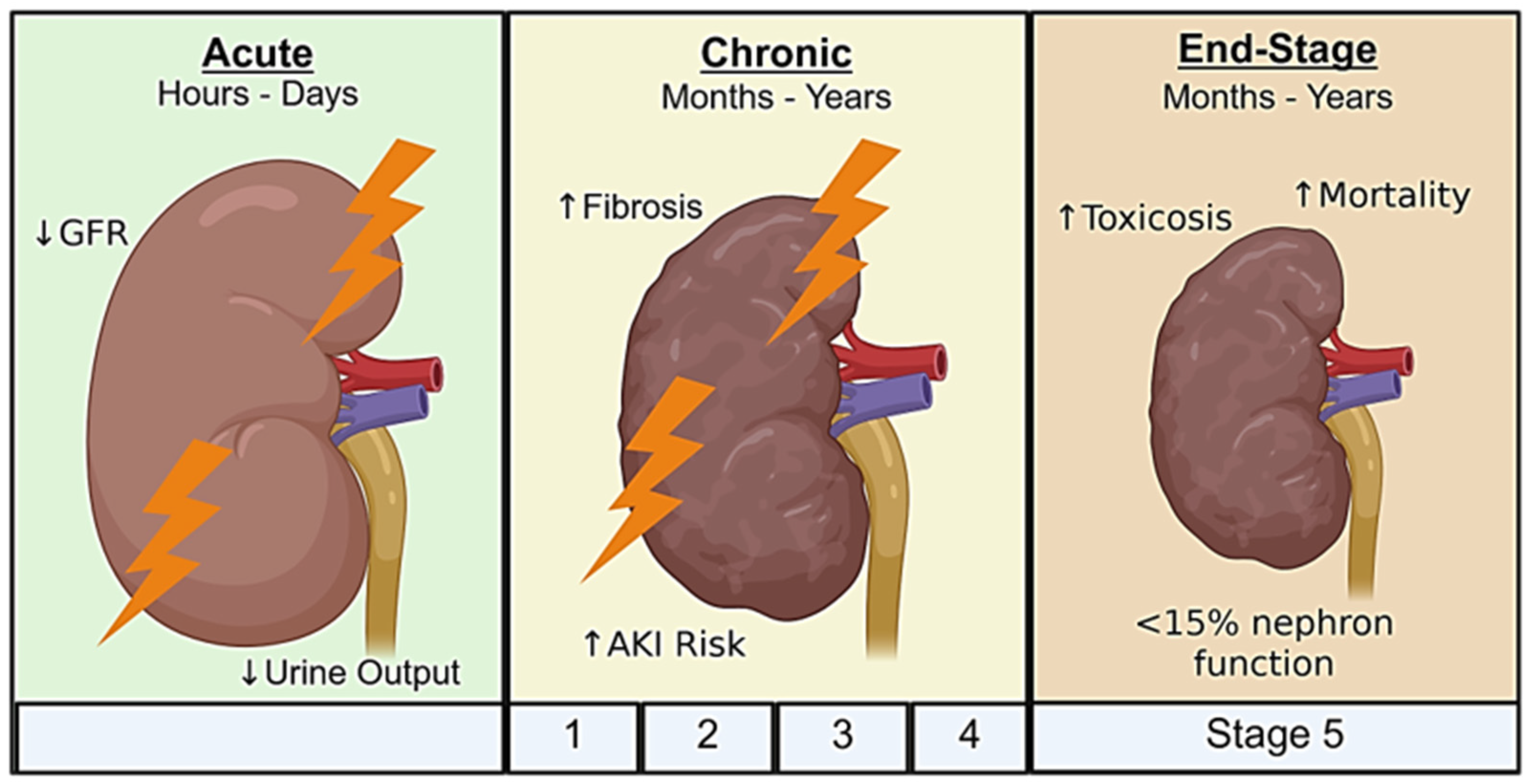
2. Renal Function and Disease Transition
2.1. End-Stage Kidney Disease: Epidemiology and Etiologies
2.1.1. Acute Kidney Injury
2.1.2. Ischemia-Reperfusion Injury
2.1.3. Chronic Kidney Disease
2.1.4. Gaps in Knowledge
3. Renal Mitochondria
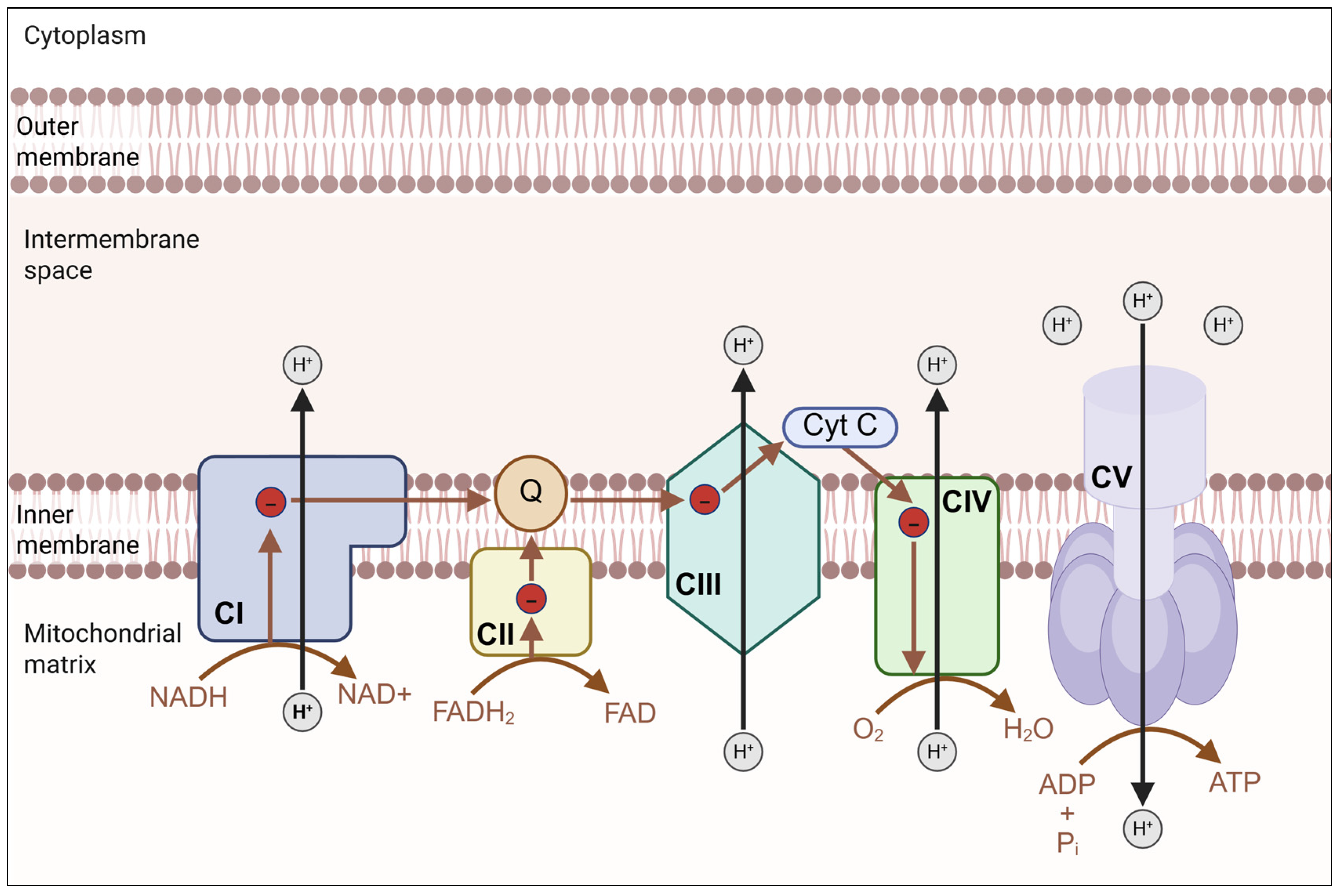
3.1. Electron Transport and Oxidative Phosphorylation
3.2. Regulation of Oxidative Phosphorylation
3.2.1. Mitochondrial Complexes and Supercomplexes
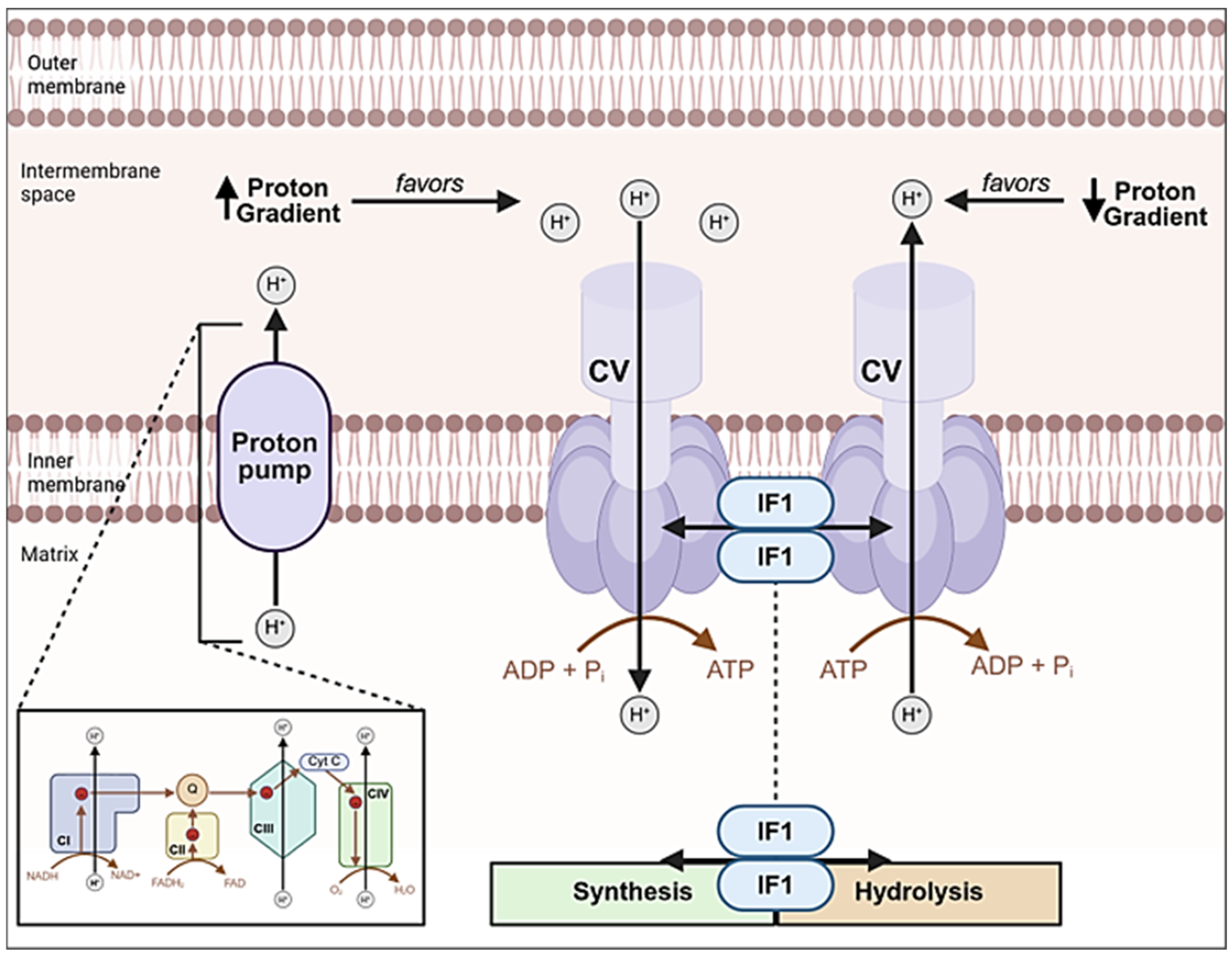
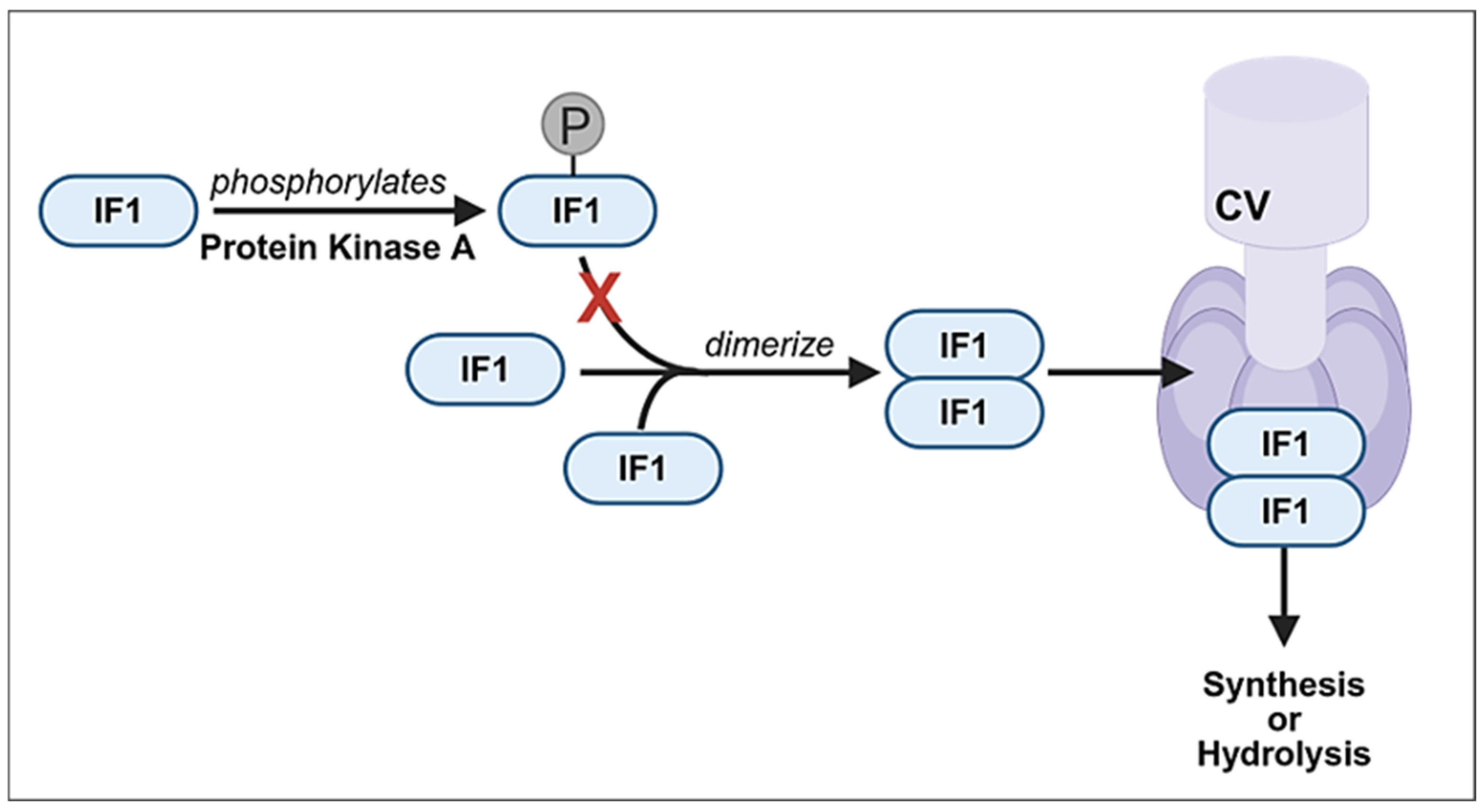
3.2.2. The Proton Gradient and IF-1
3.2.3. The Complex Role of Mitochondrial ROS
3.3. Mitochondrial Dysfunction in Acute Kidney Injury and Chronic Kidney Disease
3.3.1. Mitochondrial Damage During IRI
3.3.2. CKD and Mitochondrial Dysfunction
4. The Complement System
4.1. Production and Activation of the Complement Cascade
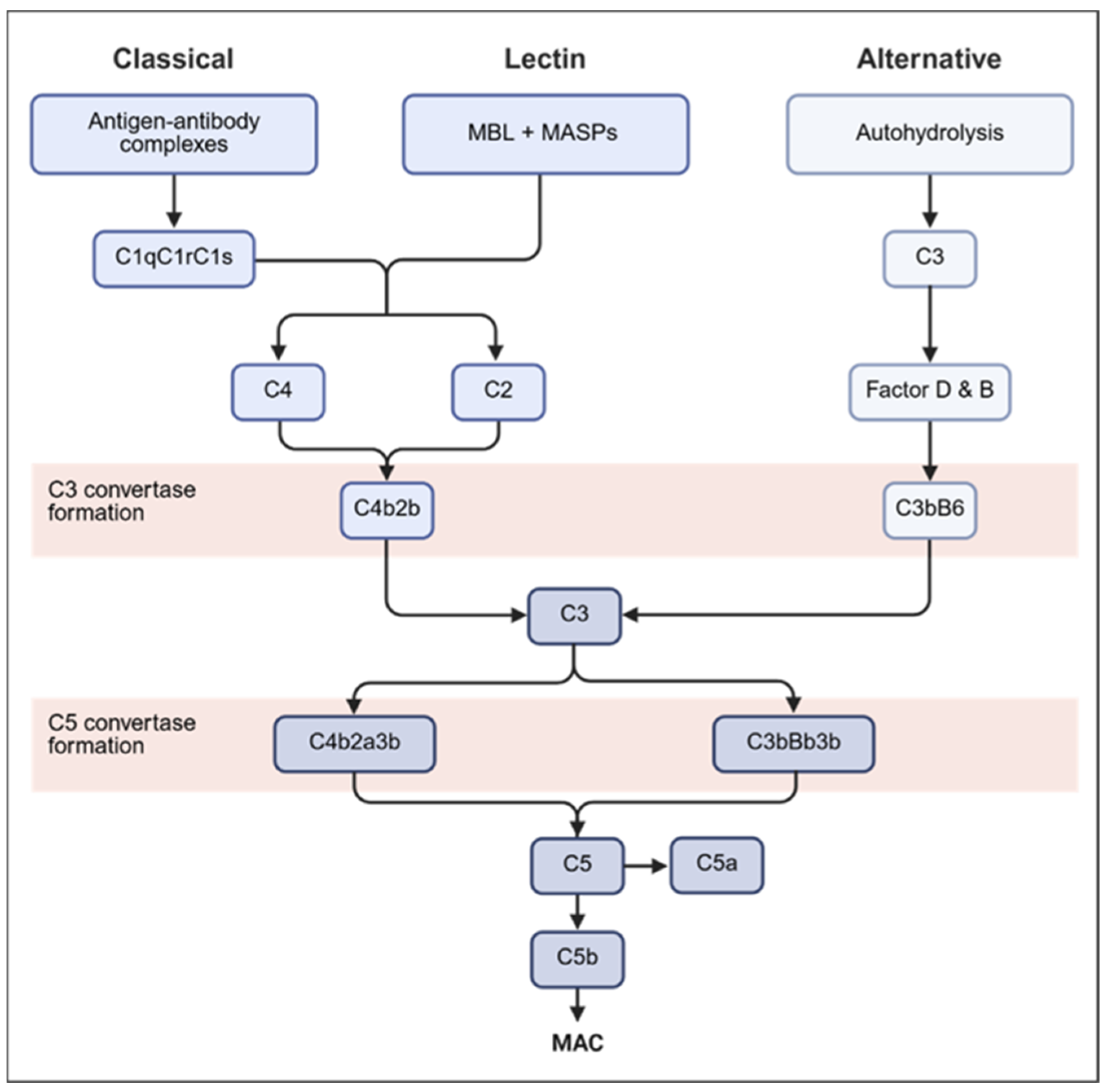
4.1.1. The Canonical Pathways
4.1.2. Intracellular Complement
4.2. Complement 5 and Renal Injury
4.2.1. Complement Activation in IRI
4.2.2. C5: A Clinically Appropriate Target
4.3. C5, C5aR1, and Mitochondrial Pathology
5. Clinical Potential
6. Conclusions
6.1. Limitations
6.2. Future Directions
Author Contributions
Funding
Data Availability Statement
Acknowledgments
Conflicts of Interest
Abbreviations
| ADP | adenosine diphosphate |
| AKI | Acute kidney injury |
| ATP | adenosine triphosphate |
| aHUS | Atypical hemolytic uremic syndrome |
| CKD | Chronic kidney disease |
| C3G | C3 glomerulopathy |
| DAMPs | damage-associated molecular patterns |
| DRP1 | Dynamin-related peptide-1 |
| ESKD | End-stage kidney disease |
| ETC | Electron transfer chain |
| eGFR | estimated glomerular filtration rate |
| IF1 | ATPase Inhibitory Factor 1 |
| IgAN | IgA nephropathy |
| IRI | Ischemia-reperfusion injury |
| MAC | membrane attack complex |
| MBL | mannose-binding lectin |
| MASPs | mannose-binding lectin-associated serine proteases |
| MG | Myasthenia gravis |
| NLRP3 | nucleotide-binding domain, leucine-rich-repeat containing family, pyrin domain-containing 3 |
| O2•− | superoxide anion |
| ONOO− | peroxynitrite |
| OXPHOS | Oxidative phosphorylation |
| PNH | Paroxysmal nocturnal hemoglobinuria |
| PRRs | Pattern-recognition receptors |
| ROS | Reactive oxygen species |
| SCr | serum creatinine |
| SODs | Superoxide dismutases |
| TMA | Thrombotic microangiopathy |
References
- Saran, R.; Robinson, B.; Abbott, K.C.; Bragg-Gresham, J.L.; Chen, X.; Gipson, D.S.; Gu, H.; Hirth, R.A.; Hutton, D.W.; Jin, Y.; et al. US Renal Data System 2019 Annual Data Report: Epidemiology of Kidney Disease in the United States. Am. J. Kidney Dis. 2020, 75, A6–A7. [Google Scholar] [CrossRef] [PubMed]
- National Institute of Diabetes and Digestive and Kidney Diseases. Kidney Disease Statistics for the United States—NIDDK. Available online: https://www.niddk.nih.gov/health-information/health-statistics/kidney-disease (accessed on 11 March 2026).
- Lim, J.-H.; Jeon, Y.; Kim, D.G.; Kim, Y.H.; Kim, J.K.; Yang, J.; Kim, M.S.; Jung, H.-Y.; Choi, J.-Y.; Park, S.-H.; et al. Effect of pretransplant dialysis vintage on clinical outcomes in deceased donor kidney transplant. Sci. Rep. 2022, 12, 17614. [Google Scholar] [CrossRef] [PubMed]
- Strohmaier, S.; Wallisch, C.; Kammer, M.; Geroldinger, A.; Heinze, G.; Oberbauer, R.; Haller, M.C. Survival Benefit of First Single-Organ Deceased Donor Kidney Transplantation Compared with Long-term Dialysis Across Ages in Trans-plant-Eligible Patients with Kidney Failure. JAMA Netw. Open 2022, 5, e2234971. [Google Scholar] [CrossRef] [PubMed]
- Tirichen, H.; Yaigoub, H.; Xu, W.; Wu, C.; Li, R.; Li, Y. Mitochondrial Reactive Oxygen Species and Their Contribution in Chronic Kidney Disease Progression Through Oxidative Stress. Front. Physiol. 2021, 12, 627837. [Google Scholar] [CrossRef] [PubMed]
- Chen, Y.; Li, Z.; Zhang, H.; Chen, H.; Hao, J.; Liu, H.; Li, X. Mitochondrial metabolism and targeted treatment strategies in ischemic-induced acute kidney injury. Cell Death Discov. 2024, 10, 69. [Google Scholar] [CrossRef]
- Kazeminia, S.; Eirin, A. Role of mitochondria in endogenous renal repair. Clin. Sci. 2024, 138, 963–973. [Google Scholar] [CrossRef] [PubMed]
- Mack, M. Inflammation and fibrosis. Matrix Biol. 2018, 68–69, 106–121. [Google Scholar] [CrossRef] [PubMed]
- Huang, R.; Fu, P.; Ma, L. Kidney fibrosis: From mechanisms to therapeutic medicines. Signal Transduct. Target. Ther. 2023, 8, 129. [Google Scholar] [CrossRef] [PubMed]
- Portilla, D.; Sabapathy, V.; Chauss, D. Role of local complement activation in kidney fibrosis and repair. J. Clin. Investig. 2025, 135, e188345. [Google Scholar] [CrossRef] [PubMed]
- Bartoszek, D.; Mazanowska, O.; Kościelska-Kasprzak, K.; Lepiesza, A.; Myszka, M.; Żabińska, M.; Krajewska, M.; Klinger, M. Post-transplant Alternative Complement Pathway Activation Influences Kidney Allograft Function. Arch. Immunol. Ther. Exp. 2019, 67, 171–177. [Google Scholar] [CrossRef] [PubMed]
- McGraw, M.; Sharma, A.; Bhattarai, D.; Joshi, N.; Gokden, N.; Lee, S.; Venugopal, G.; Parajuli, N. Post-ischemia and reperfusion kidney injury is mitigated in a novel complement 5 knockout rat. Physiol. Rep. 2025, 13, e70576. [Google Scholar] [CrossRef] [PubMed]
- Zhou, W.; Farrar, C.A.; Abe, K.; Pratt, J.R.; Marsh, J.E.; Wang, Y.; Stahl, G.L.; Sacks, S.H. Predominant role for C5b-9 in renal ischemia/reperfusion injury. J. Clin. Investig. 2000, 105, 1363–1371. [Google Scholar] [CrossRef] [PubMed]
- West, E.E.; Kemper, C. Complosome—The intracellular complement system. Nat. Rev. Nephrol. 2023, 19, 426–439. [Google Scholar] [CrossRef] [PubMed]
- Konopko, A.; Łukomska, A.; Ratajczak, J.; Kucia, M.; Ratajczak, M.Z. Complosome Regulates Hematopoiesis at the Mitochondria Level. Stem Cell Rev. Rep. 2025, 21, 1001–1012. [Google Scholar] [CrossRef] [PubMed]
- Niyonzima, N.; Rahman, J.; Kunz, N.; West, E.E.; Freiwald, T.; Desai, J.V.; Merle, N.S.; Gidon, A.; Sporsheim, B.; Lionakis, M.S.; et al. Mitochondrial C5aR1 activity in macrophages controls IL-1β production underlying sterile inflammation. Sci. Immunol. 2021, 6, eabf2489. [Google Scholar] [CrossRef] [PubMed]
- Ogobuiro, I.; Tuma, F. Physiology, Renal. In StatPearls; StatPearls Publishing: Treasure Island, FL, USA, 2026. Available online: http://www.ncbi.nlm.nih.gov/books/NBK538339/ (accessed on 27 April 2026).
- Hashmi, M.F.; Benjamin, O.; Lappin, S.L. End-Stage Renal Disease. In StatPearls; StatPearls Publishing: Treasure Island, FL, USA, 2024. Available online: http://www.ncbi.nlm.nih.gov/books/NBK499861/ (accessed on 18 February 2024).
- Bond, M.; Pitt, M.; Akoh, J.; Moxham, T.; Hoyle, M.; Anderson, R. The effectiveness and cost-effectiveness of methods of storing donated kidneys from deceased donors: A systematic review and economic model. Health Technol. Assess. 2009, 13, 1–156. [Google Scholar] [CrossRef] [PubMed]
- Duranton, F.; Cohen, G.; De Smet, R.; Rodriguez, M.; Jankowski, J.; Vanholder, R.; Argiles, A. Normal and Pathologic Concentrations of Uremic Toxins. J. Am. Soc. Nephrol. 2012, 23, 1258–1270. [Google Scholar] [CrossRef] [PubMed]
- Faria, M.; De Pinho, M.N. Challenges of reducing protein-bound uremic toxin levels in chronic kidney disease and end stage renal disease. Transl. Res. 2021, 229, 115–134. [Google Scholar] [CrossRef] [PubMed]
- Pinto-Ramirez, J.; Garcia-Lopez, A.; Salcedo-Herrera, S.; Patino-Jaramillo, N.; Garcia-Lopez, J.; Barbosa-Salinas, J.; Riveros-Enriquez, S.; Hernandez-Herrera, G.; Giron-Luque, F. Risk factors for graft loss and death among kidney transplant recipients: A competing risk analysis. PLoS ONE 2022, 17, e0269990. [Google Scholar] [CrossRef] [PubMed]
- Rao, J.S.; Pruett, T.L. Immunology of the transplanted cryopreserved kidney. Cryobiology 2023, 110, 1–7. [Google Scholar] [CrossRef] [PubMed]
- Roufosse, C.; Simmonds, N.; Groningen, M.C.; Haas, M.; Henriksen, K.J.; Horsfield, C.; Loupy, A.; Mengel, M.; Perkowska-Ptasińska, A.; Rabant, M.; et al. A 2018 Reference Guide to the Banff Classification of Renal Allograft Pa-thology. Transplantation 2018, 102, 1795–1814, Erratum in Transplantation 2018, 102, e497. [Google Scholar] [CrossRef] [PubMed]
- Executive Order on Advancing American Kidney Health—The White House. Available online: https://trumpwhitehouse.archives.gov/presidential-actions/executive-order-advancing-american-kidney-health/ (accessed on 23 February 2026).
- Organ Procurement Organizations (OPOs) Conditions for Coverage Revisions CMS-3409-P Proposed Rule|CMS. Available online: https://www.cms.gov/newsroom/fact-sheets/organ-procurement-organizations-opos-conditions-coverage-revisions-cms-3409-p-proposed-rule (accessed on 23 February 2026).
- Gameiro, J.; Gouveia, B.; Fonseca, J.A.; Lopes, J.A. The burden of acute kidney disease: An epidemiological review and importance of follow-up care. Clin. Kidney J. 2025, 18, sfaf169, Correction in Clin. Kidney J. 2025, 18, sfaf277. [Google Scholar] [CrossRef] [PubMed]
- Goyal, A.; Daneshpajouhnejad, P.; Hashmi, M.F.; Bashir, K. Acute Kidney Injury. In StatPearls; StatPearls Publishing: Treasure Island, FL, USA, 2025. Available online: http://www.ncbi.nlm.nih.gov/books/NBK441896/ (accessed on 23 February 2026).
- Oh, D.-J. A long journey for acute kidney injury biomarkers. Ren. Fail. 2020, 42, 154–165. [Google Scholar] [CrossRef] [PubMed]
- Zhao, X.; Xue, H.; Fu, C.; Li, S.; Wang, Z.; Xiao, Z.; Ye, J.; Cai, J.; Yang, Y.; Zhao, Q.; et al. Incidence and risk factors for acute kidney injury after traumatic hemorrhagic shock: A 10-year retrospective cohort study. J. Nephrol. 2024, 37, 2337–2346. [Google Scholar] [CrossRef] [PubMed]
- Chen, Y.; Zhao, G.; Xia, X. Acute kidney injury after intracerebral hemorrhage: A mini review. Front Med. 2024, 11, 1422081. [Google Scholar] [CrossRef] [PubMed]
- Cardiorenal Syndrome: Classification, Pathophysiology, Diagnosis, and Treatment Strategies: A Scientific Statement from the American Heart Association|Circulation. Available online: https://www.ahajournals.org/doi/10.1161/CIR.0000000000000664 (accessed on 23 February 2026).
- Zarbock, A.; Nadim, M.K.; Pickkers, P.; Gomez, H.; Bell, S.; Joannidis, M.; Kashani, K.; Koyner, J.L.; Pannu, N.; Meersch, M.; et al. Sepsis-associated acute kidney injury: Consensus report of the 28th Acute Disease Quality Initiative workgroup. Nat. Rev. Nephrol. 2023, 19, 401–417. [Google Scholar] [CrossRef] [PubMed]
- Manrique-Caballero, C.L.; Del Rio-Pertuz, G.; Gomez, H. Sepsis-Associated Acute Kidney Injury. Crit. Care Clin. 2021, 37, 279–301. [Google Scholar] [CrossRef] [PubMed]
- Malek, M.; Nematbakhsh, M. Renal ischemia/reperfusion injury; from pathophysiology to treatment. J. Ren. Inj. Prev. 2015, 4, 20–27. [Google Scholar] [CrossRef] [PubMed]
- Acute Tubular Necrosis. Available online: https://www.pathologyoutlines.com/topic/kidneyatn.html (accessed on 23 February 2026).
- Turgut, F.; Awad, A.S.; Abdel-Rahman, E.M. Acute Kidney Injury: Medical Causes and Pathogenesis. J. Clin. Med. 2023, 12, 375. [Google Scholar] [CrossRef] [PubMed]
- Guerrero-Mauvecin, J.; Villar-Gómez, N.; Rayego-Mateos, S.; Ramos, A.M.; Ruiz-Ortega, M.; Ortiz, A.; Sanz, A.B. Regulated necrosis role in inflammation and repair in acute kidney injury. Front. Immunol. 2023, 14, 1324996. [Google Scholar] [CrossRef] [PubMed]
- Sharfuddin, A.A.; Molitoris, B.A. Pathophysiology of ischemic acute kidney injury. Nat. Rev. Nephrol. 2011, 7, 189–200. [Google Scholar] [CrossRef] [PubMed]
- Zheng, Y.; Xu, X.; Chi, F.; Cong, N. Pyroptosis: A Newly Discovered Therapeutic Target for Ischemia-Reperfusion Injury. Biomolecules 2022, 12, 1625. [Google Scholar] [CrossRef] [PubMed]
- Pefanis, A.; Ierino, F.L.; Murphy, J.M.; Cowan, P.J. Regulated necrosis in kidney ischemia-reperfusion injury. Kidney Int. 2019, 96, 291–301. [Google Scholar] [CrossRef] [PubMed]
- Zhang, G.; Wang, J.; Zhao, Z.; Xin, T.; Fan, X.; Shen, Q.; Raheem, A.; Lee, C.R.; Jiang, H.; Ding, J. Regulated necrosis, a proinflammatory cell death, potentially counteracts pathogenic infections. Cell Death Dis. 2022, 13, 637. [Google Scholar] [CrossRef] [PubMed]
- Li, C.; Yu, Y.; Zhu, S.; Hu, Y.; Ling, X.; Xu, L.; Zhang, H.; Guo, K. The emerging role of regulated cell death in ischemia and reperfusion-induced acute kidney injury: Current evidence and future perspectives. Cell Death Discov. 2024, 10, 216. [Google Scholar] [CrossRef] [PubMed]
- Linkermann, A.; Skouta, R.; Himmerkus, N.; Mulay, S.R.; Dewitz, C.; De Zen, F.; Prokai, A.; Zuchtriegel, G.; Krombach, F.; Welz, P.-S.; et al. Synchronized renal tubular cell death involves ferroptosis. Proc. Natl. Acad. Sci. USA 2014, 111, 16836–16841. [Google Scholar] [CrossRef] [PubMed]
- Kaczmarek, A.; Vandenabeele, P.; Krysko, D.V. Necroptosis: The release of damage-associated molecular patterns and its physiological relevance. Immunity 2013, 38, 209–223. [Google Scholar] [CrossRef] [PubMed]
- Pasparakis, M.; Vandenabeele, P. Necroptosis and its role in inflammation. Nature 2015, 517, 311–320. [Google Scholar] [CrossRef] [PubMed]
- Fuquay, R.; Renner, B.; Kulik, L.; McCullough, J.W.; Amura, C.; Strassheim, D.; Pelanda, R.; Torres, R.; Thurman, J.M. Renal Ischemia-Reperfusion Injury Amplifies the Humoral Immune Response. J. Am. Soc. Nephrol. 2013, 24, 1063–1072. [Google Scholar] [CrossRef] [PubMed]
- Chen, G.Y.; Nuñez, G. Sterile inflammation: Sensing and reacting to damage. Nat. Rev. Immunol. 2010, 10, 826–837. [Google Scholar] [CrossRef] [PubMed]
- CDC Chronic Kidney Disease in the United States, 2023. Available online: https://www.cdc.gov/kidney-disease/php/data-research/index.html (accessed on 17 December 2025).
- Guidelines—KDIGO. Available online: https://kdigo.org/guidelines/ (accessed on 23 February 2026).
- Mark, P.B.; Stafford, L.K.; Grams, M.E.; Aalruz, H.; ElHafeez, S.A.; Abdelgalil, A.A.; Abdulkader, R.S.; Abeywickrama, H.M.; Abiodun, O.O.; Abramov, D.; et al. Global, regional, and national burden of chronic kidney disease in adults, 1990–2023, and its attributable risk factors: A systematic analysis for the Global Burden of Disease Study 2023. Lancet 2025, 406, 2461–2482. [Google Scholar] [CrossRef] [PubMed]
- Chawla, L.S.; Amdur, R.L.; Amodeo, S.; Kimmel, P.L.; Palant, C.E. The severity of acute kidney injury predicts progression to chronic kidney disease. Kidney Int. 2011, 79, 1361–1369. [Google Scholar] [CrossRef] [PubMed]
- Chawla, L.S.; Eggers, P.W.; Star, R.A.; Kimmel, P.L. Acute Kidney Injury and Chronic Kidney Disease as Interconnected Syndromes. N. Engl. J. Med. 2014, 371, 58–66. [Google Scholar] [CrossRef] [PubMed]
- HAinmhire, E.Ó.; Humphreys, B.D. Fibrotic changes mediating AKI to CKD transition. Nephron 2017, 137, 264–267. [Google Scholar] [CrossRef] [PubMed]
- Pham, L.; Arroum, T.; Wan, J.; Pavelich, L.; Bell, J.; Morse, P.T.; Lee, I.; Grossman, L.I.; Sanderson, T.H.; Malek, M.H.; et al. Regulation of mitochondrial oxidative phosphorylation through tight control of cytochrome c oxidase in health and disease—Implications for ischemia/reperfusion injury, inflammatory diseases, diabetes, and cancer. Redox Biol. 2024, 78, 103426. [Google Scholar] [CrossRef] [PubMed]
- Estimation of Membrane Potential and pH Difference across the Cristae Membrane of Rat Liver Mitochondria—Mitchell—1969—European Journal of Biochemistry—Wiley Online Library. Available online: https://febs.onlinelibrary.wiley.com/doi/full/10.1111/j.1432-1033.1969.tb19633.x (accessed on 27 April 2026).
- Poburko, D.; Santo-Domingo, J.; Demaurex, N. Dynamic Regulation of the Mitochondrial Proton Gradient during Cytosolic Calcium Elevations. J. Biol. Chem. 2011, 286, 11672–11684. [Google Scholar] [CrossRef] [PubMed]
- Acin-Perez, R.; Benincá, C.; Del Rio, L.F.; Shu, C.; Baghdasarian, S.; Zanette, V.; Gerle, C.; Jiko, C.; Khairallah, R.; Khan, S.; et al. Inhibition of ATP synthase reverse activity restores energy homeostasis in mitochondrial pathologies. EMBO J. 2023, 42, e111699. [Google Scholar] [CrossRef] [PubMed]
- Höchli, M.; Hackenbrock, C.R. Fluidity in mitochondrial membranes: Thermotropic lateral translational motion of intramembrane particles. Proc. Natl. Acad. Sci. USA 1976, 73, 1636–1640. [Google Scholar] [CrossRef] [PubMed]
- Hackenbrock, C.R.; Chazotte, B.; Gupte, S.S. The random collision model and a critical assessment of diffusion and collision in mitochondrial electron transport. J. Bioenerg. Biomembr. 1986, 18, 331–368. [Google Scholar] [CrossRef] [PubMed]
- Acín-Pérez, R.; Fernández-Silva, P.; Peleato, M.L.; Pérez-Martos, A.; Enríquez, J.A. Respiratory Active Mitochondrial Supercomplexes. Mol. Cell 2008, 32, 529–539. [Google Scholar] [CrossRef] [PubMed]
- Jang, S.; Lewis, T.S.; Powers, C.; Khuchua, Z.; Baines, C.P.; Wipf, P.; Javadov, S. Elucidating Mitochondrial Electron Transport Chain Supercomplexes in the Heart During Ischemia–Reperfusion. Antioxid. Redox Signal. 2017, 27, 57–69. [Google Scholar] [CrossRef] [PubMed]
- Demine, S.; Renard, P.; Arnould, T. Mitochondrial Uncoupling: A Key Controller of Biological Processes in Physiology and Diseases. Cells 2019, 8, 795. [Google Scholar] [CrossRef] [PubMed]
- Oxidative Phosphorylation Uncoupling—An Overview|ScienceDirect Topics. Available online: https://www.sciencedirect.com/topics/neuroscience/oxidative-phosphorylation-uncoupling (accessed on 28 April 2026).
- The Uncoupling Proteins Family: From Thermogenesis to the Regulation of ROS. In Cell and Molecular Response to Stress; Elsevier: Amsterdam, The Netherlands, 2002; Volume 3, pp. 257–268.
- Jonckheere, A.I.; Smeitink, J.A.M.; Rodenburg, R.J.T. Mitochondrial ATP synthase: Architecture, function and pathology. J. Inherit. Metab. Dis. 2012, 35, 211–225. [Google Scholar] [CrossRef] [PubMed]
- The Mitochondrial Permeability Transition Pore: Channel Formation by F-ATP Synthase, Integration in Signal Transduction, and Role in Pathophysiology|Physiological Reviews. Available online: https://journals.physiology.org/doi/full/10.1152/physrev.00001.2015 (accessed on 19 July 2023).
- Macdonald, J.E.; Ashby, P.D. The molecular mechanism of ATP synthase constrains the evolutionary landscape of chemiosmosis. Biophys. J. 2025, 124, 2103–2119. [Google Scholar] [CrossRef] [PubMed]
- Nakano, A.; Kishikawa, J.; Mitsuoka, K.; Yokoyama, K. Mechanism of ATP hydrolysis dependent rotation of bacterial ATP synthase. Nat. Commun. 2023, 14, 4090. [Google Scholar] [CrossRef] [PubMed]
- Sánchez-Cenizo, L.; Formentini, L.; Aldea, M.; Ortega, Á.D.; García-Huerta, P.; Sánchez-Aragó, M.; Cuezva, J.M. Up-regulation of the ATPase Inhibitory Factor 1 (IF1) of the Mitochondrial H+-ATP Synthase in Human Tumors Mediates the Metabolic Shift of Cancer Cells to a Warburg Phenotype. J. Biol. Chem. 2010, 285, 25308–25313. [Google Scholar] [CrossRef] [PubMed]
- Sgarbi, G.; Barbato, S.; Costanzini, A.; Solaini, G.; Baracca, A. The role of the ATPase inhibitor factor 1 (IF1) in cancer cells adaptation to hypoxia and anoxia. Biochim. Biophys. Acta Bioenerg. 2018, 1859, 99–109. [Google Scholar] [CrossRef] [PubMed]
- Gu, J.; Zhang, L.; Zong, S.; Guo, R.; Liu, T.; Yi, J.; Wang, P.; Zhuo, W.; Yang, M. Cryo-EM structure of the mammalian ATP synthase tetramer bound with inhibitory protein IF1. Science 2019, 364, 1068–1075. [Google Scholar] [CrossRef] [PubMed]
- Boreikaite, V.; Wicky, B.I.M.; Watt, I.N.; Clarke, J.; Walker, J.E. Extrinsic conditions influence the self-association and structure of IF1, the regulatory protein of mitochondrial ATP synthase. Proc. Natl. Acad. Sci. USA 2019, 116, 10354–10359. [Google Scholar] [CrossRef] [PubMed]
- Anandakrishnan, R.; Zuckerman, D.M. Biophysical comparison of ATP-driven proton pumping mechanisms suggests a kinetic advantage for the rotary process depending on coupling ratio. PLoS ONE 2017, 12, e0173500. [Google Scholar] [CrossRef] [PubMed]
- Zhou, B.; Caudal, A.; Tang, X.; Chavez, J.D.; McMillen, T.S.; Keller, A.; Villet, O.; Zhao, M.; Liu, Y.; Ritterhoff, J.; et al. Upregulation of mitochondrial ATPase inhibitory factor 1 (ATPIF1) mediates increased glycolysis in mouse hearts. J. Clin. Investig. 2022, 132, e155333. [Google Scholar] [CrossRef] [PubMed]
- Cuezva, J.M.; Domínguez-Zorita, S. The ATPase Inhibitory Factor 1 (IF1) Contributes to the Warburg Effect and Is Regulated by Its Phosphorylation in S39 by a Protein Kinase A-like Activity. Cancers 2024, 16, 1014. [Google Scholar] [CrossRef] [PubMed]
- Über den Stoffwechsel der Carcinomzelle|The Science of Nature|Springer Nature Link. Available online: https://link.springer.com/article/10.1007/BF01504608 (accessed on 13 March 2026).
- Liberti, M.V.; Locasale, J.W. The Warburg Effect: How Does it Benefit Cancer Cells? Trends Biochem. Sci. 2016, 41, 211–218, Correction in Trends Biochem. Sci. 2016, 41, 287. [Google Scholar] [CrossRef] [PubMed]
- McCord, J.M.; Fridovich, I. Superoxide dismutase. An enzymic function for erythrocuprein (hemocuprein). J. Biol. Chem. 1969, 244, 6049–6055. [Google Scholar] [CrossRef]
- Weisiger, R.A.; Fridovich, I. Mitochondrial superoxide simutase. Site of synthesis and intramitochondrial localization. J. Biol. Chem. 1973, 248, 4793–4796. [Google Scholar] [CrossRef]
- Beckman, J.S.; Beckman, T.W.; Chen, J.; Marshall, P.A.; Freeman, B.A. Apparent hydroxyl radical production by peroxynitrite: Implications for endothelial injury from nitric oxide and superoxide. Proc. Natl. Acad. Sci. USA 1990, 87, 1620–1624. [Google Scholar] [CrossRef] [PubMed]
- Lebovitz, R.M.; Zhang, H.; Vogel, H.; Cartwright, J.; Dionne, L.; Lu, N.; Huang, S.; Matzuk, M.M. Neurodegeneration, myocardial injury, and perinatal death in mitochondrial superoxide dismutase-deficient mice. Proc. Natl. Acad. Sci. USA 1996, 93, 9782–9787. [Google Scholar] [CrossRef] [PubMed]
- Li, Y.; Huang, T.T.; Carlson, E.J.; Melov, S.; Ursell, P.C.; Olson, J.L.; Noble, L.J.; Yoshimura, M.P.; Berger, C.; Chan, P.H.; et al. Dilated cardiomyopathy and neonatal lethality in mutant mice lacking manganese superoxide dismutase. Nat. Genet. 1995, 11, 376–381. [Google Scholar] [CrossRef] [PubMed]
- Nieuwenhuijs-Moeke, G.J.; Pischke, S.E.; Berger, S.P.; Sanders, J.S.F.; Pol, R.A.; Struys, M.M.R.F.; Ploeg, R.J.; Leuvenink, H.G.D. Ischemia and Reperfusion Injury in Kidney Transplantation: Relevant Mechanisms in Injury and Repair. J. Clin. Med. 2020, 9, 253. [Google Scholar] [CrossRef] [PubMed]
- Holmström, K.M.; Finkel, T. Cellular mechanisms and physiological consequences of redox-dependent signalling. Nat. Rev. Mol. Cell Biol. 2014, 15, 411–421. [Google Scholar] [CrossRef] [PubMed]
- Paulsen, C.E.; Truong, T.H.; Garcia, F.J.; Homann, A.; Gupta, V.; Leonard, S.E.; Carroll, K.S. Peroxide-dependent sulfenylation of the EGFR catalytic site enhances kinase activity. Nat. Chem. Biol. 2011, 8, 57–64. [Google Scholar] [CrossRef] [PubMed]
- Corcoran, A.; Cotter, T.G. Redox regulation of protein kinases. FEBS J. 2013, 280, 1944–1965. [Google Scholar] [CrossRef] [PubMed]
- DeBlasi, J.M.; DeNicola, G.M. Dissecting the Crosstalk between NRF2 Signaling and Metabolic Processes in Cancer. Cancers 2020, 12, 3023. [Google Scholar] [CrossRef] [PubMed]
- Janke, R.; Dodson, A.E.; Rine, J. Metabolism and epigenetics. Annu. Rev. Cell Dev. Biol. 2015, 31, 473–496. [Google Scholar] [CrossRef] [PubMed]
- Lennicke, C.; Cochemé, H.M. Redox metabolism: ROS as specific molecular regulators of cell signaling and function. Mol. Cell 2021, 81, 3691–3707. [Google Scholar] [CrossRef] [PubMed]
- Semenza, G.L. Hypoxia-inducible factors: Coupling glucose metabolism and redox regulation with induction of the breast cancer stem cell phenotype. EMBO J. 2017, 36, 252–259. [Google Scholar] [CrossRef] [PubMed]
- Guzy, R.D.; Hoyos, B.; Robin, E.; Chen, H.; Liu, L.; Mansfield, K.D.; Simon, M.C.; Hammerling, U.; Schumacker, P.T. Mitochondrial complex III is required for hypoxia-induced ROS production and cellular oxygen sensing. Cell Metab. 2005, 1, 401–408. [Google Scholar] [CrossRef] [PubMed]
- Reynaert, N.L.; Van der Vliet, A.; Guala, A.S.; McGovern, T.; Hristova, M.; Pantano, C.; Heintz, N.H.; Heim, J.; Ho, Y.-S.; Matthews, D.E.; et al. Dynamic redox control of NF-kappaB through glutaredoxin-regulated S-glutathionylation of in-hibitory kappaB kinase beta. Proc. Natl. Acad. Sci. USA 2006, 103, 13086–13091. [Google Scholar] [CrossRef] [PubMed]
- Halvey, P.J.; Hansen, J.M.; Johnson, J.M.; Go, Y.-M.; Samali, A.; Jones, D.P. Selective oxidative stress in cell nuclei by nuclear-targeted D-amino acid oxidase. Antioxid. Redox Signal. 2007, 9, 807–816. [Google Scholar] [CrossRef] [PubMed]
- Putker, M.; Madl, T.; Vos, H.R.; De Ruiter, H.; Visscher, M.; Van den Berg, M.C.W.; Kaplan, M.; Korswagen, H.C.; Boelens, R.; Vermeulen, M.; et al. Redox-dependent control of FOXO/DAF-16 by transportin-1. Mol. Cell 2013, 49, 730–742. [Google Scholar] [CrossRef] [PubMed]
- Ay, A.; Ye, K.; Aa, S. Mitochondrial metabolism of reactive oxygen species. Biochem. Biokhimiia 2005, 70, 200–214. [Google Scholar] [CrossRef] [PubMed]
- Bhargava, P.; Schnellmann, R.G. Mitochondrial energetics in the kidney. Nat. Rev. Nephrol. 2017, 13, 629–646. [Google Scholar] [CrossRef] [PubMed]
- Emma, F.; Montini, G.; Parikh, S.M.; Salviati, L. Mitochondrial dysfunction in inherited renal disease and acute kidney injury. Nat. Rev. Nephrol. 2016, 12, 267–280. [Google Scholar] [CrossRef] [PubMed]
- Ong, S.-B.; Kalkhoran, S.B.; Hernández-Reséndiz, S.; Samangouei, P.; Ong, S.-G.; Hausenloy, D.J. Mitochondrial-Shaping Proteins in Cardiac Health and Disease—The Long and the Short of It! Cardiovasc. Drugs Ther. 2017, 31, 87–107. [Google Scholar] [CrossRef] [PubMed]
- Wei, Q.; Sun, H.; Song, S.; Liu, Y.; Liu, P.; Livingston, M.J.; Wang, J.; Liang, M.; Mi, Q.-S.; Huo, Y.; et al. MicroRNA-668 represses MTP18 to preserve mitochondrial dynamics in ischemic acute kidney injury. J. Clin. Investig. 2018, 128, 5448–5464. [Google Scholar] [CrossRef] [PubMed]
- Brooks, C.; Wei, Q.; Cho, S.-G.; Dong, Z. Regulation of mitochondrial dynamics in acute kidney injury in cell culture and rodent models. J. Clin. Investig. 2009, 119, 1275–1285. [Google Scholar] [CrossRef] [PubMed]
- Cho, S.-G.; Du, Q.; Huang, S.; Dong, Z. Drp1 dephosphorylation in ATP depletion-induced mitochondrial injury and tubular cell apoptosis. Am. J. Physiol. Ren. Physiol. 2010, 299, F199–F206. [Google Scholar] [CrossRef] [PubMed]
- Cribbs, J.T.; Strack, S. Reversible phosphorylation of Drp1 by cyclic AMP-dependent protein kinase and calcineurin regulates mitochondrial fission and cell death. EMBO Rep. 2007, 8, 939–944. [Google Scholar] [CrossRef] [PubMed]
- Song, Z.; Xia, Y.; Shi, L.; Zha, H.; Huang, J.; Xiang, X.; Li, H.; Huang, H.; Yue, R.; Wang, H.; et al. Inhibition of Drp1-Fis1 interaction alleviates aberrant mitochondrial fragmentation and acute kidney injury. Cell Mol. Biol. Lett. 2024, 29, 31. [Google Scholar] [CrossRef] [PubMed]
- Perry, H.M.; Huang, L.; Wilson, R.J.; Bajwa, A.; Sesaki, H.; Yan, Z.; Rosin, D.L.; Kashatus, D.F.; Okusa, M.D. Dynamin-Related Protein 1 Deficiency Promotes Recovery from AKI. J. Am. Soc. Nephrol. 2018, 29, 194–206. [Google Scholar] [CrossRef] [PubMed]
- Goggins, E.S.; Poudel, N.; Yao, J.; Zheng, S.; Okusa, M.D. Reduced Perivascular Cell Dynamin-Related Protein 1 (Drp1) Protects Against AKI and CKD in Mice: FR-PO190. J. Am. Soc. Nephrol. 2023, 34, 456. [Google Scholar] [CrossRef]
- Su, L.; Zhang, J.; Gomez, H.; Kellum, J.A.; Peng, Z. Mitochondria ROS and mitophagy in acute kidney injury. Autophagy 2023, 19, 401–414. [Google Scholar] [CrossRef] [PubMed]
- Ma, K.; Chen, G.; Li, W.; Kepp, O.; Zhu, Y.; Chen, Q. Mitophagy, Mitochondrial Homeostasis, and Cell Fate. Front. Cell Dev. Biol. 2020, 8, 467. [Google Scholar] [CrossRef] [PubMed]
- Livingston, M.J.; Wang, J.; Zhou, J.; Wu, G.; Ganley, I.G.; Hill, J.A.; Yin, X.-M.; Dong, Z. Clearance of damaged mitochondria via mitophagy is important to the protective effect of ischemic preconditioning in kidneys. Autophagy 2019, 15, 2142–2162. [Google Scholar] [CrossRef] [PubMed]
- Liu, B.; Wang, D.; Cao, Y.; Wu, J.; Zhou, Y.; Wu, W.; Wu, J.; Zhou, J.; Qiu, J. MitoTEMPO protects against podocyte injury by inhibiting NLRP3 inflammasome via PINK1/Parkin pathway-mediated mitophagy. Eur. J. Pharmacol. 2022, 929, 175136. [Google Scholar] [CrossRef] [PubMed]
- Gautier, C.A.; Kitada, T.; Shen, J. Loss of PINK1 causes mitochondrial functional defects and increased sensitivity to oxidative stress. Proc. Natl. Acad. Sci. USA 2008, 105, 11364–11369. [Google Scholar] [CrossRef] [PubMed]
- Liu, Q.; Zhang, D.; Hu, D.; Zhou, X.; Zhou, Y. The role of mitochondria in NLRP3 inflammasome activation. Mol. Immunol. 2018, 103, 115–124. [Google Scholar] [CrossRef] [PubMed]
- Laudisi, F.; Spreafico, R.; Evrard, M.; Hughes, T.R.; Mandriani, B.; Kandasamy, M.; Morgan, B.P.; Sivasankar, B.; Mortellaro, A. Cutting Edge: The NLRP3 Inflammasome Links Complement-Mediated Inflammation and IL-1β Release. J. Immunol. 2013, 191, 1006–1010. [Google Scholar] [CrossRef] [PubMed]
- Samstad, E.O.; Niyonzima, N.; Nymo, S.; Aune, M.H.; Ryan, L.; Bakke, S.S.; Lappegård, K.T.; Brekke, O.-L.; Lambris, J.D.; Damås, J.K.; et al. Cholesterol crystals induce complement-dependent inflammasome activation and cytokine release. J. Immunol. 2014, 192, 2837–2845. [Google Scholar] [CrossRef] [PubMed]
- Haggadone, M.D.; Grailer, J.J.; Fattahi, F.; Zetoune, F.S.; Ward, P.A. Bidirectional Crosstalk between C5a Receptors and the NLRP3 Inflammasome in Macrophages and Monocytes. Mediat. Inflamm. 2016, 2016, 1340156. [Google Scholar] [CrossRef] [PubMed]
- Asgari, E.; Friec, G.L.; Yamamoto, H.; Perucha, E.; Sacks, S.S.; Köhl, J.; Cook, H.T.; Kemper, C. C3a modulates IL-1β secretion in human monocytes by regulating ATP efflux and subsequent NLRP3 inflammasome activation. Blood 2013, 122, 3473–3481. [Google Scholar] [CrossRef] [PubMed]
- Forrester, S.J.; Kikuchi, D.S.; Hernandes, M.S.; Xu, Q.; Griendling, K.K. Reactive Oxygen Species in Metabolic and Inflammatory Signaling. Circ. Res. 2018, 122, 877–902. [Google Scholar] [CrossRef] [PubMed]
- Zhao, M.; Wang, Y.; Li, L.; Liu, S.; Wang, C.; Yuan, Y.; Yang, G.; Chen, Y.; Cheng, J.; Lu, Y.; et al. Mitochondrial ROS promote mitochondrial dysfunction and inflammation in ischemic acute kidney injury by disrupting TFAM-mediated mtDNA maintenance. Theranostics 2021, 11, 1845–1863. [Google Scholar] [CrossRef] [PubMed]
- Chen, J.; Zhou, Q.; Su, L.; Ni, L. Mitochondrial dysfunction: The hidden catalyst in chronic kidney disease progression. Ren. Fail. 2025, 47, 2506812. [Google Scholar] [CrossRef] [PubMed]
- Pavlović, N.; Križanac, M.; Kumrić, M.; Vukojević, K.; Božić, J. Mitochondrial Dysfunction: The Silent Catalyst of Kidney Disease Progression. Cells 2025, 14, 794. [Google Scholar] [CrossRef] [PubMed]
- Nesargikar, P.N.; Spiller, B.; Chavez, R. The complement system: History, pathways, cascade and inhibitors. Eur. J. Microbiol. Immunol. 2012, 2, 103–111. [Google Scholar] [CrossRef] [PubMed]
- Bhakdi, S.; Tranum-Jensen, J. Molecular weight of the membrane C5b-9 complex of human complement: Characterization of the terminal complex as a C5b-9 monomer. Proc. Natl. Acad. Sci. USA 1981, 78, 1818–1822. [Google Scholar] [CrossRef] [PubMed]
- Role of the C5b-9 Complement Complex in Cell. Immunological Reviews. Available online: https://www.ovid.com/journals/imrv/fulltext/00004210-200104000-00004~role-of-the-c5b-9-complement-complex-in-cell-cycle-and (accessed on 24 February 2026).
- Lo, M.W.; Woodruff, T.M. Complement: Bridging the innate and adaptive immune systems in sterile inflammation. J. Leukoc. Biol. 2020, 108, 339–351. [Google Scholar] [CrossRef] [PubMed]
- Janeway, J.C.A.; Travers, P.; Walport, M.; Shlomchik, M.J. The complement system and innate immunity. In Immunobiology: The Immune System in Health and Disease, 5th ed.; Garland Science: New York, NY, USA, 2001. Available online: https://www.ncbi.nlm.nih.gov/books/NBK27100/ (accessed on 17 December 2025).
- Höchsmann, B.; Murakami, Y.; Osato, M.; Knaus, A.; Kawamoto, M.; Inoue, N.; Hirata, T.; Murata, S.; Anliker, M.; Eggermann, T.; et al. Complement and inflammasome overactivation mediates paroxysmal nocturnal hemoglobinuria with autoinflammation. J. Clin. Investig. 2019, 129, 5123–5136. [Google Scholar] [CrossRef] [PubMed]
- Guo, W.-Y.; An, X.-P.; Sun, L.-J.; Dong, H.-R.; Cheng, W.-R.; Ye, N.; Wang, G.-Q.; Xu, X.-Y.; Zhao, Z.-R.; Cheng, H. Overactivation of the complement system may be involved in intrarenal arteriolar lesions in IgA nephropathy. Front. Med. 2022, 9, 945913. [Google Scholar] [CrossRef] [PubMed]
- Hess, C.; Kemper, C. Complement-mediated regulation of metabolism and basic cellular processes. Immunity 2016, 45, 240–254. [Google Scholar] [CrossRef] [PubMed]
- Kolev, M.; Friec, G.L.; Kemper, C. Complement—Tapping into new sites and effector systems. Nat. Rev. Immunol. 2014, 14, 811–820. [Google Scholar] [CrossRef] [PubMed]
- Thapa, A.; Ratajczak, J.; Kucia, M.; Ratajczak, M.Z. External Liver-Derived Complement and Intrinsic Present in Hematopoietic Stem/Progenitor Cells Complosome Modulate Cell Metabolism and Response to Stress. Stem Cell Rev. Rep. 2023, 19, 1177–1184. [Google Scholar] [CrossRef] [PubMed]
- Taylor, P.; Botto, M.; Walport, M. The complement system. Curr. Biol. 1998, 8, R259–R261. [Google Scholar] [CrossRef] [PubMed]
- Bordet, J. Sur le mode d’action des sérums cytolytiques et sur l’unité de l’alexine dans un même sérum. Ann. De L’Institut Pasteur 1901, 15, 303. [Google Scholar]
- Mathern, D.R.; Heeger, P.S. Molecules Great and Small: The Complement System. Clin. J. Am. Soc. Nephrol. 2015, 10, 1636–1650. [Google Scholar] [CrossRef] [PubMed]
- Dobó, J.; Kocsis, A.; Farkas, B.; Demeter, F.; Cervenak, L.; Gál, P. The Lectin Pathway of the Complement System—Activation, Regulation, Disease Connections and Interplay with Other (Proteolytic) Systems. Int. J. Mol. Sci. 2024, 25, 1566. [Google Scholar] [CrossRef] [PubMed]
- Harrison, R.A.; Harris, C.L.; Thurman, J.M. The complement alternative pathway in health and disease-activation or amplification? Immunol. Rev. 2023, 313, 6–14. [Google Scholar] [CrossRef] [PubMed]
- Nicol, P.A.E.; Lachmann, P.J. The alternate pathway of complement activation. Immunology 1973, 24, 259–275. [Google Scholar] [PubMed]
- Wetsel, R.A. Structure, function and cellular expression of complement anaphylatoxin receptors. Curr. Opin. Immunol. 1995, 7, 48–53. [Google Scholar] [CrossRef] [PubMed]
- Marsh, J.E.; Zhou, W.; Sacks, S.H. Local tissue complement synthesis—Fine tuning a blunt instrument. Arch. Immunol. Ther. Exp. 2001, 49, S41–S46. [Google Scholar]
- Arbore, G.; West, E.E.; Spolski, R.; Robertson, A.A.B.; Klos, A.; Rheinheimer, C.; Dutow, P.; Woodruff, T.M.; Yu, Z.X.; O’Neill, L.A.; et al. T helper 1 immunity requires complement-driven NLRP3 inflammasome activity in CD4+ T cells. Science 2016, 352, aad1210. [Google Scholar] [CrossRef] [PubMed]
- Brooimans, R.A.; Stegmann, A.P.; Van Dorp, W.T.; Van der Ark, A.A.; Van der Woude, F.J.; Van Es, L.A.; Daha, M.R. Interleukin 2 mediates stimulation of complement C3 biosynthesis in human proximal tubular epithelial cells. J. Clin. Investig. 1991, 88, 379–384. [Google Scholar] [CrossRef] [PubMed]
- Sacks, S.H.; Zhou, W.; Pani, A.; Campbell, R.D.; Martin, J. Complement C3 gene expression and regulation in human glomerular epithelial cells. Immunology 1993, 79, 348–354. [Google Scholar] [PubMed]
- Cho, M.S.; Vasquez, H.G.; Rupaimoole, R.; Pradeep, S.; Wu, S.; Zand, B.; Han, H.-D.; Rodriguez-Aguayo, C.; Botts-ford-Miller, J.; Huang, J.; et al. Autocrine effects of tumor-derived complement. Cell Rep. 2014, 6, 1085–1095. [Google Scholar] [CrossRef] [PubMed]
- Farrar, C.A.; Zhou, W.; Lin, T.; Sacks, S.H. Local extravascular pool of C3 is a determinant of postischemic acute renal failure. FASEB J. 2006, 20, 217–226. [Google Scholar] [CrossRef] [PubMed]
- Nauser, C.L.; Sacks, S.H. Local complement synthesis-A process with near and far consequences for ischemia reperfusion injury and transplantation. Immunol. Rev. 2023, 313, 320–326. [Google Scholar] [CrossRef]
- Rahman, J.; Singh, P.; Merle, N.S.; Niyonzima, N.; Kemper, C. Complement’s favourite organelle—Mitochondria? Br. J. Pharmacol. 2021, 178, 2771–2785. [Google Scholar] [CrossRef]
- Witte, D.P.; Welch, T.R.; Beischel, L.S. Detection and cellular localization of human C4 gene expression in the renal tubular epithelial cells and other extrahepatic epithelial sources. Am. J. Pathol. 1991, 139, 717–724. [Google Scholar] [PubMed]
- Thurman, J.M.; Ljubanović, D.; Royer, P.A.; Kraus, D.M.; Molina, H.; Barry, N.P.; Proctor, G.; Levi, M.; Holers, V.M. Altered renal tubular expression of the complement inhibitor Crry permits complement activation after ischemia/reperfusion. J. Clin. Investig. 2006, 116, 357–368. [Google Scholar] [CrossRef] [PubMed]
- Timmerman, J.J.; Van der Woude, F.J.; Van Gijlswijk-Janssen, D.J.; Verweij, C.L.; Van Es, L.A.; Daha, M.R. Differential expression of complement components in human fetal and adult kidneys. Kidney Int. 1996, 49, 730–740. [Google Scholar] [CrossRef] [PubMed]
- Zhou, W.; Marsh, J.E.; Sacks, S.H. Intrarenal synthesis of complement. Kidney Int. 2001, 59, 1227–1235. [Google Scholar] [CrossRef] [PubMed]
- Nordahl, E.A.; Rydengård, V.; Nyberg, P.; Nitsche, D.P.; Mörgelin, M.; Malmsten, M.; Björck, L.; Schmidtchen, A. Activation of the complement system generates antibacterial peptides. Proc. Natl. Acad. Sci. USA 2004, 101, 16879–16884. [Google Scholar] [CrossRef] [PubMed]
- West, E.E.; Woodruff, T.; Fremeaux-Bacchi, V.; Kemper, C. Complement in human disease: Approved and up-and-coming therapeutics. Lancet 2024, 403, 392–405. [Google Scholar] [CrossRef] [PubMed]
- Pratt, J.R.; Basheer, S.A.; Sacks, S.H. Local synthesis of complement component C3 regulates acute renal transplant rejection. Nat. Med. 2002, 8, 582–587. [Google Scholar] [CrossRef] [PubMed]
- Sheerin, N.S.; Risley, P.; Abe, K.; Tang, Z.; Wong, W.; Lin, T.; Sacks, S.H. Synthesis of complement protein C3 in the kidney is an important mediator of local tissue injury. FASEB J. 2008, 22, 1065–1072. [Google Scholar] [CrossRef] [PubMed]
- Pratt, J.R.; Abe, K.; Miyazaki, M.; Zhou, W.; Sacks, S.H. In situ localization of C3 synthesis in experimental acute renal allograft rejection. Am. J. Pathol. 2000, 157, 825–831. [Google Scholar] [CrossRef] [PubMed]
- Pratt, J.R.; Parker, M.D.; Affleck, L.J.; Corps, C.; Hostert, L.; Michalak, E.; Lodge, J.P.A. Ischemic epigenetics and the transplanted kidney. Transpl. Proc. 2006, 38, 3344–3346. [Google Scholar] [CrossRef] [PubMed]
- Liszewski, M.K.; Kolev, M.; Friec, G.L.; Leung, M.; Bertram, P.G.; Fara, A.F.; Subias, M.; Pickering, M.C.; Drouet, C.; Meri, S.; et al. Intracellular complement activation sustains T cell homeostasis and mediates effector differentiation. Immunity 2013, 39, 1143–1157. [Google Scholar] [CrossRef] [PubMed]
- Ricklin, D.; Hajishengallis, G.; Yang, K.; Lambris, J.D. Complement: A key system for immune surveillance and homeostasis. Nat. Immunol. 2010, 11, 785–797. [Google Scholar] [CrossRef] [PubMed]
- McGraw, M.; Sharma, A.; Bhattarai, D.; Gokden, N.; Macmillan-Crow, L.; Parajuli, N. Novel interactions between the C5-C5aR1 Axis and IF1: Implications for kidney mitochondrial physiology and ischemia-reperfusion injury. Physiol. Rep. 2026, 14, e70942. [Google Scholar] [CrossRef] [PubMed]
- Weng, M.; Wu, X.; Rao, S.; Nie, K.; You, D.; Zheng, T.; Lin, E.; Zheng, J.; Cui, J.; Wan, J. C3a/C3aR axis is involved in diabetic kidney injury by regulating podocyte mitophagy in diabetic nephropathy. Int. J. Mol. Med. 2025, 56, 223. [Google Scholar] [CrossRef] [PubMed]
- Ding, P.; Xu, Y.; Li, L.; Lv, X.; Li, L.; Chen, J.; Zhou, D.; Wang, X.; Wang, Q.; Zhang, W.; et al. Intracellular complement C5a/C5aR1 stabilizes β-catenin to promote colorectal tumorigenesis. Cell Rep. 2022, 39, 110851. [Google Scholar] [CrossRef] [PubMed]
- Ratajczak, M.Z.; Konopko, A.; Jarczak, J.; Kazek, M.; Ratajczak, J.; Kucia, M. Complosome as a new intracellular regulatory network in both normal and malignant hematopoiesis. Leukemia 2025, 39, 1571–1577. [Google Scholar] [CrossRef] [PubMed]
- De Vries, B.; Köhl, J.; Leclercq, W.K.G.; Wolfs, T.G.A.M.; Van Bijnen, A.A.J.H.M.; Heeringa, P.; Buurman, W.A. Complement factor C5a mediates renal ischemia-reperfusion injury independent from neutrophils. J. Immunol. 2003, 170, 3883–3889. [Google Scholar] [CrossRef] [PubMed]
- Ishii, M.; Rohrer, B. Anaphylatoxin C5a receptor signaling induces mitochondrial fusion and sensitizes retinal pigment epithelial cells to oxidative stress. Biochim. Biophys. Acta Gen. Subj. 2023, 1867, 130374. [Google Scholar] [CrossRef] [PubMed]
- Ishii, M.; Beeson, G.; Beeson, C.; Rohrer, B. Mitochondrial C3a Receptor Activation in Oxidatively Stressed Epithelial Cells Reduces Mitochondrial Respiration and Metabolism. Front. Immunol. 2021, 12, 628062. [Google Scholar] [CrossRef] [PubMed]
- Wang, L.; Yan, H.; Shen, Y.; Xin, S.; Dong, C.; Li, J.; Ren, Y.; Chen, W.; Zheng, Q. The Intracellular C5a–mtC5aR1 Axis Promotes Necroptosis in Dry Eye Through DRP1-Mediated Mitochondrial Dysfunction. Investig. Ophthalmol. Vis. Sci. 2026, 67, 35. [Google Scholar] [CrossRef] [PubMed]
- Tsai, I.-J.; Lin, W.-C.; Yang, Y.-H.; Tseng, Y.-L.; Lin, Y.-H.; Chou, C.-H.; Tsau, Y.-K. High Concentration of C5a-Induced Mitochondria-Dependent Apoptosis in Murine Kidney Endothelial Cells. Int. J. Mol. Sci. 2019, 20, 4465. [Google Scholar] [CrossRef] [PubMed]
- Dunlap, C.; Zhao, N.; Ertl, L.S.; Schall, T.J.; Sullivan, K.M.C. C5aR expression in kidney tubules, macrophages and fibrosis. J. Histotechnol. 2025, 48, 27–45. [Google Scholar] [CrossRef] [PubMed]
- Peng, Q.; Wu, W.; Wu, K.-Y.; Cao, B.; Qiang, C.; Li, K.; Sacks, S.H.; Zhou, W. The C5a/C5aR1 axis promotes progression of renal tubulointerstitial fibrosis in a mouse model of renal ischemia/reperfusion injury. Kidney Int. 2019, 96, 117–128. [Google Scholar] [CrossRef] [PubMed]
- Lo, S.; Byrum, S.D.; Tackett, A.J.; Parajuli, N. Cold Storage Increases Albumin and Advanced Glycation-End Product-Albumin Levels in Kidney Transplants: A Possible Cause for Exacerbated Renal Damage. Transpl. Direct 2019, 5, e454. [Google Scholar] [CrossRef] [PubMed]
- McGraw, M.; Miller, D.; Lo, S.; Parajuli, N. Cold Storage Followed by Transplantation Induces Interferon-Gamma and STAT-1 in Kidney Grafts. Int. J. Mol. Sci. 2023, 24, 5468. [Google Scholar] [CrossRef] [PubMed]
- Isaksson, G.L.; Nielsen, M.B.; Hinrichs, G.R.; Krogstrup, N.V.; Zachar, R.; Stubmark, H.; Svenningsen, P.; Madsen, K.; Bistrup, C.; Jespersen, B.; et al. Proteinuria is accompanied by intratubular complement activation and apical membrane deposition of C3dg and C5b-9 in kidney transplant recipients. Am. J. Physiol. Ren. Physiol. 2022, 322, F150–F163. [Google Scholar] [CrossRef] [PubMed]
- Zhang, T.; Wu, K.-Y.; Ma, N.; Wei, L.-L.; Garstka, M.; Zhou, W.; Li, K. The C5a/C5aR2 axis promotes renal inflammation and tissue damage. JCI Insight 2020, 5, e134081. [Google Scholar] [CrossRef]
- Casiraghi, F.; Azzollini, N.; Todeschini, M.; Fiori, S.; Cavinato, R.A.; Cassis, P.; Solini, S.; Pezzuto, F.; Mister, M.; Thurman, J.M.; et al. Complement Alternative Pathway Deficiency in Recipients Protects Kidney Allograft from Ischemia/Reperfusion Injury and Alloreactive T Cell Response. Am. J. Transpl. 2017, 17, 2312–2325. [Google Scholar] [CrossRef] [PubMed]
- Thurman, J.M.; Ljubanovic, D.; Edelstein, C.L.; Gilkeson, G.S.; Holers, V.M. Lack of a functional alternative complement pathway ameliorates ischemic acute renal failure in mice. J. Immunol. 2003, 170, 1517–1523. [Google Scholar] [CrossRef] [PubMed]
- Peng, Q.; Li, K.; Smyth, L.A.; Xing, G.; Wang, N.; Meader, L.; Lu, B.; Sacks, S.H.; Zhou, W. C3a and C5a promote renal ischemia-reperfusion injury. J. Am. Soc. Nephrol. 2012, 23, 1474–1485. [Google Scholar] [CrossRef] [PubMed]
- Arumugam, T.V.; Shiels, I.A.; Strachan, A.J.; Abbenante, G.; Fairlie, D.P.; Taylor, S.M. A small molecule C5a receptor antagonist protects kidneys from ischemia/reperfusion injury in rats. Kidney Int. 2003, 63, 134–142. [Google Scholar] [CrossRef] [PubMed]
- Ishigooka, H.; Katsumata, H.; Saiga, K.; Tokita, D.; Motoi, S.; Matsui, C.; Suzuki, Y.; Tomimatsu, A.; Nakatani, T.; Kuboi, Y.; et al. Novel Complement C5 Small-interfering RNA Lipid Nanoparticle Prolongs Graft Survival in a Hypersensitized Rat Kidney Transplant Model. Transplantation 2022, 106, 2338–2347. [Google Scholar] [CrossRef] [PubMed]
- Ghosh, M.; Rana, S. The anaphylatoxin C5a: Structure, function, signaling, physiology, disease, and therapeutics. Int. Immunopharmacol. 2023, 118, 110081, Correction in Int. Immunopharmacol. 2023, 125, 111089. [Google Scholar] [CrossRef] [PubMed]
- Laumonnier, Y.; Karsten, C.M.; Köhl, G.; Köhl, J. Characterization of Anaphylatoxin Receptor Expression and C3a/C5a Functions in Anaphylatoxin Receptor Reporter Mice. Curr. Protoc. Immunol. 2020, 130, e100. [Google Scholar] [CrossRef] [PubMed]
- Ardissino, G.; Cresseri, D.; Tel, F.; Giussani, A.; Salardi, S.; Sgarbanti, M.; Strumbo, B.; Testa, S.; Capone, V.; Griffini, S.; et al. Kidney transplant in patients with atypical hemolytic uremic syndrome in the anti-C5 era: Single-center experience with tailored Eculizumab. J. Nephrol. 2021, 34, 2027–2036. [Google Scholar] [CrossRef] [PubMed]
- Kaabak, M.; Babenko, N.; Shapiro, R.; Zokoyev, A.; Dymova, O.; Kim, E. A prospective randomized, controlled trial of eculizumab to prevent ischemia-reperfusion injury in pediatric kidney transplantation. Pediatr. Transpl. 2018, 22, e13129. [Google Scholar] [CrossRef] [PubMed]
- Marks, W.H.; Mamode, N.; Montgomery, R.A.; Stegall, M.D.; Ratner, L.E.; Cornell, L.D.; Rowshani, A.T.; Colvin, R.B.; Dain, B.; Boice, J.A.; et al. Safety and efficacy of eculizumab in the prevention of antibody-mediated rejection in living-donor kidney transplant recipients requiring desensitization therapy: A randomized trial. Am. J. Transpl. 2019, 19, 2876–2888. [Google Scholar] [CrossRef] [PubMed]
- Siddiqui, M.A.; Baskin, E.; Karakayali, F.Y.; Gemici, A.; Gulleroglu, K.; Yilmaz, A.C.; Moray, G.; Haberal, M. Use of Eculizumab in Pediatric Patients with Late Antibody-Mediated Rejection After Kidney Transplantation. Exp. Clin. Transpl. 2022, 20, 49–52. [Google Scholar] [CrossRef] [PubMed]
- Nishimura, J.; Yamamoto, M.; Hayashi, S.; Ohyashiki, K.; Ando, K.; Brodsky, A.L.; Noji, H.; Kitamura, K.; Eto, T.; Takahashi, T.; et al. Genetic variants in C5 and poor response to eculizumab. N. Engl. J. Med. 2014, 370, 632–639. [Google Scholar] [CrossRef] [PubMed]
- Durigutto, P.; Sblattero, D.; Biffi, S.; De Maso, L.; Garrovo, C.; Baj, G.; Colombo, F.; Fischetti, F.; Di Naro, A.F.; Tedesco, F.; et al. Targeted Delivery of Neutralizing Anti-C5 Antibody to Renal Endothelium Prevents Complement-Dependent Tissue Damage. Front. Immunol. 2017, 8, 1093. [Google Scholar] [CrossRef] [PubMed]
- Lo, S.; Jiang, L.; Stacks, S.; Lin, H.; Parajuli, N. Aberrant activation of the complement system in renal grafts is mediated by cold storage. Am. J. Physiol. Ren. Physiol. 2021, 320, F1174–F1190. [Google Scholar] [CrossRef] [PubMed]
- Bartoszek, D.; Mazanowska, O.; Kościelska-Kasprzak, K.; Kamińska, D.; Lepiesza, A.; Chudoba, P.; Myszka, M.; Żabińska, M.; Klinger, M. Functional Activity of the Complement System in Deceased Donors in Relation to Kidney Allograft Outcome. Transplant. Proc. 2018, 50, 1697–1700. [Google Scholar] [CrossRef] [PubMed]
- Gerard, N.P.; Gerard, C. The chemotactic receptor for human C5a anaphylatoxin. Nature 1991, 349, 614–617. [Google Scholar] [CrossRef] [PubMed]
- Feng, Y.; Zhao, C.; Deng, Y.; Wang, H.; Ma, L.; Liu, S.; Tian, X.; Wang, B.; Bin, Y.; Chen, P.; et al. Mechanism of activation and biased signaling in complement receptor C5aR1. Cell Res. 2023, 33, 312–324. [Google Scholar] [CrossRef] [PubMed]
- Aksamit, R.R.; Falk, W.; Leonard, E.J. Chemotaxis by mouse macrophage cell lines. J. Immunol. 1981, 126, 2194–2199. [Google Scholar] [CrossRef]
- Ehrengruber, M.U.; Geiser, T.; Deranleau, D.A. Activation of human neutrophils by C3a and C5A. Comparison of the effects on shape changes, chemotaxis, secretion, and respiratory burst. FEBS Lett. 1994, 346, 181–184. [Google Scholar] [CrossRef] [PubMed]
- Ottonello, L.; Corcione, A.; Tortolina, G.; Airoldi, I.; Albesiano, E.; Favre, A.; D’Agostino, R.; Malavasi, F.; Pistoia, V.; Dallegri, F. RC5a directs the in vitro migration of human memory and naive tonsillar B lymphocytes: Implications for B cell trafficking in secondary lymphoid tissues. J. Immunol. 1999, 162, 6510–6517. [Google Scholar] [CrossRef]
- Nataf, S.; Davoust, N.; Ames, R.S.; Barnum, S.R. Human T cells express the C5a receptor and are chemoattracted to C5a. J. Immunol. 1999, 162, 4018–4023. [Google Scholar] [CrossRef]
- Chenoweth, D.E.; Goodman, M.G. The C5a receptor of neutrophils and macrophages. Agents Actions Suppl. 1983, 12, 252–273. [Google Scholar] [CrossRef] [PubMed]
- Monk, P.N.; Scola, A.-M.; Madala, P.; Fairlie, D.P. Function, structure and therapeutic potential of complement C5a receptors. Br. J. Pharmacol. 2007, 152, 429–448. [Google Scholar] [CrossRef] [PubMed]
- Barrett, C.D.; Hsu, A.T.; Ellson, C.D.; Miyazawa, B.Y.; Kong, Y.-W.; Greenwood, J.D.; Dhara, S.; Neal, M.D.; Sperry, J.L.; Park, M.S.; et al. Blood clotting and traumatic injury with shock mediates complement-dependent neutrophil priming for extracellular ROS, ROS-dependent organ injury and coagulopathy. Clin. Exp. Immunol. 2018, 194, 103–117. [Google Scholar] [CrossRef] [PubMed]
- Ye, B.; Chen, B.; Guo, C.; Xiong, N.; Huang, Y.; Li, M.; Lai, Y.; Li, J.; Zhou, M.; Wang, S.; et al. C5a-C5aR1 axis controls mitochondrial fission to promote podocyte injury in lupus nephritis. Mol. Ther. 2024, 32, 1540–1560. [Google Scholar] [CrossRef] [PubMed]
- Wu, J.; Zheng, C.; Wang, X.; Yun, S.; Zhao, Y.; Liu, L.; Lu, Y.; Ye, Y.; Zhu, X.; Zhang, C.; et al. MicroRNA-30 family members regulate calcium/calcineurin signaling in podocytes. J. Clin. Investig. 2015, 125, 4091–4106. [Google Scholar] [CrossRef] [PubMed]
- Young, S.; Varadarajan, I. Use of narsoplimab for eculizumab-refractory adult transplant-associated thrombotic microangiopathy (TA-TMA). Ann. Hematol. 2026, 105, 28. [Google Scholar] [CrossRef] [PubMed]
- WCN24-912 Imagination: A Global Phase 3 Trial OF RO7434656, An Antisense Oligonucleotide Inhibitor of Complement Factor B, in IGA Nephropathy—Kidney International Reports. Available online: https://www.kireports.org/article/S2468-0249(24)00392-9/fulltext (accessed on 10 June 2026).
- Novartis Pharmaceuticals. A Multicenter, Randomized, Double-Blind, Placebo-Controlled, Parallel Group, Phase III Study to Evaluate the Efficacy and Safety of LNP023 in Primary IgA Nephropathy Patients. Clinicaltrials.gov, 2025. Available online: https://clinicaltrials.gov/study/NCT04578834 (accessed on 10 June 2026).
- De Latour, R.P.; Roeth, A.; Kulasekararaj, A.; Scheinberg, P.; Ueda, Y.; De Castro, C.M.; Di Bona, E.; Schrezenmeier, H.; Langemeijer, S.M.; Barcellini, W.; et al. Oral Monotherapy with Iptacopan, a Proximal Complement Inhibitor of Factor B, Has Superior Efficacy to Intravenous Terminal Complement Inhibition with Standard of Care Eculizumab or Ravulizumab and Favorable Safety in Patients with Paroxysmal Nocturnal Hemoglobinuria and Residual Anemia: Results from the Randomized, Active-Comparator-Controlled, Open-Label, Multicenter, Phase III Apply-PNH Study. Blood 2022, 140, LBA-2. [Google Scholar] [CrossRef]
- Hillmen, P.; Szer, J.; Weitz, I.; Röth, A.; Höchsmann, B.; Panse, J.; Usuki, K.; Griffin, M.; Kiladjian, J.-J.; De Castro, C.; et al. Pegcetacoplan versus Eculizumab in Paroxysmal Nocturnal Hemoglobinuria. N. Engl. J. Med. 2021, 384, 1028–1037, Correction in N. Engl. J. Med. 2024, 390, 1060. [Google Scholar] [CrossRef] [PubMed]
- Wong, R.S.M.; Navarro-Cabrera, J.R.; Comia, N.S.; Goh, Y.T.; Idrobo, H.; Kongkabpan, D.; Gómez-Almaguer, D.; Al-Adhami, M.; Ajayi, T.; Alvarenga, P.; et al. Pegcetacoplan controls hemolysis in complement inhibitor–naive patients with paroxysmal nocturnal hemoglobinuria. Blood Adv. 2023, 7, 2468–2478. [Google Scholar] [CrossRef] [PubMed]
- Nester, C.M.; Bomback, A.S.; Ariceta, G.; Delmas, Y.; Dixon, B.P.; Gale, D.P.; Greenbaum, L.A.; Han, S.H.; Isbel, N.; Licht, C.; et al. VALIANT: Randomized, multicenter, double-blind, placebo-controlled, phase 3 trial of pegcetacoplan for patients with native or post-transplant recurrent C3G or primary (idiopathic) IC-MPGN. Immunobiology 2025, 230, 153039. [Google Scholar] [CrossRef]
- Waheed, A.; Gul, M.H.; Wardak, A.B.; Shabbir, M.U.B.; Touseef, S.; Zafar, F.; Hussaini, H. Crovalimab: A new era in paroxysmal nocturnal hemoglobinuria management. Ann. Med. Surg. 2025, 87, 451–453. [Google Scholar] [CrossRef] [PubMed]
- Röth, A.; Ichikawa, S.; Ito, Y.; Kim, J.S.; Nagy, Z.; Obara, N.; Panse, J.; Schrezenmeier, H.; Sica, S.; Soret, J.; et al. Crovalimab treatment in patients with paroxysmal nocturnal haemoglobinuria: Long-term results from the phase I/II COMPOSER trial. Eur. J. Haematol. 2023, 111, 300–310. [Google Scholar] [CrossRef] [PubMed]
- Schubert, J.; Hillmen, P.; Röth, A.; Young, N.S.; Elebute, M.O.; Szer, J.; Gianfaldoni, G.; Socié, G.; Browne, P.; Geller, R.; et al. Eculizumab, a terminal complement inhibitor, improves anaemia in patients with paroxysmal nocturnal haemoglobinuria. Br. J. Haematol. 2008, 142, 263–272. [Google Scholar] [CrossRef] [PubMed]
- Legendre, C.M.; Licht, C.; Muus, P.; Greenbaum, L.A.; Babu, S.; Bedrosian, C.; Bingham, C.; Cohen, D.J.; Delmas, Y.; Douglas, K.; et al. Terminal Complement Inhibitor Eculizumab in Atypical Hemolytic–Uremic Syndrome. N. Engl. J. Med. 2013, 368, 2169–2181. [Google Scholar] [CrossRef] [PubMed]
- Kanakura, Y.; Ohyashiki, K.; Shichishima, T.; Okamoto, S.; Ando, K.; Ninomiya, H.; Kawaguchi, T.; Nakao, S.; Nakakuma, H.; Nishimura, J.; et al. Safety and efficacy of the terminal complement inhibitor eculizumab in Japanese patients with paroxysmal nocturnal hemoglobinuria: The AEGIS Clinical Trial. Int. J. Hematol. 2011, 93, 36–46. [Google Scholar] [CrossRef] [PubMed]
- AKARI Therapeutics. CONSENT II: Coversin in Paroxysmal Nocturnal Hemoglobinuria (PNH) in Patients with Resistance to Eculizumab Due to Complement C5 Polymorphisms. Clinicaltrials.gov; 2025. Available online: https://clinicaltrials.gov/study/NCT03427060 (accessed on 10 June 2026).
- Alexion Pharmaceuticals, Inc. A Phase 3, Randomized, Double-Blind, Placebo-Controlled, Multicenter Study to Evaluate the Safety and Efficacy of Ravulizumab in Complement-Inhibitor-Naïve Adult Patients with Generalized Myasthenia Gravis. Clinicaltrials.gov, 2024. Available online: https://clinicaltrials.gov/study/NCT03920293 (accessed on 10 June 2026).
- Alexion Pharmaceuticals, Inc. A Phase 3, Randomized, Open-Label, Active-Controlled Study of ALXN1210 Versus Eculizumab in Adult Patients with Paroxysmal Nocturnal Hemoglobinuria (PNH) Currently Treated with Eculizumab. Clinicaltrials.gov, 2025. Available online: https://clinicaltrials.gov/study/NCT03056040 (accessed on 10 June 2026).
- Alexion Pharmaceuticals, Inc. A Phase 3, Randomized, Open-Label, Active-Controlled Study of ALXN1210 Versus Eculizumab in Complement Inhibitor-Naïve Adult Patients with Paroxysmal Nocturnal Hemoglobinuria (PNH). Clinicaltrials.gov, 2024. Available online: https://clinicaltrials.gov/study/NCT02946463 (accessed on 10 June 2026).
- Jayne, D.R.W.; Merkel, P.A.; Schall, T.J.; Bekker, P. Avacopan for the Treatment of ANCA-Associated Vasculitis. N. Engl. J. Med. 2021, 384, 599–609, Erratum in N. Engl. J. Med. 2024, 380, 388. [Google Scholar] [CrossRef] [PubMed]
- Adams, A.B.; Lovasik, B.P.; Faber, D.A.; Burlak, C.; Breeden, C.; Estrada, J.L.; Reyes, L.M.; Vianna, R.M.; Tector, M.F.; Tector, A.J. Anti-C5 Antibody Tesidolumab Reduces Early Antibody-mediated Rejection and Prolongs Survival in Renal Xenotransplantation. Ann. Surg. 2021, 274, 473–480. [Google Scholar] [CrossRef] [PubMed]
- Tan, E.K.; Bentall, A.J.; Dean, P.G.; Shaheen, M.F.; Stegall, M.D.; Schinstock, C.A. Use of Eculizumab for Active Antibody-Mediated Rejection that Occurs Early Post-Kidney Transplantation: A Consecutive Series of 15 Cases. Transplantation 2019, 103, 2397–2404. [Google Scholar] [CrossRef] [PubMed]
- Siedlecki, A.M.; Isbel, N.; Walle, J.V.; Eggleston, J.J.; Cohen, D.J.; Licht, C.; Frémeaux-Bacchi, V.; Ariceta, G.; Ardissino, G.; Fakhouri, F.; et al. Eculizumab Use for Kidney Transplantation in Patients with a Diagnosis of Atypical Hemolytic Uremic Syndrome. Kidney Int. Rep. 2019, 4, 434–446. [Google Scholar] [CrossRef] [PubMed]
- Schmidt, T.; Gödel, M.; Mahmud, M.; Fischer, L.; Huber, T.B.; Kluger, M.A.; Grahammer, F. Ravulizumab in Preemptive Living Donor Kidney Transplantation in Hereditary Atypical Hemolytic Uremic Syndrome. Transpl. Direct 2022, 8, e1289. [Google Scholar] [CrossRef] [PubMed]
- Jones-Carr, M.E.; Fatima, H.; Kumar, V.; Anderson, D.J.; Houp, J.; Perry, J.C.; Baker, G.A.; McManus, L.; Shunk, A.J.; Porrett, P.M.; et al. C5 inhibition with eculizumab prevents thrombotic microangiopathy in a case series of pig-to-human kidney xenotransplantation. J. Clin. Investig. 2024, 134, e175996. [Google Scholar] [CrossRef] [PubMed]




| Study | Cell Line | Injury Model | C5a Dosage | Mitochondrial Dynamics |
|---|---|---|---|---|
| Wang et al. 2026 [165] | 2-SV40 HCECs | Hyperosmotic stress | 200 nM rC5a | ↑ Fission |
| Ye et al. 2024 [197] | Primary human podocytes [198] | Lupus nephritis | 100 nM rC5a | ↑ Fission |
| Ishii and Rohr, 2024 [163] | ARPE-19 | Healthy and 0.5 mM H2O2 | 52 nM rC5a | ↑ Fusion in healthy cells; ↑ fission post-H2O2 |
| Target | Drug | Type | Approval Status/Stage | Clinical Indication | Relevant Studies |
|---|---|---|---|---|---|
| MASP-2 | Narsoplimab | Antibody | Approved | Thrombotic microangiopathy (TMA) | Young et al., 2026 (TMA) [199] |
| Factor B | IONIS-FB-LRx | Antisense oligonucleotide | Phase 3 (IMAgINATION) [200] | IgA nephropathy (IgAN) | Phase 3 IMAgINATION (IgAN) [200] |
| Factor B | Iptacopan | Small molecule | Approved | Paroxysmal nocturnal hemoglobinuria (PNH); IgA nephropathy | APPLAUSE-IgAN (IgAN) [201]; APPLY-PNH (PNH) [202] |
| C3/C3b | Pegcetacoplan | Peptide | Approved | Paroxysmal nocturnal hemoglobinuria; C3 glomerulopathy (C3G) | PEGASUS (PNH) [203]; PRINCE (PNH) [204]; VALIANT (C3G) [205] |
| C5 | Crovalimab | Antibody | Approved | Paroxysmal nocturnal hemoglobinuria | COMMODORE 1 & 2 (PNH) [206]; COMPOSER (PNH) [207] |
| C5 | Eculizumab | Antibody | Approved | Paroxysmal nocturnal hemoglobinuria; aHUS | TRIUMPH (PNH) [208]; AEGIS (PNH) [209,210] |
| C5 | Nomacopan | Small protein | Phase 2/3 | Paroxysmal nocturnal hemoglobinuria | CONSENTII (PNH) [211] |
| C5 | Ravulizumab | Antibody | Approved | Paroxysmal nocturnal hemoglobinuria; aHUS; myasthenia gravis (MG) | CHAMPION-MG (MG) [212]; ALXN1210-PNH-301/302 [213,214] |
| C5aR1 | Avacopan | Small molecule | Approved | Severe ANCA-associated vasculitis | ADVOCATE (ANCA-associated vasculitis) [215] |
| Study | Phase | Agent | Administration | Model/Participants | Outcomes | Metabolic Parameters (If Measured) |
|---|---|---|---|---|---|---|
| Adams et al. 2021 [216] | Preclinical | Tesidolumab | 10 mg/kg weekly | Pig-to-Rhesus Kidney Transplant | Decreased early antibody-mediated rejection (AMR) | N/A |
| Ye et al. 2024 [197] | Preclinical | PMX53 | 1 mg/kg daily i.p. | Lupus nephritis (human and murine) | Suppressed C5a-mediated mitochondrial fission | Suppressed mitochondrial fission and improved fusion |
| McGraw et al. 2026 [158] | Preclinical | Avacopan | 30 mg/kg i.p. bolus, 1 h prior to ischemia onset | Rodent IRI | Reduced IRI-mediated tubular damage | Altered mitochondrial complexes/supercomplexes/IF1; glycolytic switch; preserved ATP levels post-IRI |
| TRIUMPH [208] | Clinical (Phase III) | Eculizumab | 600 mg weekly (4 wks), 900 mg biomonthly | Adults with PNH (n = 43; 18–85) | Reduced hemolysis and stabilized hemoglobin | N/A |
| AEGIS [209,210] | Clinical (Phase II) | Eculizumab | 600 mg weekly (4 wks), 900 mg bimonthly | Adults with PNH (n = 29 adults) | Reduced hemolysis and improved renal function | N/A |
| Tan et al. 2019 [217] | Clinical (Case Series) | Eculizumab | 1200 mg pre-dose; 900 mg weekly (4 wks) | Sensitized kidney transplant patients (n = 15; 42–55 yrs) | Reduced AMR | N/A |
| Siedlecki et al. 2019 [218] | Clinical (Retrospective) | Eculizumab | 900 mg weekly (4 wks) | Kidney transplant patients with aHUS (n = 188; 2–75 yrs) | Improved survival and reduced recurrence | N/A |
| ADVOCATE (2021) [215] | Clinical (Phase III) | Avacopan | 30 mg orally BID | Adults with ANCA-associated vasculitis (n = 27; 56–78 yrs) | Sustained disease remission | N/A |
| Schmidt et al. 2022 [219] | Clinical (Case Study) | Ravulizumab | 3330 mg (per 8 wks) | Kidney transplant patient with aHUS (33 yrs woman) | Improved renal function | N/A |
| Locke et al. 2024 [220] | Clinical (Case Series) | Eculizumab | 1200 mg pre-op | Human Xenotransplant (3 brain-dead recipients) | Prevented early TMA | N/A |
Disclaimer/Publisher’s Note: The statements, opinions and data contained in all publications are solely those of the individual author(s) and contributor(s) and not of MDPI and/or the editor(s). MDPI and/or the editor(s) disclaim responsibility for any injury to people or property resulting from any ideas, methods, instructions or products referred to in the content. |
© 2026 by the authors. Licensee MDPI, Basel, Switzerland. This article is an open access article distributed under the terms and conditions of the Creative Commons Attribution (CC BY) license.
Share and Cite
McGraw, M.K.; Parajuli, N. Mitochondria: The Crossroads of Complement Activation and Kidney Injury Progression. Int. J. Mol. Sci. 2026, 27, 5599. https://doi.org/10.3390/ijms27125599
McGraw MK, Parajuli N. Mitochondria: The Crossroads of Complement Activation and Kidney Injury Progression. International Journal of Molecular Sciences. 2026; 27(12):5599. https://doi.org/10.3390/ijms27125599
Chicago/Turabian StyleMcGraw, Madison K., and Nirmala Parajuli. 2026. "Mitochondria: The Crossroads of Complement Activation and Kidney Injury Progression" International Journal of Molecular Sciences 27, no. 12: 5599. https://doi.org/10.3390/ijms27125599
APA StyleMcGraw, M. K., & Parajuli, N. (2026). Mitochondria: The Crossroads of Complement Activation and Kidney Injury Progression. International Journal of Molecular Sciences, 27(12), 5599. https://doi.org/10.3390/ijms27125599