Article

Integrative Systems-Level Transcriptomic Network Analysis Identifies Candidate Genes Associated with Biofilm Formation and Virulence in Pseudomonas aeruginosa


1
Department of Microbiology, Egyptian Drug Authority (EDA), Formerly National Organization for Drug Control and Research (NODCAR), Giza 12654, Egypt
2
Computational Biology and Bioinformatics Division, Zoology Department, Faculty of Science, Benha University, Benha 13518, Egypt
3
Center of Nanotechnology, King Abdulaziz University, Jeddah 21589, Saudi Arabia
4
Department of Chemistry, College of Science, Imam Mohammad Ibn Saud Islamic University (IMSIU), Riyadh 11623, Saudi Arabia
5
Department of Medical Microbiology and Immunology Department, Faculty of Medicine, Cairo University, Cairo 11956, Egypt
6
Department of Biology, College of Science and Humanities in Al-Kharj, Prince Sattam Bin Abdulaziz University, Al-Kharj 11942, Saudi Arabia
7
Department of Microbiology and Immunology, Faculty of Pharmacy, Deraya University, New Minia 61111, Egypt
*
Author to whom correspondence should be addressed.
Int. J. Mol. Sci. 2026, 27(12), 5407; https://doi.org/10.3390/ijms27125407
Submission received: 20 March 2026 / Revised: 8 June 2026 / Accepted: 10 June 2026 / Published: 16 June 2026
(This article belongs to the Special Issue Microbial Genomics in the Omics Era)

Abstract

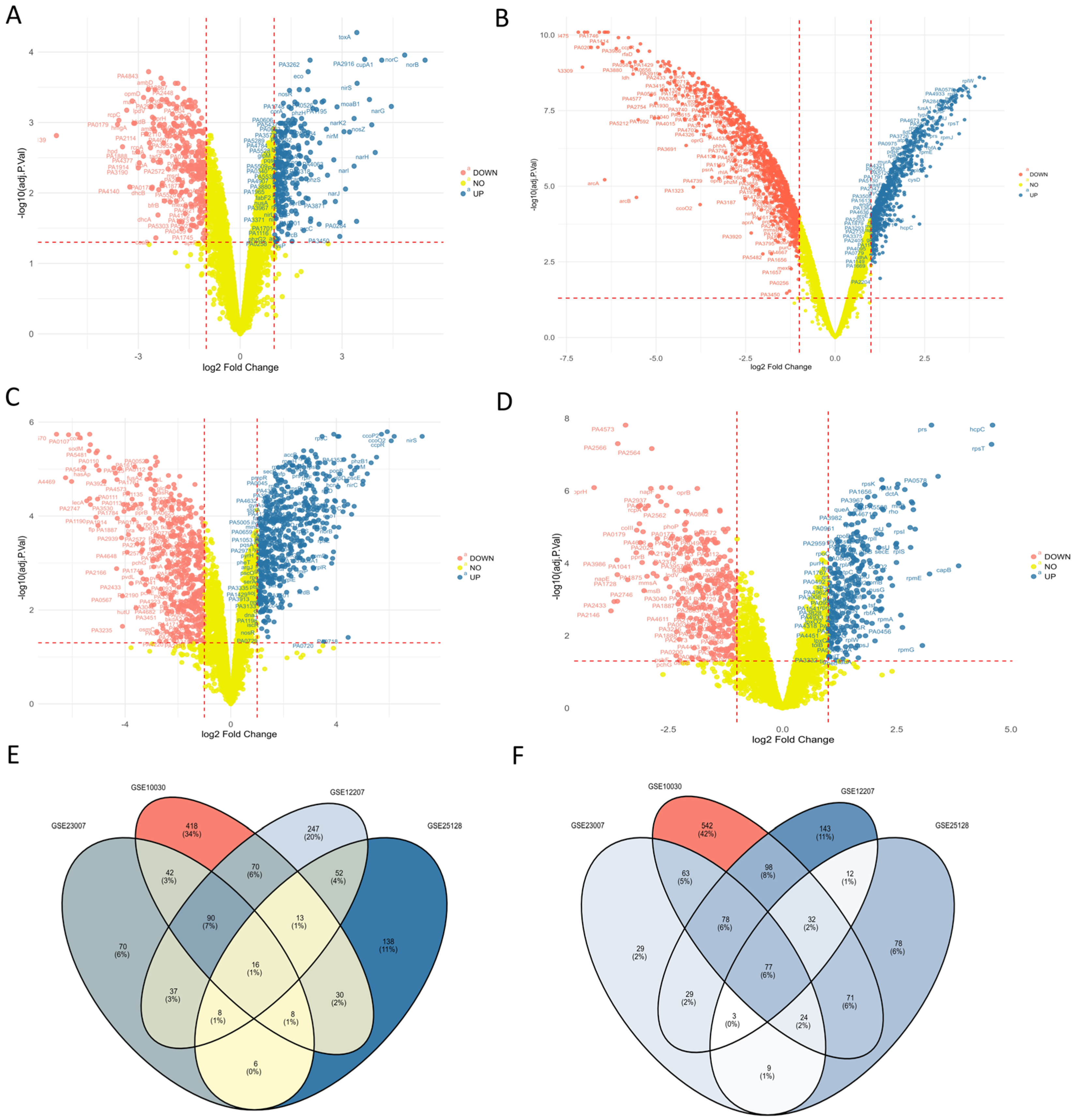
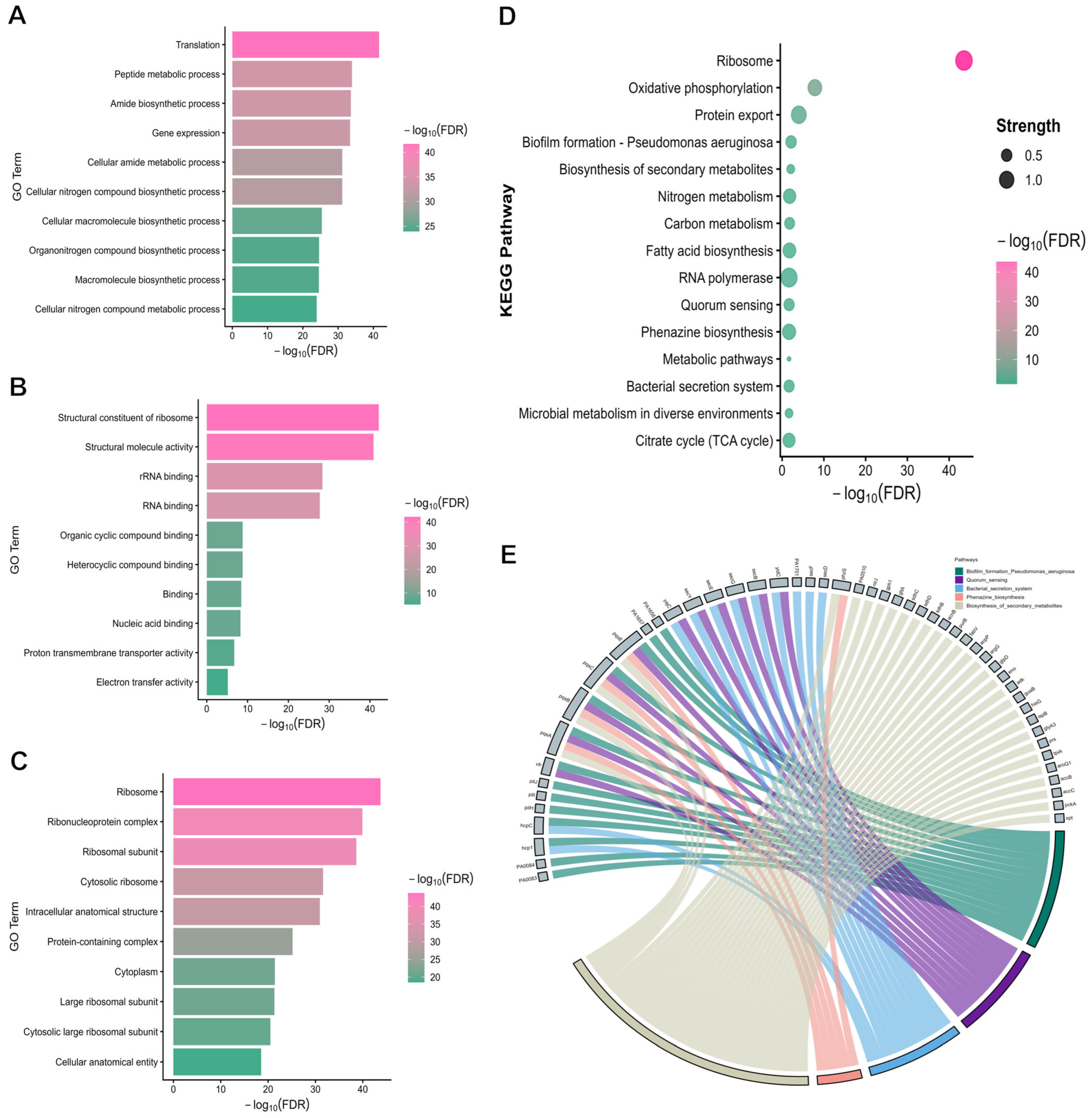
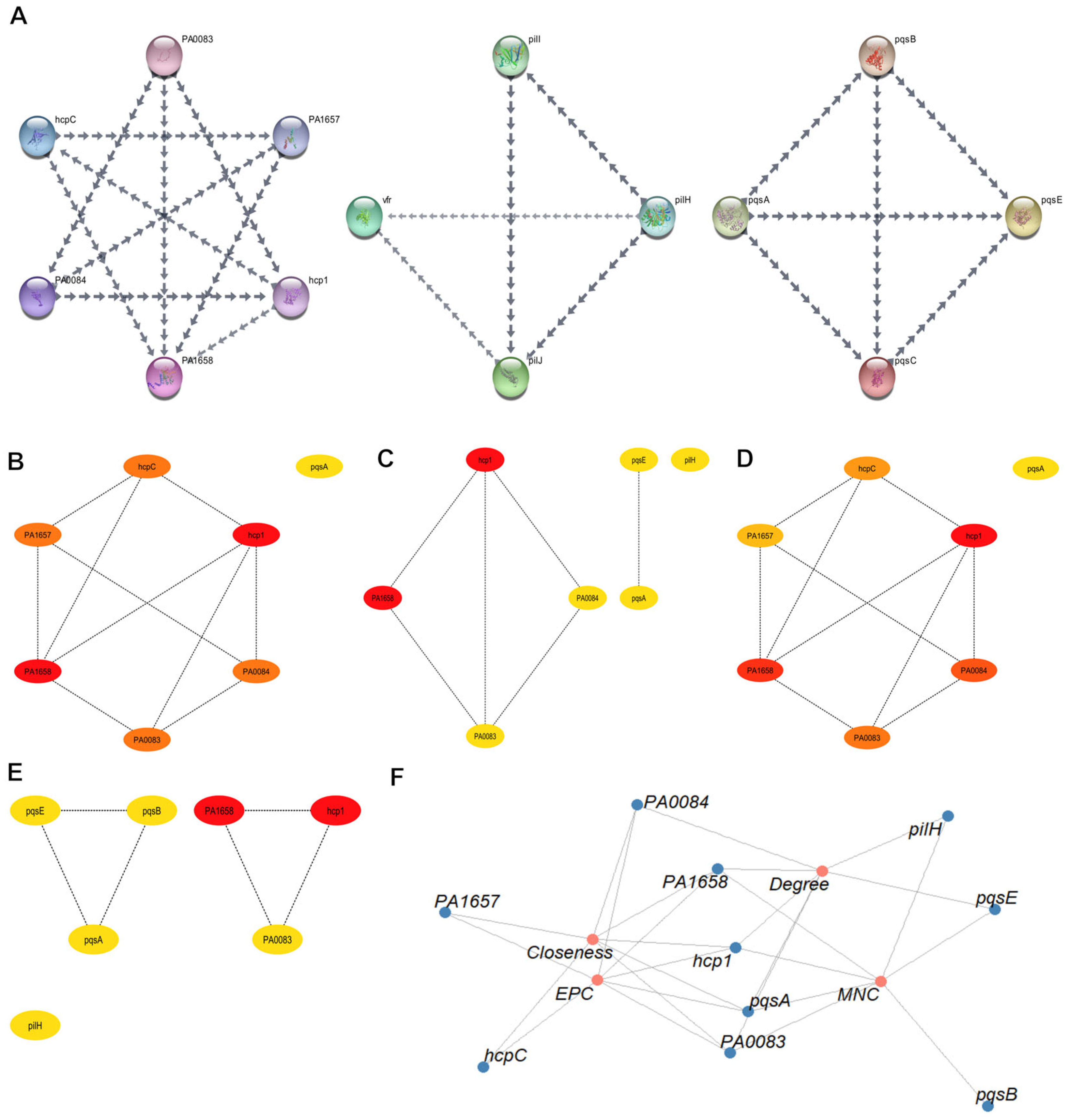
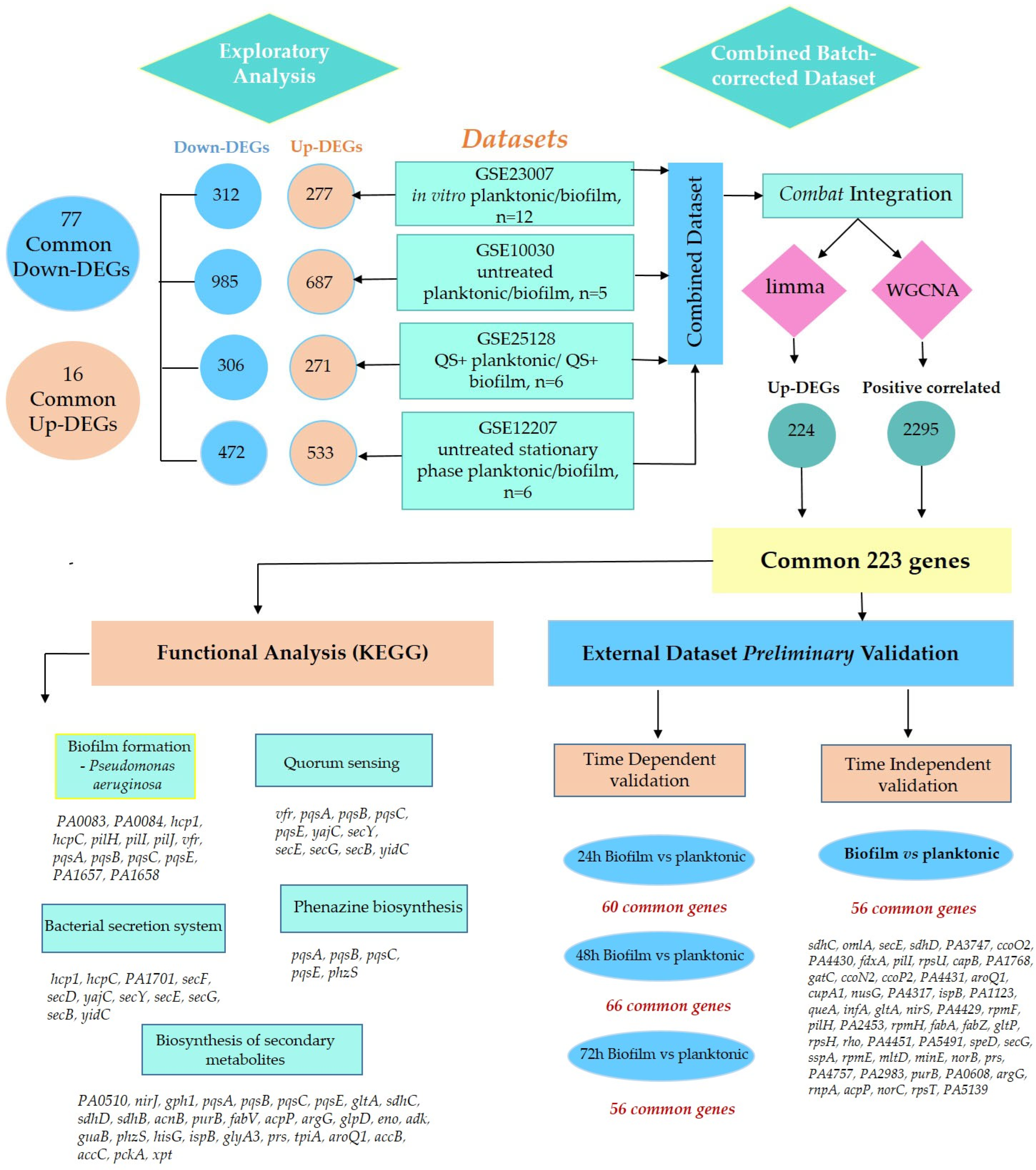
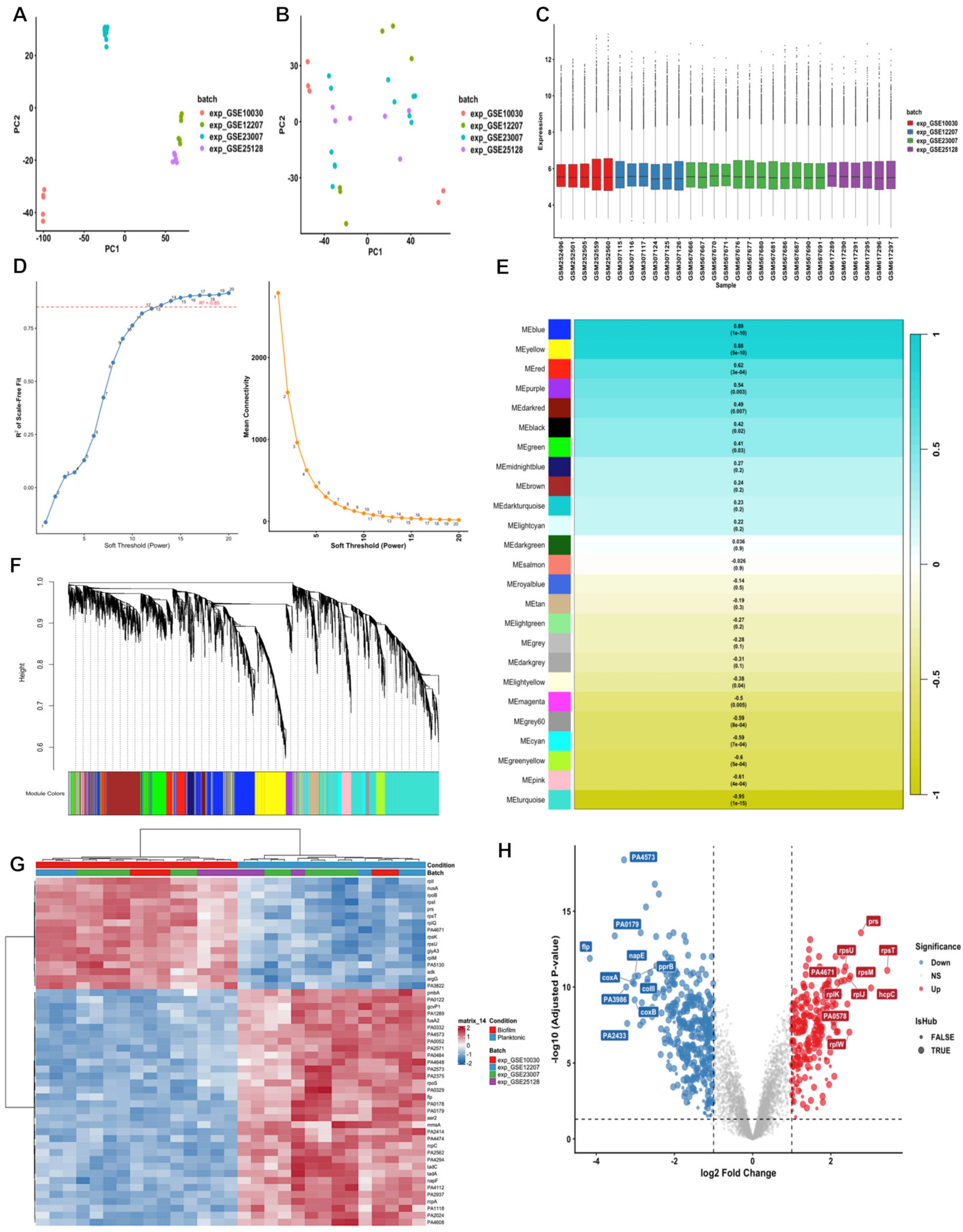
Pseudomonas aeruginosa (P. aeruginosa) is a multidrug-resistant opportunistic pathogen that causes both acute and chronic infections and is known for its ability to form biofilms. In the current study, we applied a hypothesis-generating framework primarily based on integrating four different datasets and applying batch correction. Weighted Gene Co-Expression Network Analysis (WGCNA) was performed in parallel with differential expression analysis using limma. Therefore, we aimed to identify potential biofilm-associated gene candidates. Significant candidate genes were subjected to functional analysis and gene ontology, followed by the construction of a protein–protein interaction network using STRING. The Pseudomonas Genome Database was used to highlight the candidate genes. A total of 271, 687, 533, and 277 significantly up-regulated differentially expressed genes (DEGs), as well as 306, 985, 472, and 312 significantly down-regulated DEGs, resulted from the exploratory analysis. Through WGCNA/limma integration, 223 common significantly up-regulated/positively correlated gene candidates were identified. Functional analysis results showed significant enrichment in virulence-related pathways, such as biofilm formation (PA0083, PA0084, hcp1, hcpC, pilH, pilI, pilJ, vfr, pqsA, pqsB, pqsC, pqsE, PA1657, and PA1658). In addition, other virulence-related pathways, such as quorum sensing, phenazine biosynthesis, the bacterial secretion system, and secondary metabolite biosynthesis, were enriched. In conclusion, our hypothesis-generating integrative analysis identifies candidate genes and potential pathways associated with biofilm formation, virulence, and other processes in P. aeruginosa. In light of this, we point out that all candidate genes presented in this study remain hypothesis-generating. Further validation is recommended, including large-scale in silico analyses and in vitro experimental studies.
Keywords: Pseudomonas aeruginosa; biofilm; WGCNA; pathogenesis; drug-resistant; bioinformatics Pseudomonas aeruginosa; biofilm; WGCNA; pathogenesis; drug-resistant; bioinformatics