Single-Cell Transcriptomic Profiling Reveals Dual Antitumor and Adaptive Resistance Mechanisms of a Novel HSP90 Inhibitor, SP11, in T-Cell Acute Lymphoblastic Leukemic Cells and DLA Mouse Model

Abstract
1. Introduction
2. Results
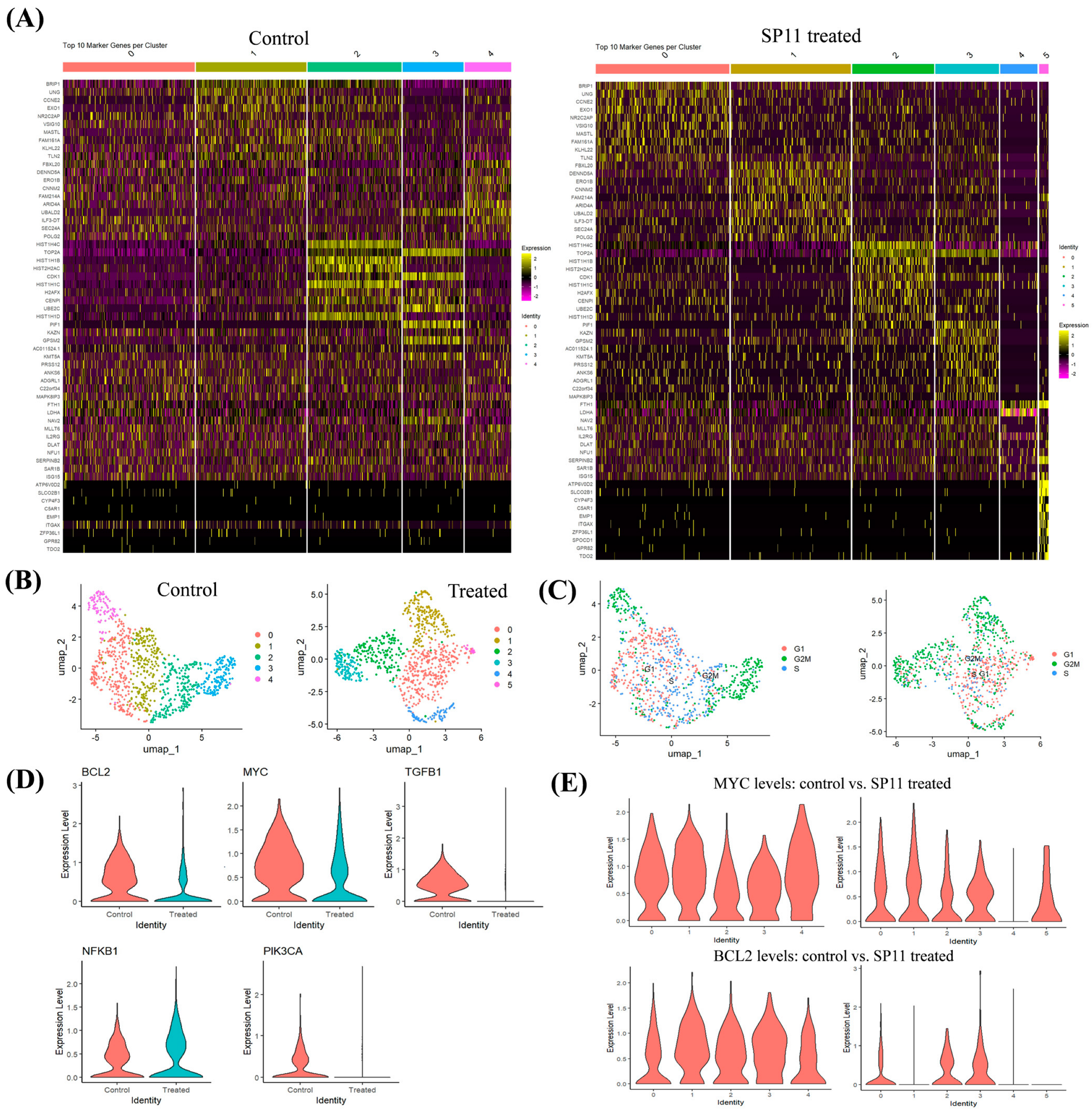
2.1. Single-Cell Transcriptomic Profiling Reveals Cellular Heterogeneity Following SP11 Treatment
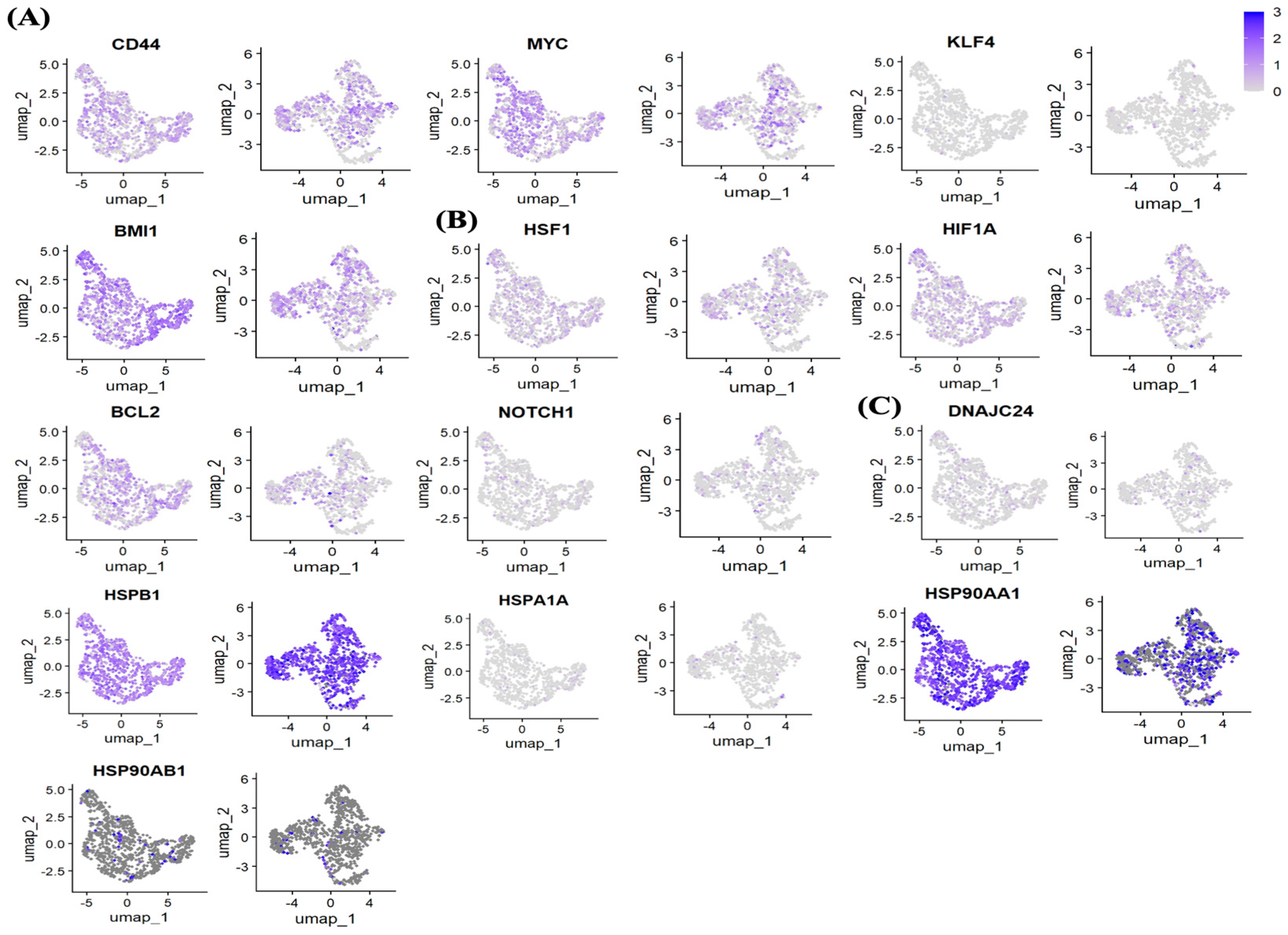
2.2. SP11 Induces Broad Suppression of Oncogenic and Survival-Associated Programs
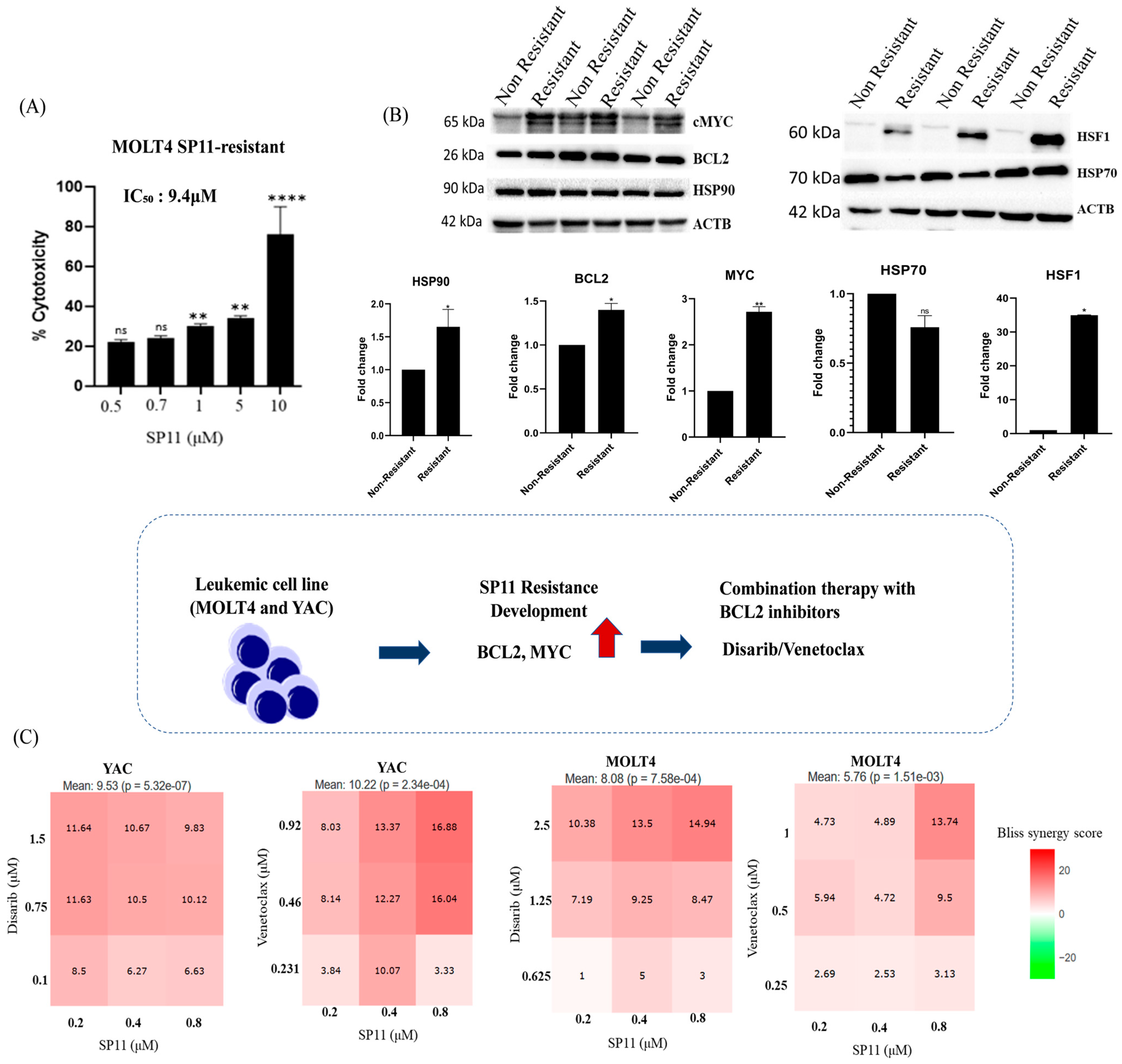
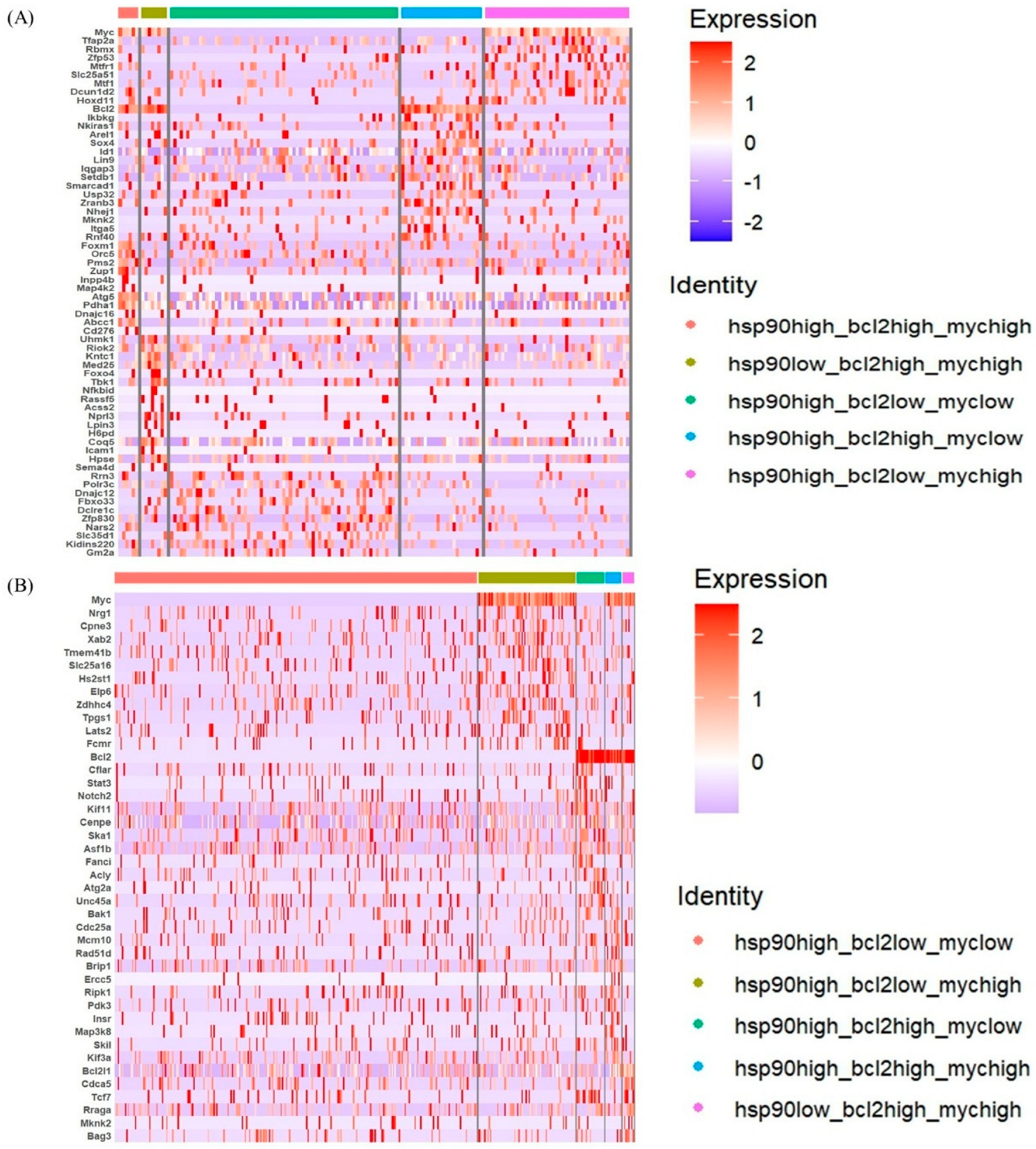
2.3. Single-Cell Analysis Reveals Heterogeneous Drug Responses and the Emergence of Drug-Tolerant Subpopulations
2.4. Stemness-Associated Genes Are Downregulated Following SP11 Treatment
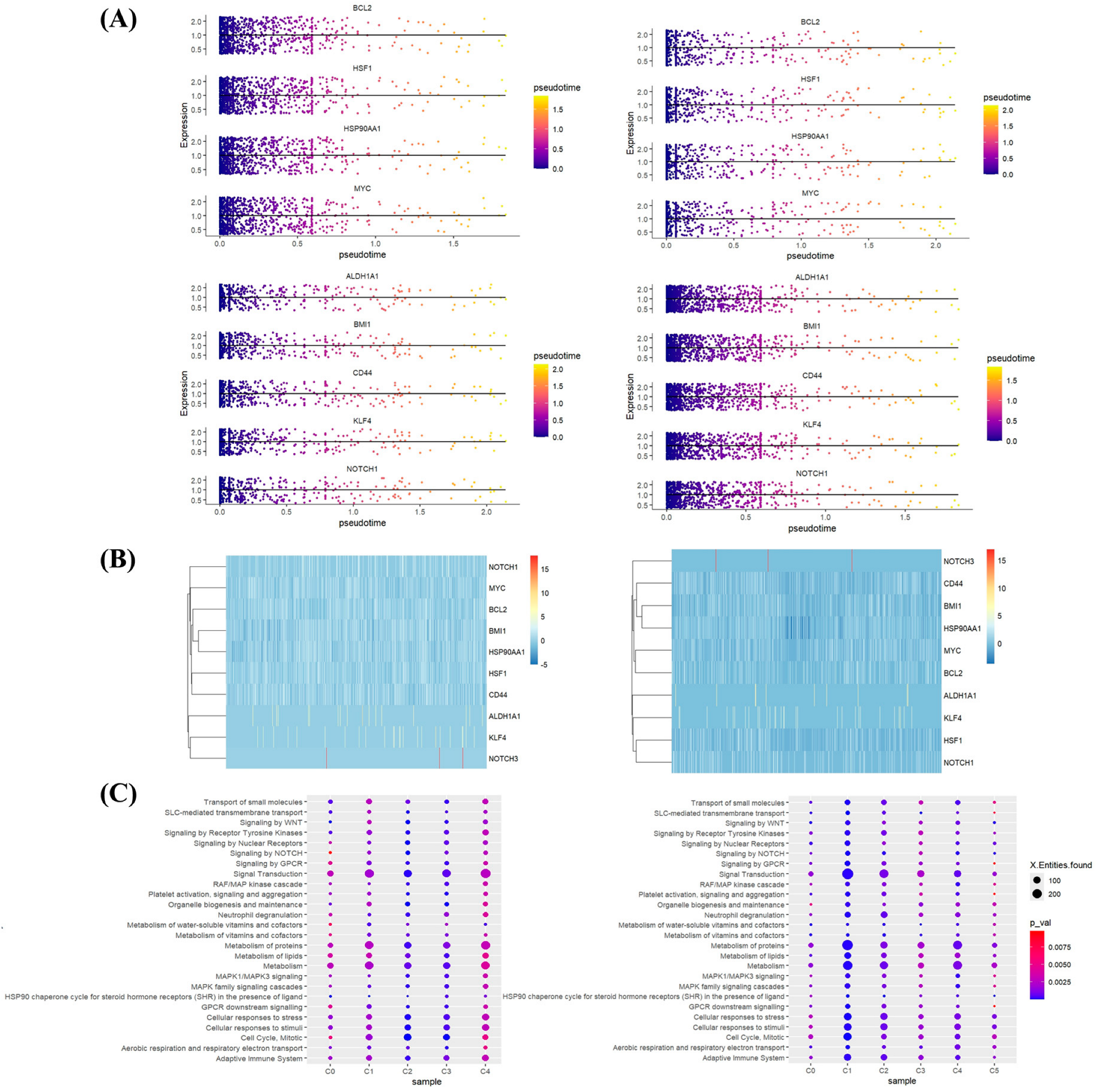
2.5. Trajectory Analysis Reveals Cellular Reprogramming and Resistance-Associated States in MOLT4 Cells
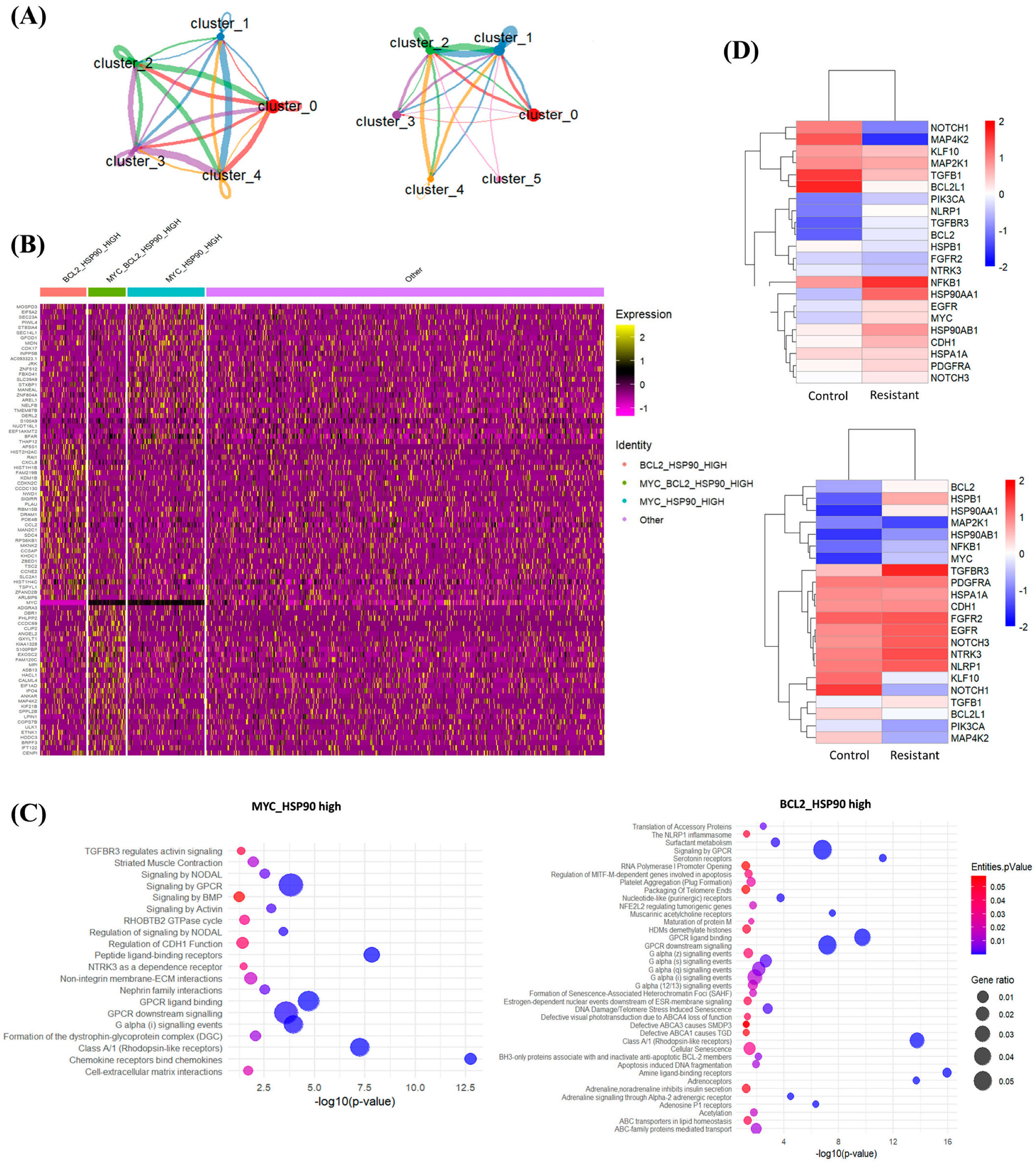
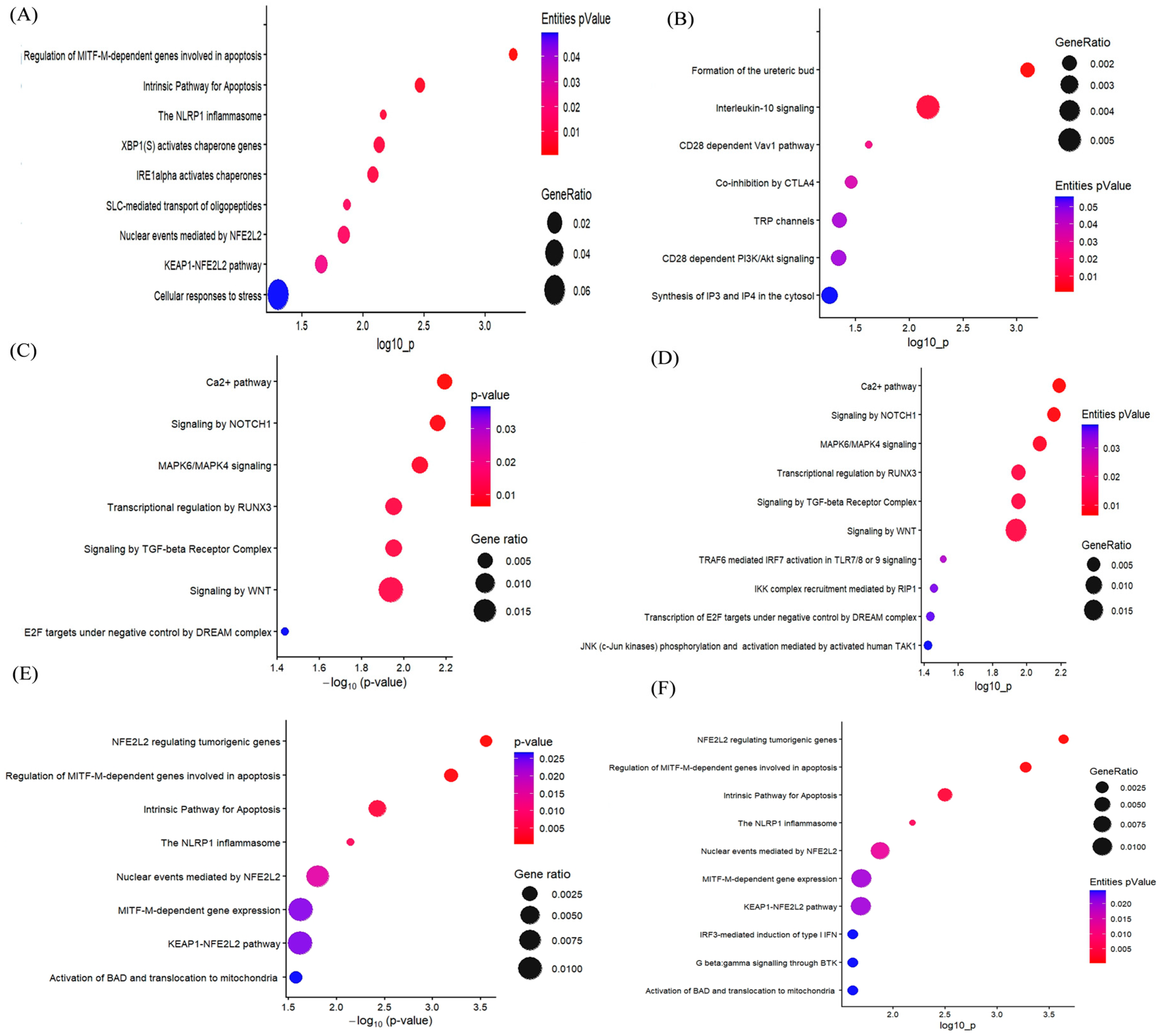
2.6. Integrated Transcriptomic Analysis Reveals Treatment-Specific Gene Expression Patterns and Pathway Enrichment
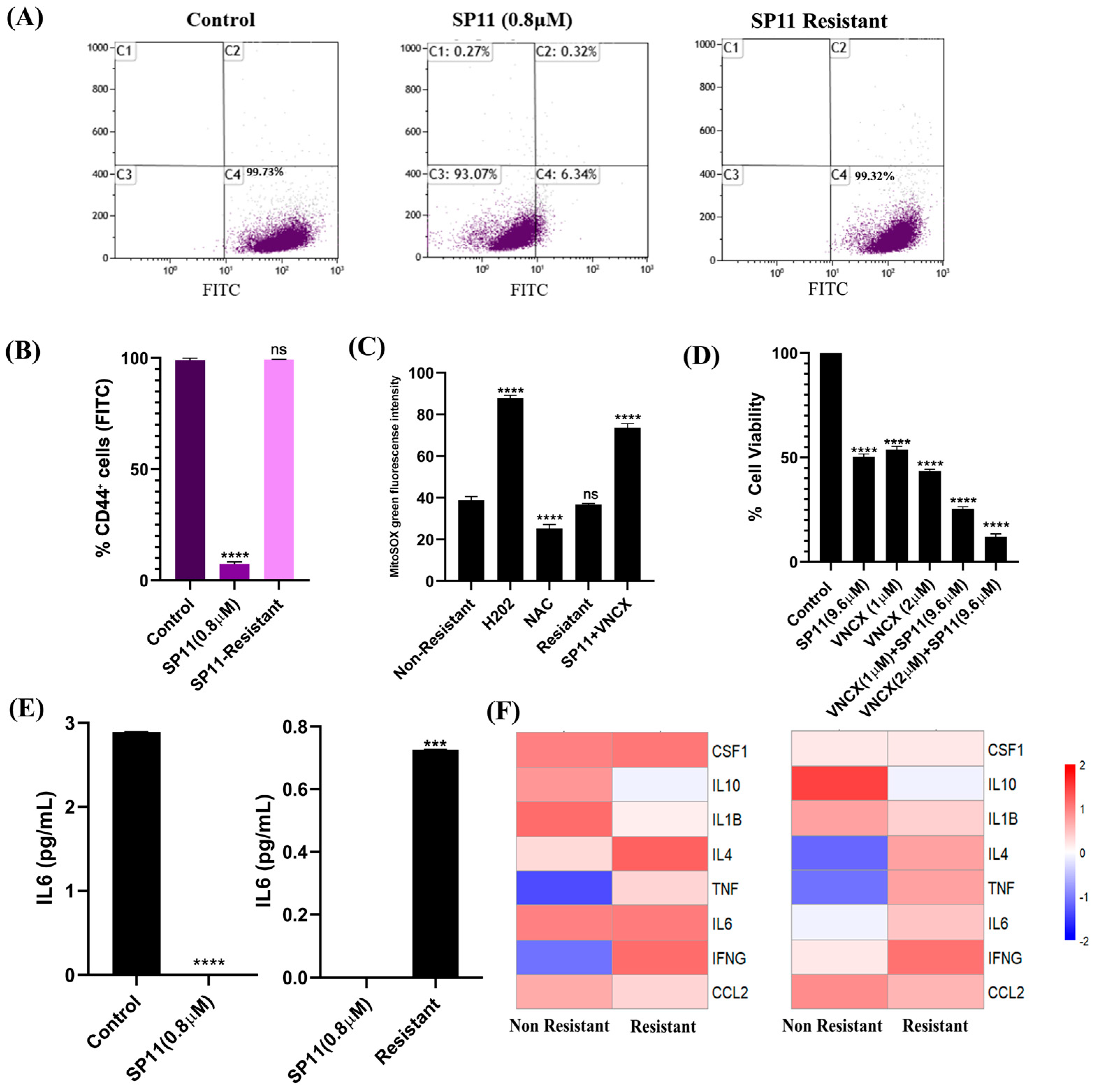
2.7. Flow Cytometric, Cytokine, and Functional Analyses Validate Resistance-Associated Phenotypes
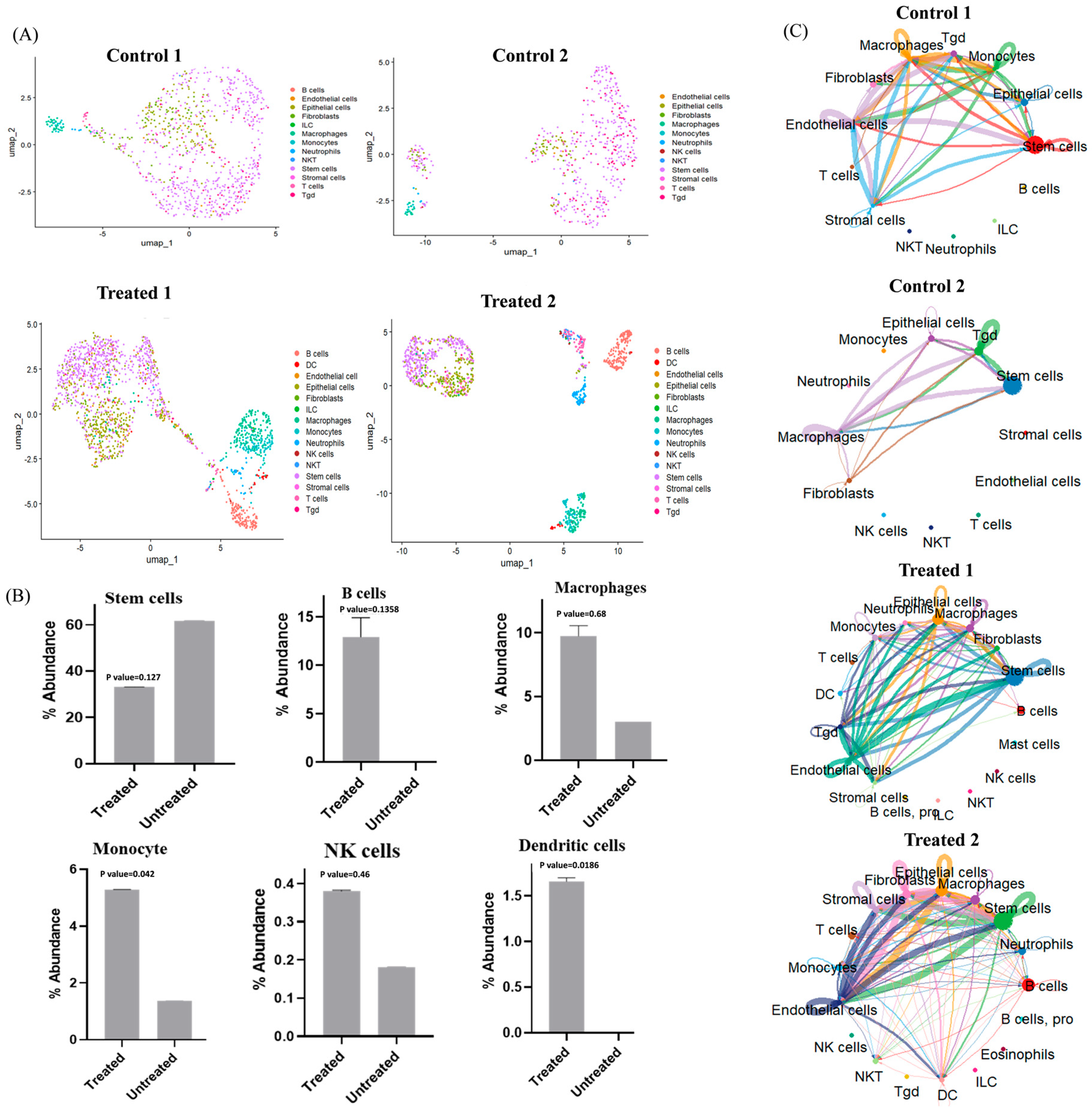
2.8. SP11 Treatment Remodels the Immune Landscape in the In Vivo DLA Tumor Microenvironment
2.9. SP11 Modulates Specific Immune Subsets Associated with Tumor Progression and Immunity
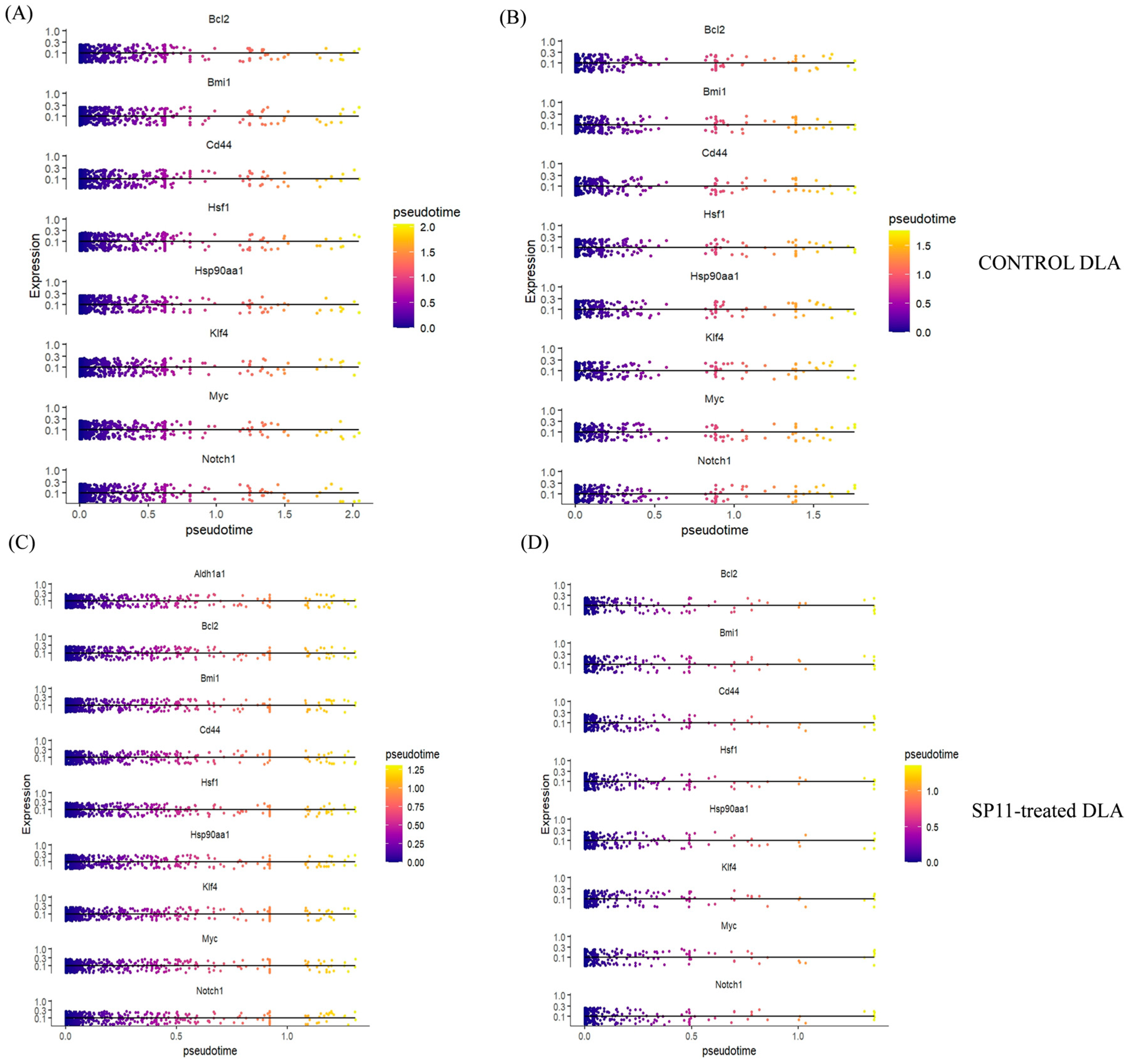
2.10. Trajectory Analysis of Stem Cell Populations Reveals Residual Resistant States
3. Discussion
4. Methodology
4.1. Single-Cell RNA Sequencing
- In vitro model (MOLT4): MOLT4 cell (ATCC, USA) were cultured in RPMI-1640 supplemented with 10% fetal bovine serum and 1% penicillin-streptomycin (Gibco, South American) at 37 °C in a 5% CO2 incubator. Cells were treated with SP11 at 0.8 µM (IC50) for 48 h. After treatment, cells were harvested for single-cell RNA sequencing (scRNA-seq). The experiment was performed in replicates.
- In vivo model (DLA): The study received approval from the Committee for the Control and Supervision of Experiments on Animals (CPCSEA, Government of India, Animal Welfare Division, Reg. No. 1994/GO/ReBi/S/17/CPCSEA). All procedures were conducted in accordance with institutional and national CPCSEA guidelines. To induce a tumor, DLA cells (1 × 10⁶ cells per animal) were injected intraperitoneally in Swiss albino mice. Once tumors were established, mice were treated with SP11 at a dose of 30 mg/kg body weight, administered orally for 17 days. After treatment, mice were sacrificed, and tumors were collected for scRNA-seq analysis. Two independent sets of control and SP11-treated samples were used for the experiment.
- Library preparation and sequencing: Single-cell suspensions with high viability (>85%) were prepared, filtered, and loaded onto the 10× Genomics Chromium platform (10× Genomics, Pleasanton, CA, USA) for GEM generation. Cells were partitioned into nanoliter-scale Gel Bead-in-Emulsions (GEMs) using the Chromium Controller, ensuring each droplet ideally contained a single cell and a barcoded gel bead. During cell lysis within GEMs, mRNA transcripts were captured by bead-bound oligonucleotides containing cell-specific barcodes and unique molecular identifiers (UMIs), followed by reverse transcription to produce barcoded cDNA. The emulsion was then broken, and cDNA was purified using magnetic beads and amplified by PCR. Sequencing libraries were prepared by fragmentation, end repair, A-tailing, adaptor ligation, and index PCR, and quality was assessed using the Agilent Bioanalyzer (Agilent Technologies, Santa Clara, CA, USA). Final libraries were sequenced on an Illumina platform (Illumina Inc., San Diego, CA, USA) with paired-end reads to capture cell barcodes, UMIs, and transcript sequences.
- Downstream analysis: After sequencing, raw data were processed using the Cell Ranger pipeline (10× Genomics) for demultiplexing, alignment to the reference genome (hg38), and generation of gene-barcode matrices. The Seurat package (v5.3.0) was used for downstream analysis. Data normalization and scaling were performed using the standard Seurat workflow, following the guidelines provided by the Satija Lab https://satijalab.org/seurat/ (accessed on 3 April 2025). Differential expression was assessed using the Wilcoxon rank-sum test with adjusted p < 0.05 and logFC > 0.25 or 0.5.
4.2. Cell Type Identification
4.3. Trajectory Analysis
4.4. Development of SP11-Resistant MOLT4
4.5. Lactate Dehydrogenase Assay
4.6. Western Blot Analysis
4.7. Flow Cytometric Analysis of CD44 Expression
4.8. Measurement of IL-6 Secretion by ELISA
4.9. Mitochondrial ROS Measurement Using MitoSOX™ Green
4.10. Statistical Analyses
5. Conclusions
Supplementary Materials
Author Contributions
Funding
Institutional Review Board Statement
Informed Consent Statement
Data Availability Statement
Acknowledgments
Conflicts of Interest
References
- Hunger, S.P.; Mullighan, C.G. Acute Lymphoblastic Leukemia in Children. N. Engl. J. Med. 2015, 373, 1541–1552. [Google Scholar] [CrossRef]
- Steimlé, T.; Dourthe, M.-E.; Alcantara, M.; Touzart, A.; Simonin, M.; Mondesir, J.; Lhermitte, L.; Bond, J.; Graux, C.; Grardel, N.; et al. Clinico-biological features of T-cell acute lymphoblastic leukemia with fusion proteins. Blood Cancer J. 2022, 12, 14. [Google Scholar] [CrossRef]
- Pui, C.-H.; Robison, L.L.; Look, A.T. Acute lymphoblastic leukaemia. Lancet 2008, 371, 1030–1043. [Google Scholar] [CrossRef]
- Xu, J.; Chen, C.; Sussman, J.H.; Yoshimura, S.; Vincent, T.; Pölönen, P.; Hu, J.; Bandyopadhyay, S.; Elghawy, O.; Yu, W.; et al. A multiomic atlas identifies a treatment-resistant, bone marrow progenitor-like cell population in T cell acute lymphoblastic leukemia. Nat. Cancer 2025, 6, 102–122. [Google Scholar] [CrossRef]
- Vasan, N.; Baselga, J.; Hyman, D.M. A view on drug resistance in cancer. Nature 2019, 575, 299–309. [Google Scholar] [CrossRef]
- Ayob, A.Z.; Ramasamy, T.S. Cancer stem cells as key drivers of tumour progression. J. Biomed. Sci. 2018, 25, 20. [Google Scholar] [CrossRef]
- Yu, Z.; Pestell, T.G.; Lisanti, M.P.; Pestell, R.G. Cancer Stem Cells. Int. J. Biochem. Cell Biol. 2012, 44, 2144–2151. [Google Scholar] [CrossRef] [PubMed]
- Whitesell, L.; Lindquist, S.L. HSP90 and the chaperoning of cancer. Nat. Rev. Cancer 2005, 5, 761–772. [Google Scholar] [CrossRef] [PubMed]
- Mv, S.; Nirgude, S.; Ravindran, F.; Kumar, S.; Sharma, S.; Mahadeva, R.; Mhatre, A.; Karki, S.S.; Choudhary, B. PP053 SP11, a promising coumarin-imidazothiadiazole derivative, targets HSP90 and client proteins to inhibit tumor growth. ESMO Open 2023, 8, 102143. [Google Scholar] [CrossRef]
- Nirgude, S.; Shahana, M.V.; Ravindran, F.; Kumar, S.; Sharma, S.; Mahadeva, R.; Mhatre, A.; Karki, S.S.; Choudhary, B. A Coumarin-Imidazothiadiazole Derivative, SP11 Abrogates Tumor Growth by Targeting HSP90 and Its Client Proteins. Molecules 2023, 28, 5226. [Google Scholar] [CrossRef] [PubMed]
- Donati, G.; Amati, B. MYC and therapy resistance in cancer: Risks and opportunities. Mol. Oncol. 2022, 16, 3828–3854. [Google Scholar] [CrossRef]
- Li, L.; Li, Y.; Que, X.; Gao, X.; Gao, Q.; Yu, M.; Ma, K.; Xi, Y.; Wang, T. Prognostic significances of overexpression MYC and/or BCL2 in R-CHOP-treated diffuse large B-cell lymphoma: A Systematic review and meta-analysis. Sci. Rep. 2018, 8, 6267. [Google Scholar] [CrossRef]
- Tomita, N. BCL2 and MYC dual-hit lymphoma/leukemia. J. Clin. Exp. Hematop. 2011, 51, 7–12. [Google Scholar] [CrossRef] [PubMed]
- Shahana, M.V.; Choudhary, B. HSP90 and the cancer transcriptome: A comprehensive review of inhibitors and mechanistic insights. Int. J. Clin. Oncol. 2025, 30, 1294–1308. [Google Scholar] [CrossRef] [PubMed]
- Opitz, C.A.; Somarribas Patterson, L.F.; Mohapatra, S.R.; Dewi, D.L.; Sadik, A.; Platten, M.; Trump, S. The therapeutic potential of targeting tryptophan catabolism in cancer. Br. J. Cancer 2020, 122, 30–44. [Google Scholar] [CrossRef]
- Kaehler, M.; Dworschak, M.; Rodin, J.P.; Ruemenapp, J.; Vater, I.; Penas, E.M.M.; Liu, C.; Cascorbi, I.; Nagel, I. ZFP36L1 plays an ambiguous role in the regulation of cell expansion and negatively regulates CDKN1A in chronic myeloid leukemia cells. Exp. Hematol. 2021, 99, 54–64.e7. [Google Scholar] [CrossRef] [PubMed]
- Hu, J.; Cao, J.; Huang, S.; Chen, Y. ITGAX promotes gastric cancer progression via epithelial-mesenchymal transition pathway. Front. Pharmacol. 2025, 15, 1536478. [Google Scholar] [CrossRef]
- Burks, J.; Reed, R.E.; Desai, S.D. Free ISG15 triggers an antitumor immune response against breast cancer: A new perspective. Oncotarget 2015, 6, 7221–7231. [Google Scholar] [CrossRef]
- Desai, S.D. ISG15: A double edged sword in cancer. Oncoimmunology 2015, 4, e1052935. [Google Scholar] [CrossRef]
- Ding, P.; Li, L.; Li, L.; Lv, X.; Zhou, D.; Wang, Q.; Chen, J.; Yang, C.; Xu, E.; Dai, W.; et al. C5aR1 is a master regulator in Colorectal Tumorigenesis via Immune modulation. Theranostics 2020, 10, 8619–8632. [Google Scholar] [CrossRef]
- Wang, Q.; Li, D.; Ma, H.; Li, Z.; Wu, J.; Qiao, J.; Liu, J.; Zhao, J.; Ma, R.; Tian, L.; et al. Tumor cell-derived EMP1 is essential for cancer-associated fibroblast infiltration in tumor microenvironment of triple-negative breast cancer. Cell Death Dis. 2025, 16, 143. [Google Scholar] [CrossRef] [PubMed]
- He, J.; Abikoye, A.M.; McLaughlin, B.P.; Middleton, R.S.; Sheldon, R.; Jones, R.G.; Schafer, Z.T. Reprogramming of iron metabolism confers ferroptosis resistance in ECM-detached cells. iScience 2023, 26, 106827. [Google Scholar] [CrossRef] [PubMed]
- Lee, N.-H.; Park, S.-R.; Lee, J.W.; Lim, S.; Lee, S.-H.; Nam, S.; Kim, D.Y.; Hah, S.Y.; Hong, I.-S.; Lee, H.-Y. SERPINB2 Is a Novel Indicator of Cancer Stem Cell Tumorigenicity in Multiple Cancer Types. Cancers 2019, 11, 499. [Google Scholar] [CrossRef]
- Zhang, J.; Yang, L.; Xu, B.; Ji, H.; Liu, S.; Wang, X.; Li, X.; Wang, Q.; Song, Z. The role of ATP6V0D2 in breast cancer: Associations with prognosis, immune characteristics, and TNBC progression. Front. Oncol. 2024, 14, 1511810. [Google Scholar] [CrossRef] [PubMed]
- Xu, Z.; Xu, C.; Lu, J.; He, C.; Wang, X.; Zhu, D.; Wang, A.; Zhang, Z.; Jiang, C. Cytochrome P450 F3 promotes colorectal cancer via inhibiting NRF2-mediated ferroptosis. Transl. Oncol. 2024, 48, 102077. [Google Scholar] [CrossRef]
- Appel, L.-M.; Benedum, J.; Engl, M.; Platzer, S.; Schleiffer, A.; Strobl, X.; Slade, D. SPOC domain proteins in health and disease. Genes Dev. 2023, 37, 140–170. [Google Scholar] [CrossRef]
- Tsang, C.H.; Kozielewicz, P. Exploring G Protein-Coupled Receptors in Hematological Cancers. ACS Pharmacol. Transl. Sci. 2024, 7, 4000–4009. [Google Scholar] [CrossRef]
- Fleming, C.; Morrissey, S.; Cai, Y.; Yan, J. γδT Cells: Unexpected Regulators of Cancer Development and Progression. Trends Cancer 2017, 3, 561–570. [Google Scholar] [CrossRef]
- Park, J.H.; Lee, H.K. Function of γδ T cells in tumor immunology and their application to cancer therapy. Exp. Mol. Med. 2021, 53, 318–327. [Google Scholar] [CrossRef]
- Zhao, Y.; Niu, C.; Cui, J. Gamma-delta (γδ) T cells: Friend or foe in cancer development? J. Transl. Med. 2018, 16, 3. [Google Scholar] [CrossRef]
- Jhaveri, K.; Ochiana, S.; Dunphy, M.; Gerecitano, J.; Corben, A.; Peter, R.; Janjigian, Y.; Gomes-Dagama, E.; Koren, J.; Modi, S.; et al. Heat shock protein 90 inhibitors in the treatment of cancer: Current status and future directions. Expert Opin. Investig. Drugs 2014, 23, 902442. [Google Scholar] [CrossRef] [PubMed]
- Neckers, L.; Workman, P. Hsp90 molecular chaperone inhibitors: Are we there yet? Clin. Cancer Res. 2012, 18, 64–76. [Google Scholar] [CrossRef]
- Chatterjee, M.; Andrulis, M.; Stühmer, T.; Müller, E.; Hofmann, C.; Steinbrunn, T.; Heimberger, T.; Schraud, H.; Kressmann, S.; Einsele, H.; et al. The PI3K/Akt signaling pathway regulates the expression of Hsp70, which critically contributes to Hsp90-chaperone function and tumor cell survival in multiple myeloma. Haematologica 2013, 98, 1132–1141. [Google Scholar] [CrossRef]
- Qin, J.-H.; Wang, K.; Fu, X.-L.; Zhou, P.-J.; Liu, Z.; Xu, D.-D.; Wang, Y.-F.; Yang, D.-P.; Xie, Q.-L.; Liu, Q.-Y. Hsp90 inhibitor induces KG-1a cell differentiation and apoptosis via Akt/NF-κB signaling. Oncol. Rep. 2017, 38, 1517–1524. [Google Scholar] [CrossRef] [PubMed][Green Version]
- Wei, H.; Zhang, Y.; Jia, Y.; Chen, X.; Niu, T.; Chatterjee, A.; He, P.; Hou, G. Heat shock protein 90: Biological functions, diseases, and therapeutic targets. MedComm 2024, 5, e470. [Google Scholar] [CrossRef]
- Mbofung, R.M.; McKenzie, J.A.; Malu, S.; Zhang, M.; Peng, W.; Liu, C.; Kuiatse, I.; Tieu, T.; Williams, L.; Devi, S.; et al. HSP90 inhibition enhances cancer immunotherapy by upregulating interferon response genes. Nat. Commun. 2017, 8, 451. [Google Scholar] [CrossRef]
- Zavareh, R.B.; Spangenberg, S.H.; Woods, A.; Martínez-Peña, F.; Lairson, L.L. HSP90 Inhibition Enhances Cancer Immunotherapy by Modulating the Surface Expression of Multiple Immune Checkpoint Proteins. Cell Chem. Biol. 2021, 28, 158–168.e5. [Google Scholar] [CrossRef] [PubMed]



Disclaimer/Publisher’s Note: The statements, opinions and data contained in all publications are solely those of the individual author(s) and contributor(s) and not of MDPI and/or the editor(s). MDPI and/or the editor(s) disclaim responsibility for any injury to people or property resulting from any ideas, methods, instructions or products referred to in the content. |
© 2026 by the authors. Licensee MDPI, Basel, Switzerland. This article is an open access article distributed under the terms and conditions of the Creative Commons Attribution (CC BY) license.
Share and Cite
M V, S.; R, A.; Choudhary, B. Single-Cell Transcriptomic Profiling Reveals Dual Antitumor and Adaptive Resistance Mechanisms of a Novel HSP90 Inhibitor, SP11, in T-Cell Acute Lymphoblastic Leukemic Cells and DLA Mouse Model. Int. J. Mol. Sci. 2026, 27, 5321. https://doi.org/10.3390/ijms27125321
M V S, R A, Choudhary B. Single-Cell Transcriptomic Profiling Reveals Dual Antitumor and Adaptive Resistance Mechanisms of a Novel HSP90 Inhibitor, SP11, in T-Cell Acute Lymphoblastic Leukemic Cells and DLA Mouse Model. International Journal of Molecular Sciences. 2026; 27(12):5321. https://doi.org/10.3390/ijms27125321
Chicago/Turabian StyleM V, Shahana, Anjitha R, and Bibha Choudhary. 2026. "Single-Cell Transcriptomic Profiling Reveals Dual Antitumor and Adaptive Resistance Mechanisms of a Novel HSP90 Inhibitor, SP11, in T-Cell Acute Lymphoblastic Leukemic Cells and DLA Mouse Model" International Journal of Molecular Sciences 27, no. 12: 5321. https://doi.org/10.3390/ijms27125321
APA StyleM V, S., R, A., & Choudhary, B. (2026). Single-Cell Transcriptomic Profiling Reveals Dual Antitumor and Adaptive Resistance Mechanisms of a Novel HSP90 Inhibitor, SP11, in T-Cell Acute Lymphoblastic Leukemic Cells and DLA Mouse Model. International Journal of Molecular Sciences, 27(12), 5321. https://doi.org/10.3390/ijms27125321