


Abstract
Colorectal cancer (CRC) is the third most frequently diagnosed malignancy and the second leading cause of cancer-related mortality worldwide, underscoring the need for the development of more effective and durable therapeutic strategies. A key mechanism of tumor immune evasion involves activation of immune checkpoint pathways through the upregulation of inhibitory ligand expression within the tumor microenvironment, leading to lymphocyte exhaustion and impaired antitumor immunity. Consequently, immune checkpoints have emerged as important targets for immunotherapeutic intervention, with significant advances over the past decade. Nevertheless, despite demonstrated clinical benefits in selected patient subpopulations, the overall therapeutic efficacy of immune checkpoint inhibitors remains limited, particularly in the context of CRC. In this review, we provide a comprehensive overview of currently approved immune checkpoint-based immunotherapies for cancer treatment, with a specific focus on CRC, as well as ongoing clinical trials and evolving trends in this area. Furthermore, we discuss emerging targets and novel therapeutic strategies, with particular emphasis on innovative small-molecule inhibitors as potential alternatives to monoclonal antibody-based approaches. Finally, we outline future perspectives and potential directions for advancing immune checkpoint-targeted therapies in CRC.
1. Introduction
Colorectal cancer (CRC) is a malignant condition of the last two parts of the large intestine, including the colon and rectum. According to the most recent GLOBOCAN 2022 data from the International Agency for Research on Cancer, colorectal cancer remains the third most commonly diagnosed malignancy and the second leading cause of cancer-related mortality worldwide, with approximately 1.9 million new cases and 900,000 deaths annually [1]. In 2026, an estimated 158,850 new cases of colorectal cancer and 55,230 related deaths are expected in the United States, with a growing proportion of diagnoses (45%) and nearly one-third of deaths occurring in individuals younger than 65 years [2].
Although significant advances have been made in cancer immunotherapy, the identification of novel immune targets and inhibitors remains a major challenge. This is largely because the clinical benefit of immune checkpoint inhibitors is often limited to a subset of patients, while many tumors exhibit primary or acquired resistance. This limitation is particularly evident in colorectal cancer, where only a small fraction of patients responds favorably. Therefore, this review focuses on current trends in immune checkpoint-based immunotherapy for CRC, summarizes ongoing clinical trials and emerging directions, and highlights novel targets, with particular emphasis on innovative inhibitors as alternatives to monoclonal antibody-based treatment.
2. Colorectal Cancer
CRC is the third most commonly diagnosed cancer worldwide, ranks second among causes of cancer-related deaths, and is among the cancers with the highest rate of mutations [3]. Early-stage CRC patients are effectively treated with surgical resection and adjuvant chemotherapy. However, patients with advanced disease, particularly those with metastatic CRC, often do not respond successfully to standard treatments [4].
The CRC Subtyping Consortium classified CRC into four consensus molecular subtypes (CMSs) based on distinct molecular and clinical characteristics. CMS1 (14% of cases) is characterized by microsatellite instability, hypermutation, and strong immune activation. CMS2, known as the canonical subtype (37%), is characterized by chromosomal instability, epithelial differentiation, and marked activation of WNT and MYC signaling pathways. CMS3 (13%) is characterized by significant metabolic dysregulation and epithelial features. CMS4 (23%) exhibits prominent activation of transforming growth factor β (TGF-β) signaling, stromal invasion, and angiogenesis and is associated with poorer overall and relapse-free survival [5].
Colorectal carcinogenesis is a heterogeneous disease that has many etiological pathways [6]. One of them is progressive accumulation of genetic alterations over time, which are characterized by a multistep process, ultimately leading to disease progression and metastasis. Among the key signaling pathways involved in CRC initiation and progression, dysregulation of the Wnt/β-catenin pathway plays a central role. This pathway is critically involved in regulating chemoresistance and promoting invasive and metastatic behaviour [7]. In addition to genetic alterations, the tumor microenvironment plays a crucial role in CRC development by facilitating immune evasion and promoting therapeutic resistance [8]. CRC is a heterogeneous disease at both the intertumoral and intratumoral levels, resulting in molecular subgroups with distinct prognoses and responses to therapy [9]. CRC heterogeneity is reflected by four markers, namely microsatellite instability (MSI) or DNA mismatch repair (MMR) deficiency, the CpG island methylator phenotype (CIMP), and somatic mutations in BRAF and KRAS. Microsatellite instability is characterized by a high rate of mutations occurring in short, repetitive DNA sequences known as microsatellites [6]. Molecular genetic studies of CRC have shown that approximately 15% of cases exhibit high microsatellite instability (MSI-H). The MSI-H phenotype is associated with a better prognosis compared to microsatellite-stable tumors (MSS) or those with low microsatellite instability (MSI-L). This more favorable outcome may be partially explained by the pronounced lymphocytic infiltration observed in this subset of cancers. Tumor-infiltrating lymphocytes are observed more frequently in MSI-H tumors than in microsatellite-stable (MSS) tumors (21% vs. 3%) [10,11]. Additionally, a Crohn’s disease—like lymphoid reaction, representing a CRC-specific ectopic lymphoid response—characterized by peritumoral lymphoid aggregates, is commonly seen in MSI-H tumors and is also associated with improved prognosis [12]. Therefore, TILs and CLR may serve as informative prognostic indicators in CRC [13]. Higher levels of TILs within tumor tissue are associated with improved survival rates among cancer patients, including those with colorectal cancer. However, the TIL-induced anti-immune response is counterbalanced by immunosuppressive mechanisms, which may be exploited by tumor cells to escape immune surveillance.
The immune microenvironment in MSI CRC is characterized by a pronounced infiltration of TILs, particularly activated CD8+ cytotoxic T lymphocytes (CTLs) and T helper 1 (Th1) cells that produce interferon-gamma (INF-γ) and express the Th1 transcription factor Tbet. In contrast, these Th1 and CTL immune components are absent in MSS CRC. Consequently, MSI-positive tumors frequently exhibit increased expression of immune-evasive molecules, including immune checkpoint proteins such as programmed cell death protein 1 (PD-1), programmed cell death ligand 1 (PD-L1), cytotoxic T-lymphocyte-associated protein 4 (CTLA-4), lymphocyte activation gene 3 (LAG-3) and indoleamine 2,3-dioxygenase (IDO). Several of these molecules, particularly PD-L1 and IDO, can be induced by IFN-γ. MSI represents a classic example of adaptive resistance. The enhanced expression of immunosuppressive pathways in MSI CRC suggests the presence of an adaptive immune resistance mechanism [14].
CRC heterogeneity extends beyond MSI/MMR status and CMS classification to include histologically aggressive, dedifferentiated phenotypes that are tightly linked to epithelial-mesenchymal transition (EMT) programs and can shape immune responsiveness. In particular, rare poorly cohesive/dedifferentiated variants with plasmacytoid morphology in the gastrointestinal tract (including colorectal localization) show clinicopathological features of high aggressiveness, with frequent lymph node metastases and extremely short overall survival [15]. These tumors display a mesenchymal/EMT-associated immunophenotype characterized by loss of E-cadherin and gain of vimentin, often accompanied by abnormal β-catenin localization, i.e., membrane-to-nuclear translocation or loss, highlighting profound phenotypic plasticity and an invasive program [15]. Such EMT/dedifferentiation-linked states conceptually align with CRC “immune-excluded” behavior, where stromal/ECM barriers and dysregulated trafficking cues restrict cytotoxic lymphocyte penetration and contribute to poor responsiveness to checkpoint blockade in MSS CRC [16]. Importantly, recognizing these aggressive EMT-associated patterns could be based on expression analysis of c-MET and HER2, suggesting a potential targeted-therapy opportunity in a subgroup defined by histologic and EMT features [15].
EMT plays a crucial role in CRC progression. Tumor cells are capable of existing in intermediate or hybrid states that combine both epithelial and mesenchymal characteristics. Both EMT and the hybrid phenotypes significantly contribute to therapeutic resistance, including resistance to immunotherapy, primarily due to cellular phenotypic plasticity rather than a permanent transition to a fully mesenchymal state. Intrinsic cellular plasticity within certain CRC cell populations can give rise to heterogeneity in terms of differentiation status, metastatic capacity, response to therapy and risk of disease recurrence [17]. A hallmark of EMT is the downregulation of E-cadherin expression, which is regulated by a group of EMT transcription factors. In colorectal cancer, a number of microRNAs promote the EMT process by acting, among others, on EMT-related transcription factors. MicroRNAs target transcription factors such as ZEB1, ZEB2, SNAIL, and SLUG. EMT in CRC is associated with an invasive or metastatic phenotype [18,19].
Additionally, tumors with elevated mesenchymal EMT scores show increased PD-L1 expression. Studies of patients treated with immune checkpoint blockade indicate that epithelial-mesenchymal plasticity (EMP) plays a key role in mediating resistance to this therapy. In some patients with urothelial carcinoma characterized by T-cell-infiltrated tumors, strong EMP and stromal characteristics have been associated with reduced responsiveness to the PD-1 inhibitor nivolumab [20,21]. In CRC (particularly MSI tumors), PD-L1 is not primarily expressed by tumor cells but rather by myeloid cells within the TIL microenvironment, which distinguishes CRC from many other tumor types and may influence the response to immunotherapy. Large numbers of PD-L1-positive myeloid cells were observed at the invasive tumor front and within the tumor stroma, and some of them were located between epithelial tumor cells within tumor nests [14].
One of the current therapeutic strategies in CRC treatment involves the use of immune checkpoint inhibitors, which have shown promising results [4]. In CRC, concurrent overexpression of multiple immune checkpoint molecules is frequently observed, with co-expression of two or more markers detected in the majority of cases, particularly in MSI-H tumors compared to MSS tumors [22]. The benefit of immune checkpoint inhibitors is more visible in patients with MSI-H tumors evaluated by MMR protein loss, immunohistochemistry or PCR. Defects in the repair system result in a higher number of somatic mutations, which consequently enhance the tumor immunogenicity [23]. This is caused by frameshift mutations in tumor cells. These mutations create abnormal proteins (frameshift peptides) that the immune system recognizes as foreign, called neoantigens. Because of these neoantigens, tumors with mismatch repair deficiencies are highly responsive to immune checkpoint inhibitors, meaning patients with these tumors often experience strong benefits from immunotherapy [24,25].
Surgical resection remains the primary treatment modality for resectable CRC. For unresectable cases, standard treatment options include chemotherapy, radiotherapy and immunotherapy. However, some of these therapies are limited by poor specificity and cytotoxicity toward healthy cells. Another treatment option is a targeted therapy, which focuses on specific biological molecules involved in cancer growth, helping to inhibit tumor cell growth and division. Targeted therapies use monoclonal antibodies (mAbs) and small-molecule drugs [26,27,28,29]. MAbs used in immunotherapy commonly target immune checkpoints, whereas small molecules have recently emerged as an alternative approach.
Clinical decision-making in CRC is strongly stage- and location-dependent, and for rectal cancer, it additionally hinges on local anatomy, sphincter involvement, and high-quality imaging. In low rectal tumors, sphincter-preserving strategies such as intersphincteric resection (ISR) may be considered in carefully selected patients, and the feasibility of such approaches is guided by preoperative staging (particularly MRI), assessment of surgical planes and mesorectal fascia involvement, and baseline sphincter function (e.g., continence scoring). In a single-center experience with modified ISR for type II/III low rectal tumors, appropriate patient selection combined with standardized preoperative radiotherapy and imaging-based staging enabled favorable long-term oncologic outcomes alongside functional assessment over time, underscoring how local disease management differs from systemic treatment decisions in metastatic CRC. This clinical stratification provides an essential context for immunotherapy: while checkpoint blockade has a defined role primarily in MSI-H/dMMR disease, most MSS/pMMR CRC still relies on multimodal local and systemic strategies, motivating biomarker-guided combinations that address both immune suppression and CRC-specific barriers to response [30].
3. Immune Checkpoints Role in Immune Response
Following activation and execution of effector functions, T cells upregulate immune checkpoint molecules that regulate their activity at multiple stages of the immune response, thereby maintaining immune homeostasis. These checkpoints limit excessive immune activation, preserving self-tolerance and protecting against immune-mediated tissue damage [31]. James P. Allison and Tasuku Honjo were awarded the Nobel Prize in Physiology or Medicine 2018 for the discovery of immune checkpoint pathways and their application in immunotherapy [32].
Apart from initially discovered PD-1 and CTLA-4 inhibitory molecules, nowadays, the immune checkpoint family consists of a number of proteins, including LAG-3, T cell immunoglobulin and mucin-domain containing-3 (TIM-3), the T cell immunoglobulin and ITIM domain (TIGIT), the B and T lymphocyte attenuator (BTLA), the V-domain Ig suppressor of T-cell activation (VISTA), CD161, and others [33].
Modulation of immune checkpoint expression is one of the mechanisms utilized by cancer cells to evade immune response. Tumor cells frequently upregulate immune checkpoint ligands within the tumor microenvironment, thereby promoting T cell exhaustion and immune evasion, while chronic stimulation also induces increased checkpoint receptor expression on immune cells (Figure 1) [34,35,36,37,38,39]. This is why ICs have become an attractive target for immunotherapy.
Figure 1.
Immune checkpoints and their ligand expression in the CRC tumor microenvironment. The recognition of ligands expressed on tumor cells by the inhibitory receptors results in inhibition of immune cell functions, including proinflammatory cytokine release and cytotoxicity toward tumor cells. Created with BioRender.com.
4. Immune Checkpoint Inhibitor-Based Immunotherapy
Currently, FDA-approved immune checkpoint inhibitors target three pathways: PD-1/PD-L1, CTLA-4, and LAG-3. However, the immune checkpoint family comprises a broader range of receptors, including TIM-3, TIGIT, BTLA, HVEM, VISTA, and CD161, many of which are currently under investigation in clinical trials and are gaining increasing attention as potential targets for novel immunotherapies.
To avoid a purely descriptive, “catalog-like” structure, the following sections prioritize CRC-specific clinical relevance and mechanistic insight over exhaustive listing of ligands or trials. For each checkpoint axis, we emphasize the level of evidence in CRC (clinical vs. preclinical), its contribution to resistance in defined CRC subtypes, and its potential role in combination strategies.
4.1. PD-1
Programmed death-1 (PD-1) is a transmembrane protein that, together with its ligands, programmed death ligand-1 (PD-L1) and programmed death ligand-2 (PD-L2), belongs to the B7/CD28 family within the immunoglobulin superfamily of receptors [12,40]. PD-1 is widely expressed at the surface of activated T cells, B cells, monocytes, and other immune cells [41]. PD-1/PD-L1 complex constitutes a major immune checkpoint pathway. Under physiological conditions, this pathway plays a critical role in maintaining immune homeostasis, preventing tissue inflammation and autoimmune diseases by inhibiting excessive T-cell activation [12]. PD-L1 is widely expressed in antigen-presenting cells and tissues, such as heart and lung, while the role of PD-L2 is unclear, as it has been reported to exhibit both costimulatory and inhibitory properties [42,43].
PD-L1 and PD-L2 are often expressed on cancer cells, interacting with PD-1 on T cells present in the tumor microenvironment [12]. Cancer cells commonly take advantage of the PD-1 signaling pathway to inhibit T-cell activation, allowing them to evade detection and elimination by the immune system [43]. Therefore, PD-1 constitutes a key regulatory pathway targeted in cancer immunotherapy. This is supported by the observation that PD-L1 and CD80, a CTLA-4 ligand, form cis-heterodimers on the surface of the same cell, which results in the inhibition of PD-L1:PD-1 and CD80:CTLA-4 interactions while preserving CD80-mediated co-stimulation via CD28. In this case, PD-L1 expression on antigen-presenting cells limits CTLA-4-dependent CD80 depletion, implicating the synergy of anti-PD-L1 and anti-CTLA-4 therapy [44]. Inhibition of the PD-1/PD-L1 signaling pathway with therapeutic antibodies reactivates T cells, enhances immune-mediated antitumor activity and facilitates the destruction of cancer cells [45].
The PD-1/PD-L1 immune checkpoint pathway plays an important role in suppressing the immune response in CRC. PD-1 binds to PD-L1 and sends inhibitory signals that reduce T-cell activation and decrease cytokine production. Through PD-1 engagement, its tyrosine residues within the ITIM and ITSM motifs become phosphorylated, creating docking sites for the Src homology 2 (SH2) domain-containing phosphatase SHP-2. Recruitment and activation of SHP-2 initiate an inhibitory signaling cascade by dephosphorylating key proximal TCR and CD28 signaling components, thereby attenuating downstream pathways such as PI3K–AKT and RAS–ERK [46]. These signals ultimately allow cancer cells to evade immune detection and destruction. PD-L1 expression has been associated with advanced disease, metastasis and poor prognosis in CRC [47,48].
In the context of CRC, however, the clinical relevance of this pathway is highly subtype-dependent. Robust and durable responses are largely restricted to MSI-H/dMMR tumors, whereas MSS/pMMR CRC remains predominantly resistant despite PD-1/PD-L1 blockade [49]. This contrast highlights that PD-1 signaling alone is insufficient to overcome immune exclusion and stromal-driven resistance mechanisms characteristic of the majority of CRC cases.
There are seven FDA-approved mAbs targeting PD-1, starting with pembrolizumab in 2014, through nivolumab, cemiplimab, dostarlimab, retifanlimab, and toripalimab, until tislelizumab was accepted in 2024 [50]. The mAbs against PD-L1 include atezolizumab (approved by the FDA in 2016); durvalumab and avelumab (approved in 2017) [51]; and, most recently, cosibelimab, approved in 2024 [52].
Pembrolizumab became the first PD-1 inhibitor approved for patients with advanced or unresectable melanoma who had previously not responded to treatment with ipilimumab and a BRAF inhibitor (if BRAFV600-mutated) based on the findings from the phase I KEYNOTE-001 study. After 6 months, progression-free survival was 45%, and the median overall survival was 25.9 months. Adverse events of grade ≥ 3 were observed [53]. Pembrolizumab indications were further expanded to include first-line treatment of previously untreated advanced melanoma regardless of BRAF mutation status (KEYNOTE-006) [54], as well as a first-line therapy for metastatic non-small-cell lung cancer (NSCLC) with ≥50% PD-L1 expression and without EGFR or ALK genomic tumor aberration (KEYNOTE-024) [55]. Nivolumab is indicated for lymph node-positive or metastatic melanoma following complete resection, advanced renal cell cancer (RCC) after prior anticancer therapy (mTOR inhibitors) and surgically unresectable or metastatic urothelial cancer [56]. Cemiplimab is approved for metastatic or locally advanced cutaneous squamous cell carcinoma in patients who are not candidates for curative surgery or radiation therapy, respectively [57]. One of the first approved mAb targeting PD-L1 was avelumab, which was approved for the treatment of metastatic Merkel cell carcinoma, previously untreated and chemotherapy-resistant. The indication was based on the results of a single-arm phase II JAVELIN trial, which demonstrated an objective response rate of 31.8% (95% CI, 21.9–43.1) [58]. Durvalumab is indicated, among other things, for the treatment of patients with unresectable stage III NSCLC whose disease has not progressed after treatment with chemoradiation, whereas atezolizumab is approved, in combination with carboplatin and etoposide, for the initial treatment of adults with advanced-stage small-cell lung cancer [59].
However, despite the extensive clinical development and broad approval of PD-1/PD-L1 inhibitors across multiple tumor types, their therapeutic efficacy in colorectal cancer remains largely restricted to MSI-H/dMMR tumors, underscoring the limited generalizability of these findings to the majority of CRC patients.
4.2. CTLA-4
Cytotoxic T-lymphocyte antigen 4 (CTLA-4) is a member of the immunoglobulin superfamily. It is constitutively expressed by Foxp3+CD4+CD25+ regulatory T (Treg) cells, and its activation is induced in conventional CD4+ and CD8+ T cells [60]. CTLA-4 exhibits a high endocytic capacity and is predominantly localized in intracellular vesicles, with approximately ~90% of the total protein residing intracellularly due to constitutive endocytosis. CTLA-4 is homologous to CD28, yet the latter has an opposite function. CD28 is constitutively expressed on most CD4+ and on a substantial fraction of CD8+ T cells [61]. Both receptors share the ligands CD80 and CD86, which are expressed on the surface of antigen-presenting cells (APCs). However, CTLA-4 binds the ligands with higher affinity and avidity than CD28. Engagement of CTLA-4 inhibits T-cell activation, whereas CD28 interaction with CD80/CD86 provides costimulatory signals in conjunction with T-cell receptor (TCR) signaling [61]. Therefore, CTLA-4 plays a crucial physiological role in suppressing unrestricted cytotoxic T effector cell activity by an indirect reduction of signaling through the co-stimulatory receptor CD28. CTLA-4 outcompetes CD28 for binding to CD80 and CD86, resulting in a reduction in the release of pro-effector cytokines such as IL-12 and cytotoxic enzymes, including perforin and granzyme B. Additionally, CTLA-4 decreases the availability of CD80 and CD86 for CD28 by mediating their endocytosis from APCs. This process increases the activation threshold of T cells, diminishing immune responses to weak antigens such as self-antigens and tumor-associated antigens (TAAs) [62].
Consequently, CTLA-4 has become an important target for immunotherapy aimed at enhancing antitumor immunity. Blocking CTLA-4 with mAbs increases immune responses and promotes antitumor activity [59]. The monoclonal antibody against CTLA-4, ipilimumab, was approved by the FDA in 2011 for the treatment of advanced melanoma [63]. Subsequently, its indication was expanded to include unresectable or metastatic melanoma in adults and pediatric patients (12 years and older) based on an open-label, single-arm trial. Ipilimumab was approved in combined immunotherapy with nivolumab for treatment of previously untreated advanced renal cell carcinoma (RCC) with intermediate or poor risk, regardless of PD-L1 status, based on CheckMate-214, an open-label, randomized (1:1) study [64]. In 2022, the FDA approved the combination of tremelimumab and durvalumab for the treatment of unresectable hepatocellular carcinoma [65]. In 2025, the FDA approved ipilimumab in combination with nivolumab for unresectable or metastatic MSI-H or dMMR CRC. Combined therapy demonstrated superior progression-free survival compared with nivolumab monotherapy across all lines of treatment [66].
Importantly, CTLA-4 blockade has shown clinical benefit in CRC only in combination settings and primarily within the MSI-H/dMMR population [67], reinforcing the need for combinatorial strategies rather than single-pathway inhibition in CRC immunotherapy.
4.3. LAG-3
Lymphocyte activation gene-3 (LAG-3) is a type I transmembrane protein that belongs to the immunoglobulin superfamily. It is expressed on the surface of lymphocytes, including CD4 T cells, CD8 T cells, NK cells and Treg cells. LAG-3 is structurally homologous to CD4, as its extracellular domain harbors four Ig-like domains that share about 20% homology with the CD4 receptor [68,69]. LAG-3 binds several ligands, including major histocompatibility complex class II (MHCII), fibrinogen-like protein 1 (FGL-1), galectin-3 (Gal-3), liver and lymph node sinusoidal endothelial cell C-type lectin (LSECtin), α-synuclein preformed fibrils (α-syn PFF) and the T-cell antigen receptor (TCR)-CD3 complex [39,70,71]. MHC-II molecules located on APC are responsible for the presentation of tumor antigens to naïve T cells through binding to the TCR and CD4, inducing T-cell activation. LAG-3 is an inhibitory receptor expressed on tumor-infiltrating lymphocytes (TILs), including CD4+ and CD8+ T cells and regulatory T cells, where it suppresses T cell activation and function., and it binds to MHCII on APCs with higher affinity than CD4 [70]. As a result, LAG-3 inhibits the binding of CD4 and TCR to MHC-II, thereby inhibiting TCR signaling. In addition, suppression of T-cell activation is mediated by intracellular domains of LAG-3. The inhibitory function of LAG-3 involves its association with the CD3 complex, which impairs T-cell proliferation and cytokine secretion by reducing calcium influx [72]. Upregulation of LAG-3 expression contributes to T-cell exhaustion, thereby promoting tumor immune escape. Moreover, LAG-3 is persistently co-expressed with PD-1 on the exhausted CD8+ T cells within the tumor microenvironment, where these receptors jointly mediate immune evasion by cancer cells [73]. Consequently, in 2022, the FDA approved relatlimab (anti-LAG-3 mAb) in combination with nivolumab (anti-PD-1 mAb) as an immunotherapy for the treatment of melanoma [74].
According to the phase III RELATIVITY-047 trial, dual inhibition of the immune checkpoints LAG-3 and PD-1 resulted in improved progression-free survival compared with PD-1 inhibition alone in patients with previously untreated metastatic or unresectable melanoma. The median progression-free survival was 10.1 months (95% CI, 6.4 to 15.7) with relatlimab–nivolumab as compared with 4.6 months (95% CI, 3.4 to 5.6) with nivolumab [75]. The combination of nivolumab and relatlimab has also been evaluated in patients with resectable clinical stage III or oligometastatic stage IV melanoma in a randomized phase II trial (NCT02519322). In this study, treatment resulted in a 57% pathologic complete response rate and a 70% overall pathologic response rate among the 30 treated patients [76]. What is more, the combination of relatlimab and nivolumab has been evaluated in renal cell carcinoma (NCT02750514), gastric cancer (NCT02996110), gastroesophageal junction adenocarcinoma (NCT03867799) or multiple myeloma (NCT046111269) [77]. However, the clinical utility in CRC is currently uncertain and will likely depend on biomarker-driven patient selection and combination with established checkpoint inhibitors.
4.4. TIGIT
T cell immunoreceptor with Ig and ITIM domains (TIGIT) is a receptor belonging to the immunoglobulin superfamily. Its primary role is to negatively regulate both adaptive and innate immune responses. TIGT inhibits the cytotoxicity of effector T and NK cells and enhances the ability of Tregs to suppress effector T cells [78,79,80]. TIGIT is highly overexpressed on tumor-infiltrating lymphocytes (TILs), including CD8+ T cells, CD4+ T cells, Tregs and natural killer (NK) cells, across a wide range of malignancies. TIGIT consists of an extracellular immunoglobulin variable (IgV) domain, a type I transmembrane domain, a highly conserved intracellular inhibitory domain containing an immunoreceptor tyrosine-based inhibitory motif (ITIM), and an immunoglobulin tyrosine tail (ITT) motif [78]. The main ligands of TIGIT are CD155 (PVR), CD112 (PVRL2, nectin-2), CD113 (PVRL3, nectin-3) and nectin-4 (PVRL4), of which CD155 has the highest affinity for this receptor binding. TIGIT competes with other receptors of its family, such as CD226, for binding to CD155. However, CD155 binds TIGIT with higher affinity than CD226, which is an immune-activating receptor. Moreover, TIGIT can inhibit CD226 signaling by disrupting its dimerization on T cells [78,81]. CD155 is overexpressed in various tumors, including NSCLC, melanoma, CRC and glioblastoma [82]. TIGIT suppresses antitumor immune responses at multiple stages of the cancer-immunity cycle and inhibits tumor antigen release by NK cells, impairs T-cell priming by dendritic cells (DCs) and reduces the cytotoxic activity of CD8+ T cells against cancer cells.
TIGIT is commonly co-expressed with PD-1 across multiple T cell subsets. Importantly, PD-1 blockade is associated with approximately a 1.5-fold upregulation of TIGIT on CD8+ T cells [83]. Therefore, dual blockade of TIGIT and PD-1 may represent a promising strategy for effective immunotherapy. Combination immunotherapy with tiragolumab (anti-TIGIT) and atezolizumab (anti-PD-L1) in NSCLC (CITYSCAPE) demonstrated a superior efficacy compared with atezolizumab monotherapy [84]. In contrast, therapy with anti-TIGIT mAbs alone, vibostolimab, and tiragolumab yields no objective responses [85].
Overall, the evidence supporting TIGIT as a therapeutic target in CRC remains limited, with most data derived from preclinical and translational studies. While TIGIT is consistently associated with T-cell exhaustion and immunosuppressive tumor microenvironments, its clinical efficacy in CRC has not yet been established and will likely depend on combination strategies with PD-1/PD-L1 blockade.
4.5. TIM-3
T-cell immunoglobulin and mucin-containing molecule-3 (TIM-3) is a type 1 transmembrane molecule, and it is one of the members of the TIM gene family, which includes TIM-1, TIM-3 and TIM-4 [86]. TIM-3 is composed of an immunoglobulin variable (IgV) domain, a mucin stalk domain, a single transmembrane domain, and a cytoplasmic tail domain [87]. TIM-3 interacts with galectin-9 (Gal-9), carcinoembryonic antigen cell adhesion molecule 1 (CEACAM1), high-mobility group protein B1 (HMGB1) and phosphatidylserine (PtdSer). All of these ligands interact with the TIM-3 IgV domain [88]. Interactions of TIM-3 with its ligands play a crucial role in suppressing immune responses, including in cancer and infections. TIM-3 is present on the surface of Th1 T helper cells, monocytes, macrophages, CTLs, NK cells, DCs, Treg cells, Th17 cells, myeloid cells and mast cells [86]. TIM-3 was shown to play a role in activating signaling pathways related to inflammation and tumor metastasis. Gal-9 increases apoptosis in tumor-infiltrating CD8+ T cells and Th1 cells and downregulates their immune function, while TIM-3/CEACAM1 signaling promotes T cell exhaustion [89].
TIM-3 is upregulated in the tumor microenvironment, including CRC. The mouse CRC model proved that TIM-3 plays a role in the apoptosis of CD8+ tumor-infiltrating lymphocytes. CRC patients show a higher frequency of TIM-3+CD8+ T cells in tumor tissues compared with peripheral blood [89]. Preclinical evidence indicates that TIM-3 inhibition can limit tumor progression, notably in combination with PD-1/PD-L1 blockade [90,91]. Currently, TIM-3-targeted immunotherapeutic agents are mainly in phase 1 or 2 clinical trials [92]. One of the phase I clinical trials investigated INCAGN02390, which is a fully human Fc-engineered antibody against TIM-3, in patients with select advanced or metastatic solid tumors, including breast cancer, lung cancer and colorectal cancer. The study results demonstrated modest clinical efficacy and established a recommended dose for phase II investigations of INCAGN02390 in combination with other immunotherapeutic agents for the treatment of advanced cancers [93].
The evidence supporting TIM-3 as a therapeutic target in CRC remains limited and is largely confined to early-stage clinical and preclinical studies. In contrast to TIGIT, its role appears more exploratory, with insufficient data to define its specific contribution to therapeutic response or resistance in CRC.
4.6. CD161
CD161 (NKRP1A) is a C-type lectin-like receptor expressed on both NK and T cells and binds LLT1 (CLEC2D, OCIL), its sole known ligand [38,94,95]. CD161 activation results in both T and NK cell exhaustion, which is manifested in a reduction in activation marker expression, cellular cytotoxicity and damped viral infection control [38,96].
The LLT1–CD161 axis inhibits immune cell function in cancer, including CRC. For example, CCR6-CD161+CD57-CD8+ T cells are present in higher frequencies in locally advanced-stage disease (stages II and III) CRC [97]. Moreover, LLT1 overexpression correlates with metastasis and poor prognosis in various cancers. It promotes proliferation and migration and might serve as a poor prognostic factor in, e.g., breast cancer [98], clear cell renal cell carcinoma [99] and CRC [100]. A recently published Cancer Genome Atlas (TCGA) database analysis revealed that LLT1 exhibits high expression in twelve cancers, including CRC, and in three—colon adenocarcinoma (COAD), kidney chromophobe cancer (KICH), and kidney renal clear cell carcinoma (KIRC)—it correlates with poor prognosis. Elevated LLT1 expression correlated with increased infiltration of NK and T cells within the tumor microenvironment, enrichment of exhaustion-related immune biomarkers, and a negative association with pro-inflammatory and tumor-suppressive markers [100].
Both CD161 and LLT1 blocking show promise in cancer immunotherapy. Anti-CD161 mAbs have been shown to inhibit the progression of cancer, such as glioma [38] or hematological malignancies and solid tumors [101]. The most advanced works are on anti-CD161 mAb IMT-009, a monoclonal, Fc-attenuated, fully human IgG1 and a selective LLT1-CD161 complex formation blocker, which is now in a phase 1/2 clinical trial (NCT05565417) for hematological malignancies and solid tumor immunotherapy, including MSS CRC, head and neck cancer, and NSCLC [101]. For LLT1/CLEC2D inhibition, an anti-LLT1 mAb was developed, ZM008, which is now in a phase 1 trial as a single agent or in combination with pembrolizumab in patients with advanced solid tumors (NCT06451497). ZM008 has been proven to activate cytotoxic CD8+ T cells and NK cells, enhancing CD69, perforin/granzyme B expression, and IFNγ/TNFα release, and has led to ~48% tumor growth inhibition with increased immune cell infiltration and apoptotic activity in xenograft models [102].
CD161 remains one of the least characterized immune checkpoint-like pathways in CRC, with evidence largely restricted to preclinical and correlative studies. However, emerging data suggest that the LLT1–CD161 axis may play a more significant role in shaping immune dysfunction within the CRC microenvironment, warranting further investigation.
Taken together, emerging immune checkpoints in CRC are characterized by strong mechanistic rationale but limited clinical validation to date, in contrast to PD-1/PD-L1- and CTLA-4-based strategies. This highlights that future progress will likely depend on rational combination approaches and precise patient stratification rather than the development of additional single-agent therapies.
5. Immune Checkpoint-Based Immunotherapy in CRC
Currently, FDA-approved immune checkpoint inhibitor therapies in human cancers, including CRC, target three pathways: PD-1/PD-L1, CTLA-4, and LAG-3 (Table 1).
Table 1.
Summary of FDA-approved anti-ICIs mAb-based treatment, with indication of time of approval and cancer type application.
The first checkpoint inhibitor immunotherapy for CRC that received accelerated approval from the U.S. Food and Drug Administration (FDA) in 2017 [153] was nivolumab, an anti-PD1 mAb. Nivolumab was approved for the treatment of patients aged 12 years and older with dMMR and MSI-H metastatic CRC that had progressed following standard chemotherapy, including fluoropyrimidine, oxaliplatin and irinotecan [124]. Then, in 2020, the FDA also approved pembrolizumab, an anti-PD-1 mAb, for the first-line treatment of patients with unresectable or metastatic MSI-H or dMMR CRC [154].
In 2018, the FDA granted accelerated approval to the combination of ipilimumab, an anti-CTLA-4 mAb, and nivolumab for the treatment of patients ≥ 12 years old with MSI-H or dMMR metastatic CRC that had progressed following treatment with a fluoropyrimidine, oxaliplatin, and irinotecan. Moreover, in 2025, the FDA granted full approval to this combination for the same patient population with unresectable or metastatic MSI-H or dMMR colorectal cancer [155].
Recently, the anti-LAG-3 mAb, favezelimab, along with pembrolizumab (anti-PD-1 mAb), has been evaluated in a phase III clinical trial for PD-L1-positive MSS/pMMR metastatic CRC [156].
Some attempts have been made to develop immunotherapies targeting TIGIT or Tim-3 for colorectal cancer, although most studies remain at the preclinical or phase I stage. For example, a combined blockade of PD-L1 with atezolizumab and TIGIT with tiragolumab restores CD4+ and CD8+ TIL function in a subset of microsatellite-stable colorectal cancers, overcoming resistance to anti-PD-L1 monotherapy and supporting this combination as a potential therapeutic strategy [157]. A recent preclinical study demonstrated that another anti-TIGIT mAb, ociperlimab, enhances antitumor immunity in colon cancer models by inducing ADCC against Tregs, activating NK cells and monocytes, and improving T cell function [157].
In 2025, the Incyte Corporation reported results from a first-in-humans phase I study of the anti-TIM-3 antibody INCAGN02390, demonstrating a favorable safety profile with no dose-limiting toxicities and no maximum tolerated dose reached in heavily pretreated patients. Despite only modest clinical activity, a biologically active dose was selected to support further evaluation in combination immunotherapy strategies for advanced cancers, including colorectal cancer [93].
Taken together, these findings highlight that immune checkpoint inhibition has transformed the therapeutic landscape of CRC, but its efficacy remains largely restricted to biomarker-defined subgroups, particularly MSI-H/dMMR tumors. While dual and emerging multi-checkpoint targeting strategies (e.g., PD-1/CTLA-4 or PD-1/LAG-3 combinations) have demonstrated improved clinical outcomes in selected settings, the majority of MSS/pMMR CRC cases remain refractory to current immunotherapies. Ongoing efforts to target additional immune checkpoints, such as TIGIT and TIM-3, as well as to develop rational combination strategies, aim to overcome these limitations. Ultimately, the integration of molecular stratification, tumor microenvironment profiling, and combinatorial approaches will be critical for expanding the clinical benefit of immunotherapy to a broader population of CRC patients.
6. Novel Approaches in CRC Immunotherapy
Immune checkpoint inhibitors, such as mAbs, have several limitations, including poor oral bioavailability, immune-related adverse effects and efficacy limited to a subset of cancer patients. One of the types of colorectal cancer, in which ICIs show limited clinical efficacy, is a microsatellite-stable (MSS) colorectal cancer. MSS tumors are characterized by low immunogenicity and, consequently, demonstrate poor responsiveness to ICIs [158]. These factors triggered research into alternative approaches (Figure 2), including small-molecule inhibitors and peptides, as well as novel mAbs combination therapies, not only limited to ICIs but, e.g., also tumor-promoting cytokines such as TGF-β.
Figure 2.
Diagram summarizing ICI-based immunotherapy approaches in CRC treatment, including current, under-development, and future approaches. Created with BioRender.com.
This limited immune response is driven by several mechanisms. First, MSS CRC is typically associated with a low mutational burden, associated with reduced neoantigen formation, which limits activation of tumor-specific T cell responses [49]. Additionally, dysregulated chemokine signaling, along with stromal barriers, limits cytotoxic lymphocyte infiltration. Both T cells and NK cells have been shown to exhibit functional impairment or exhaustion [159]. The MSS CRC microenvironment is also enriched in immunosuppressive cell subsets, such as Treg cells and myeloid-derived suppressor cells (MDSC), as well as immunosuppressive cytokines, including TGF-β and IL-10, which further inhibit immune response [160,161].
Finally, resistance to immunotherapy may reflect redundancy within inhibitory signaling pathways, as tumor-infiltrating lymphocytes frequently co-express multiple checkpoint receptors, which act cooperatively to maintain a dysfunctional or exhausted state. Thus, blockade of a single pathway, such as PD-1, often results in compensatory upregulation of alternative inhibitory receptors, limiting restoration of effective antitumor immunoresponse [162]. Together, these mechanisms highlight the need for novel therapeutic strategies targeting additional inhibitory pathways and alternative immune effector cell populations.
In some cancer patients, e.g., in advanced gastric cancer, treated with anti-PD-1 mAb, a rapid progression of the disease can be observed [163]. This phenomenon is associated with the antitumor response of PD-1+ Treg cells. Treg cell functions mostly rely on TGF-β, whose inhibition, in turn, has been shown to overcome PD-1 blockade. For example, in a mouse colon cancer model, anti-GARP:TGF-β1 mAbs, which selectively block a single TGF-β isoform, overcome resistance to PD-1/PD-L1 blockade [164]. Martin et al. developed a selective anti-TGFβ1 antibody, SRK-181, for which coadministration with anti-PD-1 treatment induced profound antitumor responses and survival benefits [165]. Moreover, as TGFβ1 has been shown to increase progression and metastasis of CRC cells, combined immunotherapy against TGFβ1 and immune checkpoints might also potentially improve outcomes for CRC patients.
Overall, resistance to immune checkpoint blockade in CRC is driven by complex immunosuppressive mechanisms, including Treg activity and TGF-β signaling within the tumor microenvironment. Targeting these pathways in combination with PD-1/PD-L1 inhibition represents a promising strategy to enhance therapeutic efficacy and extend clinical benefit beyond MSI-H/dMMR tumors.
Small-Molecule Inhibitors
Although antibody-based immunotherapies are currently the standard of care for many cancer indications, small-molecule inhibitors (SMIs) and peptides are emerging as attractive alternative modalities for immune checkpoint targeting. Owing to their significantly lower molecular weight, these agents offer several important advantages, including reduced immunogenicity, improved tissue and tumor penetration, and substantially lower manufacturing costs [166]. In contrast to monoclonal antibodies, small molecules are highly amenable to pharmacokinetic optimization, enabling tunable plasma concentrations; shorter and more controllable half-lives; and, in many cases, the possibility of oral administration, which may improve patient compliance and dosing flexibility. Furthermore, their synthetic accessibility supports scalable and cost-effective production.
However, these benefits are accompanied by certain limitations. Small molecules often exhibit shorter systemic persistence, broader biodistribution that may increase the risk of off-target effects, and potentially lower specificity compared to antibodies. In addition, their activity can be species-dependent, posing challenges for the selection of predictive preclinical models [167]. Nevertheless, the overall advantages associated with SMIs and peptides make them a promising and increasingly explored approach, particularly in the context of combination immunotherapies [166].
The most widely studied small-molecule inhibitors for cancer immunotherapy are those targeting PD-1/PD-L1 complex formation [168]. Among these, the orally available PD-L1 inhibitor INCB086550 is one of the most advanced, currently being evaluated in a phase II clinical trial (NCT04629339) in patients with selected solid tumors, including non-small cell lung cancer, urothelial carcinoma, renal cell carcinoma, hepatocellular carcinoma, and melanoma [169]. Additionally, results from a phase I clinical trial (NCT03762447) demonstrated that INCB086550 induces T-cell activation in whole-blood samples from patients with advanced solid tumors, with preliminary evidence of tumor reduction observed in at least one patient [170].
Despite this progress, developing drugs that target PD-L1 or PD-1 remains challenging because these proteins do not possess deep, well-defined binding pockets. Instead, their interaction occurs across a large, hydrophobic, and relatively flat interface of approximately 1700 Å2 [169]. Consequently, most reported small-molecule inhibitors targeting PD-L1 are based on substituted biphenyl scaffolds that disrupt PD-1/PD-L1 interaction by inducing PD-L1 dimerization, thereby preventing its engagement with PD-1. This scaffold was originally disclosed by Bristol-Myers Squibb and has served as a foundation for extensive medicinal chemistry optimization [167,171].
Recent progress has expanded well beyond the original biphenyl chemotype, leading to multiple refined structural classes and potency-enhancing strategies. Halogenated biphenyl derivatives improved PD-L1 binding efficiency through halogen-π and hydrophobic interactions, including di-bromo analogues that effectively disrupt the PD-1/PD-L1 interface. In parallel, terphenyl derivatives introduced more rigid and elongated aromatic frameworks capable of stabilizing PD-L1 dimers. Further diversification was achieved through heterocyclic scaffolds, such as imidazopyridine-containing inhibitors, which enhanced shape complementarity and potency, as well as benzylamine derivatives bearing 2-arylmethoxy-substituted dihalogenated biphenyl motifs that demonstrated robust PD-L1 antagonism [169,172,173,174].
A major conceptual advance was the introduction of C2-symmetric small-molecule inhibitors, which exhibit highly efficient PD-L1 dimer induction and sub-nanomolar potency in disrupting PD-1/PD-L1 complexes. Clinically relevant representatives include evixapodlin, currently in phase I trials, and INCB086550, which has progressed to phase II [168,170]. These compounds have been validated through comprehensive biochemical and cellular analyses of clinically evaluated PD-L1 inhibitors. Collectively, these developments highlight a rapidly diversifying chemical landscape in PD-L1 SMI research, evolving from early biphenyl backbones toward increasingly sophisticated and potency-optimized scaffolds with clinical potential.
Beyond classical small molecules, macrocyclic peptides have emerged as a complementary and highly promising modality for targeting the PD-1/PD-L1 axis. Owing to their larger surface area and conformational rigidity, macrocycles are particularly well suited to engage with extended, shallow protein–protein interfaces that are otherwise difficult to target with drugs. Early studies demonstrated that macrocyclic peptides identified via display technologies can bind PD-L1 with high affinity and effectively block PD-1/PD-L1 interaction, often mimicking key interfacial hotspots while maintaining favorable selectivity [175]. Subsequent work showed that macrocyclization enhances proteolytic stability, binding affinity, and structural preorganization, enabling potent inhibition in biochemical and cellular assays [175,176]. Structural studies further revealed that some macrocyclic peptides engage PD-L1 differently from small molecules, directly occupying the PD-1 binding surface rather than inducing dimerization.
A prominent example is BMS-986189, a first-generation macrocyclic peptide PD-L1 inhibitor that advanced into a phase I clinical trial (NCT02739373) evaluating safety and pharmacokinetics in healthy volunteers [177]. Although it demonstrated proof-of-concept, its development was limited by suboptimal pharmacokinetics. A second-generation analogue, BMS-986238, was subsequently developed with improved half-life through strategies such as PEGylation or albumin binding. This compound exhibits picomolar binding affinity and potent functional activity comparable to monoclonal antibodies despite its much smaller size. BMS-986238 has completed a phase I clinical study (e.g., NCT06568458), establishing a foundation for further clinical development [178].
In contrast to PD-1/PD-L1, the development of small-molecule or peptide-based inhibitors targeting CTLA-4 remains significantly less advanced. To date, no small-molecule inhibitors of CTLA-4 have entered clinical trials, and most reported compounds target its ligands CD80/CD86 rather than CTLA-4 itself. For example, RhuDex binds CD80 and modulates its interaction with CTLA-4 and CD28 but failed to progress beyond phase II in rheumatoid arthritis. Recent AI-driven approaches have identified the first direct CTLA-4-binding small molecules with micromolar activity and in vivo efficacy; however, these remain at an early preclinical stage [179].
Peptide-based strategies targeting CTLA-4 are also limited to preclinical research. These include linear peptides targeting the MYPPPY loop, helix–loop–helix scaffolds identified through display technologies, and engineered constructs designed to enhance affinity or targeting. While these peptides show activity in vitro and in animal models, none have advanced to clinical evaluation, largely due to limitations in stability, potency, and pharmacokinetics [180].
Among immune checkpoints, LAG-3 represents the youngest target to achieve clinical validation, with its first antibody approved only recently. Despite this progress, non-antibody modalities remain in early development. No small-molecule inhibitors of LAG-3 have entered clinical trials, and current efforts are focused on disrupting interactions with ligands such as MHC class II and FGL1, which involve large, flat binding interfaces similar to PD-1/PD-L1 [181]. Early studies using fragment screening and DNA-encoded libraries have identified small molecules with measurable activity, although their potency remains modest [182].
Peptide-based approaches targeting LAG-3 are also emerging. Phage display and rational design have produced peptides with micromolar to low-micromolar affinity that can partially restore T-cell activation. Early work on macrocyclic and constrained peptides suggests that higher-affinity ligands may be achievable, although these strategies remain at a proof-of-concept stage [183,184]. Overall, in contrast to PD-L1, where both small molecules and macrocyclic peptides have reached clinical evaluation, the LAG-3 field is still in a formative phase, representing an important opportunity for future therapeutic development.
When examined specifically in the context of colorectal cancer, immune checkpoint-based therapies remain highly limited, particularly outside the microsatellite instability-high (MSI H) setting (Table 2). To date, only a single small-molecule immune checkpoint inhibitor has demonstrated a clear clinical signal in CRC: the aforementioned PD-L1 inhibitor INCB086550 developed by Incyte Corporation. In a phase II clinical trial (NCT04629339, later terminated), one patient with MSI-H colorectal cancer achieved a complete response to INCB086550, providing the first clinical proof of concept that small-molecule PD-L1 inhibition can be effective in CRC [185]. A second compound, CA 170, an orally available small molecule claimed to target the PD-L1/VISTA axis, has been evaluated clinically in a phase I study (NCT02812875) and is frequently cited as having CRC relevance [186]. However, serious mechanistic concerns have been raised regarding CA 170, as independent biophysical and functional analyses indicate that it does not directly bind PD-L1, but instead may modulate immune signaling indirectly, calling into question its classification as a direct PD-L1 inhibitor [187]. Beyond these clinical or near-clinical examples, CRC-specific evidence is confined to three compounds validated exclusively in colorectal cancer mouse models. These include the macrocyclic peptide JMPDP 027, which demonstrated robust antitumor activity in the CT26 murine colon carcinoma model [188], as well as the small-molecule PD-L1 inhibitors YPD 30 and its prodrug IMMH 010, both of which showed clear efficacy in the MC38 colorectal cancer model [189]. Notably, all immune checkpoint-directed compounds with documented CRC relevance identified here converge on a single target, PD-L1, underscoring both the centrality of this axis and the paucity of validated small-molecule or peptide modulators of alternative immune checkpoints in CRC. This stands in sharp contrast to the broader CRC drug landscape, where numerous small molecules are used or investigated but act on non-immune checkpoint pathways [29], emphasizing a substantial unmet need and opportunity in CRC immuno-oncology drug discovery.
Table 2.
Overview of small-molecule-inhibitor-based immune checkpoint therapies in CRC. * direct binding of CA-170 to PD-L1 is not proven.
Overall, small molecules and peptides offer a versatile approach to immune checkpoint modulation, complementing established antibody therapies. PD-L1-targeting inhibitors have progressed the furthest, with several small molecules and macrocyclic peptides demonstrating potent activity and advancing into clinical trials. By contrast, CTLA-4- and LAG-3-directed non-antibody modalities remain largely in discovery or early preclinical stages, with current compounds showing modest in vitro activity and functional effects, underscoring significant opportunities for the development of next-generation immunotherapeutics.
7. Future Perspective
Colorectal cancer remains a major clinical challenge, with a substantial proportion of patients diagnosed at advanced stages and five-year survival rates dropping below 15% in metastatic disease, underscoring the urgent need for more effective and durable therapeutic strategies. Future advances in immune checkpoint-targeted therapies for colorectal cancer will likely depend on four interrelated pillars: biomarker-guided patient selection, overcoming resistance in MSS disease, rational checkpoint combinations, and the development of alternative drug modalities beyond monoclonal antibodies. While monotherapies have demonstrated clinical benefit in selected patient populations, their overall efficacy remains limited, especially in microsatellite-stable CRC, where intrinsic resistance mechanisms and compensatory immune suppression pathways play a dominant role. Accordingly, biomarker-driven stratification and rational combination strategies are expected to play a central role in expanding the fraction of patients who benefit from immunotherapy.
Clinical validation of combinatorial checkpoint blockade has already been achieved with dual targeting of PD-1 and LAG-3. The combination of nivolumab and relatlimab demonstrated improved progression-free survival compared to anti-PD-1 monotherapy, as reported in an FDA-approved therapy for melanoma. Importantly, this concept has also been evaluated directly in colorectal cancer, highlighting both opportunities and limitations. In the phase II CheckMate 142 study, the nivolumab/relatlimab combination produced durable clinical benefit in patients with microsatellite instability-high metastatic colorectal cancer, achieving an objective response rate of 50% and long-lasting responses with a median duration exceeding 40 months [192]. In contrast, a separate phase II trial in mismatch repair-proficient colorectal cancer (NCT03642067) showed limited overall efficacy, although it provided important mechanistic insights and identified potential responsive subgroups [193]. Together, these studies underscore the importance of appropriate biomarker-guided patient selection when deploying rational checkpoint combinations in CRC.
More broadly, a rapidly expanding number of clinical trials are exploring combinations of PD-1/PD-L1 inhibitors with additional immunomodulatory or targeted agents. In colorectal cancer alone, several dozen active and completed studies are investigating PD-1/PD-L1 blockade in combination with other checkpoint inhibitors, cytokine modulators, kinase inhibitors, or epigenetic therapies [194]. This growing clinical effort reflects an emerging consensus that effective immunotherapy will require coordinated modulation of multiple components of the tumor-immune microenvironment rather than reliance on a single pathway.
In this context, small-molecule inhibitors offer unique opportunities for the development of next-generation combination therapies. Their pharmacokinetic flexibility and potential for oral administration make them particularly attractive for multi-target regimens. One emerging strategy involves combining monoclonal antibodies targeting one checkpoint with small molecules acting on a second pathway, thereby leveraging the complementary strengths of both modalities. An alternative and potentially transformative approach is the development of fully small-molecule-based combinations, which could enable oral, cost-effective, and more accessible treatment options, potentially extending to simplified outpatient use.
Recent medicinal chemistry efforts have begun to explore this direction through the design of dual-target small molecules. Examples include compounds that simultaneously modulate PD-L1 and epigenetic regulators such as HDAC6 [195], as well as hybrid molecules targeting PD-L1 together with innate immune pathways such as STING [196]. Similarly, early studies have reported dual inhibitors targeting both PD-L1 and LAG-3, aiming to recapitulate clinically validated antibody combinations within a single chemical entity [197]. Although these approaches remain at a preclinical stage, they highlight a clear trend toward multifunctional immunomodulatory agents capable of coordinated pathway inhibition.
An additional emerging paradigm is the targeted degradation of immune checkpoints rather than their transient inhibition. Building on the success of PROTAC-based approaches, technologies such as LYTACs are being developed to enable the selective removal of extracellular and membrane proteins, including immune receptors [198]. This strategy introduces the possibility of sustained pathway suppression through receptor depletion rather than competitive blockade. The rapid clinical advancement of targeted protein degradation is exemplified by vepdegestrant, the first FDA-approved PROTAC degrader, approved based on the phase III VERITAC-2 trial (NCT05654623) [199]. Although current degraders primarily target intracellular proteins, similar concepts may be extended to immune checkpoints such as PD-L1 or LAG-3, potentially offering more durable and mechanistically distinct therapeutic effects.
Beyond currently established checkpoints, the identification of novel immune regulatory receptors is expected to further expand the therapeutic landscape. Emerging targets such as the LLT1–CD161 axis are gaining attention for their role in tumor immune evasion and may provide additional opportunities for combination strategies. As the field continues to evolve, integrating these newly identified pathways with established PD-1/PD-L1-centered therapies may lead to more effective and durable antitumor responses.
It might also be important to consider NK cells in a deeper way as a therapeutic target, as they, like T lymphocytes, exhibit functional exhaustion within the tumor microenvironment. Current immune checkpoint blockade strategies have been primarily developed to reverse T-cell exhaustion, yet they omit the important role of innate cytotoxic lymphocytes in the antitumor immune response. For example, CTLA-4 is not expressed on NK cells, while PD-1 expression is relatively low and dependent on activation state and microenvironmental factors. Thus, therapies targeting these receptors have limited effects on NK cell functions. Recently, initial approaches focused on targeting NK cell inhibitory receptors, such as NKG2A [200]. However, these strategies focus predominantly on NK cells alone, rather than addressing the coordinated dysfunction of multiple lymphocyte cell subsets. This is why a more effective future strategy may involve targeting immune checkpoints shared by both T and NK cell populations, such as CD161, which represents a promising dual-target receptor enabling simultaneous modulation of adaptive and innate immune responses.
Overall, the future of immune checkpoint modulation in colorectal cancer is likely to be defined by biomarker-guided, rational combination strategies and by the continued expansion of drug modalities beyond antibodies to include small molecules, peptides, and emerging degradation-based approaches. Continued progress will depend on deeper mechanistic understanding, improved biomarker-driven patient selection, and the development of therapeutics capable of precisely and simultaneously modulating complex immune networks.
Author Contributions
Conceptualization: M.L., writing—original draft preparation: K.N., J.P., M.L., figure preparation: M.L., writing—review and editing: M.L., J.P. and K.N., funding acquisition: M.L. and J.P. All authors have read and agreed to the published version of the manuscript.
Funding
This research was funded by the National Science Center, Poland, grant numbers UMO-2025/57/B/NZ6/03856 (M.L.) and UMO-2024/55/D/NZ7/01736 (J.P.).
Data Availability Statement
No new data were created or analyzed in this study. Data sharing is not applicable to this article.
Acknowledgments
Figure 1 and Figure 2 were developed using a licensed version of BioRender.com. During the preparation of this manuscript, the authors used the M365 Copilot tool (GPT-5–based large language model) for the purposes of text editing. The authors have reviewed and edited the output and take full responsibility for the content of this publication.
Conflicts of Interest
The authors declare no conflicts of interest.
References
- Bray, F.; Laversanne, M.; Sung, H.; Ferlay, J.; Siegel, R.L.; Soerjomataram, I.; Jemal, A. Global Cancer Statistics 2022: GLOBOCAN Estimates of Incidence and Mortality Worldwide for 36 Cancers in 185 Countries. CA Cancer J. Clin. 2024, 74, 229–263. [Google Scholar] [CrossRef] [Scilit] [PubMed]
- Siegel, R.L.; Wagle, N.S.; Star, J.; Kratzer, T.B.; Smith, R.A.; Jemal, A. Colorectal Cancer Statistics, 2026. CA Cancer J. Clin. 2026, 76, e70067. [Google Scholar] [CrossRef] [Scilit]
- Bai, G.; Yang, X.; Xiao, L.; Xiong, C. Comprehensive Analysis Reveals the Molecular Heterogeneity and the Differences in Prognosis and Immunotherapy Sensitivity in Hypermutated Colorectal Cancer. Medicine 2026, 105, e47073. [Google Scholar] [CrossRef] [Scilit] [PubMed]
- Jiao, Q.; Ren, Y.; Ariston Gabrie, A.N.; Wang, Q.; Wang, Y.; Du, L.; Liu, X.; Wang, C.; Wang, Y.-S. Advances of Immune Checkpoints in Colorectal Cancer Treatment. Biomed. Pharmacother. 2020, 123, 109745. [Google Scholar] [CrossRef] [Scilit]
- Guinney, J.; Dienstmann, R.; Wang, X.; de Reyniès, A.; Schlicker, A.; Soneson, C.; Marisa, L.; Roepman, P.; Nyamundanda, G.; Angelino, P.; et al. The Consensus Molecular Subtypes of Colorectal Cancer. Nat. Med. 2015, 21, 1350–1356. [Google Scholar] [CrossRef] [Scilit]
- Kocarnik, J.M.; Shiovitz, S.; Phipps, A.I. Molecular Phenotypes of Colorectal Cancer and Potential Clinical Applications. Gastroenterol. Rep. 2015, 3, 269–276. [Google Scholar] [CrossRef] [Scilit]
- Zeng, S.; Wang, J.; Shi, Z.; Zhao, H.; Gao, J.; Li, J. The Wnt/β-Catenin Signaling Pathway in Colorectal Cancer: Mechanism and Intervention of Traditional Chinese Medicine and Chemical Compound. Front. Pharmacol. 2025, 16, 1560714. [Google Scholar] [CrossRef] [Scilit]
- Kennel, K.B.; Greten, F.R. The Immune Microenvironment of Colorectal Cancer. Nat. Rev. Cancer 2025, 25, 945–964. [Google Scholar] [CrossRef] [Scilit] [PubMed]
- Valdeolivas, A.; Amberg, B.; Giroud, N.; Richardson, M.; Gálvez, E.J.C.; Badillo, S.; Julien-Laferrière, A.; Túrós, D.; Voith von Voithenberg, L.; Wells, I.; et al. Profiling the Heterogeneity of Colorectal Cancer Consensus Molecular Subtypes Using Spatial Transcriptomics. npj Precis. Oncol. 2024, 8, 10. [Google Scholar] [CrossRef] [Scilit]
- Narayanan, S.; Kawaguchi, T.; Peng, X.; Qi, Q.; Liu, S.; Yan, L.; Takabe, K. Tumor Infiltrating Lymphocytes and Macrophages Improve Survival in Microsatellite Unstable Colorectal Cancer. Sci. Rep. 2019, 9, 13455. [Google Scholar] [CrossRef] [Scilit]
- Michel, S.; Benner, A.; Tariverdian, M.; Wentzensen, N.; Hoefler, P.; Pommerencke, T.; Grabe, N.; von Knebel Doeberitz, M.; Kloor, M. High Density of FOXP3-Positive T Cells Infiltrating Colorectal Cancers with Microsatellite Instability. Br. J. Cancer 2008, 99, 1867–1873. [Google Scholar] [CrossRef] [Scilit]
- Lin, X.; Kang, K.; Chen, P.; Zeng, Z.; Li, G.; Xiong, W.; Yi, M.; Xiang, B. Regulatory Mechanisms of PD-1/PD-L1 in Cancers. Mol. Cancer 2024, 23, 108. [Google Scholar] [CrossRef] [Scilit]
- Rozek, L.S.; Schmit, S.L.; Greenson, J.K.; Tomsho, L.P.; Rennert, H.S.; Rennert, G.; Gruber, S.B. Tumor-Infiltrating Lymphocytes, Crohn’s-Like Lymphoid Reaction, and Survival From Colorectal Cancer. J. Natl. Cancer Inst. 2016, 108, djw027. [Google Scholar] [CrossRef] [Scilit]
- Llosa, N.J.; Cruise, M.; Tam, A.; Wicks, E.C.; Hechenbleikner, E.M.; Taube, J.M.; Blosser, R.L.; Fan, H.; Wang, H.; Luber, B.S.; et al. The Vigorous Immune Microenvironment of Microsatellite Instable Colon Cancer Is Balanced by Multiple Counter-Inhibitory Checkpoints. Cancer Discov. 2015, 5, 43–51. [Google Scholar] [CrossRef] [Scilit]
- Kovacs, Z.; Gurzu, S.; Molnar, C.; Sincu, M.; Banias, L.; Satala, C.; Jung, I. Gastrointestinal Carcinoma with Plasmacytoid Morphology: Positivity for c-MET, Arylsulfatase, and Markers of Epithelial-Mesenchymal Transition, as Indicators of Aggressivity. J. Oncol. 2019, 2019, 5836821. [Google Scholar] [CrossRef] [Scilit]
- Han, J.; Liang, W.; Li, K. Unveiling the Tumor Microenvironment in Colorectal Cancer Therapeutic Resistance. Front. Cell Dev. Biol. 2026, 13, 1753180. [Google Scholar] [CrossRef] [Scilit]
- Jiang, H.; Xu, B. The Critical Role of Epithelial-Mesenchymal Transition (EMT) in Colorectal Cancer Progression and Therapeutic Outcomes. Crit. Rev. Oncol./Hematol. 2026, 220, 105189. [Google Scholar] [CrossRef] [Scilit]
- Vu, T.; Datta, P. Regulation of EMT in Colorectal Cancer: A Culprit in Metastasis. Cancers 2017, 9, 171. [Google Scholar] [CrossRef] [Scilit]
- Hanusova, V.; Matouskova, P.; Manethova, M.; Soukup, J.; John, S.; Zofka, M.; Vošmikova, H.; Krbal, L.; Rudolf, E. Comparative Analysis of miRNA and EMT Markers in Metastatic Colorectal Cancer. Cancer Investig. 2023, 41, 837–847. [Google Scholar] [CrossRef] [Scilit]
- Gu, Y.; Zhang, Z.; Ten Dijke, P. Harnessing Epithelial-Mesenchymal Plasticity to Boost Cancer Immunotherapy. Cell. Mol. Immunol. 2023, 20, 318–340. [Google Scholar] [CrossRef] [Scilit]
- Chen, L.; Gibbons, D.L.; Goswami, S.; Cortez, M.A.; Ahn, Y.-H.; Byers, L.A.; Zhang, X.; Yi, X.; Dwyer, D.; Lin, W.; et al. Metastasis Is Regulated via microRNA-200/ZEB1 Axis Control of Tumour Cell PD-L1 Expression and Intratumoral Immunosuppression. Nat. Commun. 2014, 5, 5241. [Google Scholar] [CrossRef] [Scilit]
- An, S.; Li, W.; Do, H.; Kwon, H.Y.; Kim, B.; Kim, K.; Kim, Y.; Cho, M.-Y. The Expression Patterns of Immune Checkpoint Molecules in Colorectal Cancer: An Analysis Based on Microsatellite Status. Biomedicines 2024, 12, 752. [Google Scholar] [CrossRef] [Scilit]
- Samstein, R.M.; Lee, C.-H.; Shoushtari, A.N.; Hellmann, M.D.; Shen, R.; Janjigian, Y.Y.; Barron, D.A.; Zehir, A.; Jordan, E.J.; Omuro, A.; et al. Tumor Mutational Load Predicts Survival after Immunotherapy across Multiple Cancer Types. Nat. Genet. 2019, 51, 202–206. [Google Scholar] [CrossRef] [Scilit]
- Le, D.T.; Uram, J.N.; Wang, H.; Bartlett, B.R.; Kemberling, H.; Eyring, A.D.; Skora, A.D.; Luber, B.S.; Azad, N.S.; Laheru, D.; et al. PD-1 Blockade in Tumors with Mismatch-Repair Deficiency. N. Engl. J. Med. 2015, 372, 2509–2520. [Google Scholar] [CrossRef] [Scilit]
- Rizvi, N.A.; Hellmann, M.D.; Snyder, A.; Kvistborg, P.; Makarov, V.; Havel, J.J.; Lee, W.; Yuan, J.; Wong, P.; Ho, T.S.; et al. Cancer Immunology. Mutational Landscape Determines Sensitivity to PD-1 Blockade in Non-Small Cell Lung Cancer. Science 2015, 348, 124–128. [Google Scholar] [CrossRef] [Scilit]
- Yaeger, R.; Weiss, J.; Pelster, M.S.; Spira, A.I.; Barve, M.; Ou, S.-H.I.; Leal, T.A.; Bekaii-Saab, T.S.; Paweletz, C.P.; Heavey, G.A.; et al. Adagrasib with or without Cetuximab in Colorectal Cancer with Mutated KRAS G12C. N. Engl. J. Med. 2023, 388, 44–54. [Google Scholar] [CrossRef] [Scilit]
- Fadlallah, H.; El Masri, J.; Fakhereddine, H.; Youssef, J.; Chemaly, C.; Doughan, S.; Abou-Kheir, W. Colorectal Cancer: Recent Advances in Management and Treatment. World J. Clin. Oncol. 2024, 15, 1136–1156. [Google Scholar] [CrossRef] [Scilit]
- Kopetz, S.; Yoshino, T.; Van Cutsem, E.; Eng, C.; Kim, T.W.; Wasan, H.S.; Desai, J.; Ciardiello, F.; Yaeger, R.; Maughan, T.S.; et al. Encorafenib, Cetuximab and Chemotherapy in BRAF-Mutant Colorectal Cancer: A Randomized Phase 3 Trial. Nat. Med. 2025, 31, 901–908. [Google Scholar] [CrossRef] [Scilit]
- Yang, Y.; Liu, P.; Zhou, M.; Yin, L.; Wang, M.; Liu, T.; Jiang, X.; Gao, H. Small-Molecule Drugs of Colorectal Cancer: Current Status and Future Directions. Biochim. Biophys. Acta Mol. Basis Dis. 2024, 1870, 166880. [Google Scholar] [CrossRef] [Scilit]
- Butiurca, V.-O.; Molnar, C.; Constantin, C.; Botoncea, M.; Bud, T.I.; Kovacs, Z.; Satala, C.; Gurzu, S. Long Term Results of Modified Intersphincteric Resections for Low Rectal Cancer: A Single Center Experience. Medicina 2019, 55, 764. [Google Scholar] [CrossRef] [Scilit]
- Weber, J. Immune Checkpoint Proteins: A New Therapeutic Paradigm for Cancer--Preclinical Background: CTLA-4 and PD-1 Blockade. Semin. Oncol. 2010, 37, 430–439. [Google Scholar] [CrossRef] [Scilit]
- Huang, P.-W.; Chang, J.W.-C. Immune Checkpoint Inhibitors Win the 2018 Nobel Prize. Biomed. J. 2019, 42, 299–306. [Google Scholar] [CrossRef] [Scilit]
- Morad, G.; Helmink, B.A.; Sharma, P.; Wargo, J.A. Hallmarks of Response, Resistance, and Toxicity to Immune Checkpoint Blockade. Cell 2021, 184, 5309–5337, Erratum in Cell 2022, 185, 576. [Google Scholar] [CrossRef] [Scilit]
- Li, J.; Shayan, G.; Avery, L.; Jie, H.-B.; Gildener-Leapman, N.; Schmitt, N.; Lu, B.F.; Kane, L.P.; Ferris, R.L. Tumor-Infiltrating Tim-3+ T Cells Proliferate Avidly except When PD-1 Is Co-Expressed: Evidence for Intracellular Cross Talk. Oncoimmunology 2016, 5, e1200778. [Google Scholar] [CrossRef] [Scilit]
- Munari, E.; Mariotti, F.R.; Quatrini, L.; Bertoglio, P.; Tumino, N.; Vacca, P.; Eccher, A.; Ciompi, F.; Brunelli, M.; Martignoni, G.; et al. PD-1/PD-L1 in Cancer: Pathophysiological, Diagnostic and Therapeutic Aspects. Int. J. Mol. Sci. 2021, 22, 5123. [Google Scholar] [CrossRef] [Scilit]
- Yu, C.; Sonnen, A.F.-P.; George, R.; Dessailly, B.H.; Stagg, L.J.; Evans, E.J.; Orengo, C.A.; Stuart, D.I.; Ladbury, J.E.; Ikemizu, S.; et al. Rigid-Body Ligand Recognition Drives Cytotoxic T-Lymphocyte Antigen 4 (CTLA-4) Receptor Triggering. J. Biol. Chem. 2011, 286, 6685–6696. [Google Scholar] [CrossRef] [Scilit]
- Freed-Pastor, W.A.; Lambert, L.J.; Ely, Z.A.; Pattada, N.B.; Bhutkar, A.; Eng, G.; Mercer, K.L.; Garcia, A.P.; Lin, L.; Rideout, W.M.; et al. The CD155/TIGIT Axis Promotes and Maintains Immune Evasion in Neoantigen-Expressing Pancreatic Cancer. Cancer Cell 2021, 39, 1342–1360.e14. [Google Scholar] [CrossRef] [Scilit]
- Mathewson, N.D.; Ashenberg, O.; Tirosh, I.; Gritsch, S.; Perez, E.M.; Marx, S.; Jerby-Arnon, L.; Chanoch-Myers, R.; Hara, T.; Richman, A.R.; et al. Inhibitory CD161 Receptor Identified in Glioma-Infiltrating T Cells by Single-Cell Analysis. Cell 2021, 184, 1281–1298.e26. [Google Scholar] [CrossRef] [Scilit]
- Wang, J.; Sanmamed, M.F.; Datar, I.; Su, T.T.; Ji, L.; Sun, J.; Chen, L.; Chen, Y.; Zhu, G.; Yin, W.; et al. Fibrinogen-like Protein 1 Is a Major Immune Inhibitory Ligand of LAG-3. Cell 2019, 176, 334–347.e12. [Google Scholar] [CrossRef] [Scilit]
- Yamazaki, T.; Akiba, H.; Iwai, H.; Matsuda, H.; Aoki, M.; Tanno, Y.; Shin, T.; Tsuchiya, H.; Pardoll, D.M.; Okumura, K.; et al. Expression of Programmed Death 1 Ligands by Murine T Cells and APC. J. Immunol. 2002, 169, 5538–5545. [Google Scholar] [CrossRef] [Scilit]
- Blank, C.; Brown, I.; Peterson, A.C.; Spiotto, M.; Iwai, Y.; Honjo, T.; Gajewski, T.F. PD-L1/B7H-1 Inhibits the Effector Phase of Tumor Rejection by T Cell Receptor (TCR) Transgenic CD8+ T Cells. Cancer Res. 2004, 64, 1140–1145. [Google Scholar] [CrossRef] [Scilit]
- Dong, H.; Zhu, G.; Tamada, K.; Chen, L. B7-H1, a Third Member of the B7 Family, Co-Stimulates T-Cell Proliferation and Interleukin-10 Secretion. Nat. Med. 1999, 5, 1365–1369. [Google Scholar] [CrossRef] [Scilit]
- Iwai, Y.; Ishida, M.; Tanaka, Y.; Okazaki, T.; Honjo, T.; Minato, N. Involvement of PD-L1 on Tumor Cells in the Escape from Host Immune System and Tumor Immunotherapy by PD-L1 Blockade. Proc. Natl. Acad. Sci. USA 2002, 99, 12293–12297. [Google Scholar] [CrossRef] [Scilit]
- Zhao, Y.; Lee, C.K.; Lin, C.-H.; Gassen, R.B.; Xu, X.; Huang, Z.; Xiao, C.; Bonorino, C.; Lu, L.-F.; Bui, J.D.; et al. PD-L1:CD80 Cis-Heterodimer Triggers the Co-Stimulatory Receptor CD28 While Repressing the Inhibitory PD-1 and CTLA-4 Pathways. Immunity 2019, 51, 1059–1073.e9. [Google Scholar] [CrossRef] [Scilit]
- Moseman, J.E.; Rastogi, I.; Jeon, D.; McNeel, D.G. PD-1 Blockade Employed at the Time CD8+ T Cells Are Activated Enhances Their Antitumor Efficacy. J. Immunother. Cancer 2025, 13, e011145. [Google Scholar] [CrossRef] [Scilit]
- Christofides, A.; Katopodi, X.-L.; Cao, C.; Karagkouni, D.; Aliazis, K.; Yenyuwadee, S.; Aksoylar, H.-I.; Pal, R.; Mahmoud, M.A.A.; Strauss, L.; et al. SHP-2 and PD-1-SHP-2 Signaling Regulate Myeloid Cell Differentiation and Antitumor Responses. Nat. Immunol. 2023, 24, 55–68. [Google Scholar] [CrossRef] [Scilit]
- Droeser, R.A.; Hirt, C.; Viehl, C.T.; Frey, D.M.; Nebiker, C.; Huber, X.; Zlobec, I.; Eppenberger-Castori, S.; Tzankov, A.; Rosso, R.; et al. Clinical Impact of Programmed Cell Death Ligand 1 Expression in Colorectal Cancer. Eur. J. Cancer 2013, 49, 2233–2242. [Google Scholar] [CrossRef] [Scilit]
- Masugi, Y.; Nishihara, R.; Yang, J.; Mima, K.; da Silva, A.; Shi, Y.; Inamura, K.; Cao, Y.; Song, M.; Nowak, J.A.; et al. Tumour CD274 (PD-L1) Expression and T Cells in Colorectal Cancer. Gut 2017, 66, 1463–1473. [Google Scholar] [CrossRef] [Scilit]
- Chen, E.; Zhou, W. Immunotherapy in Microsatellite-Stable Colorectal Cancer: Strategies to Overcome Resistance. Crit. Rev. Oncol./Hematol. 2025, 212, 104775. [Google Scholar] [CrossRef] [Scilit]
- Casak, S.J.; Kumar, V.; Song, C.; Yuan, M.; Amatya, A.K.; Cheng, J.; Mishra-Kalyani, P.S.; Tang, S.; Lemery, S.J.; Auth, D.; et al. FDA Approval Summary: Durvalumab and Pembrolizumab, Immune Checkpoint Inhibitors for the Treatment of Biliary Tract Cancer. Clin. Cancer Res. 2024, 30, 3371–3377. [Google Scholar] [CrossRef] [Scilit]
- Lee, H.T.; Lee, J.Y.; Lim, H.; Lee, S.H.; Moon, Y.J.; Pyo, H.J.; Ryu, S.E.; Shin, W.; Heo, Y.-S. Molecular Mechanism of PD-1/PD-L1 Blockade via Anti-PD-L1 Antibodies Atezolizumab and Durvalumab. Sci. Rep. 2017, 7, 5532. [Google Scholar] [CrossRef] [Scilit]
- Ruiz, E.S.; Muñoz-Couselo, E.; Montaudié, H.; Berciano-Guerrero, M.A.; de la Gala, M.D.C.Á.; Charles, J.; Quéreux, G.; Nardin, C.; Tur, R.Y.; Dalle, S.; et al. Efficacy and Safety of Cosibelimab in Advanced Cutaneous Squamous Cell Carcinoma: Results from a Pivotal Open-Label Study with a Median Follow-up of ≥2 Years. J. Am. Acad. Dermatol. 2026, 94, 48–56. [Google Scholar] [CrossRef] [Scilit] [PubMed]
- Hamid, O.; Robert, C.; Daud, A.; Hodi, F.S.; Hwu, W.J.; Kefford, R.; Wolchok, J.D.; Hersey, P.; Joseph, R.; Weber, J.S.; et al. Five-Year Survival Outcomes for Patients with Advanced Melanoma Treated with Pembrolizumab in KEYNOTE-001. Ann. Oncol. 2019, 30, 582–588. [Google Scholar] [CrossRef] [Scilit] [PubMed]
- Robert, C.; Ribas, A.; Schachter, J.; Arance, A.; Grob, J.-J.; Mortier, L.; Daud, A.; Carlino, M.S.; McNeil, C.M.; Lotem, M.; et al. Pembrolizumab versus Ipilimumab in Advanced Melanoma (KEYNOTE-006): Post-Hoc 5-Year Results from an Open-Label, Multicentre, Randomised, Controlled, Phase 3 Study. Lancet Oncol. 2019, 20, 1239–1251. [Google Scholar] [CrossRef] [Scilit]
- Reck, M.; Rodríguez-Abreu, D.; Robinson, A.G.; Hui, R.; Csőszi, T.; Fülöp, A.; Gottfried, M.; Peled, N.; Tafreshi, A.; Cuffe, S.; et al. Pembrolizumab versus Chemotherapy for PD-L1-Positive Non-Small-Cell Lung Cancer. N. Engl. J. Med. 2016, 375, 1823–1833. [Google Scholar] [CrossRef] [Scilit]
- Ansari, J.; Ali, M.; Farrag, A.; Ali, A.M.; Alhamad, A. Efficacy of Nivolumab in a Patient with Metastatic Renal Cell Carcinoma and End-Stage Renal Disease on Dialysis: Case Report and Literature Review. Case Rep. Immunol. 2018, 2018, 1623957. [Google Scholar] [CrossRef] [Scilit]
- Naik, P.P. Cemiplimab in Advanced Cutaneous Squamous Cell Carcinoma. Dermatol. Ther. 2021, 34, e15184. [Google Scholar] [CrossRef] [Scilit] [PubMed]
- Cordes, L.M.; Gulley, J.L. Avelumab for the Treatment of Metastatic Merkel Cell Carcinoma. Drugs Today 2017, 53, 377–383. [Google Scholar] [CrossRef] [Scilit]
- Vaddepally, R.K.; Kharel, P.; Pandey, R.; Garje, R.; Chandra, A.B. Review of Indications of FDA-Approved Immune Checkpoint Inhibitors per NCCN Guidelines with the Level of Evidence. Cancers 2020, 12, 738. [Google Scholar] [CrossRef] [Scilit]
- Osaki, M.; Sakaguchi, S. Soluble CTLA-4 Regulates Immune Homeostasis and Promotes Resolution of Inflammation by Suppressing Type 1 but Allowing Type 2 Immunity. Immunity 2025, 58, 889–908.e13. [Google Scholar] [CrossRef] [Scilit]
- Rowshanravan, B.; Halliday, N.; Sansom, D.M. CTLA-4: A Moving Target in Immunotherapy. Blood 2018, 131, 58–67. [Google Scholar] [CrossRef] [Scilit] [PubMed]
- Qureshi, O.S.; Zheng, Y.; Nakamura, K.; Attridge, K.; Manzotti, C.; Schmidt, E.M.; Baker, J.; Jeffery, L.E.; Kaur, S.; Briggs, Z.; et al. Trans-Endocytosis of CD80 and CD86: A Molecular Basis for the Cell-Extrinsic Function of CTLA-4. Science 2011, 332, 600–603. [Google Scholar] [CrossRef] [Scilit] [PubMed]
- Acharya, U.H.; Jeter, J.M. Use of Ipilimumab in the Treatment of Melanoma. Clin. Pharmacol. 2013, 5, 21–27. [Google Scholar] [CrossRef] [Scilit]
- Albiges, L.; Tannir, N.M.; Burotto, M.; McDermott, D.; Plimack, E.R.; Barthélémy, P.; Porta, C.; Powles, T.; Donskov, F.; George, S.; et al. Nivolumab plus Ipilimumab versus Sunitinib for First-Line Treatment of Advanced Renal Cell Carcinoma: Extended 4-Year Follow-up of the Phase III CheckMate 214 Trial. ESMO Open 2020, 5, e001079. [Google Scholar] [CrossRef] [Scilit]
- Patel, T.H.; Brewer, J.R.; Fan, J.; Cheng, J.; Shen, Y.-L.; Xiang, Y.; Zhao, H.; Lemery, S.J.; Pazdur, R.; Kluetz, P.G.; et al. FDA Approval Summary: Tremelimumab in Combination with Durvalumab for the Treatment of Patients with Unresectable Hepatocellular Carcinoma. Clin. Cancer Res. 2024, 30, 269–273. [Google Scholar] [CrossRef] [Scilit]
- Andre, T.; Elez, E.; Van Cutsem, E.; Jensen, L.H.; Bennouna, J.; Mendez, G.; Schenker, M.; de la Fouchardiere, C.; Limon, M.L.; Yoshino, T.; et al. Nivolumab plus Ipilimumab in Microsatellite-Instability-High Metastatic Colorectal Cancer. N. Engl. J. Med. 2024, 391, 2014–2026. [Google Scholar] [CrossRef] [Scilit]
- Wu, C.S. The Role of CTLA-4 Inhibition in Immunotherapy for MSI-H/dMMR Metastatic Colorectal Cancer. Clin. Adv. Hematol. Oncol. 2025, 23, 18–20. [Google Scholar]
- Triebel, F.; Jitsukawa, S.; Baixeras, E.; Roman-Roman, S.; Genevee, C.; Viegas-Pequignot, E.; Hercend, T. LAG-3, a Novel Lymphocyte Activation Gene Closely Related to CD4. J. Exp. Med. 1990, 171, 1393–1405. [Google Scholar] [CrossRef] [Scilit]
- Workman, C.J.; Cauley, L.S.; Kim, I.-J.; Blackman, M.A.; Woodland, D.L.; Vignali, D.A.A. Lymphocyte Activation Gene-3 (CD223) Regulates the Size of the Expanding T Cell Population Following Antigen Activation in Vivo. J. Immunol. 2004, 172, 5450–5455. [Google Scholar] [CrossRef] [Scilit]
- Huard, B.; Prigent, P.; Tournier, M.; Bruniquel, D.; Triebel, F. CD4/Major Histocompatibility Complex Class II Interaction Analyzed with CD4- and Lymphocyte Activation Gene-3 (LAG-3)-Ig Fusion Proteins. Eur. J. Immunol. 1995, 25, 2718–2721. [Google Scholar] [CrossRef] [Scilit] [PubMed]
- Kouo, T.; Huang, L.; Pucsek, A.B.; Cao, M.; Solt, S.; Armstrong, T.; Jaffee, E. Galectin-3 Shapes Antitumor Immune Responses by Suppressing CD8+ T Cells via LAG-3 and Inhibiting Expansion of Plasmacytoid Dendritic Cells. Cancer Immunol. Res. 2015, 3, 412–423. [Google Scholar] [CrossRef] [Scilit]
- Hannier, S.; Tournier, M.; Bismuth, G.; Triebel, F. CD3/TCR Complex-Associated Lymphocyte Activation Gene-3 Molecules Inhibit CD3/TCR Signaling. J. Immunol. 1998, 161, 4058–4065. [Google Scholar] [CrossRef] [Scilit]
- Ngiow, S.F.; Manne, S.; Huang, Y.J.; Azar, T.; Chen, Z.; Mathew, D.; Chen, Q.; Khan, O.; Wu, J.E.; Alcalde, V.; et al. LAG-3 Sustains TOX Expression and Regulates the CD94/NKG2-Qa-1b Axis to Govern Exhausted CD8 T Cell NK Receptor Expression and Cytotoxicity. Cell 2024, 187, 4336–4354.e19. [Google Scholar] [CrossRef] [Scilit]
- Qiu, X.; Yu, Z.; Lu, X.; Jin, X.; Zhu, J.; Zhang, R. PD-1 and LAG-3 Dual Blockade: Emerging Mechanisms and Potential Therapeutic Prospects in Cancer. Cancer Biol. Med. 2024, 21, 970–976. [Google Scholar] [CrossRef] [Scilit]
- Tawbi, H.A.; Schadendorf, D.; Lipson, E.J.; Ascierto, P.A.; Matamala, L.; Castillo Gutiérrez, E.; Rutkowski, P.; Gogas, H.J.; Lao, C.D.; De Menezes, J.J.; et al. Relatlimab and Nivolumab versus Nivolumab in Untreated Advanced Melanoma. N. Engl. J. Med. 2022, 386, 24–34. [Google Scholar] [CrossRef] [Scilit]
- Amaria, R.N.; Postow, M.; Burton, E.M.; Tetzlaff, M.T.; Ross, M.I.; Torres-Cabala, C.; Glitza, I.C.; Duan, F.; Milton, D.R.; Busam, K.; et al. Neoadjuvant Relatlimab and Nivolumab in Resectable Melanoma. Nature 2022, 611, 155–160, Erratum in Nature 2023, 615, E23. [Google Scholar] [CrossRef] [Scilit]
- Borgeaud, M.; Sandoval, J.; Obeid, M.; Banna, G.; Michielin, O.; Addeo, A.; Friedlaender, A. Novel Targets for Immune-Checkpoint Inhibition in Cancer. Cancer Treat. Rev. 2023, 120, 102614. [Google Scholar] [CrossRef] [Scilit]
- Yu, X.; Harden, K.; Gonzalez, L.C.; Francesco, M.; Chiang, E.; Irving, B.; Tom, I.; Ivelja, S.; Refino, C.J.; Clark, H.; et al. The Surface Protein TIGIT Suppresses T Cell Activation by Promoting the Generation of Mature Immunoregulatory Dendritic Cells. Nat. Immunol. 2009, 10, 48–57. [Google Scholar] [CrossRef] [Scilit]
- Stanietsky, N.; Simic, H.; Arapovic, J.; Toporik, A.; Levy, O.; Novik, A.; Levine, Z.; Beiman, M.; Dassa, L.; Achdout, H.; et al. The Interaction of TIGIT with PVR and PVRL2 Inhibits Human NK Cell Cytotoxicity. Proc. Natl. Acad. Sci. USA 2009, 106, 17858–17863. [Google Scholar] [CrossRef] [Scilit]
- Joller, N.; Lozano, E.; Burkett, P.R.; Patel, B.; Xiao, S.; Zhu, C.; Xia, J.; Tan, T.G.; Sefik, E.; Yajnik, V.; et al. Treg Cells Expressing the Coinhibitory Molecule TIGIT Selectively Inhibit Proinflammatory Th1 and Th17 Cell Responses. Immunity 2014, 40, 569–581. [Google Scholar] [CrossRef] [Scilit]
- Johnston, R.J.; Comps-Agrar, L.; Hackney, J.; Yu, X.; Huseni, M.; Yang, Y.; Park, S.; Javinal, V.; Chiu, H.; Irving, B.; et al. The Immunoreceptor TIGIT Regulates Antitumor and Antiviral CD8(+) T Cell Effector Function. Cancer Cell 2014, 26, 923–937. [Google Scholar] [CrossRef] [Scilit]
- Chauvin, J.-M.; Zarour, H.M. TIGIT in Cancer Immunotherapy. J. Immunother. Cancer 2020, 8, e000957. [Google Scholar] [CrossRef] [Scilit]
- Chauvin, J.-M.; Pagliano, O.; Fourcade, J.; Sun, Z.; Wang, H.; Sander, C.; Kirkwood, J.M.; Chen, T.T.; Maurer, M.; Korman, A.J.; et al. TIGIT and PD-1 Impair Tumor Antigen-Specific CD8+ T Cells in Melanoma Patients. J. Clin. Investig. 2015, 125, 2046–2058. [Google Scholar] [CrossRef] [Scilit]
- Cho, B.C.; Abreu, D.R.; Hussein, M.; Cobo, M.; Patel, A.J.; Secen, N.; Lee, K.H.; Massuti, B.; Hiret, S.; Yang, J.C.H.; et al. Tiragolumab plus Atezolizumab versus Placebo plus Atezolizumab as a First-Line Treatment for PD-L1-Selected Non-Small-Cell Lung Cancer (CITYSCAPE): Primary and Follow-up Analyses of a Randomised, Double-Blind, Phase 2 Study. Lancet Oncol. 2022, 23, 781–792. [Google Scholar] [CrossRef] [Scilit]
- Niu, J.; Maurice-Dror, C.; Lee, D.H.; Kim, D.-W.; Nagrial, A.; Voskoboynik, M.; Chung, H.C.; Mileham, K.; Vaishampayan, U.; Rasco, D.; et al. First-in-Human Phase 1 Study of the Anti-TIGIT Antibody Vibostolimab as Monotherapy or with Pembrolizumab for Advanced Solid Tumors, Including Non-Small-Cell Lung Cancer☆. Ann. Oncol. 2022, 33, 169–180. [Google Scholar] [CrossRef] [Scilit]
- Monney, L.; Sabatos, C.A.; Gaglia, J.L.; Ryu, A.; Waldner, H.; Chernova, T.; Manning, S.; Greenfield, E.A.; Coyle, A.J.; Sobel, R.A.; et al. Th1-Specific Cell Surface Protein Tim-3 Regulates Macrophage Activation and Severity of an Autoimmune Disease. Nature 2002, 415, 536–541. [Google Scholar] [CrossRef] [Scilit]
- Sabatos, C.A.; Chakravarti, S.; Cha, E.; Schubart, A.; Sánchez-Fueyo, A.; Zheng, X.X.; Coyle, A.J.; Strom, T.B.; Freeman, G.J.; Kuchroo, V.K. Interaction of Tim-3 and Tim-3 Ligand Regulates T Helper Type 1 Responses and Induction of Peripheral Tolerance. Nat. Immunol. 2003, 4, 1102–1110. [Google Scholar] [CrossRef] [Scilit]
- Sabatos-Peyton, C.A.; Nevin, J.; Brock, A.; Venable, J.D.; Tan, D.J.; Kassam, N.; Xu, F.; Taraszka, J.; Wesemann, L.; Pertel, T.; et al. Blockade of Tim-3 Binding to Phosphatidylserine and CEACAM1 Is a Shared Feature of Anti-Tim-3 Antibodies That Have Functional Efficacy. Oncoimmunology 2018, 7, e1385690. [Google Scholar] [CrossRef] [Scilit]
- Kang, C.-W.; Dutta, A.; Chang, L.-Y.; Mahalingam, J.; Lin, Y.-C.; Chiang, J.-M.; Hsu, C.-Y.; Huang, C.-T.; Su, W.-T.; Chu, Y.-Y.; et al. Apoptosis of Tumor Infiltrating Effector TIM-3+CD8+ T Cells in Colon Cancer. Sci. Rep. 2015, 5, 15659. [Google Scholar] [CrossRef] [Scilit]
- Sakuishi, K.; Apetoh, L.; Sullivan, J.M.; Blazar, B.R.; Kuchroo, V.K.; Anderson, A.C. Targeting Tim-3 and PD-1 Pathways to Reverse T Cell Exhaustion and Restore Anti-Tumor Immunity. J. Exp. Med. 2010, 207, 2187–2194, Erratum in J. Exp. Med. 2011, 208, 1331. [Google Scholar] [CrossRef] [Scilit]
- Kim, J.E.; Patel, M.A.; Mangraviti, A.; Kim, E.S.; Theodros, D.; Velarde, E.; Liu, A.; Sankey, E.W.; Tam, A.; Xu, H.; et al. Combination Therapy with Anti-PD-1, Anti-TIM-3, and Focal Radiation Results in Regression of Murine Gliomas. Clin. Cancer Res. 2017, 23, 124–136. [Google Scholar] [CrossRef] [Scilit]
- Ma, S.; Zhu, M.; Ma, C.; Li, C. Immune Checkpoint TIM-3 in Tumor Immunotherapy. Acta Biochim. Biophys. Sin. 2026, 58, 49–66. [Google Scholar] [CrossRef] [Scilit]
- Gutierrez, M.E.; Tang, S.-C.; Powderly, J.D.; Balmanoukian, A.S.; Hoyle, P.E.; Dong, Z.; Cheng, L.; Gong, X.; Janik, J.E.; Bourayou, N.; et al. First-in-Human Phase I Open-Label Study of the Anti–TIM-3 Monoclonal Antibody INCAGN02390 in Patients with Select Advanced or Metastatic Solid Tumors. Oncologist 2025, 30, oyaf144. [Google Scholar] [CrossRef] [Scilit]
- Marrufo, A.M.; Mathew, S.O.; Chaudhary, P.; Malaer, J.D.; Vishwanatha, J.K.; Mathew, P.A. Blocking LLT1 (CLEC2D, OCIL)-NKRP1A (CD161) Interaction Enhances Natural Killer Cell-Mediated Lysis of Triple-Negative Breast Cancer Cells. Am. J. Cancer Res. 2018, 8, 1050–1063. [Google Scholar]
- Białoszewska, A.; Olkowska-Truchanowicz, J.; Bocian, K.; Osiecka-Iwan, A.; Czop, A.; Kieda, C.; Malejczyk, J. A Role of NKR-P1A (CD161) and Lectin-like Transcript 1 in Natural Cytotoxicity against Human Articular Chondrocytes. J. Immunol. 2018, 200, 715–724. [Google Scholar] [CrossRef] [Scilit]
- Lenart, M.; Górecka, M.; Bochenek, M.; Barreto-Duran, E.; Szczepański, A.; Gałuszka-Bulaga, A.; Mazur-Panasiuk, N.; Węglarczyk, K.; Siwiec-Koźlik, A.; Korkosz, M.; et al. SARS-CoV-2 Infection Impairs NK Cell Functions via Activation of the LLT1-CD161 Axis. Front. Immunol. 2023, 14, 1123155. [Google Scholar] [CrossRef] [Scilit]
- Del Prado-Montero, J.; Cantero-Cid, R.; Guevara-Martínez, J.; Lozano-Rodríguez, R.; Cueto, F.J.; Sáenz de Santa María-Diez, G.; Terrón-Arcos, V.; Abad-Moret, R.; Díaz-Serrano, E.; Córdoba-García, L.; et al. Peripheral Blood Immune Cell Subsets as Non-Invasive Biomarkers of Colorectal Cancer Stage, Laterality, Metastasis and Survival. Cell. Oncol. 2026, 49, 49. [Google Scholar] [CrossRef] [Scilit]
- Yamaguchi-Tanaka, M.; Kurihara, Y.; Takagi, K.; Sato, A.; Yasuda, I.; Yamazaki, Y.; Miyashita, M.; Suzuki, T. C-Type Lectin-like Domain Family 2 (CLEC2D) Promotes Proliferation and Migration of Breast Cancer and Serves as a Poor Prognostic Factor. Breast Cancer 2026, 33, 88–98. [Google Scholar] [CrossRef] [Scilit]
- Li, H.; Zheng, P.; Li, Z.; Han, Q.; Zhou, B.; Wang, K. C-Type Lectin 2D (CLEC2D) Is Upregulated in Clear Cell Renal Cell Carcinoma (ccRCC) Tissues and Predicts Poor Prognosis. Heliyon 2024, 10, e27354. [Google Scholar] [CrossRef] [Scilit]
- Mandal, T.; Gnanasegaran, S.; Rodrigues, G.; Kashipathi, S.; Tiwari, A.; Dubey, A.K.; Bhattacharjee, S.; Manjunath, Y.; Krishna, S.; Madhusudhan, M.S.; et al. Targeting LLT1 as a Potential Immunotherapy Option for Cancer Patients Non-Responsive to Existing Checkpoint Therapies in Multiple Solid Tumors. BMC Cancer 2024, 24, 1365. [Google Scholar] [CrossRef] [Scilit]
- Bernstein, M.; Scanlon, E.; Fusco, A.; Irvine, F.; Brown, F.D.; Colbert, J.D.; Huggins, M.A.; Ross, M.; Tang, M.; Malu, S. Anti CD161 Antibody IMT-009 Is a Novel Immunotherapeutic Agent That Effectively Blocks the Inhibitory CLEC2D/CD161 Axis in CLEC2D+ B Cell Hematological Malignancies Reinvigorating T and NK Cell Function Leading to Anti-Tumor Benefit. Blood 2023, 142, 2815. [Google Scholar] [CrossRef] [Scilit]
- Ma, W.; Li, Y.; Lu, Y.; Liang, Z.; Yu, H.; Han, J.; Liu, J.; Wang, W.; Peng, C.; Cheng, J. A Multicenter Retrospective Study: Impact of First-Line Treatment Strategies on Second-Line Efficacy and Safety of Regorafenib with or Without PD-1 Inhibitors in Unresectable Hepatocellular Carcinoma. J. Hepatocell. Carcinoma 2025, 12, 2123–2137. [Google Scholar] [CrossRef] [Scilit]
- Le, D.T.; Durham, J.N.; Smith, K.N.; Wang, H.; Bartlett, B.R.; Aulakh, L.K.; Lu, S.; Kemberling, H.; Wilt, C.; Luber, B.S.; et al. Mismatch Repair Deficiency Predicts Response of Solid Tumors to PD-1 Blockade. Science 2017, 357, 409–413. [Google Scholar] [CrossRef] [Scilit] [PubMed]
- Burtness, B.; Harrington, K.J.; Greil, R.; Soulières, D.; Tahara, M.; de Castro, G.; Psyrri, A.; Basté, N.; Neupane, P.; Bratland, Å.; et al. Pembrolizumab Alone or with Chemotherapy versus Cetuximab with Chemotherapy for Recurrent or Metastatic Squamous Cell Carcinoma of the Head and Neck (KEYNOTE-048): A Randomised, Open-Label, Phase 3 Study. Lancet 2019, 394, 1915–1928, Erratum in Lancet 2020, 395, 272. [Google Scholar] [CrossRef] [Scilit]
- Kadono, Y.; Kawaguchi, S.; Nohara, T.; Shigehara, K.; Izumi, K.; Kamijima, T.; Seto, C.; Takano, A.; Yotsuyanagi, S.; Nakagawa, R.; et al. Favorable Response of Pembrolizumab as Second-Line Therapy for Advanced Urothelial Carcinoma with Only Small Lesions to Not Be Considered Measurable by RECIST. Urol. J. 2021, 19, 202–208. [Google Scholar] [CrossRef] [Scilit]
- Chung, H.C.; Ros, W.; Delord, J.-P.; Perets, R.; Italiano, A.; Shapira-Frommer, R.; Manzuk, L.; Piha-Paul, S.A.; Xu, L.; Zeigenfuss, S.; et al. Efficacy and Safety of Pembrolizumab in Previously Treated Advanced Cervical Cancer: Results From the Phase II KEYNOTE-158 Study. J. Clin. Oncol. 2019, 37, 1470–1478. [Google Scholar] [CrossRef] [Scilit] [PubMed]
- Kojima, T.; Shah, M.A.; Muro, K.; Francois, E.; Adenis, A.; Hsu, C.-H.; Doi, T.; Moriwaki, T.; Kim, S.-B.; Lee, S.-H.; et al. Randomized Phase III KEYNOTE-181 Study of Pembrolizumab Versus Chemotherapy in Advanced Esophageal Cancer. J. Clin. Oncol. 2020, 38, 4138–4148. [Google Scholar] [CrossRef] [Scilit] [PubMed]
- Chung, H.C.; Lopez-Martin, J.A.; Kao, S.C.-H.; Miller, W.H.; Ros, W.; Gao, B.; Marabelle, A.; Gottfried, M.; Zer, A.; Delord, J.-P.; et al. Phase 2 Study of Pembrolizumab in Advanced Small-Cell Lung Cancer (SCLC): KEYNOTE-158. J. Clin. Oncol. 2018, 36, 8506. [Google Scholar] [CrossRef] [Scilit]
- Marabelle, A.; Le, D.T.; Ascierto, P.A.; Di Giacomo, A.M.; De Jesus-Acosta, A.; Delord, J.-P.; Geva, R.; Gottfried, M.; Penel, N.; Hansen, A.R.; et al. Efficacy of Pembrolizumab in Patients With Noncolorectal High Microsatellite Instability/Mismatch Repair-Deficient Cancer: Results From the Phase II KEYNOTE-158 Study. J. Clin. Oncol. 2020, 38, 1–10. [Google Scholar] [CrossRef] [Scilit]
- Cortes, J.; Rugo, H.S.; Cescon, D.W.; Im, S.-A.; Yusof, M.M.; Gallardo, C.; Lipatov, O.; Barrios, C.H.; Perez-Garcia, J.; Iwata, H.; et al. Pembrolizumab plus Chemotherapy in Advanced Triple-Negative Breast Cancer. N. Engl. J. Med. 2022, 387, 217–226. [Google Scholar] [CrossRef] [Scilit]
- Zinzani, P.L.; Thieblemont, C.; Melnichenko, V.; Bouabdallah, K.; Walewski, J.; Majlis, A.; Fogliatto, L.; Garcia-Sancho, A.M.; Christian, B.; Gulbas, Z.; et al. Pembrolizumab in Relapsed or Refractory Primary Mediastinal Large B-Cell Lymphoma: Final Analysis of KEYNOTE-170. Blood 2023, 142, 141–145, Erratum in Blood 2024, 143, 1316. [Google Scholar] [CrossRef] [Scilit] [PubMed]
- Janjigian, Y.Y.; Kawazoe, A.; Bai, Y.; Xu, J.; Lonardi, S.; Metges, J.P.; Yanez, P.; Wyrwicz, L.S.; Shen, L.; Ostapenko, Y.; et al. Pembrolizumab plus Trastuzumab and Chemotherapy for HER2-Positive Gastric or Gastro-Oesophageal Junction Adenocarcinoma: Interim Analyses from the Phase 3 KEYNOTE-811 Randomised Placebo-Controlled Trial. Lancet 2023, 402, 2197–2208. [Google Scholar] [CrossRef] [Scilit] [PubMed]
- Motzer, R.; Alekseev, B.; Rha, S.-Y.; Porta, C.; Eto, M.; Powles, T.; Grünwald, V.; Hutson, T.E.; Kopyltsov, E.; Méndez-Vidal, M.J.; et al. Lenvatinib plus Pembrolizumab or Everolimus for Advanced Renal Cell Carcinoma. N. Engl. J. Med. 2021, 384, 1289–1300. [Google Scholar] [CrossRef] [Scilit] [PubMed]
- Monk, B.J.; Colombo, N.; Tewari, K.S.; Dubot, C.; Caceres, M.V.; Hasegawa, K.; Shapira-Frommer, R.; Salman, P.; Yañez, E.; Gümüş, M.; et al. First-Line Pembrolizumab + Chemotherapy Versus Placebo + Chemotherapy for Persistent, Recurrent, or Metastatic Cervical Cancer: Final Overall Survival Results of KEYNOTE-826. J. Clin. Oncol. 2023, 41, 5505–5511. [Google Scholar] [CrossRef] [Scilit]
- O’Malley, D.M.; Bariani, G.M.; Cassier, P.A.; Marabelle, A.; Hansen, A.R.; Acosta, A.D.J.; Miller, W.H.; Safra, T.; Italiano, A.; Mileshkin, L.; et al. Pembrolizumab in Microsatellite Instability-High/Mismatch Repair Deficient (MSI-H/dMMR) and Non-MSI-H/Non-dMMR Advanced Endometrial Cancer: Phase 2 KEYNOTE-158 Study Results. Gynecol. Oncol. 2025, 193, 130–135. [Google Scholar] [CrossRef] [Scilit]
- Kelley, R.K.; Ueno, M.; Yoo, C.; Finn, R.S.; Furuse, J.; Ren, Z.; Yau, T.; Klümpen, H.-J.; Chan, S.L.; Ozaka, M.; et al. Pembrolizumab in Combination with Gemcitabine and Cisplatin Compared with Gemcitabine and Cisplatin Alone for Patients with Advanced Biliary Tract Cancer (KEYNOTE-966): A Randomised, Double-Blind, Placebo-Controlled, Phase 3 Trial. Lancet 2023, 401, 1853–1865, Erratum in Lancet 2023, 402, 964. [Google Scholar] [CrossRef] [Scilit]
- Chu, Q.; Perrone, F.; Greillier, L.; Tu, W.; Piccirillo, M.C.; Grosso, F.; Lo Russo, G.; Florescu, M.; Mencoboni, M.; Morabito, A.; et al. Pembrolizumab plus Chemotherapy versus Chemotherapy in Untreated Advanced Pleural Mesothelioma in Canada, Italy, and France: A Phase 3, Open-Label, Randomised Controlled Trial. Lancet 2023, 402, 2295–2306. [Google Scholar] [CrossRef] [Scilit]
- Vulsteke, C.; Adra, N.; Danchaivijitr, P.; Sabadash, M.; Rodriguez-Vida, A.; Zhang, Z.; Atduev, V.; Göger, Y.E.; Rausch, S.; Kang, S.-H.; et al. Perioperative Enfortumab Vedotin and Pembrolizumab in Bladder Cancer. N. Engl. J. Med. 2026, 394, 1257–1269. [Google Scholar] [CrossRef] [Scilit]
- Topalian, S.L.; Hodi, F.S.; Brahmer, J.R.; Gettinger, S.N.; Smith, D.C.; McDermott, D.F.; Powderly, J.D.; Carvajal, R.D.; Sosman, J.A.; Atkins, M.B.; et al. Safety, Activity, and Immune Correlates of Anti-PD-1 Antibody in Cancer. N. Engl. J. Med. 2012, 366, 2443–2454. [Google Scholar] [CrossRef] [Scilit]
- Horn, L.; Mansfield, A.S.; Szczęsna, A.; Havel, L.; Krzakowski, M.; Hochmair, M.J.; Huemer, F.; Losonczy, G.; Johnson, M.L.; Nishio, M.; et al. First-Line Atezolizumab plus Chemotherapy in Extensive-Stage Small-Cell Lung Cancer. N. Engl. J. Med. 2018, 379, 2220–2229. [Google Scholar] [CrossRef] [Scilit]
- Armand, P.; Engert, A.; Younes, A.; Fanale, M.; Santoro, A.; Zinzani, P.L.; Timmerman, J.M.; Collins, G.P.; Ramchandren, R.; Cohen, J.B.; et al. Nivolumab for Relapsed/Refractory Classic Hodgkin Lymphoma After Failure of Autologous Hematopoietic Cell Transplantation: Extended Follow-Up of the Multicohort Single-Arm Phase II CheckMate 205 Trial. J. Clin. Oncol. 2018, 36, 1428–1439, Erratum in J. Clin. Oncol. 2018, 36, 2748. [Google Scholar] [CrossRef] [Scilit]
- Harrington, K.J.; Ferris, R.L.; Blumenschein, G.; Colevas, A.D.; Fayette, J.; Licitra, L.; Kasper, S.; Even, C.; Vokes, E.E.; Worden, F.; et al. Nivolumab versus Standard, Single-Agent Therapy of Investigator’s Choice in Recurrent or Metastatic Squamous Cell Carcinoma of the Head and Neck (CheckMate 141): Health-Related Quality-of-Life Results from a Randomised, Phase 3 Trial. Lancet Oncol. 2017, 18, 1104–1115. [Google Scholar] [CrossRef] [Scilit]
- Sharma, P.; Retz, M.; Siefker-Radtke, A.; Baron, A.; Necchi, A.; Bedke, J.; Plimack, E.R.; Vaena, D.; Grimm, M.-O.; Bracarda, S.; et al. Nivolumab in Metastatic Urothelial Carcinoma after Platinum Therapy (CheckMate 275): A Multicentre, Single-Arm, Phase 2 Trial. Lancet Oncol. 2017, 18, 312–322. [Google Scholar] [CrossRef] [Scilit]
- Overman, M.J.; McDermott, R.; Leach, J.L.; Lonardi, S.; Lenz, H.-J.; Morse, M.A.; Desai, J.; Hill, A.; Axelson, M.; Moss, R.A.; et al. Nivolumab in Patients with Metastatic DNA Mismatch Repair-Deficient or Microsatellite Instability-High Colorectal Cancer (CheckMate 142): An Open-Label, Multicentre, Phase 2 Study. Lancet Oncol. 2017, 18, 1182–1191, Erratum in Lancet Oncol. 2017, 18, 510. [Google Scholar] [CrossRef] [Scilit] [PubMed]
- Yau, T.; Kang, Y.-K.; Kim, T.-Y.; El-Khoueiry, A.B.; Santoro, A.; Sangro, B.; Melero, I.; Kudo, M.; Hou, M.-M.; Matilla, A.; et al. Efficacy and Safety of Nivolumab Plus Ipilimumab in Patients With Advanced Hepatocellular Carcinoma Previously Treated With Sorafenib: The CheckMate 040 Randomized Clinical Trial. JAMA Oncol. 2020, 6, e204564, Erratum in JAMA Oncol. 2021, 7, 140. [Google Scholar] [CrossRef] [Scilit] [PubMed]
- Bajorin, D.F.; Witjes, J.A.; Gschwend, J.E.; Schenker, M.; Valderrama, B.P.; Tomita, Y.; Bamias, A.; Lebret, T.; Shariat, S.F.; Park, S.H.; et al. Adjuvant Nivolumab versus Placebo in Muscle-Invasive Urothelial Carcinoma. N. Engl. J. Med. 2021, 384, 2102–2114, Erratum in N. Engl. J. Med. 2021, 385, 864. [Google Scholar] [CrossRef] [Scilit]
- Kelly, R.J.; Ajani, J.A.; Kuzdzal, J.; Zander, T.; Van Cutsem, E.; Piessen, G.; Mendez, G.; Feliciano, J.; Motoyama, S.; Lièvre, A.; et al. Adjuvant Nivolumab in Resected Esophageal or Gastroesophageal Junction Cancer. N. Engl. J. Med. 2021, 384, 1191–1203, Erratum in N. Engl. J. Med. 2023, 388, 672. [Google Scholar] [CrossRef] [Scilit]
- Migden, M.R.; Khushalani, N.I.; Chang, A.L.S.; Lewis, K.D.; Schmults, C.D.; Hernandez-Aya, L.; Meier, F.; Schadendorf, D.; Guminski, A.; Hauschild, A.; et al. Cemiplimab in Locally Advanced Cutaneous Squamous Cell Carcinoma: Results from an Open-Label, Phase 2, Single-Arm Trial. Lancet Oncol. 2020, 21, 294–305. [Google Scholar] [CrossRef] [Scilit] [PubMed]
- Sezer, A.; Kilickap, S.; Gümüş, M.; Bondarenko, I.; Özgüroğlu, M.; Gogishvili, M.; Turk, H.M.; Cicin, I.; Bentsion, D.; Gladkov, O.; et al. Cemiplimab Monotherapy for First-Line Treatment of Advanced Non-Small-Cell Lung Cancer with PD-L1 of at Least 50%: A Multicentre, Open-Label, Global, Phase 3, Randomised, Controlled Trial. Lancet 2021, 397, 592–604. [Google Scholar] [CrossRef] [Scilit]
- Stratigos, A.J.; Sekulic, A.; Peris, K.; Bechter, O.; Prey, S.; Kaatz, M.; Lewis, K.D.; Basset-Seguin, N.; Chang, A.L.S.; Dalle, S.; et al. Cemiplimab in Locally Advanced Basal Cell Carcinoma after Hedgehog Inhibitor Therapy: An Open-Label, Multi-Centre, Single-Arm, Phase 2 Trial. Lancet Oncol. 2021, 22, 848–857. [Google Scholar] [CrossRef] [Scilit]
- Shukla, S.; Patel, H.; Chen, S.; Sun, R.; Wei, L.; Chen, Z.-S. Dostarlimab in the Treatment of Mismatch Repair Deficient Recurrent or Advanced Endometrial Cancer. Cancer Pathog. Ther. 2024, 2, 135–141. [Google Scholar] [CrossRef] [Scilit]
- Grignani, G.; Rutkowski, P.; Lebbé, C.; Guida, M.; Gaudy-Marqueste, C.; Spagnolo, F.; Burgess, M.; Morano, F.; Montaudié, H.; Depenni, R.; et al. Phase II Study of Retifanlimab in Patients with Recurrent Locally Advanced or Metastatic Merkel Cell Carcinoma (POD1UM-201). J. Immunother. Cancer 2025, 13, e012478. [Google Scholar] [CrossRef] [Scilit] [PubMed]
- Rao, S.; Samalin-Scalzi, E.; Evesque, L.; Ben Abdelghani, M.; Morano, F.; Roy, A.; Dahan, L.; Tamberi, S.; Dhadda, A.S.; Saunders, M.P.; et al. Retifanlimab with Carboplatin and Paclitaxel for Locally Recurrent or Metastatic Squamous Cell Carcinoma of the Anal Canal (POD1UM-303/InterAACT-2): A Global, Phase 3 Randomised Controlled Trial. Lancet 2025, 405, 2144–2152. [Google Scholar] [CrossRef] [Scilit] [PubMed]
- Nierengarten, M.B. FDA Approves First Immunotherapy Drug for Nasopharyngeal Carcinoma. Cancer 2024, 130, 1903. [Google Scholar] [CrossRef] [Scilit]
- Shiraishi, K.; Yamamoto, S.; Kato, K. Tislelizumab for the Treatment of Advanced Esophageal Squamous Cell Carcinoma. Future Oncol. 2025, 21, 1473–1481. [Google Scholar] [CrossRef] [Scilit]
- Syed, Y.Y. Durvalumab: First Global Approval. Drugs 2017, 77, 1369–1376, Erratum in Drugs 2017, 77, 1817. [Google Scholar] [CrossRef] [Scilit]
- Oh, D.-Y.; He, A.R.; Bouattour, M.; Okusaka, T.; Qin, S.; Chen, L.-T.; Kitano, M.; Lee, C.-K.; Kim, J.W.; Chen, M.-H.; et al. Durvalumab or Placebo plus Gemcitabine and Cisplatin in Participants with Advanced Biliary Tract Cancer (TOPAZ-1): Updated Overall Survival from a Randomised Phase 3 Study. Lancet Gastroenterol. Hepatol. 2024, 9, 694–704. [Google Scholar] [CrossRef] [Scilit] [PubMed]
- Janjigian, Y.Y.; Al-Batran, S.-E.; Wainberg, Z.A.; Muro, K.; Molena, D.; Van Cutsem, E.; Hyung, W.J.; Wyrwicz, L.; Oh, D.-Y.; Omori, T.; et al. Perioperative Durvalumab in Gastric and Gastroesophageal Junction Cancer. N. Engl. J. Med. 2025, 393, 217–230. [Google Scholar] [CrossRef] [Scilit]
- Balar, A.V.; Galsky, M.D.; Rosenberg, J.E.; Powles, T.; Petrylak, D.P.; Bellmunt, J.; Loriot, Y.; Necchi, A.; Hoffman-Censits, J.; Perez-Gracia, J.L.; et al. Atezolizumab as First-Line Treatment in Cisplatin-Ineligible Patients with Locally Advanced and Metastatic Urothelial Carcinoma: A Single-Arm, Multicentre, Phase 2 Trial. Lancet 2017, 389, 67–76, Erratum in Lancet 2017, 390, 848. [Google Scholar] [CrossRef] [Scilit]
- Schmid, P.; Adams, S.; Rugo, H.S.; Schneeweiss, A.; Barrios, C.H.; Iwata, H.; Diéras, V.; Hegg, R.; Im, S.-A.; Shaw Wright, G.; et al. Atezolizumab and Nab-Paclitaxel in Advanced Triple-Negative Breast Cancer. N. Engl. J. Med. 2018, 379, 2108–2121. [Google Scholar] [CrossRef] [Scilit]
- Ascierto, P.A.; Stroyakovskiy, D.; Gogas, H.; Robert, C.; Lewis, K.; Protsenko, S.; Pereira, R.P.; Eigentler, T.; Rutkowski, P.; Demidov, L.; et al. Overall Survival with First-Line Atezolizumab in Combination with Vemurafenib and Cobimetinib in BRAFV600 Mutation-Positive Advanced Melanoma (IMspire150): Second Interim Analysis of a Multicentre, Randomised, Phase 3 Study. Lancet Oncol. 2023, 24, 33–44. [Google Scholar] [CrossRef] [Scilit] [PubMed]
- Chen, A.P.; Sharon, E.; O’Sullivan-Coyne, G.; Moore, N.; Foster, J.C.; Hu, J.S.; Van Tine, B.A.; Conley, A.P.; Read, W.L.; Riedel, R.F.; et al. Atezolizumab for Advanced Alveolar Soft Part Sarcoma. N. Engl. J. Med. 2023, 389, 911–921. [Google Scholar] [CrossRef] [Scilit]
- Paz-Ares, L.; Borghaei, H.; Liu, S.V.; Peters, S.; Herbst, R.S.; Stencel, K.; Majem, M.; Şendur, M.A.N.; Czyżewicz, G.; Caro, R.B.; et al. Efficacy and Safety of First-Line Maintenance Therapy with Lurbinectedin plus Atezolizumab in Extensive-Stage Small-Cell Lung Cancer (IMforte): A Randomised, Multicentre, Open-Label, Phase 3 Trial. Lancet 2025, 405, 2129–2143. [Google Scholar] [CrossRef] [Scilit]
- Apolo, A.B.; Infante, J.R.; Balmanoukian, A.; Patel, M.R.; Wang, D.; Kelly, K.; Mega, A.E.; Britten, C.D.; Ravaud, A.; Mita, A.C.; et al. Avelumab, an Anti-Programmed Death-Ligand 1 Antibody, In Patients With Refractory Metastatic Urothelial Carcinoma: Results From a Multicenter, Phase Ib Study. J. Clin. Oncol. 2017, 35, 2117–2124. [Google Scholar] [CrossRef] [Scilit] [PubMed]
- Motzer, R.J.; Penkov, K.; Haanen, J.; Rini, B.; Albiges, L.; Campbell, M.T.; Venugopal, B.; Kollmannsberger, C.; Negrier, S.; Uemura, M.; et al. Avelumab plus Axitinib versus Sunitinib for Advanced Renal-Cell Carcinoma. N. Engl. J. Med. 2019, 380, 1103–1115. [Google Scholar] [CrossRef] [Scilit] [PubMed]
- Hodi, F.S.; Chesney, J.; Pavlick, A.C.; Robert, C.; Grossmann, K.F.; McDermott, D.F.; Linette, G.P.; Meyer, N.; Giguere, J.K.; Agarwala, S.S.; et al. Combined Nivolumab and Ipilimumab versus Ipilimumab Alone in Patients with Advanced Melanoma: 2-Year Overall Survival Outcomes in a Multicentre, Randomised, Controlled, Phase 2 Trial. Lancet Oncol. 2016, 17, 1558–1568. [Google Scholar] [CrossRef] [Scilit]
- Lenz, H.-J.; Van Cutsem, E.; Luisa Limon, M.; Wong, K.Y.M.; Hendlisz, A.; Aglietta, M.; García-Alfonso, P.; Neyns, B.; Luppi, G.; Cardin, D.B.; et al. First-Line Nivolumab Plus Low-Dose Ipilimumab for Microsatellite Instability-High/Mismatch Repair-Deficient Metastatic Colorectal Cancer: The Phase II CheckMate 142 Study. J. Clin. Oncol. 2022, 40, 161–170. [Google Scholar] [CrossRef] [Scilit]
- Hellmann, M.D.; Paz-Ares, L.; Bernabe Caro, R.; Zurawski, B.; Kim, S.-W.; Carcereny Costa, E.; Park, K.; Alexandru, A.; Lupinacci, L.; de la Mora Jimenez, E.; et al. Nivolumab plus Ipilimumab in Advanced Non-Small-Cell Lung Cancer. N. Engl. J. Med. 2019, 381, 2020–2031. [Google Scholar] [CrossRef] [Scilit]
- Baas, P.; Scherpereel, A.; Nowak, A.K.; Fujimoto, N.; Peters, S.; Tsao, A.S.; Mansfield, A.S.; Popat, S.; Jahan, T.; Antonia, S.; et al. First-Line Nivolumab plus Ipilimumab in Unresectable Malignant Pleural Mesothelioma (CheckMate 743): A Multicentre, Randomised, Open-Label, Phase 3 Trial. Lancet 2021, 397, 375–386, Erratum in Lancet 2021, 397, 670. [Google Scholar] [CrossRef] [Scilit]
- Janjigian, Y.Y.; Shitara, K.; Moehler, M.; Garrido, M.; Salman, P.; Shen, L.; Wyrwicz, L.; Yamaguchi, K.; Skoczylas, T.; Campos Bragagnoli, A.; et al. First-Line Nivolumab plus Chemotherapy versus Chemotherapy Alone for Advanced Gastric, Gastro-Oesophageal Junction, and Oesophageal Adenocarcinoma (CheckMate 649): A Randomised, Open-Label, Phase 3 Trial. Lancet 2021, 398, 27–40. [Google Scholar] [CrossRef] [Scilit]
- Yau, T.; Galle, P.R.; Decaens, T.; Sangro, B.; Qin, S.; da Fonseca, L.G.; Karachiwala, H.; Blanc, J.-F.; Park, J.-W.; Gane, E.; et al. Nivolumab plus Ipilimumab versus Lenvatinib or Sorafenib as First-Line Treatment for Unresectable Hepatocellular Carcinoma (CheckMate 9DW): An Open-Label, Randomised, Phase 3 Trial. Lancet 2025, 405, 1851–1864. [Google Scholar] [CrossRef] [Scilit]
- Finn, R.S.; Qin, S.; Ikeda, M.; Galle, P.R.; Ducreux, M.; Kim, T.-Y.; Kudo, M.; Breder, V.; Merle, P.; Kaseb, A.O.; et al. Atezolizumab plus Bevacizumab in Unresectable Hepatocellular Carcinoma. N. Engl. J. Med. 2020, 382, 1894–1905. [Google Scholar] [CrossRef] [Scilit]
- Mehrvarz Sarshekeh, A.; Overman, M.J.; Kopetz, S. Nivolumab in the Treatment of Microsatellite Instability High Metastatic Colorectal Cancer. Future Oncol. 2018, 14, 1869–1874. [Google Scholar] [CrossRef] [Scilit]
- André, T.; Shiu, K.-K.; Kim, T.W.; Jensen, B.V.; Jensen, L.H.; Punt, C.; Smith, D.; Garcia-Carbonero, R.; Benavides, M.; Gibbs, P.; et al. Pembrolizumab in Microsatellite-Instability-High Advanced Colorectal Cancer. N. Engl. J. Med. 2020, 383, 2207–2218. [Google Scholar] [CrossRef] [Scilit]
- André, T.; Lonardi, S.; Wong, K.Y.M.; Lenz, H.-J.; Gelsomino, F.; Aglietta, M.; Morse, M.A.; Van Cutsem, E.; McDermott, R.; Hill, A.; et al. Nivolumab plus Low-Dose Ipilimumab in Previously Treated Patients with Microsatellite Instability-High/Mismatch Repair-Deficient Metastatic Colorectal Cancer: 4-Year Follow-up from CheckMate 142. Ann. Oncol. 2022, 33, 1052–1060. [Google Scholar] [CrossRef] [Scilit]
- Garralda, E.; Sukari, A.; Lakhani, N.J.; Patnaik, A.; Lou, Y.; Im, S.-A.; Golan, T.; Geva, R.; Wermke, M.; de Miguel, M.; et al. A First-in-Human Study of the Anti-LAG-3 Antibody Favezelimab plus Pembrolizumab in Previously Treated, Advanced Microsatellite Stable Colorectal Cancer. ESMO Open 2022, 7, 100639. [Google Scholar] [CrossRef] [Scilit]
- Thibaudin, M.; Limagne, E.; Hampe, L.; Ballot, E.; Truntzer, C.; Ghiringhelli, F. Targeting PD-L1 and TIGIT Could Restore Intratumoral CD8 T Cell Function in Human Colorectal Cancer. Cancer Immunol. Immunother. 2022, 71, 2549–2563. [Google Scholar] [CrossRef] [Scilit]
- Manz, S.M.; Losa, M.; Fritsch, R.; Scharl, M. Efficacy and Side Effects of Immune Checkpoint Inhibitors in the Treatment of Colorectal Cancer. Ther. Adv. Gastroenterol. 2021, 14, 17562848211002018. [Google Scholar] [CrossRef] [Scilit]
- Wu, Q.; Yue, X.; Liu, H.; Zhu, Y.; Ke, H.; Yang, X.; Yin, S.; Li, Z.; Zhang, Y.; Hu, T.; et al. MAP7D2 Reduces CD8+ Cytotoxic T Lymphocyte Infiltration through MYH9-HMGB1 Axis in Colorectal Cancer. Mol. Ther. 2023, 31, 90–104. [Google Scholar] [CrossRef] [Scilit]
- Zhang, W.; Jin, C.; Liu, S.; Wan, X.; Li, Y.; Liu, J.; Duan, Z.; Ma, J.; Gao, Y. Myeloid-Derived Suppressor Cells and Regulatory T Cells in Colorectal Cancer: A Synergistic Immunosuppressive Axis and Emerging Therapeutic Opportunities. Front. Immunol. 2026, 17, 1757513. [Google Scholar] [CrossRef] [Scilit]
- Henriques, A.; Salvany-Celades, M.; Nieto, P.; Palomo-Ponce, S.; Sevillano, M.; Hernando-Momblona, X.; Middendorp-Guerra, E.; Llanses Martinez, M.; Haak, E.M.; Nieto, J.; et al. TGF-β Builds a Dual Immune Barrier in Colorectal Cancer by Impairing T Cell Recruitment and Instructing Immunosuppressive SPP1+ Macrophages. Nat. Genet. 2025, 57, 3050–3065. [Google Scholar] [CrossRef] [Scilit]
- Huang, R.-Y.; Francois, A.; McGray, A.R.; Miliotto, A.; Odunsi, K. Compensatory Upregulation of PD-1, LAG-3, and CTLA-4 Limits the Efficacy of Single-Agent Checkpoint Blockade in Metastatic Ovarian Cancer. OncoImmunology 2017, 6, e1249561. [Google Scholar] [CrossRef] [Scilit]
- Kamada, T.; Togashi, Y.; Tay, C.; Ha, D.; Sasaki, A.; Nakamura, Y.; Sato, E.; Fukuoka, S.; Tada, Y.; Tanaka, A.; et al. PD-1+ Regulatory T Cells Amplified by PD-1 Blockade Promote Hyperprogression of Cancer. Proc. Natl. Acad. Sci. USA 2019, 116, 9999–10008. [Google Scholar] [CrossRef] [Scilit]
- De Streel, G.; Bertrand, C.; Chalon, N.; Liénart, S.; Bricard, O.; Lecomte, S.; Devreux, J.; Gaignage, M.; De Boeck, G.; Mariën, L.; et al. Selective Inhibition of TGF-Β1 Produced by GARP-Expressing Tregs Overcomes Resistance to PD-1/PD-L1 Blockade in Cancer. Nat. Commun. 2020, 11, 4545. [Google Scholar] [CrossRef] [Scilit]
- Martin, C.J.; Datta, A.; Littlefield, C.; Kalra, A.; Chapron, C.; Wawersik, S.; Dagbay, K.B.; Brueckner, C.T.; Nikiforov, A.; Danehy, F.T.; et al. Selective Inhibition of TGFβ1 Activation Overcomes Primary Resistance to Checkpoint Blockade Therapy by Altering Tumor Immune Landscape. Sci. Transl. Med. 2020, 12, eaay8456. [Google Scholar] [CrossRef] [Scilit]
- Fuchs, N.; Zhang, L.; Calvo-Barreiro, L.; Kuncewicz, K.; Gabr, M. Inhibitors of Immune Checkpoints: Small Molecule- and Peptide-Based Approaches. J. Pers. Med. 2024, 14, 68. [Google Scholar] [CrossRef] [Scilit]
- Sasikumar, P.G.; Ramachandra, M. Small Molecule Agents Targeting PD-1 Checkpoint Pathway for Cancer Immunotherapy: Mechanisms of Action and Other Considerations for Their Advanced Development. Front. Immunol. 2022, 13, 752065. [Google Scholar] [CrossRef] [Scilit]
- Slota, A.; Golebiowska-Mendroch, K.; Kocik-Krol, J.; Musielak, B.; Stec, M.; Weglarczyk, K.; Siedlar, M.; Skalniak, L.; Plewka, J.; Magiera-Mularz, K. Characterization of Clinically Evaluated Small-Molecule Inhibitors of PD-L1 for Immunotherapy. ACS Med. Chem. Lett. 2025, 16, 1359–1364. [Google Scholar] [CrossRef] [Scilit]
- Zhang, Y.; Wu, J.; Zhao, C.; Zhang, S.; Zhu, J. Recent Advancement of PD-L1 Detection Technologies and Clinical Applications in the Era of Precision Cancer Therapy. J. Cancer 2023, 14, 850–873. [Google Scholar] [CrossRef] [Scilit]
- Koblish, H.K.; Wu, L.; Wang, L.-C.S.; Liu, P.C.C.; Wynn, R.; Rios-Doria, J.; Spitz, S.; Liu, H.; Volgina, A.; Zolotarjova, N.; et al. Characterization of INCB086550: A Potent and Novel Small-Molecule PD-L1 Inhibitor. Cancer Discov. 2022, 12, 1482–1499. [Google Scholar] [CrossRef] [Scilit]
- Guzik, K.; Tomala, M.; Muszak, D.; Konieczny, M.; Hec, A.; Błaszkiewicz, U.; Pustuła, M.; Butera, R.; Dömling, A.; Holak, T.A. Development of the Inhibitors That Target the PD-1/PD-L1 Interaction-A Brief Look at Progress on Small Molecules, Peptides and Macrocycles. Molecules 2019, 24, 2071. [Google Scholar] [CrossRef] [Scilit]
- Konieczny, M.; Musielak, B.; Kocik, J.; Skalniak, L.; Sala, D.; Czub, M.; Magiera-Mularz, K.; Rodriguez, I.; Myrcha, M.; Stec, M.; et al. Di-Bromo-Based Small-Molecule Inhibitors of the PD-1/PD-L1 Immune Checkpoint. J. Med. Chem. 2020, 63, 11271–11285. [Google Scholar] [CrossRef] [Scilit] [PubMed]
- Muszak, D.; Kocik-Krol, J.; Zaber, J.; Kruc, O.; Palej, U.; Fijolkowska, K.; Maslanka, A.; Magiera-Mularz, K.; Plewka, J.; Stec, M.; et al. N-Terphenylpicolinamide Derivatives Designed to Target PD-L1 Increase Activation and Proliferation of T Cells, and Their Cytotoxic Properties toward Cancer Cells. Eur. J. Med. Chem. 2026, 307, 118652. [Google Scholar] [CrossRef] [Scilit]
- Muszak, D.; Surmiak, E.; Plewka, J.; Magiera-Mularz, K.; Kocik-Krol, J.; Musielak, B.; Sala, D.; Kitel, R.; Stec, M.; Weglarczyk, K.; et al. Terphenyl-Based Small-Molecule Inhibitors of Programmed Cell Death-1/Programmed Death-Ligand 1 Protein–Protein Interaction. J. Med. Chem. 2021, 64, 11614–11636. [Google Scholar] [CrossRef] [Scilit]
- Magiera-Mularz, K.; Skalniak, L.; Zak, K.M.; Musielak, B.; Rudzinska-Szostak, E.; Berlicki, Ł.; Kocik, J.; Grudnik, P.; Sala, D.; Zarganes-Tzitzikas, T.; et al. Bioactive Macrocyclic Inhibitors of the PD-1/PD-L1 Immune Checkpoint. Angew. Chem. Int. Ed. Engl. 2017, 56, 13732–13735. [Google Scholar] [CrossRef] [Scilit] [PubMed]
- Rodriguez, I.; Kocik-Krol, J.; Skalniak, L.; Musielak, B.; Wisniewska, A.; Ciesiołkiewicz, A.; Berlicki, Ł.; Plewka, J.; Grudnik, P.; Stec, M.; et al. Structural and Biological Characterization of pAC65, a Macrocyclic Peptide That Blocks PD-L1 with Equivalent Potency to the FDA-Approved Antibodies. Mol. Cancer 2023, 22, 150. [Google Scholar] [CrossRef] [Scilit]
- Sui, X.; Niu, X.; Zhou, X.; Gao, Y. Peptide Drugs: A New Direction in Cancer Immunotherapy. Cancer Biol. Med. 2024, 21, 198–203. [Google Scholar] [CrossRef] [Scilit]
- Mukherjee, S.; Rogers, A.; Creech, G.; Hang, C.; Ramirez, A.; Dummeldinger, M.; Brueggemeier, S.; Mapelli, C.; Zaretsky, S.; Huang, M.; et al. Process Development of a Macrocyclic Peptide Inhibitor of PD-L1. J. Org. Chem. 2024, 89, 6651–6663. [Google Scholar] [CrossRef] [Scilit] [PubMed]
- Sobhani, N.; Tardiel-Cyril, D.R.; Chai, D.; Generali, D.; Li, J.-R.; Vazquez-Perez, J.; Lim, J.M.; Morris, R.; Bullock, Z.N.; Davtyan, A.; et al. Artificial Intelligence-Powered Discovery of Small Molecules Inhibiting CTLA-4 in Cancer. BJC Rep. 2024, 2, 4. [Google Scholar] [CrossRef] [Scilit]
- Podlesnykh, S.V.; Abramova, K.E.; Gordeeva, A.; Khlebnikov, A.I.; Chapoval, A.I. Peptide Blocking CTLA-4 and B7-1 Interaction. Molecules 2021, 26, 253. [Google Scholar] [CrossRef] [Scilit]
- Petersen, J.; Llerena, C.; Golzarroshan, B.; Faoro, C.; Triebel, F.; Rossjohn, J. Crystal Structure of the Human LAG-3–HLA-DR1–Peptide Complex. Sci. Immunol. 2024, 9, eads5122. [Google Scholar] [CrossRef] [Scilit]
- Abdel-Rahman, S.A.; Calvo-Barreiro, L.; Vázquez, N.G.; Nada, H.; Gabr, M.T. Discovery and Optimization of LAG-3-Targeted Small Molecules via DNA-Encoded Chemical Library (DEL) Screening for Cancer Immunotherapy. J. Med. Chem. 2025, 68, 17473–17484. [Google Scholar] [CrossRef] [Scilit]
- Zhai, W.; Zhou, X.; Wang, H.; Li, W.; Chen, G.; Sui, X.; Li, G.; Qi, Y.; Gao, Y. A Novel Cyclic Peptide Targeting LAG-3 for Cancer Immunotherapy by Activating Antigen-Specific CD8+ T Cell Responses. Acta Pharm. Sin. B 2020, 10, 1047–1060. [Google Scholar] [CrossRef] [Scilit]
- Calvo-Barreiro, L.; Zhang, L.; Ali, Y.; Ur Rehman, A.; Gabr, M. Design and Biophysical Characterization of Second-Generation Cyclic Peptide LAG-3 Inhibitors for Cancer Immunotherapy. Bioorg. Med. Chem. Lett. 2024, 113, 129979. [Google Scholar] [CrossRef] [Scilit] [PubMed]
- Tourneau, C.L.; Piha-Paul, S.; Prenen, H.; Delafontaine, B.; Pinato, D.; Santoro, A.; Kristeleit, R.; Spencer, K.; Gangadhar, T.; Burris, H.; et al. 774 A Phase 1 Study Exploring the Safety and Tolerability of the Small Molecule PD-L1 Inhibitor, INCB086550, in Patients with Select Advanced Tumors. In Regular and Young Investigator Award Abstracts; BMJ Publishing Group Ltd.: London, UK, 2022; p. A805. [Google Scholar]
- Sasikumar, P.G.; Sudarshan, N.S.; Adurthi, S.; Ramachandra, R.K.; Samiulla, D.S.; Lakshminarasimhan, A.; Ramanathan, A.; Chandrasekhar, T.; Dhudashiya, A.A.; Talapati, S.R.; et al. PD-1 Derived CA-170 Is an Oral Immune Checkpoint Inhibitor That Exhibits Preclinical Anti-Tumor Efficacy. Commun. Biol. 2021, 4, 699. [Google Scholar] [CrossRef] [Scilit] [PubMed]
- Musielak, B.; Kocik, J.; Skalniak, L.; Magiera-Mularz, K.; Sala, D.; Czub, M.; Stec, M.; Siedlar, M.; Holak, T.A.; Plewka, J. CA-170—A Potent Small-Molecule PD-L1 Inhibitor or Not? Molecules 2019, 24, 2804. [Google Scholar] [CrossRef] [Scilit] [PubMed]
- Miao, Q.; Zhang, W.; Zhang, K.; Li, H.; Zhu, J.; Jiang, S. Rational Design of a Potent Macrocyclic Peptide Inhibitor Targeting the PD-1/PD-L1 Protein–Protein Interaction. RSC Adv. 2021, 11, 23270–23279. [Google Scholar] [CrossRef] [Scilit]
- Wang, Y.; Liu, X.; Zou, X.; Wang, S.; Luo, L.; Liu, Y.; Dong, K.; Yao, X.; Li, Y.; Chen, X.; et al. Metabolism and Interspecies Variation of IMMH-010, a Programmed Cell Death Ligand 1 Inhibitor Prodrug. Pharmaceutics 2021, 13, 598. [Google Scholar] [CrossRef] [Scilit]
- Trial|NCT02812875. Available online: https://cdek.pharmacy.purdue.edu/trial/NCT02812875/ (accessed on 13 May 2026).
- Lai, F.; Ji, M.; Huang, L.; Wang, Y.; Xue, N.; Du, T.; Dong, K.; Yao, X.; Jin, J.; Feng, Z.; et al. YPD-30, a Prodrug of YPD-29B, Is an Oral Small-Molecule Inhibitor Targeting PD-L1 for the Treatment of Human Cancer. Acta Pharm. Sin. B 2022, 12, 2845–2858, Erratum in Acta Pharm. Sin. B 2023, 13, 3178–3179. [Google Scholar] [CrossRef] [Scilit]
- Overman, M.J.; Gelsomino, F.; Aglietta, M.; Wong, M.; Limon Miron, M.L.; Leonard, G.; García-Alfonso, P.; Hill, A.G.; Cubillo Gracian, A.; Van Cutsem, E.; et al. Nivolumab plus Relatlimab in Patients with Previously Treated Microsatellite Instability-High/Mismatch Repair-Deficient Metastatic Colorectal Cancer: The Phase II CheckMate 142 Study. J. Immunother. Cancer 2024, 12, e008689. [Google Scholar] [CrossRef] [Scilit]
- Christenson, E.S.; Ho, W.J.; Shu, D.; Durham, J.N.; Brancati, M.; Davis Bruning, H.; Petrie, S.; Wang, H.; Lu, J.; Bever, K.M.; et al. Nivolumab and Relatlimab for the Treatment of Patients with Unresectable or Metastatic Mismatch Repair-Proficient Colorectal Cancer. Clin. Cancer Res. 2025, 31, 3182–3193, Erratum in Clin. Cancer Res. 2025, 31, 5317. [Google Scholar] [CrossRef] [Scilit]
- Wang, Z.; Liu, Y.; Wang, K.; Ma, L. Efficacy and Safety of PD-1 and PD-L1 Inhibitors in Advanced Colorectal Cancer: A Meta-Analysis of Randomized Controlled Trials. BMC Gastroenterol. 2024, 24, 461. [Google Scholar] [CrossRef] [Scilit] [PubMed]
- Hu, Z.; Li, S.; He, H.; Pan, W.; Liu, T.; Liang, H.; Xu, C.; Lu, B.; Tao, C.; Qi, Z.; et al. Discovery of Novel and Highly Potent Dual PD-L1/Histone Deacetylase 6 Inhibitors with Favorable Pharmacokinetics for Cancer Immunotherapy. J. Med. Chem. 2025, 68, 5426–5454. [Google Scholar] [CrossRef] [Scilit] [PubMed]
- Yin, M.; Hu, J.; Yuan, Z.; Luo, G.; Yao, J.; Wang, R.; Liu, D.; Cao, B.; Wu, W.; Hu, Z. STING Agonist Enhances the Efficacy of Programmed Death-Ligand 1 Monoclonal Antibody in Breast Cancer Immunotherapy by Activating the Interferon-β Signalling Pathway. Cell Cycle 2022, 21, 767–779. [Google Scholar] [CrossRef] [Scilit] [PubMed]
- Qian, Y.; Sun, Y.; Wu, Y.; Liu, Y.; Zhou, X.; Ning, H.; Xiao, Y.; Zhu, X.; Zhou, X.; Niu, X.; et al. A Bispecific Peptide–Drug Conjugate Targeting LAG-3 and PD-L1 Harnesses Antitumor Immunity of Macrophages and T Cells. J. Med. Chem. 2026, 69, 7839–7855. [Google Scholar] [CrossRef] [Scilit]
- Li, B.; Li, Y.; Zhang, J.; Badama, S.; Zhao, X.; Wang, L.; Zhang, T.; Wang, X.; Yi, X.; Ding, G.-B.; et al. Lysosome-Targeting Chimeras Enable Targeted Protein Degradation. Cell Chem. Biol. 2026, 33, 433–460. [Google Scholar] [CrossRef] [Scilit]
- Arvinas and Pfizer’s Vepdegestrant (ARV-471) Receives FDA Fast Track Designation for the Treatment of Patients with ER+/HER2− Metastatic Breast Cancer|Pfizer. Available online: https://www.pfizer.com/news/announcements/arvinas-and-pfizers-vepdegestrant-arv-471-receives-fda-fast-track-designation (accessed on 7 April 2026).
- Salomé, B.; Sfakianos, J.P.; Ranti, D.; Daza, J.; Bieber, C.; Charap, A.; Hammer, C.; Banchereau, R.; Farkas, A.M.; Ruan, D.F.; et al. NKG2A and HLA-E Define an Alternative Immune Checkpoint Axis in Bladder Cancer. Cancer Cell 2022, 40, 1027–1043.e9. [Google Scholar] [CrossRef] [Scilit]
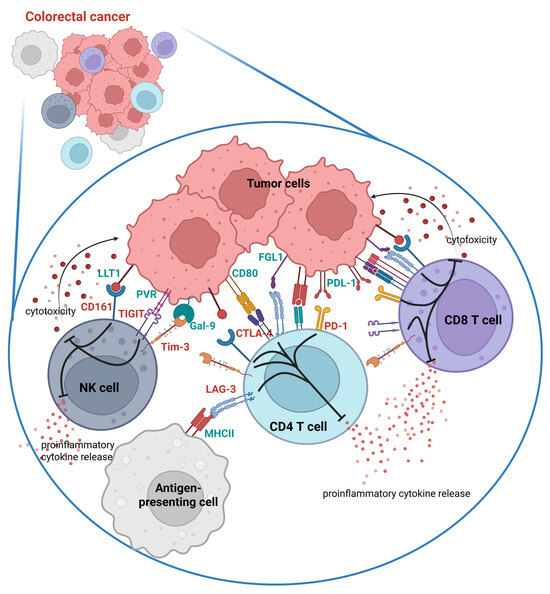
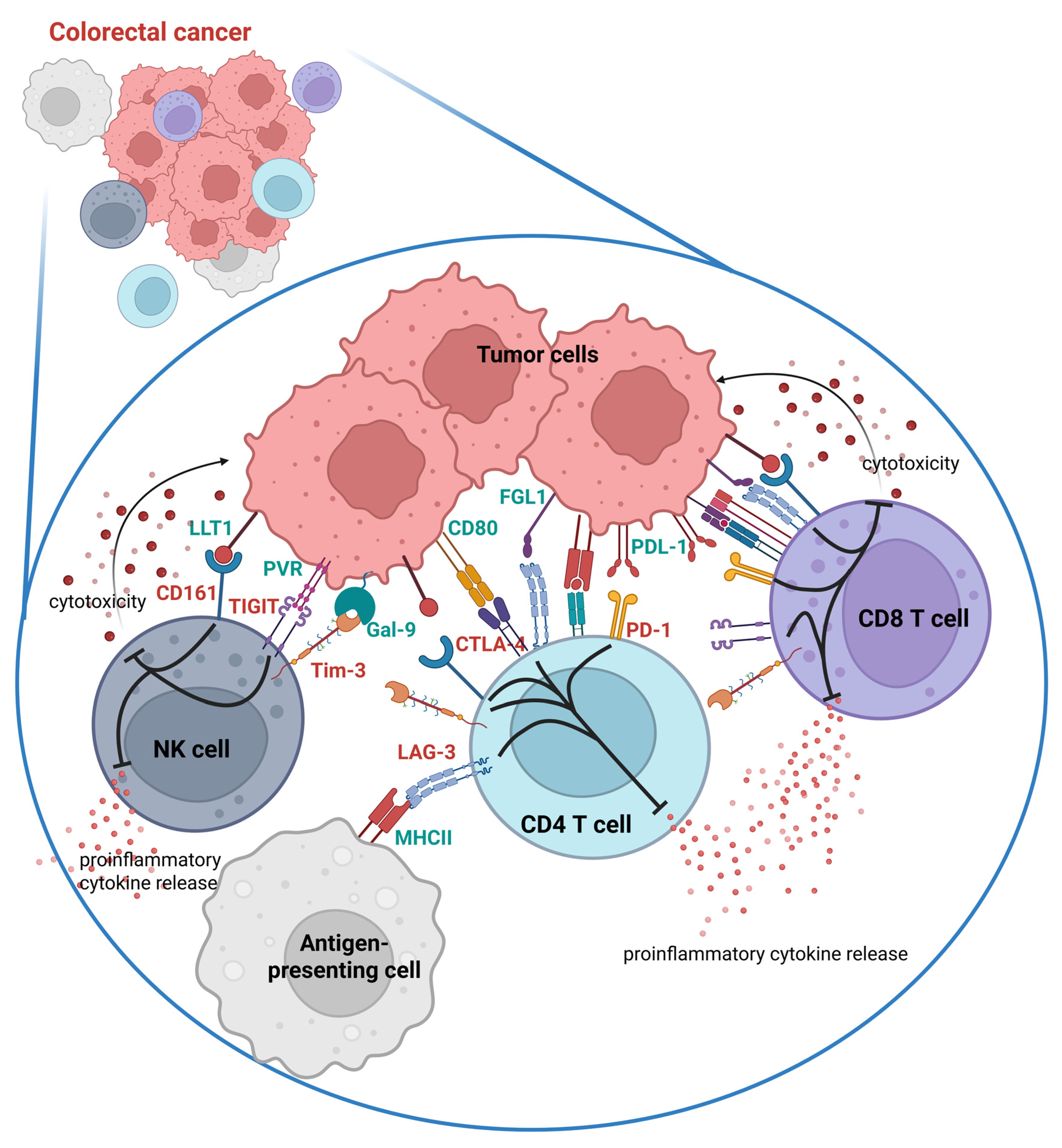
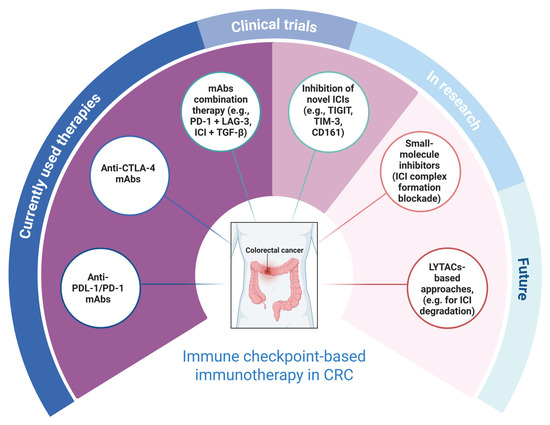
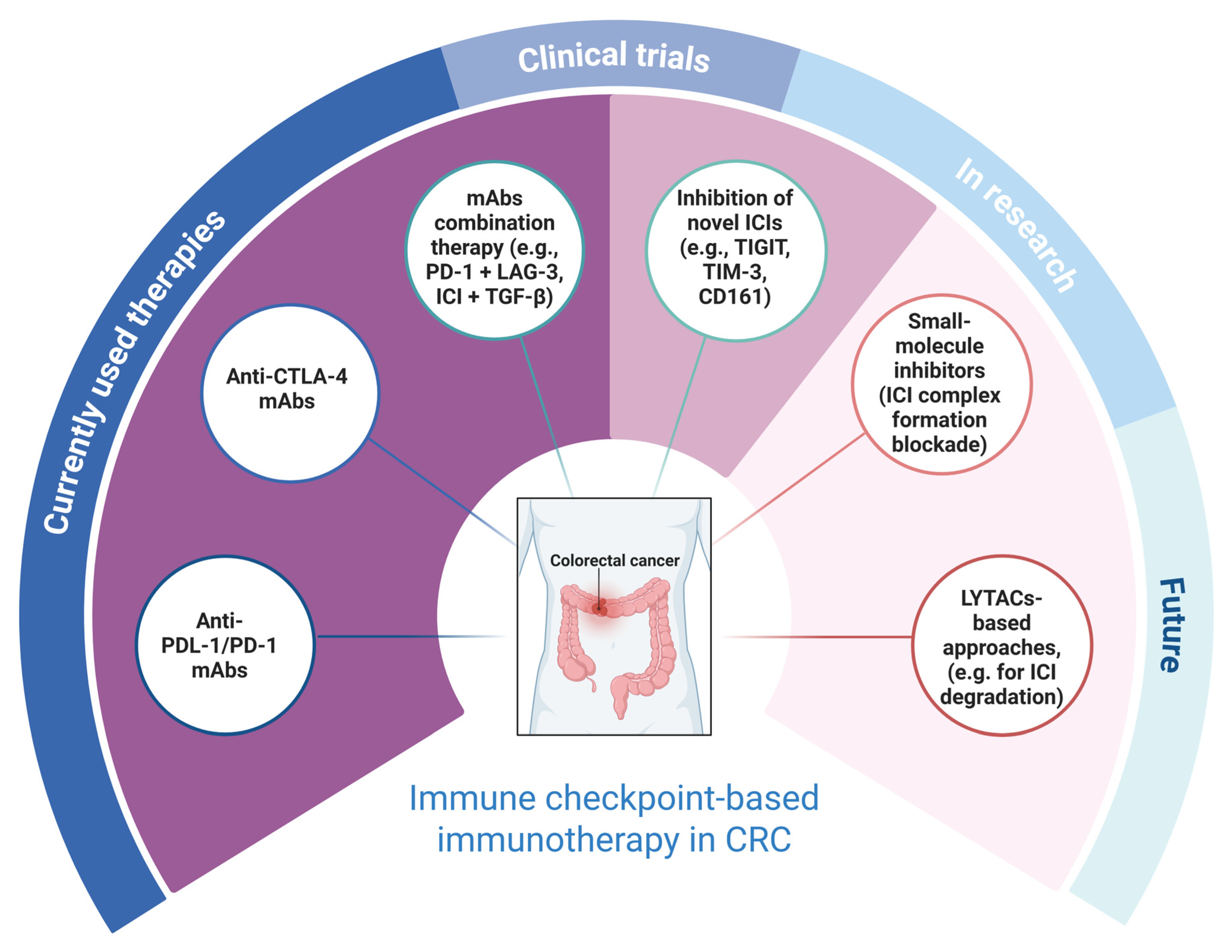

Disclaimer/Publisher’s Note: The statements, opinions and data contained in all publications are solely those of the individual author(s) and contributor(s) and not of MDPI and/or the editor(s). MDPI and/or the editor(s) disclaim responsibility for any injury to people or property resulting from any ideas, methods, instructions or products referred to in the content. |
© 2026 by the authors. Licensee MDPI, Basel, Switzerland. This article is an open access article distributed under the terms and conditions of the Creative Commons Attribution (CC BY) license.